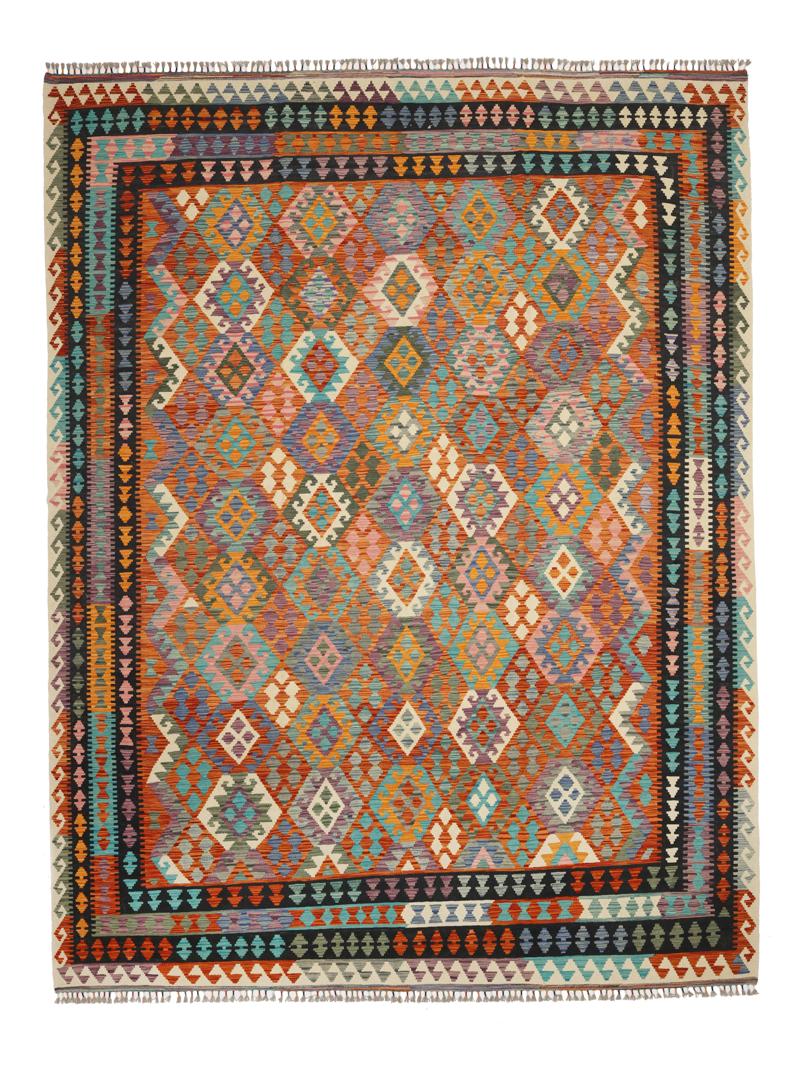
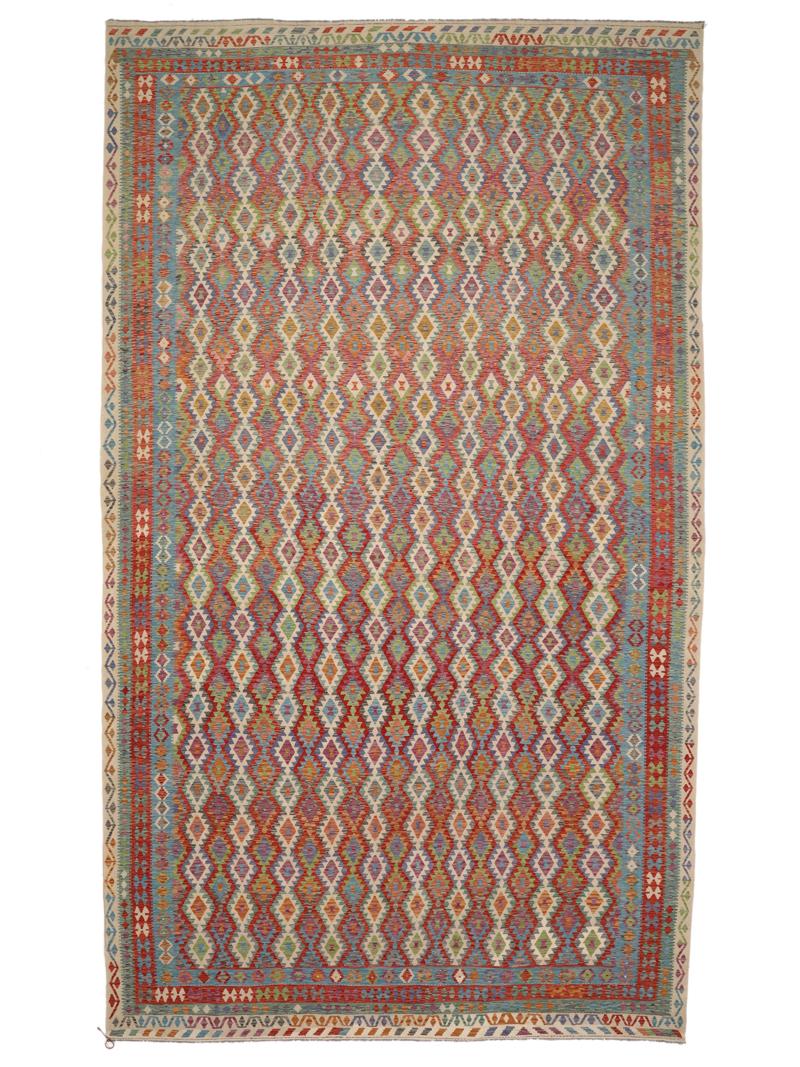
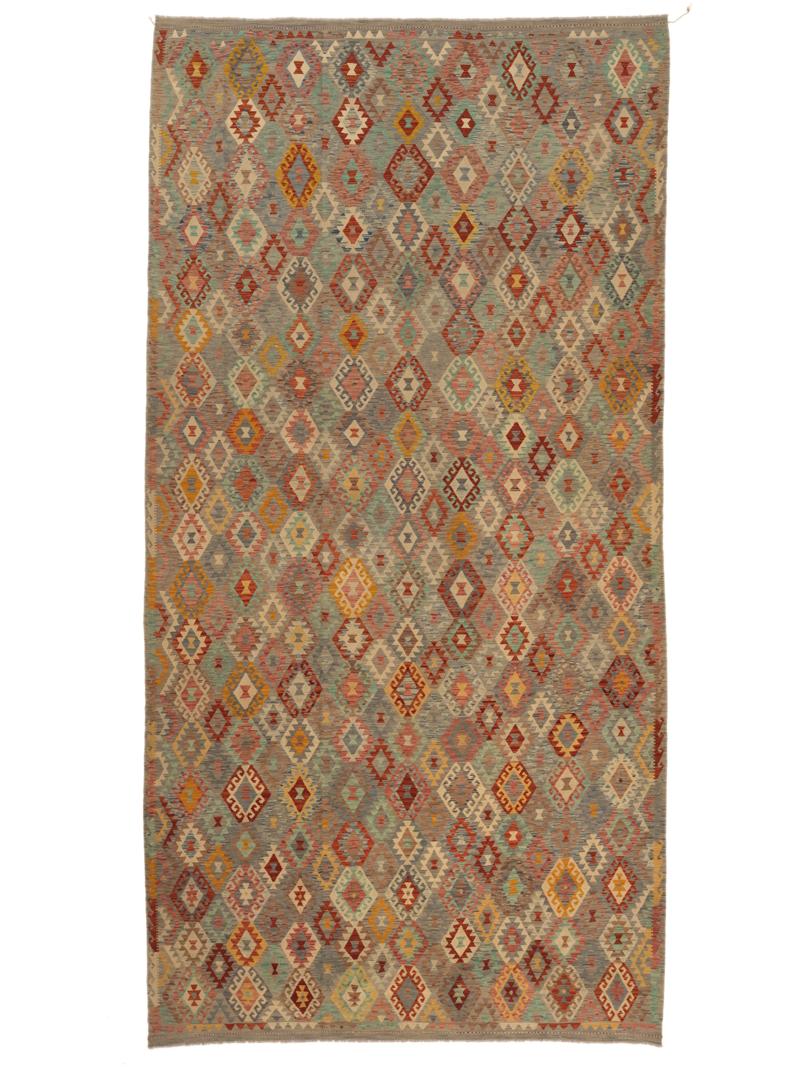
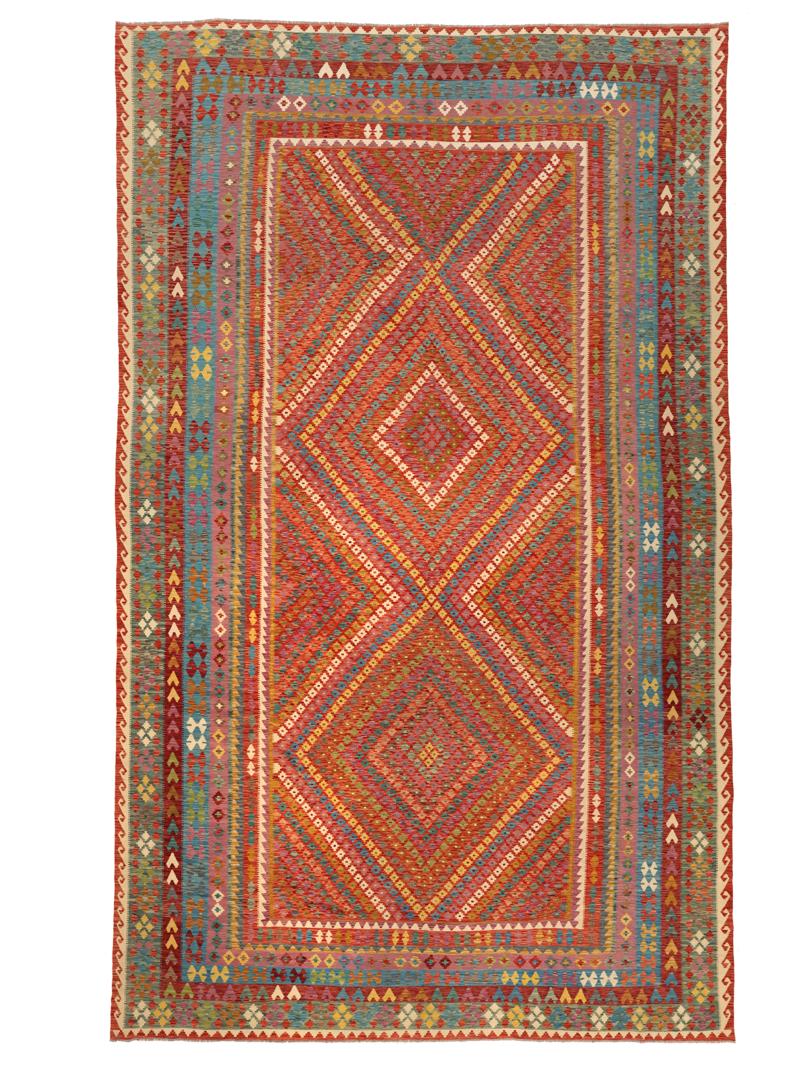
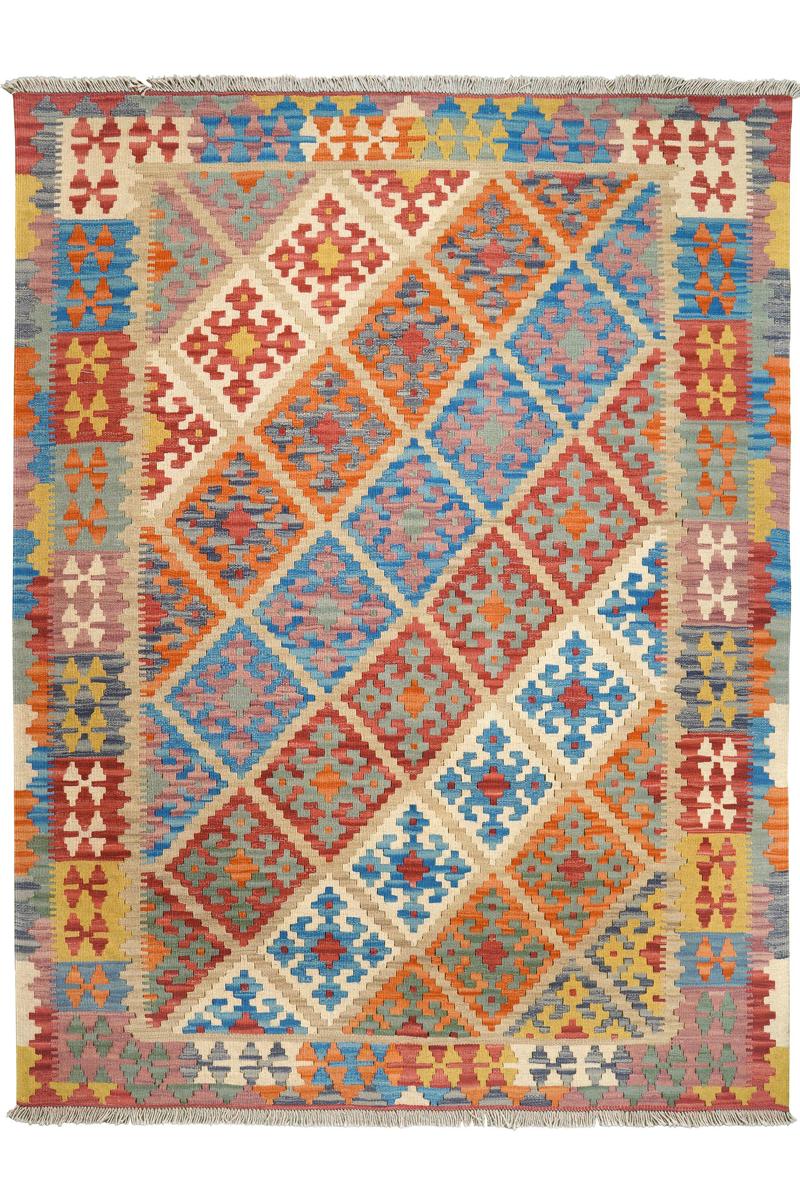
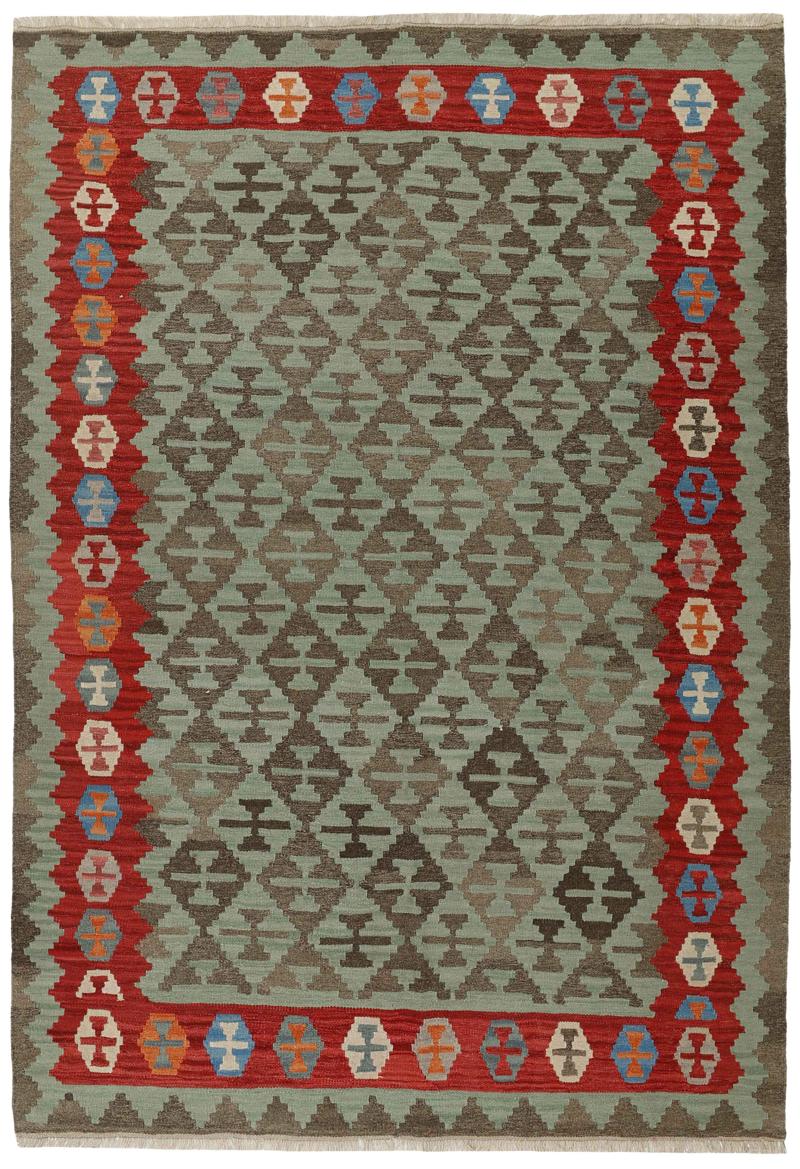
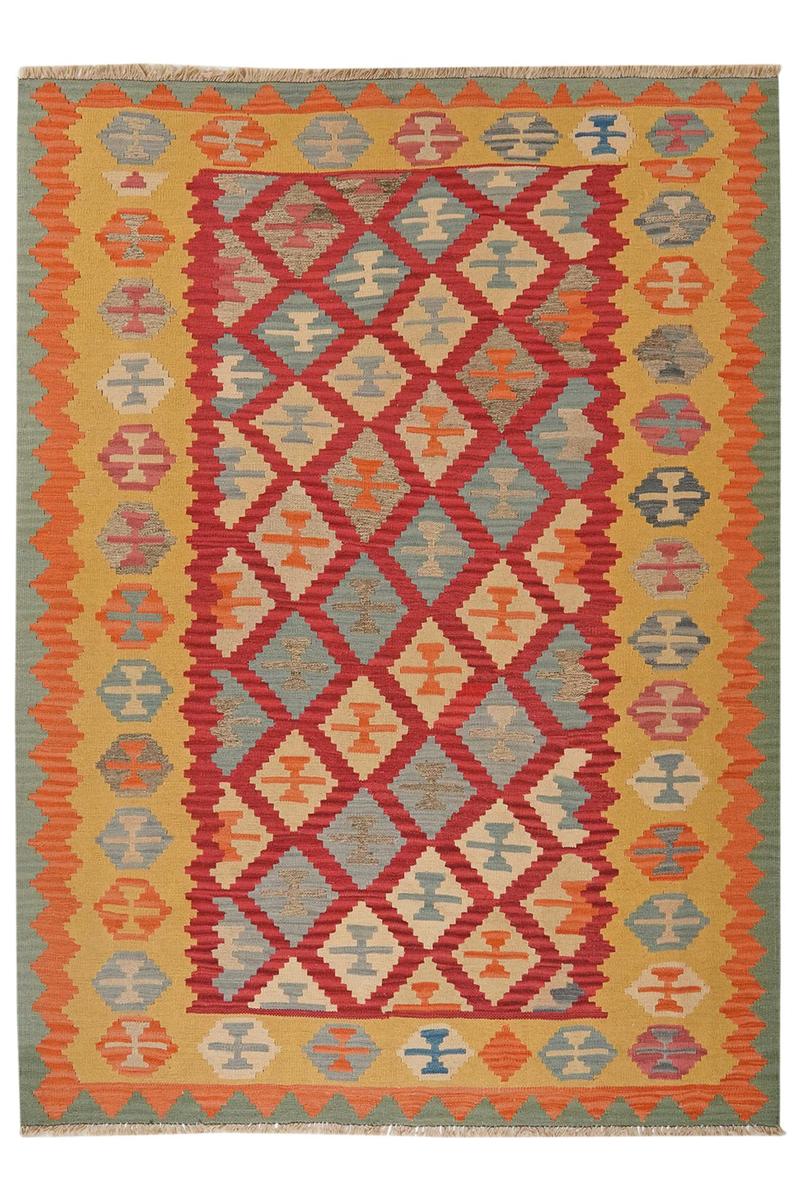
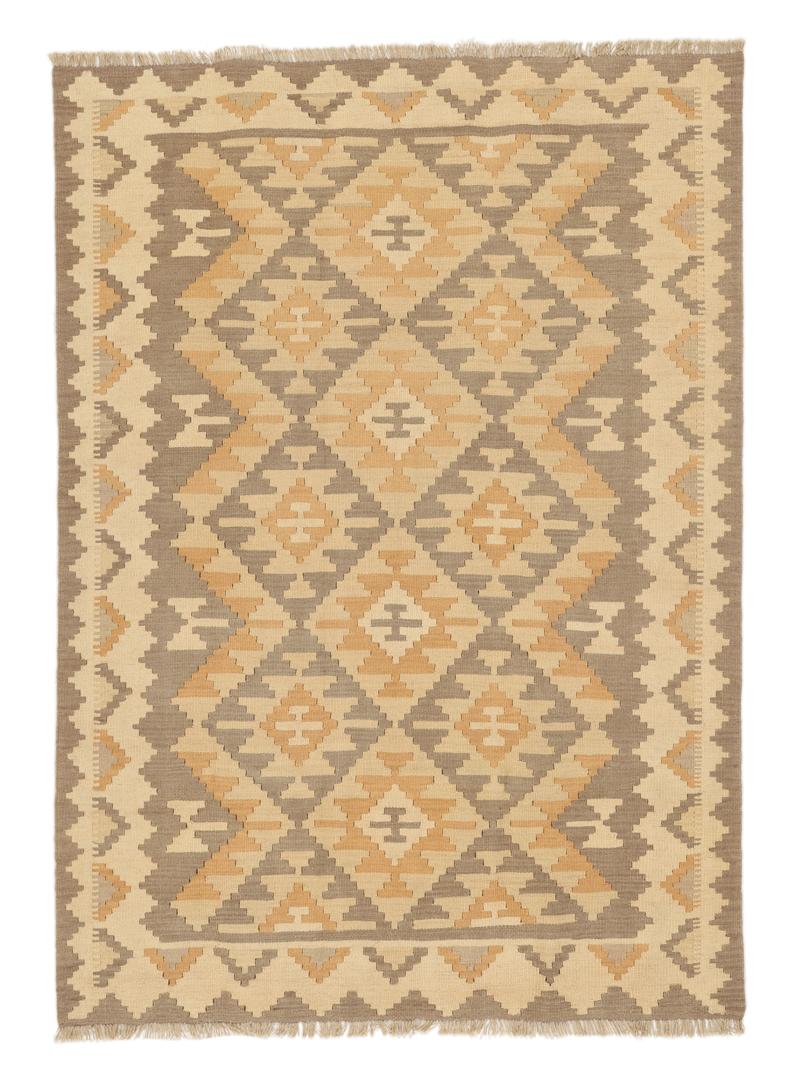
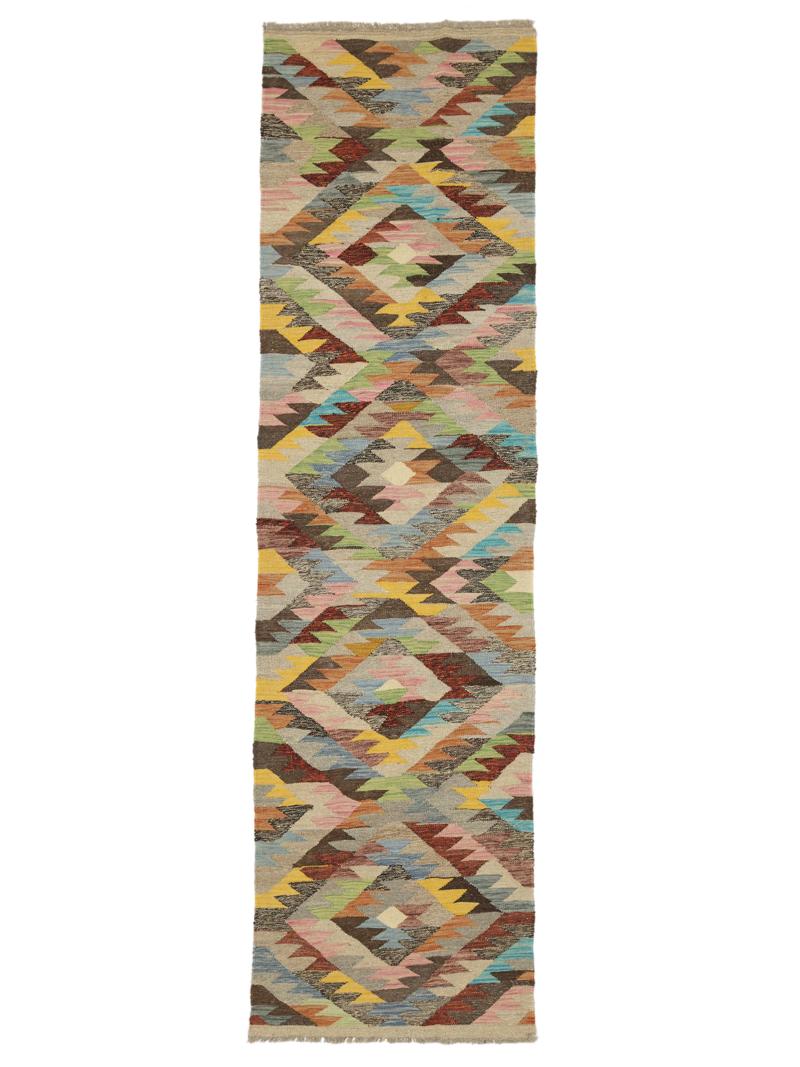
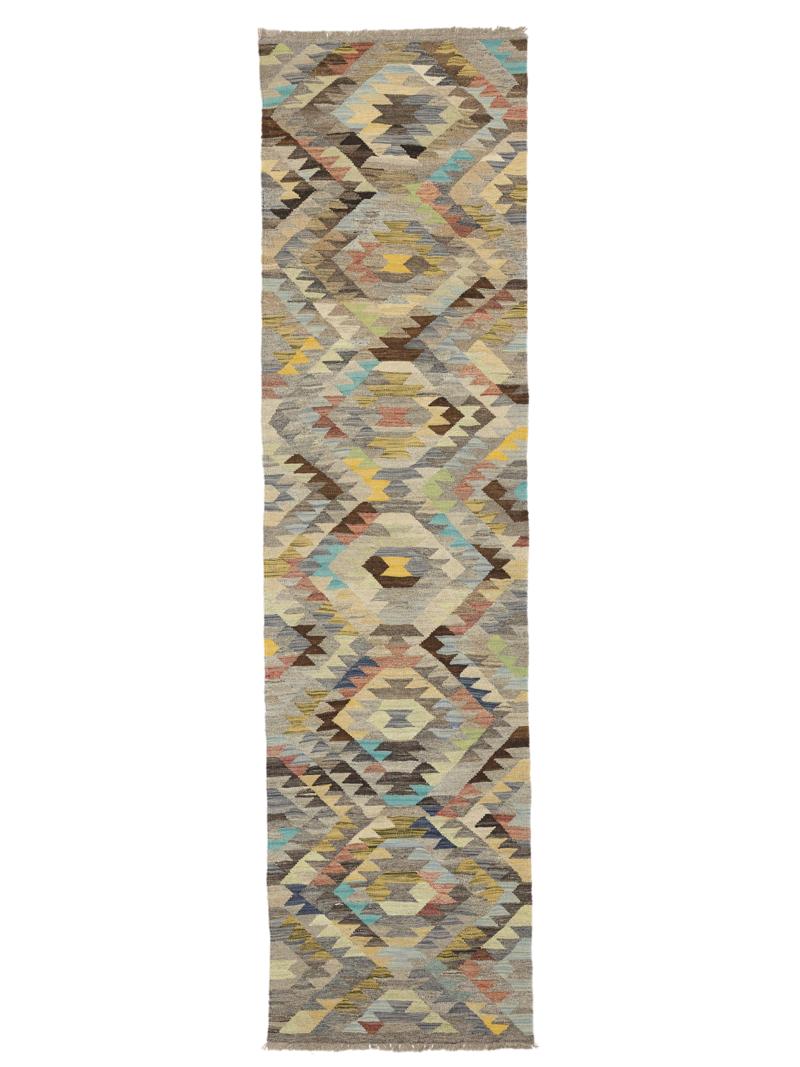
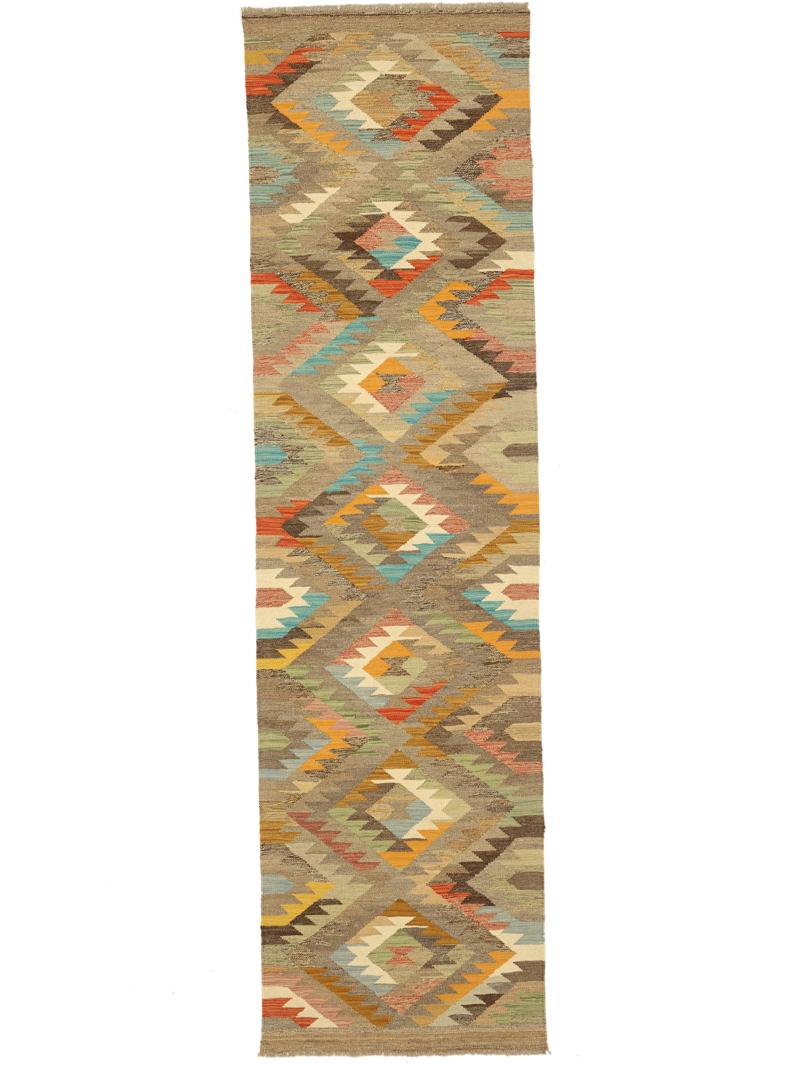
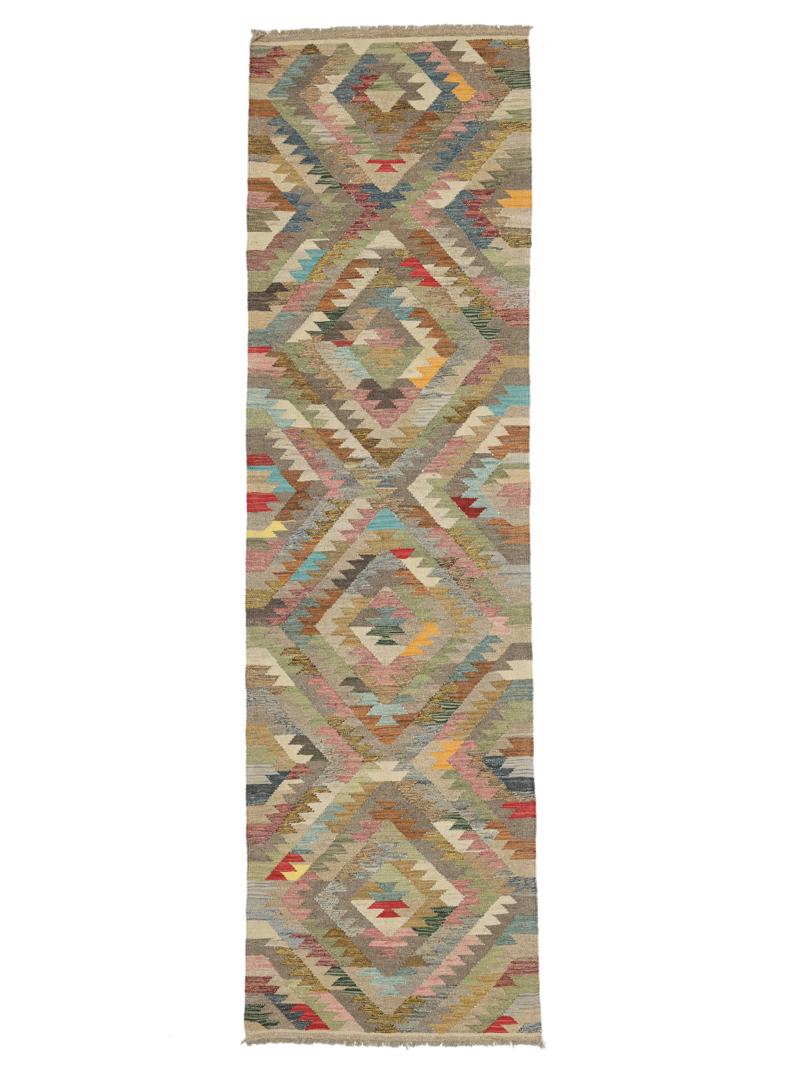
What does Kilim mean?
The word “Kilim” comes from the Turkish word kılım, meaning a flat-woven textile.
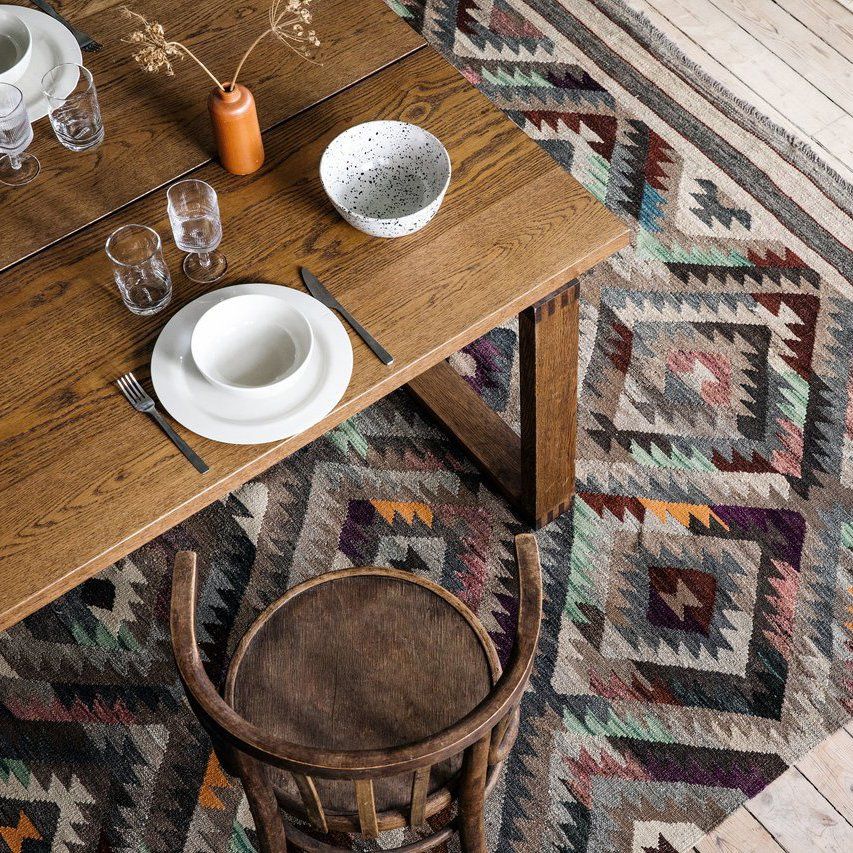
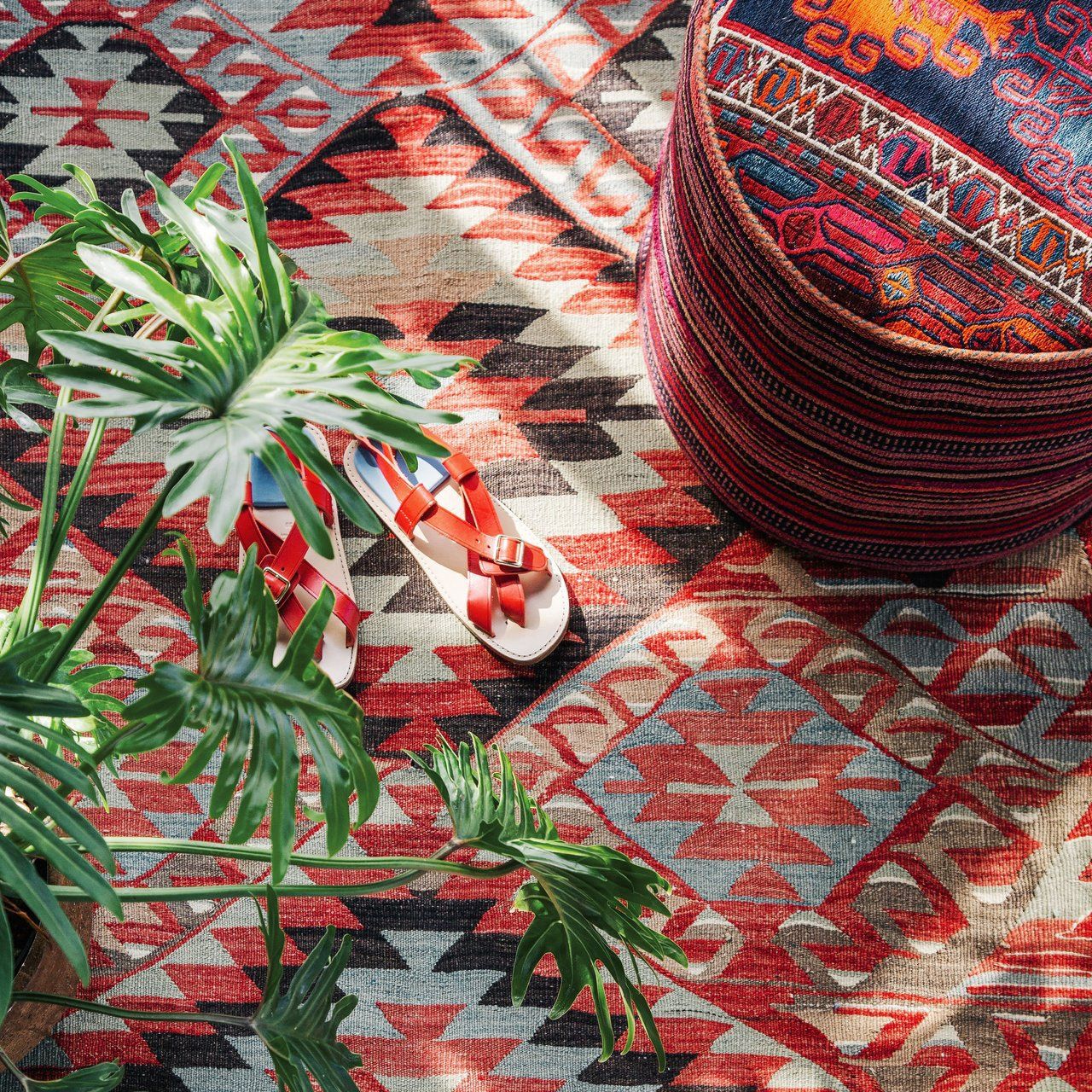
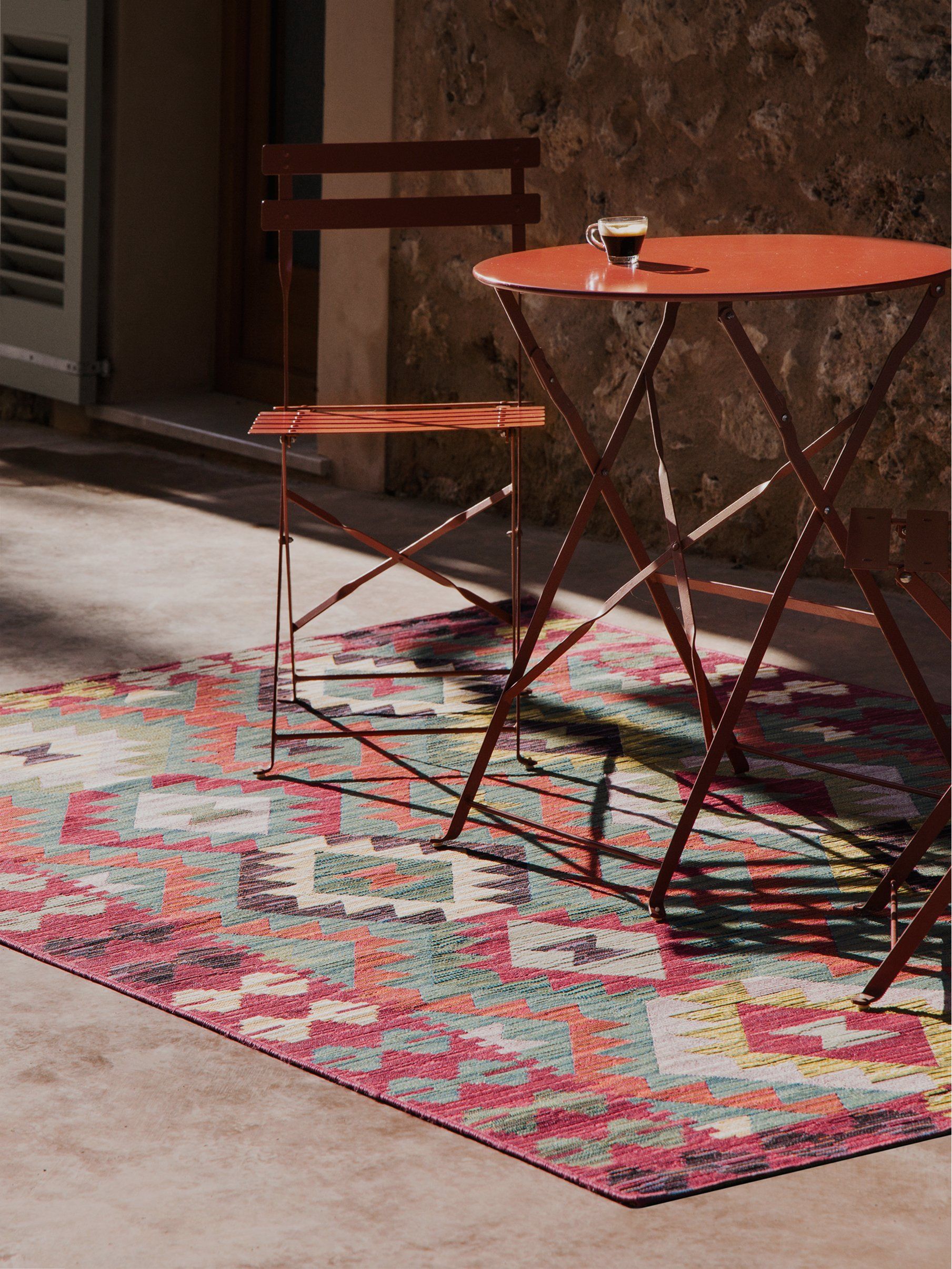
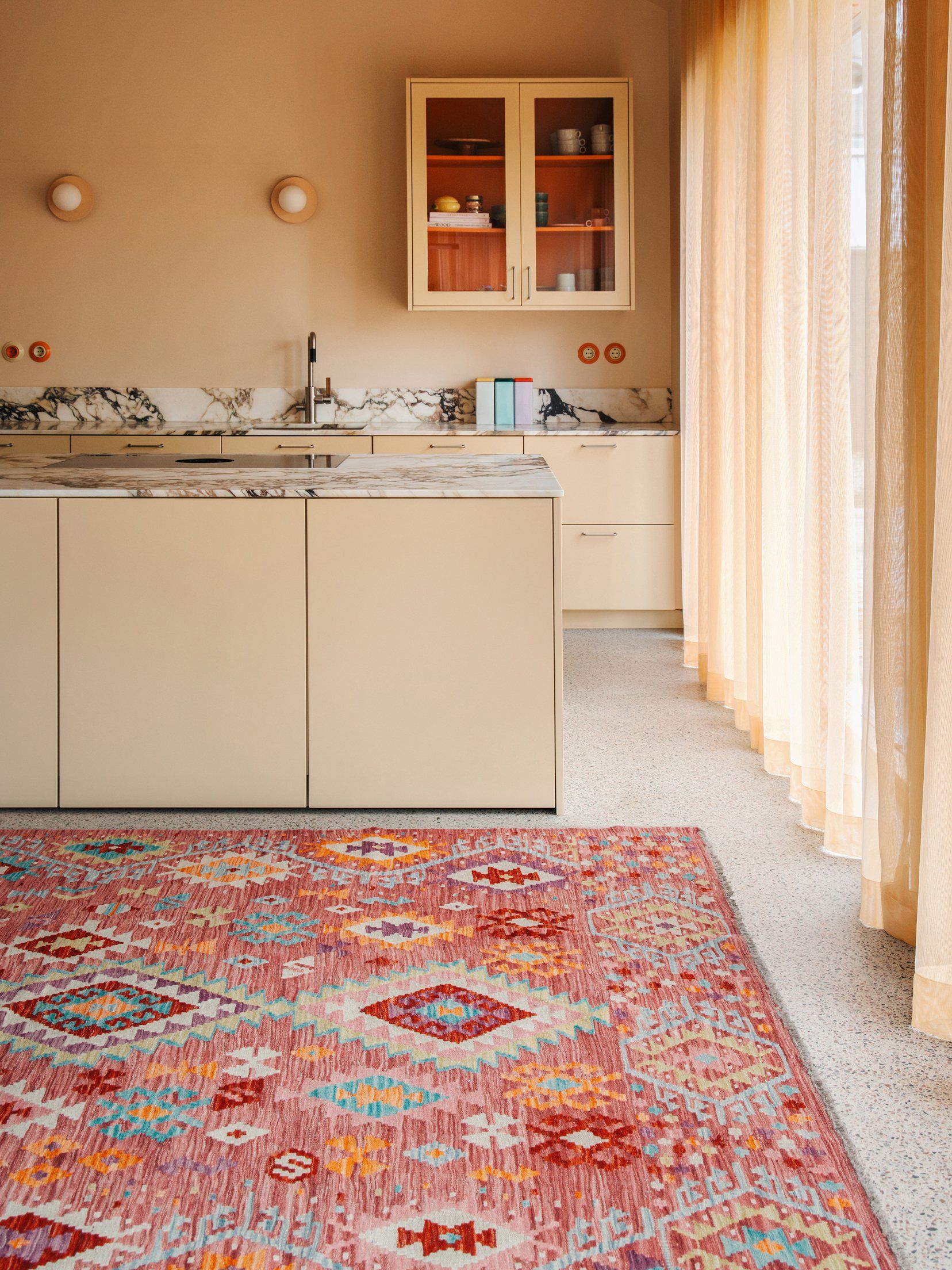
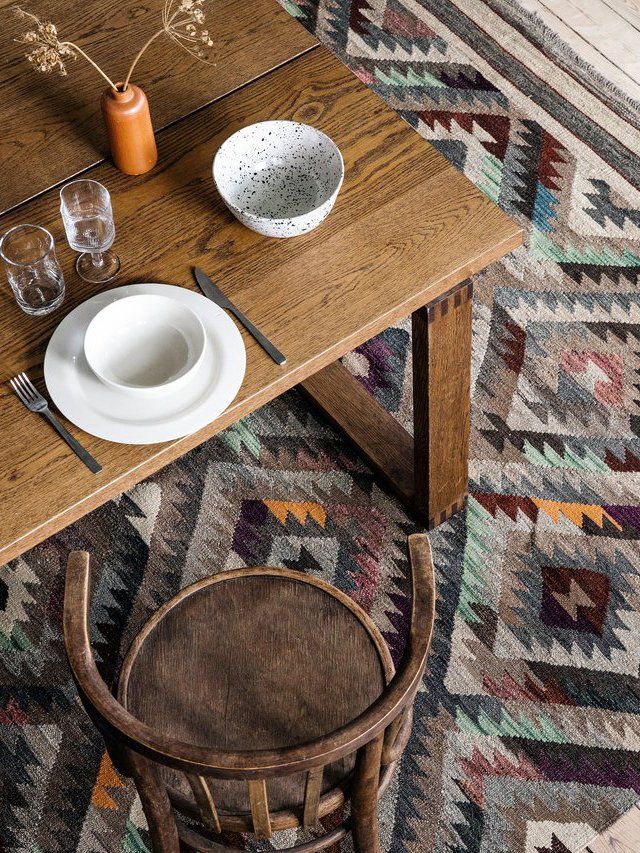
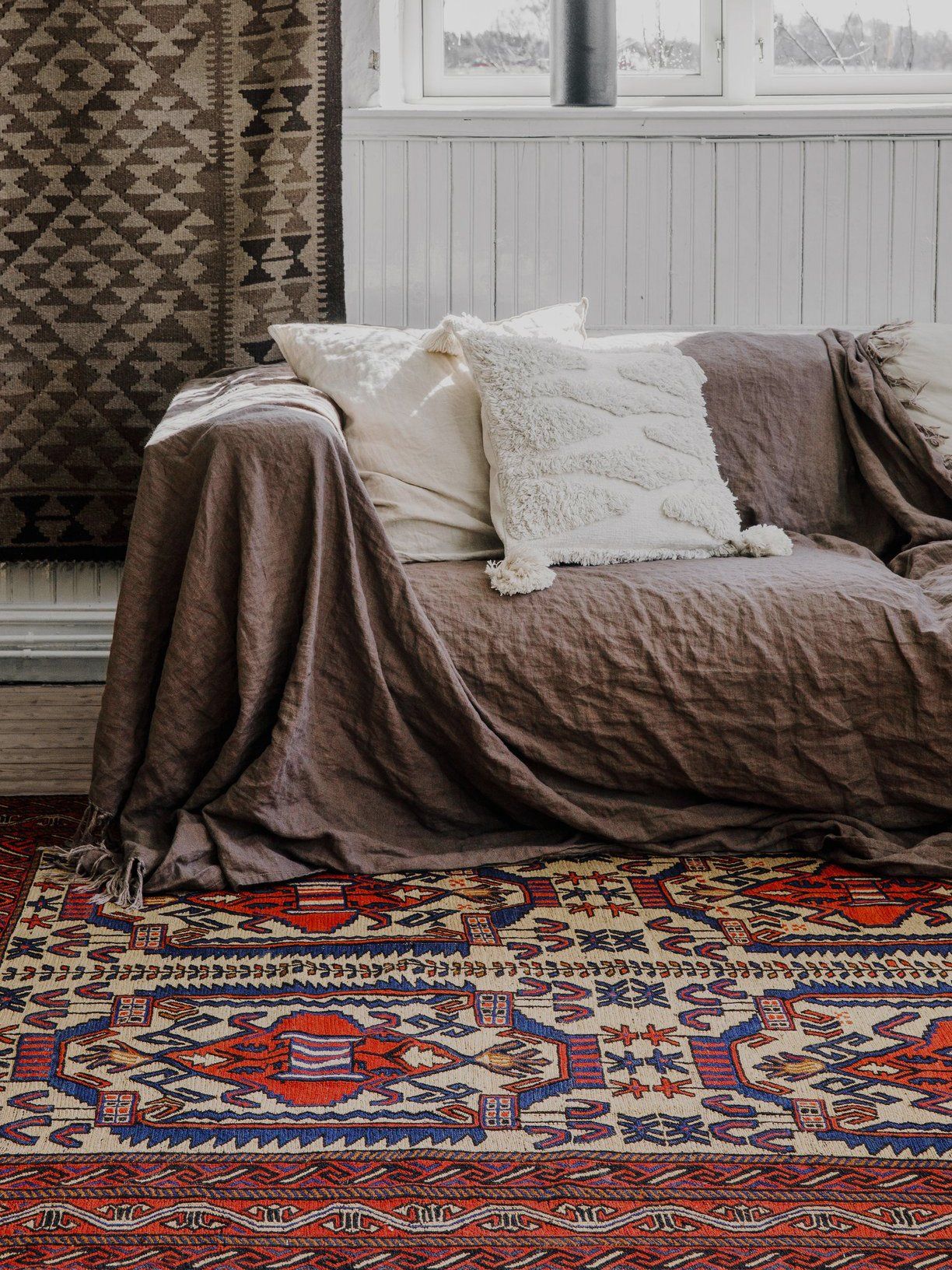
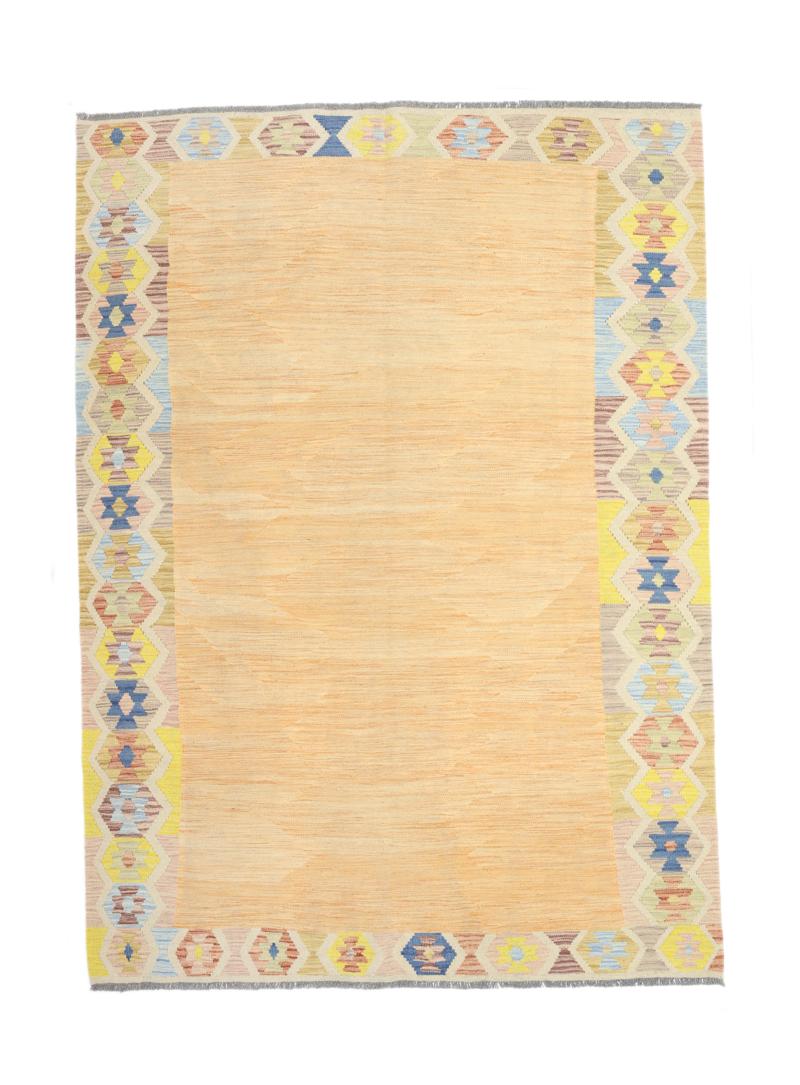
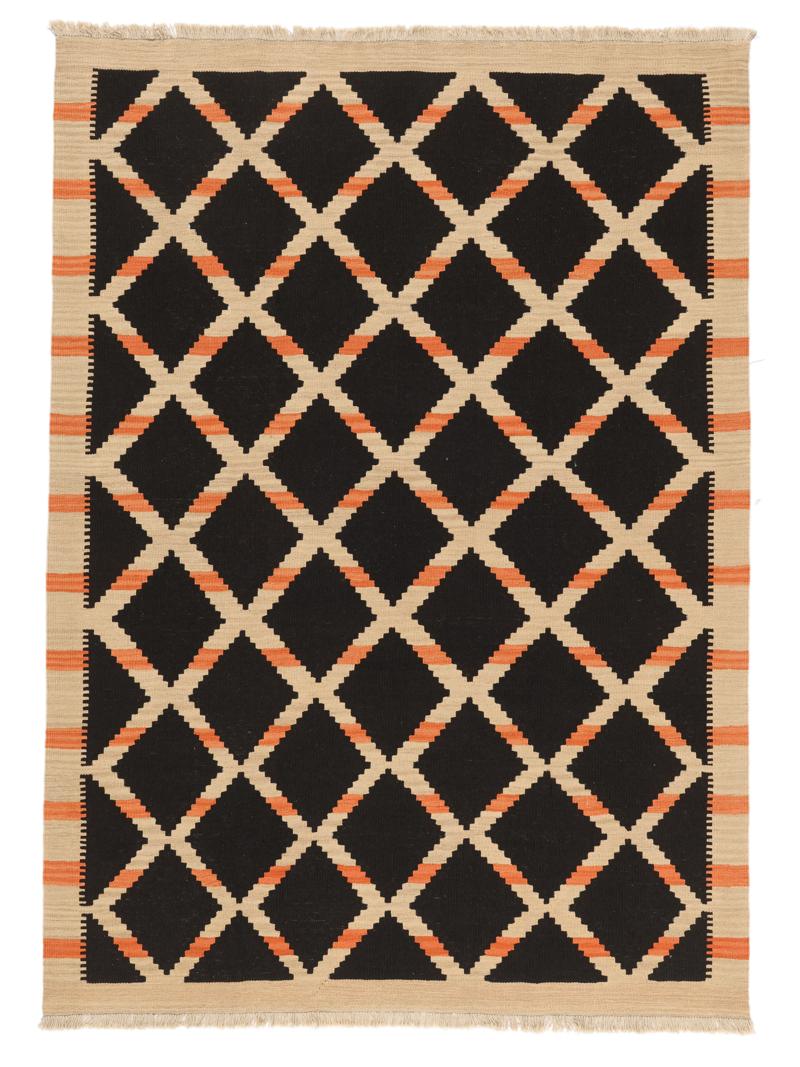
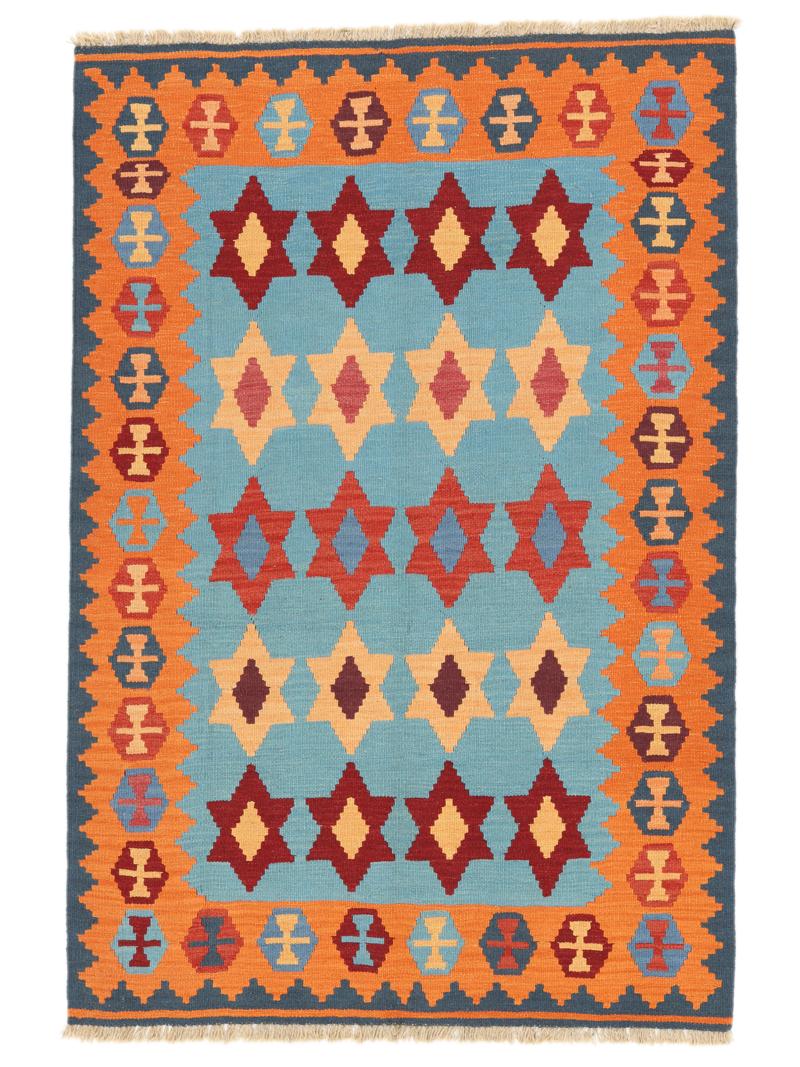
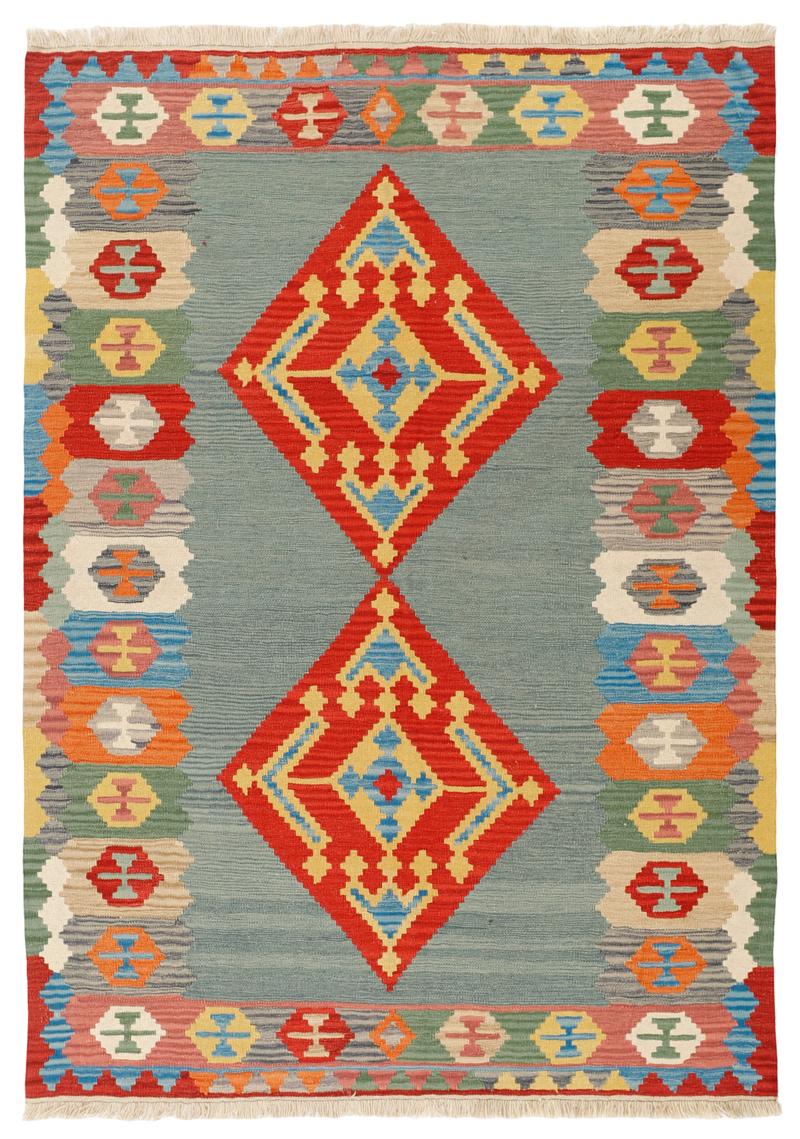
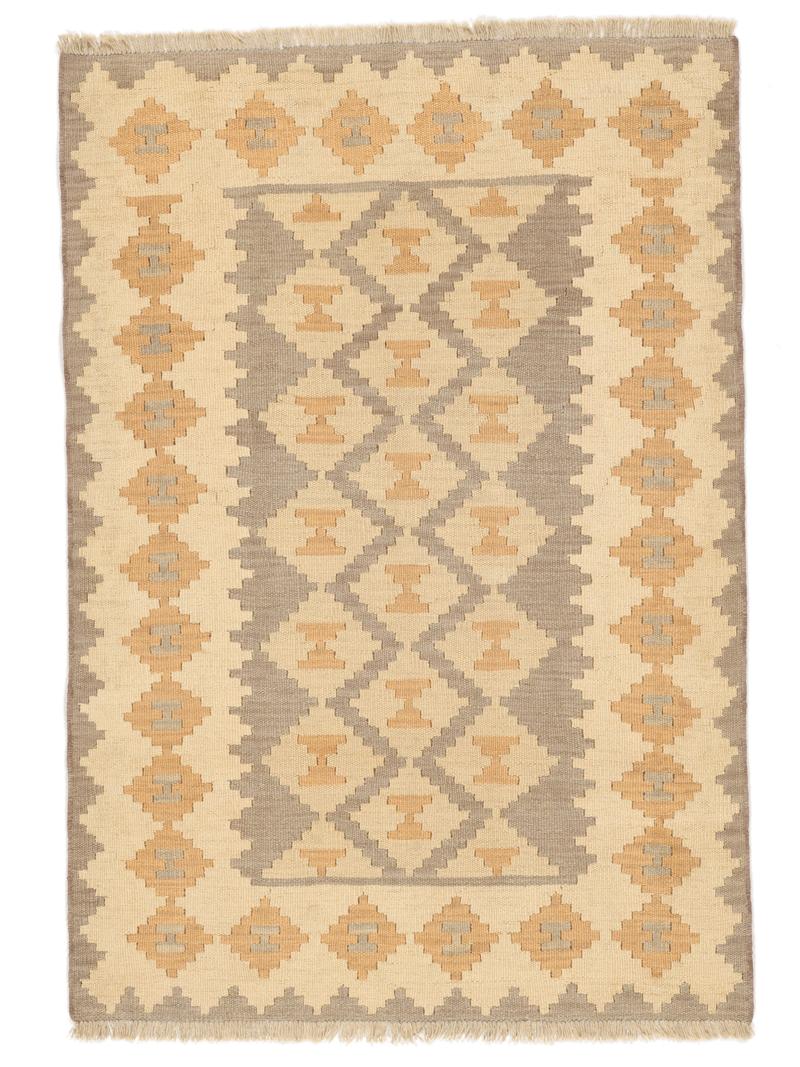
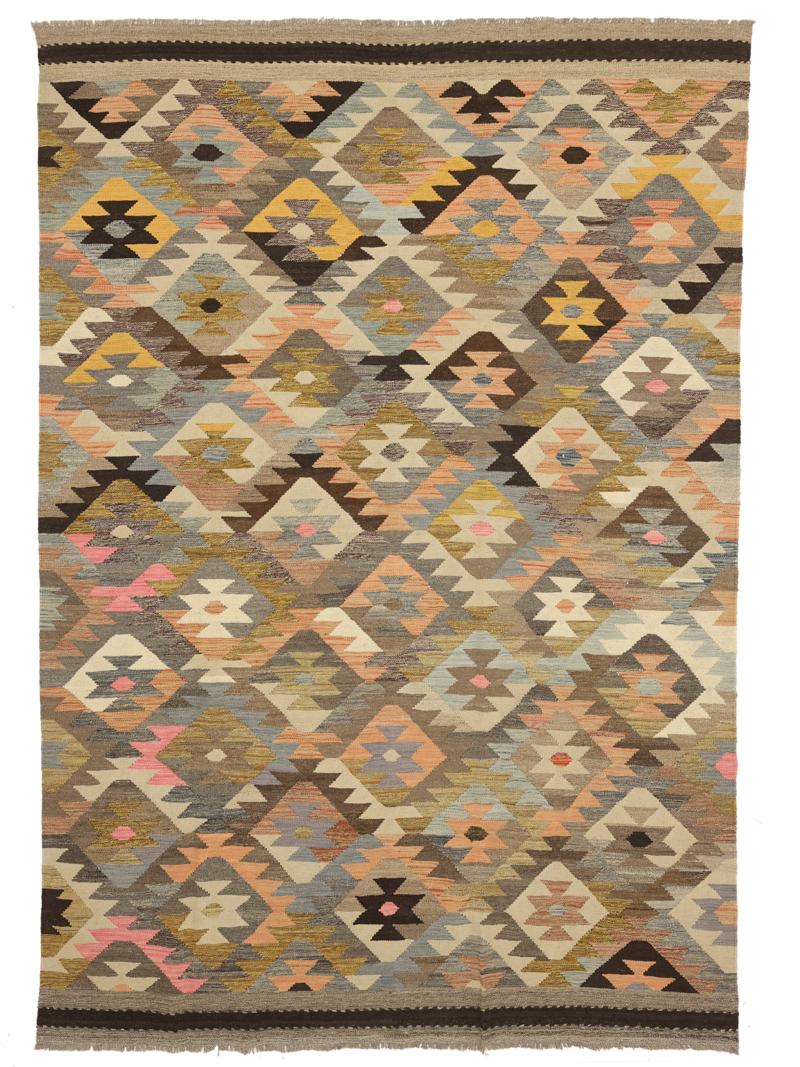
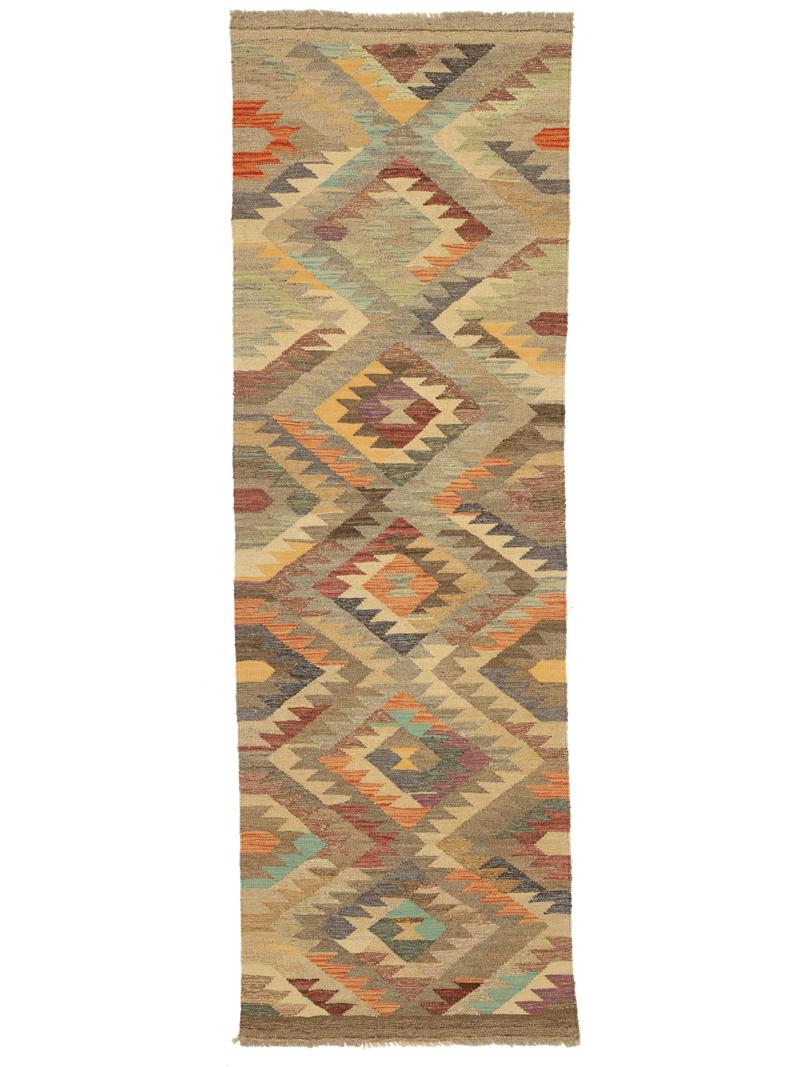
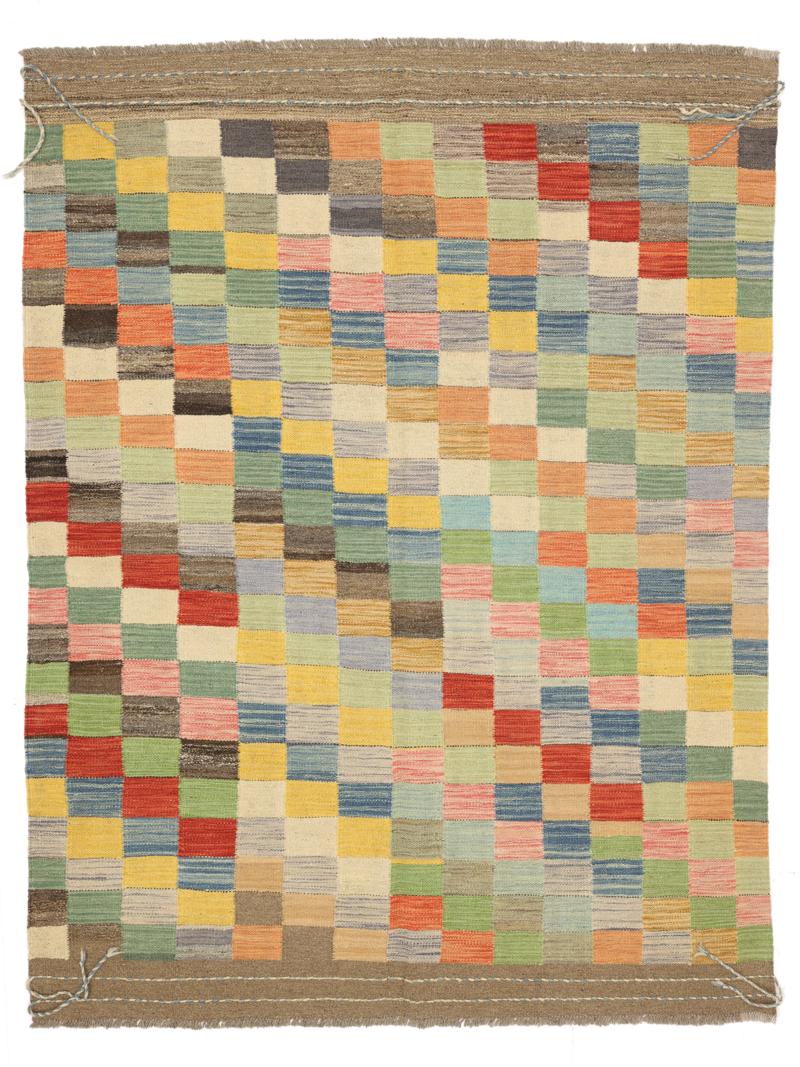
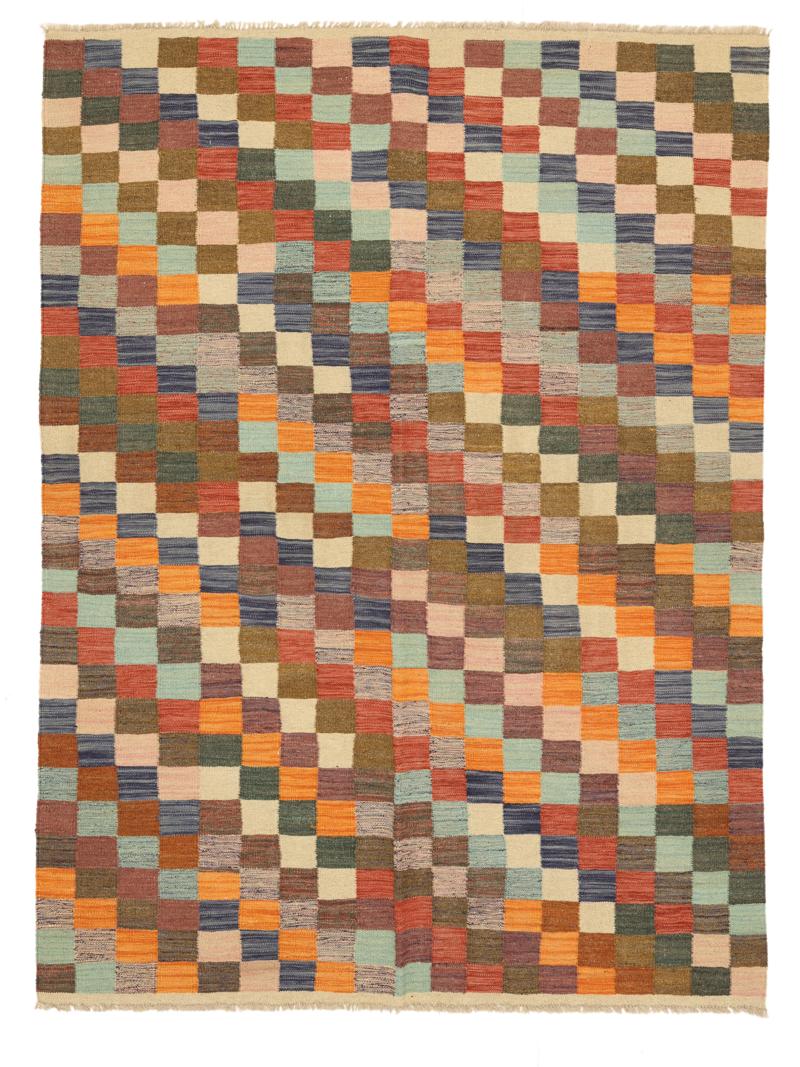
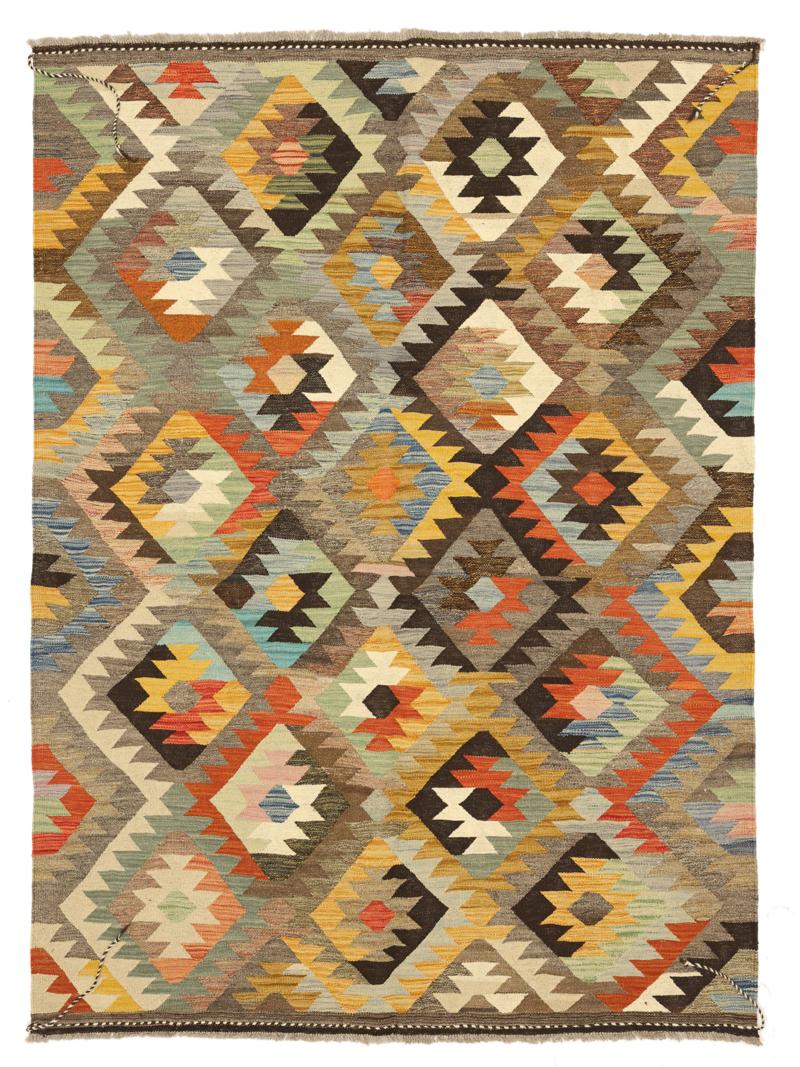
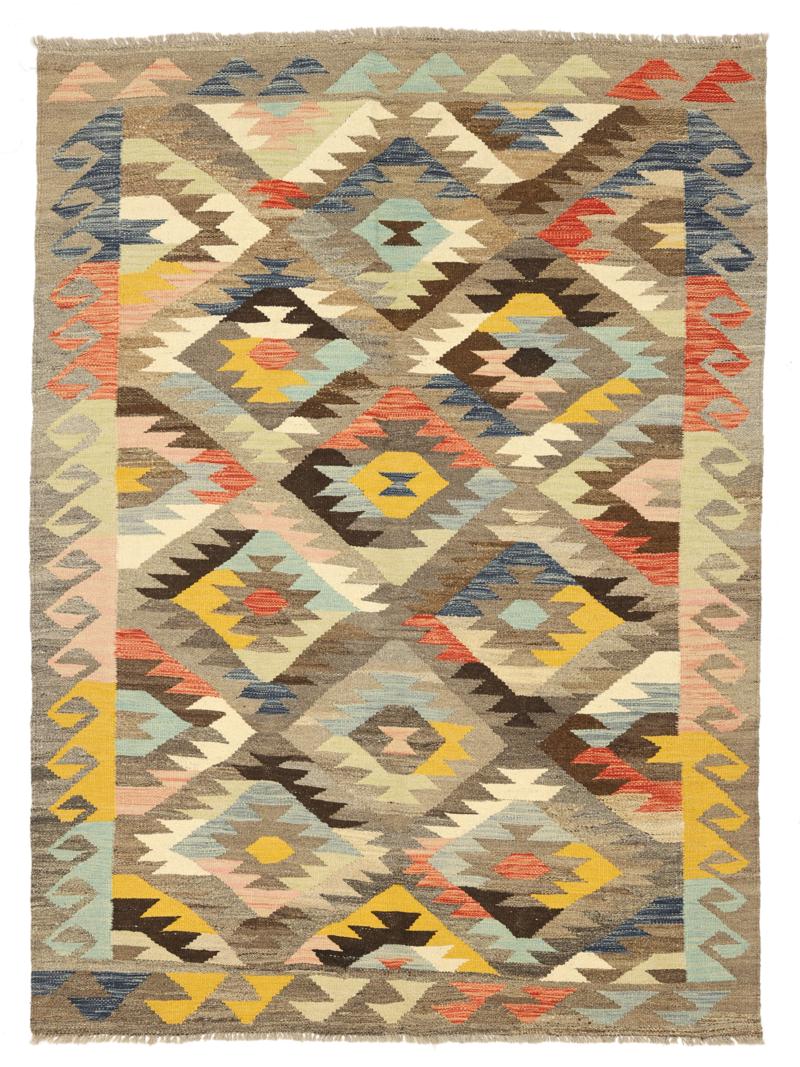
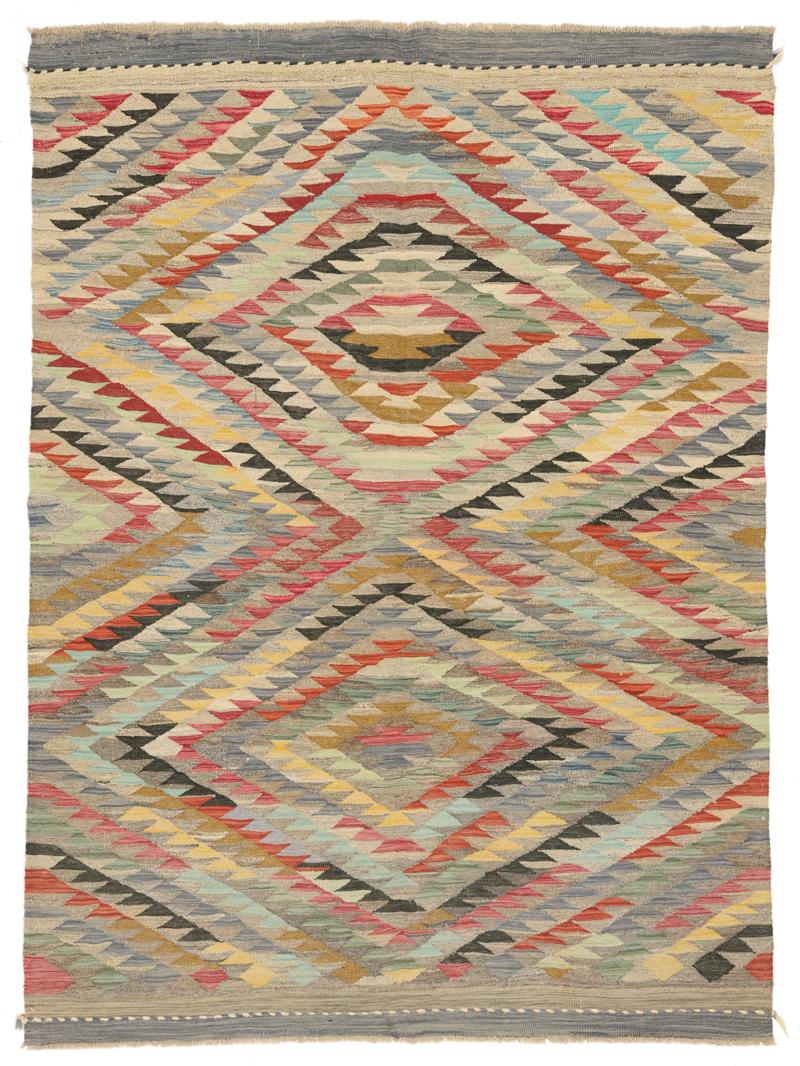
Today, the term “Kilim” is widely used to describe these traditional rugs, especially those crafted in the Middle East, Central Asia, and North Africa. Known for their distinctive flat weave and cultural heritage, Kilims are celebrated around the world for both their function and artistry.
What are Kilim rugs made of?
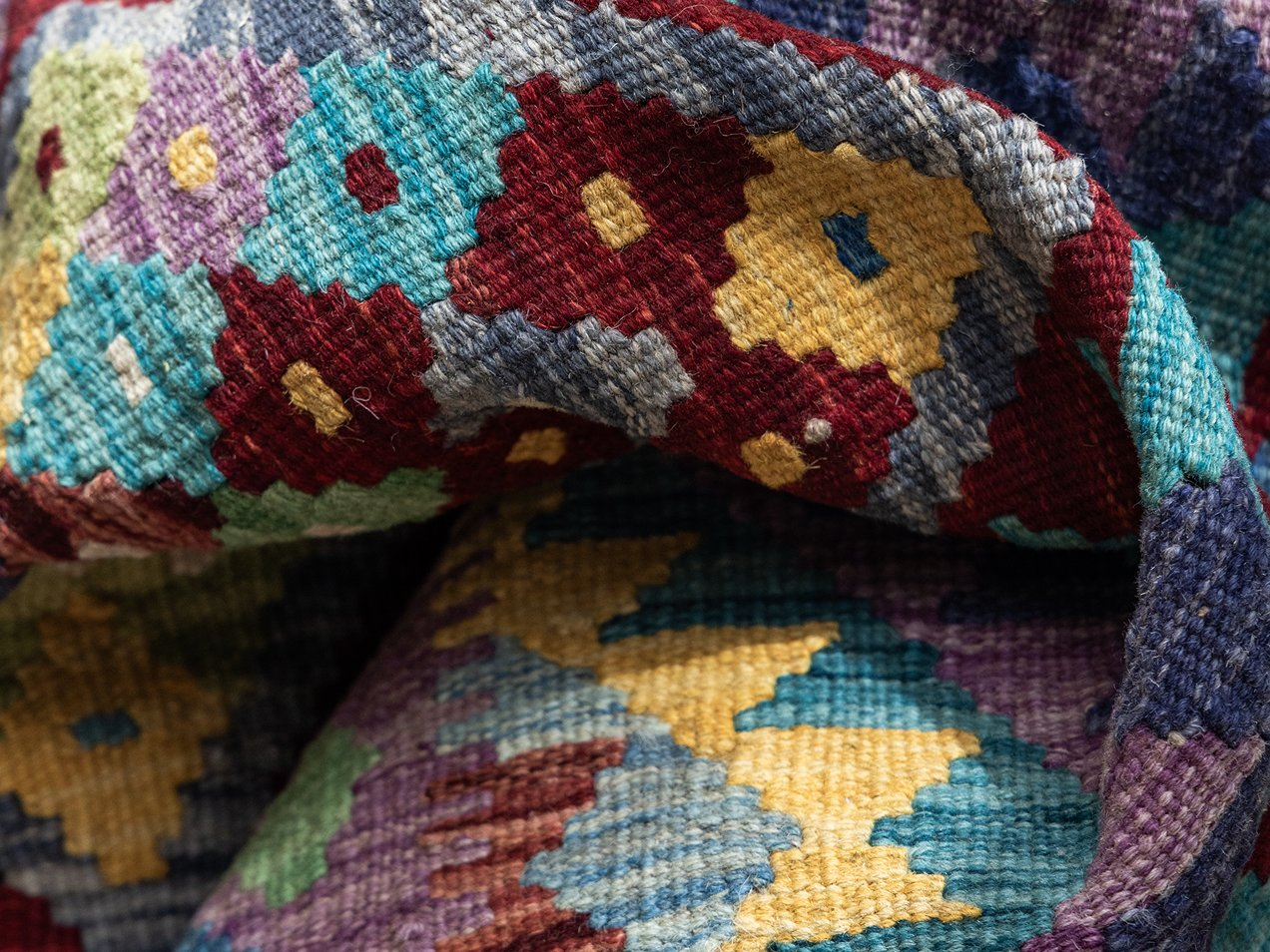
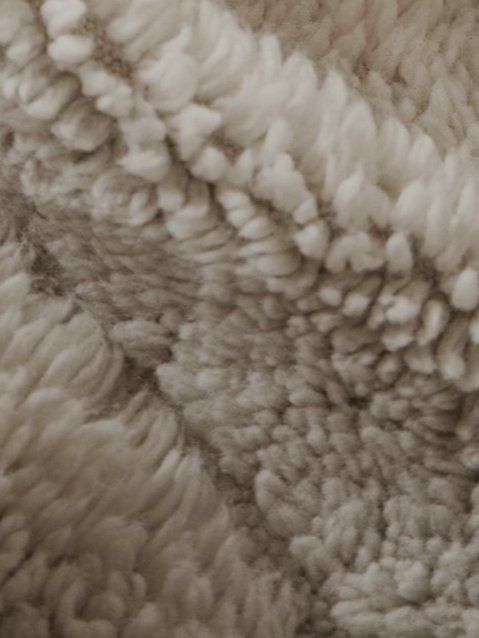
Kilim rugs are traditionally made from natural fibres like wool and cotton. Wool is most commonly used for its strength, softness, and warmth, while cotton adds a lighter, more flexible feel to the weave.
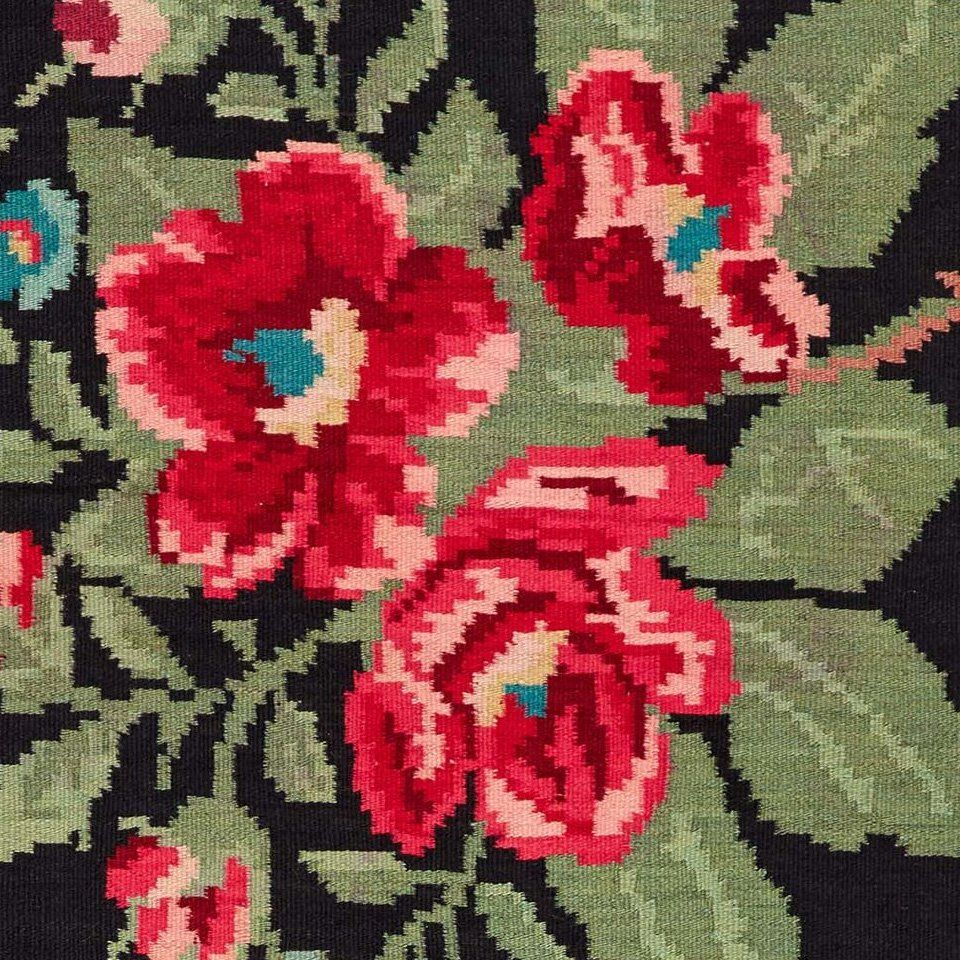
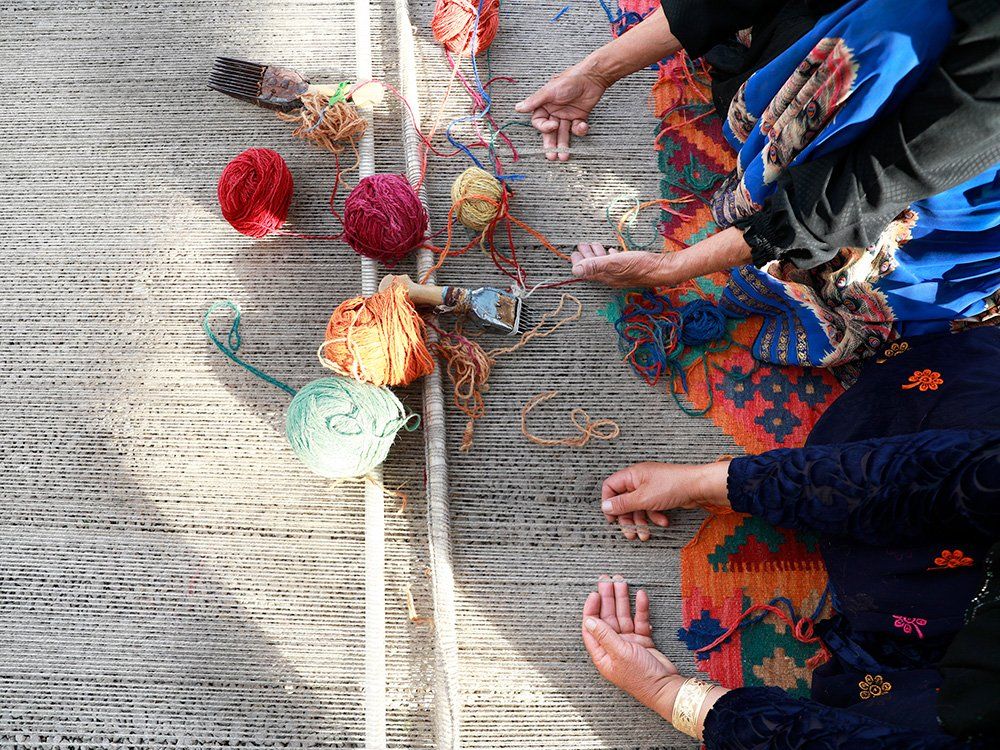
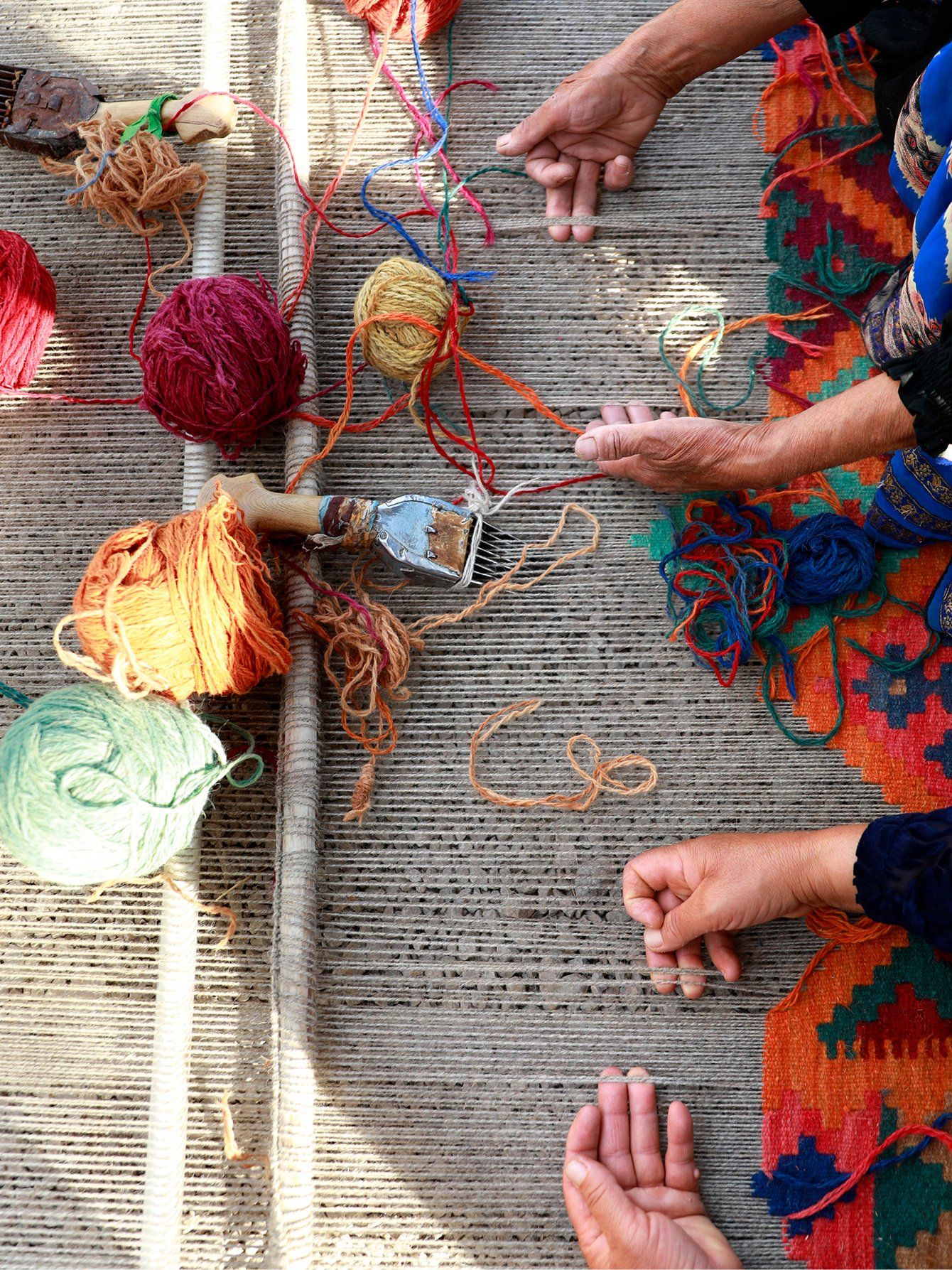
The weaving process is entirely manual—often done in small communities where women gather in the evenings to spin, carve, and talk. This social ritual brings life to the rugs, with patterns inspired by nature, everyday life, and cultural heritage. Each Kilim is more than a rug; it’s a piece of living art, crafted with care, creativity, and deep-rooted knowledge.
Many Kilims are coloured using natural dyes, resulting in vivid tones and rich patterns that stand the test of time. In some regions, artisans also incorporate materials like leather or silk to add luxurious texture and distinctive character. Each rug reflects the materials and traditions of its origin, making every Kilim a truly unique piece.
What are the different types of Kilim rugs?
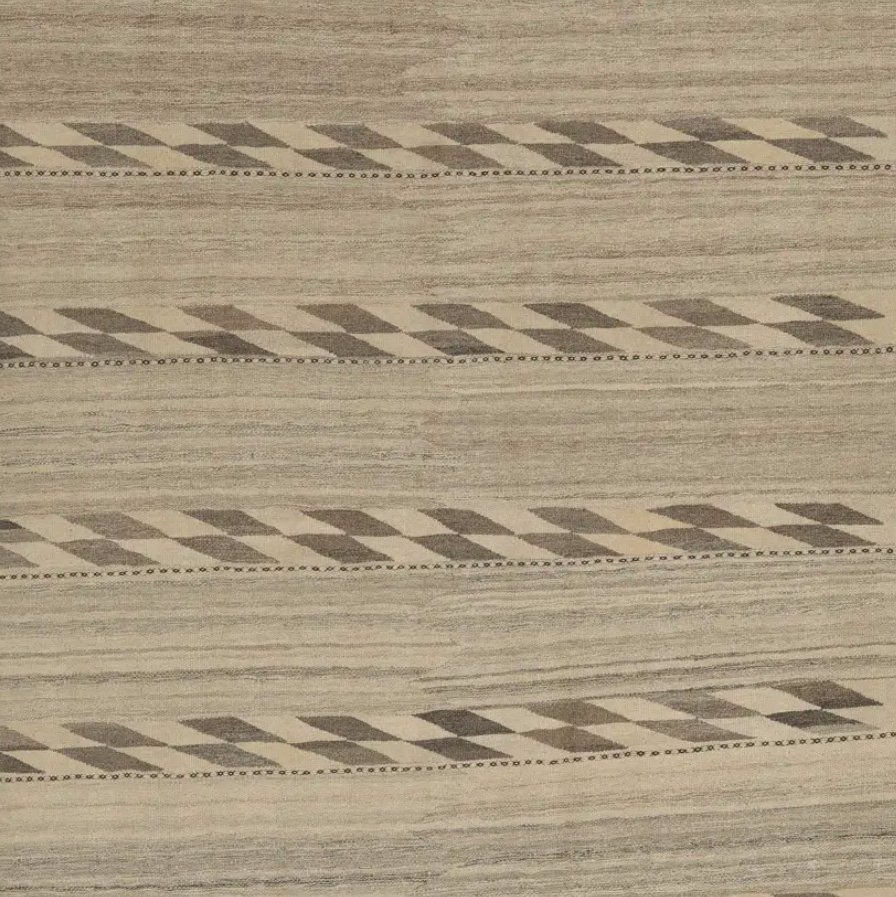
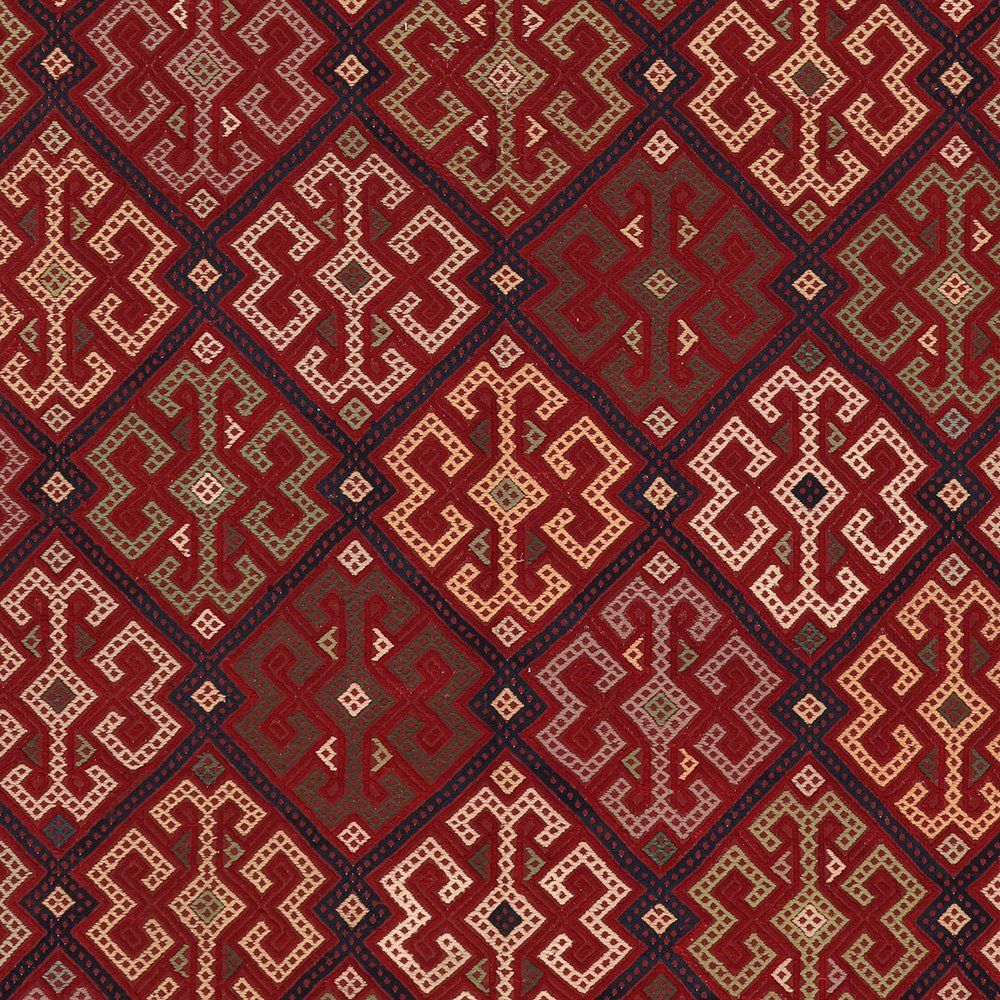
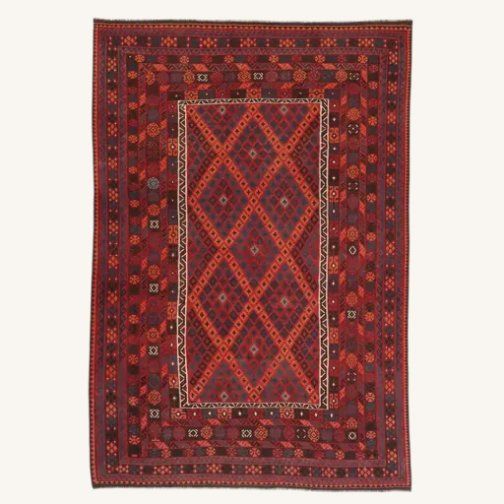
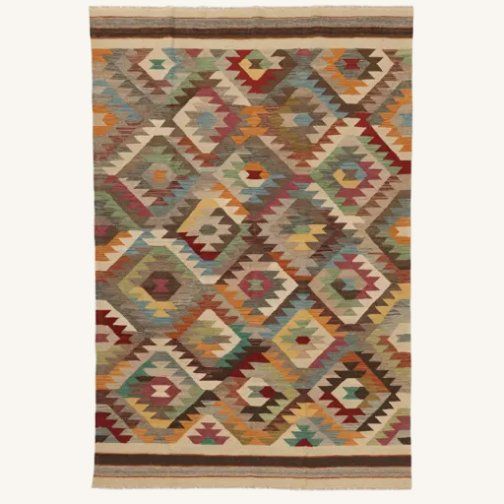
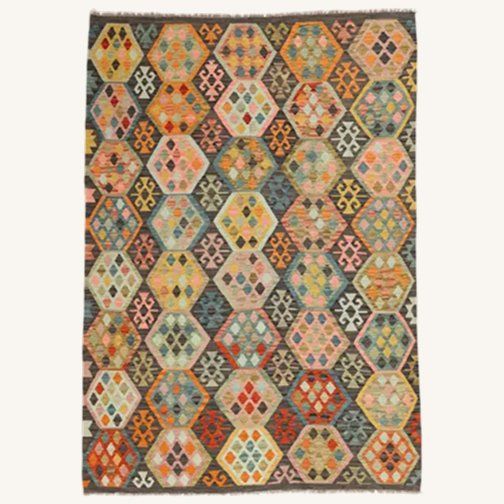
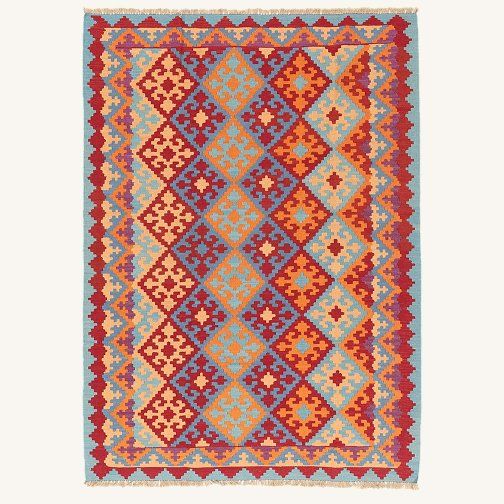
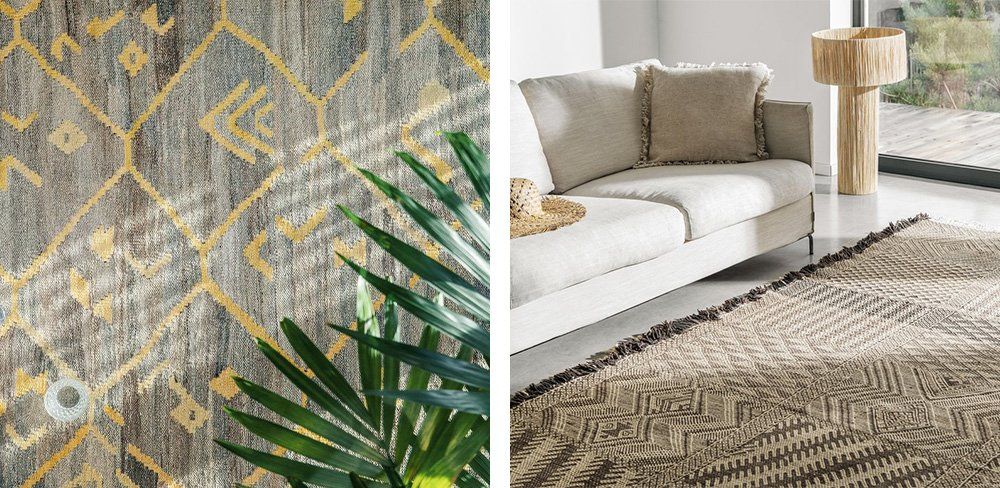
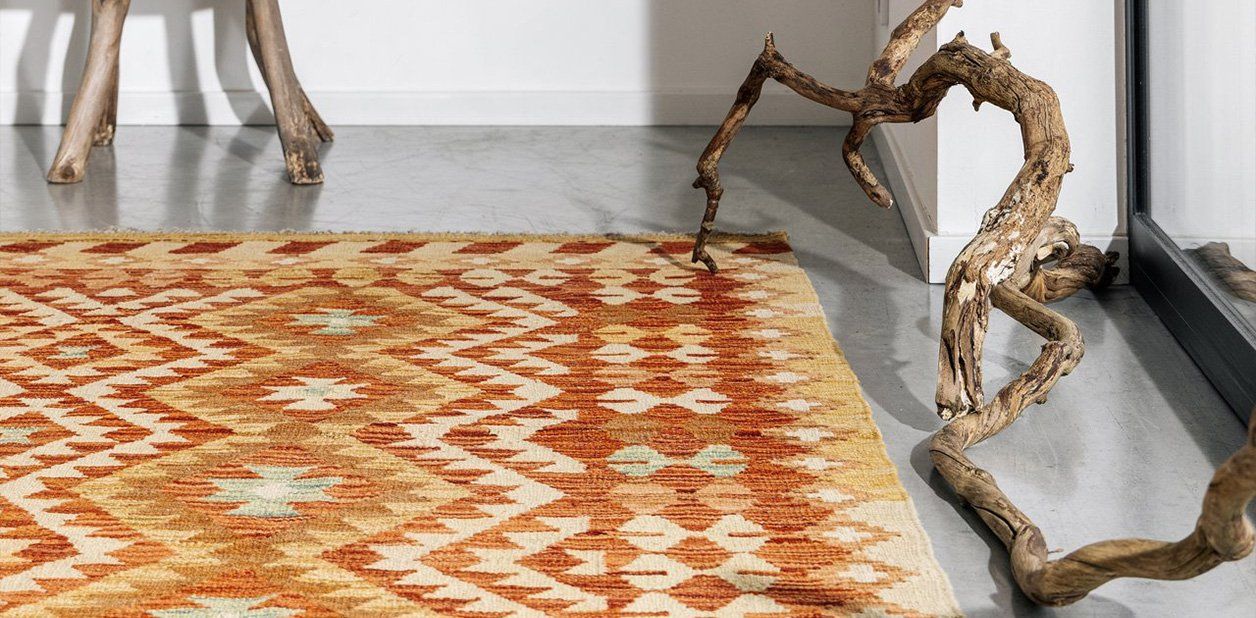
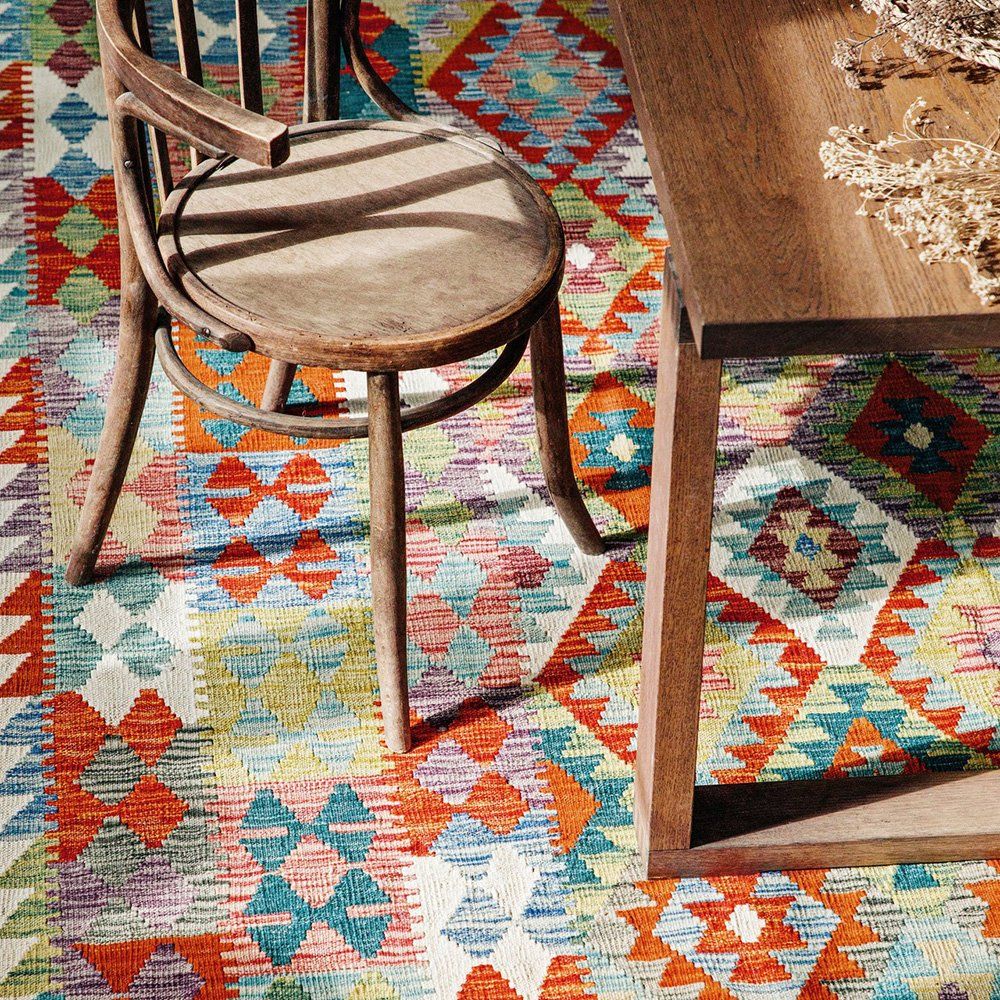
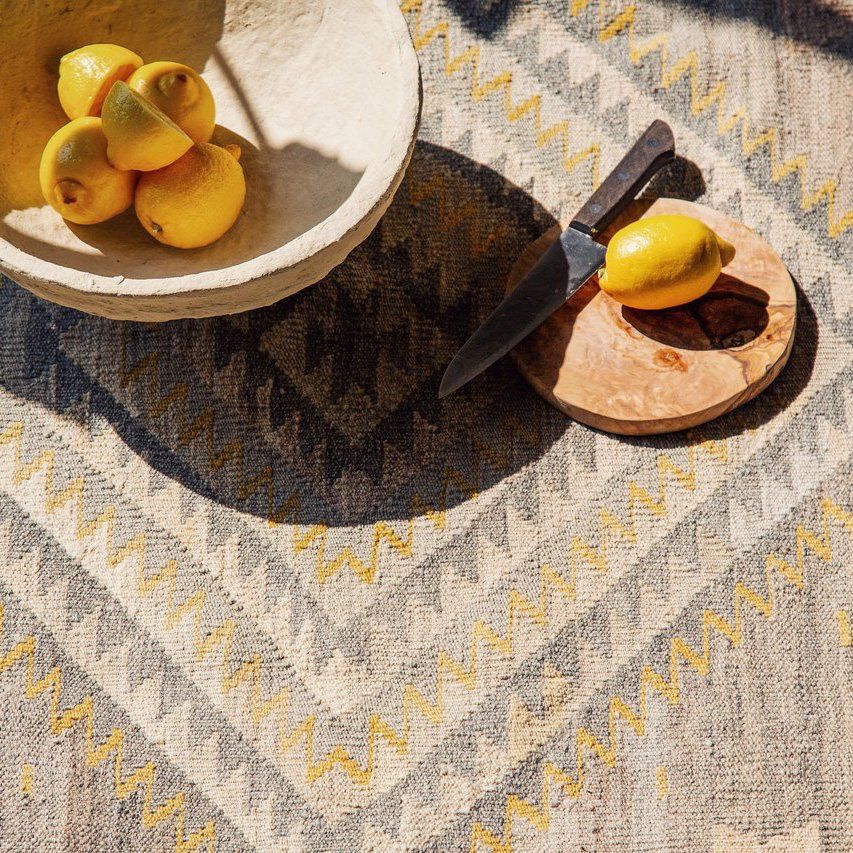
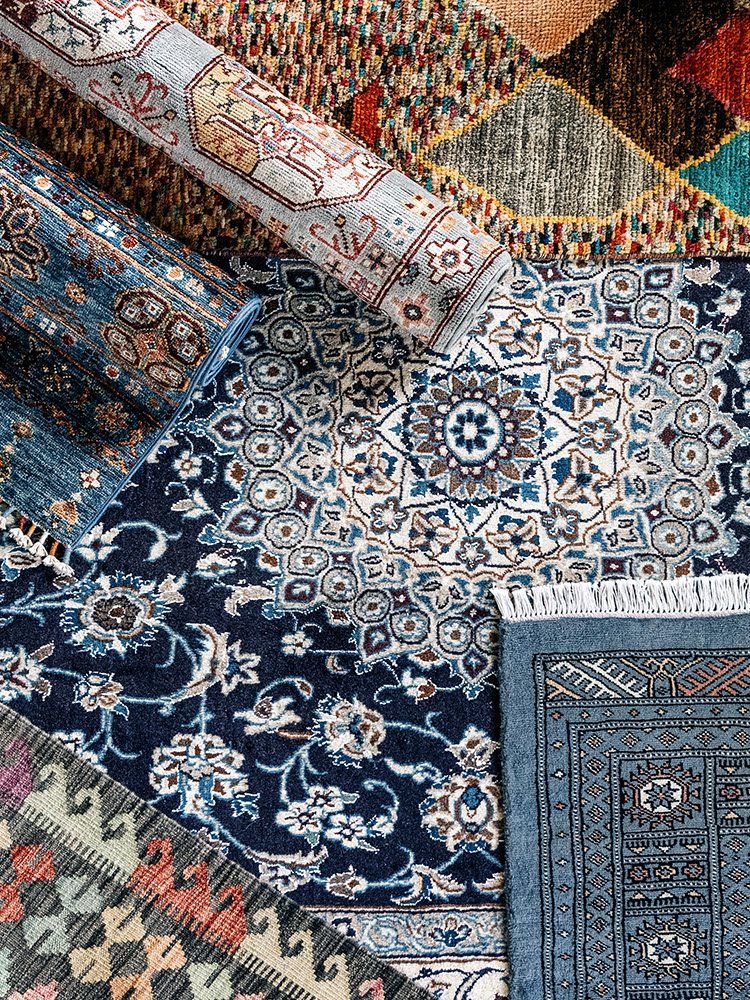
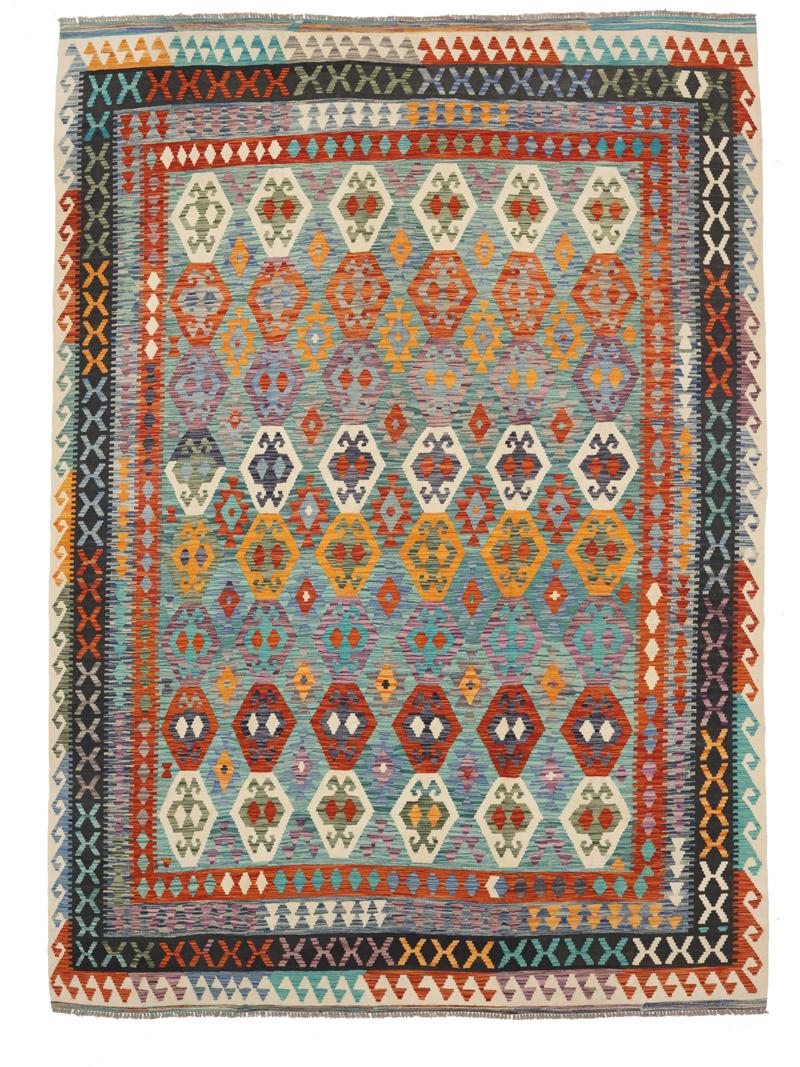
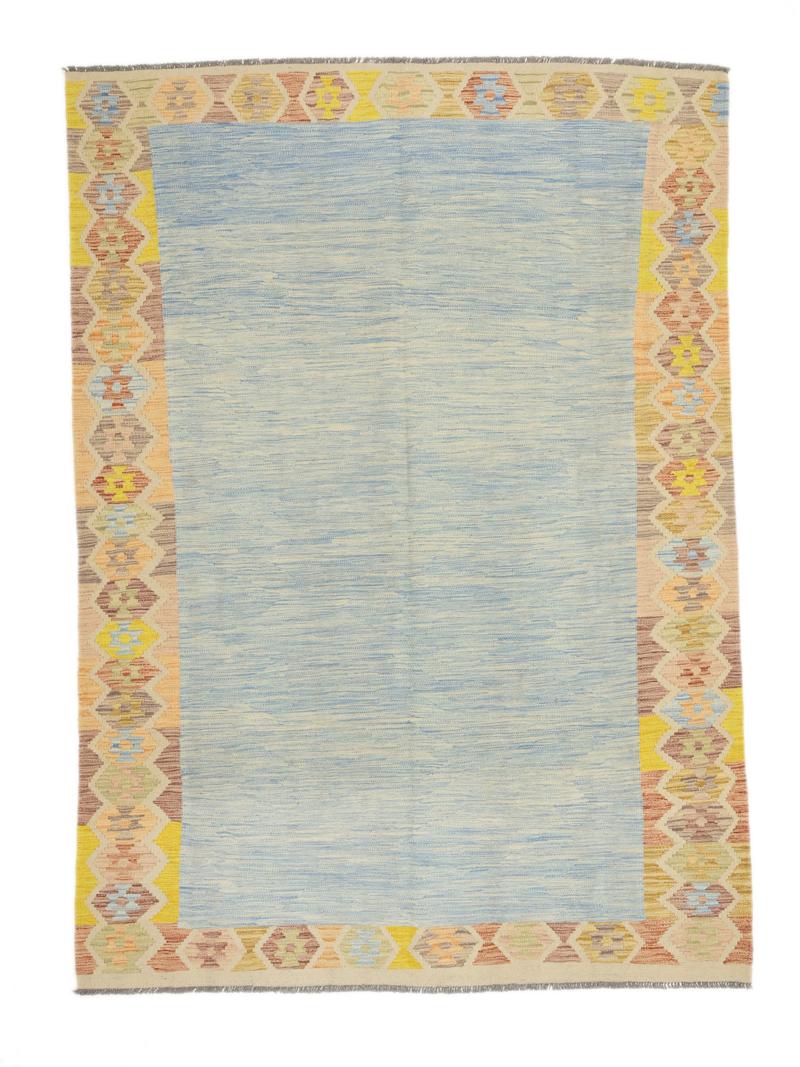
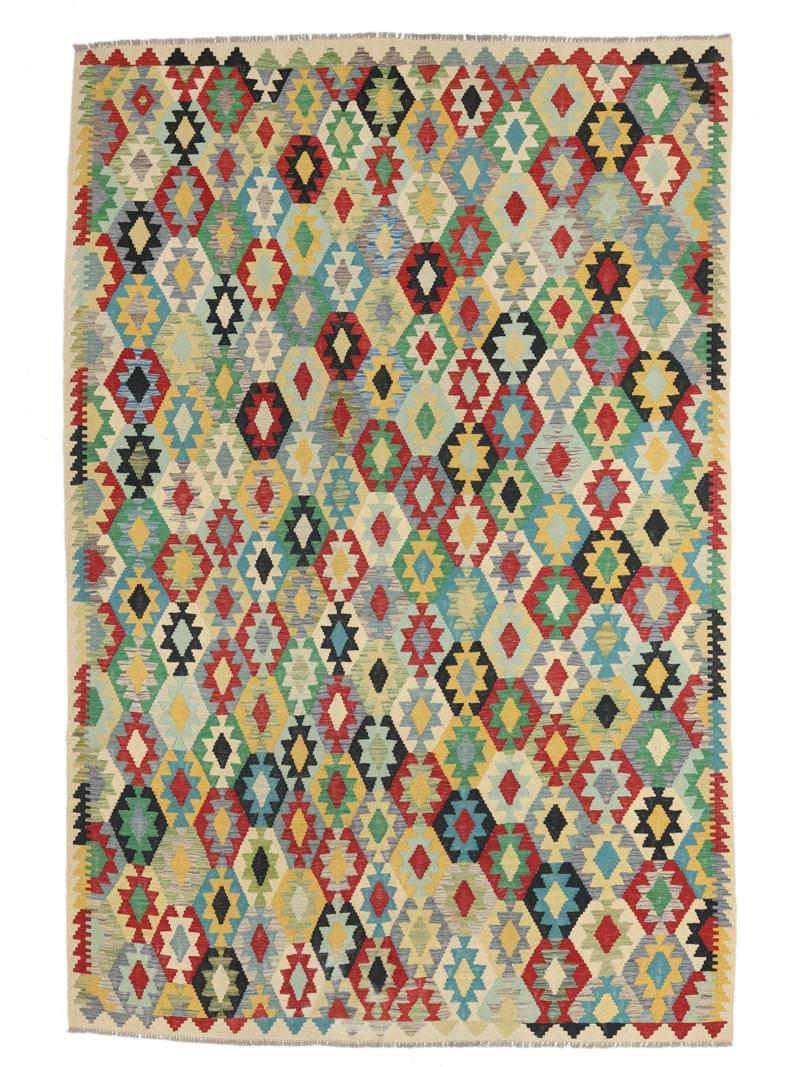
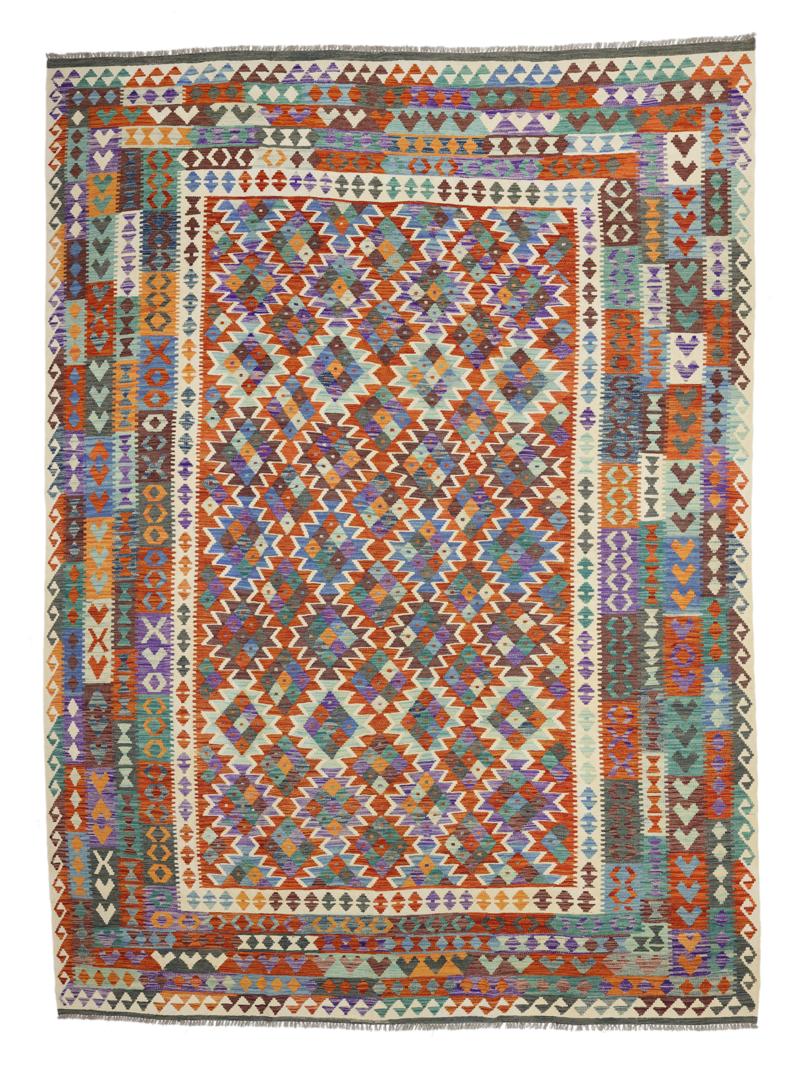
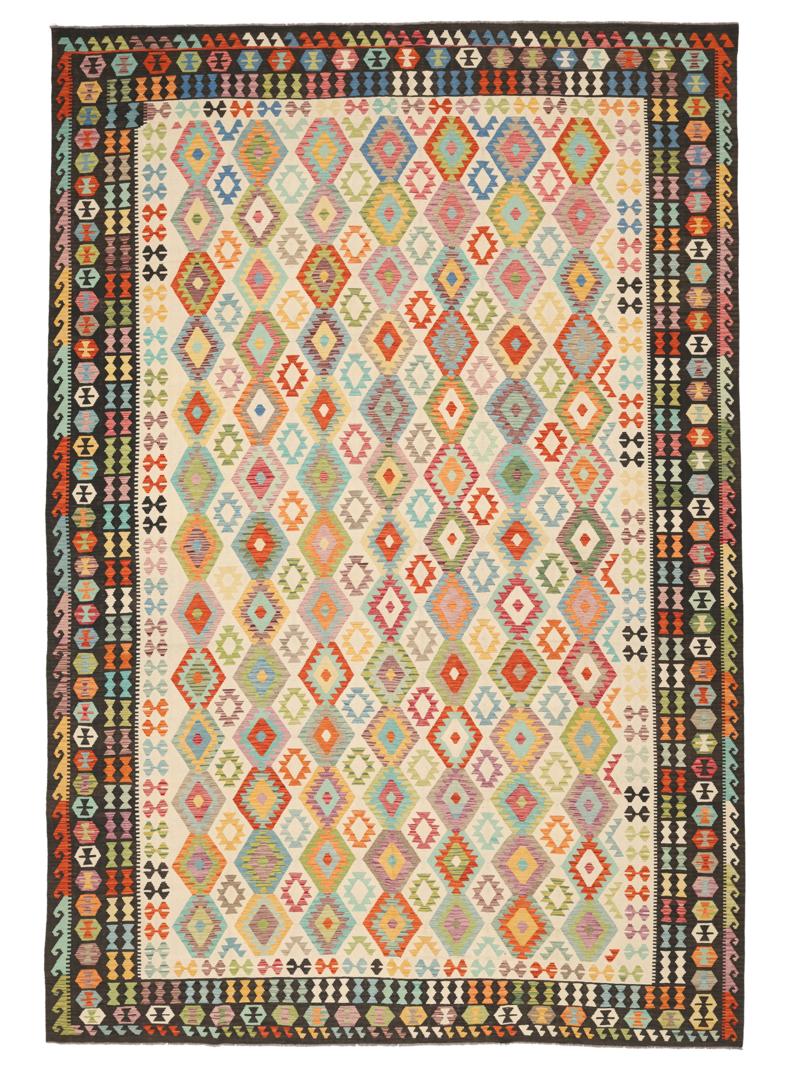
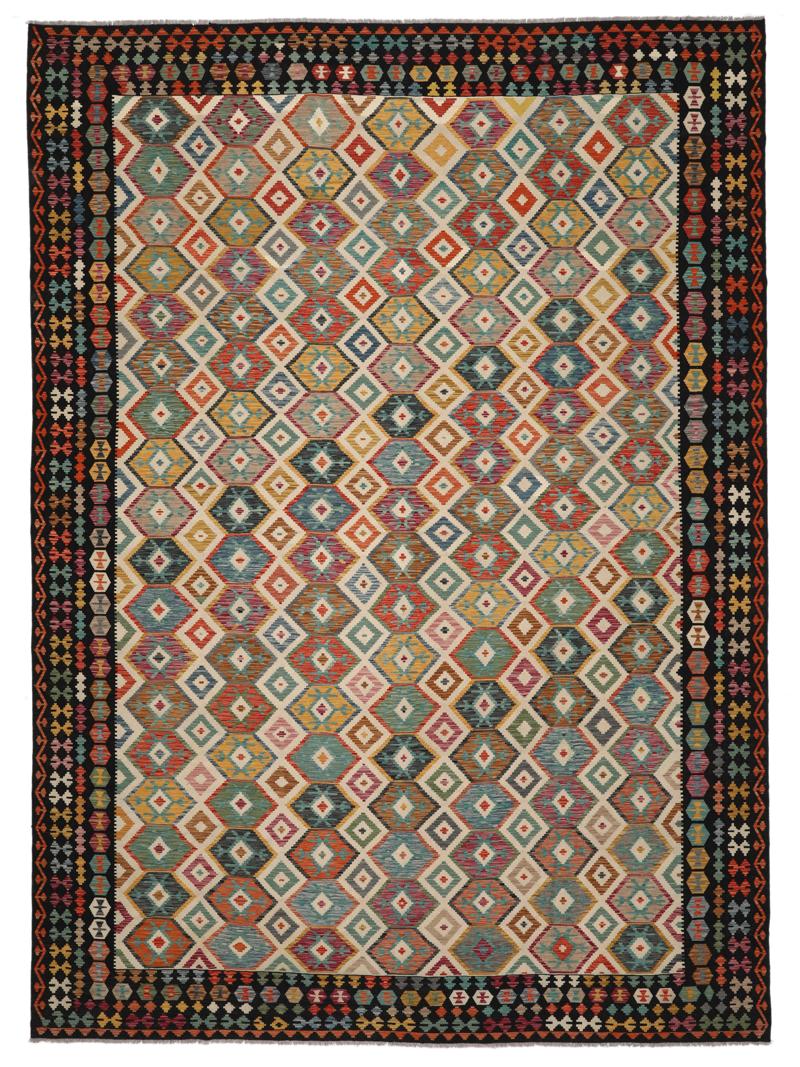
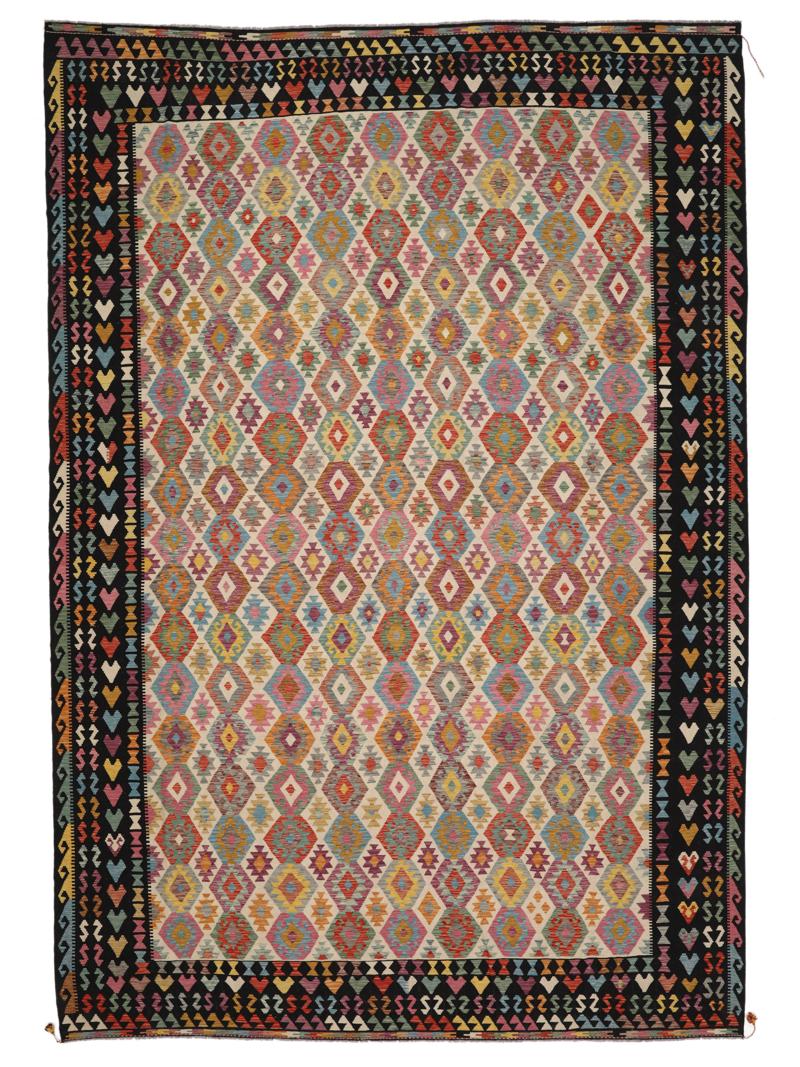
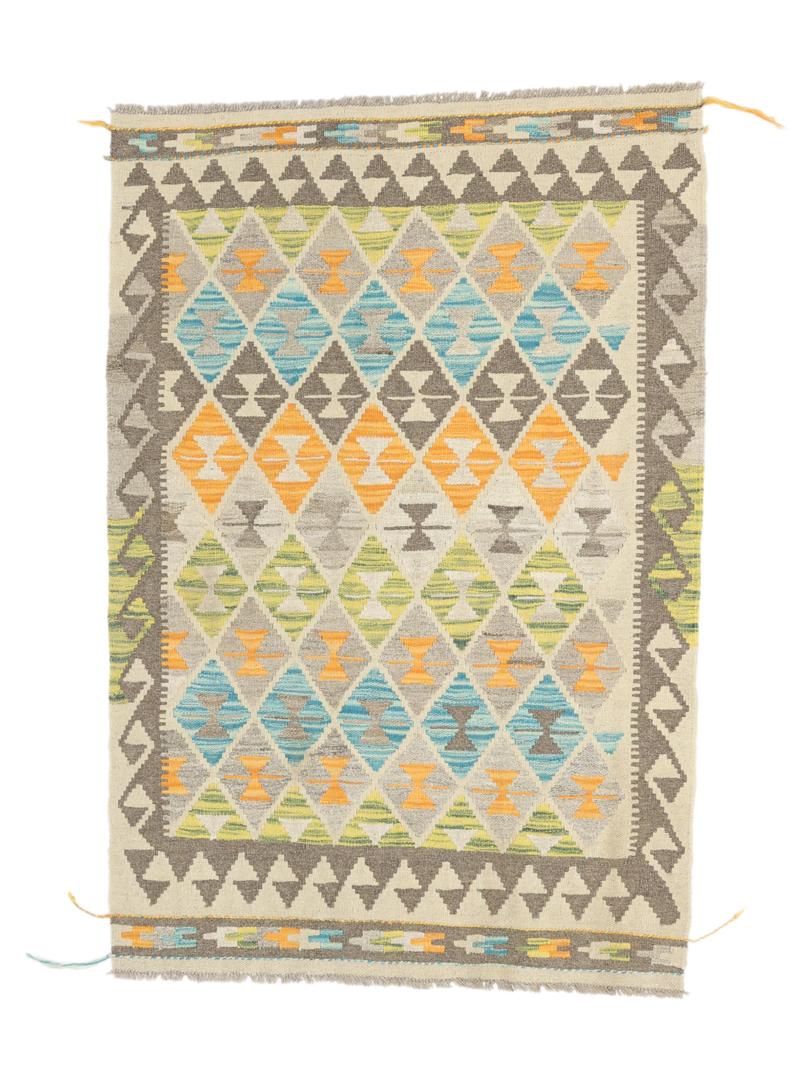
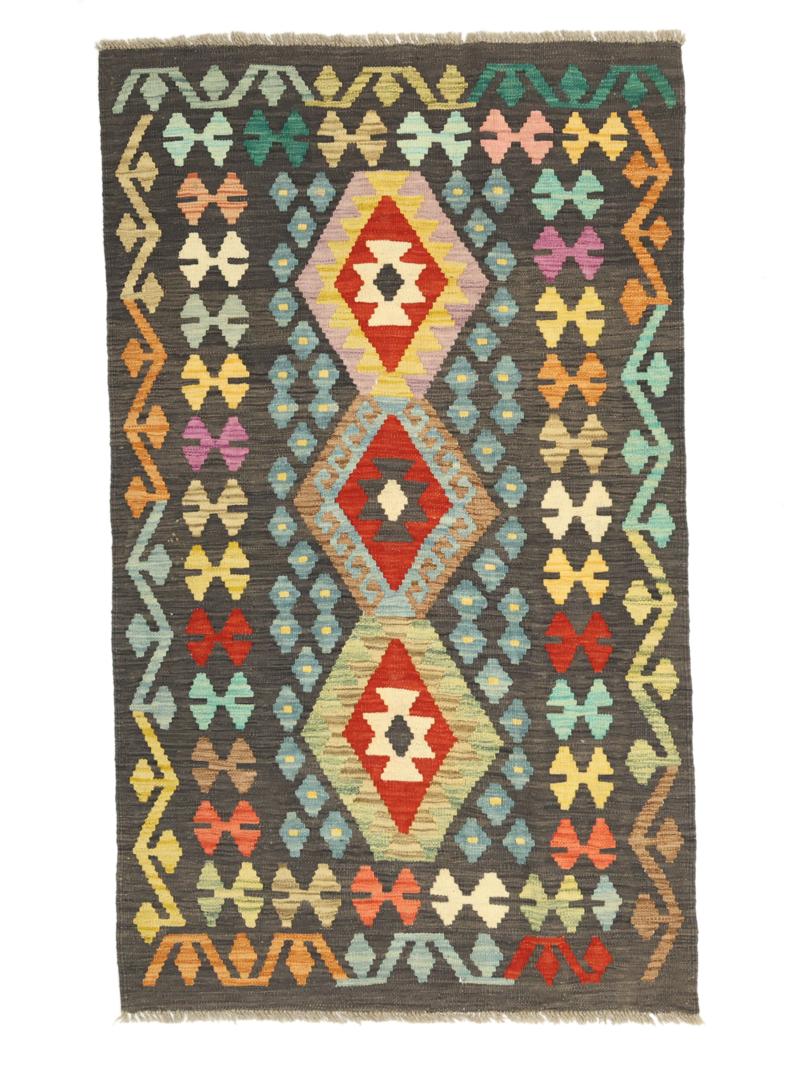
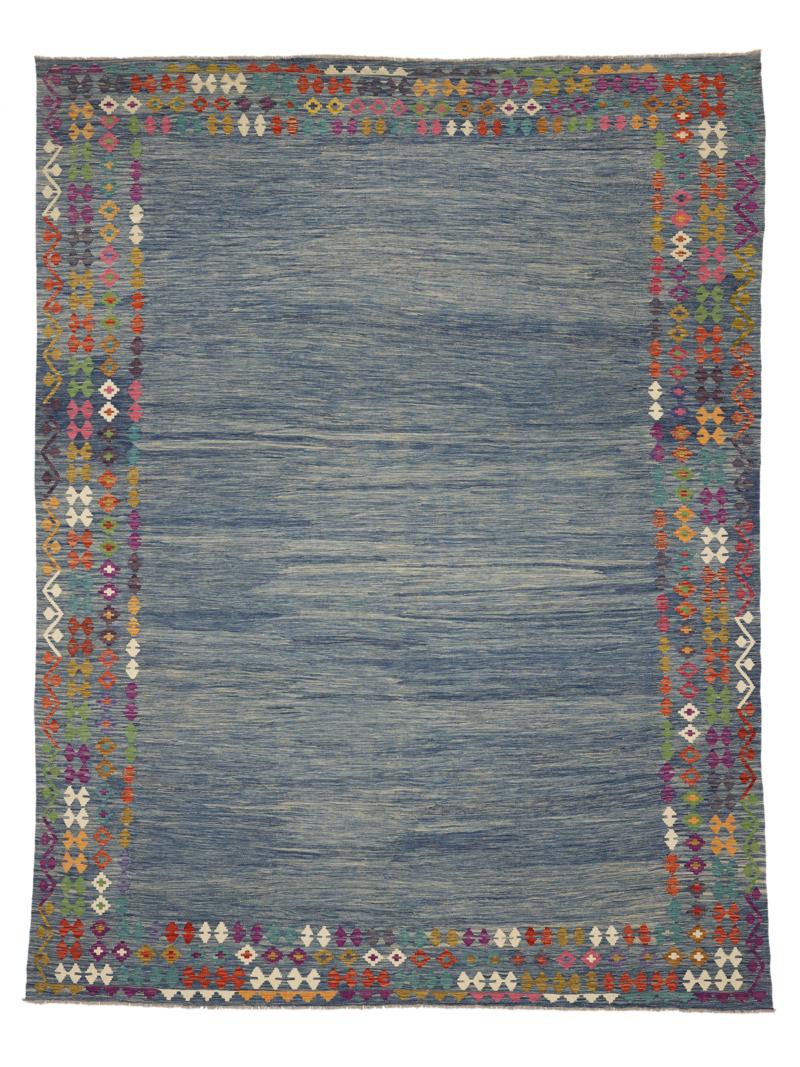
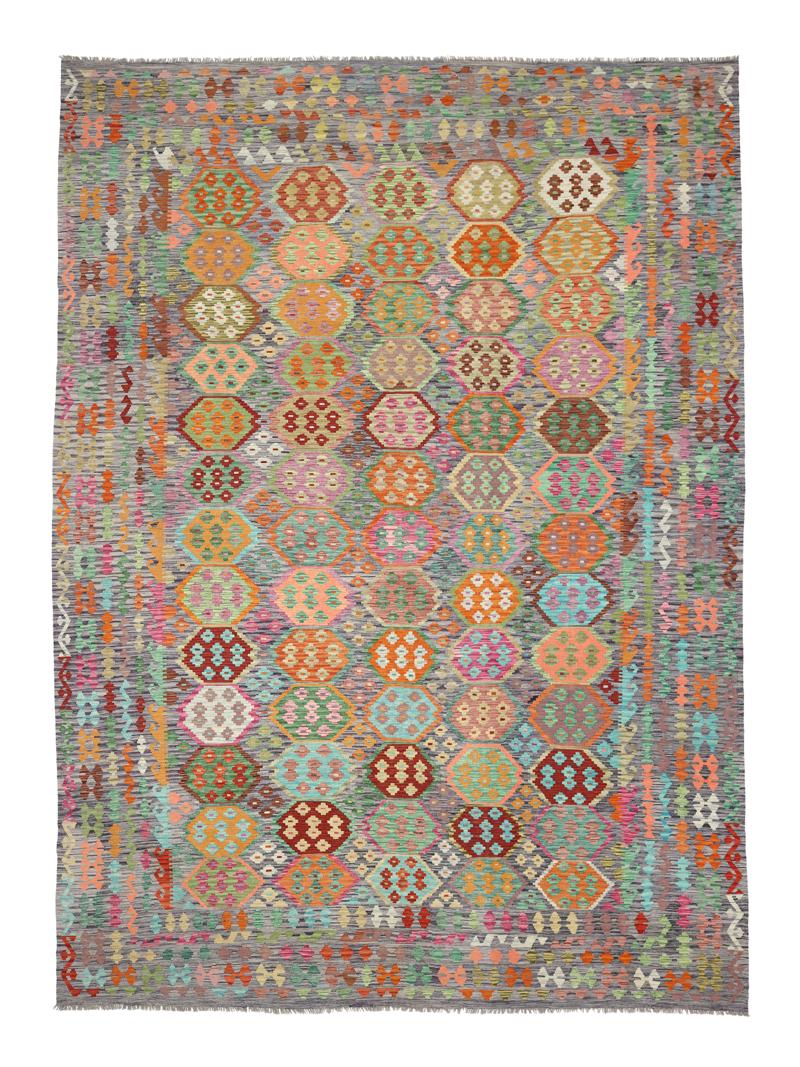
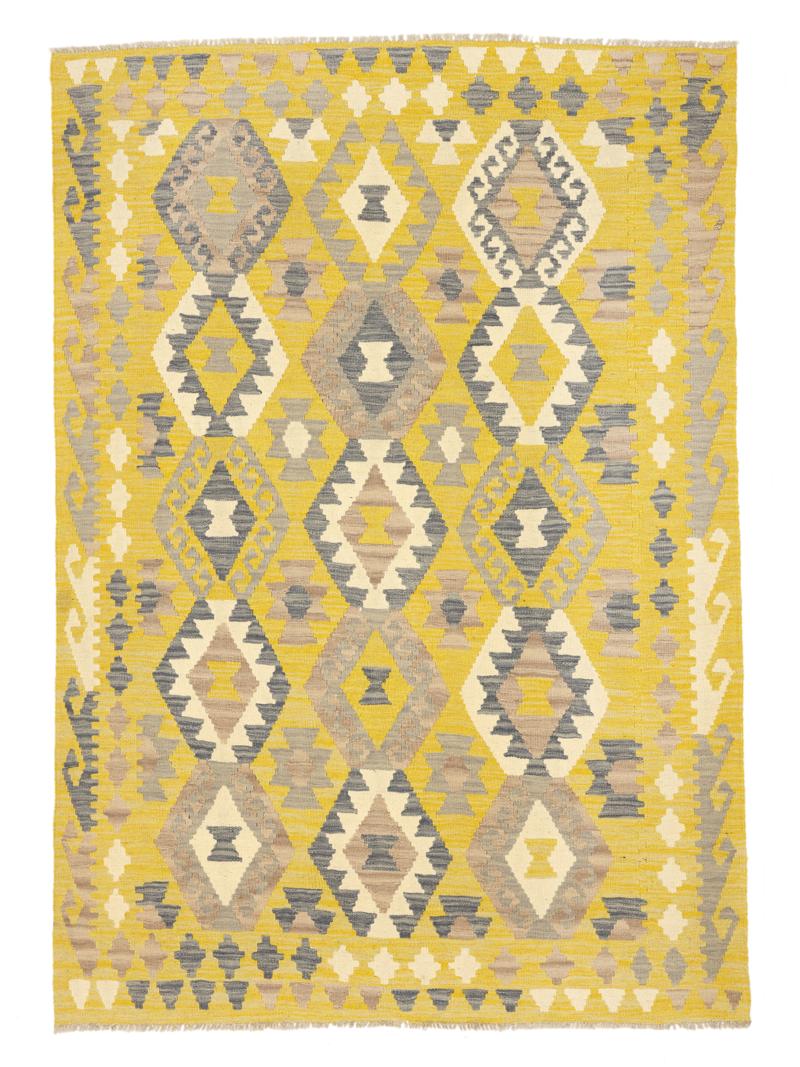
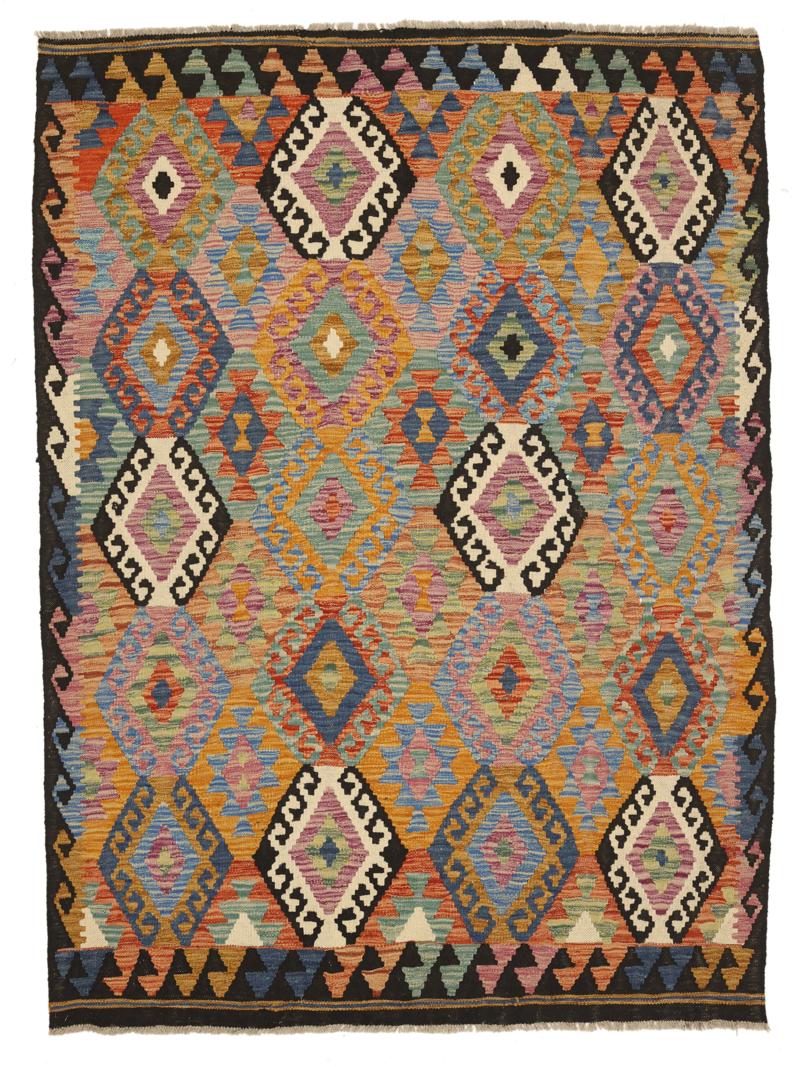
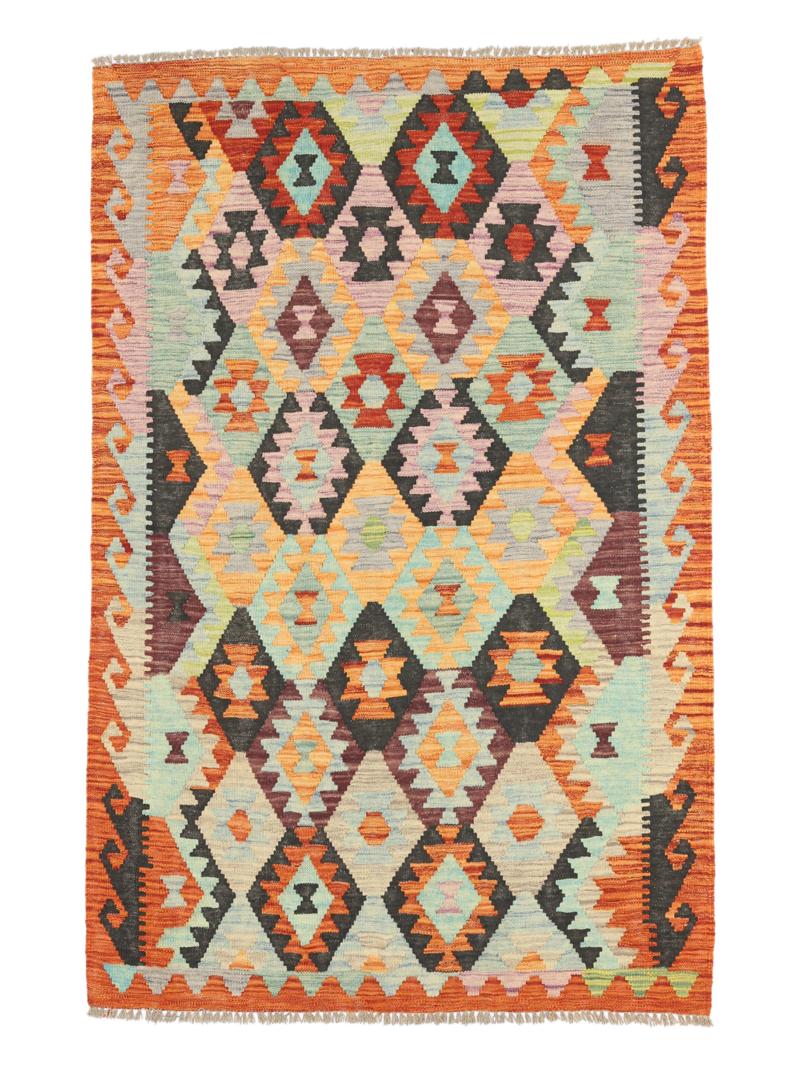
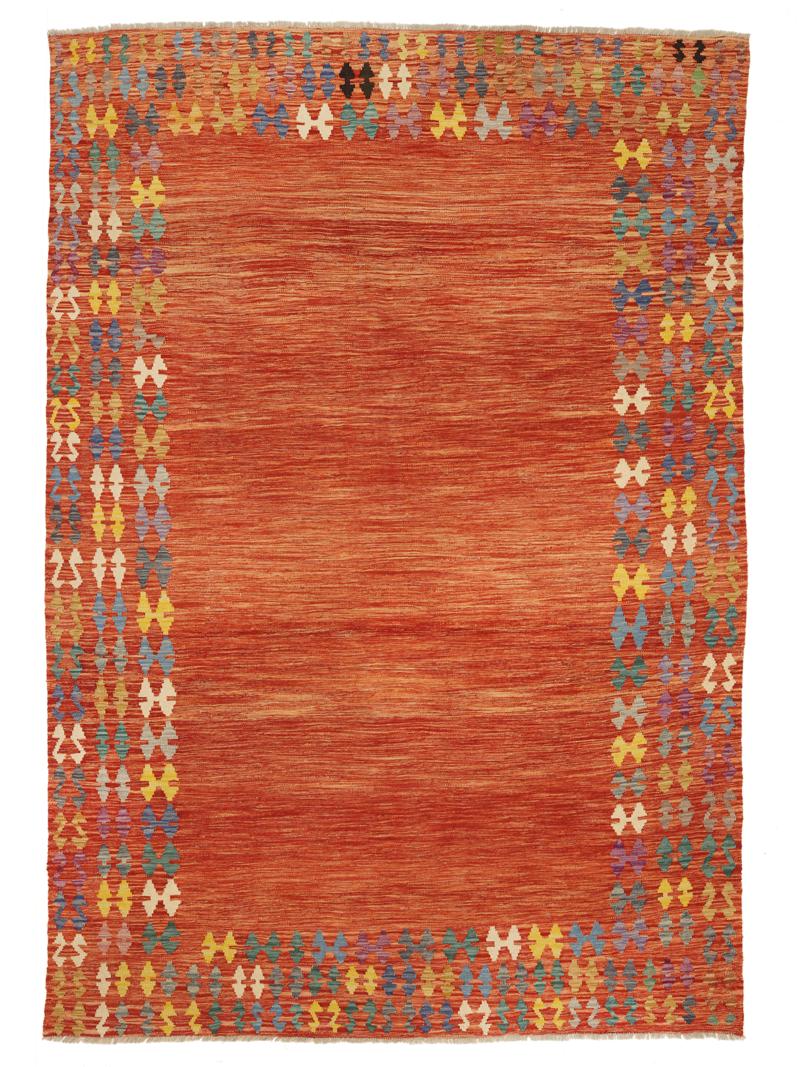
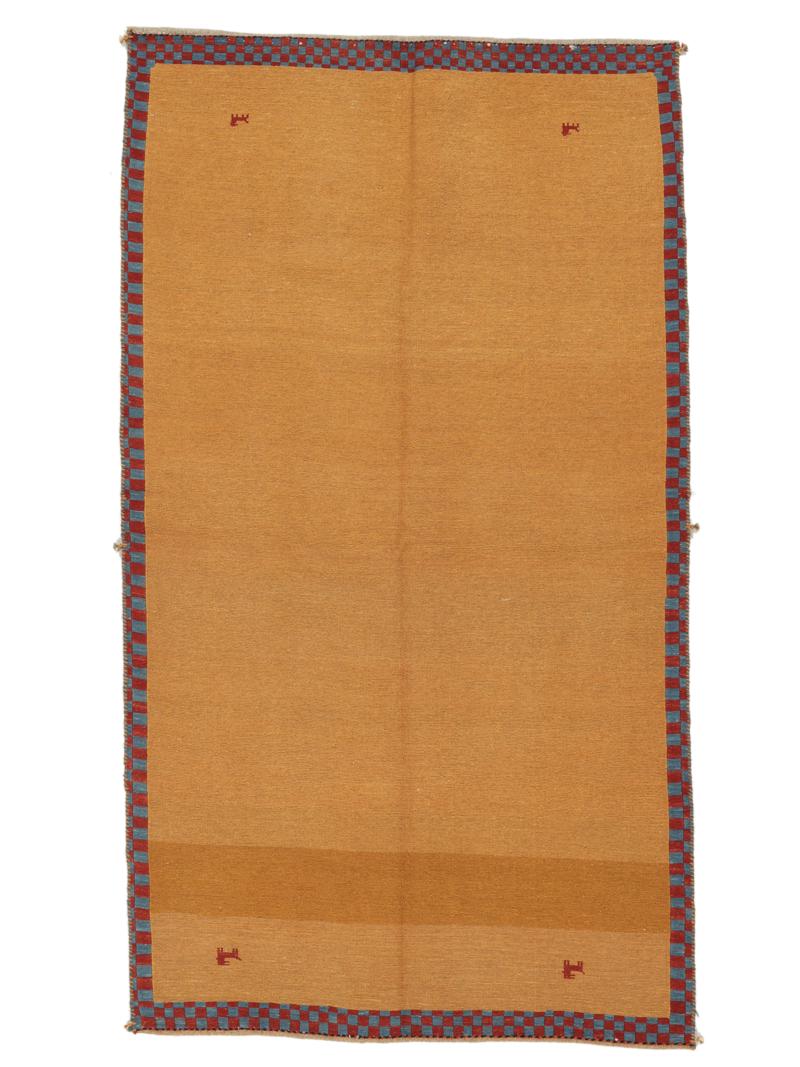
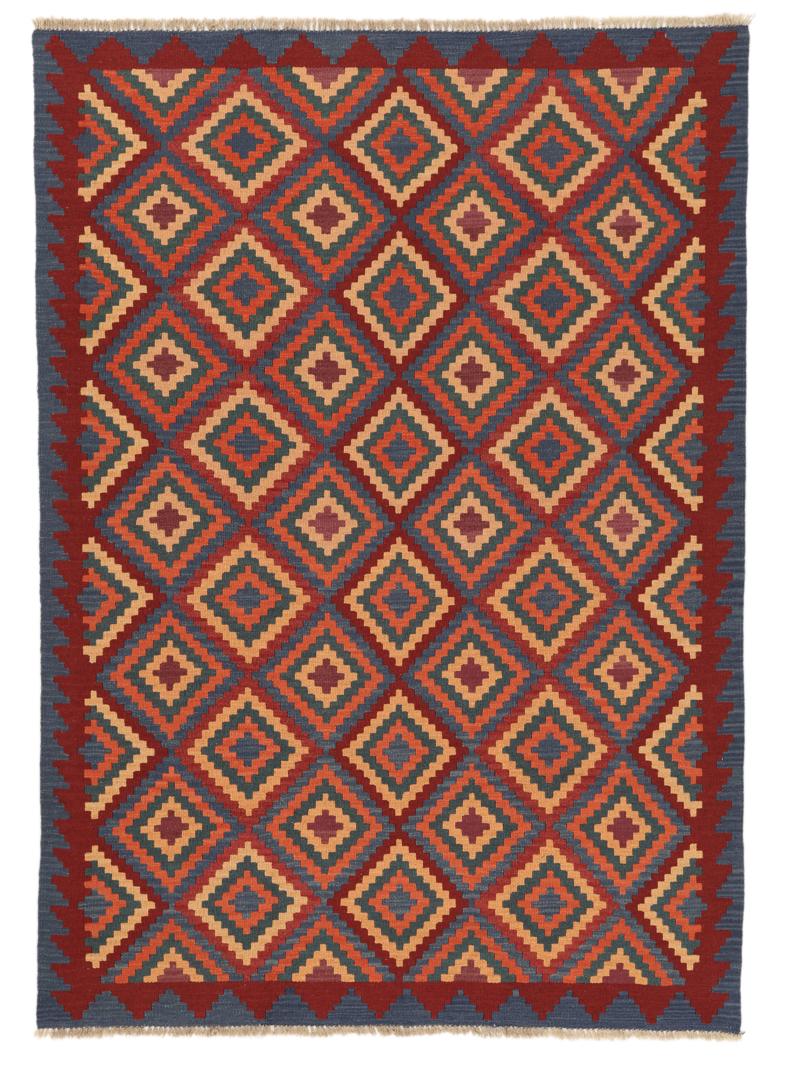
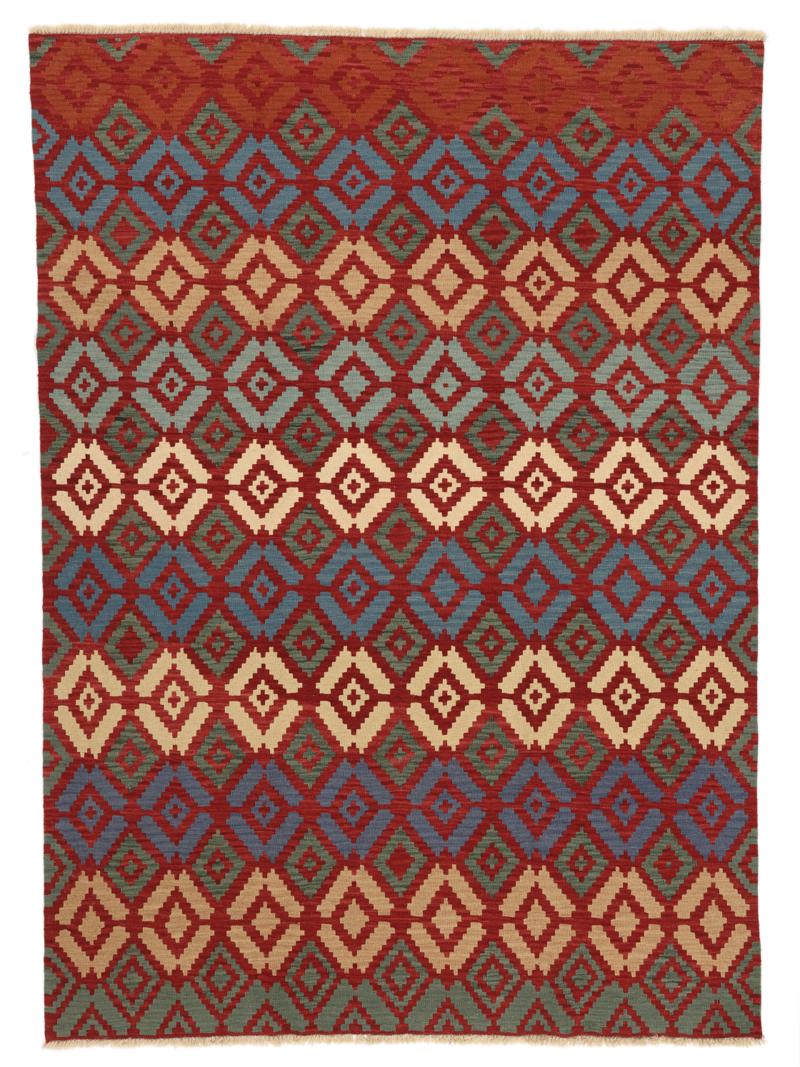
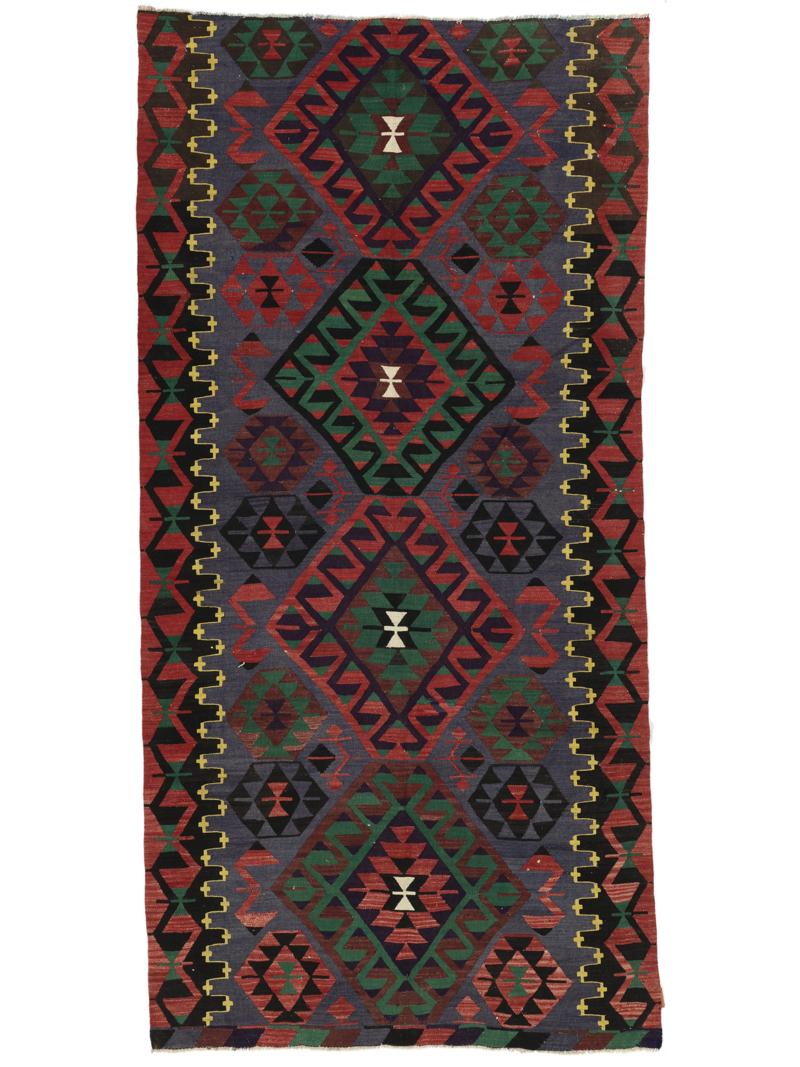
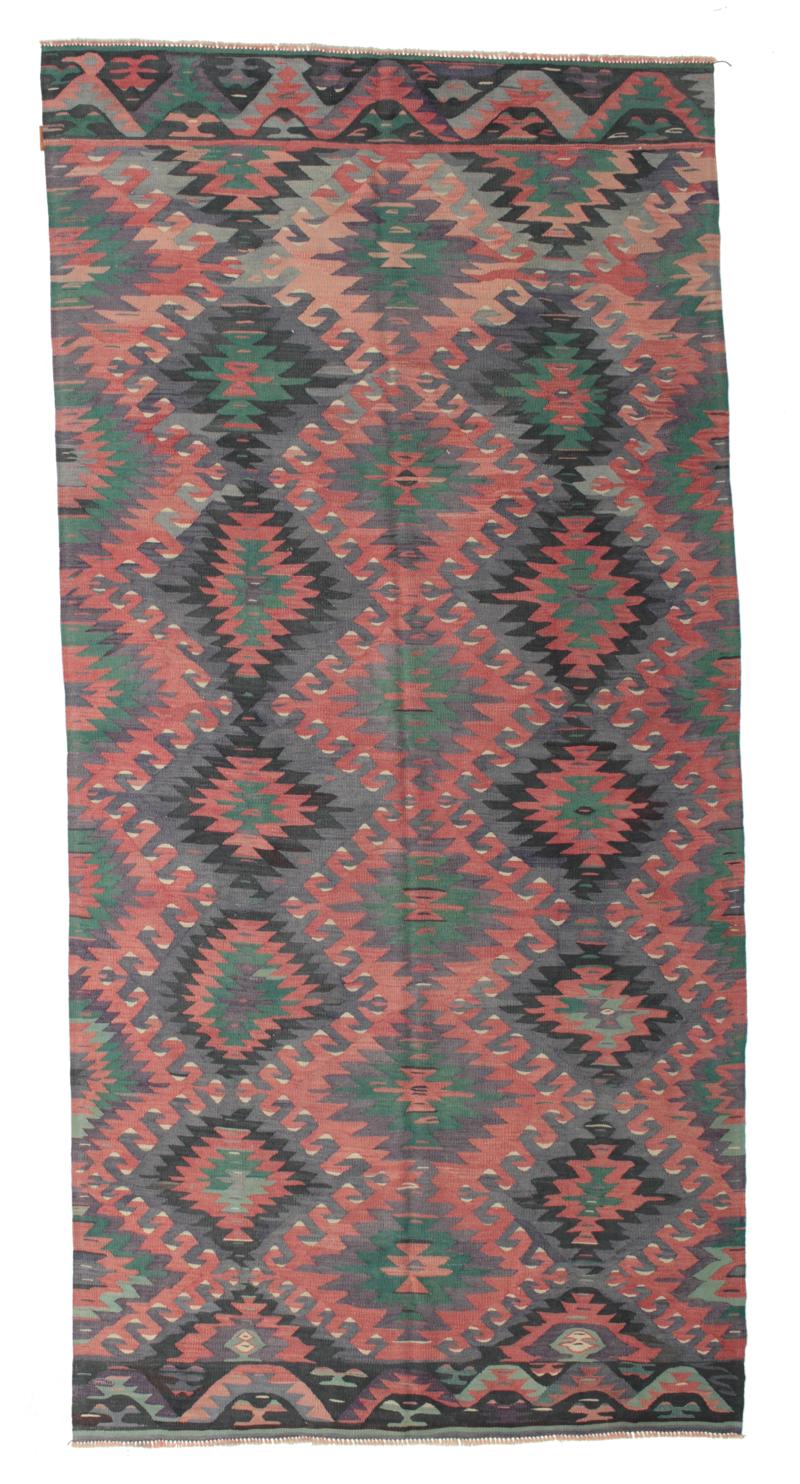
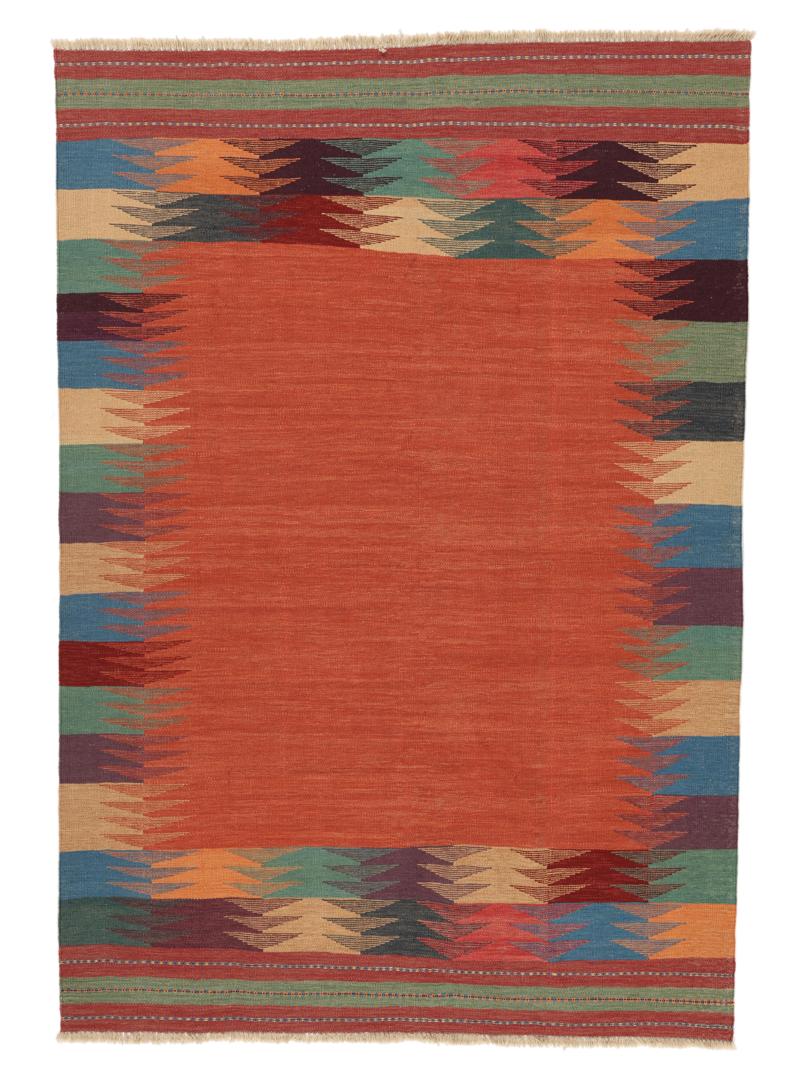
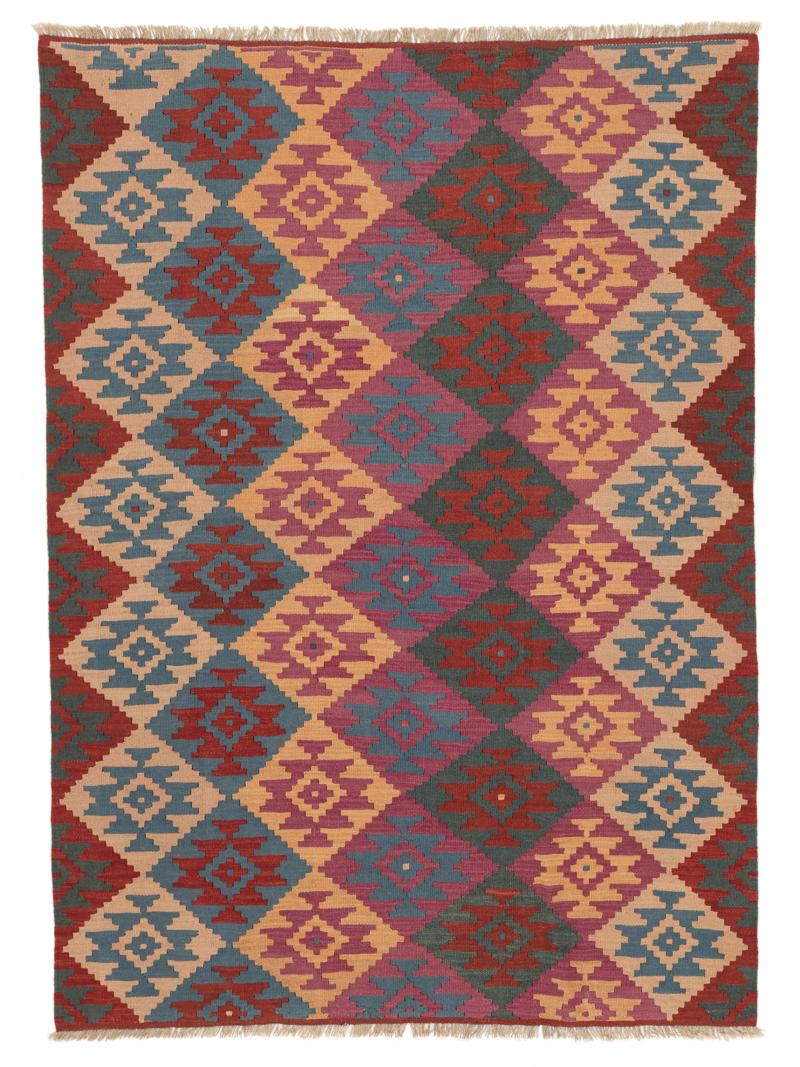
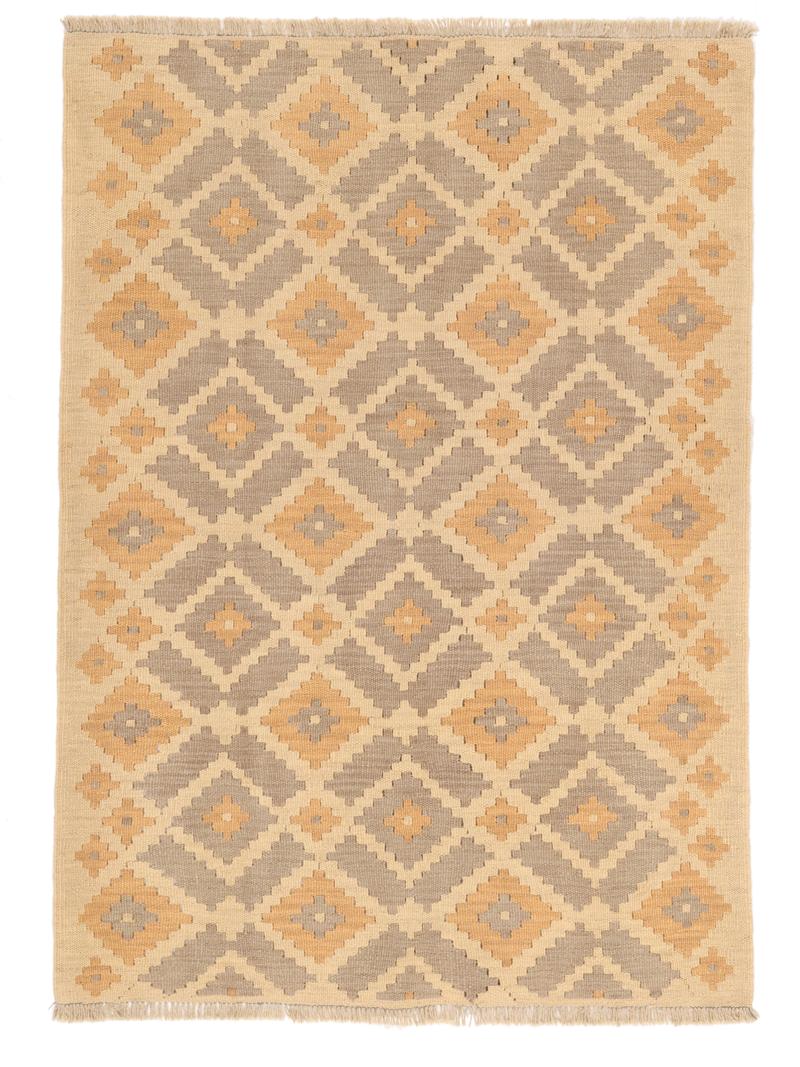
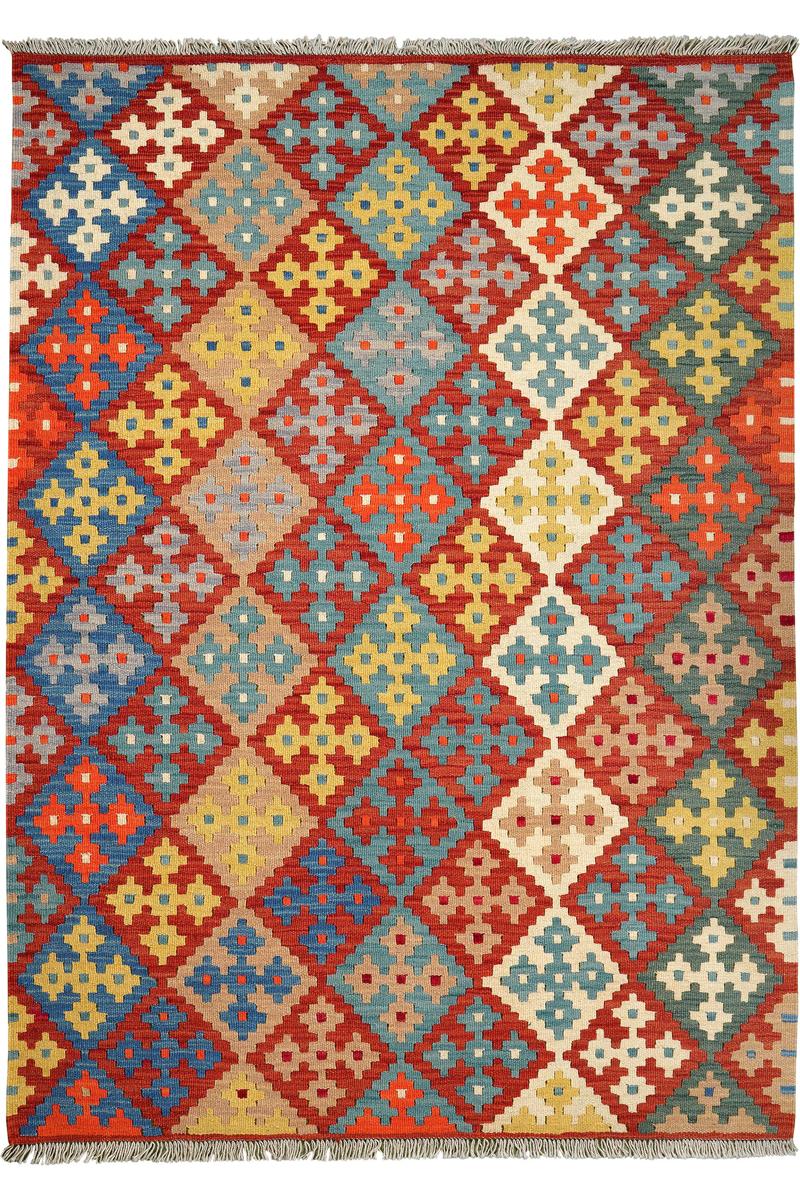
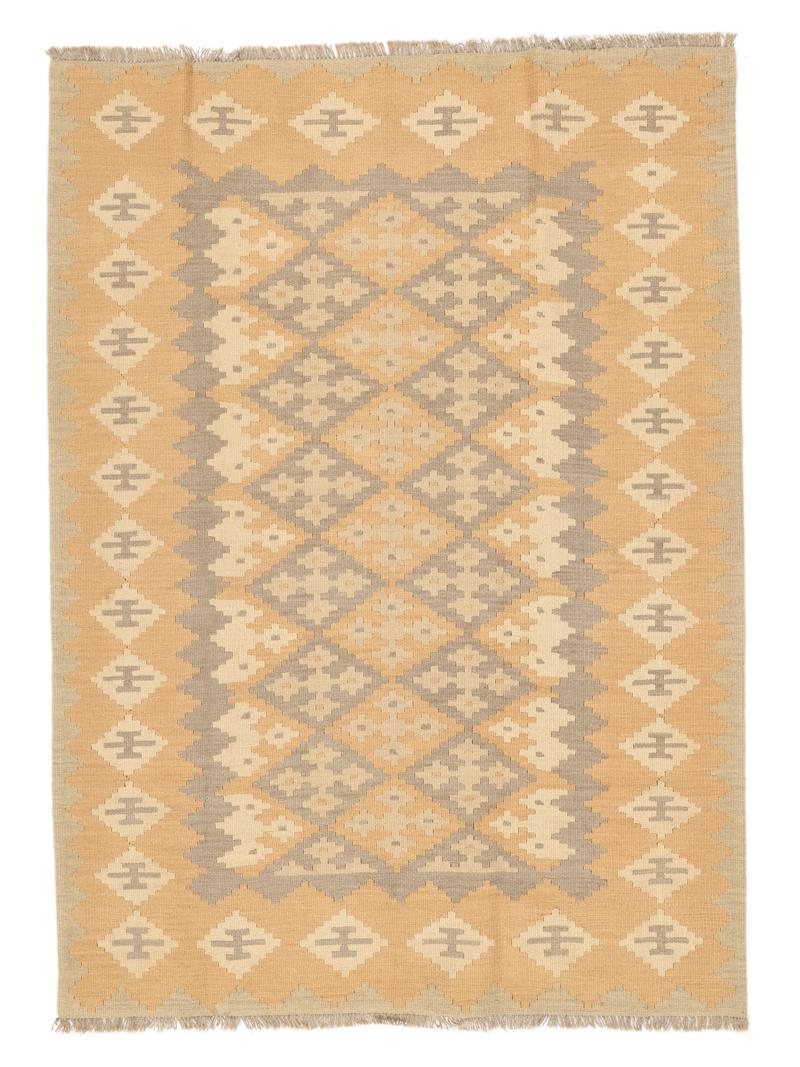
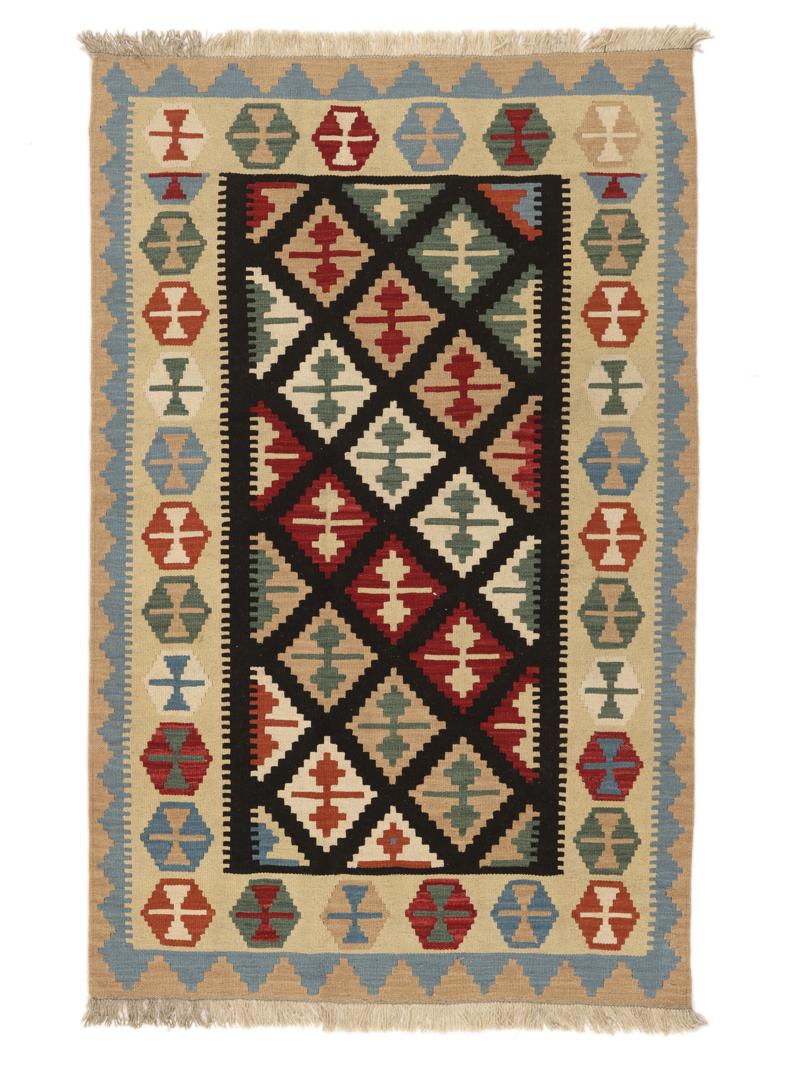
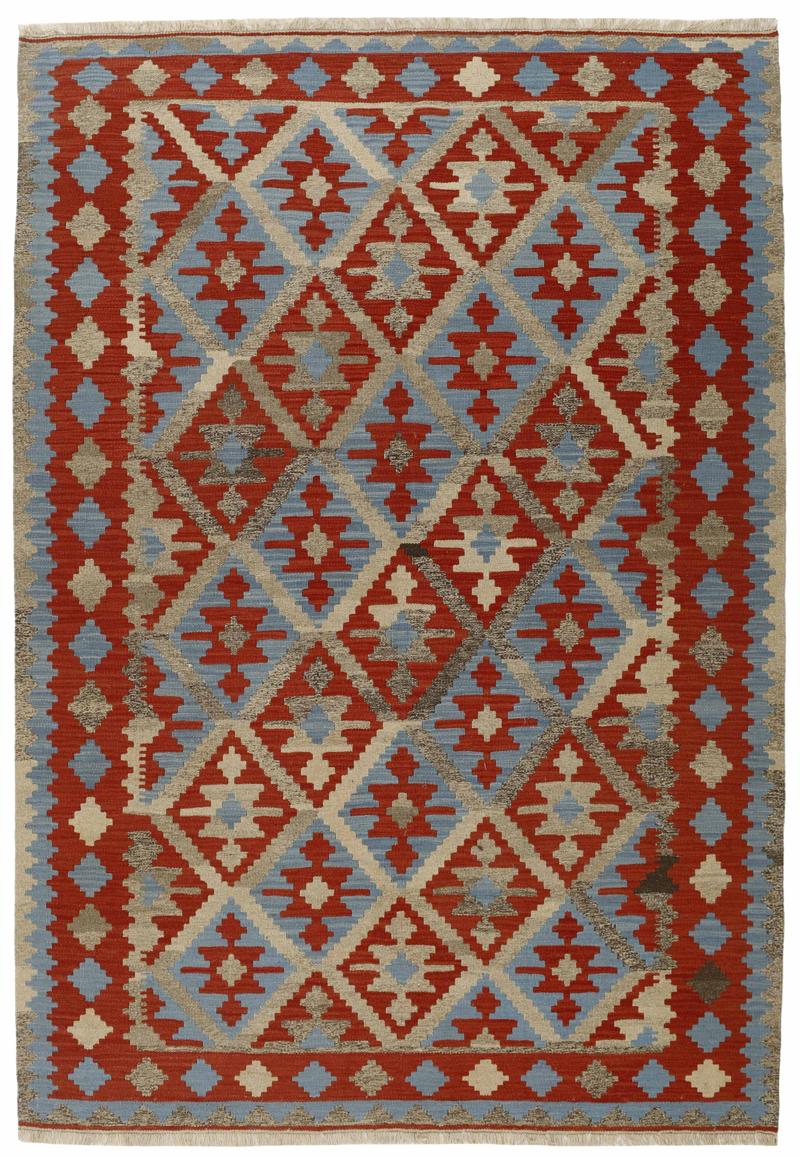
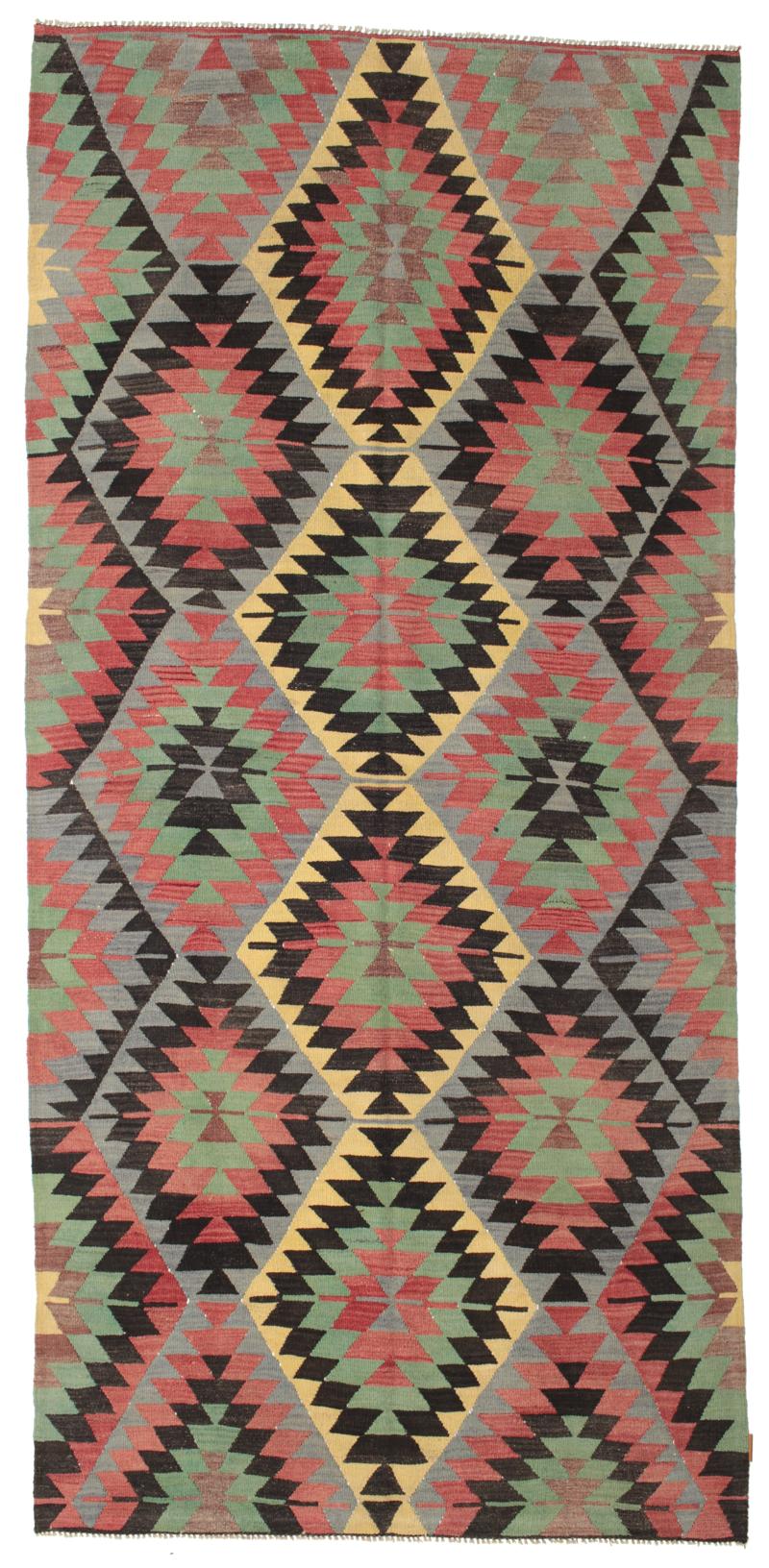
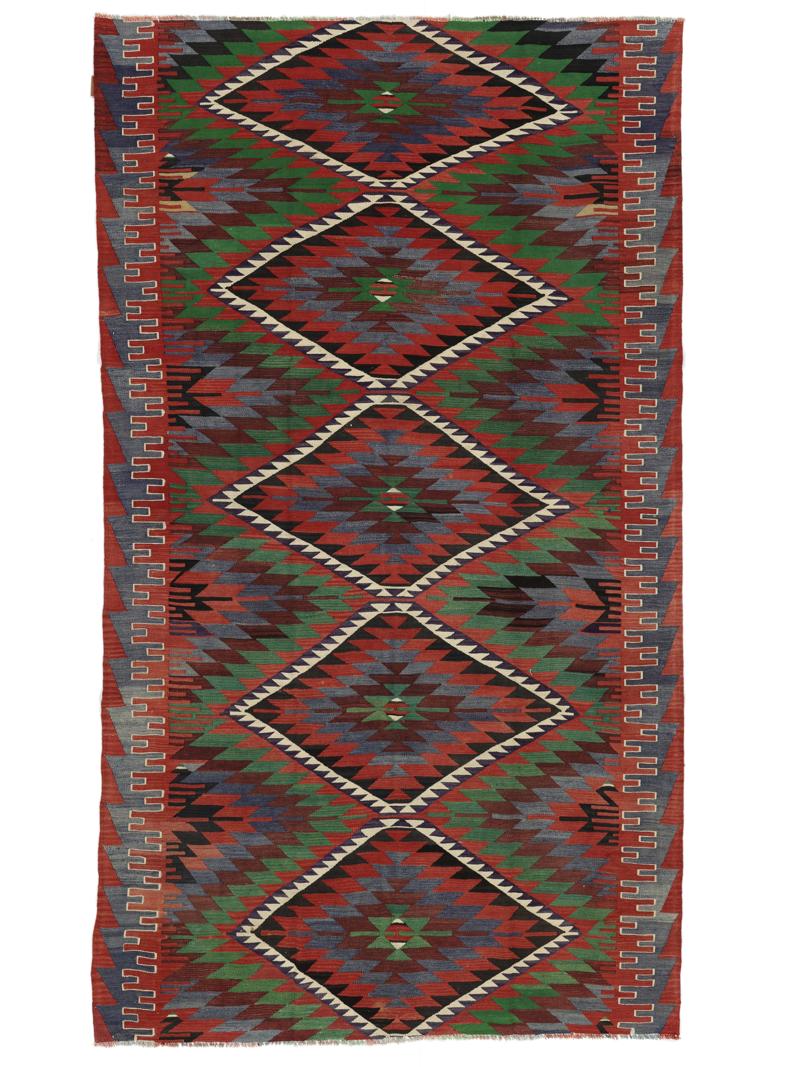
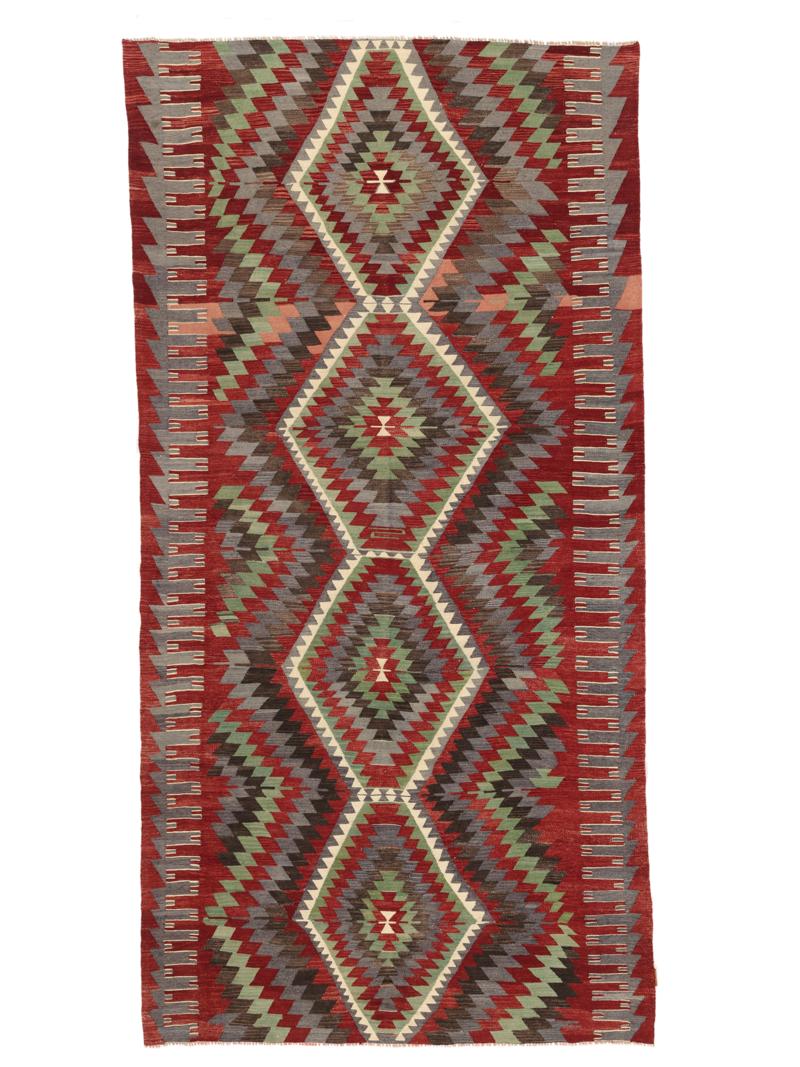
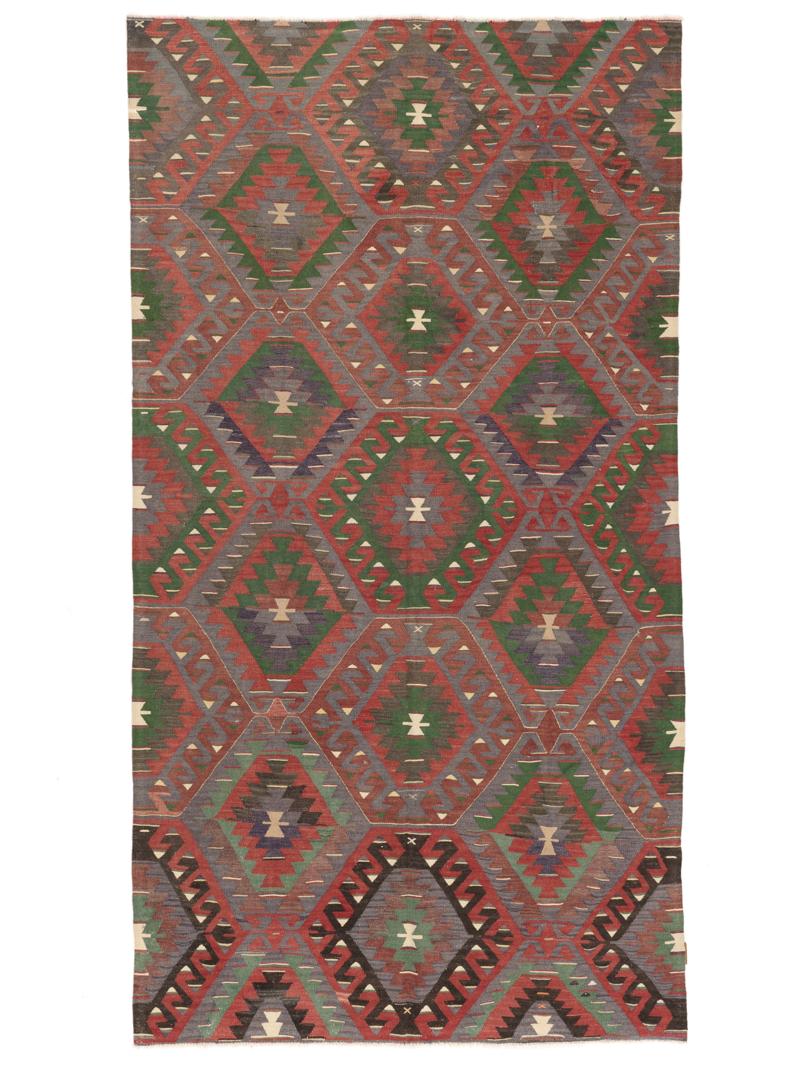
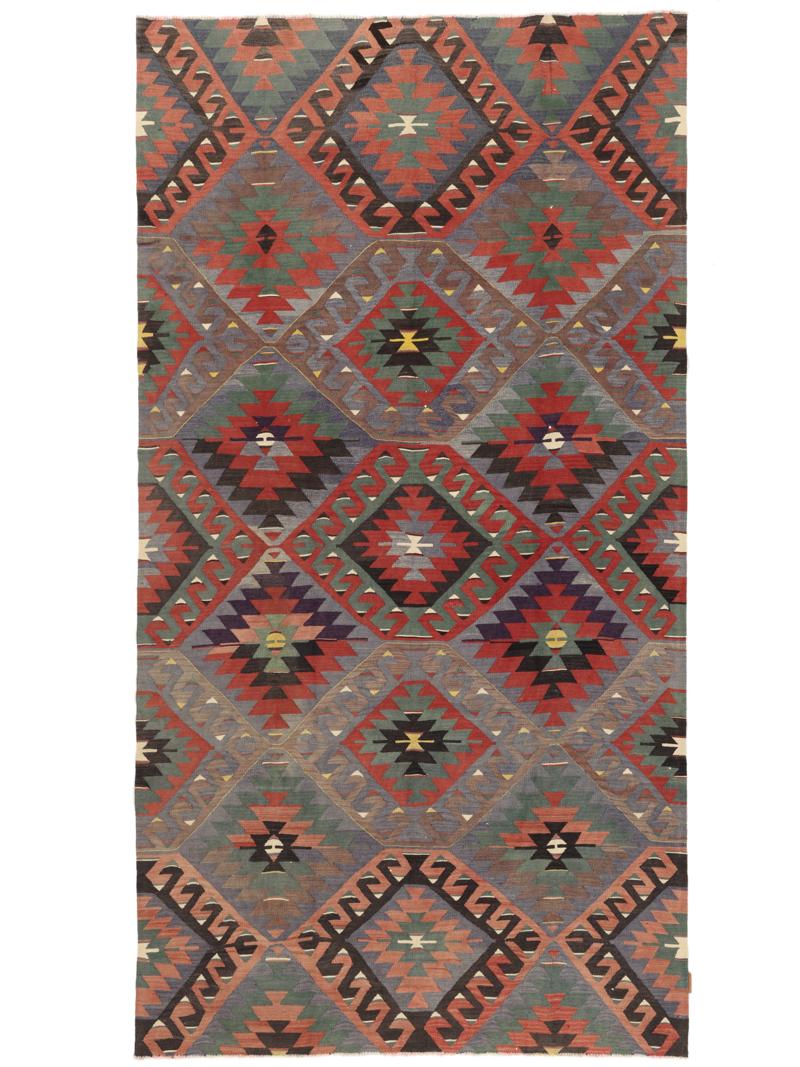
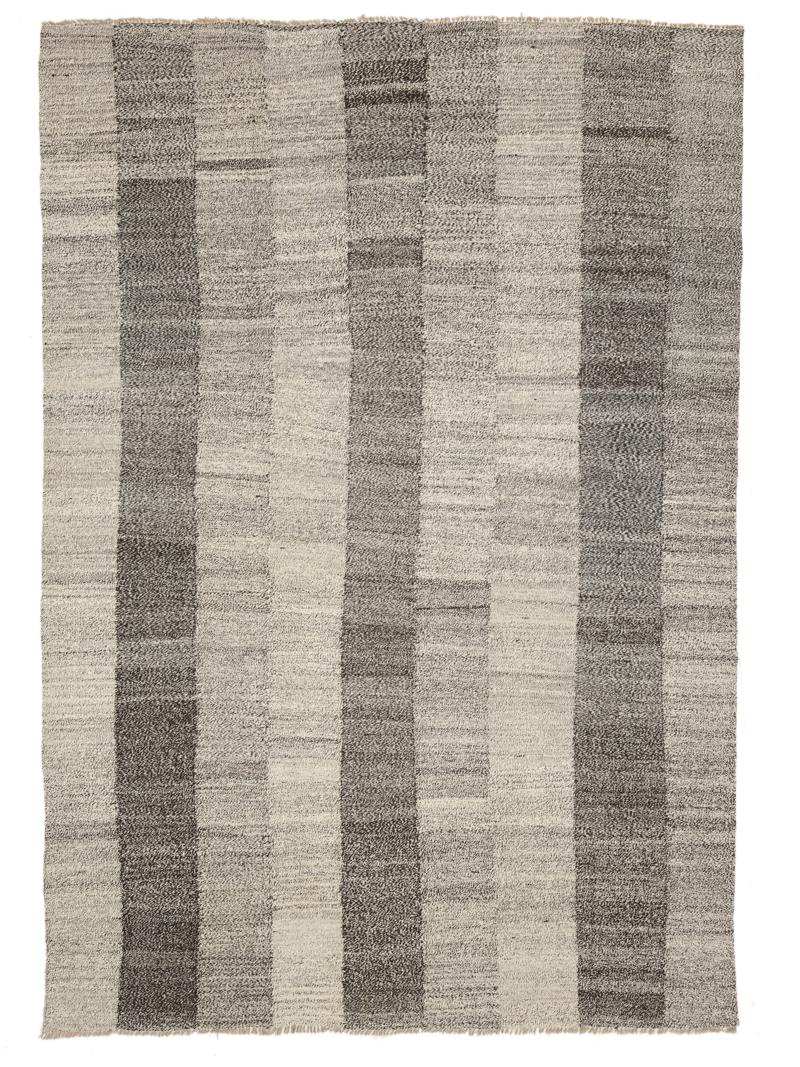
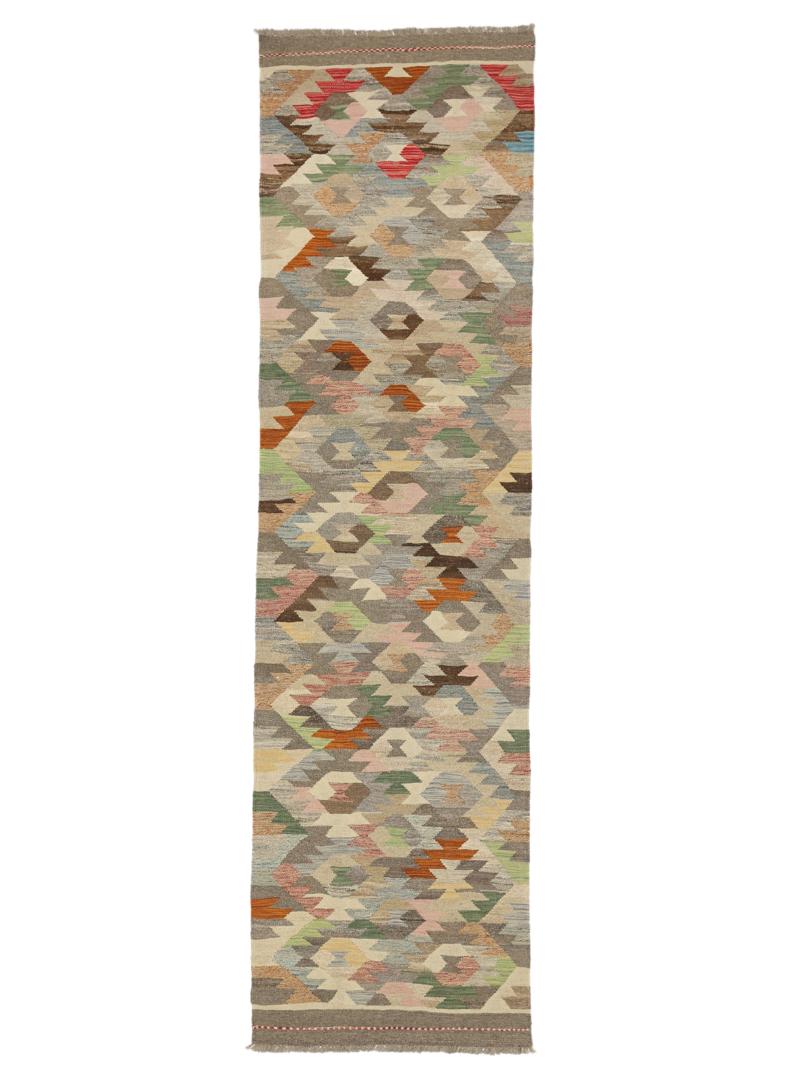
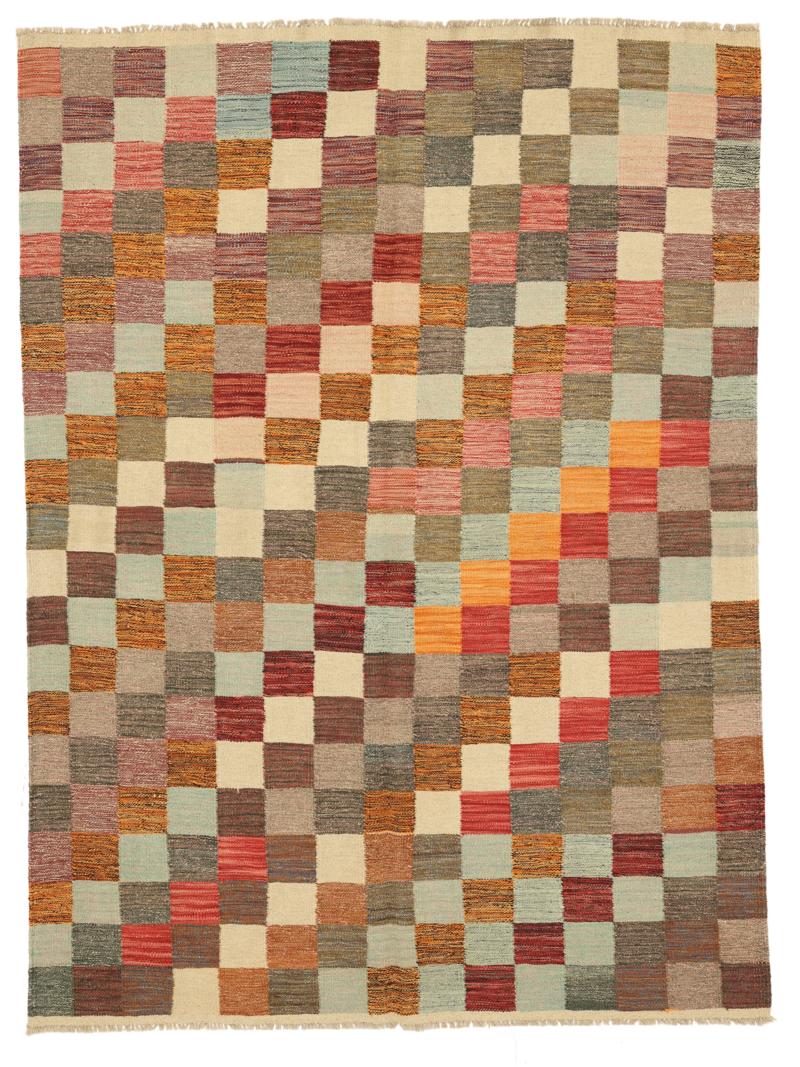
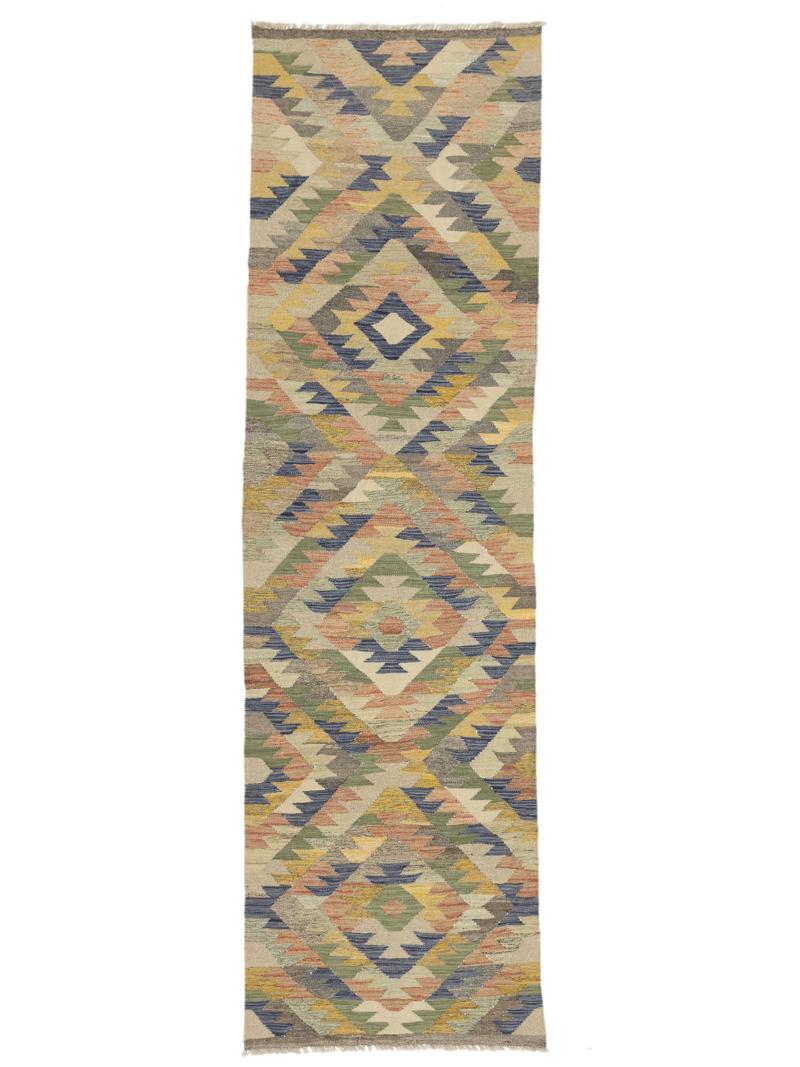
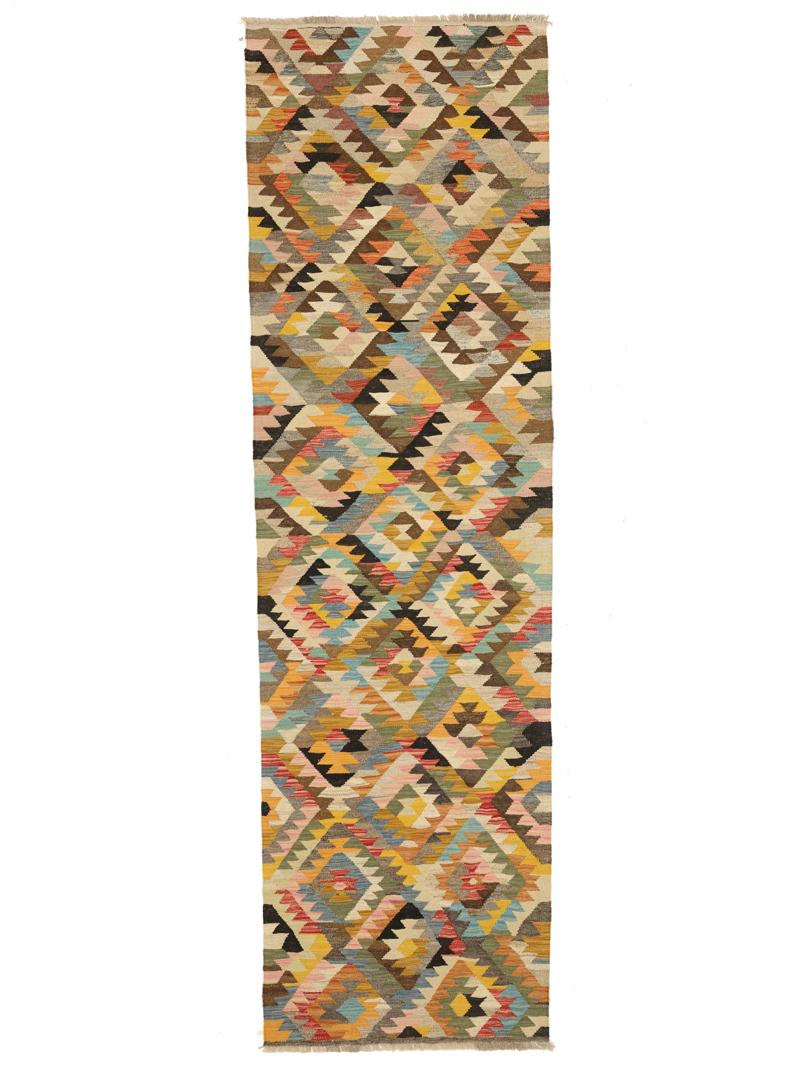
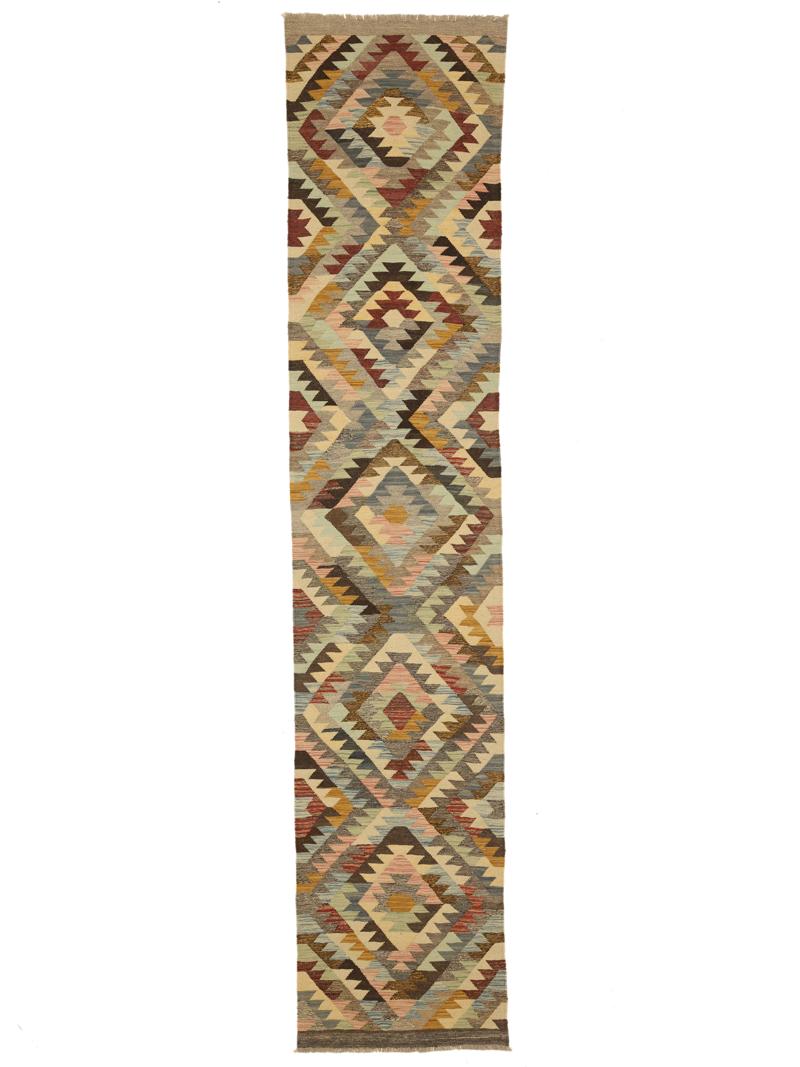
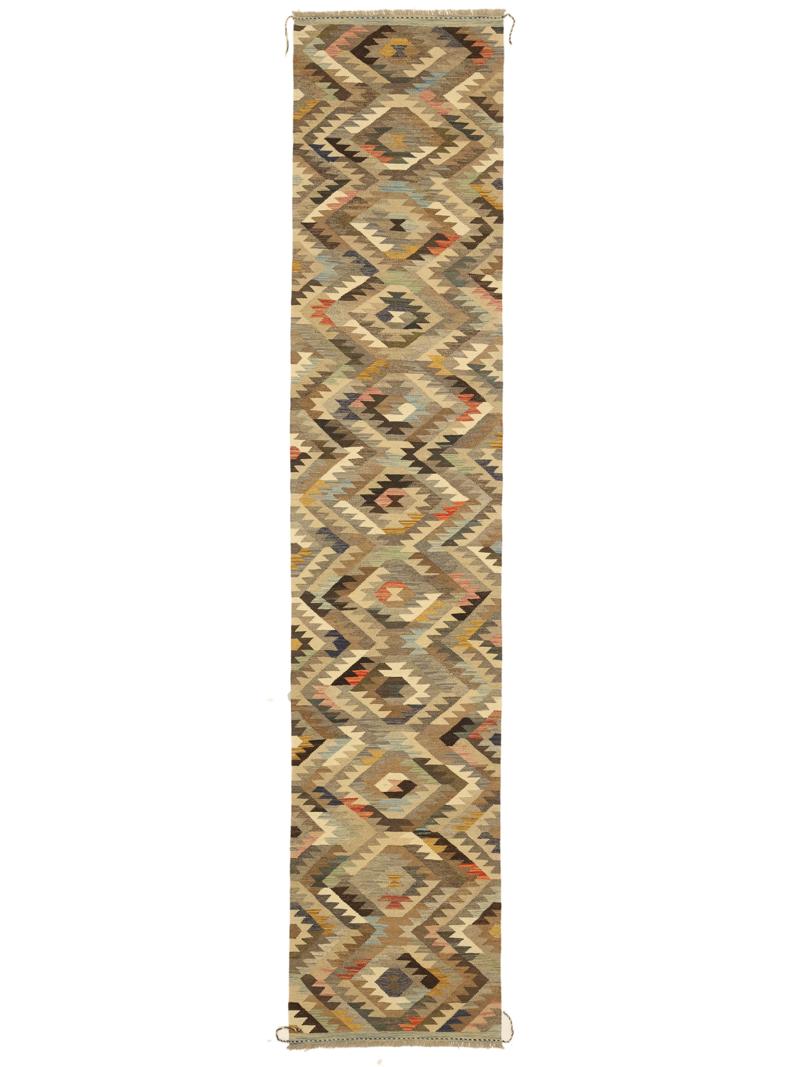
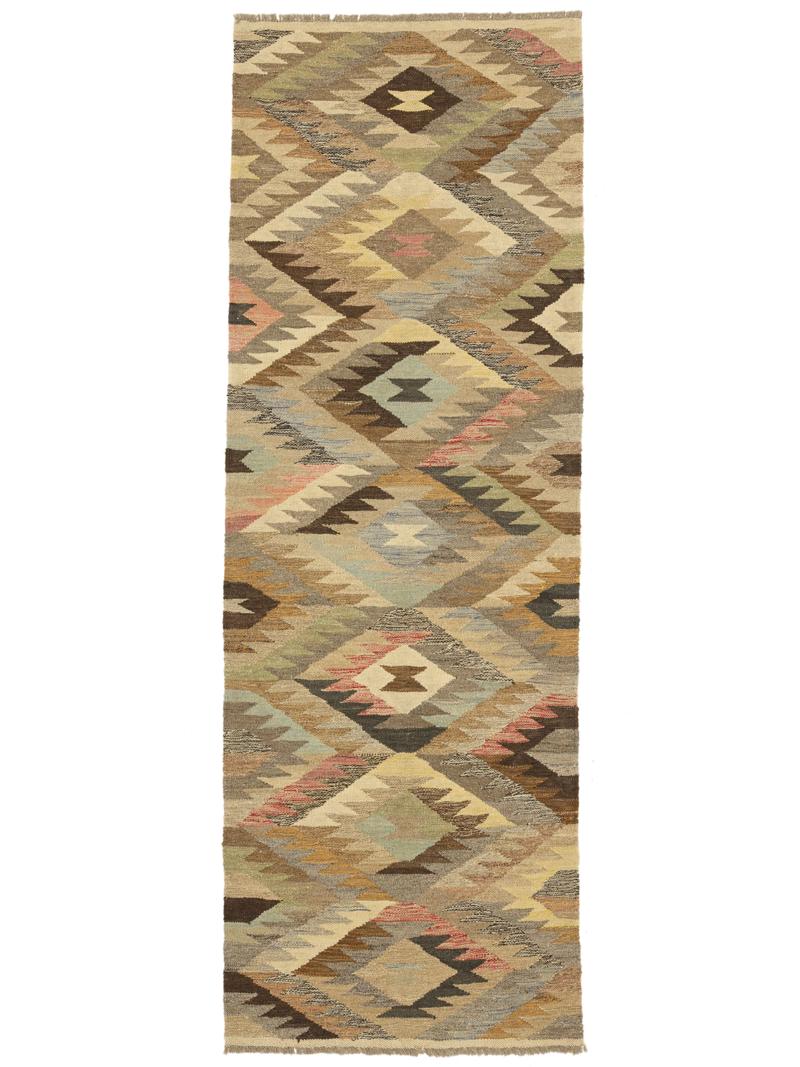
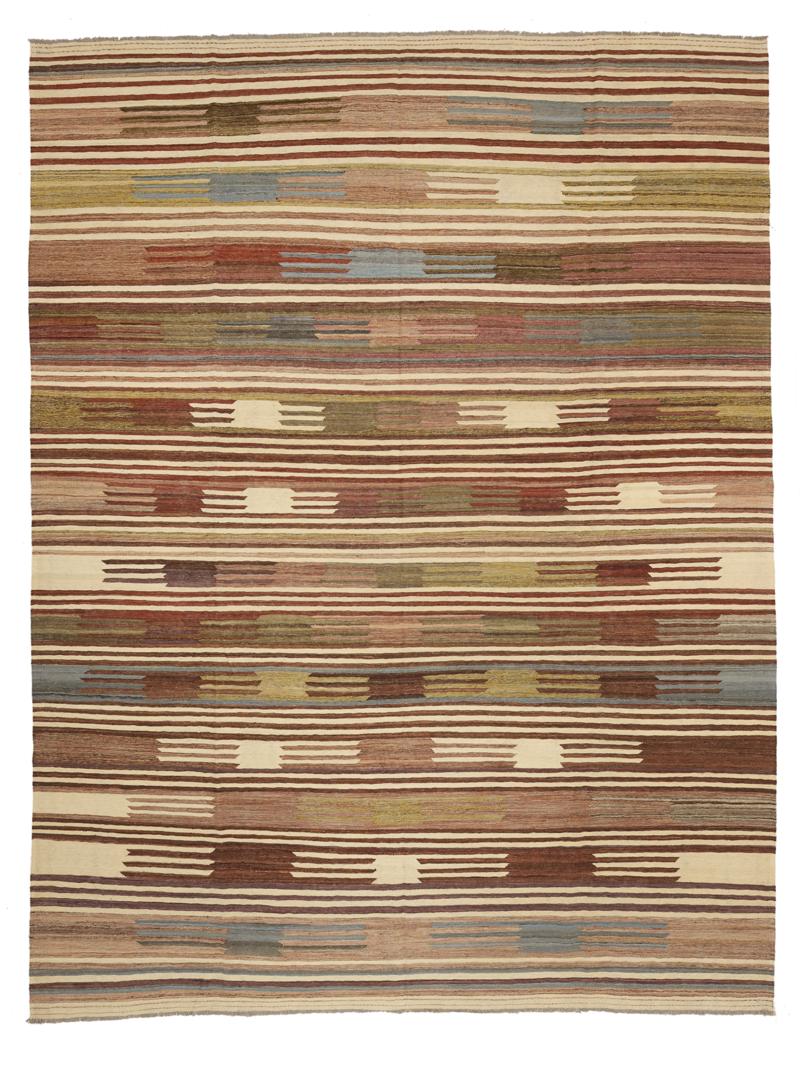
Kilim rugs come in many styles, each shaped by regional heritage and craftsmanship. Most can be grouped into three categories: Modern, Vintage, and Classic—each offering a distinct look and feel.
Some of the most sought-after Kilim styles include:
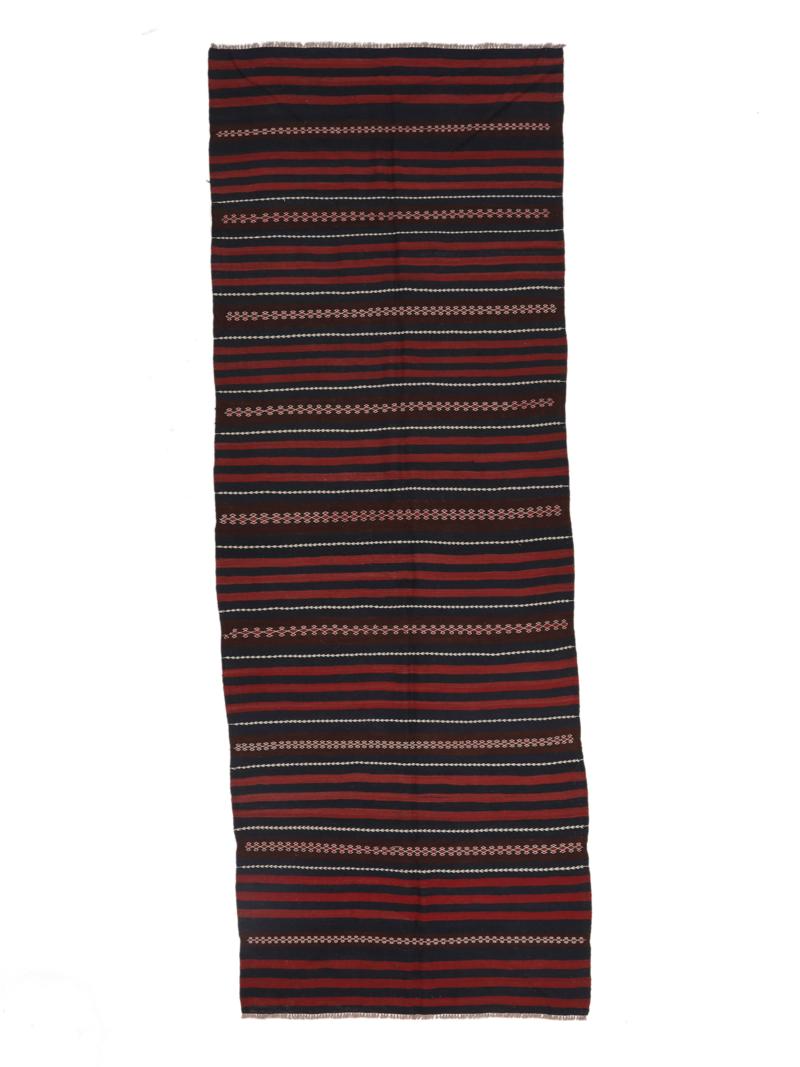
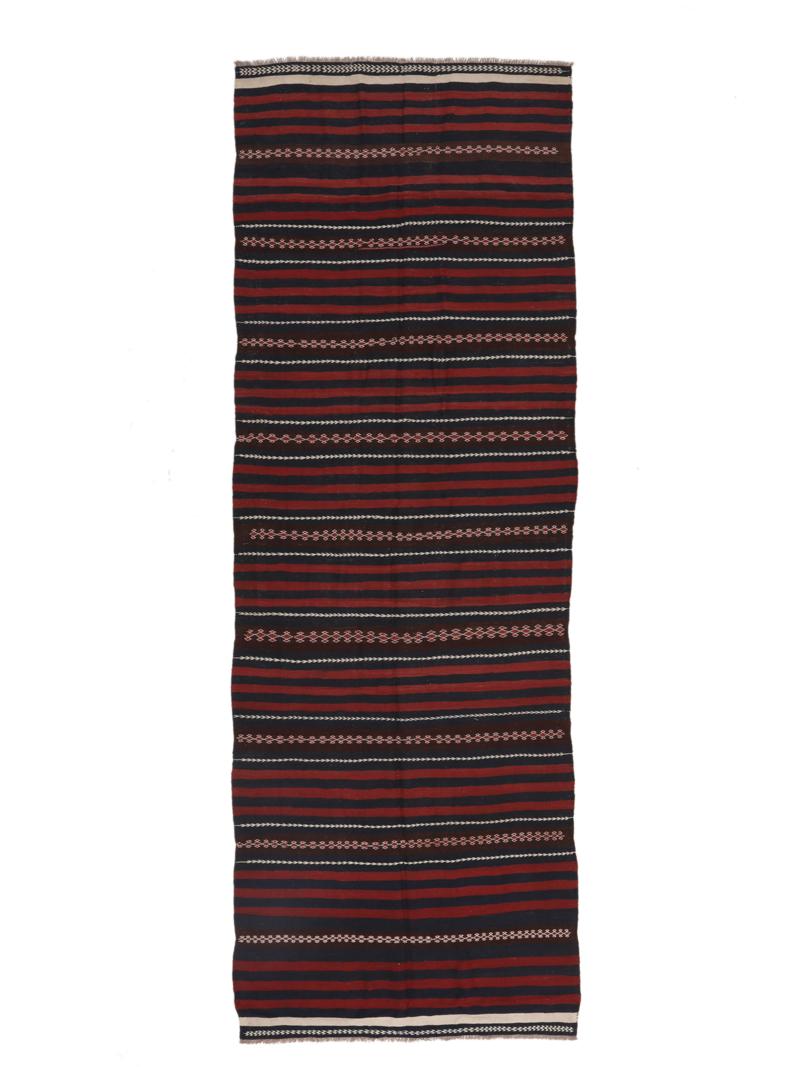
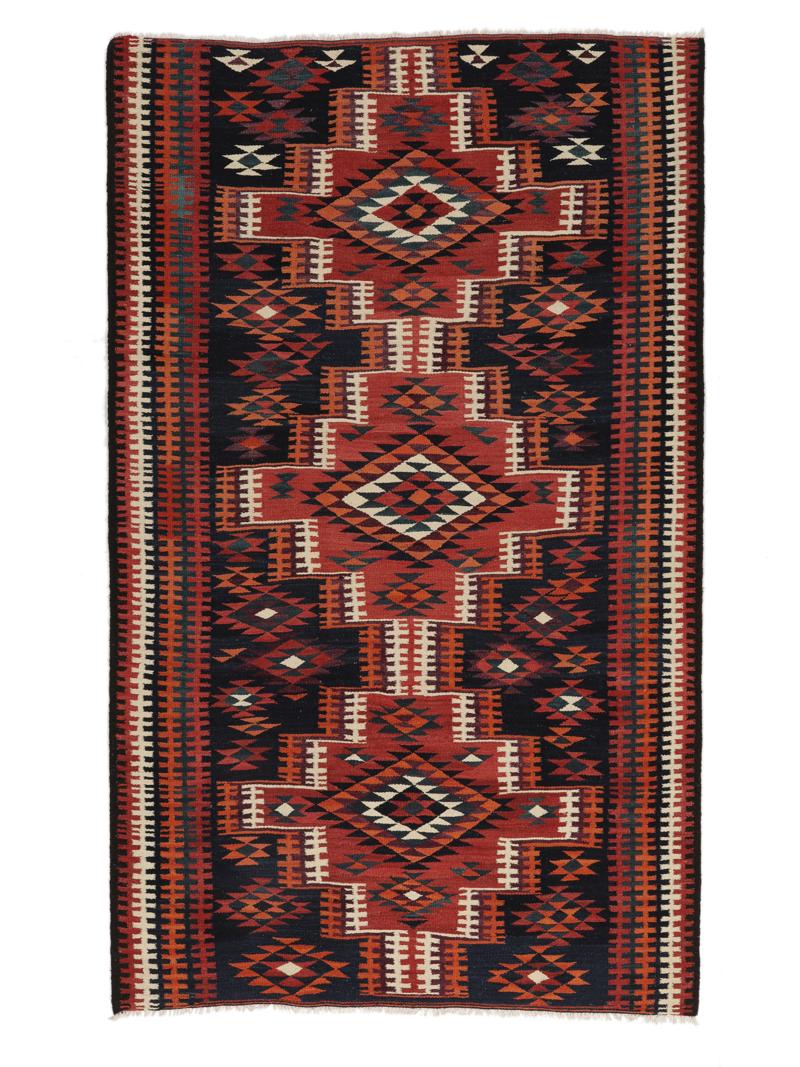
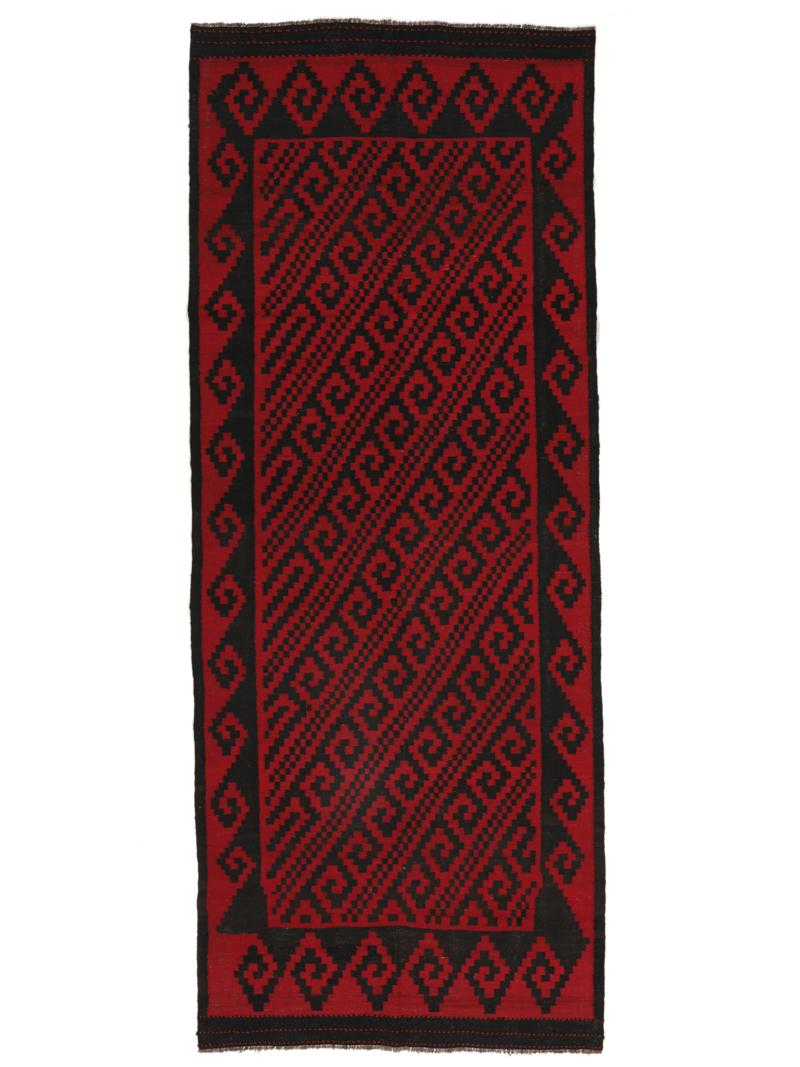
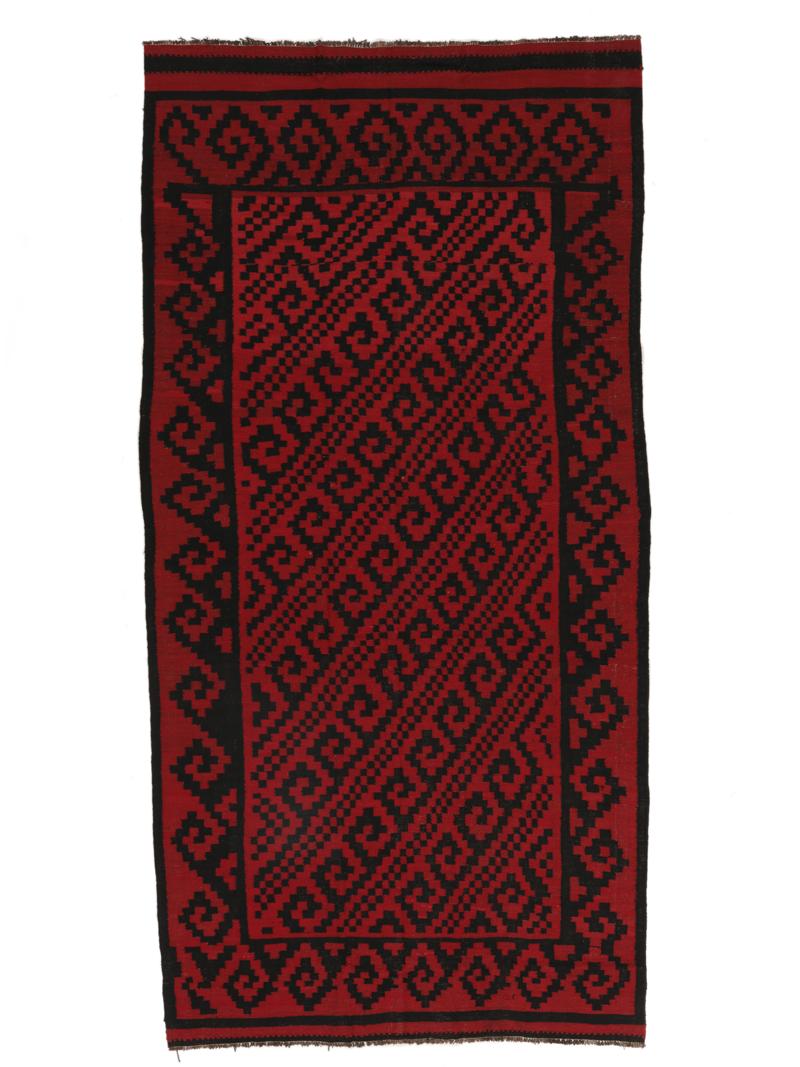
- Kilim Afghan Old Style – known for bold patterns and rich colours.
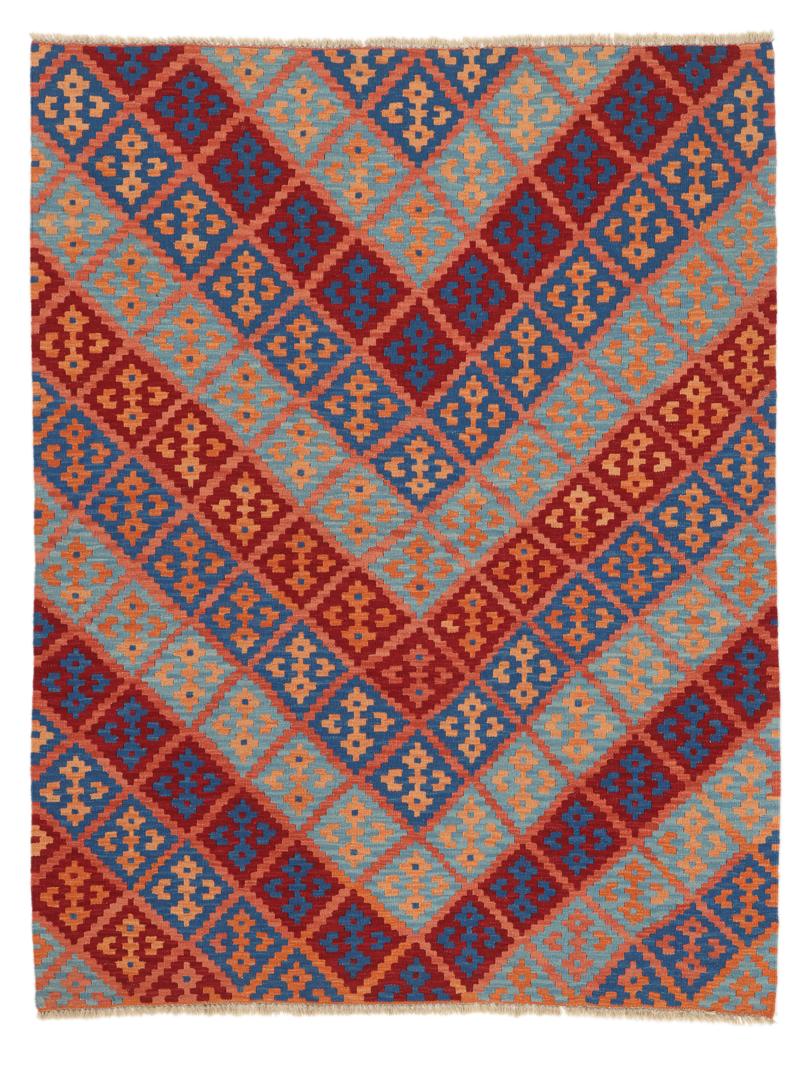
- Kilim Ariana – features refined motifs with a balanced, modern twist.
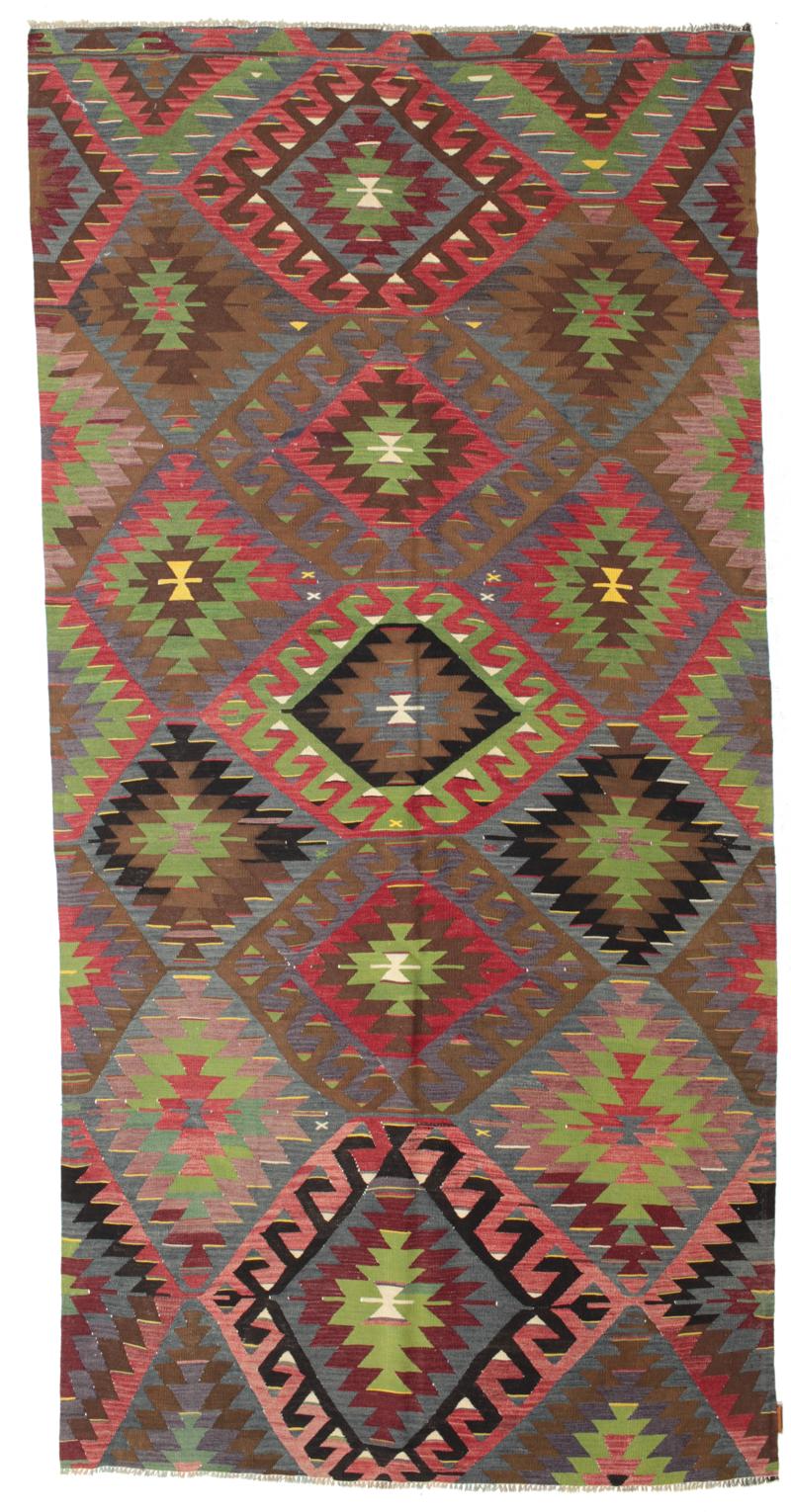
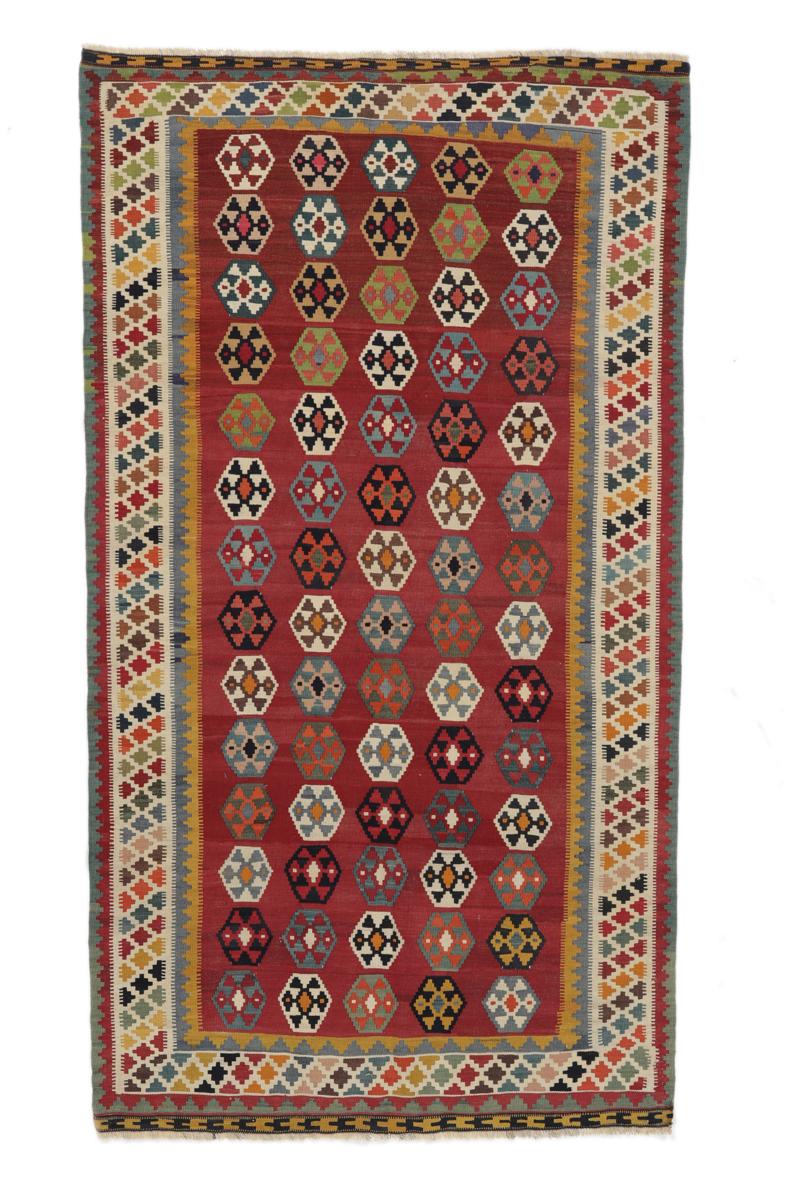
- Kilim Vintage – showcases aged beauty with a unique, time-worn charm.
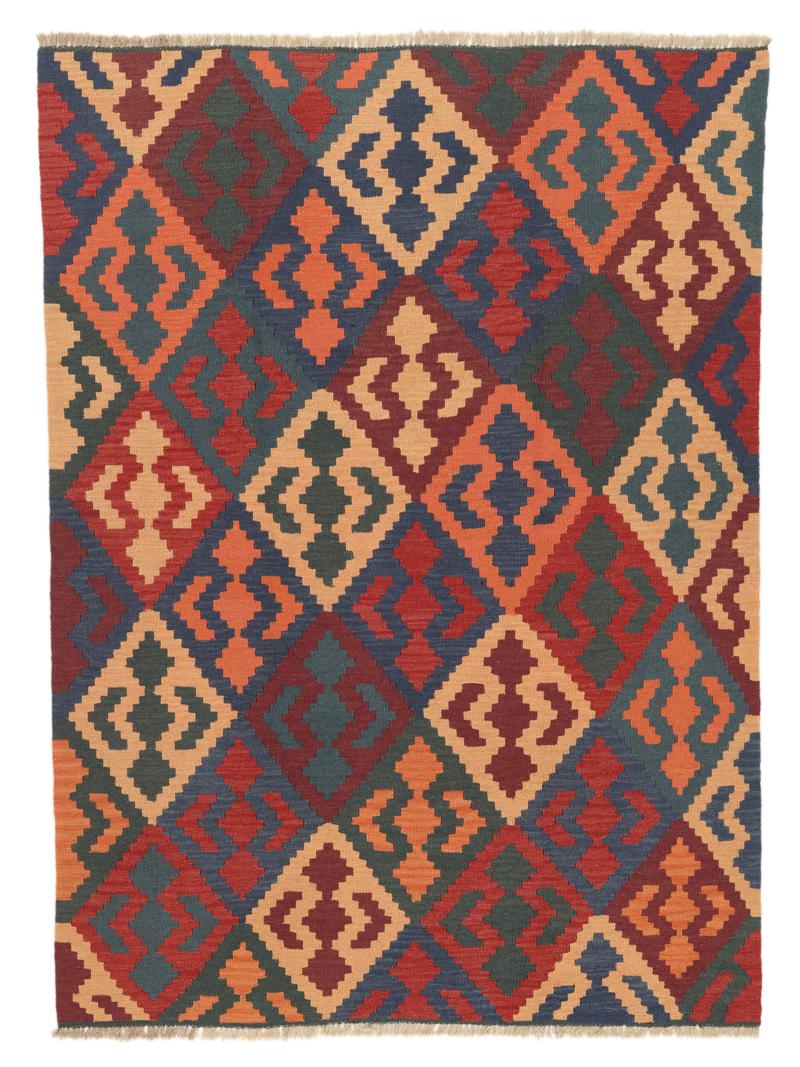
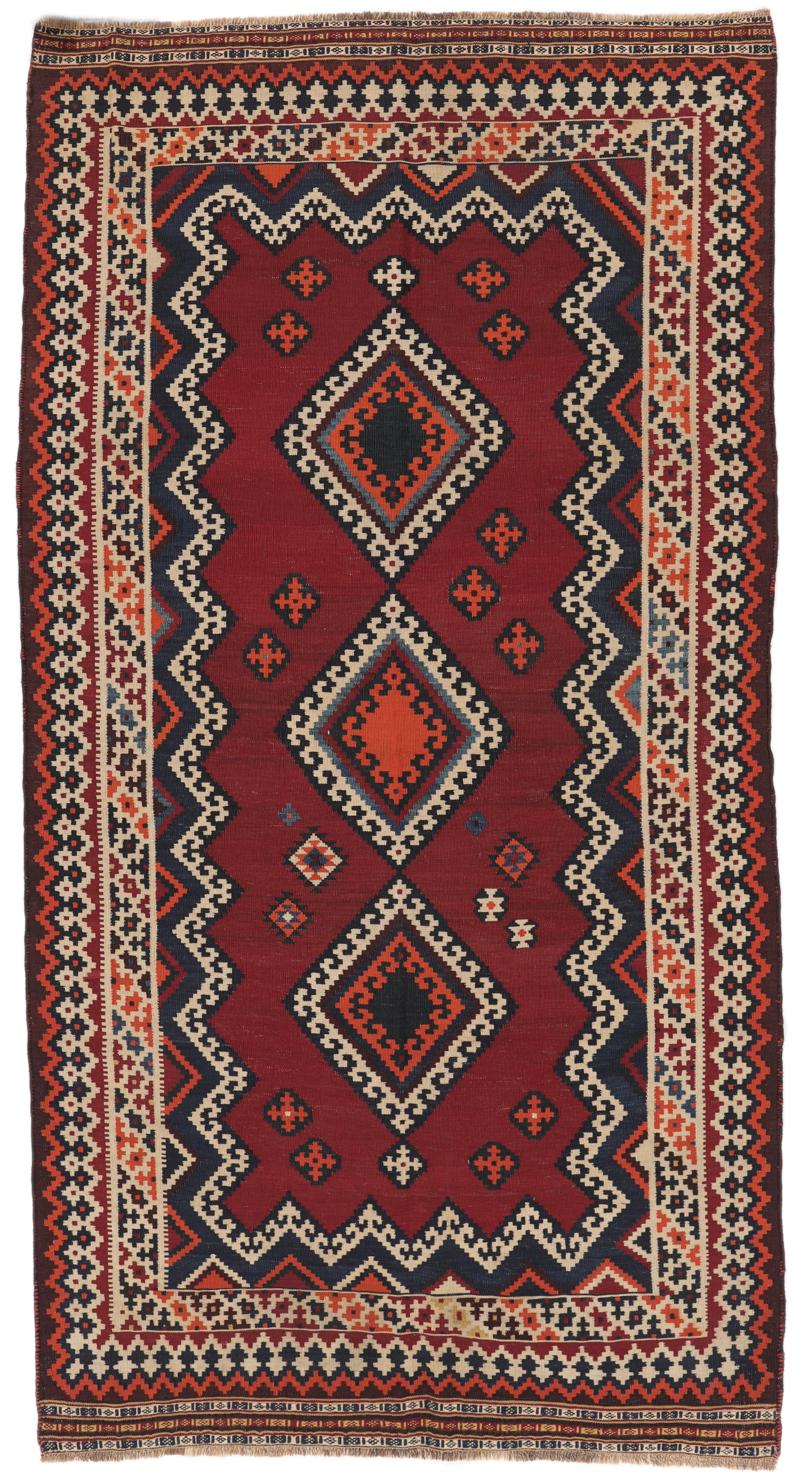
- Kilim Ghashghai – reflects tribal influences and detailed craftsmanship.
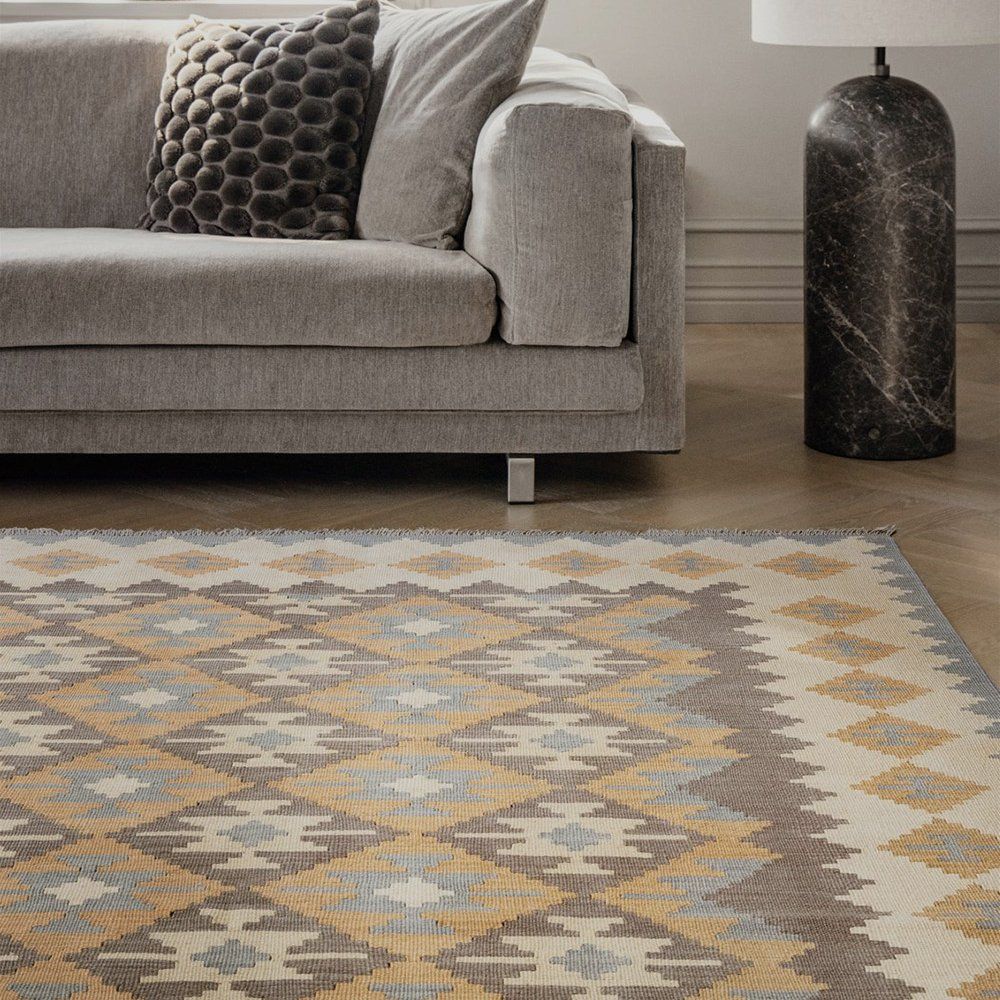
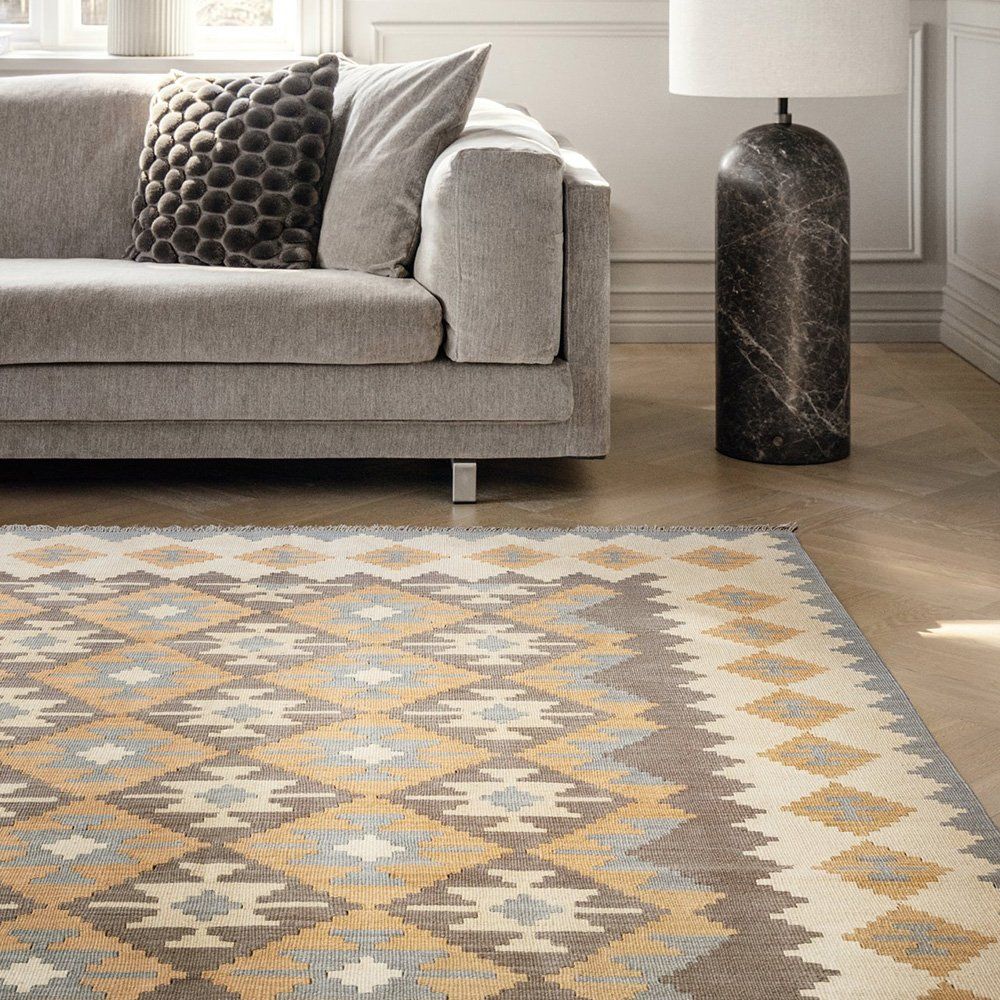
Each type carries its own story and aesthetic, making Kilim rugs a versatile choice for a variety of interiors.