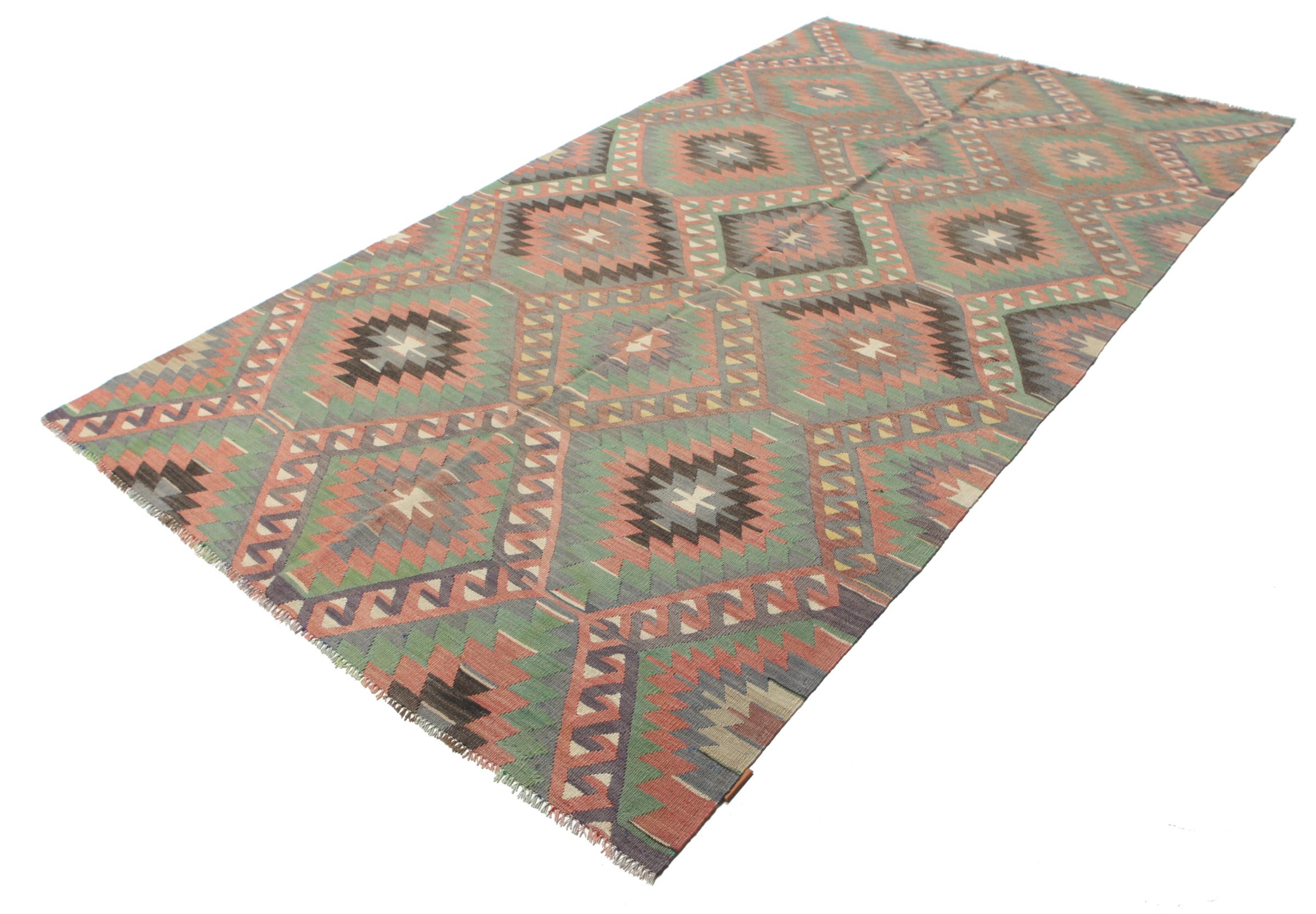
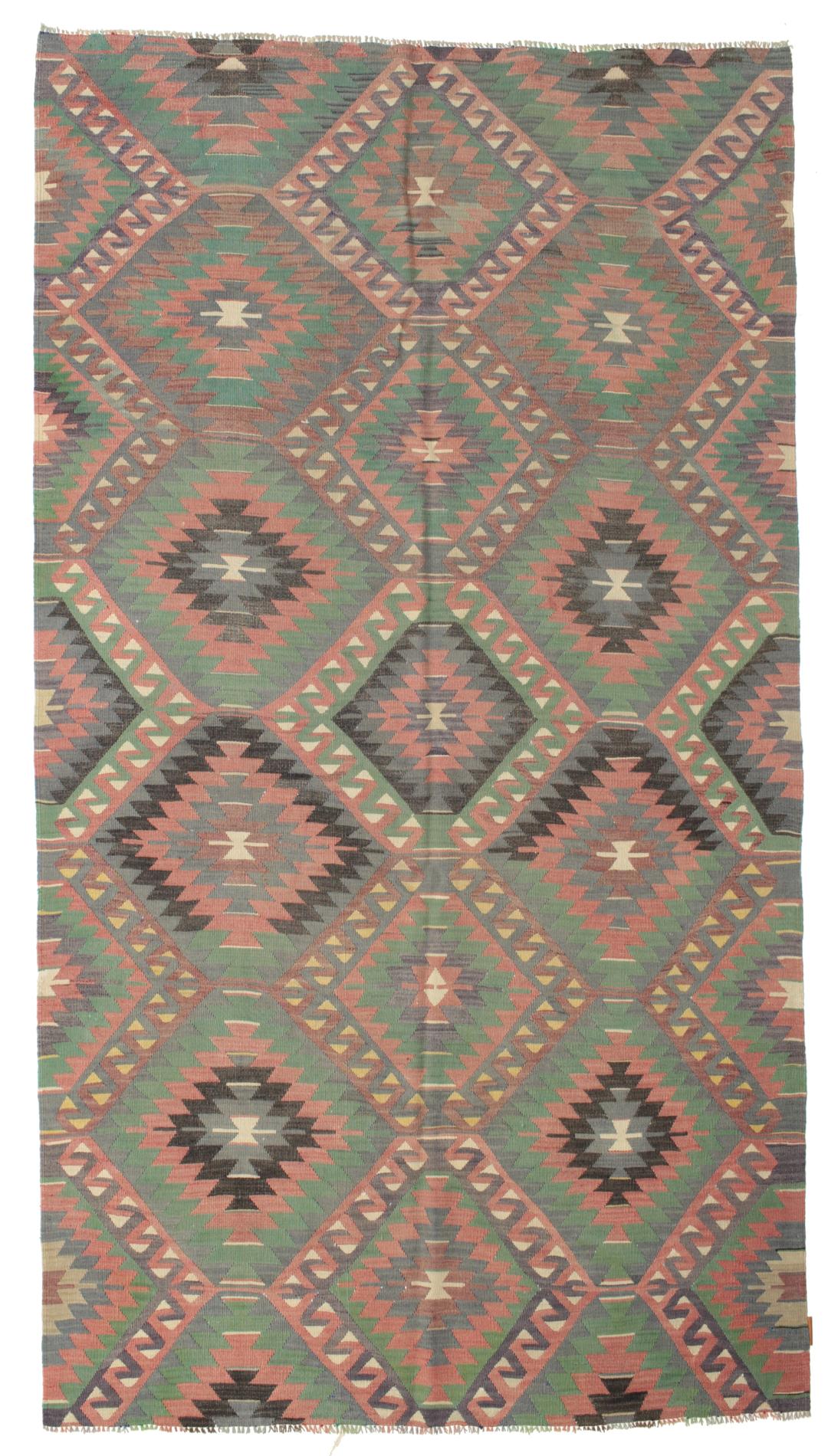
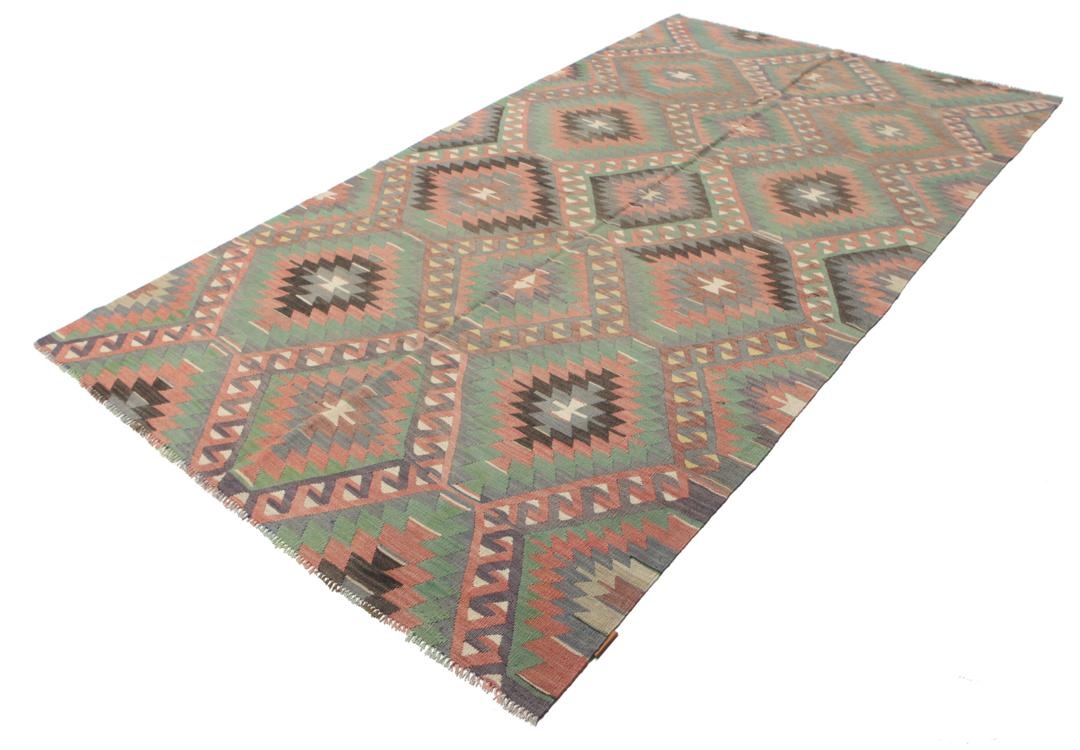
Kilim rugs are a central element of Turkish textile heritage, representing a tradition of flat-weaving that dates back centuries. These rugs were historically created by nomadic and semi-nomadic peoples in Anatolia to serve as functional items for tents and homes, ranging from floor coverings to storage bags and wall hangings. The evolution of these pieces from utilitarian objects to sought-after collector items reflects the enduring appeal of their bold designs.
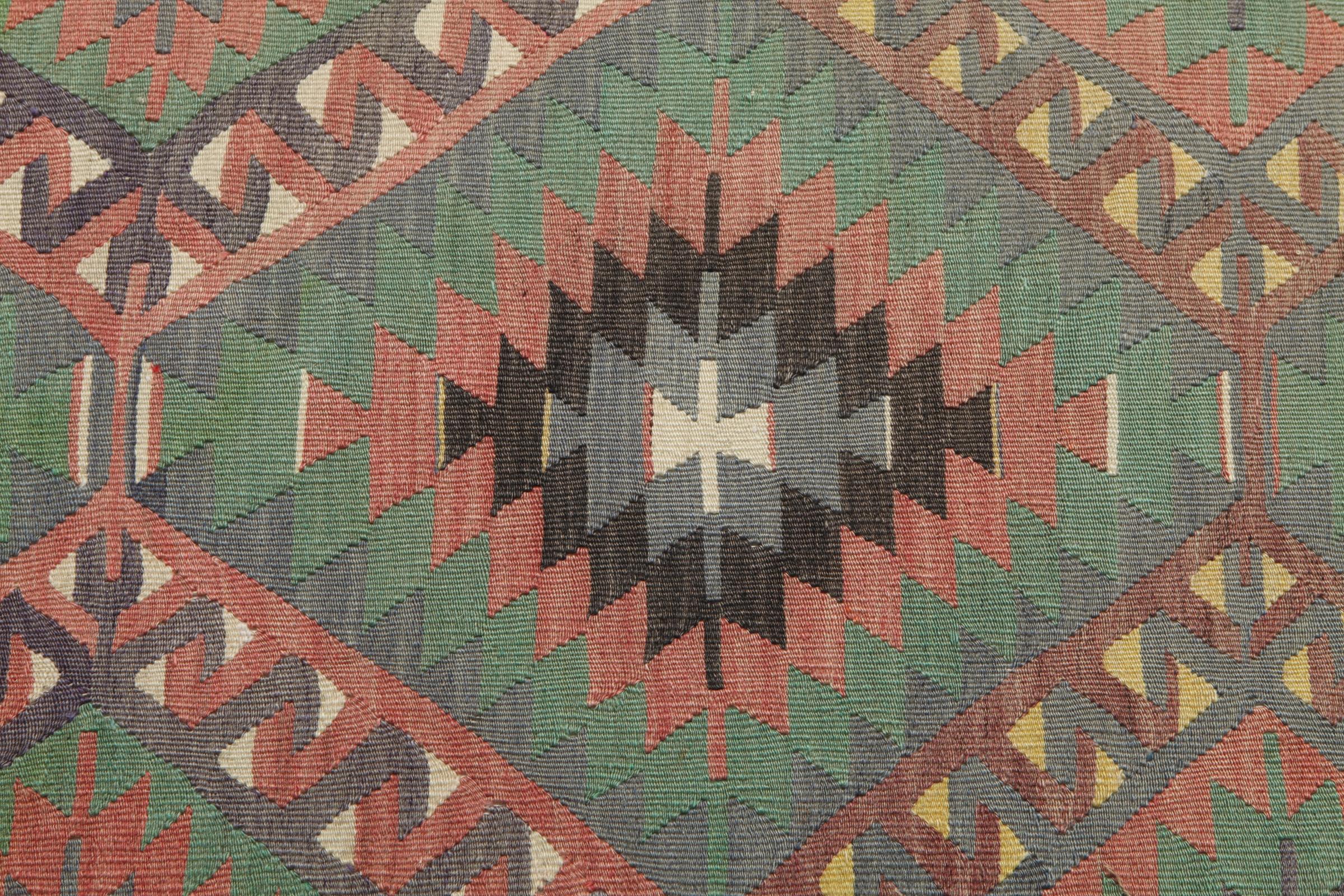
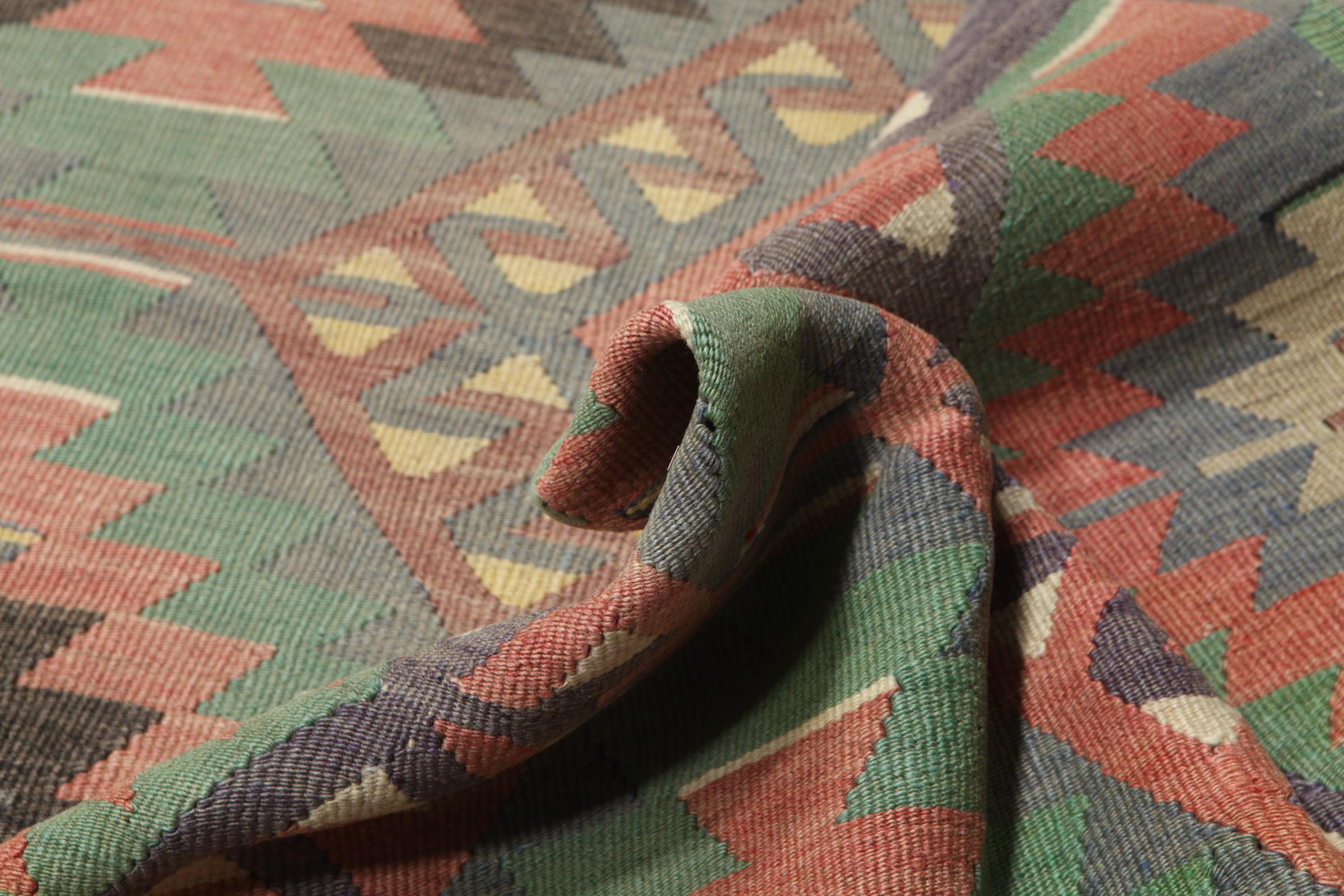
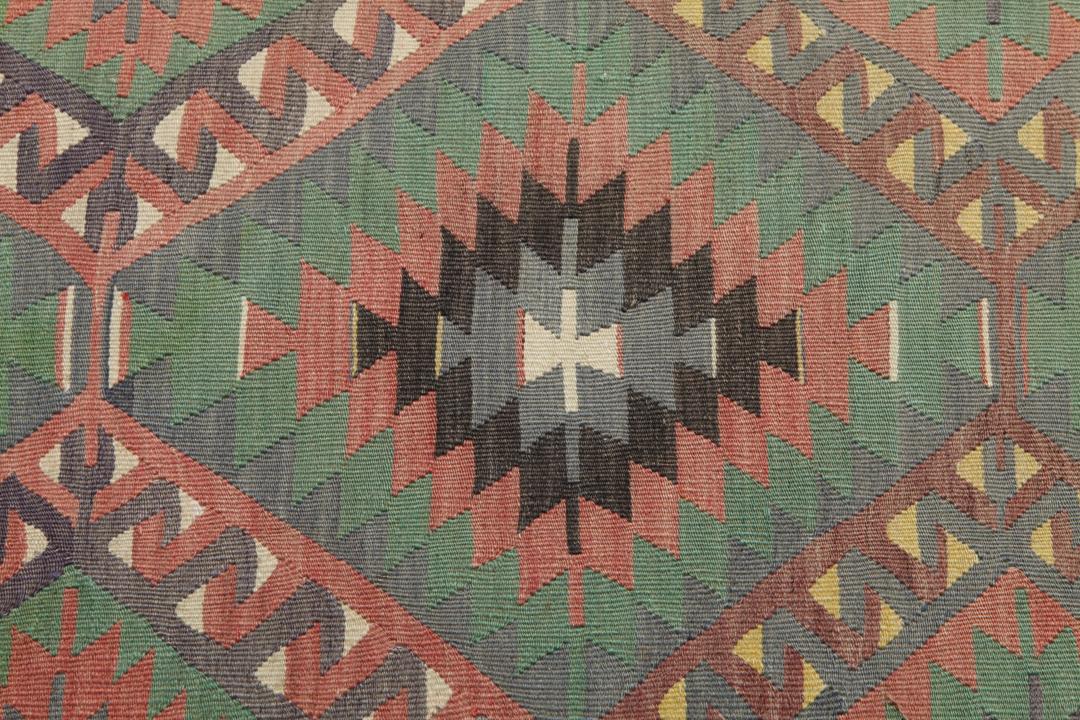
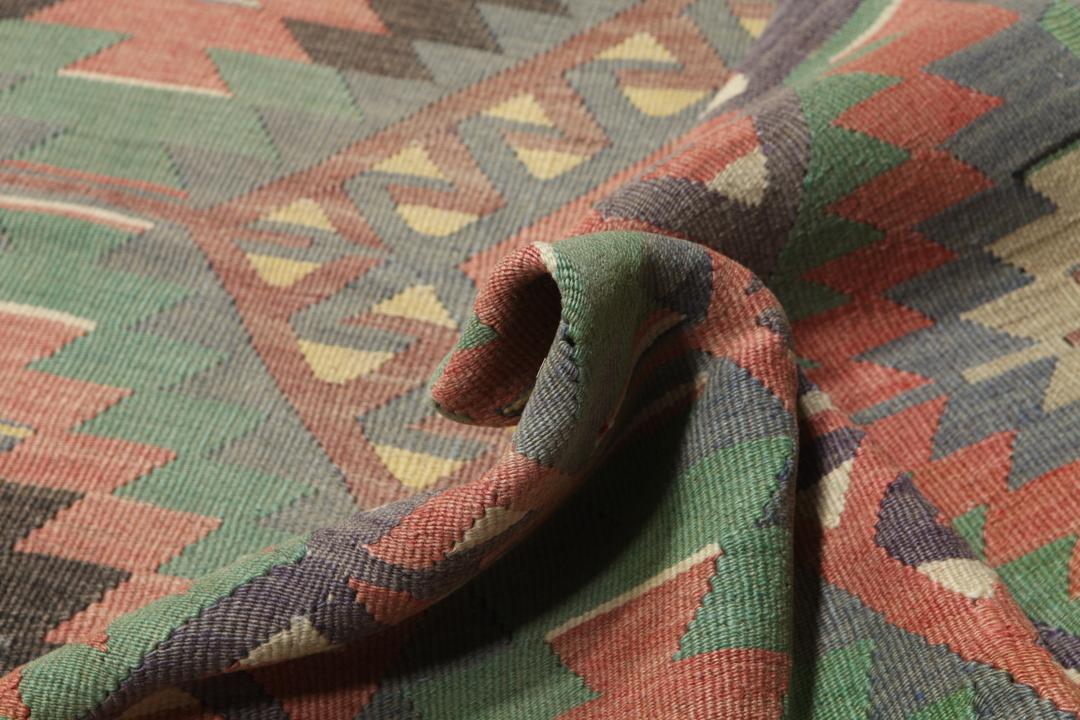
The term Kilim refers to the specific flat-weave technique used to create these pieces. Unlike pile rugs, Kilims are made by interweaving the coloured weft strands through the warp, which creates a smooth, reversible surface without a raised pile. This technique allows for the characteristic sharp, geometric patterns and clean lines that make these rugs so visually striking and distinct from other Middle Eastern weaving styles.
Signature design elements in Turkish Kilims often include symbolic motifs passed down through generations, such as diamonds, triangles, and stylized floral forms. These patterns are not just decorative; they often carry cultural meaning, representing themes like protection, fertility, or unity. The use of a vibrant, earthy colour palette is a hallmark of the region, utilizing natural dyes that develop a beautiful, muted patina over time.
Today, vintage Kilims are highly valued by collectors and interior designers alike for their authenticity and the human story woven into every thread. Owning a piece from this tradition is an investment in cultural history and artisanal skill. Each rug serves as a tangible link to the past, offering a level of artistic integrity and connection to craft that is increasingly rare in the modern world.