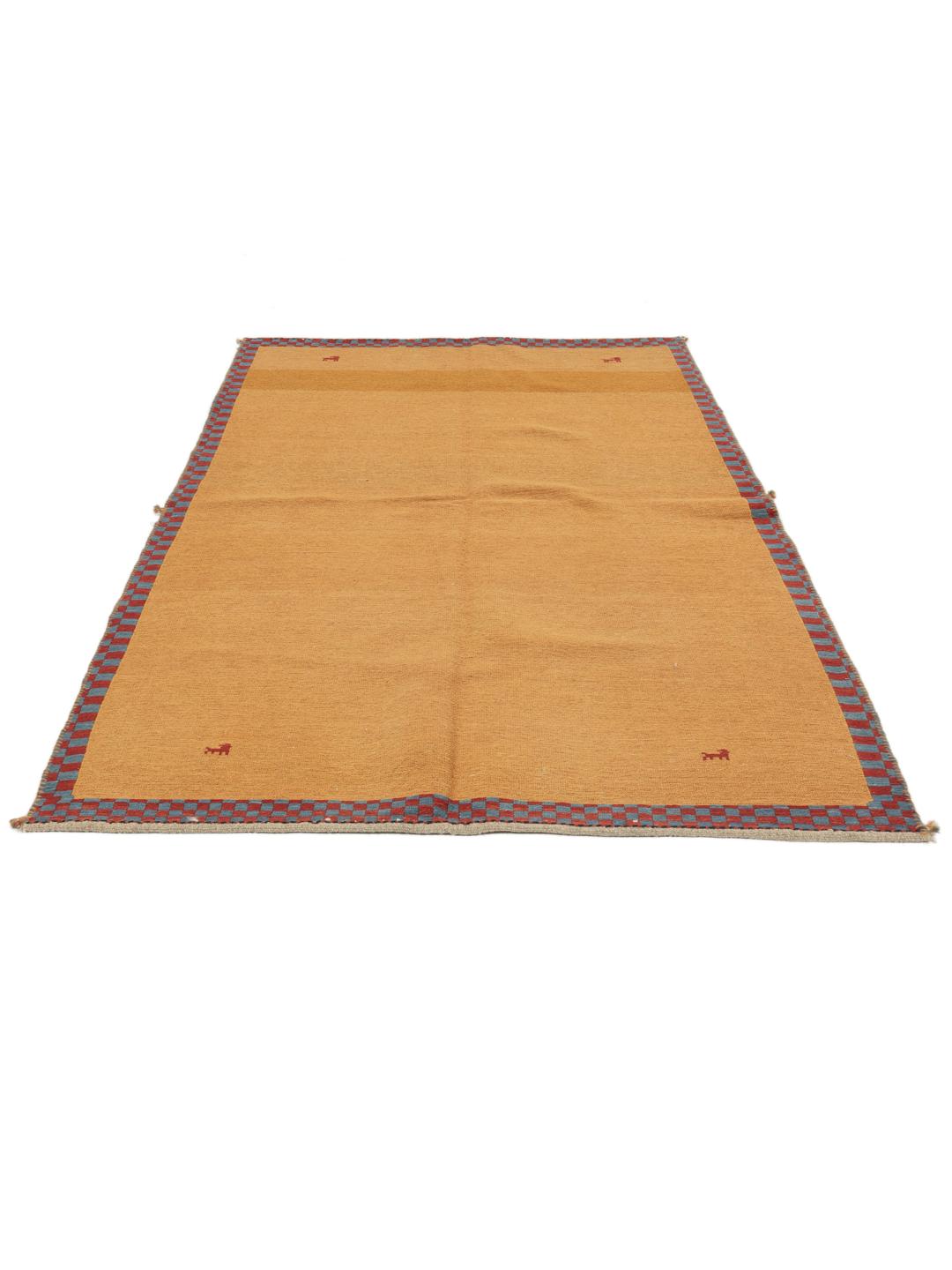
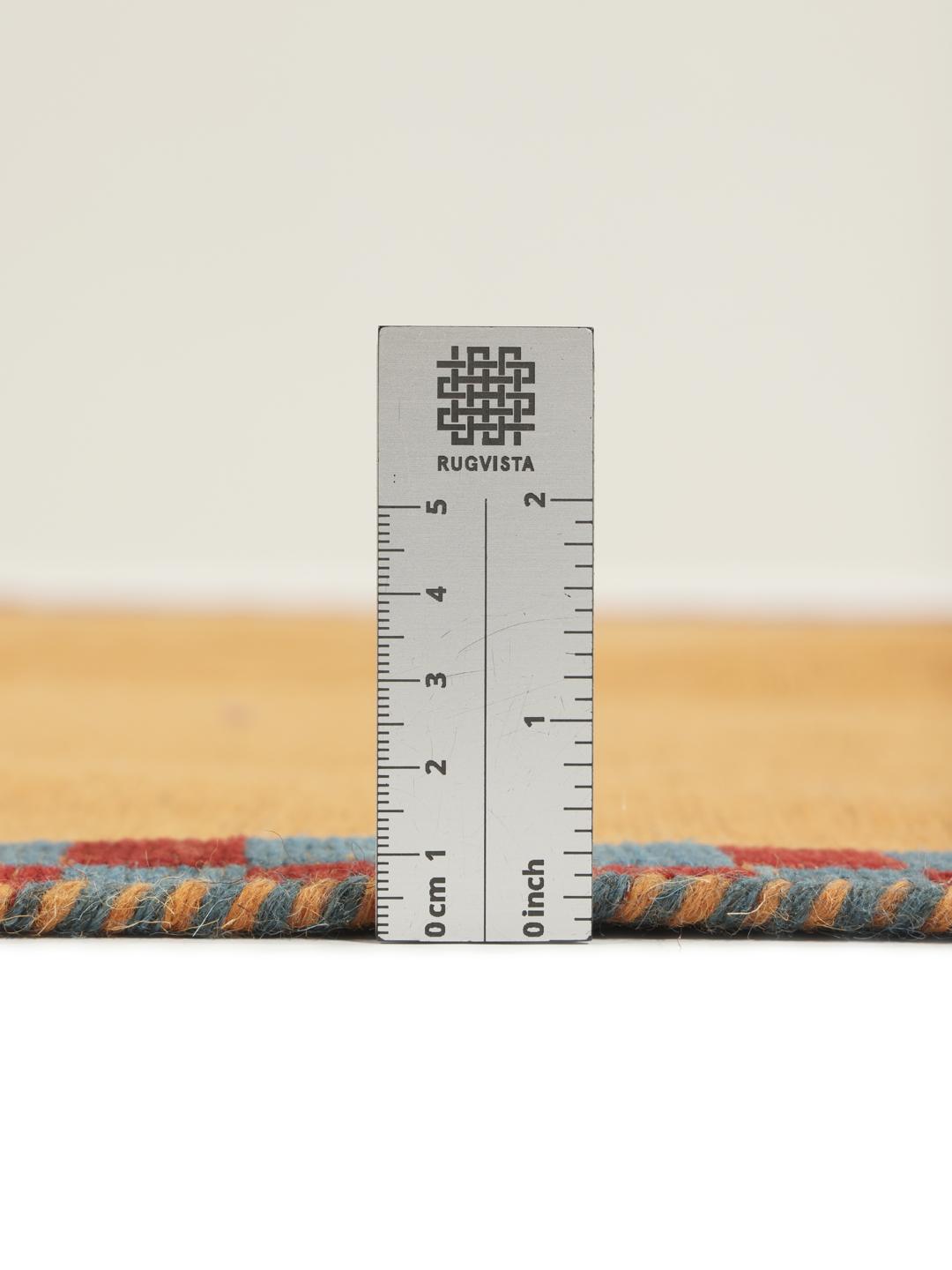
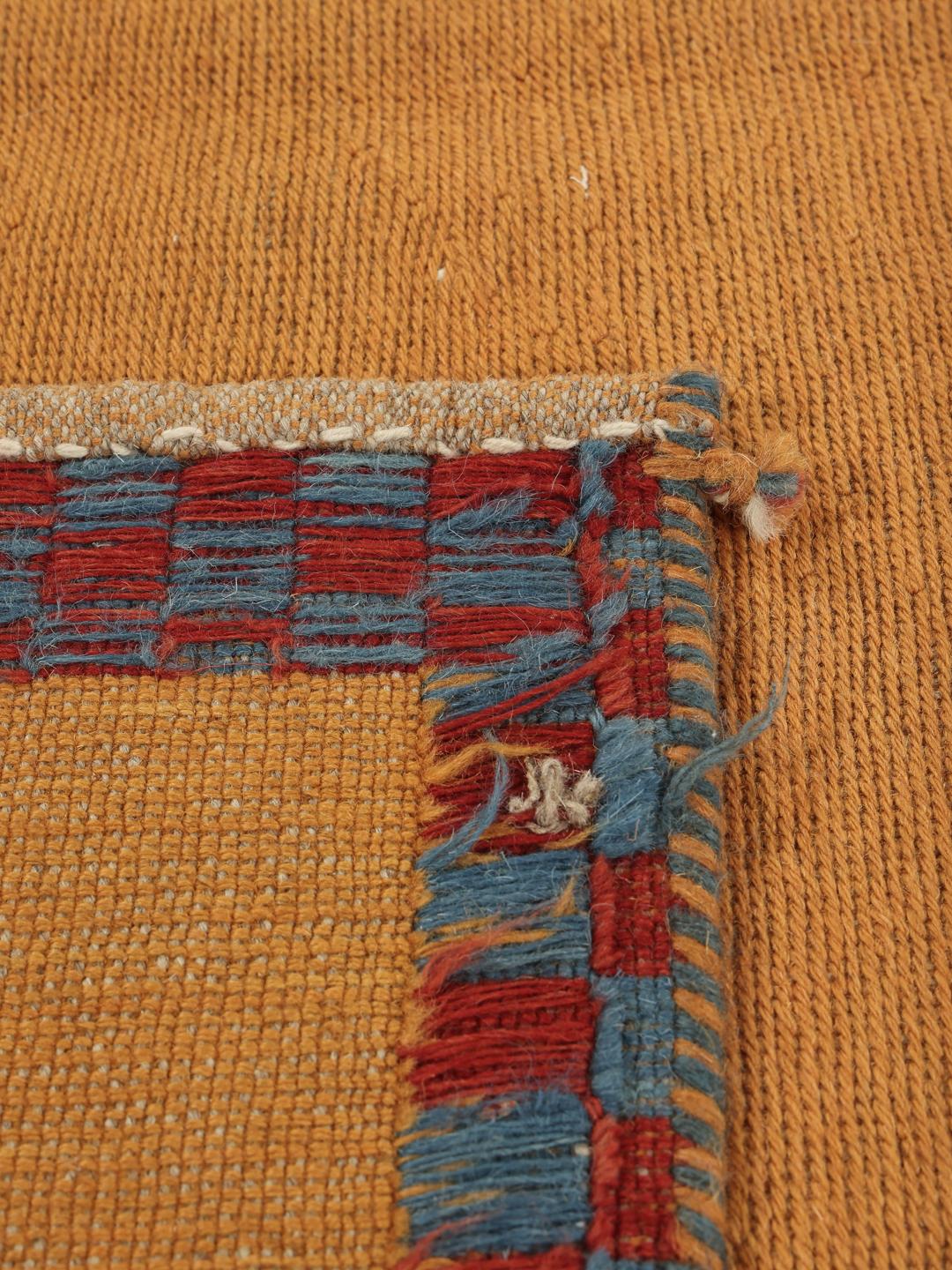
The Kelim Afshar tradition originates from the nomadic and semi-nomadic tribes of the Middle East, particularly the Afshar people. These groups have historically been known for their resilient and resourceful nature, which is reflected in the textiles they produce. The rug-making traditions of this region are deeply intertwined with the landscape and the nomadic lifestyle, where portable and durable floor coverings were essential for daily survival.
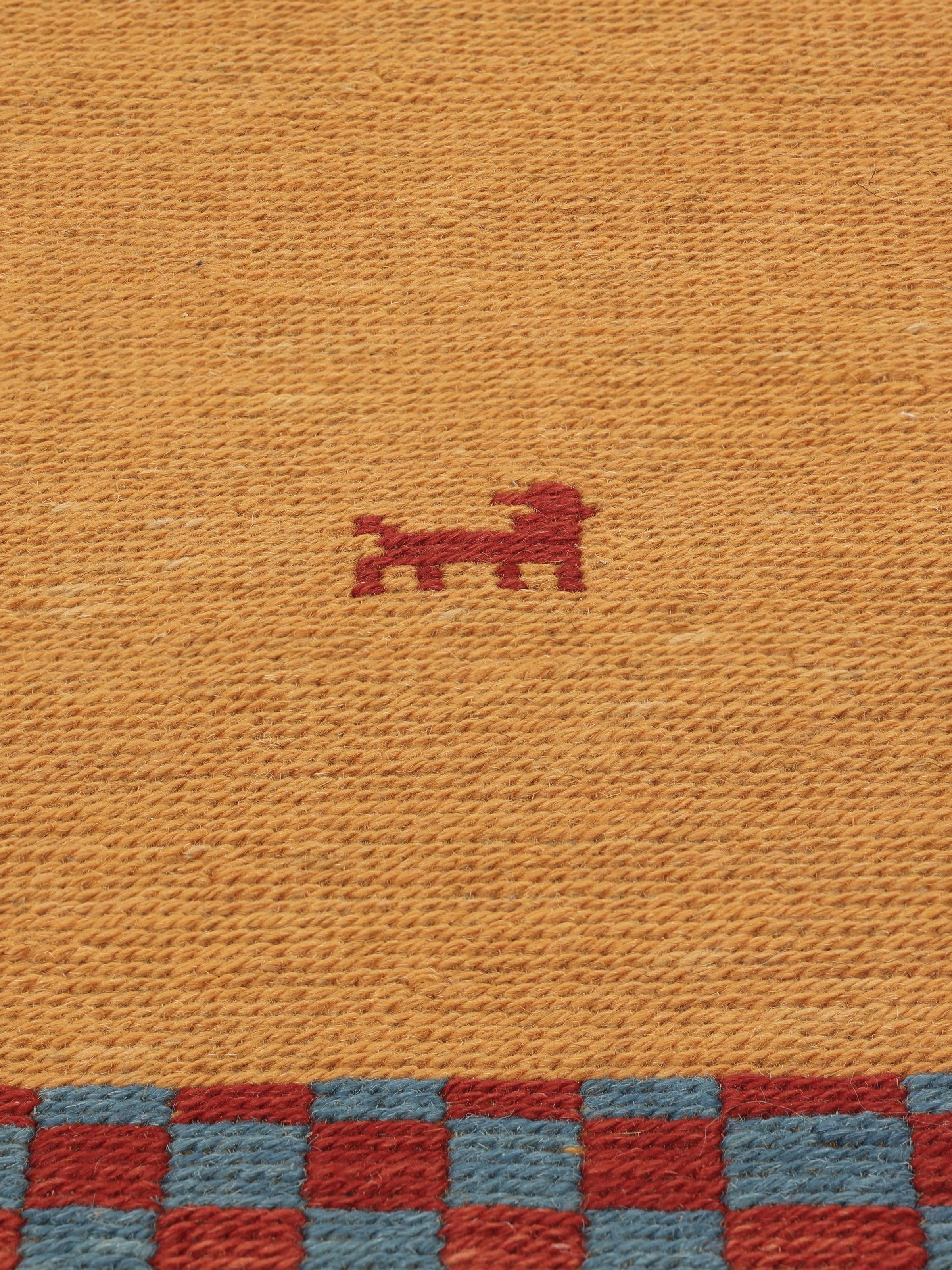
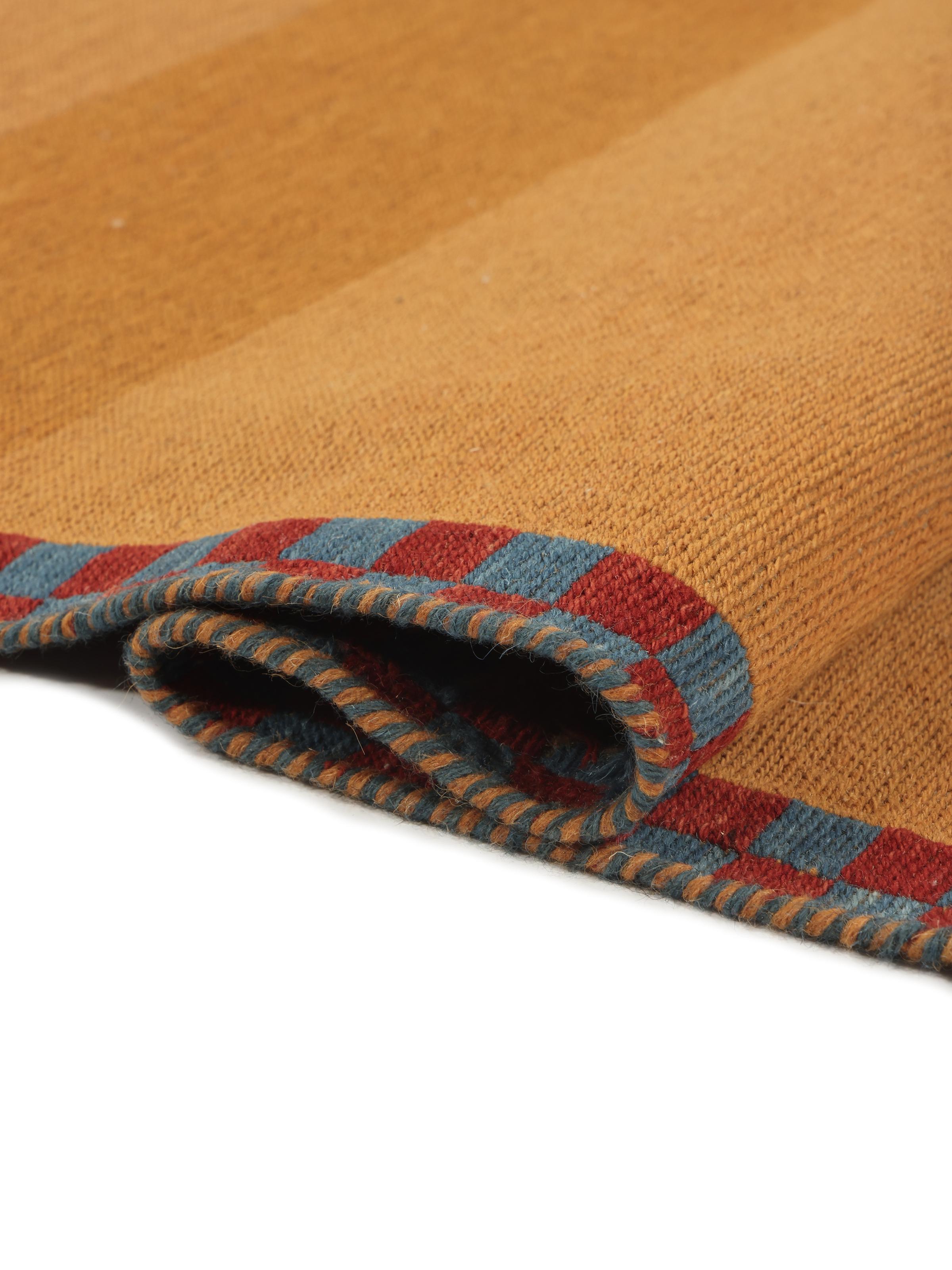
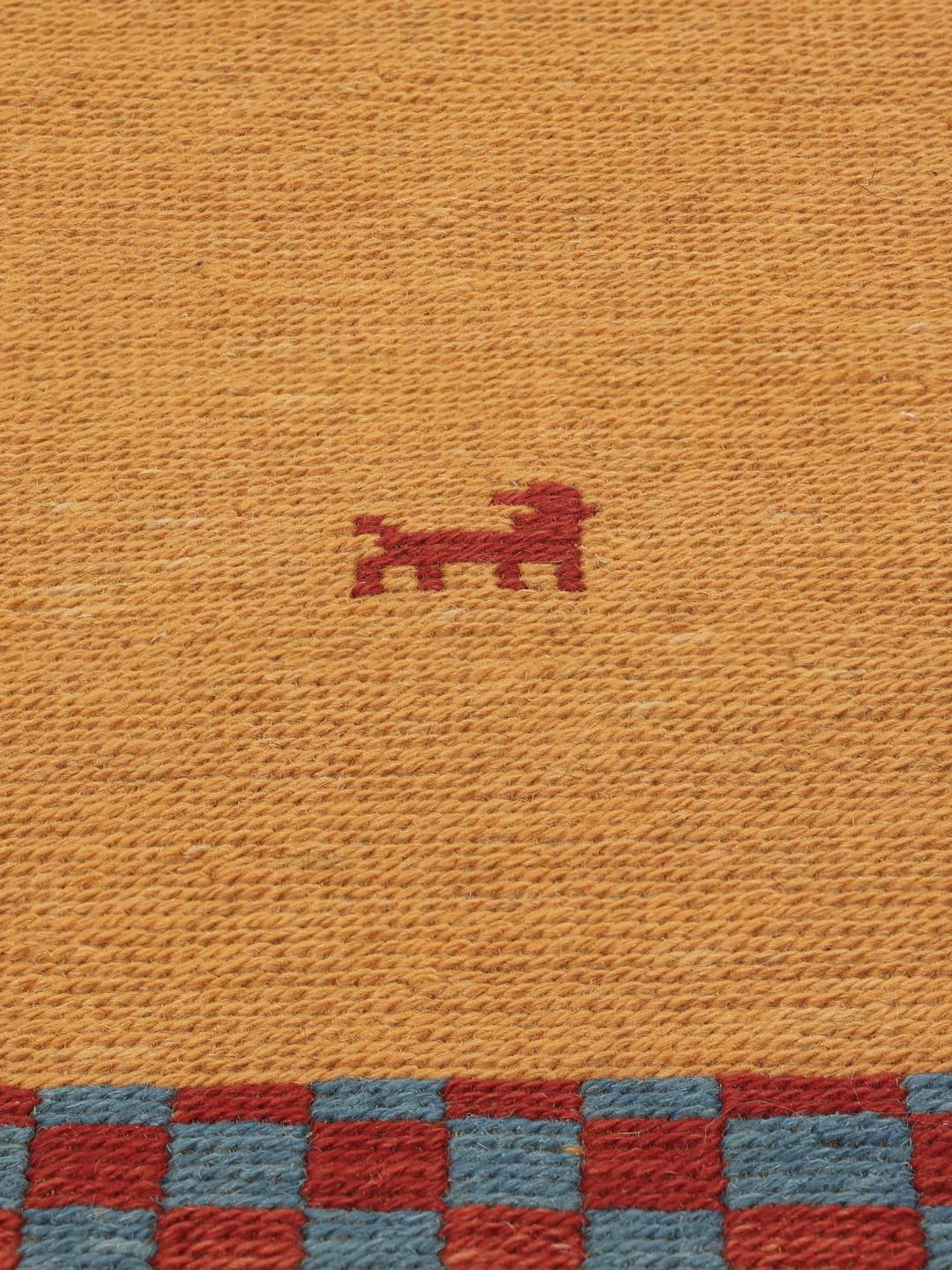
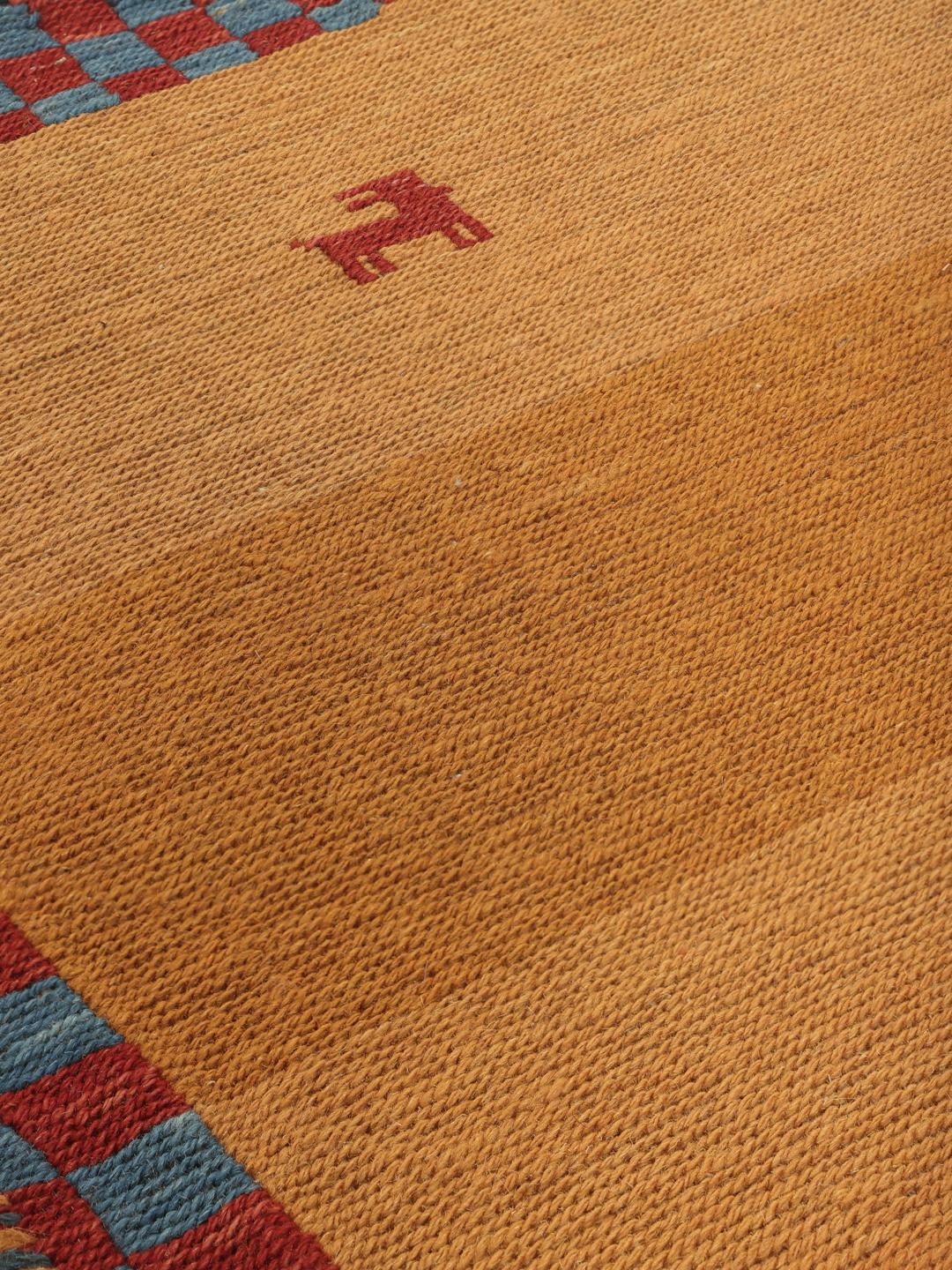
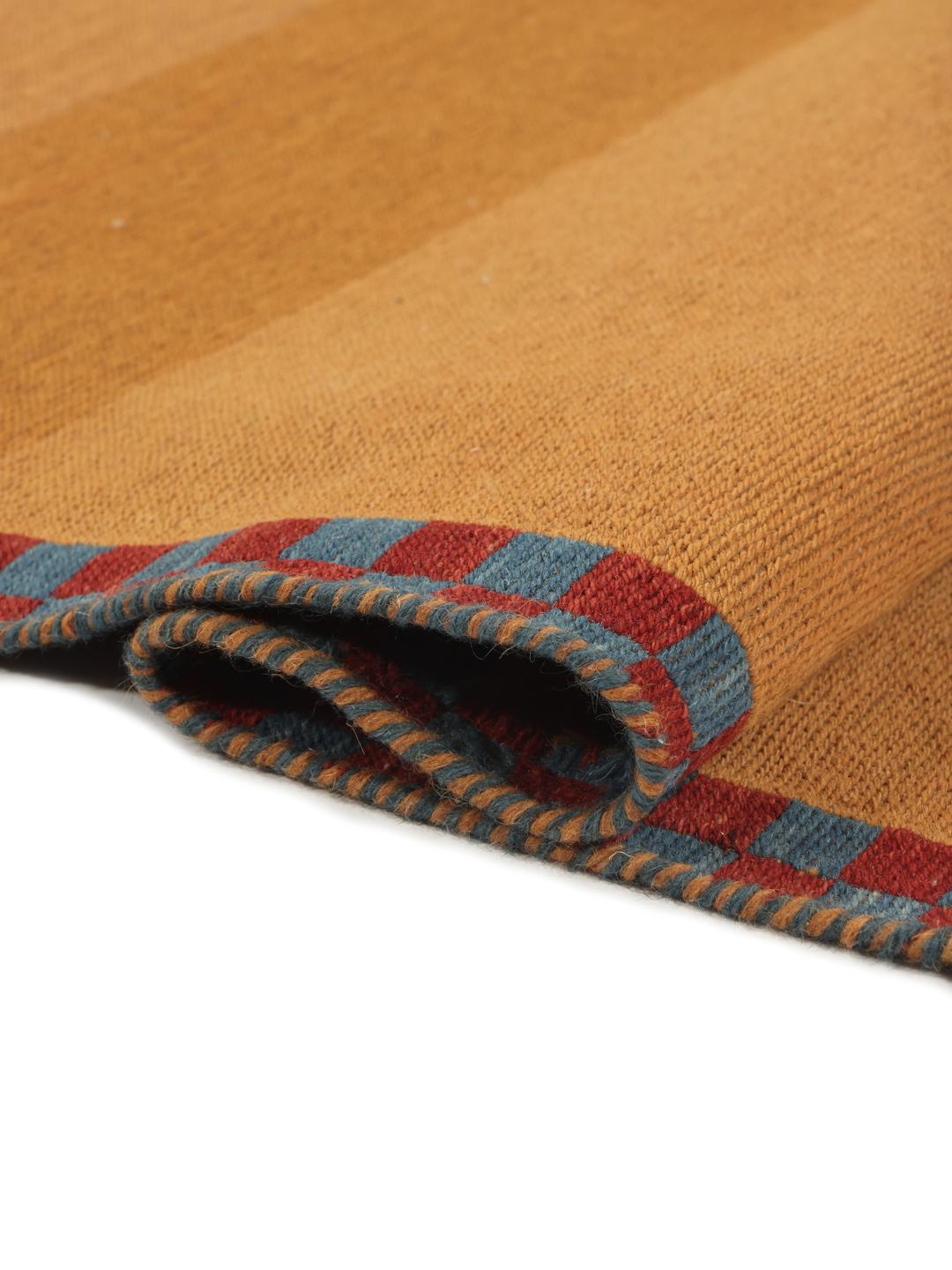
A Kilim is a flat-woven textile, meaning it lacks the pile found in knotted rugs. This specific construction technique allows for a thinner, lighter, and highly versatile piece that is perfect for layering. The lack of pile requires the weaver to be incredibly precise, as the design is created directly through the interlacing of the warp and weft threads. This technical demand results in a crisp, clean aesthetic that showcases the raw quality of the wool.
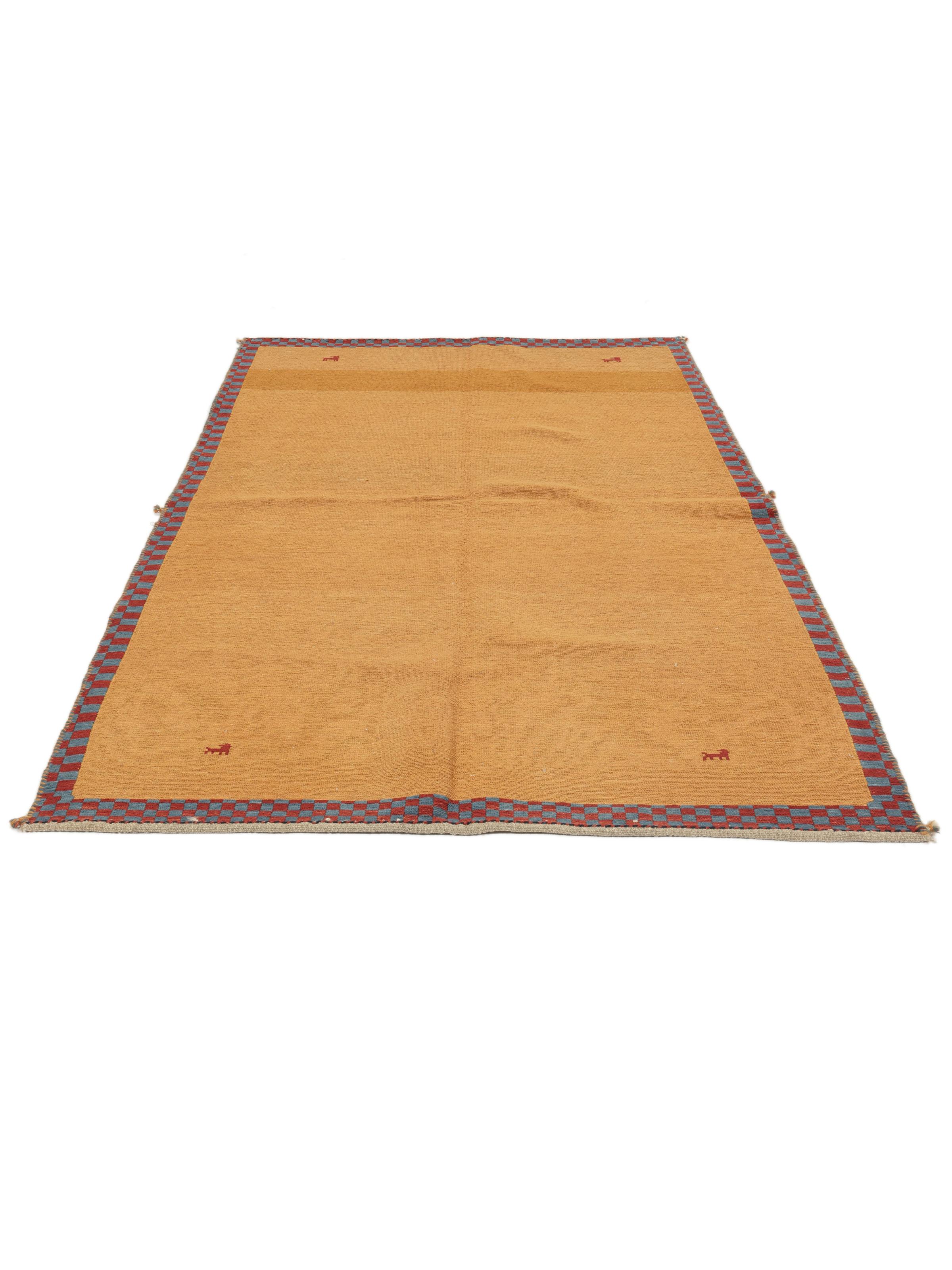
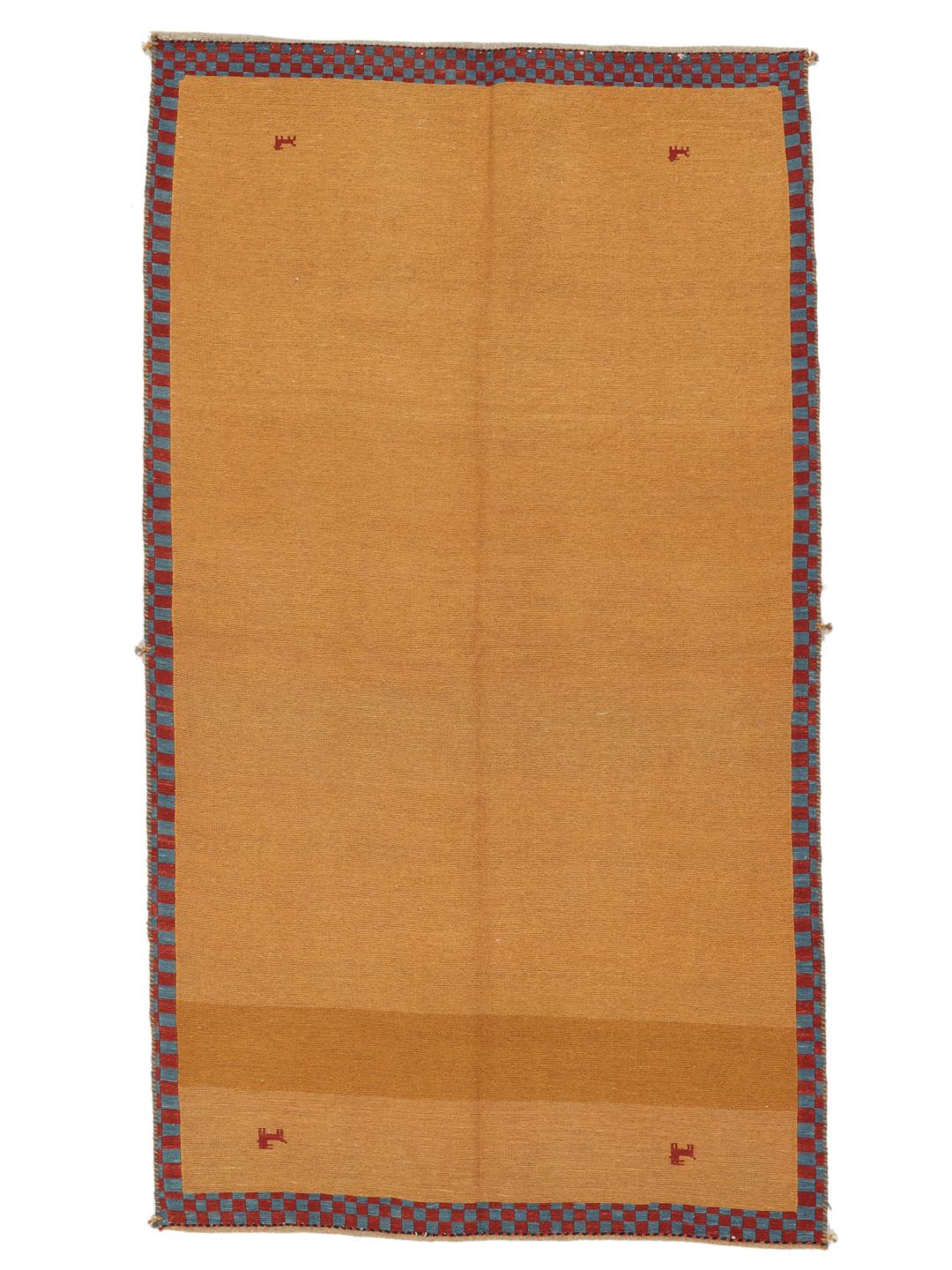
Visually, this rug tradition is characterised by a blend of tribal motifs and geometric shapes, often featuring bold, earthy colours derived from natural dyes. While patterns can range from highly complex to minimalist, they always tell a story of the weaver’s environment and tribal heritage. The inclusion of a formal, checkered border is a signature touch, providing a structured contrast to the more organic or open fields often found in these pieces.
Owning a piece from this tradition is an invitation to connect with a long-standing cultural legacy. These rugs are highly valued by collectors for their authenticity, the skill required to weave them, and the fact that they represent a way of life that is increasingly rare. By bringing a Kelim Afshar into your home, you are not just acquiring a floor covering, but a piece of cultural history that has been crafted with intention and care.