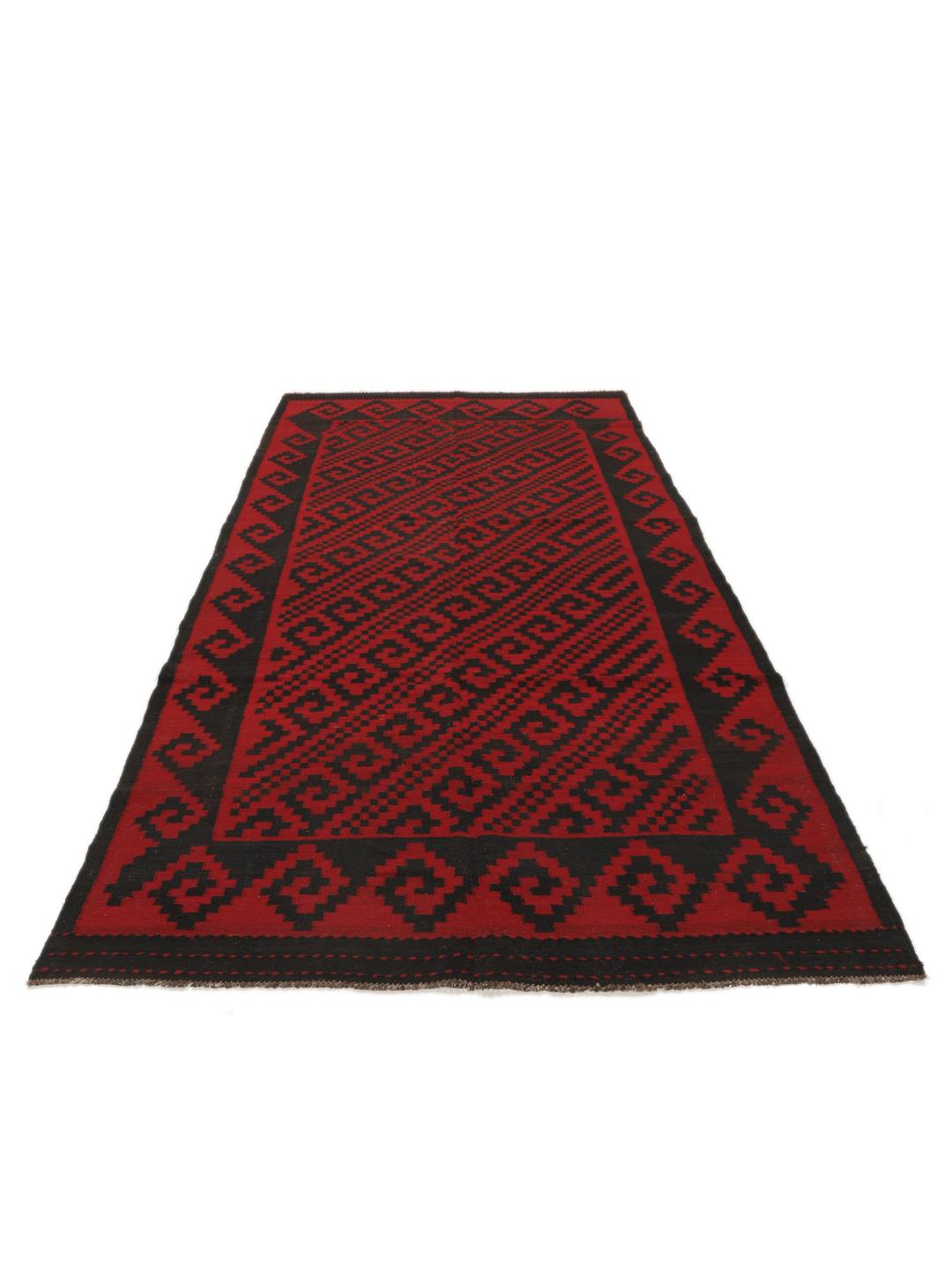
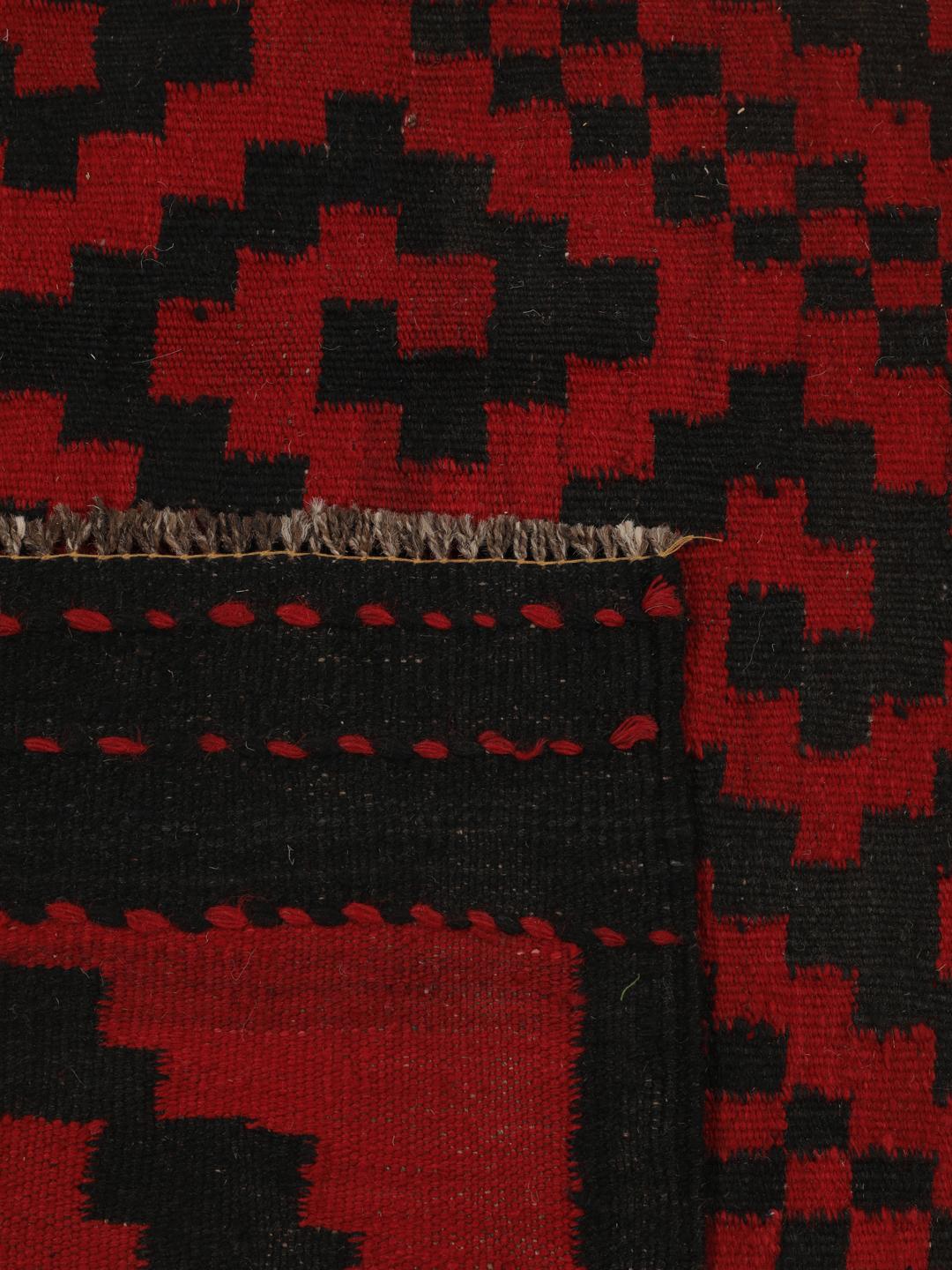
The tradition of kelim weaving in Afghanistan is deeply rooted in the nomadic and semi-nomadic cultures that have traversed the region for centuries. These rugs were historically crafted to be versatile, serving as floor coverings, wall hangings, and even as durable saddlebags for transport across the rugged landscapes of Central Asia. The evolution of these textiles reflects a rich cultural exchange along the ancient trade routes.
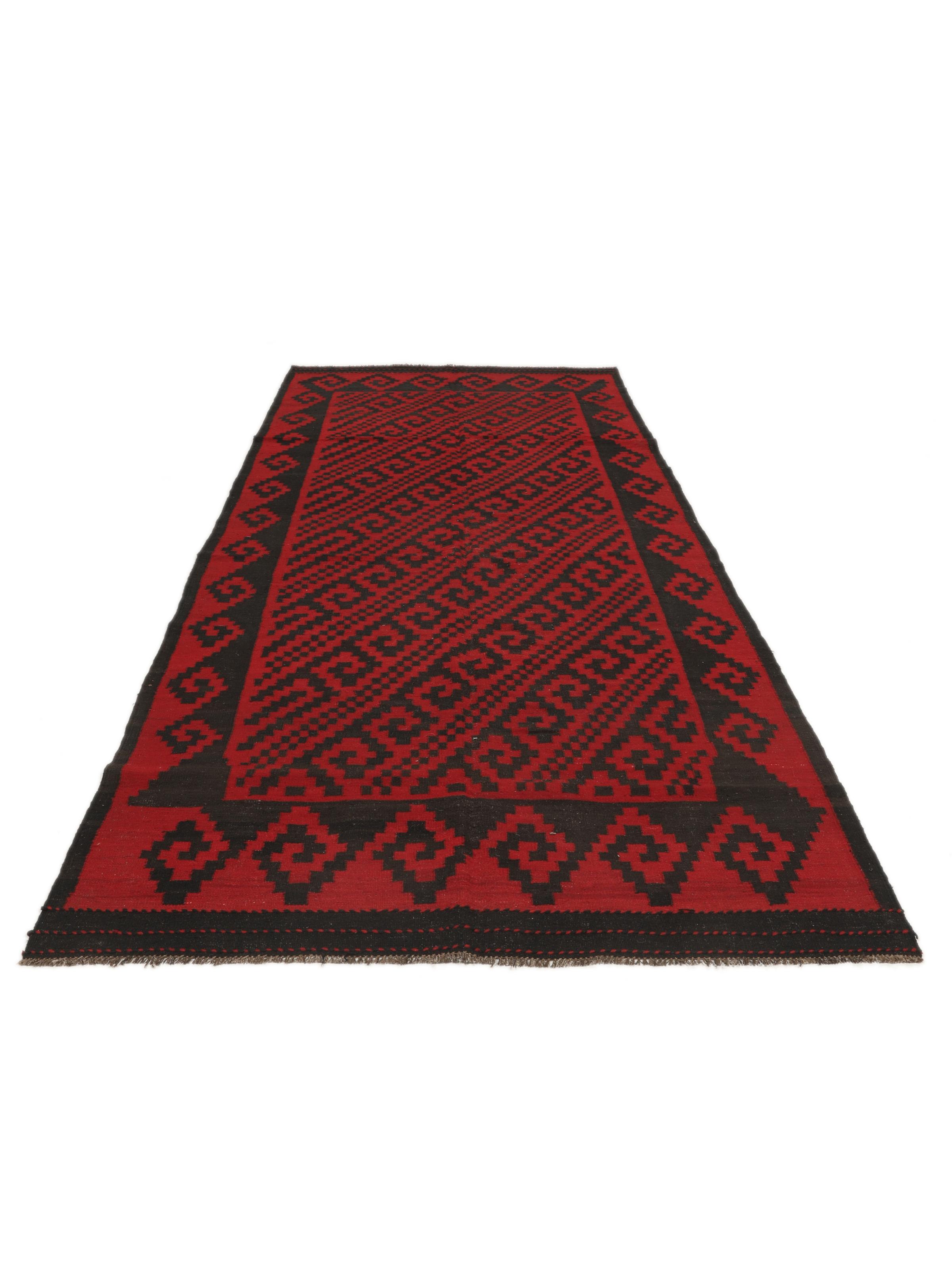
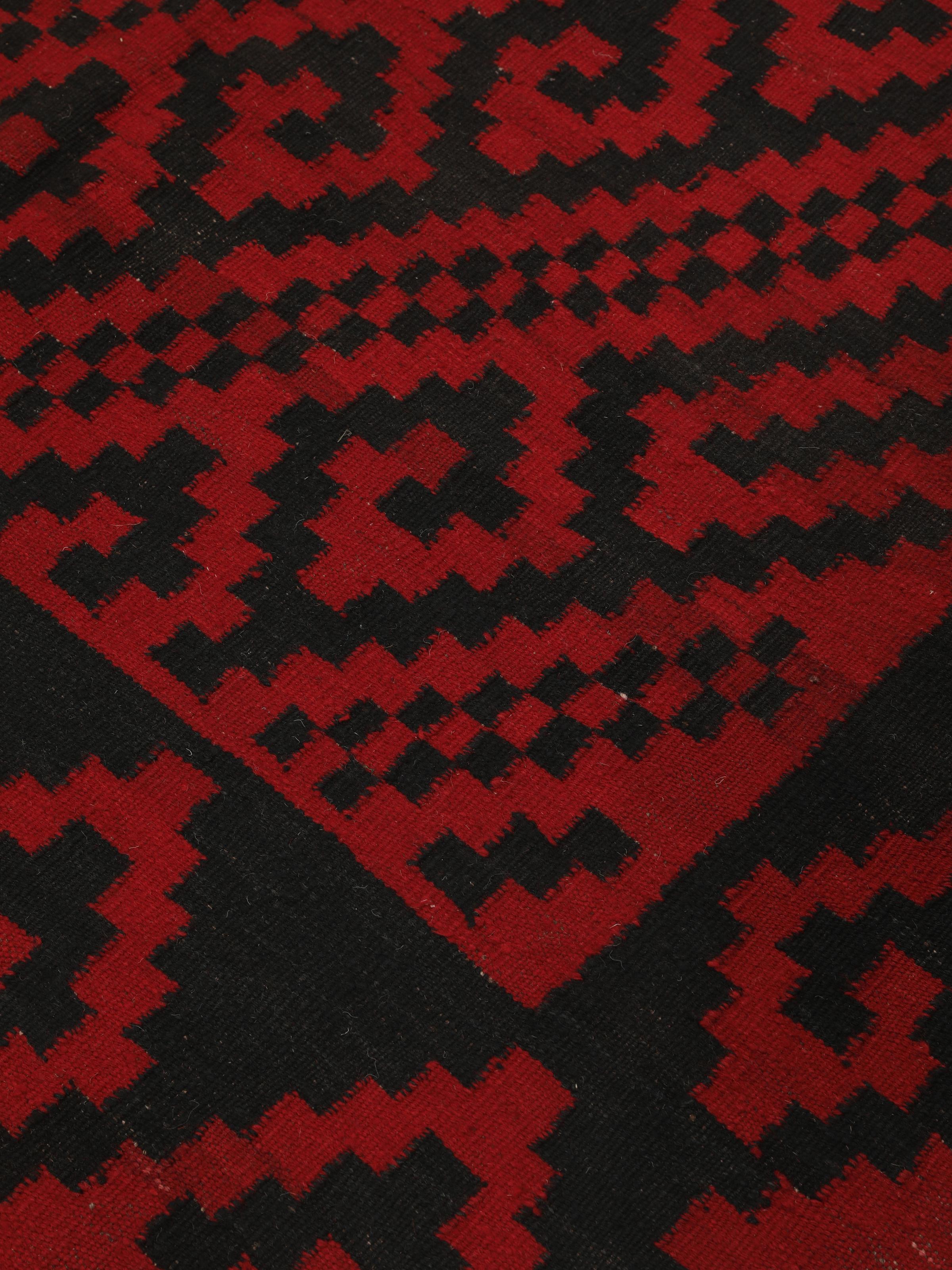
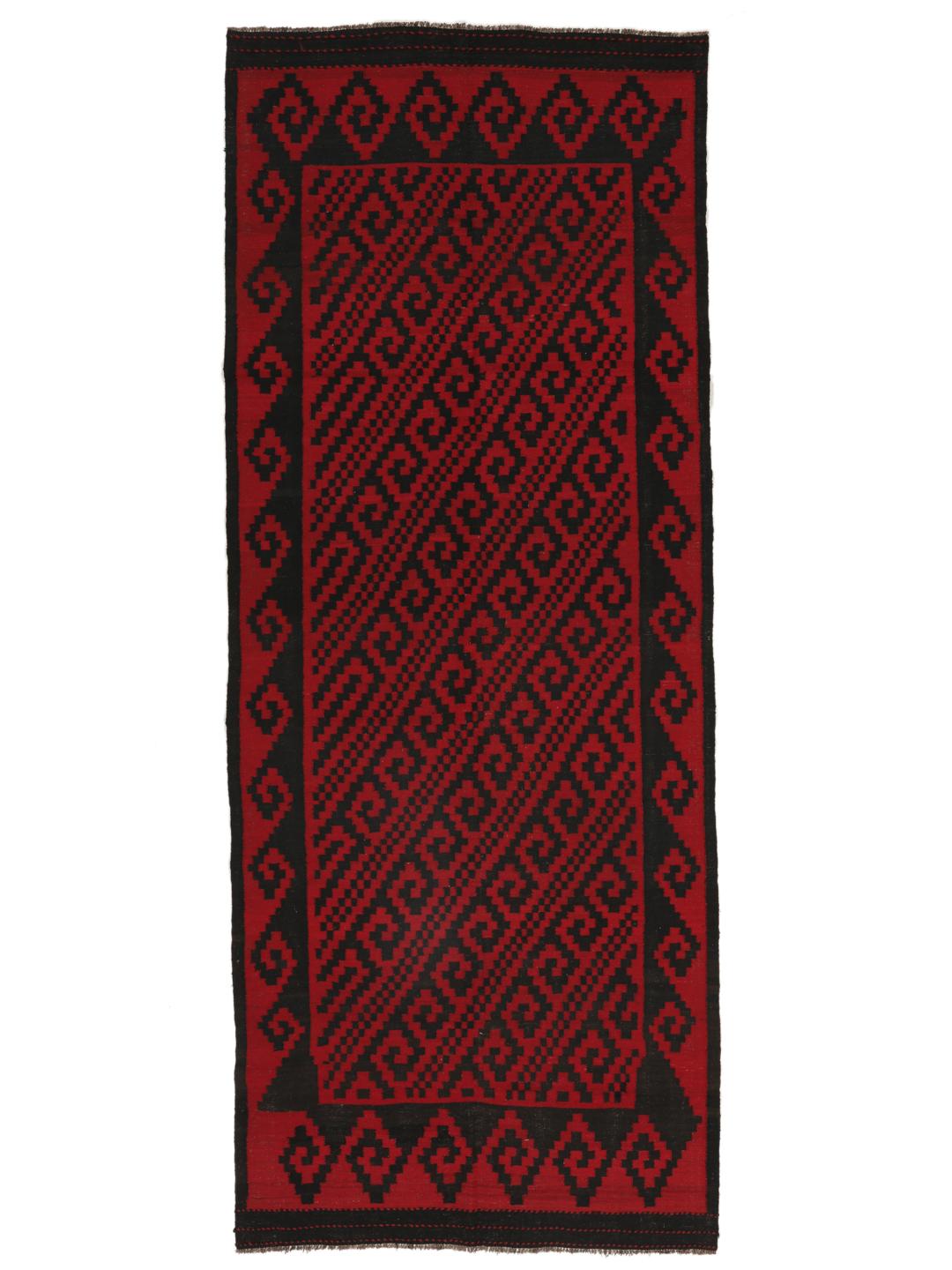
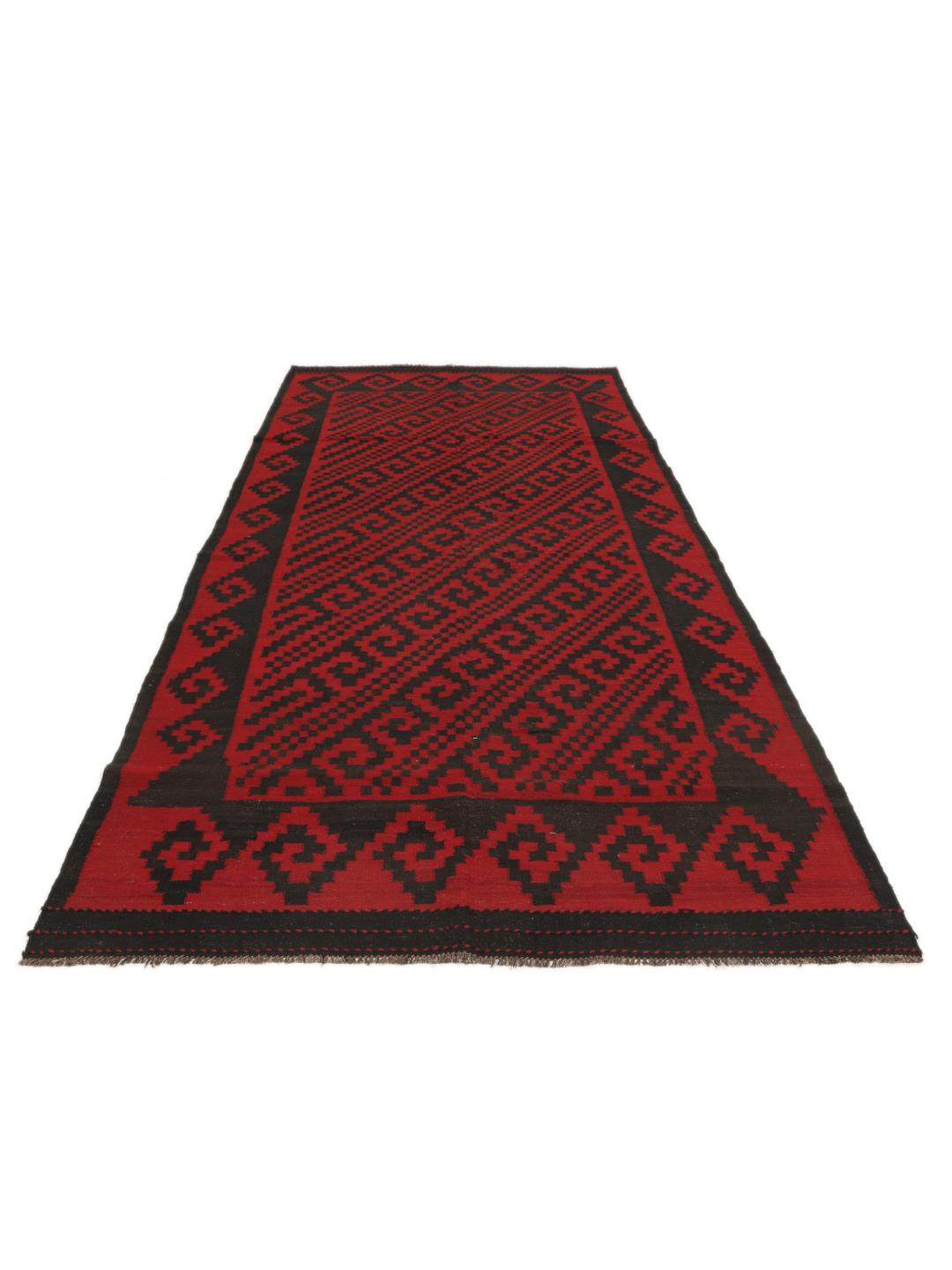
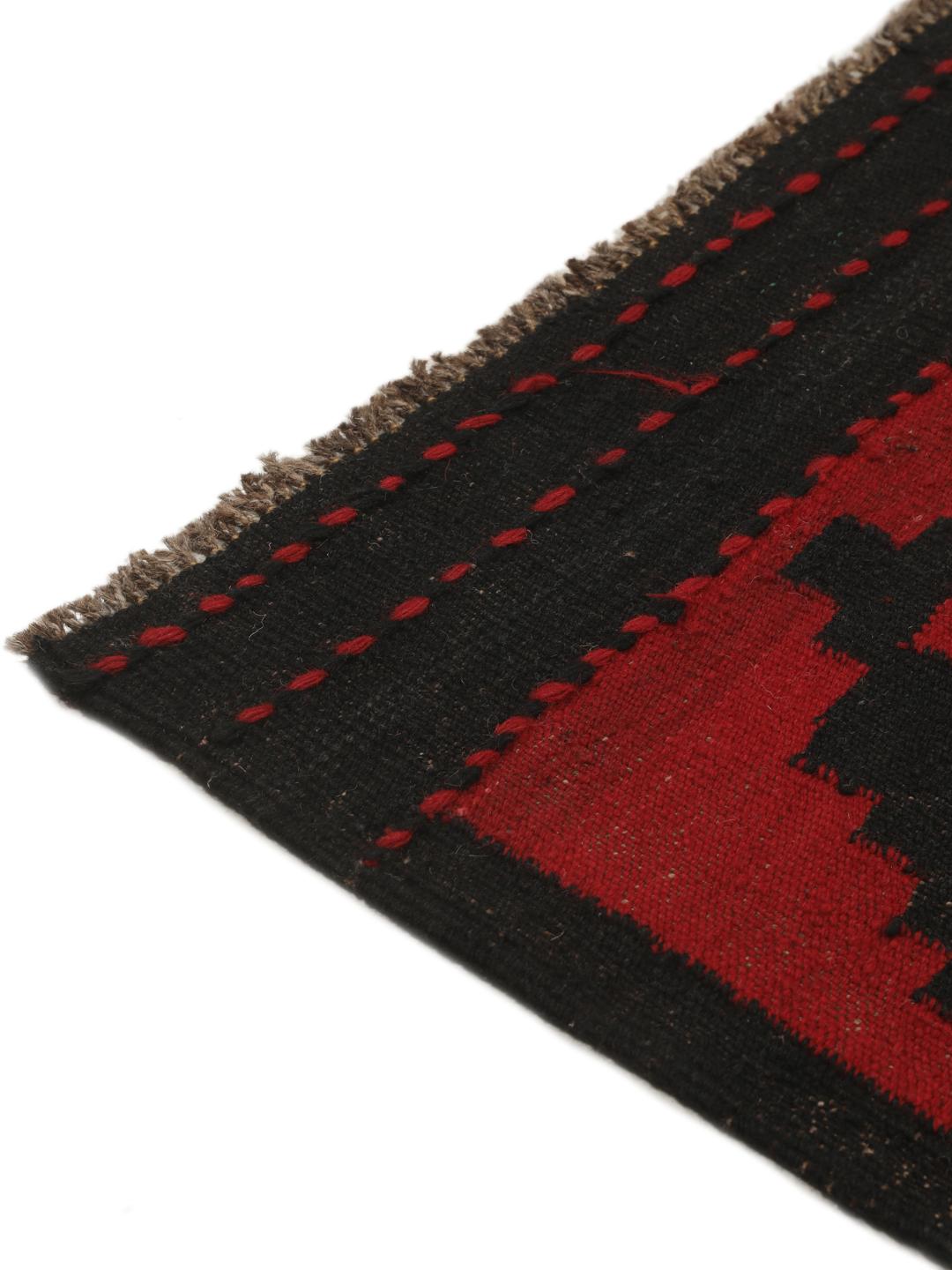
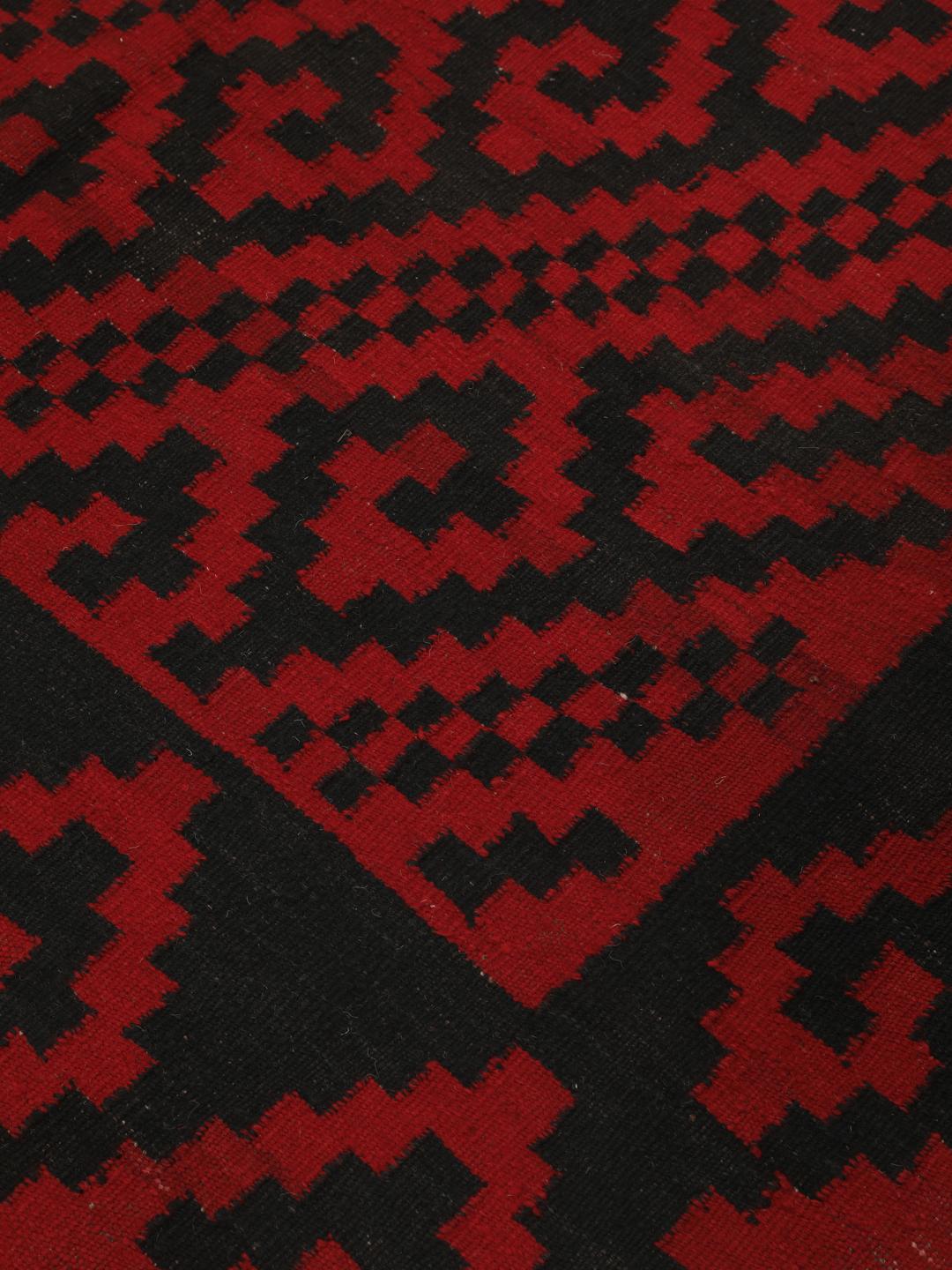
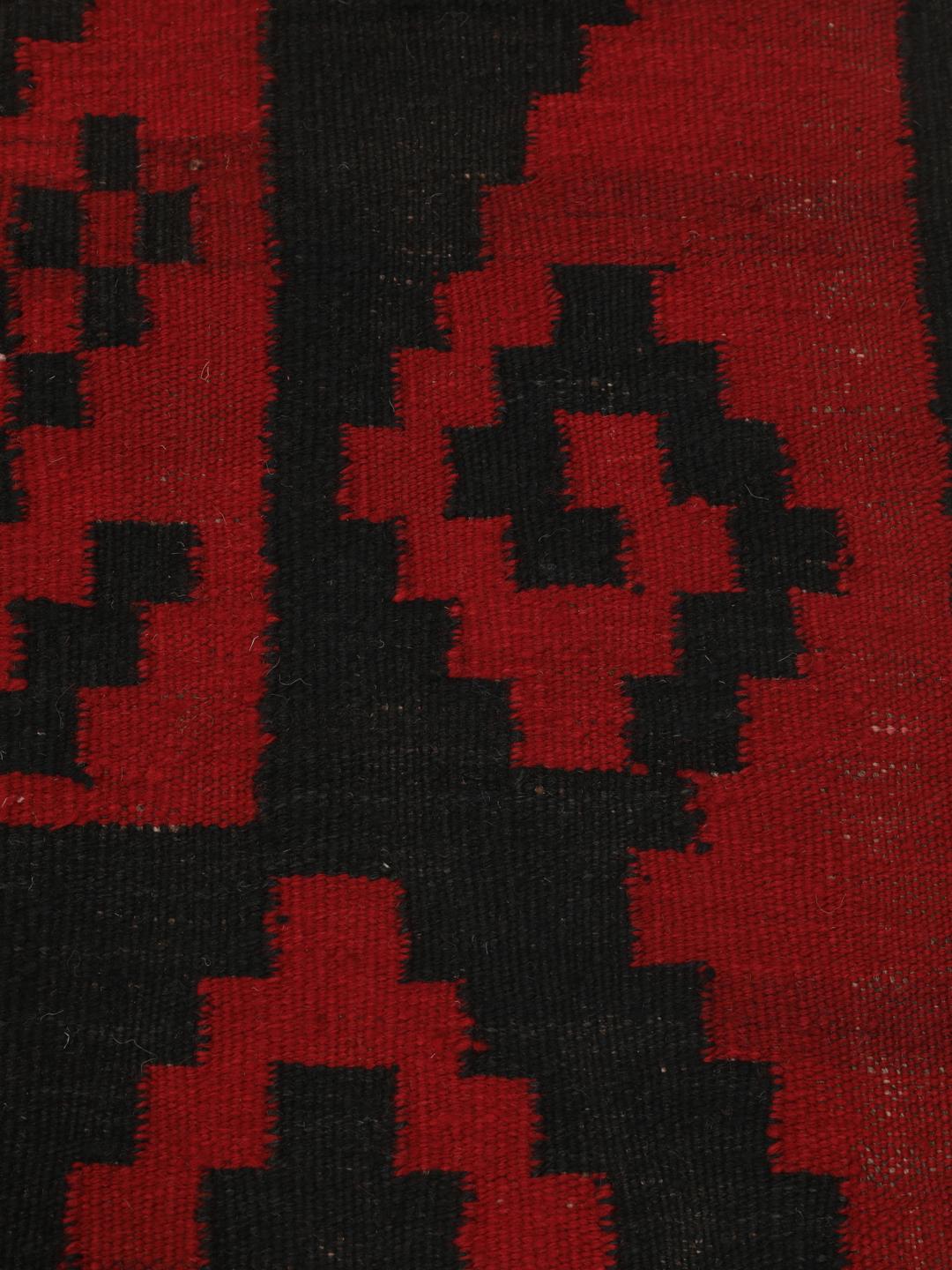
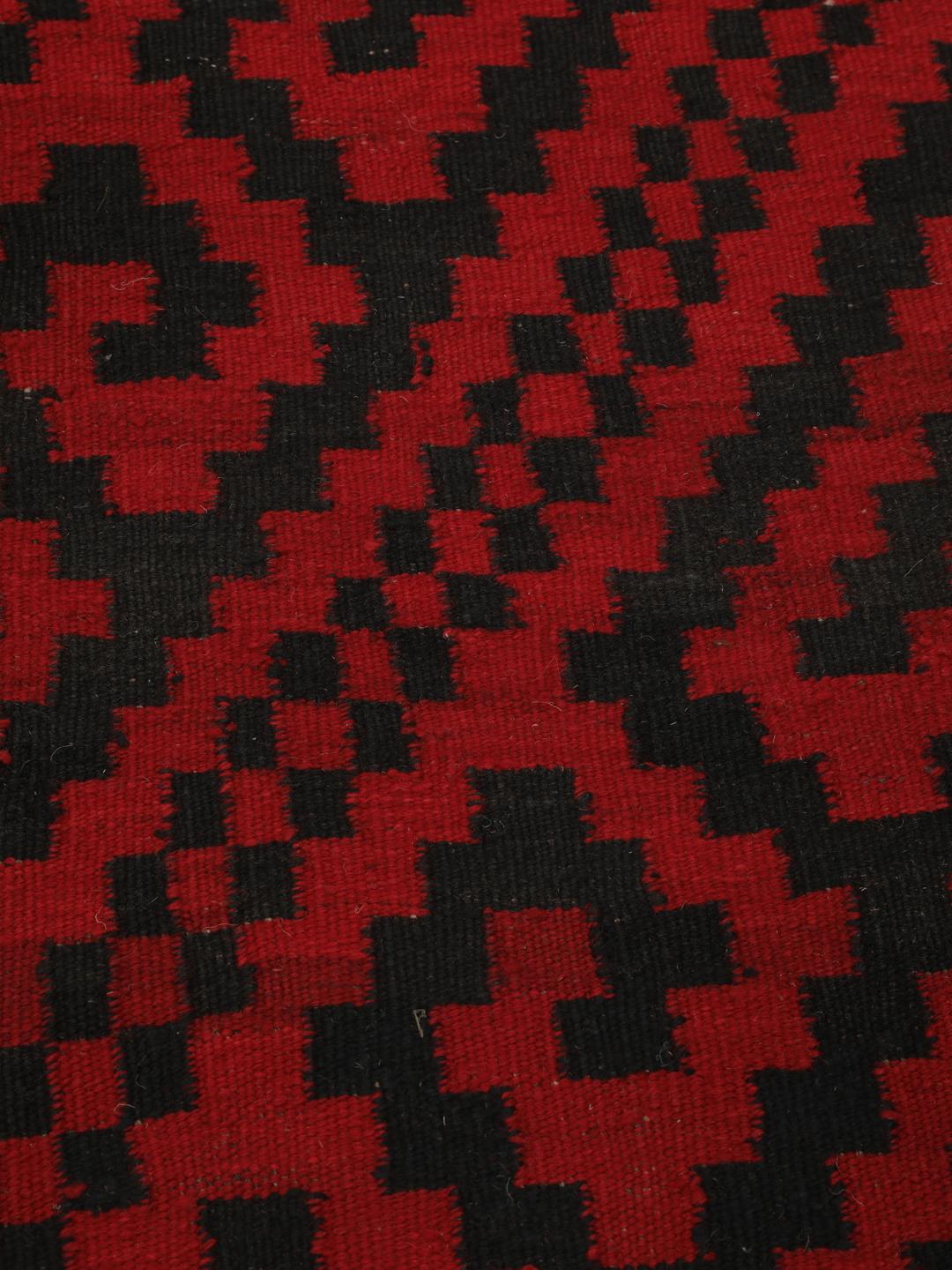
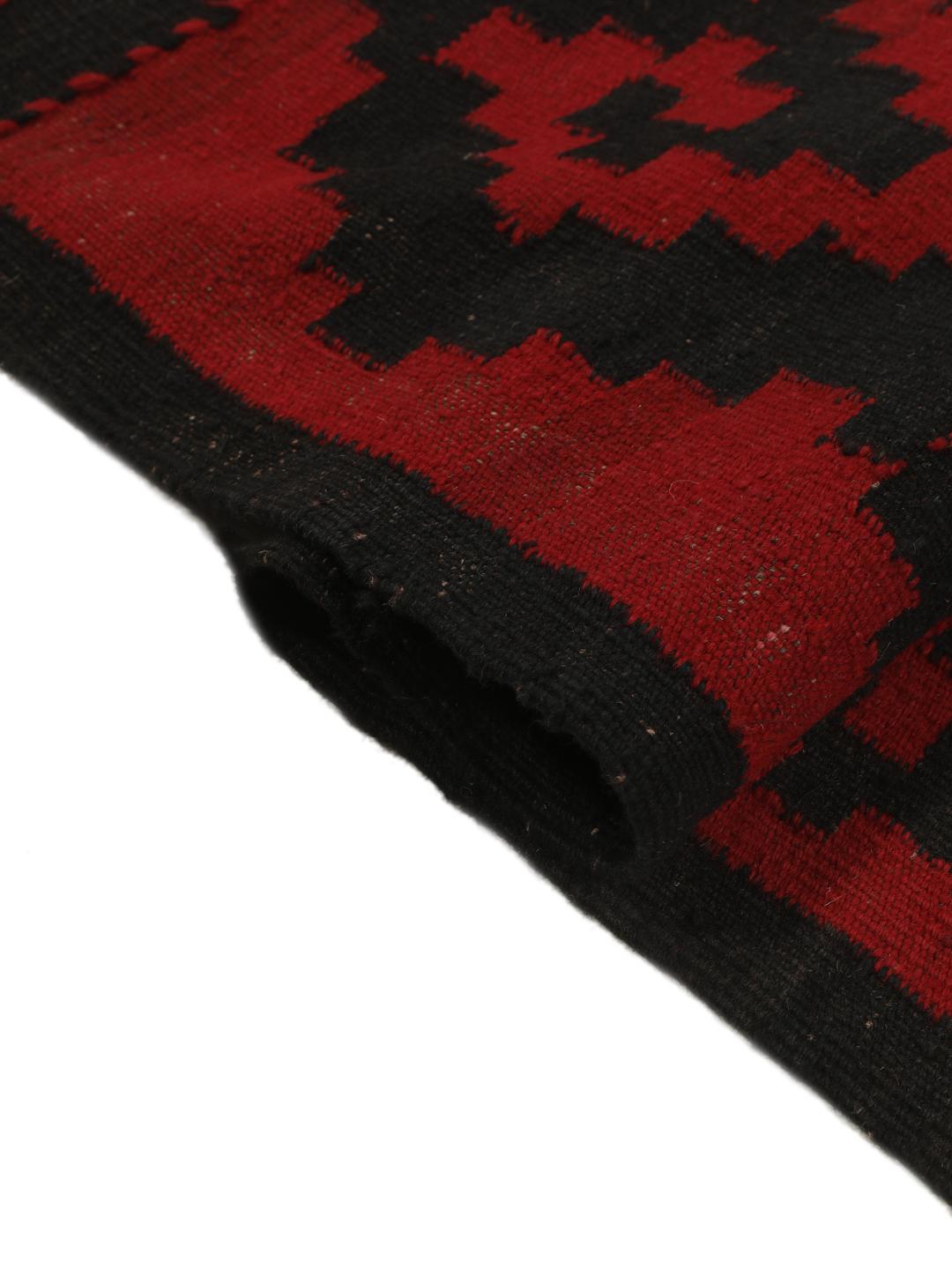
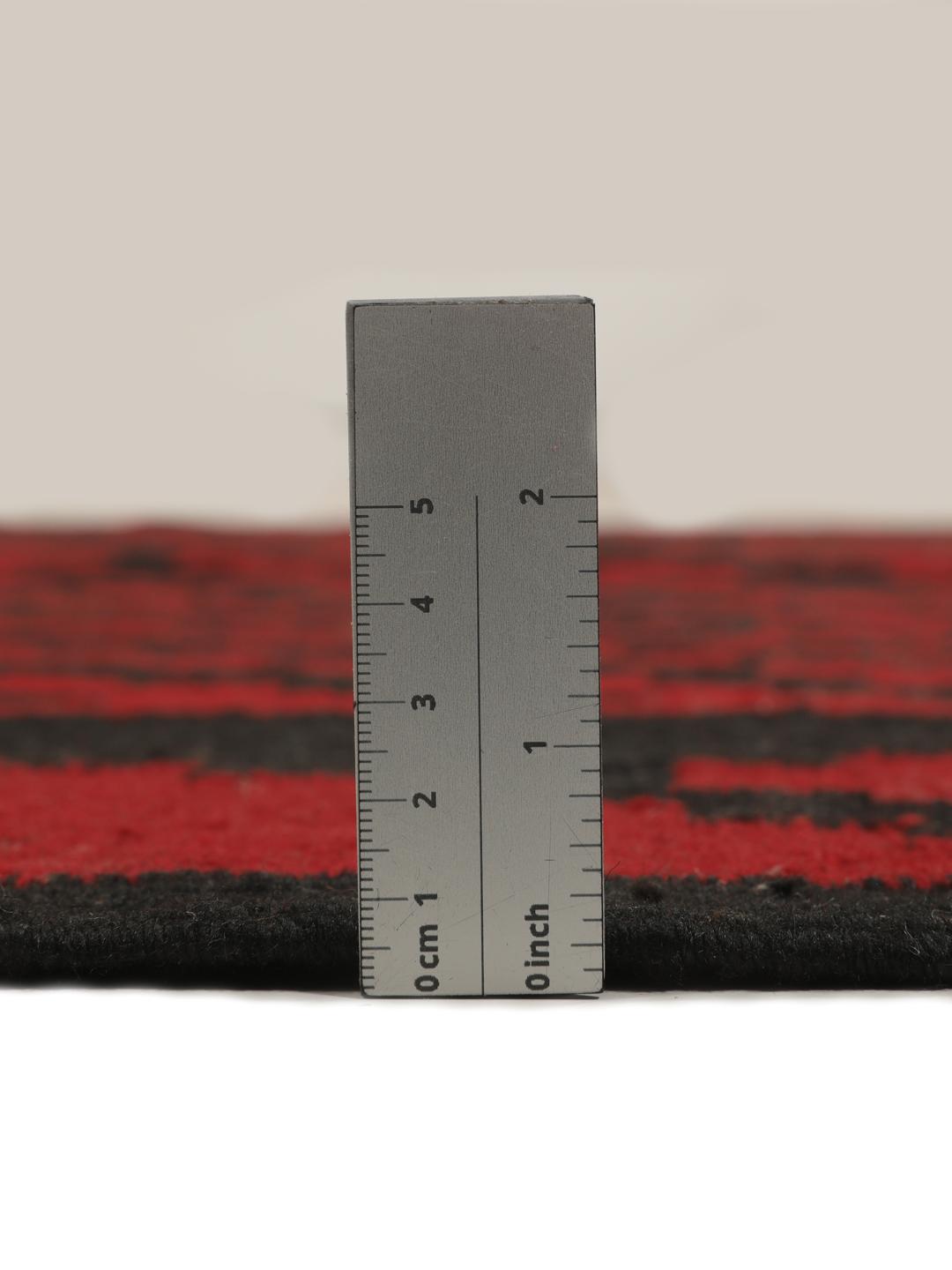
A kelim is defined by its flatweave construction, which lacks a traditional pile. Instead, the design is created by interweaving the coloured weft threads through the warp, a technique that requires immense precision. This structural approach is what gives the runner its distinctive, clean-lined appearance and makes it exceptionally durable, as there are no pile fibres to wear down over time.
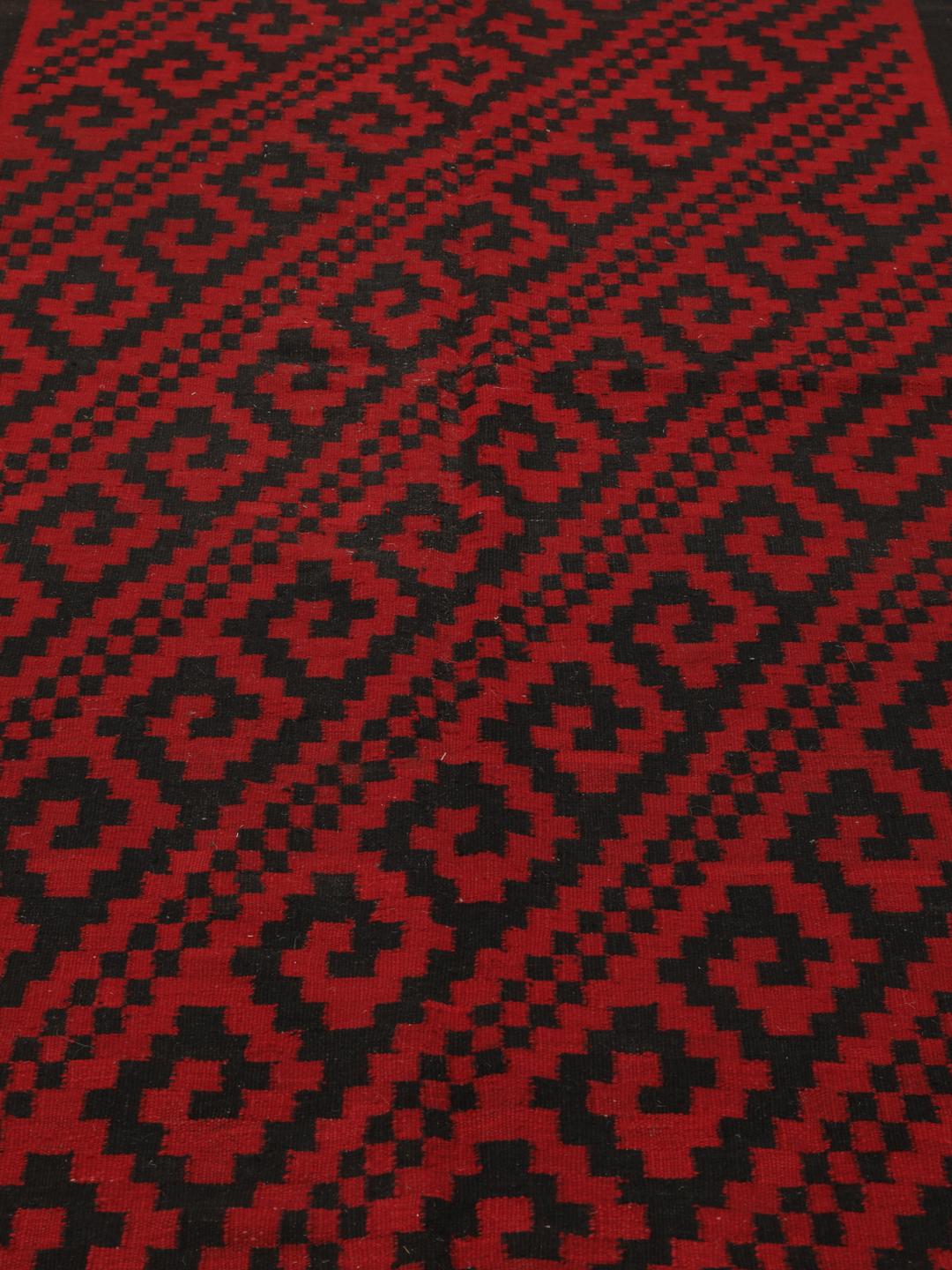
The signature design elements of these Afghan pieces are characterised by bold geometric motifs and a restricted, yet impactful, colour palette. The repeating patterns often draw from tribal symbolism, reflecting the environment and the history of the weaving communities. The contrast between the deep red and black seen here is a classic choice, highlighting the sharp lines and complex arrangements that are hallmarks of this specific regional tradition.
Collecting these vintage pieces offers a direct connection to a heritage of craftsmanship that remains largely unchanged by modern industrialisation. Each rug is a repository of cultural knowledge, with every pattern and weave representing a specific lineage or artistic identity. By choosing such a piece, you are preserving a legacy of skill and bringing a significant, historically resonant object into your contemporary living space.