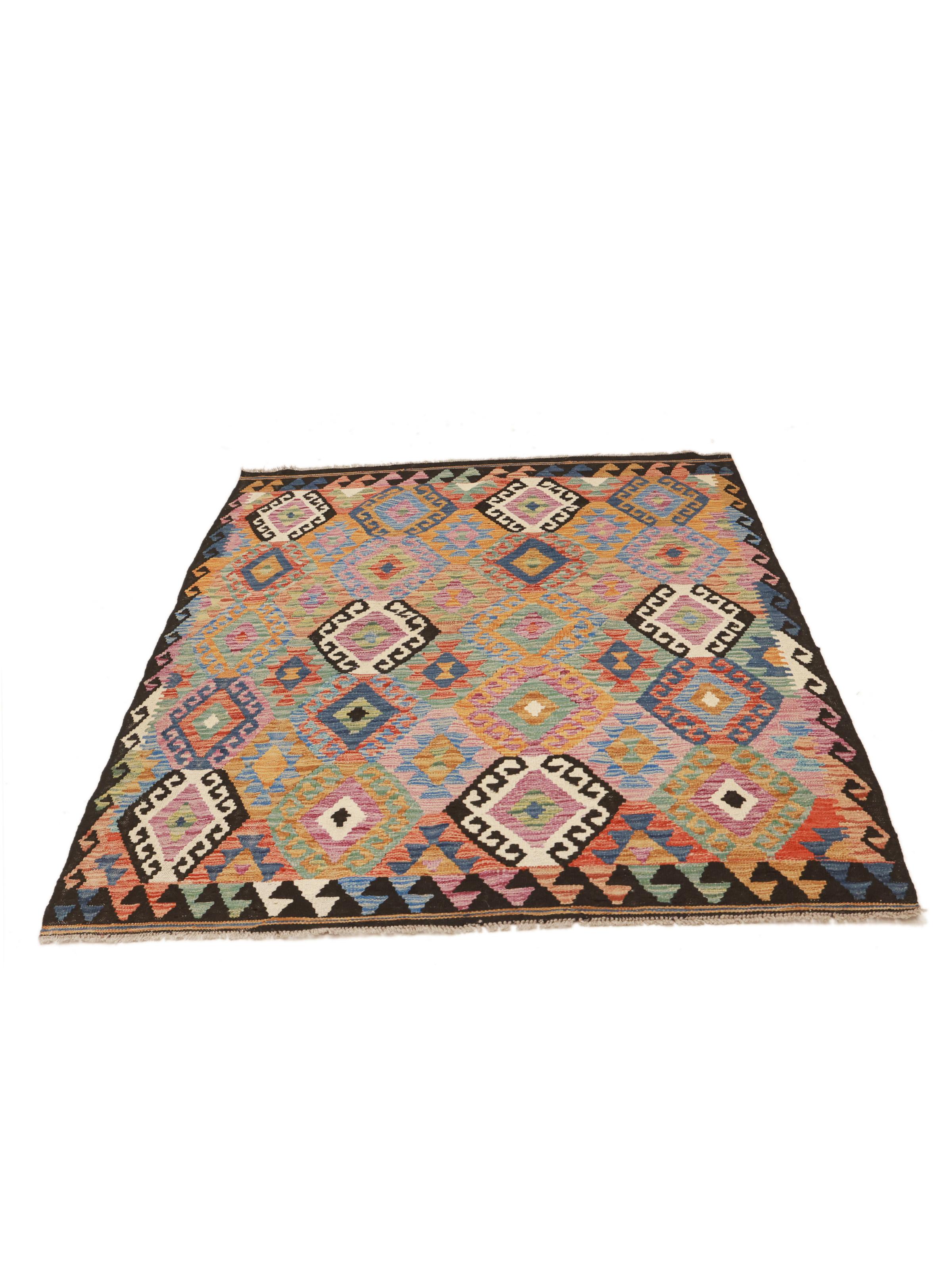
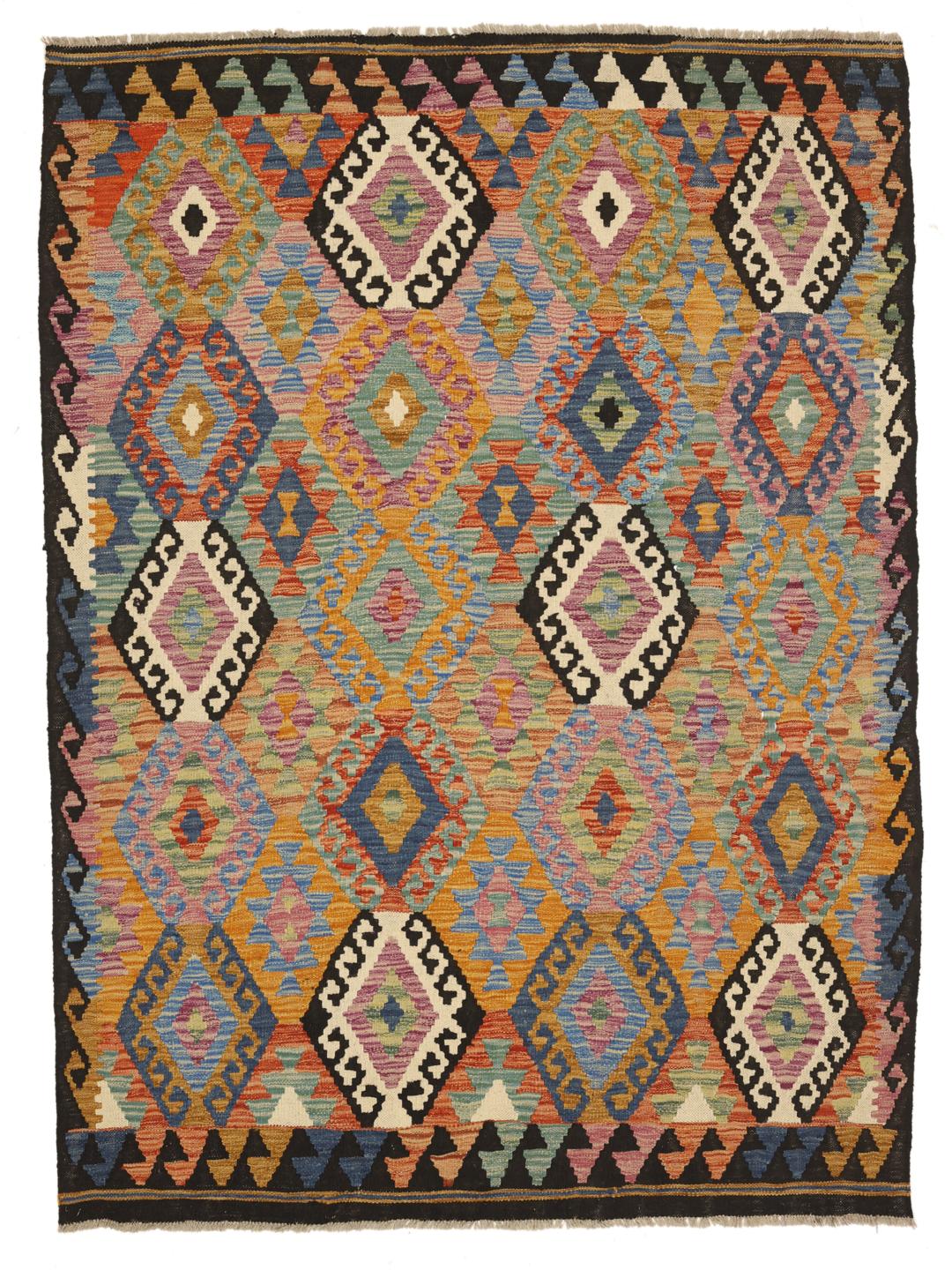
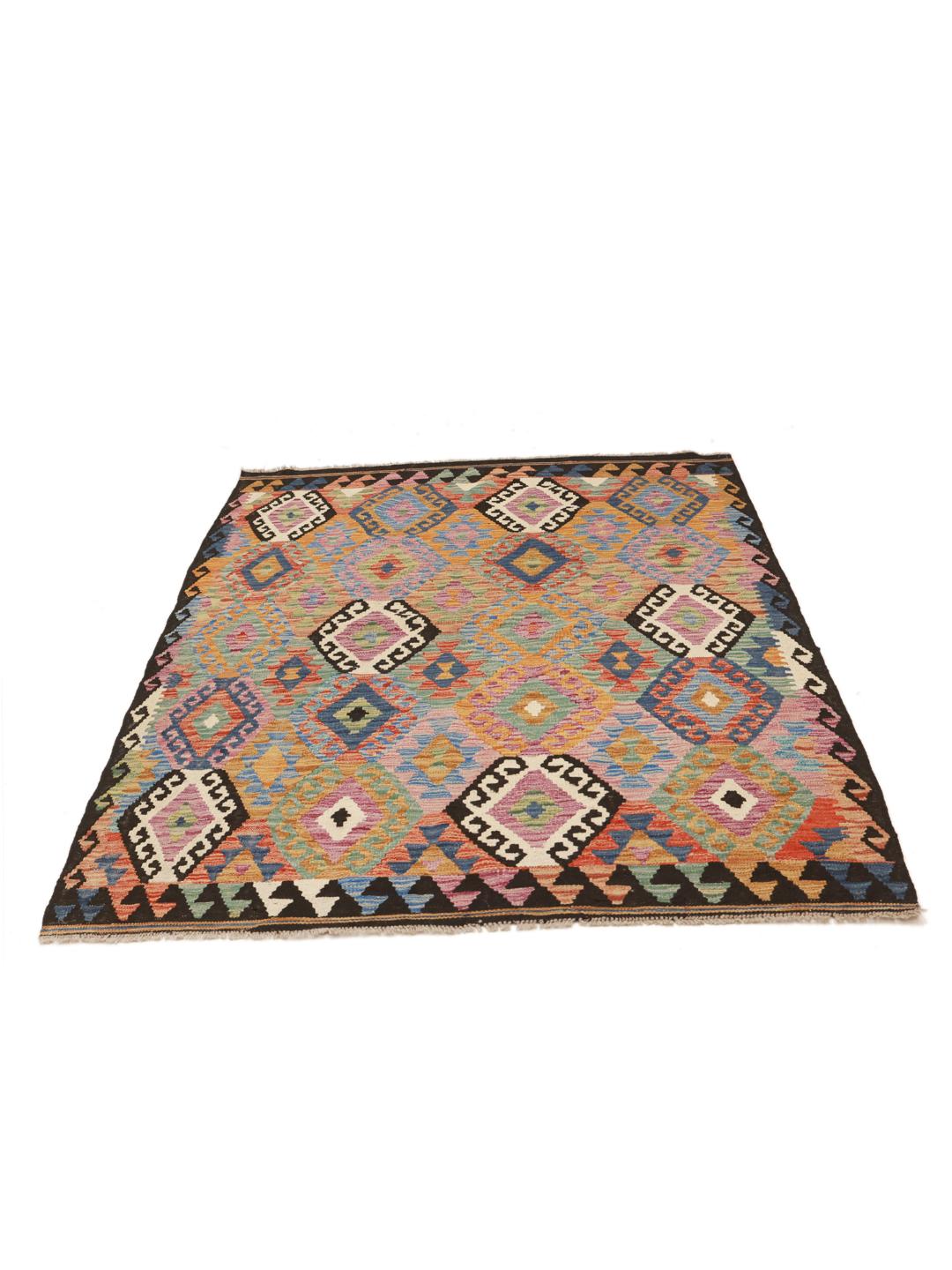
The Kelim tradition is deeply rooted in the nomadic and semi-nomadic cultures of the Middle East and Central Asia. These flat-woven rugs were historically essential to daily life, serving as floor coverings, blankets, and storage bags. The art of the Kelim has been refined over centuries, with Afghanistan standing as a major centre for producing these distinct, durable textiles.
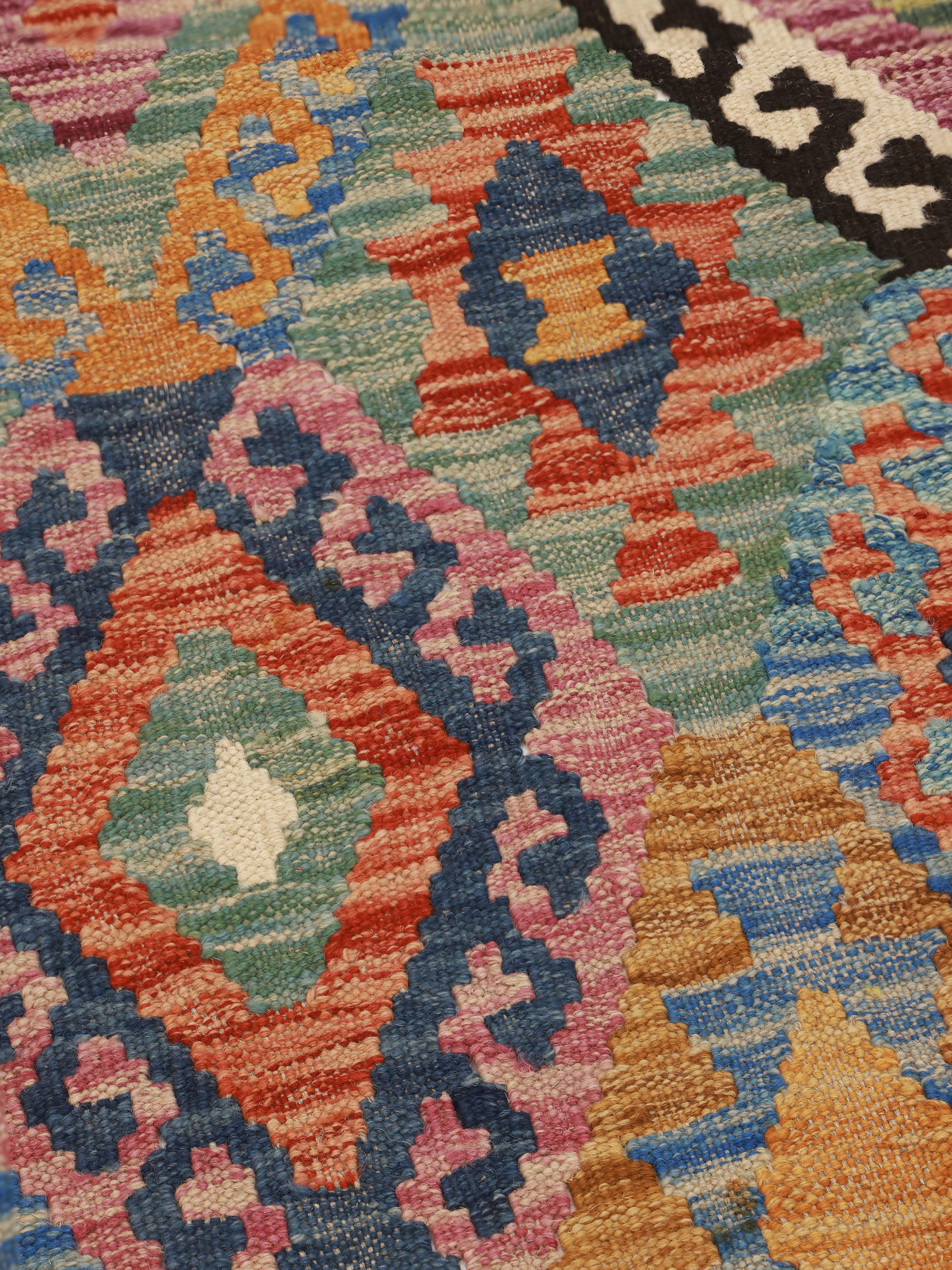
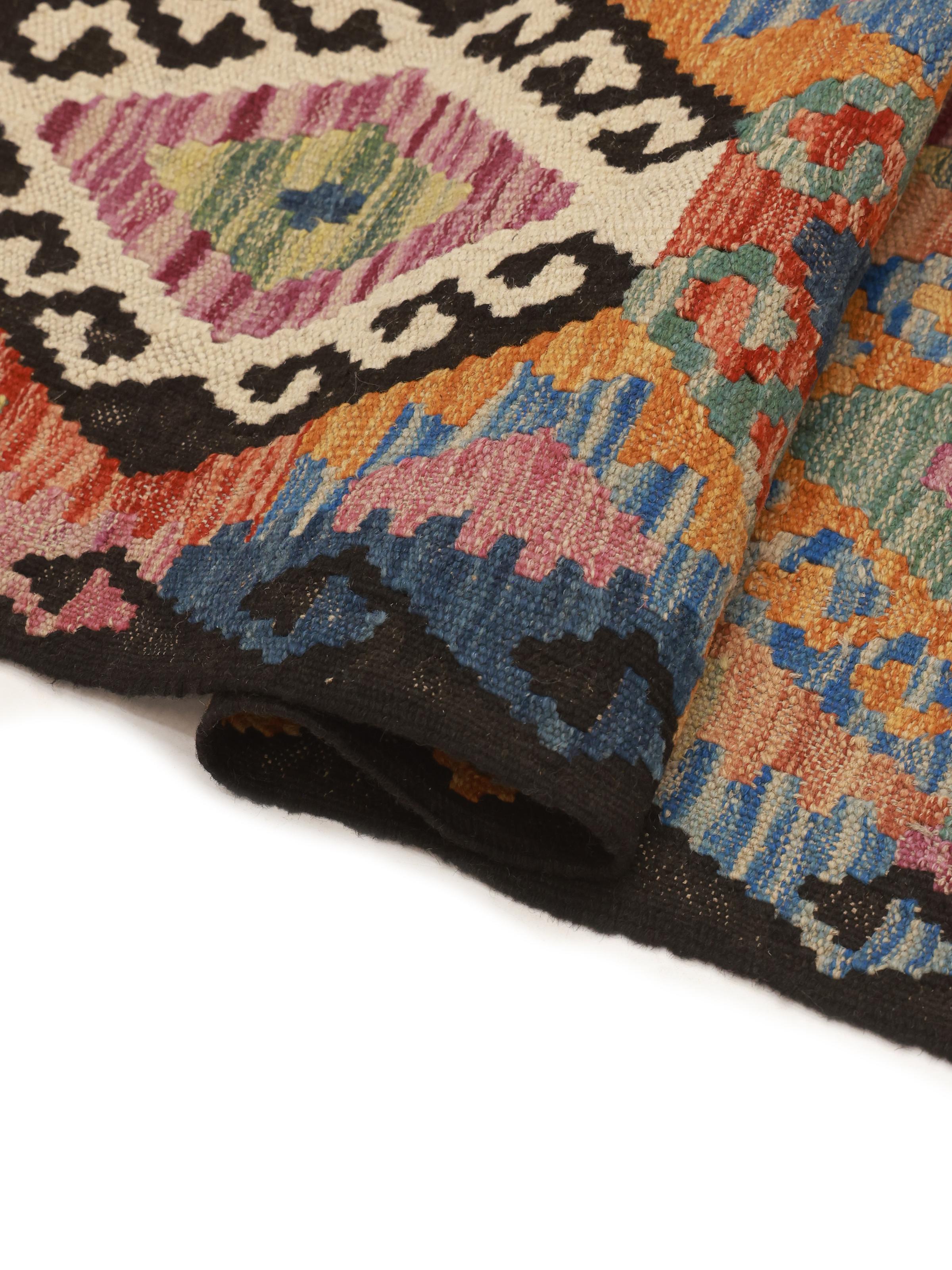
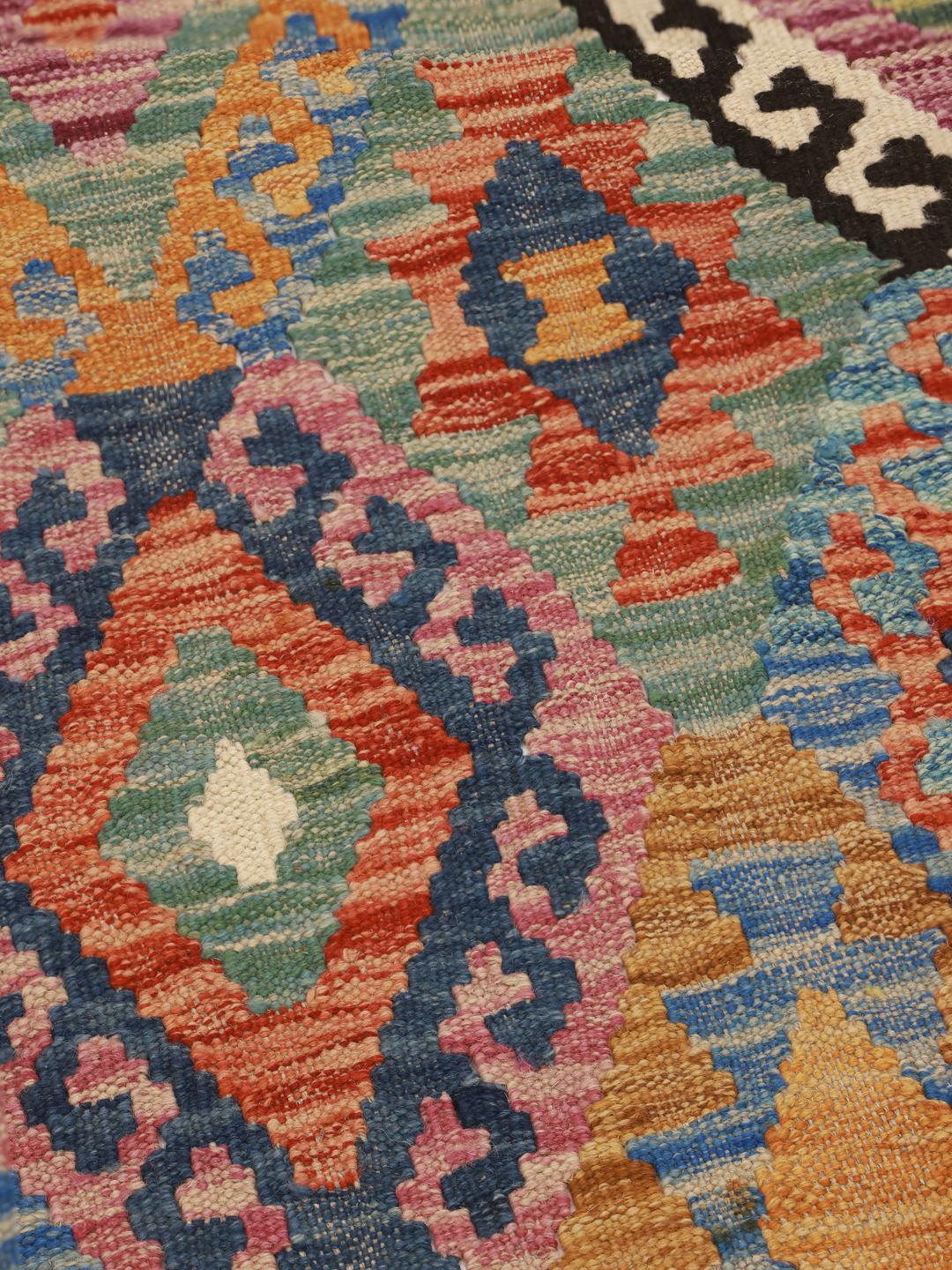
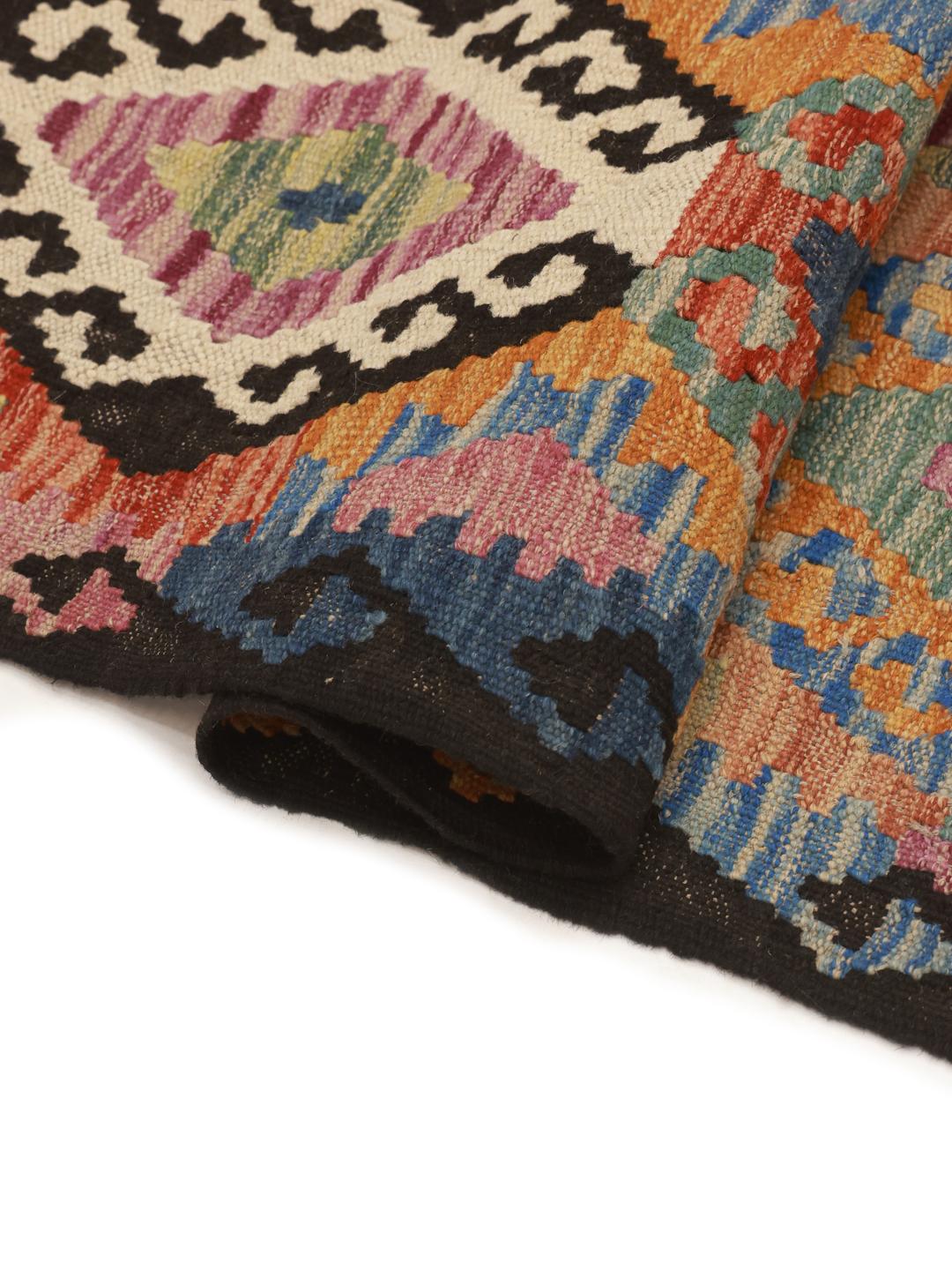
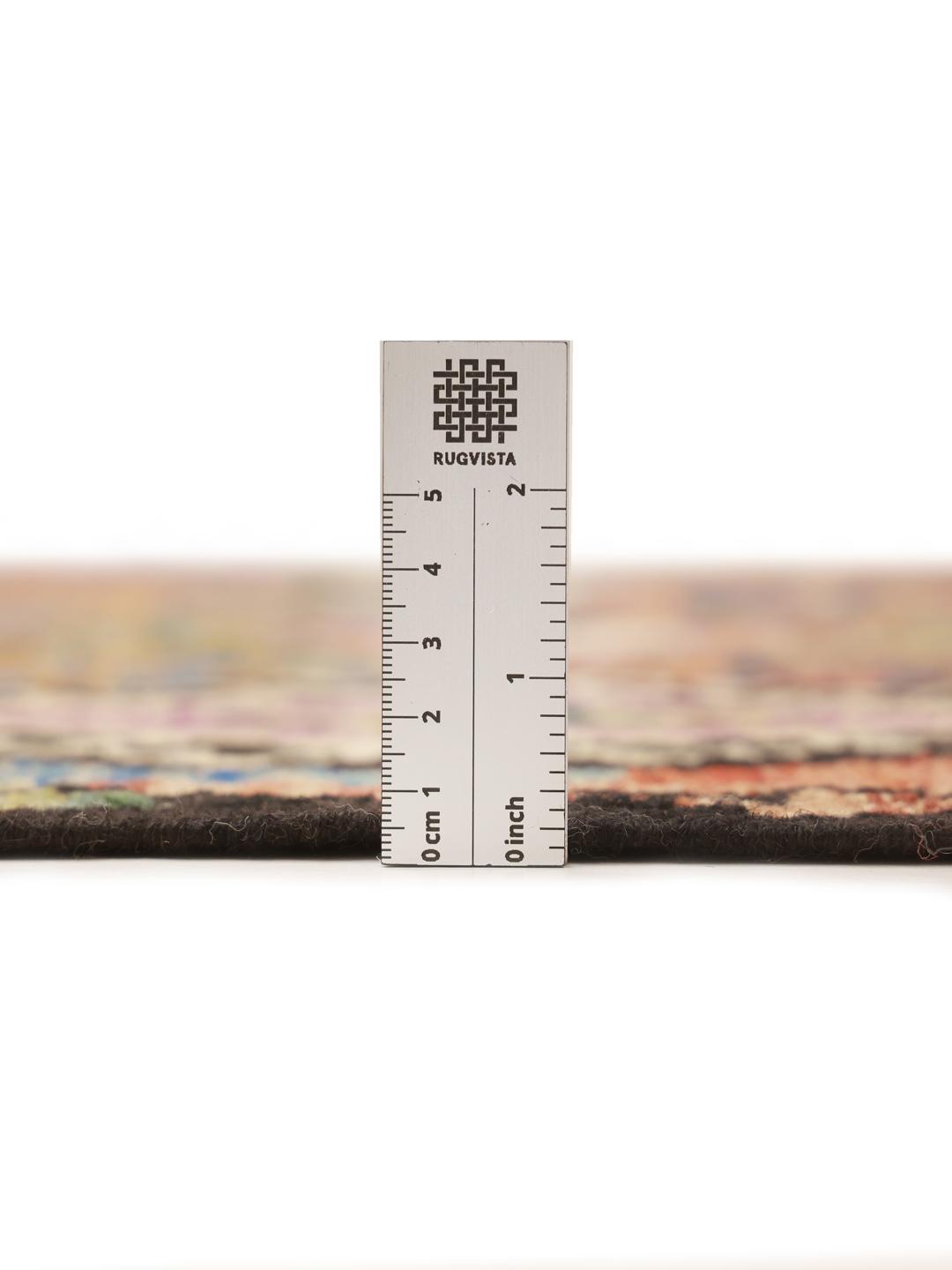
The term 'Kelim' refers specifically to the tapestry-weave technique where the weft threads are pulled tightly against the warp to cover them completely. This results in a rug without a pile, creating a clean, crisp surface that allows for intricate geometric designs to stand out clearly. This technique is highly valued for its ability to produce lightweight yet incredibly strong textiles.
Signature design elements in Afghan Kelims often include bold diamonds, triangles, and stylised floral or tribal motifs. These patterns are typically arranged in repetitive sequences, reflecting a deep connection to the mathematical precision of the weaver. The use of vibrant, contrasting colours is a hallmark of this style, often achieved through natural dyes that soften beautifully with age.
Collecting a Kelim is more than just a decorative choice; it is an investment in cultural heritage. These rugs are highly regarded for their resilience and the artistic vision required to create them without the aid of modern machinery. By welcoming this piece into your home, you are preserving a craft tradition that represents skill, patience, and a storied history of nomadic artistry.