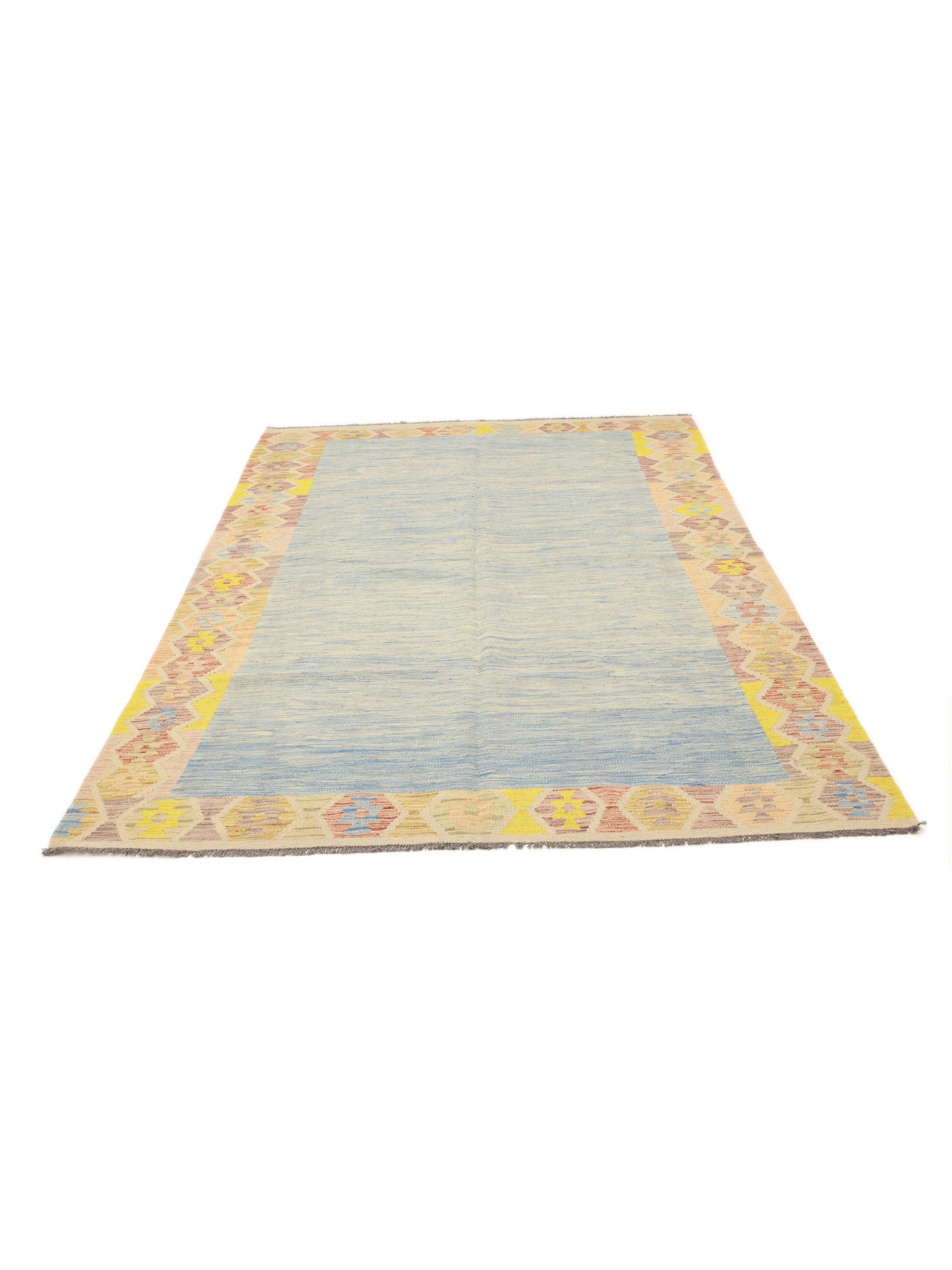
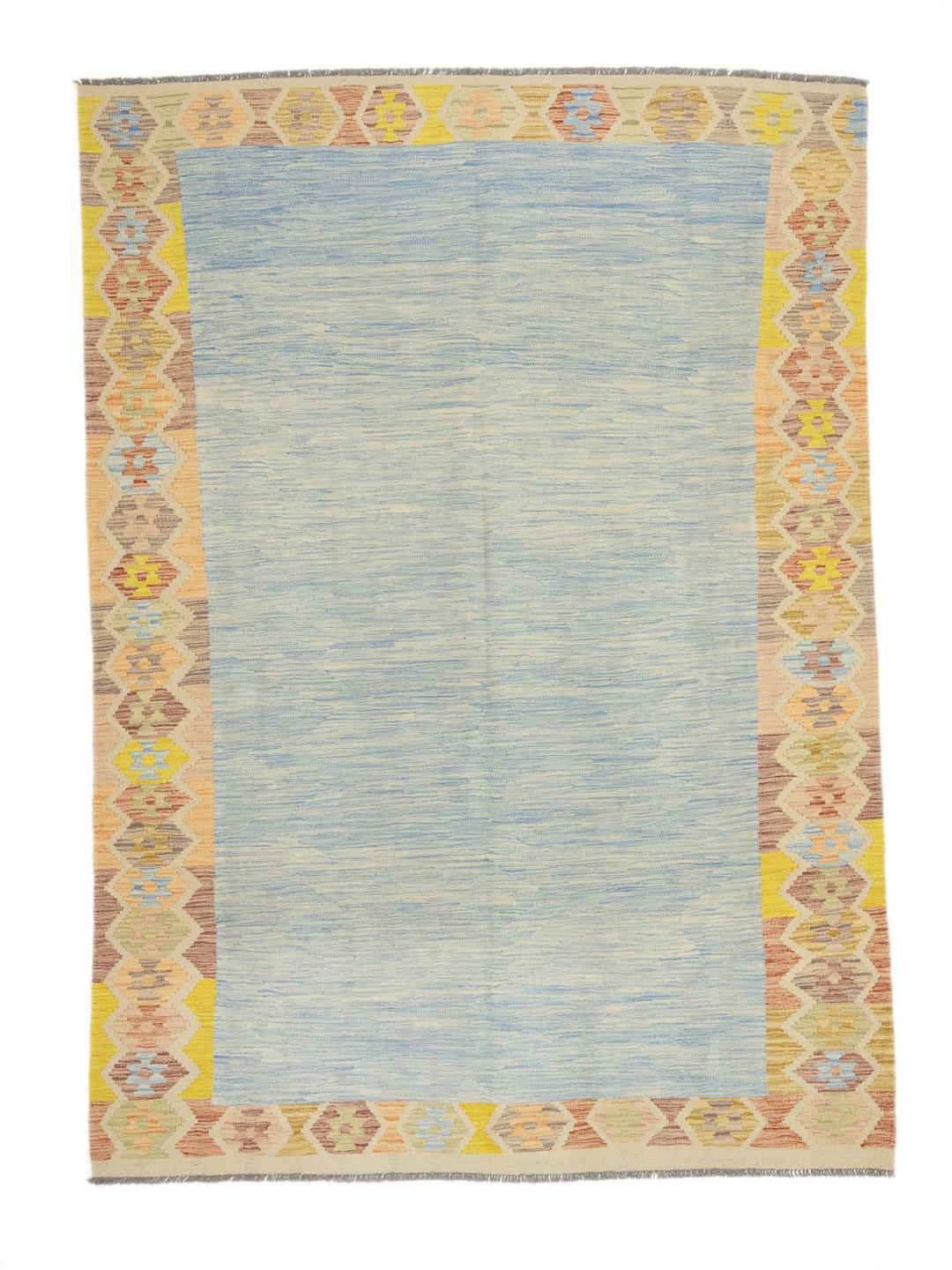
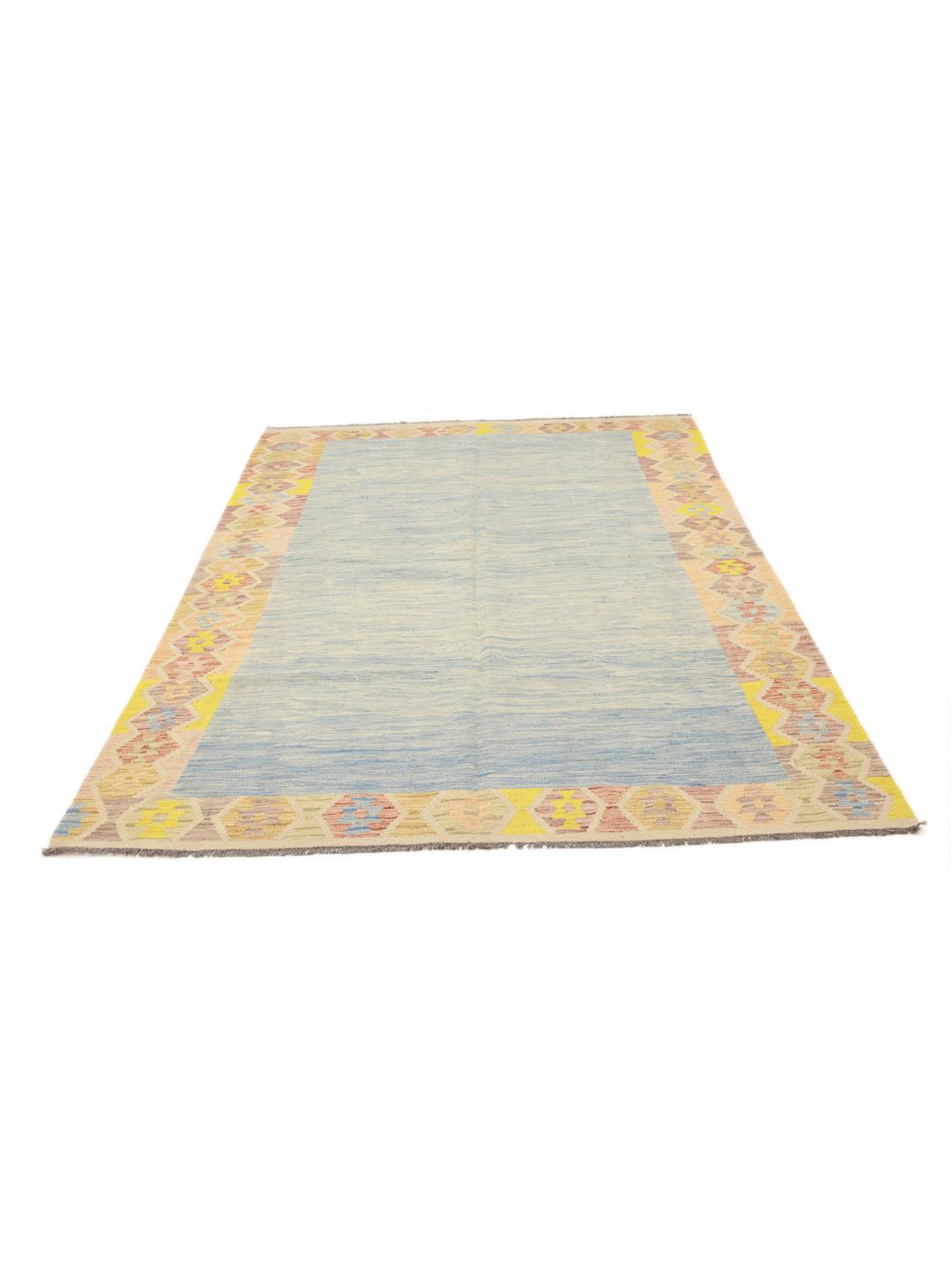
The Kelim tradition in Afghanistan is a testament to the resilience and creativity of the nomadic and semi-nomadic tribes of the region. For centuries, these flat-woven textiles have been essential to daily life, serving as floor coverings, tent partitions, and storage bags. The knowledge of these weaving techniques has been passed down through generations, with families maintaining distinct design vocabularies that reflect their cultural heritage.
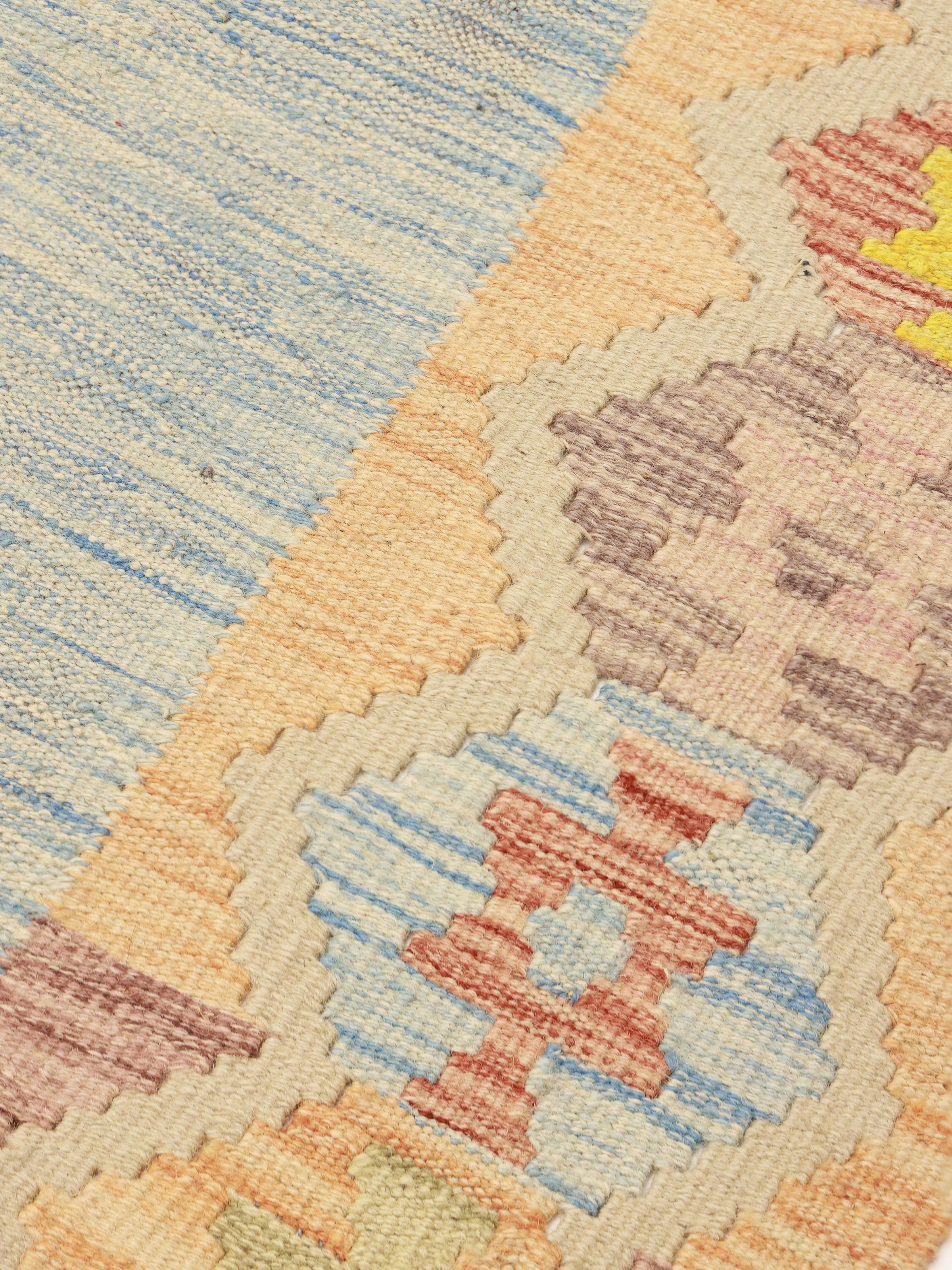
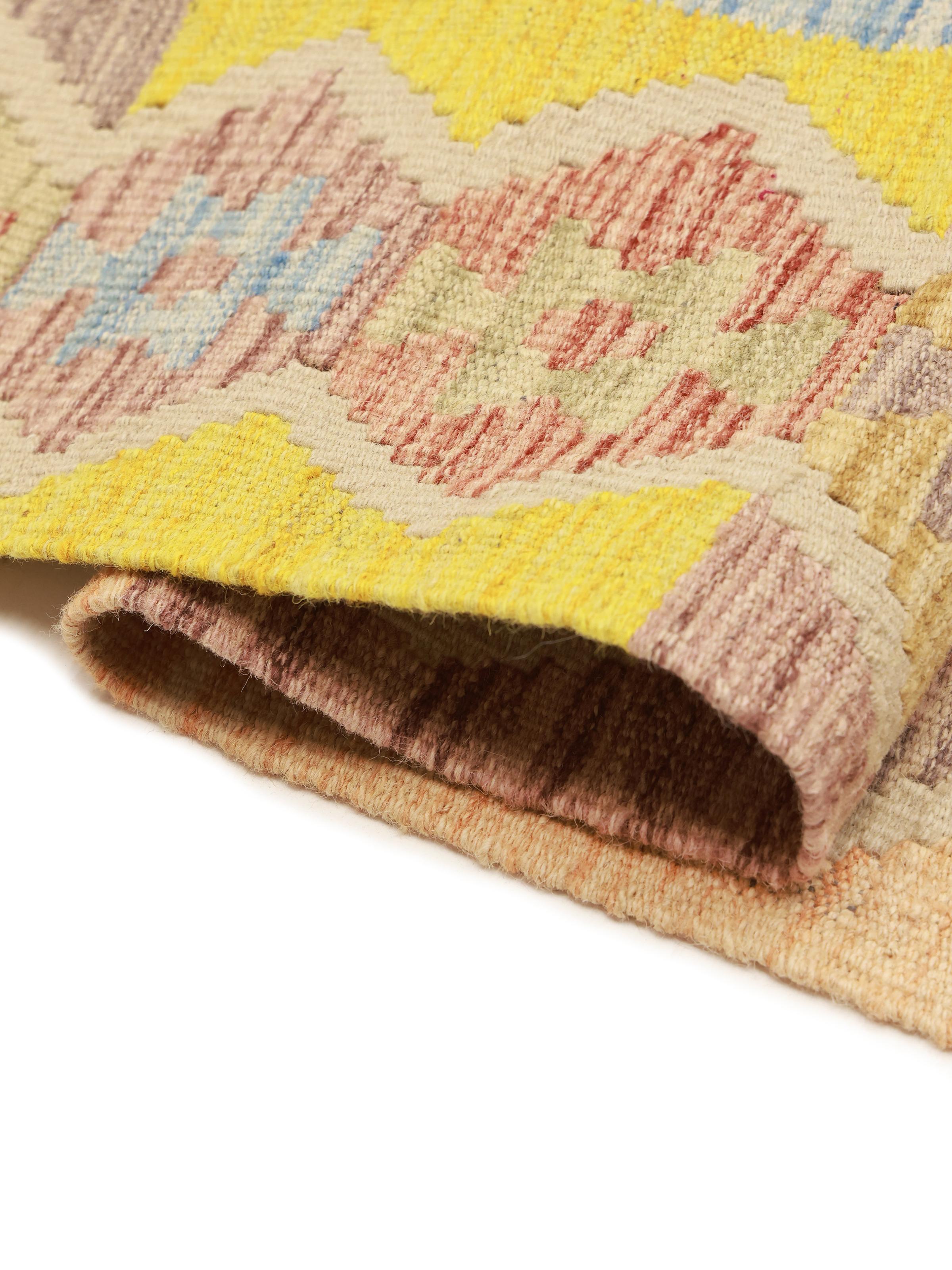
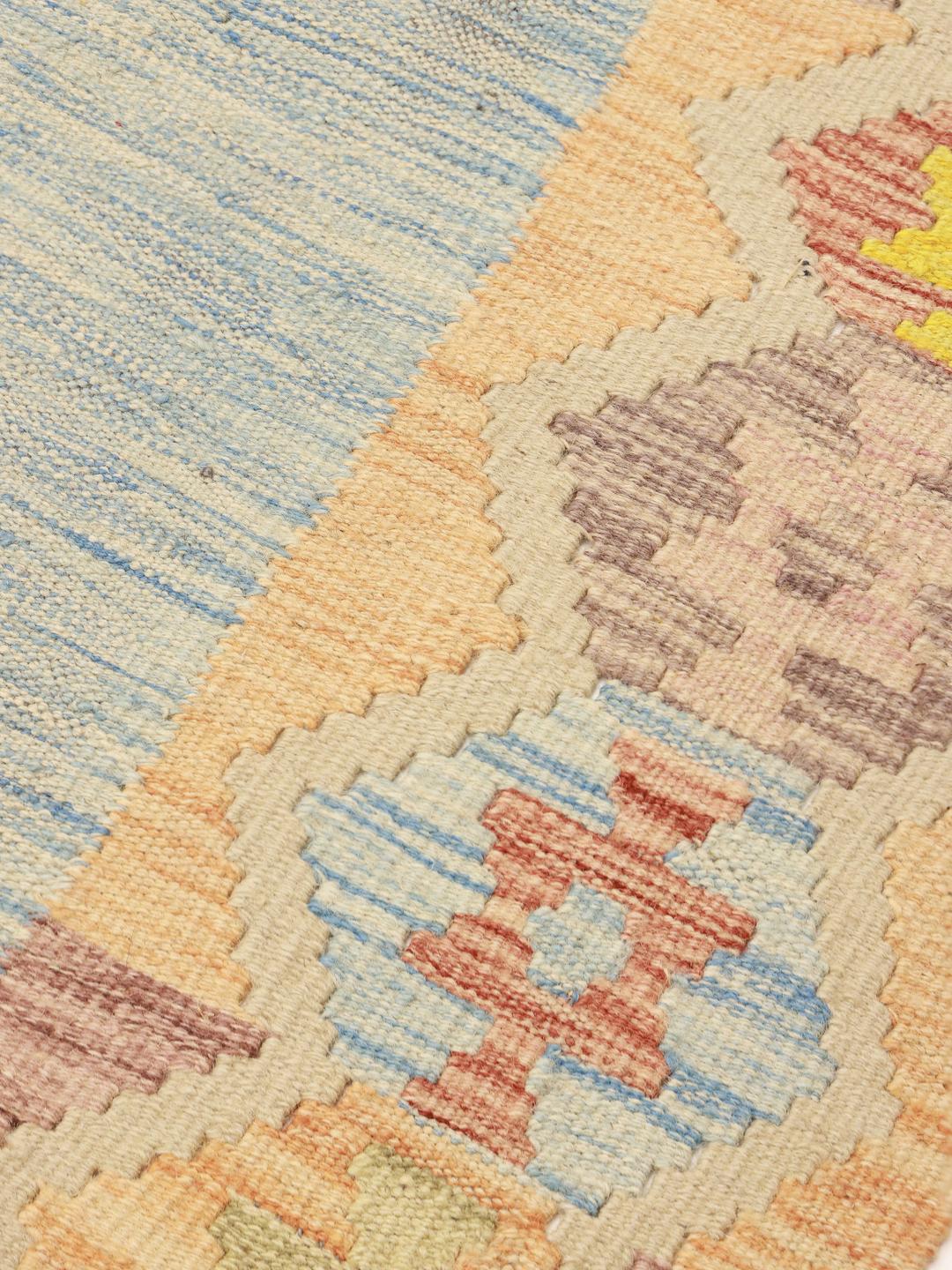
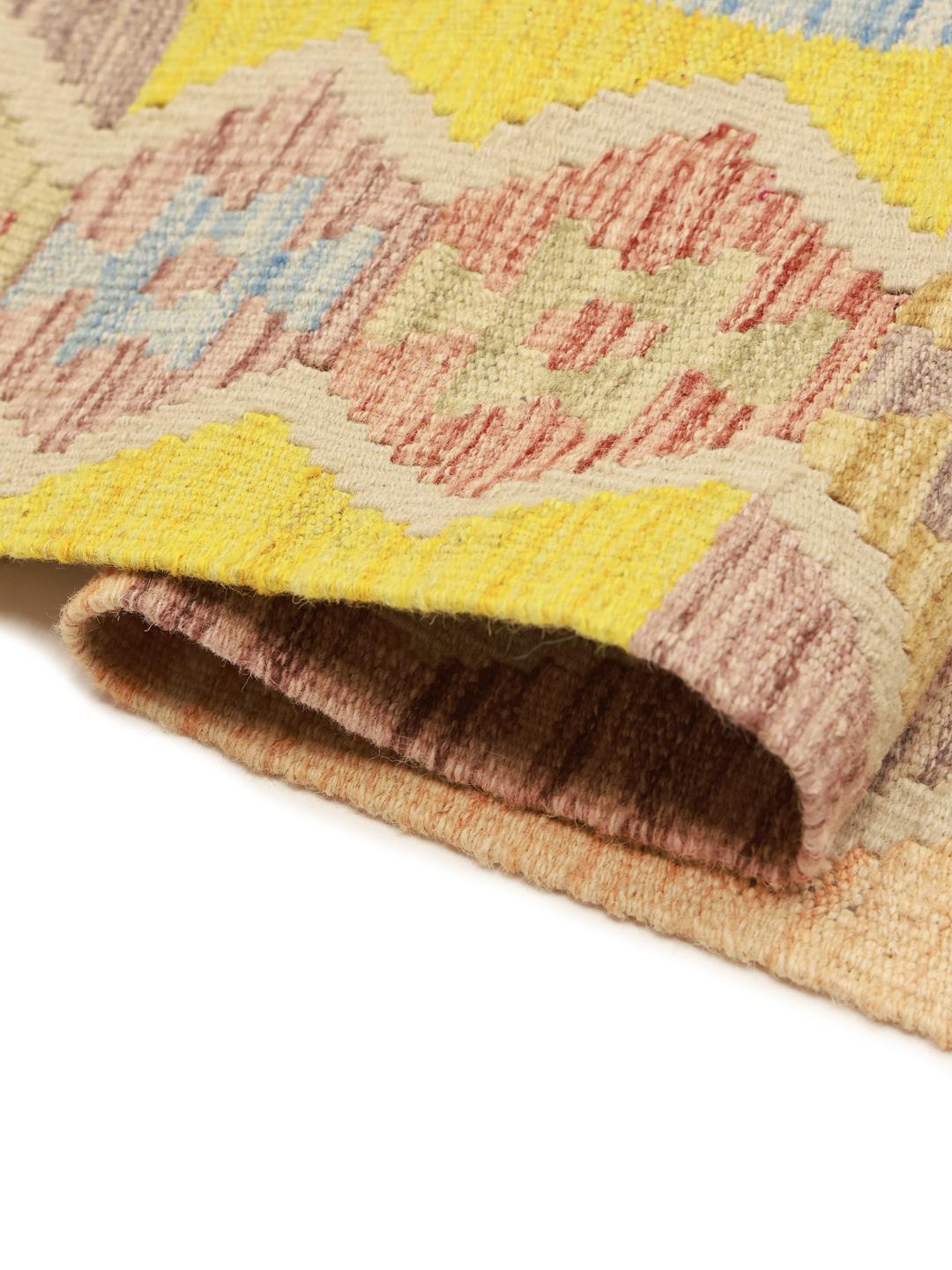
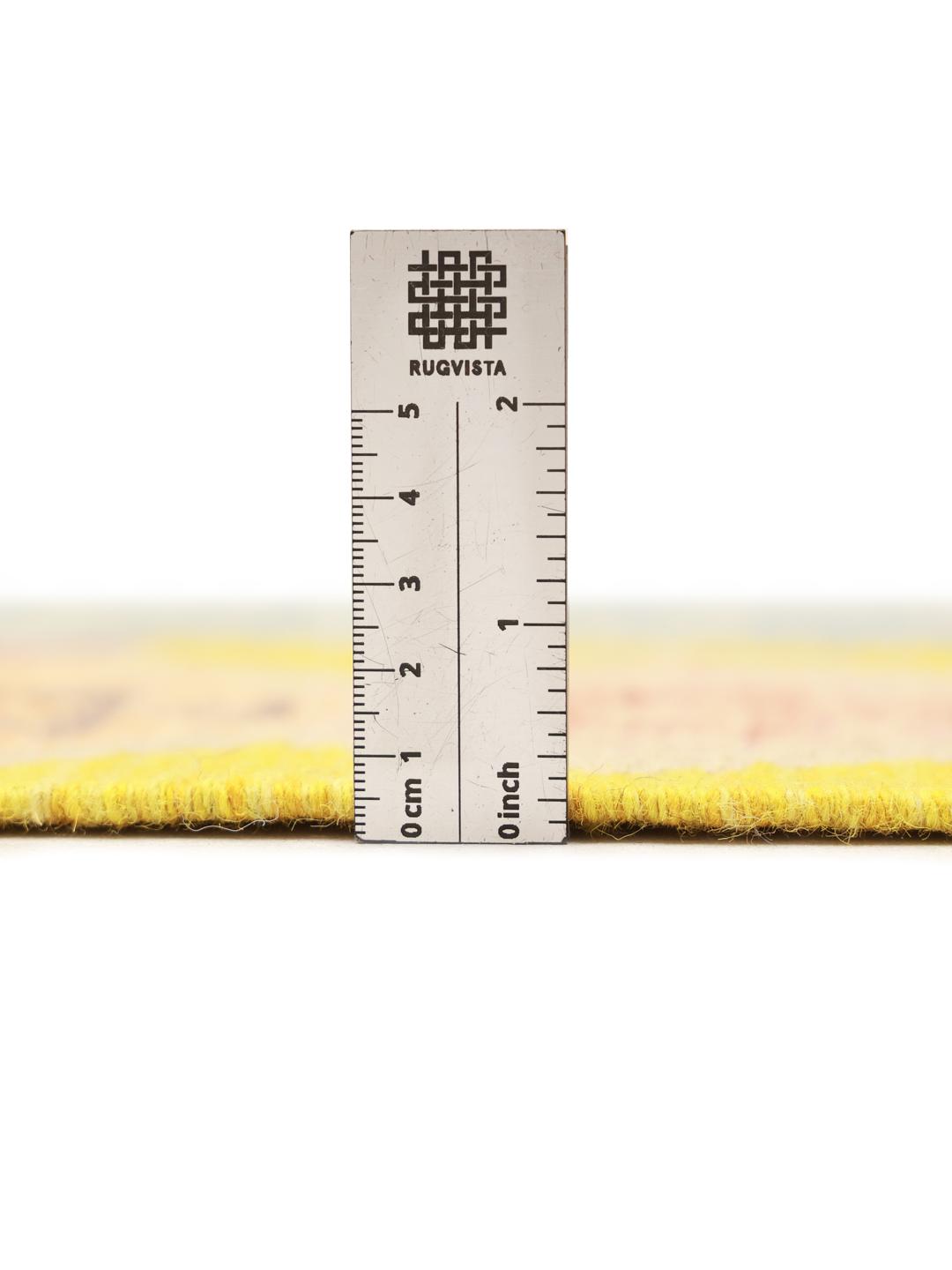
A Kelim is defined by its flat-weave construction, meaning it is created without a knotted pile. This technique relies on the interweaving of warp and weft threads to create the design, resulting in a lightweight yet incredibly durable textile. This specific construction method is what gives these rugs their crisp, clear geometric patterns, as the design is integrated directly into the structure of the fabric rather than being added as a pile surface.
The visual language of an Afghan Kelim often centres on geometric motifs, such as diamonds, triangles, and stylized floral elements. These patterns are not merely decorative but often carry symbolic meanings related to protection, fertility, or the natural landscape of the region. The use of vibrant, contrasting colours in the borders is a hallmark of this style, intended to frame the central field and draw the eye toward the intricacies of the weave.
Collecting an Afghan Kelim is an investment in a living tradition. These rugs are highly valued for their authenticity and the human story behind every thread. By choosing a hand-woven piece, you are supporting the continuation of a craft that has survived through shifting landscapes and changing times, ensuring that this cultural legacy remains a vibrant part of the contemporary home.