The Ziegler tradition finds its roots in the late 19th century, born from a collaboration between European design houses and weavers in the Middle East. Originally, these rugs were created to provide a more subdued and decorative alternative to the highly ornate, vibrant carpets typical of that era, catering to the aesthetic preferences of Western homes while maintaining the integrity of traditional weaving techniques.
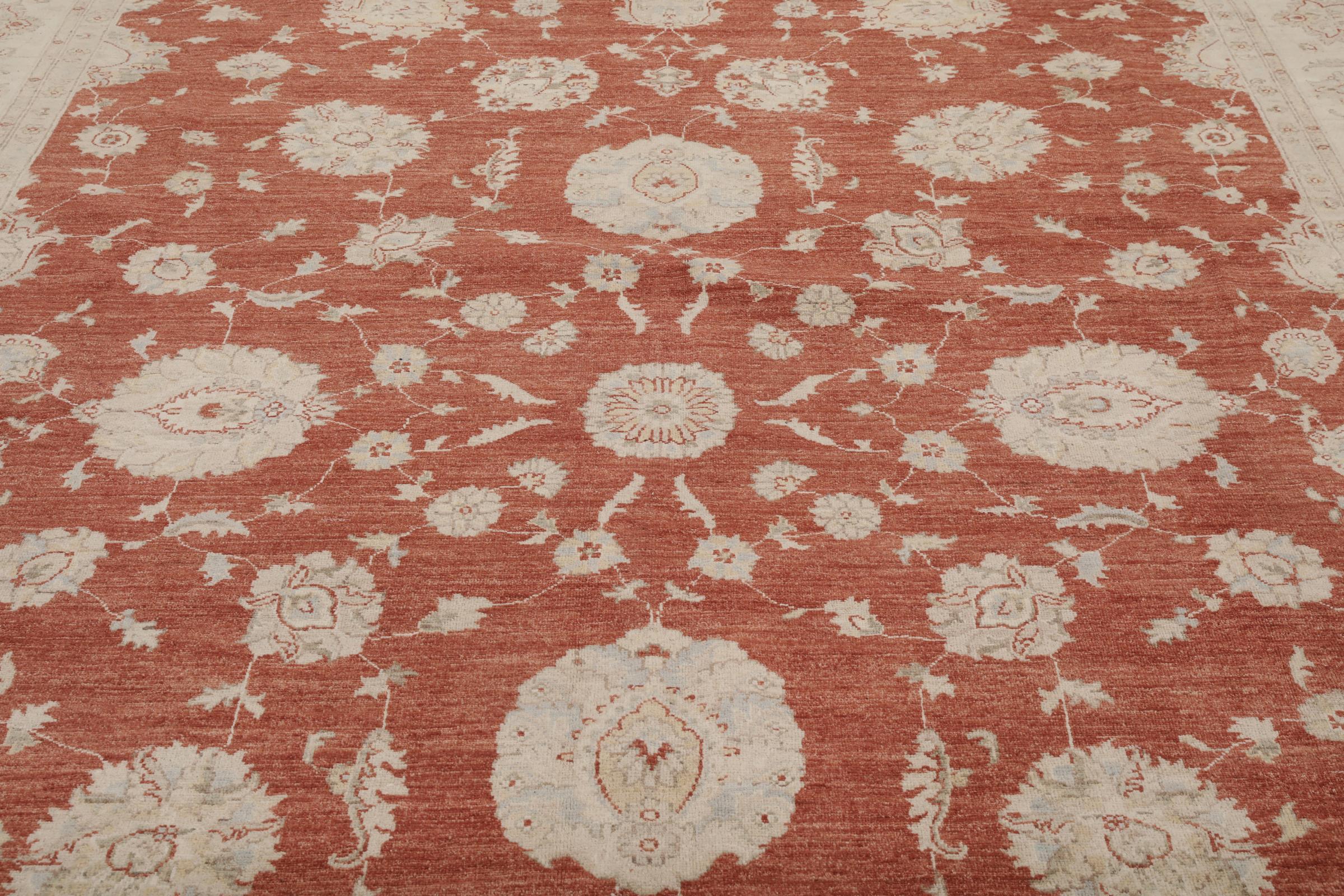
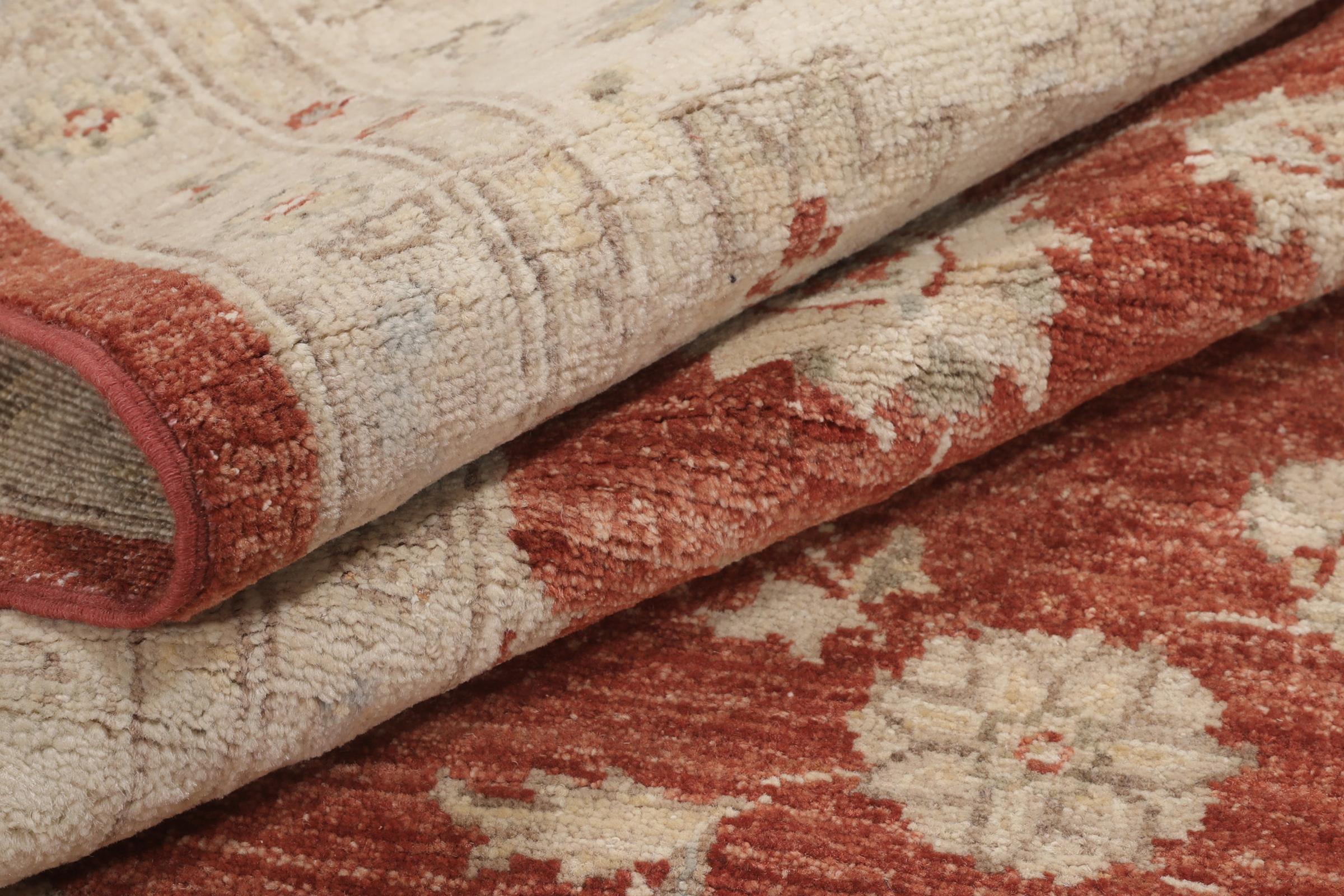
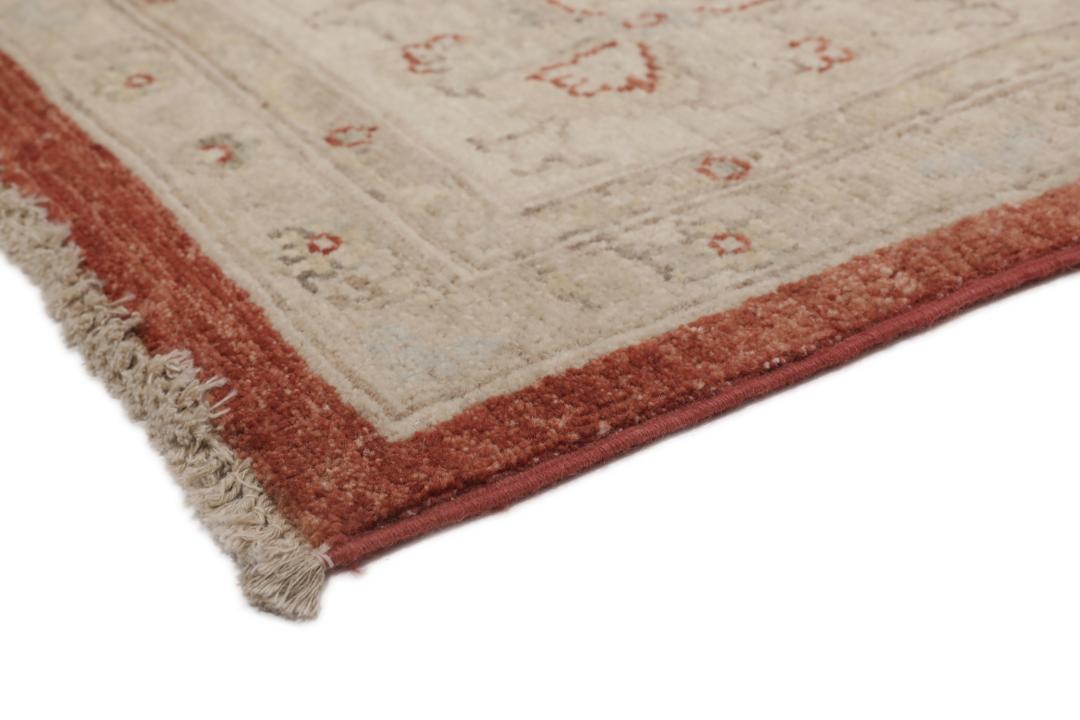
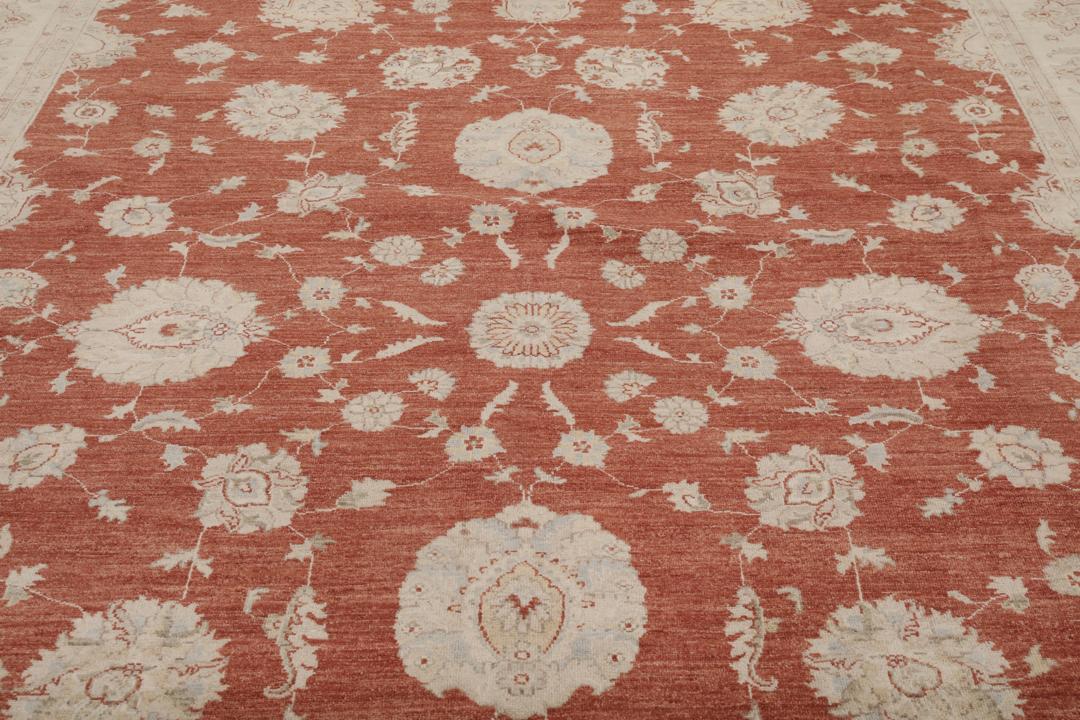
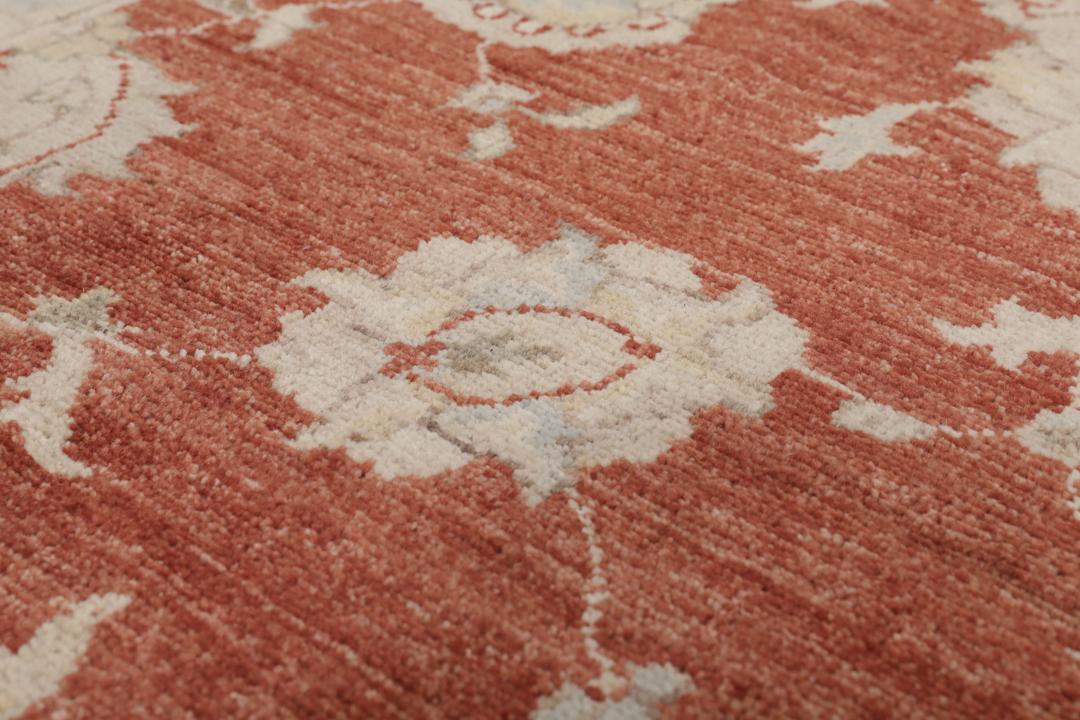
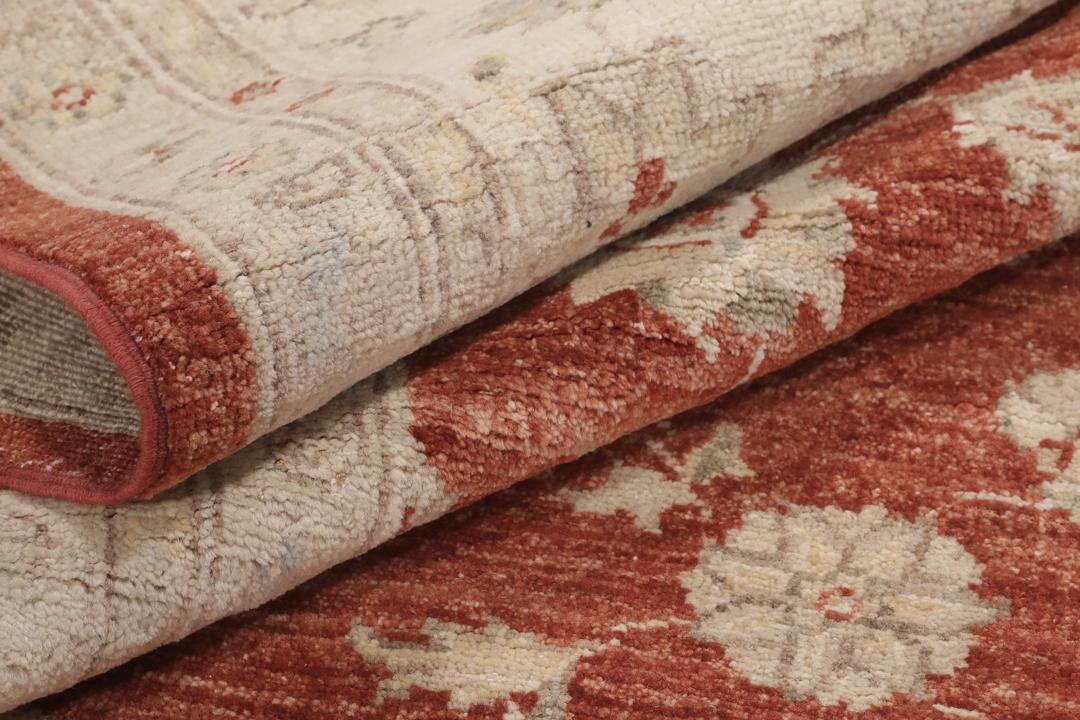
The craftsmanship behind a Ziegler rug is defined by the use of high-quality Wool, which is often hand-spun to give the yarn a unique, slightly irregular texture. This texture is vital because it allows the Wool to absorb natural dyes in a way that creates subtle variations in colour, known as abrash. This depth of colour is what gives these rugs their characteristic, lived-in appearance that feels both authentic and sophisticated.
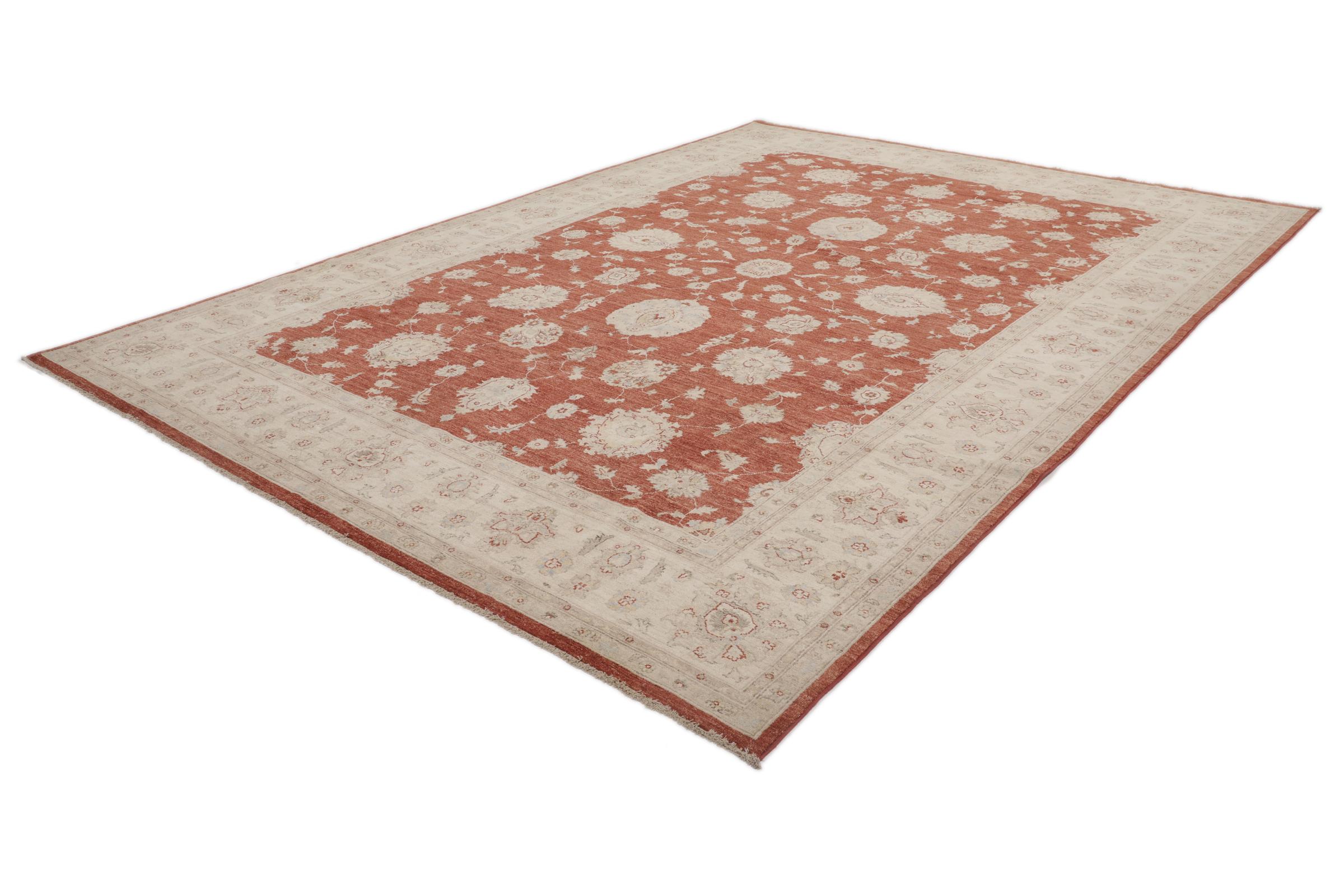
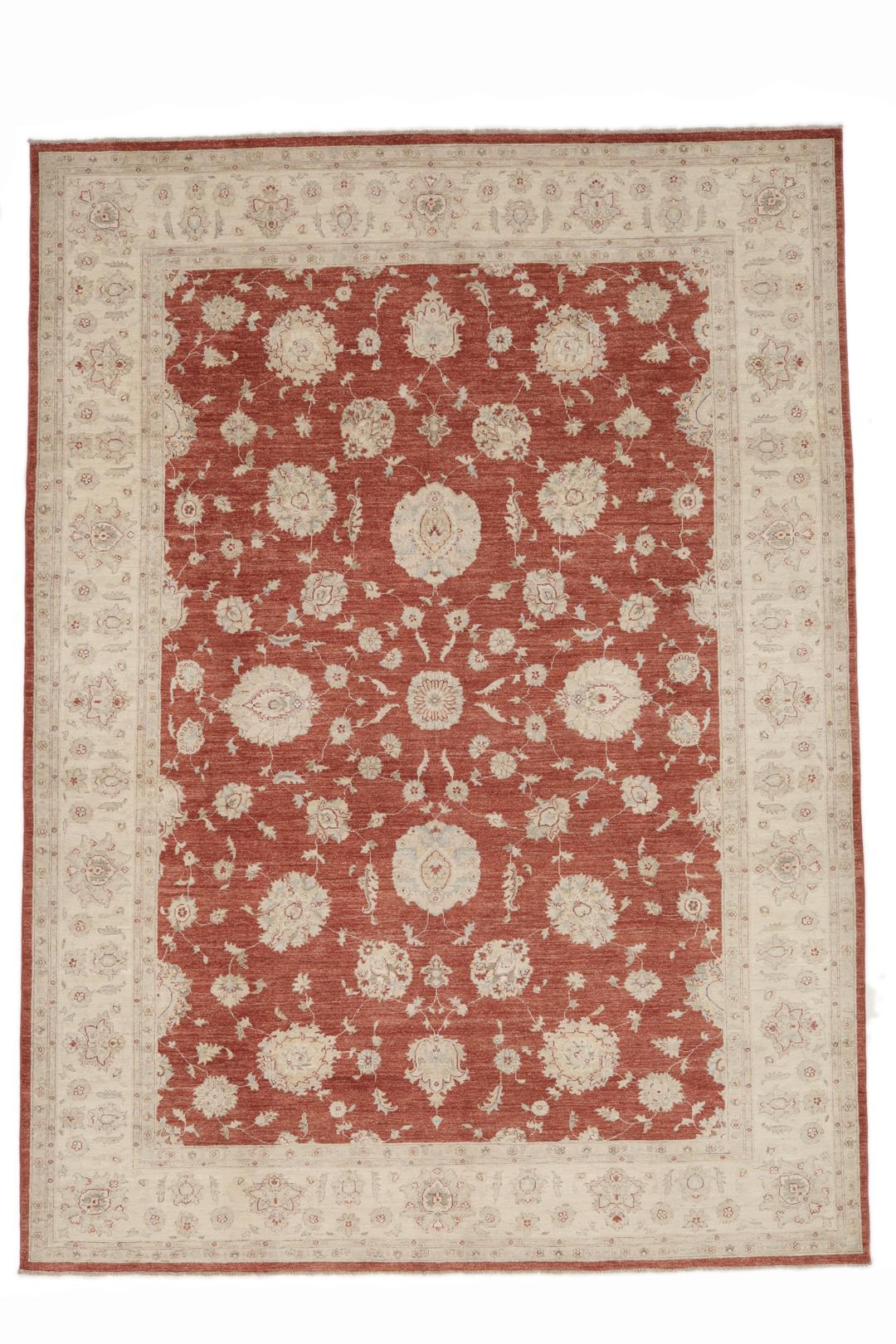
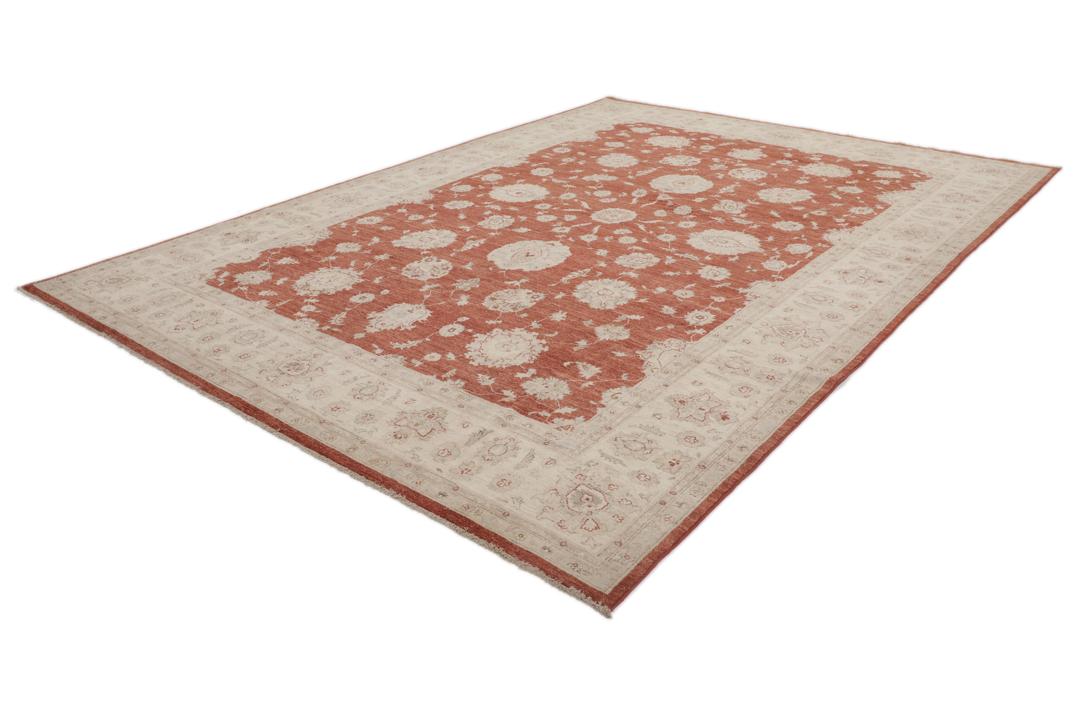
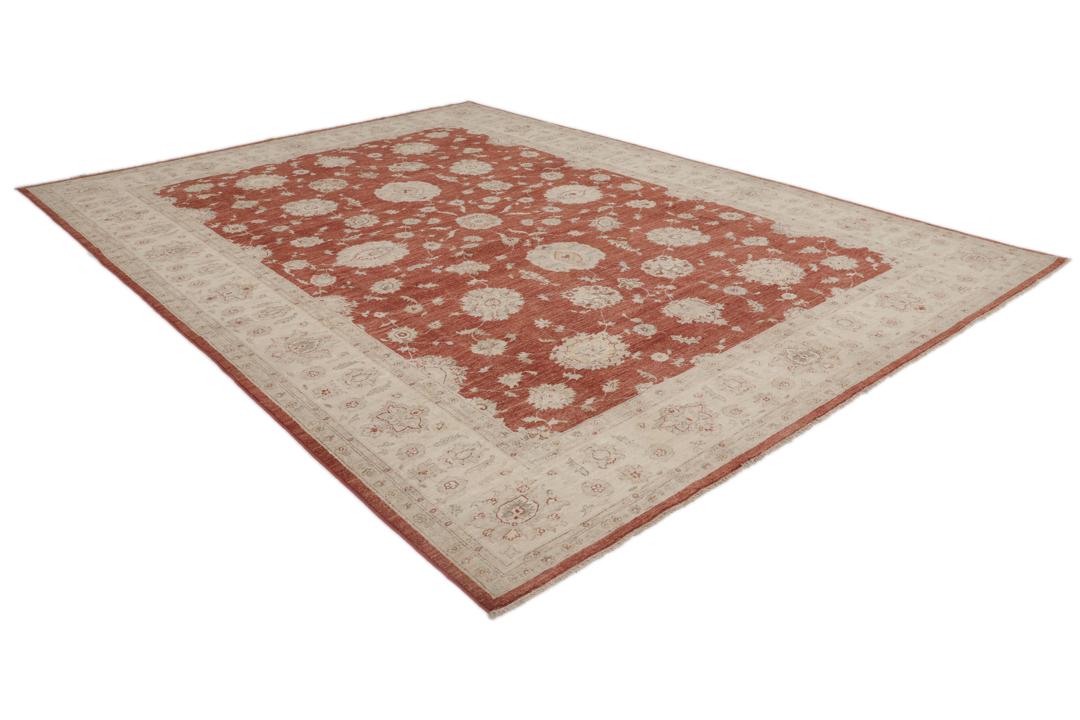
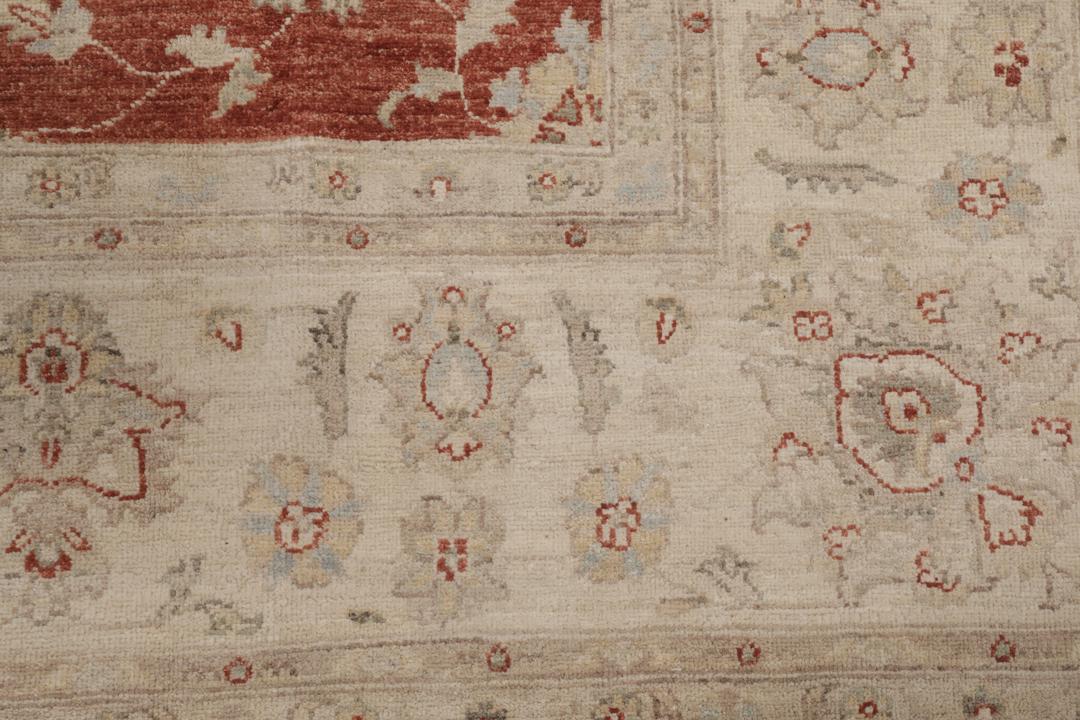
Visually, these rugs are celebrated for their large-scale, open floral patterns and wide, formal borders. The motifs are typically inspired by classical designs but are executed with a more relaxed and spacious layout, allowing the beauty of the Wool and the depth of the colour palette to take centre stage. The red and beige tones found in this piece are hallmarks of the style, designed to create a sense of harmony and balance.
Today, rugs from this tradition are highly valued by collectors and homeowners alike for their ability to blend seamlessly into various interiors. Owning a piece from this lineage is about more than just floor coverage; it is about preserving a craft that bridges cultures and centuries. It represents a commitment to enduring quality and a respect for the skill that has been passed down through generations of weavers.