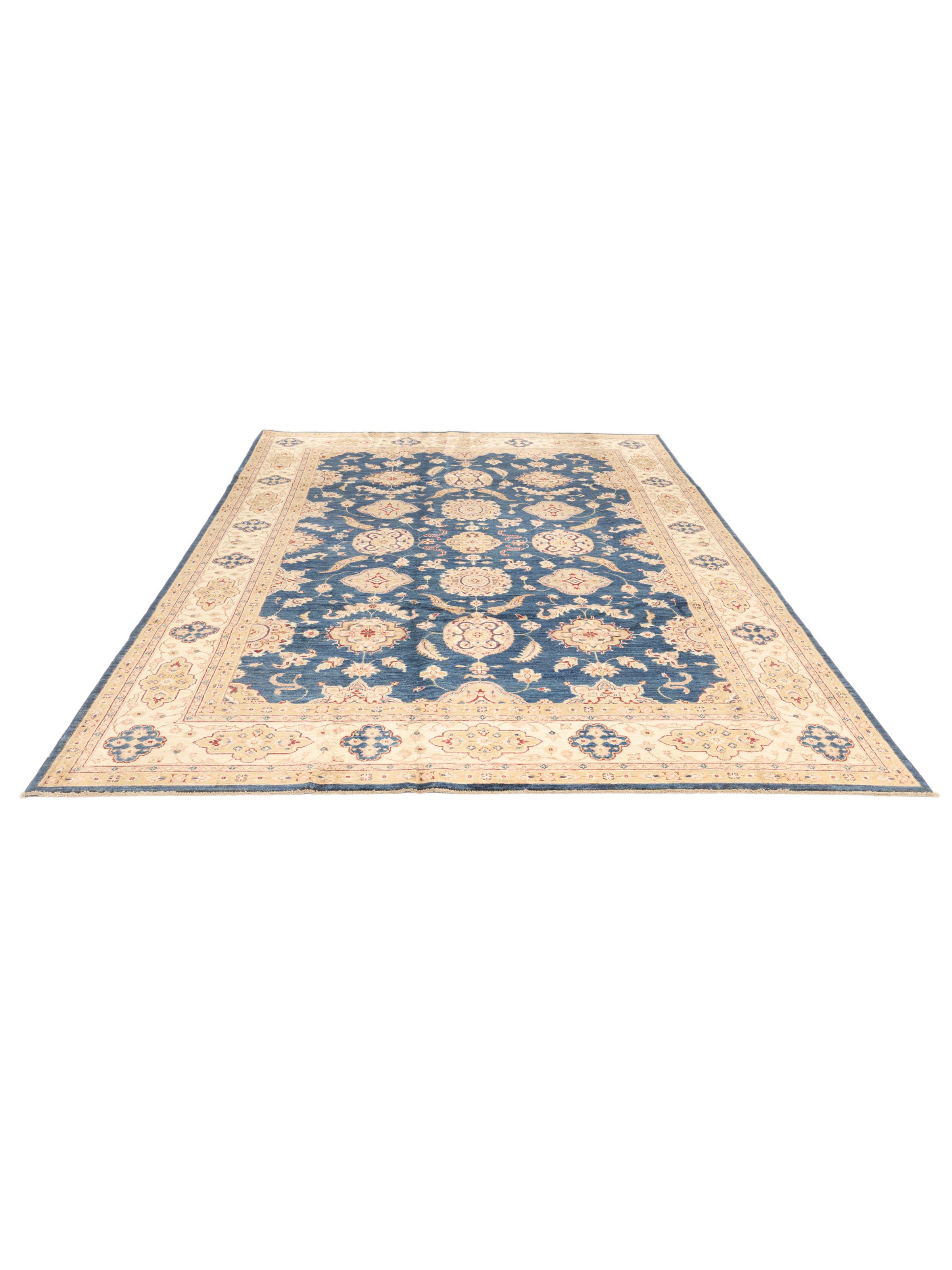
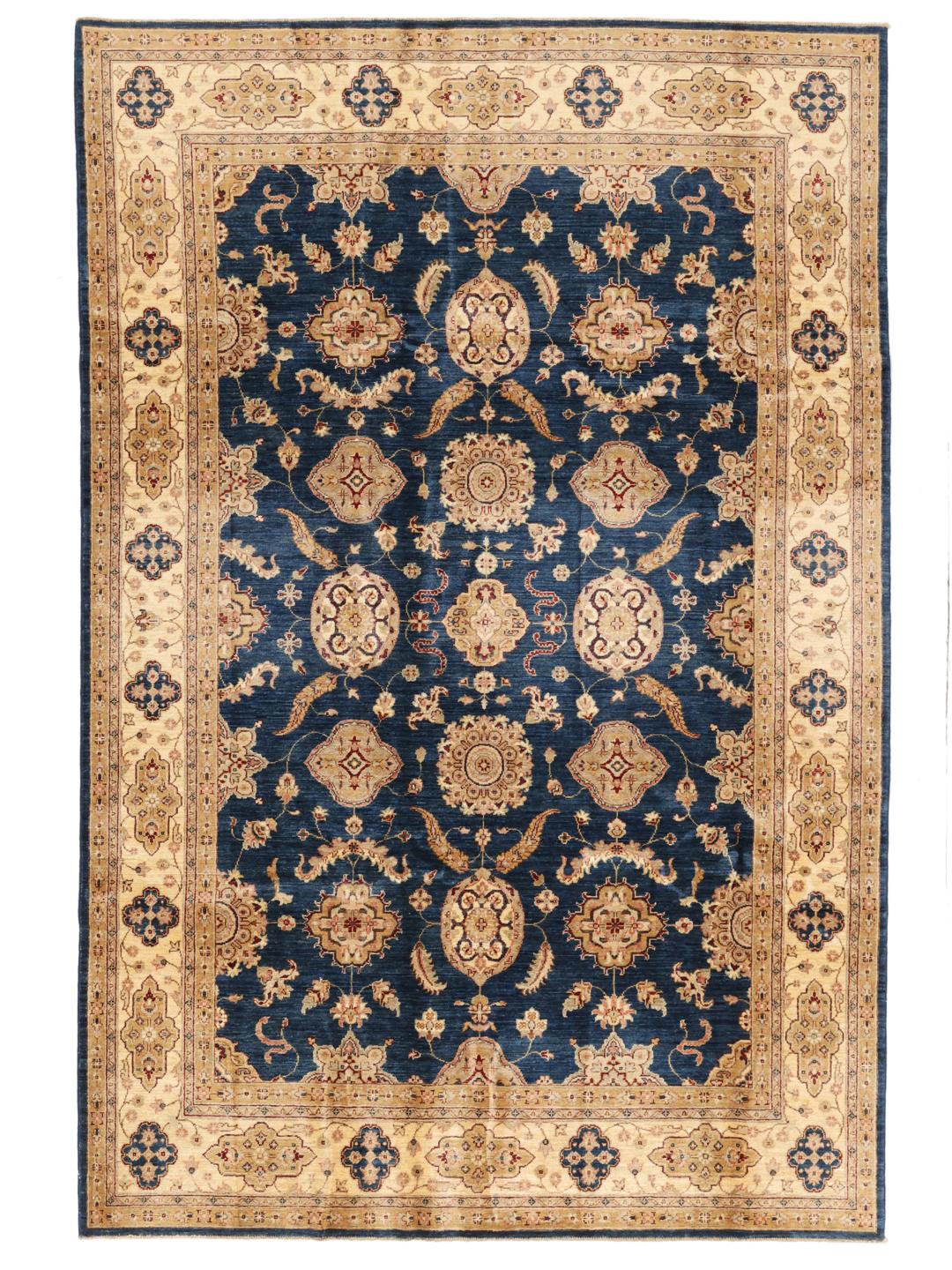
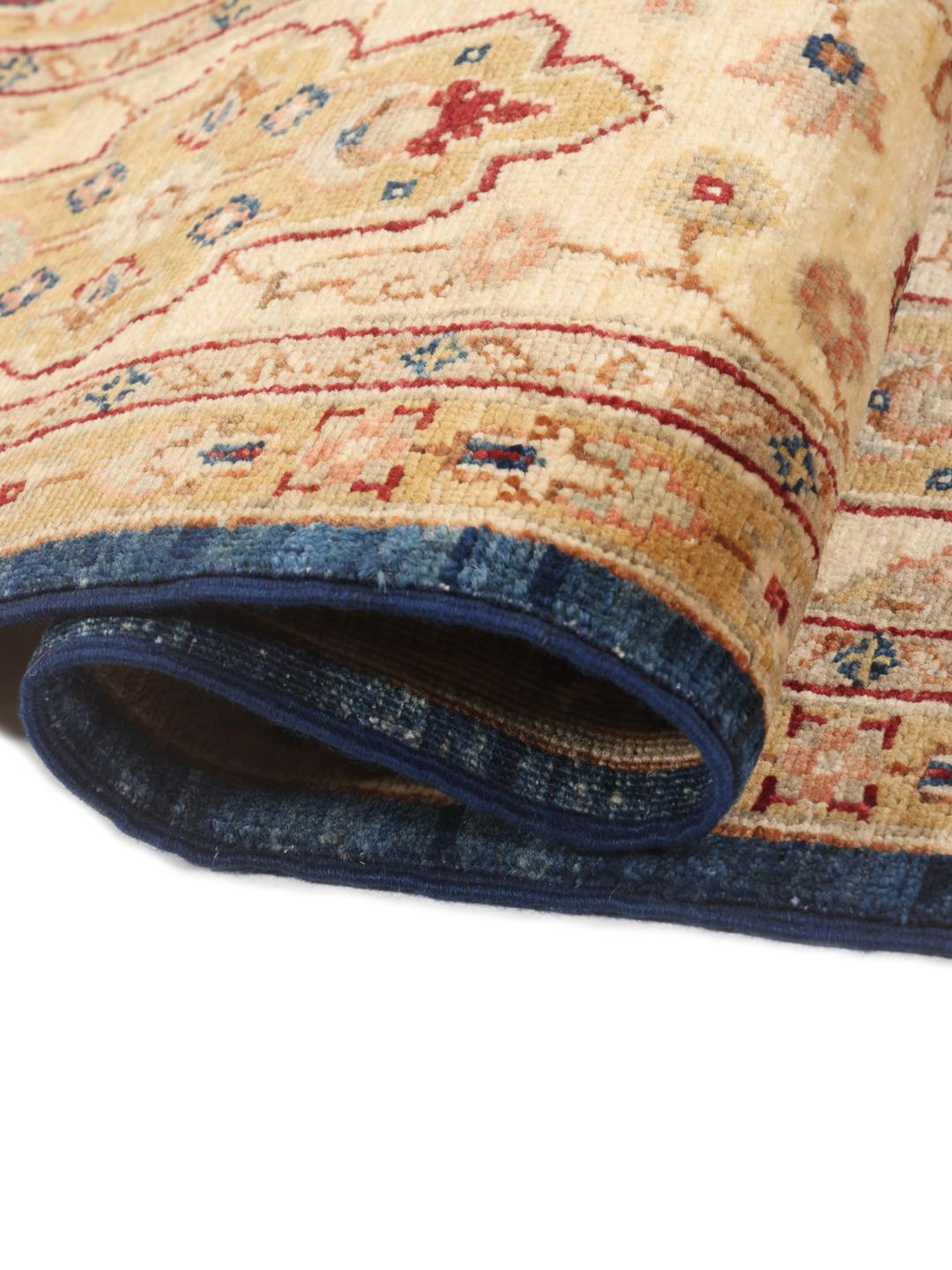
Ziegler rugs have a fascinating history that dates back to the late 19th century. They were originally created as a collaborative effort between Western design sensibilities and traditional Middle Eastern weaving techniques. The aim was to produce rugs that would appeal to European and American tastes, often featuring more open fields and softer, more muted colour palettes than the highly intricate, jewel-toned carpets traditionally associated with the region.
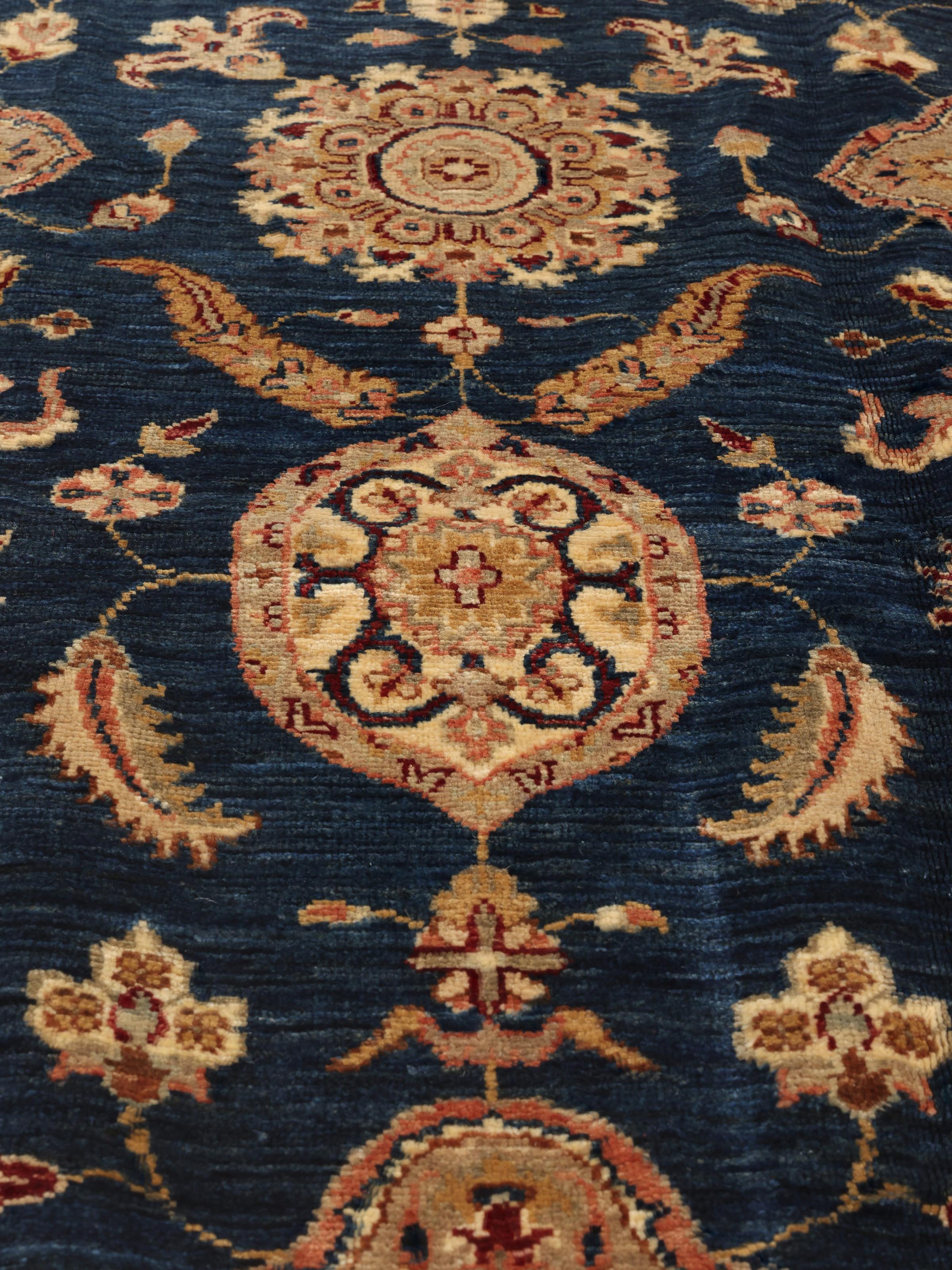
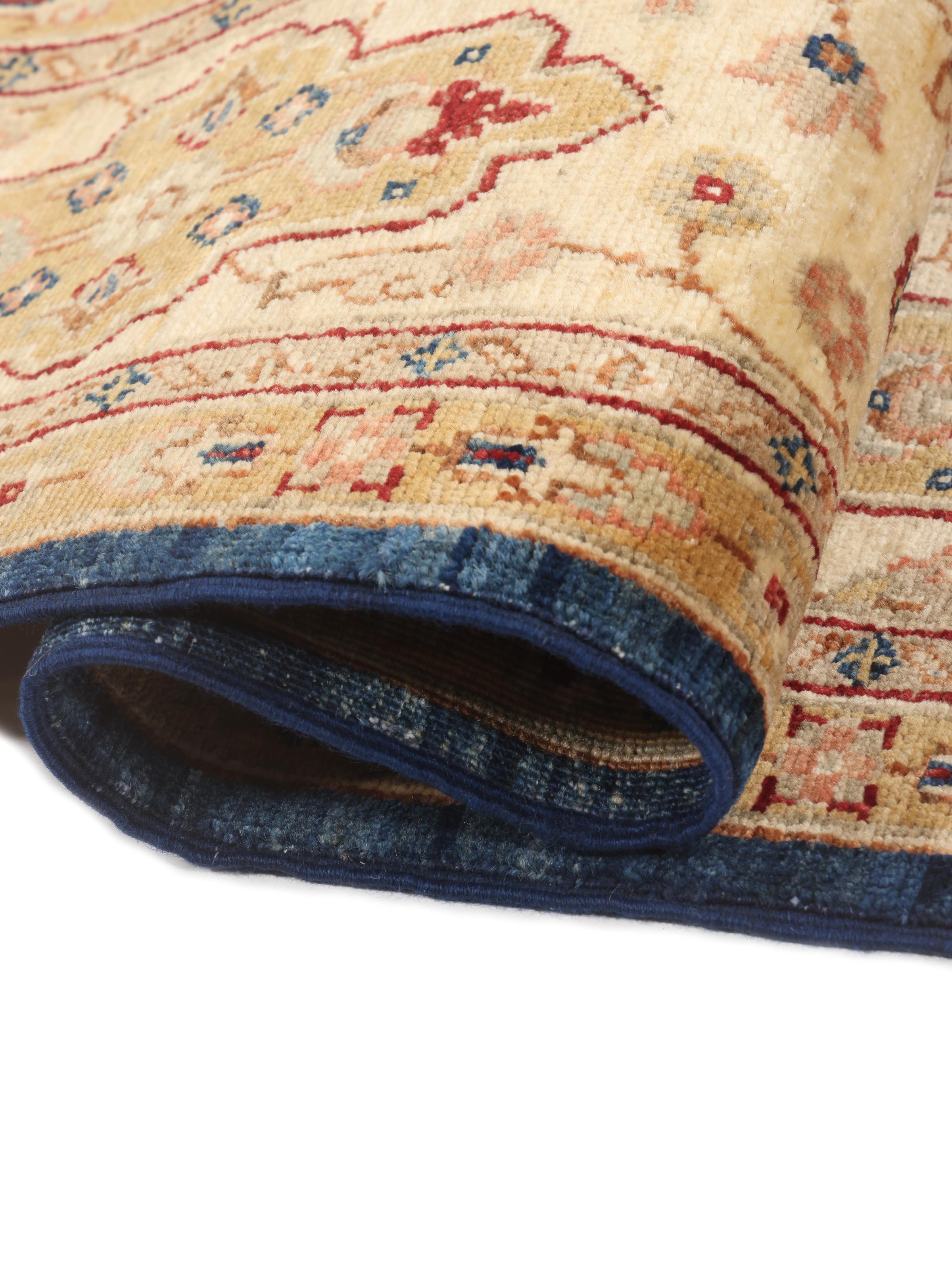
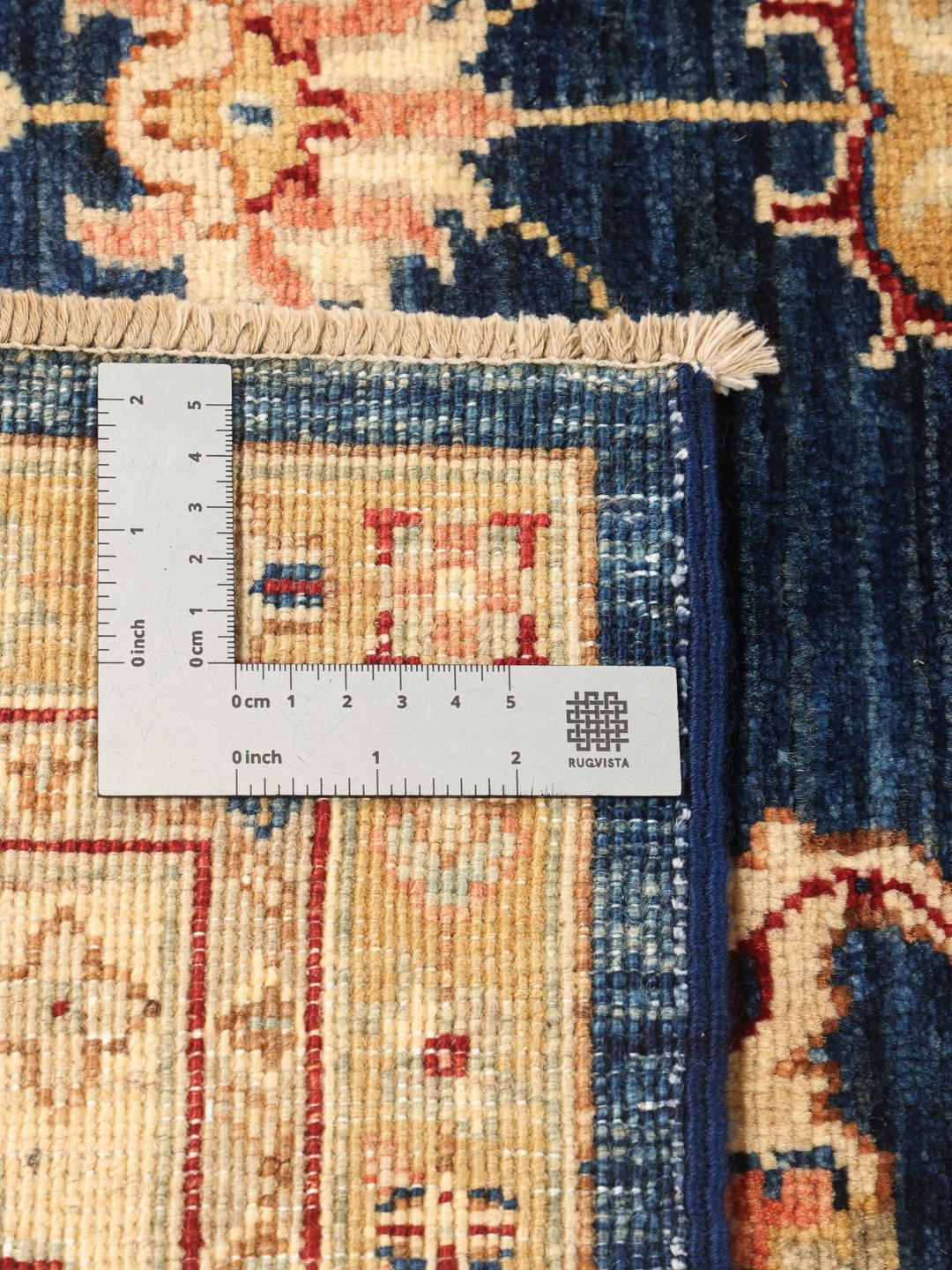
The term 'Ziegler' refers to the original firm that commissioned these designs, but today the name signifies a specific style of weaving that emphasises space, elegance, and durability. The technique involves using high-quality, long-staple wool, which is often hand-spun to retain its natural lanolin. This creates a lustrous, soft, and highly durable pile that is prized for its ability to age gracefully, developing a rich patina over time that only enhances its beauty.
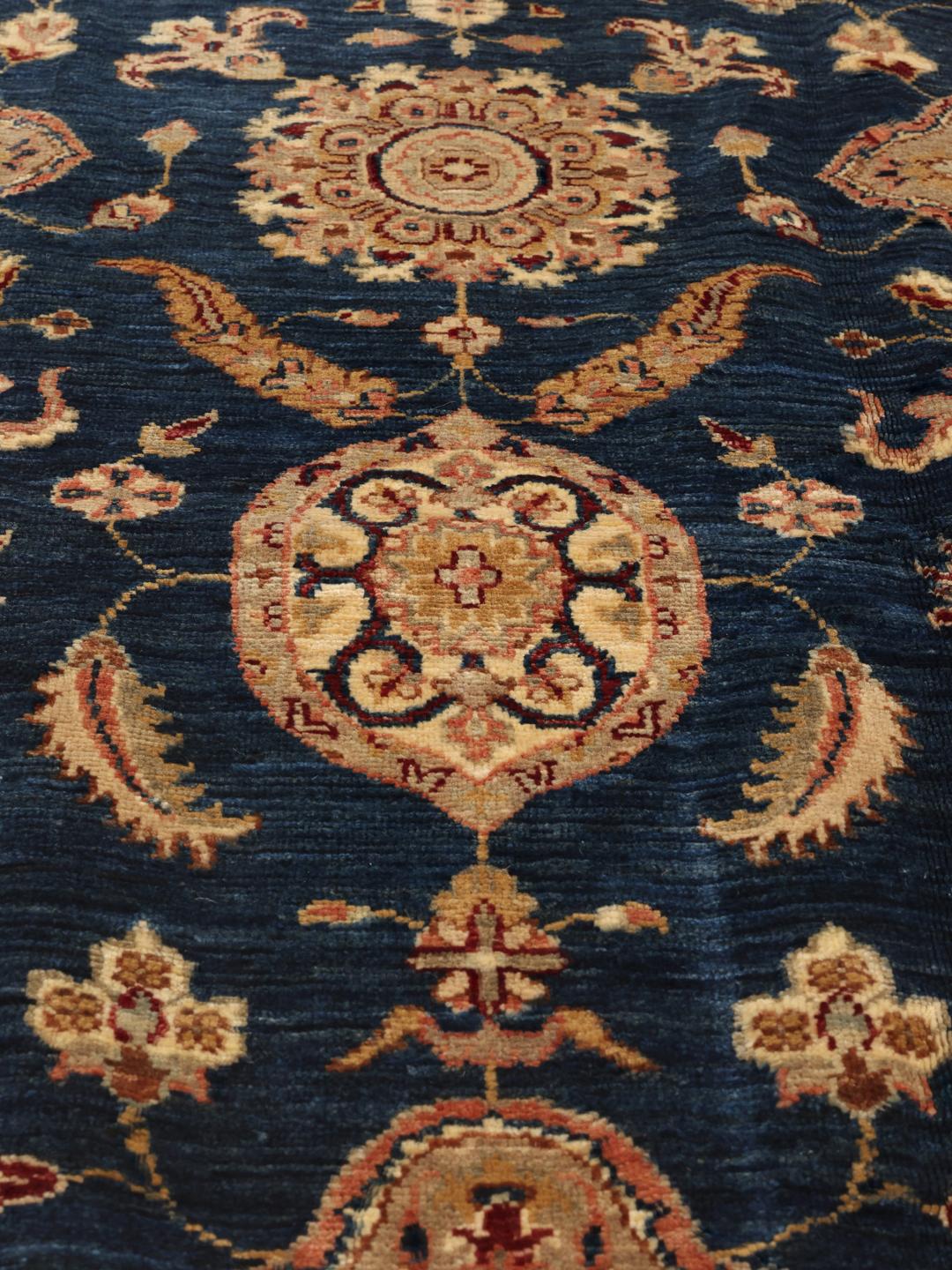
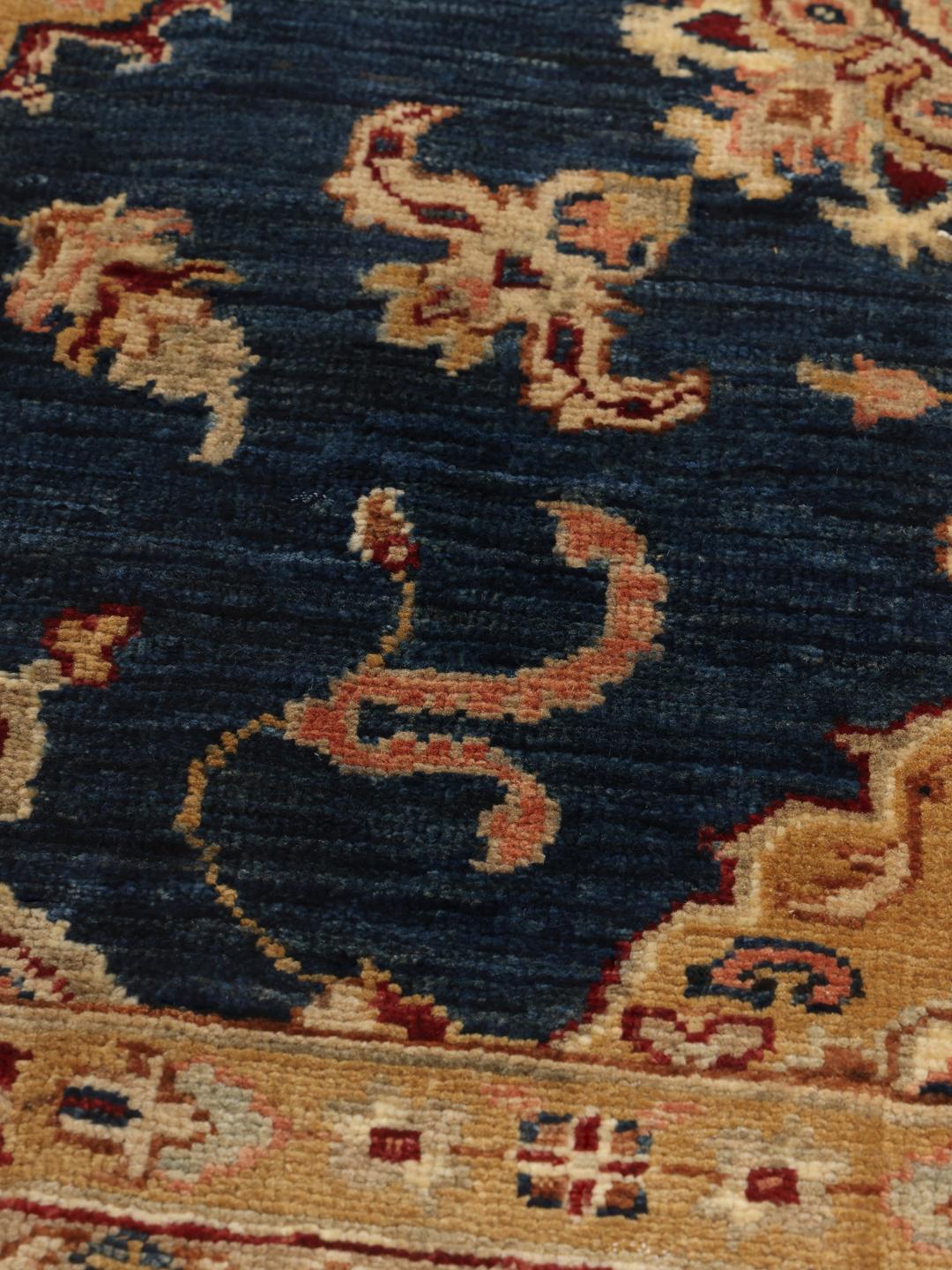
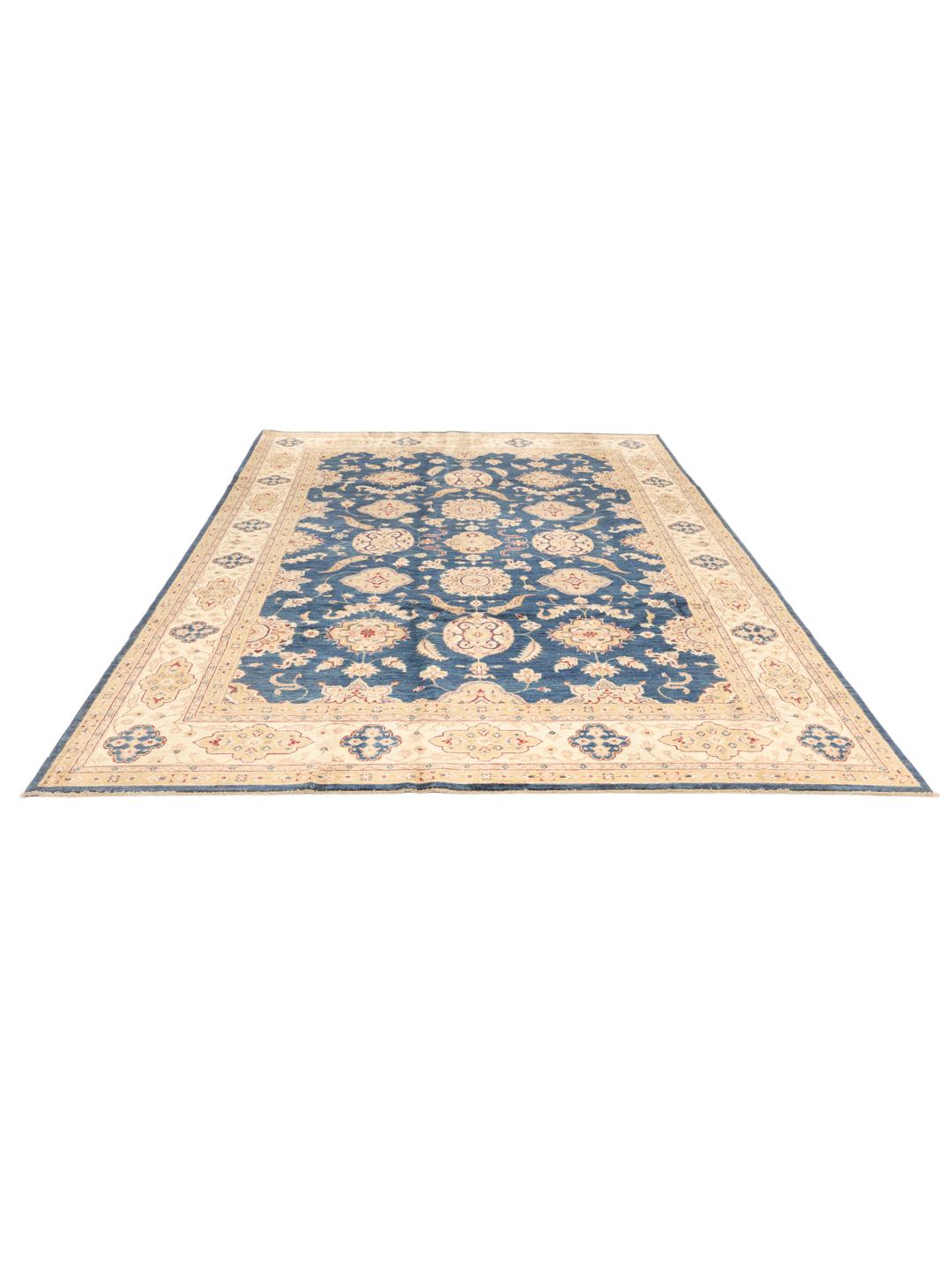
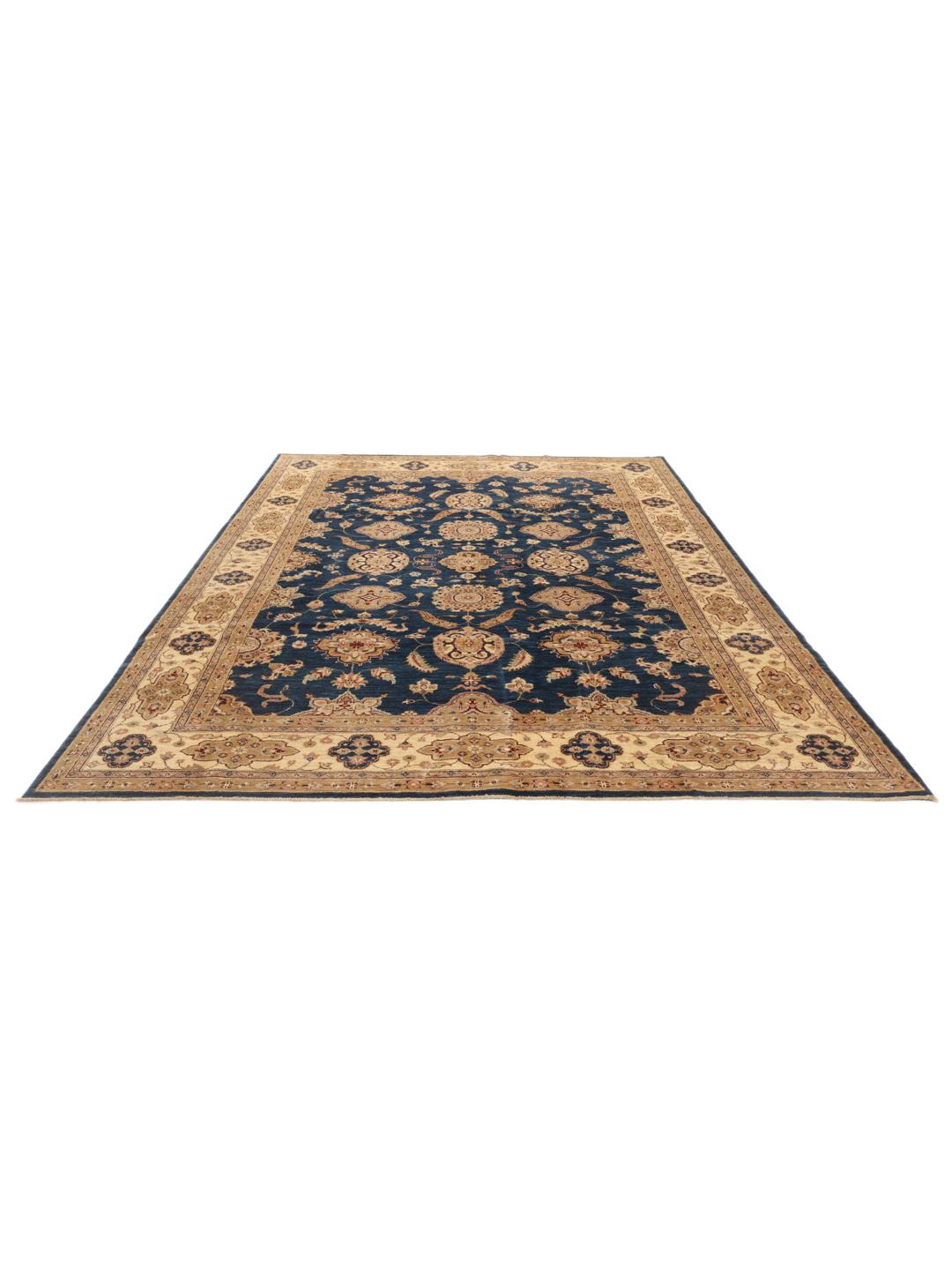
Visually, these rugs are characterised by their expansive, uncluttered fields, often decorated with stylised floral vines, palmettes, and delicate medallions. Unlike more crowded designs, the Ziegler style allows the patterns to breathe, making them incredibly versatile in modern interiors where they can serve as a focal point without overwhelming the space. The borders are typically formal yet fluid, framing the central motifs with a balanced, rhythmic design.
Today, rugs from this tradition are highly sought after by collectors and homeowners alike for their blend of historical prestige and practical design. Owning a Ziegler is more than just acquiring a floor covering; it is an investment in a craft tradition that has successfully bridged the gap between different cultures for over a century. Each piece carries with it the skill of the weaver and the legacy of a design movement that redefined the aesthetics of fine home textiles.