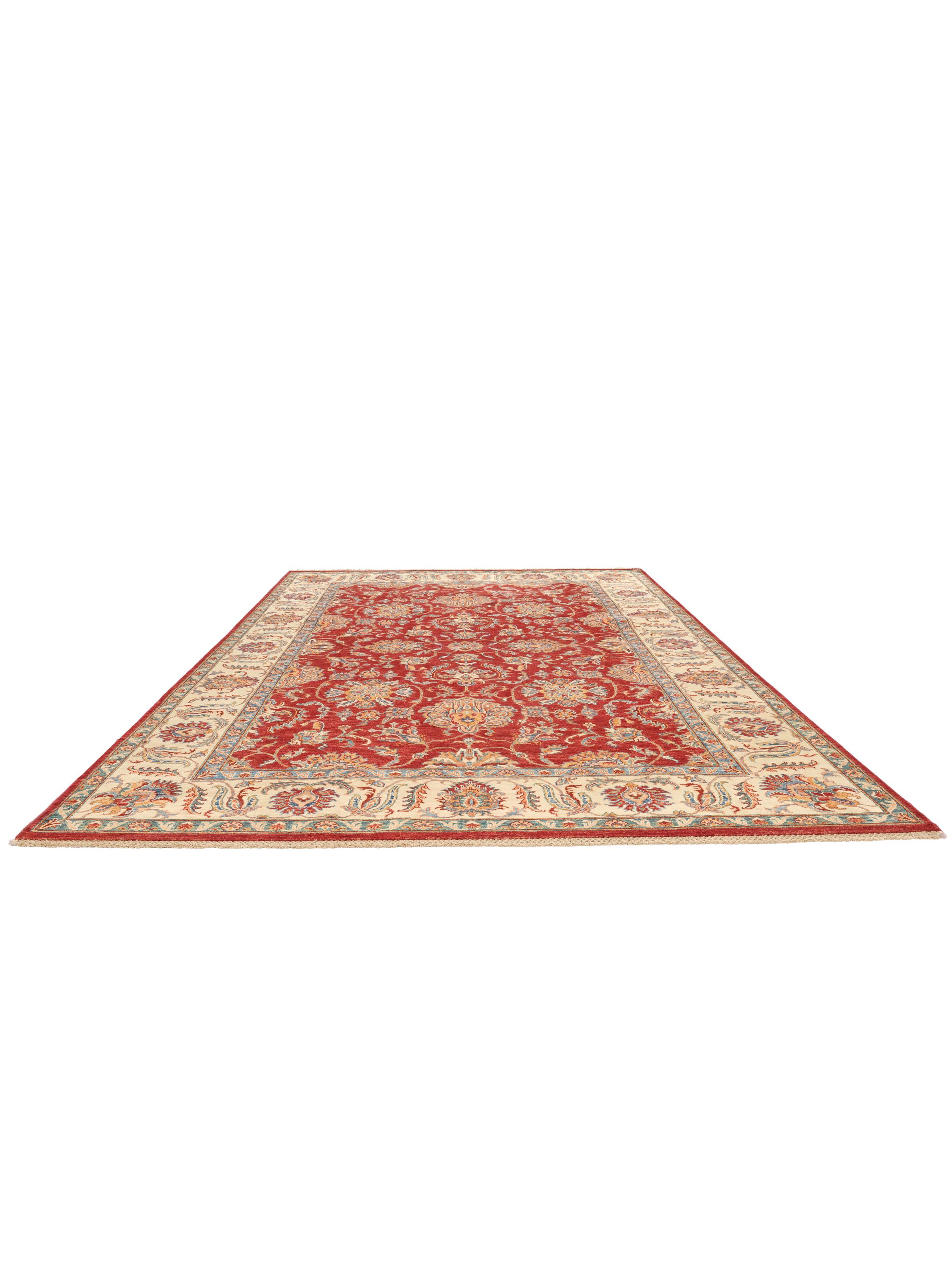
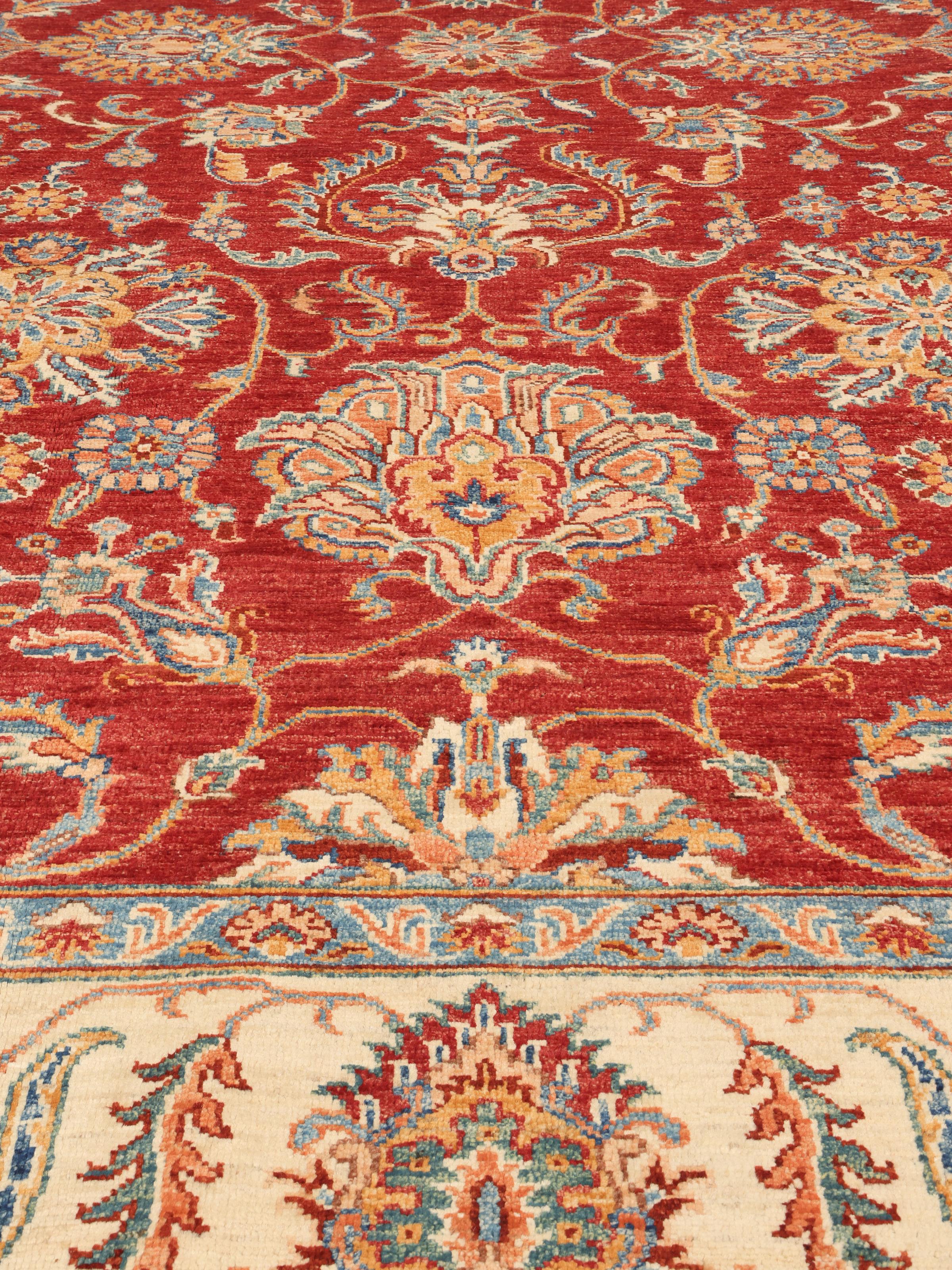
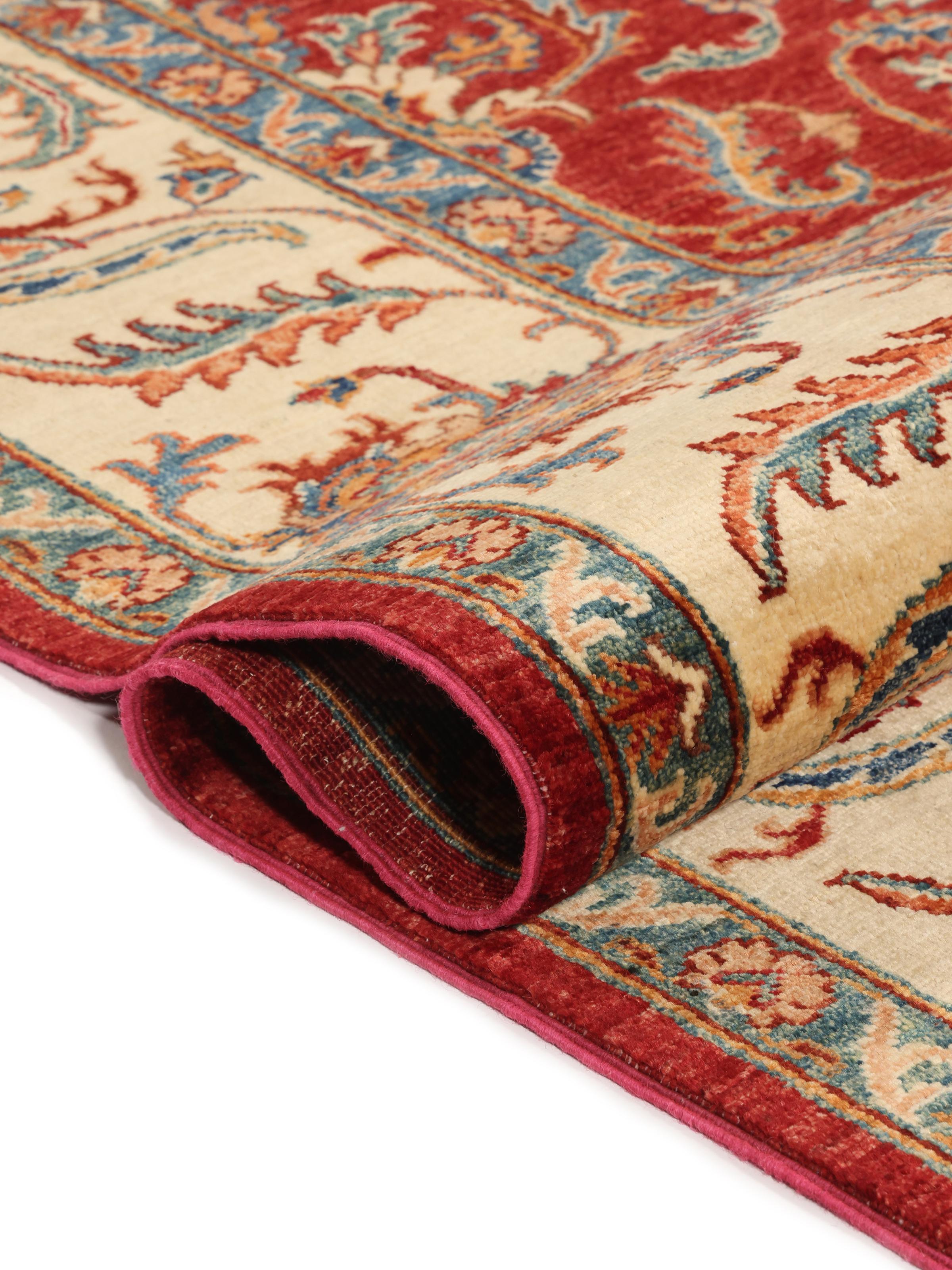
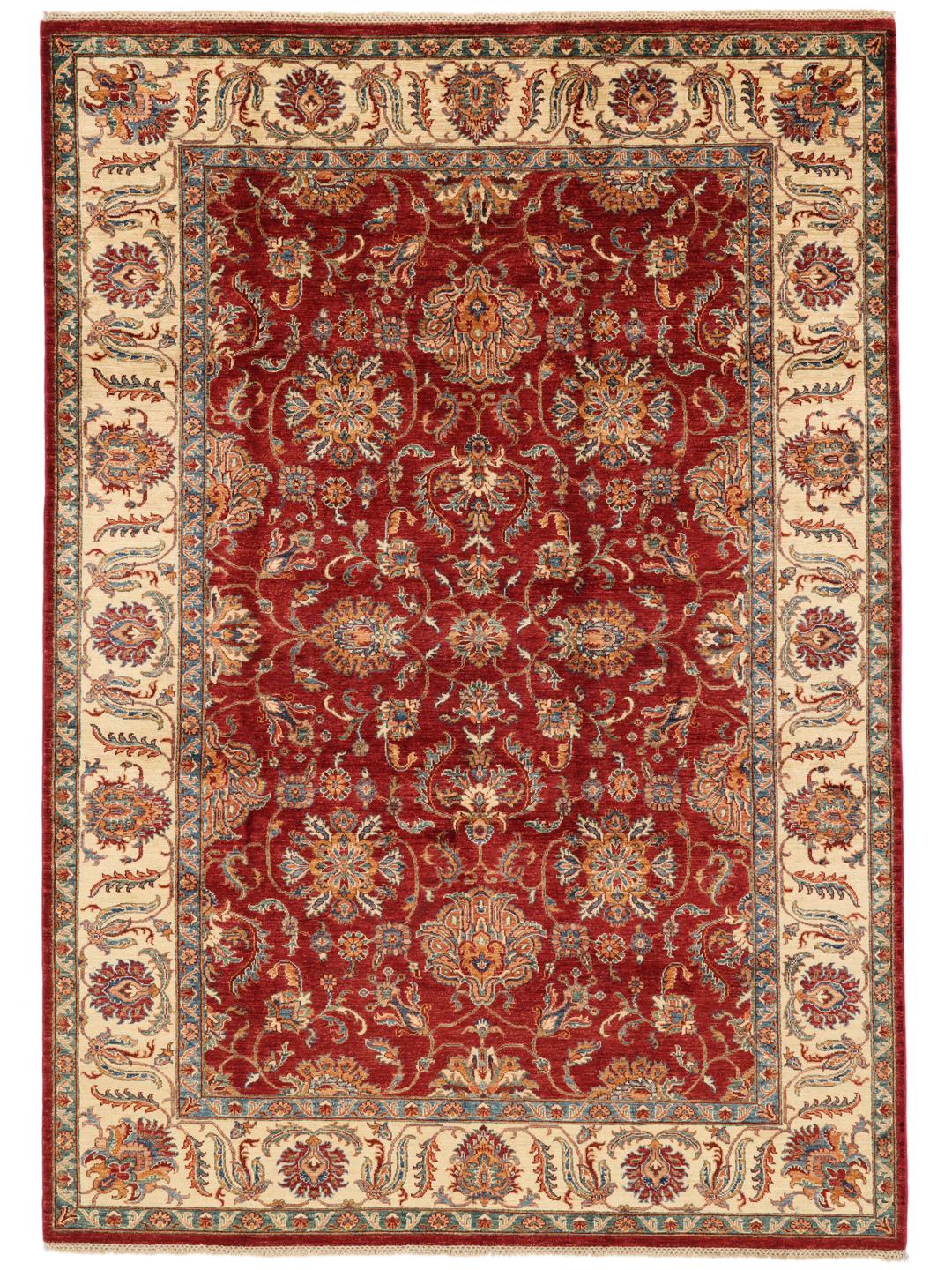
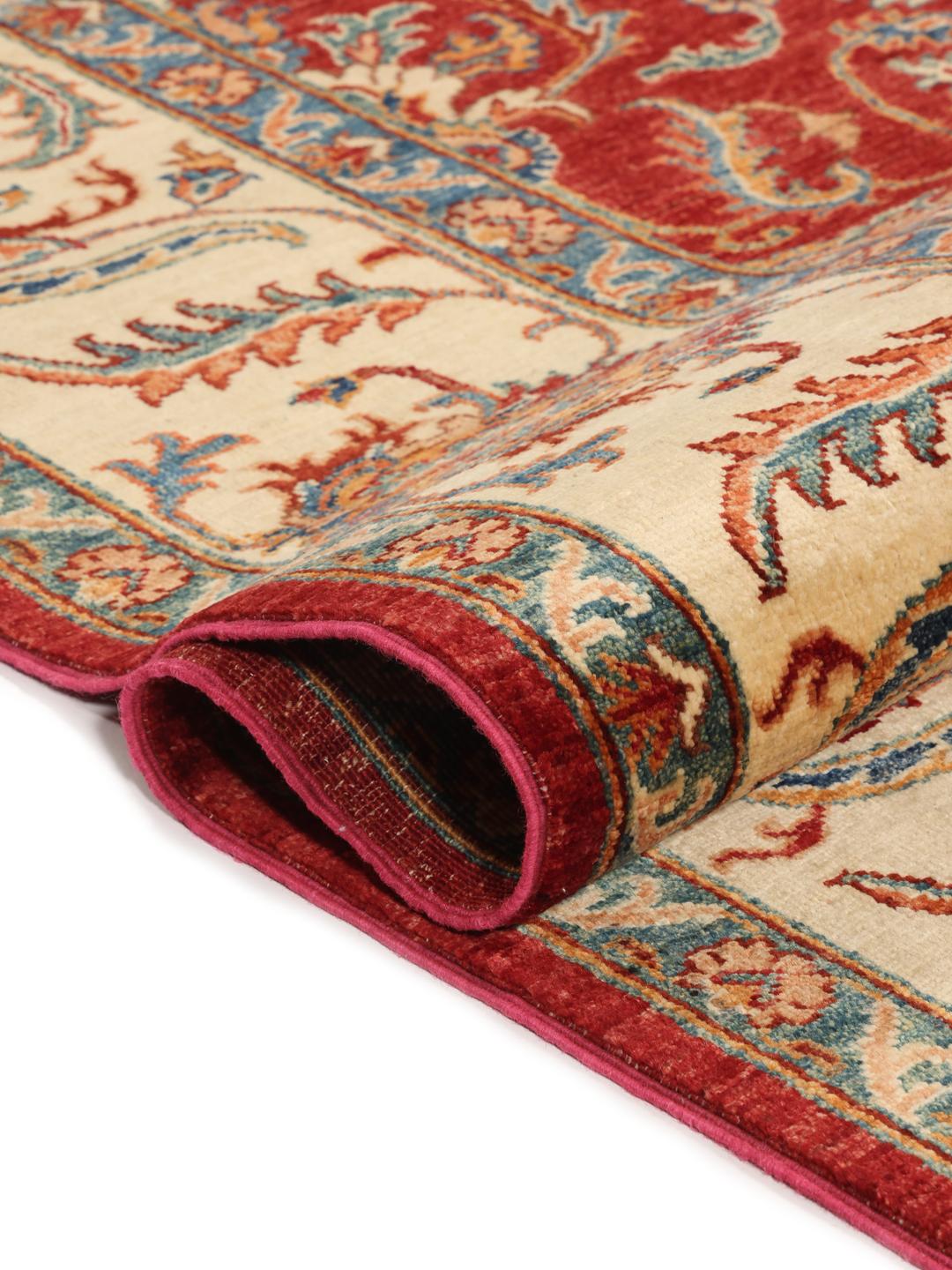
The Ziegler tradition is a fascinating chapter in the story of Middle Eastern rug making. Originally developed in the late 19th century by the Swiss firm Ziegler & Co, this style was created to bridge the gap between traditional Eastern patterns and the aesthetic preferences of Western homes. By simplifying complex, classical motifs and using softer, more muted colour palettes, these rugs became an instant success that continues to be celebrated today.
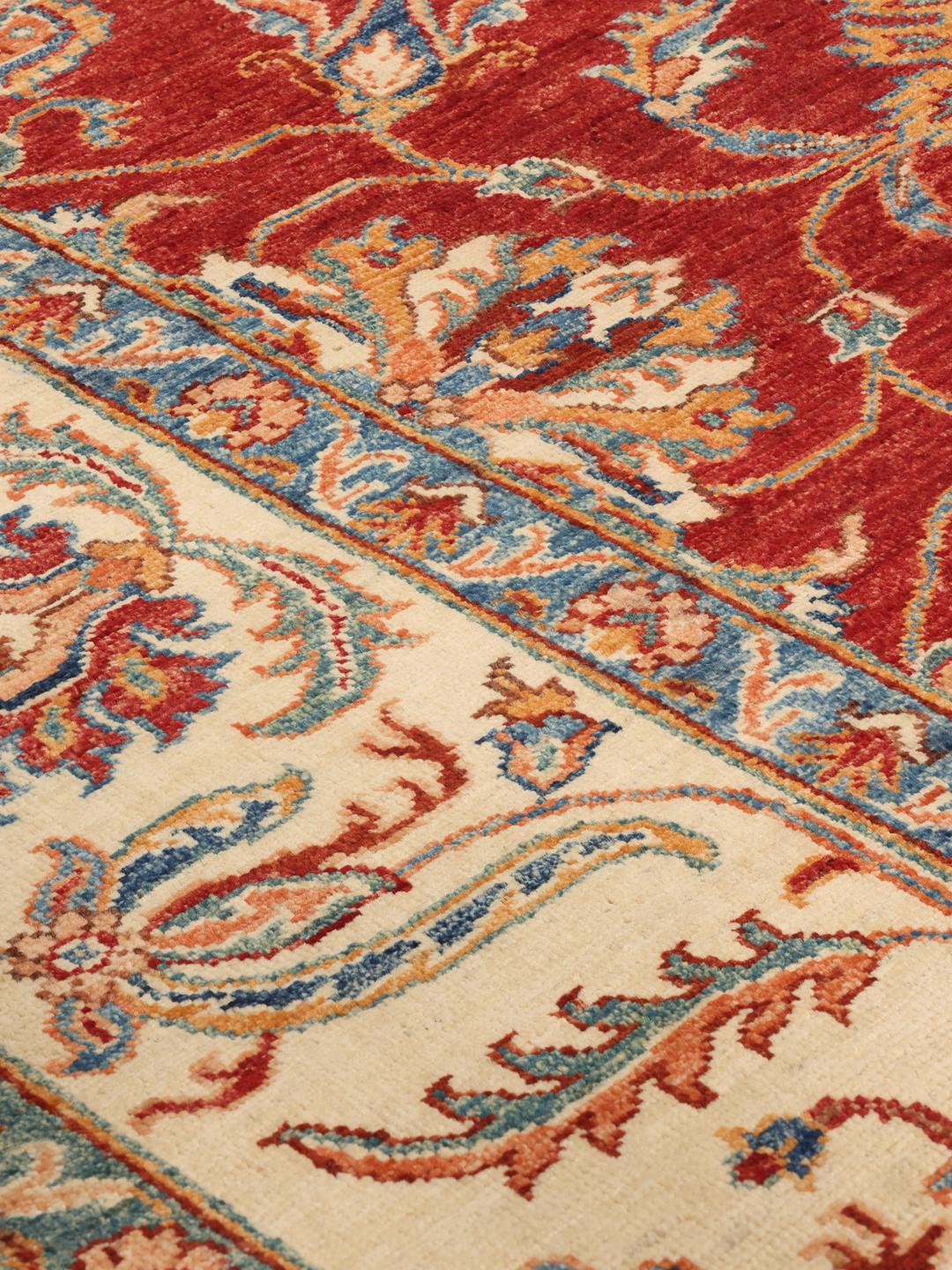
While the origins of the Ziegler style are tied to international design collaborations, the modern mastery of this tradition has found its home in Pakistan. Pakistani artisans have refined the technique, often using hand-spun wool that is dyed with natural, vegetable-based pigments. This approach creates a gentle, aged appearance that feels both historic and fresh, offering a timeless quality that fits perfectly into contemporary living.
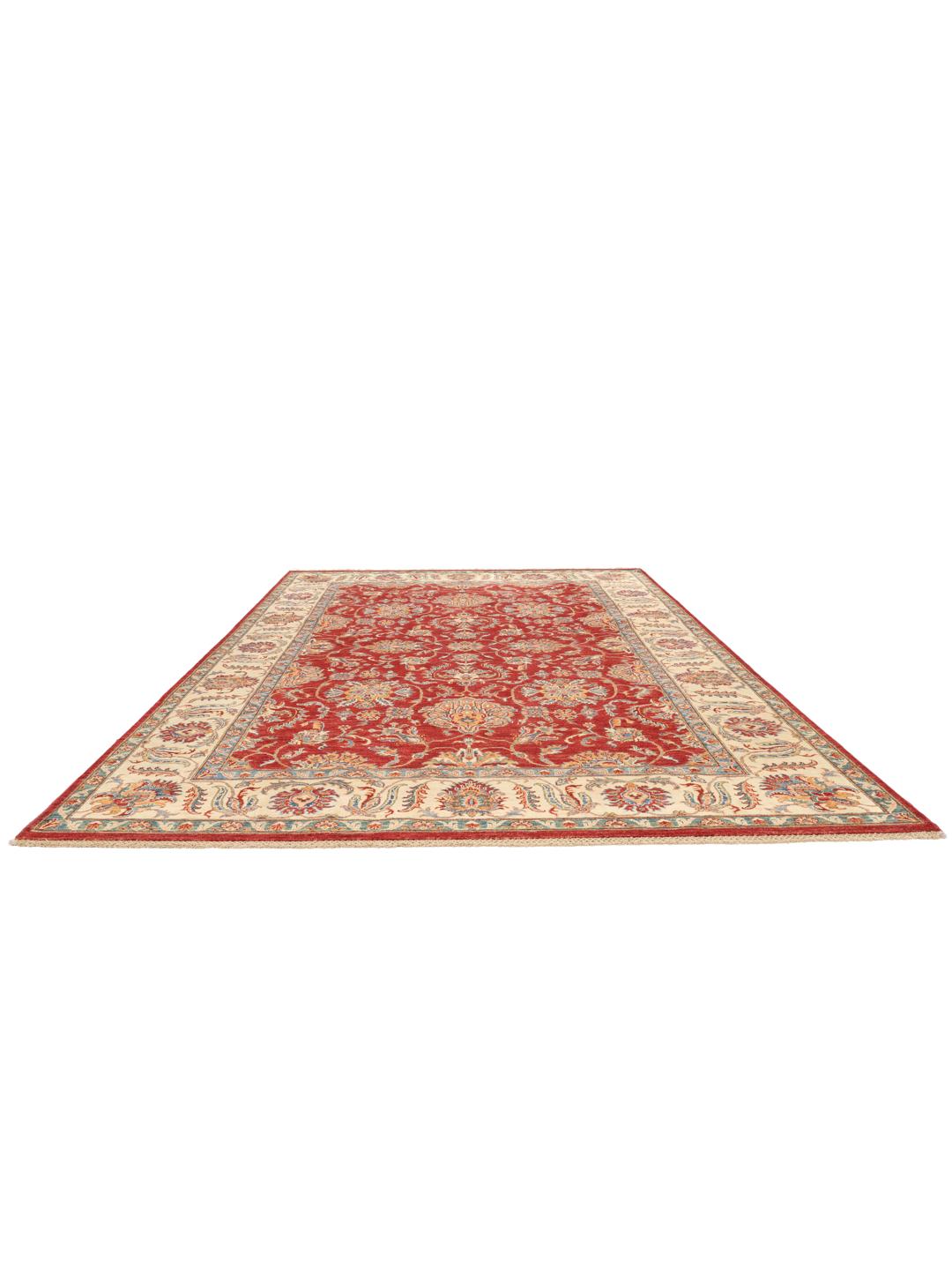
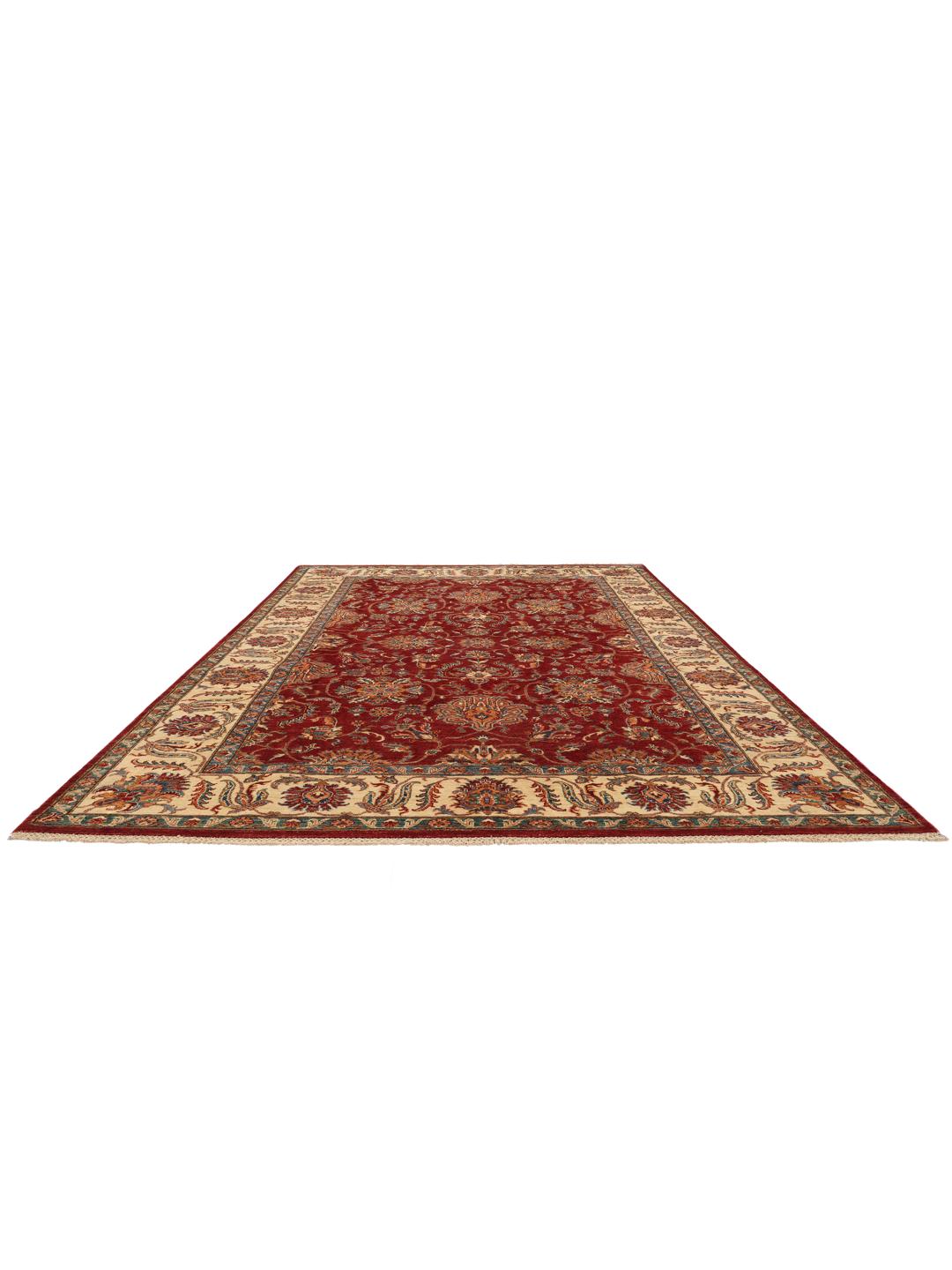
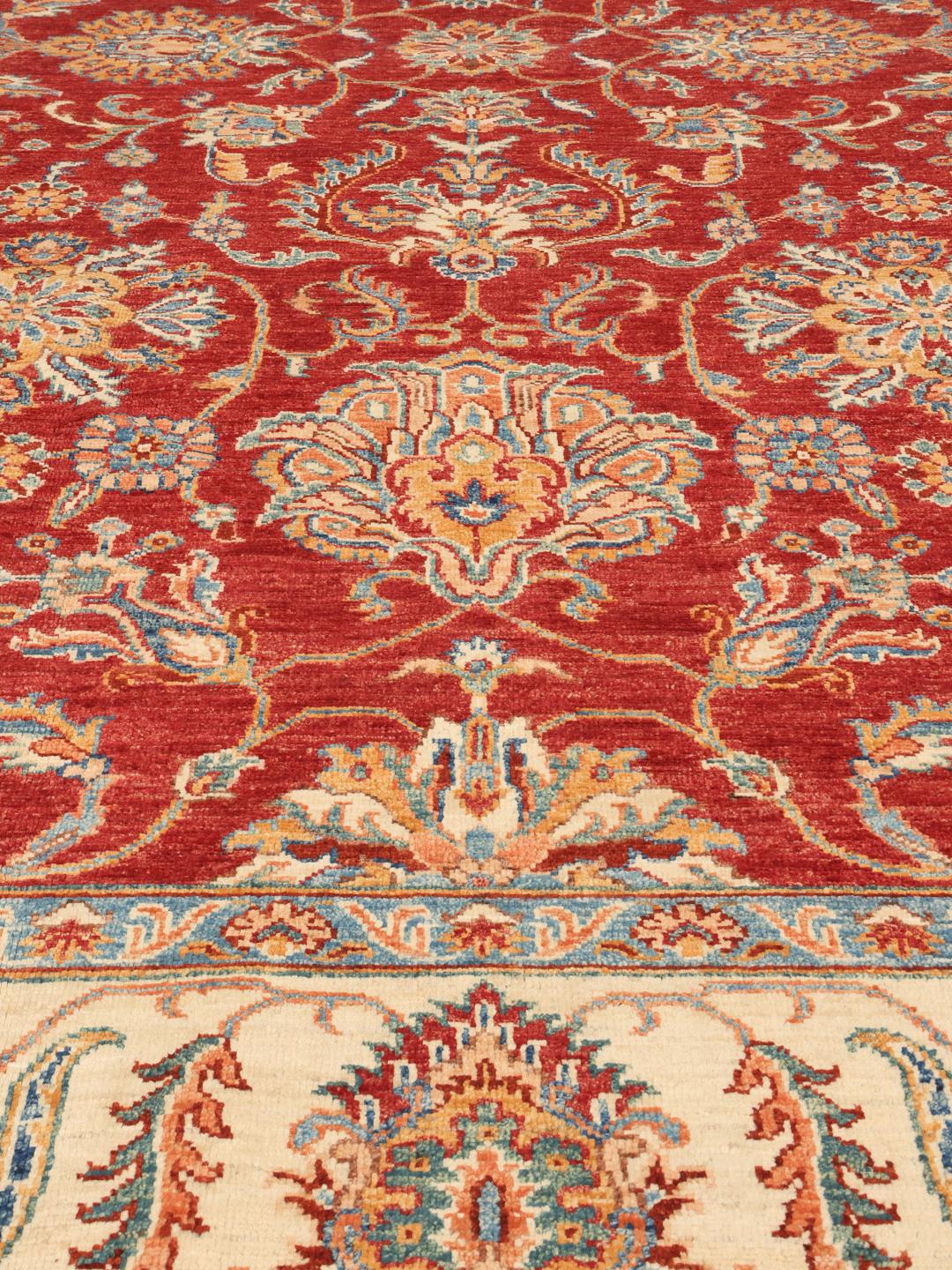
The visual language of a Ziegler rug is defined by its large, sweeping floral motifs and spacious, open fields. Unlike more crowded, medallion-heavy styles, the Ziegler aesthetic prioritises a sense of balance and flow. The borders are typically wide and well-proportioned, framing the central field and creating a cohesive look that is both sophisticated and understated.
Collecting a rug from this tradition is an investment in cultural heritage. These pieces are valued for their ability to harmonise with various interior styles, acting as a bridge between the old world and the new. Owning a hand-knotted Ziegler is a commitment to quality and a celebration of a design evolution that has remained relevant for over a century.