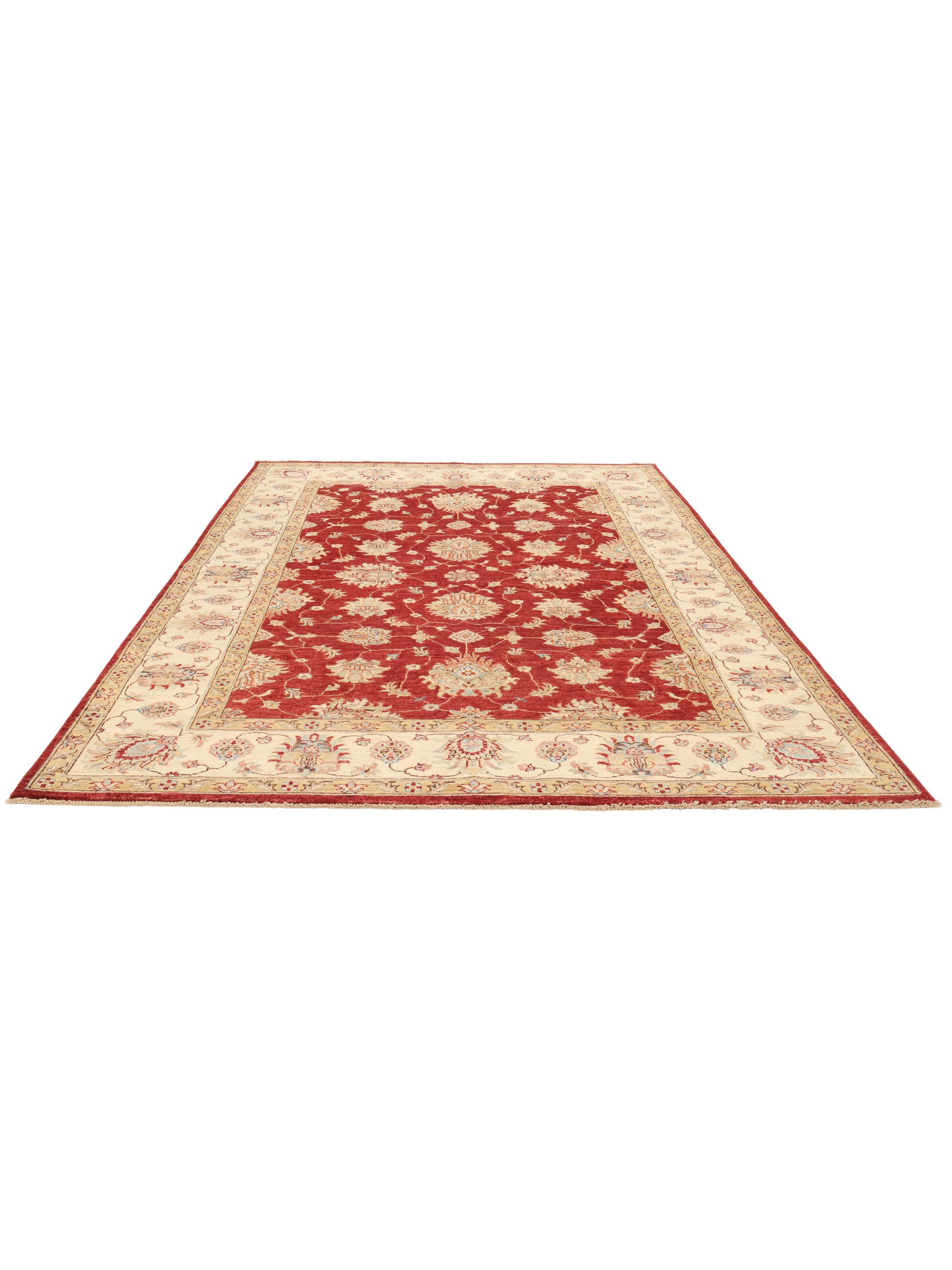
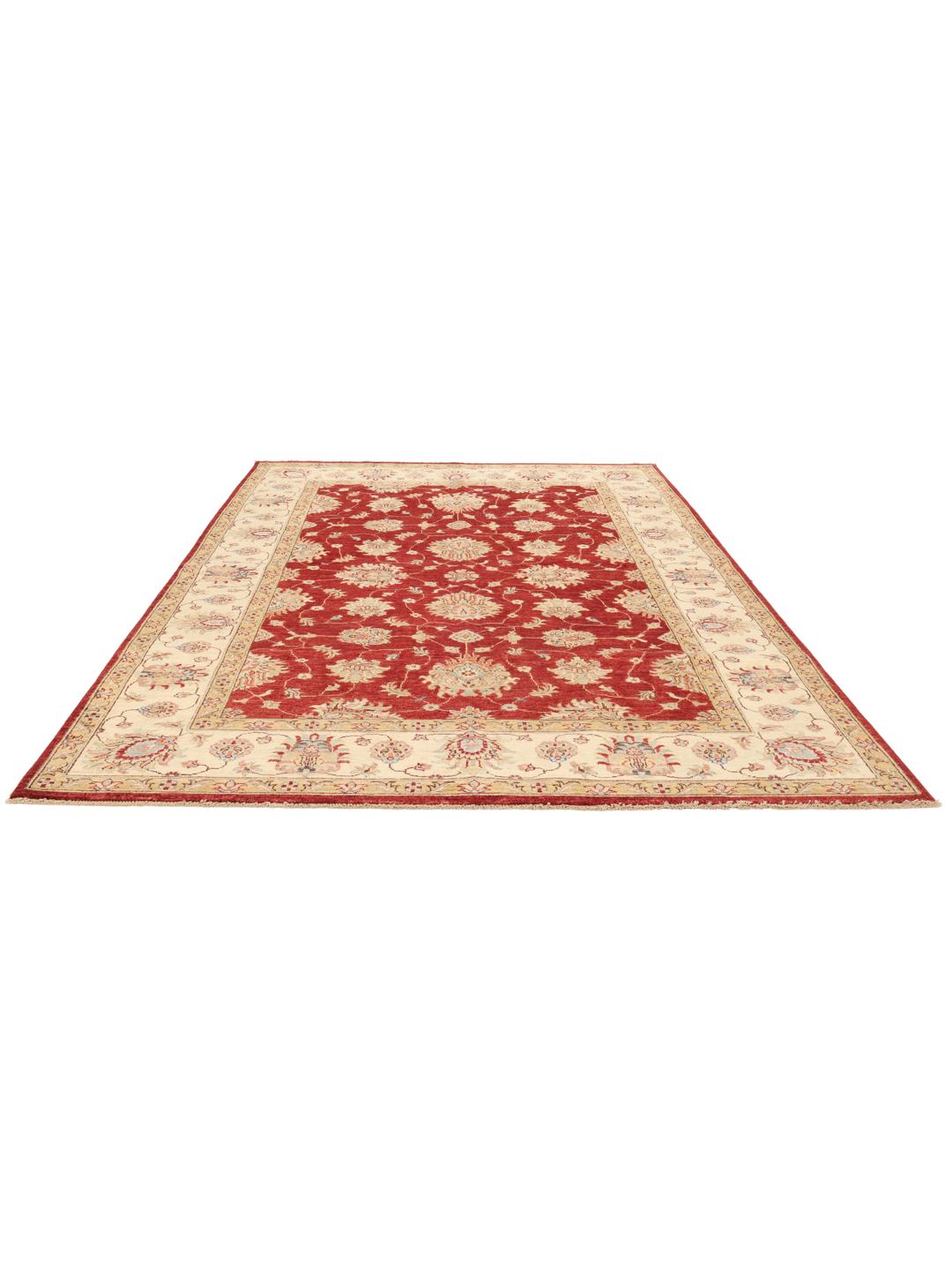
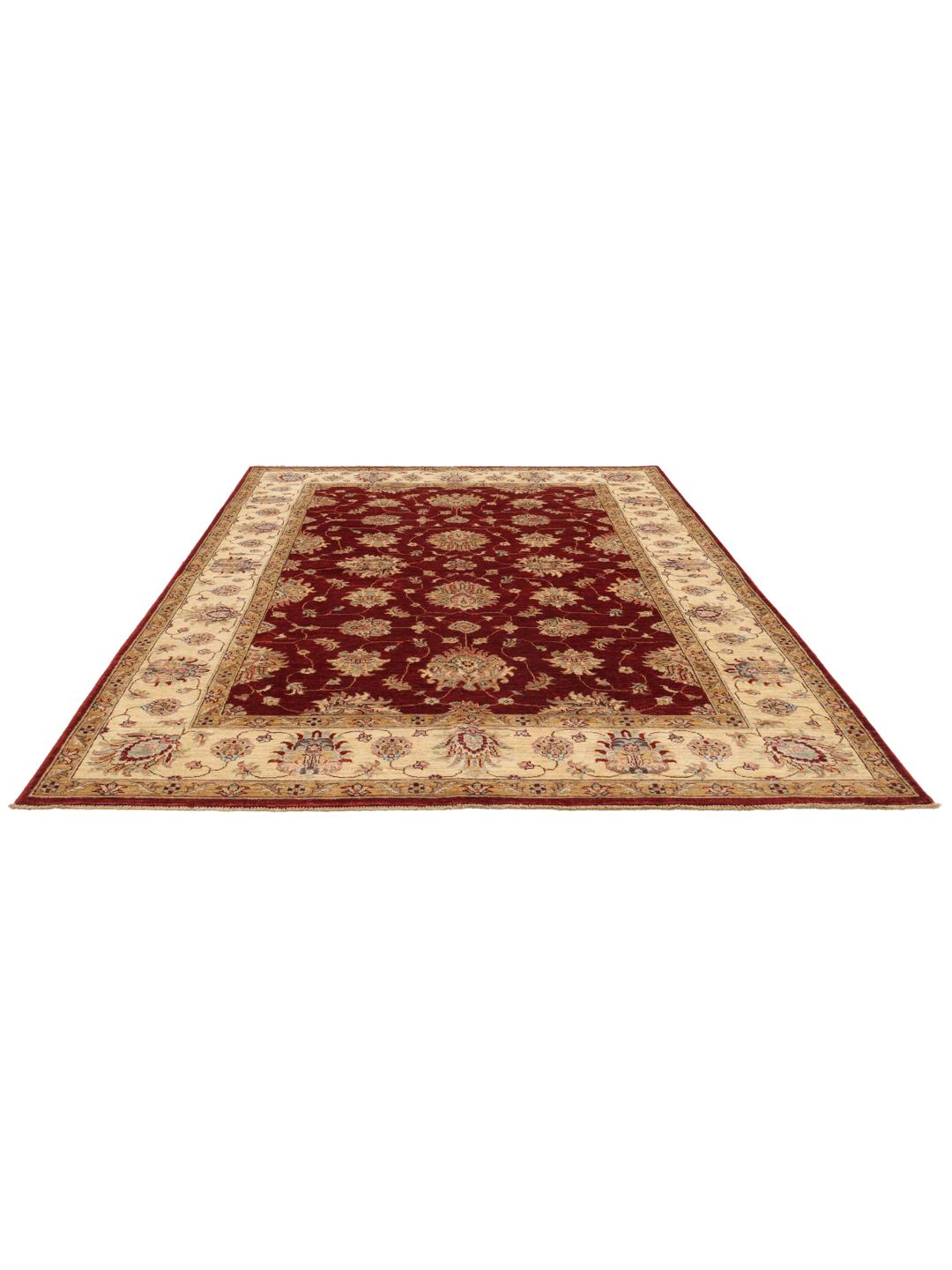
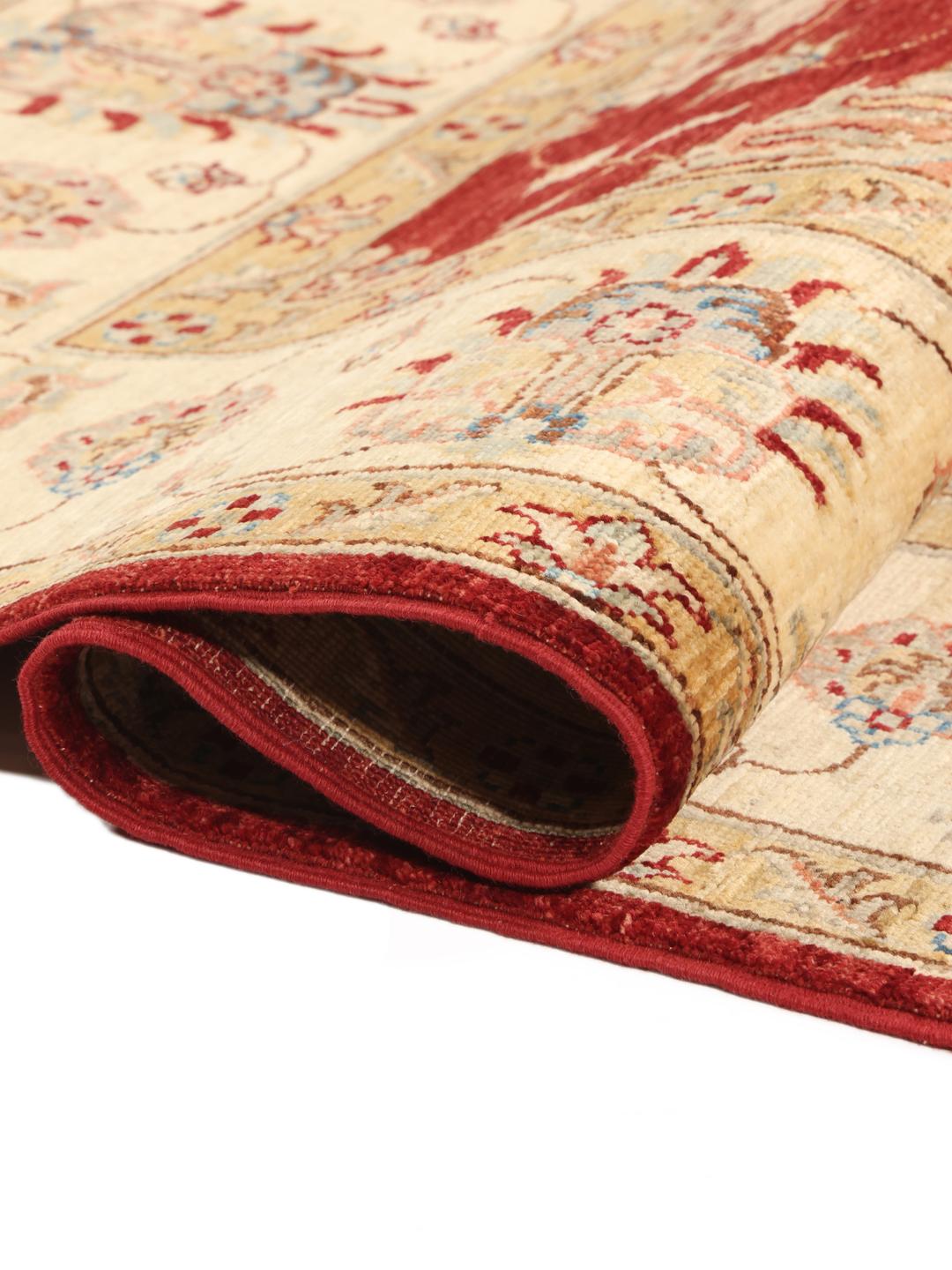
The Ziegler rug tradition originated as a creative collaboration during the late 19th century. European design firms, specifically the Ziegler Company, sought to adapt traditional Middle Eastern rug aesthetics for Western homes. They commissioned weavers in the region to create rugs that featured softer, more muted colour palettes and larger, more open floral motifs compared to the highly intricate and dense patterns typically found in antique regional weaves.
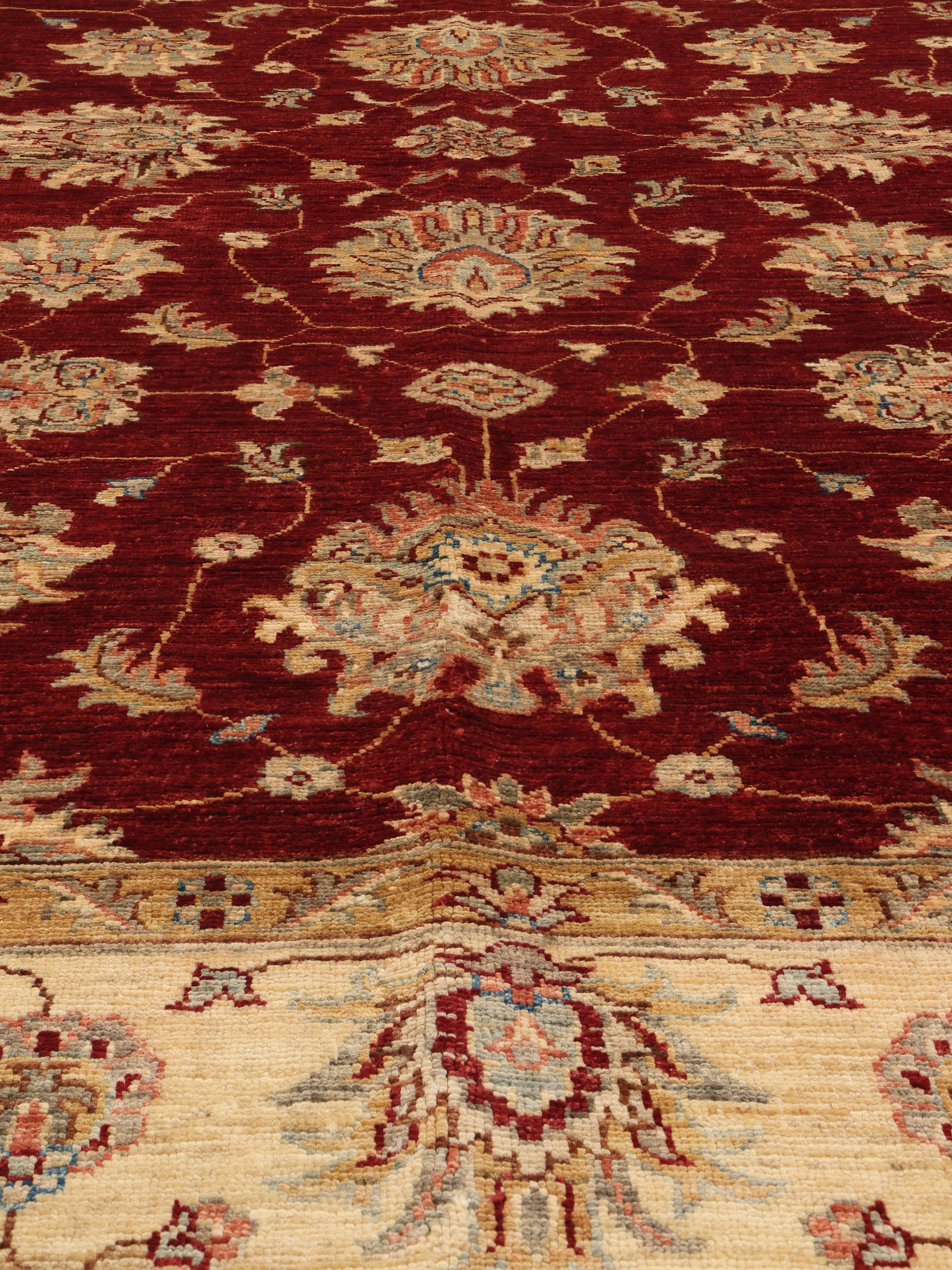
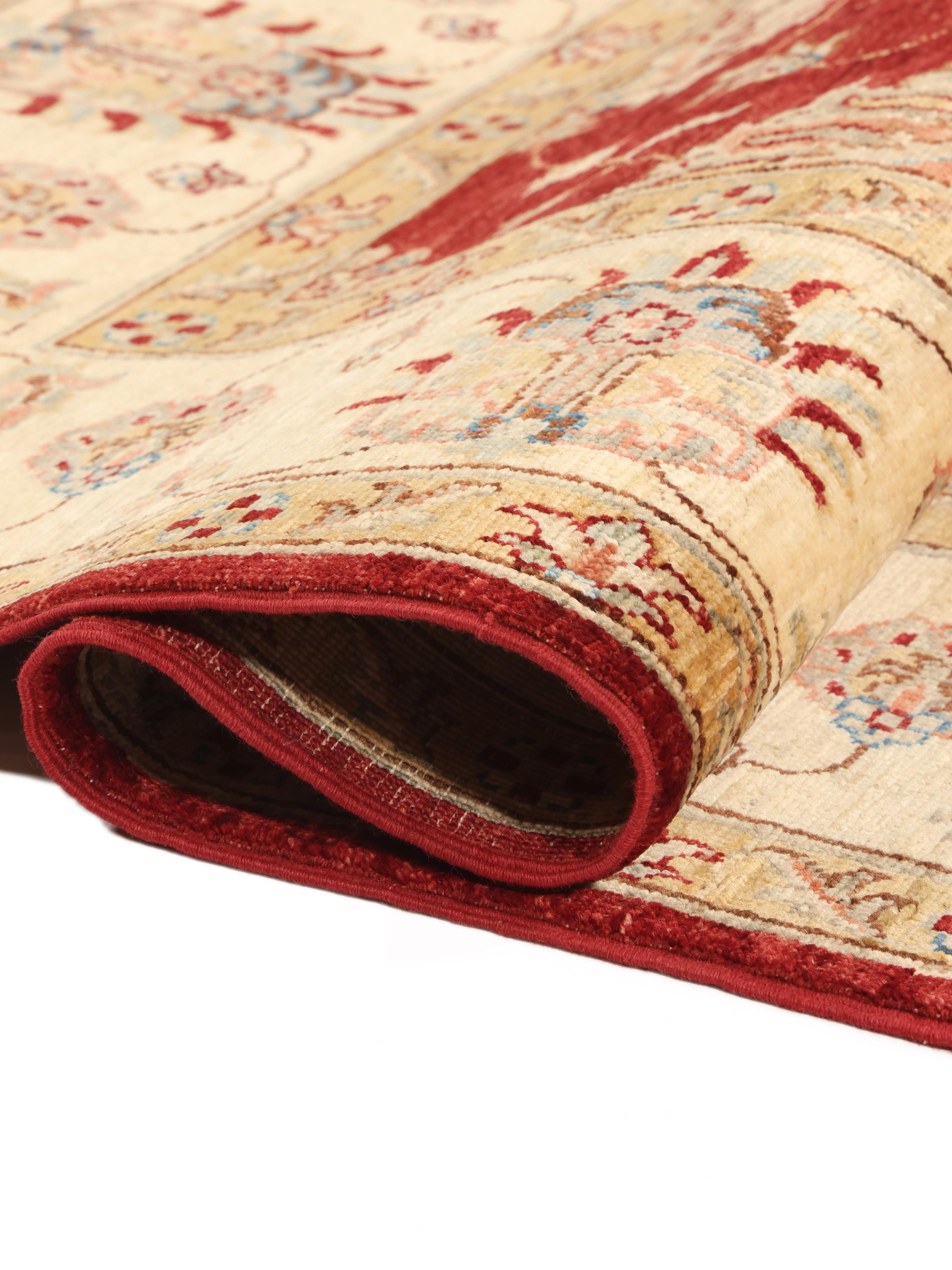
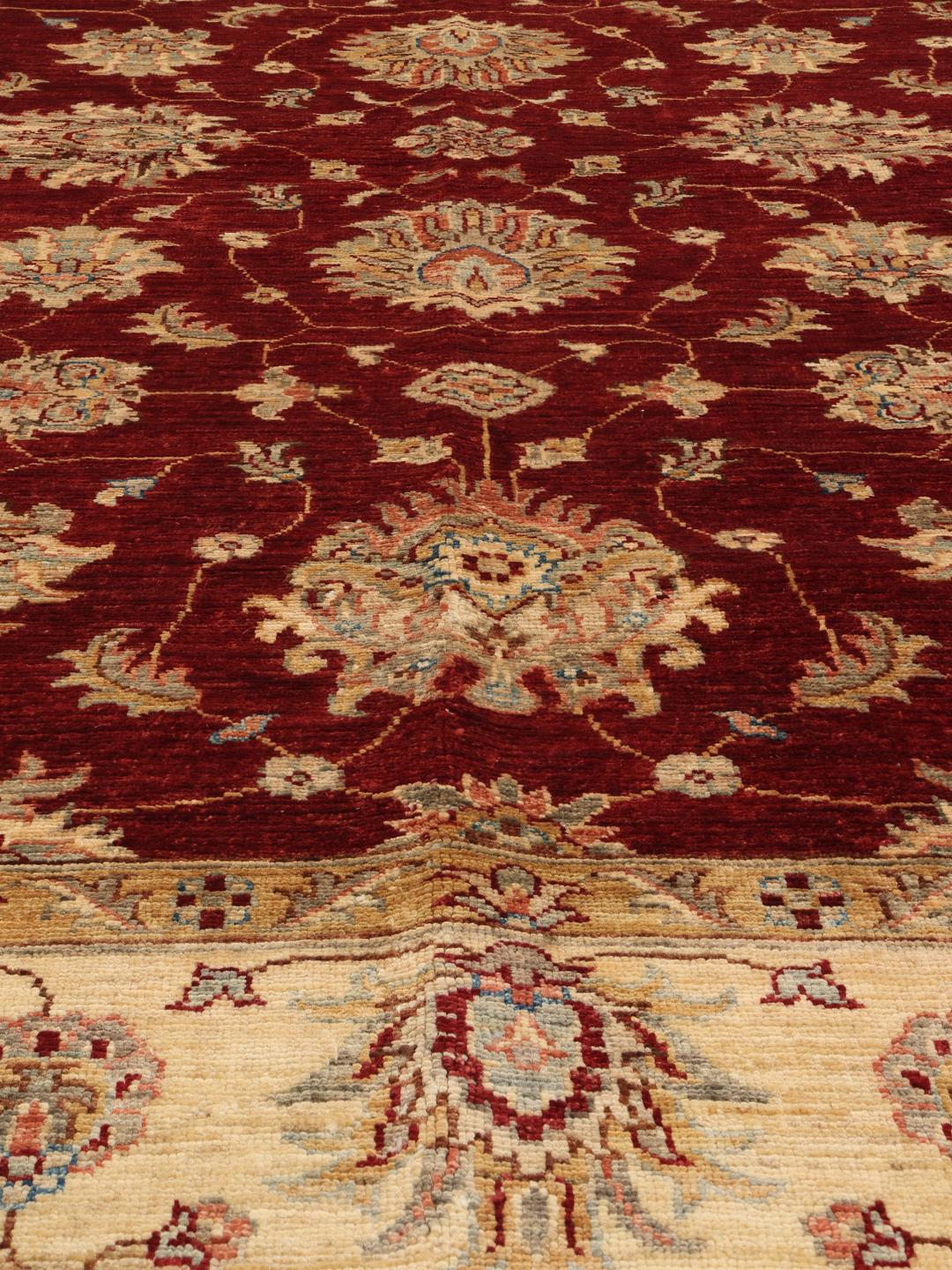
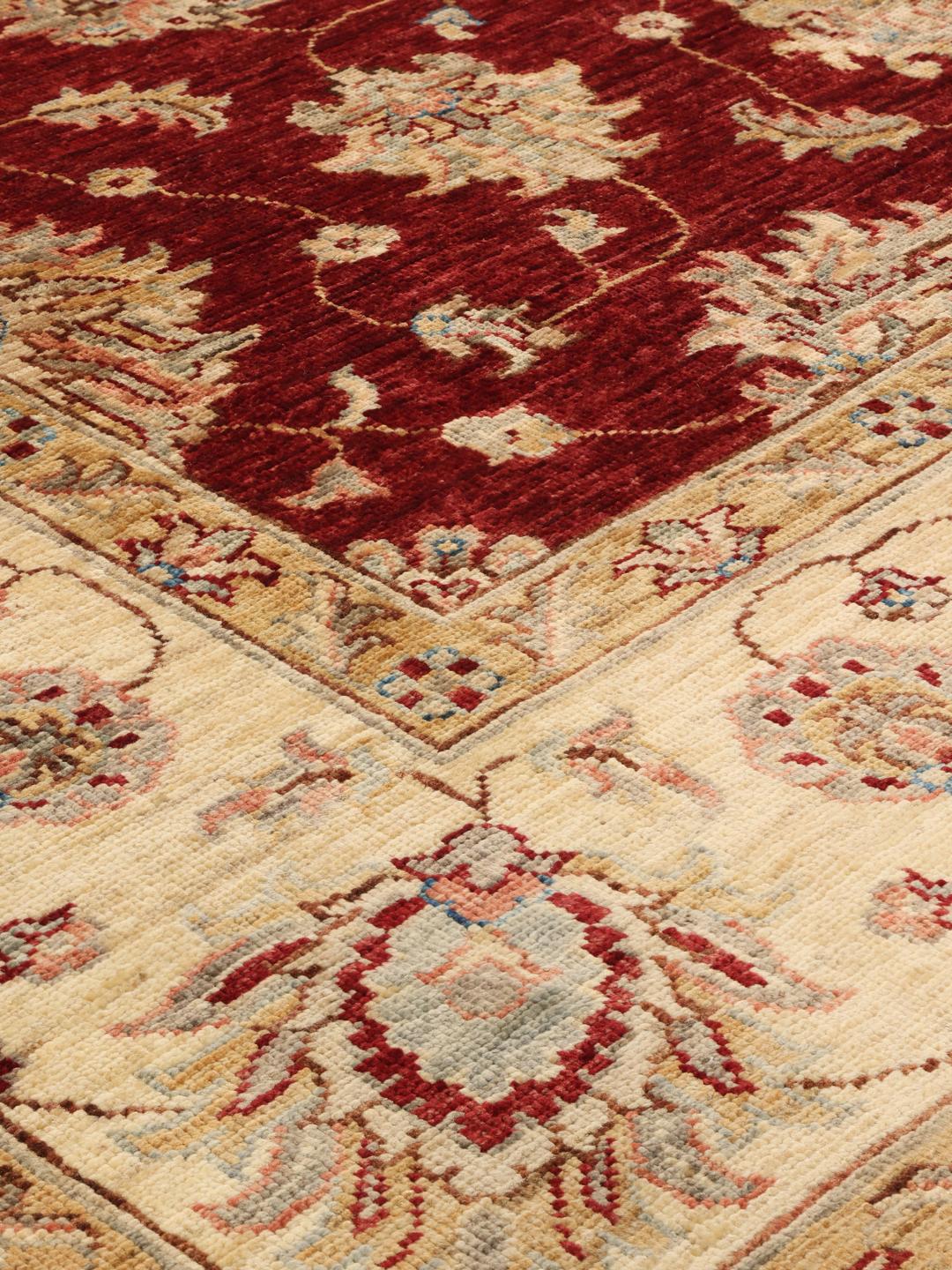
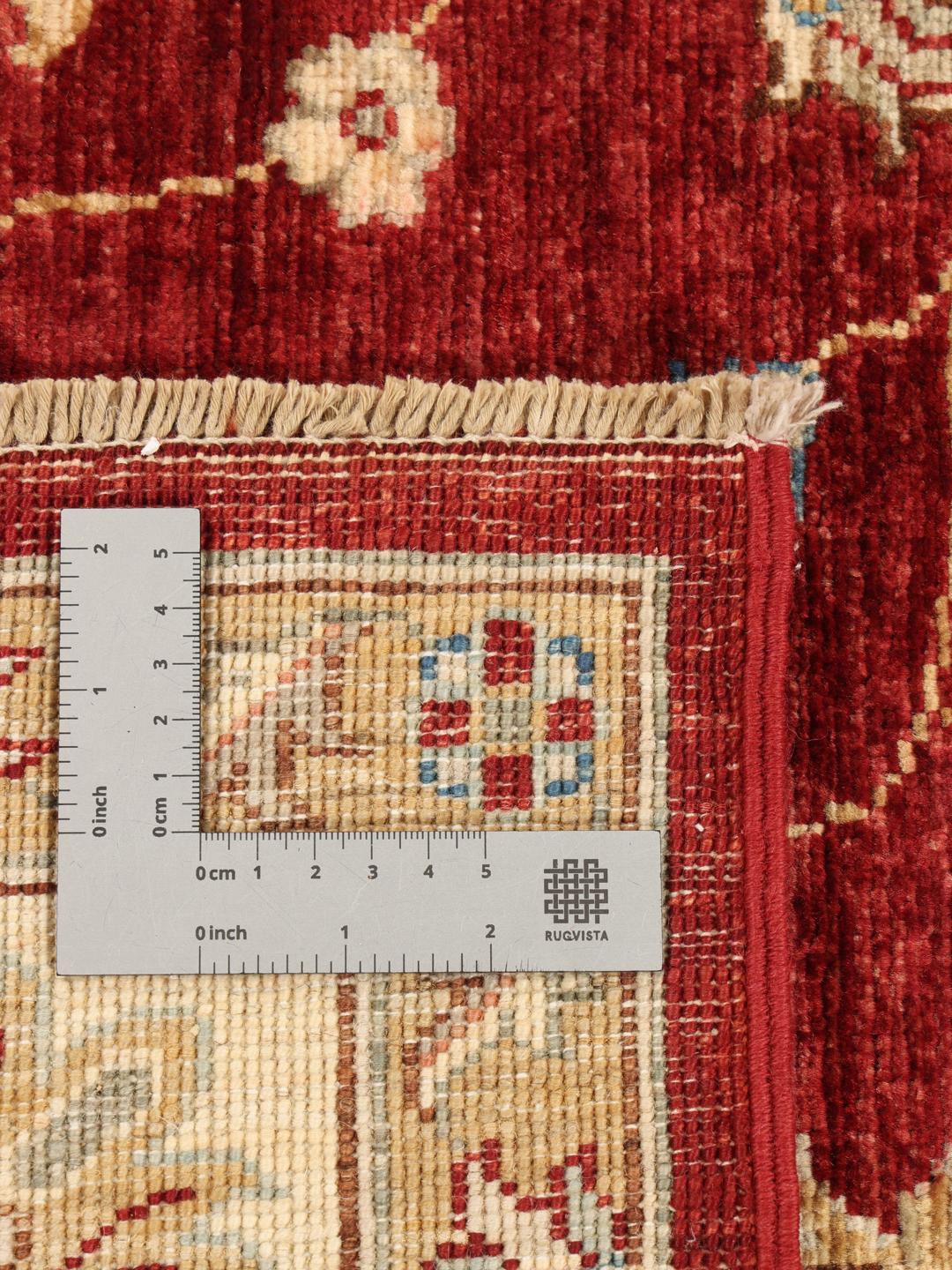
The terminology used to describe these rugs often refers to their specific construction and design evolution. These pieces are highly prized for their balance between durability and elegance, achieved through careful selection of high-quality materials and a commitment to traditional hand-knotting techniques that have been refined in Pakistan over many decades.
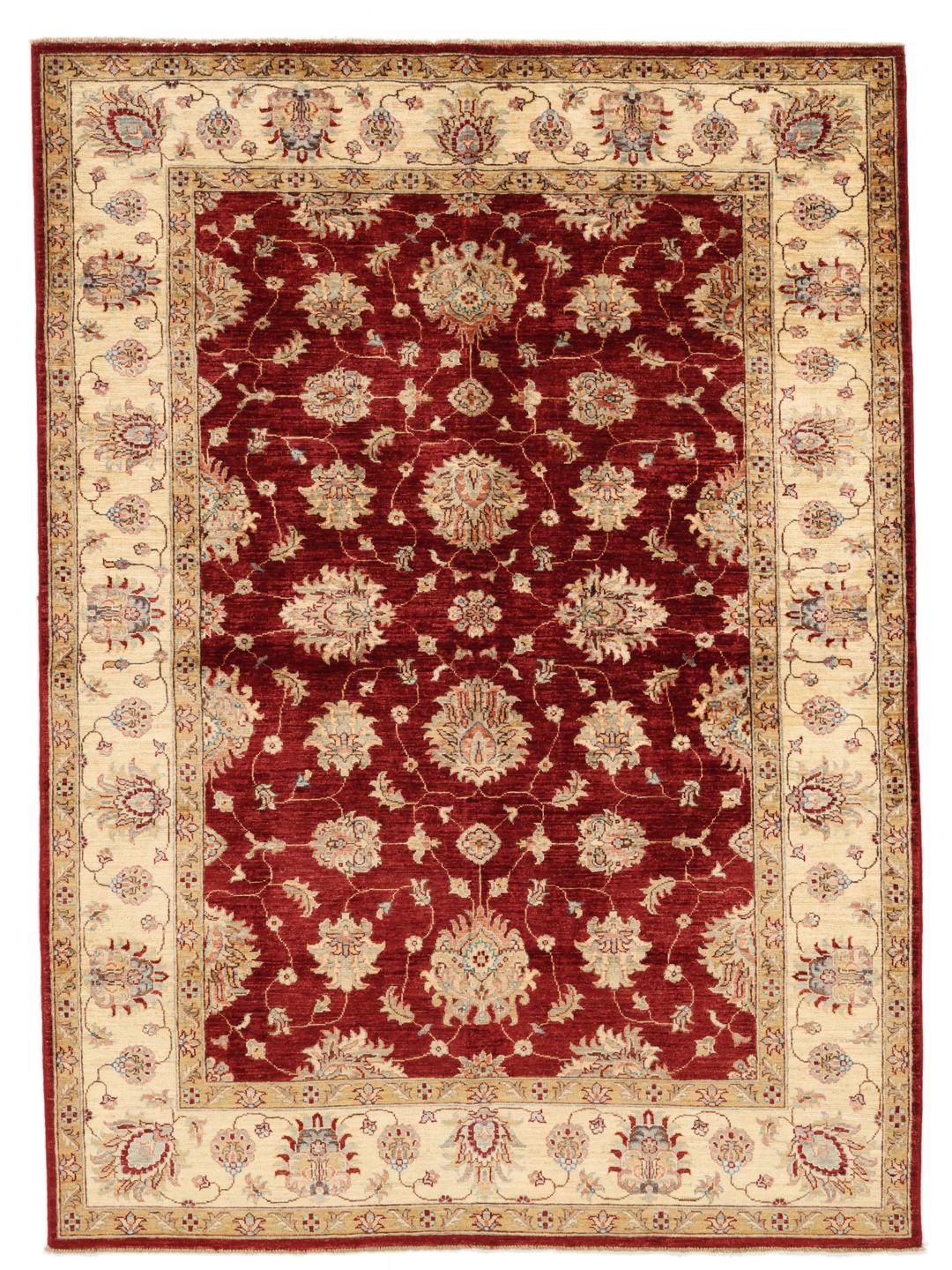
Visually, these rugs are defined by their grand, sweeping floral scrolls, palmettes, and vine-work. While they draw inspiration from classic patterns, they are distinguished by an airy, sophisticated composition that avoids feeling cluttered. The borders are often broad and formal, framing the central field to create a cohesive and timeless aesthetic that works beautifully in contemporary homes.
Owning a Ziegler rug is an invitation to appreciate a bridge between two cultures. They are collected for their ability to harmonise with various interior styles while maintaining their status as authentic, handmade artefacts. To own one is to possess a piece of design history that values the human touch and the enduring nature of traditional craft.