The Ziegler tradition finds its roots in the late 19th century when the Swiss firm Ziegler and Co. sought to create rugs that would appeal to Western tastes while maintaining the integrity of Middle Eastern weaving. By commissioning local weavers to produce designs based on older, classical patterns but with a more subdued and varied colour palette, they created a new category of rug that felt both antique and fresh.
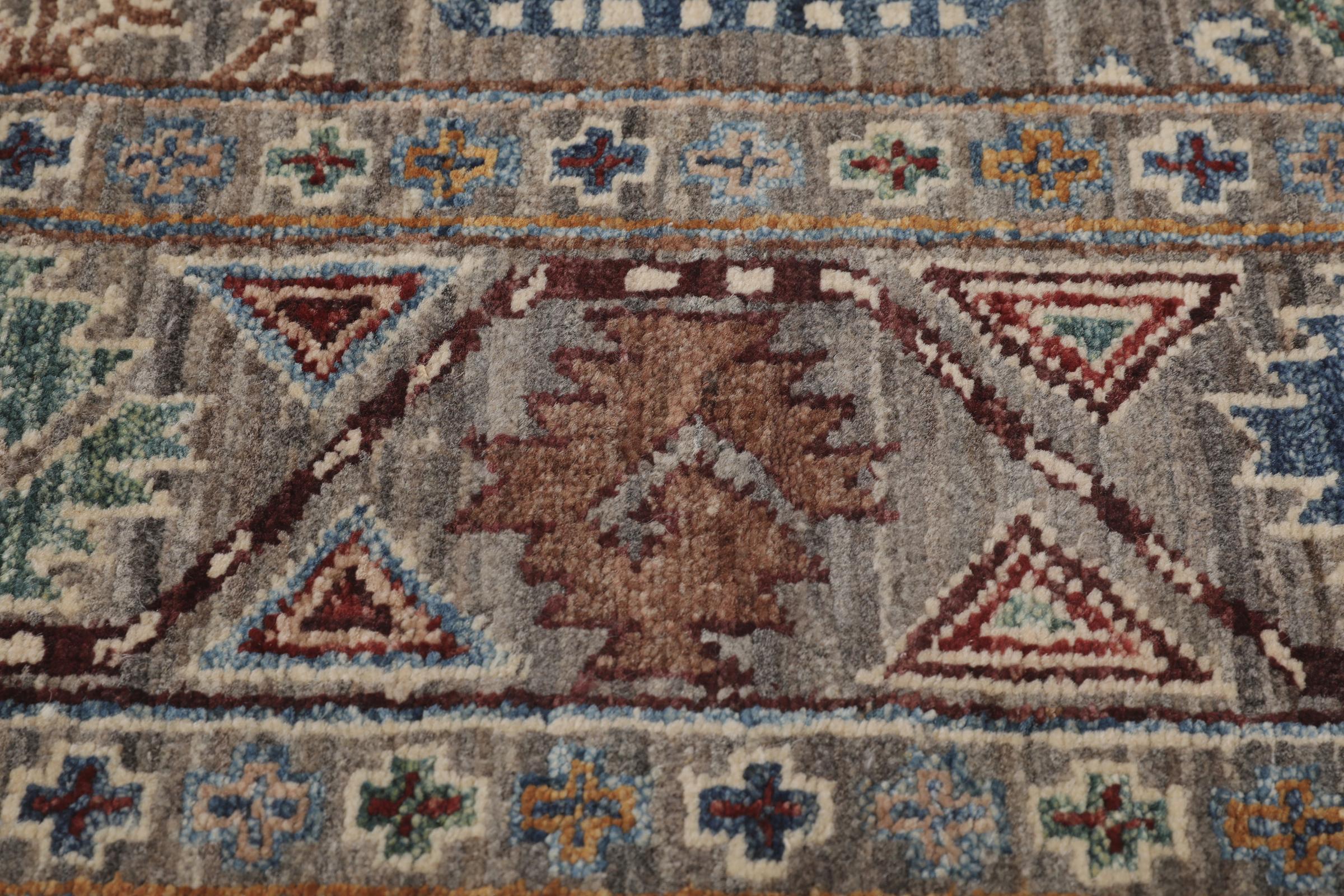
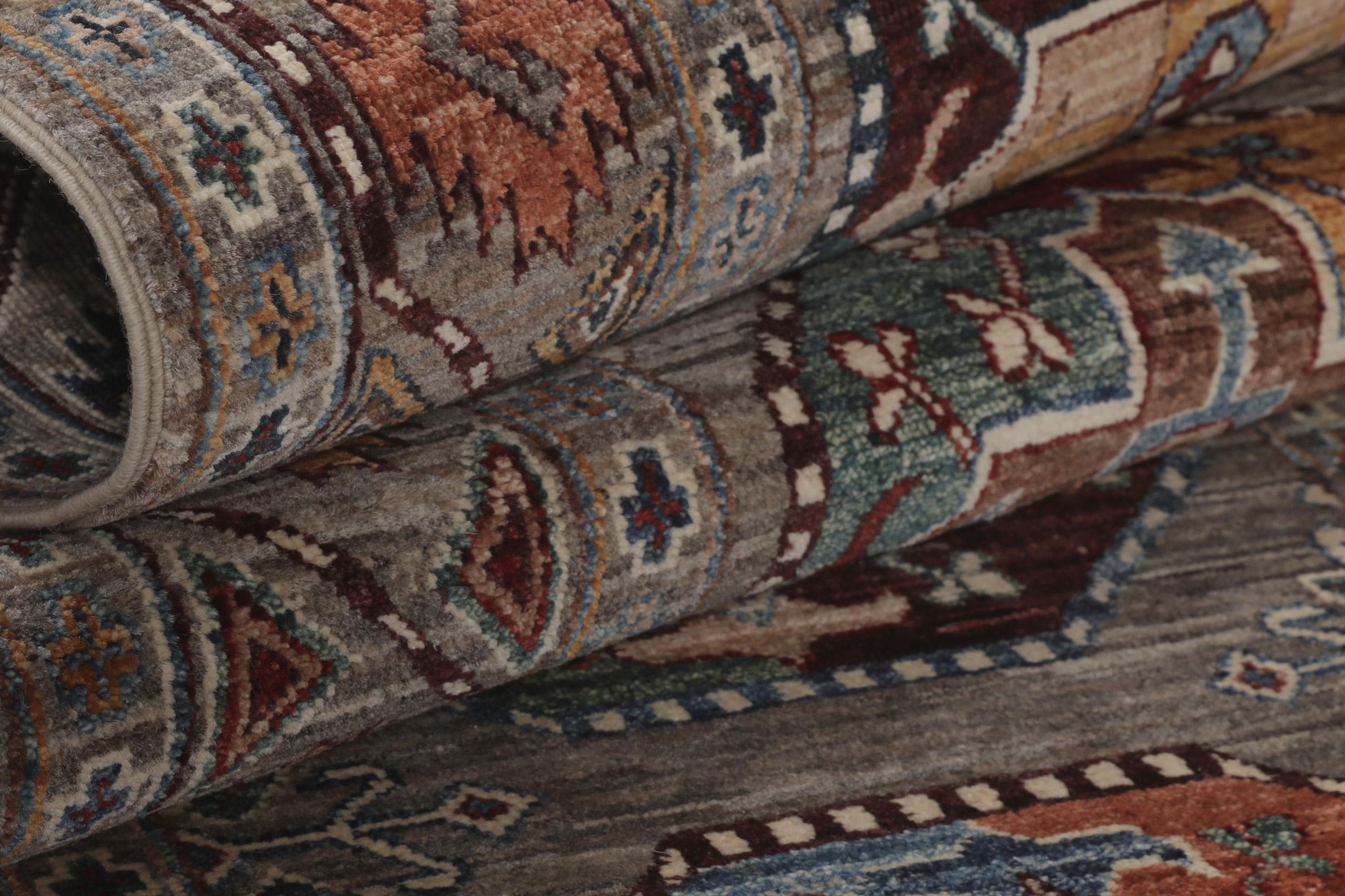
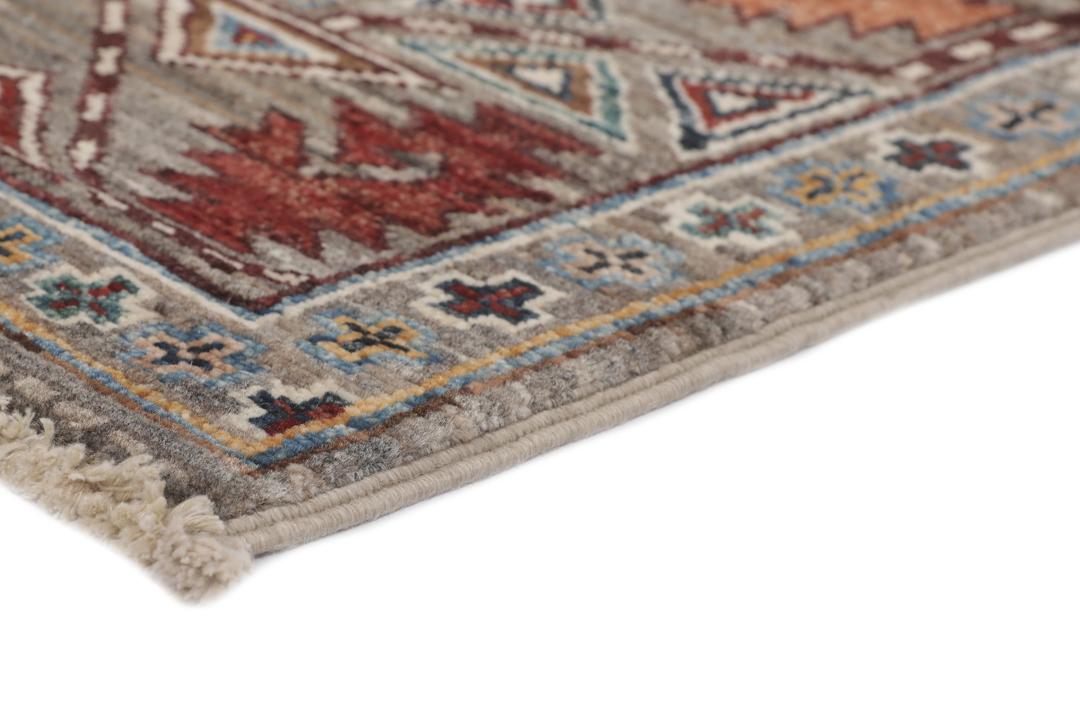
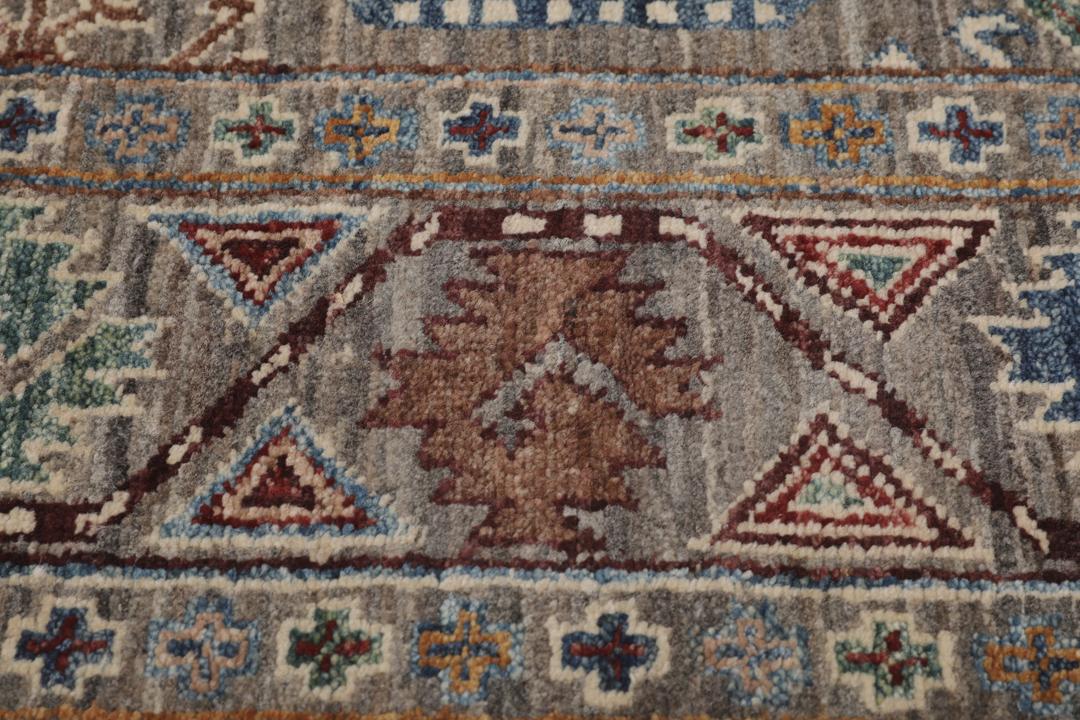
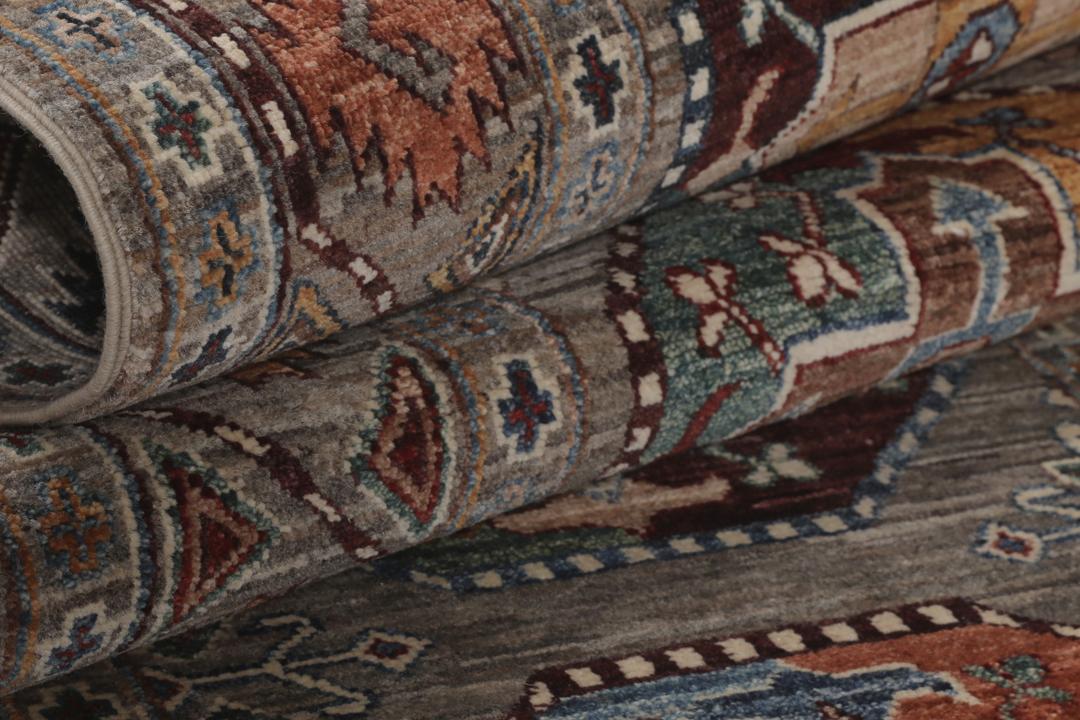
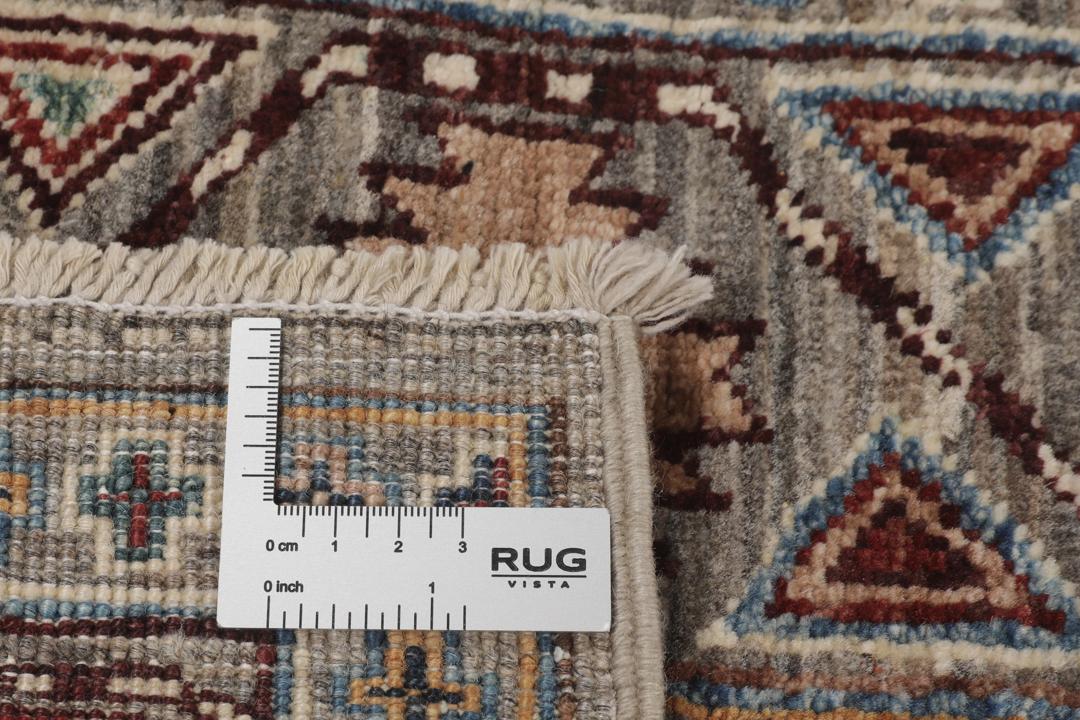
Today, these rugs are primarily produced in Afghanistan, where weavers have mastered the art of creating a slightly distressed, aged look that makes each rug feel as though it has a long history. The technique involves using high-quality wool and traditional knotting methods, which results in a pile that is not only beautiful but also exceptionally durable and long-lasting.
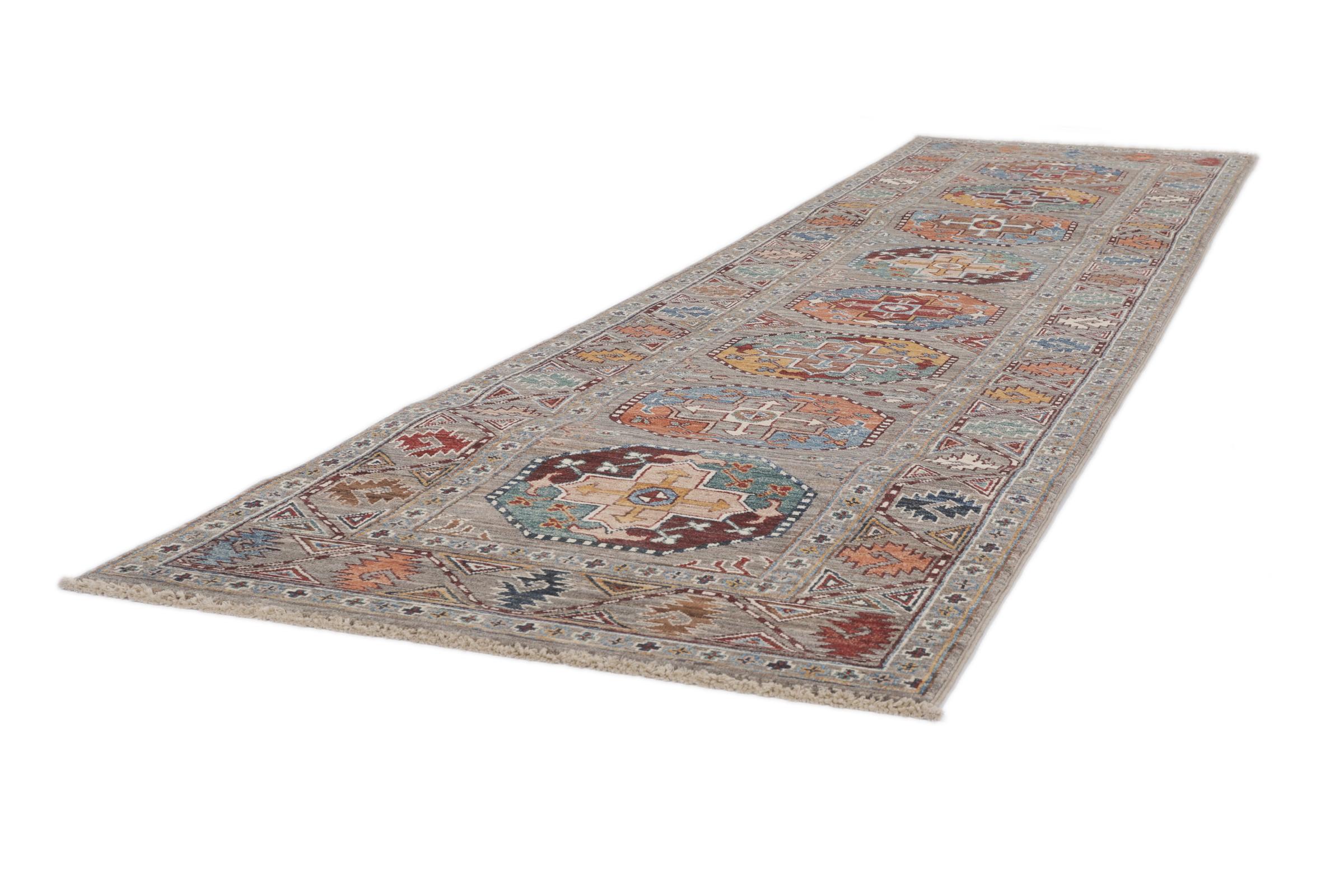
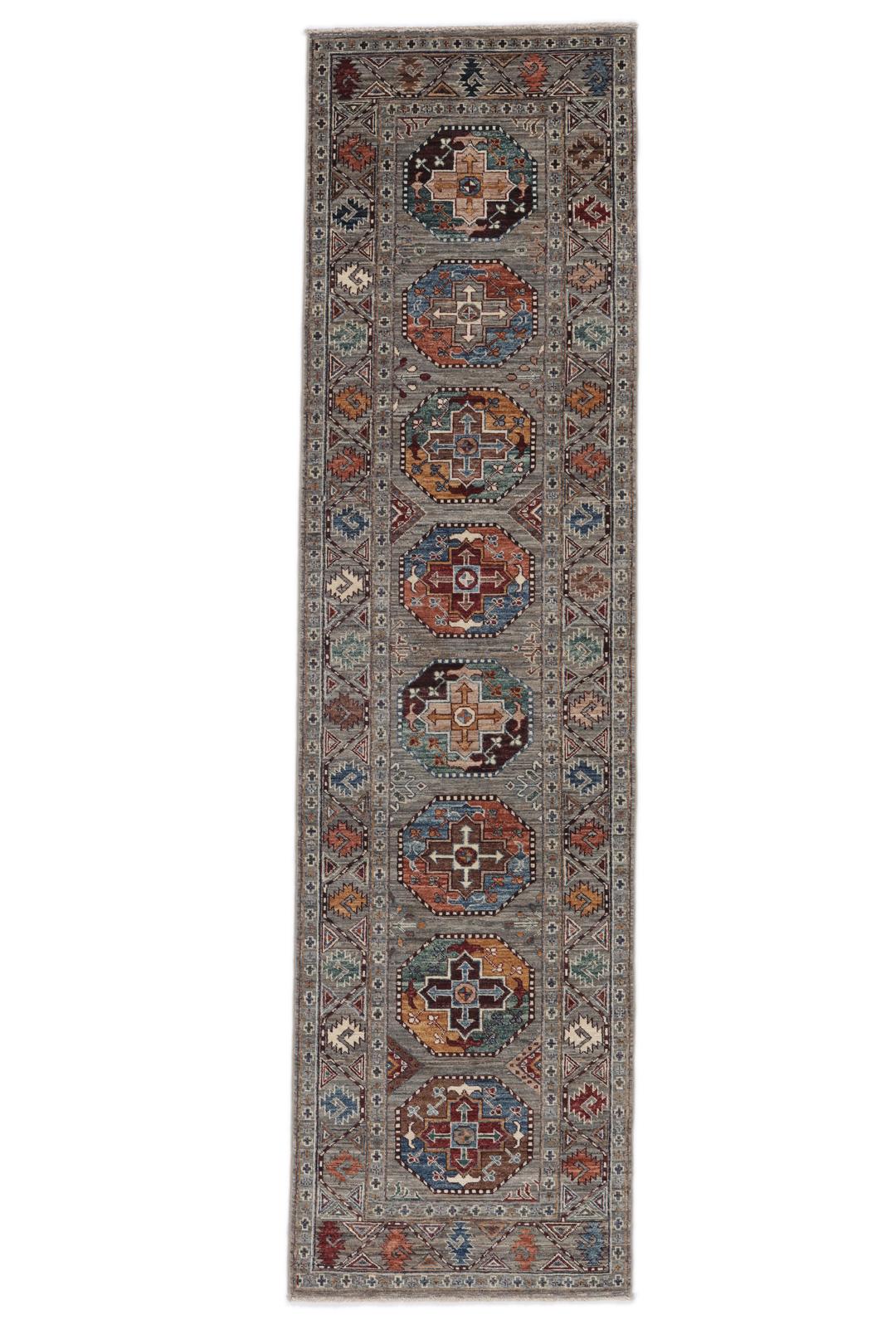
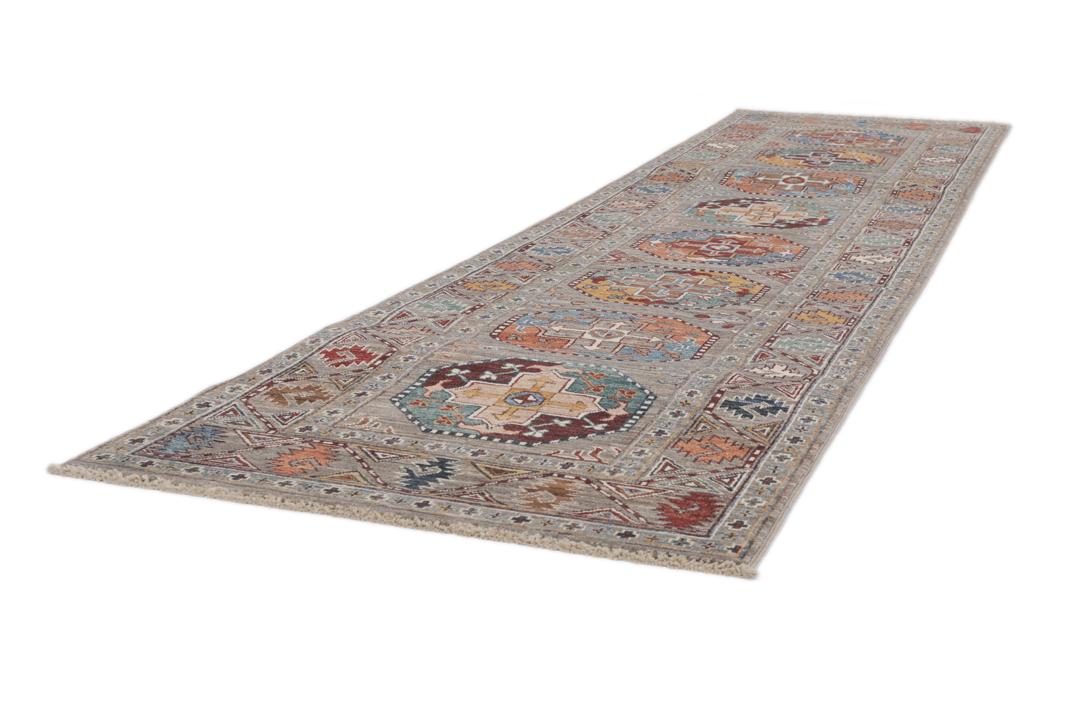
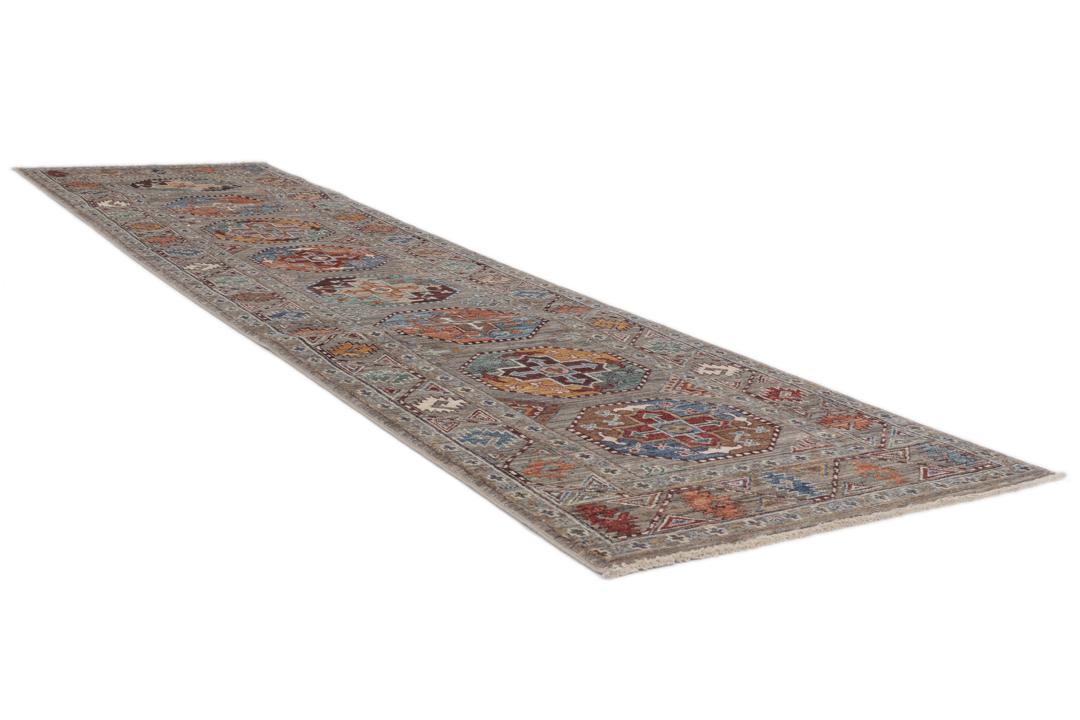
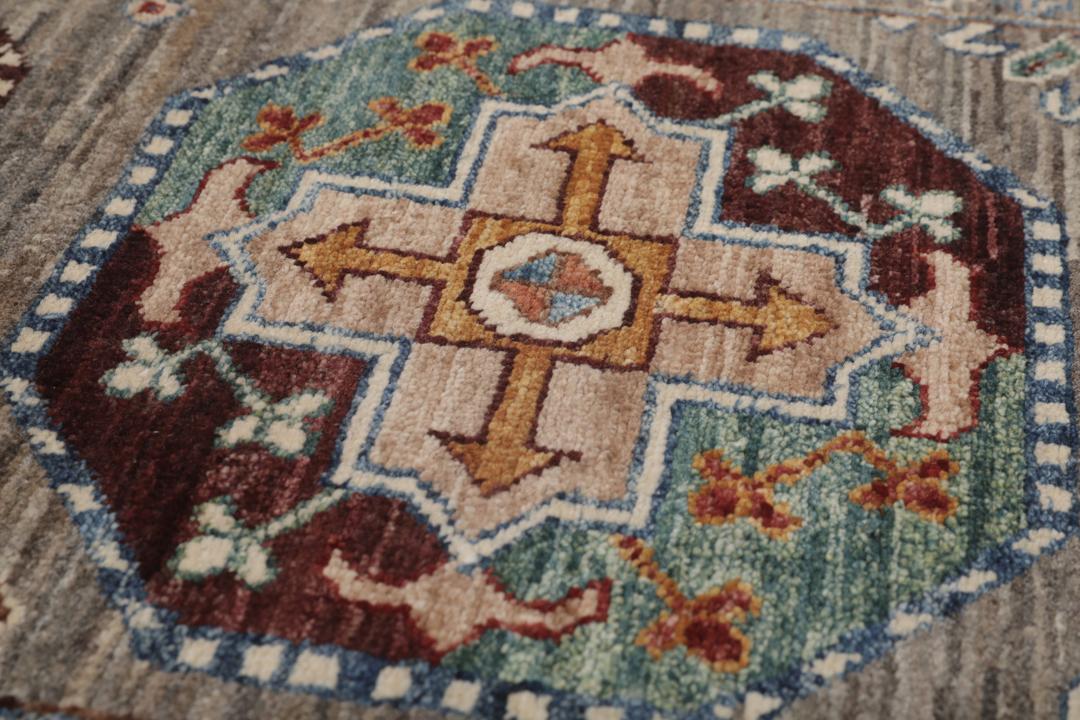
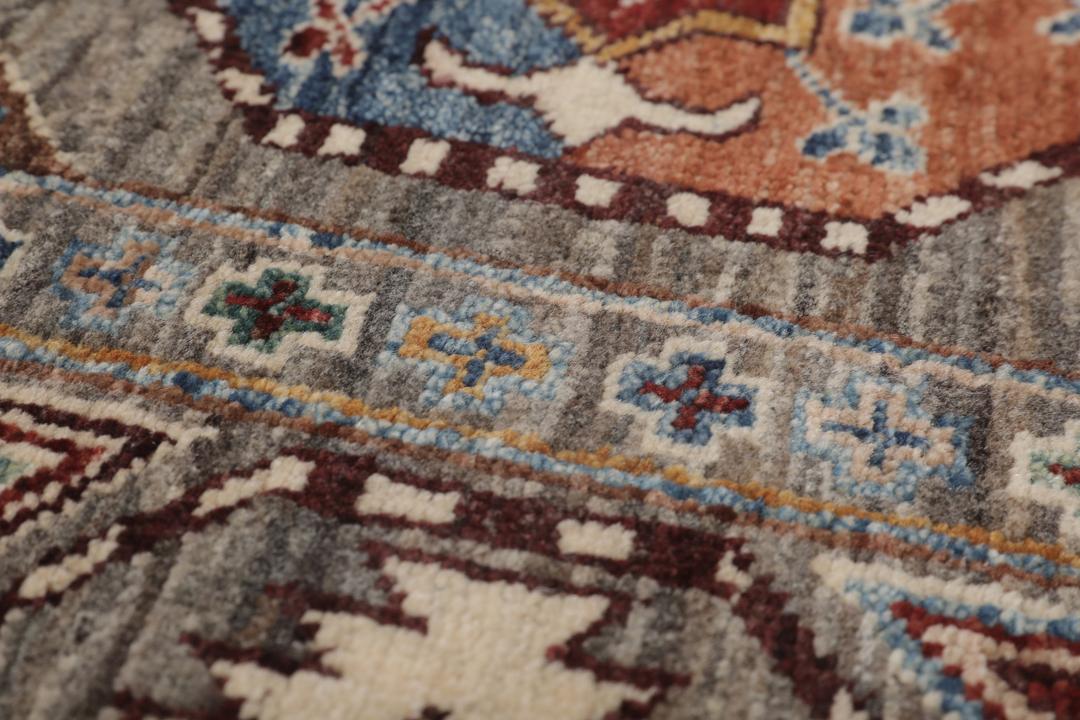
The visual language of these rugs is defined by their grand, expansive patterns and large, simplified motifs, such as the repeating medallions seen here. Unlike more dense, complex patterns found in other traditions, these designs allow the natural variations in the wool to shine through. The borders often feature geometric or floral elements that frame the central field, providing a balanced and harmonious composition.
Owning a piece from this tradition is a way to connect with a long-standing lineage of craft. These rugs are highly valued by collectors and homeowners alike for their ability to complement a variety of decor styles, from the traditional to the contemporary. Each rug represents a significant investment in human skill and cultural history, ensuring that your home is furnished with something that carries real, lasting value.