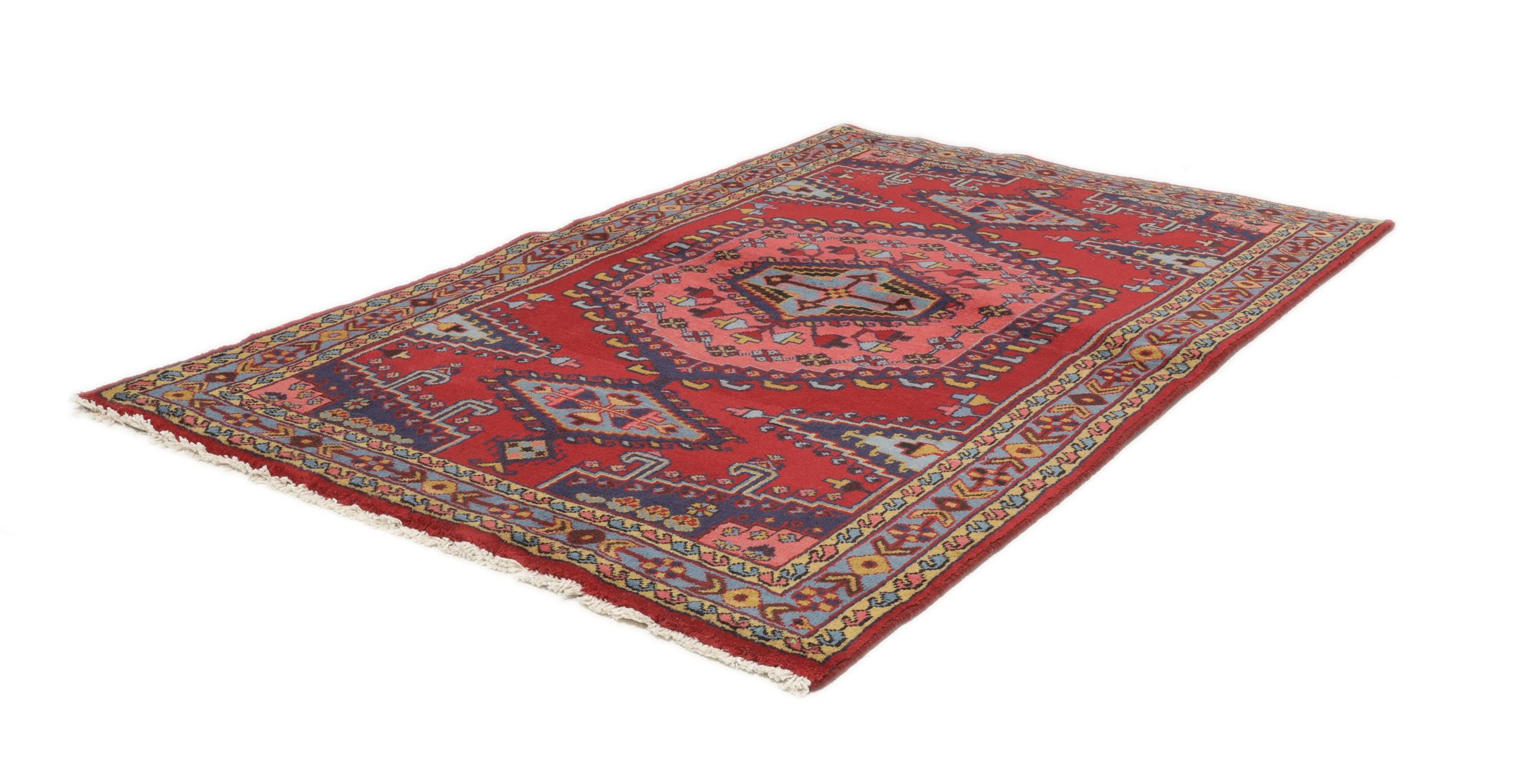
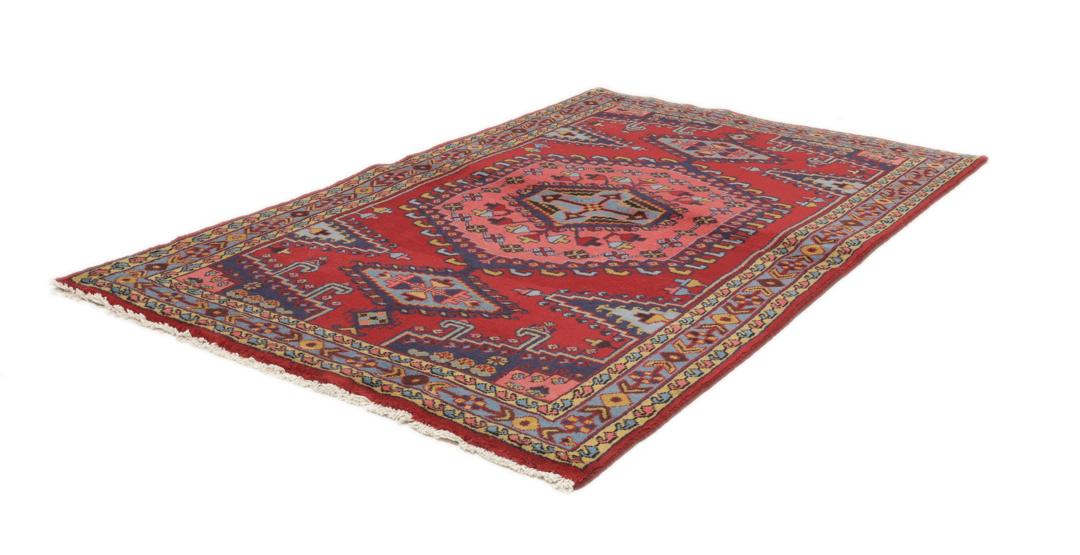
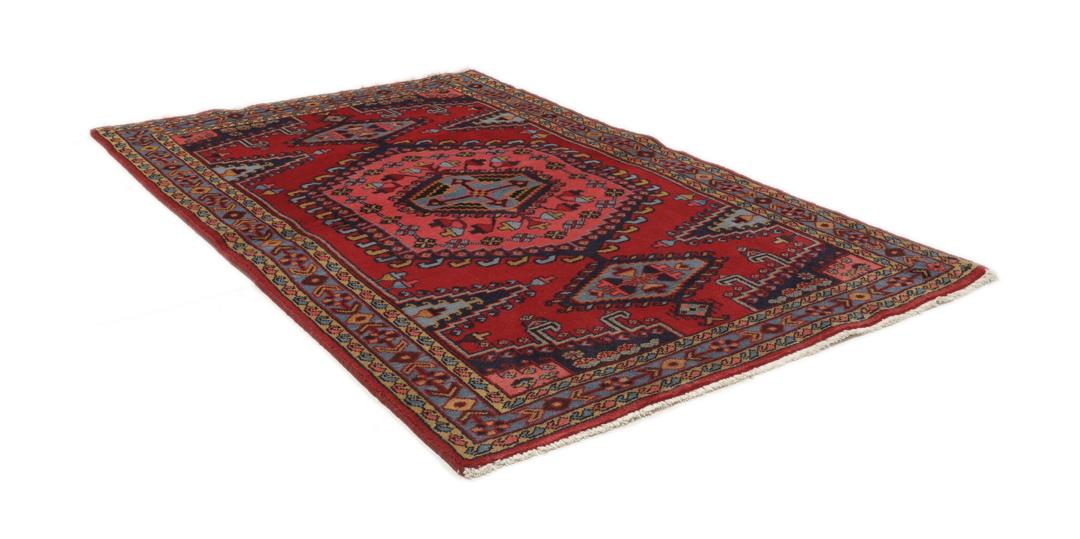
The Wiss rug tradition originates from the tribal weaving cultures of the Middle East, where the craft of rug making has been passed down through generations. These pieces are deeply rooted in the daily lives of nomadic and semi-nomadic groups, who draw inspiration from the natural world and their own cultural symbols to create designs that are both functional and expressive.
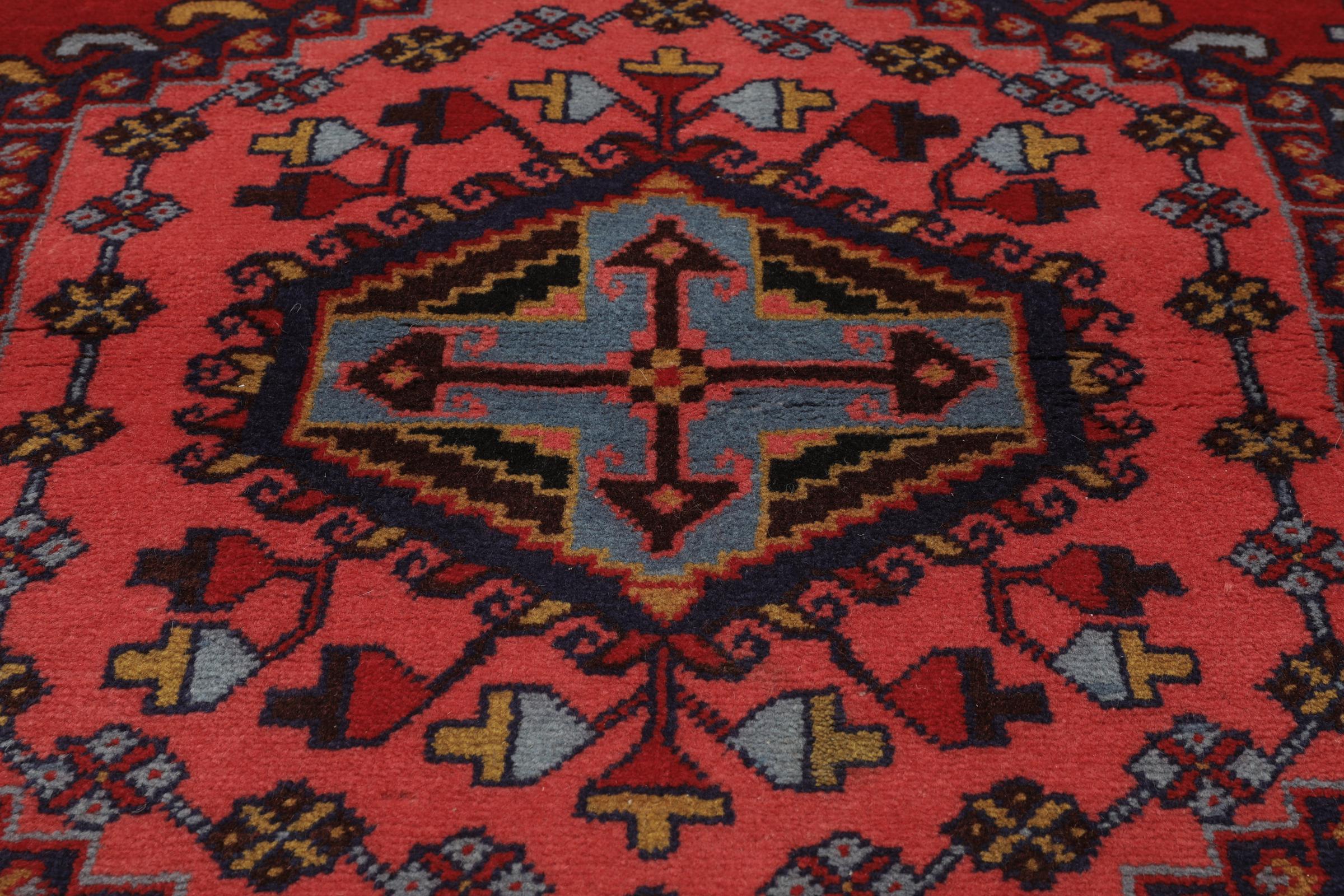
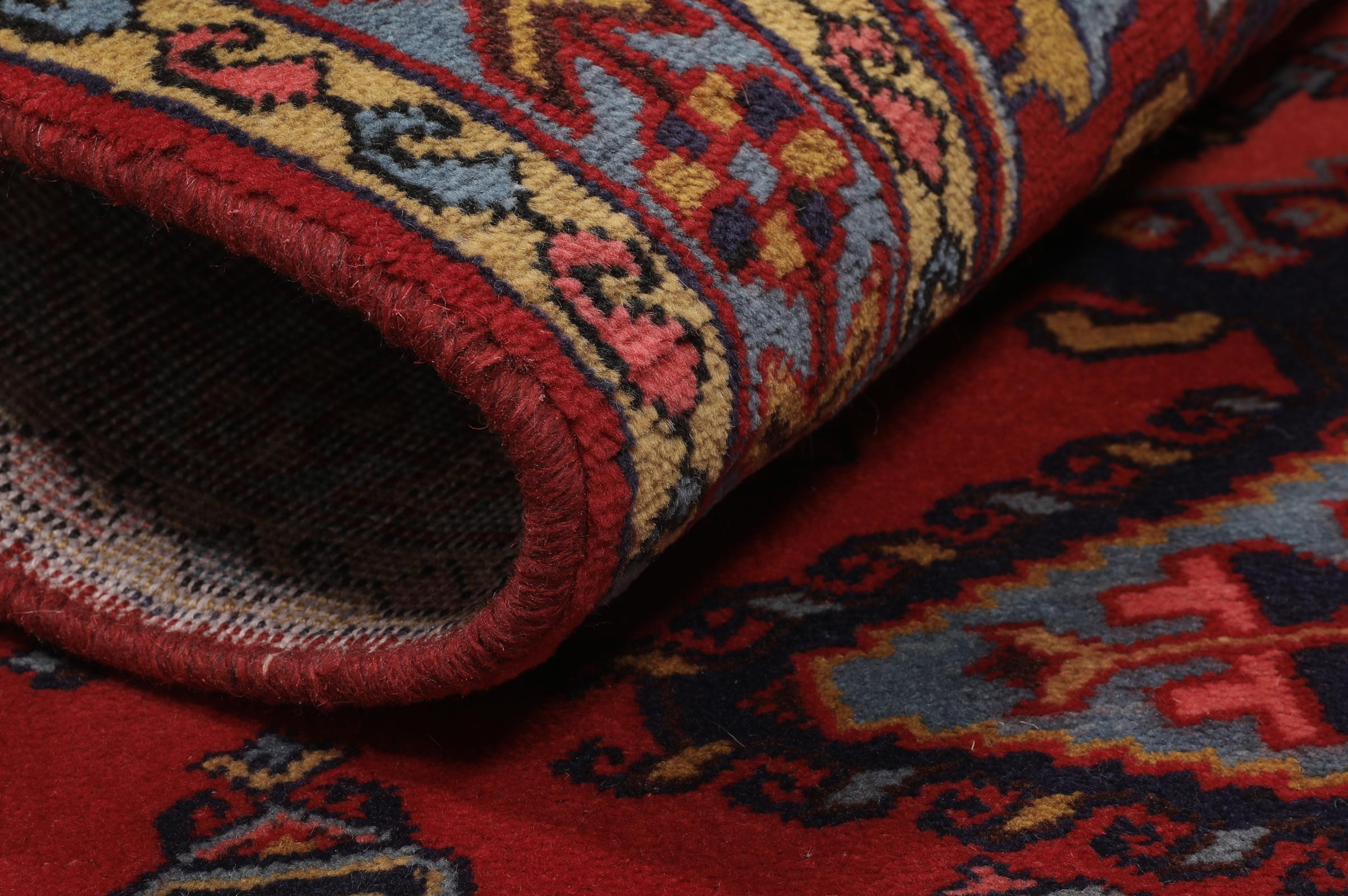
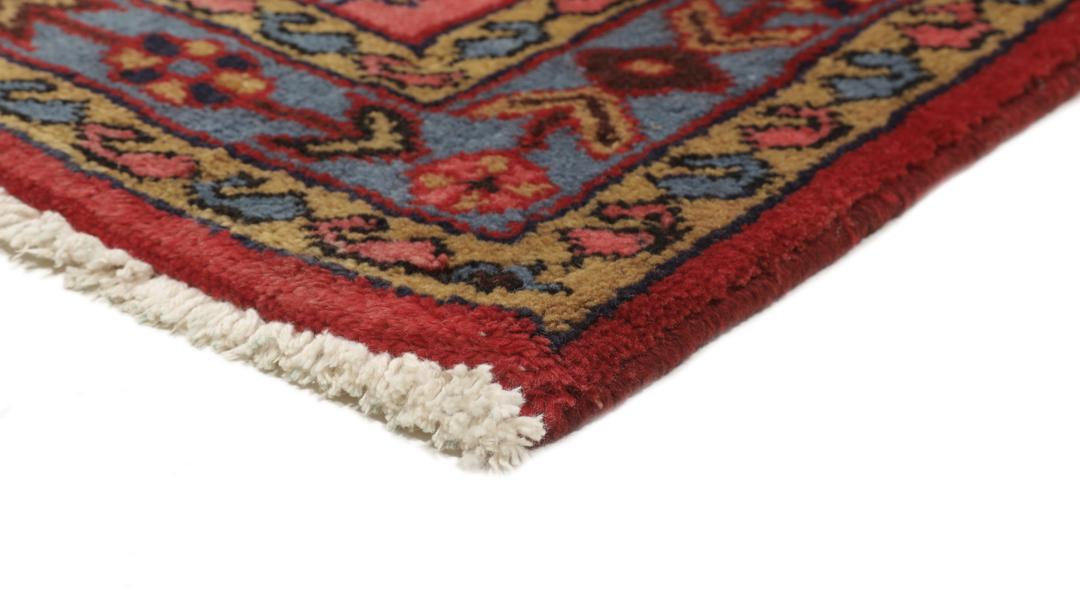
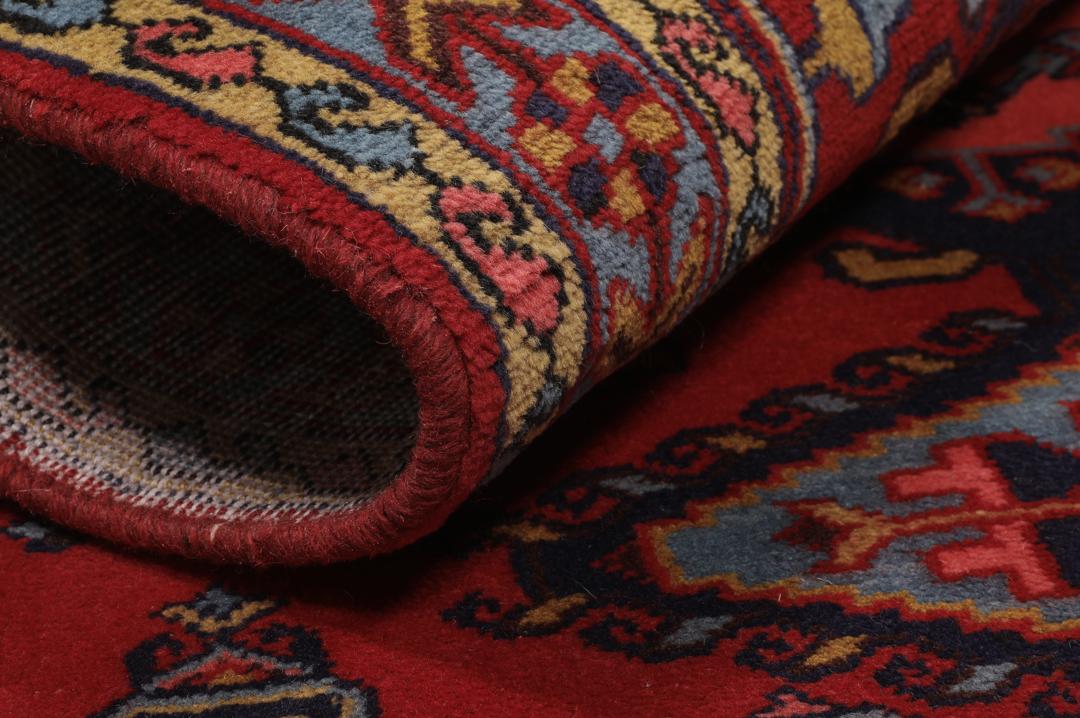
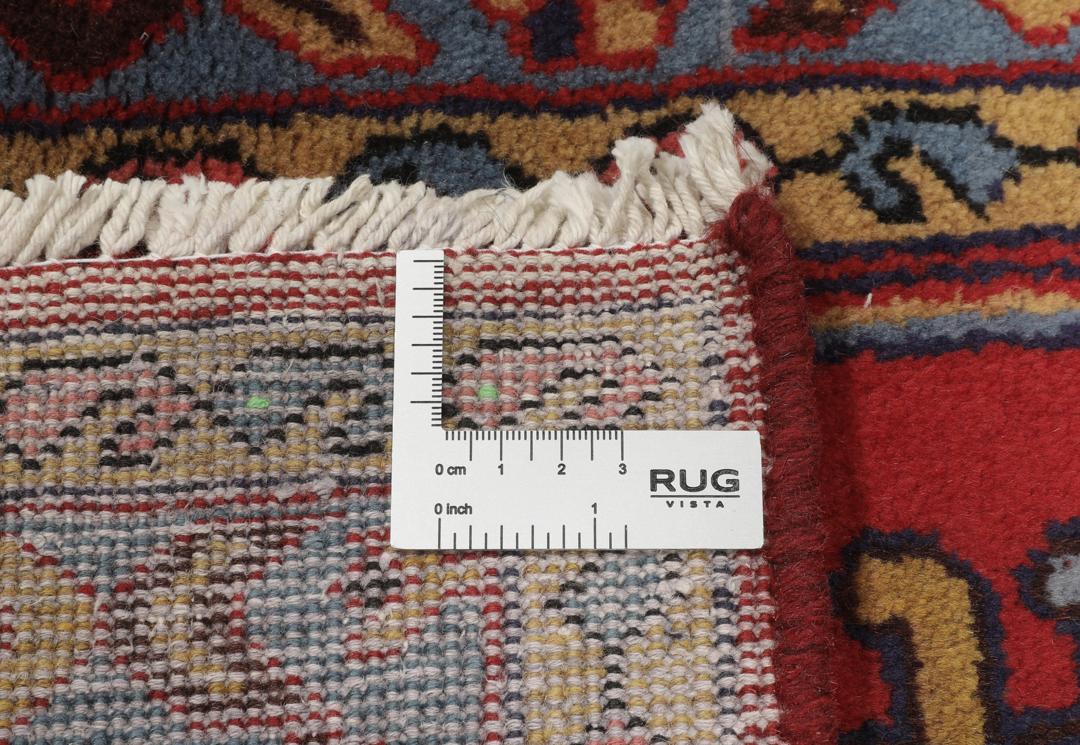
Understanding the quality of these rugs often comes down to the materials and the density of the knots. The use of Wool, known for its natural resilience and lanolin content, provides a pile that is not only soft but also highly resistant to dirt and wear. This material, when knotted by hand, creates a surface that feels alive and tactile, offering a sensory experience that synthetic alternatives cannot match.
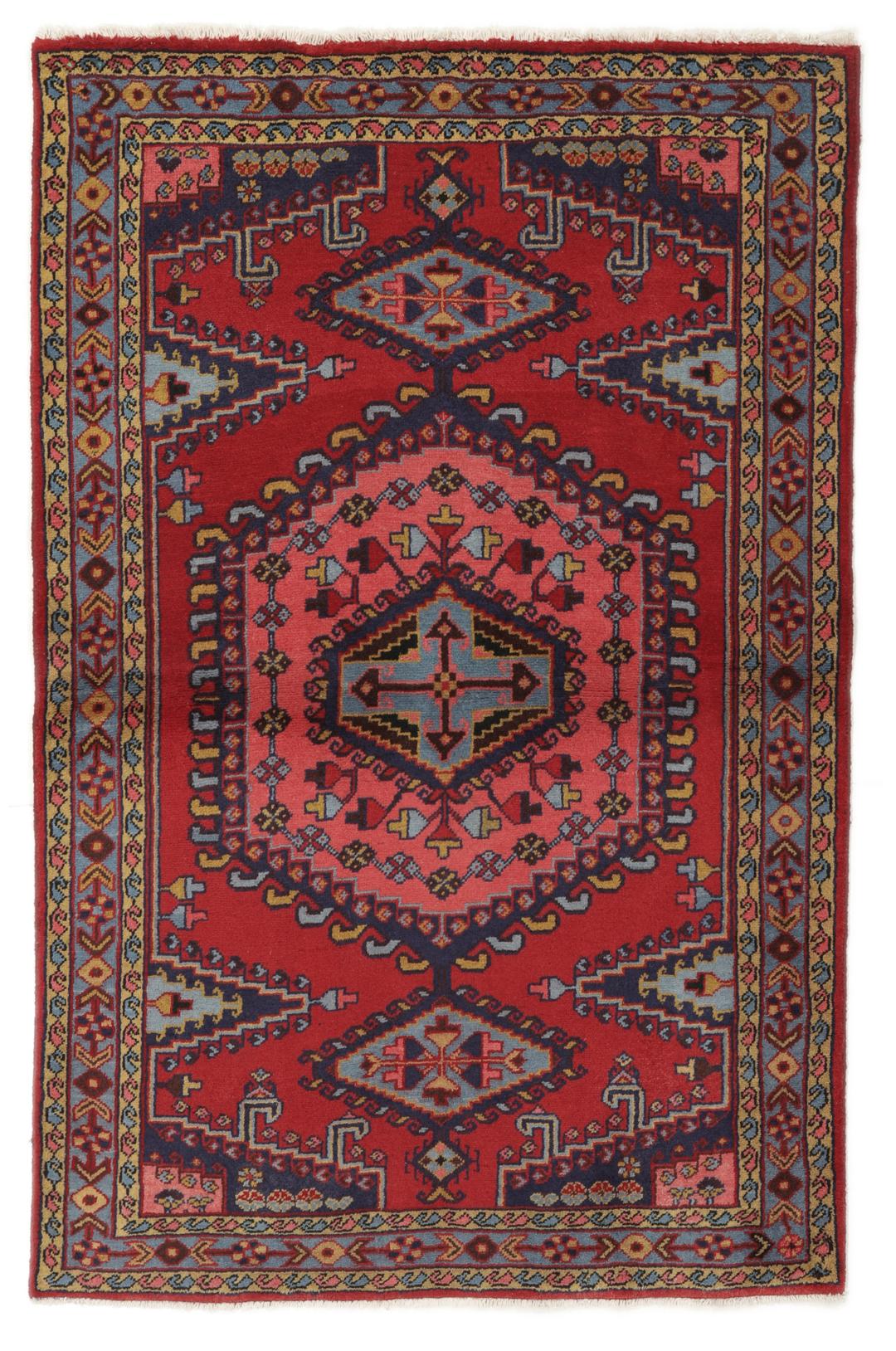
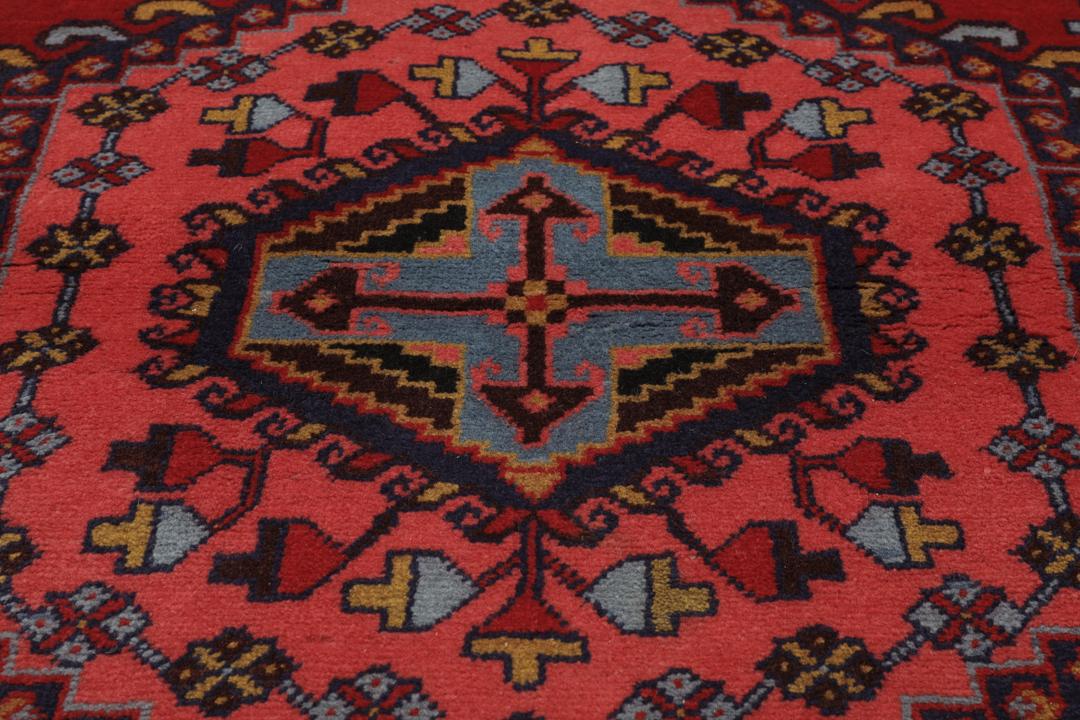
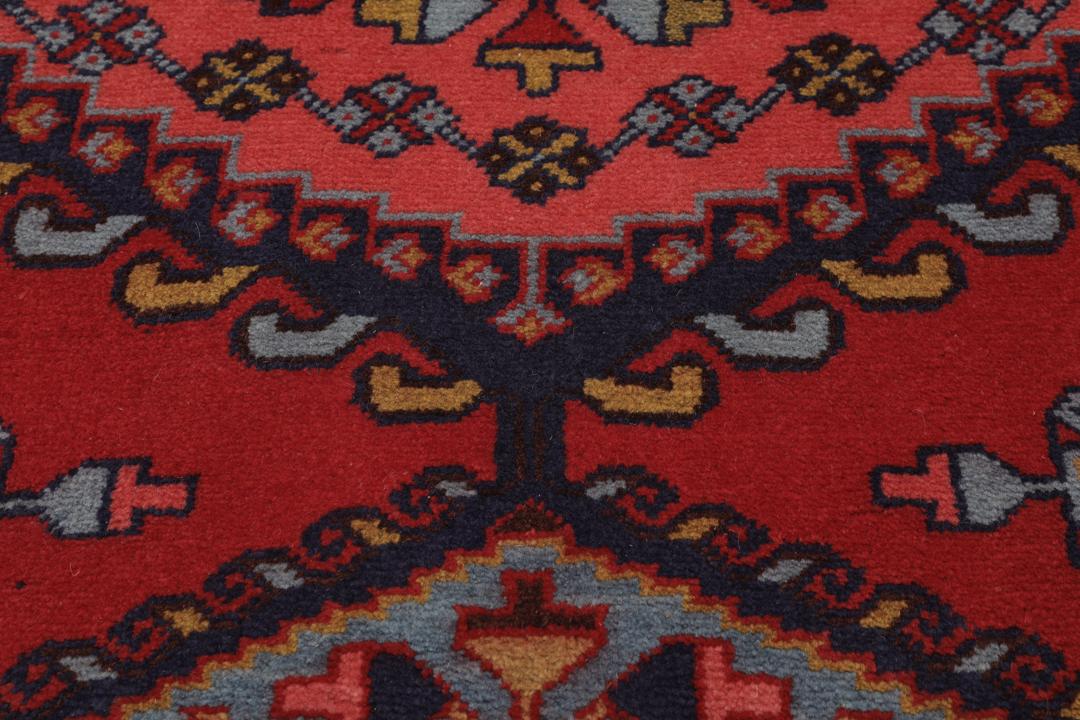
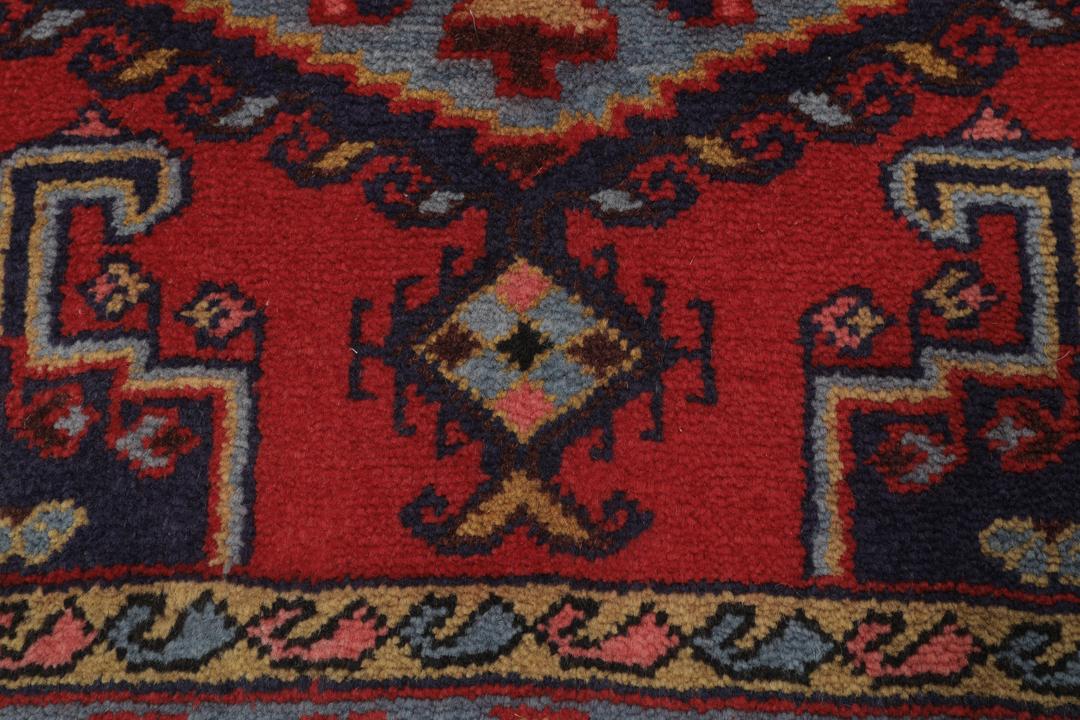
The visual language of Wiss rugs is defined by strong, angular geometric patterns and medallions that often carry symbolic meaning. These designs are typically framed by decorative borders that anchor the composition, balancing the complexity of the centre with a sense of order. The bold use of colour, often derived from natural dyes, gives these rugs a powerful presence that serves as an anchor for the entire room's aesthetic.
Owning a piece from this tradition is an act of preserving a rich cultural legacy. These rugs are highly valued by collectors and enthusiasts because each one represents the unique vision of the weaver at a specific moment in time. By bringing a Wiss rug into your home, you are not just adding a decorative item, but a testament to an ancient craft that continues to offer beauty and warmth in the modern world.