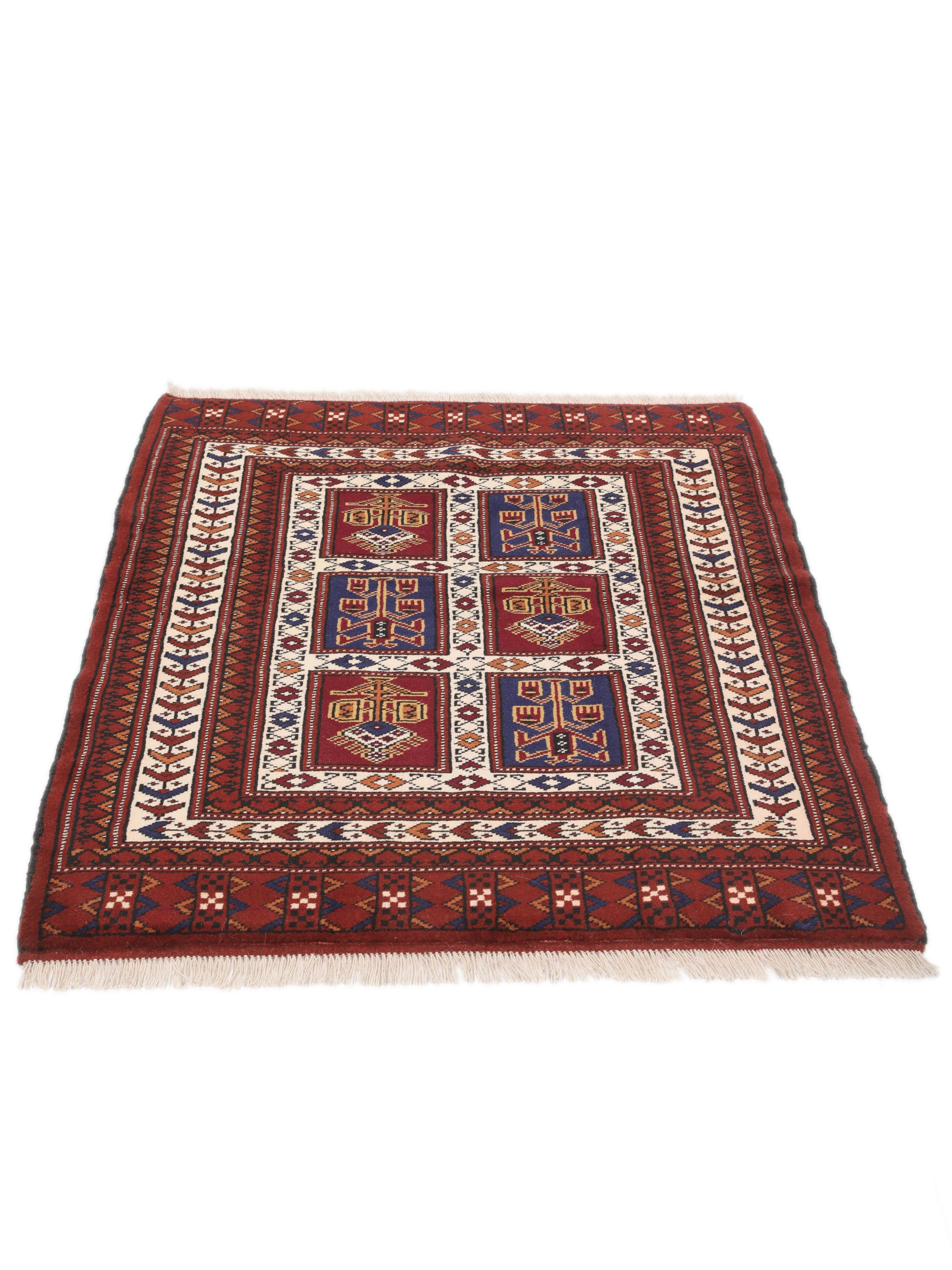
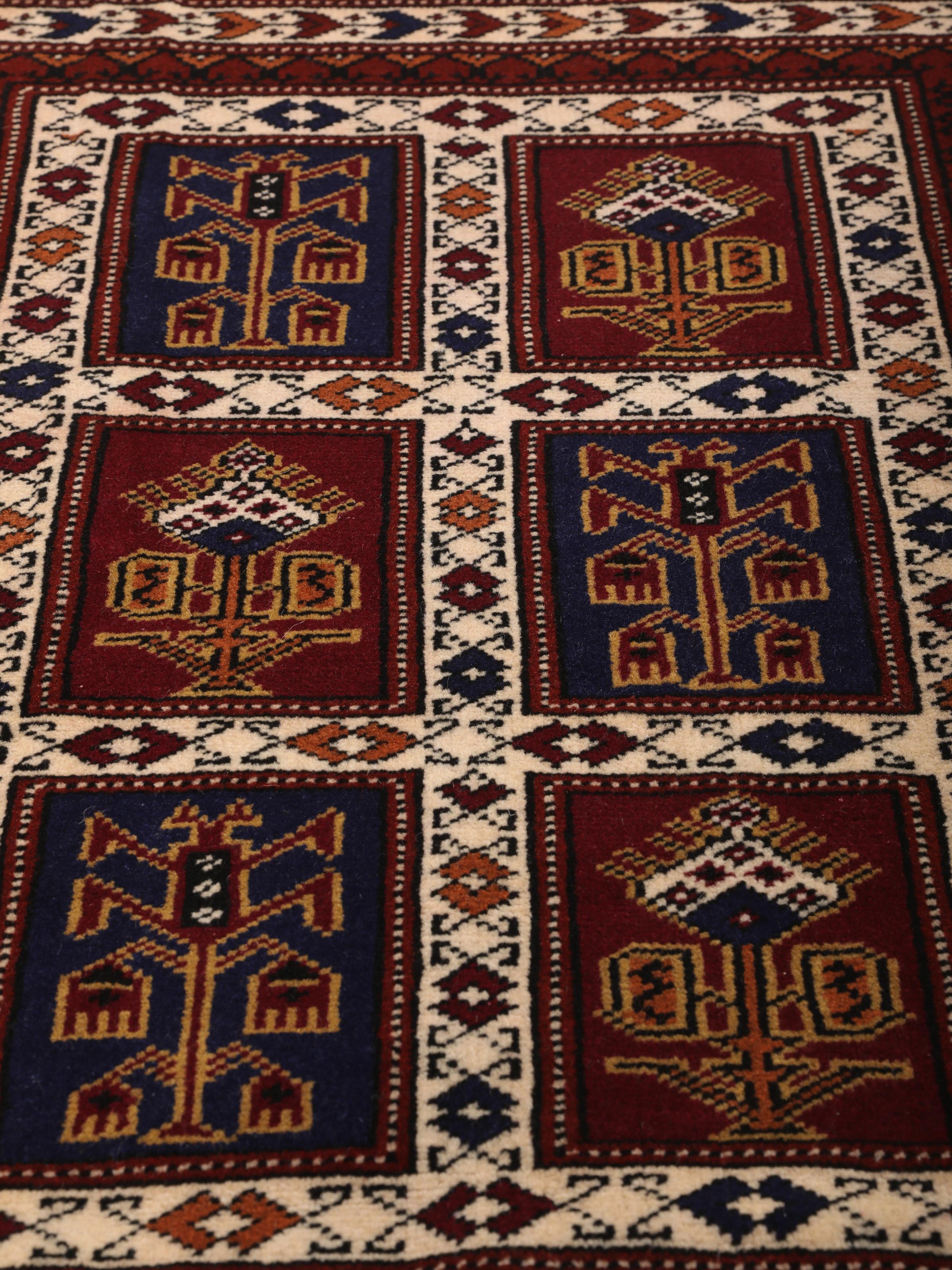
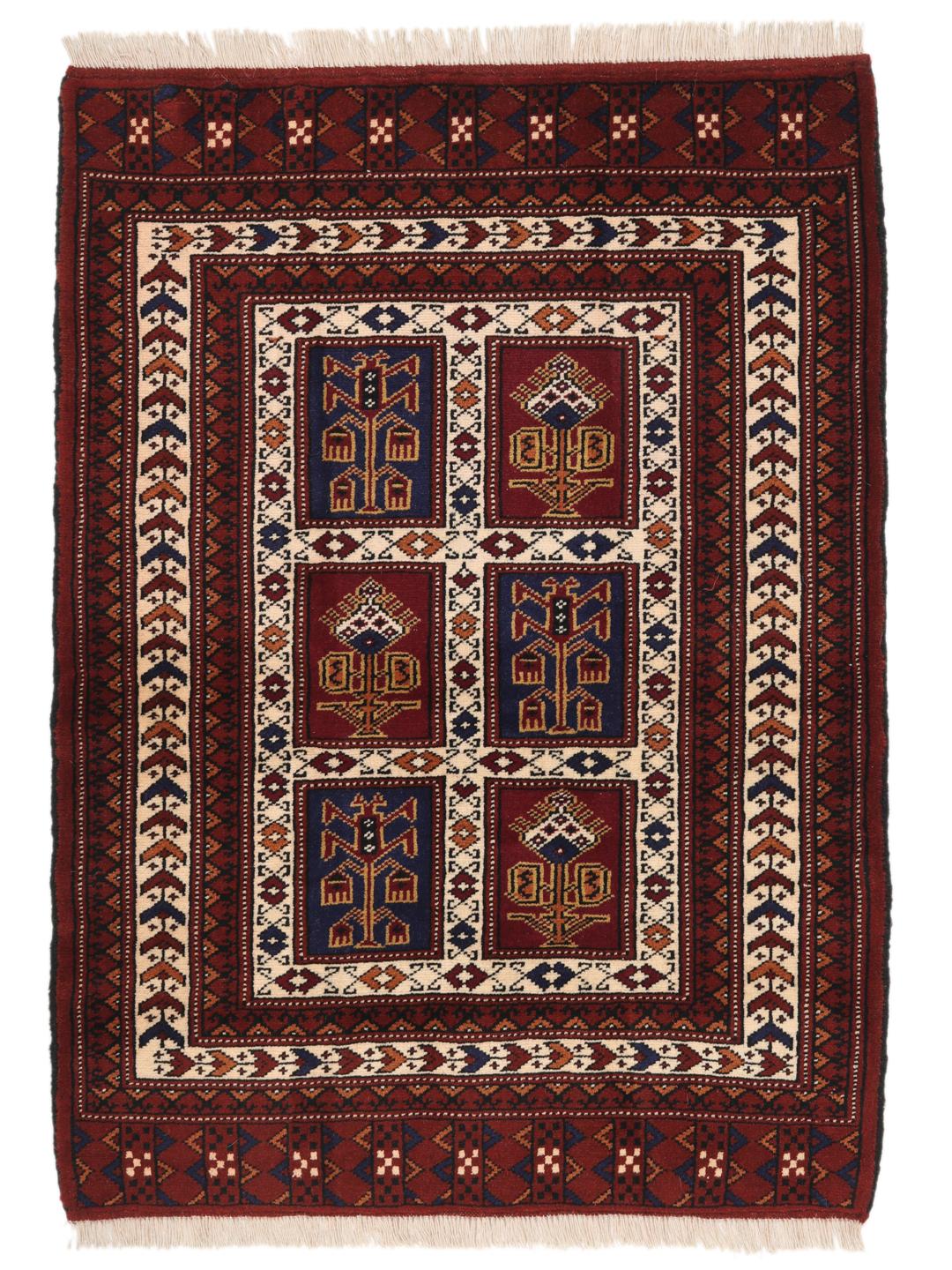
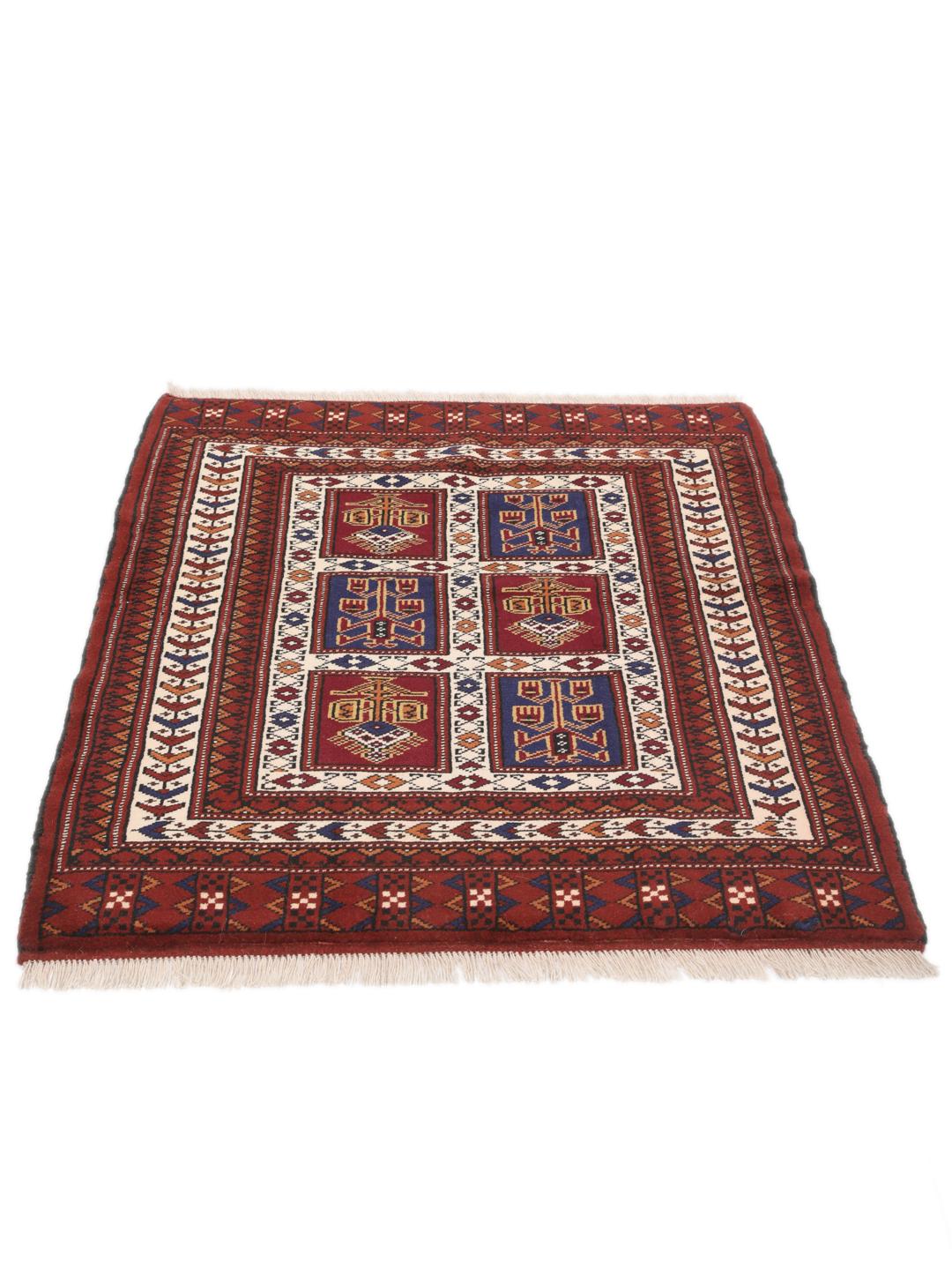
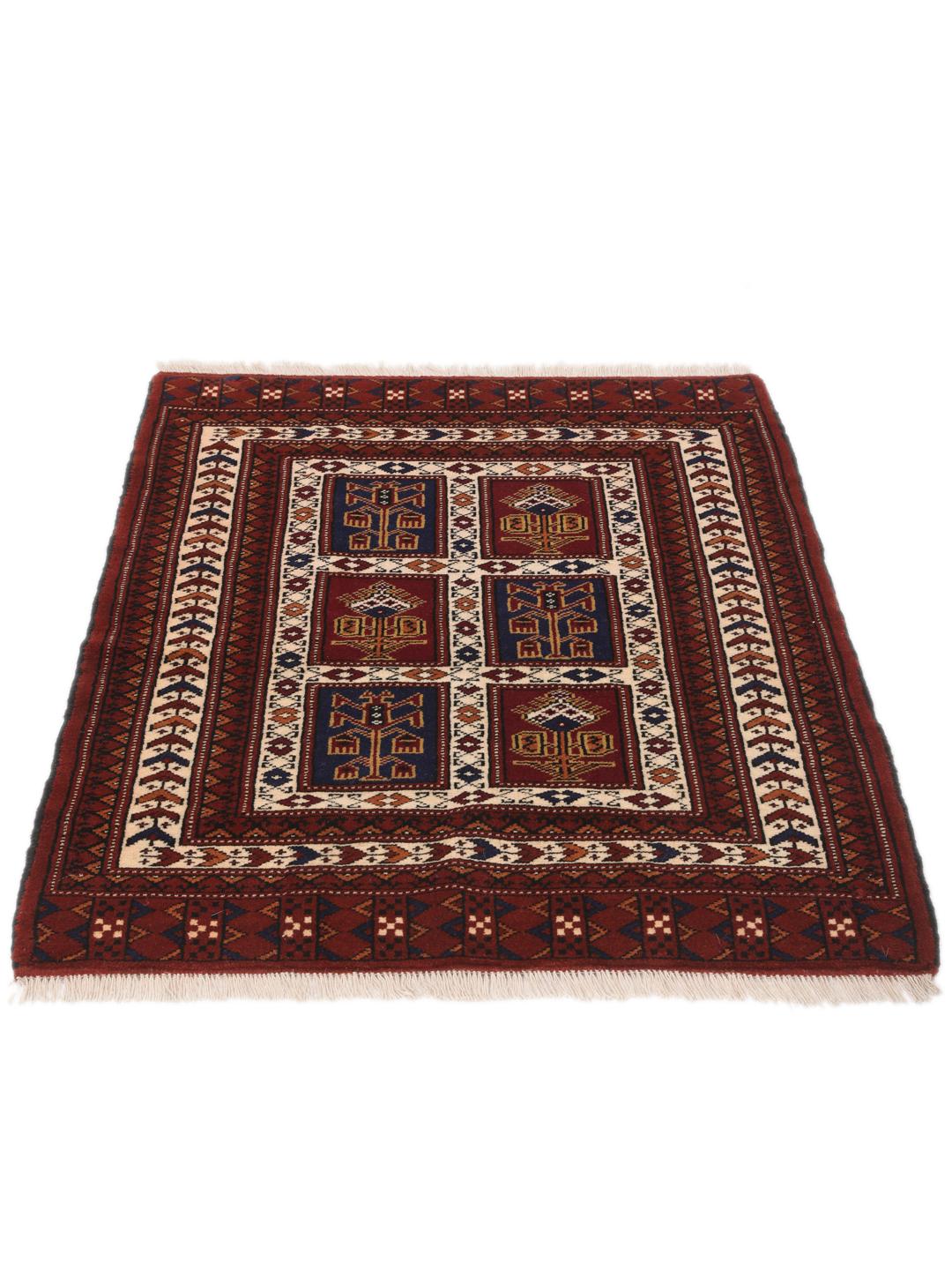
Turkaman rugs originate from the nomadic tribes of Central Asia and the Middle East, where weaving was a vital expression of tribal identity and daily life. These rugs have evolved over centuries, moving from portable nomadic floor coverings to prized decorative pieces that are collected worldwide for their distinct visual language and technical mastery.
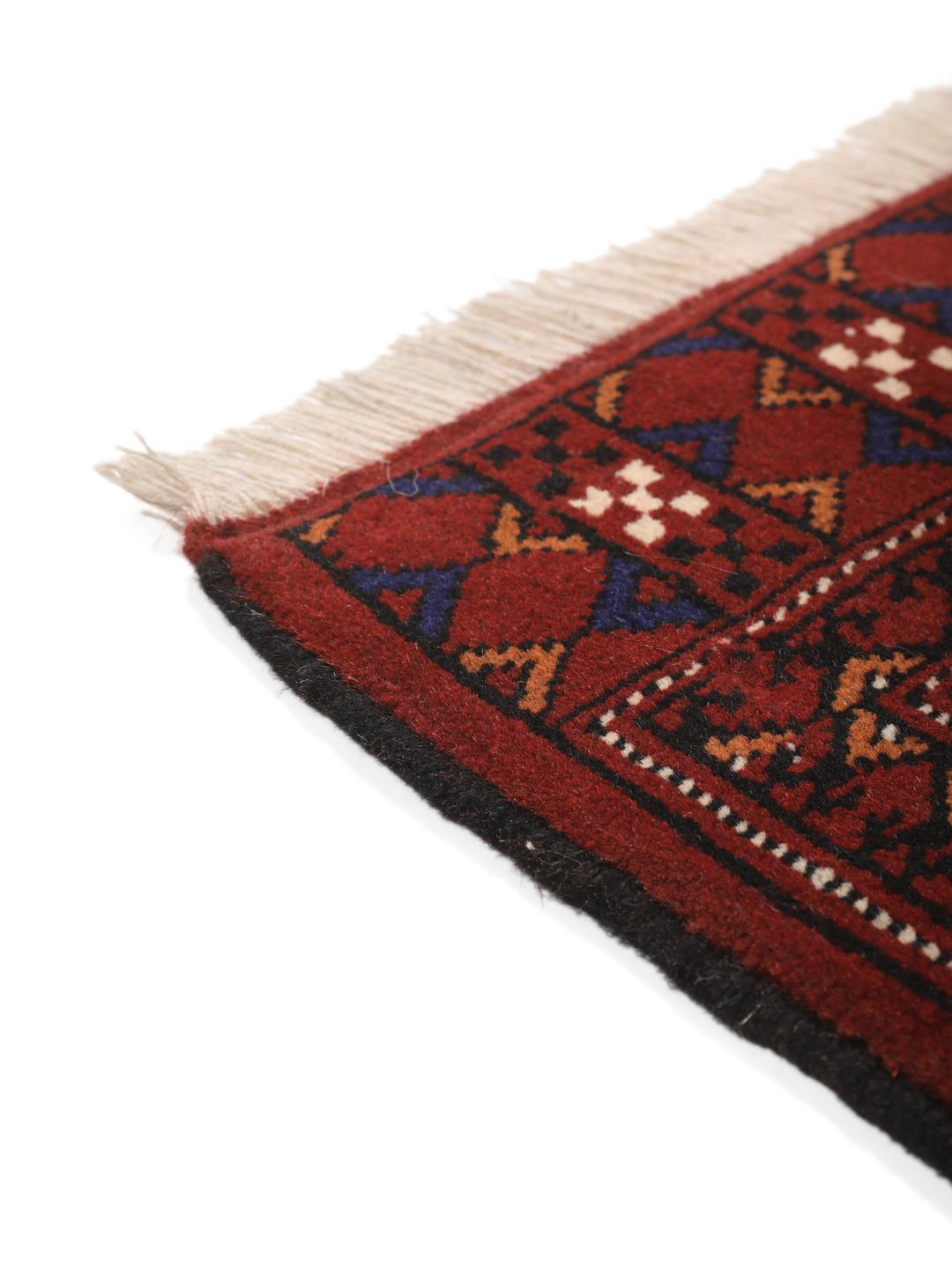
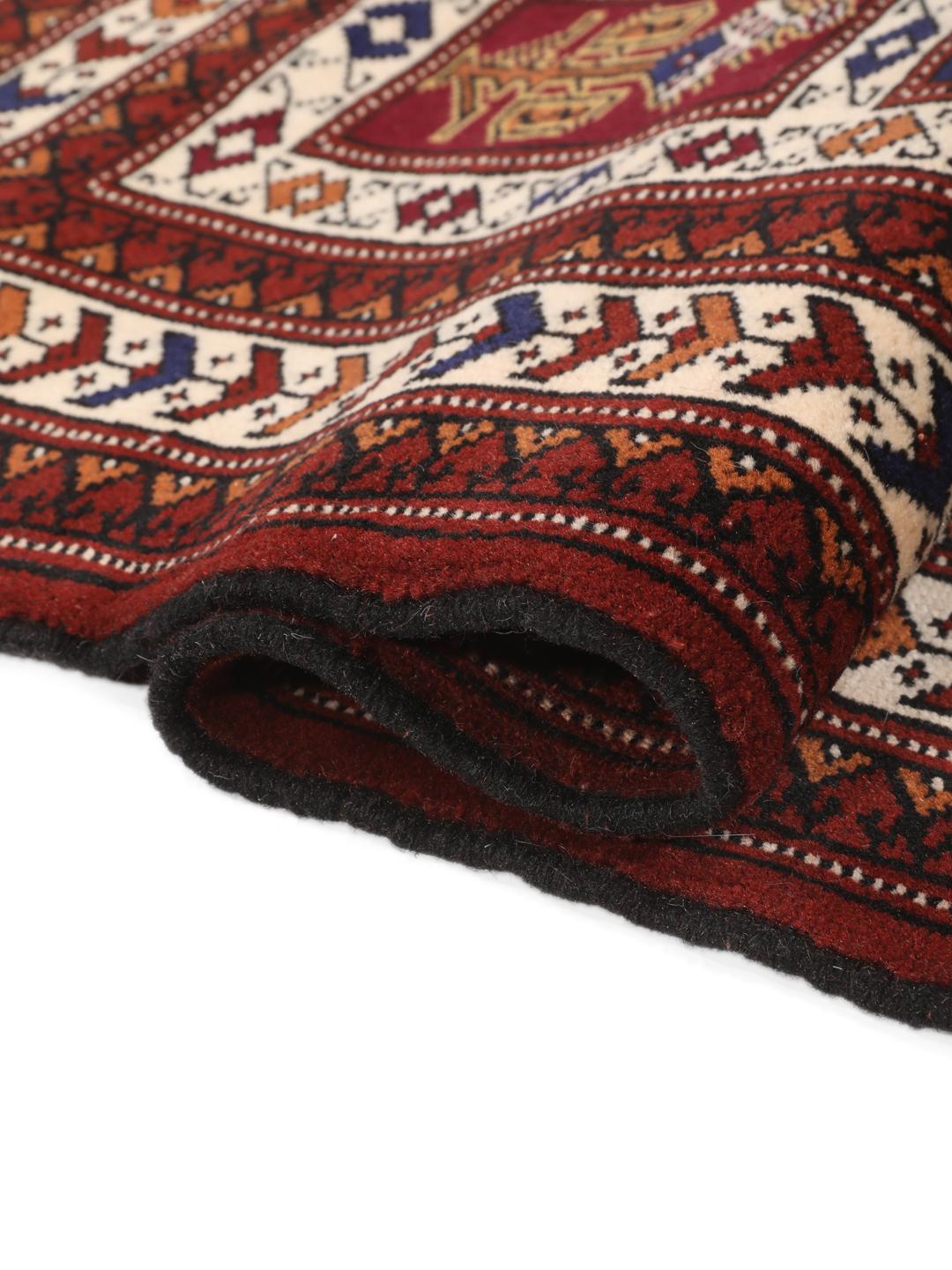
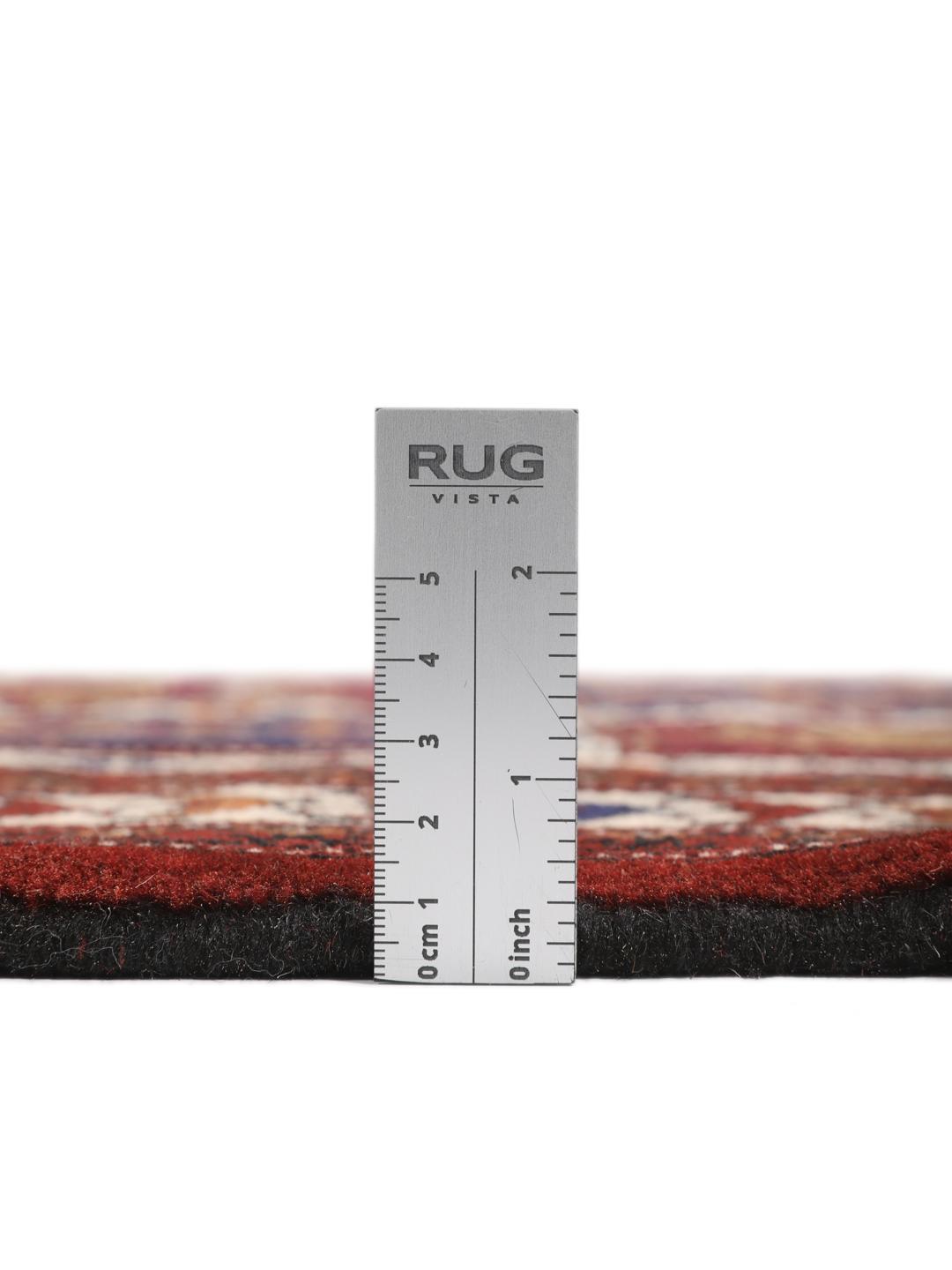
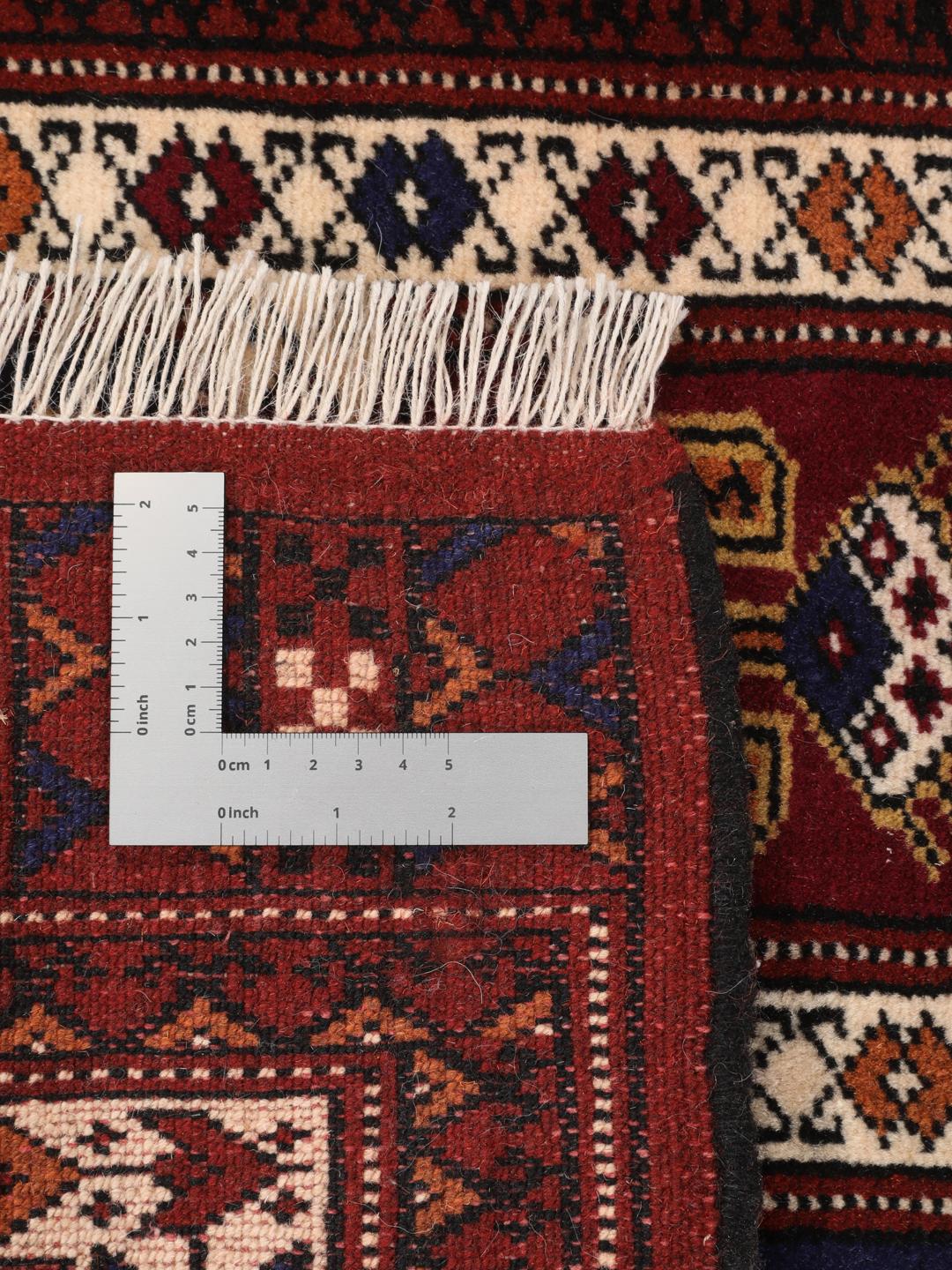
The term Turkaman refers to a specific group of weaving traditions that prioritise symmetry and durability. The technique of hand-knotting ensures that the Wool pile is firmly secured to the foundation, creating a rug that is both flexible and incredibly long-lasting. This method is the foundation of the rug's longevity, allowing it to withstand the rigours of time while retaining its lustre.
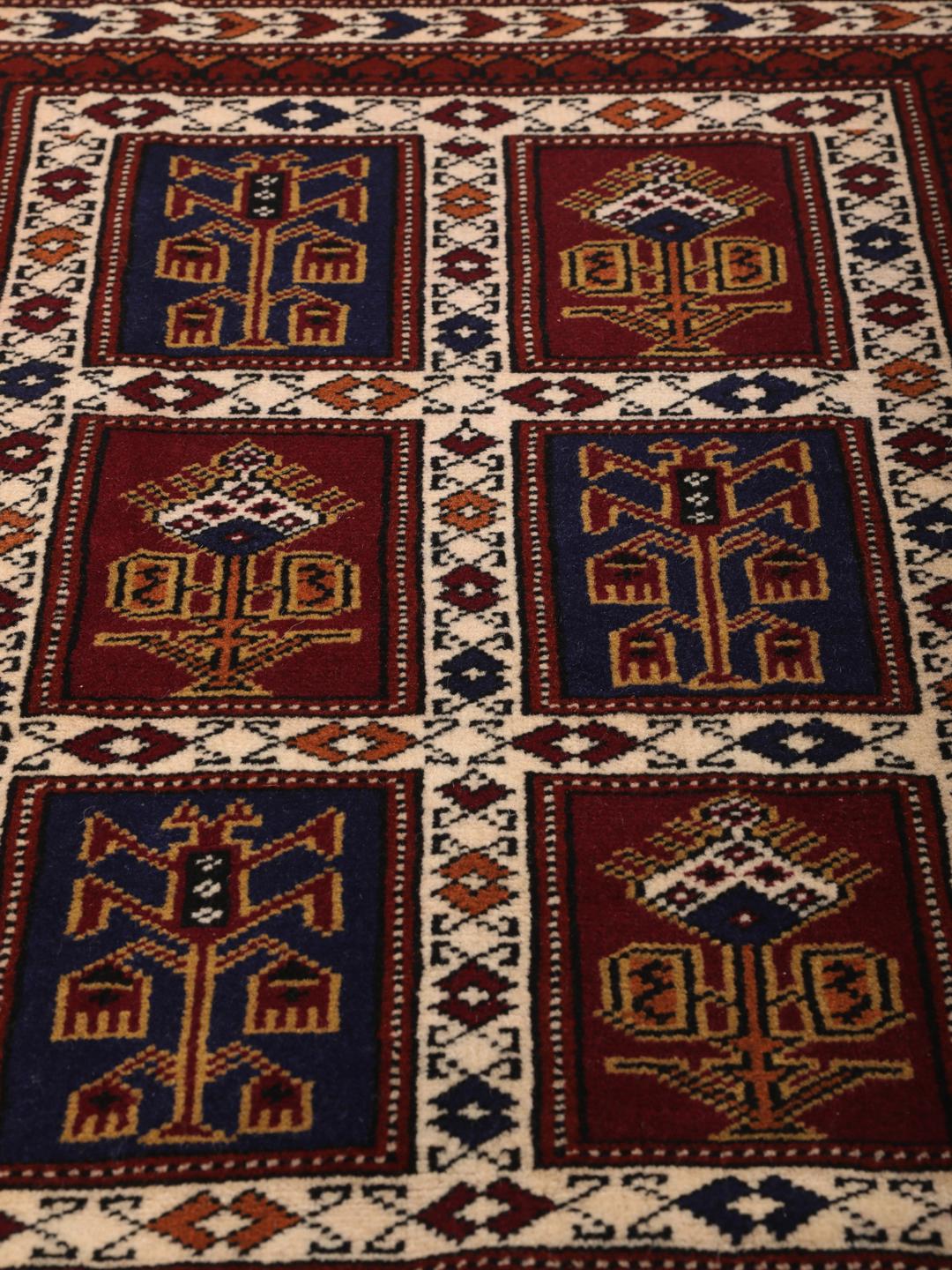
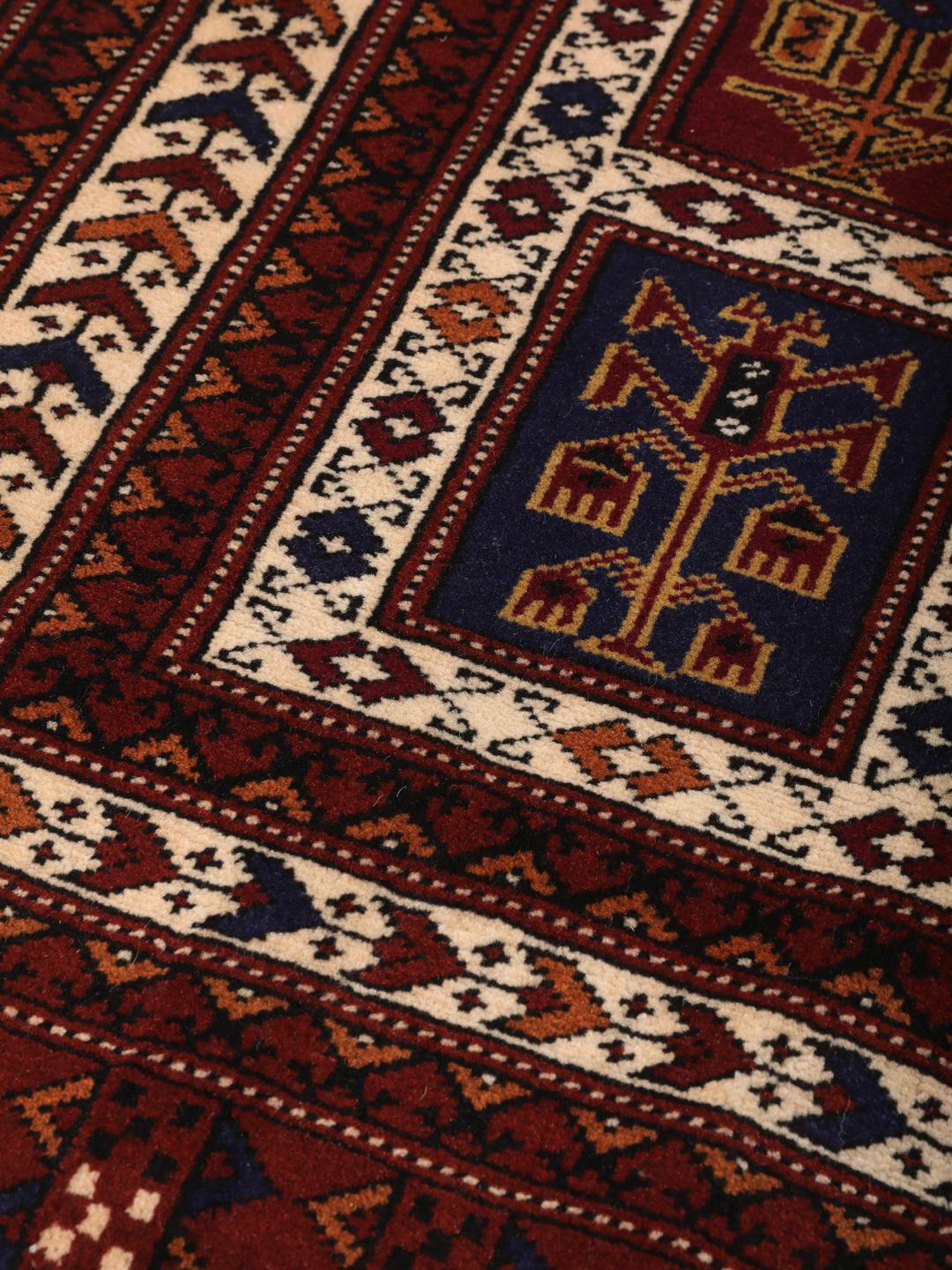
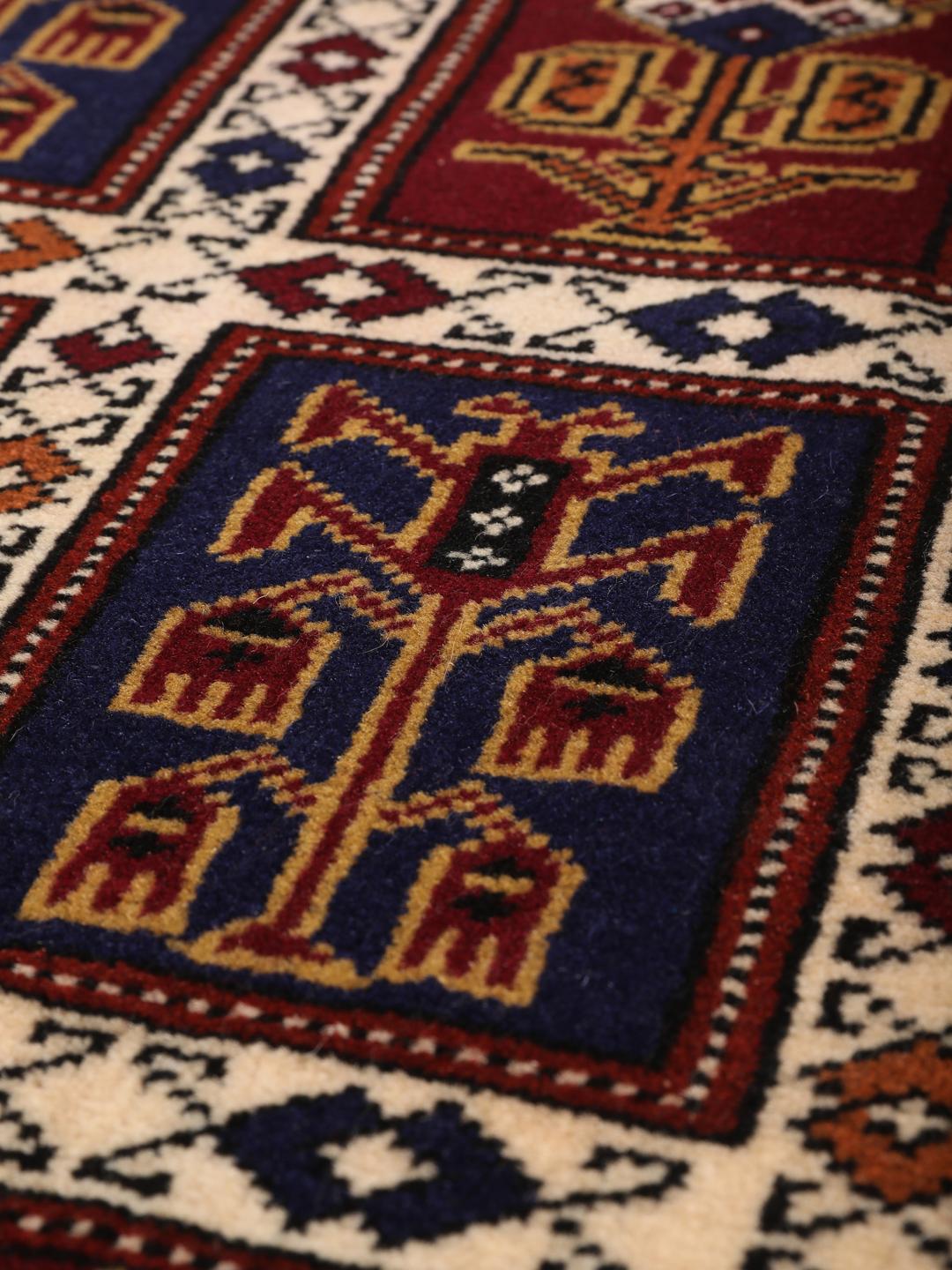
Visually, these rugs are defined by the use of repeating motifs, most notably the gul, which is a stylised medallion that often represents tribal lineage or cultural symbols. The borders are typically formal and balanced, enclosing the field in a way that creates a sense of harmony and structure. The deep red tones are traditional, historically derived from natural madder root dyes, which give the rug its iconic, warm glow.
Collecting a piece from this tradition means acquiring a connection to a deep cultural heritage. These rugs are valued not just for their beauty, but for the human effort and artistic intention woven into every square inch. Owning a Turkaman rug is a commitment to preserving a craft that has been passed down through generations, offering a tangible link to the history of the Middle East.