Turkaman rugs trace their origins to the nomadic tribes of Central Asia, where weaving was not merely a craft but a vital expression of tribal identity and cultural narrative. Over centuries, these traditions migrated and evolved, with the finest contemporary examples often emerging from the broader Middle Eastern region. This evolution has allowed the Turkaman style to maintain its deep-rooted authenticity while adapting to modern design sensibilities.
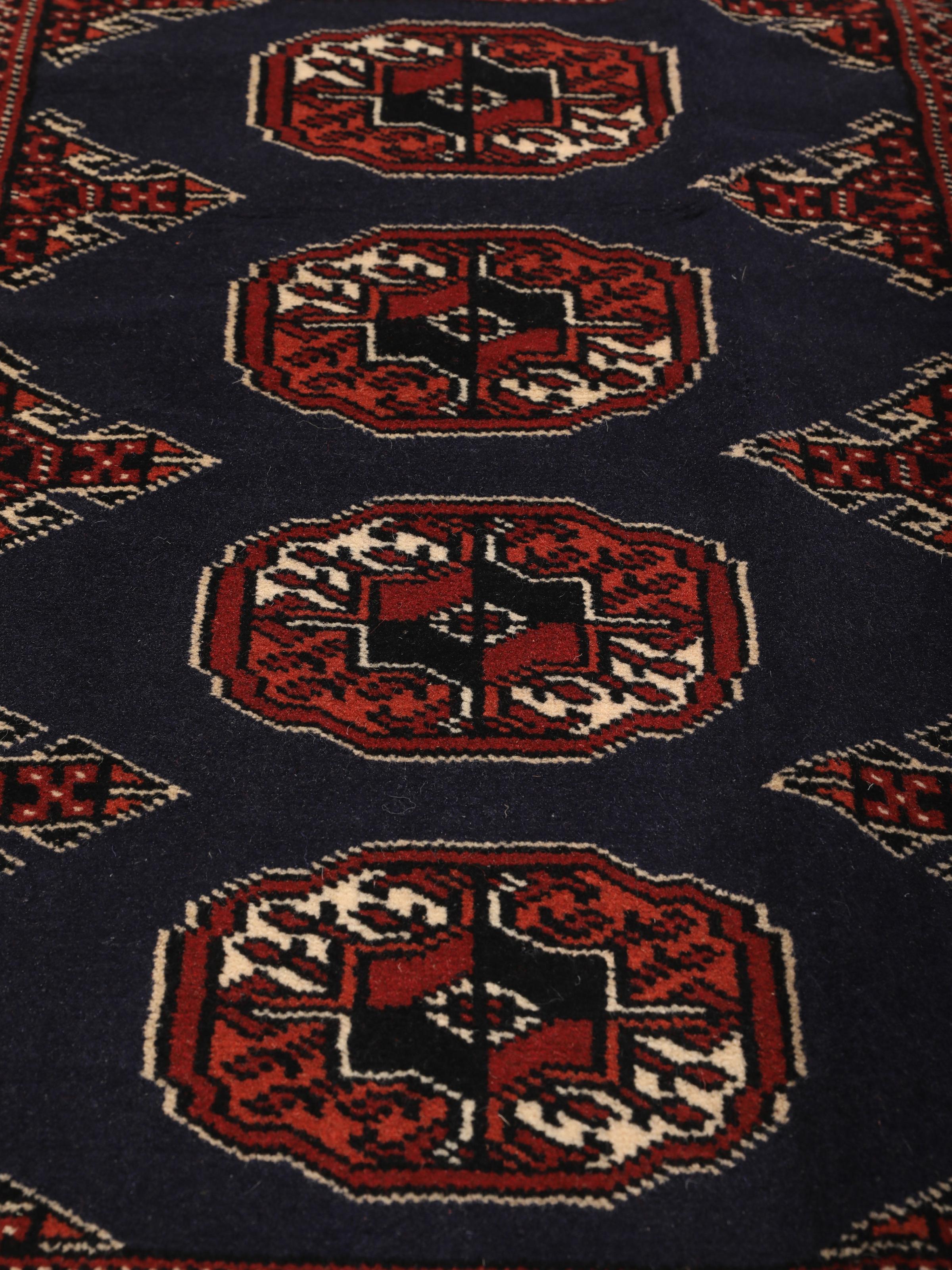
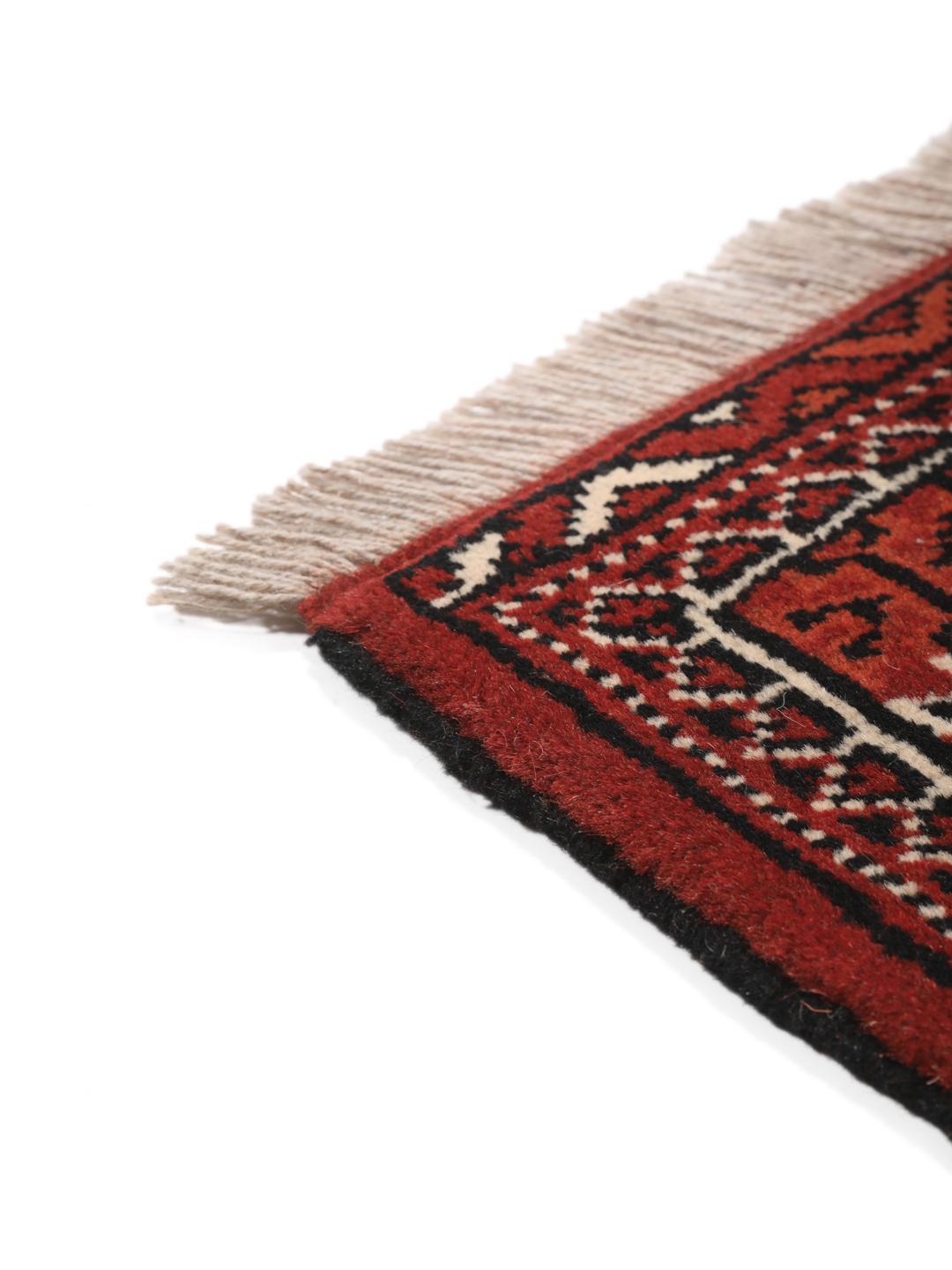
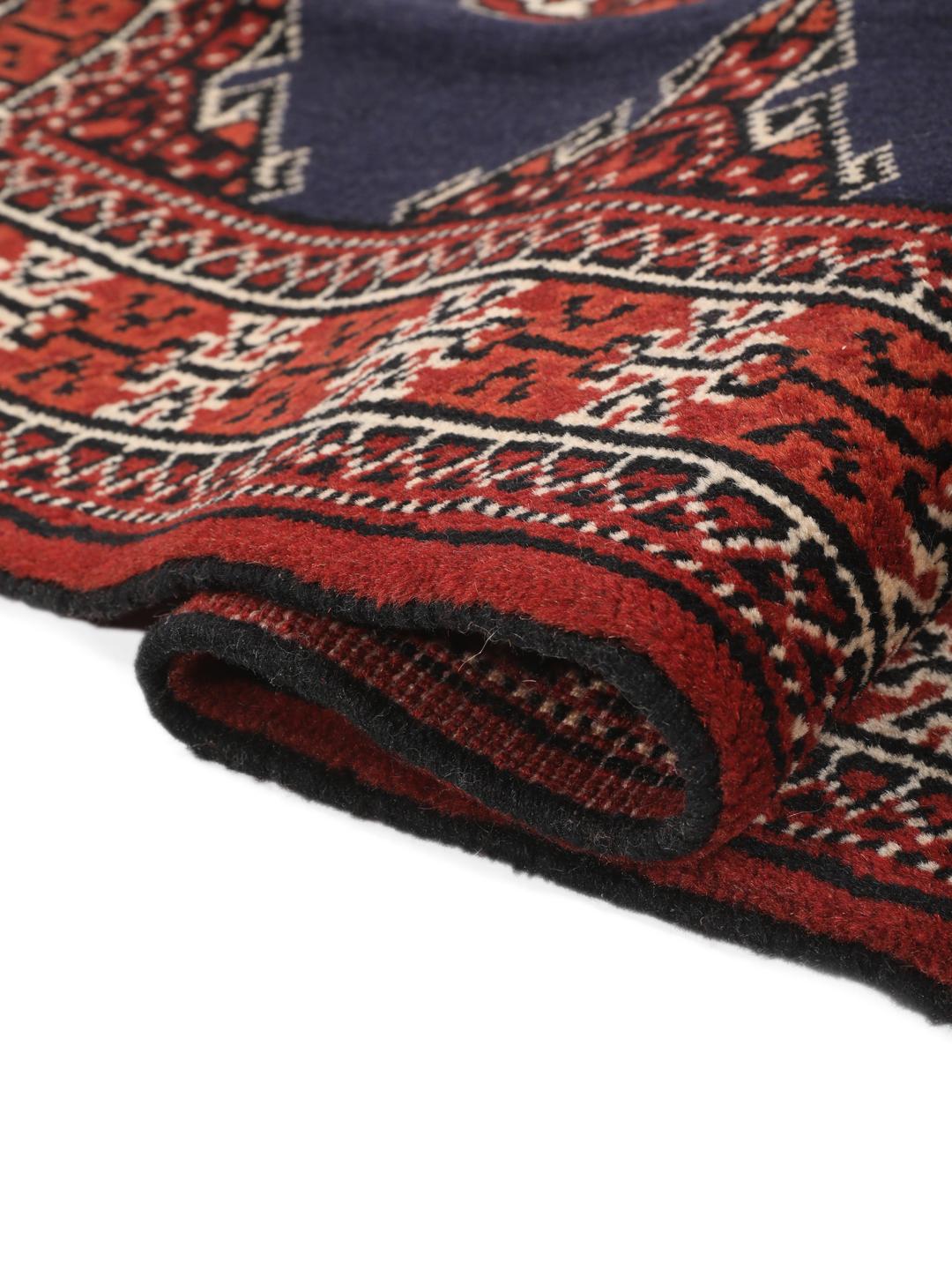
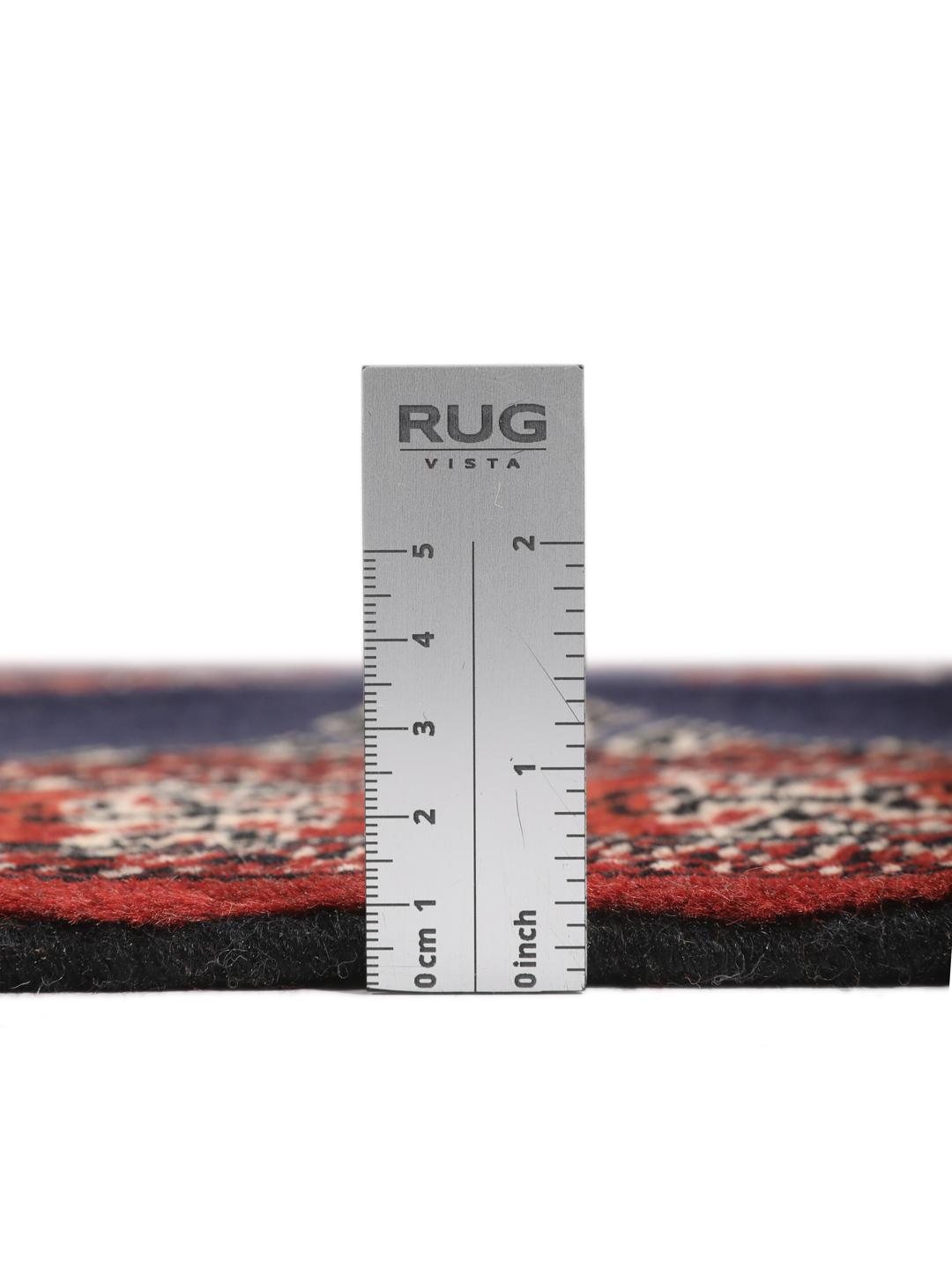
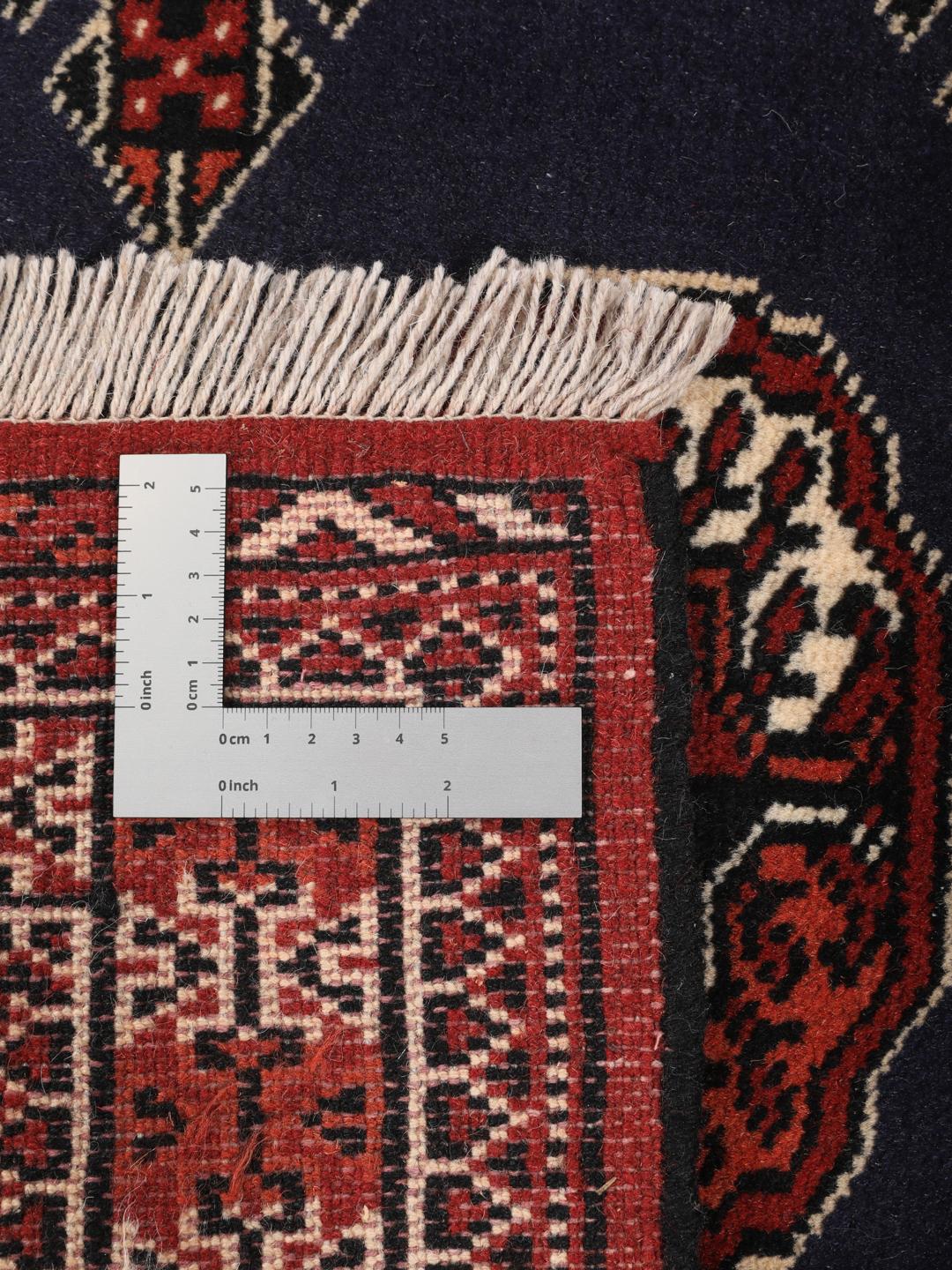
The technical quality of a Turkaman rug is often defined by its pile construction, which utilises high-quality wool to create a durable, lustrous surface. The term 'hand-knotted' refers to the traditional practice of tying individual knots to the foundation, a process that determines both the intricacy of the design and the longevity of the rug. This method is fundamental to the prestige of these pieces, as it creates a dense, resilient pile that is far superior to machine-made alternatives.
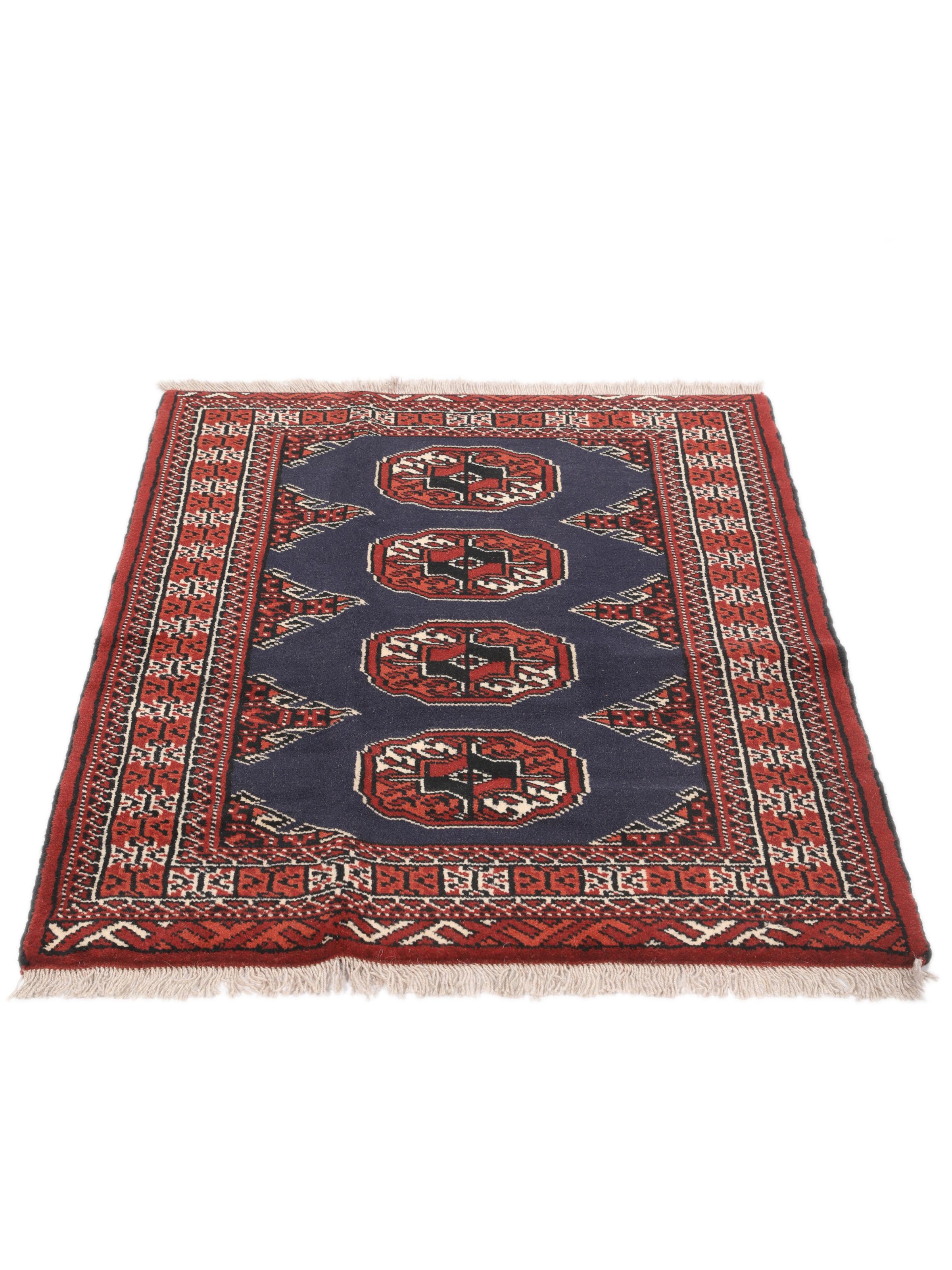
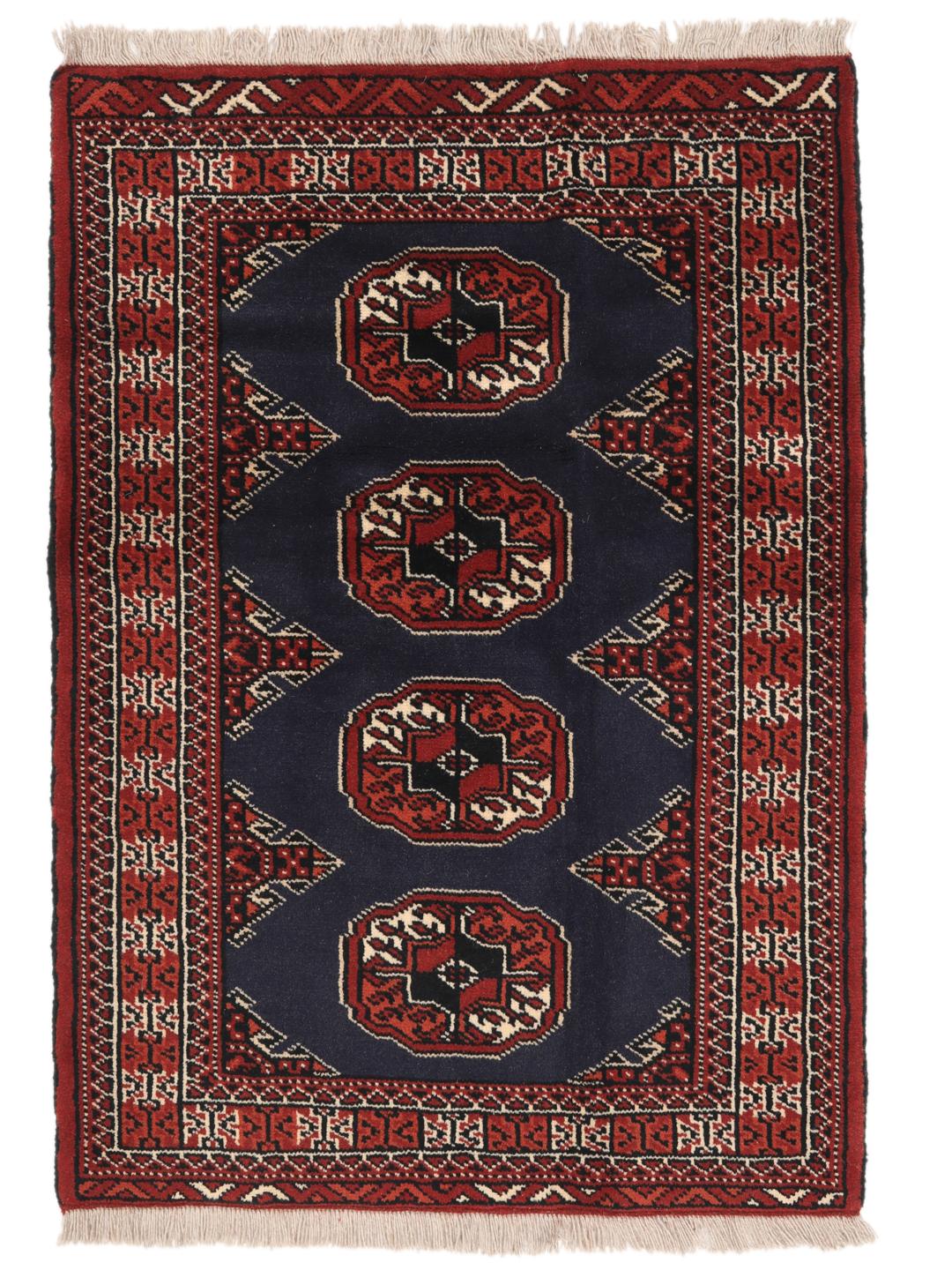
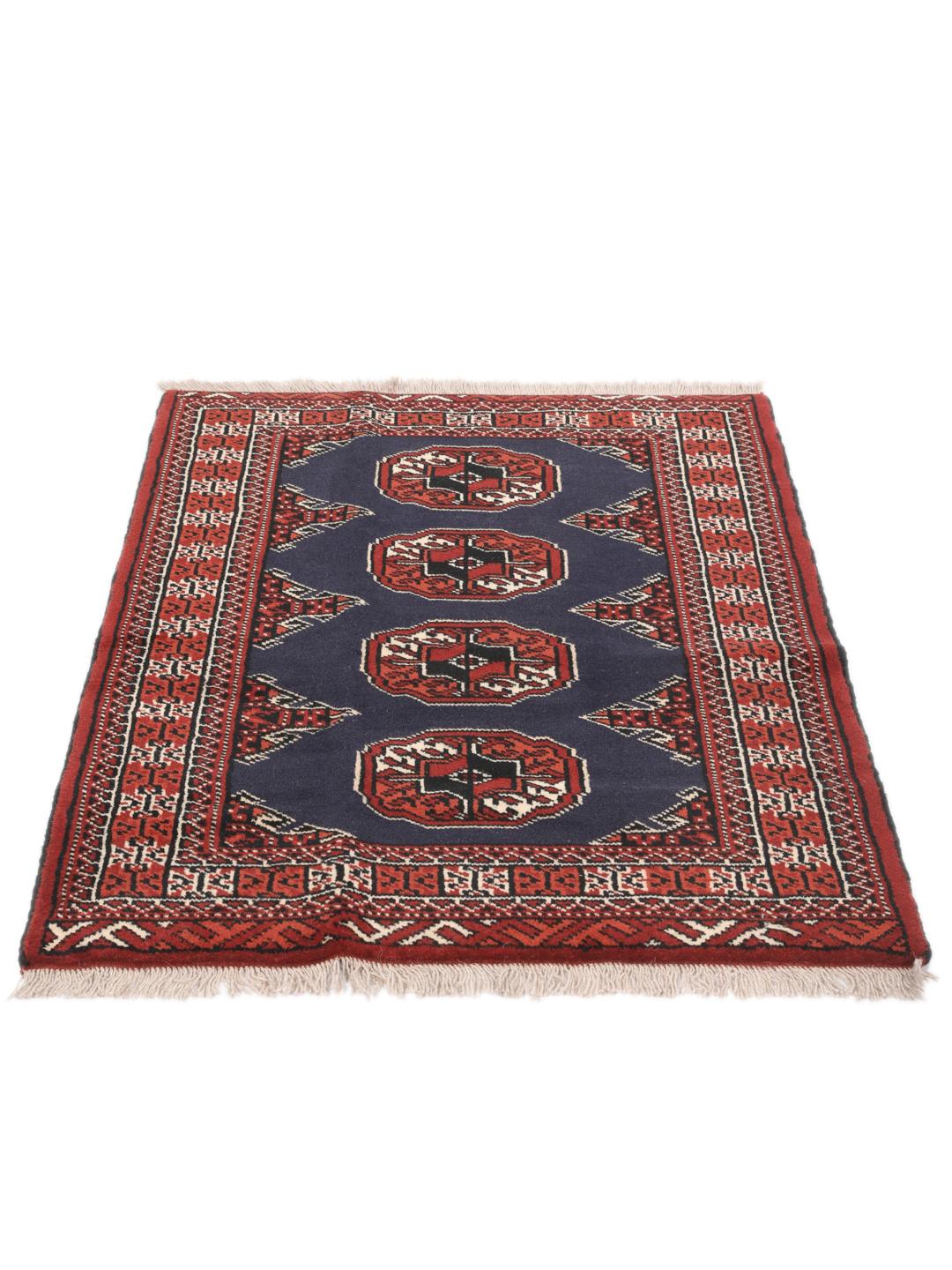
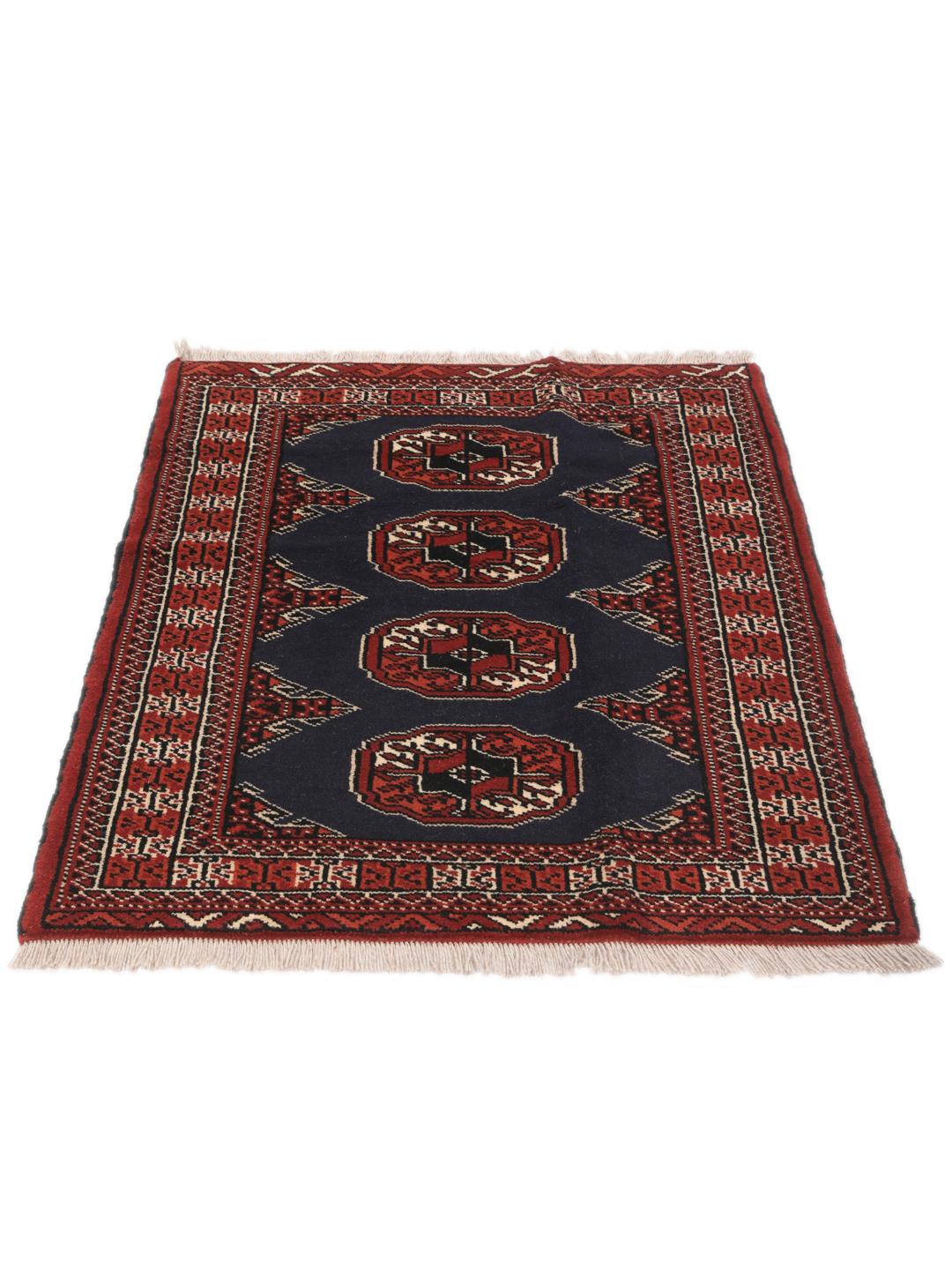
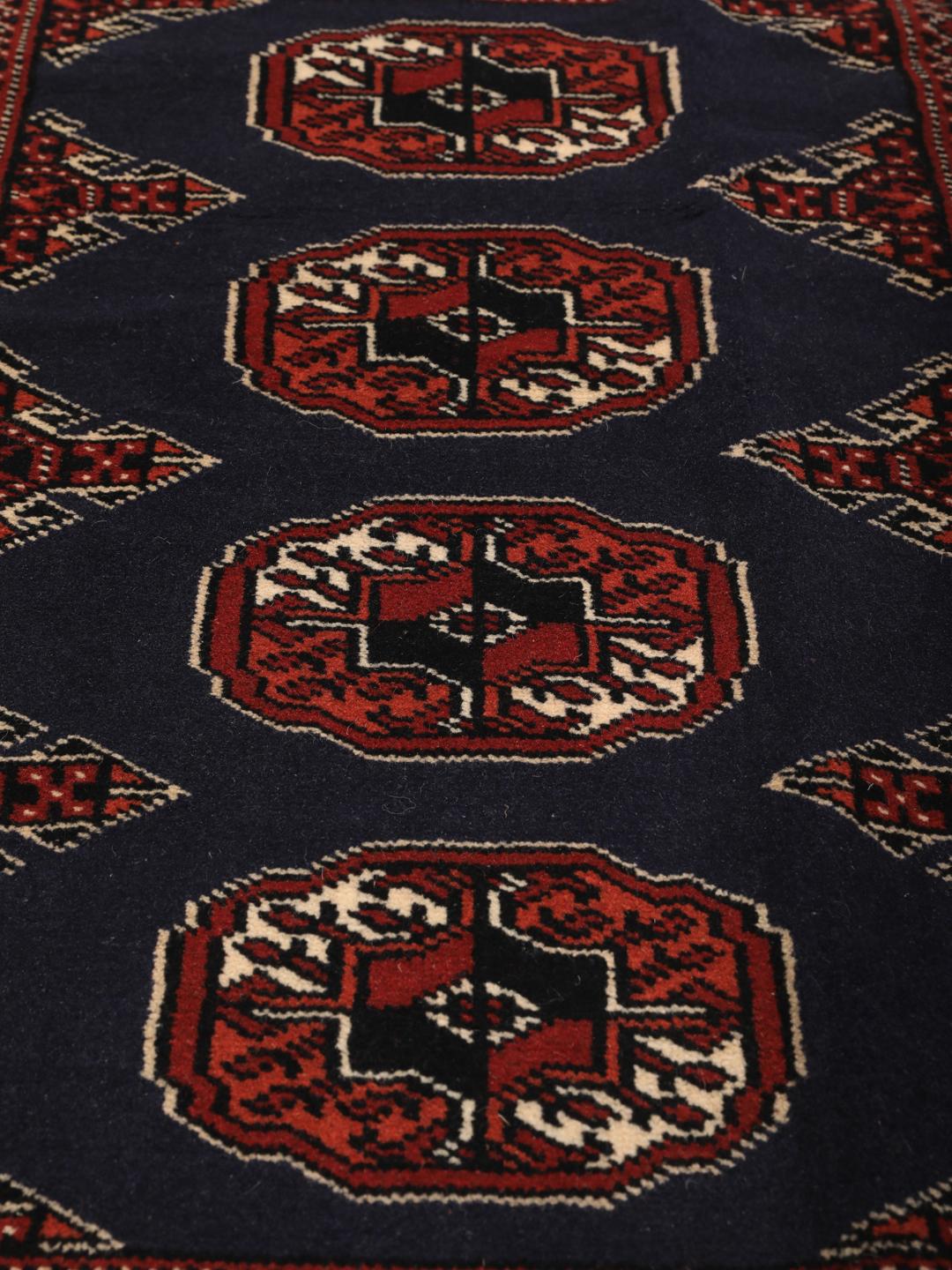
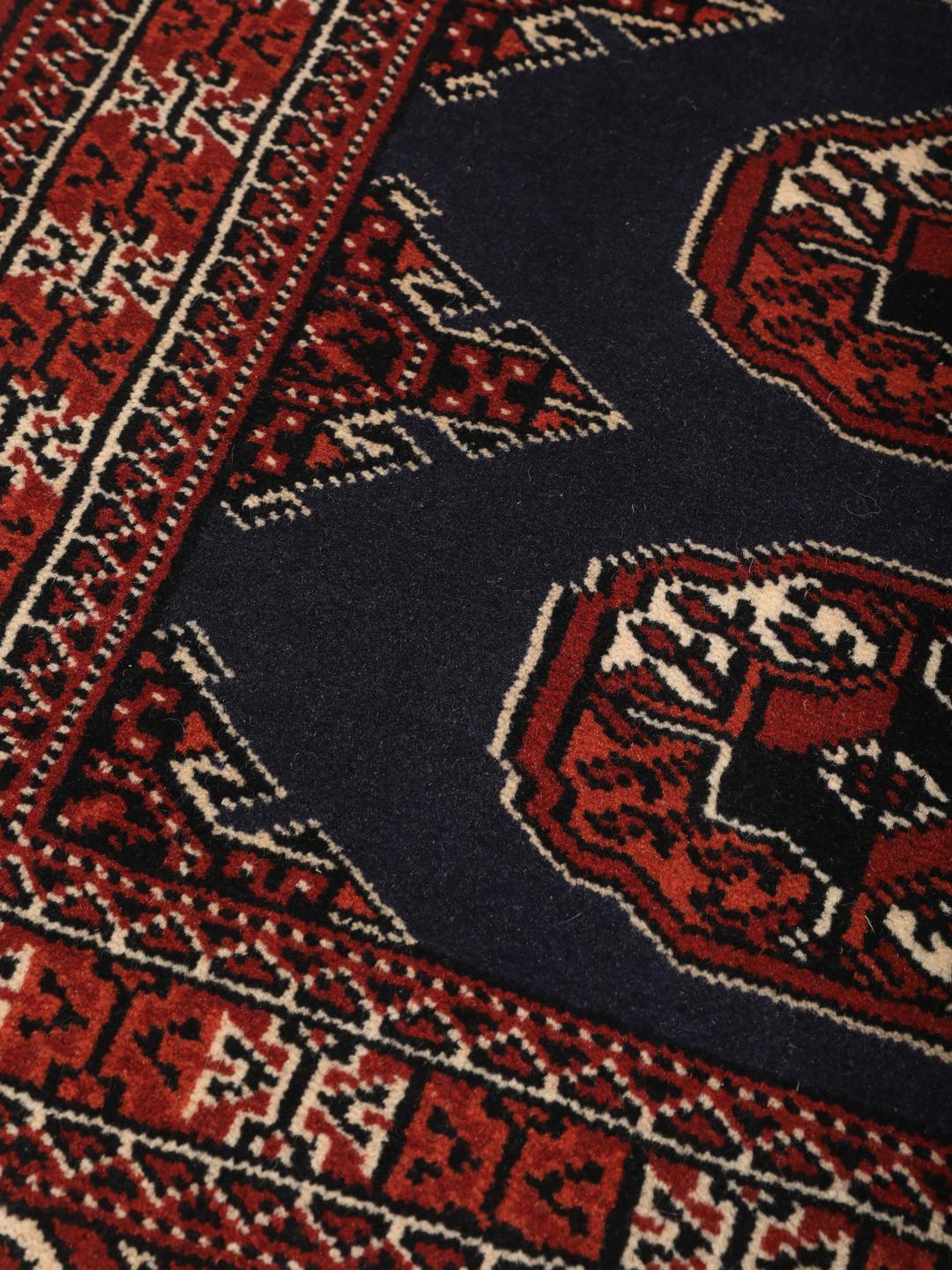
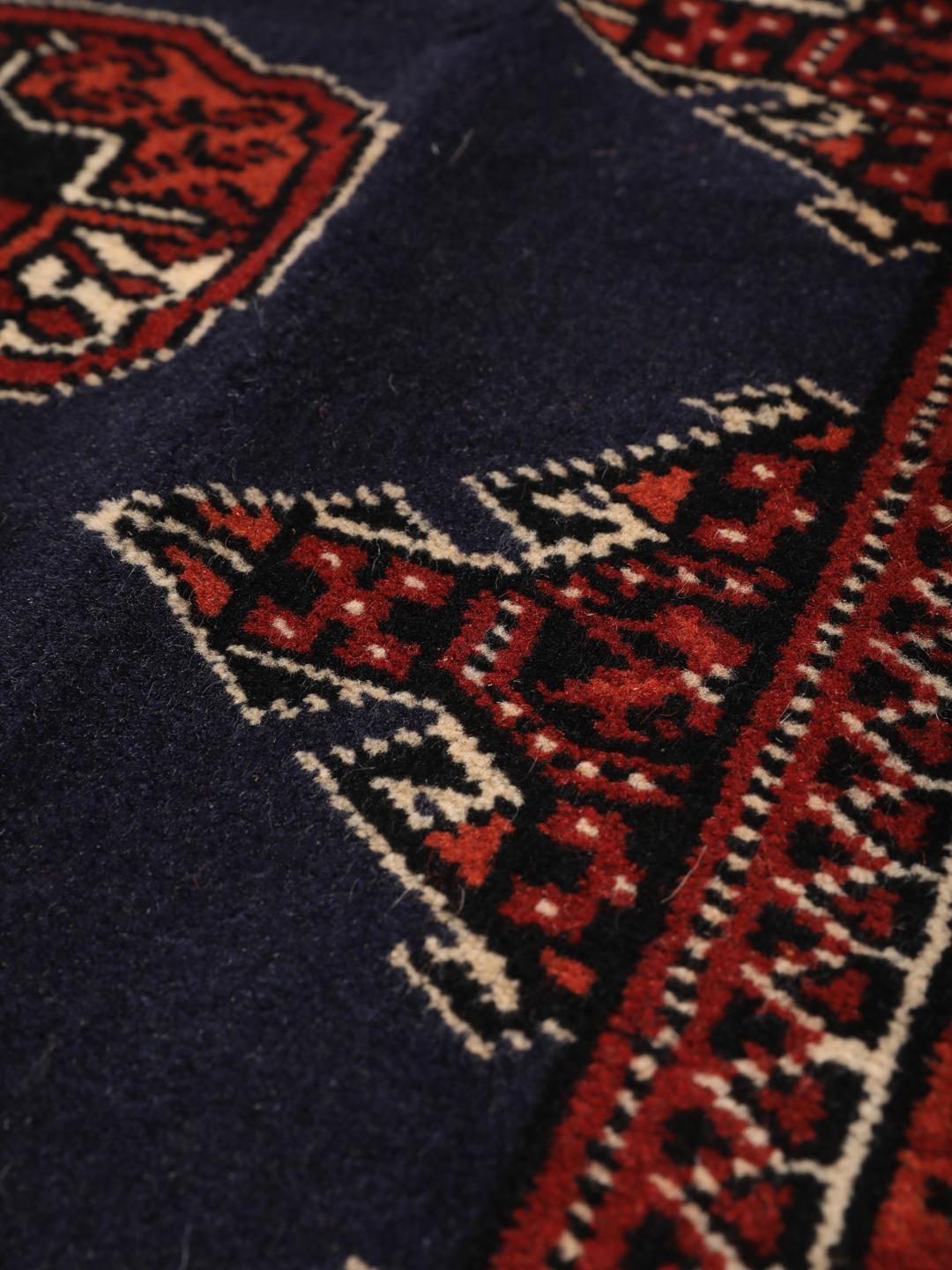
Visually, these rugs are celebrated for their signature 'gul' motifs—octagonal or geometric medallions that often repeat across the field. These patterns are typically framed by elaborate, symbolic borders that reflect the weaver's heritage and regional influences. The colour palette is traditionally focused on deep, earthy reds and blues, which derive their intensity from natural dyeing traditions that have been perfected over generations.
Owning a Turkaman rug is an opportunity to connect with a legacy of human skill and artistry. These pieces are highly valued by collectors and enthusiasts who appreciate the dedication required to produce such complex patterns by hand. By bringing one into your home, you are preserving a piece of cultural history and ensuring that the tradition of fine, handcrafted textiles continues to thrive in contemporary living spaces.