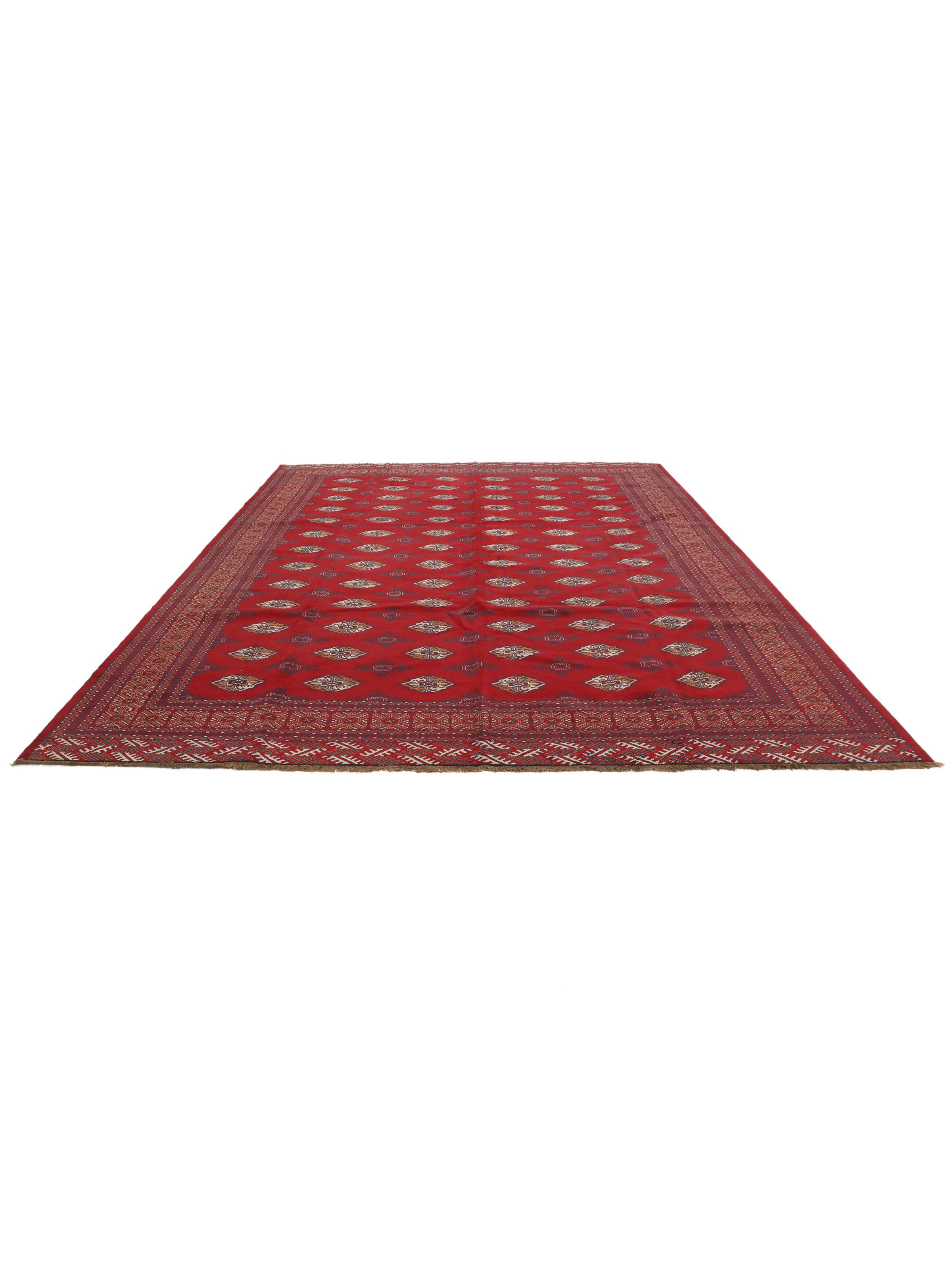
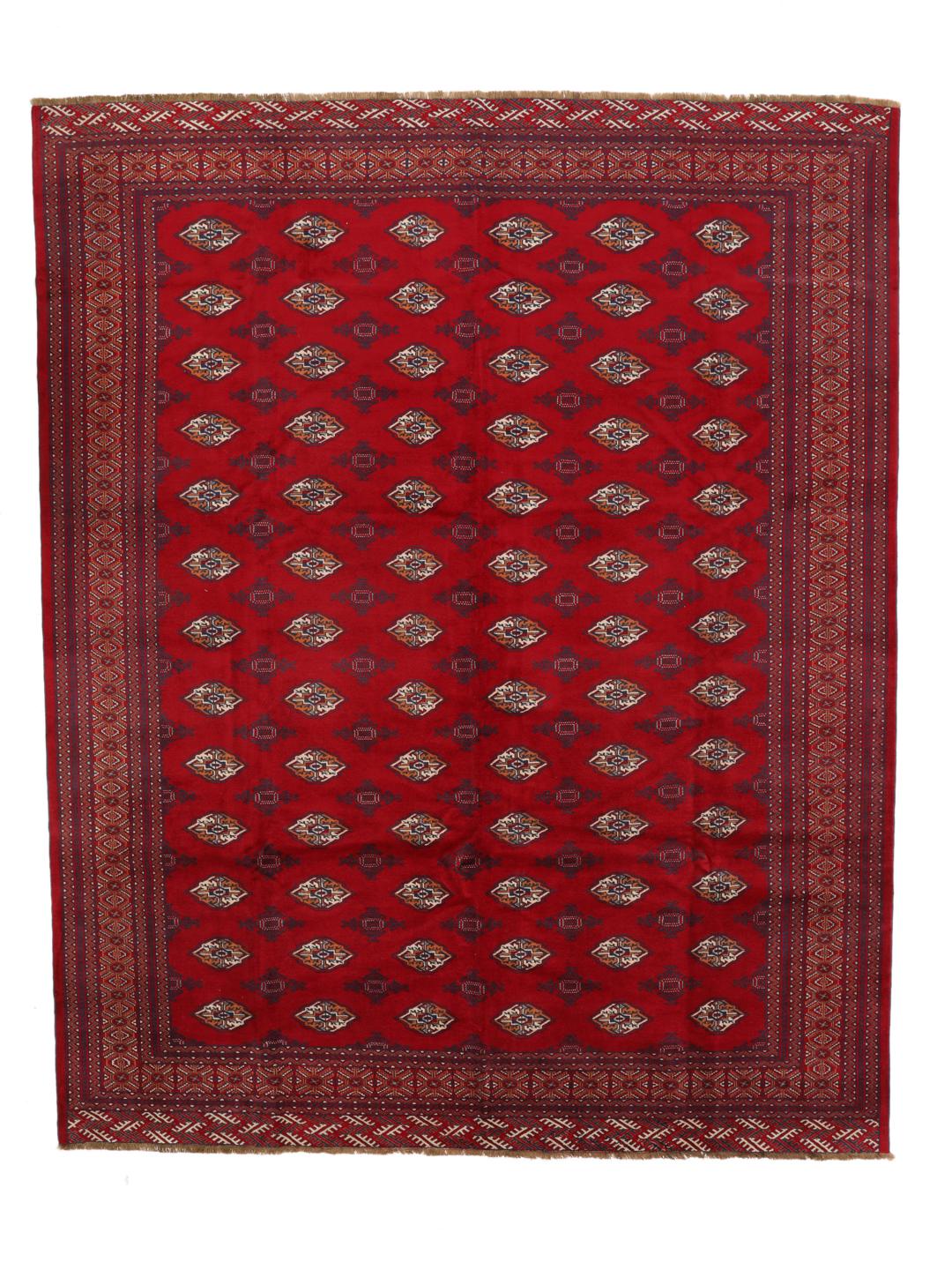
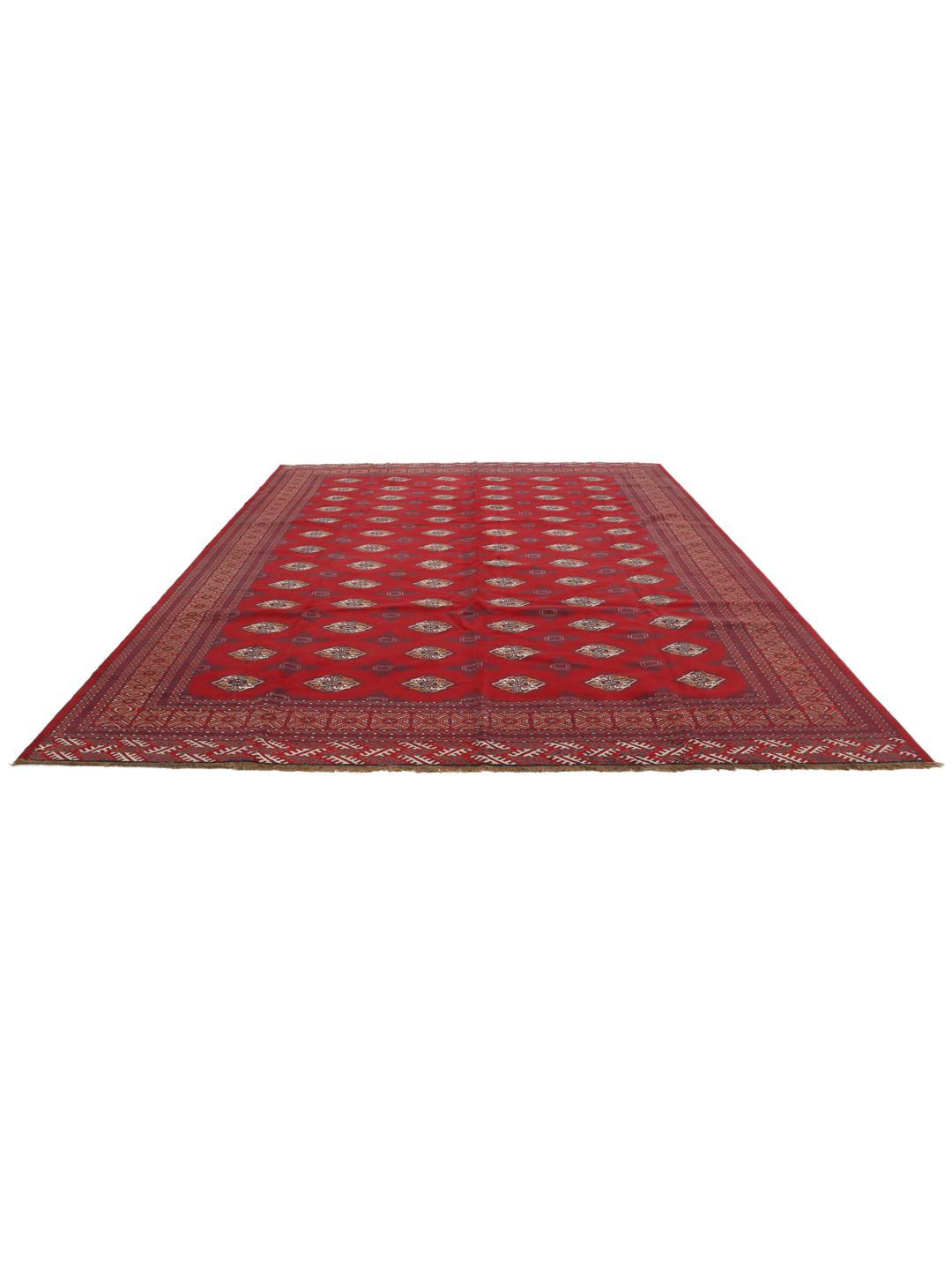
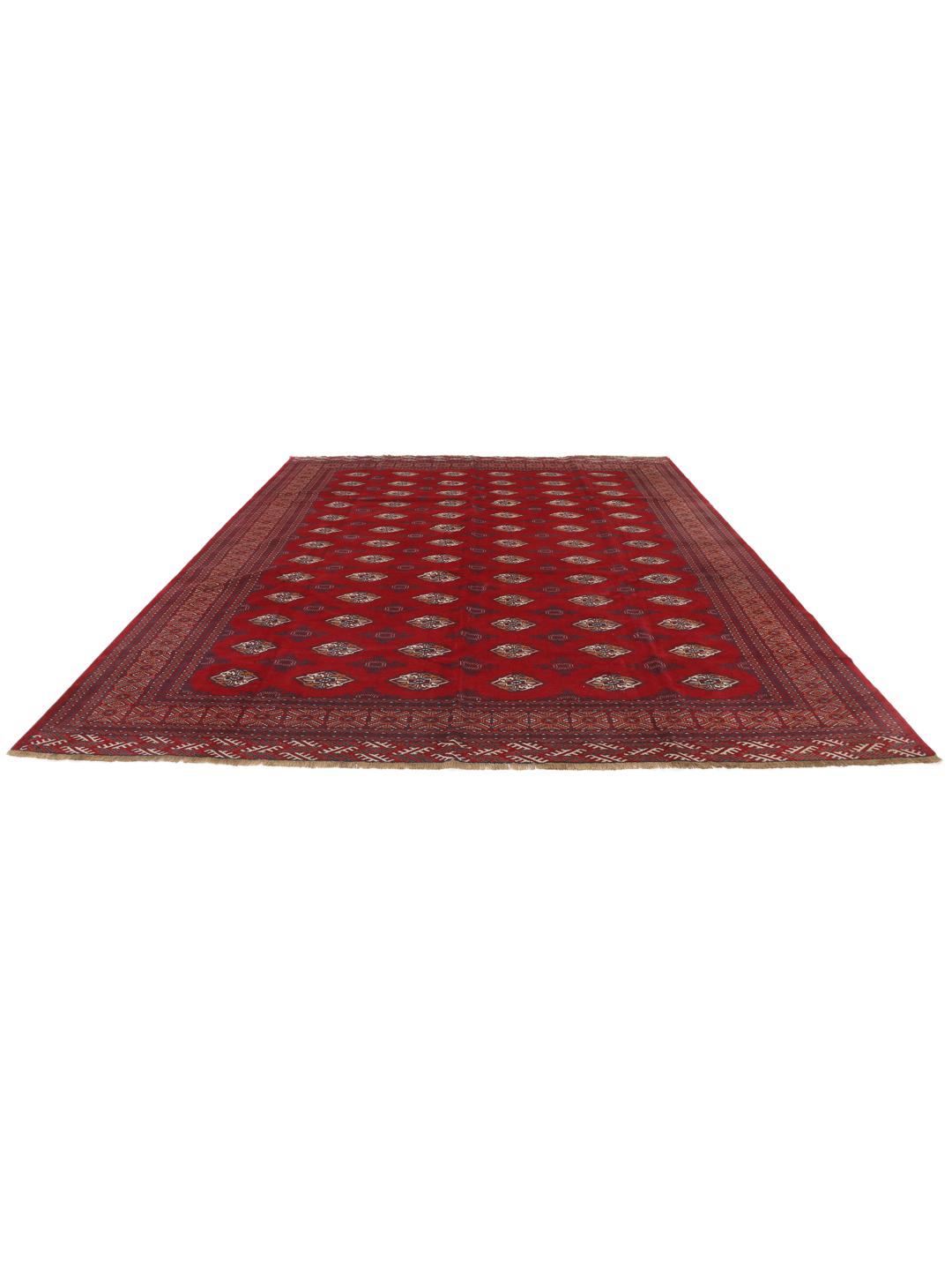
Turkaman rugs originate from the nomadic tribes of Central Asia and the Middle East, where they were traditionally crafted to serve as essential, portable furnishings for nomadic life. These rugs evolved through centuries of cultural exchange, with each tribe developing distinct motifs and colour palettes that identified their heritage. The Turkaman style is renowned for its durability and its ability to withstand the harsh conditions of desert life while remaining a beautiful hallmark of tribal identity.
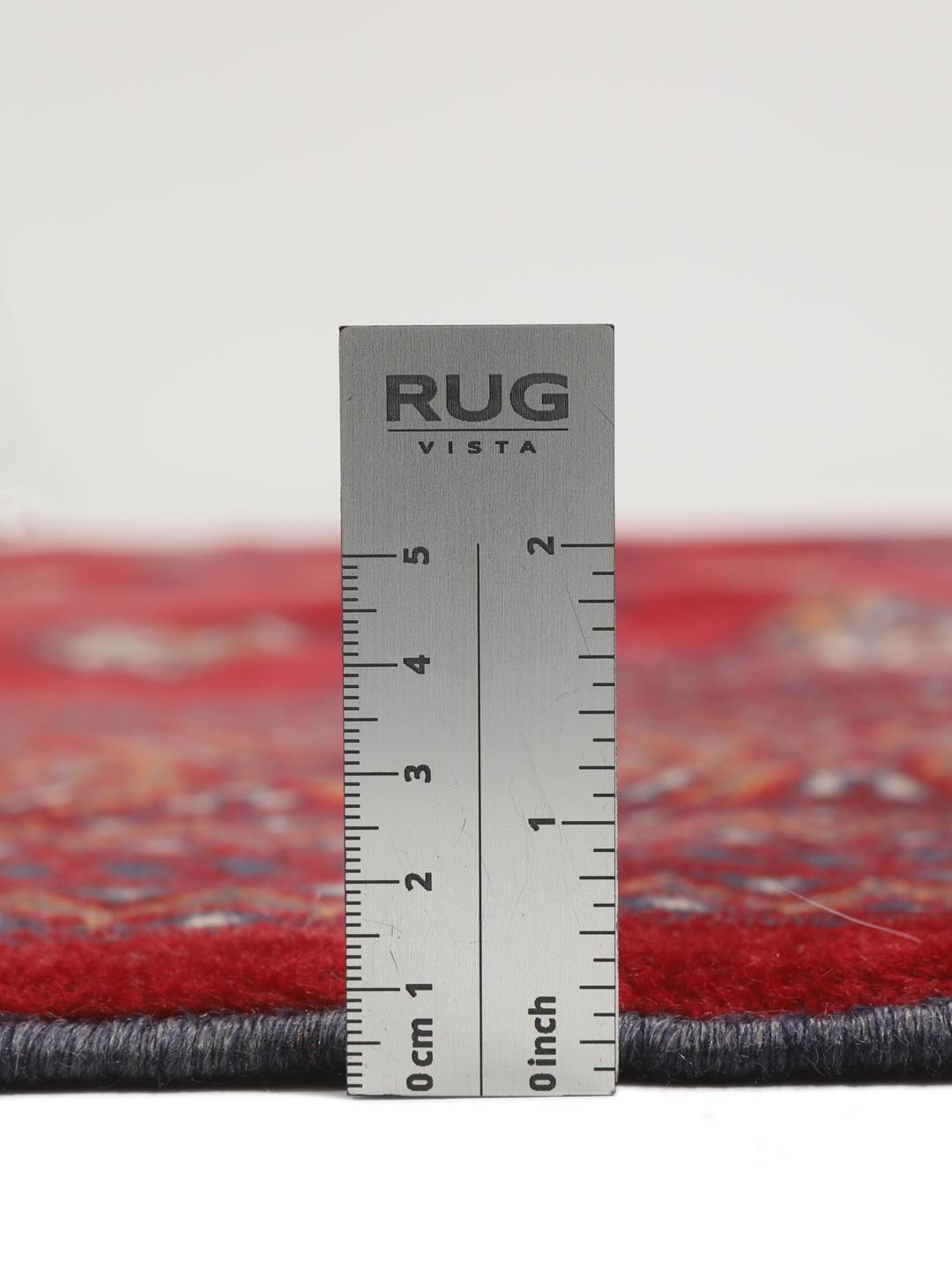
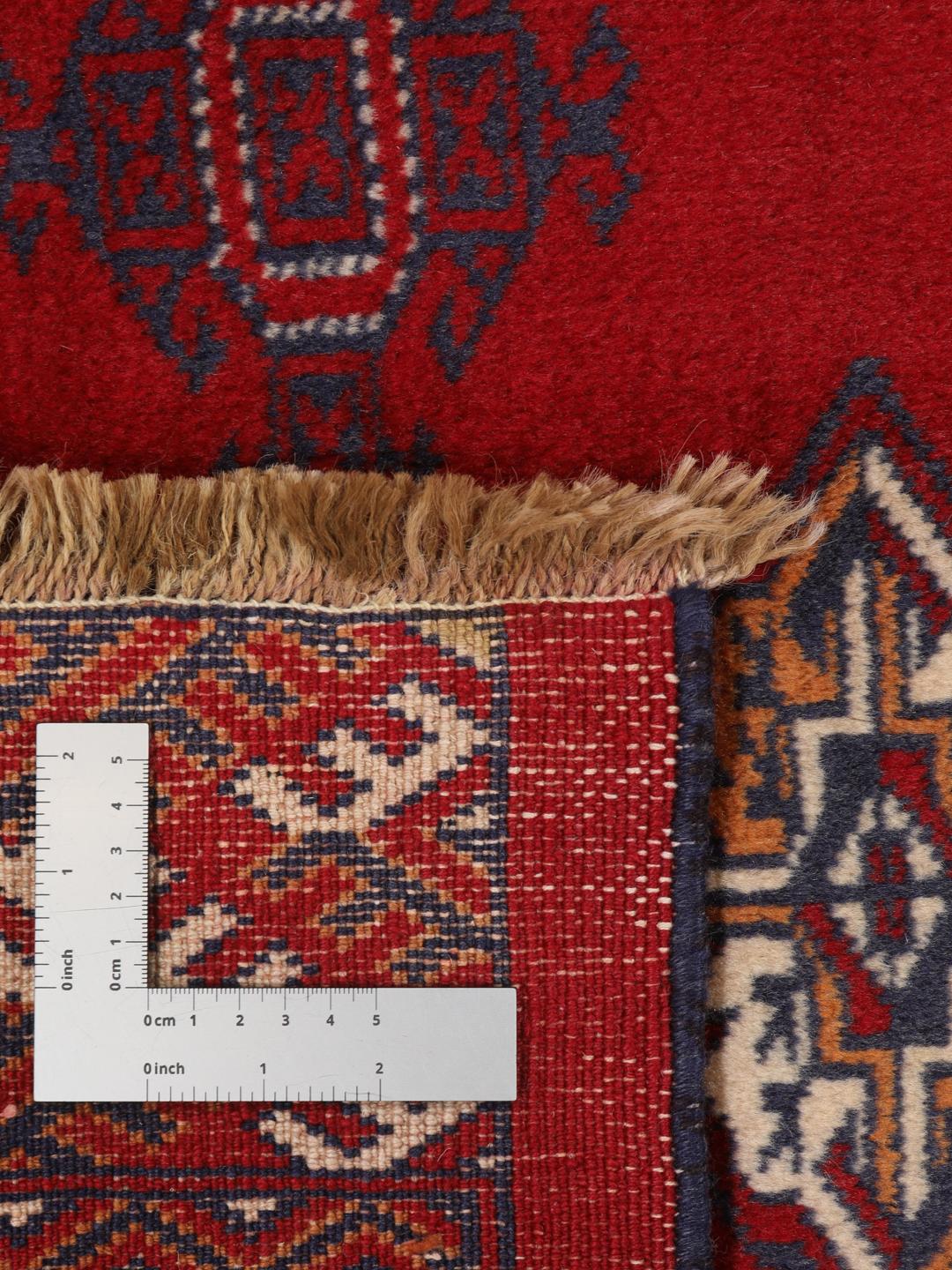
The term Turkaman refers to the specific weaving traditions characterised by their distinctive, often dark red backgrounds and repeating geometric patterns. These rugs are typically constructed using a symmetrical knot, which allows for a firm, upright pile that holds its shape and detail over time. This technical foundation is key to the longevity of the rug, as it creates a compact structure that prevents the pile from flattening easily, ensuring the pattern remains crisp for decades.
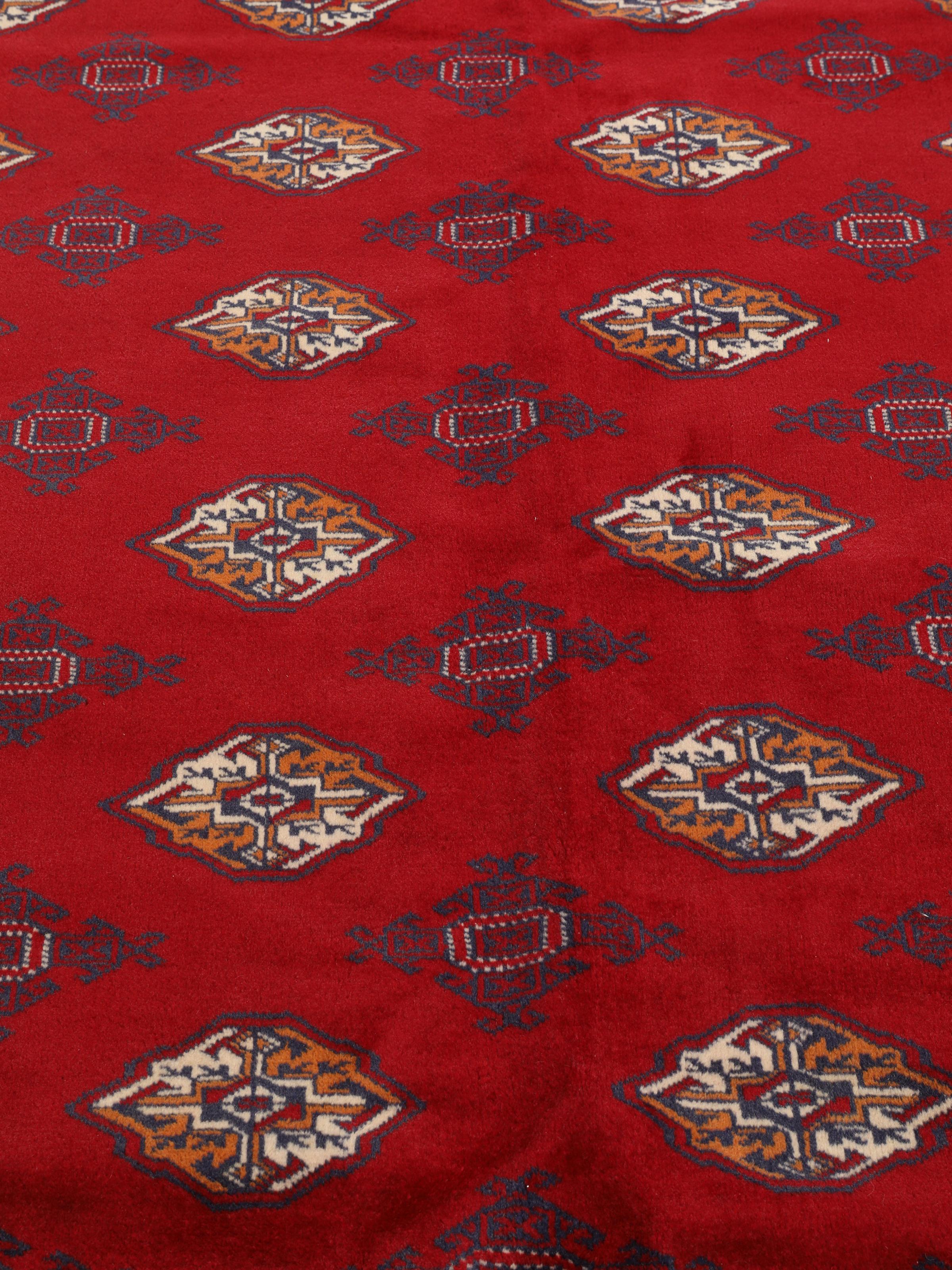
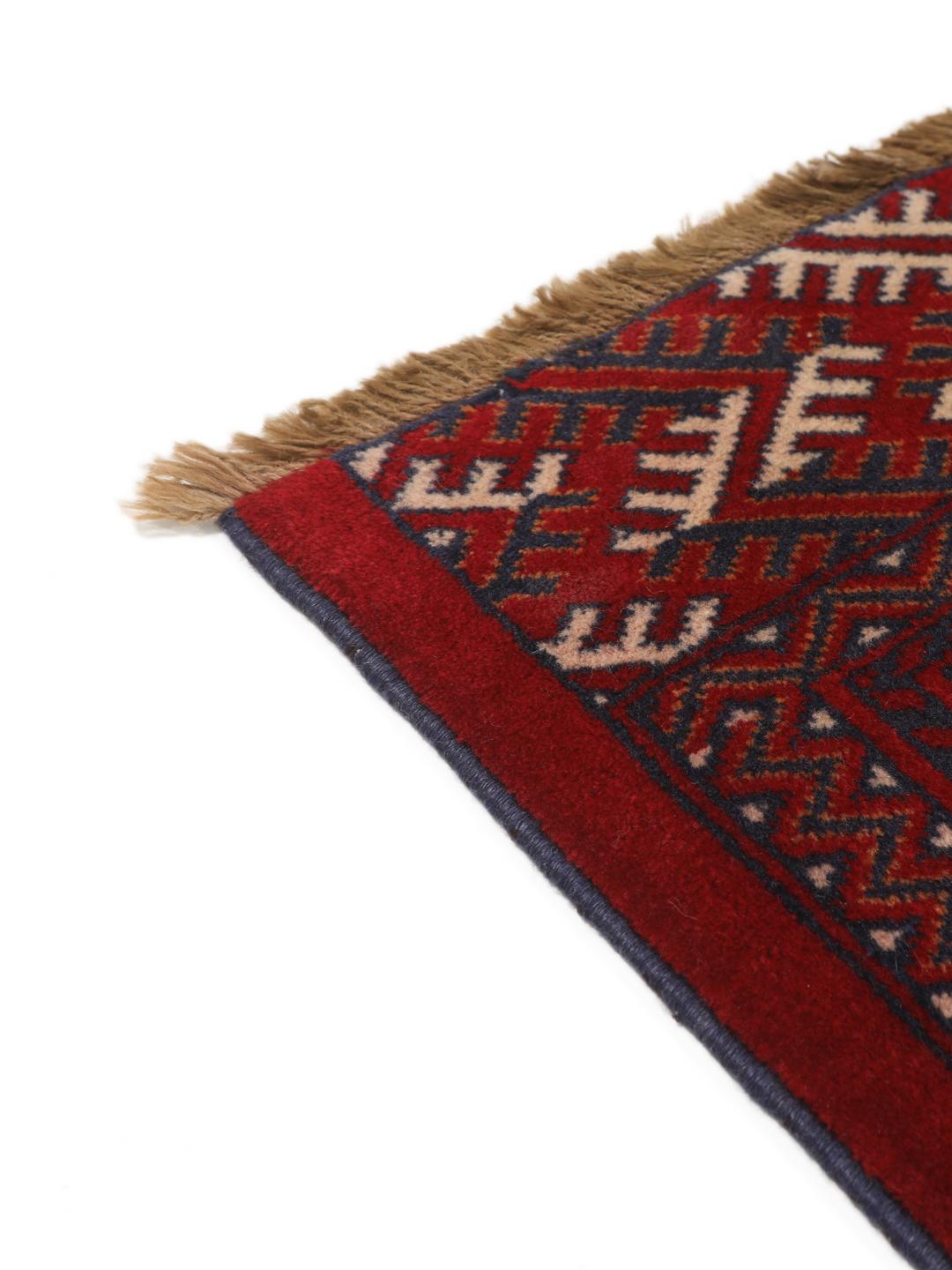
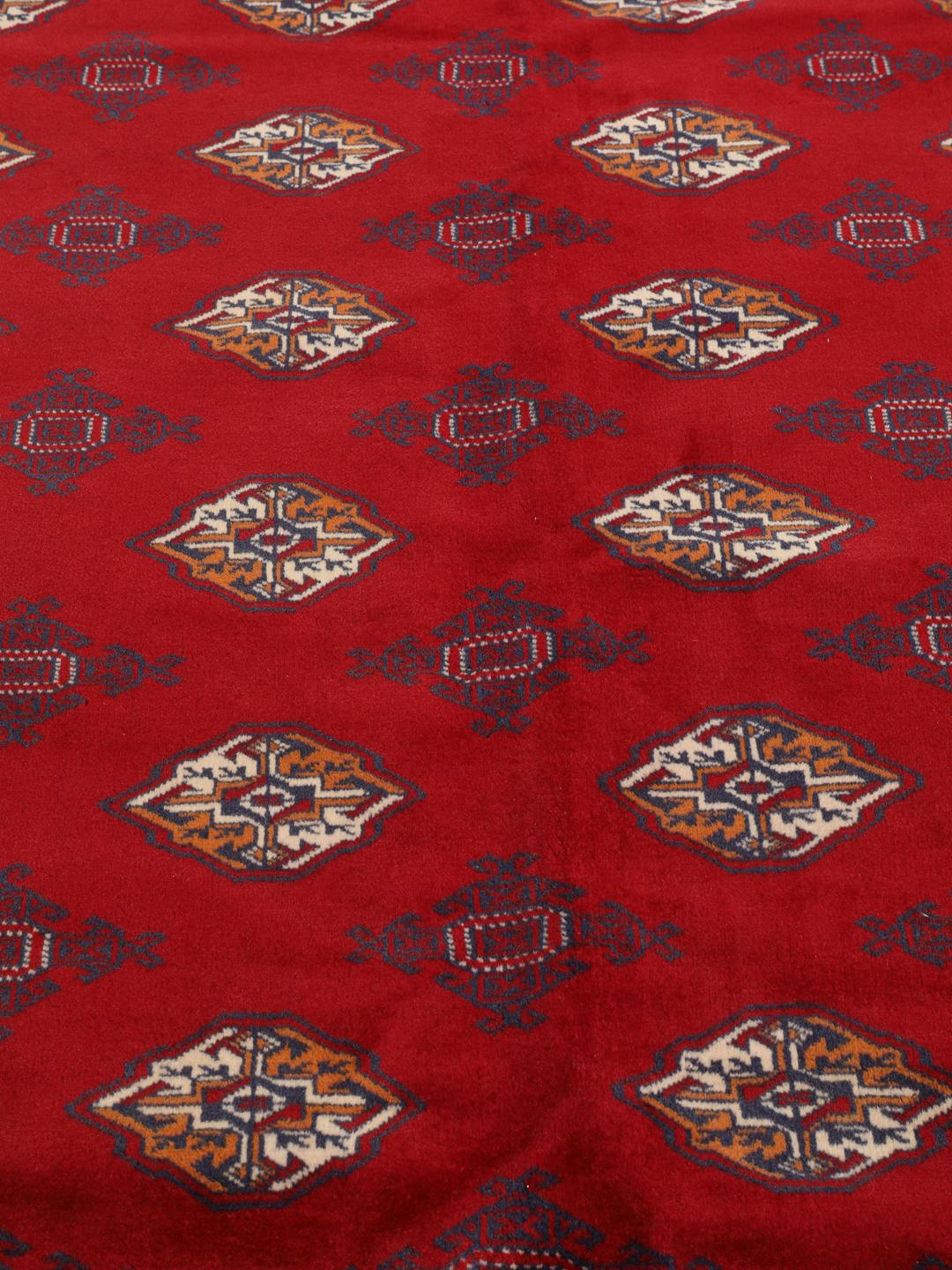
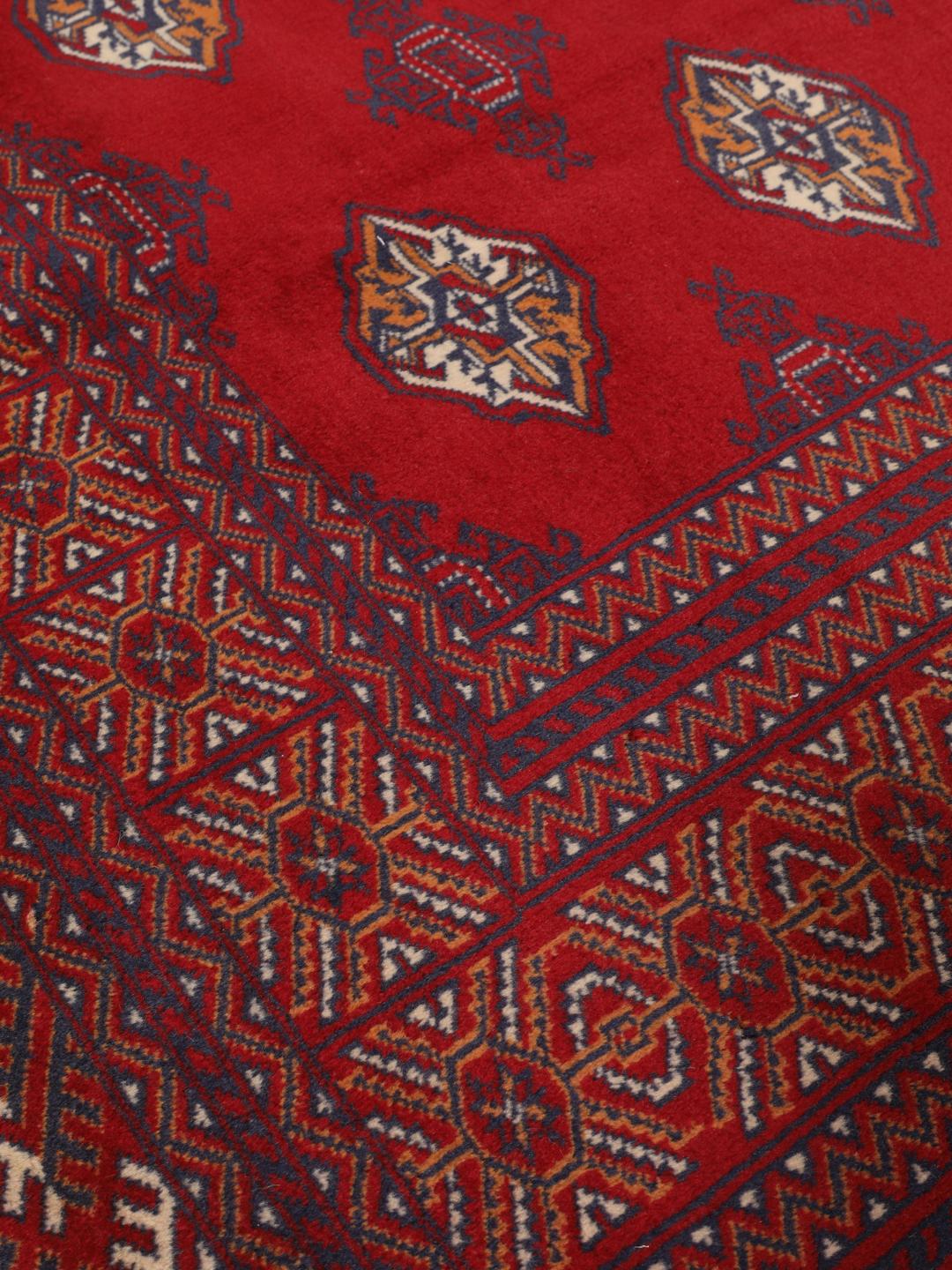
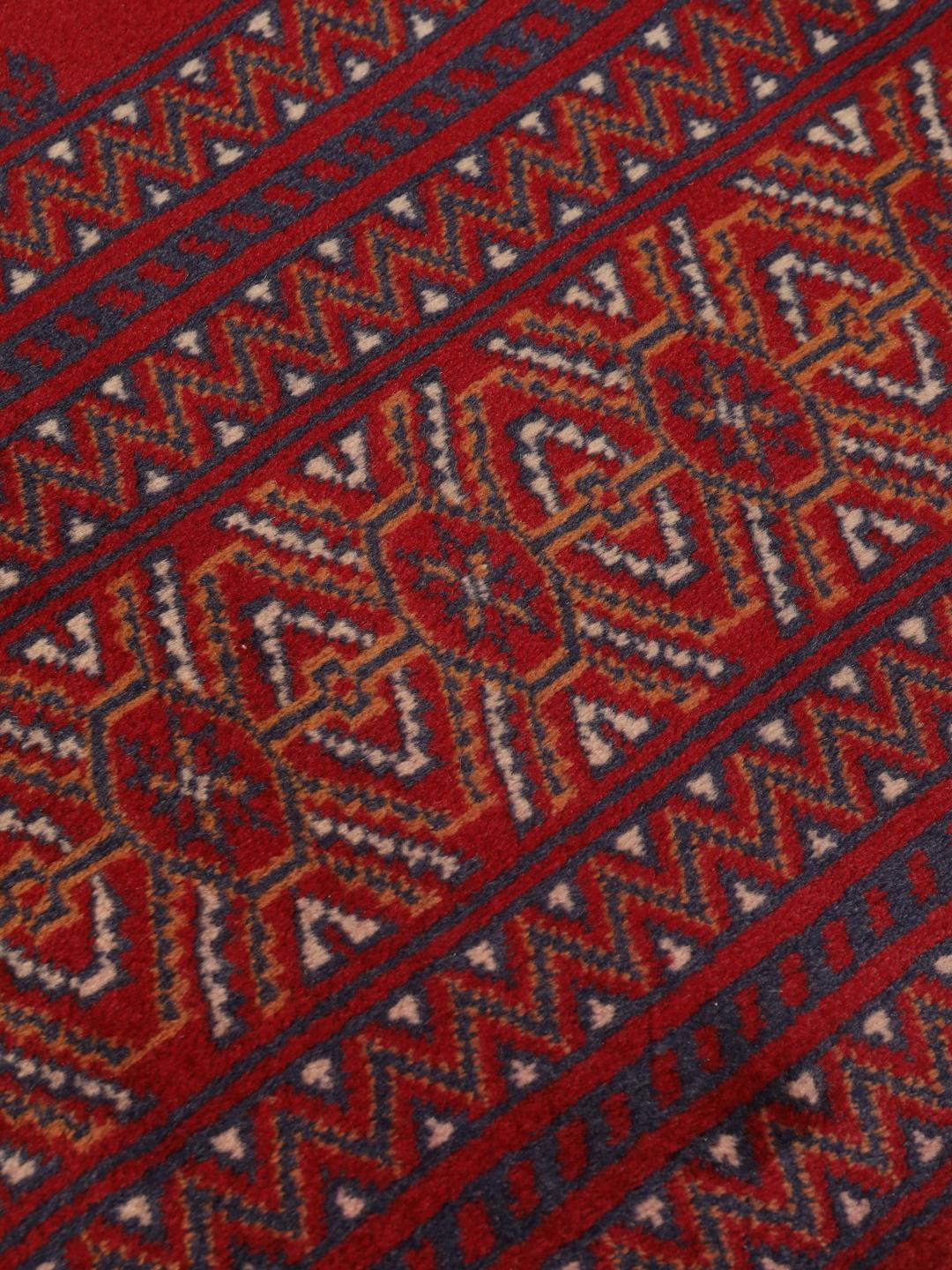
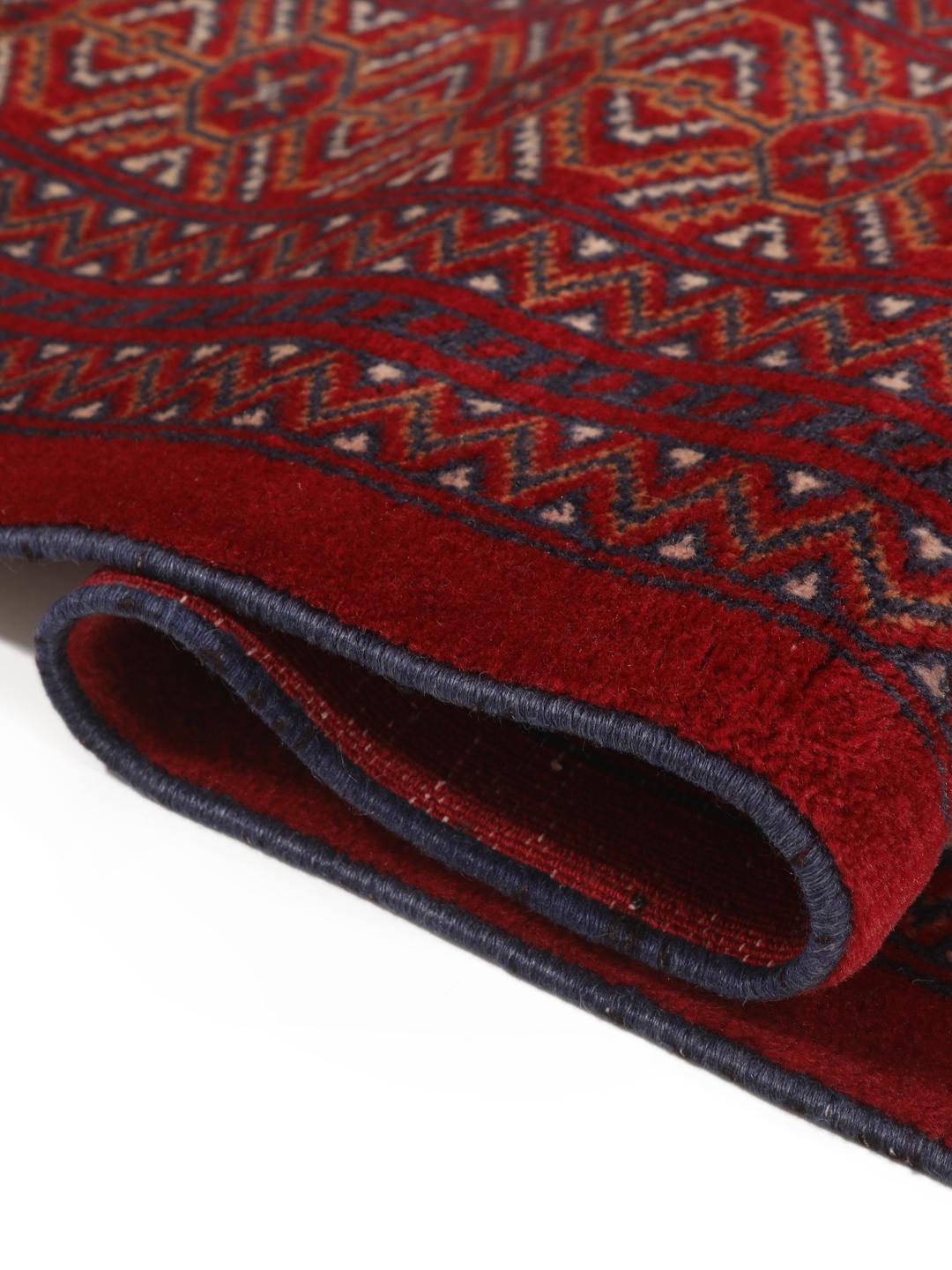
The visual language of a Turkaman rug is defined by the recurring 'gul' motif, which is a stylised, octagonal emblem that represents the tribe's history and family lineage. These medallions are usually arranged in a formal, grid-like repeat, enclosed by elaborate, multi-layered borders that often feature intricate latch-hook or serrated patterns. The deep, rich red tones are traditionally derived from natural madder root dyes, giving the rugs an earthy, vibrant character that has become synonymous with the style.
Owning a Turkaman rug is an investment in a storied craft tradition that values patience, skill, and heritage. These pieces are highly sought after by collectors for their consistency in design and their ability to anchor a room with a sense of gravity and history. Beyond their decorative value, they represent a connection to a nomadic past, serving as a reminder of the human effort required to transform raw, natural materials into a lasting, beautiful object for the home.