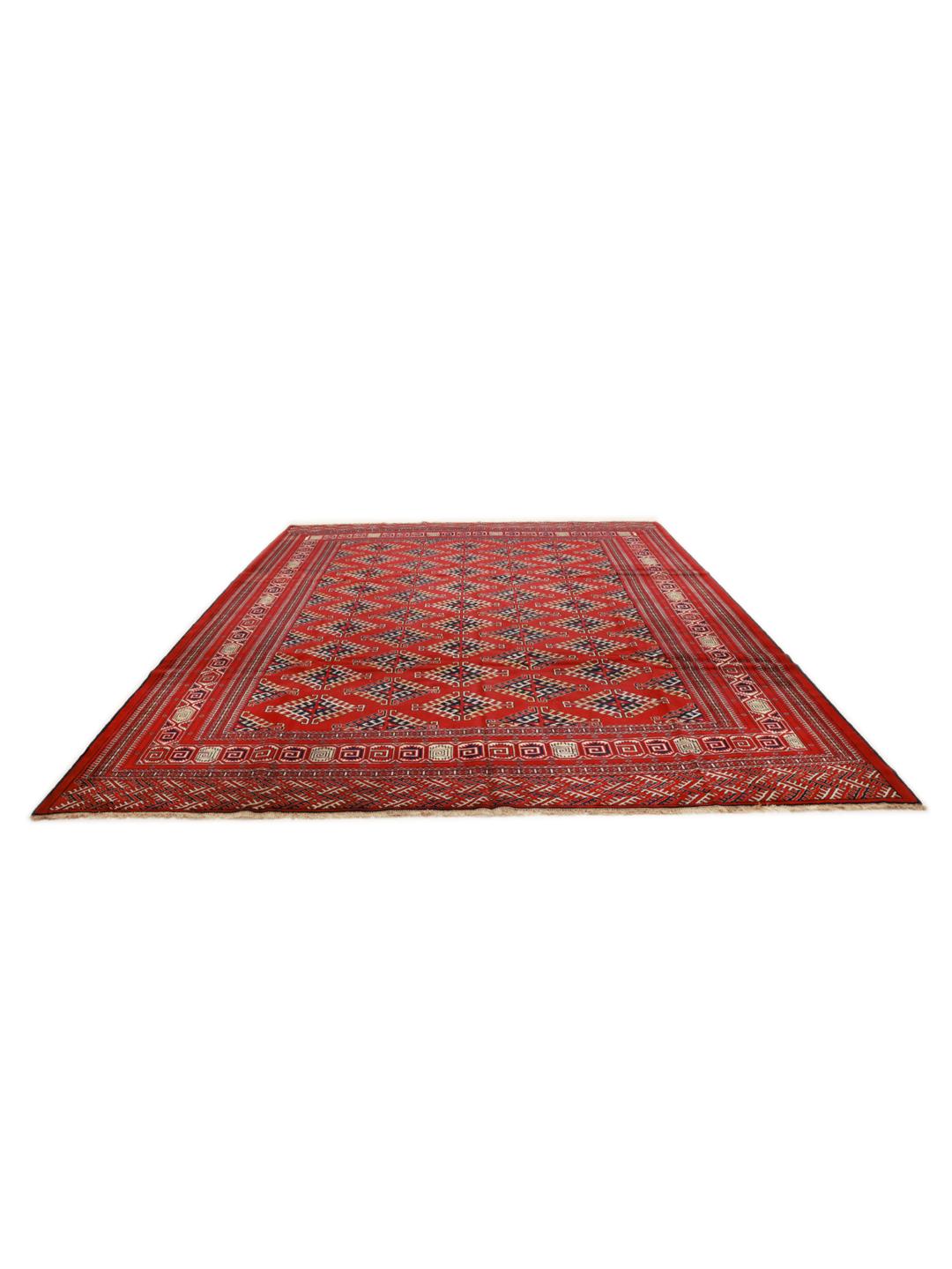
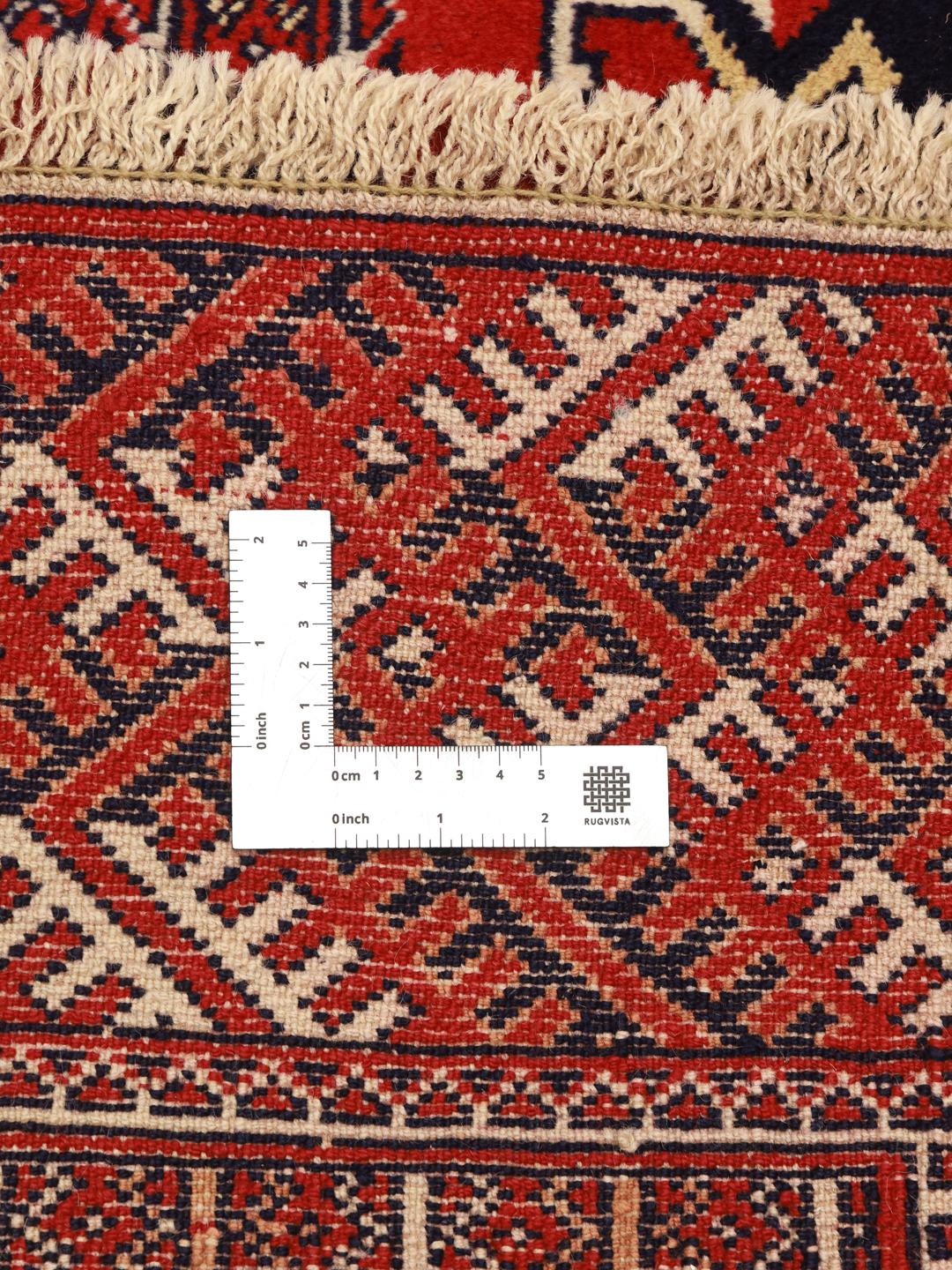
The Turkaman rug tradition finds its roots in the nomadic tribes of Central Asia, where the art of weaving was essential for creating durable, portable floor coverings and tent decorations. Over time, these weaving techniques migrated and evolved, eventually finding a vibrant home in the Middle East. This cross-cultural exchange has allowed the Turkaman style to develop into one of the most recognisable and respected traditions in the world of textiles.
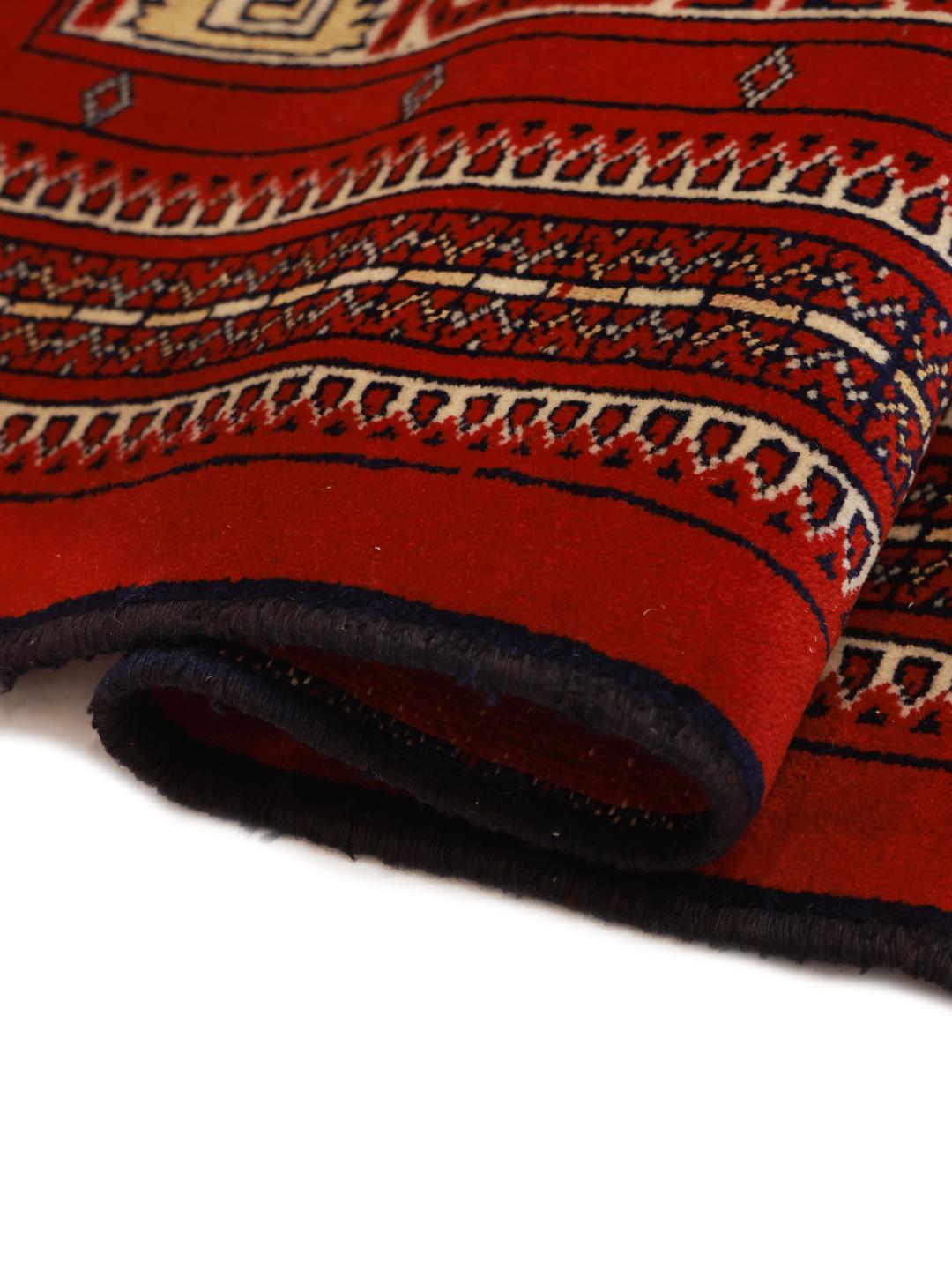
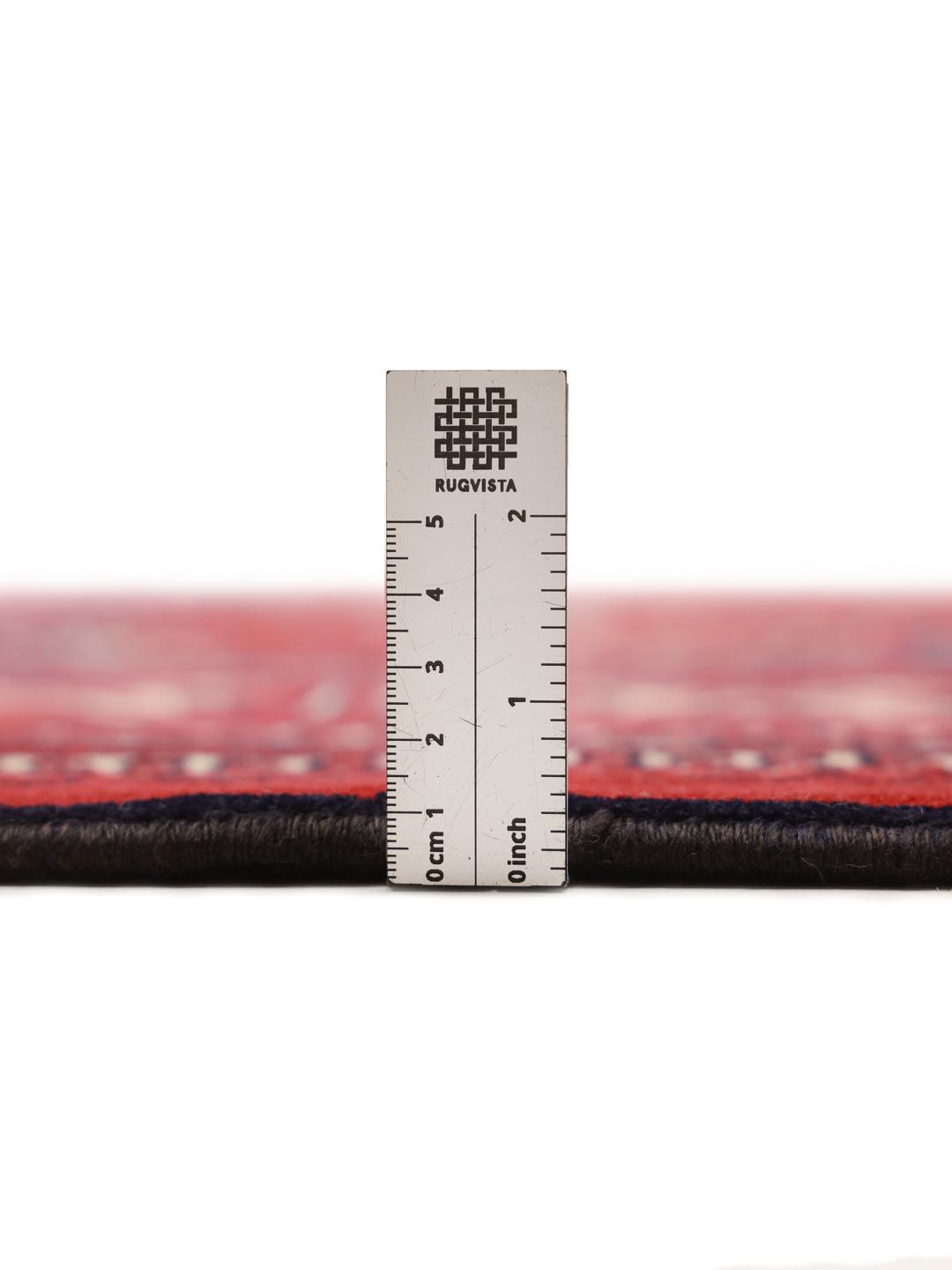
The term Turkaman refers to a specific design language characterised by its deep, saturated colour palettes and repeating geometric motifs. These rugs are typically constructed with a sturdy foundation, which ensures the stability of the pile. The use of high-quality wool in the pile is a hallmark of this tradition, chosen for its natural lustre, resilience, and ability to hold deep, rich dyes that age gracefully over time.
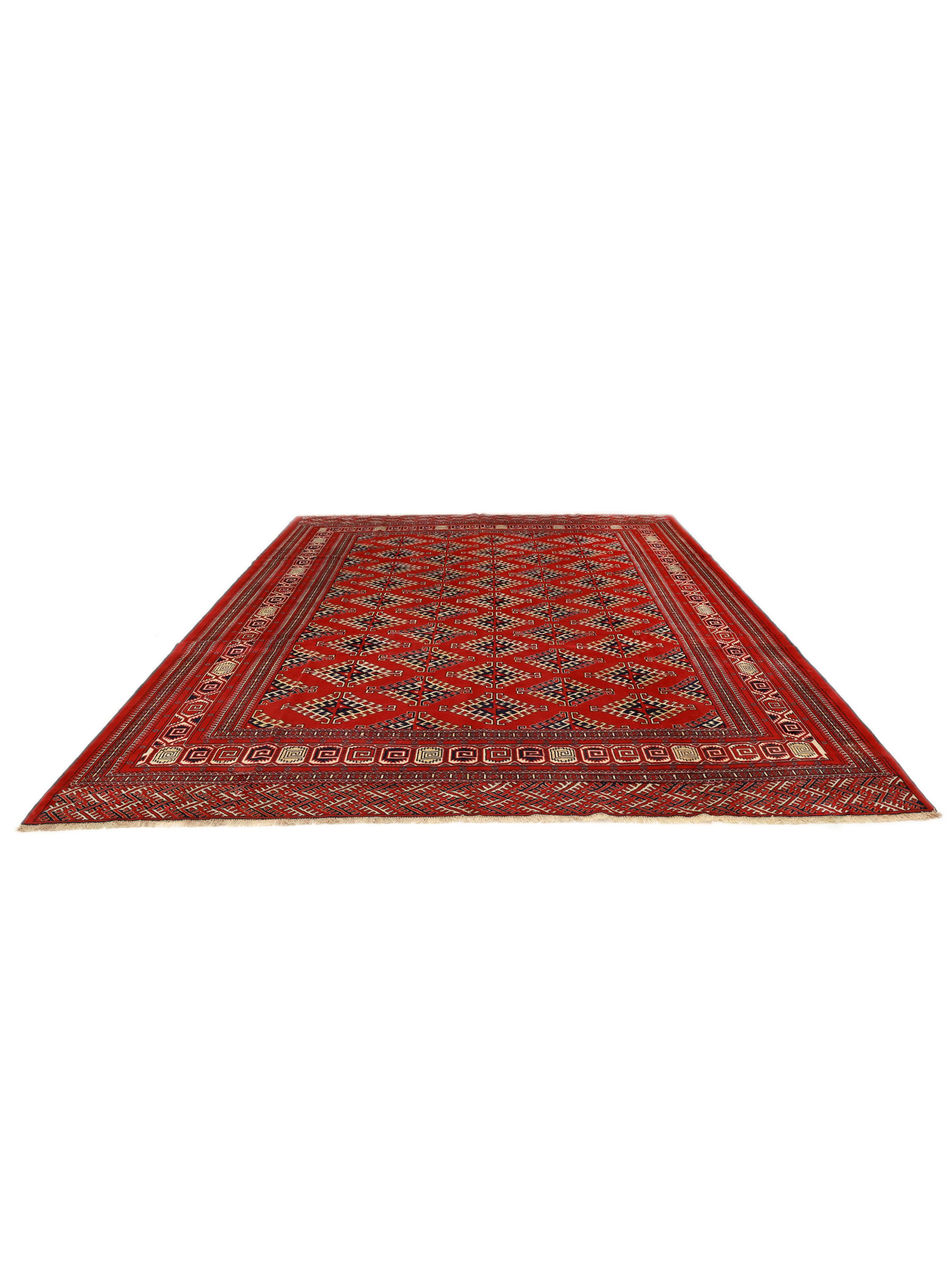
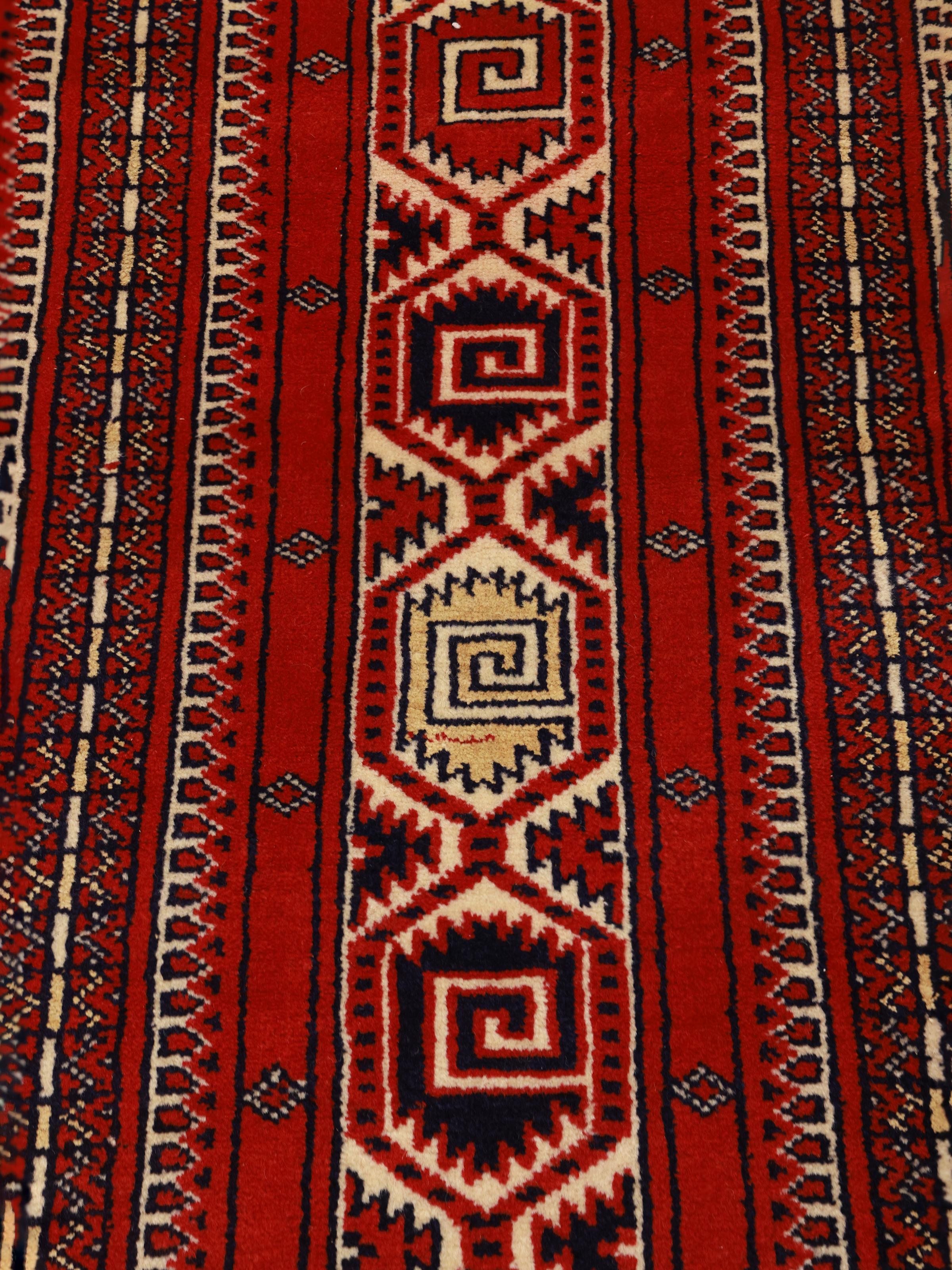
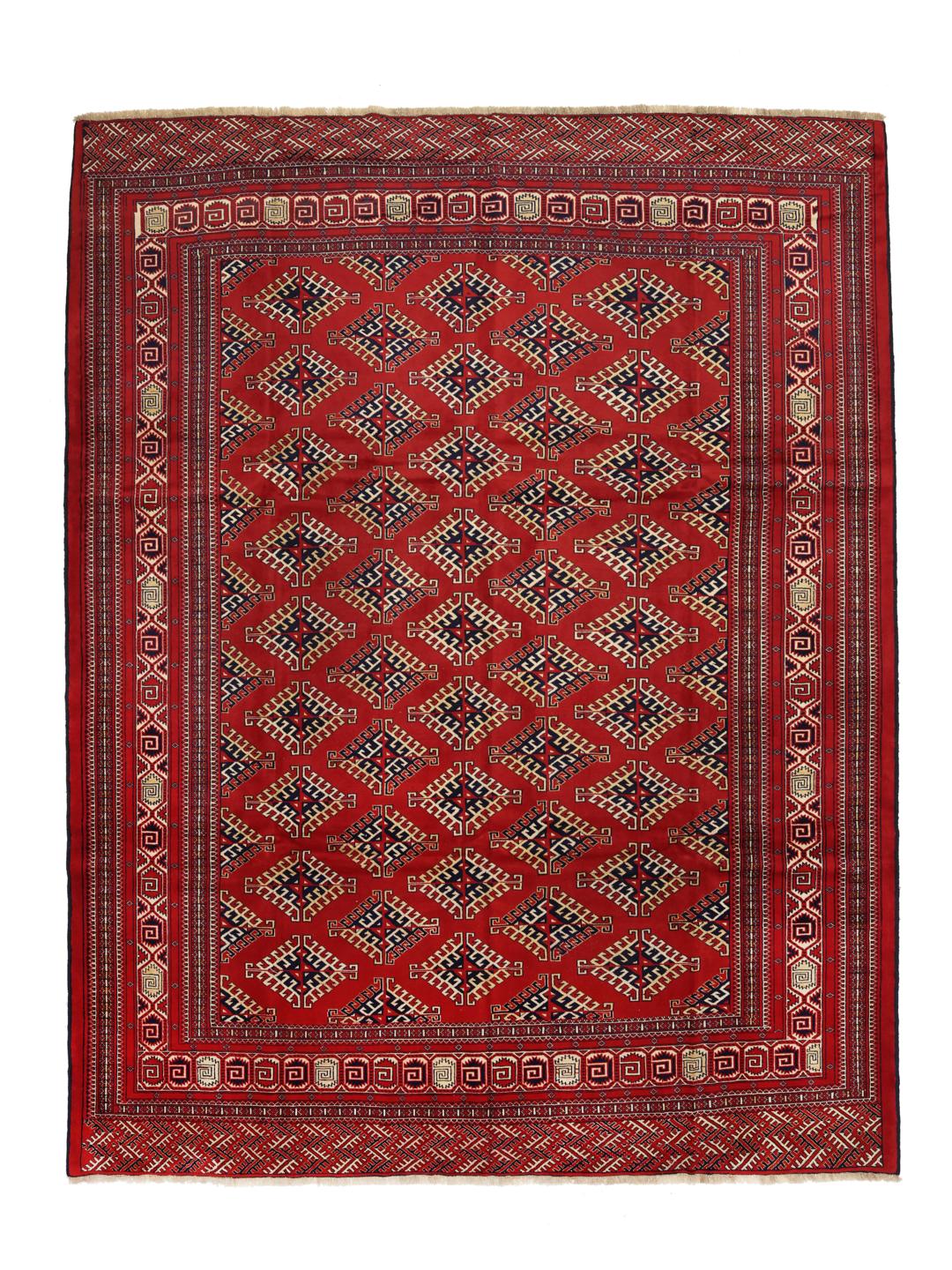
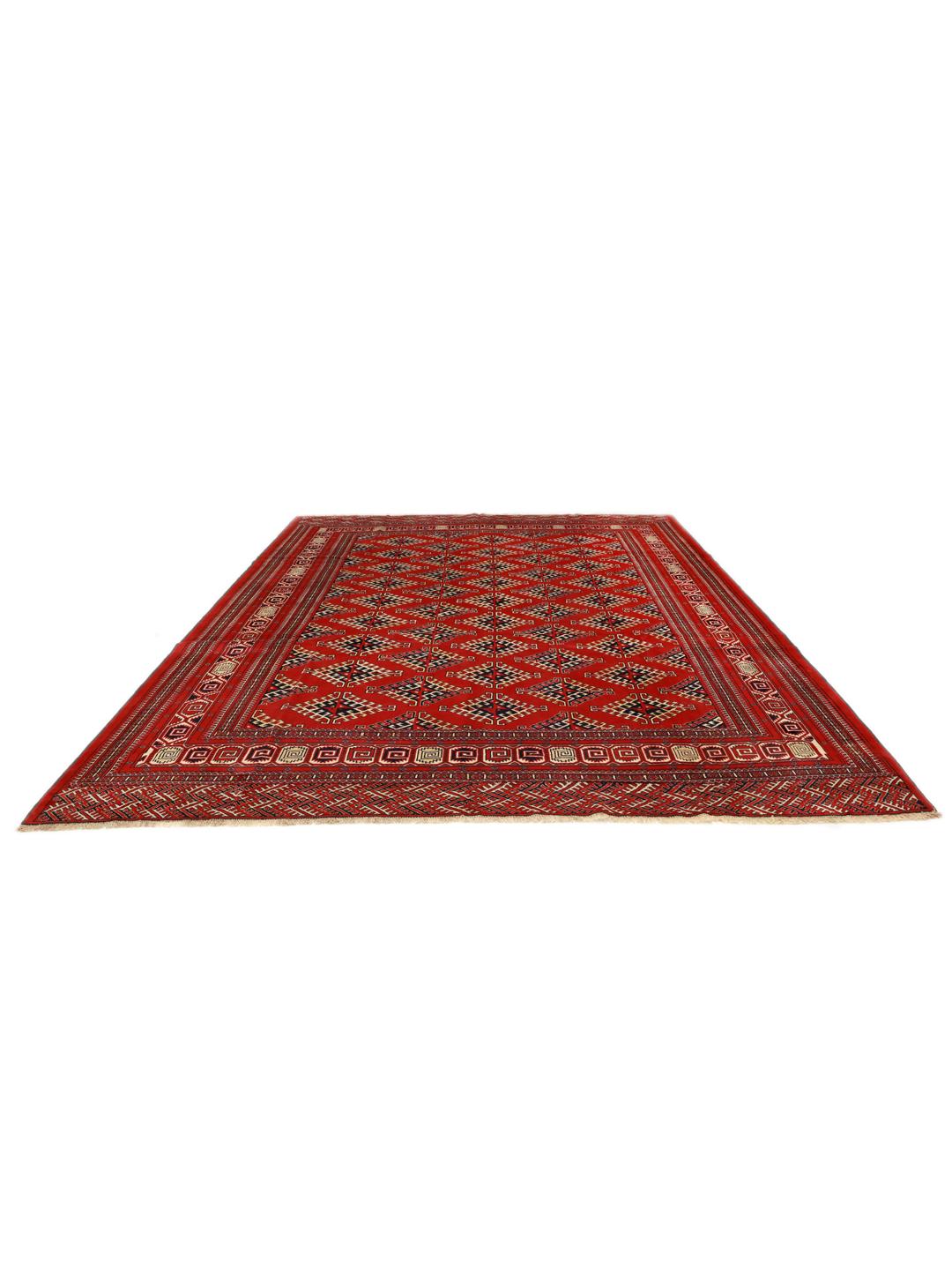
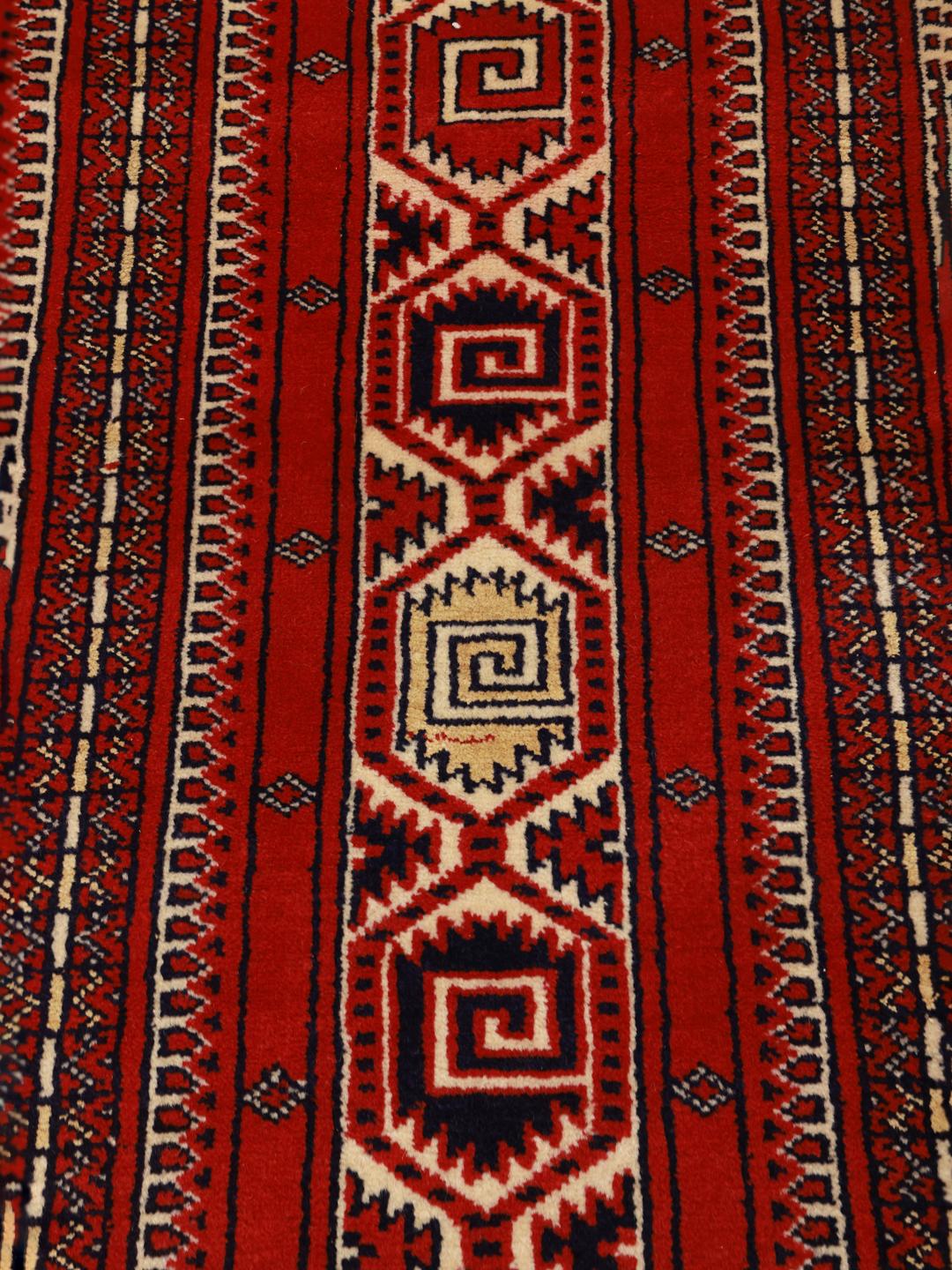
Visually, these rugs are often defined by the use of guls—elaborate, repeating medallions that draw inspiration from tribal history and local flora. The borders are frequently just as detailed as the centre, often featuring geometric frames that act as a visual boundary for the main design. The precision of these patterns is a reflection of the weaver's skill, requiring a deep understanding of symmetry and proportion to execute correctly.
Collectors value Turkaman rugs not only for their striking beauty but also for the cultural weight they carry. Owning a piece from this tradition is an opportunity to connect with a history of craftsmanship that has been passed down through generations. These rugs are seen as enduring investments, appreciated for their ability to bring a sense of heritage and refined, traditional style into a modern home.