The Turkaman rug tradition originates from the nomadic and semi-nomadic tribes of Central Asia and the broader Middle Eastern region. Historically, these rugs were woven by tribal women who translated their cultural identity, family history, and regional landscapes into intricate geometric patterns. Over centuries, these traditions migrated and evolved, with the finest contemporary examples being produced in various centres across the Middle East.
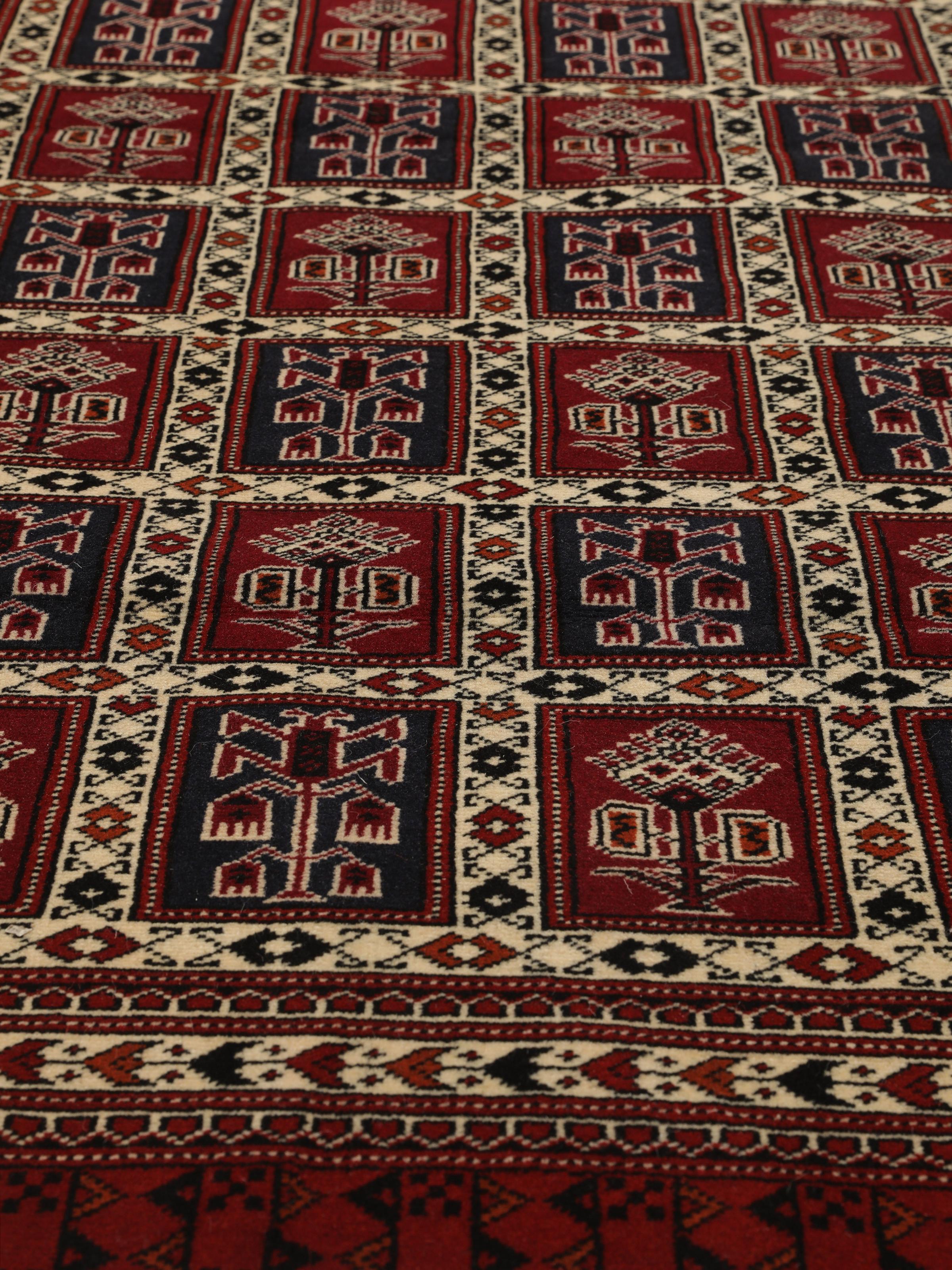
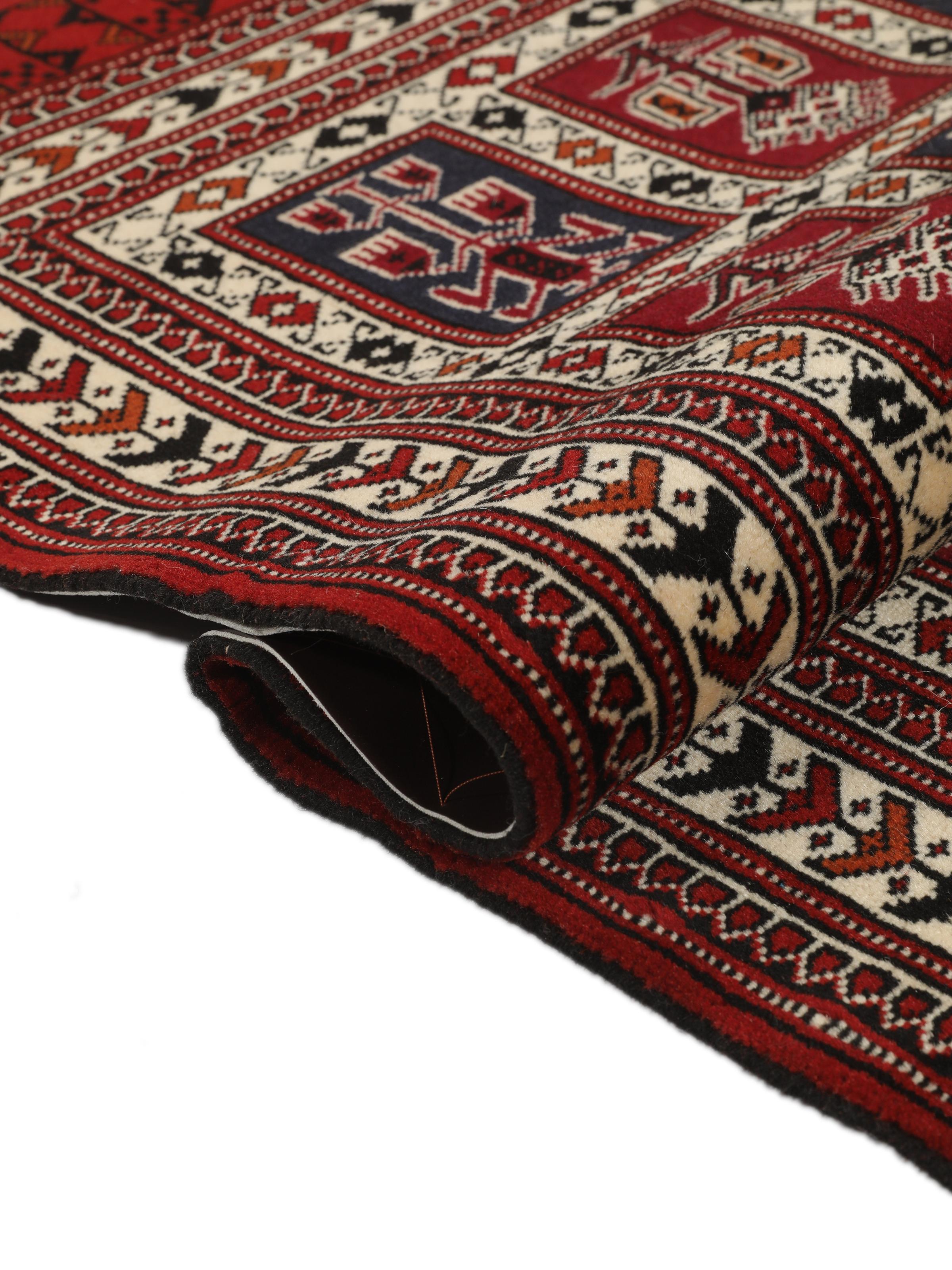
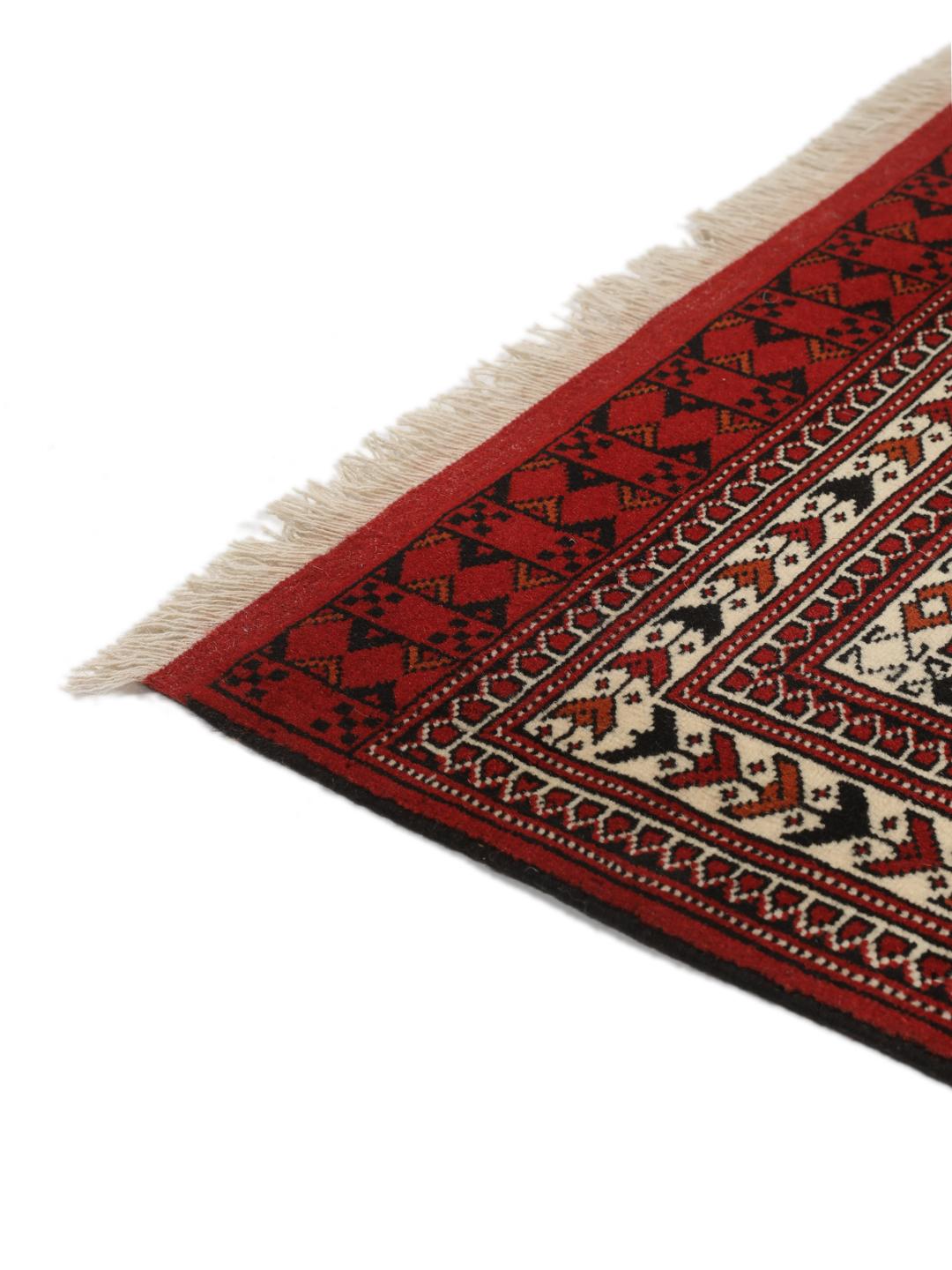
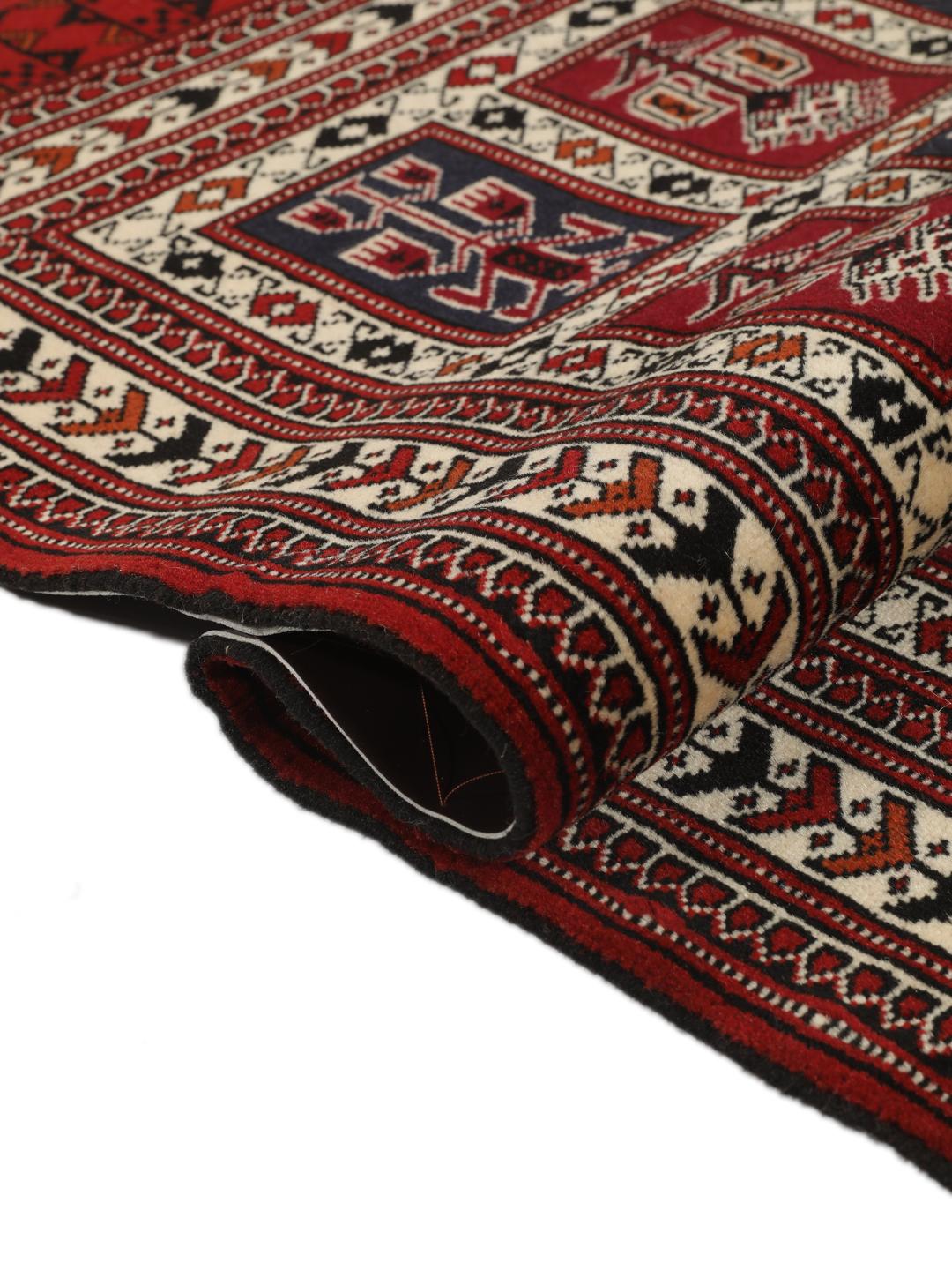
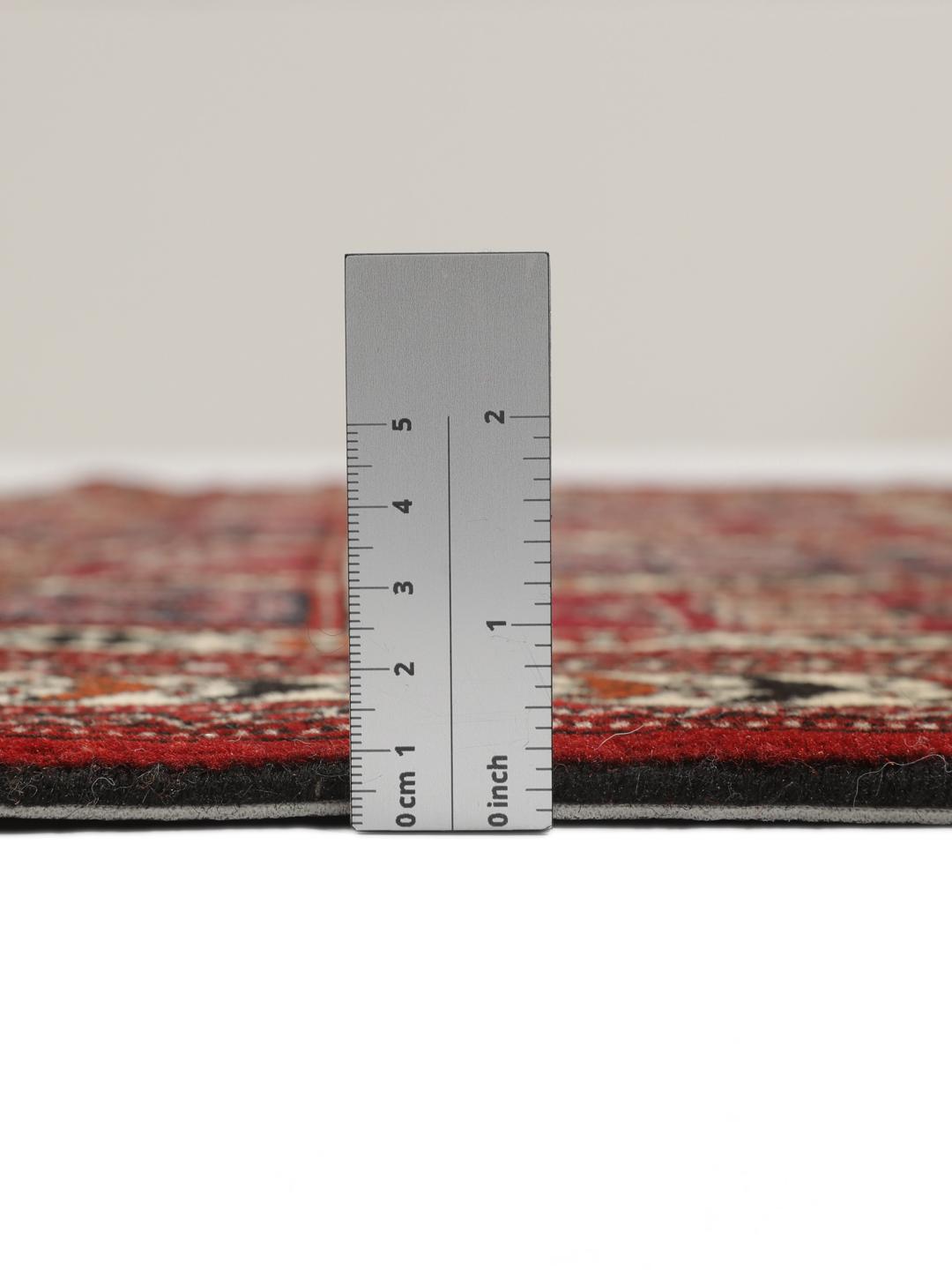
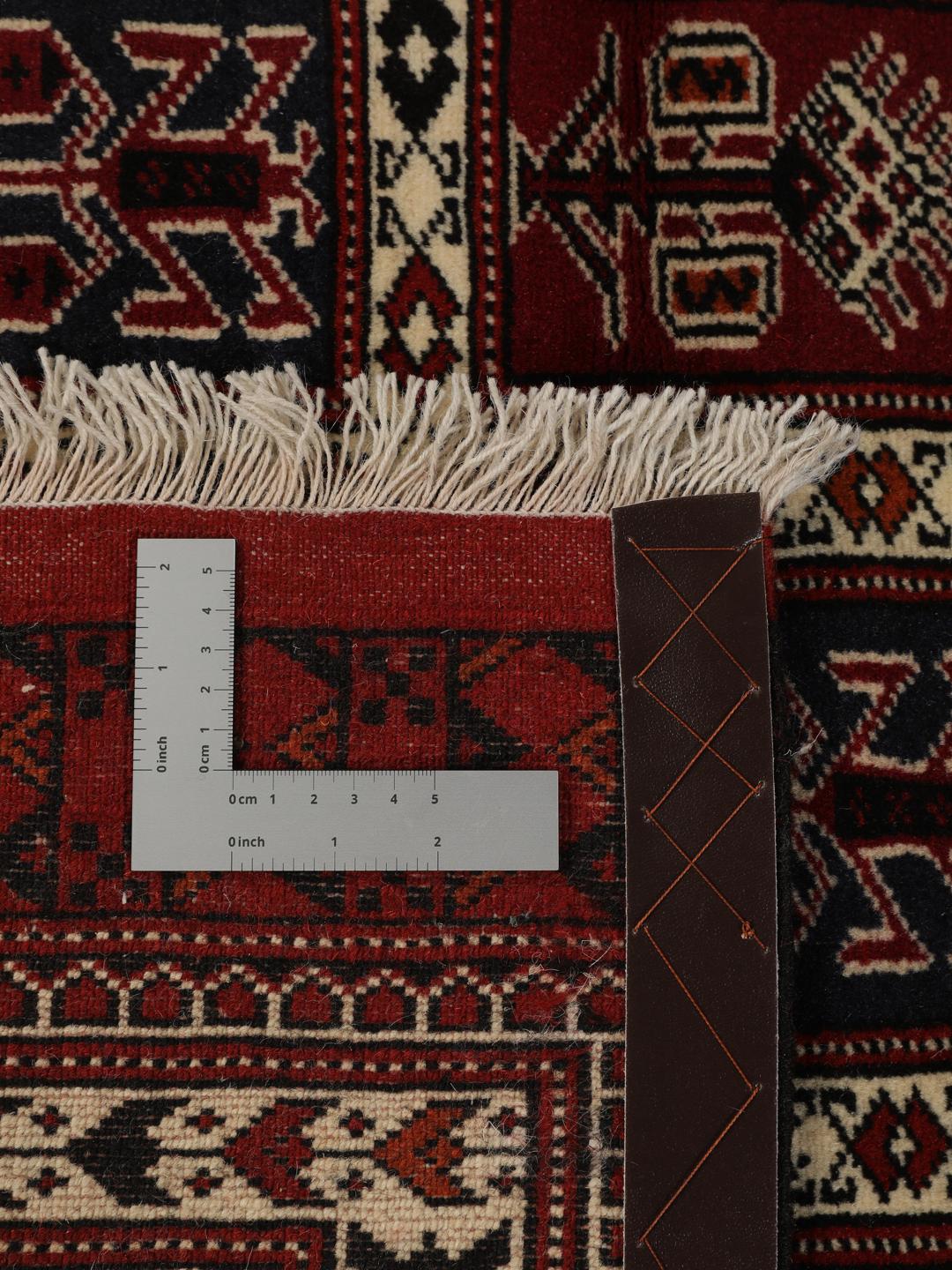
Understanding the construction of a Turkaman rug reveals the deep expertise involved in its creation. These pieces are known for their dense, resilient pile and a structural foundation that ensures longevity. The specific techniques used in the weaving process create a tight, uniform surface that protects the wool fibres from wear, making these rugs highly valued for their ability to withstand the demands of daily use while maintaining their visual clarity.
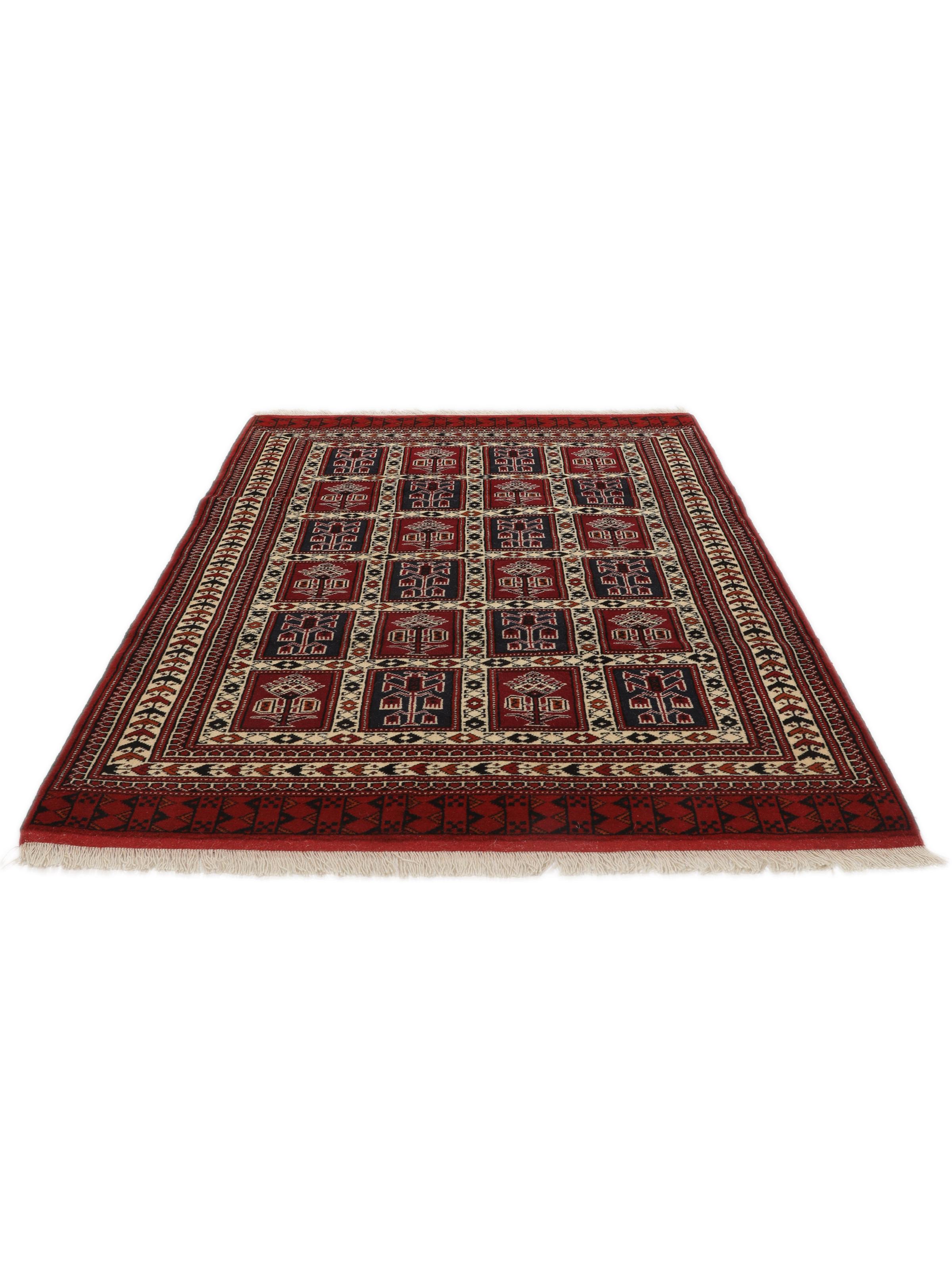
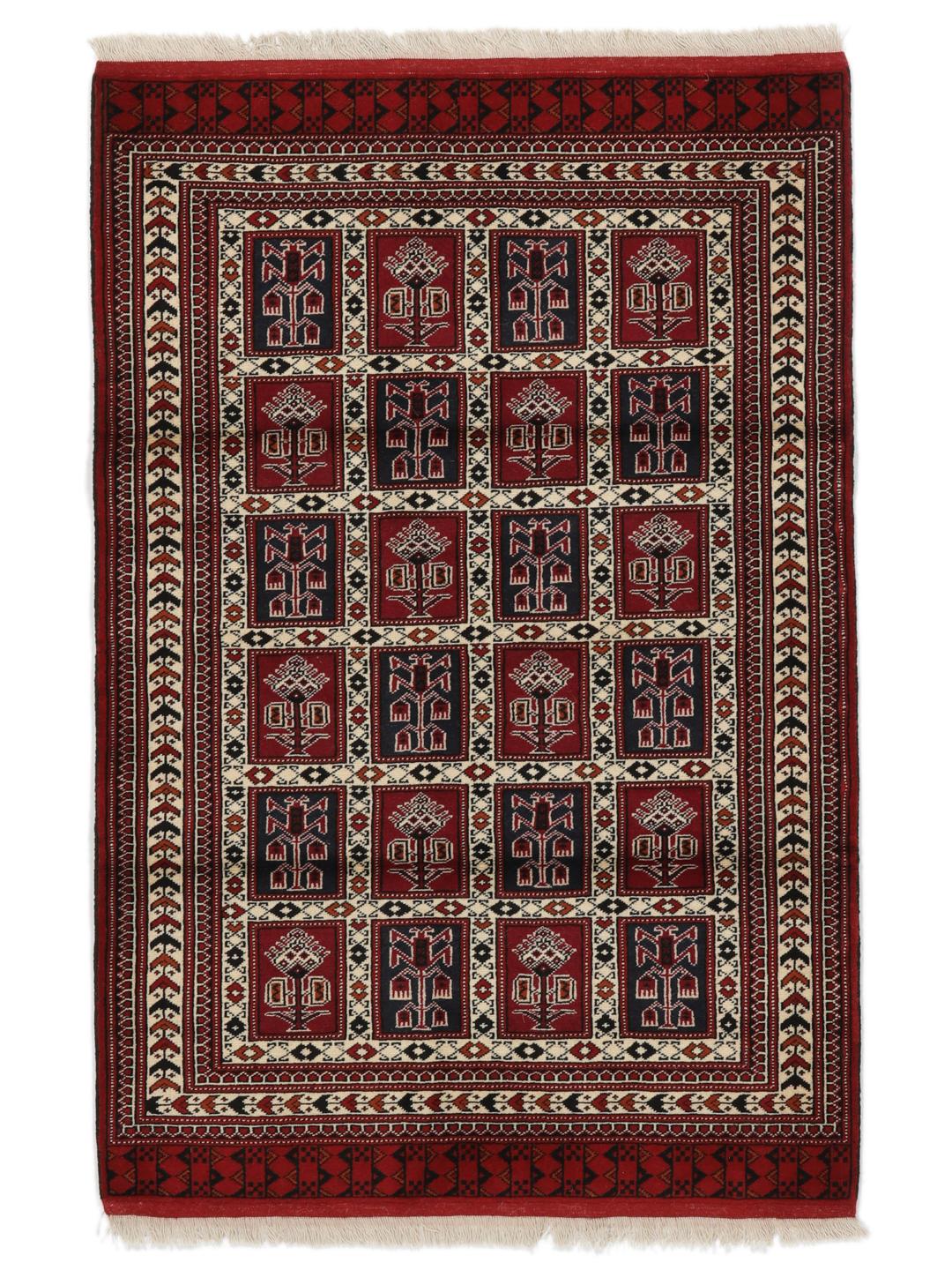
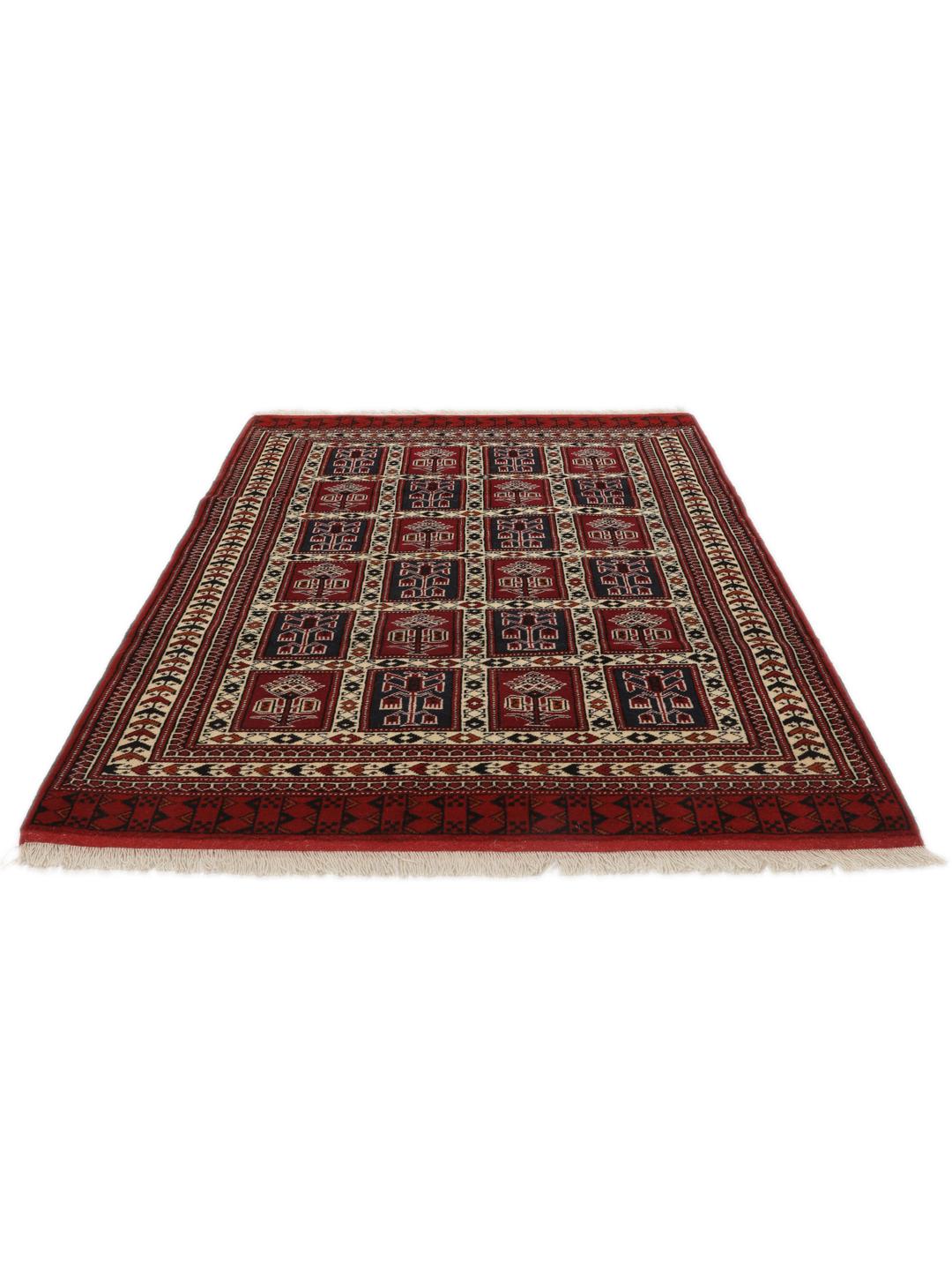
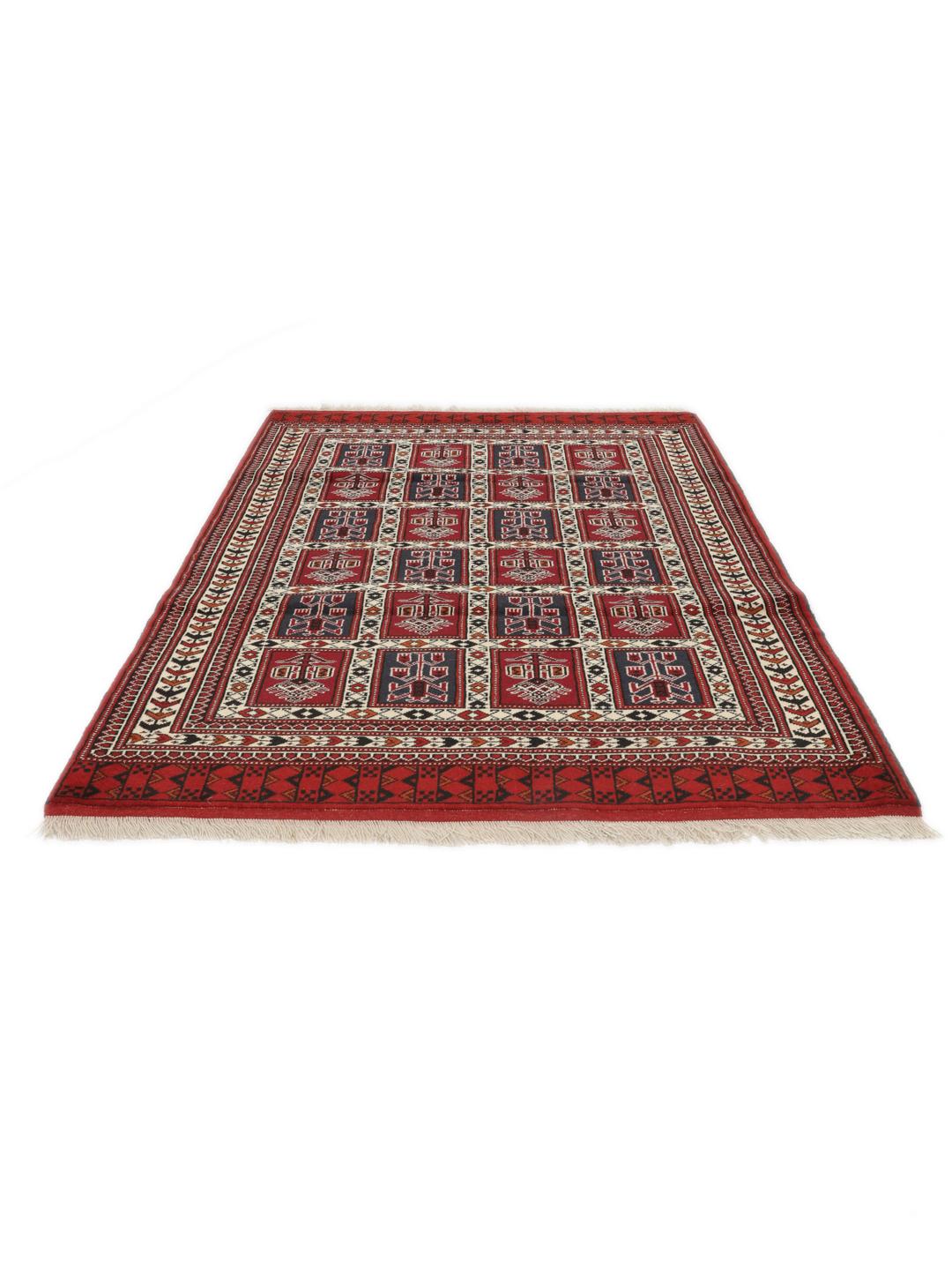
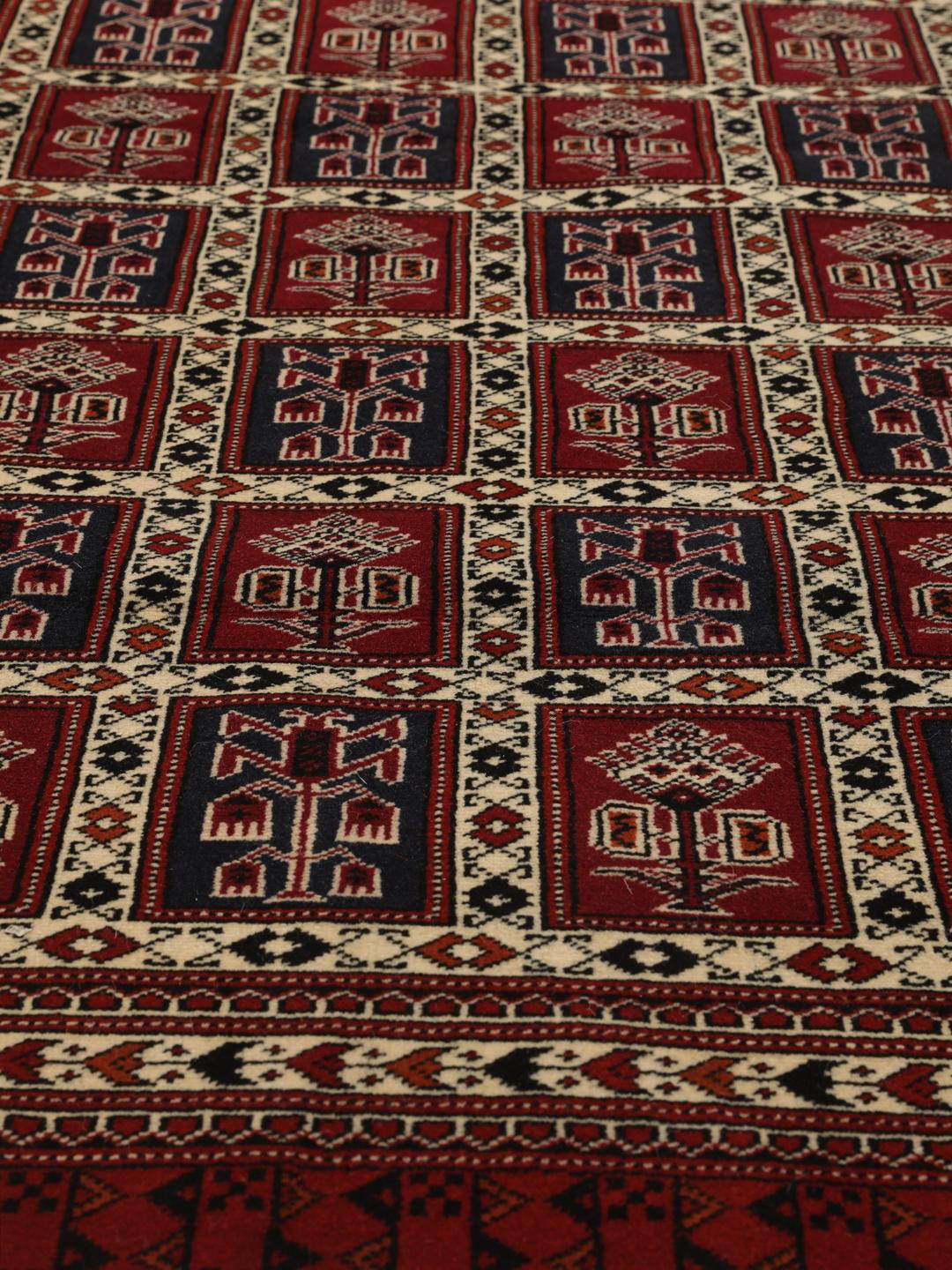
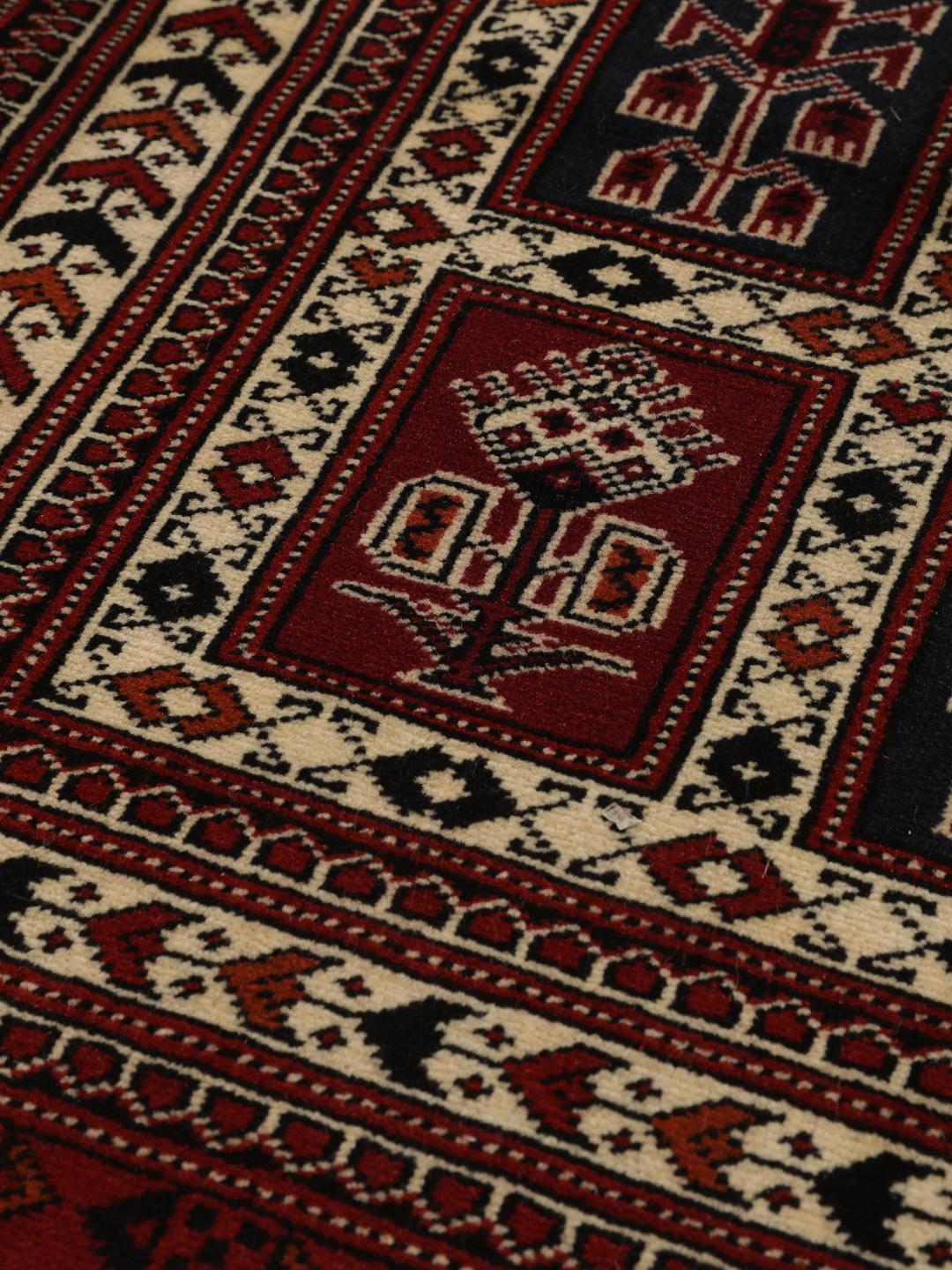
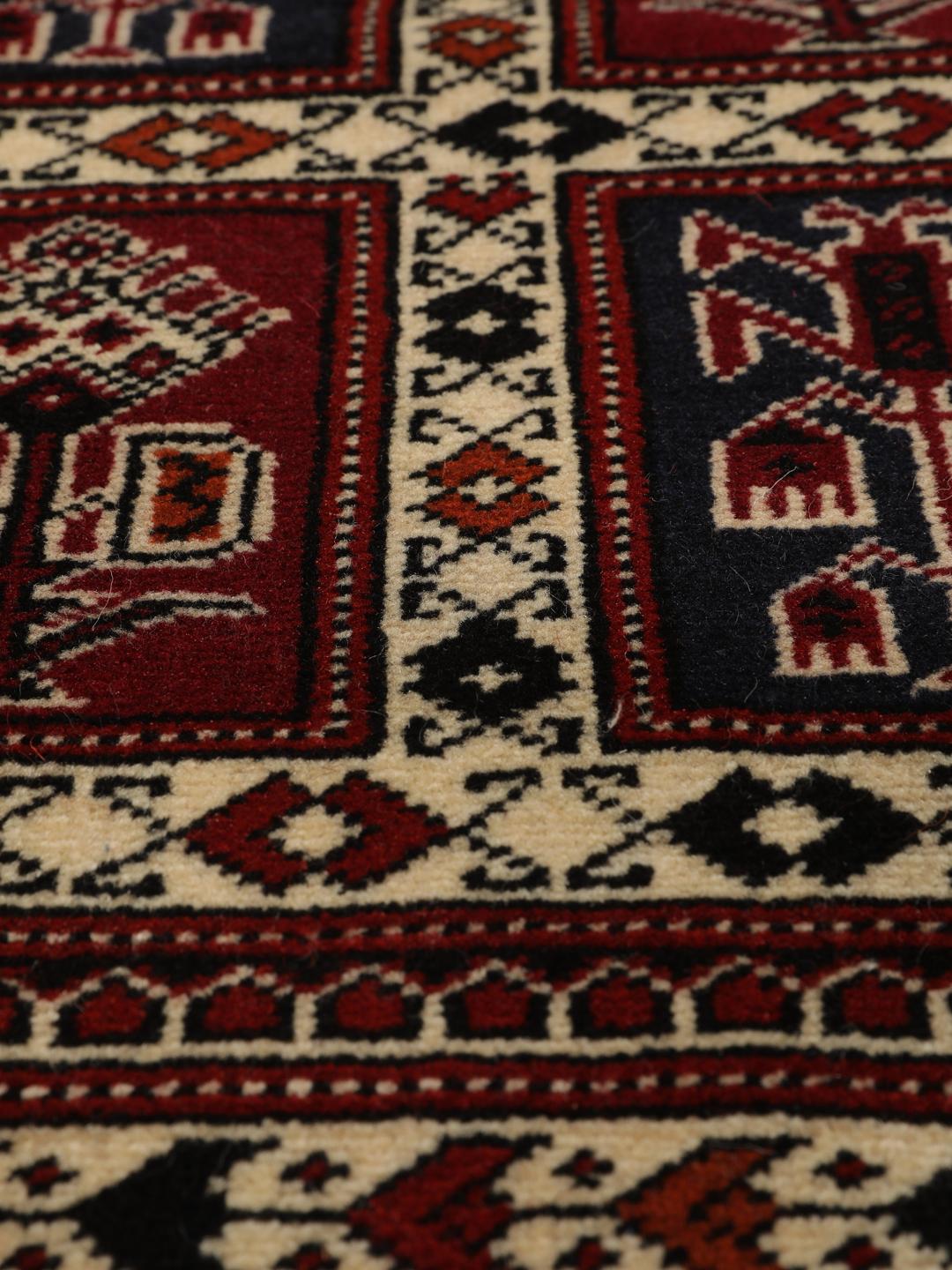
The design language of this tradition is immediately recognisable, typically defined by the use of repeating motifs such as the gul, which can appear as octagonal or diamond-shaped medallions. These symbols are often arranged in a formal, grid-like layout and enclosed by complex, decorative borders that frame the field. The colour palette is famously dominated by deep, earthy reds, which are traditionally derived from natural dyes and represent the warmth and heritage of the weaving tribes.
Collectors value Turkaman rugs for their cultural weight and the undeniable skill required to produce them. Owning such a piece is an opportunity to connect with a living history of artistry that has been passed down through generations. These rugs are not merely decorative items but are considered important artefacts that represent the pride, patience, and creative spirit of their makers, ensuring they remain cherished additions to any home.