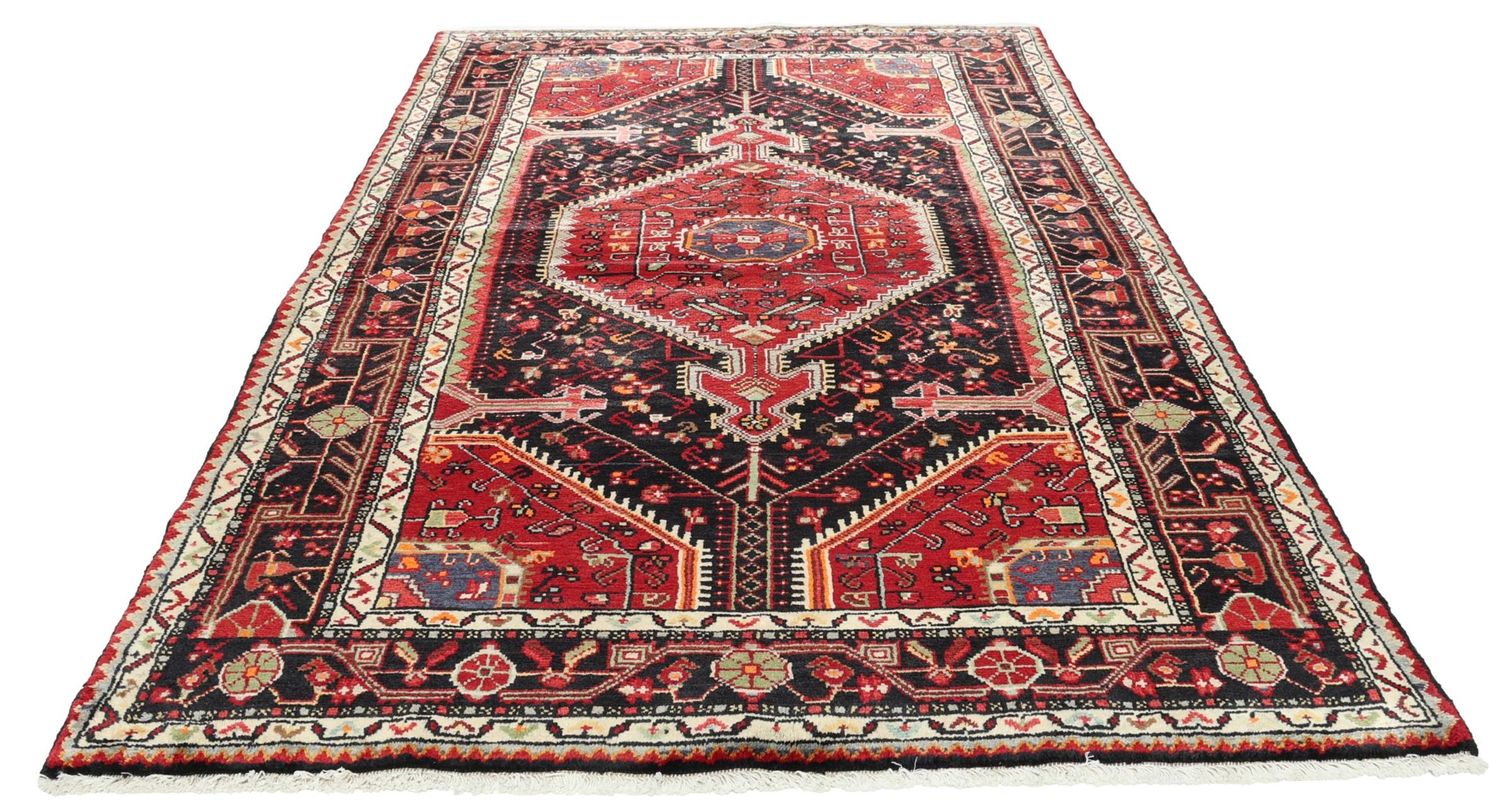
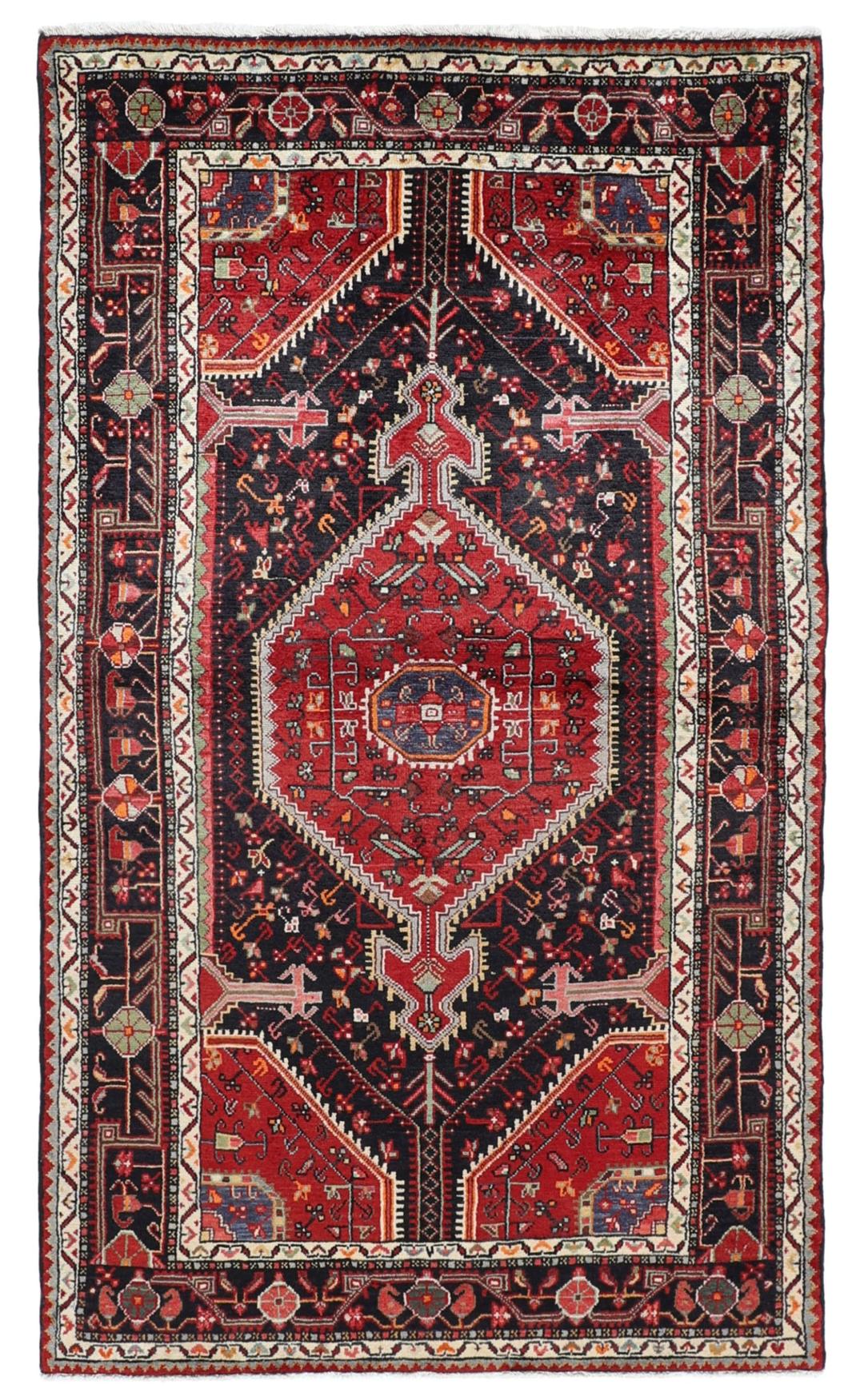
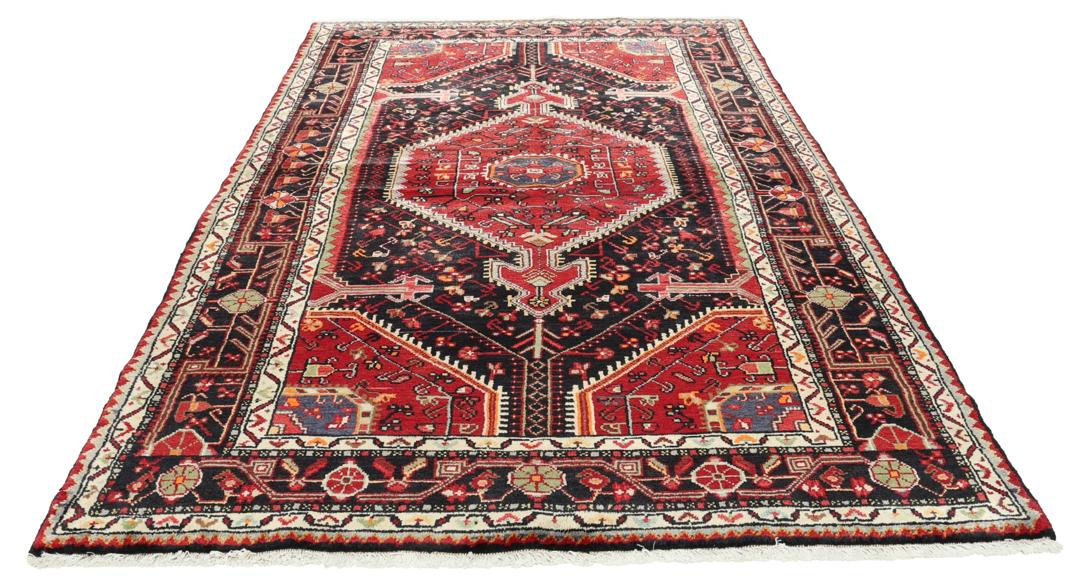
Toiserkan rugs originate from a small town in the Hamadan province of the Middle East, a region renowned for its vibrant and diverse weaving traditions. These rugs are deeply rooted in the local culture, where weaving has long been a way to tell stories and preserve regional identity. The craft has evolved over centuries, blending local aesthetic preferences with broader influences from the surrounding areas.
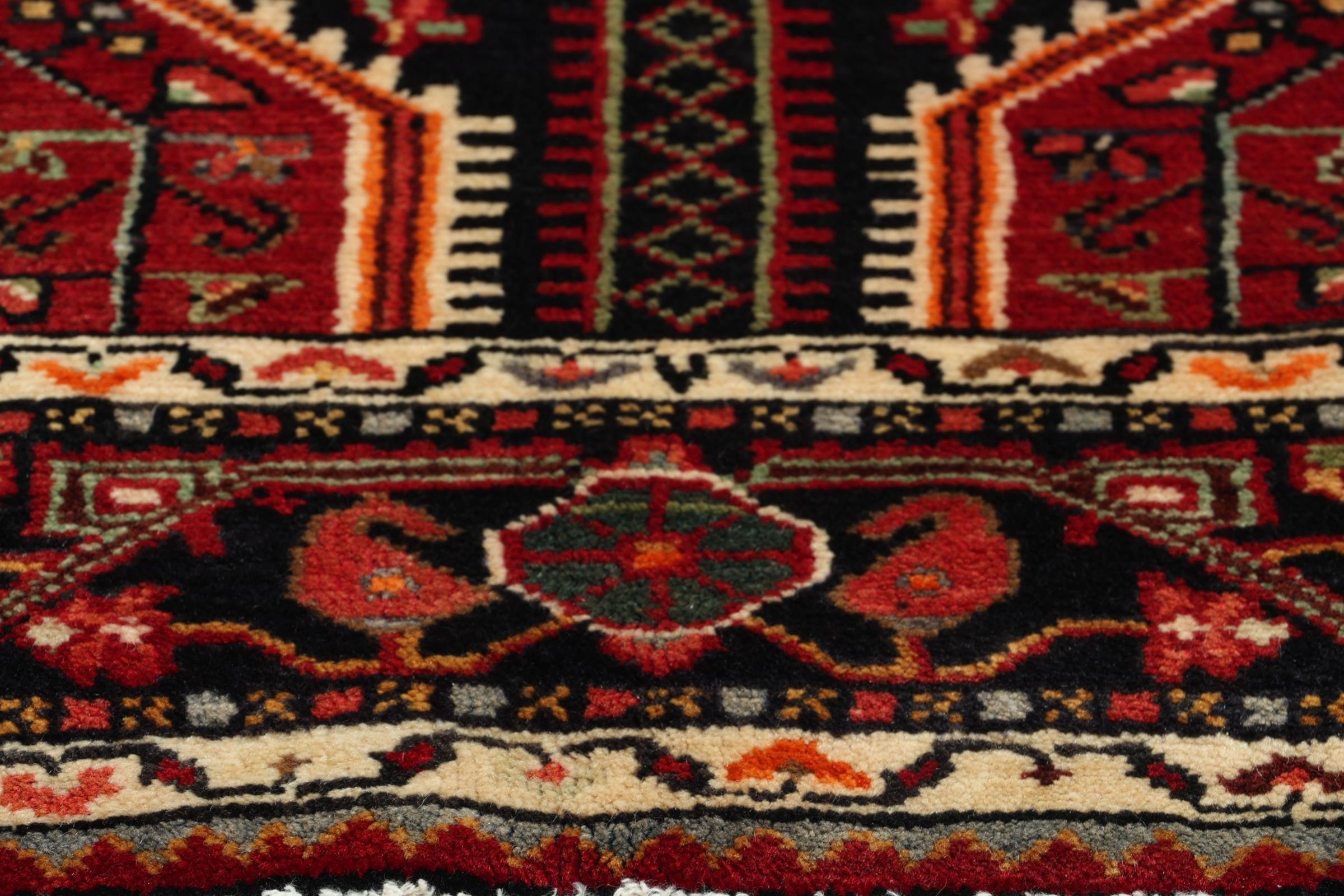
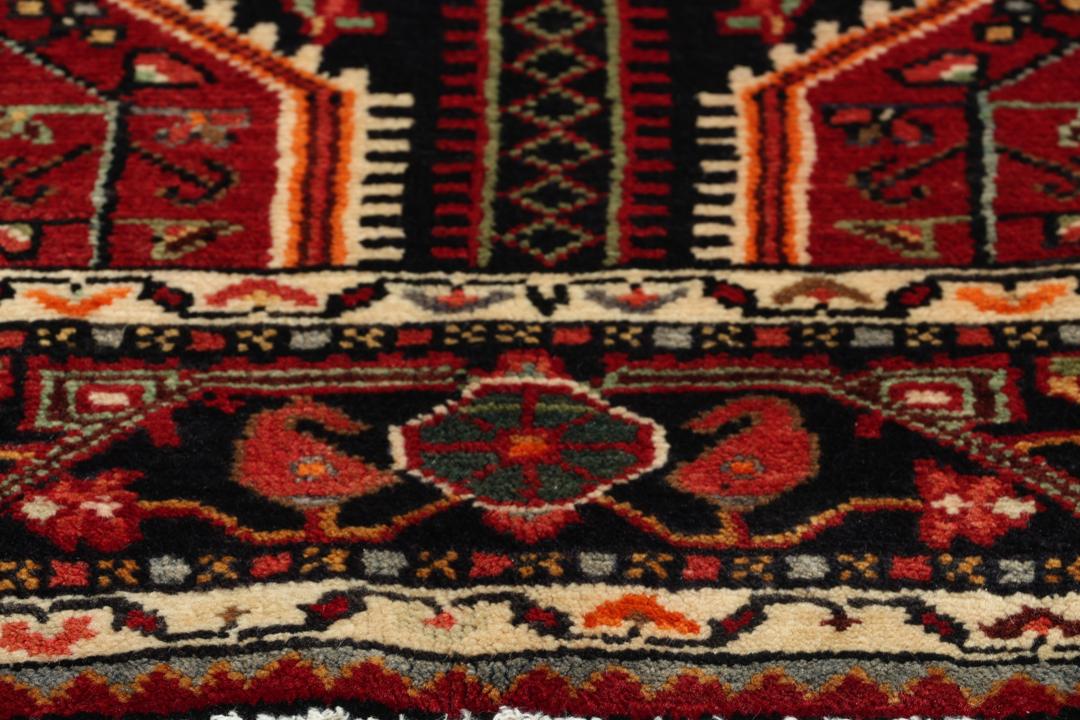
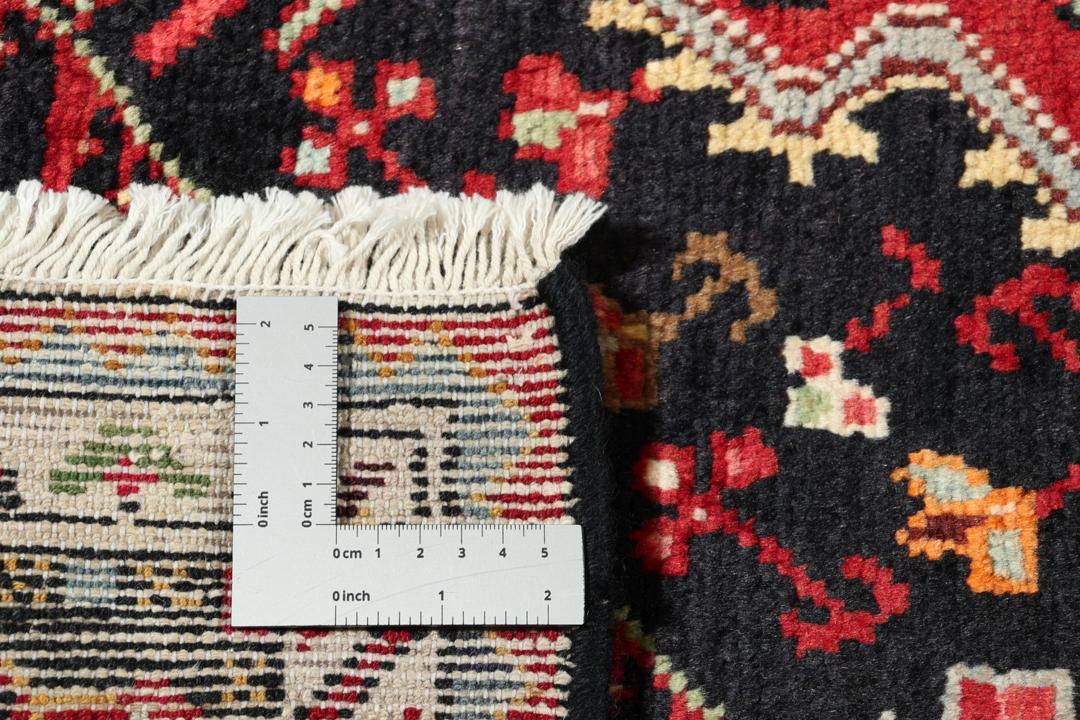
The term Hamadan, under which these rugs are categorised, refers to a vast region that encompasses hundreds of villages, each with its own unique design vocabulary. Toiserkan pieces are particularly valued for their sturdy construction and the use of high-quality, locally sourced wool. This material is prized for its natural lanolin content, which gives the finished rug a soft, lustrous sheen and makes it exceptionally durable against daily wear.
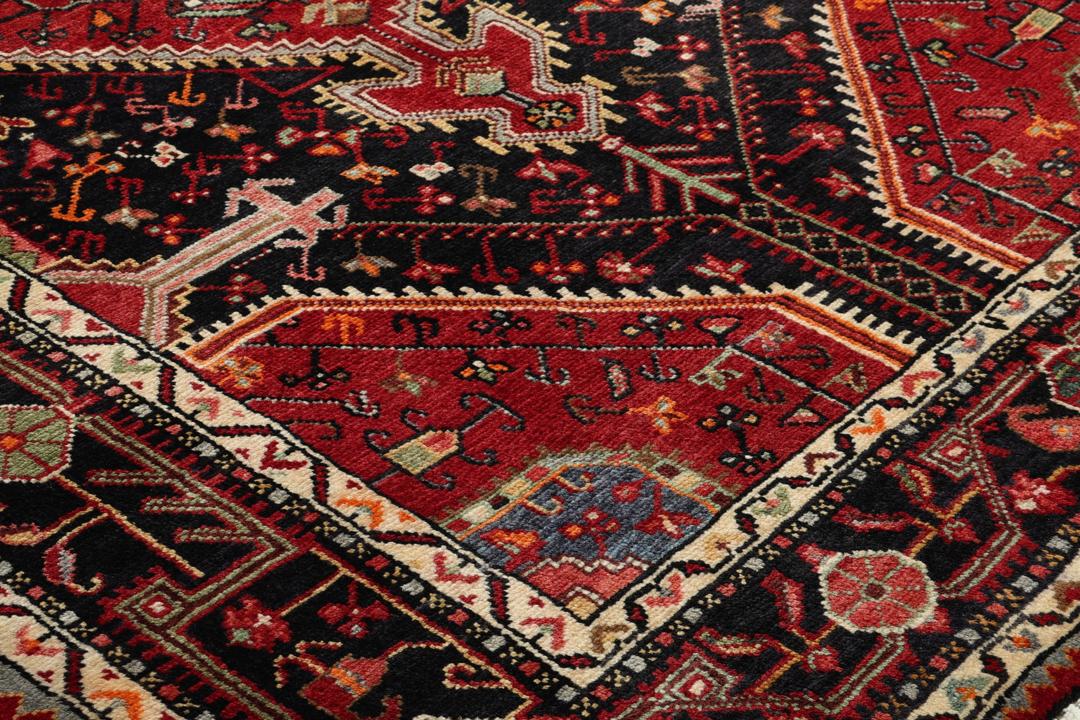
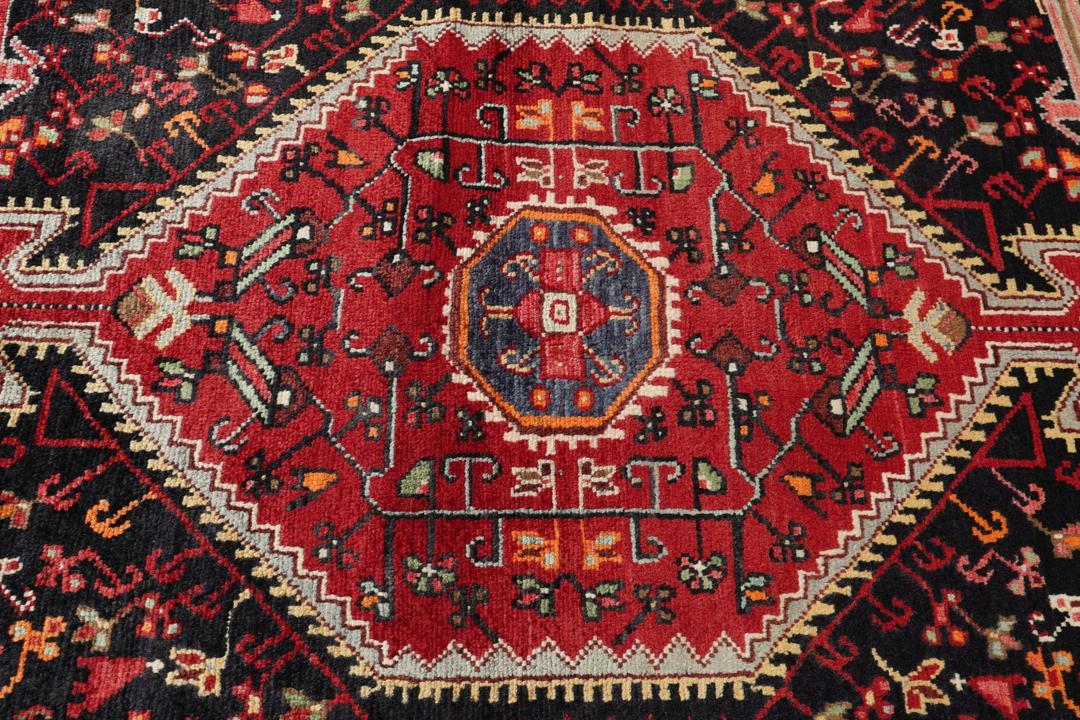
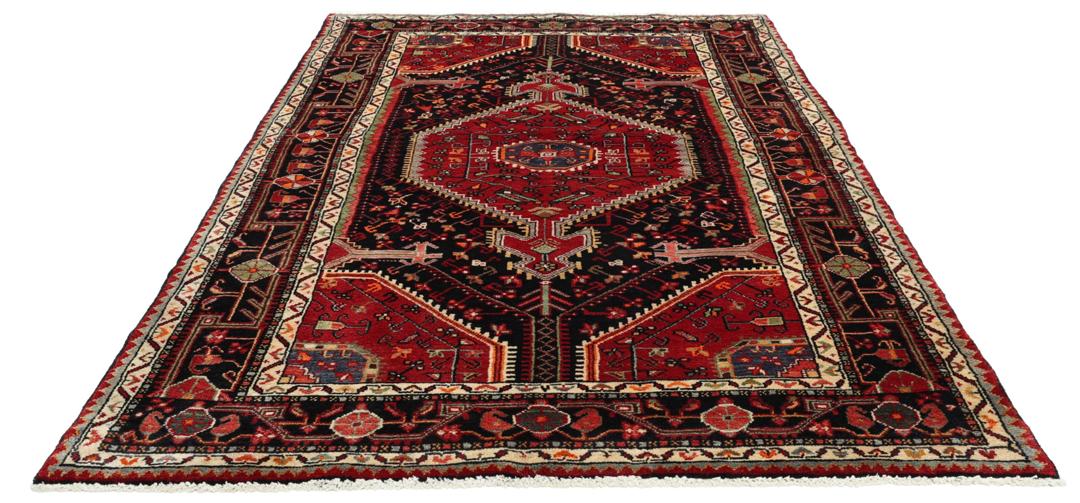
Design-wise, Toiserkan rugs often feature a central medallion surrounded by a field of stylised floral or geometric motifs. The borders are typically well-defined, providing a formal frame that balances the complexity of the central design. While they share the common heritage of the Hamadan style, each Toiserkan rug is distinguished by the weaver's choice of colour and slight variations in the placement of traditional motifs, making every piece a unique expression of the weaver's skill.
For collectors and enthusiasts, rugs from this tradition represent a bridge to a simpler, more connected way of life. They are valued not only for their durability but for the way they age, developing a softer, more muted character over time. Owning a Toiserkan rug is an investment in human skill and a celebration of a craft that continues to thrive in the face of modern industrialisation.