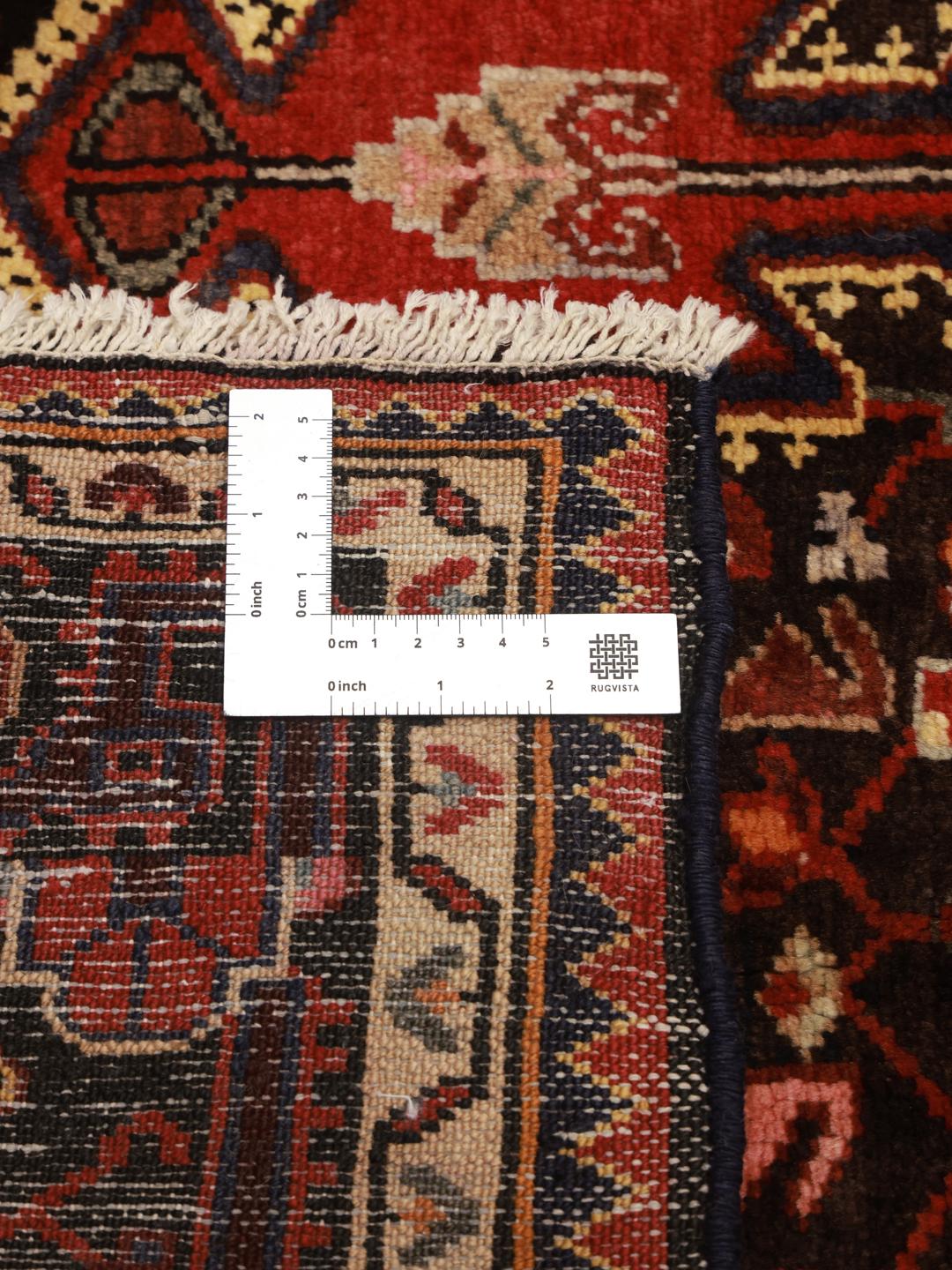
Toiserkan rugs originate from the mountainous region near Hamadan in the Middle East, an area renowned for its vibrant village weaving traditions. These rugs are named after the small town of Toiserkan, where local weavers developed a highly distinctive style that sets them apart from other regional weavings. The geography of the region, with its high altitudes, contributed to the production of exceptionally strong and lustrous wool.
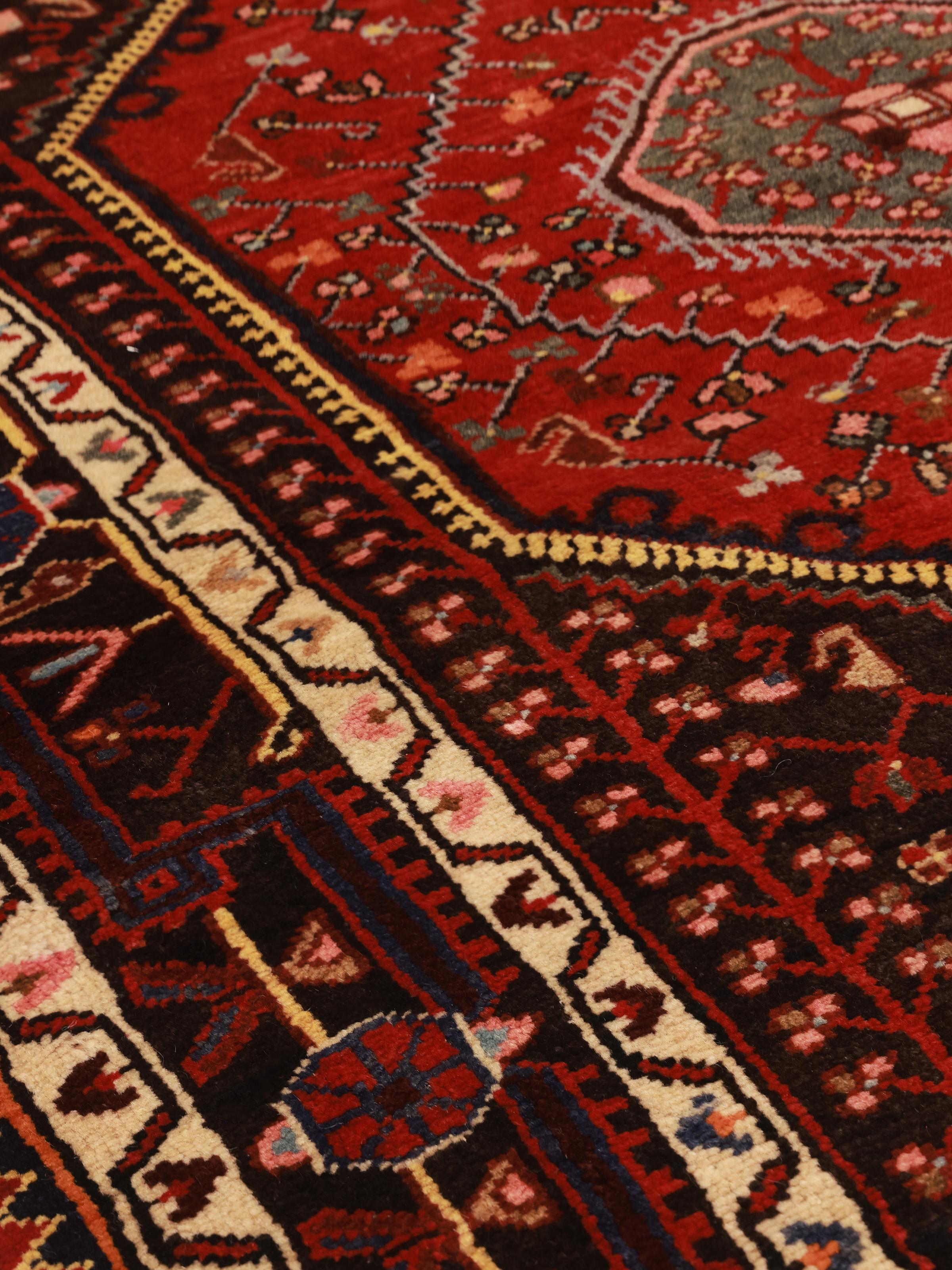
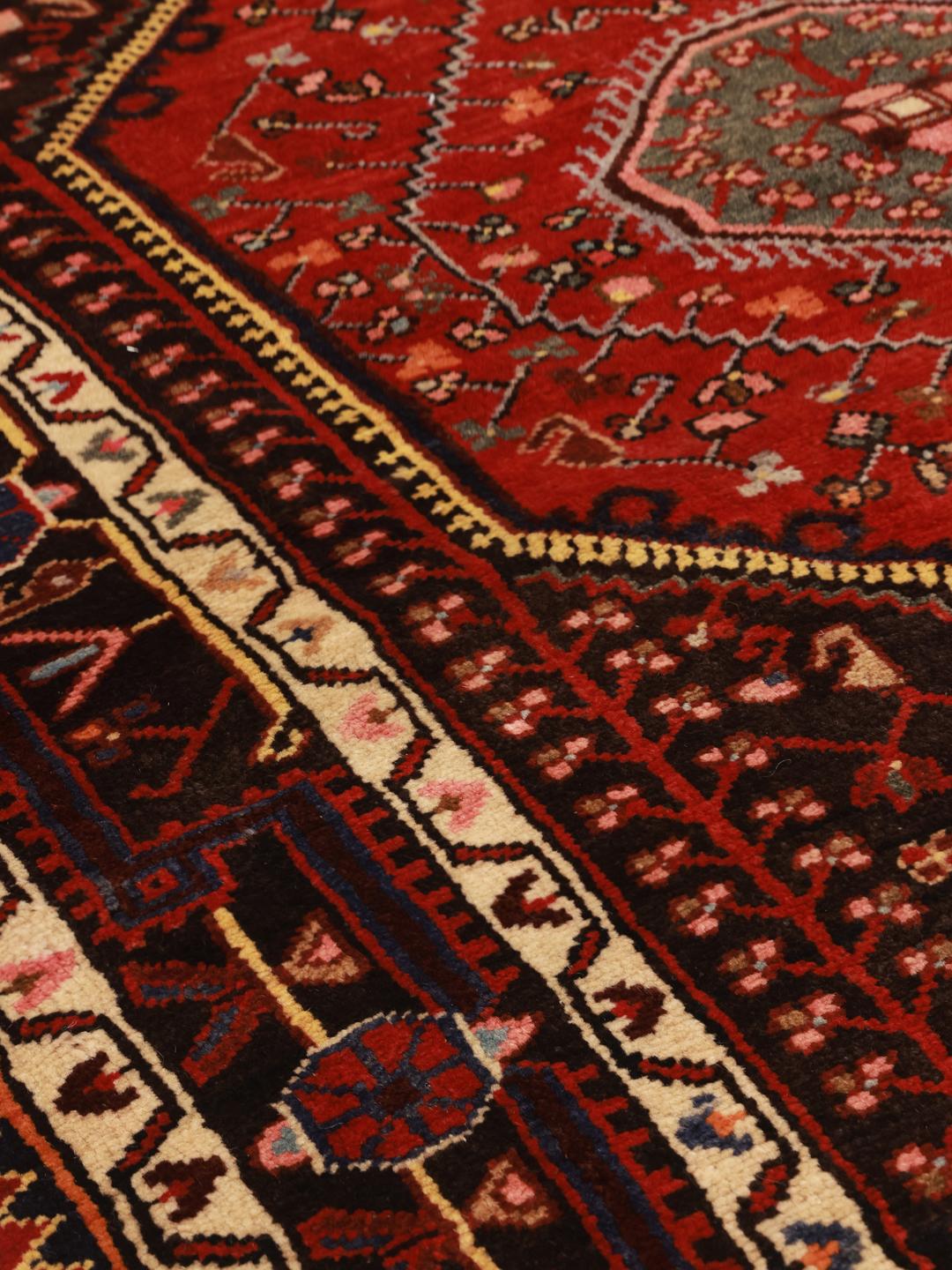
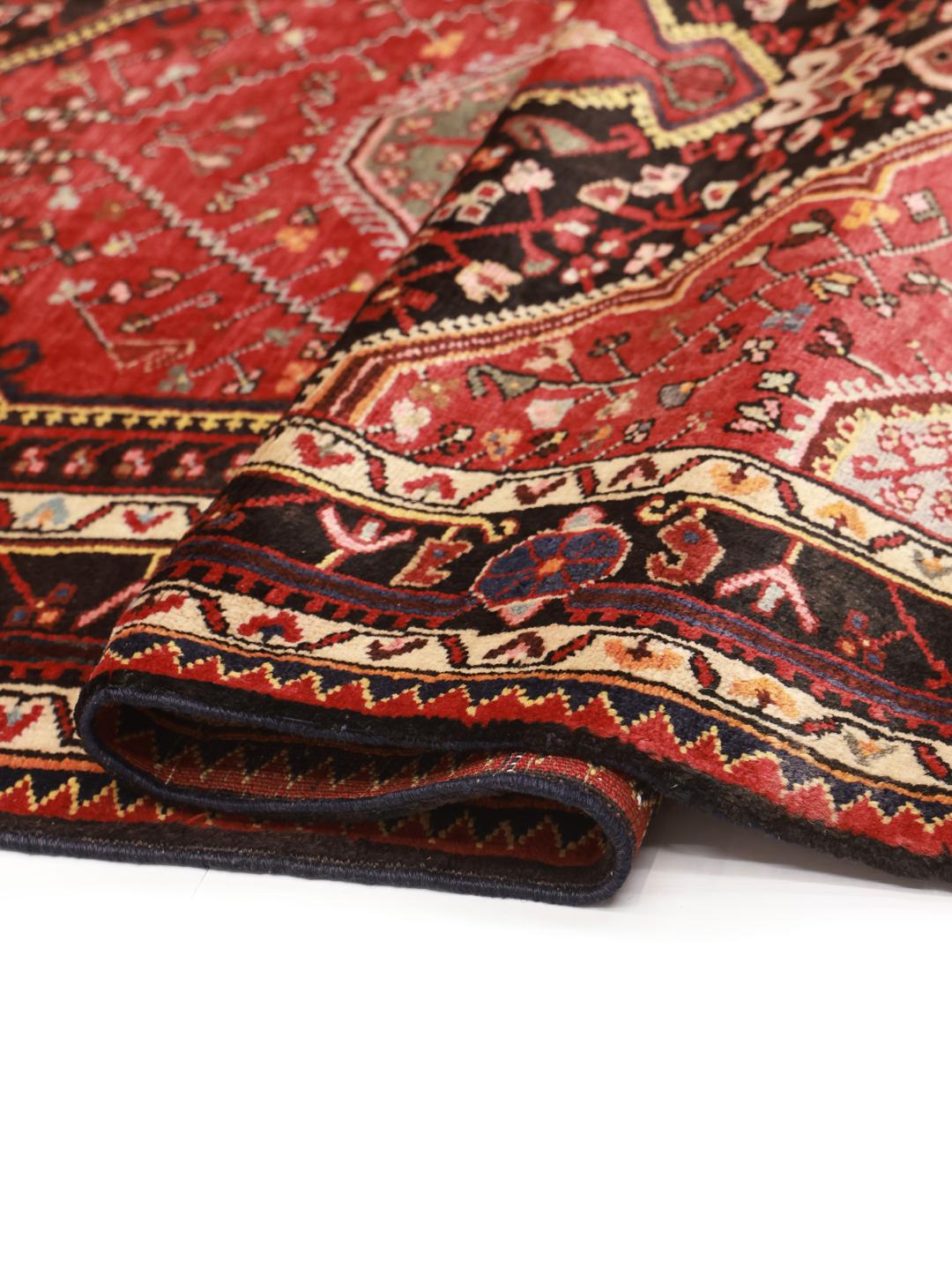
A key characteristic of these rugs is their single-weft construction, which is typical of the broader Hamadan weaving area. This technique results in a rug that is both flexible and remarkably durable, designed to withstand the demands of daily life in village homes. The weavers use local wool spun by hand and dyed using traditional methods, creating subtle variations in tone that add depth and life to the finished piece.
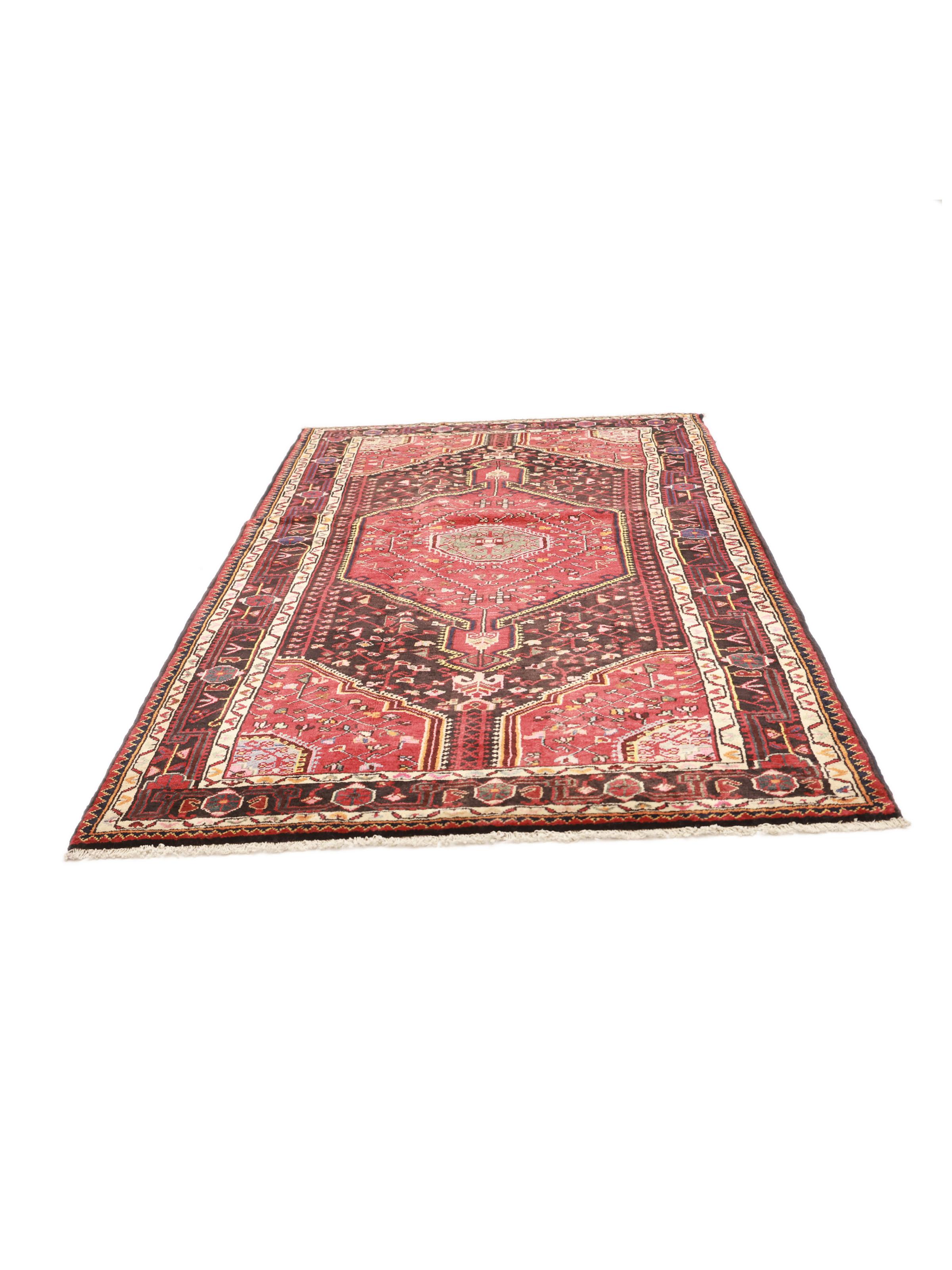
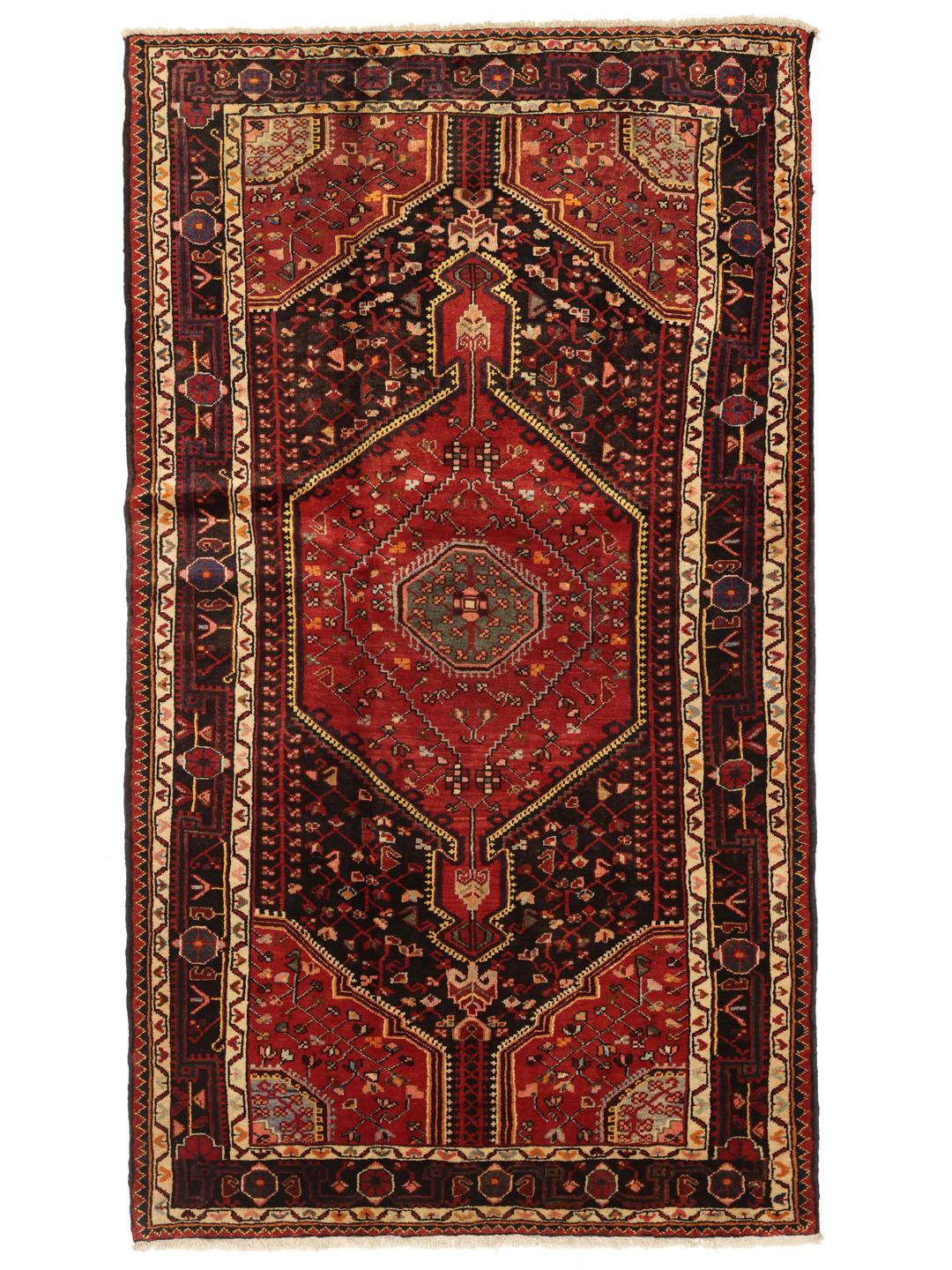
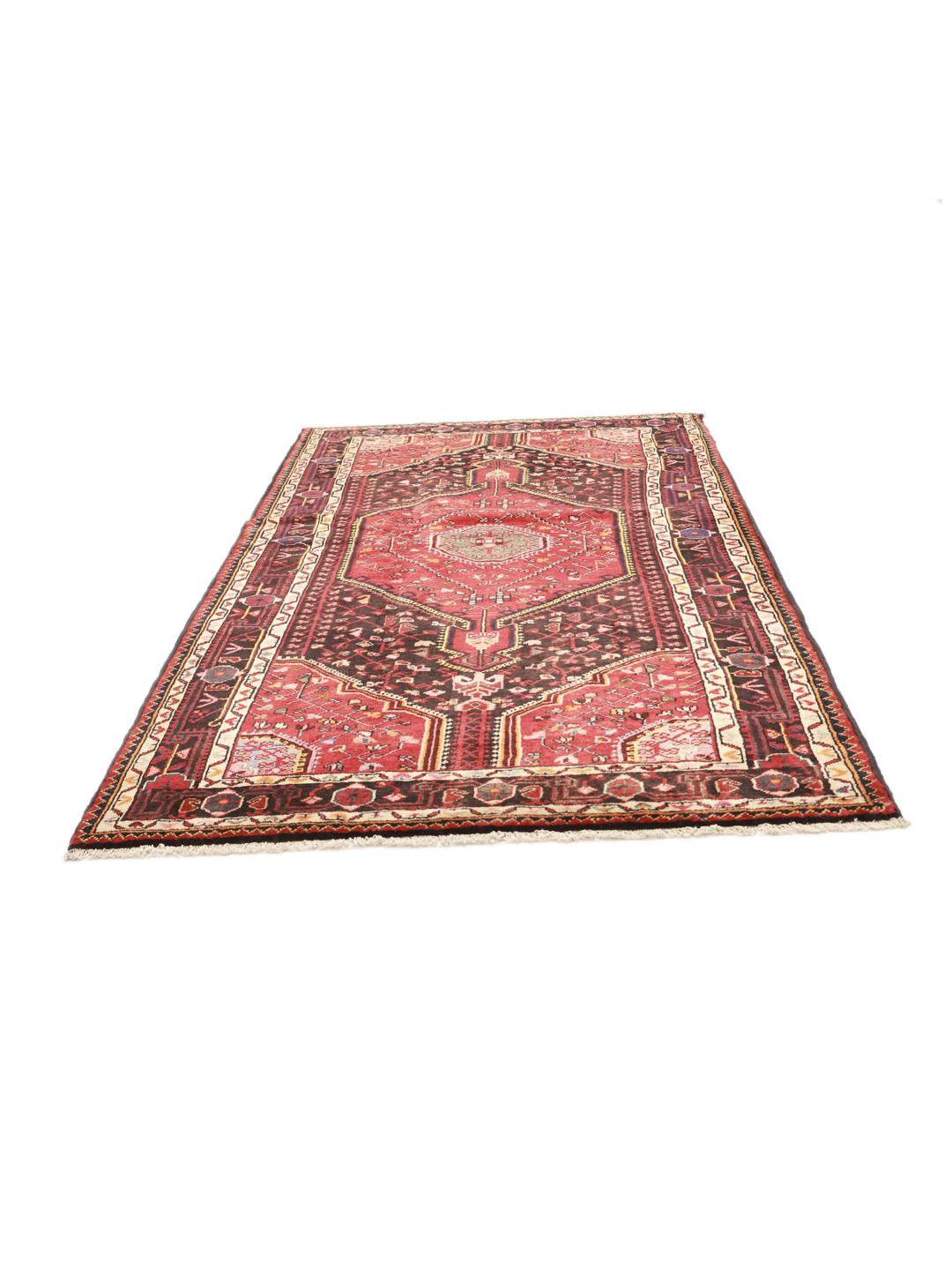
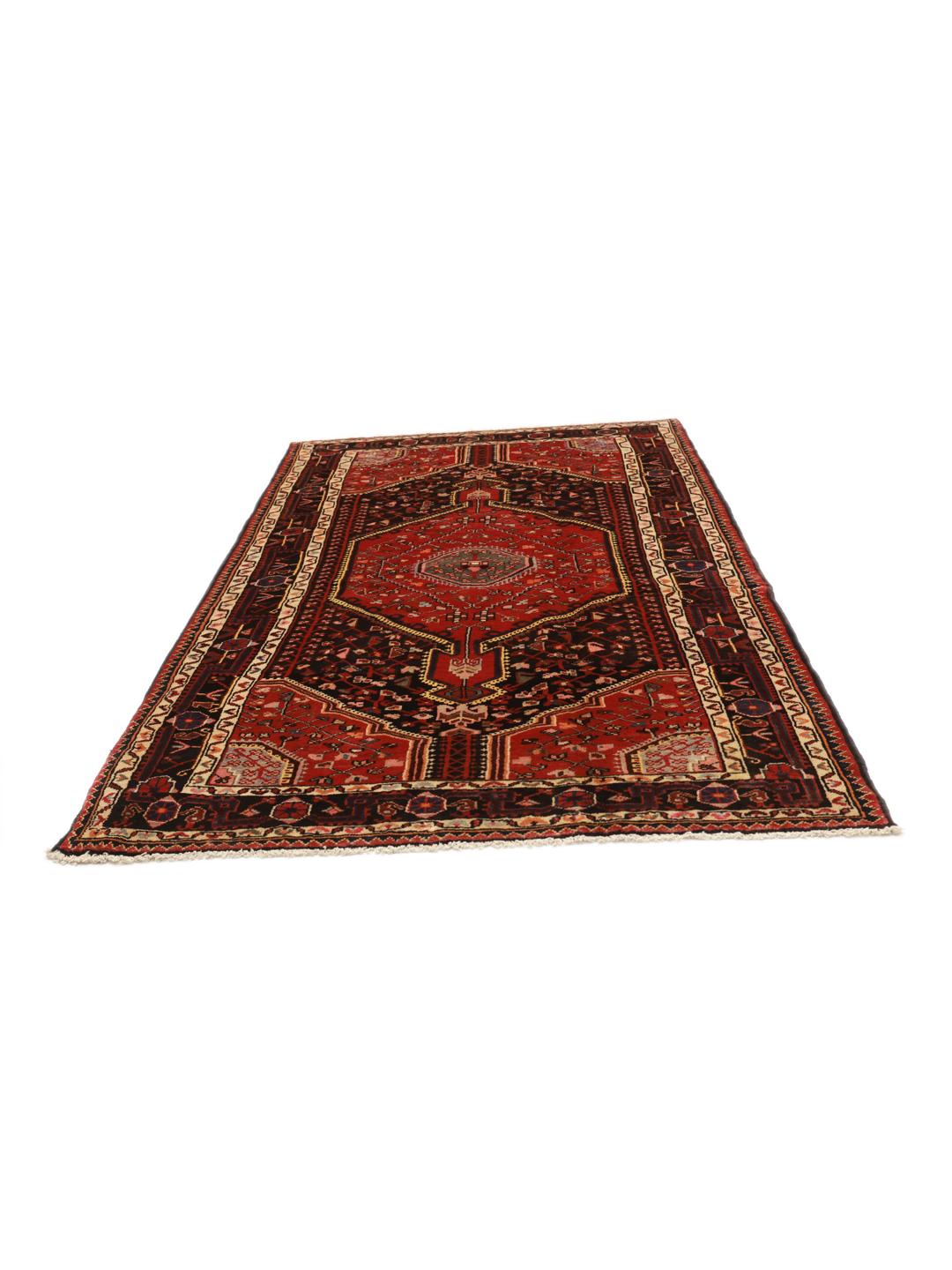
The visual language of Toiserkan rugs is defined by a prominent, often hexagonal central medallion set against a richly decorated field. Stylized floral motifs, geometric figures, and tribal symbols fill the space, enclosed by a series of detailed borders that frame the central design. While deep red and black are the dominant colours, accents of cream, blue, and orange are often used to highlight the intricate geometric details.
Highly valued by collectors and homeowners alike, these rugs are appreciated for their rustic charm and the individual expression of the weaver. Because they are woven in home workshops rather than large factories, each rug reflects the personal taste and creative decisions of its maker, making it a valuable piece of cultural heritage.