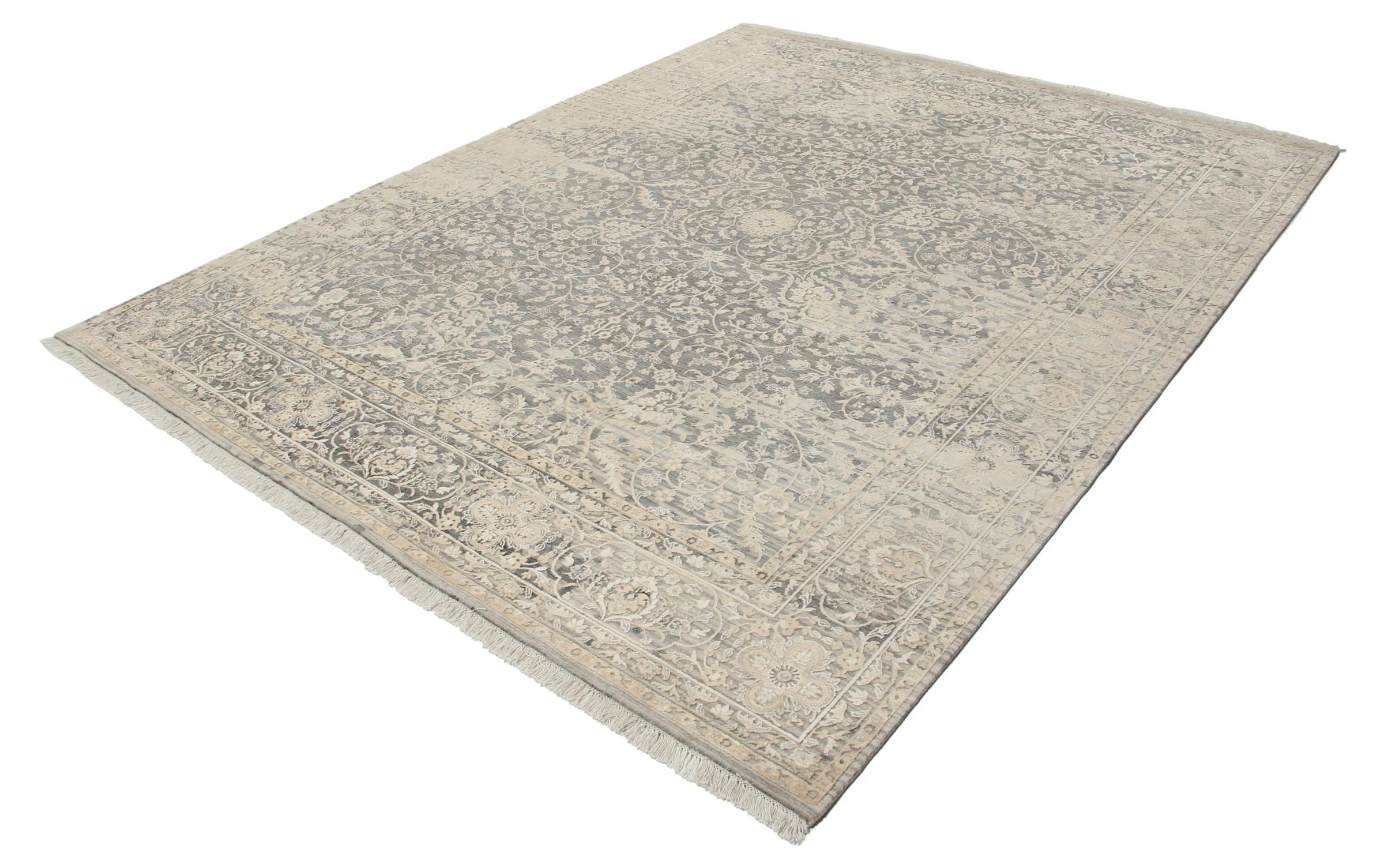
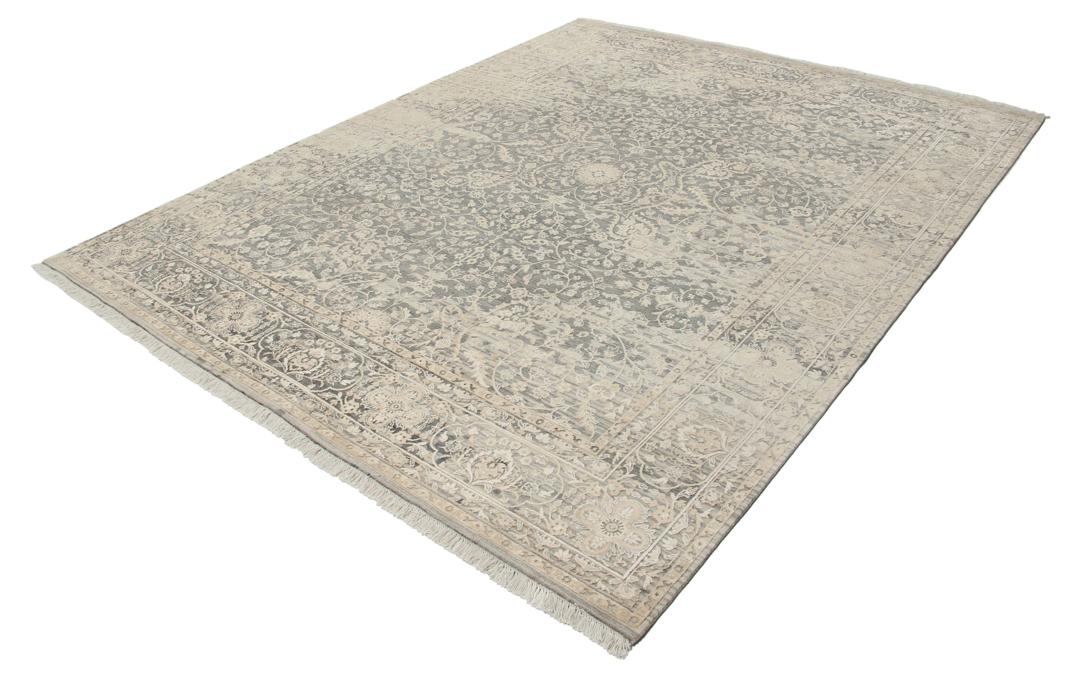
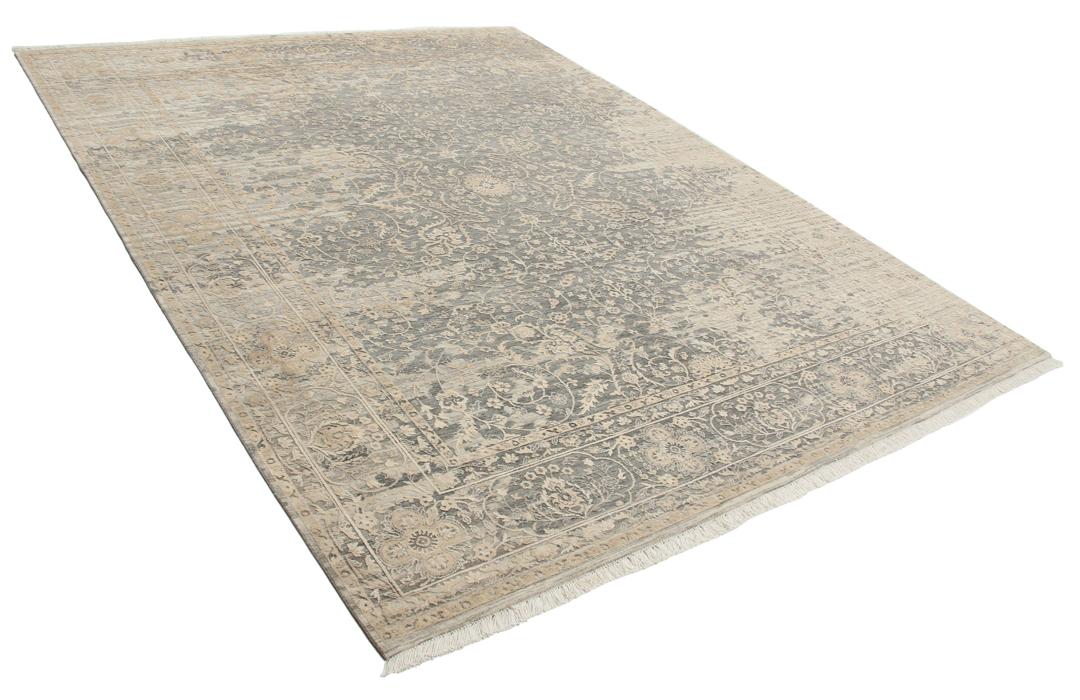
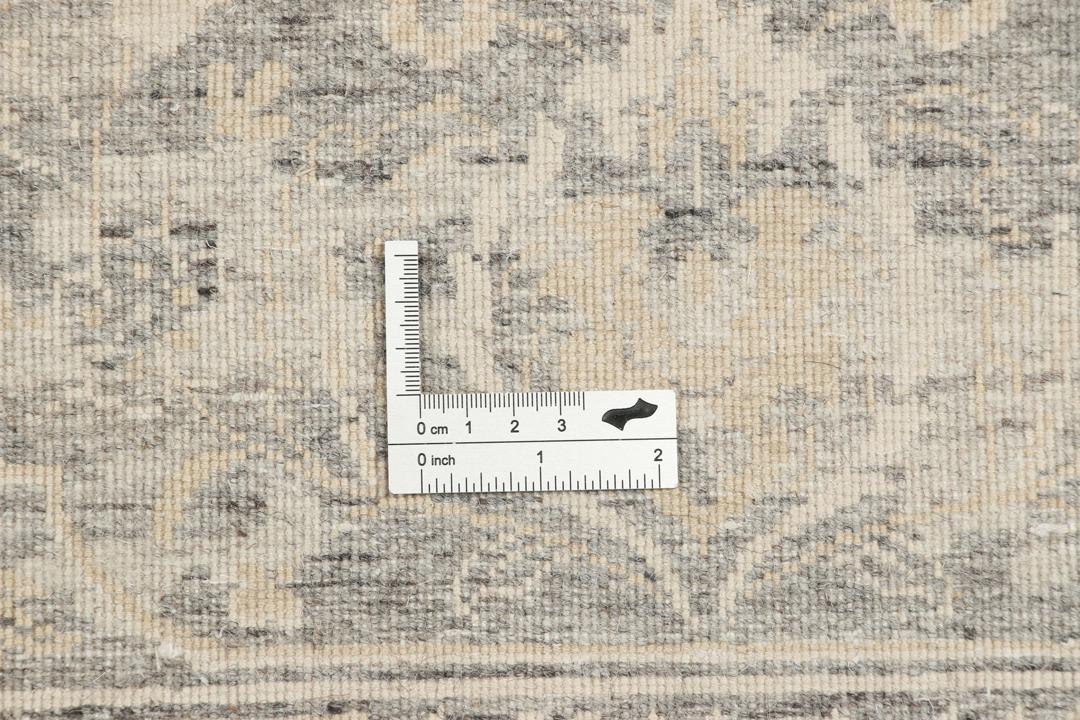
Tabriz rugs take their name from the historic city of Tabriz, located in the northwestern region of the Middle East. For centuries, this city has been a vital centre for the production of some of the world's finest floor coverings. Today, the tradition of Tabriz weaving has spread globally, with artisans in India continuing to uphold these rigorous standards of quality and design.
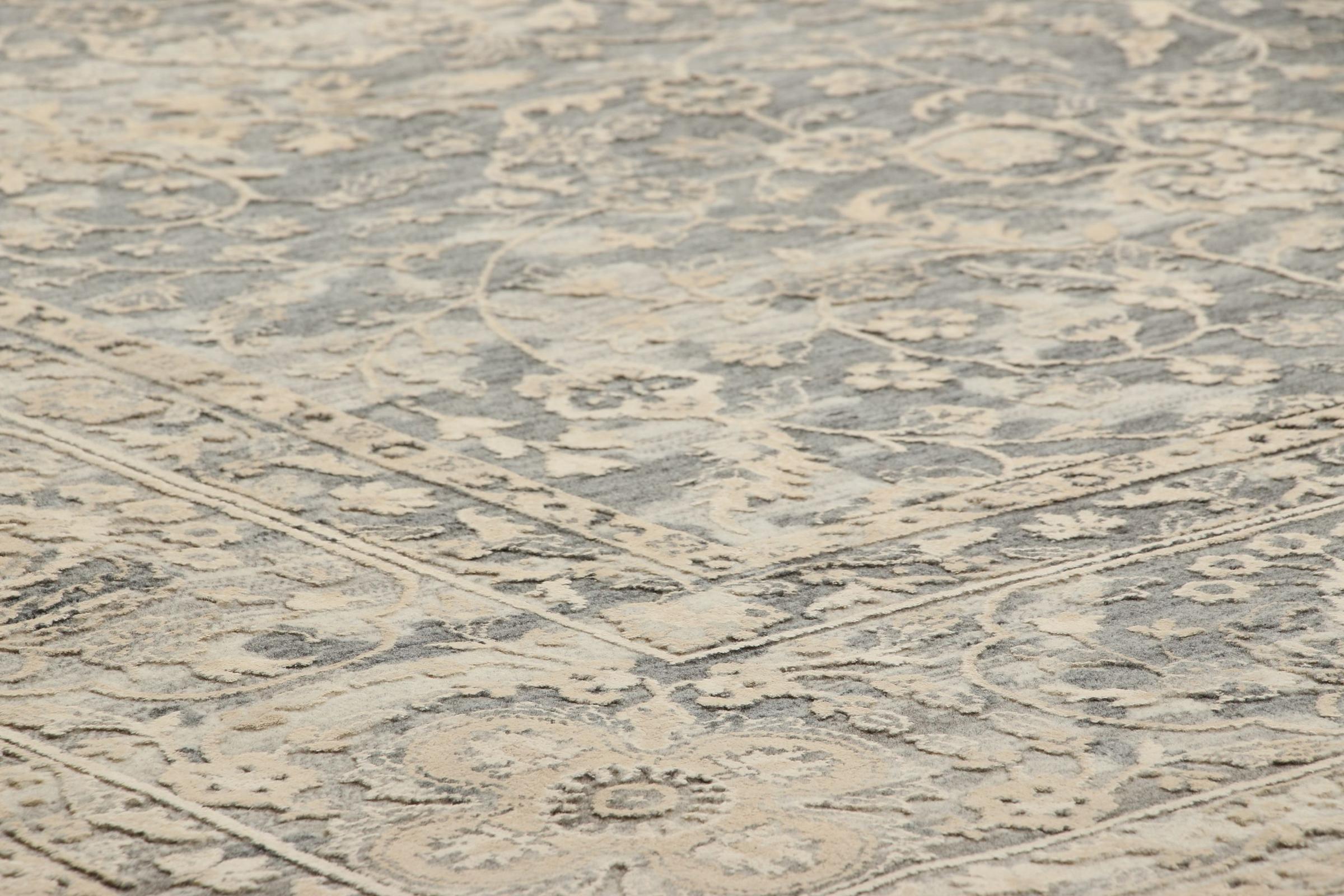
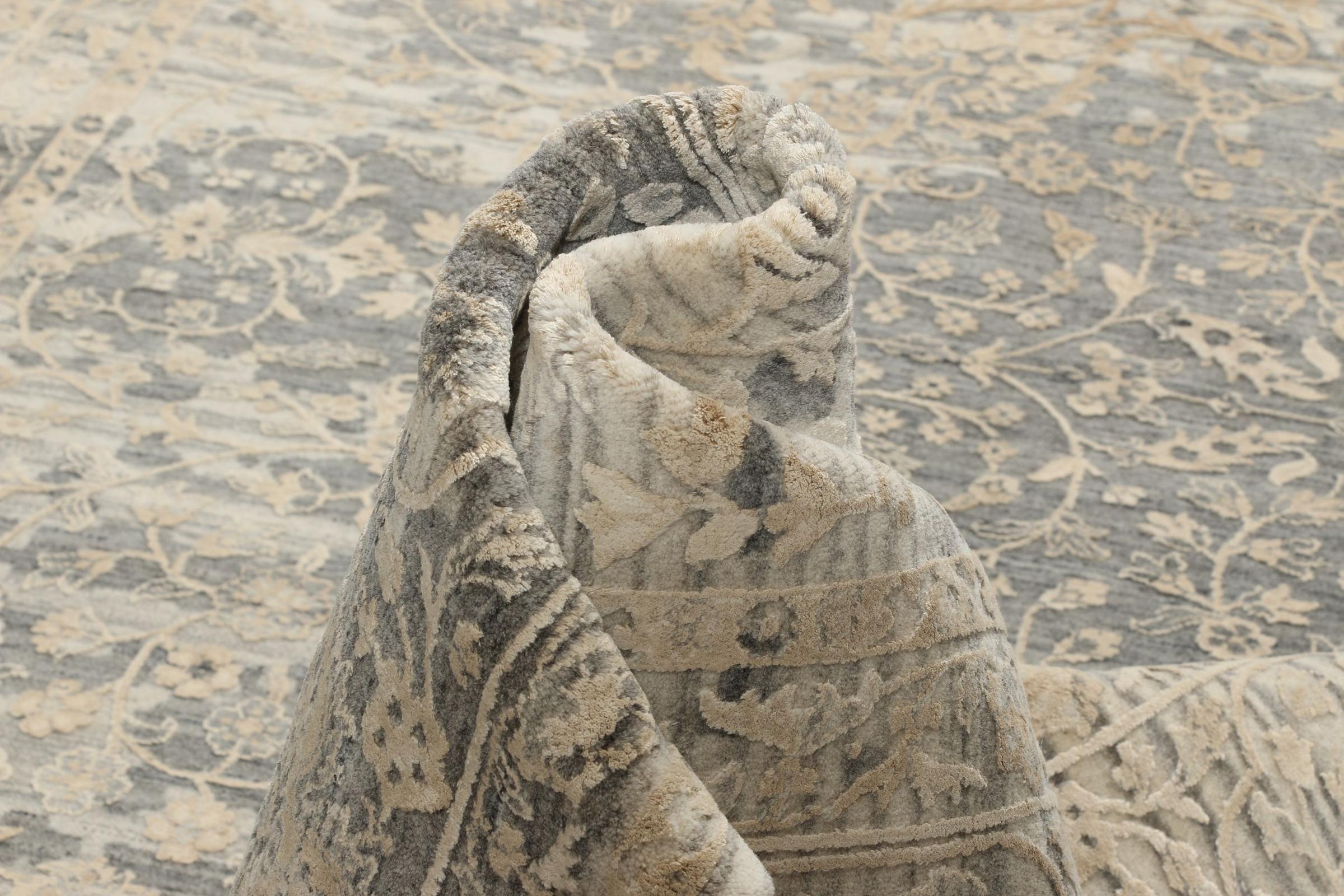
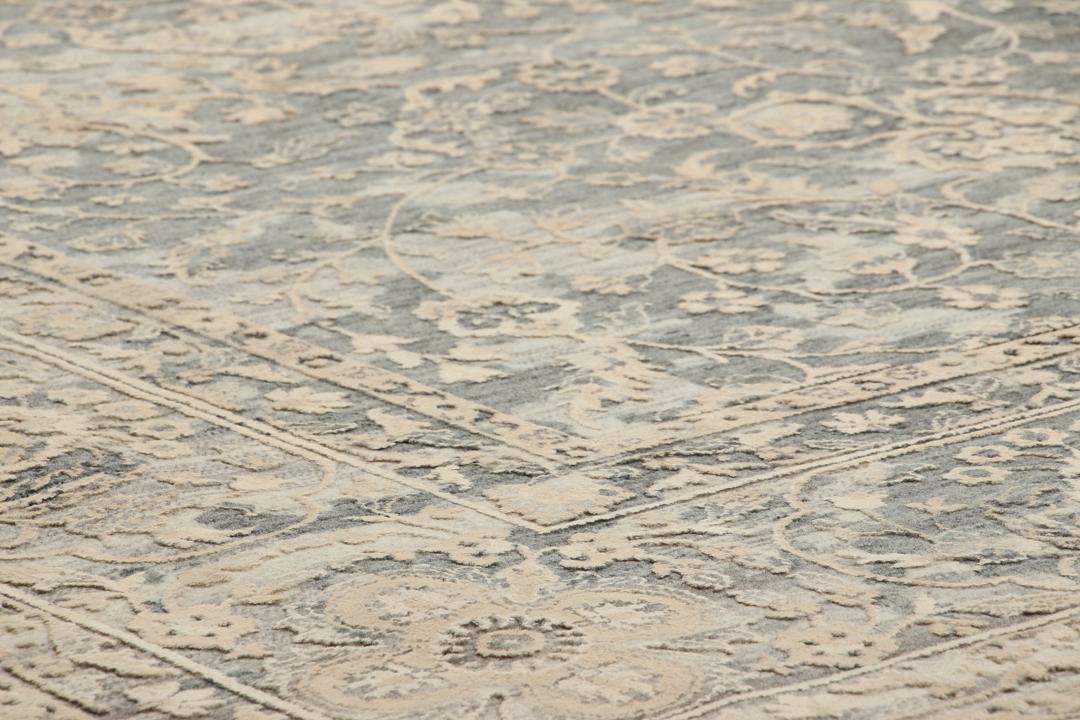
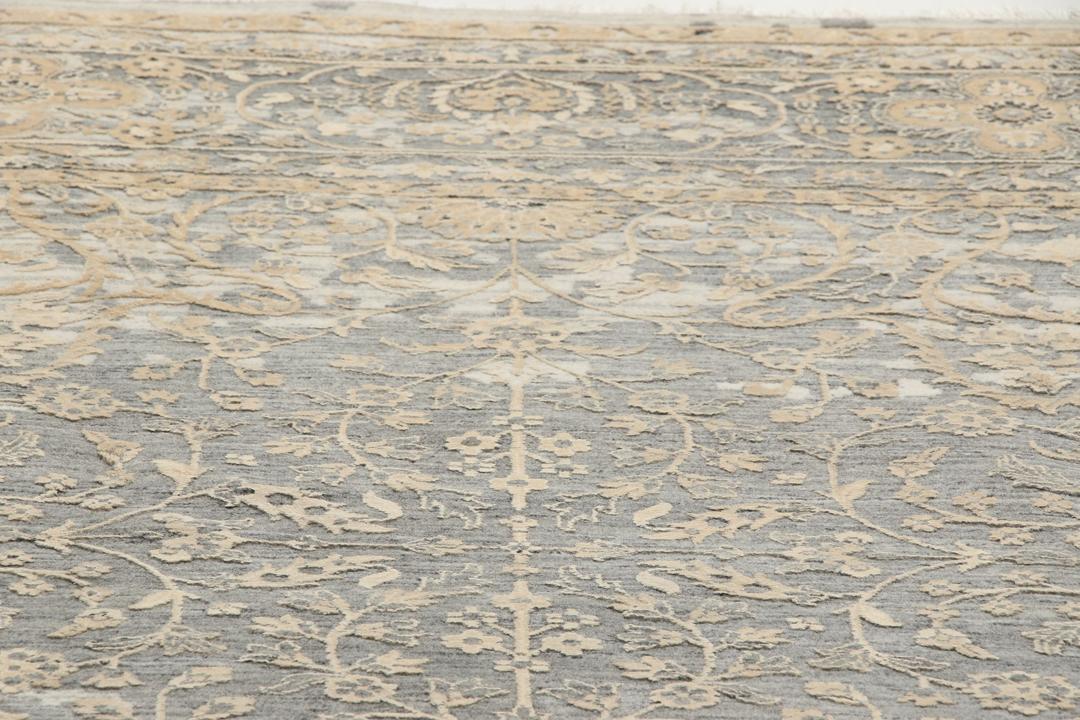
The term Tabriz is synonymous with technical excellence and a commitment to fine detail. These rugs are known for their intricate patterns, which often require a high knot density to execute properly. This commitment to detail is what allows the weavers to create such fluid, lifelike floral motifs, ensuring that the rug serves as a canvas for complex artistic expression.
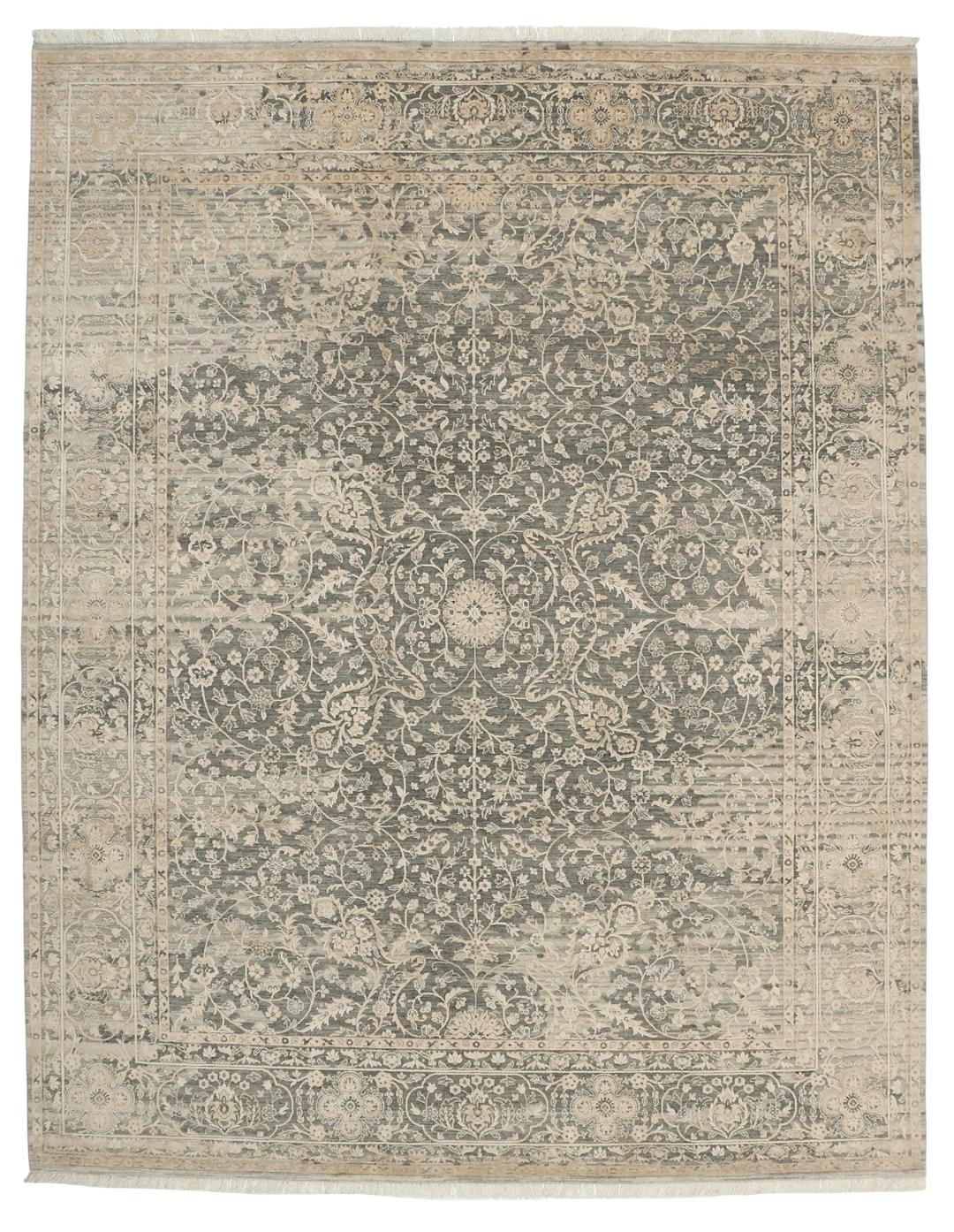
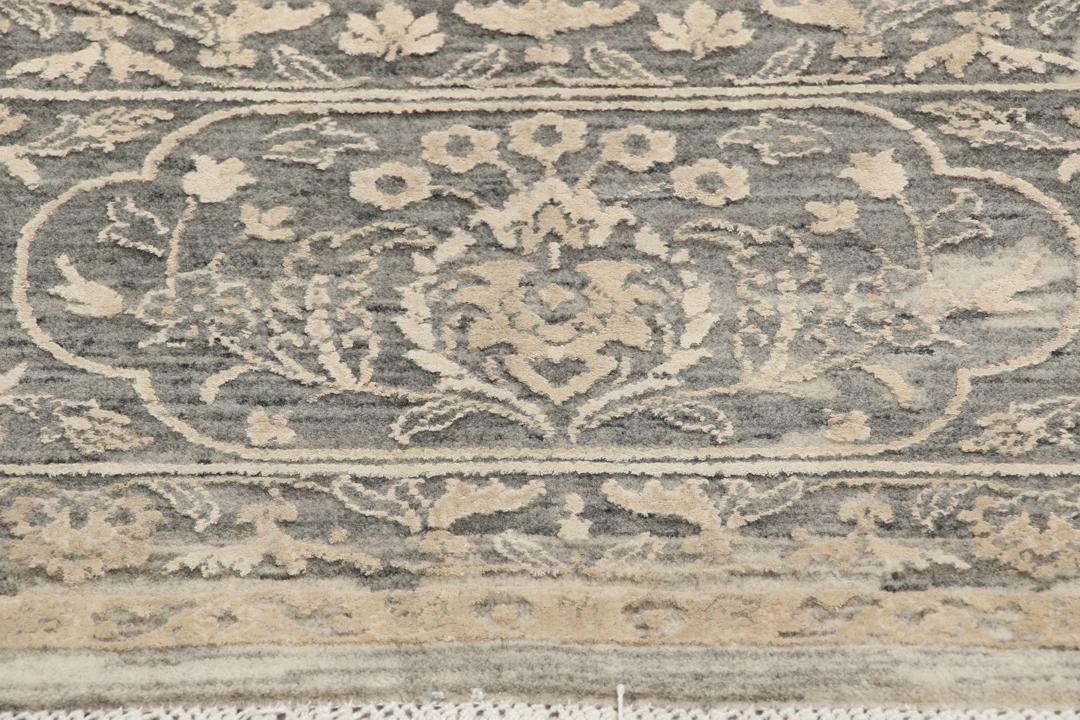
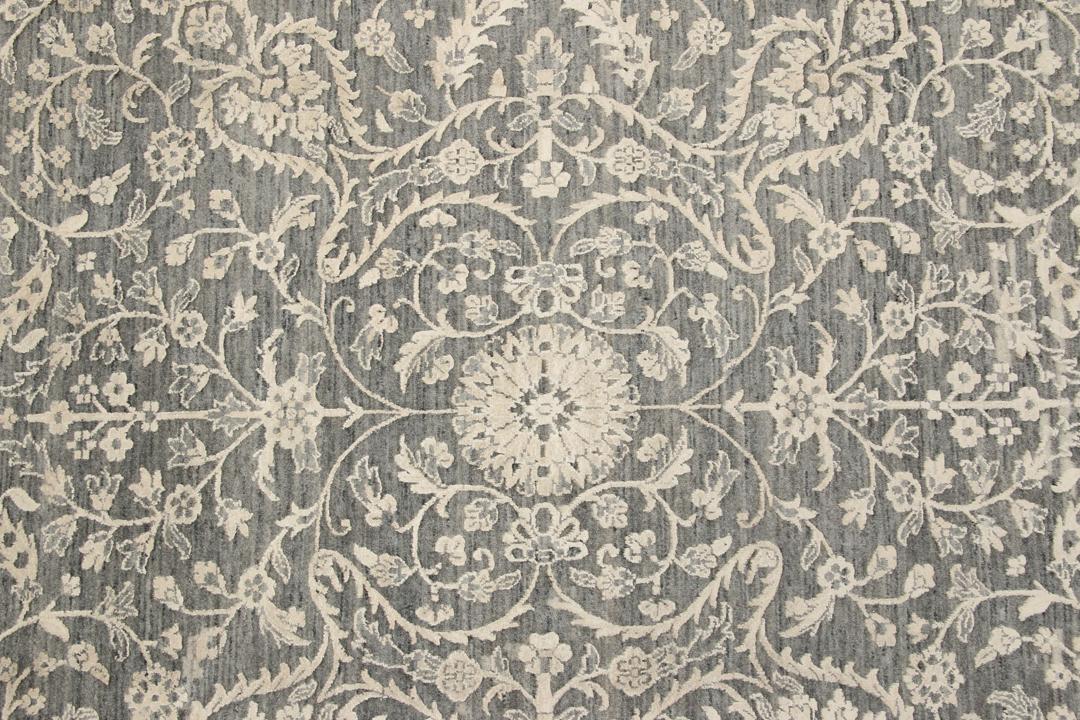
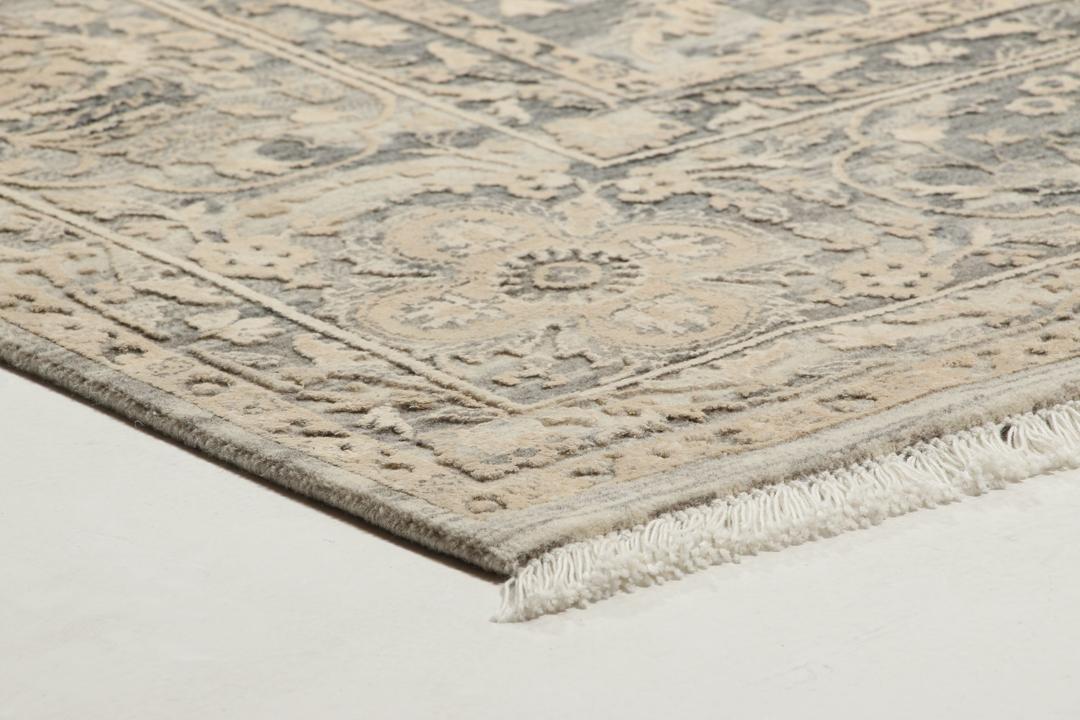
Signature design elements of the Tabriz style include a central medallion surrounded by a field of densely woven floral sprays, vines, and palmettes. The border is usually formal and well-defined, framing the central field to create a sense of harmony and proportion. While traditional palettes often favour rich, deep tones, modern interpretations frequently use sophisticated, neutral shades to complement contemporary homes.
Owning a piece from this tradition is an act of preserving a long-standing cultural legacy. These rugs are highly valued by collectors and homeowners alike because they represent a marriage of aesthetic beauty and functional durability. By bringing a hand-knotted rug into your home, you are connecting to a global history of craft that prioritises patience, skill, and the pursuit of excellence.