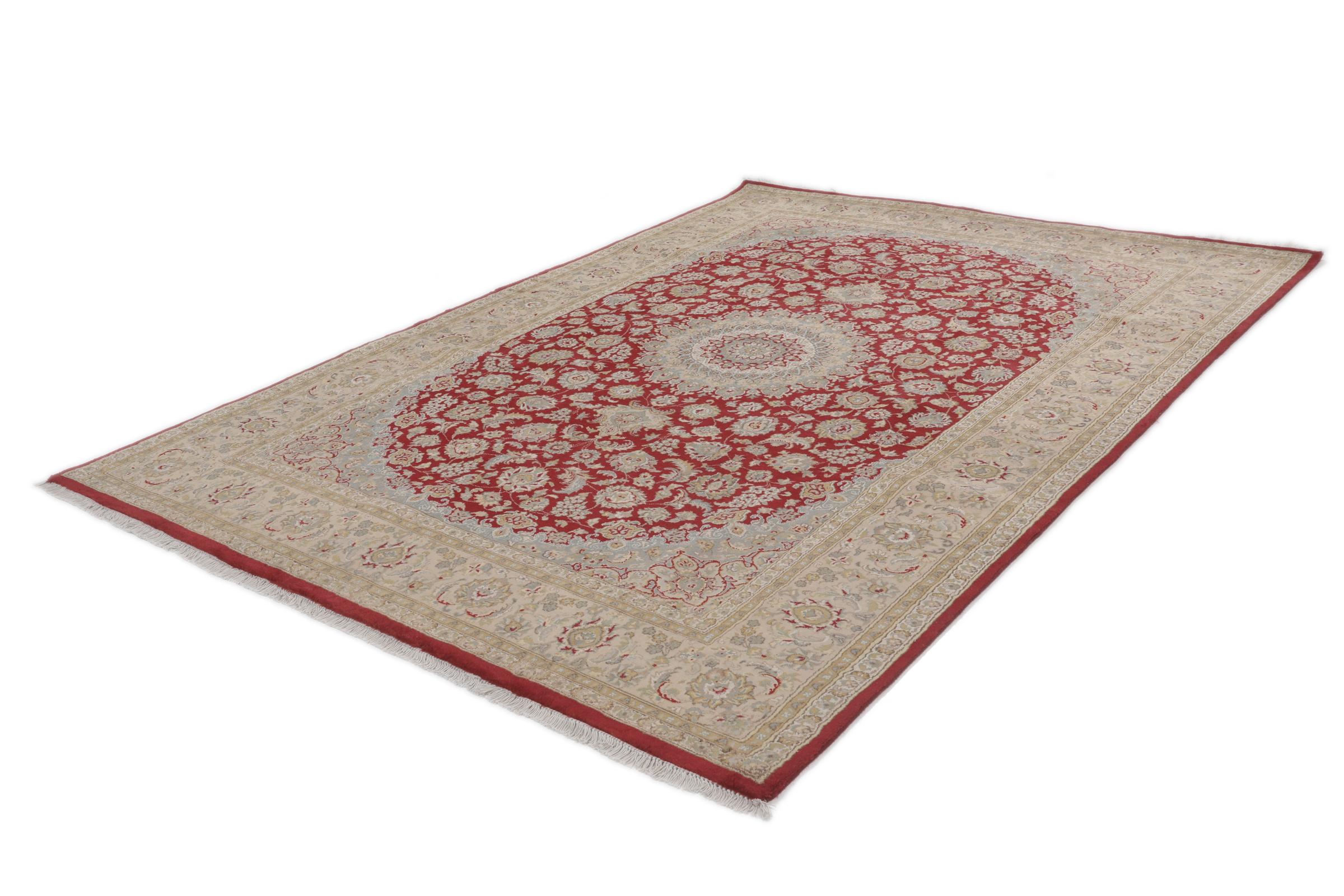
The Tabriz rug tradition is named after the historic city in the Middle East, a centre of culture and commerce that has been synonymous with the finest weaving for centuries. While the style originated in this ancient hub, it has evolved and travelled, with today’s finest examples being crafted in regions where artisans continue to honour these time-tested motifs.
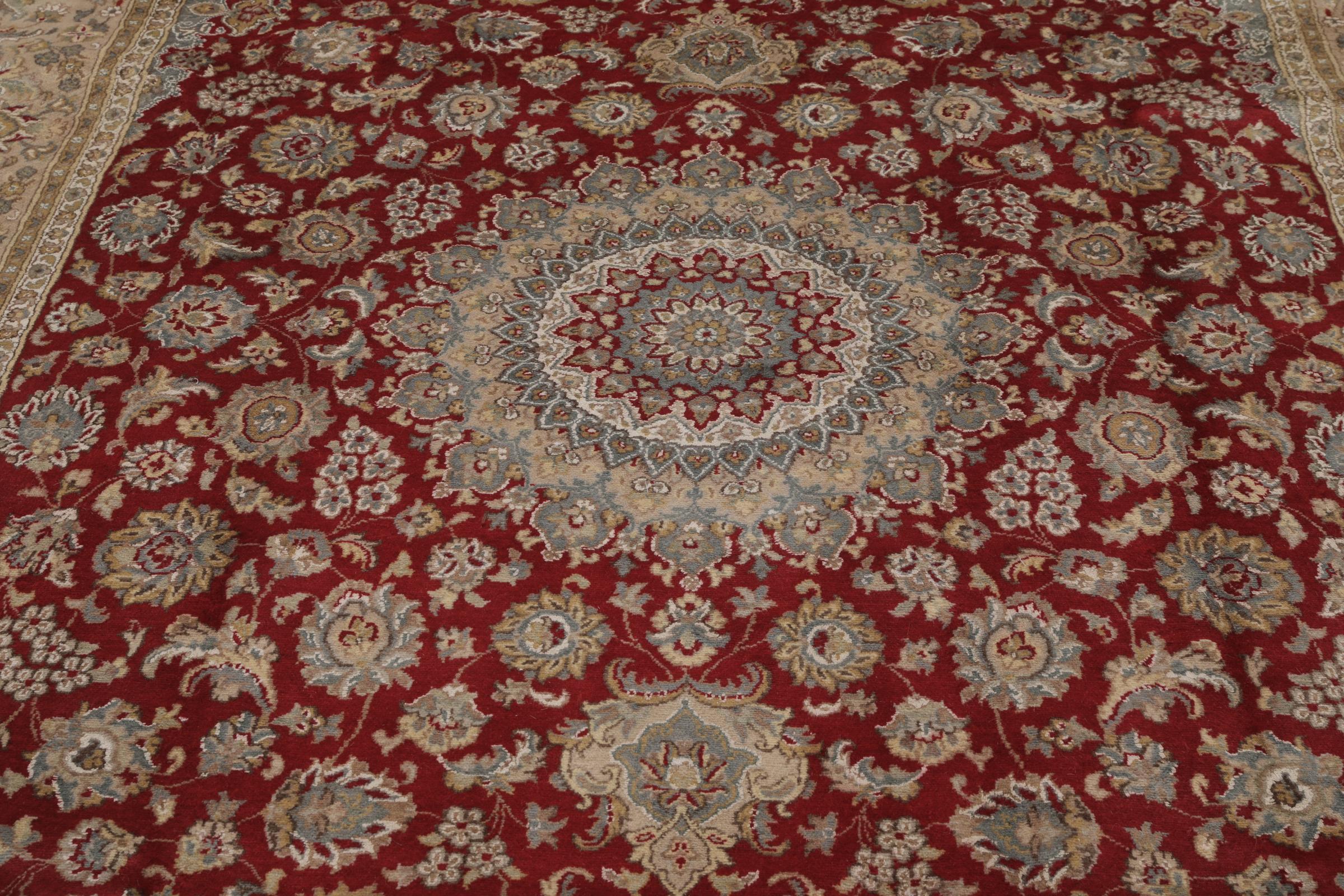
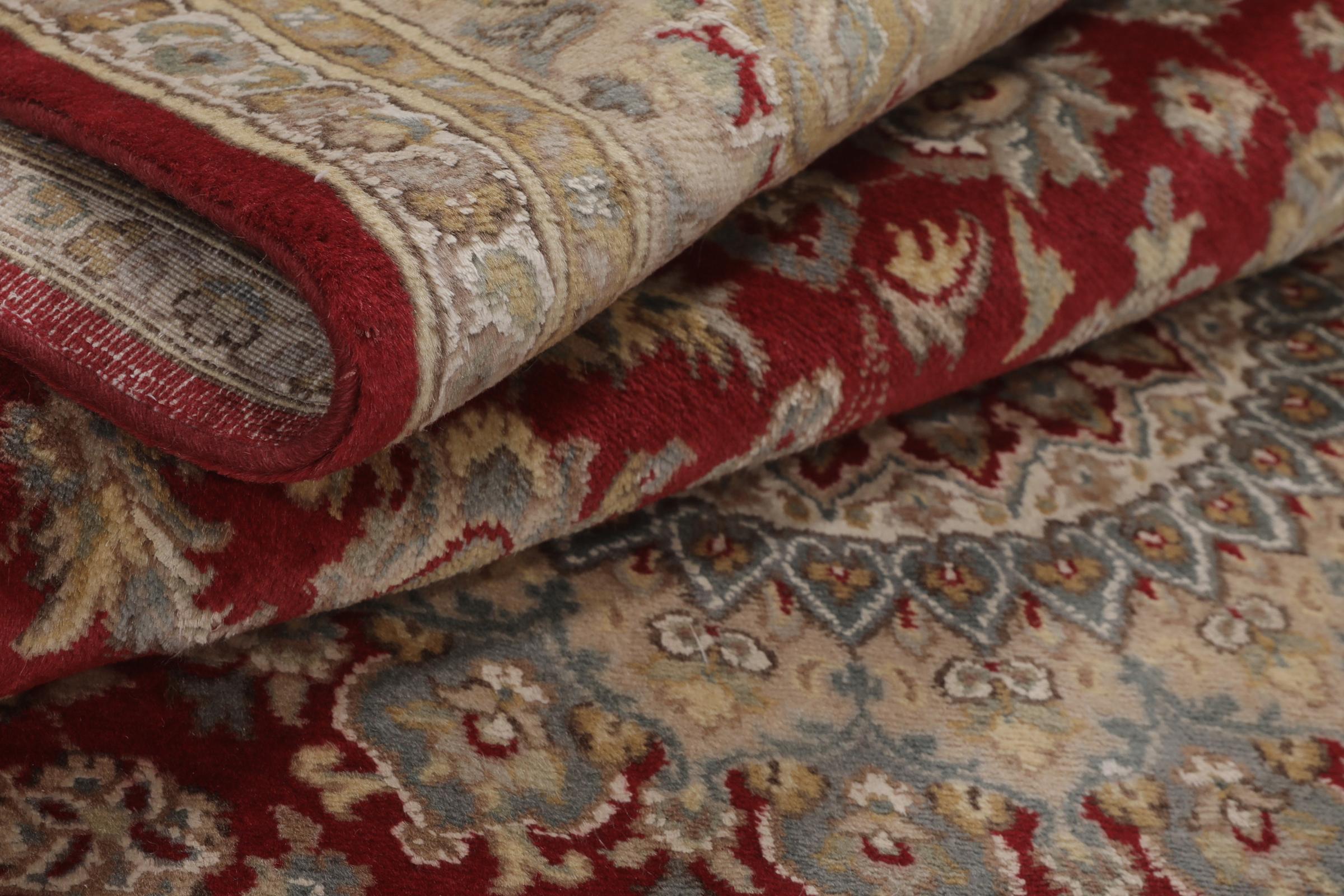
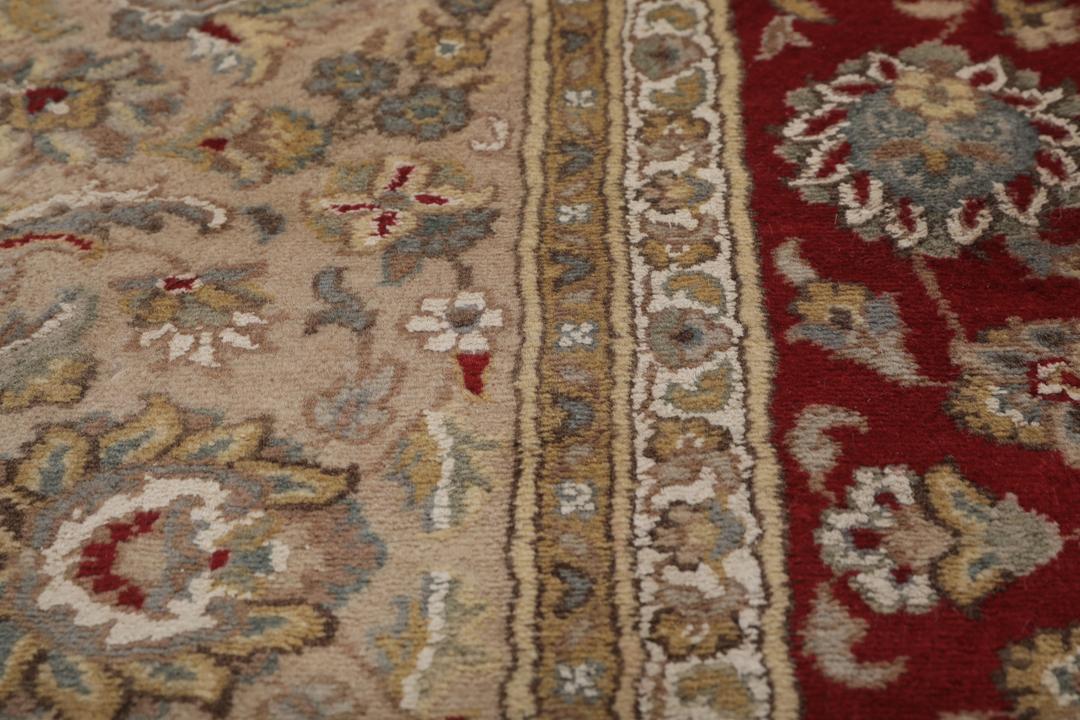
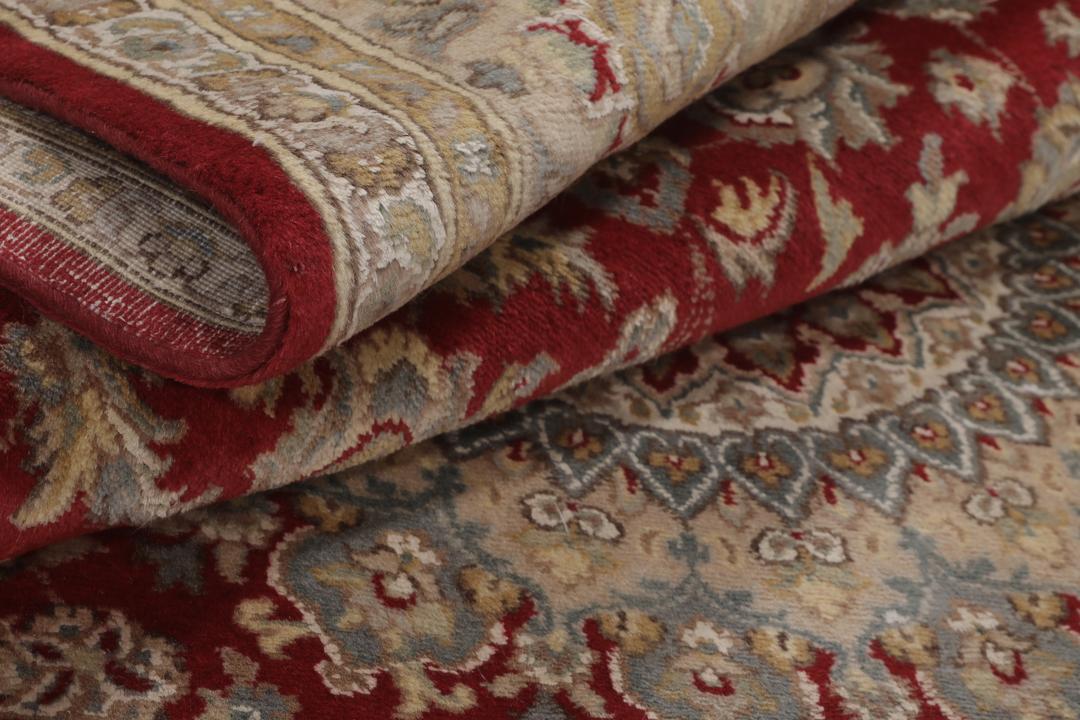
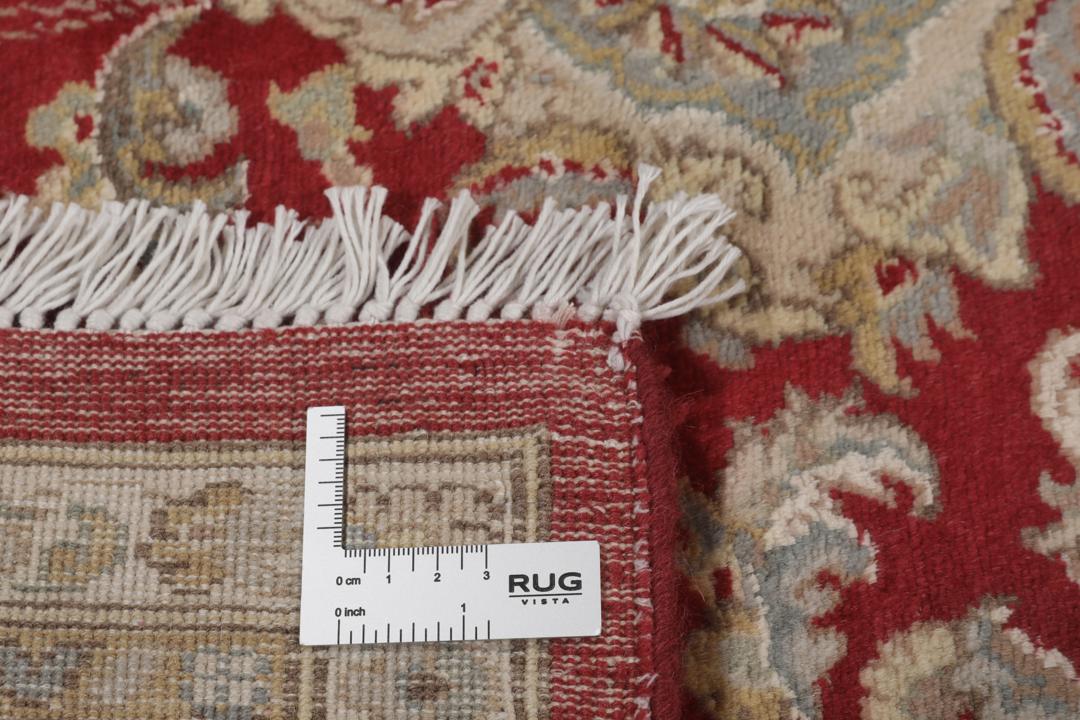
The construction of these rugs is defined by their density and the quality of their materials. The term Tabriz refers to a specific design language that prioritises detail and structure, often utilising a robust foundation that supports a dense pile. This density is the hallmark of the style, ensuring that the elaborate patterns remain sharp and clear even after years of use.
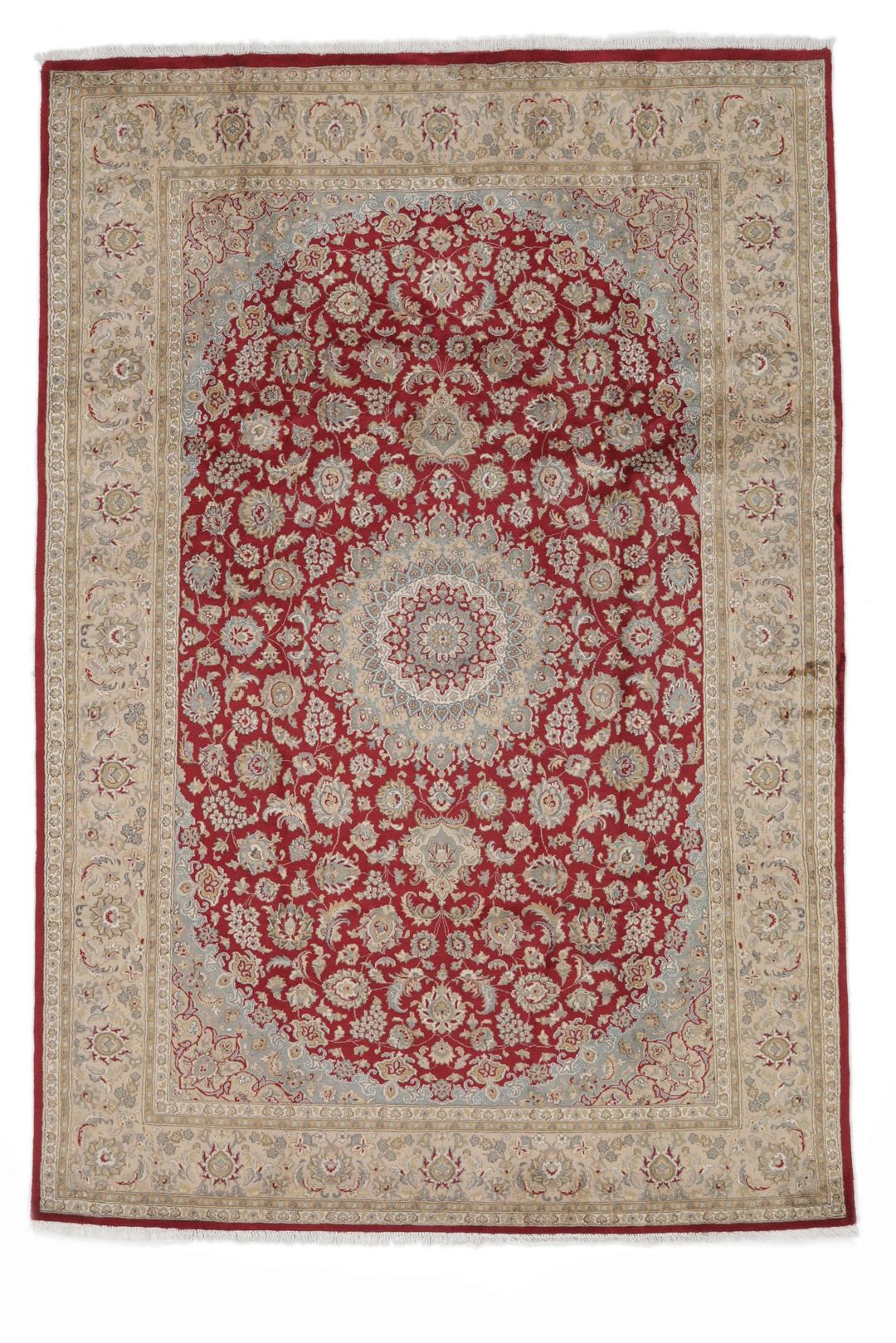
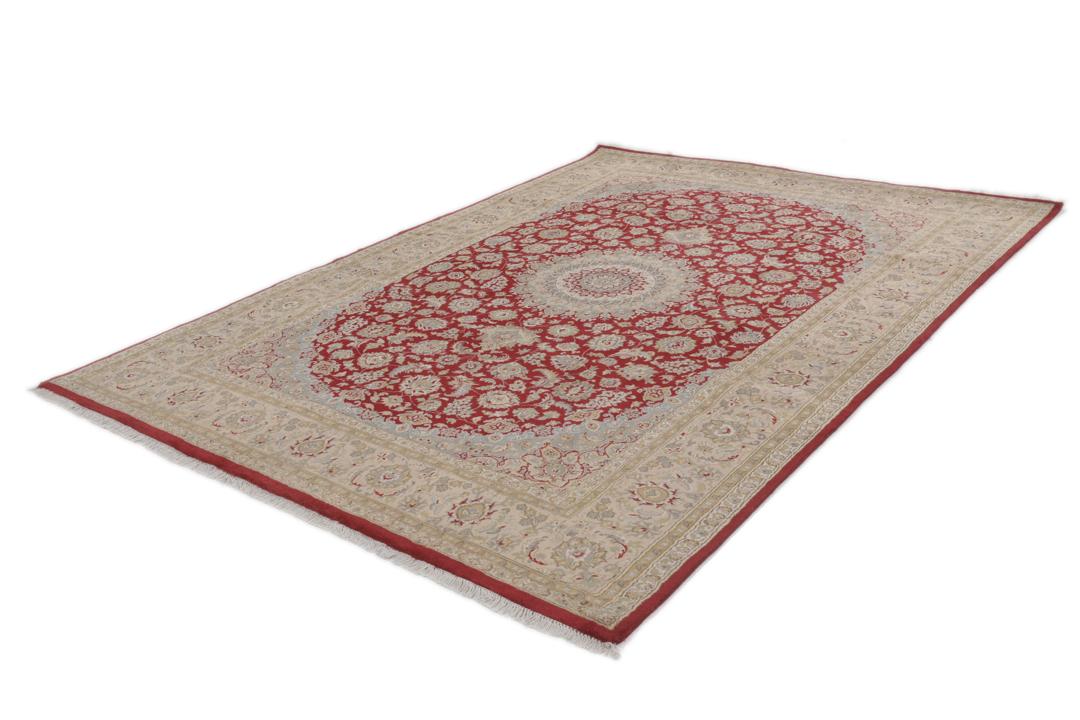
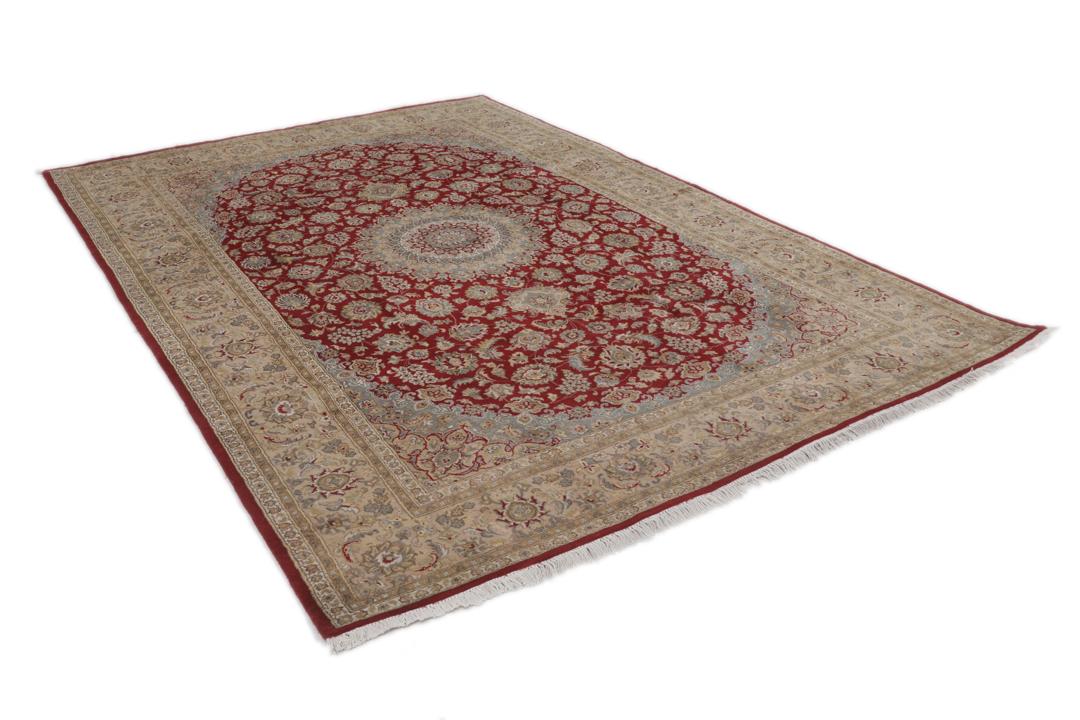
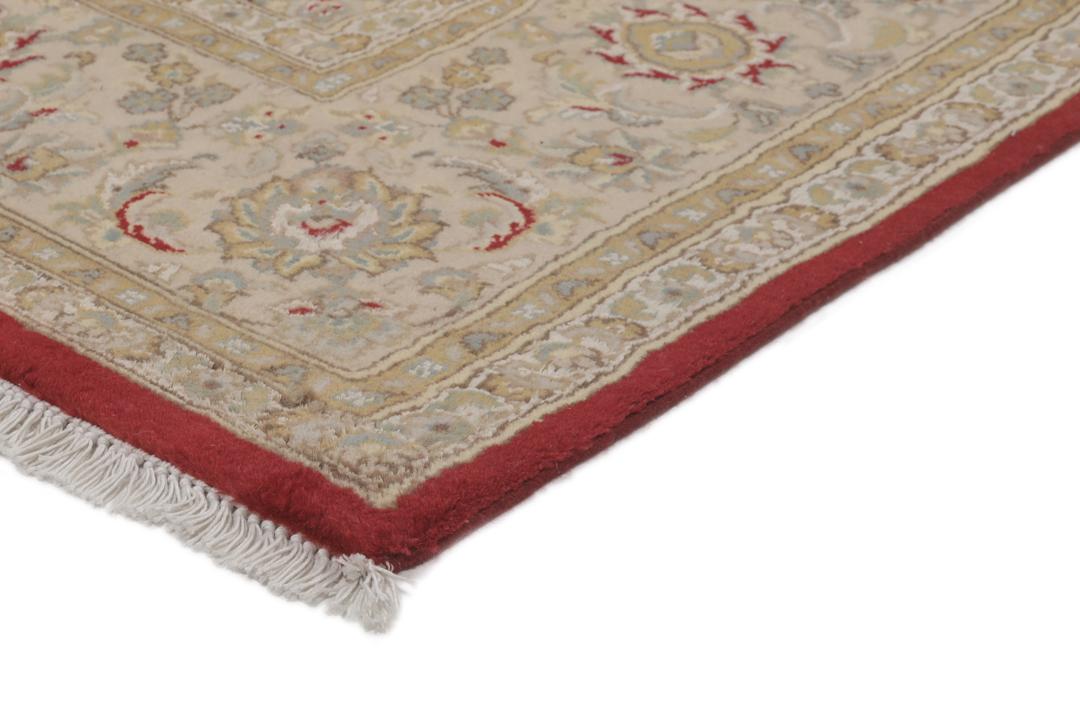
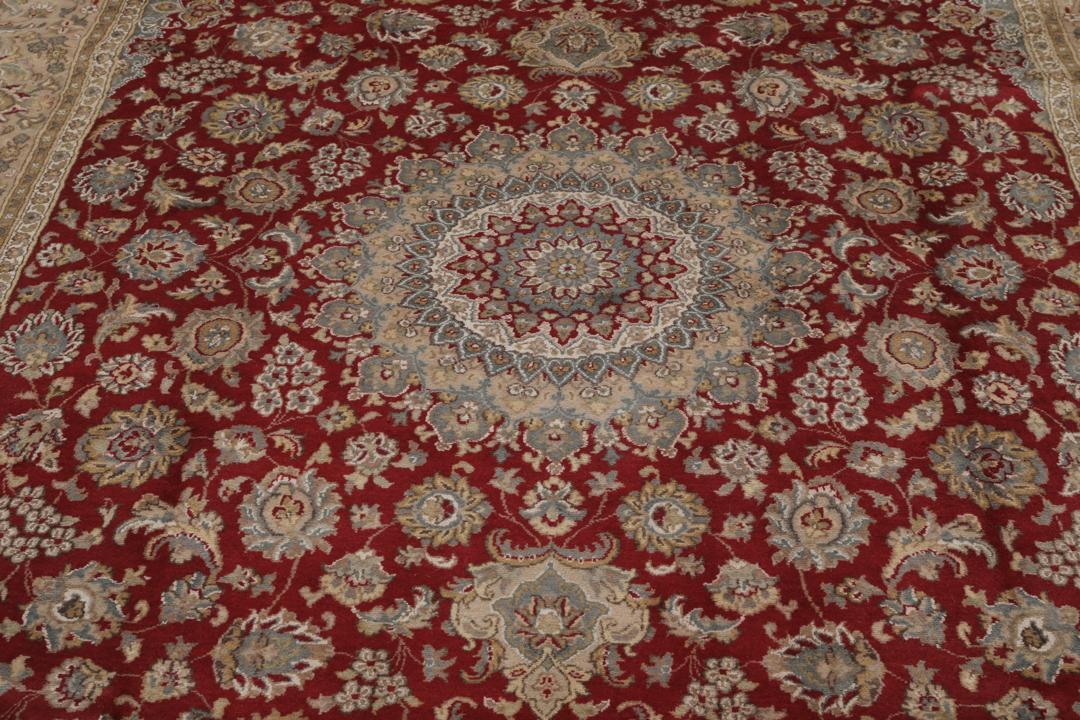
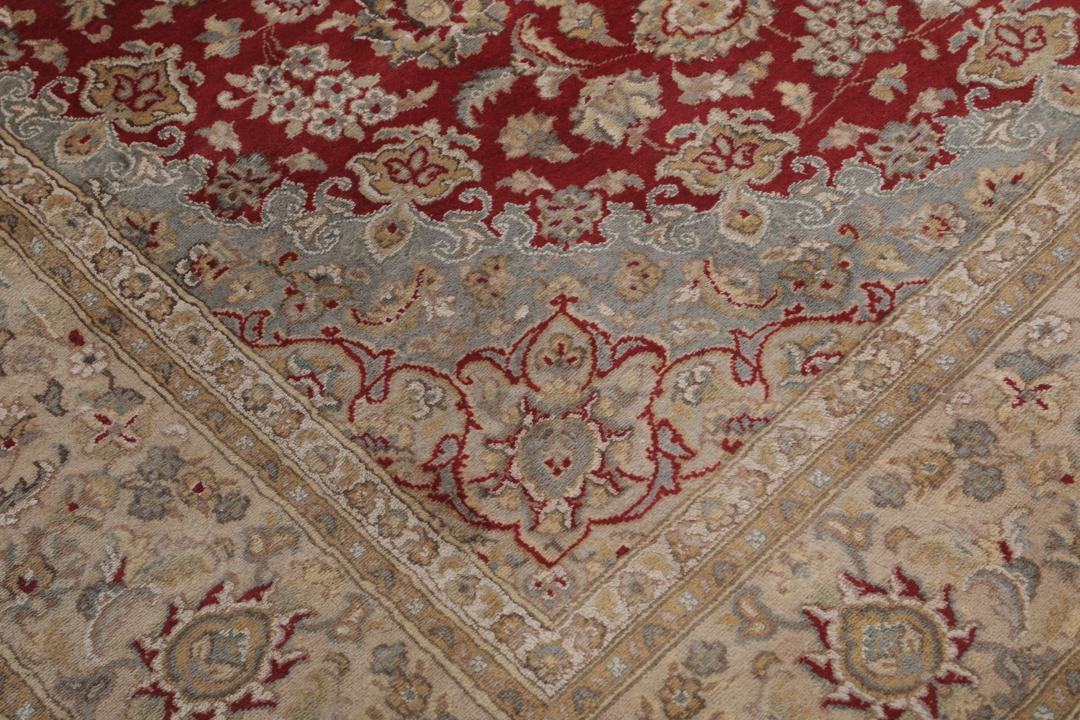
Visually, these rugs are known for their sophisticated layouts, typically featuring a central medallion that radiates outward into a field of vines, palmettes, and floral scrolls. The borders are often equally ornate, framing the field with a series of intricate bands that mirror the central design, creating a balanced and cohesive aesthetic that is widely celebrated for its complexity.
Collectors value these rugs because they represent a bridge between history and modern living. Owning a piece from this tradition is not just about floor coverage but about preserving a legacy of skill and design. These rugs are sought after for their ability to bring a sense of permanence and cultural depth to an interior, making them heirlooms that can be passed down through generations.