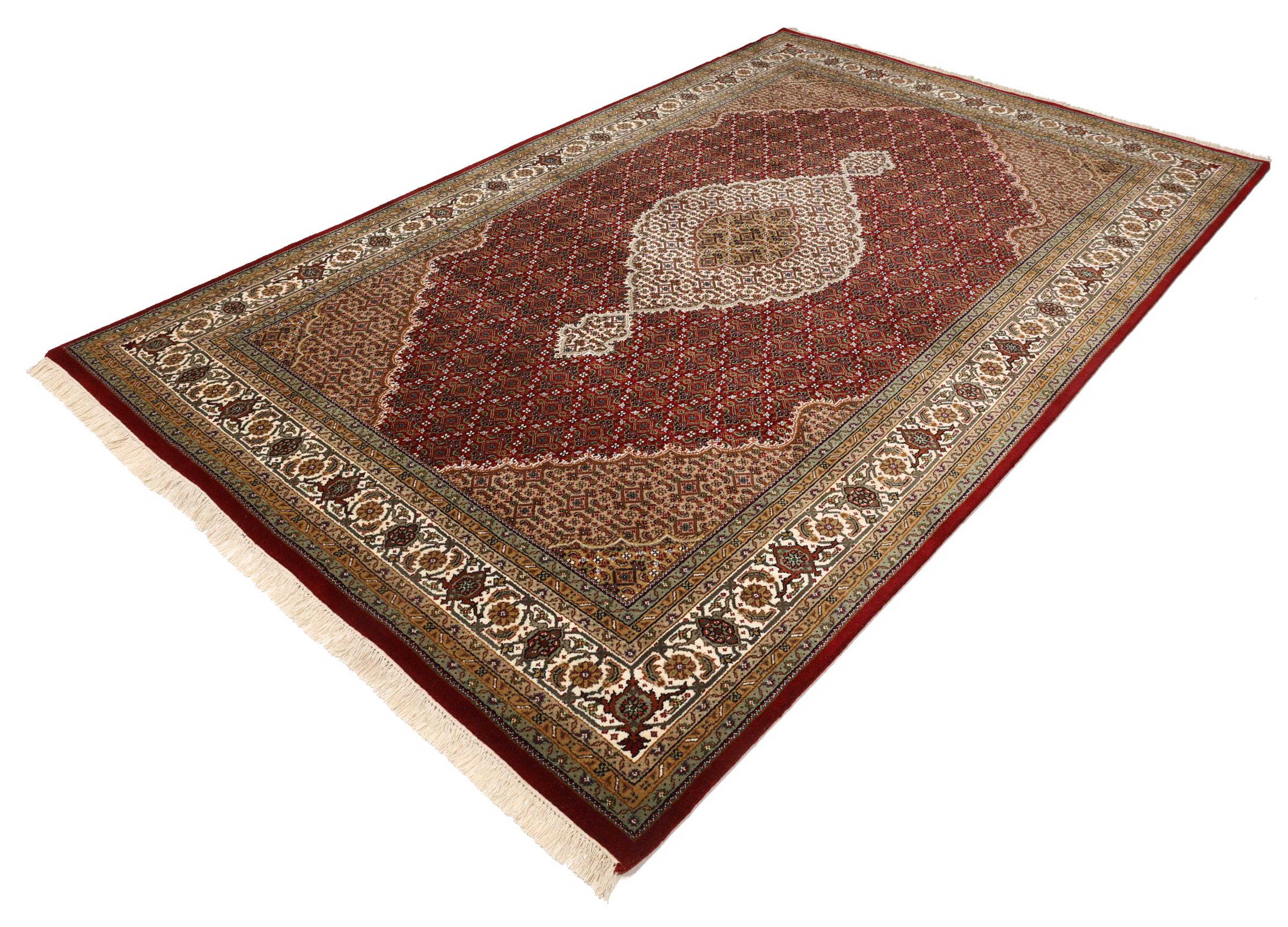
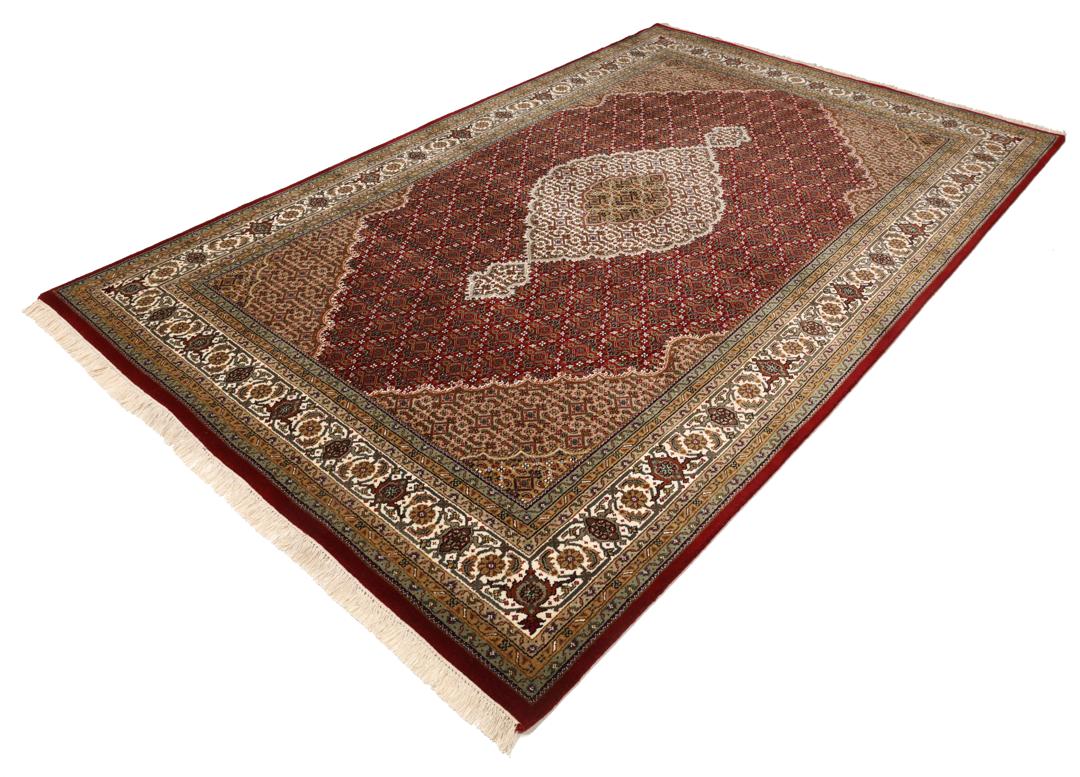
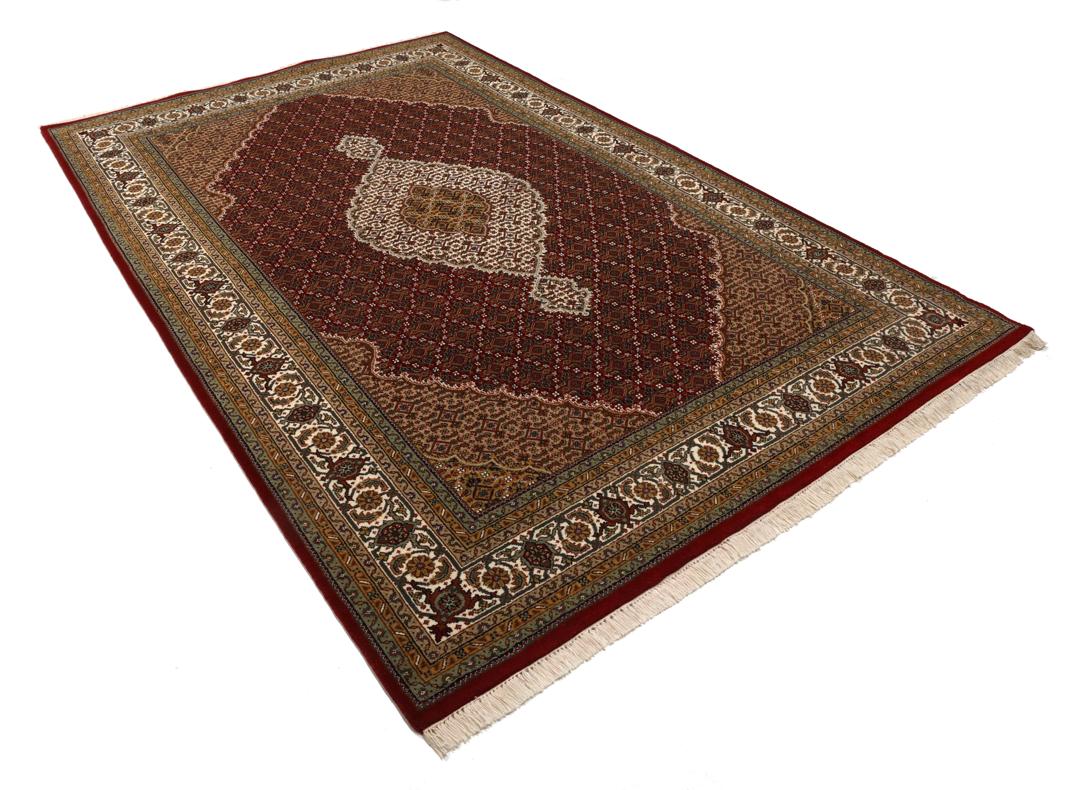
The Tabriz tradition originates from the historic city of Tabriz in the Middle East, a long-standing centre of artistic production that has influenced rug weaving for centuries. While the style is deeply rooted in this regional heritage, it has evolved through global trade and cultural exchange. Today, the finest expressions of this tradition are crafted in India, where weavers continue to honour the complex designs and high-quality standards established by their predecessors.
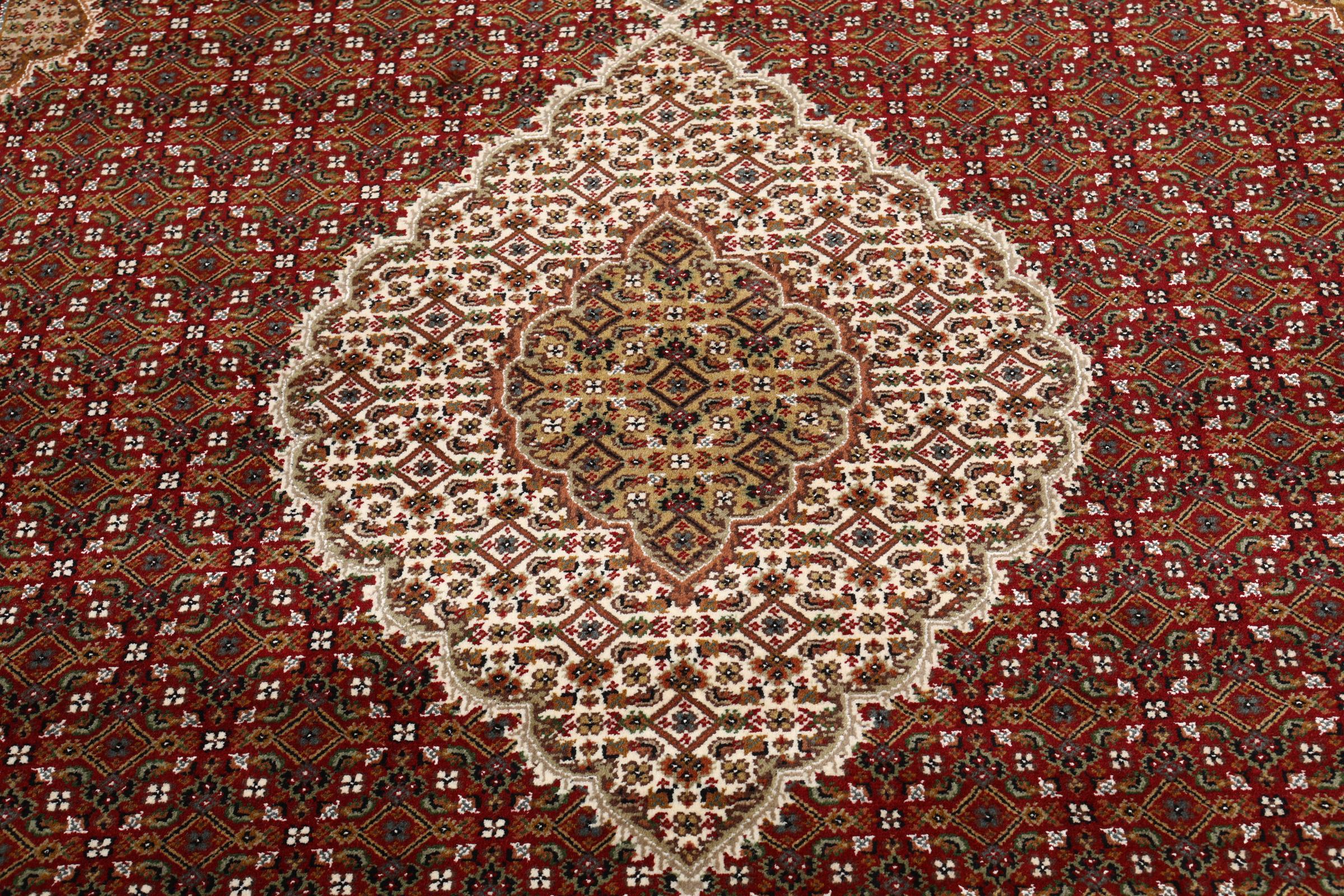
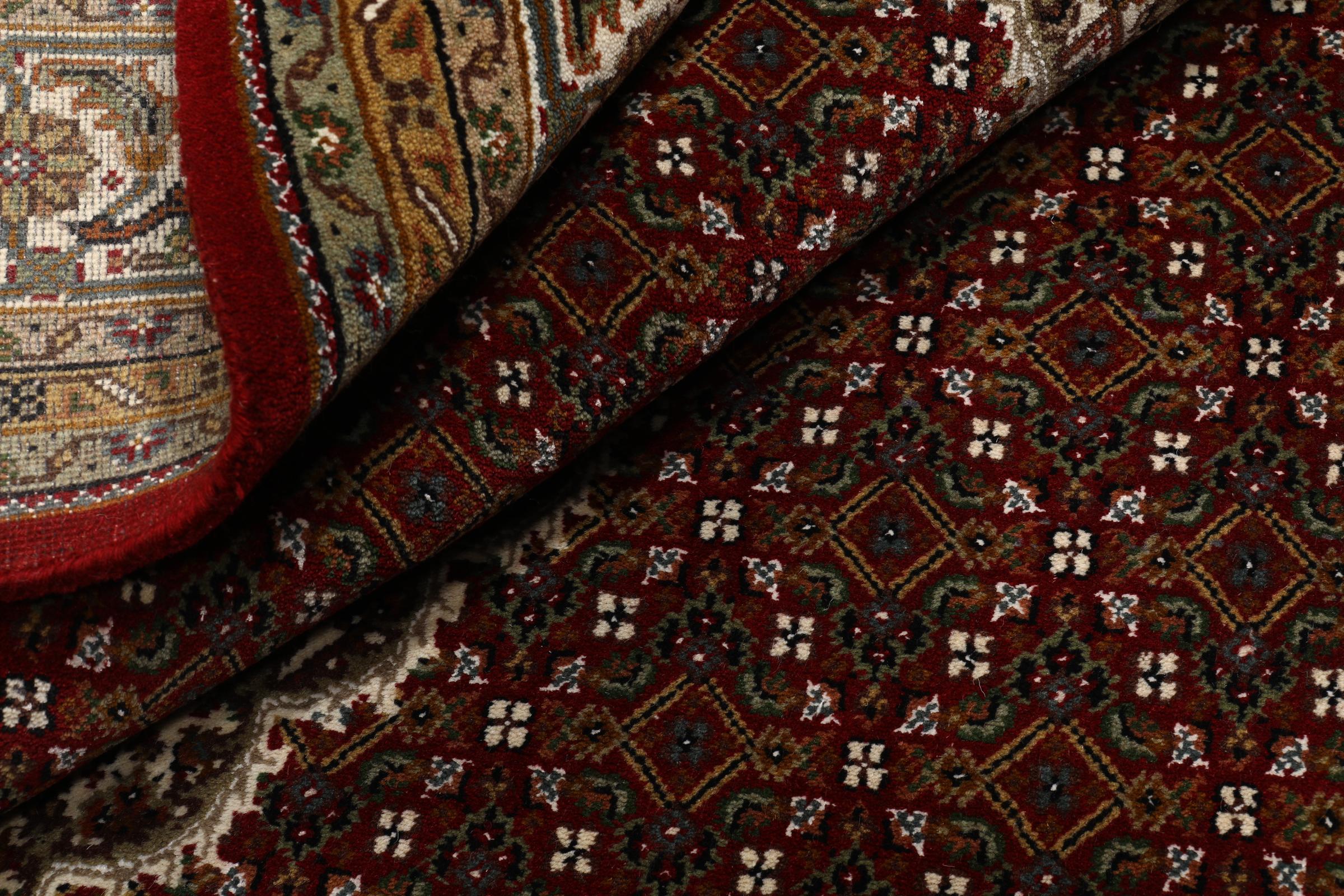
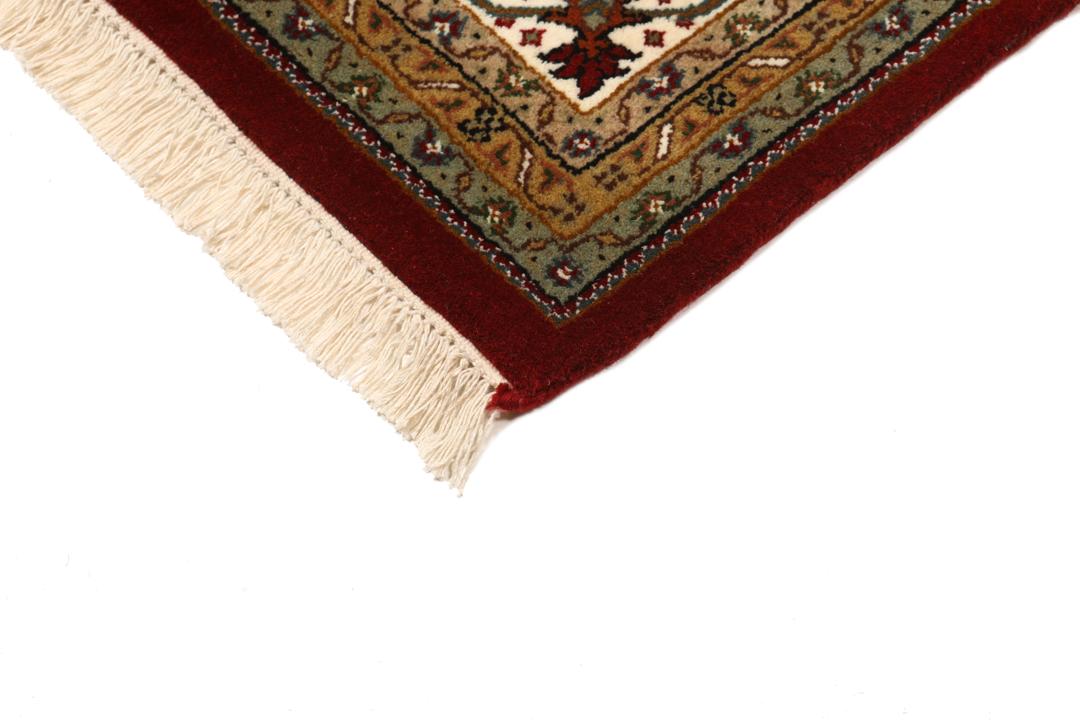
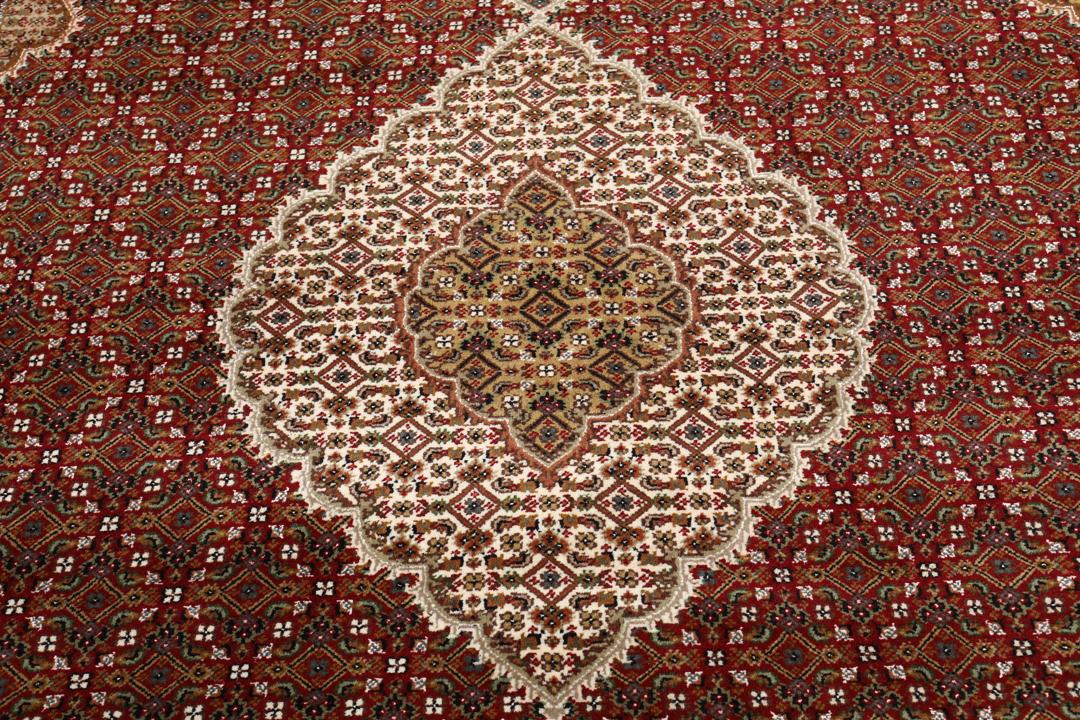
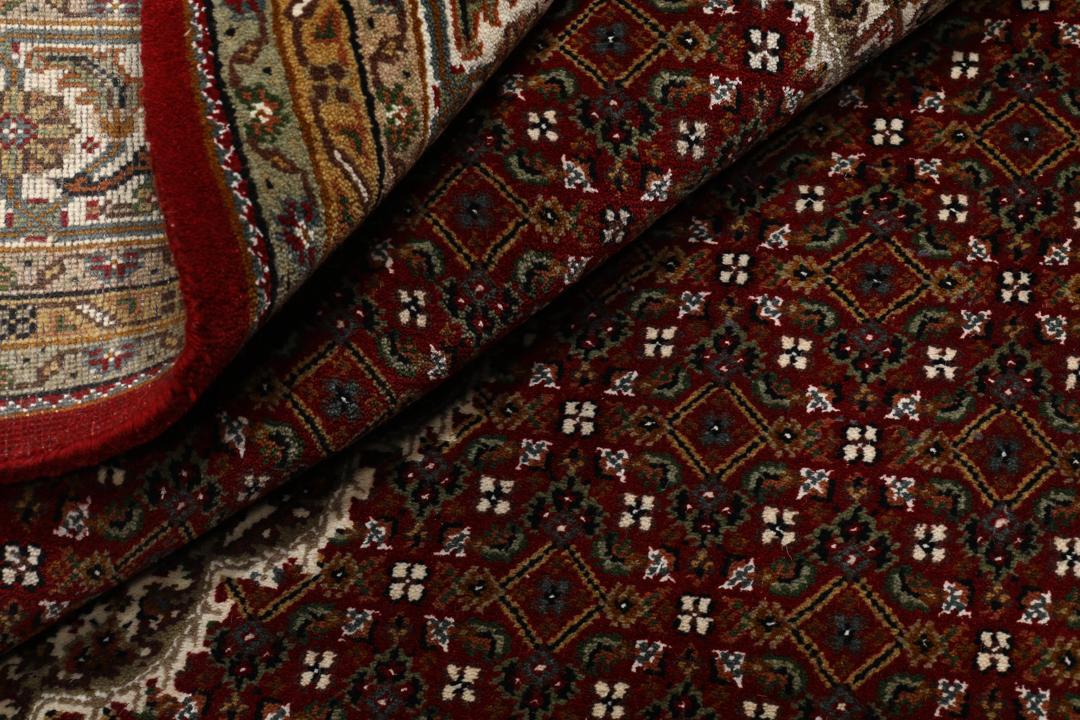
A defining characteristic of these rugs is the complexity of their construction, which allows for highly detailed, curvilinear patterns that are difficult to achieve in simpler weaving traditions. The mastery required to execute these designs is passed down through generations, ensuring that the essence of the craft remains intact. This dedication to technical precision results in a rug that is as durable as it is beautiful, capable of maintaining its structure and detail over decades of use.
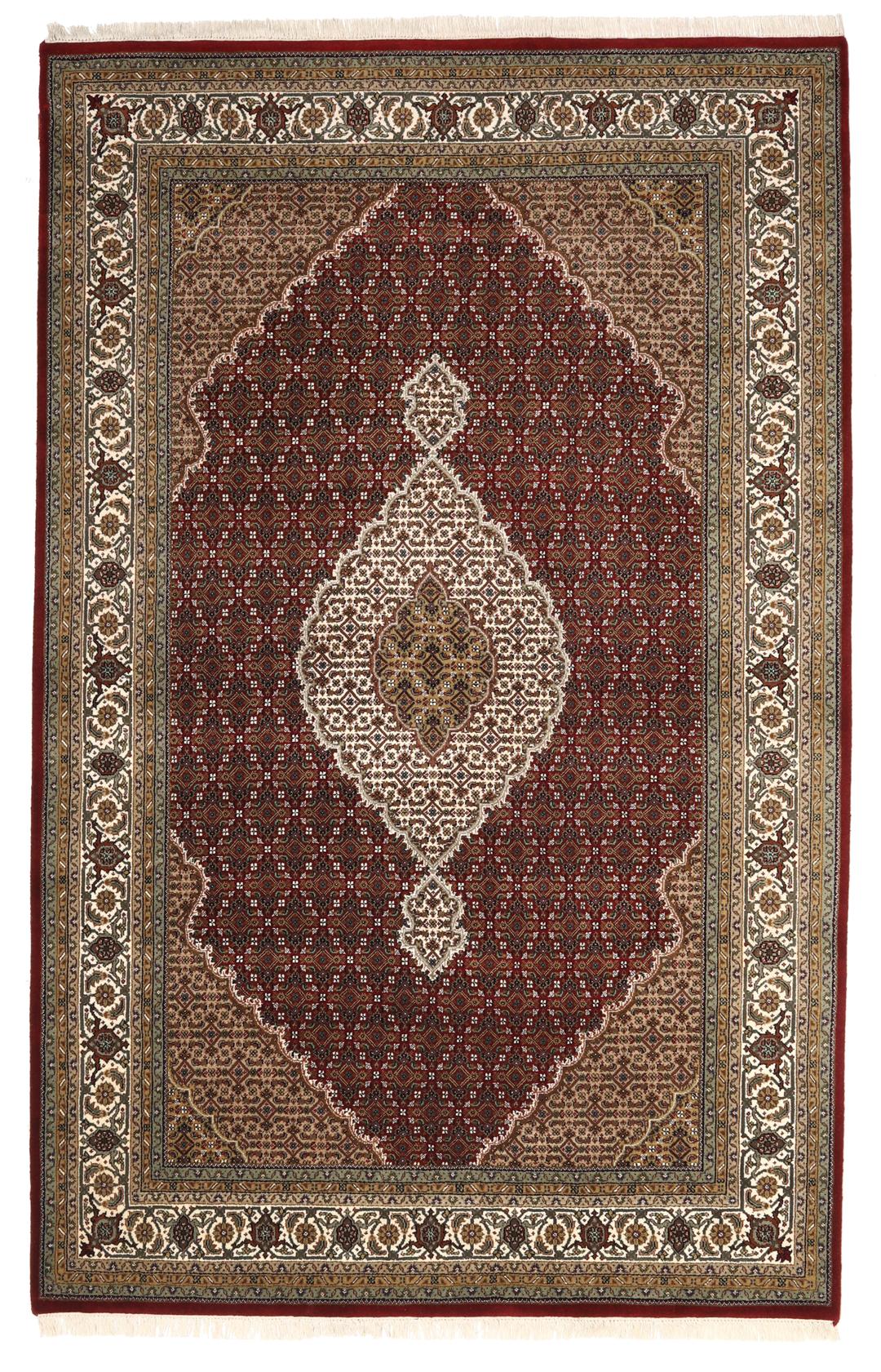
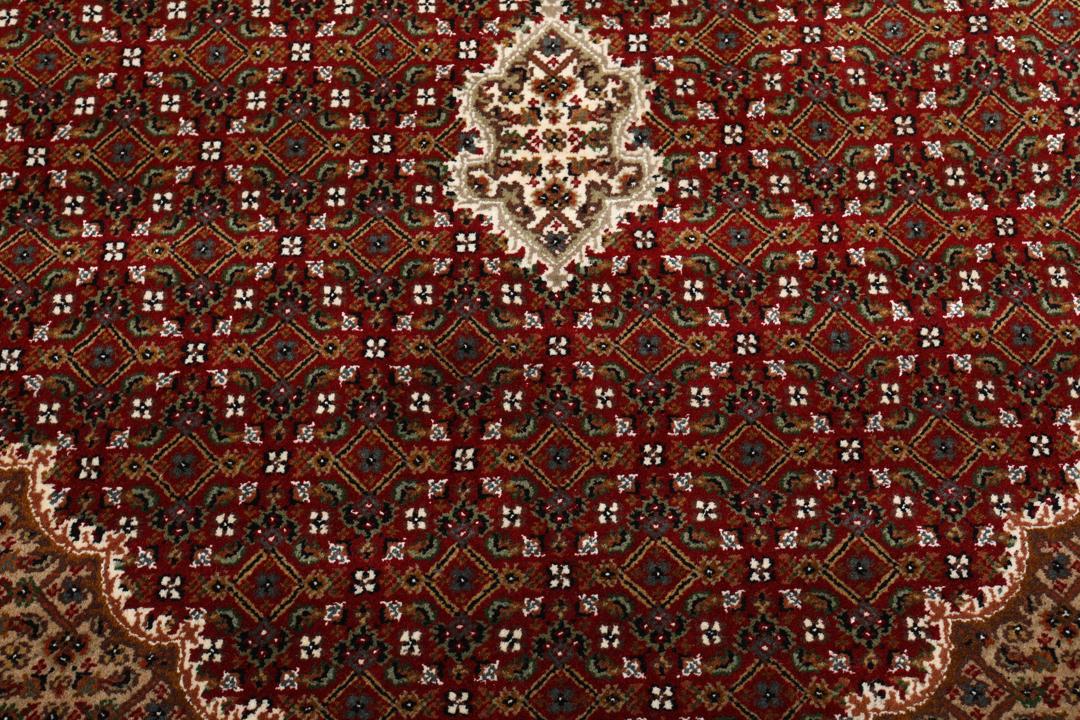
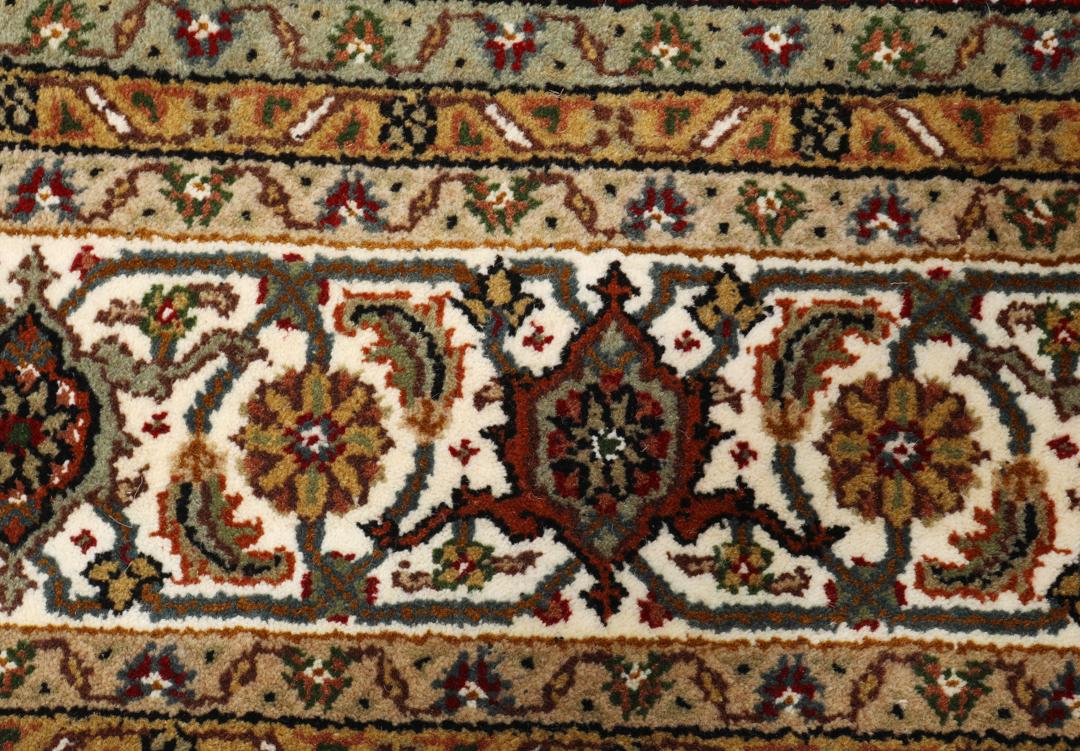
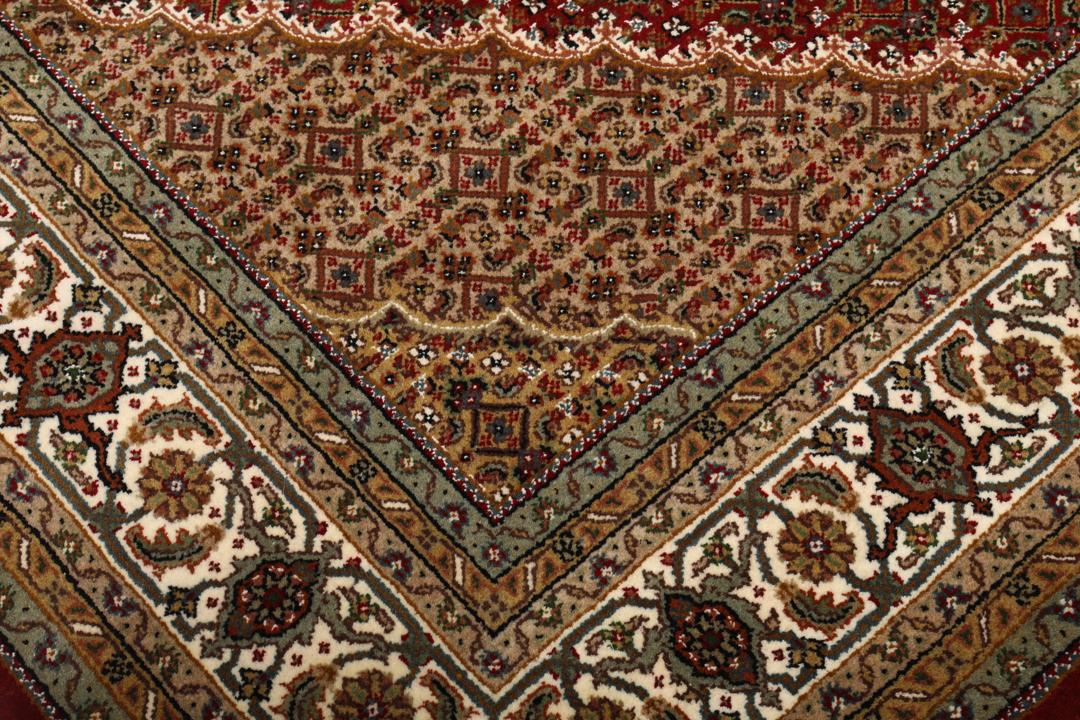
Visually, these rugs are often defined by a central medallion, which acts as the heart of the design, surrounded by intricate floral motifs and ornate borders. The balanced composition reflects a long history of geometric and botanical precision. The use of deep, rich colours like those found in this piece is a hallmark of the tradition, designed to create a sense of harmony and sophistication within a room.
Owning a piece from this tradition is about more than just floor decor, as it represents a connection to a vast lineage of skilled artisans. These rugs are highly valued by collectors for their blend of historical narrative and enduring quality. By bringing this piece into your home, you are preserving a craft tradition that prioritises patience, skill, and an unwavering commitment to beauty.