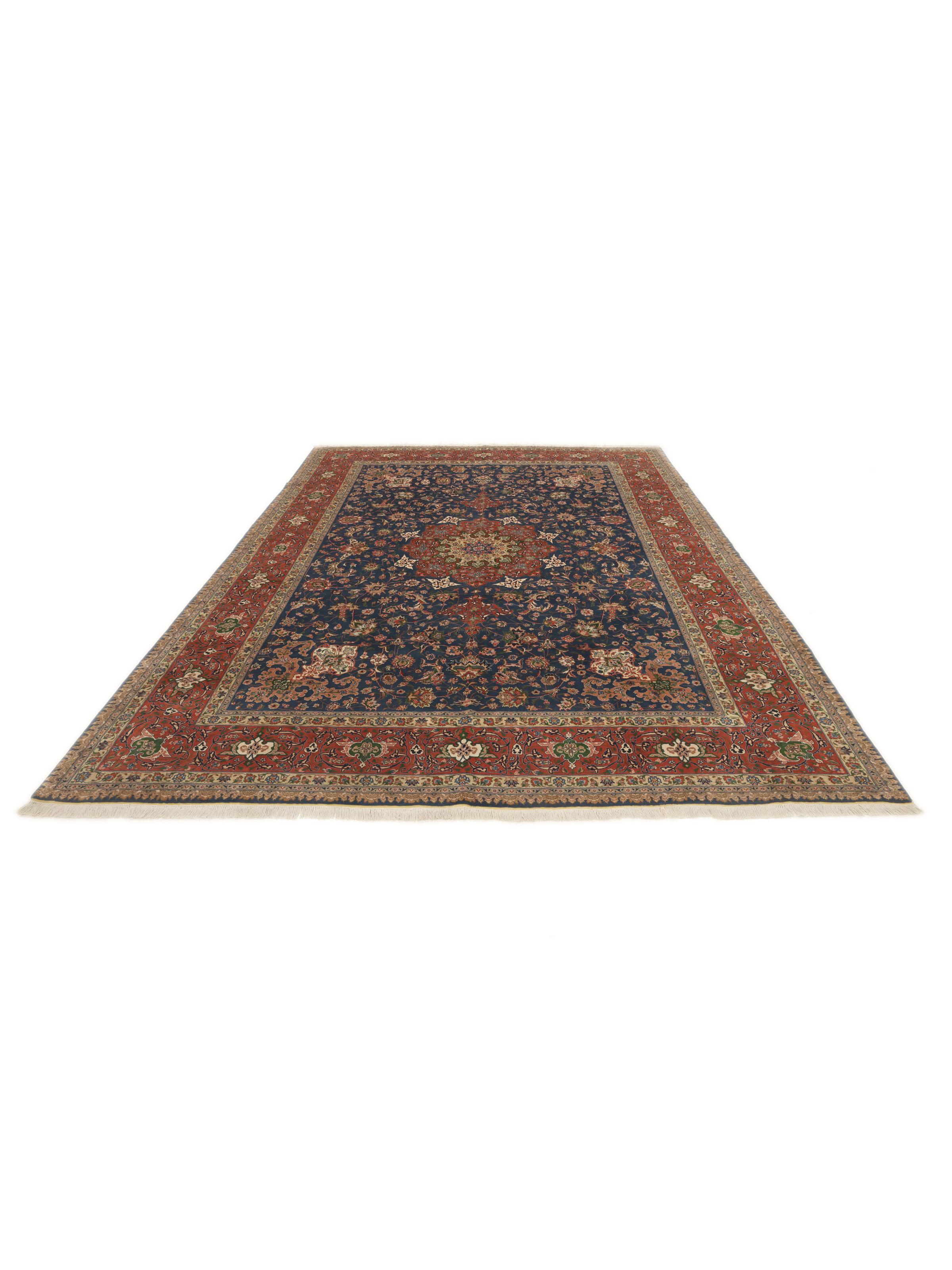
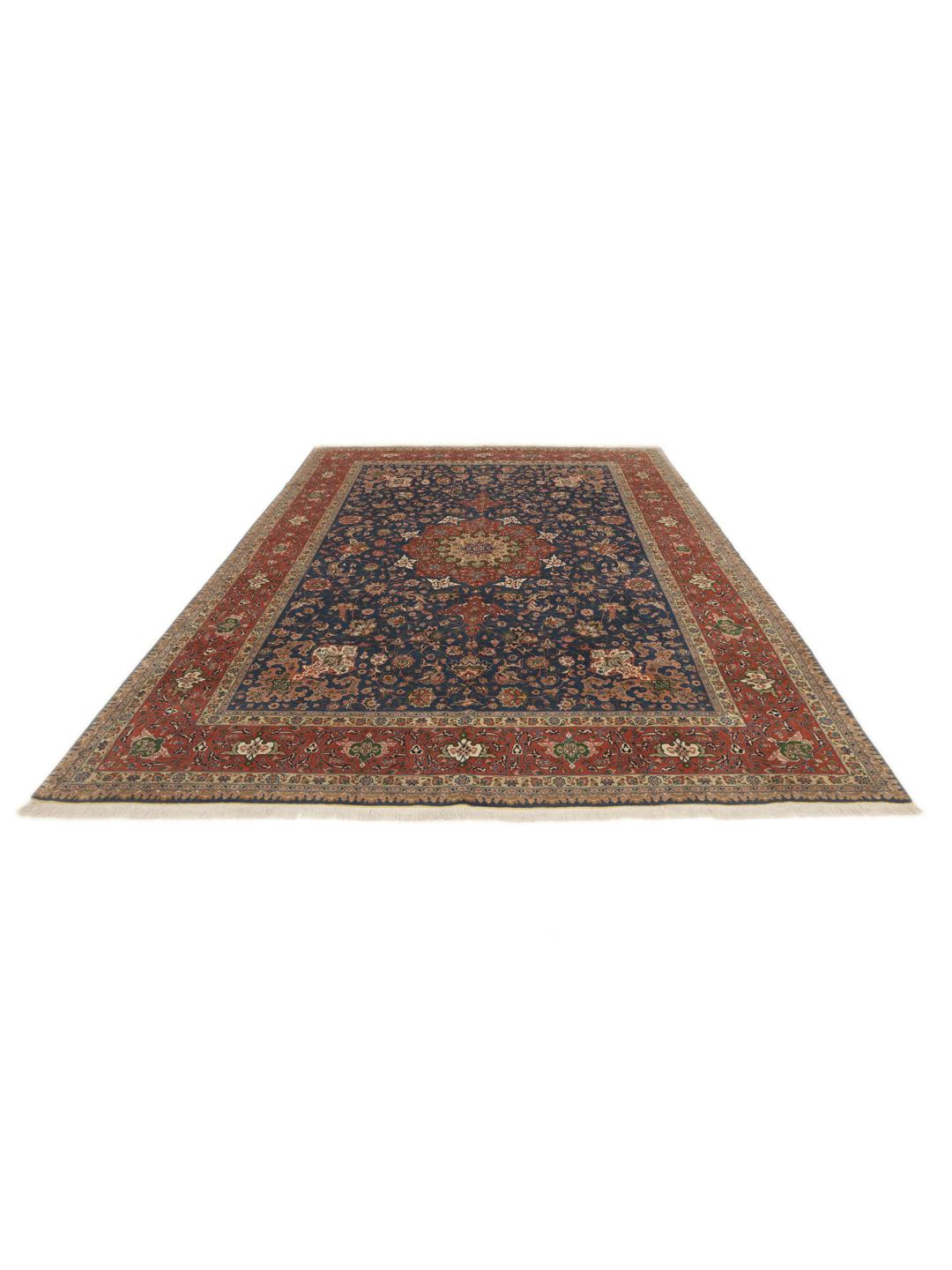
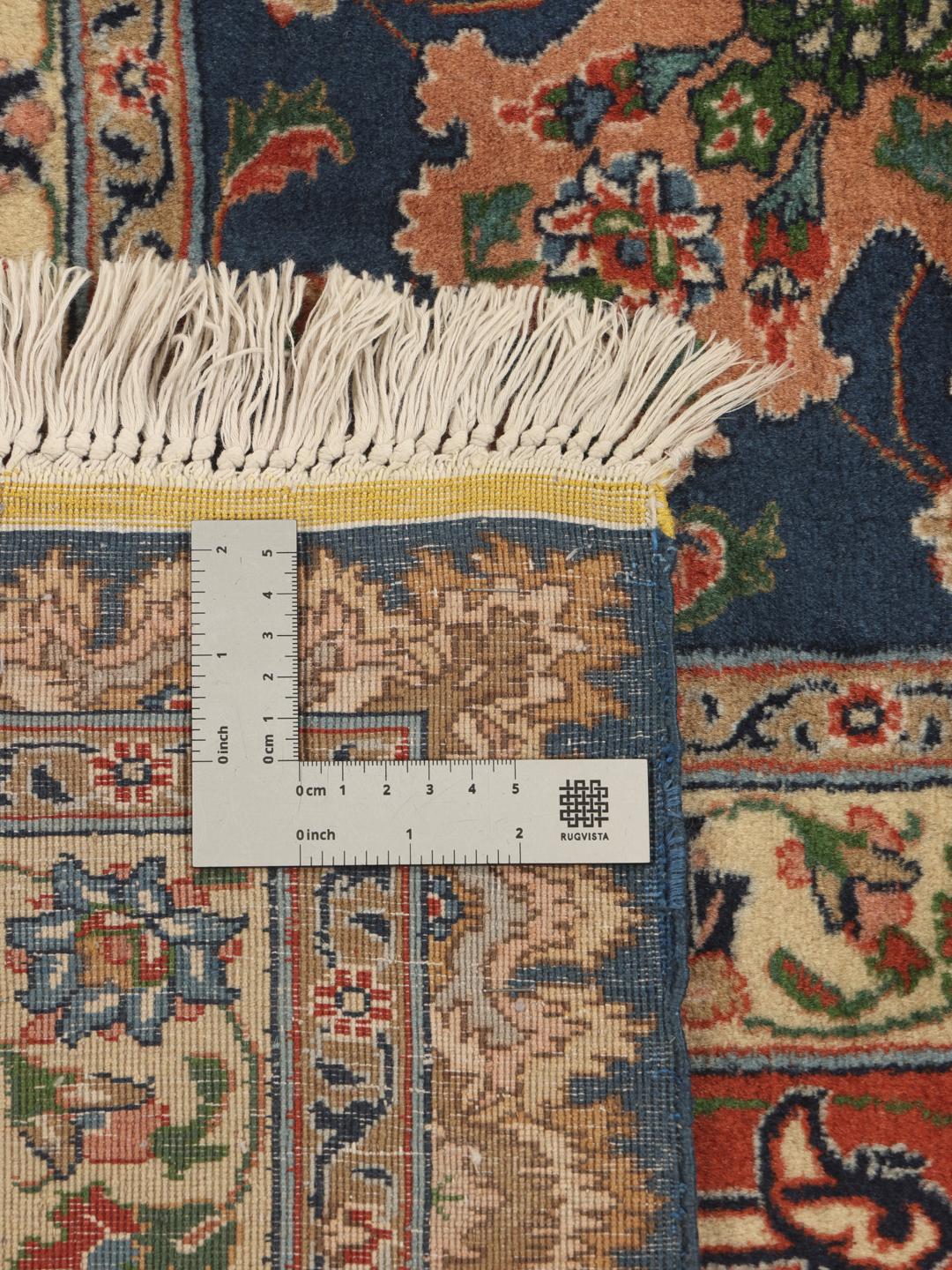
Tabriz rugs hail from one of the oldest weaving centres in the Middle East, located in the historic city of Tabriz. This region has been a vibrant hub for the textile arts for centuries, benefiting from its position as a major stop along the historic Silk Road. The rugs produced here are world-renowned for their technical precision and their ability to incorporate a vast array of artistic influences, ranging from classical floral arrangements to intricate pictorial scenes.
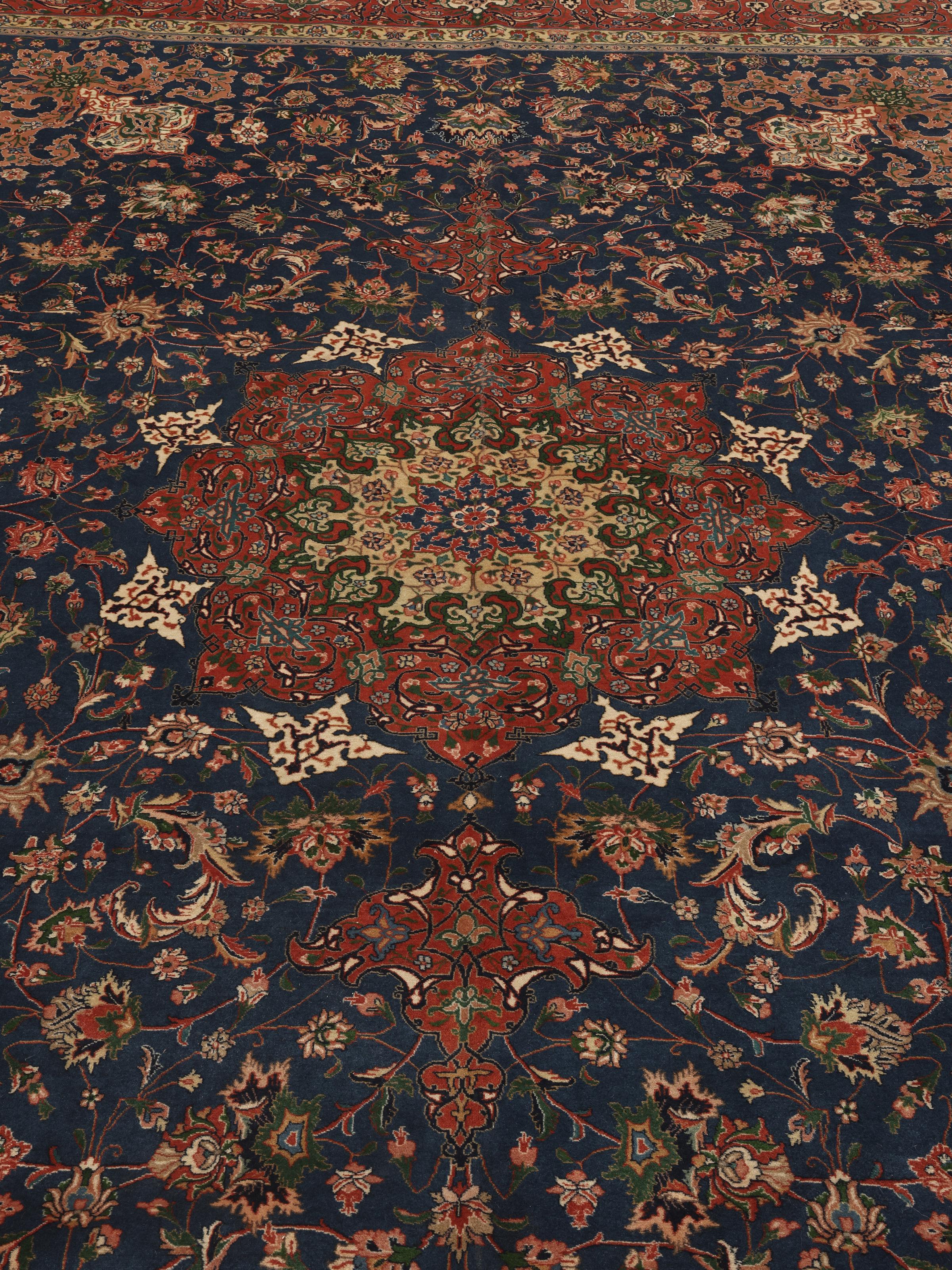
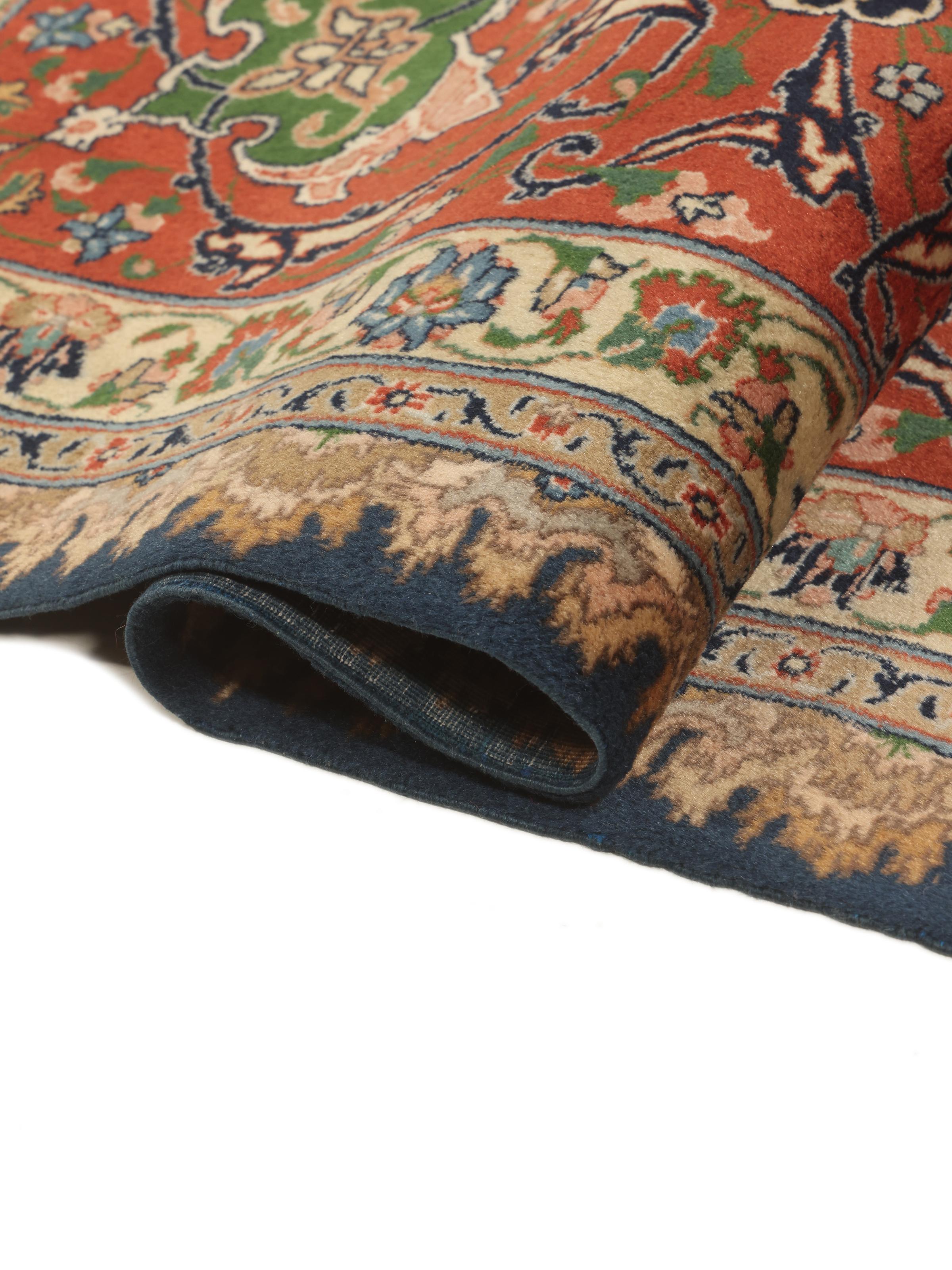
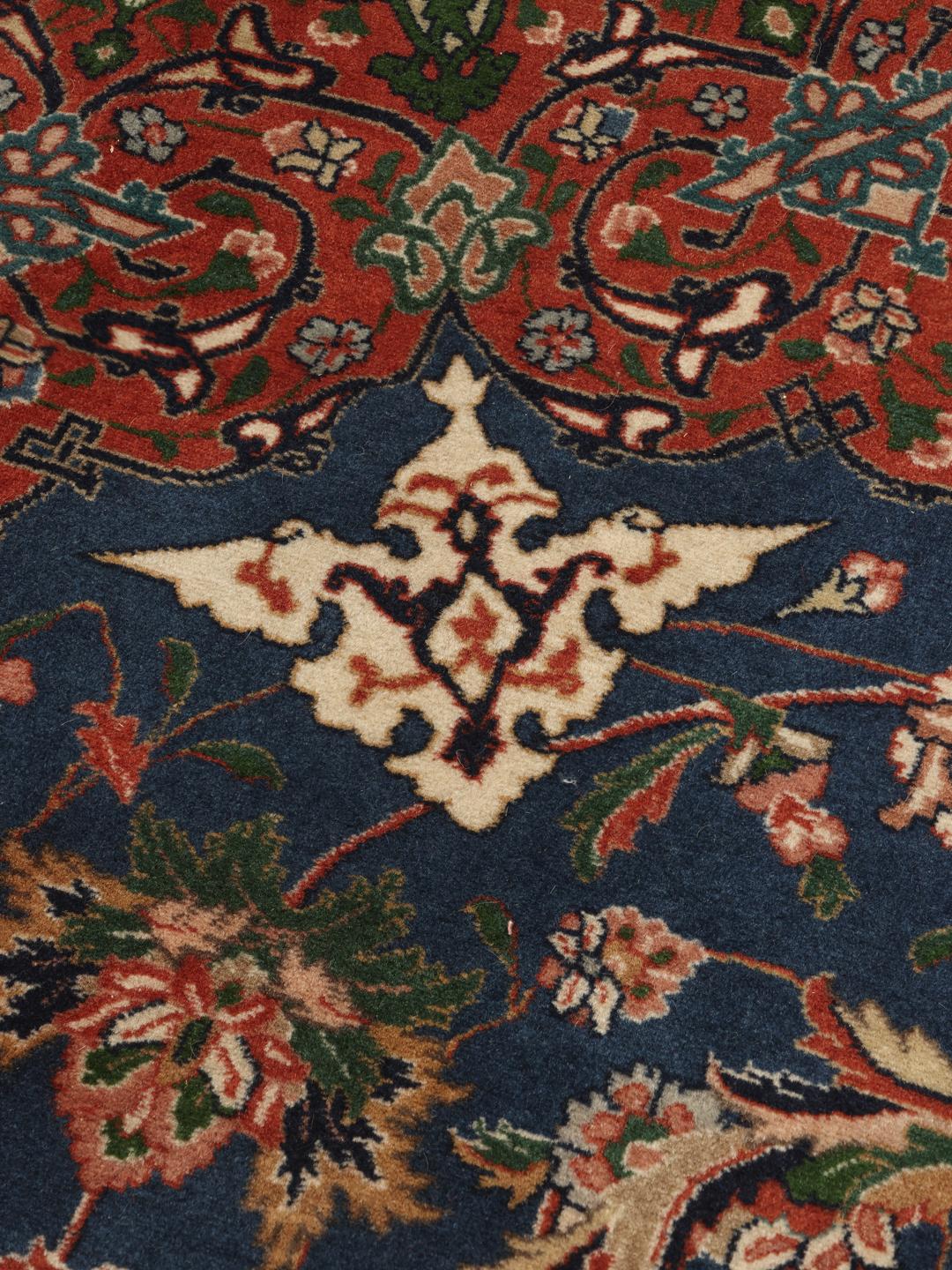
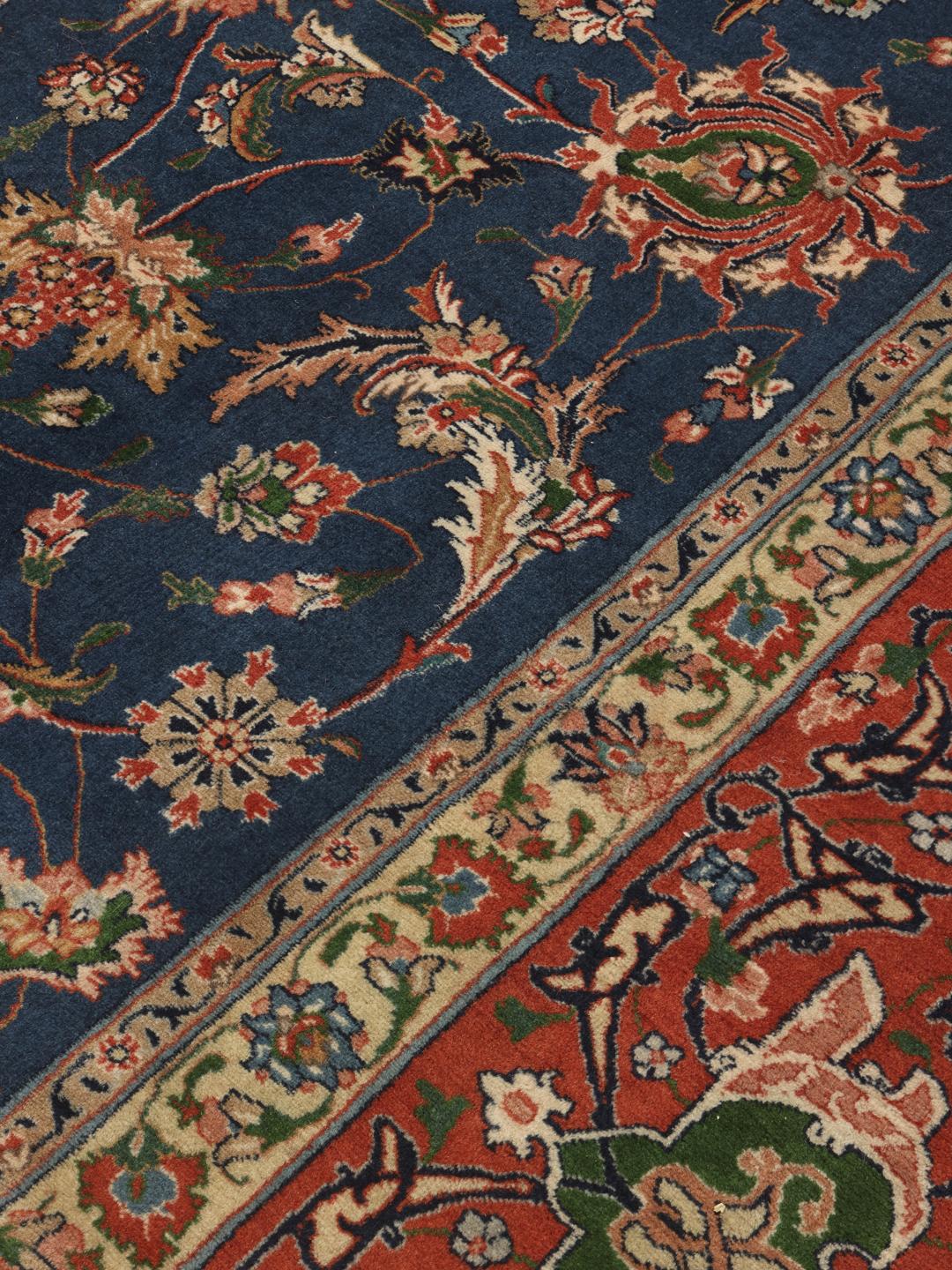
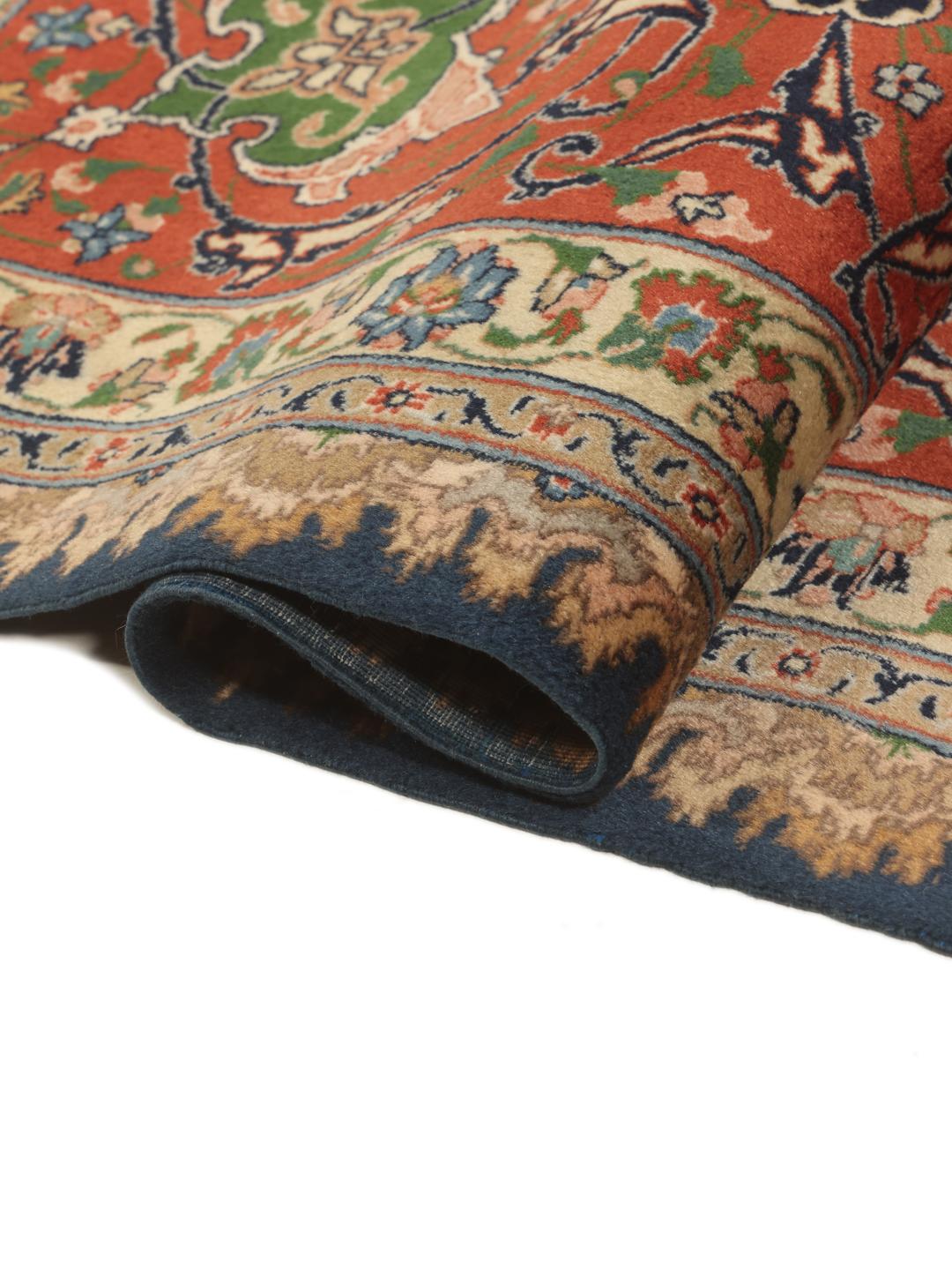
The term 'Raj' refers to the traditional method of measuring the fineness of a rug, based on the number of knots in a specific length of the warp. A '60 Raj' designation signifies an exceptionally high level of knot density, which is the hallmark of a premium-quality Tabriz. This high density allows for the creation of incredibly detailed patterns, graceful curves, and fine lines that are characteristic of the best examples from this region.
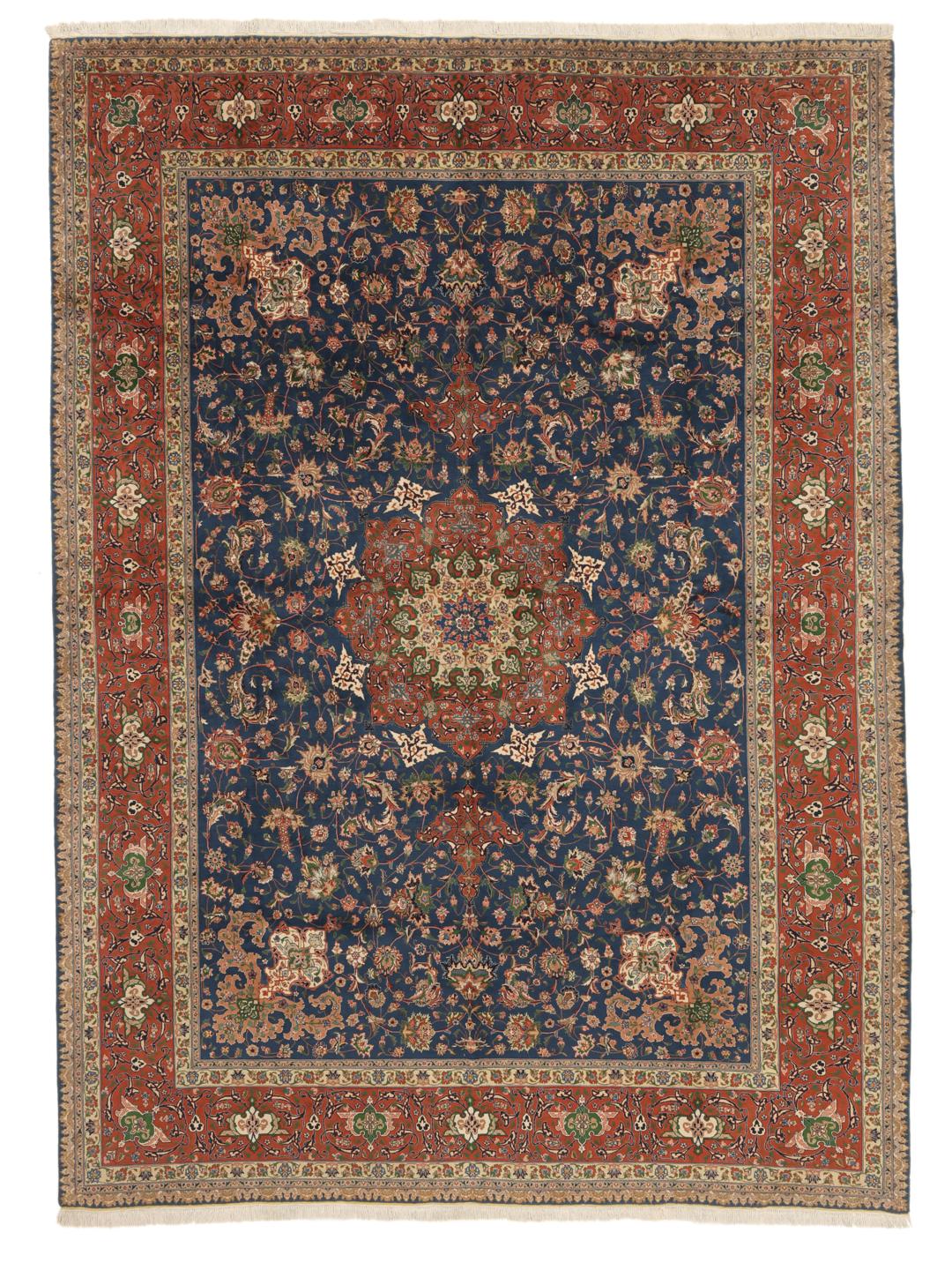
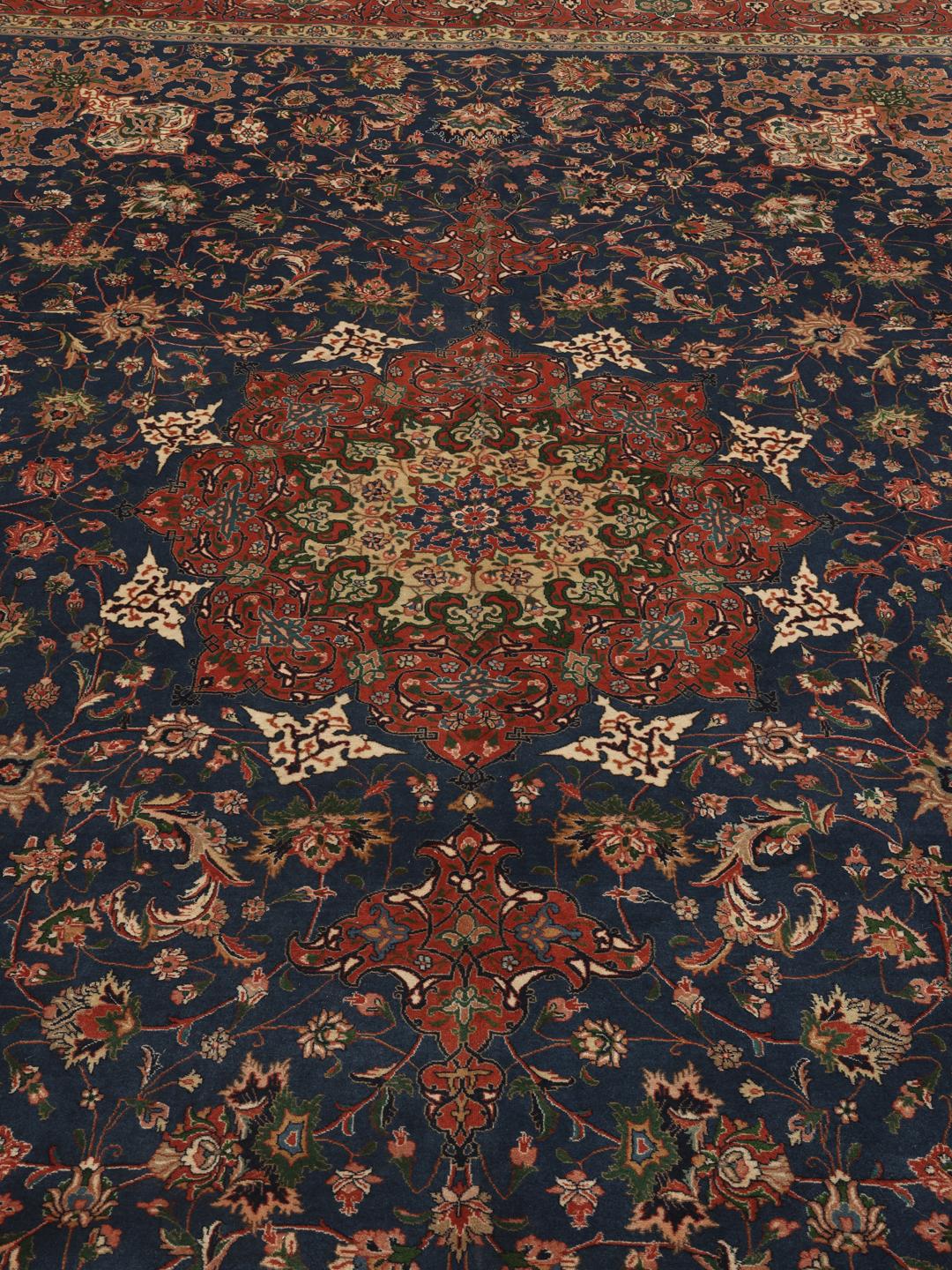
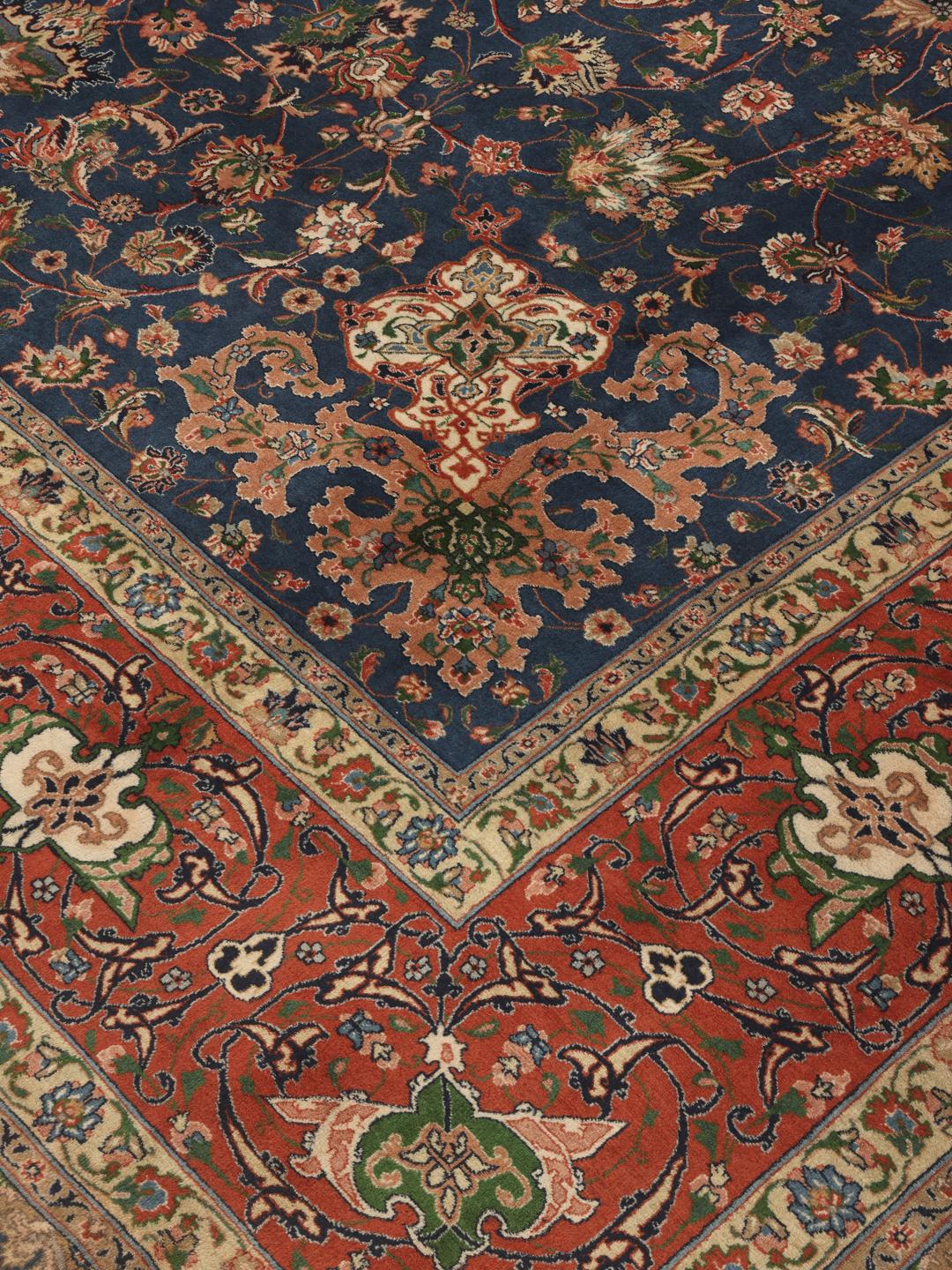
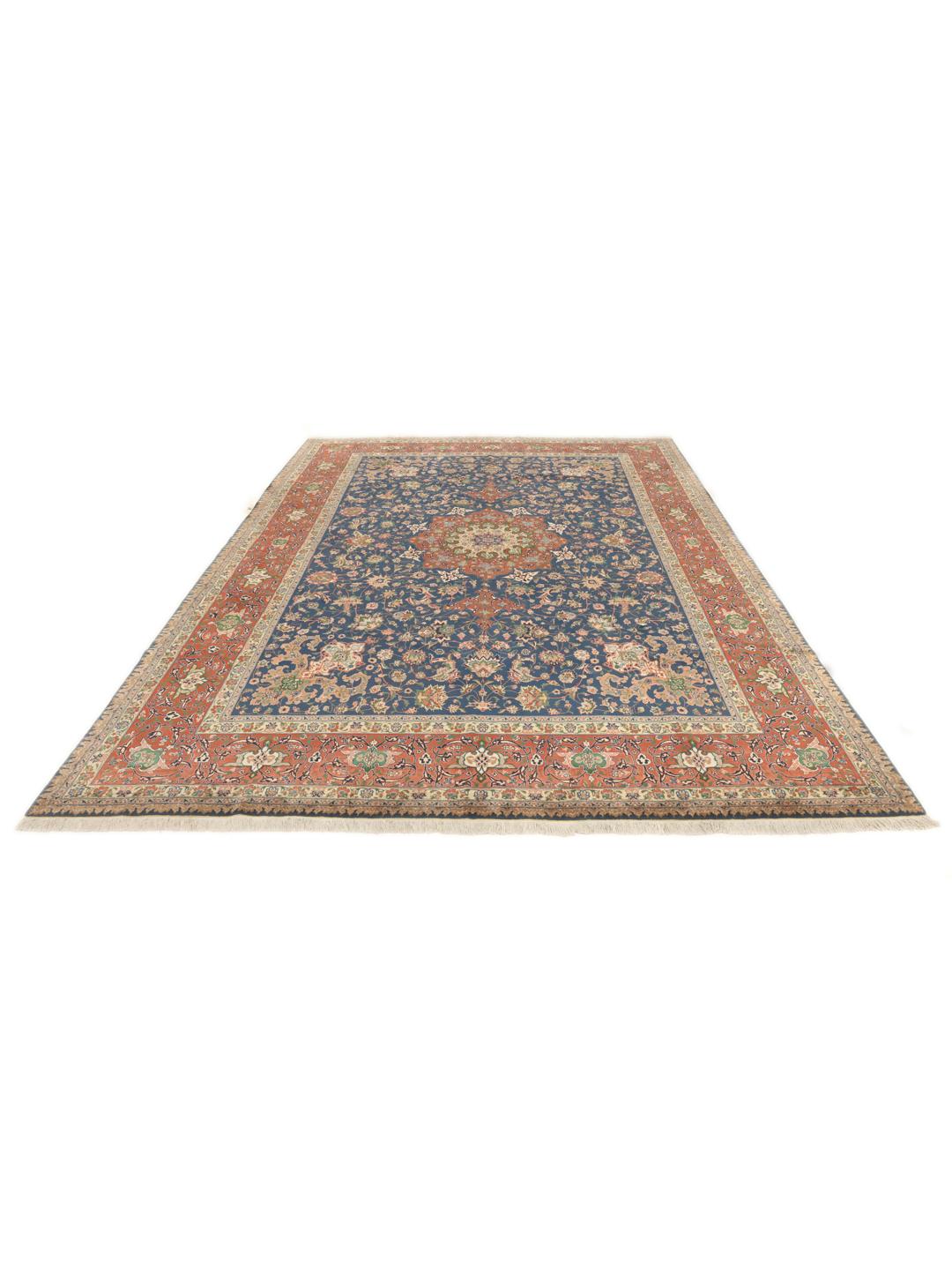
Design-wise, these rugs often feature a central medallion surrounded by a field of 'Shah Abbasi' palmettes, scrolling vines, and delicate blossoms. The borders are typically as complex as the field, often featuring multiple guard stripes that frame the composition. While traditional colour palettes often include deep reds, blues, and creams, Tabriz rugs are celebrated for their artistic versatility, often experimenting with sophisticated, subtle tones that make them highly adaptable to various interior styles.
Owning a Tabriz rug is an investment in a storied craft tradition that has been passed down through generations. These pieces are highly sought after by collectors and enthusiasts who value the immense skill and cultural heritage they represent. Because they are crafted with such high standards of durability and beauty, a genuine Tabriz is often viewed as a family heirloom, gaining character and value as it remains a central part of the home over time.