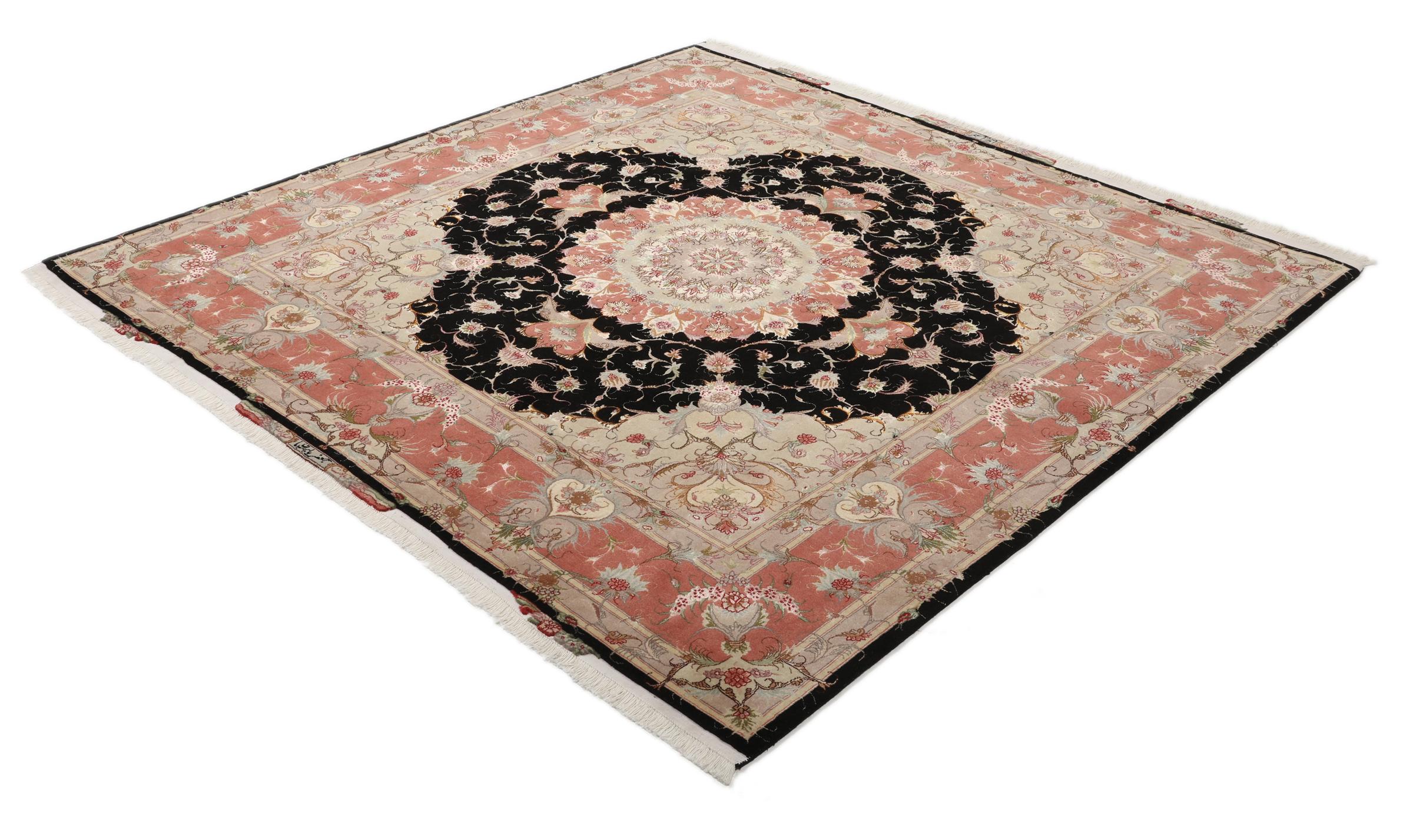
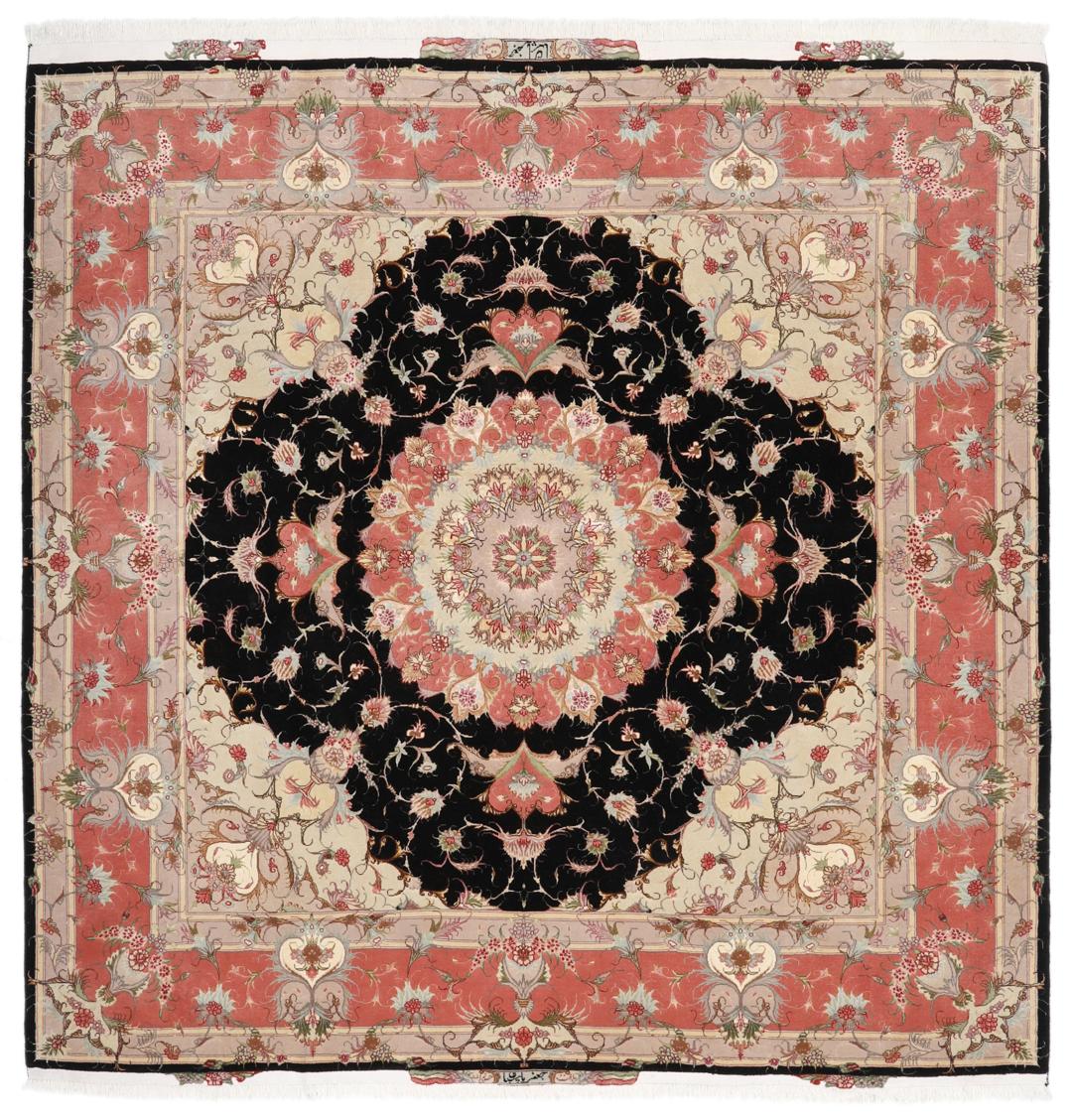
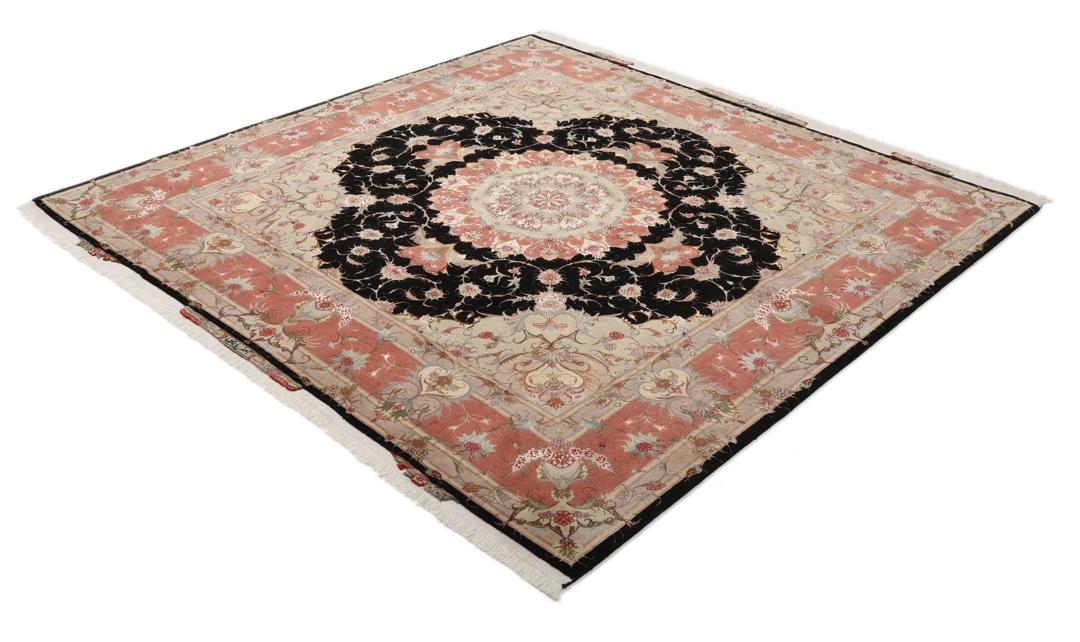
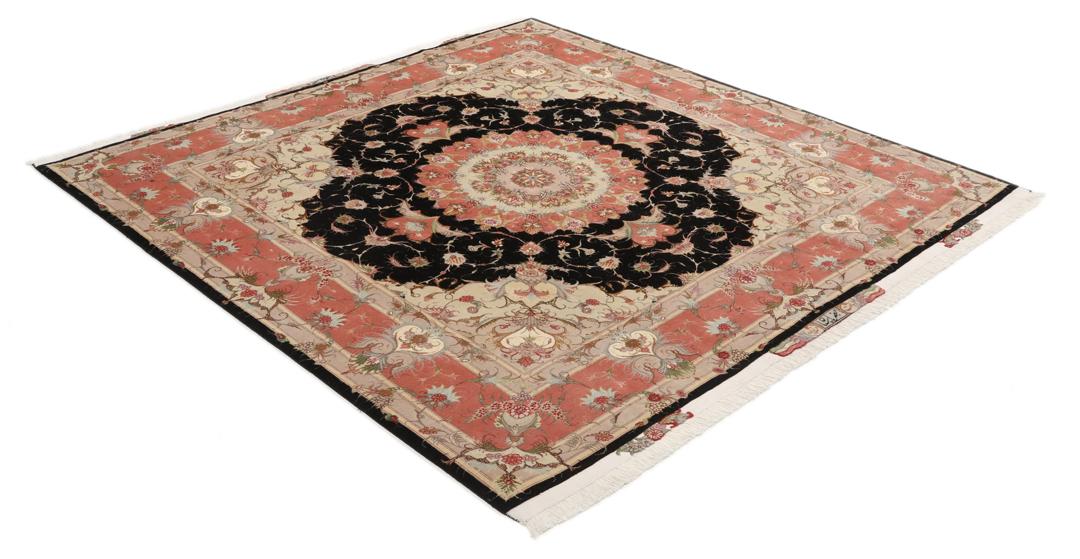
Tabriz, a historic city in the Middle East, has long been a vital centre for rug production, renowned for its role as a crossroads of culture and trade. The city's tradition of rug making is celebrated for its technical sophistication and its ability to adapt and refine designs from across the region. Rugs from this tradition are widely regarded as some of the most technically advanced and visually stunning, reflecting the city's long-standing status as a hub of artistic excellence.
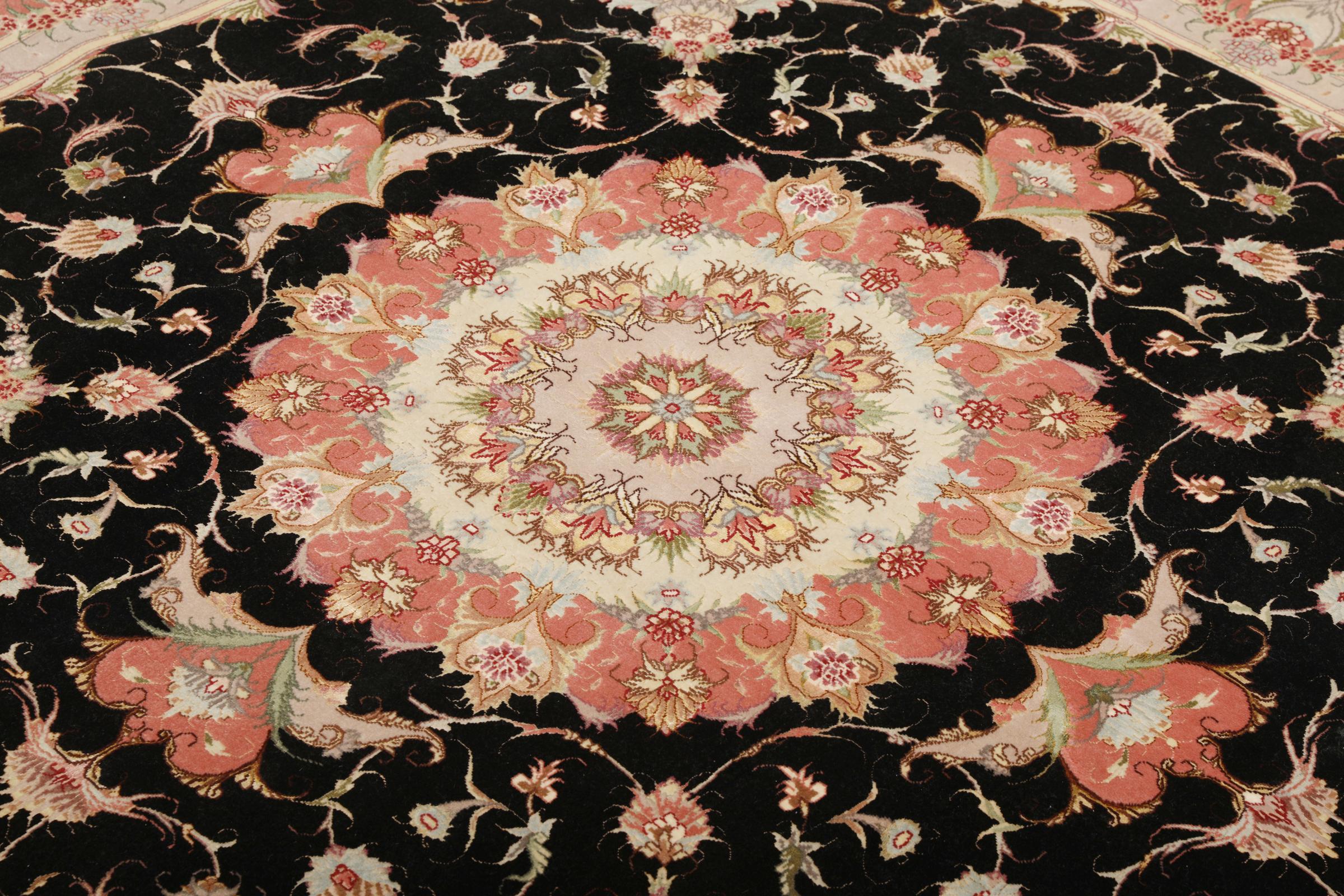
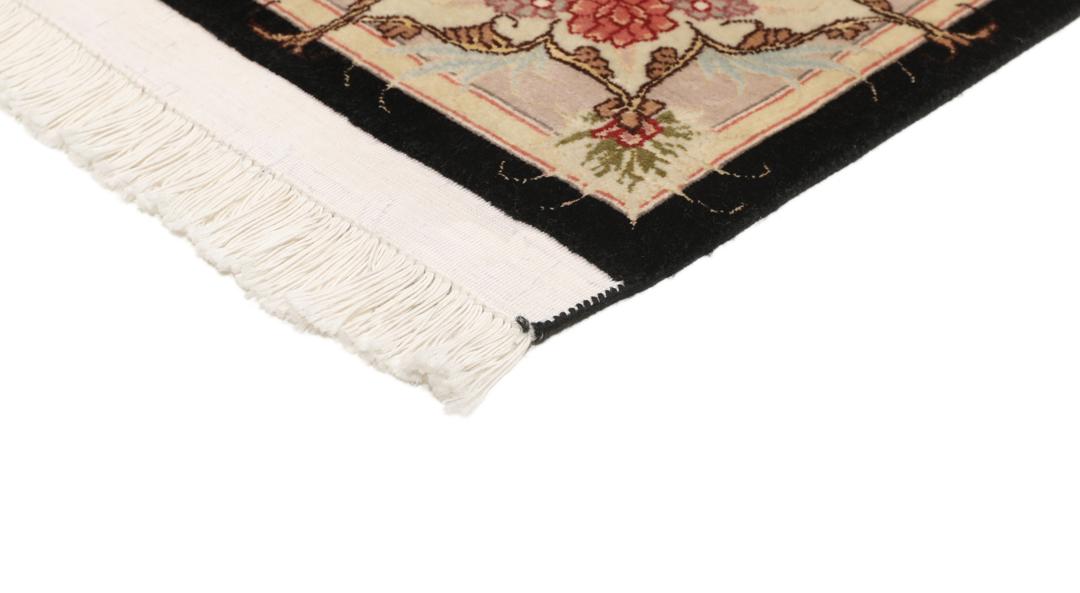
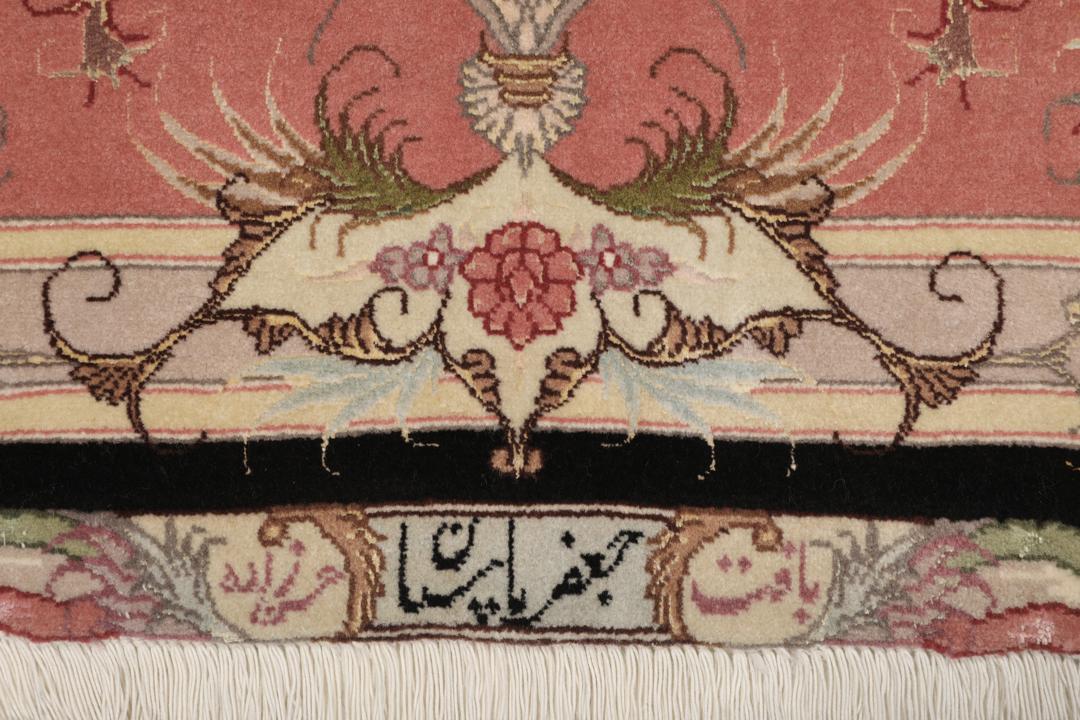
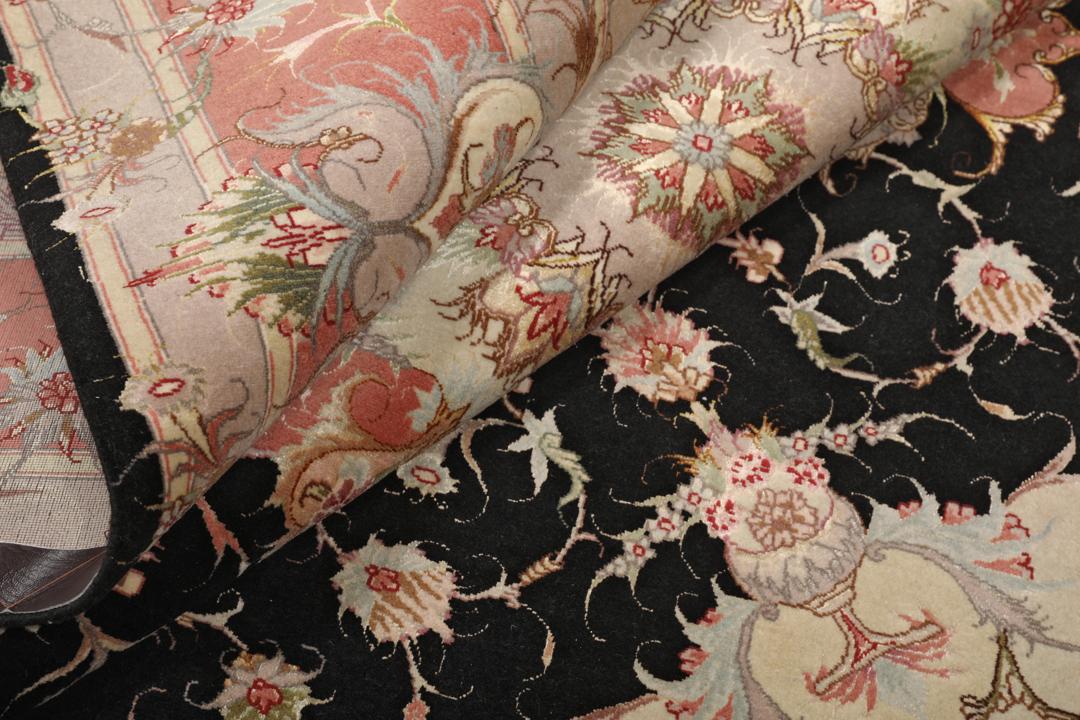
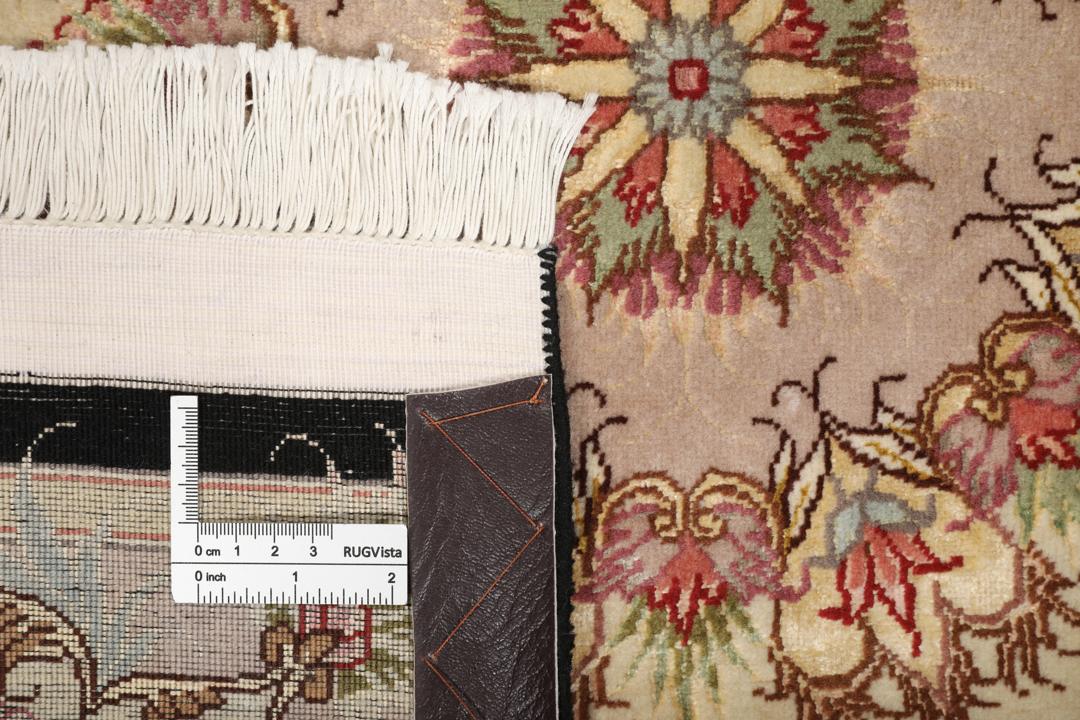
The term '60 Raj' refers to a traditional system of measuring knot density, where the 'raj' indicates the number of knots within a specific unit of measurement. A 60 Raj classification denotes a very high density, requiring a level of skill and patience that only master weavers possess. This high density is what makes the intricate, fluid patterns and fine details of these rugs possible, separating them from coarser, simpler weaves.
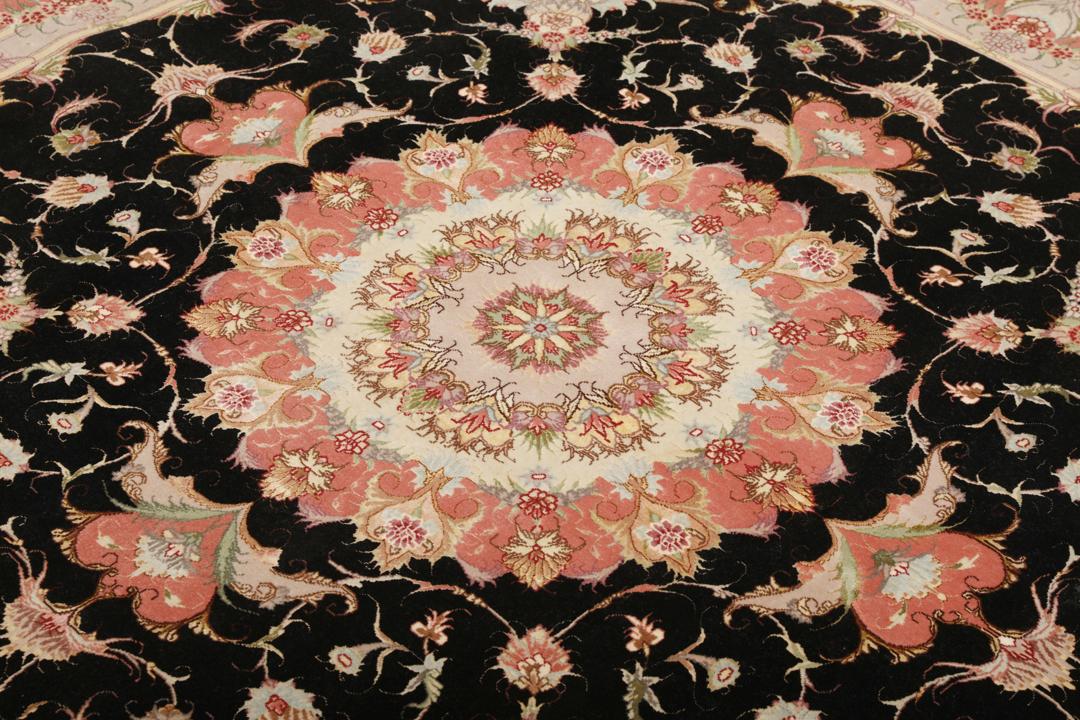
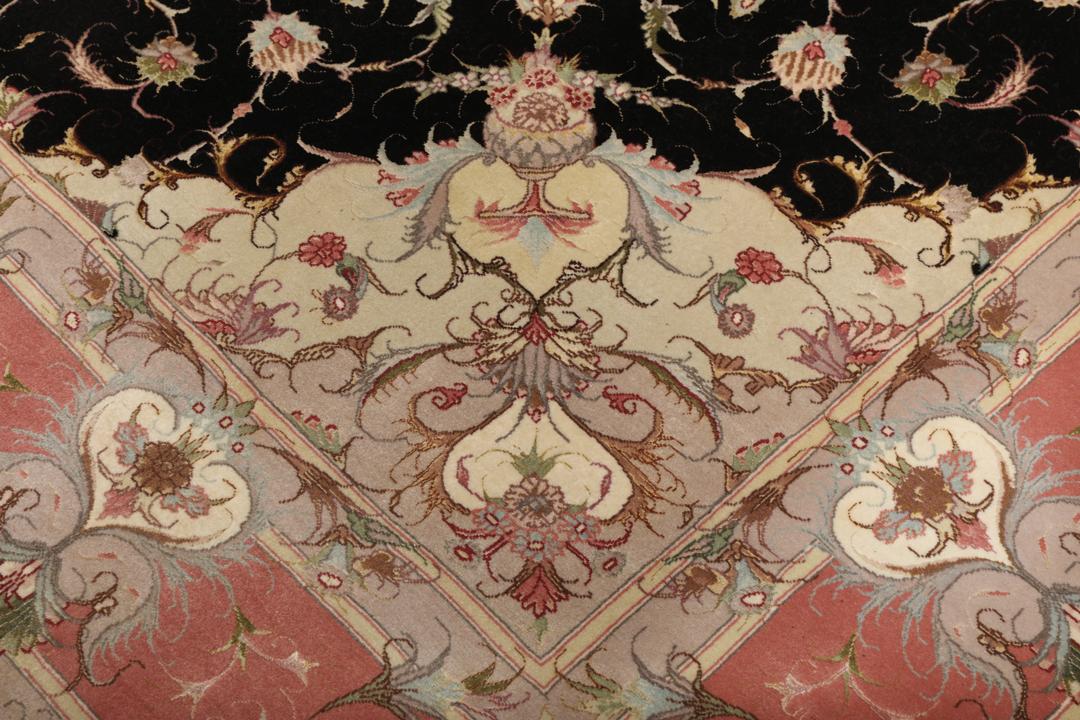
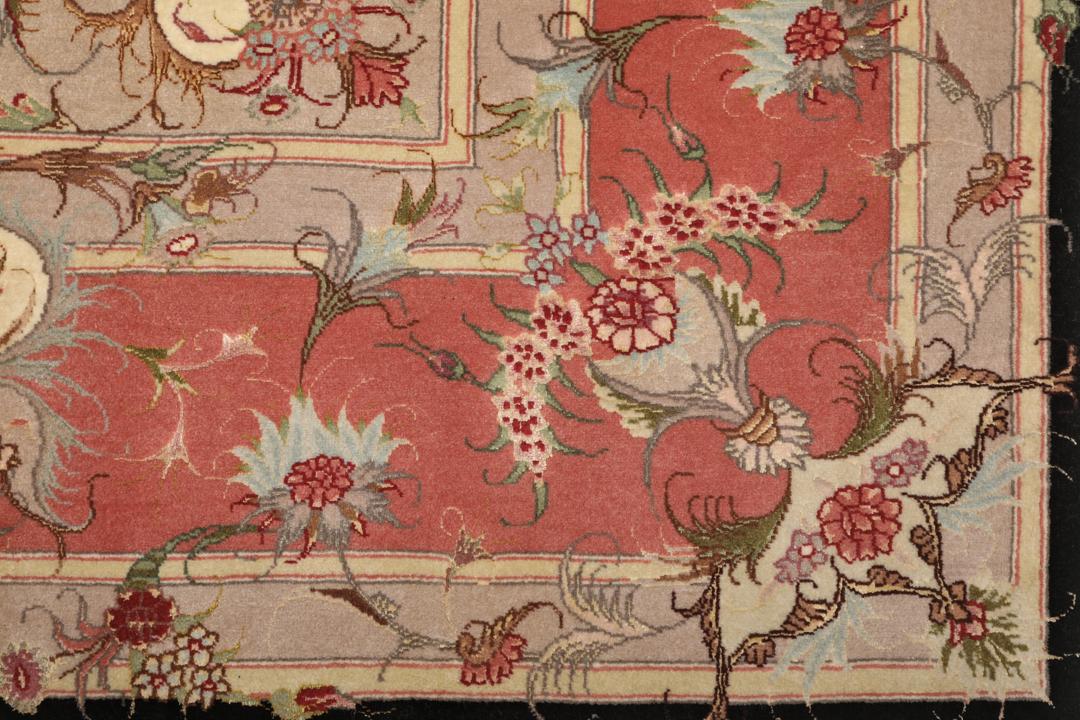
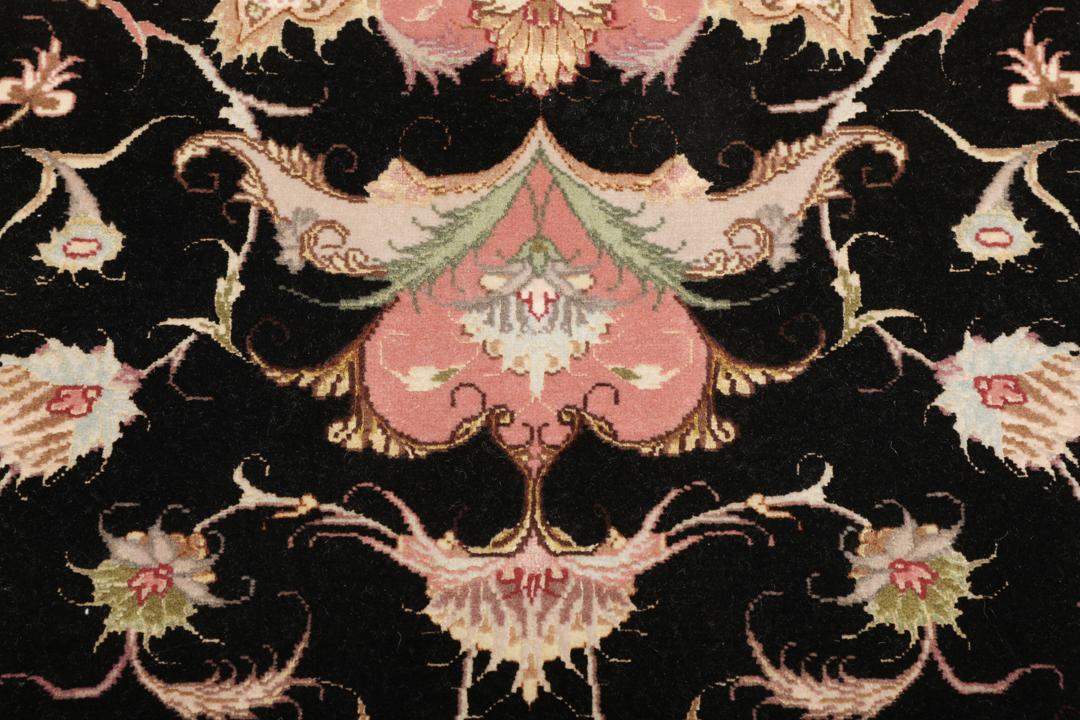
The signature design language of Tabriz rugs is characterised by formal, symmetrical compositions, often centred around a large, elaborate medallion. These rugs frequently feature detailed floral scrolls, arabesques, and palmettes that draw inspiration from historical gardens and architectural motifs. While traditional patterns are central to the style, weavers often introduce subtle variations in colour and composition, making each piece a unique interpretation of a classic design language.
Collecting a Tabriz rug is a way of preserving a significant piece of textile history. These rugs are valued not only for their beauty but for the immense human skill required to create them. Owning one is a statement of appreciation for craftsmanship that has been handed down through generations. They are seen as heirlooms, pieces that retain their cultural weight and aesthetic value, providing a bridge between the artistic traditions of the past and the contemporary home.