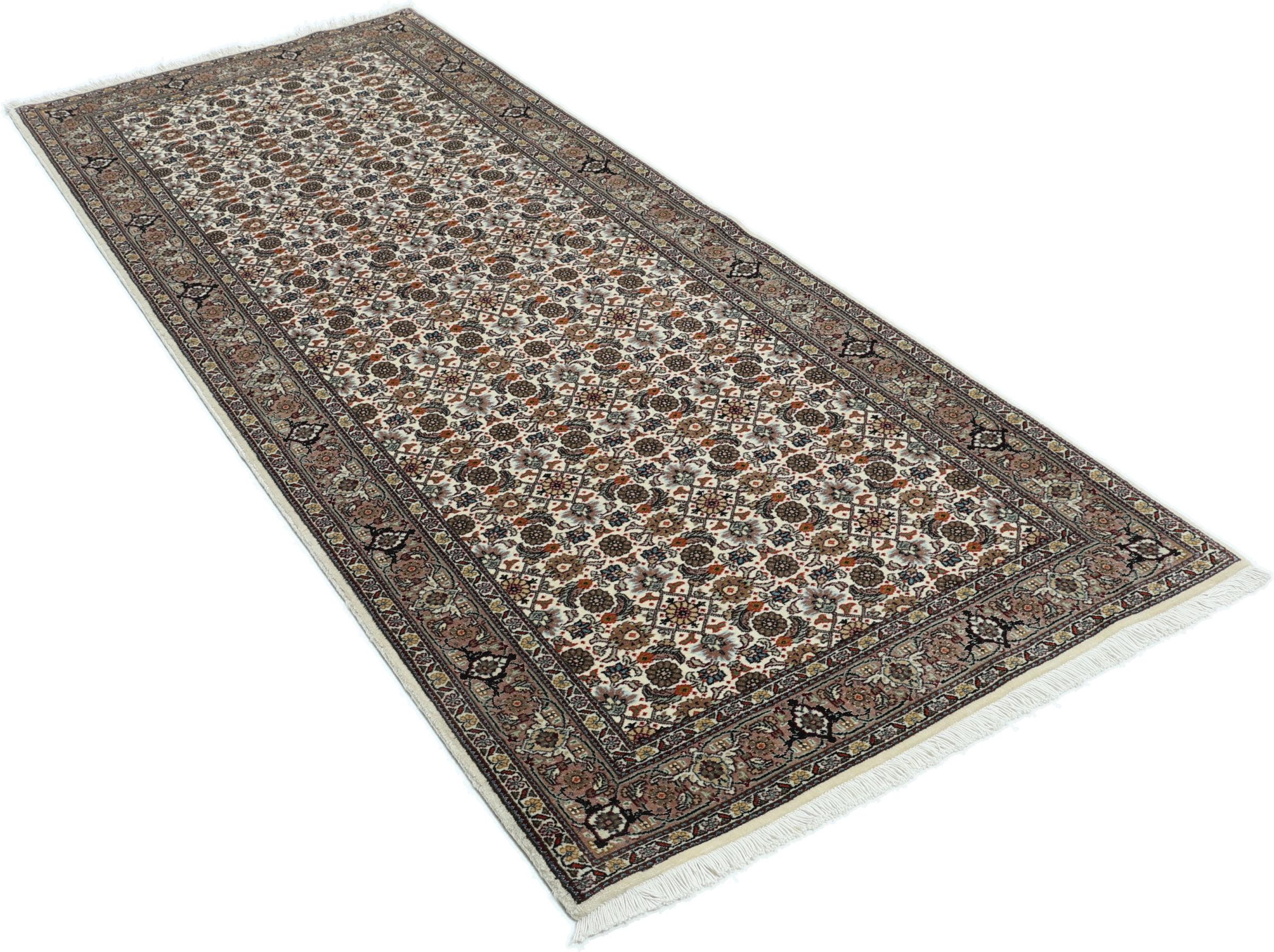
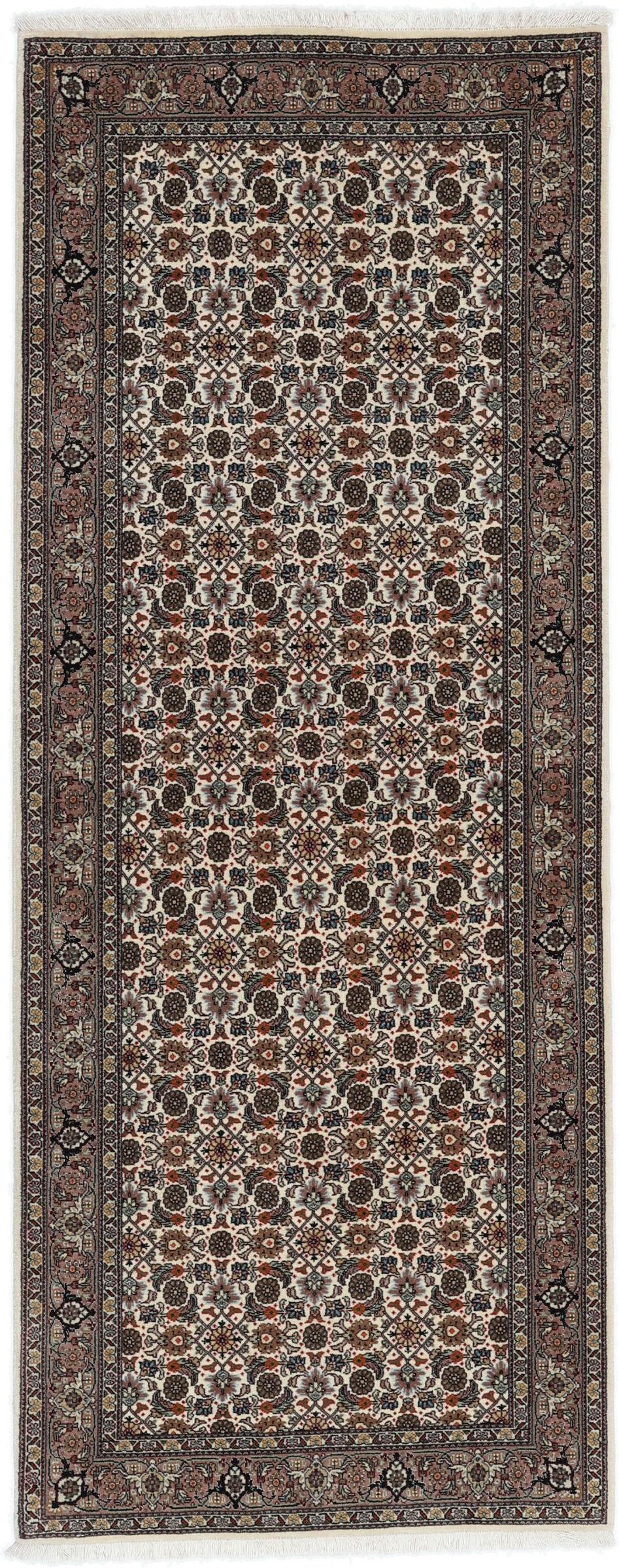
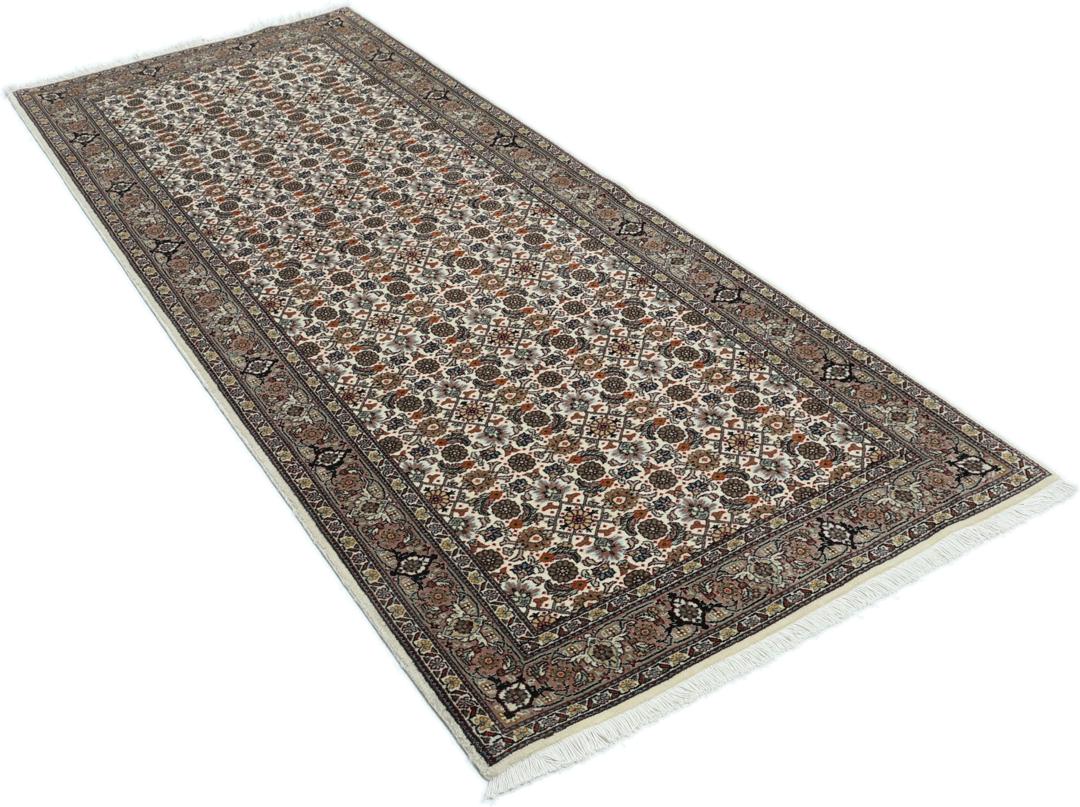
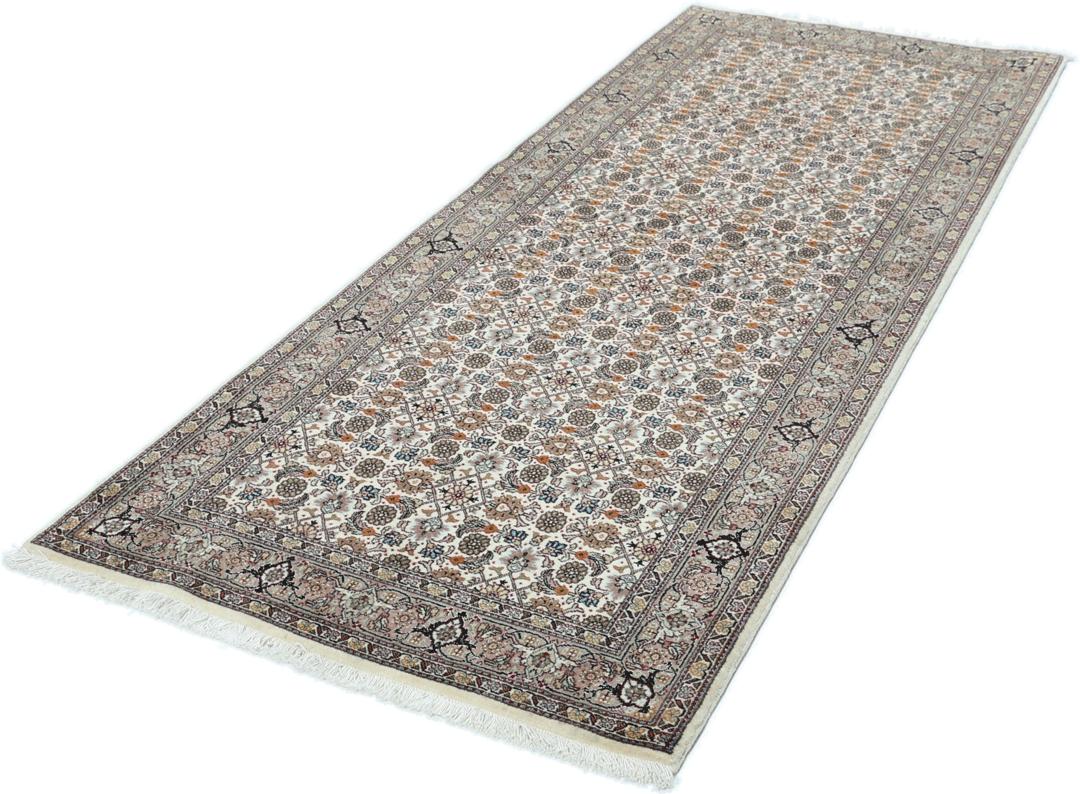
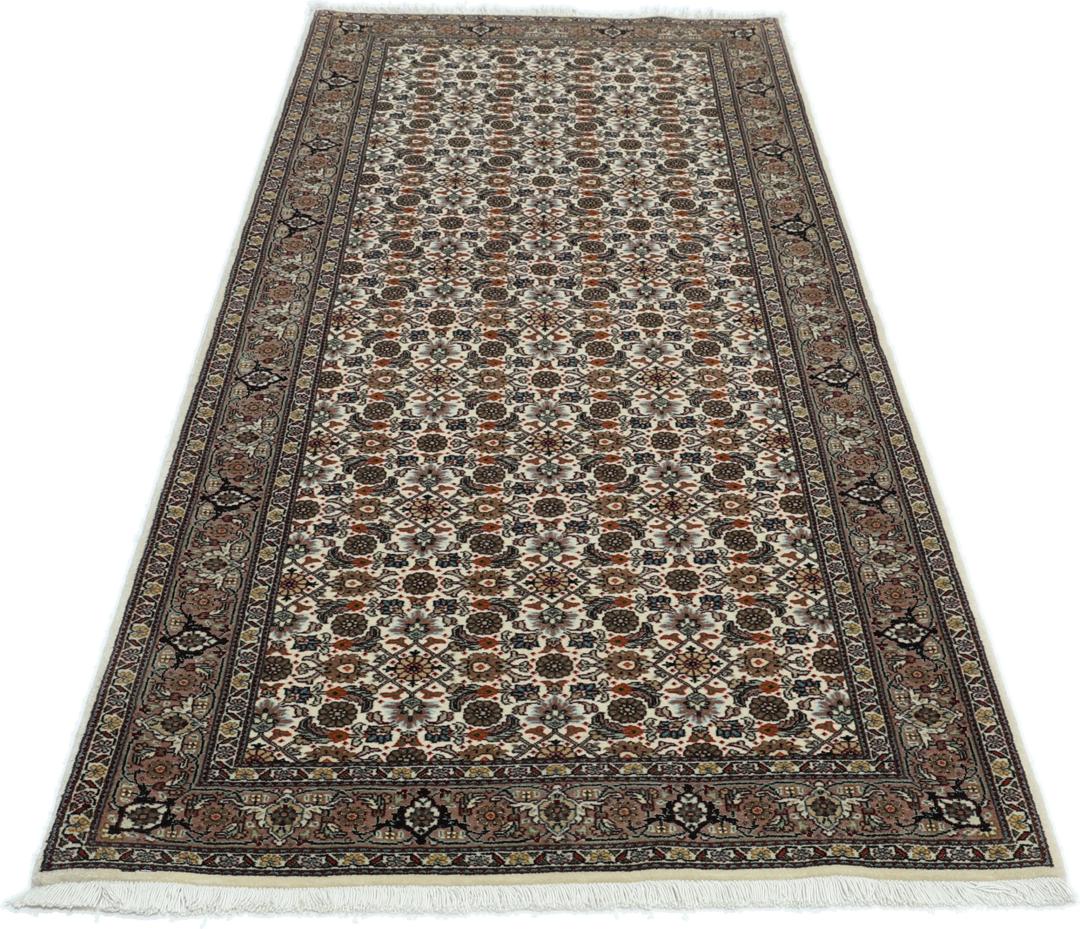
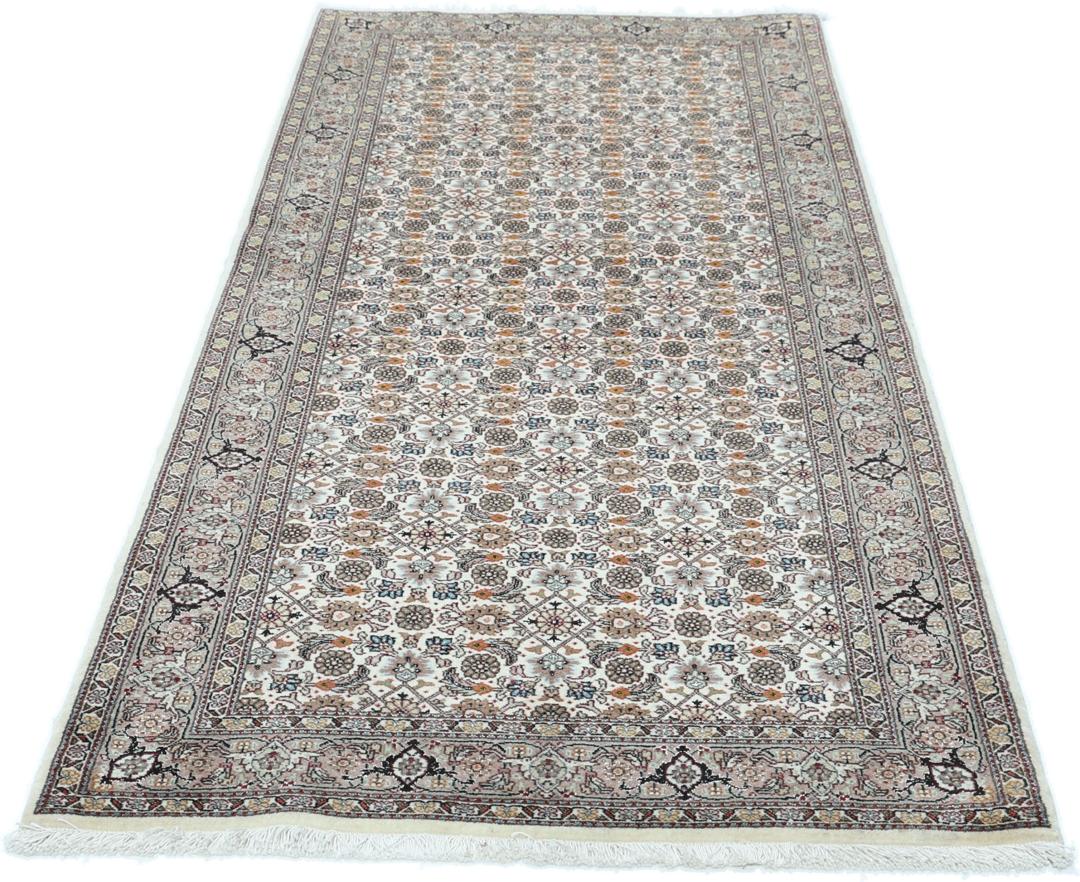
Tabriz rugs hail from one of the oldest carpet-weaving centres in the Middle East. Located in northwestern territory, the city of Tabriz has been a pivotal hub for the trade and production of fine textiles for centuries, serving as a bridge between diverse cultures along historical trade routes. This long-standing tradition has allowed Tabriz weavers to develop a distinct design language that is both technically sophisticated and visually iconic.
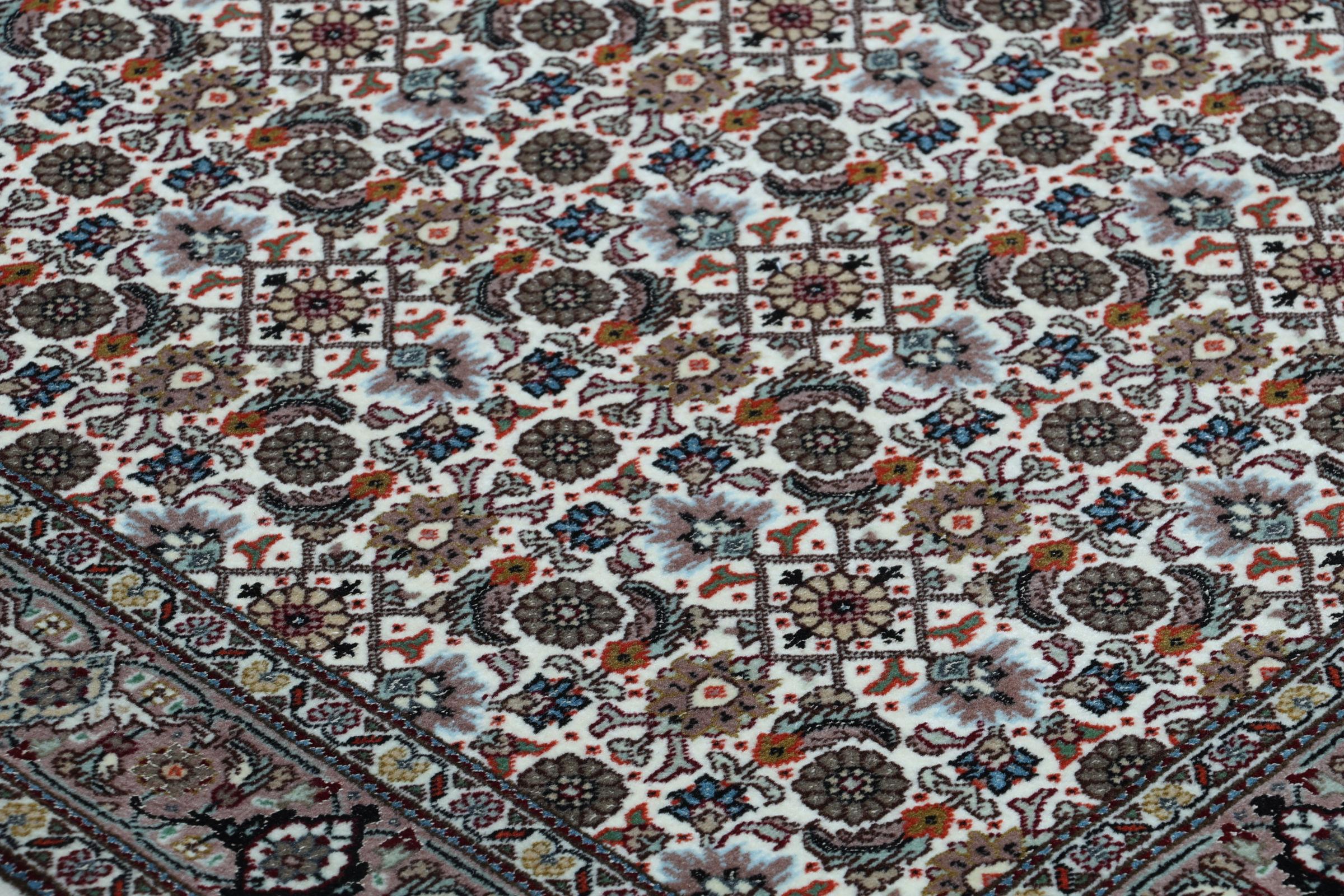
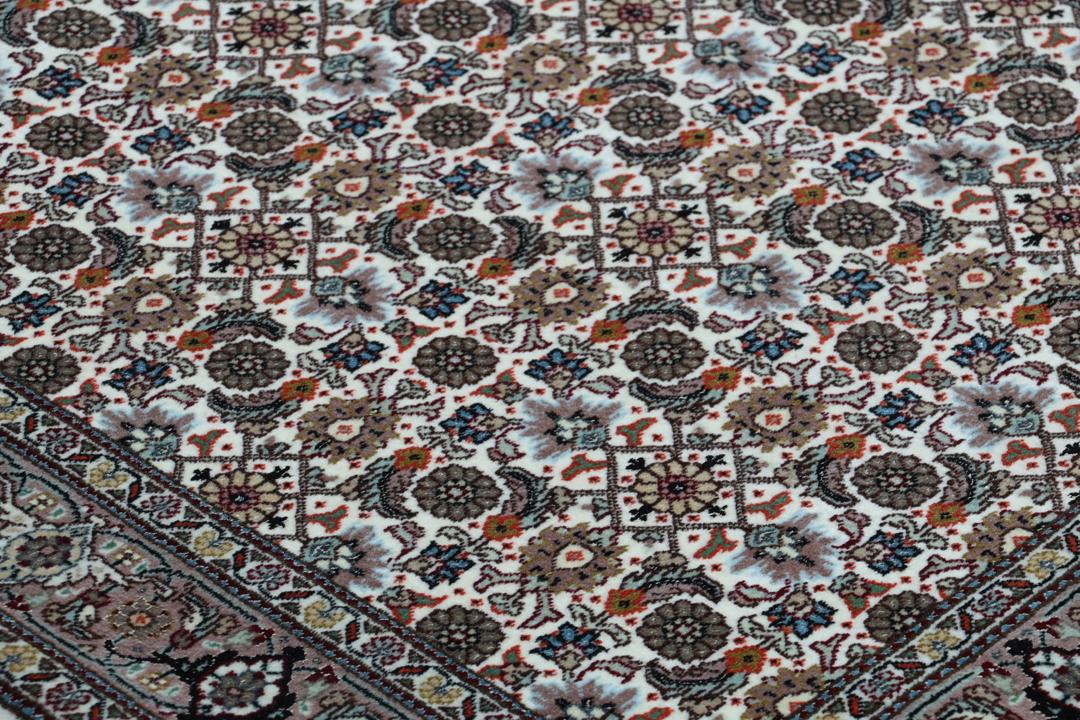
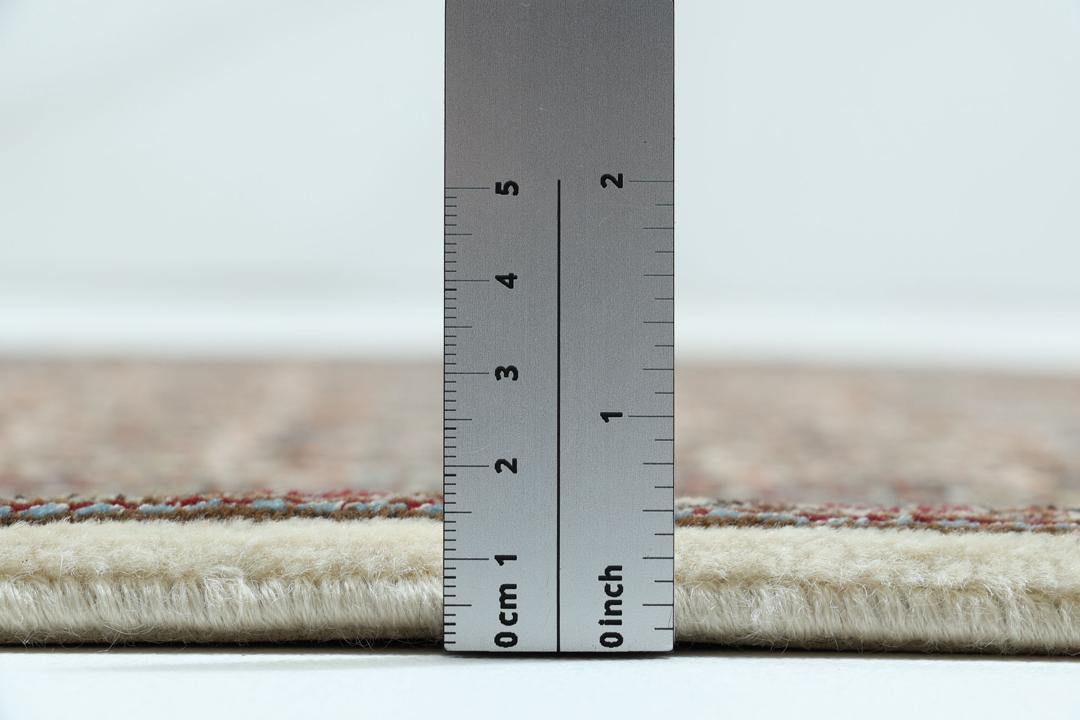
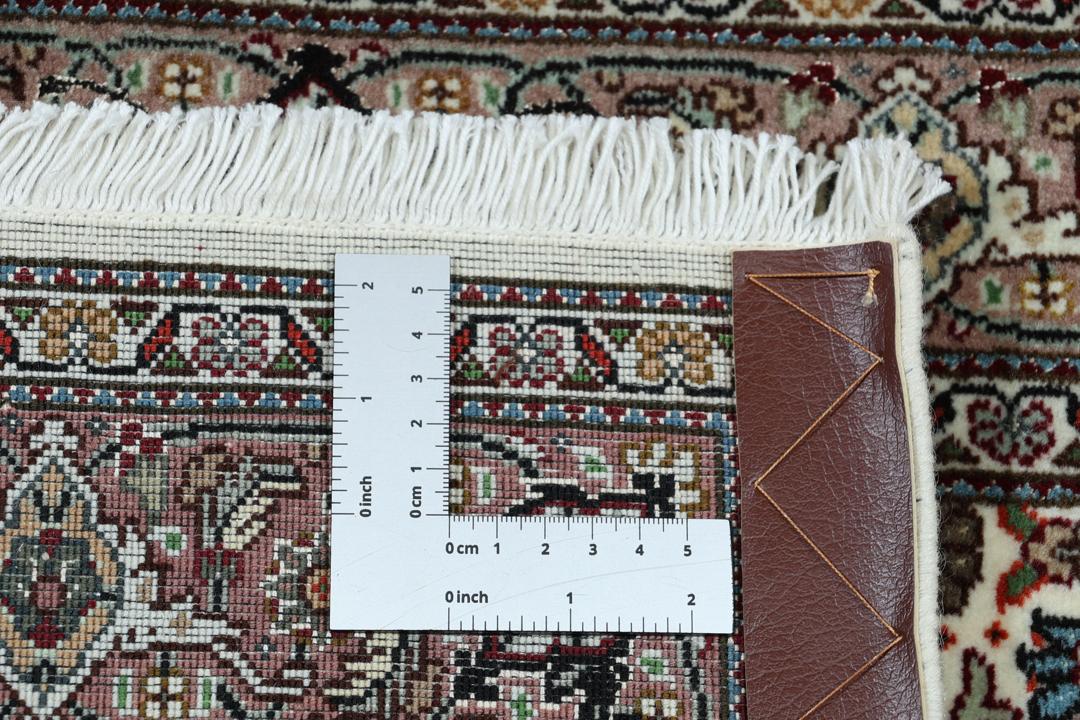
The term '50 Raj' refers to a specific technical benchmark in the quality of the weaving. 'Raj' denotes the number of knots in a set width, and a 50 Raj designation indicates a high density of knots that allows for highly complex, fluid, and detailed patterns. This density is not just for aesthetic appeal; it creates a more compact, durable, and lustrous pile that is highly prized by collectors for its ability to retain intricate motifs over decades of use.
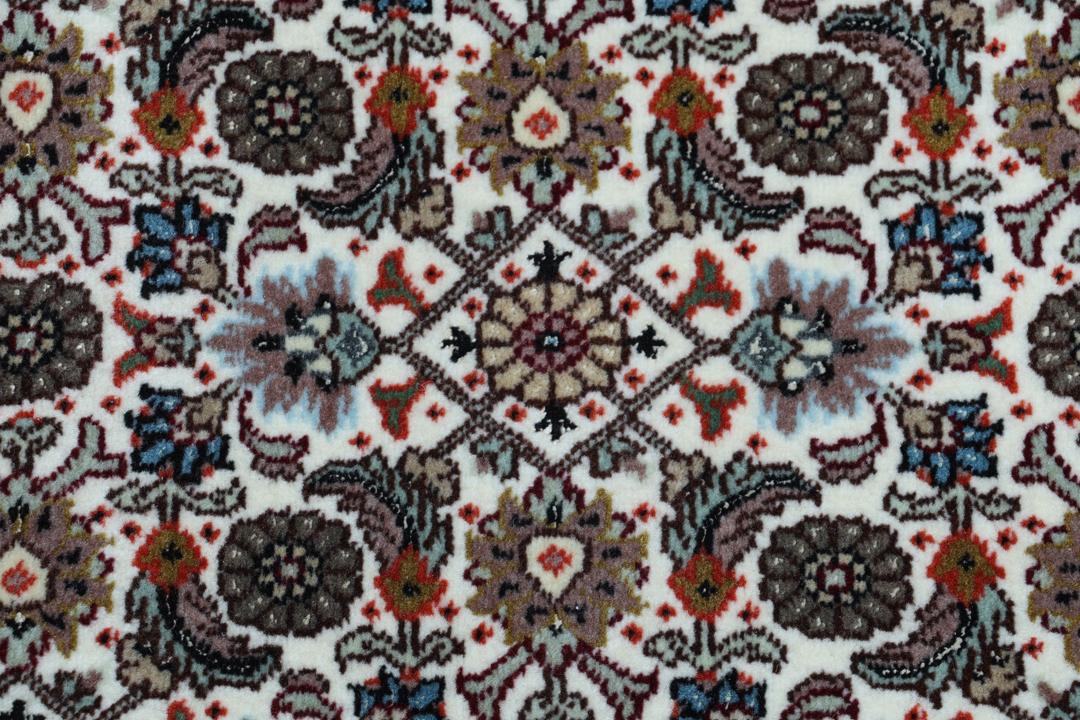
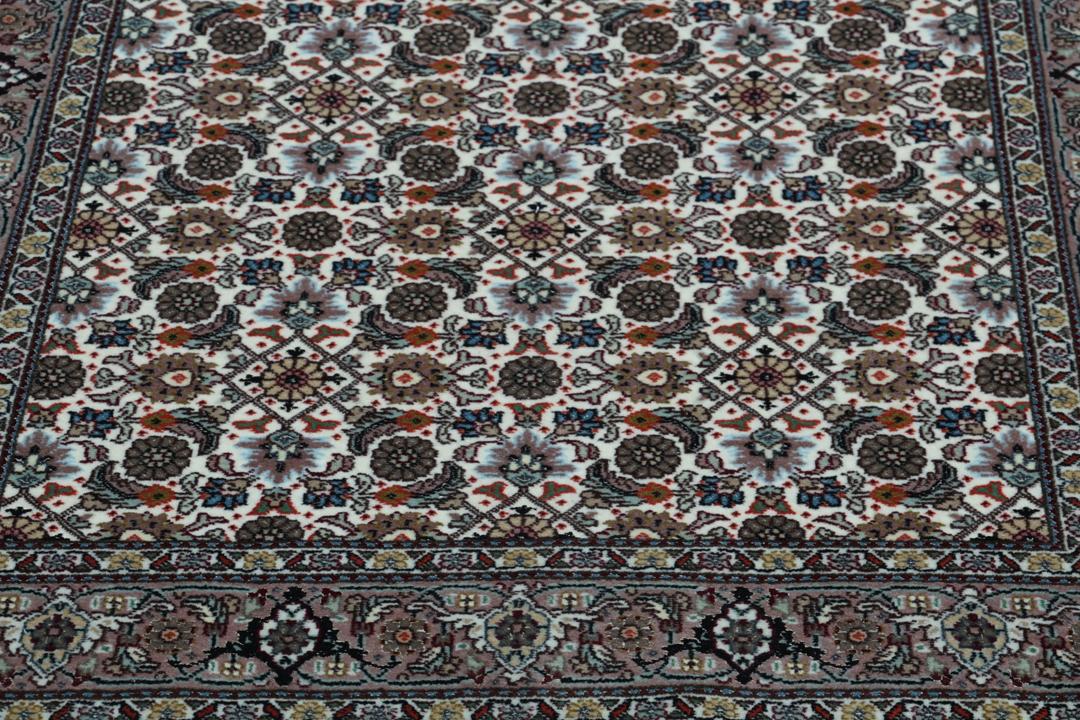
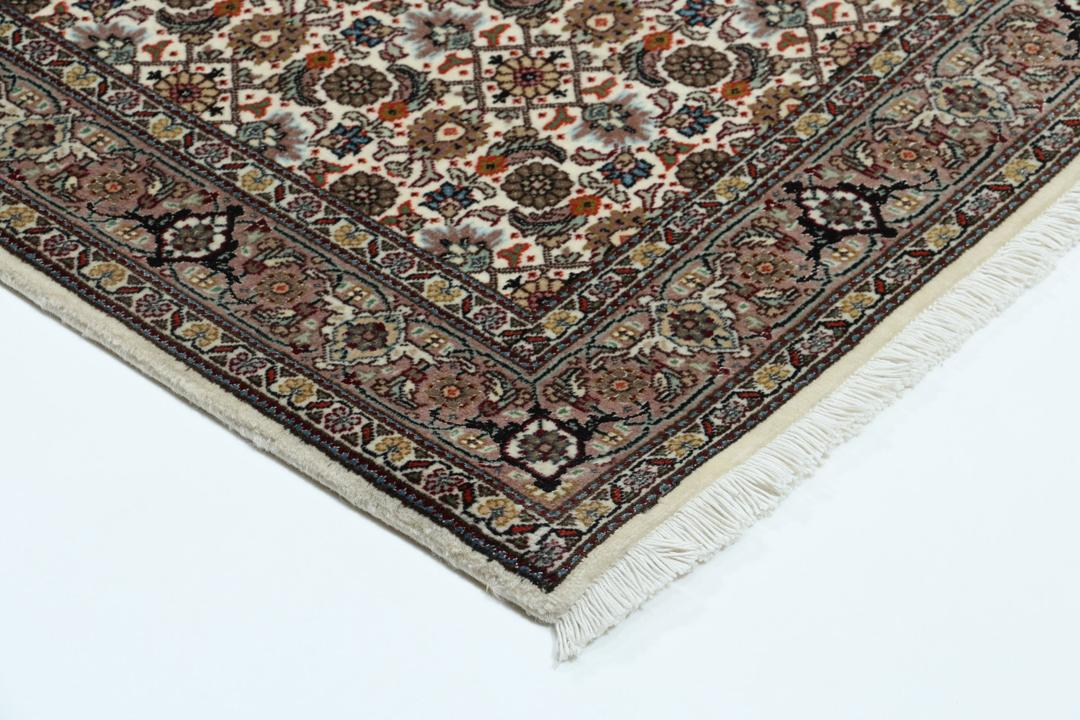
Signature design elements of this tradition often include a central medallion surrounded by a field filled with detailed floral sprays, vines, or geometric interpretations of nature. The borders are typically formal and balanced, acting as a frame that contains the energy of the centre. This specific runner utilises traditional colour palettes and balanced layouts that reflect the disciplined, artistic approach that has made Tabriz rugs famous worldwide.
Collecting a Tabriz rug is an investment in human skill and cultural continuity. These pieces are valued not only for their aesthetic beauty but for the immense dedication required to produce them. Owning such a piece connects your home to a long lineage of artisans who have refined their craft over generations, ensuring that your space is anchored by an object of genuine historical and artistic weight.