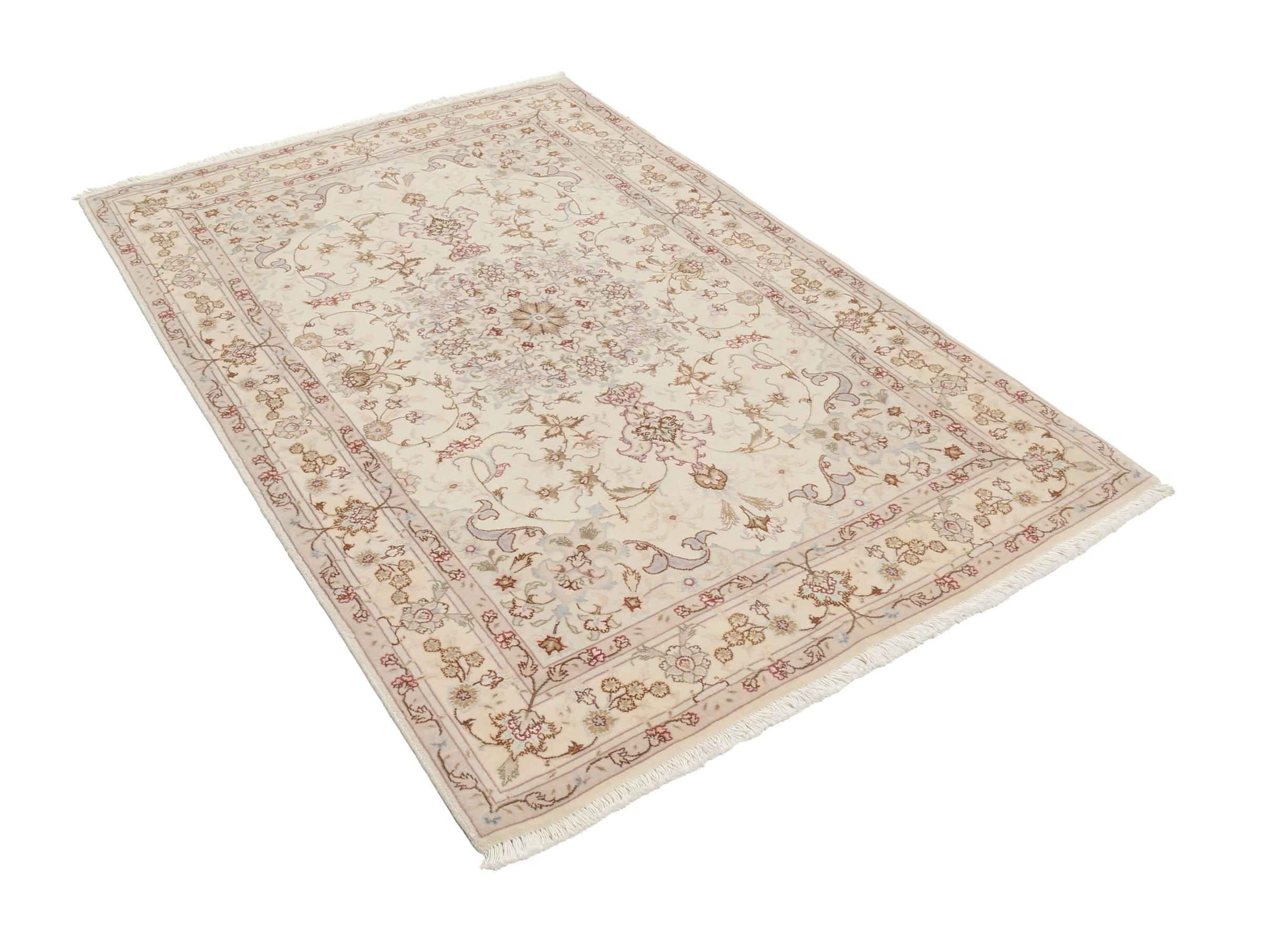
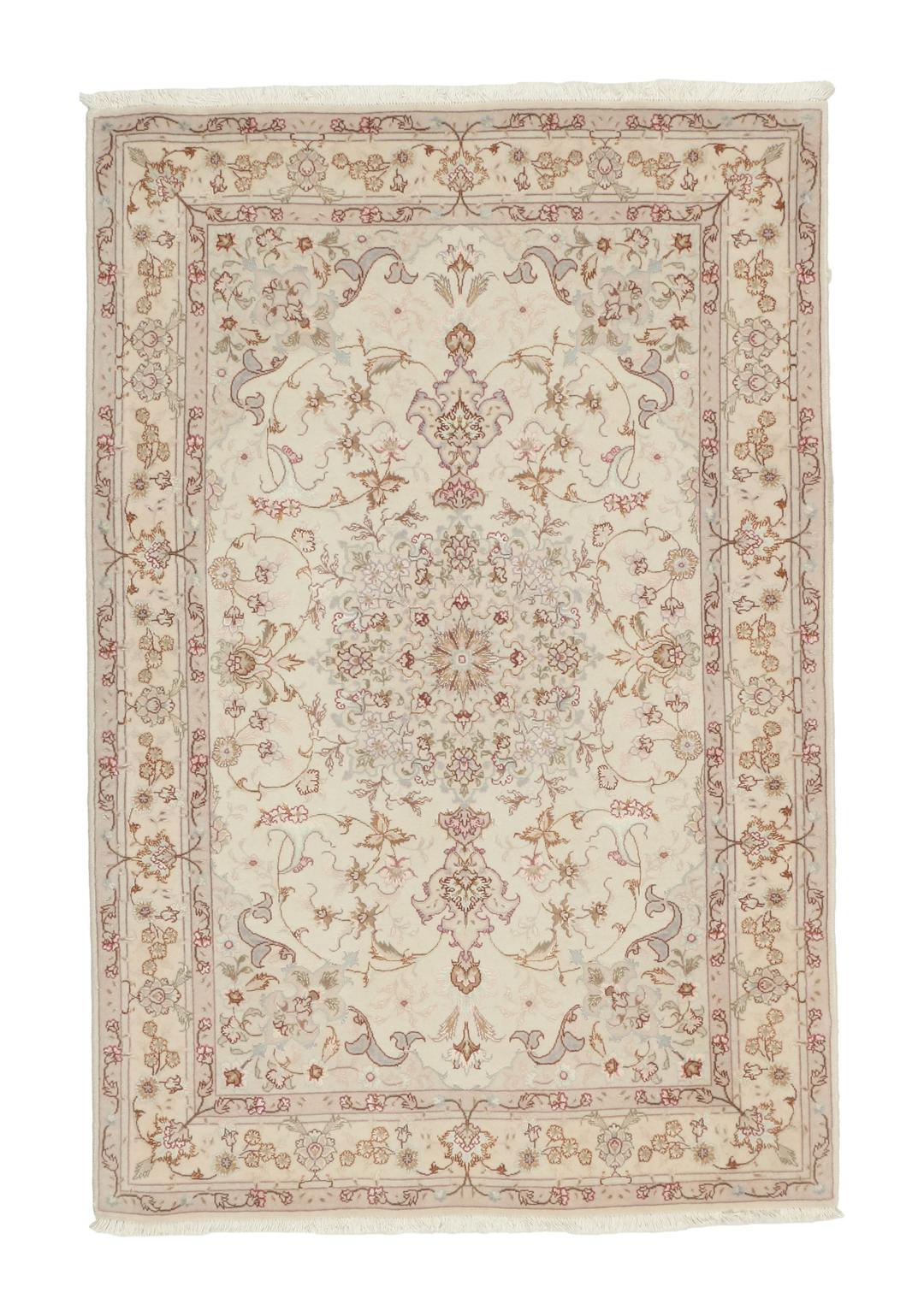
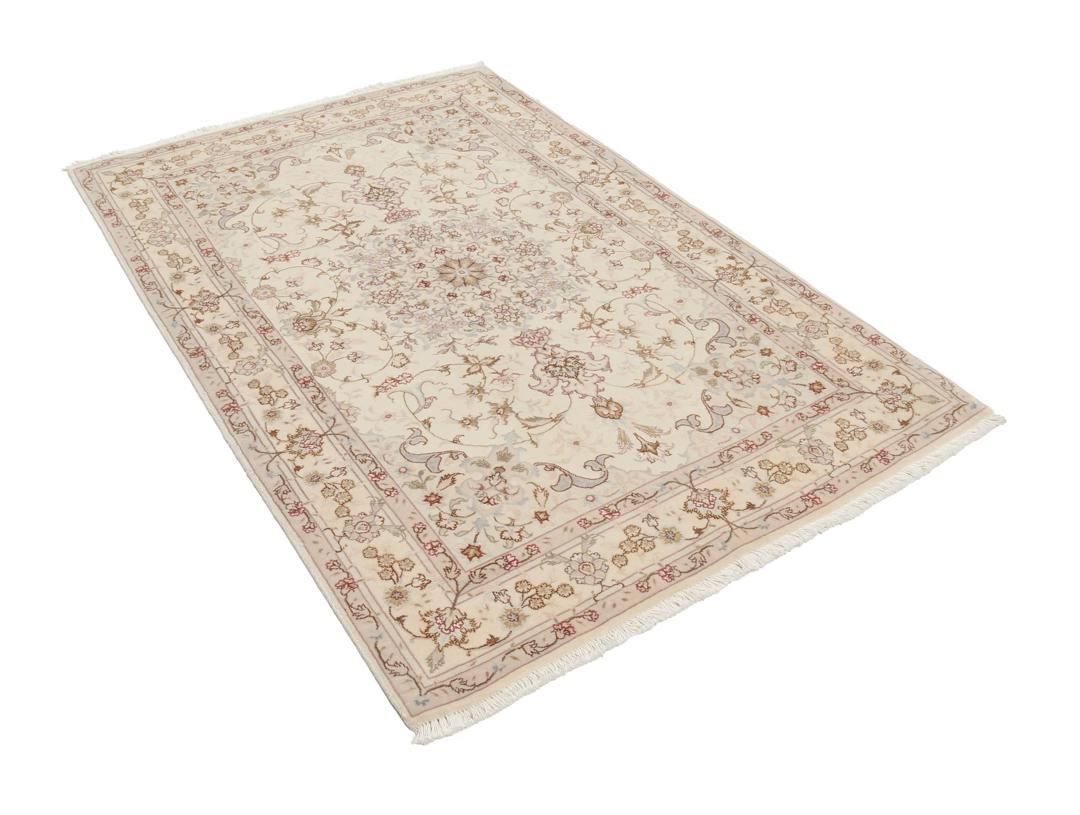
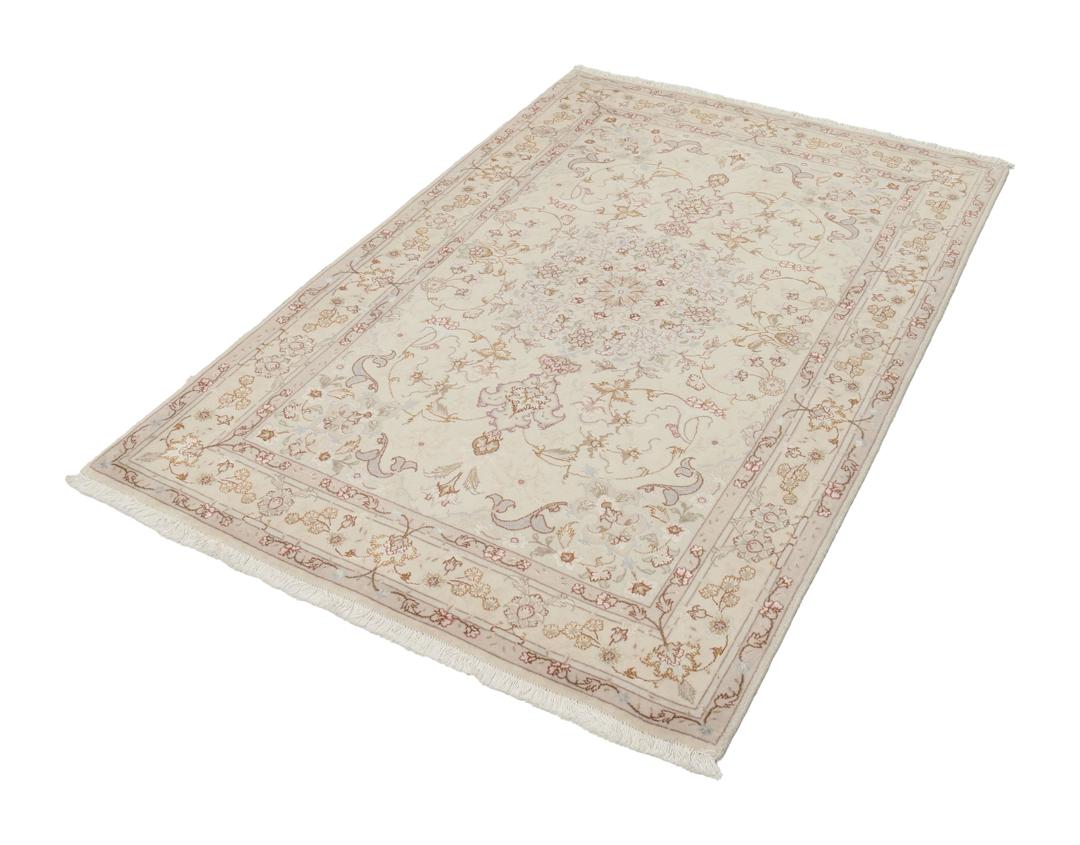
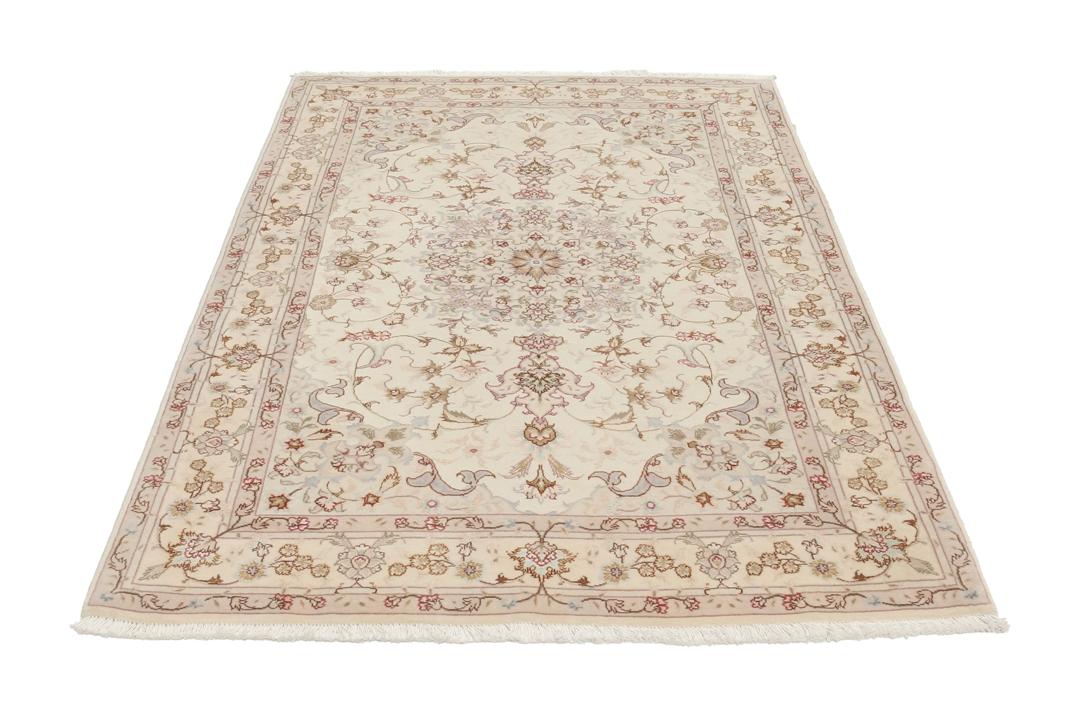
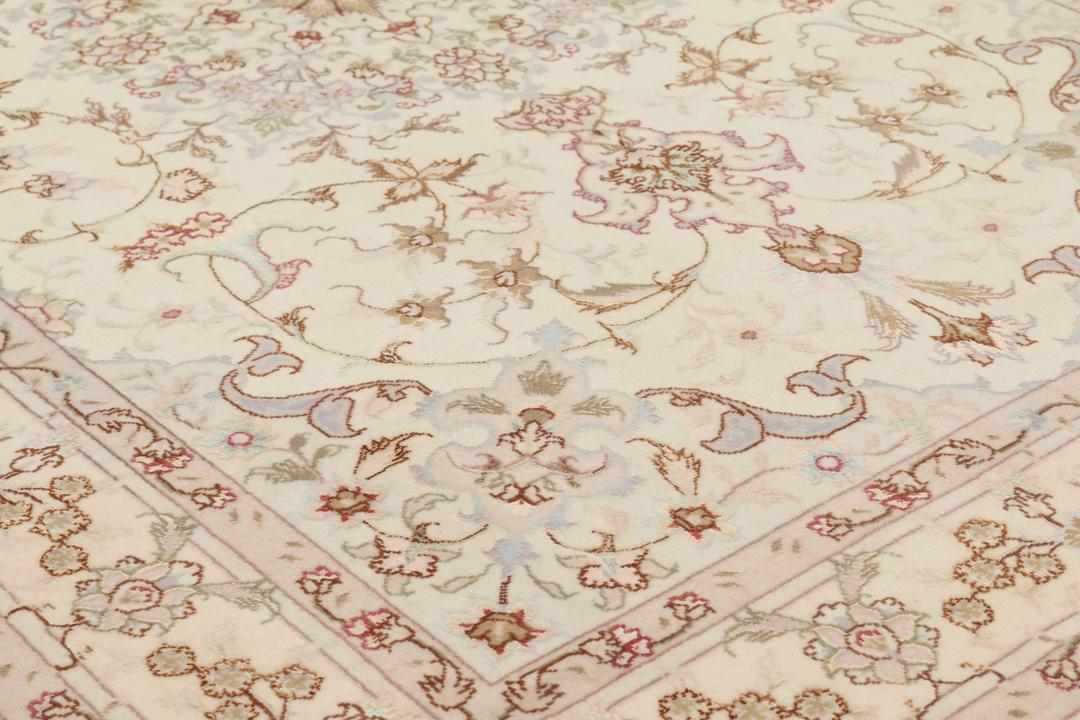
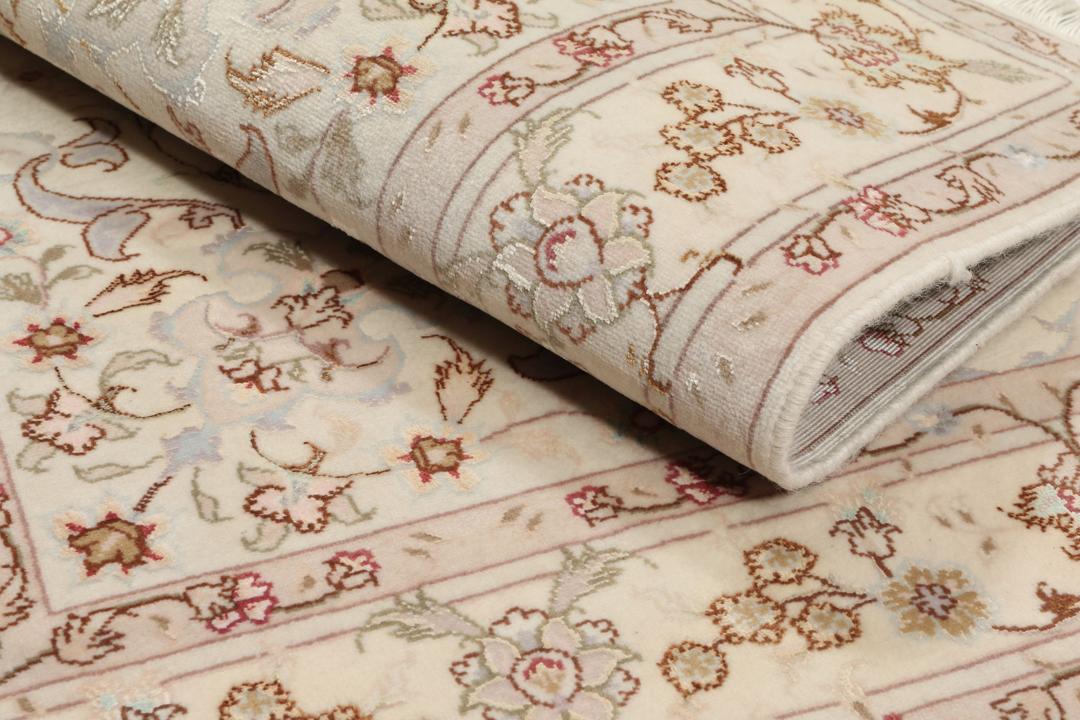
Tabriz rugs originate from the historic city of Tabriz, located in the Middle East. This region has served as a central hub for rug production for centuries, acting as a crossroads for trade routes that have shaped its unique artistic identity. The tradition here is deeply rooted in a history of royal patronage, which pushed weavers to achieve higher standards of technical perfection.
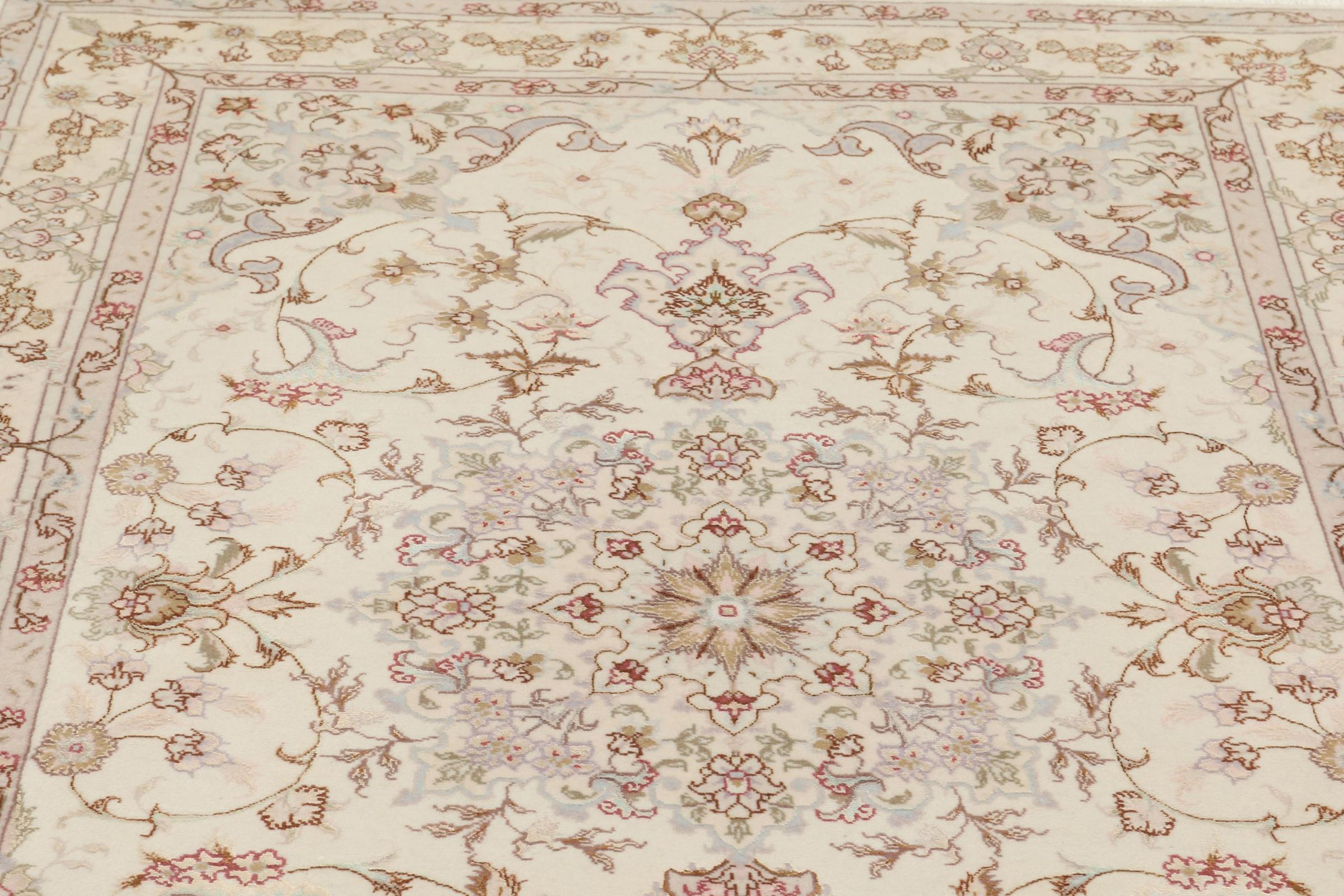
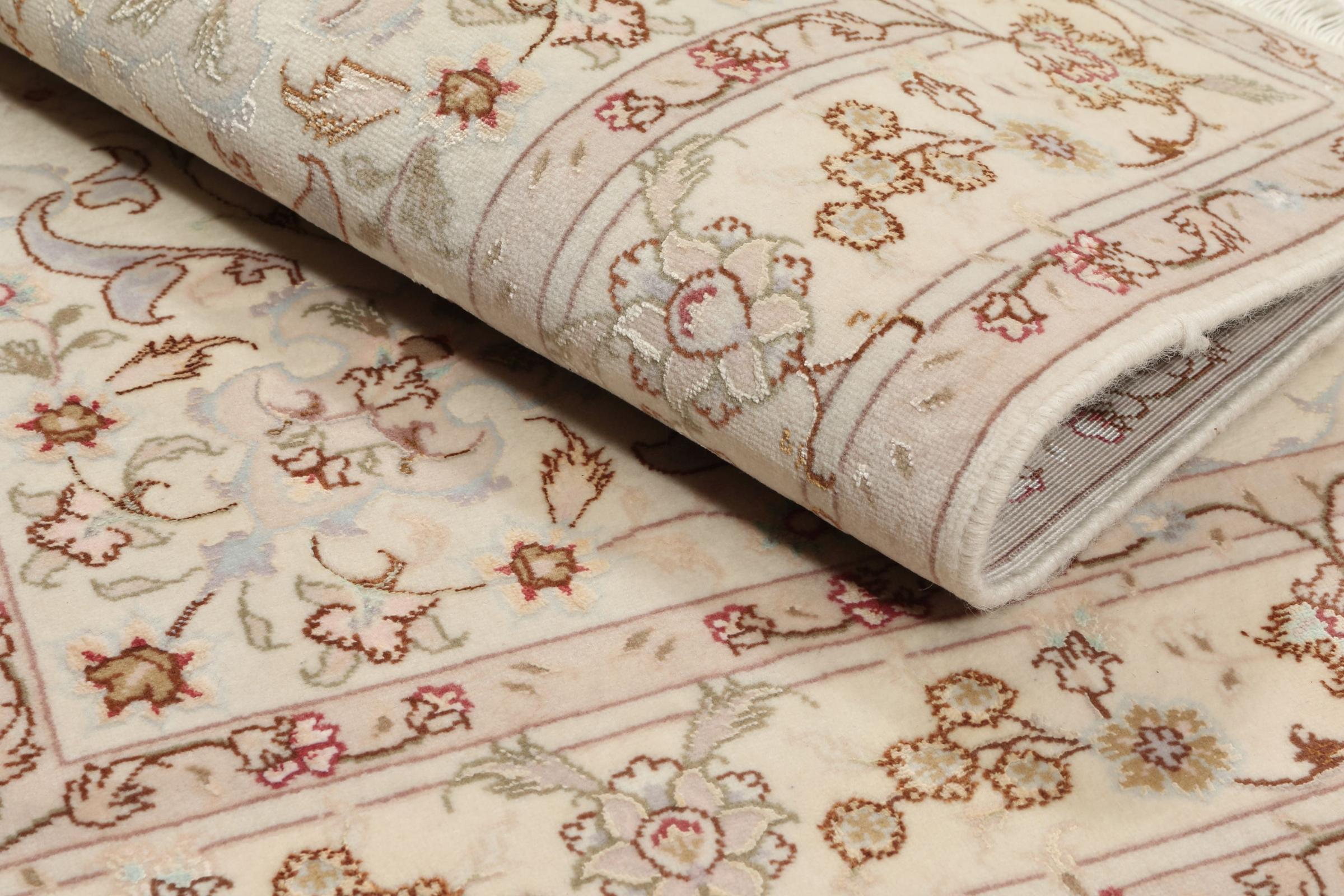
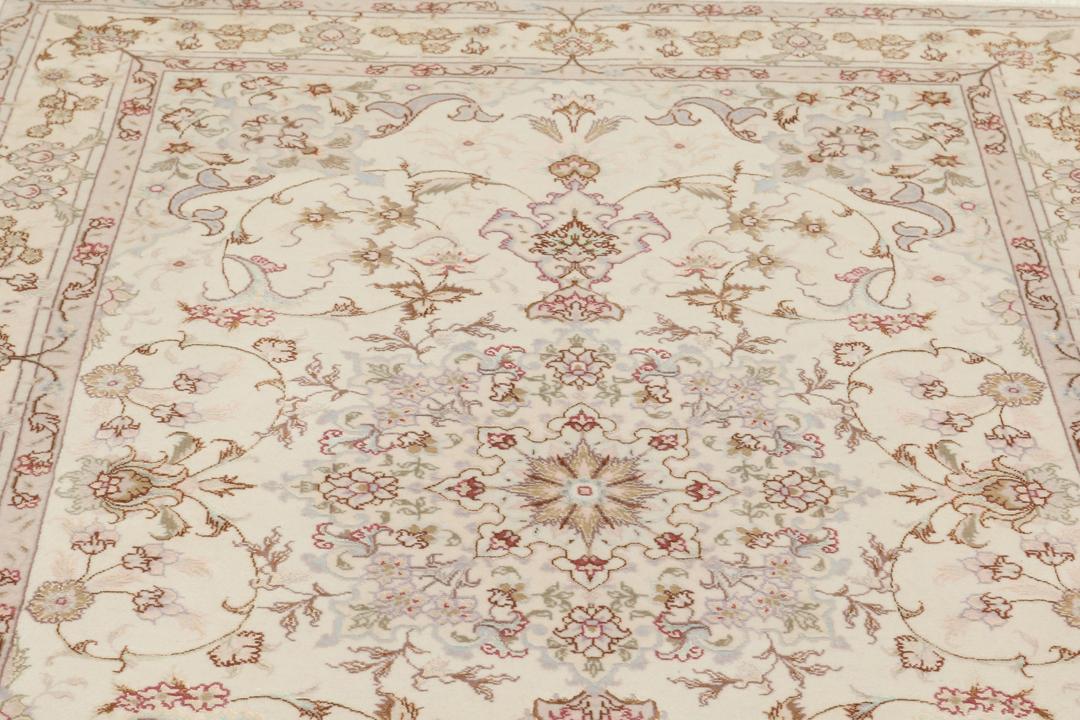
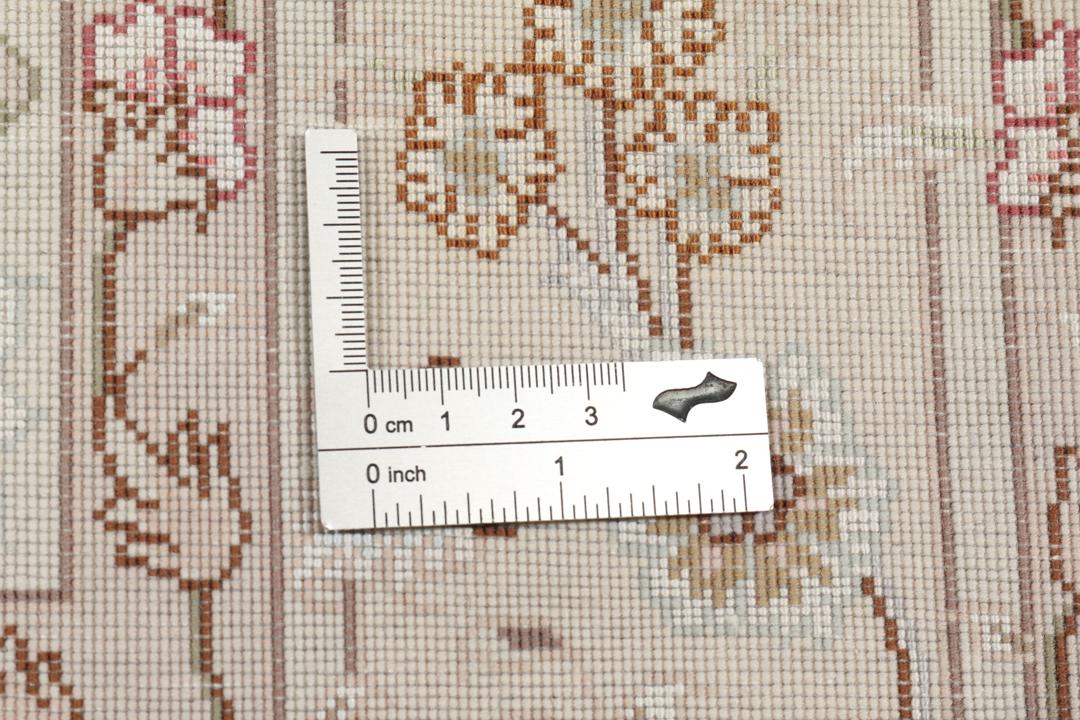
The term 50 Raj refers to the traditional measurement of knot density along a specific width, serving as a hallmark of quality and prestige. A 50 Raj rug indicates a high level of fineness, where the foundation is packed with a high number of knots. This technical rigor results in a thinner, more refined pile that allows for incredibly detailed, curvilinear designs that are synonymous with the Tabriz style.
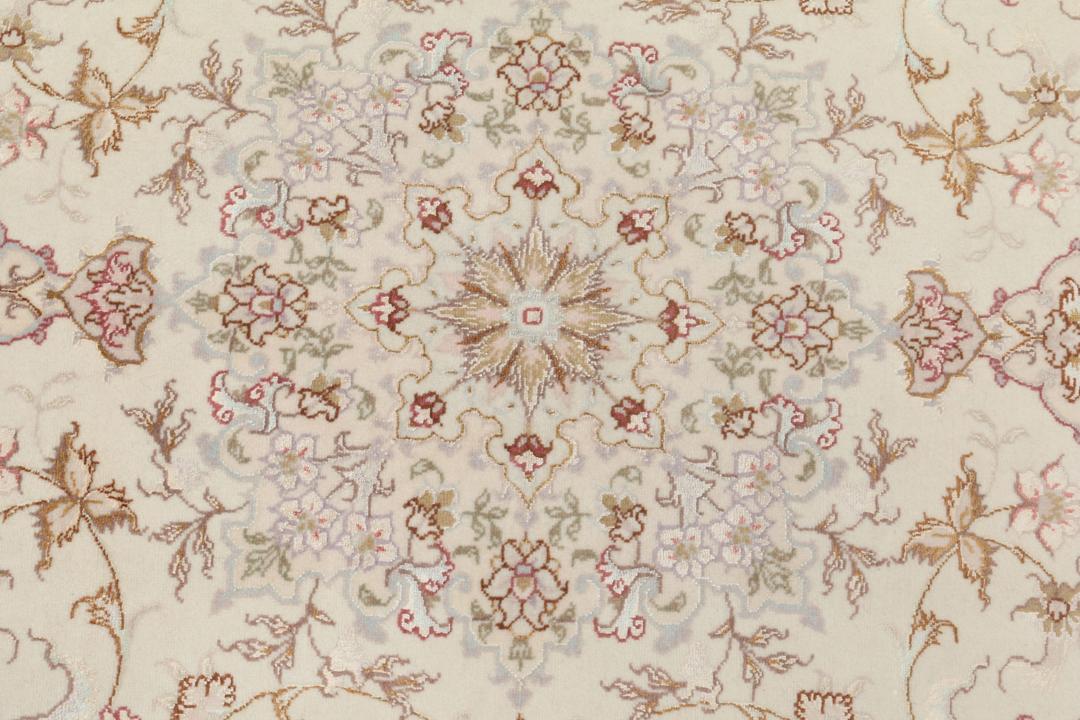
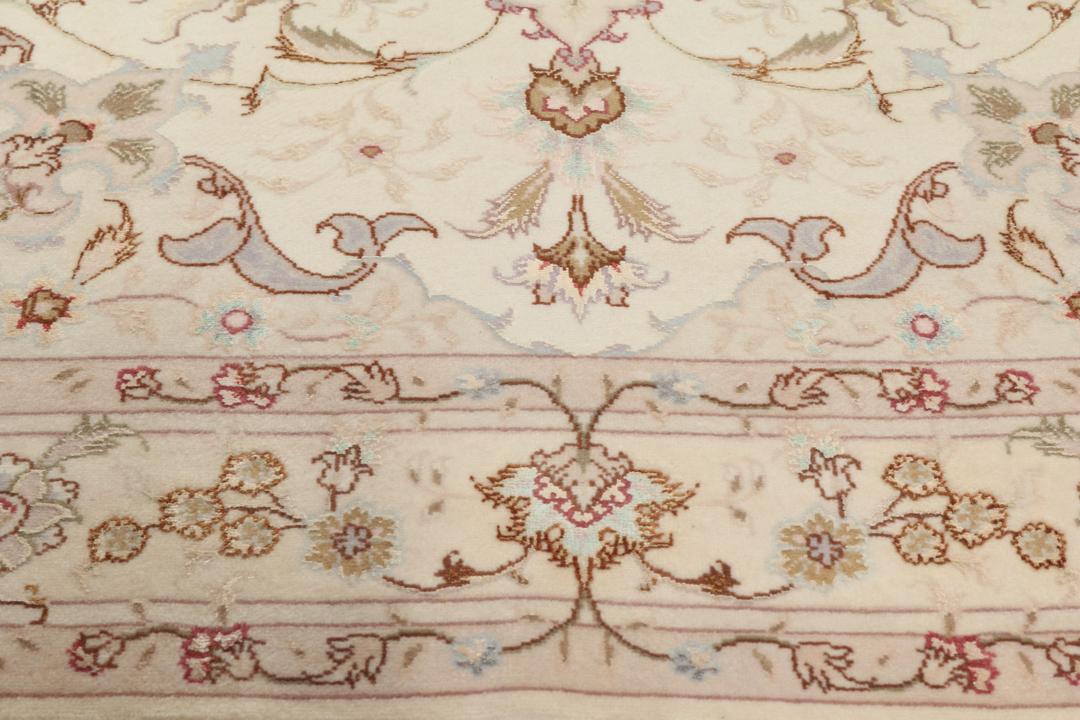
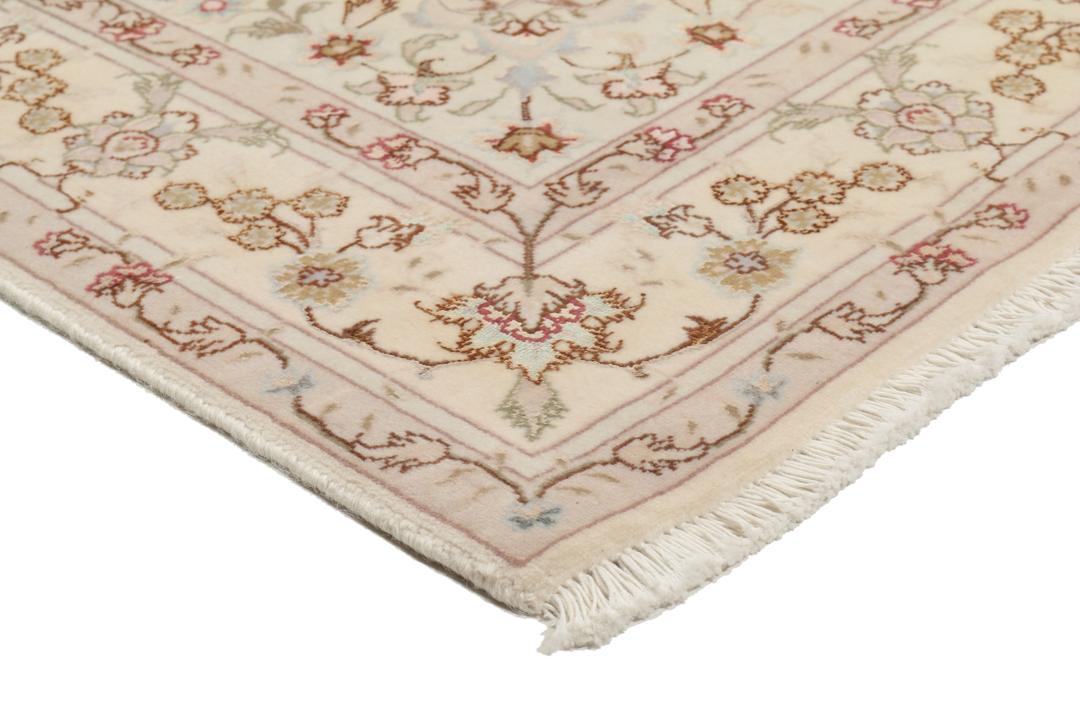
Signature design elements of these rugs often include central medallions surrounded by intricate floral arabesques, vines, and palmettes. The composition is typically balanced and formal, often framed by elaborate borders that guide the eye around the field. While many follow traditional motifs, each weaver introduces subtle variations in colour placement and detail, making every individual rug a distinct expression of the craft.
Owning a piece from this tradition is an investment in cultural heritage. These rugs are highly sought after by collectors for their combination of aesthetic beauty and technical durability. To possess such a rug is to participate in a centuries-old story of human ingenuity, where the skill of the weaver is preserved in every knot.