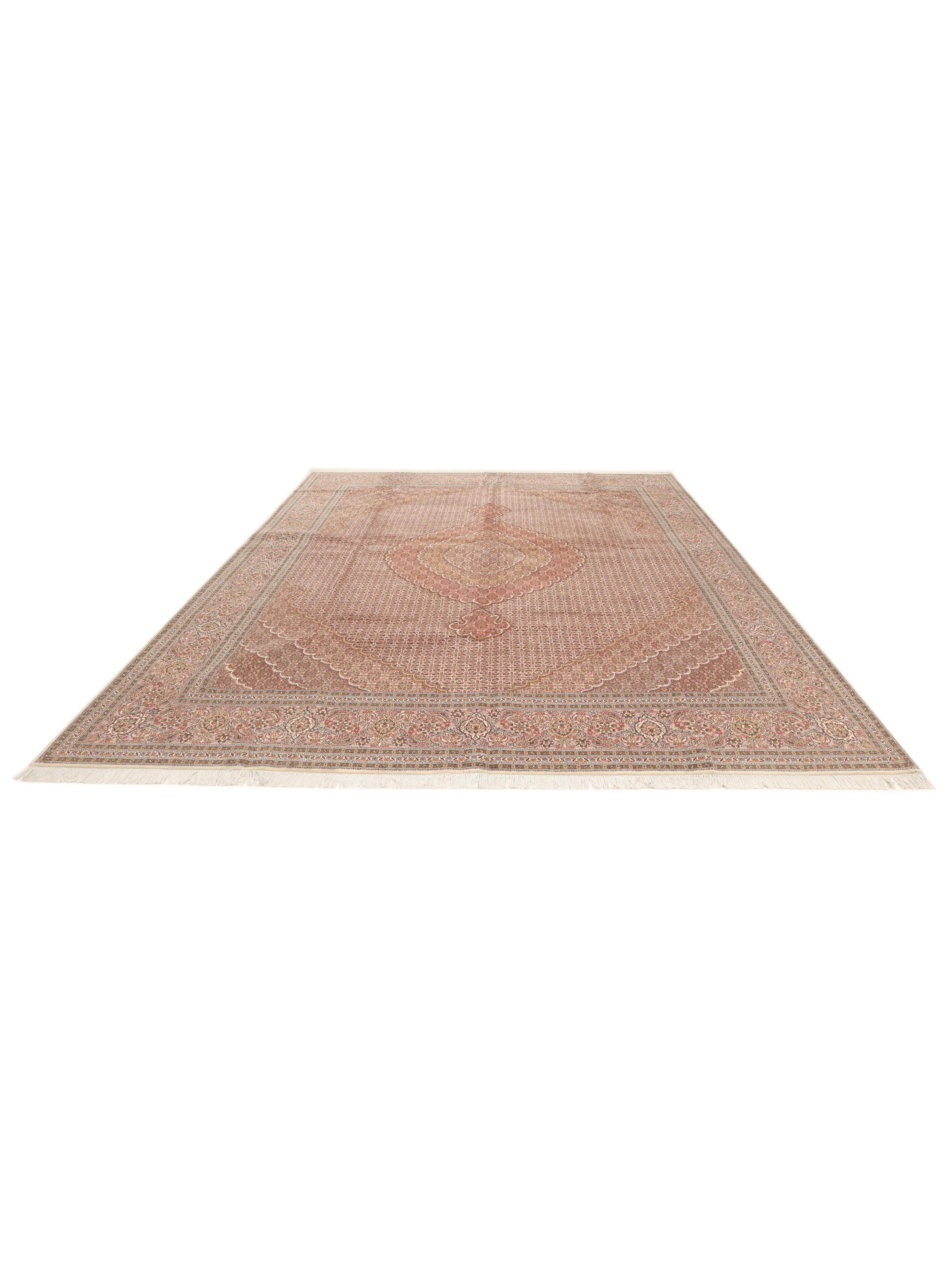
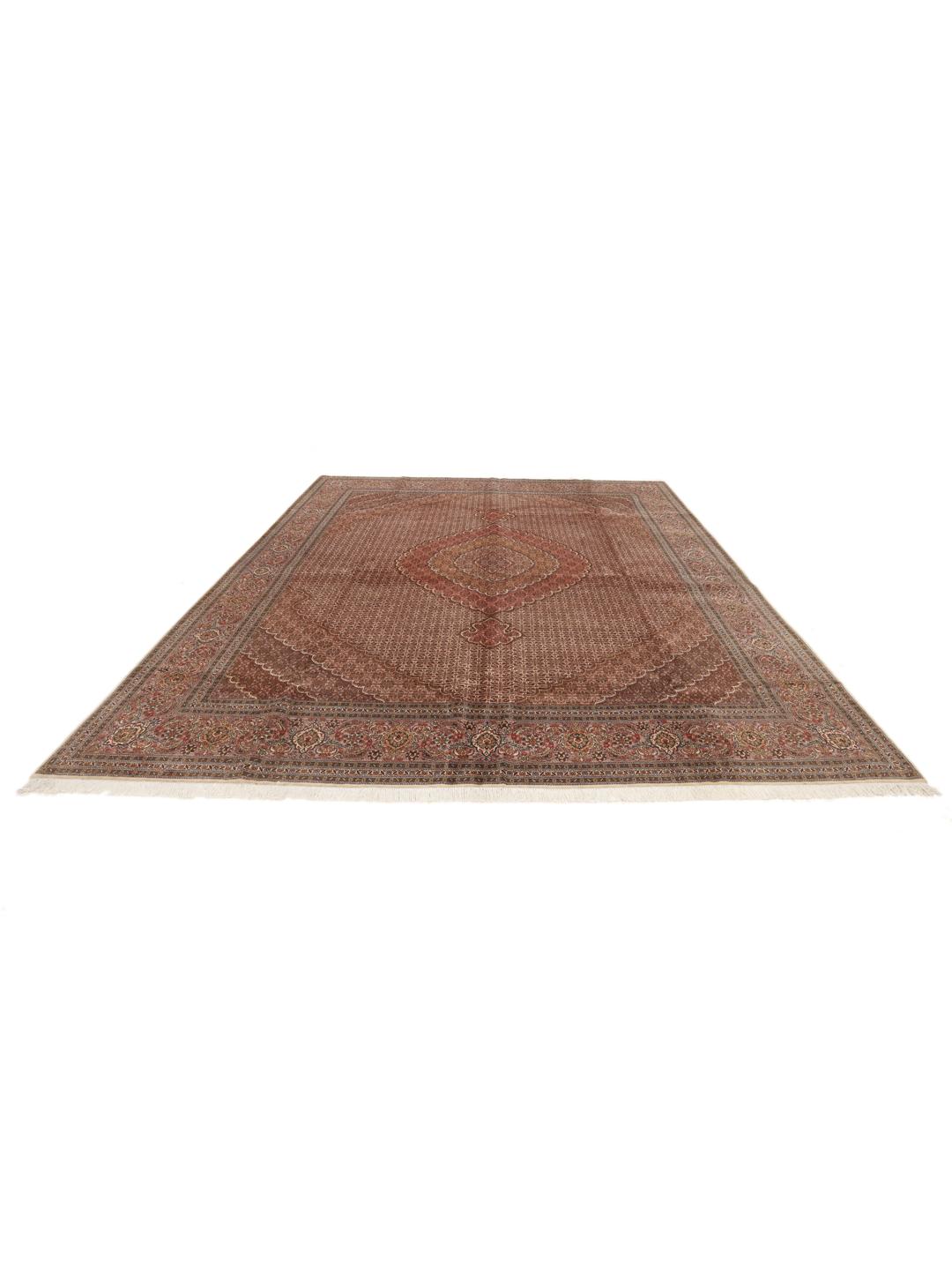
The Tabriz rug tradition originates from the historic city of Tabriz in the Middle East, a centre of trade and culture along the ancient Silk Road. For centuries, this region has been a hub for master weavers who have refined their craft to produce some of the most sought-after textiles in the world. The evolution of Tabriz rugs is marked by a constant pursuit of artistic perfection, drawing inspiration from classical architecture, nature, and historic royal gardens.
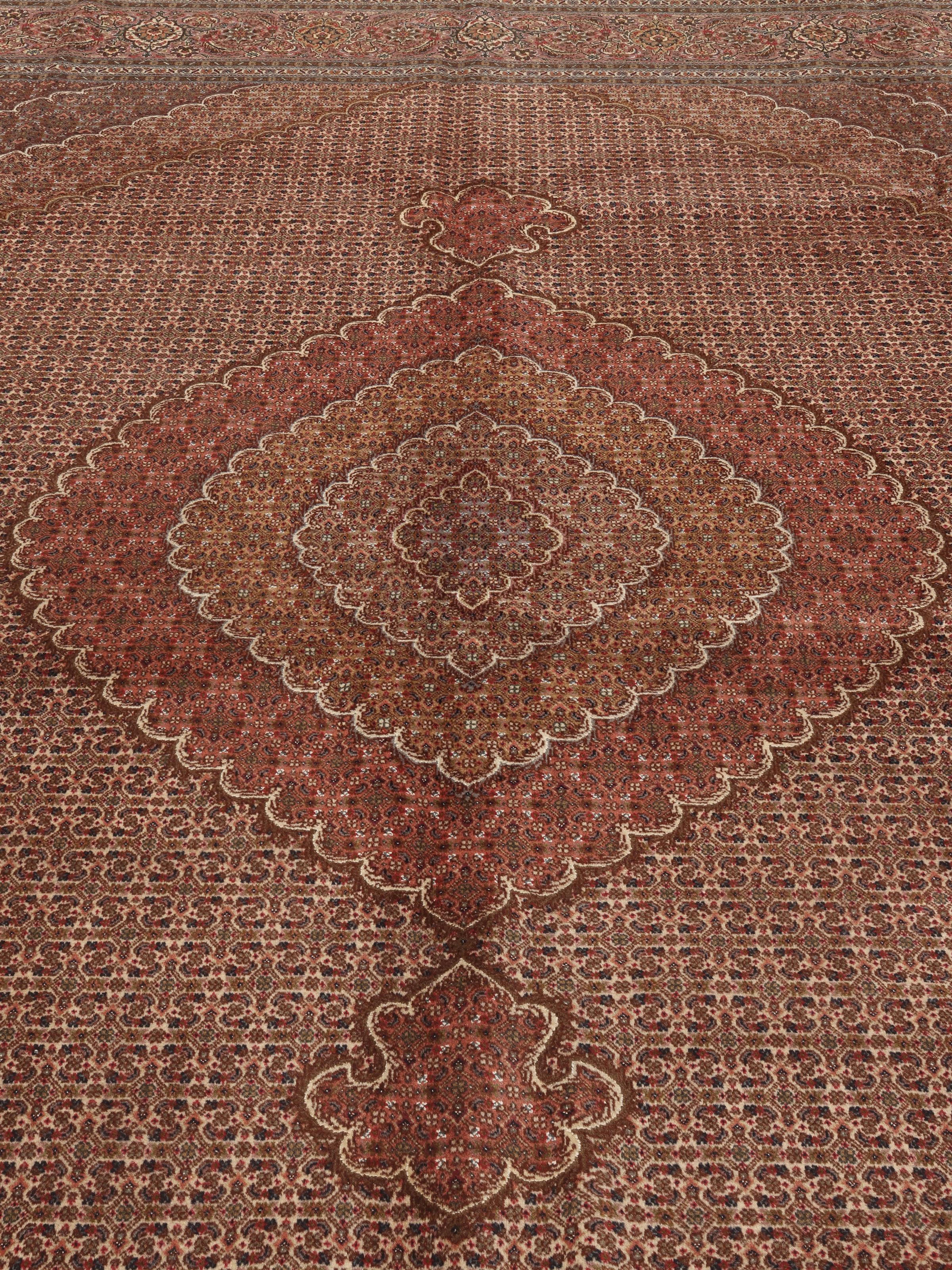
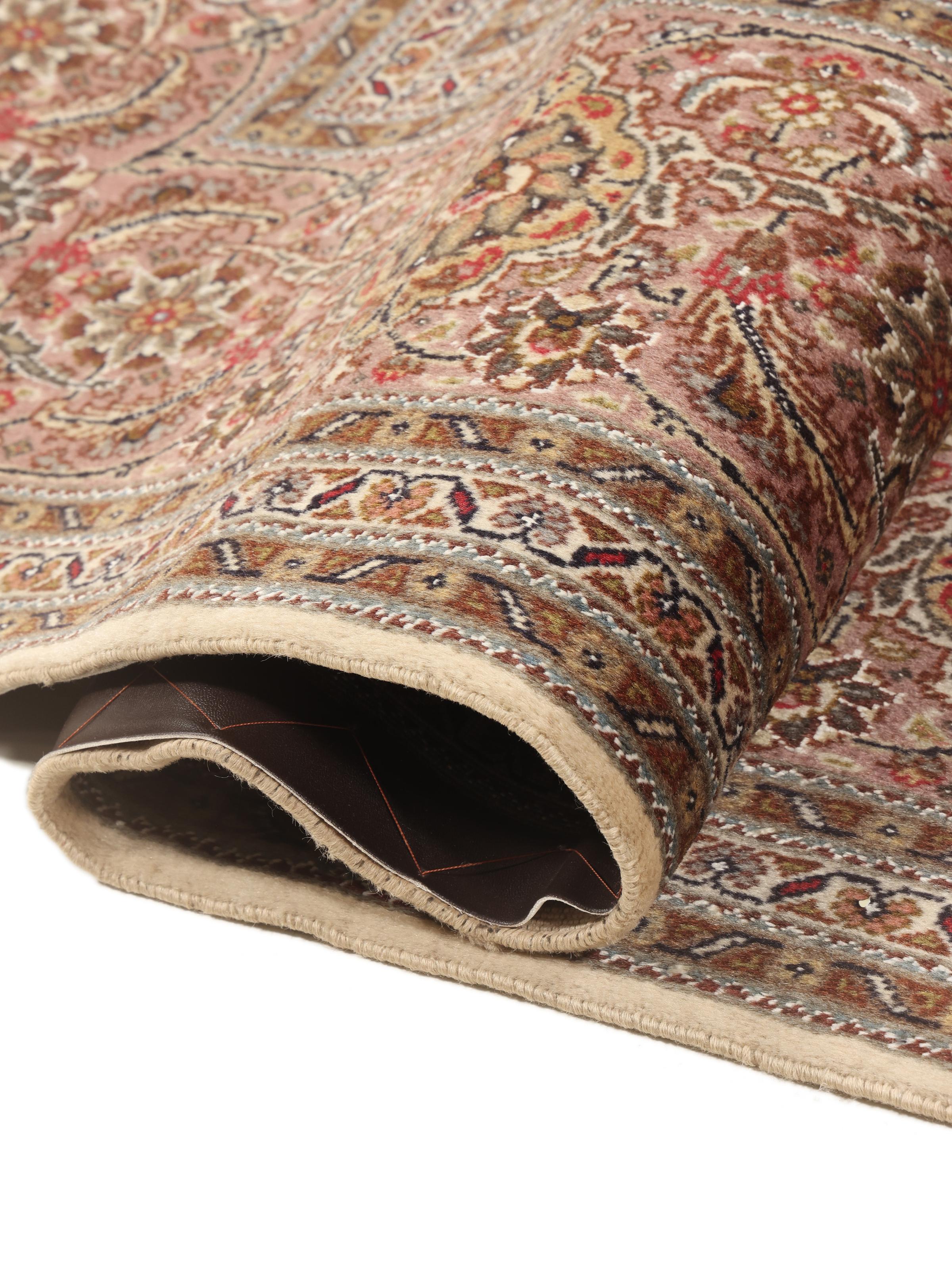
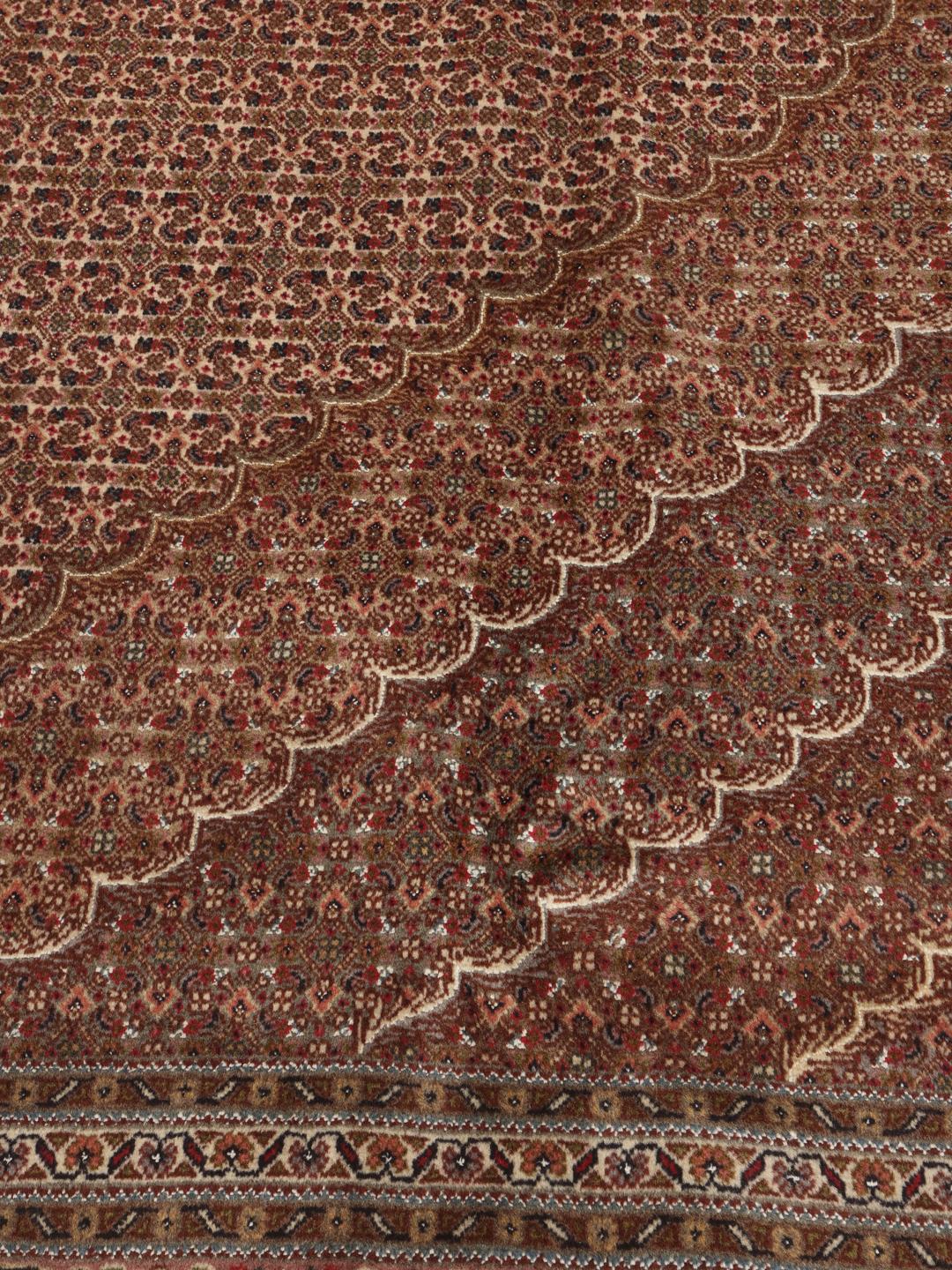
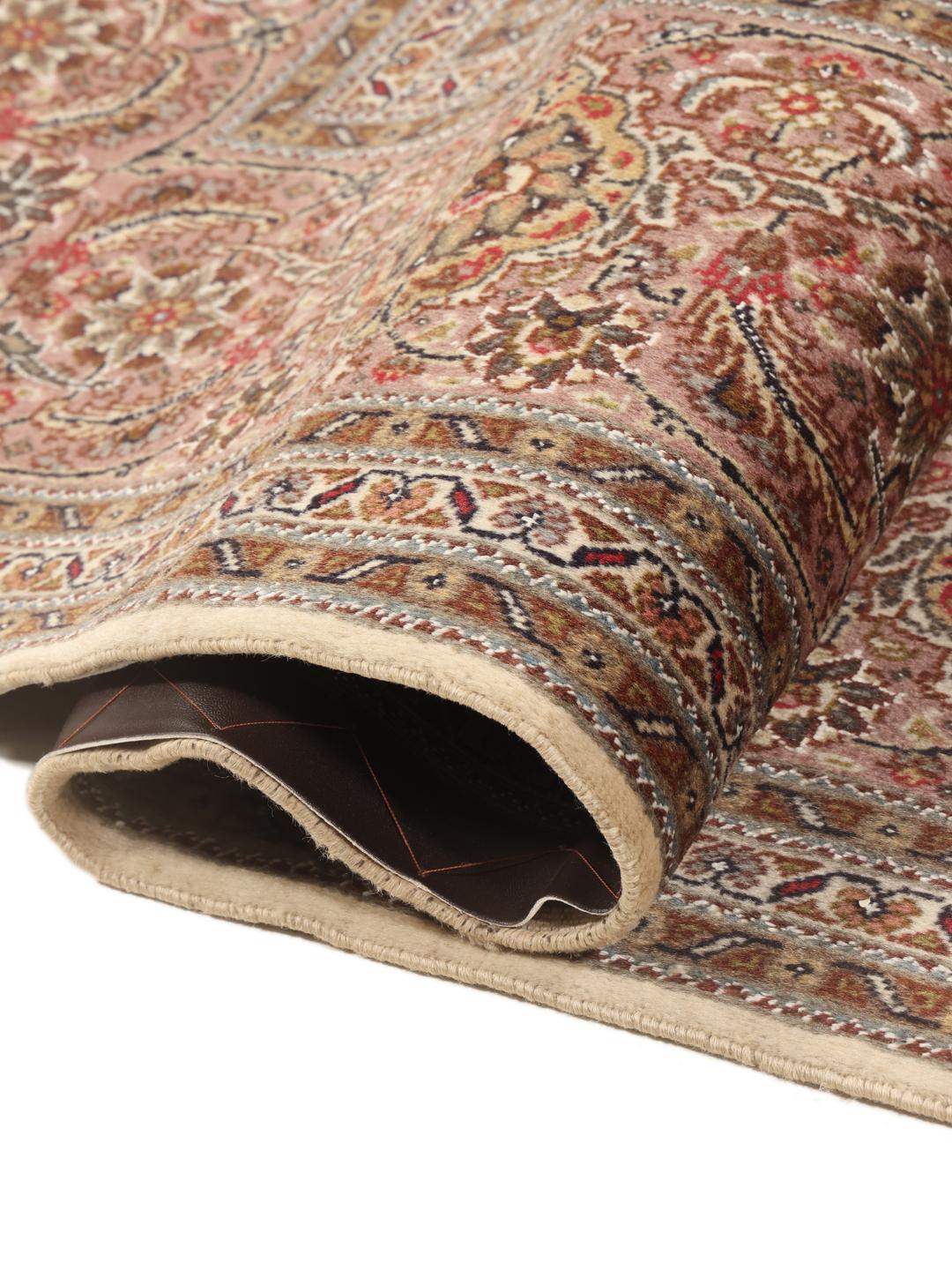
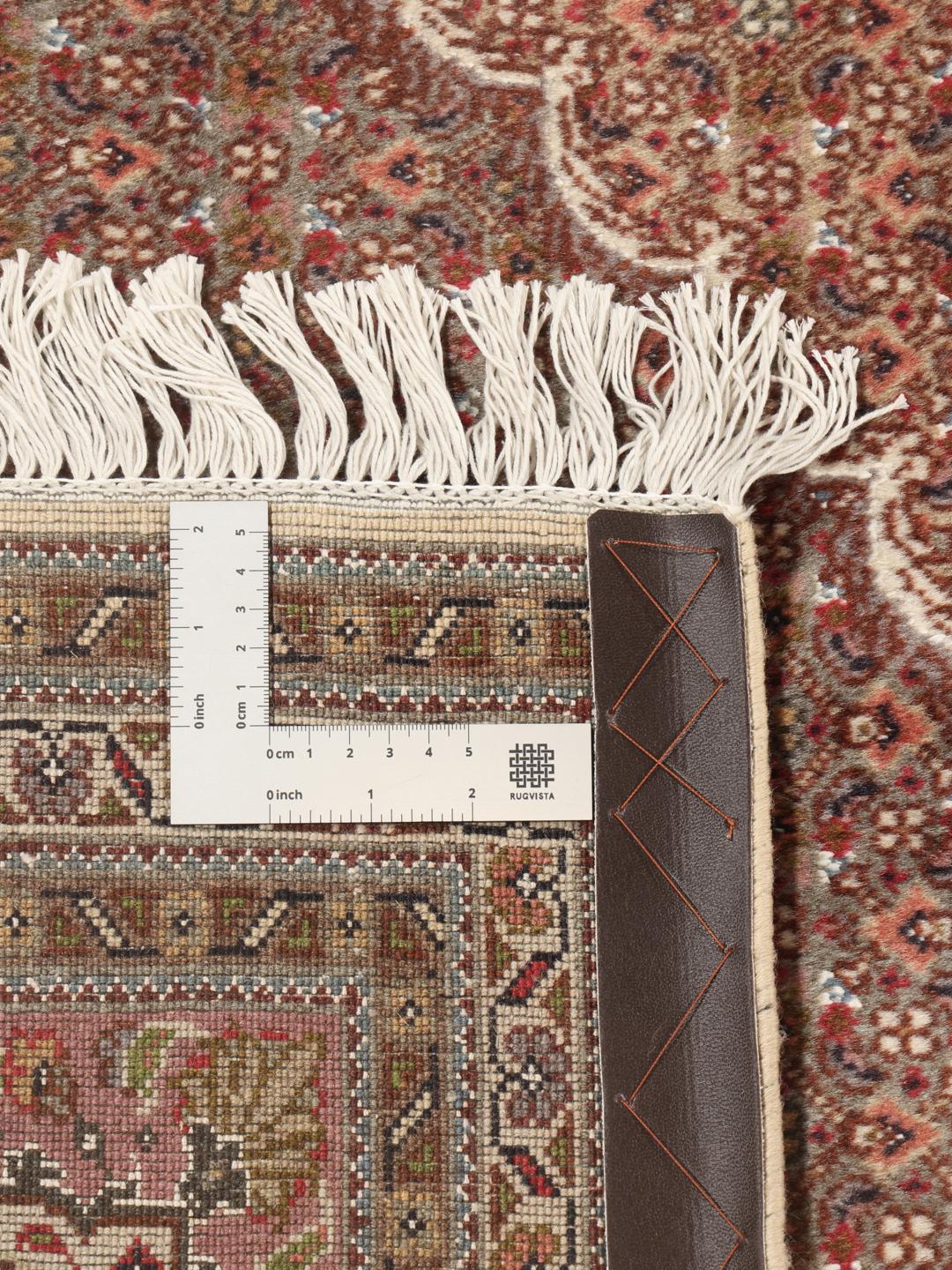
The term '40 Raj' refers to a specific system of measurement used to denote the fineness of the knotting. In this tradition, it indicates a high degree of precision in the weave, which allows for the creation of intricate, curvilinear patterns that appear almost painterly. This technical standard is a benchmark for quality, ensuring that the design is sharp and clear, while also creating a dense pile that is both durable and soft to the touch.
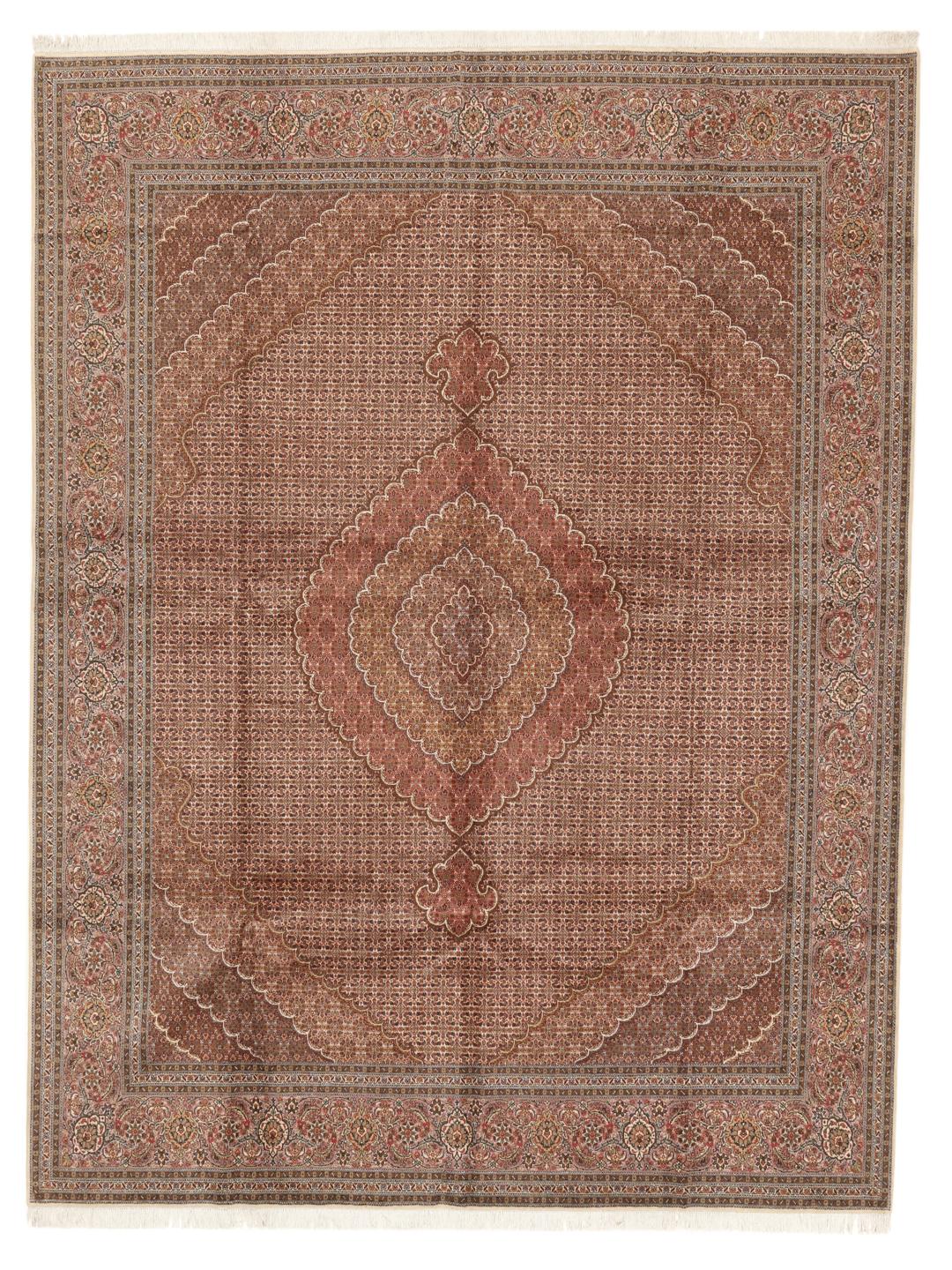
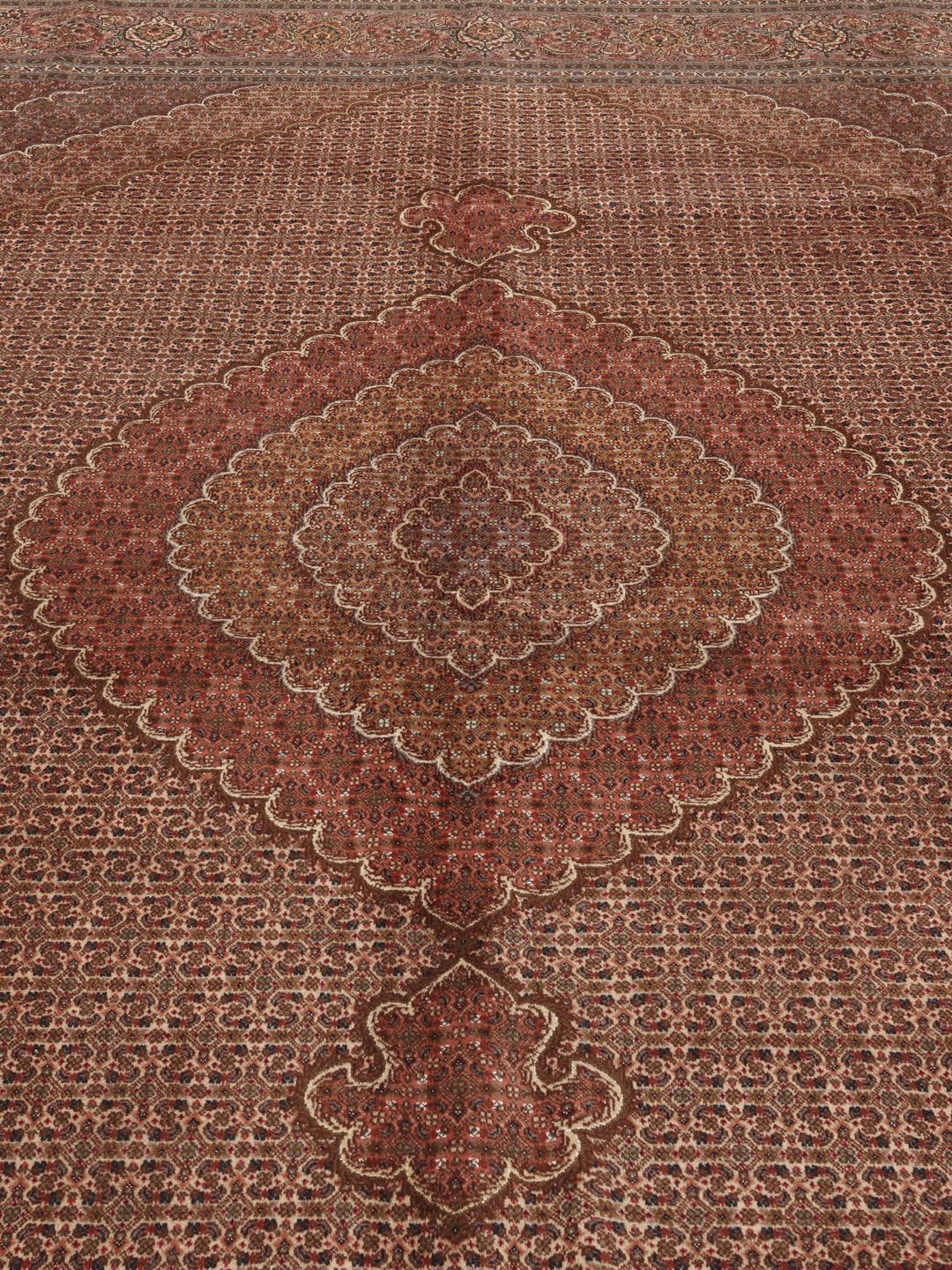
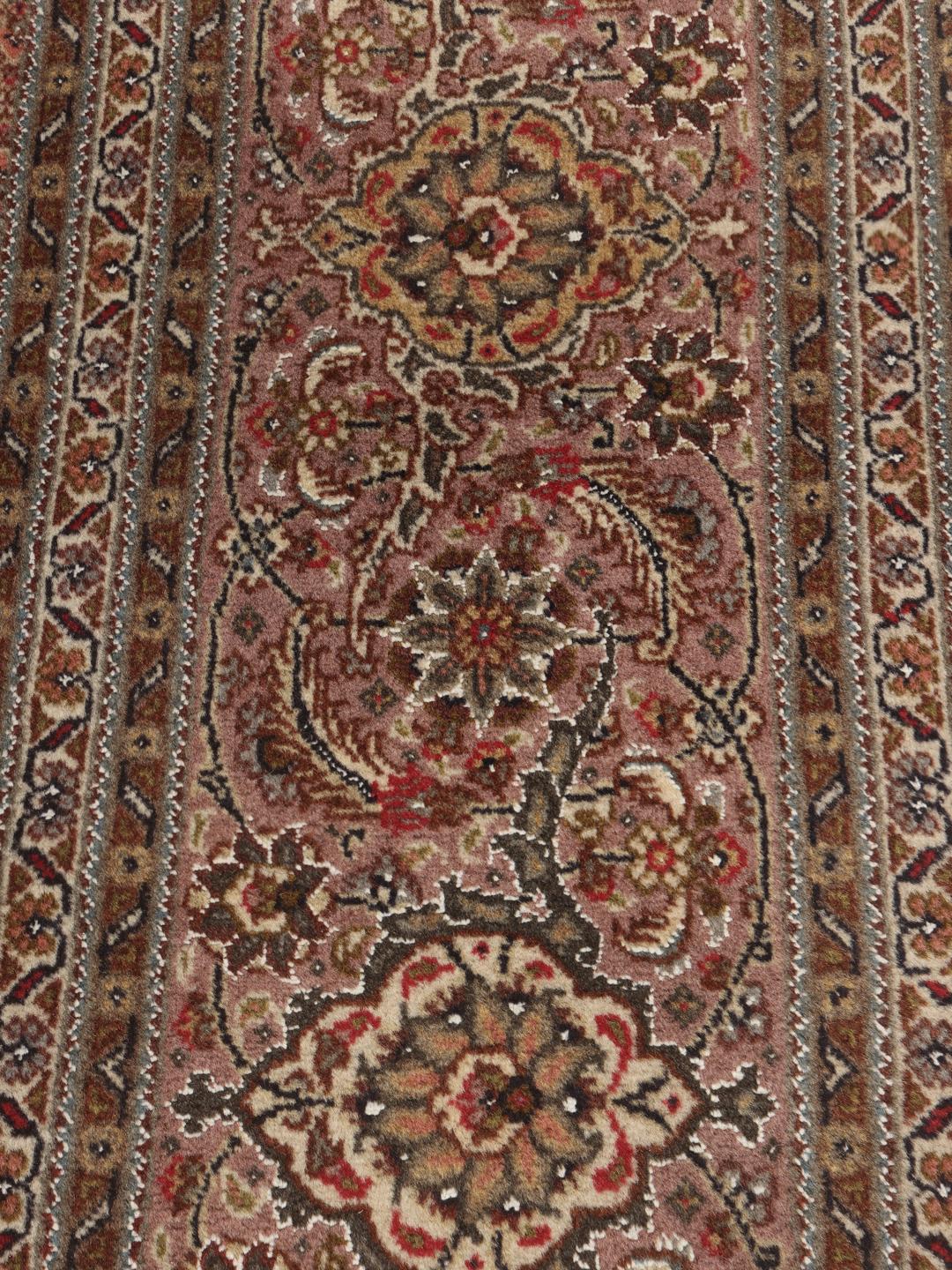
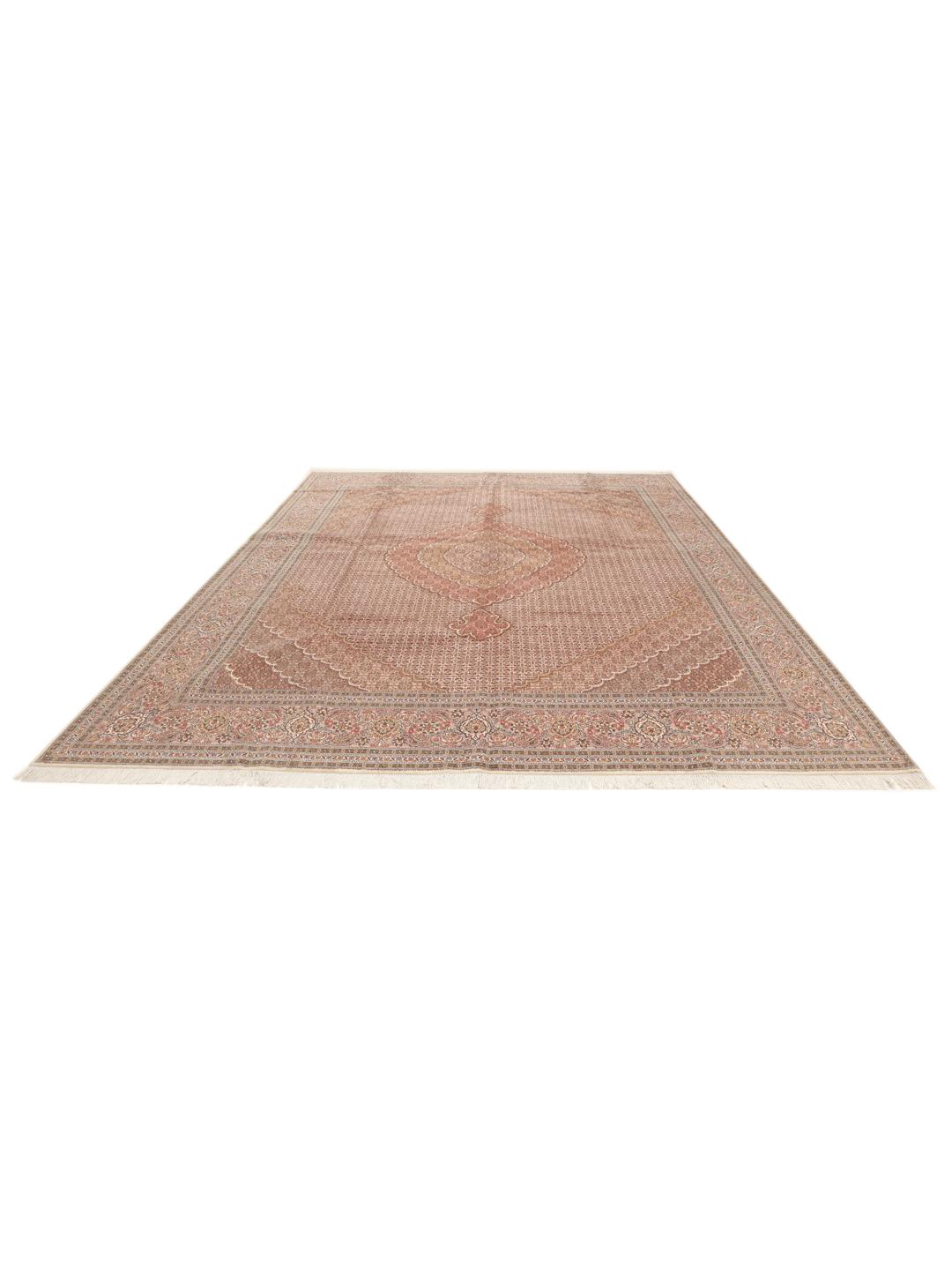
Signature design elements of the Tabriz style often include a large, ornate central medallion surrounded by dense floral or geometric fields, all framed by a wide, detailed border. These motifs are carefully balanced, reflecting a deep understanding of symmetry and proportion. While traditional patterns are the foundation, each weaver brings their own interpretation to the loom, making the specific arrangement of vines, palmettes, and leaves a unique expression of their creative vision.
Collectors value these rugs not only for their beauty but for the cultural history they embody. Owning a piece from this tradition is an investment in a living heritage that represents thousands of hours of human skill. These rugs are cherished for their ability to bridge the gap between functional floor covering and fine art, serving as a lasting testament to the dedication of the artisans who keep this ancient craft alive.