Gabbeh rugs have a long and fascinating history rooted in the nomadic traditions of the Middle East. Originally, these rugs were woven by tribal groups primarily for their own personal use, serving as practical, comfortable bedding and floor coverings within tents. Unlike more formal, city-made rugs, these pieces were expressions of the weaver's own creativity and surroundings, often featuring simple, spontaneous designs.
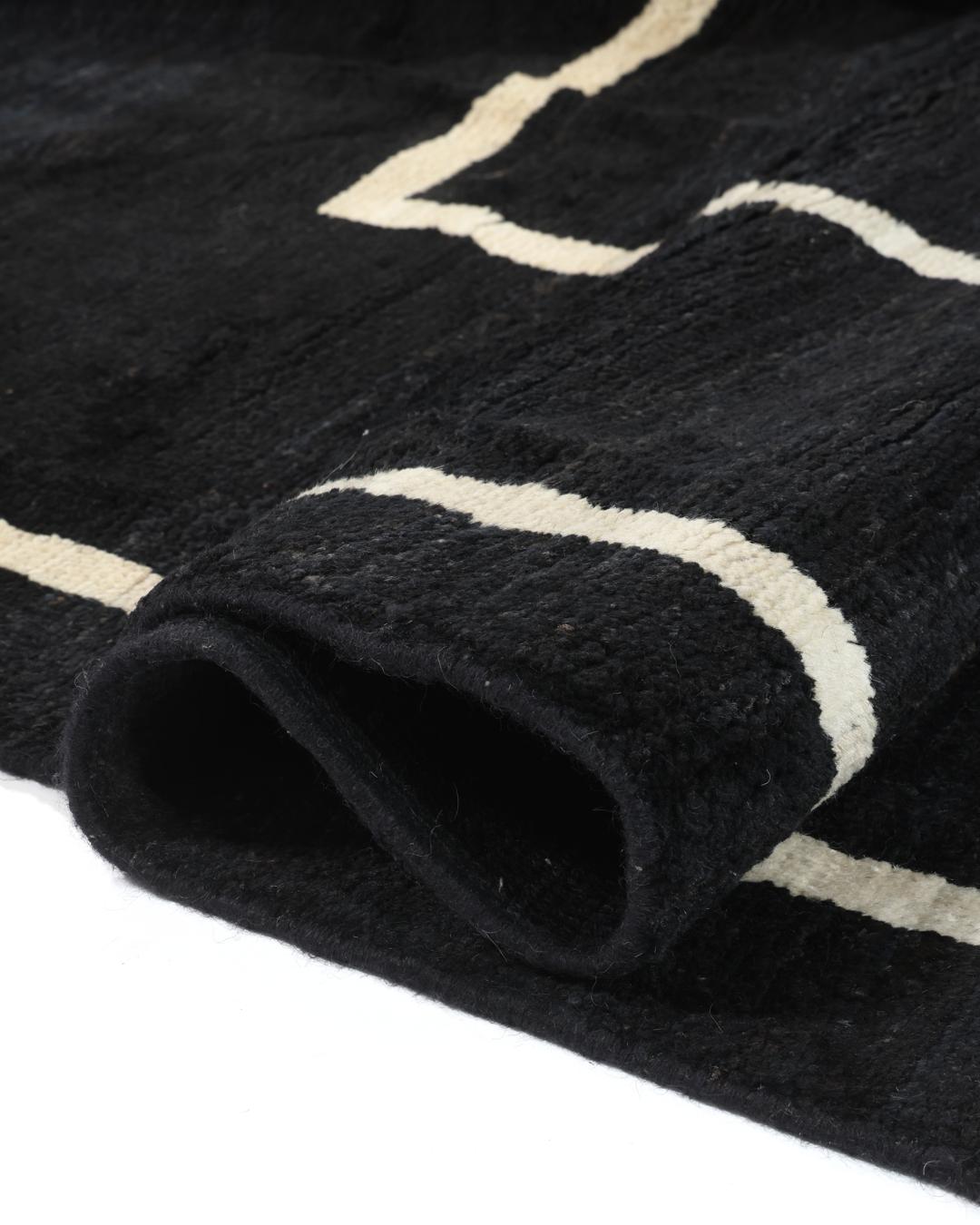
The term Gabbeh itself is derived from a word meaning 'raw' or 'natural', reflecting the rug's history as a less refined, thicker, and more primitive style. Over time, this tradition evolved, and today's modern Gabbeh rugs retain that thick, plush, and honest quality while incorporating more contemporary, simplified design elements. This evolution has made them highly sought after for modern homes that value both comfort and artistic heritage.
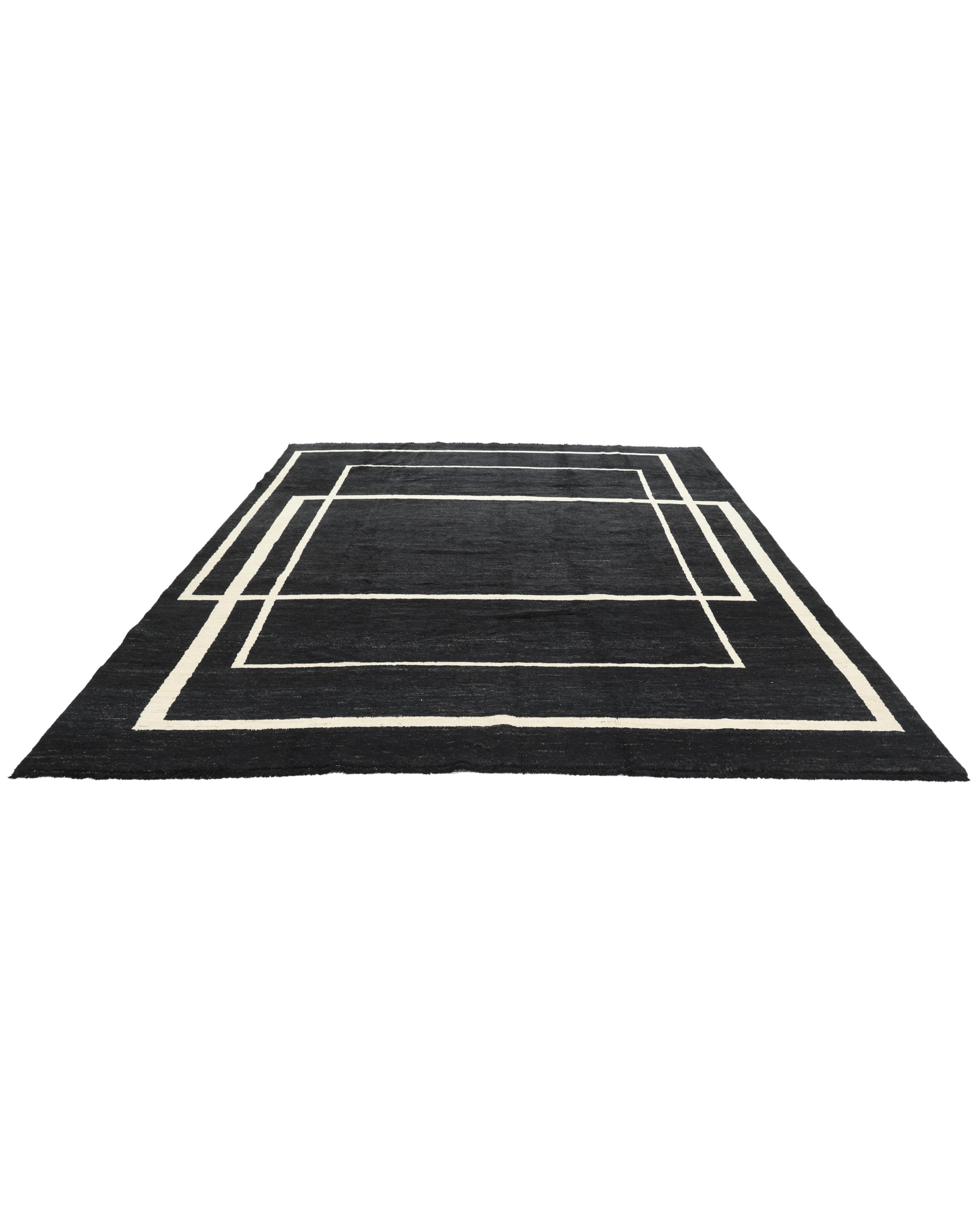
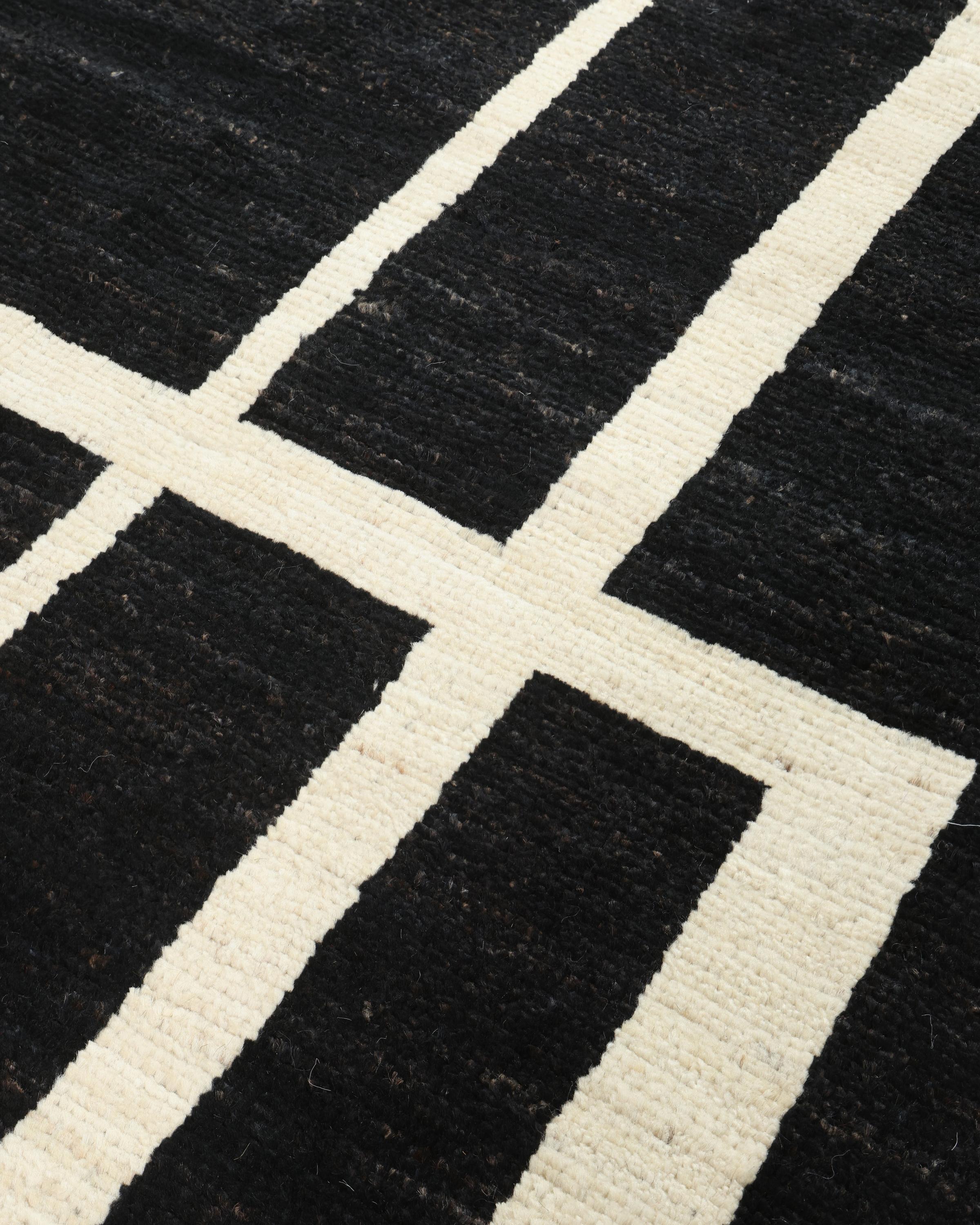
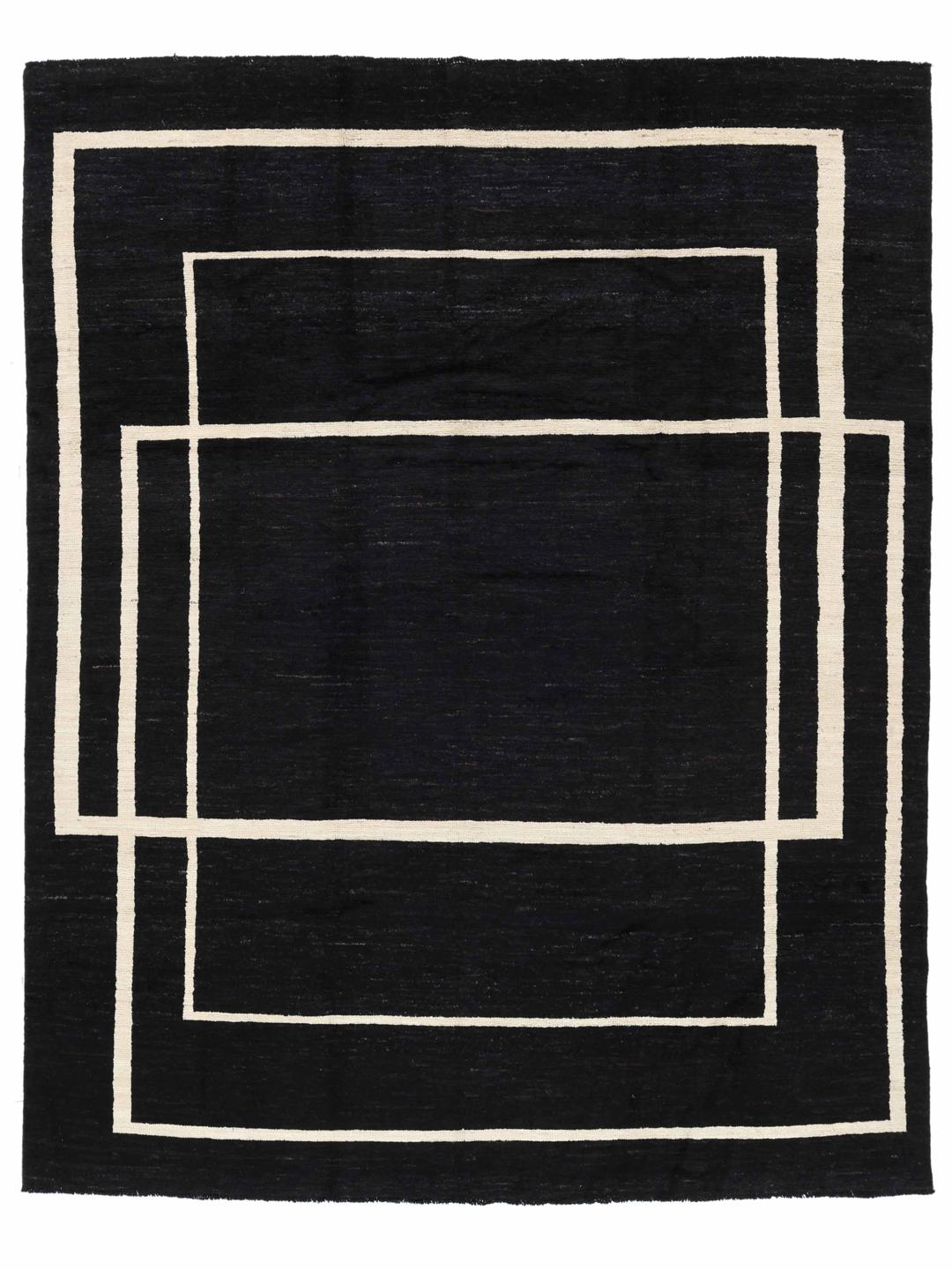
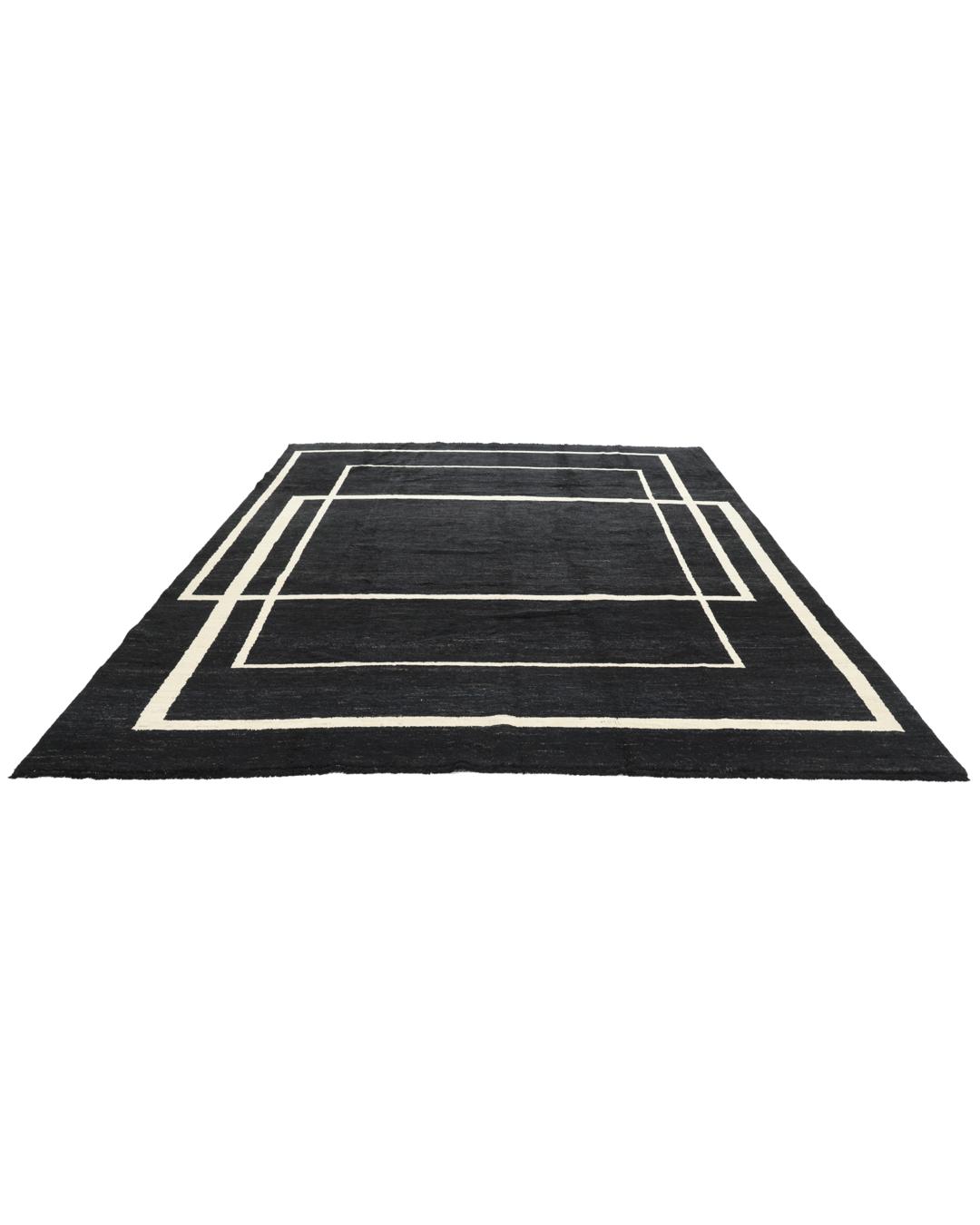
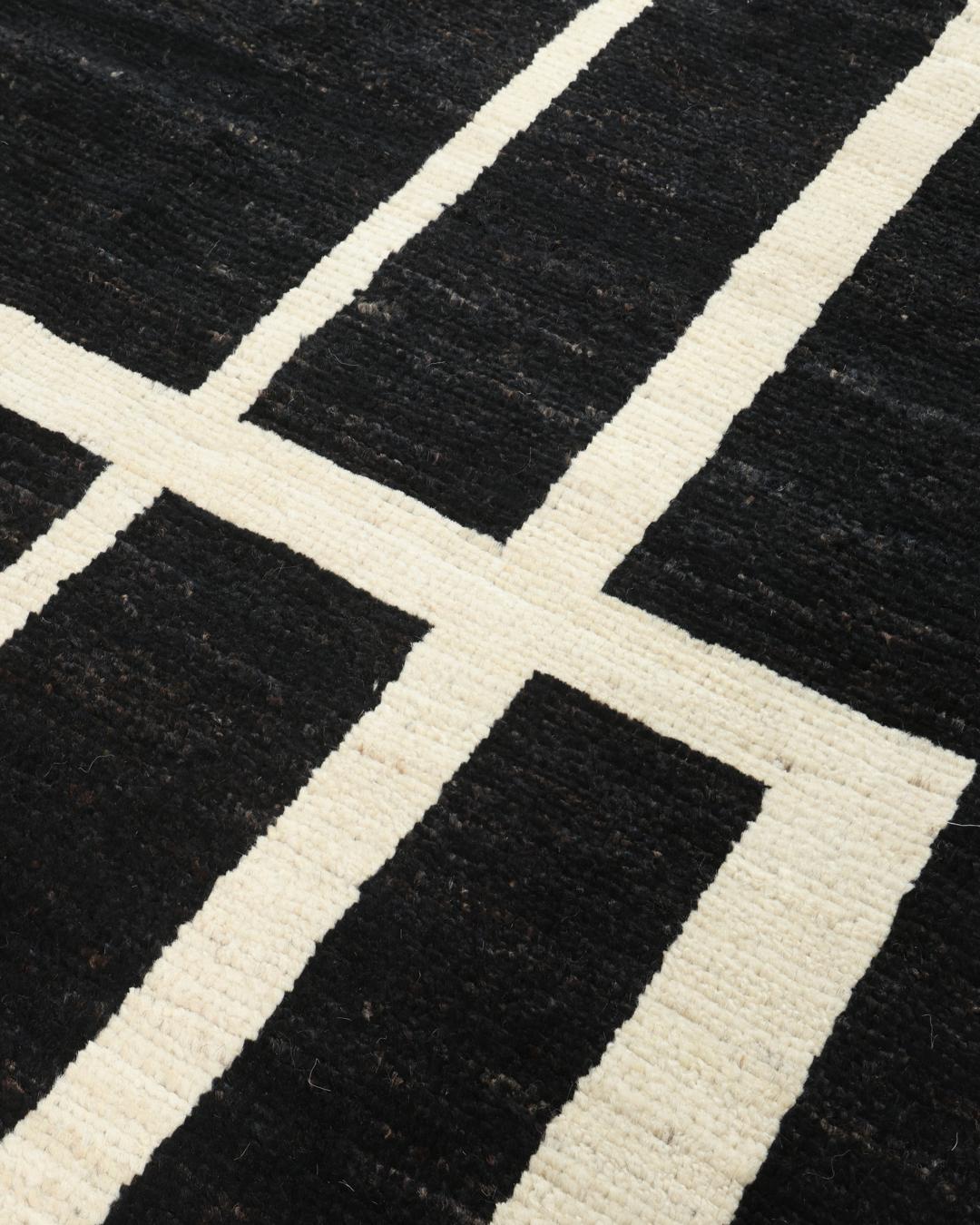
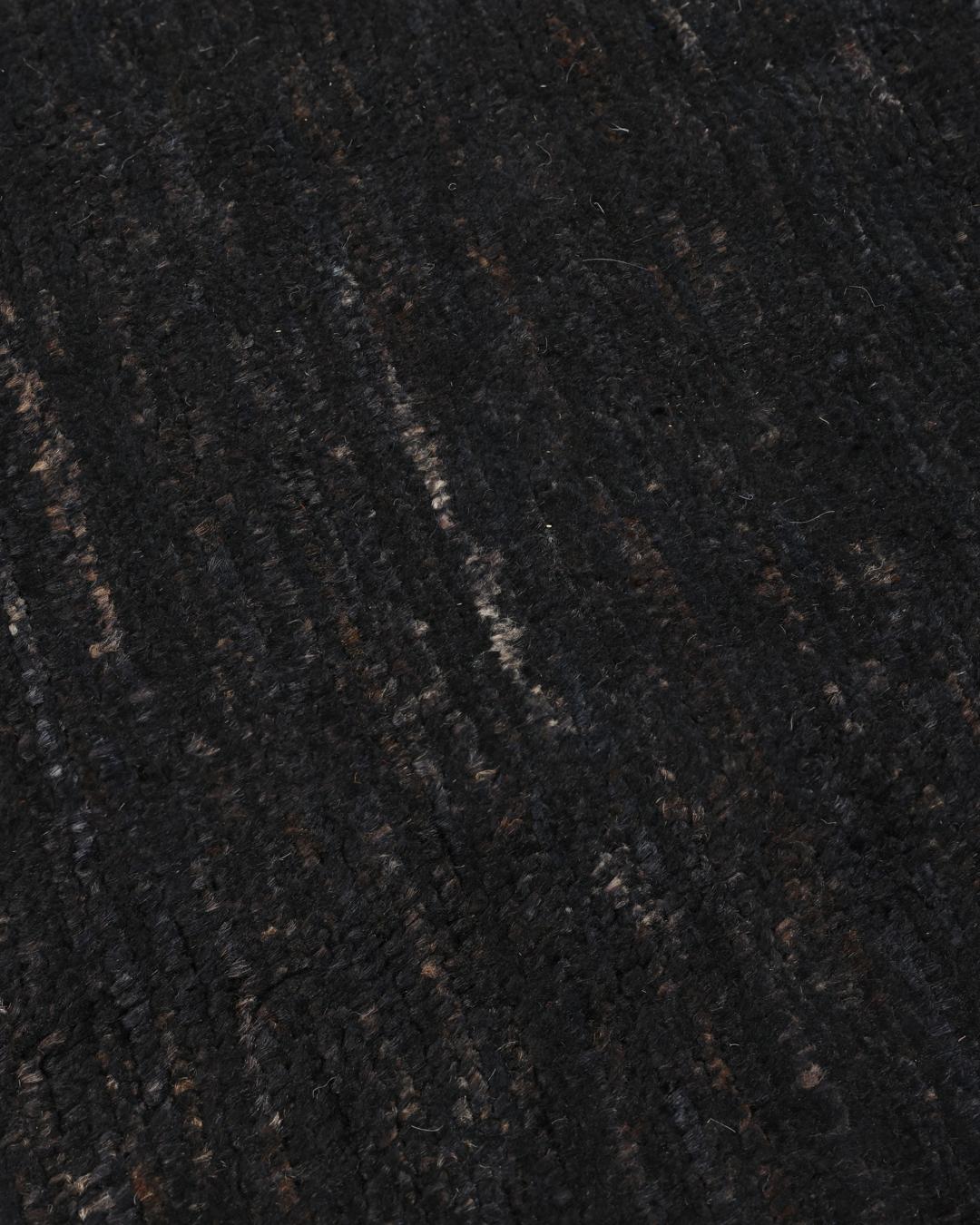
In terms of design, the Gabbeh tradition is characterised by its focus on bold, open fields and intentional simplicity. While traditional versions might feature tribal motifs or stylized animals, modern interpretations like this one emphasise clean lines and geometry. This departure from complex, repeating patterns allows the natural quality of the Wool to shine, creating a striking, graphic look that feels perfectly at home in a contemporary space.
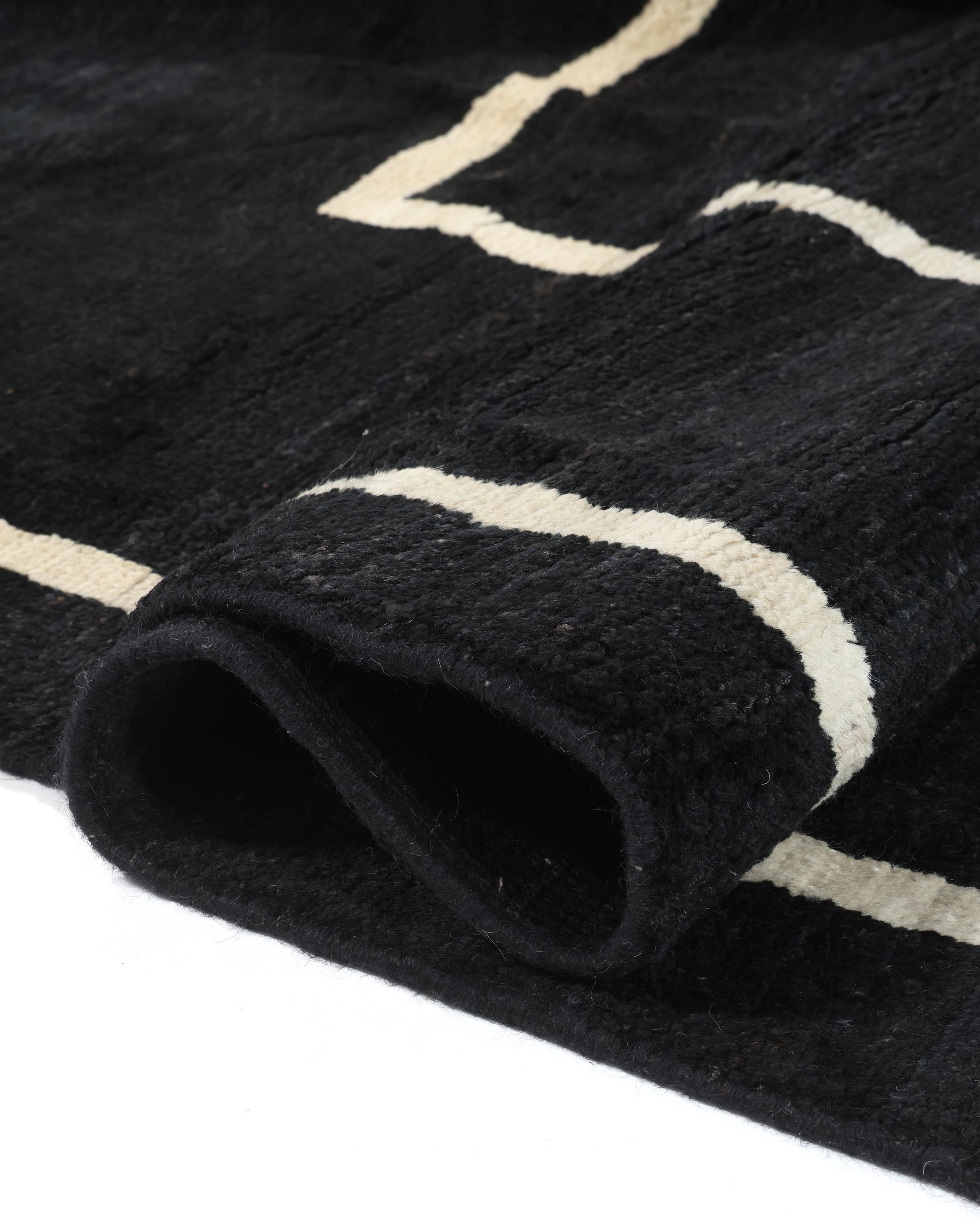
Collecting a piece from this tradition is about more than just decor; it is about acquiring a link to a centuries-old craft. These rugs are highly valued for their durability and the human touch evident in every knot. By bringing a piece of this history into your home, you are choosing a rug that celebrates the skill of the artisan and the enduring appeal of hand-made objects that have been crafted with purpose and care.