Shirvan rugs originate from the Caucasus region, a mountainous area with a long and complex history of weaving that has influenced traditions across the Middle East. While these rugs are deeply rooted in the specific aesthetic of the Caucasian highlands, the style evolved as weaving techniques and design motifs travelled along historical trade routes, eventually becoming highly sought after in Turkey and beyond.
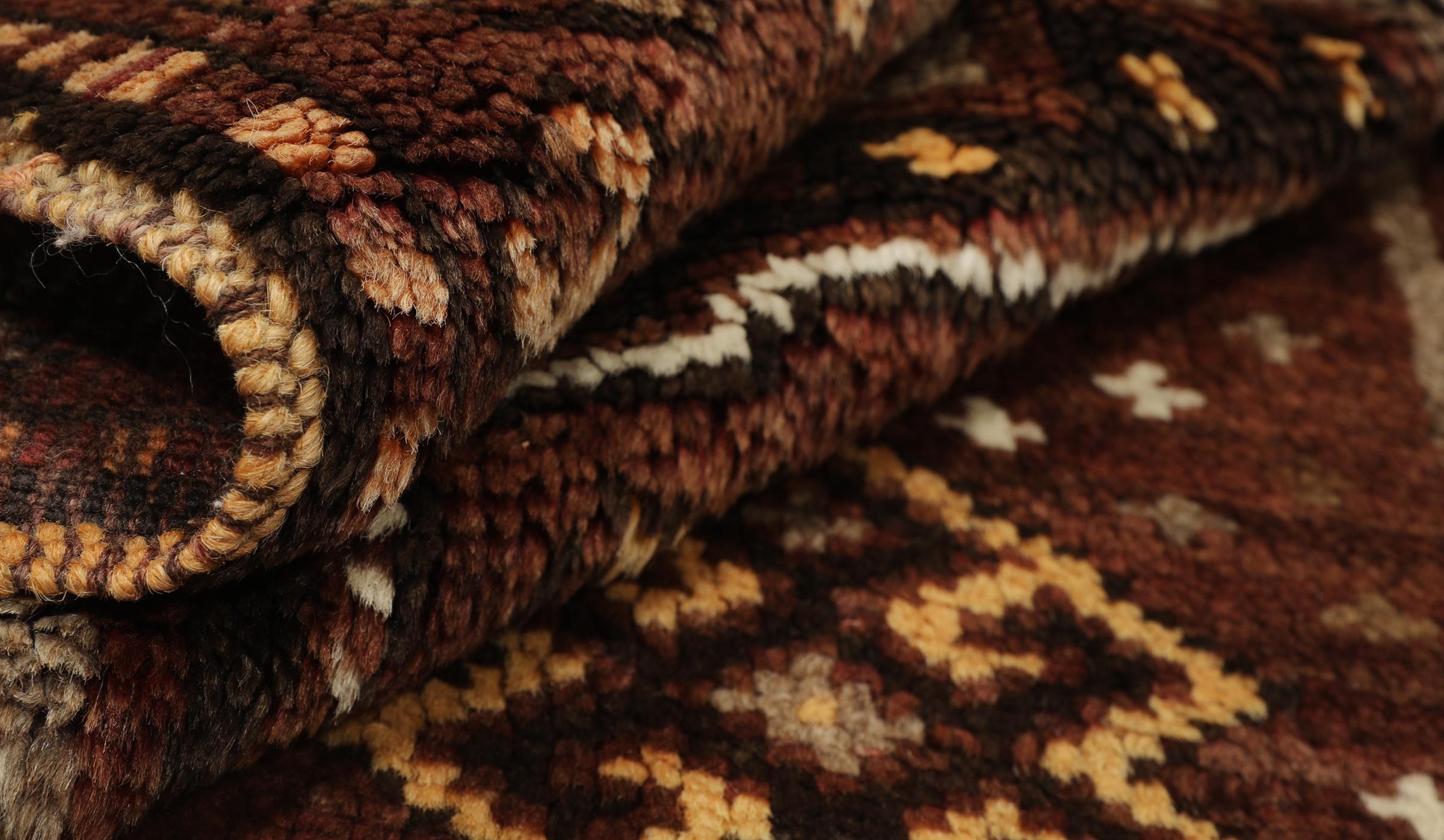
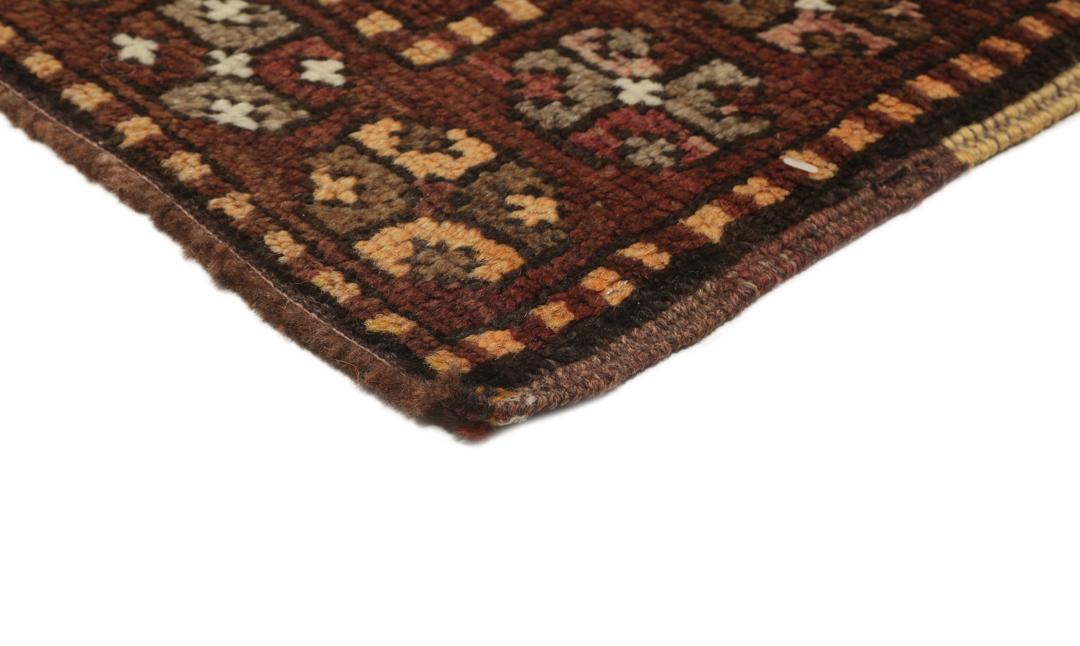
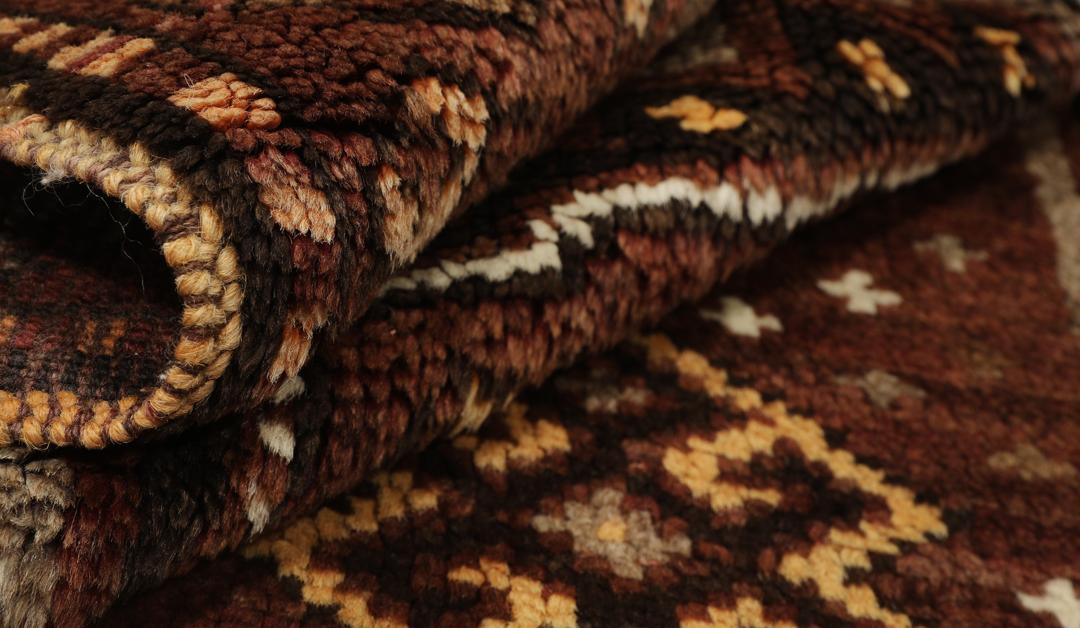
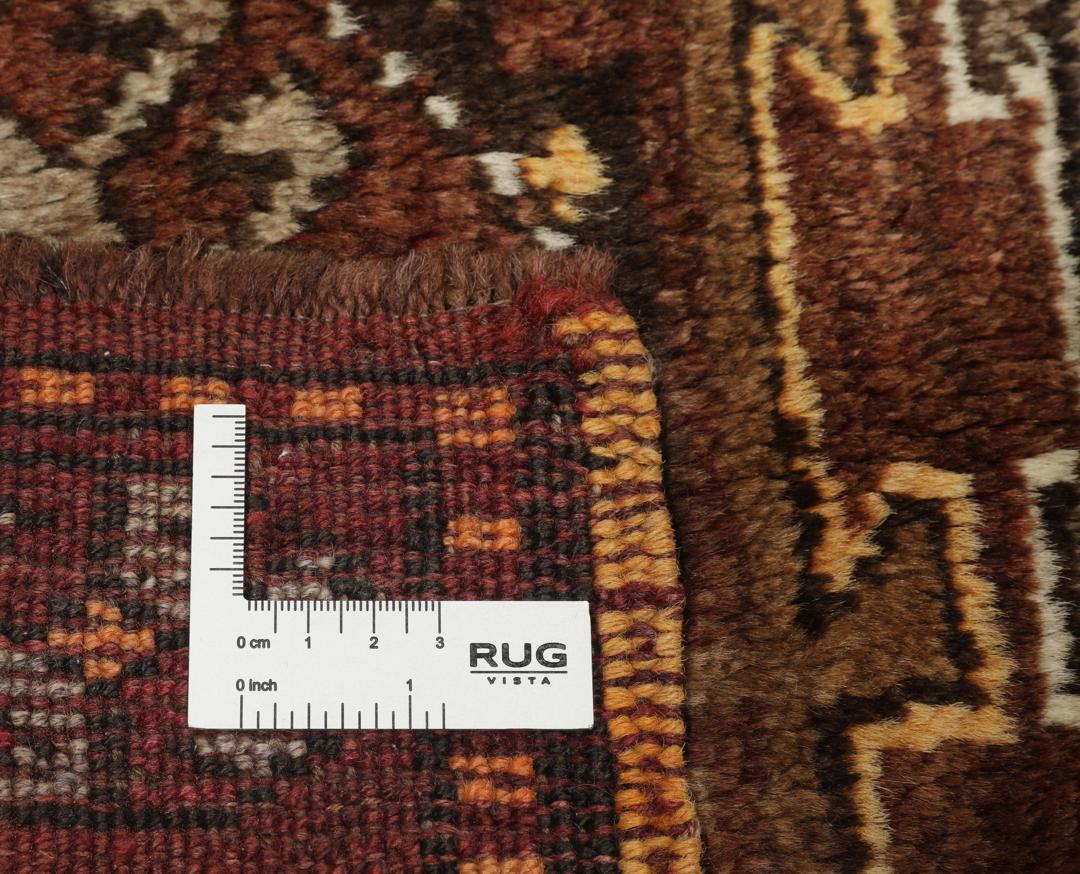
The term Shirvan refers not only to a geographical location but also to a specific school of design known for its technical precision and artistic expression. These rugs are typically characterised by a sturdy foundation that supports a dense, durable pile. This construction is a hallmark of the region, ensuring that the intricate patterns remain sharp and vibrant even after many years of use.
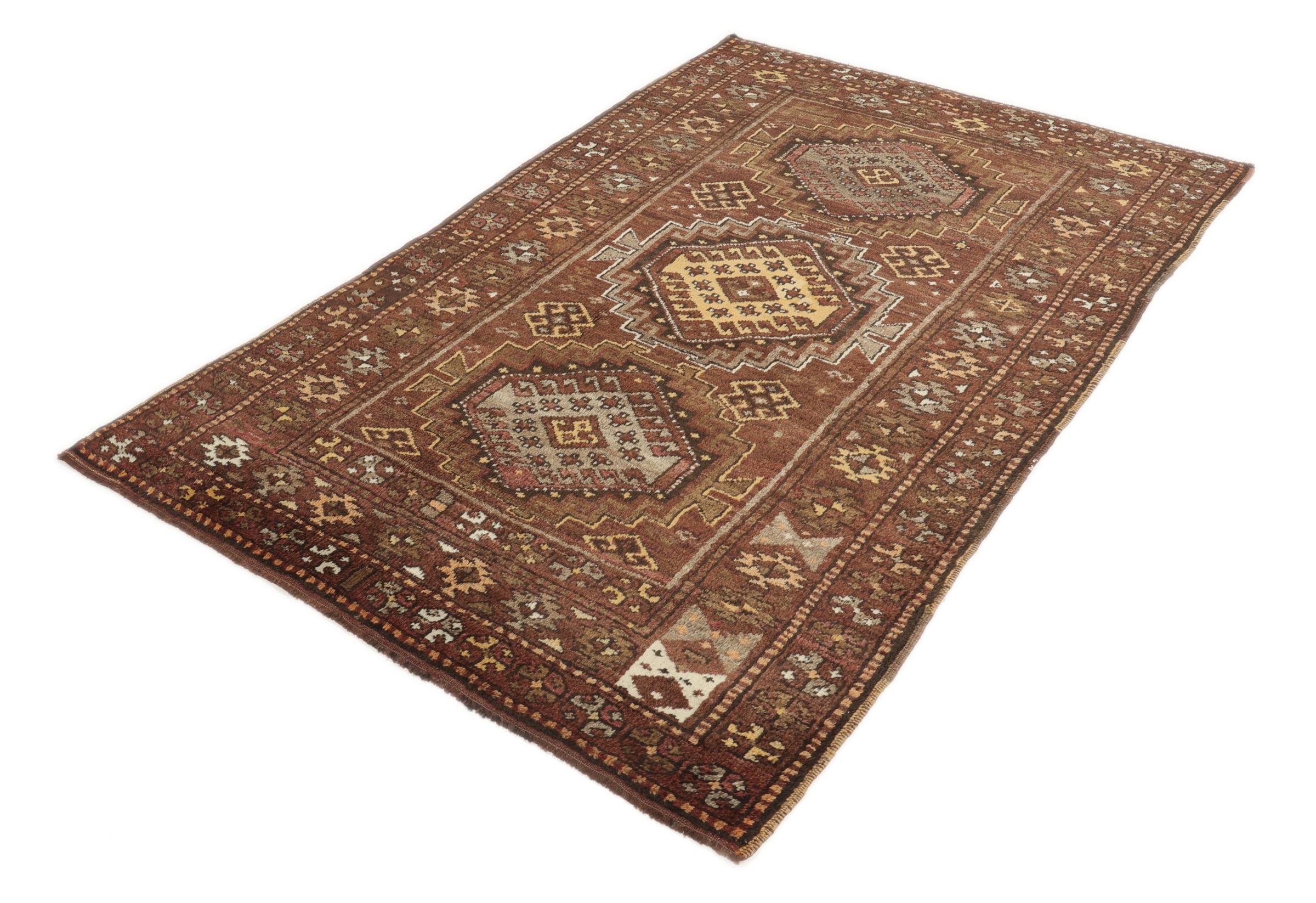
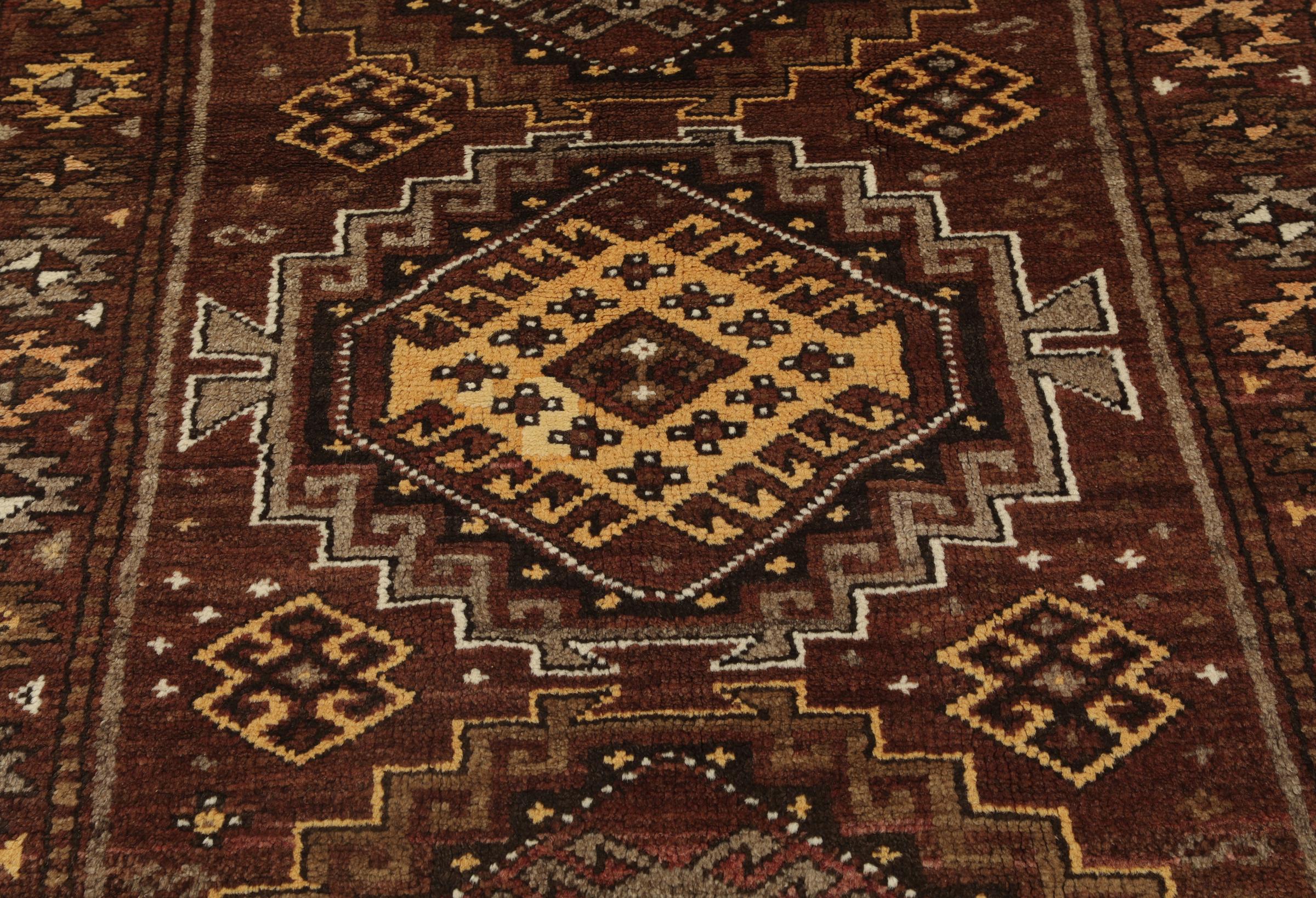
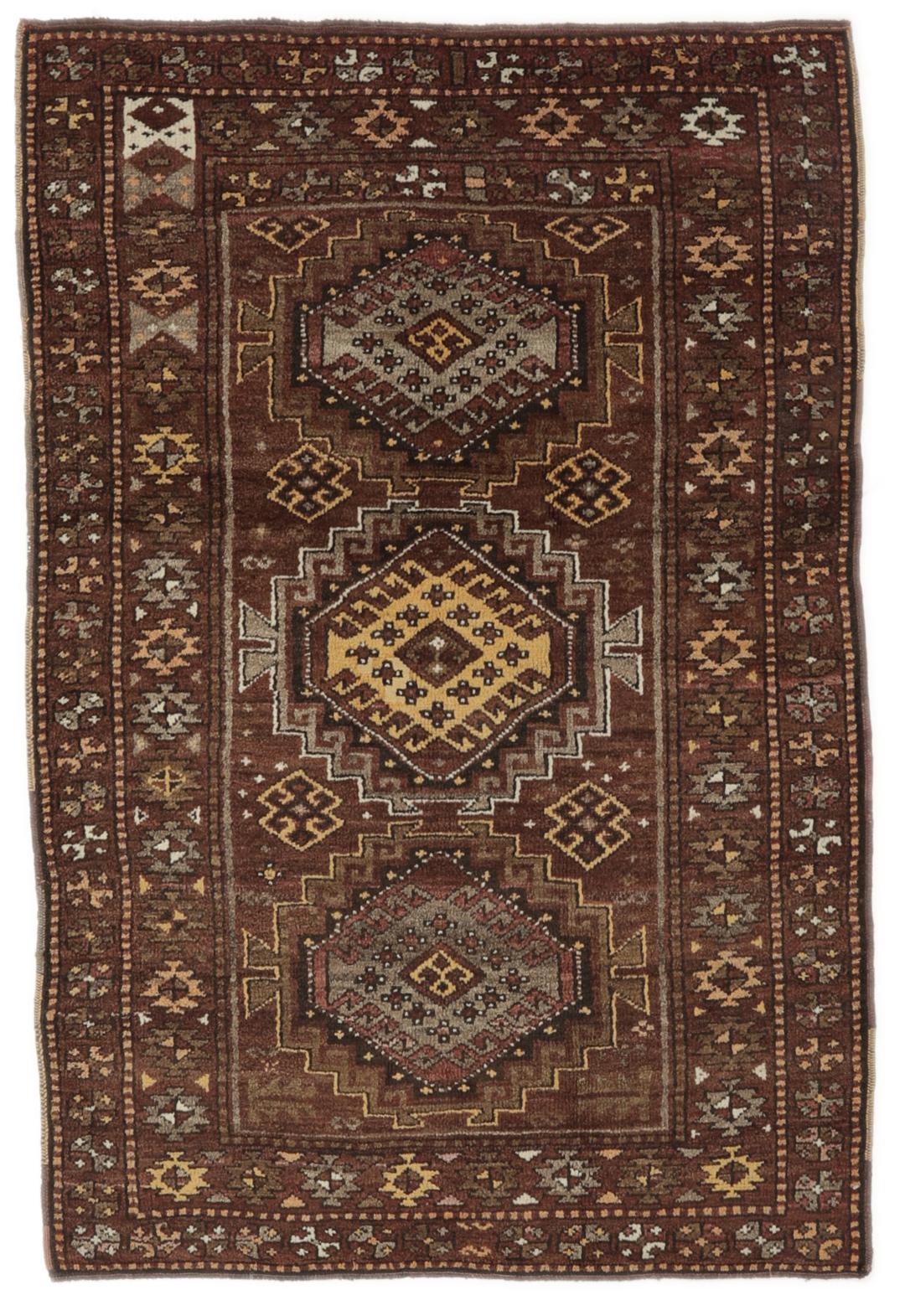
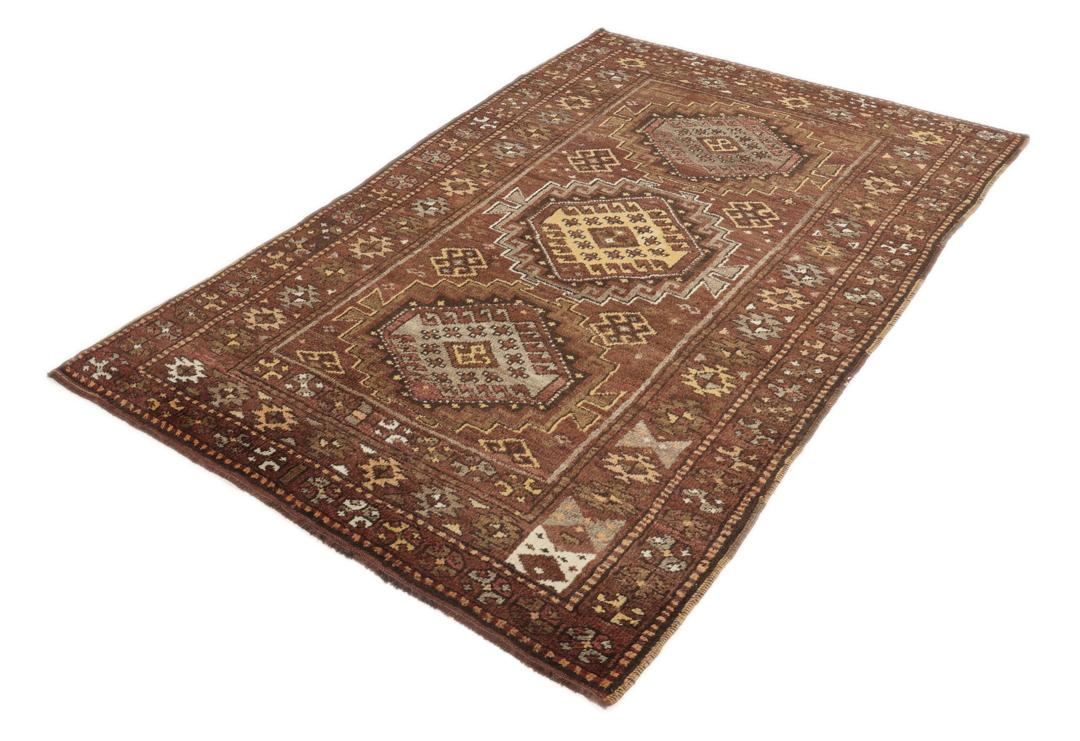
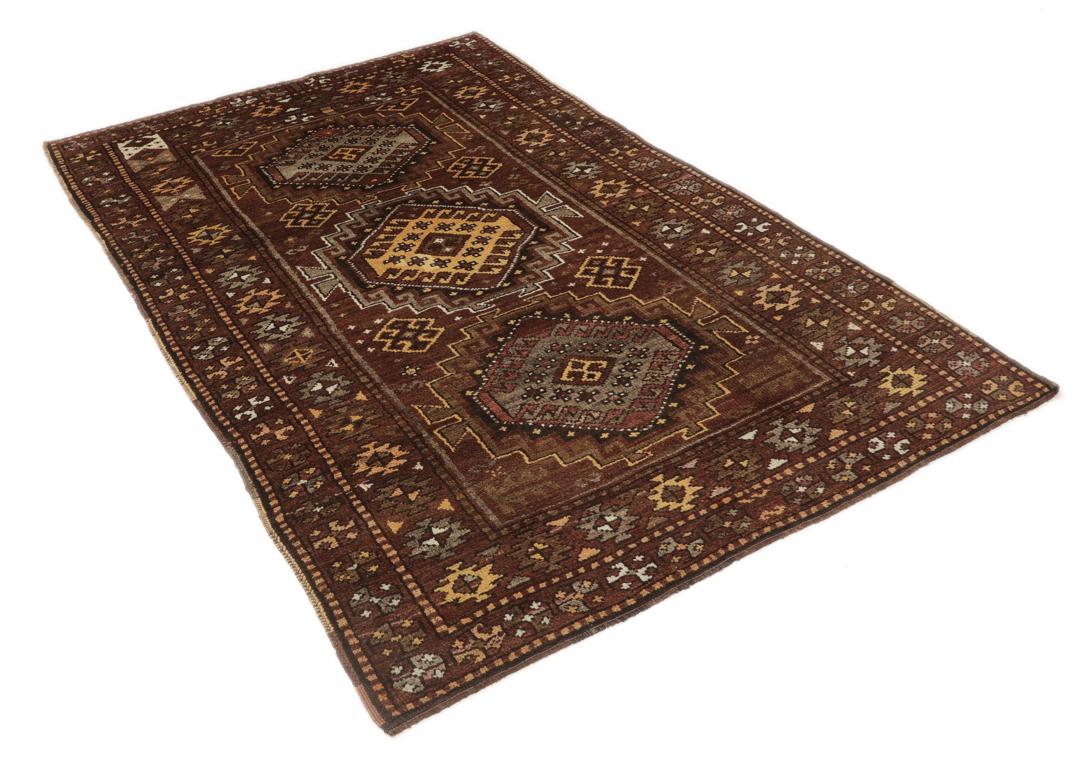
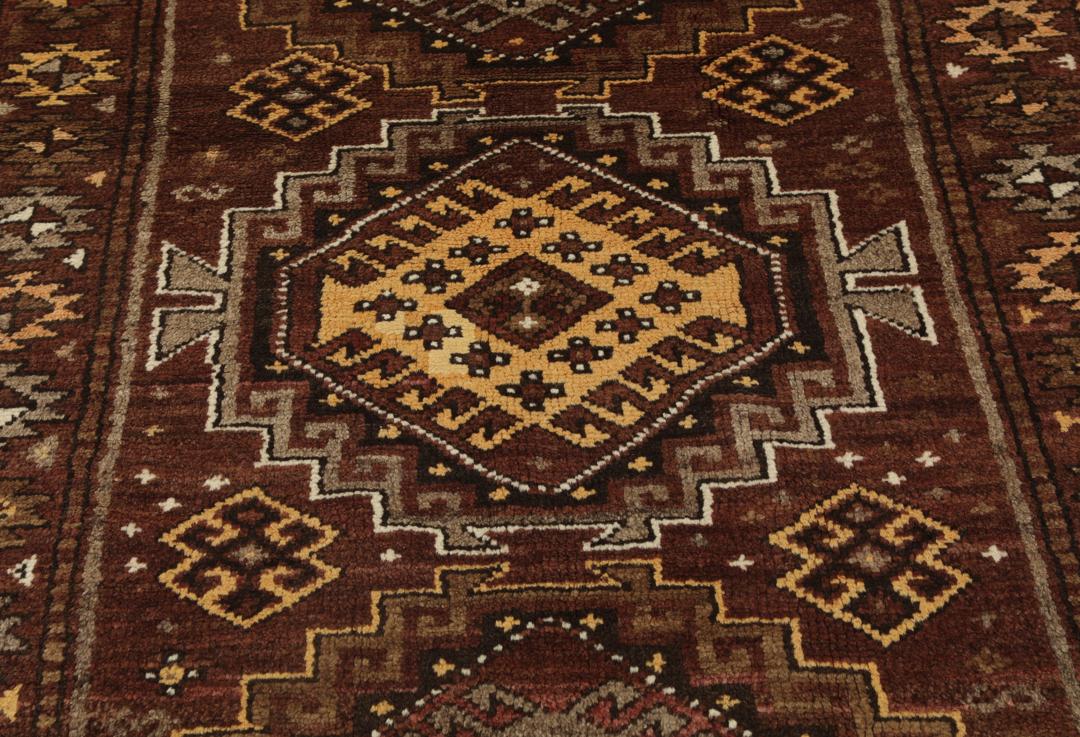
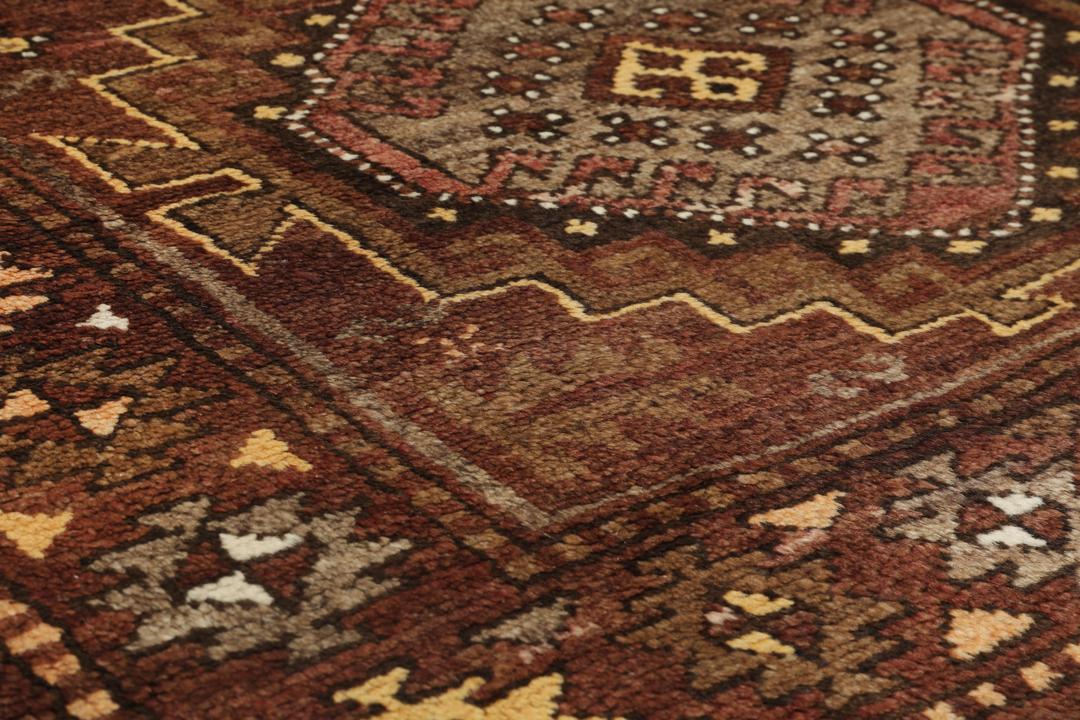
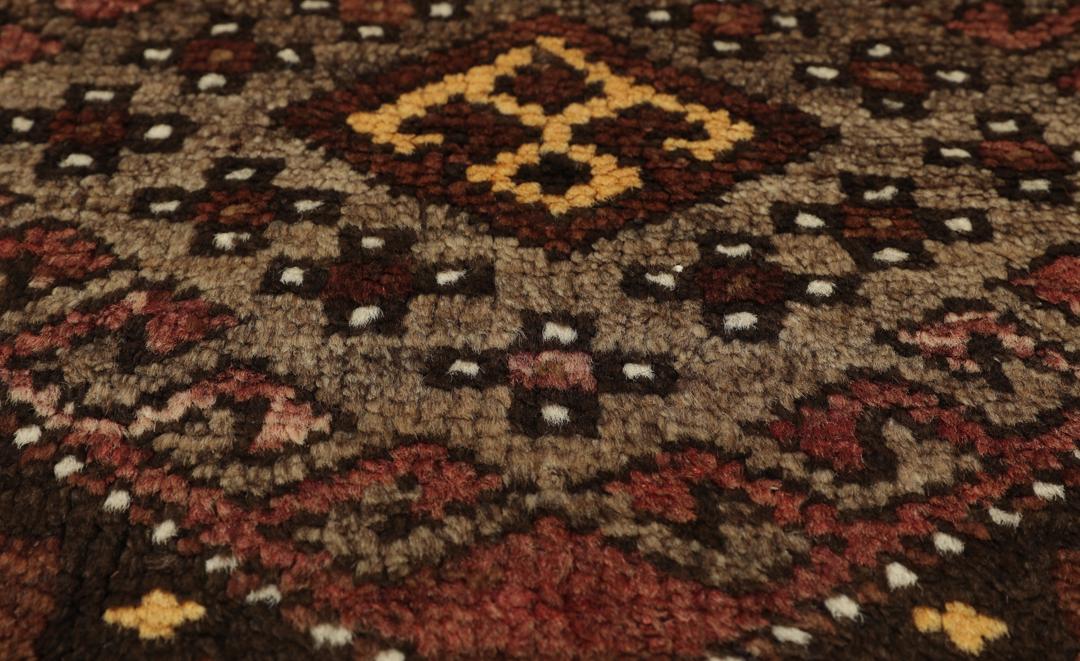
Design-wise, this Shirvan is defined by its geometric motifs and central medallions, which are hallmarks of the tradition. The use of repeating symbols and structured borders tells a visual story, often reflecting the natural surroundings and cultural symbolism of the weavers. The specific arrangement of these elements creates a balanced, harmonious look that is both complex and deeply satisfying to the eye.
Collectors value Shirvan rugs for their authenticity, the skill required to produce them, and the way they bridge the gap between functional floor covering and woven art. Acquiring an antique piece from this tradition is an investment in cultural heritage, offering a unique opportunity to own a work that embodies the dedication and expertise of generations of artisans.