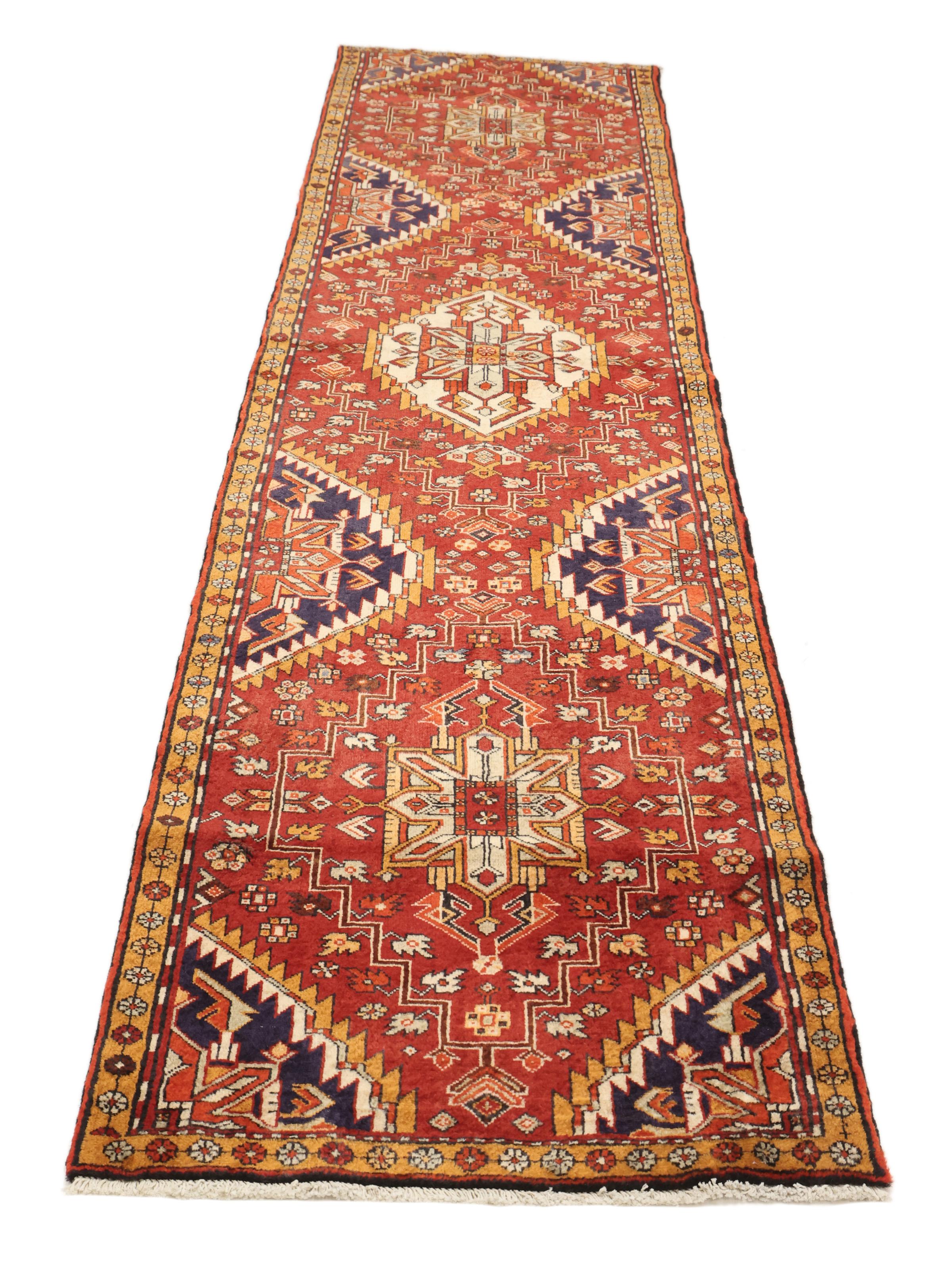
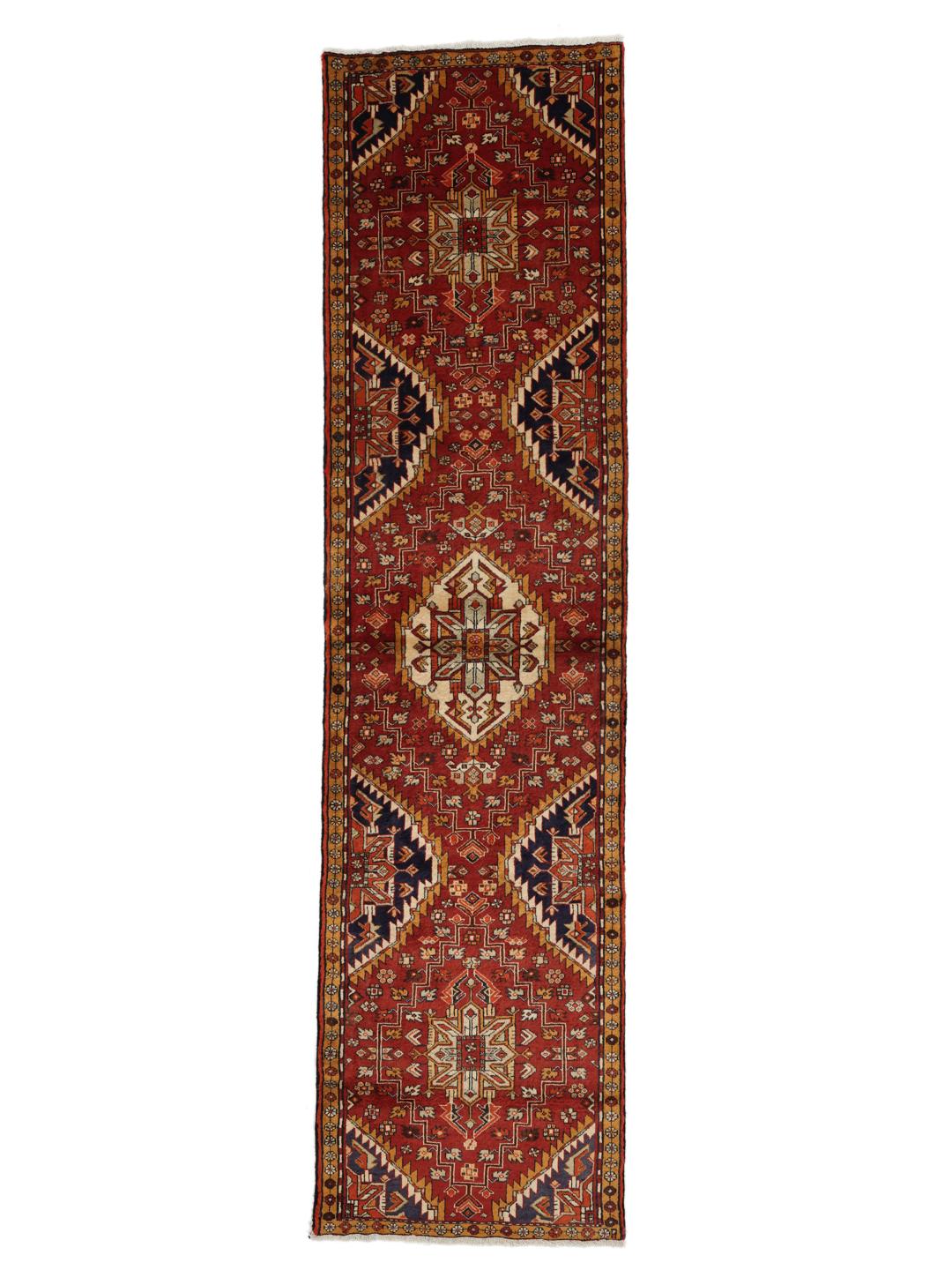
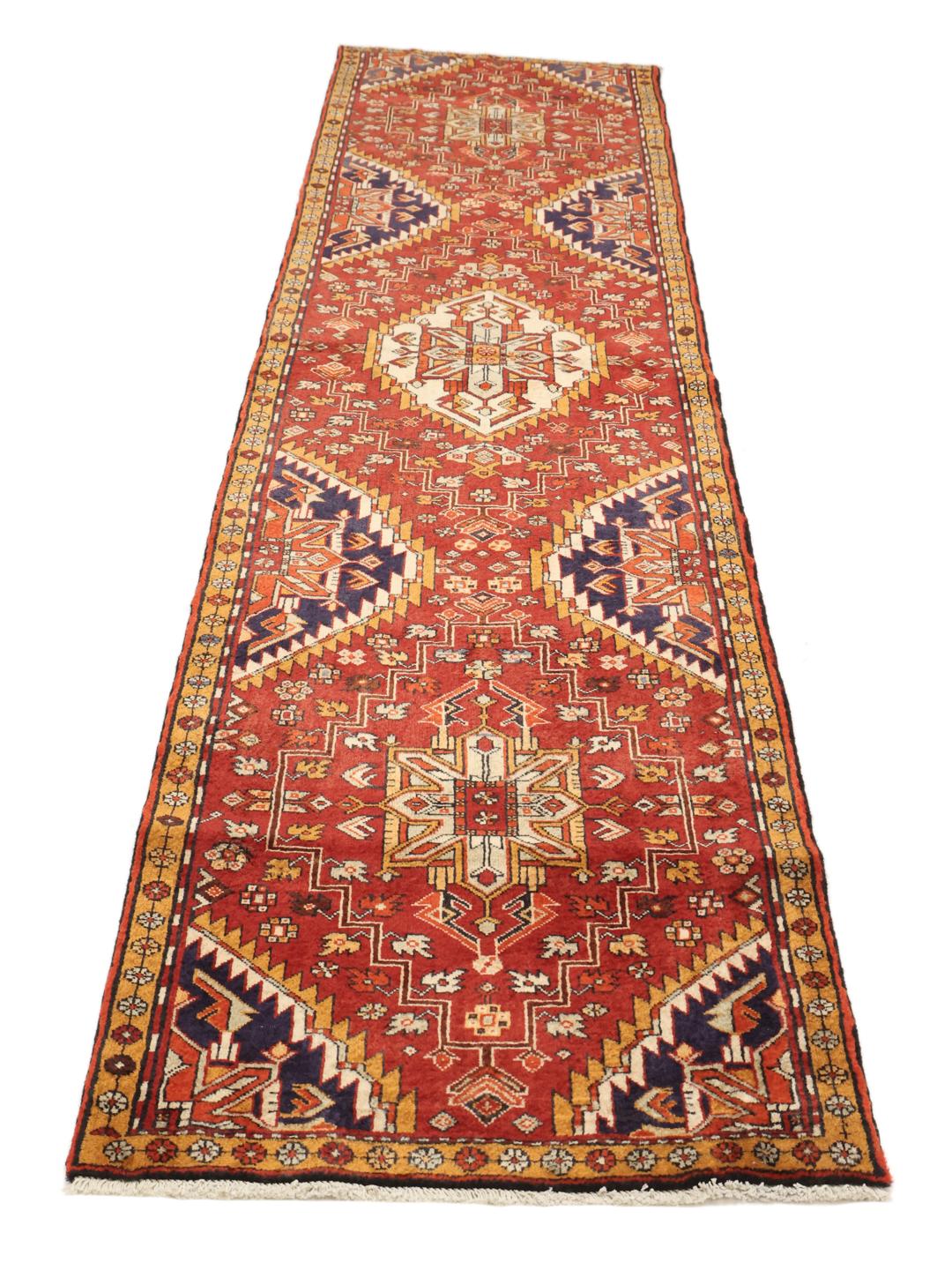
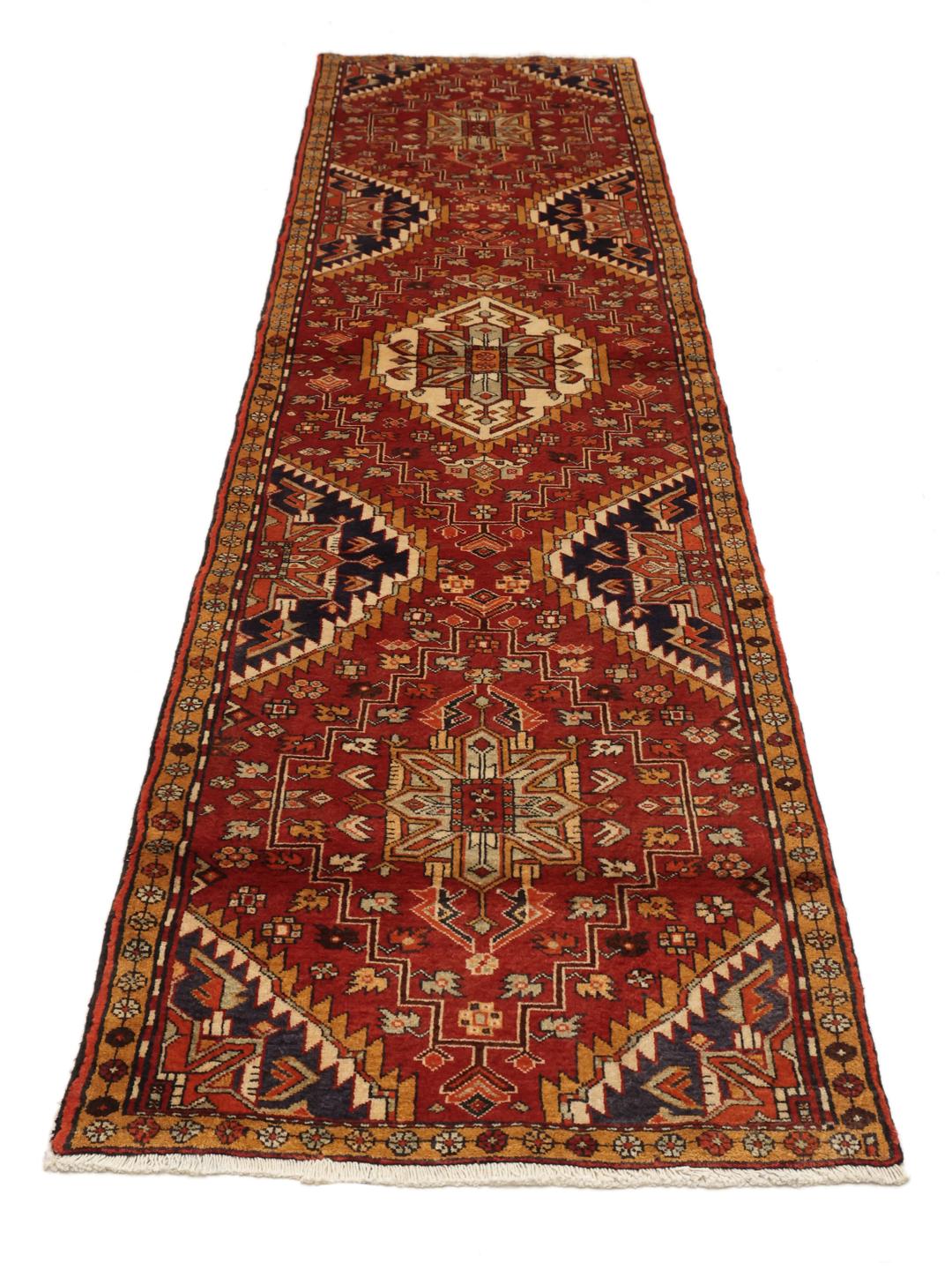
The Shiraz rug tradition originates from the Fars province in the Middle Eastern region, a landscape historically defined by its nomadic tribes and rich cultural tapestry. These rugs are famously woven by the Qashqai and other tribal groups who have migrated through the region for centuries. Their designs are not merely decorative but are deeply tied to the cultural identity and daily lives of these nomadic peoples, often reflecting the landscapes and stories of their ancestors.
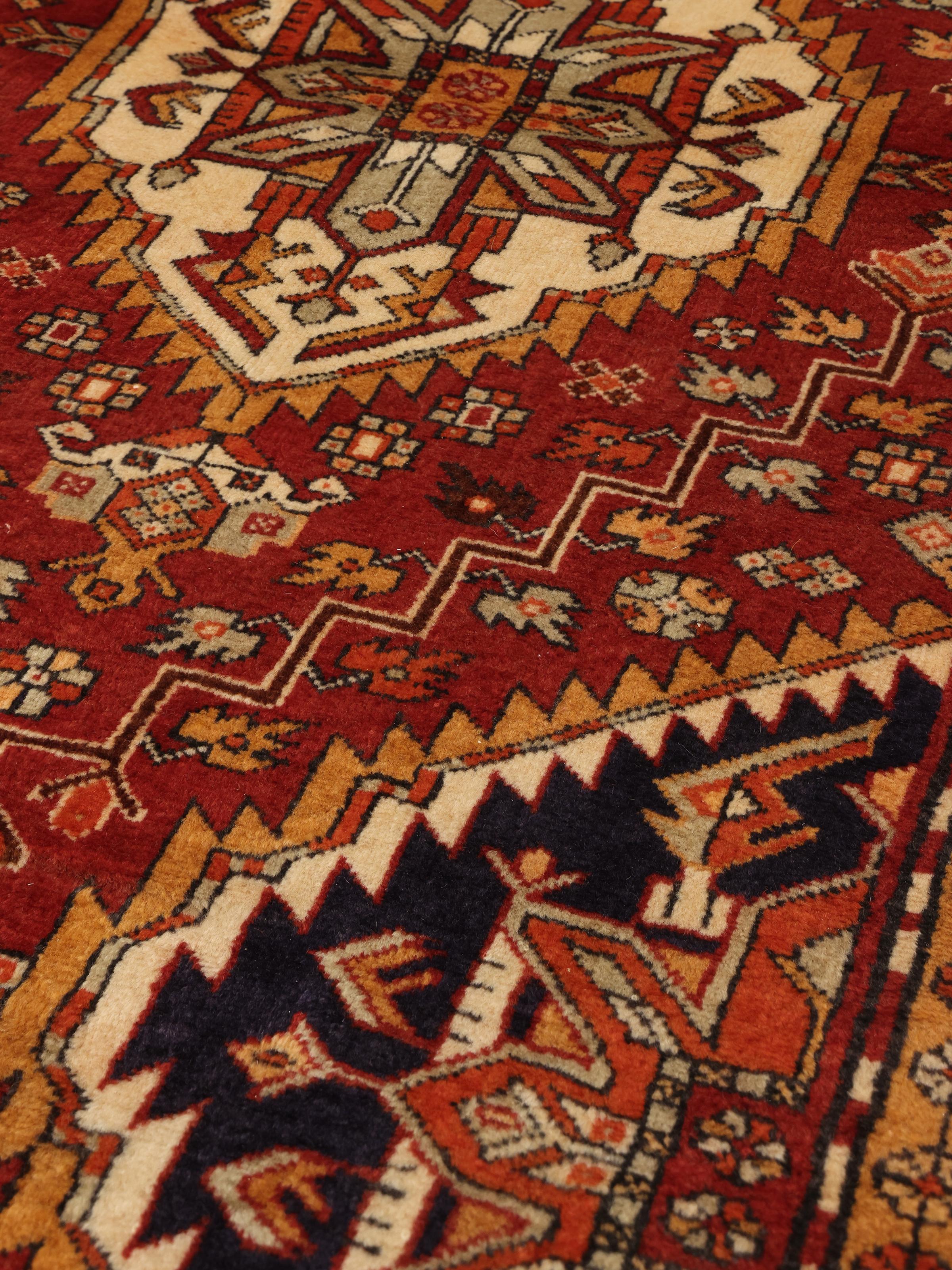
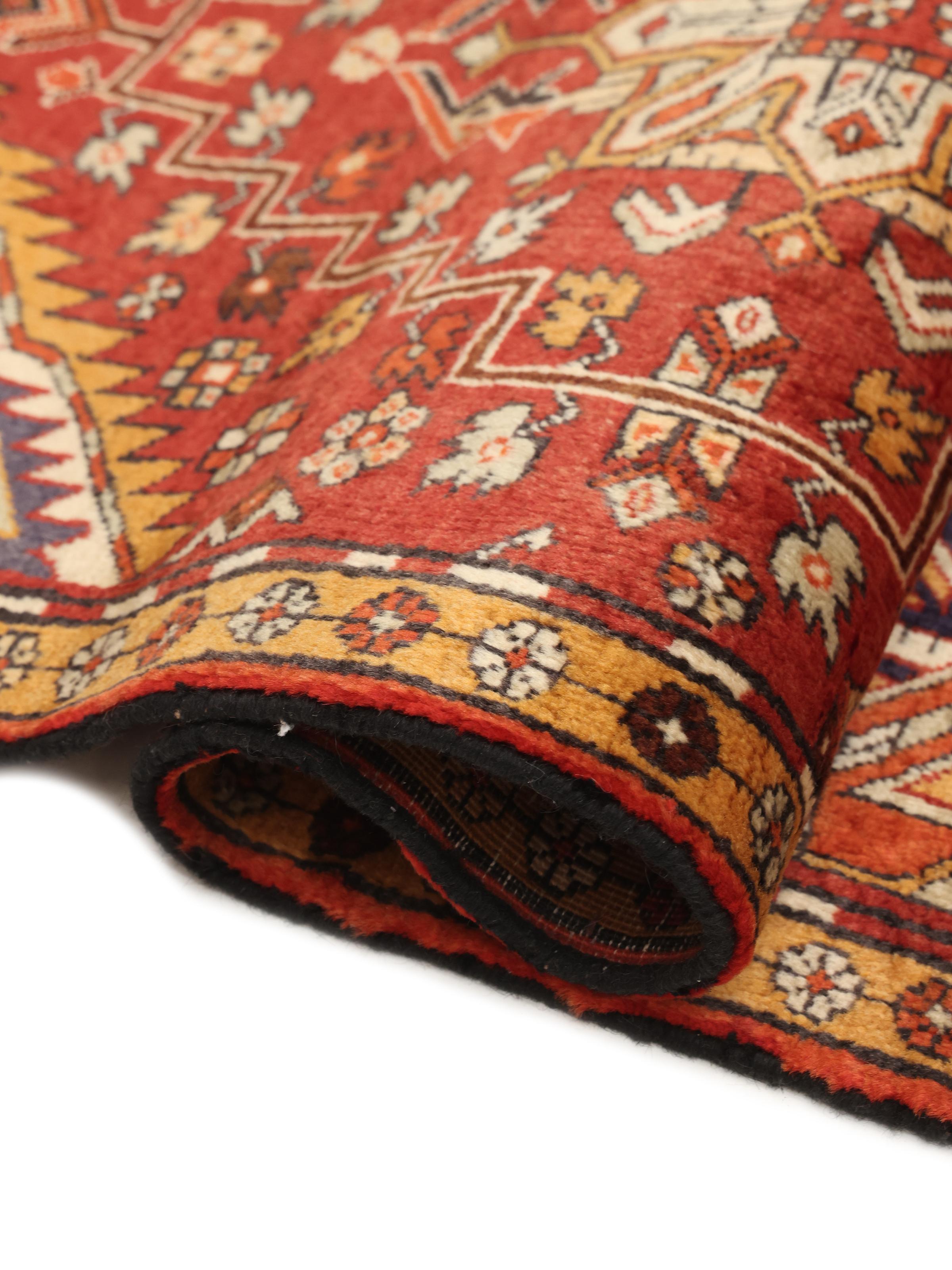
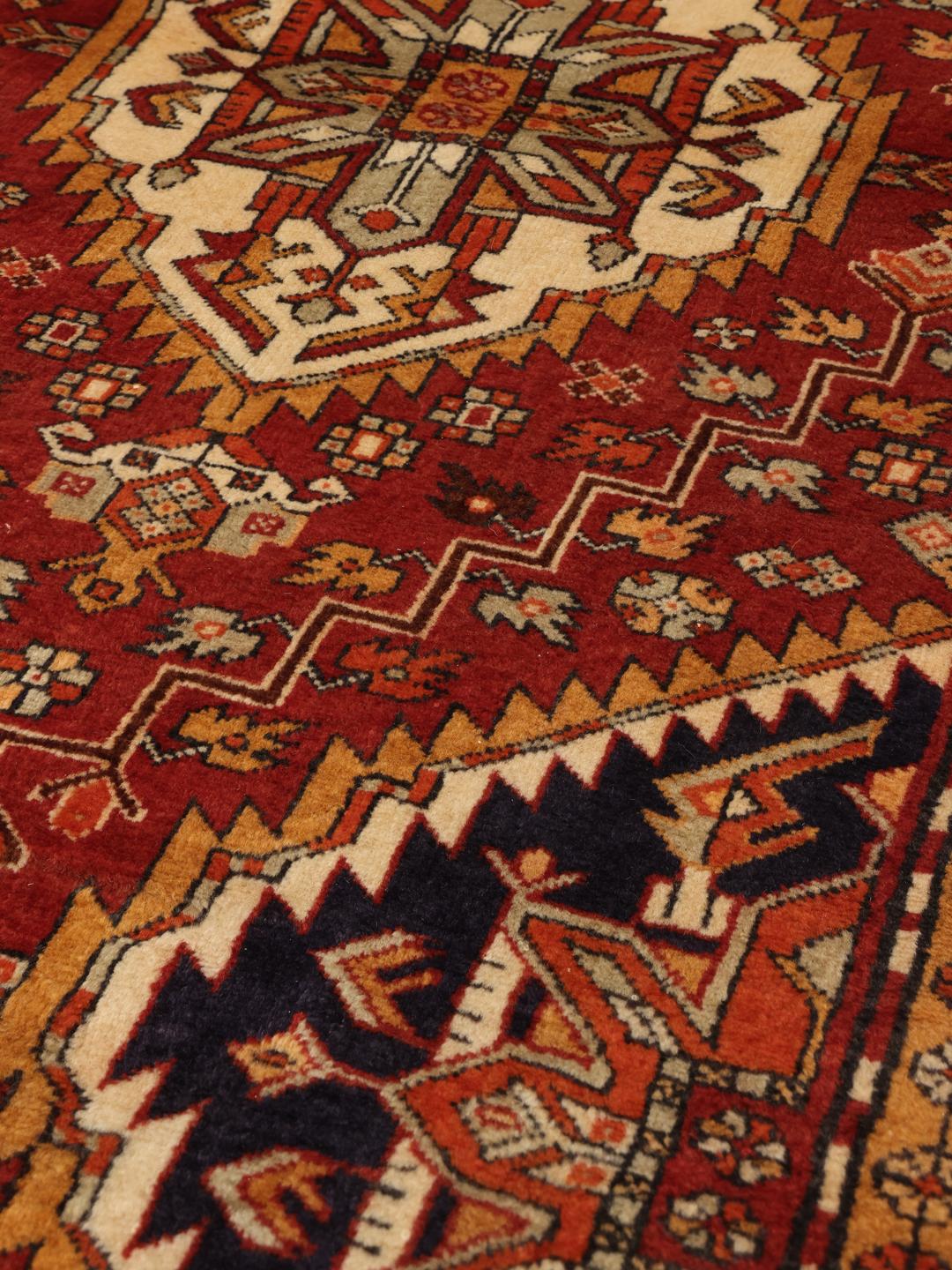
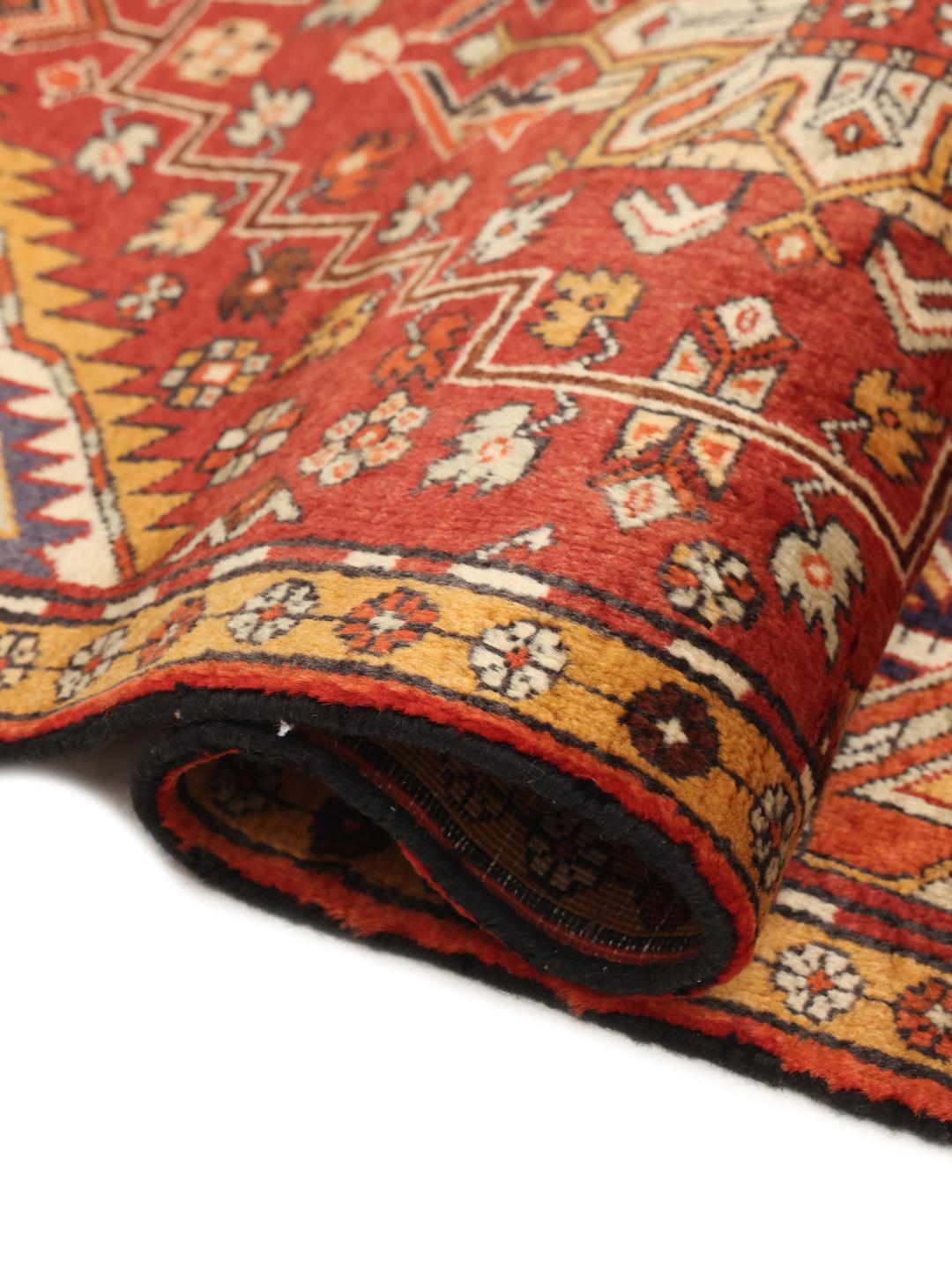
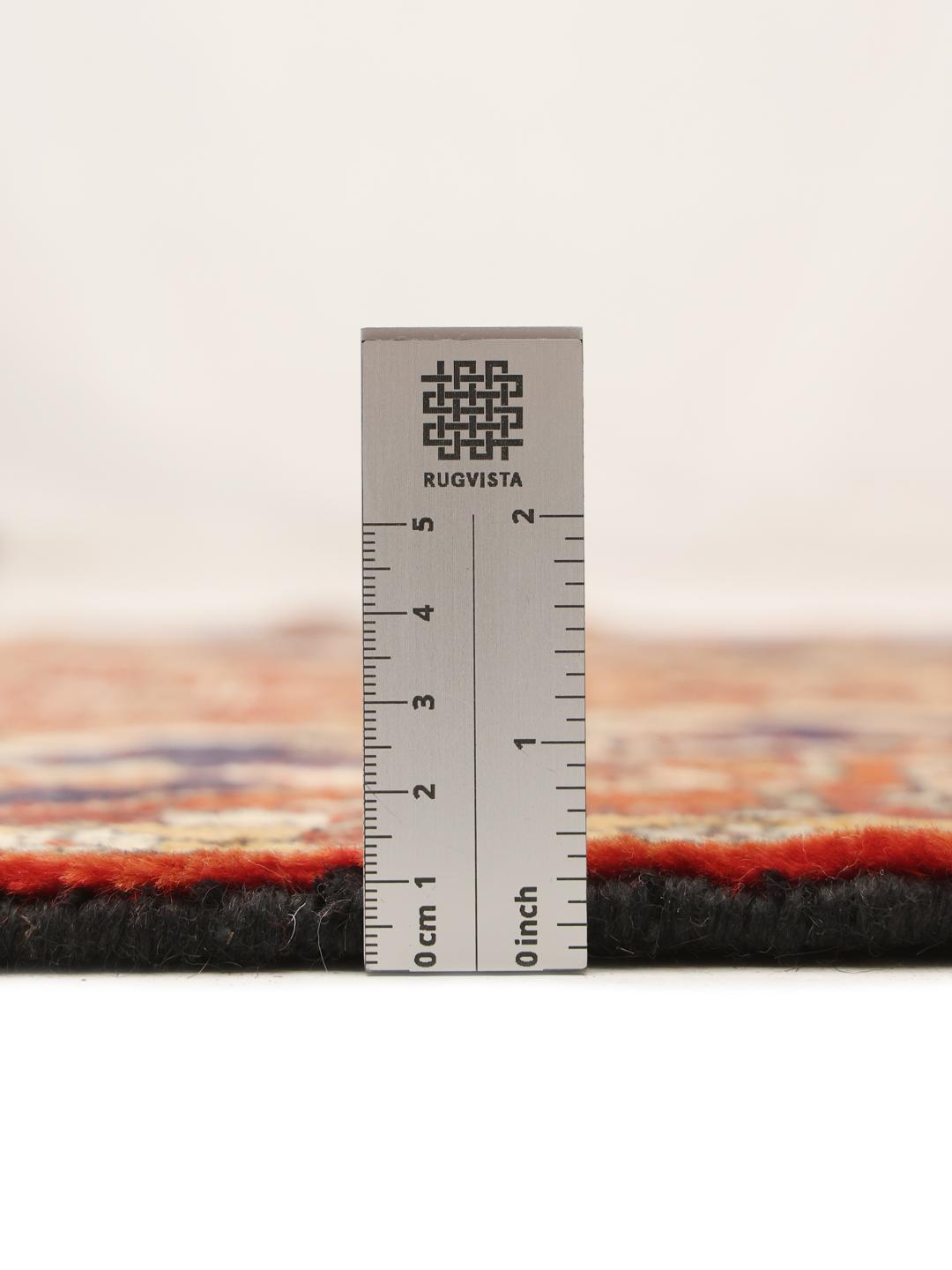
Technically, the construction of these rugs is defined by their robust, all-wool foundation, which provides a sturdy base for the intricate pile. The use of wool, sourced from local sheep, is central to the quality of these pieces, offering natural durability and a lustrous sheen that improves with time. This traditional approach to materials ensures that the rugs are not only beautiful but also capable of withstanding the rigours of nomadic life, a quality that translates perfectly to the demands of a modern home.
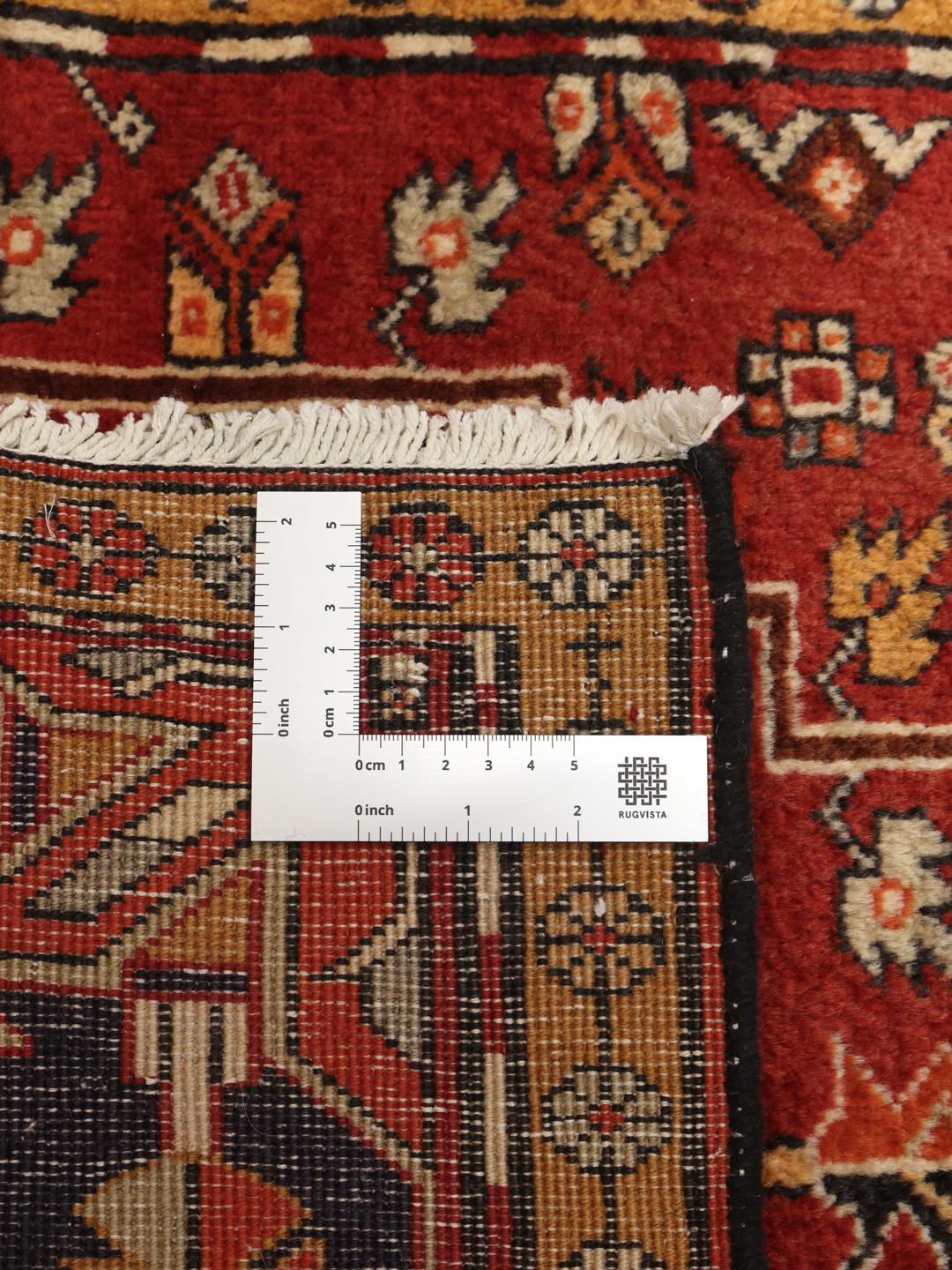
Visually, these rugs are celebrated for their geometric artistry. You will often find motifs such as stylized animals, plants, and the iconic stepped medallion, all rendered in a palette dominated by warm, earthy reds and deep, contrasting blues. The borders are typically filled with complex, repeating patterns that frame the central field, creating a sense of balance and order that is characteristic of the regional style.
Collectors value these rugs for their authenticity and the human story behind every knot. Owning a piece from this tradition is an opportunity to connect with a long-standing heritage of skill and creativity. These rugs are not mass-produced commodities; they are cultural artifacts that bring history, warmth, and a distinct sense of place into your living space, standing as a testament to the enduring power of traditional hand-weaving.