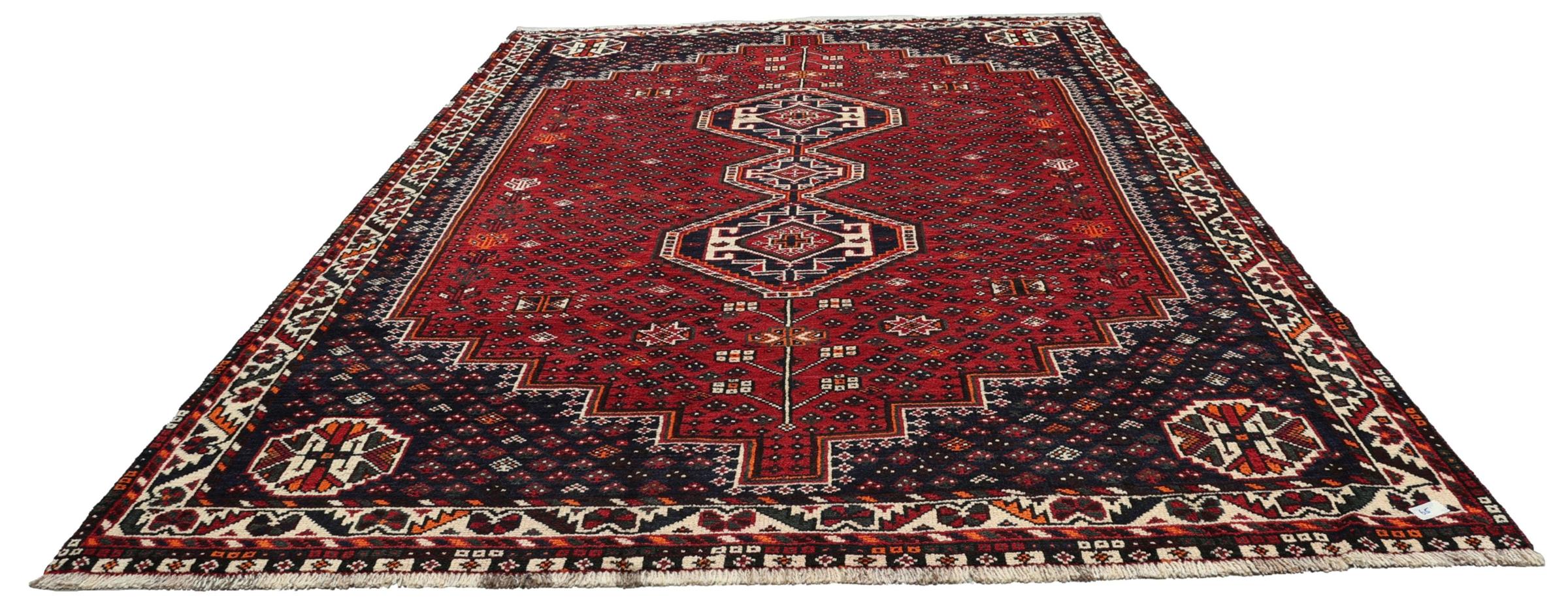
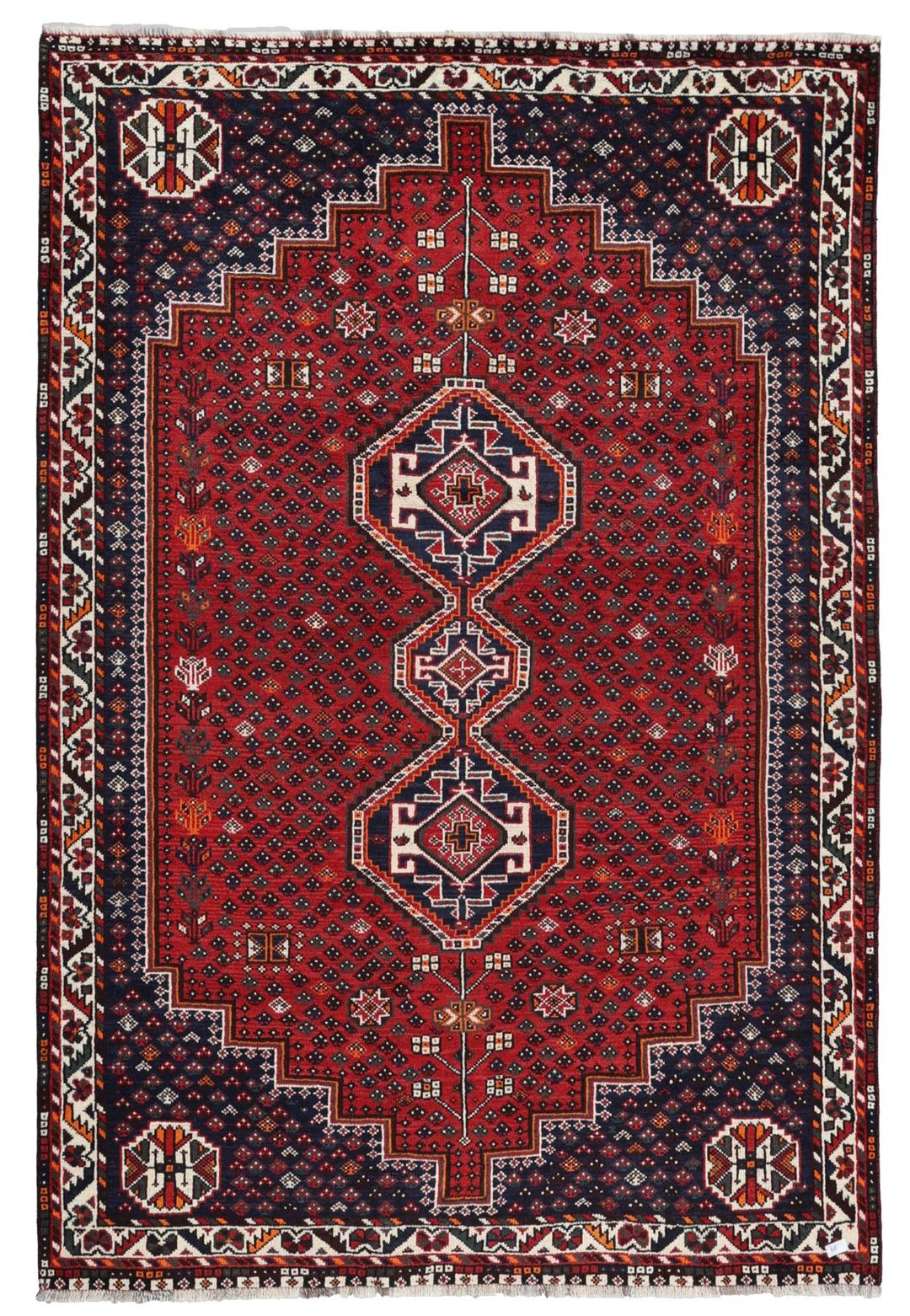
Shiraz rugs originate from the Fars province in the Middle Eastern region, a land historically inhabited by nomadic and semi-nomadic tribes. These rugs are deeply tied to the cultural heritage of the Qashqai and other tribal groups who have passed down their weaving traditions through generations, reflecting a way of life that is intimately connected to the landscape and the natural world.
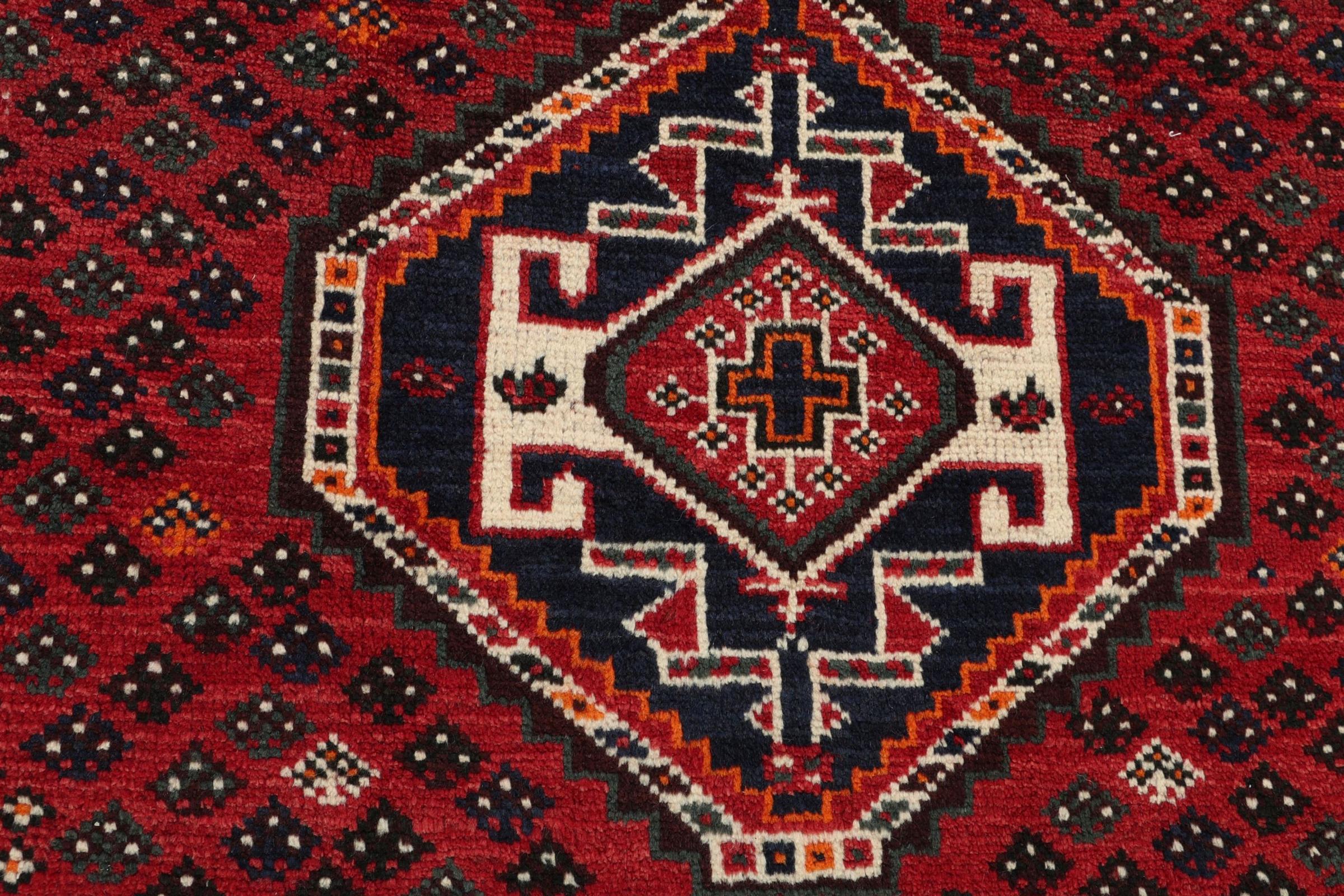
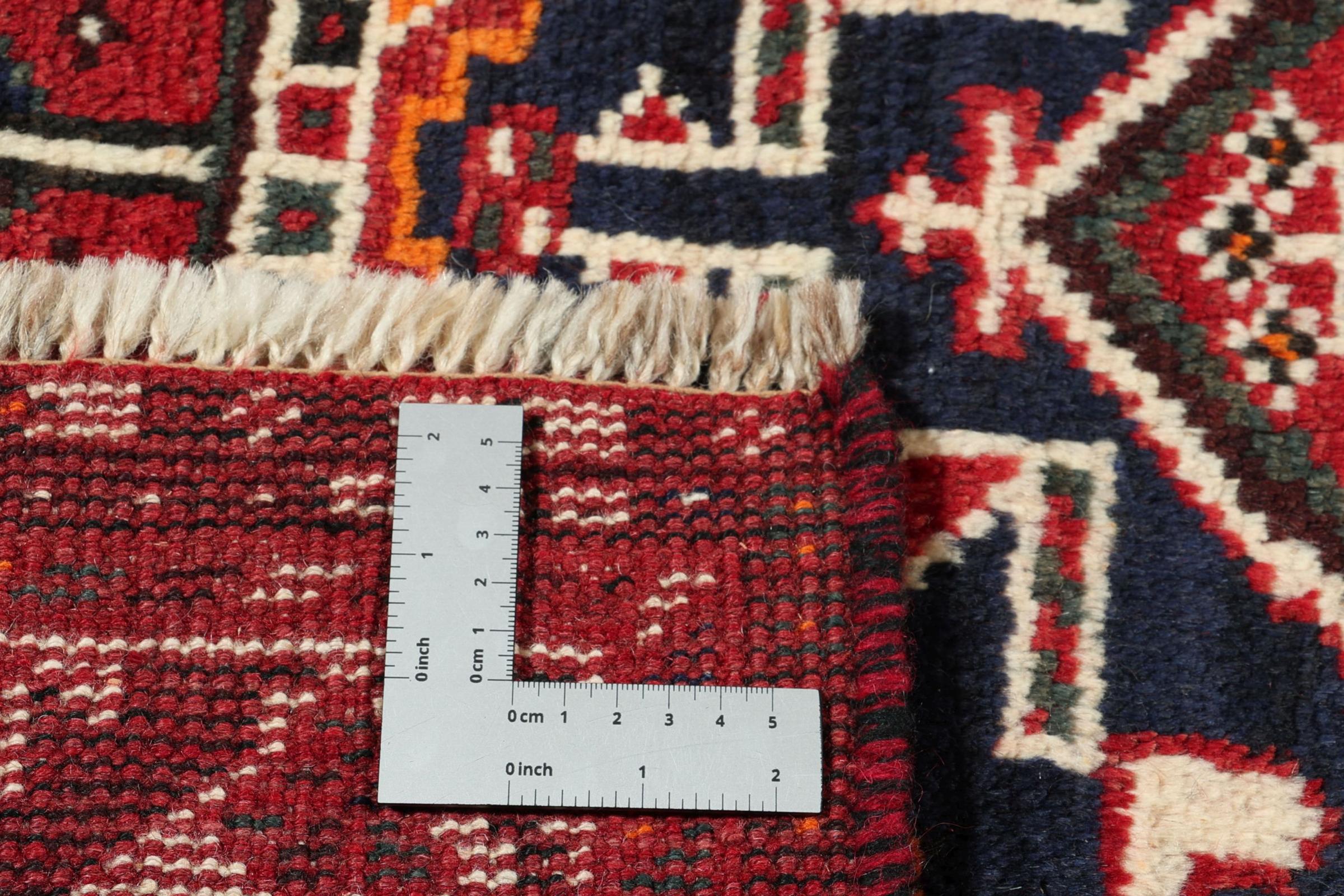
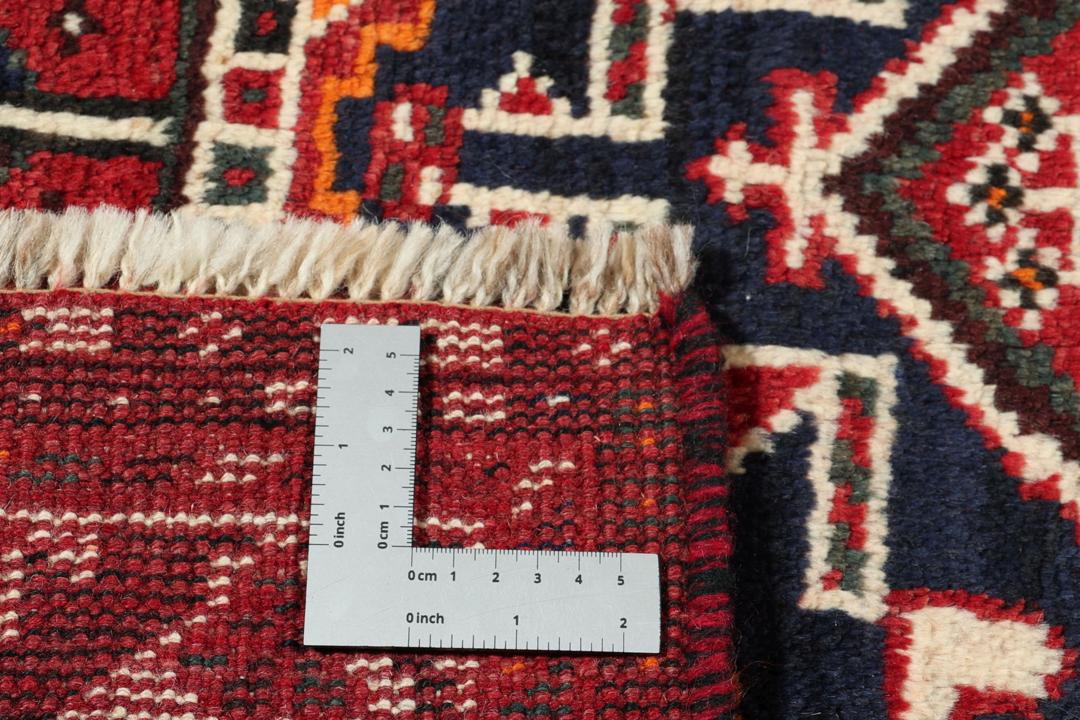
The term hand-knotted refers to the traditional technique where the weaver ties each knot onto the warp threads by hand. This method is essential for creating the distinctive, durable pile that defines these rugs. The density of these knots directly influences the sharpness of the geometric designs and the overall longevity of the piece, allowing it to withstand years of use while retaining its artistic character.
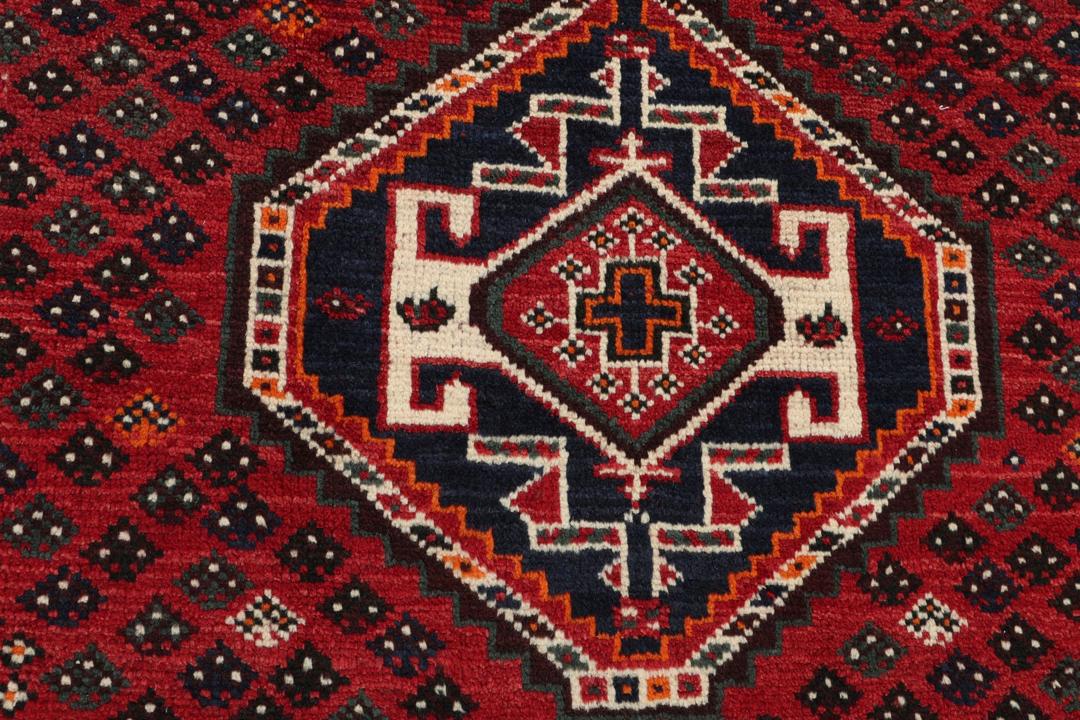
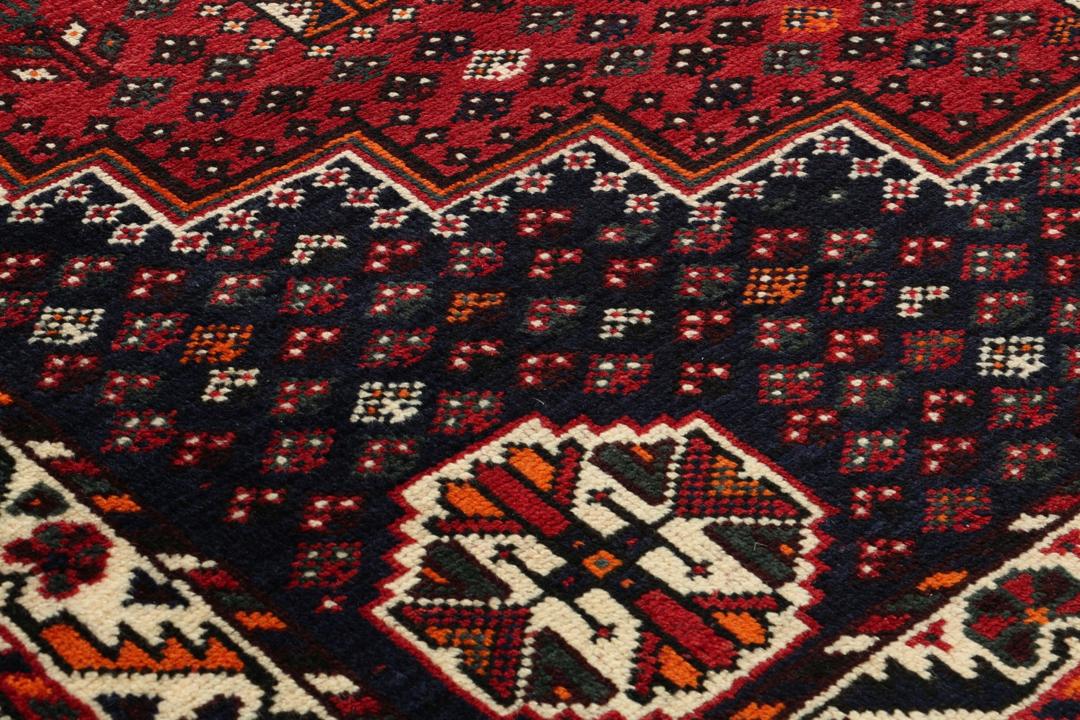
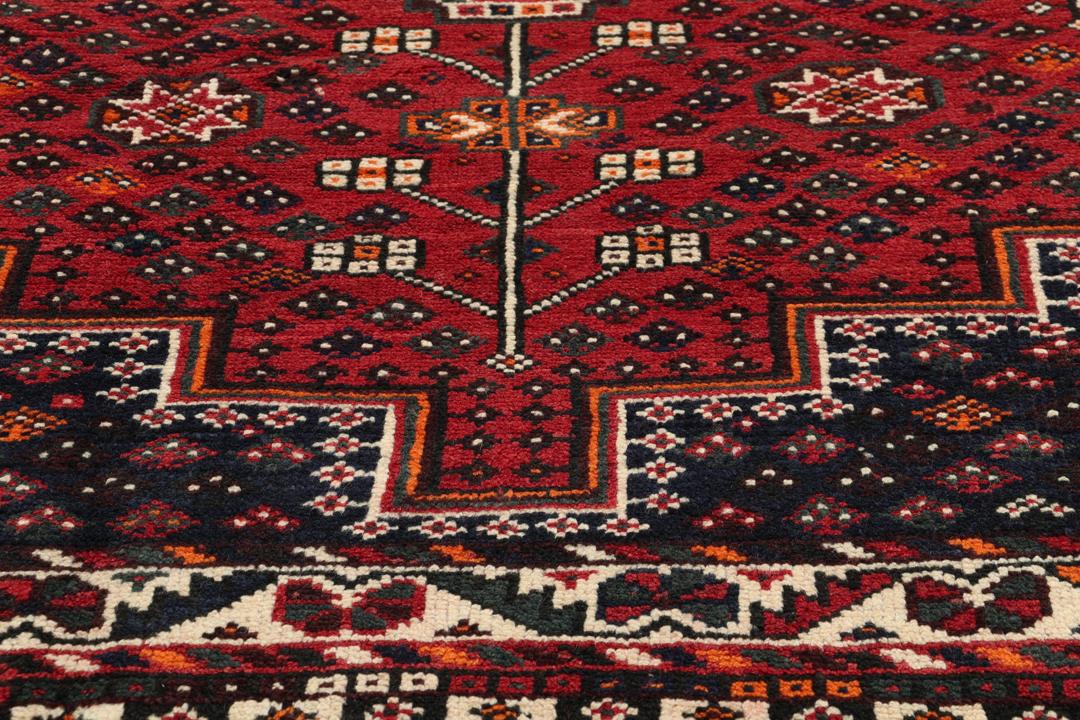
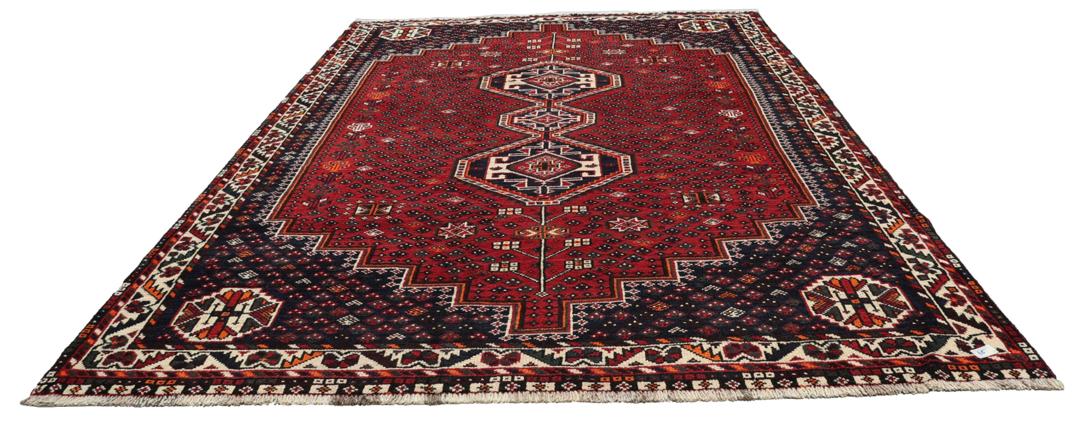
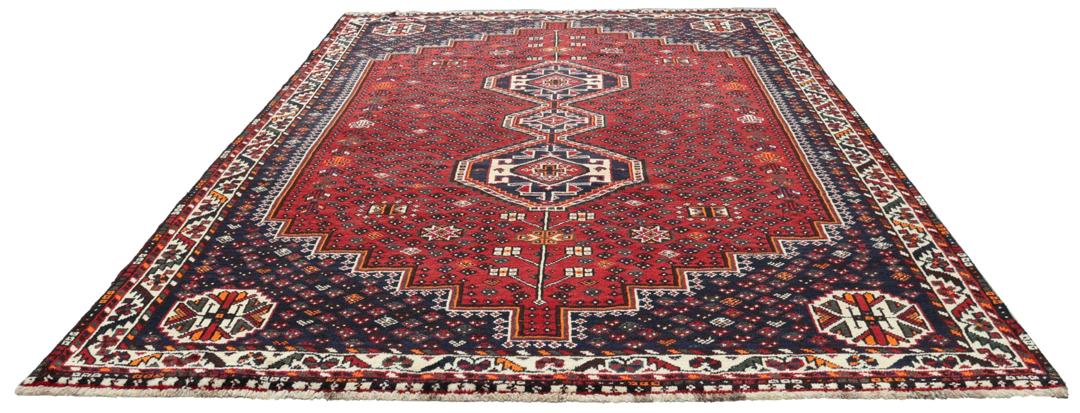
Visually, these rugs are defined by their bold, tribal aesthetic and deep, saturated colours. You will typically find a field filled with geometric medallions, often taking the form of diamonds or stylised stars, enclosed by elaborate, multi-layered borders. While they share common design motifs, the specific interpretation—the choice of colour palette or the variation in the repeating patterns—is always a reflection of the weaver's own artistic expression.
Today, these rugs are highly sought after by collectors who value the authenticity and the human story behind every thread. Owning a Shiraz rug means more than just having a floor covering; it is an opportunity to preserve a piece of tribal history. The skill required to create such a complex work of art serves as a reminder of the enduring importance of traditional craftsmanship in the modern home.