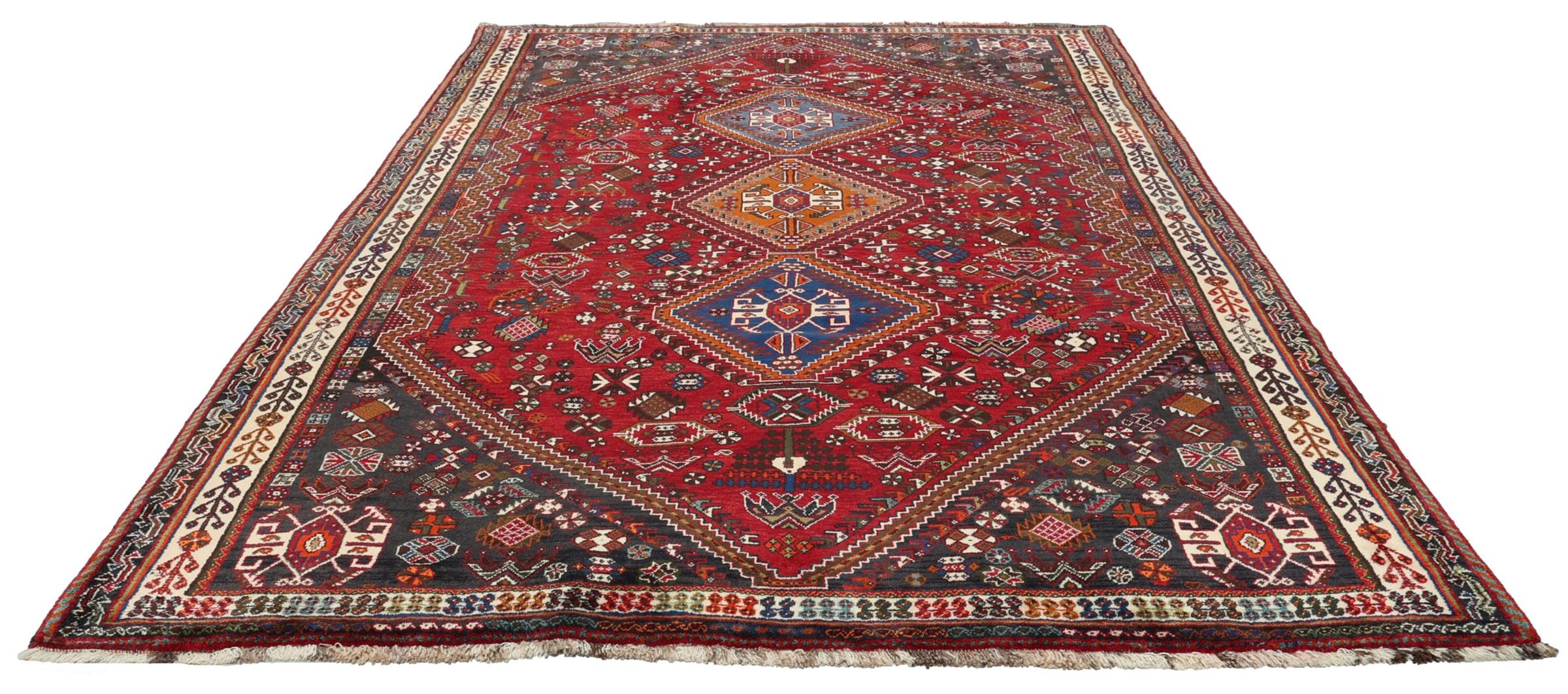
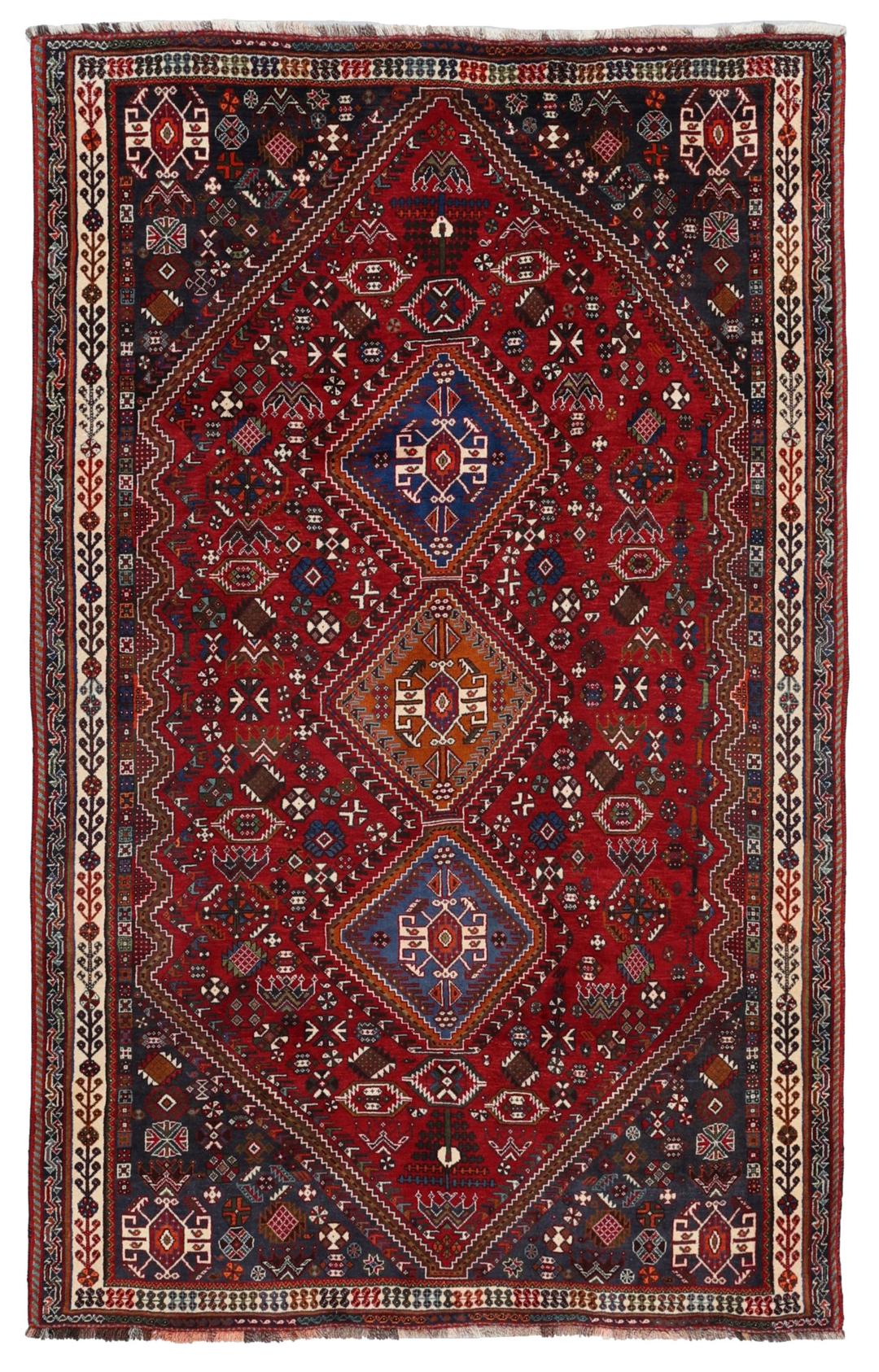
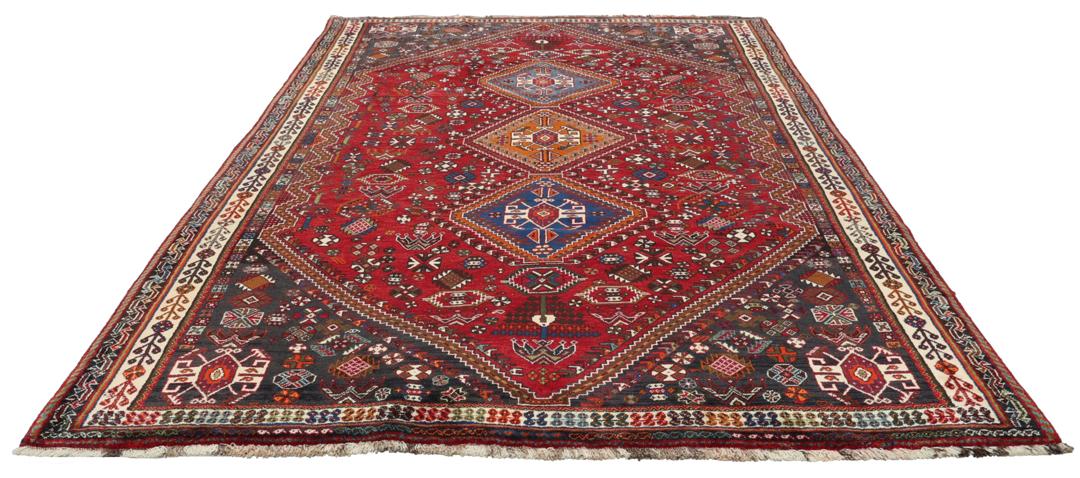
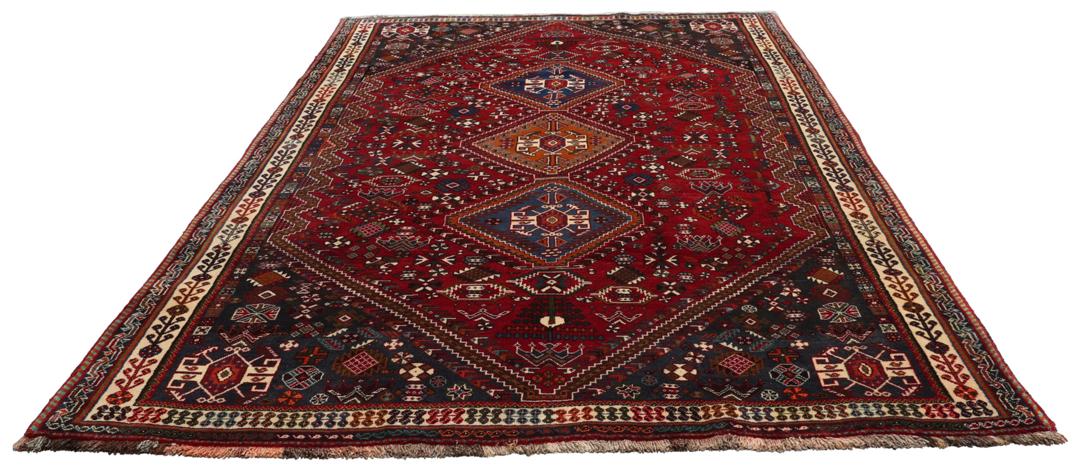
Shiraz rugs are named after the historic city in the Middle East, a centre of culture and trade for centuries. These rugs are traditionally woven by the nomadic and semi-nomadic tribes of the region, such as the Qashqai and Khamseh. The tradition of weaving in this area is deeply rooted in the daily lives of these tribes, who draw inspiration from the natural landscape and the cultural stories passed down through generations.
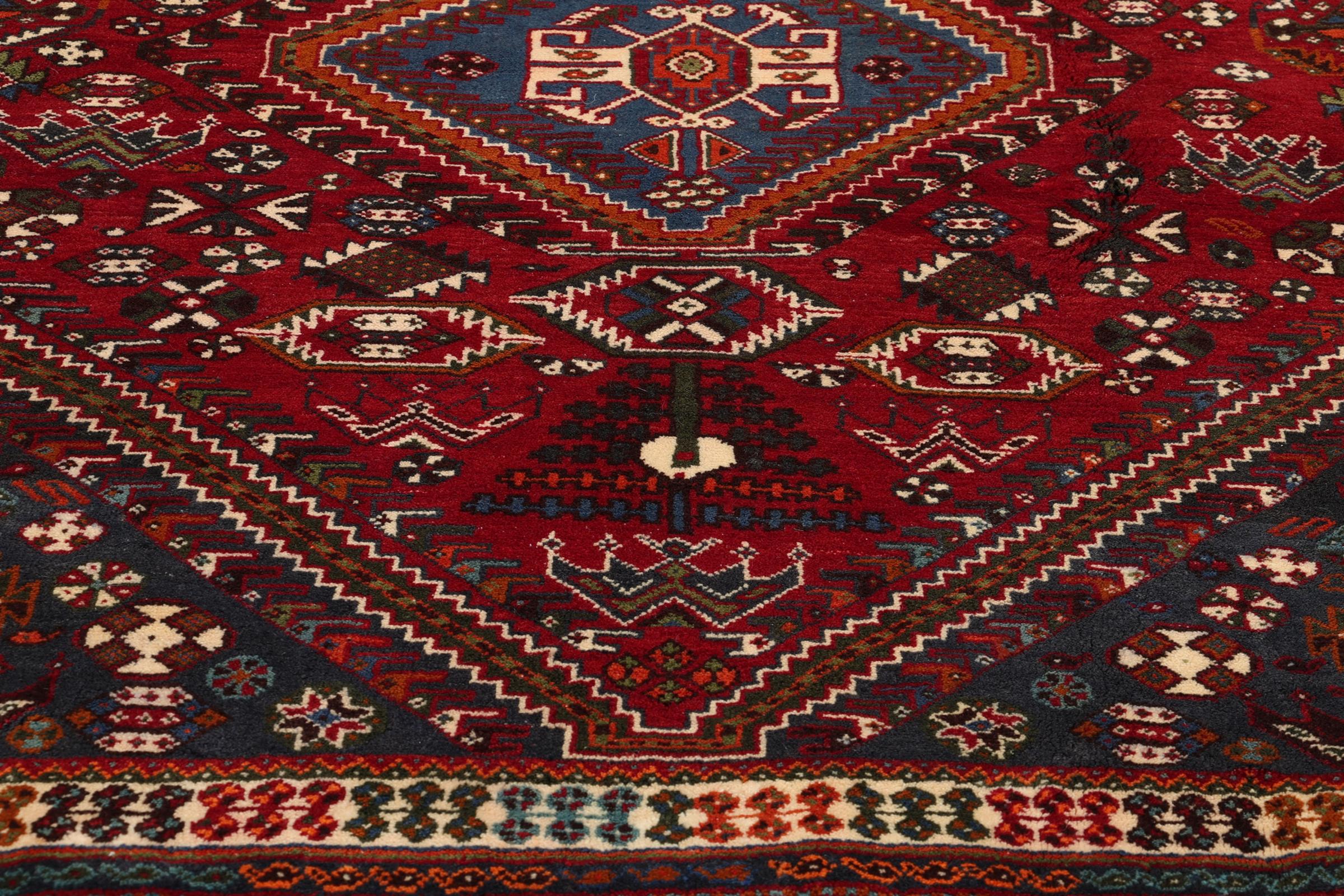
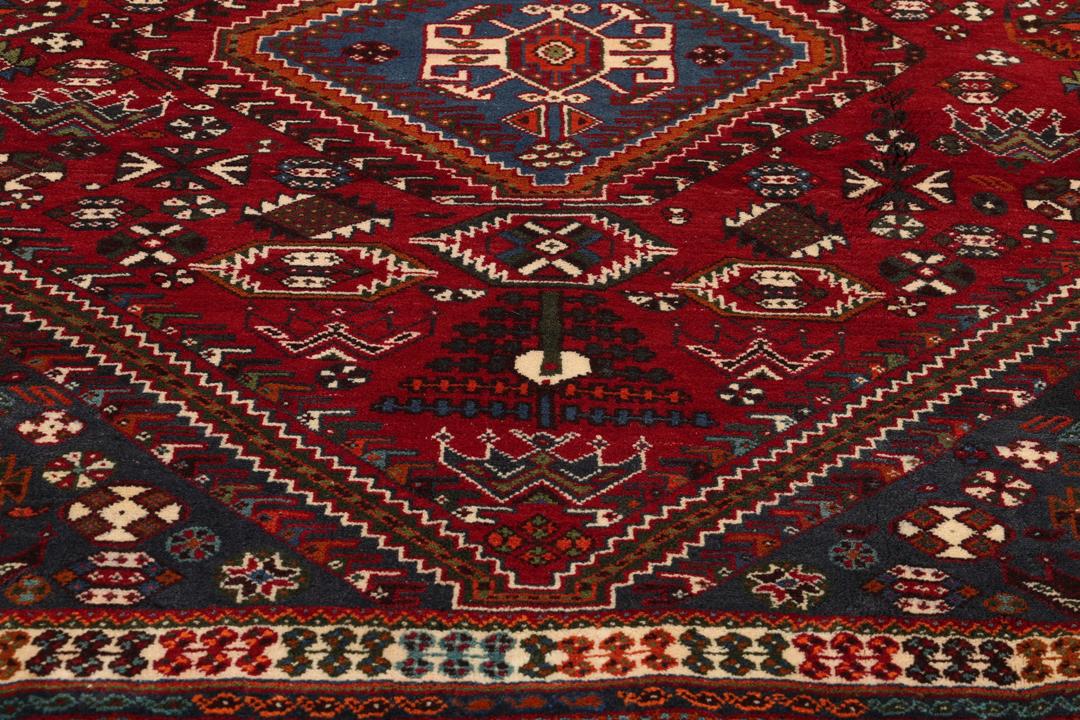
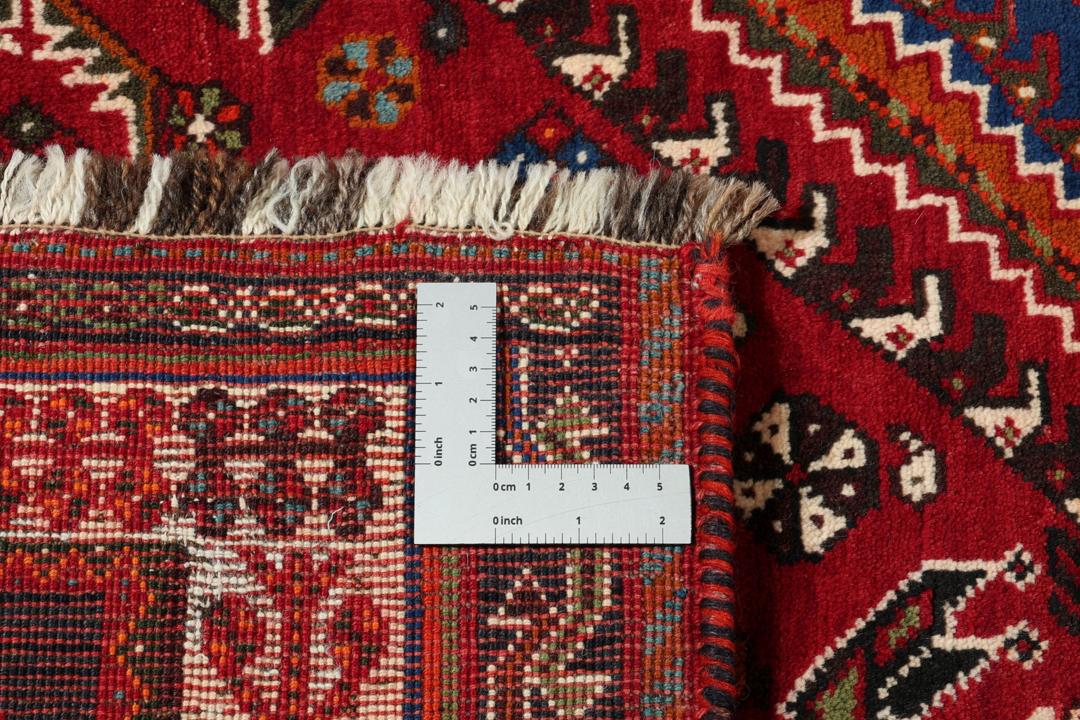
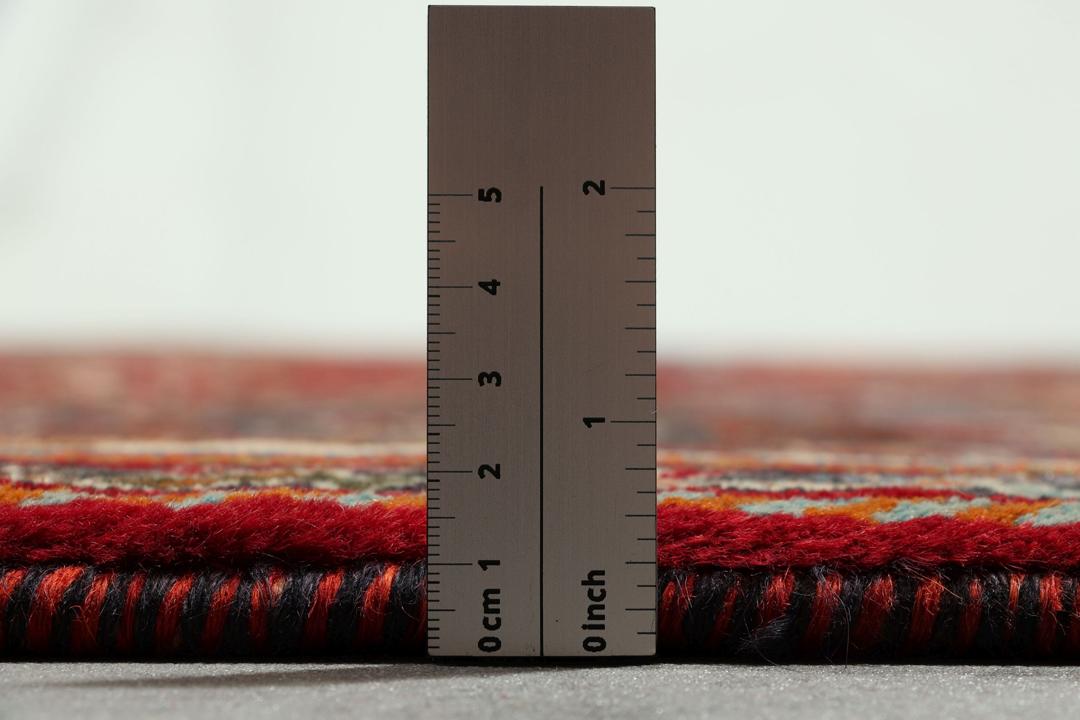
The term hand-knotted refers to the technique where individual strands of wool are tied around the warp and weft foundation threads. This technique is essential for the longevity and character of these rugs. Unlike other methods, hand-knotting allows for intricate patterns to be woven directly into the structure of the rug, creating a dense, resilient pile that is both soft to the touch and incredibly resistant to wear.
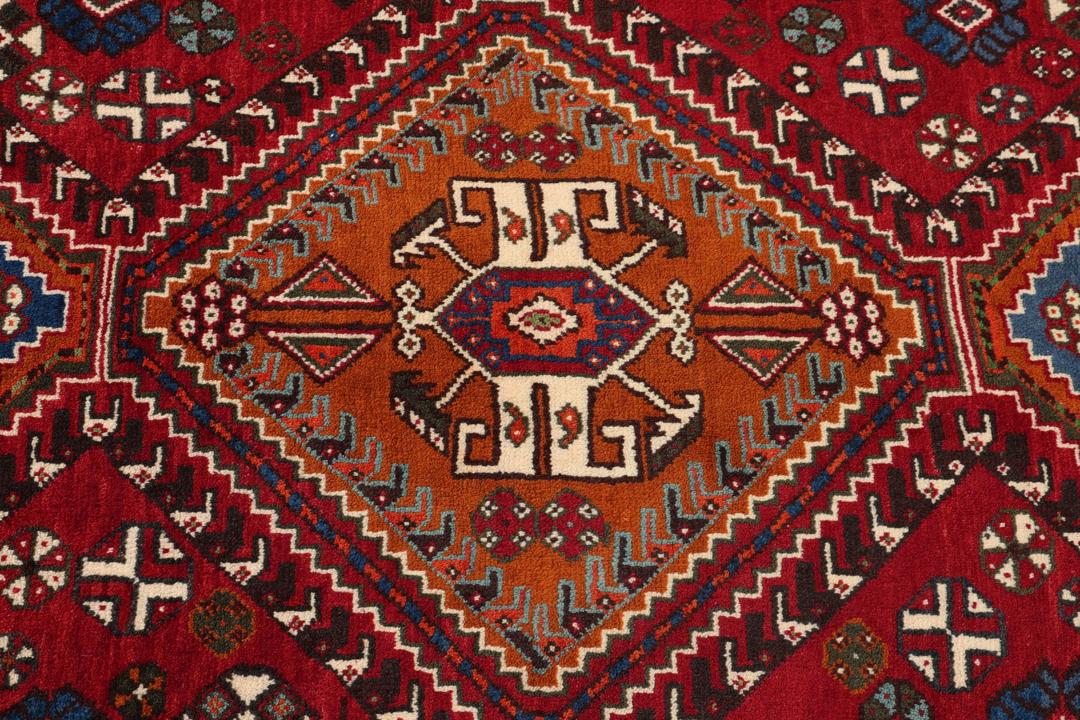
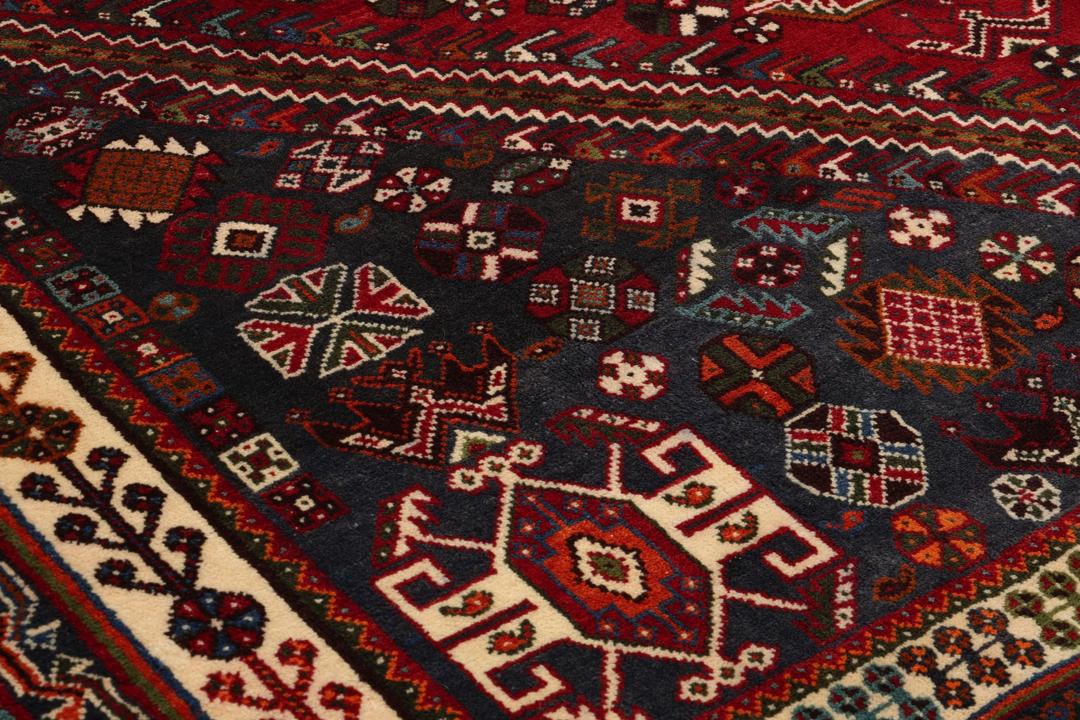
Signature design elements of these rugs include bold, geometric medallions and stylized floral motifs, often arranged in a symmetrical fashion. The use of deep reds, earthy browns, and vibrant blues is characteristic, reflecting the natural dyes historically used by the tribes. You will often see repeating patterns that represent the surrounding landscape or tribal symbolism, giving every rug a unique narrative.
Collectors value these rugs for their authentic connection to nomadic heritage and the undeniable skill required to produce them. Owning a Shiraz rug is more than just acquiring a floor covering; it is an act of preserving a traditional craft that has survived for centuries. These pieces are celebrated for their ability to bring a sense of history and human warmth into modern homes, making them cherished heirlooms that gain character over time.