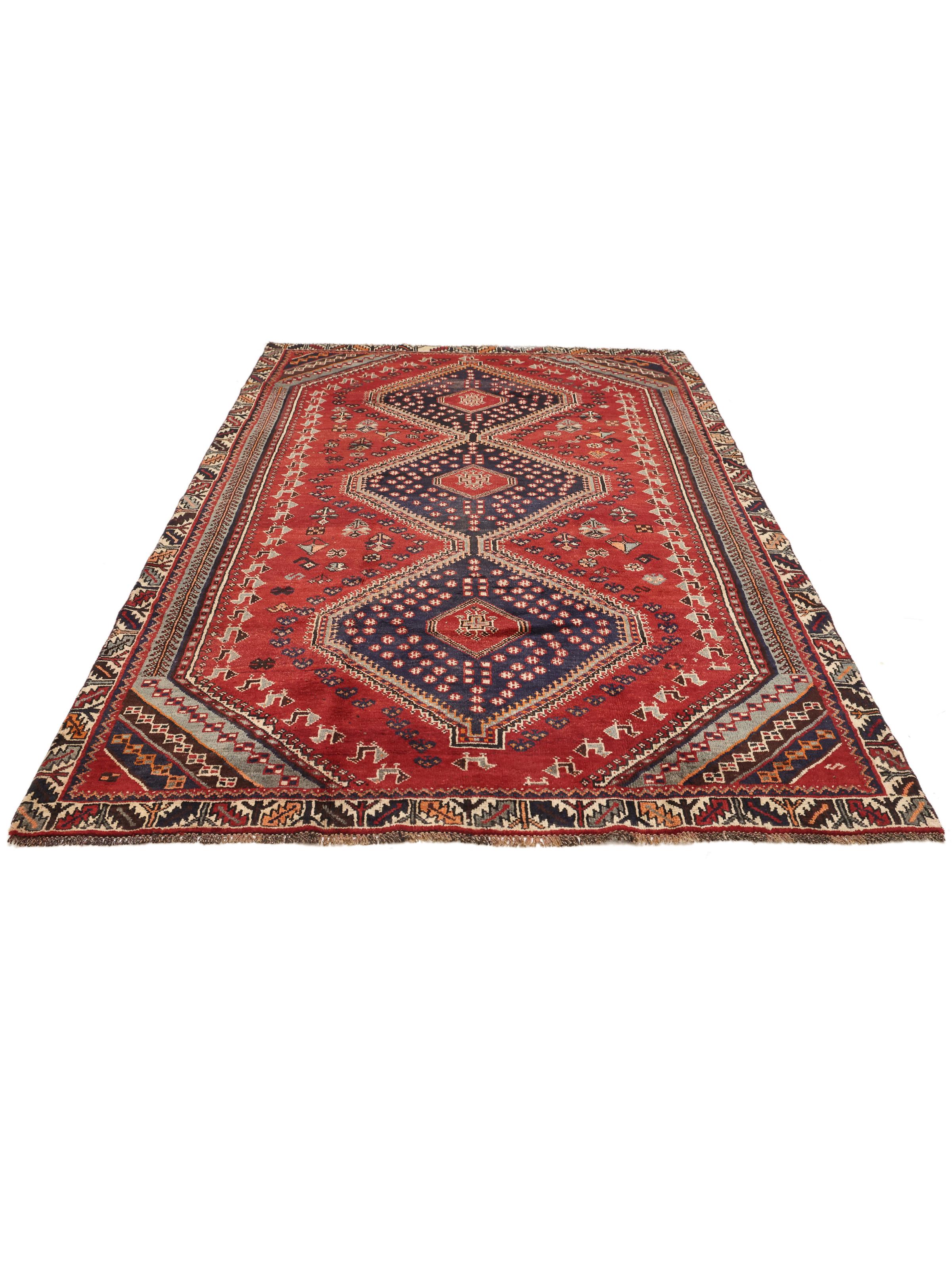
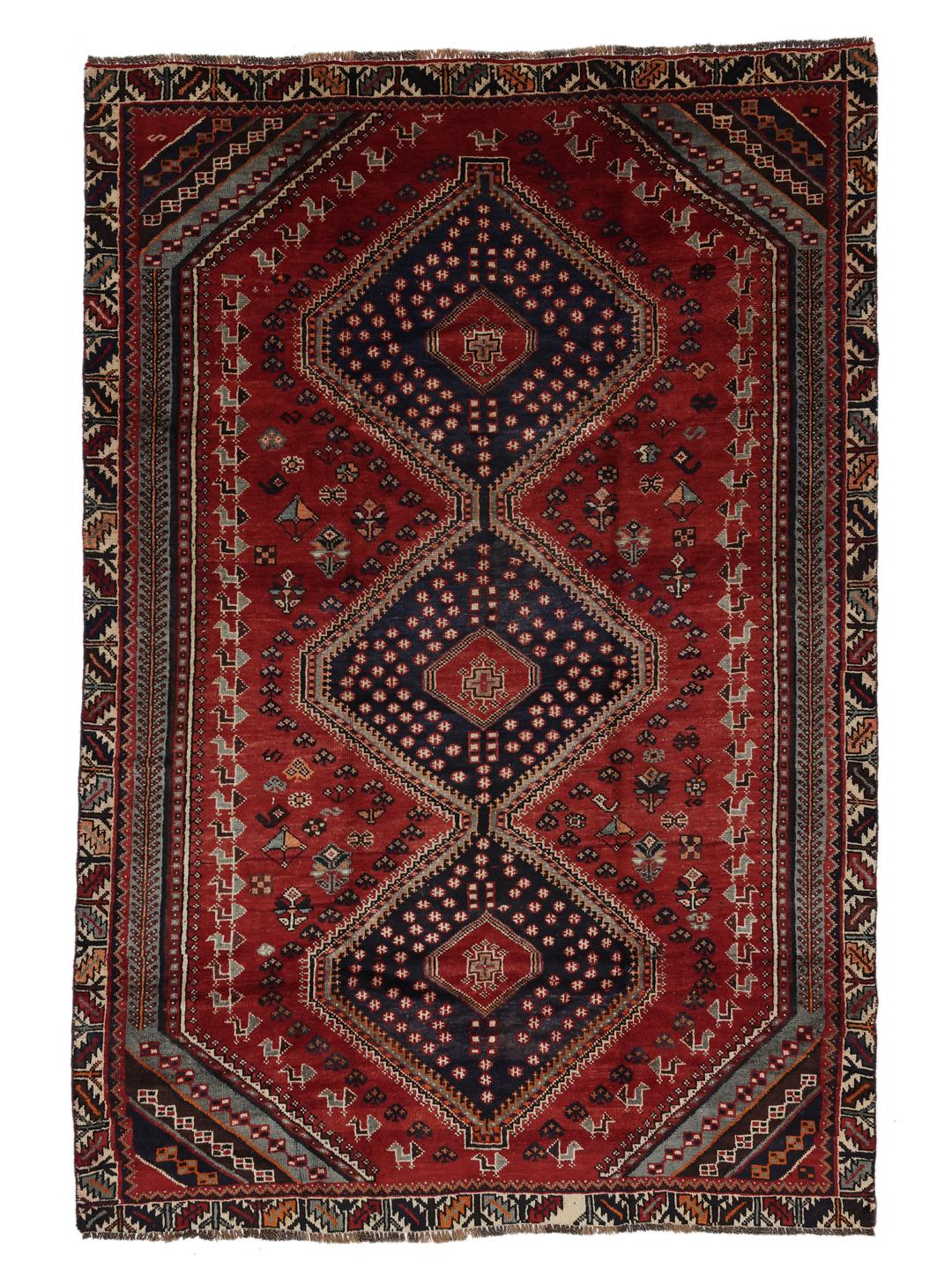
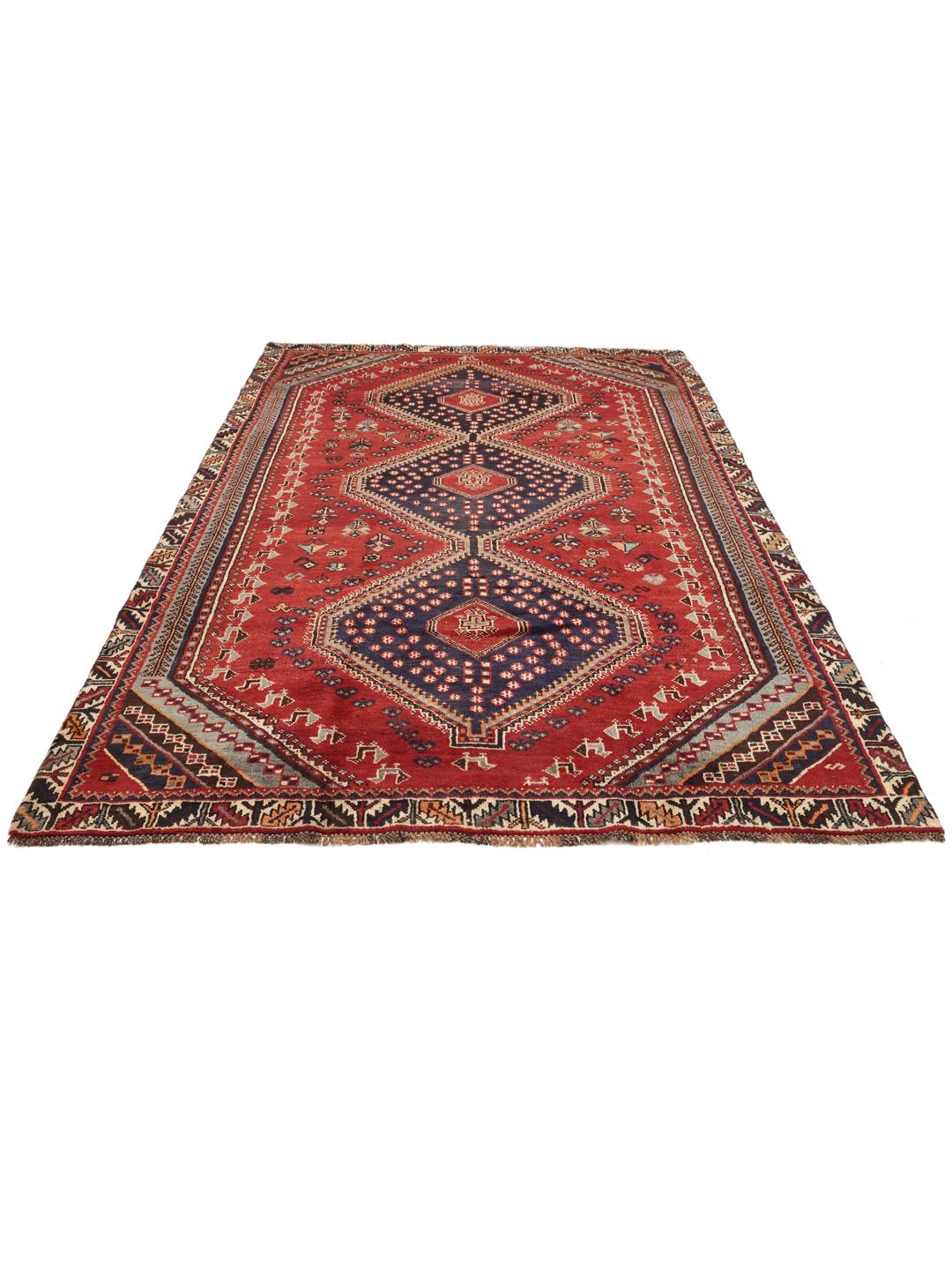
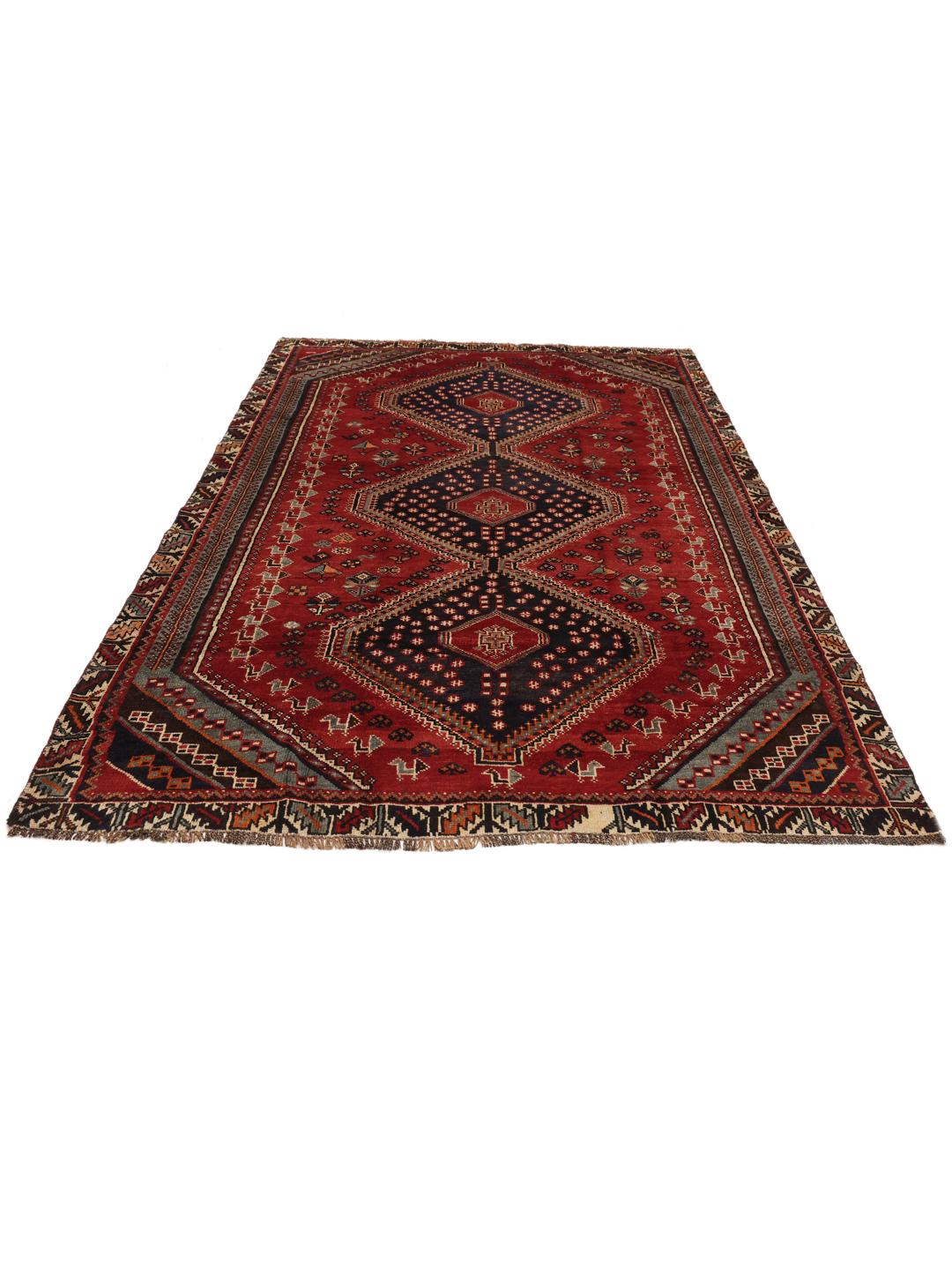
Shiraz rugs are deeply rooted in the nomadic and village traditions of the Middle Eastern region, specifically associated with the tribal groups inhabiting the Fars province. These rugs are famously known for their spontaneous and expressive designs, which often reflect the surroundings and cultural identity of the weavers. Unlike more formal urban workshops, these rugs are often crafted by nomadic weavers who draw inspiration from their environment, leading to a vibrant, authentic style.
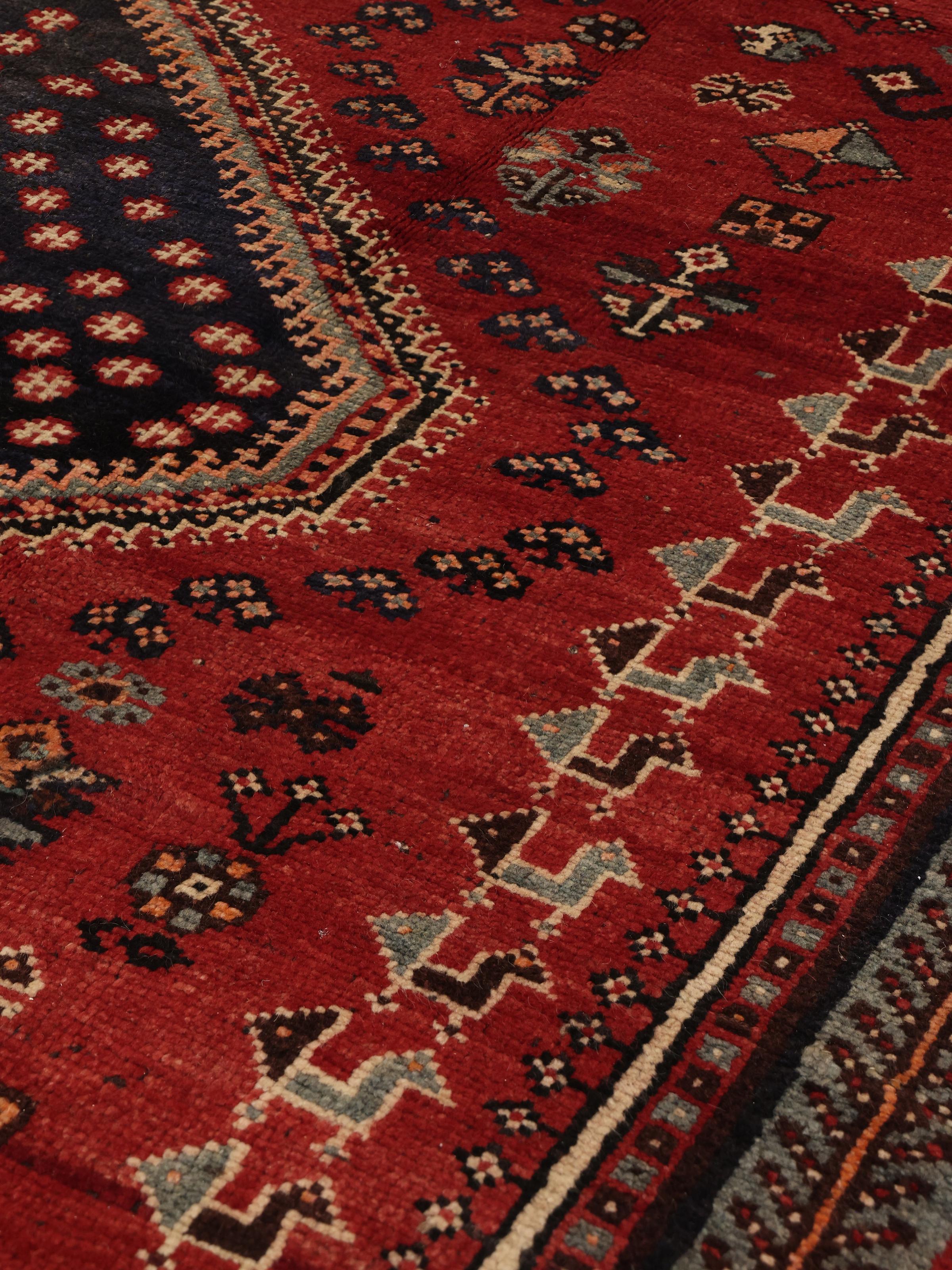
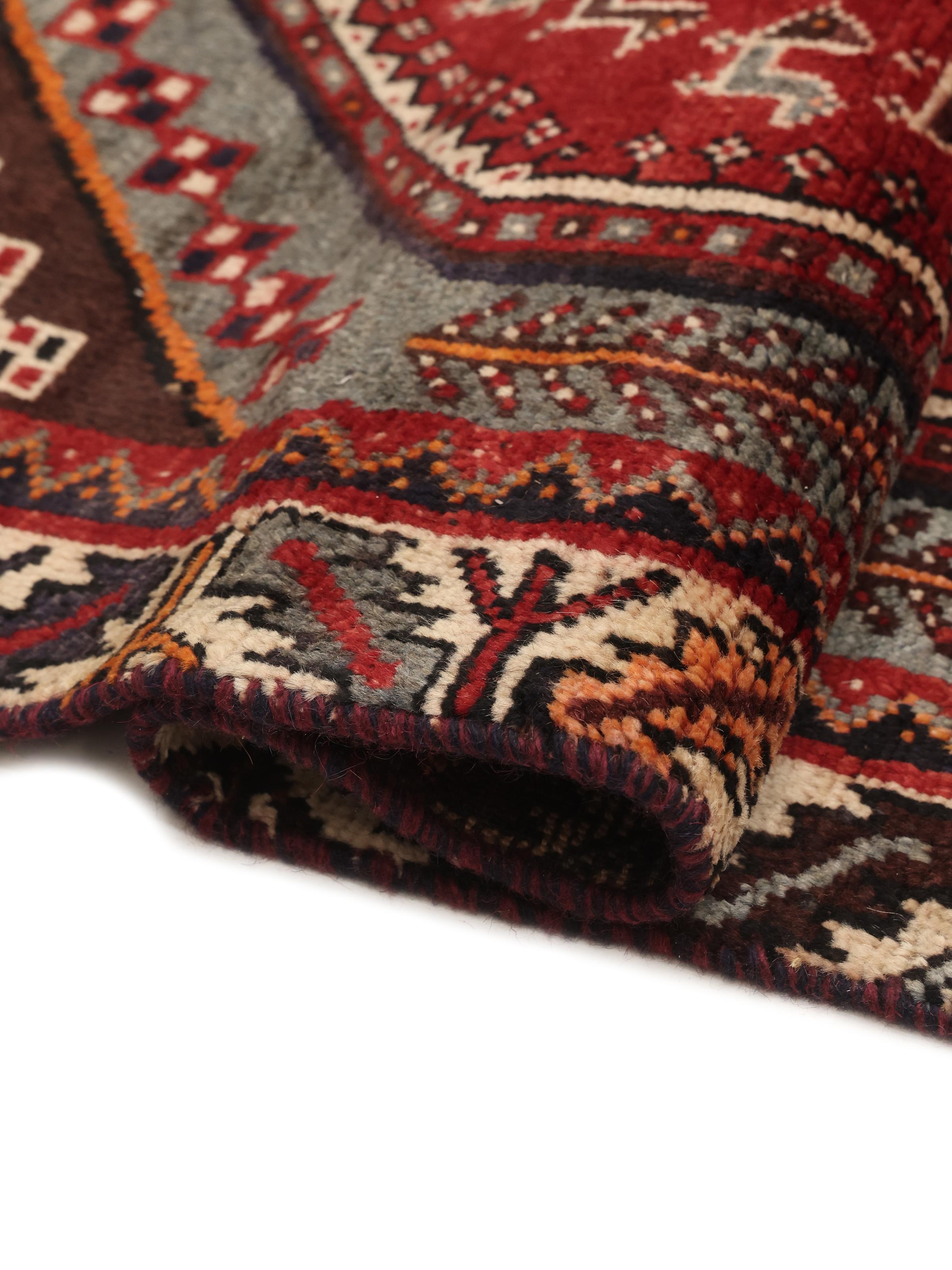
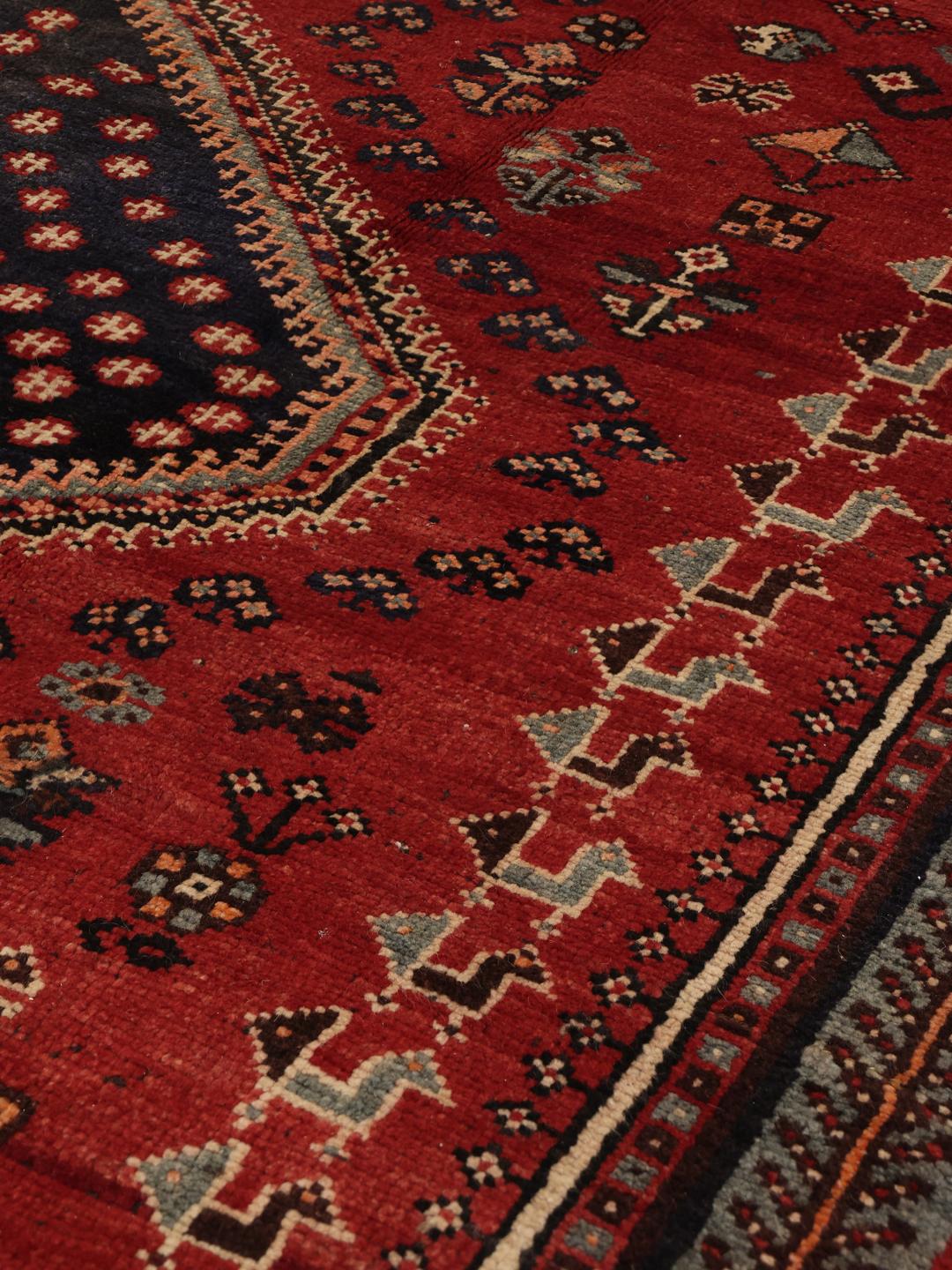
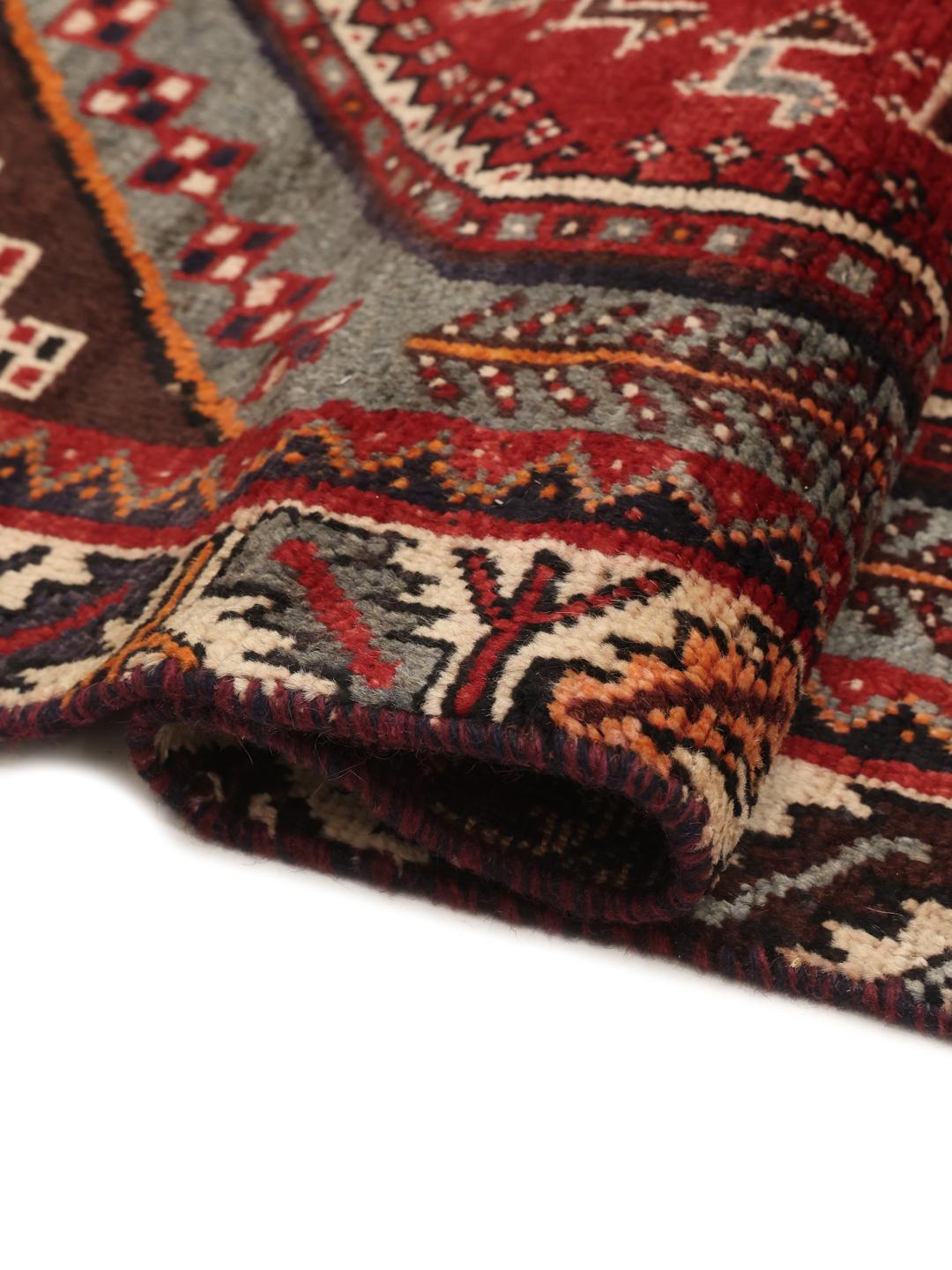
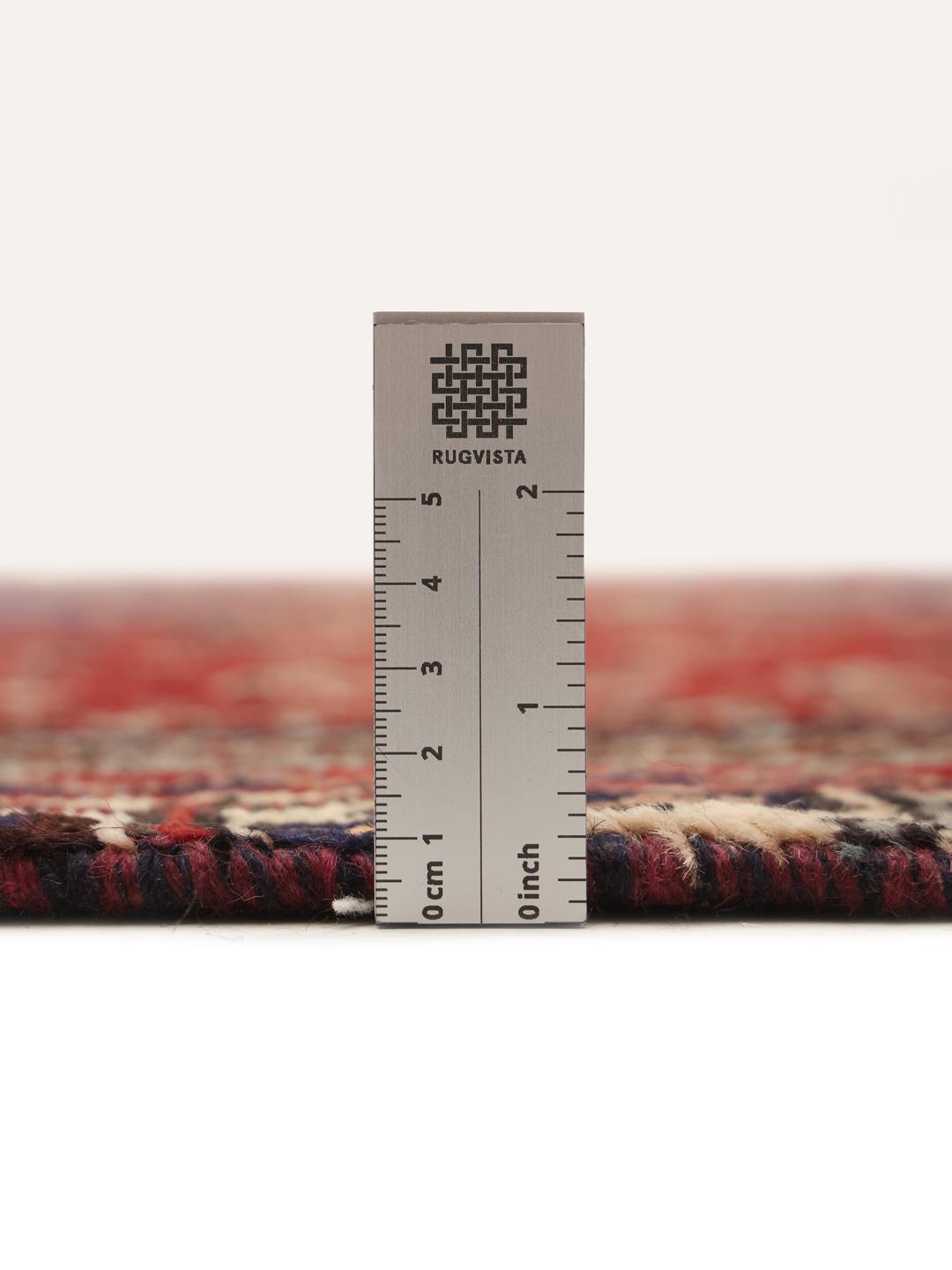
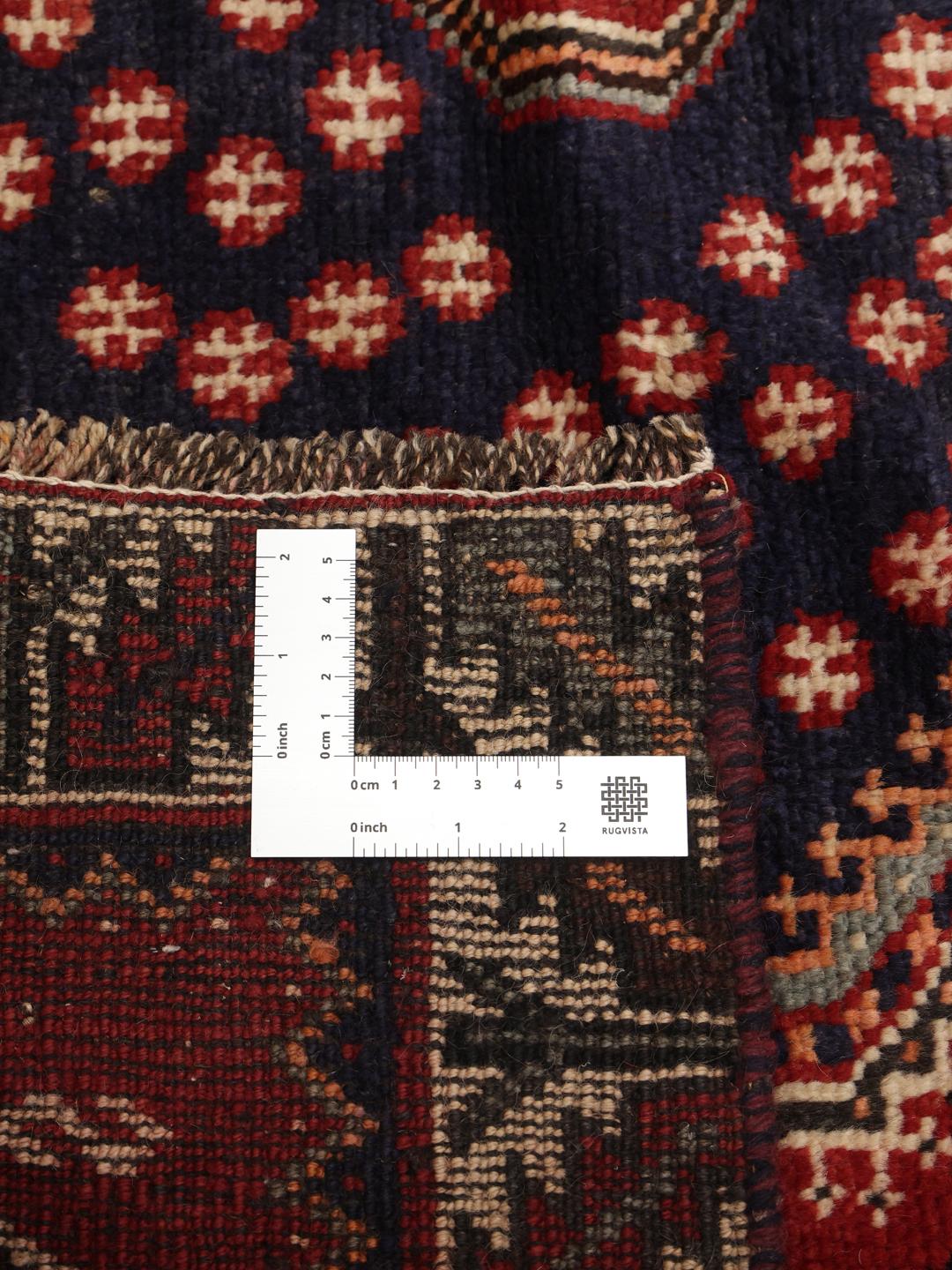
The construction of a Shiraz rug typically features a Wool foundation, which provides a sturdy and flexible base for the hand-knotted pile. This choice of materials is a testament to the practical needs of nomadic life, where rugs had to be durable enough to withstand being moved and used in various environments. The resulting pile is both soft and incredibly hard-wearing, ensuring the rug remains a beautiful part of your home for generations.
Visually, these rugs are characterised by their signature geometric language. You will often see large, central diamond medallions, stylised floral motifs, and repeating geometric border patterns that frame the field. The colour palettes are typically warm and earthy, relying on traditional dyes that produce deep, saturated reds and blues, which have become a hallmark of the Shiraz tradition.
Collecting a Shiraz rug is an investment in cultural heritage. Because they are the product of individual tribal artistry rather than mass production, they are highly valued by those who appreciate the human element in craft. Owning a piece like this connects you to a long lineage of skilled artisans, bringing a sense of history and human connection into the modern home.