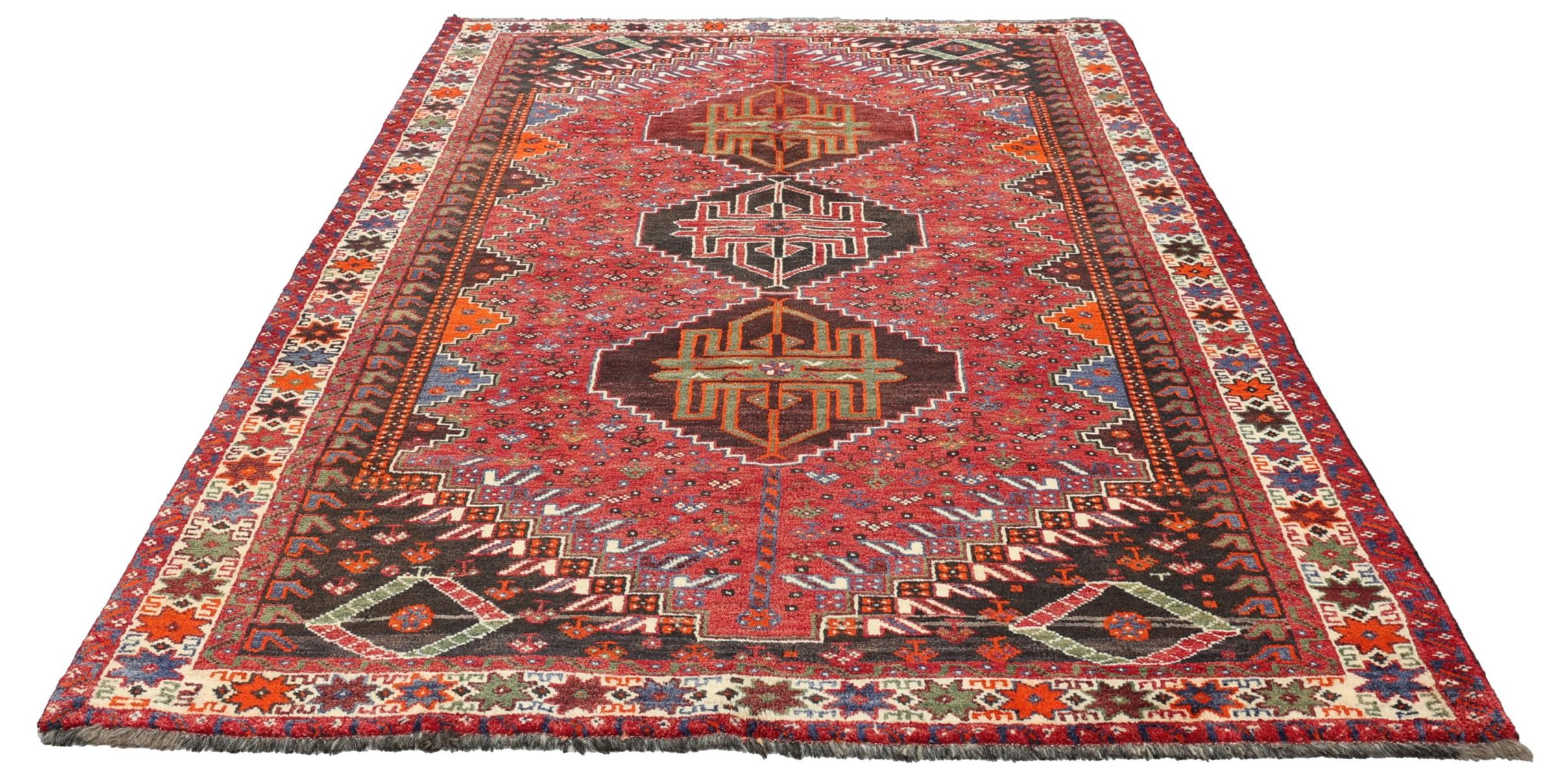
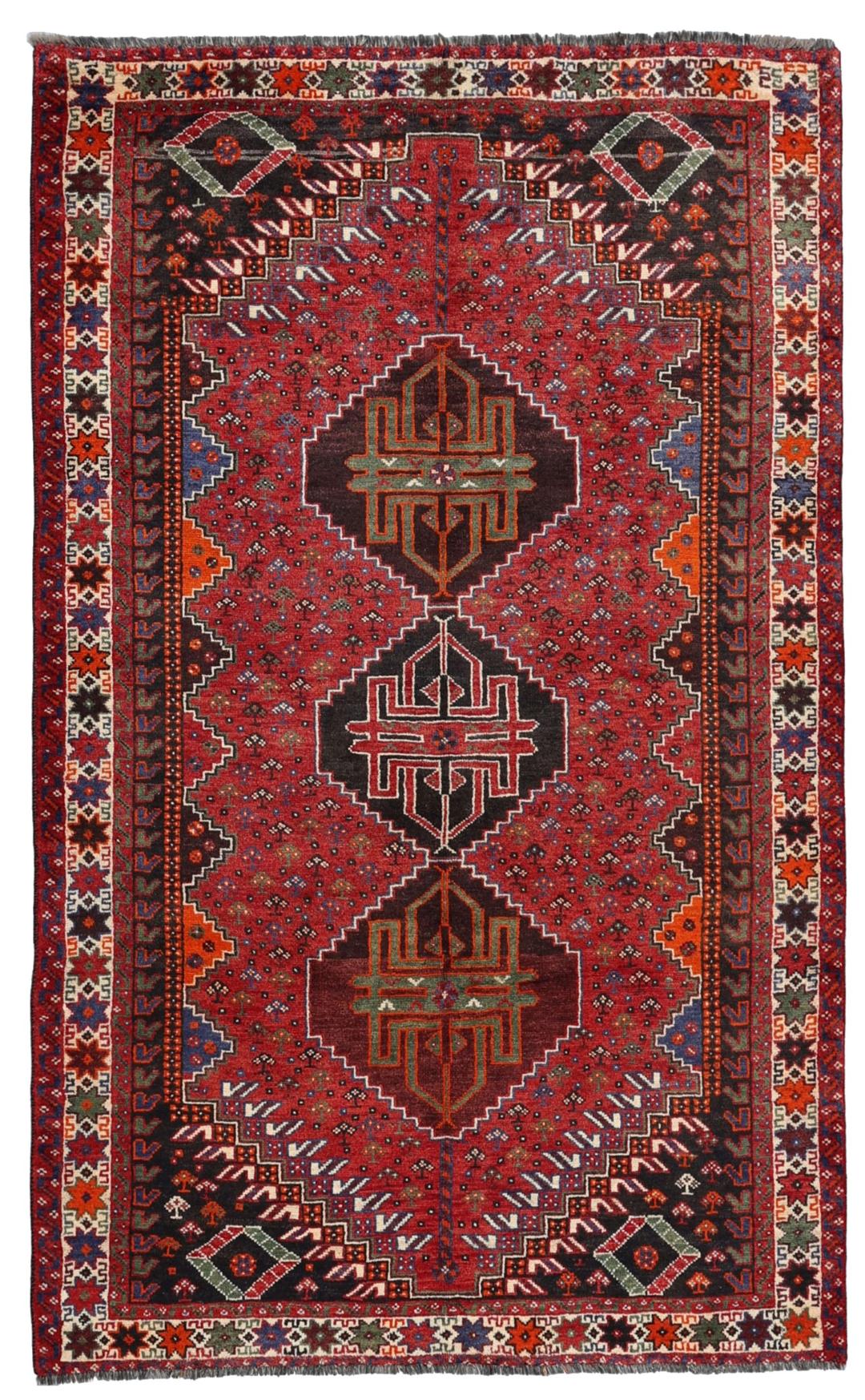
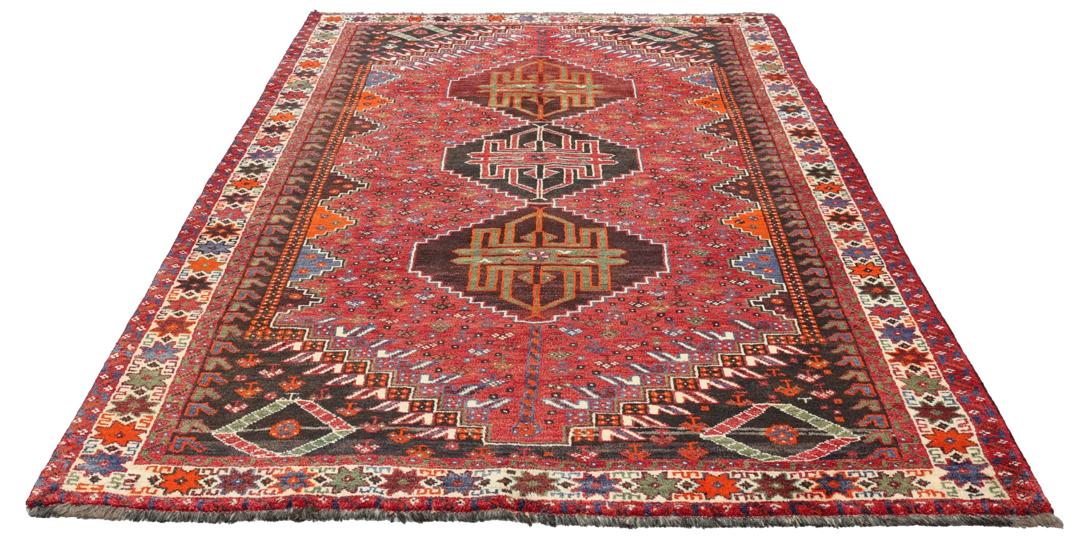
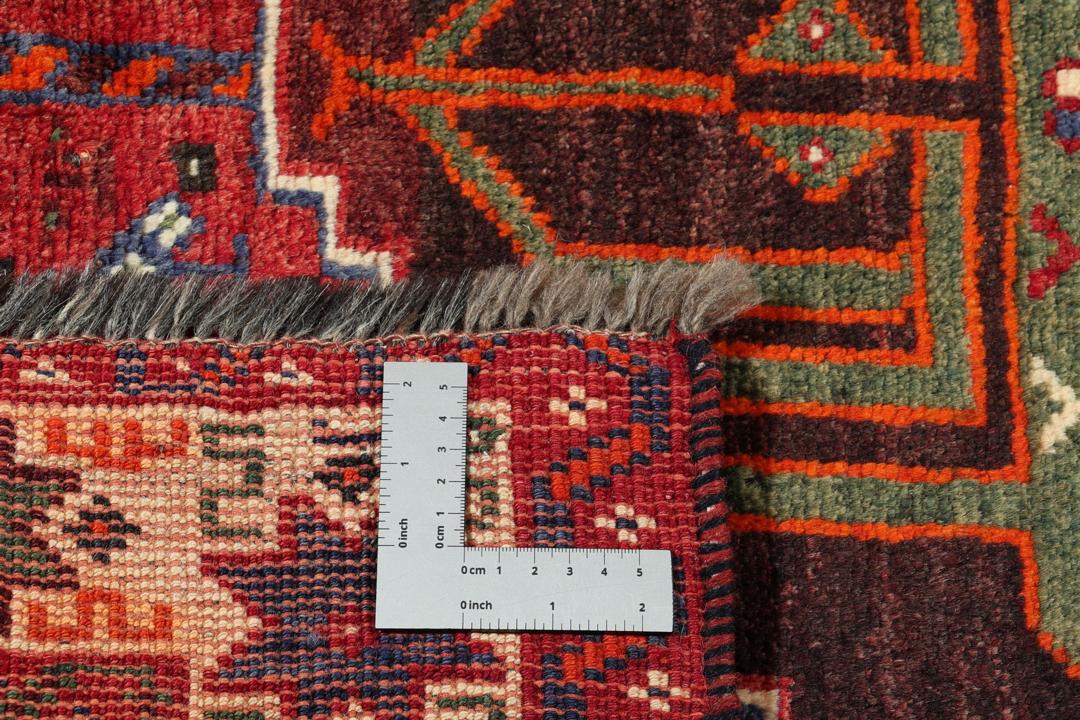
Shiraz rugs originate from the Fars province in the Middle East, a region with a deep-rooted tradition of nomadic and village weaving. These rugs are distinct from the more formal, city-based weaving traditions, as they often reflect the personal expression and daily lives of the tribal weavers who create them. Historically, these rugs were designed for practical use in nomadic tents, serving as bedding, wall hangings, and floor coverings.
The term Shiraz is often used as an umbrella name for the diverse output of the various tribes in the Fars region, including the Qashqai and Khamseh confederacies. These weavers typically work from memory, passing down complex design patterns through generations rather than using written charts. This reliance on ancestral knowledge results in rugs that are deeply connected to their cultural origins, with each piece serving as a visual narrative of the weaver's heritage.
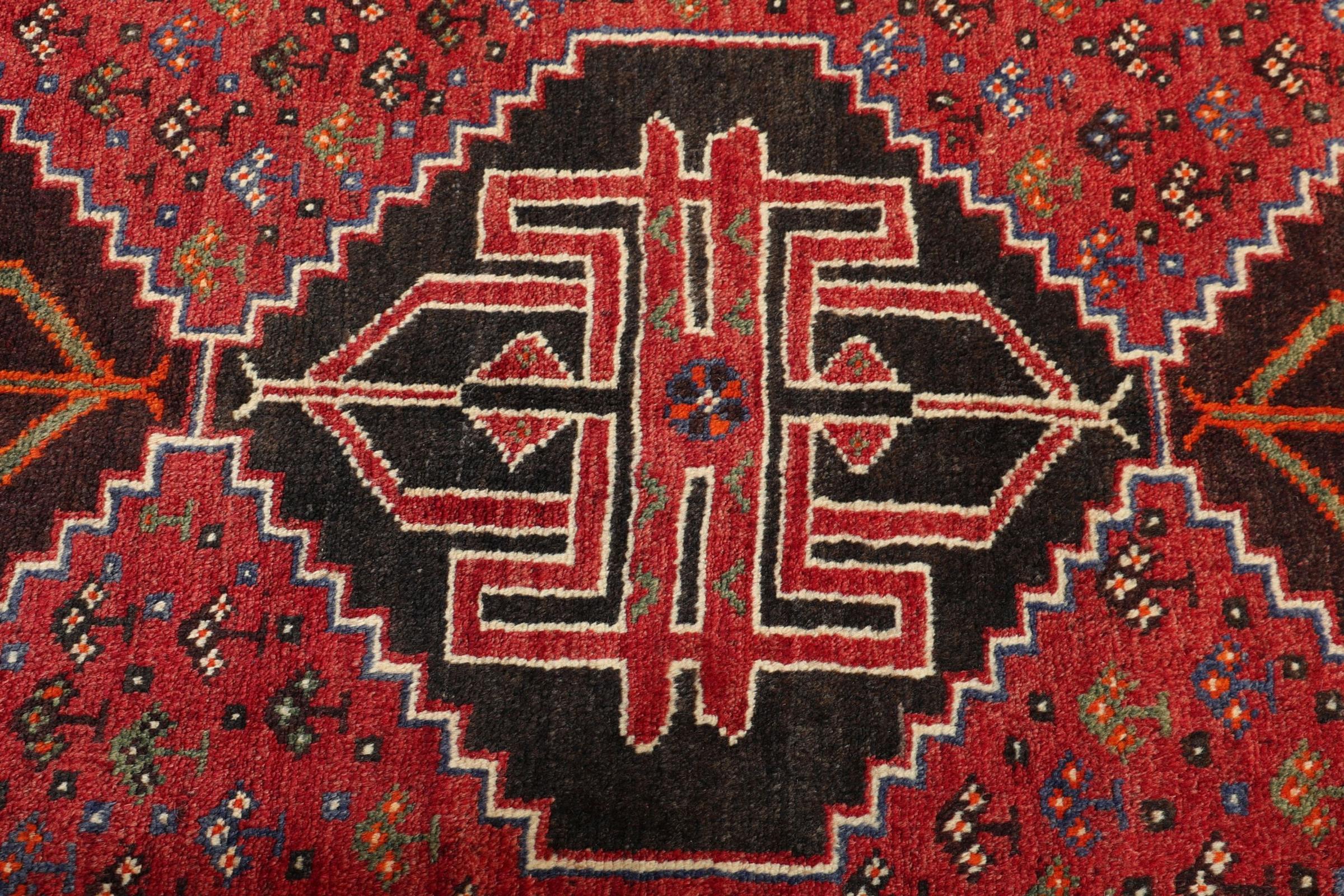
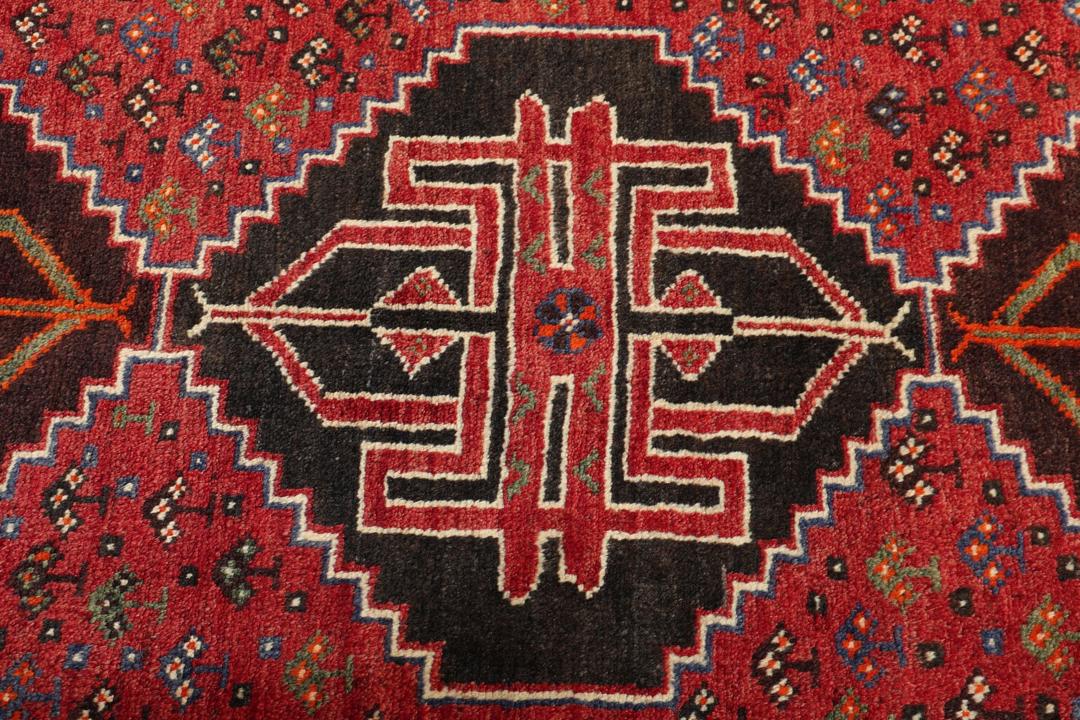
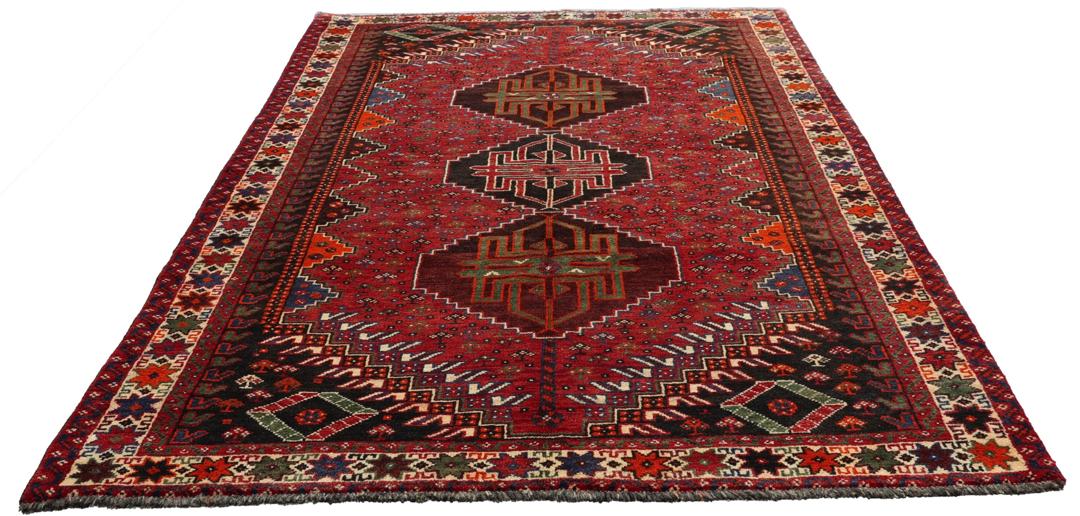
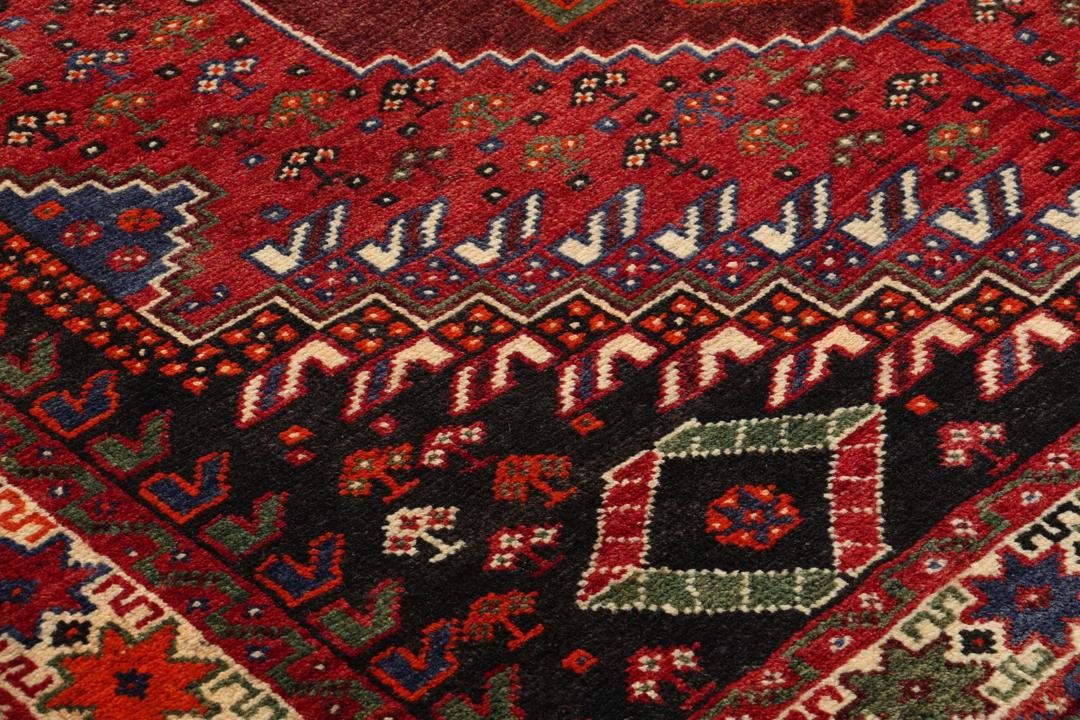
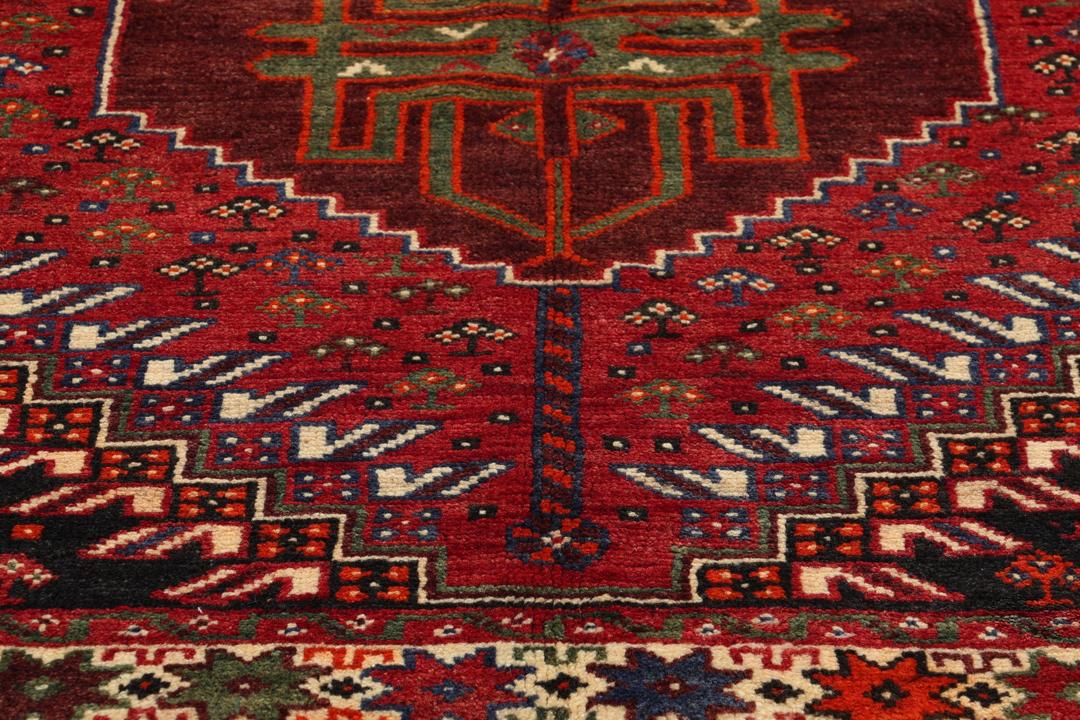
Signature design elements of these rugs include stylised geometric motifs, such as medallions, birds, and animals, rendered in a bold, often rectilinear style. The borders are frequently decorated with intricate, repetitive patterns that frame the central field. While red and dark-grey are classic staples in this tradition, the use of varied, vibrant tones is common, reflecting the natural dyes historically available to the nomadic tribes of the high plateaus.
Owning a Shiraz rug is an invitation to connect with a centuries-old tradition of artistry. These rugs are highly valued by collectors for their authentic, unrefined character and the incredible skill required to execute such complex designs without the aid of mechanical looms. To possess one is to appreciate the resilience of a craft that has survived through shifting social landscapes, maintaining its relevance through its warmth, utility, and timeless beauty.