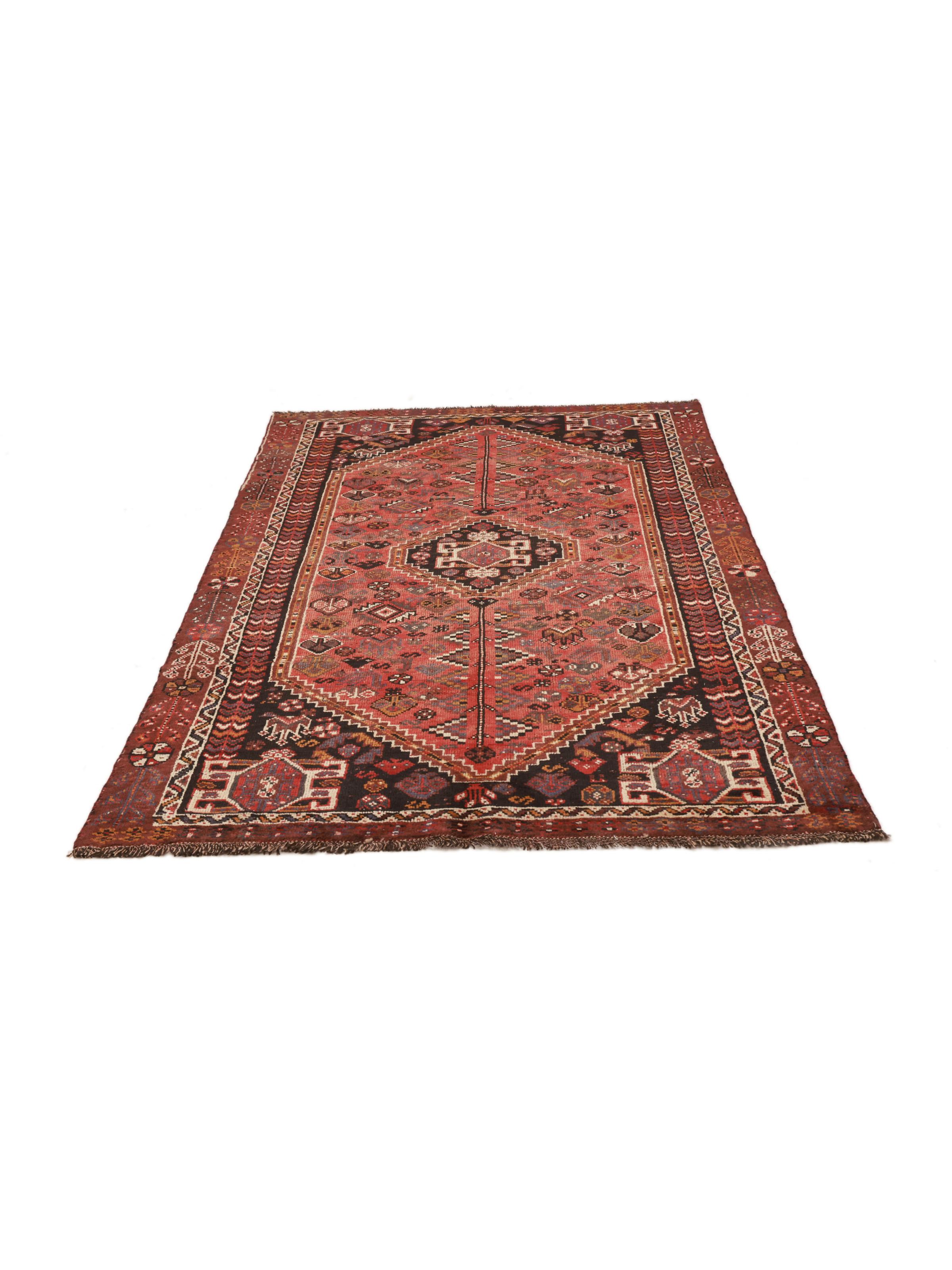
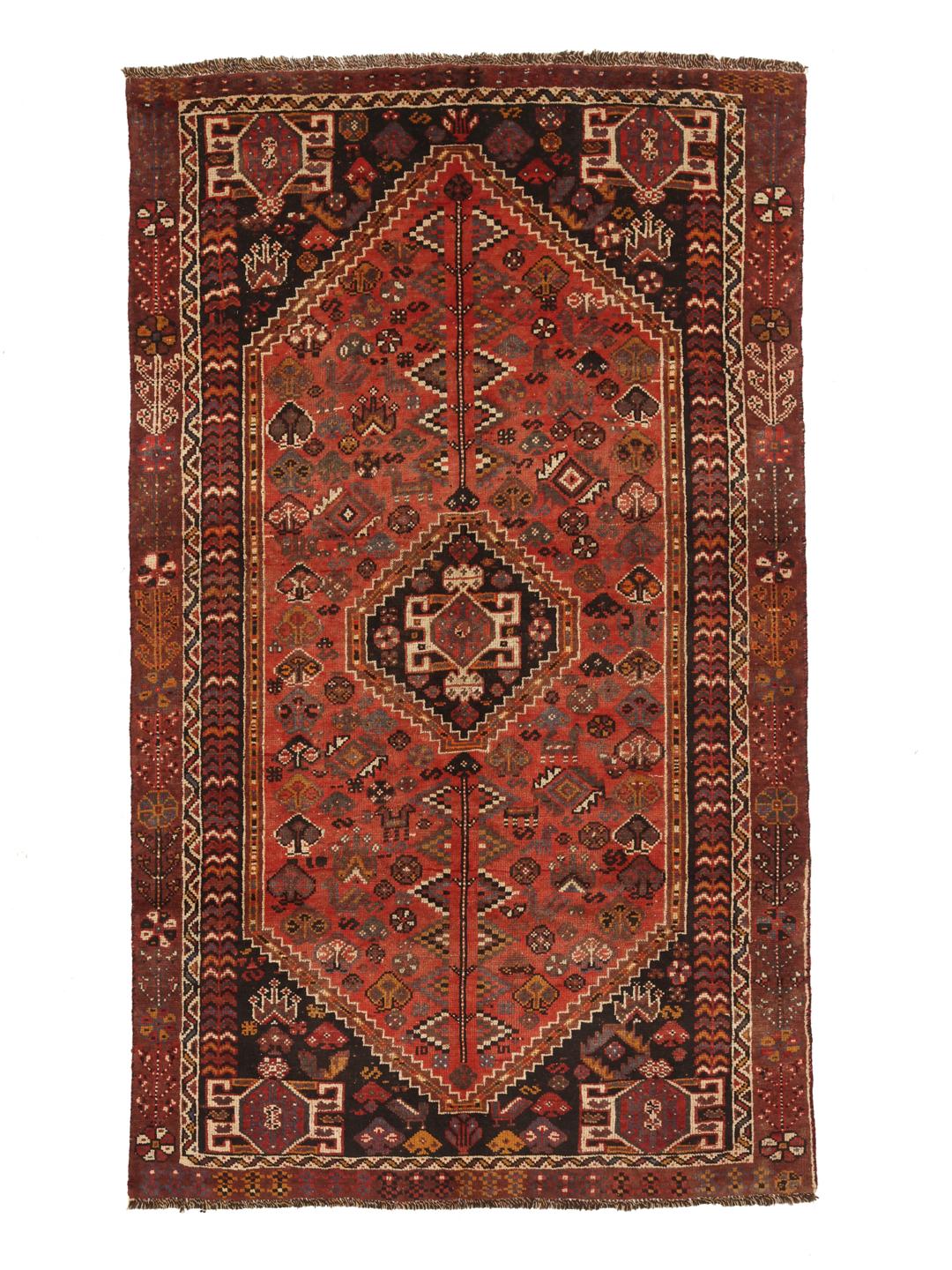
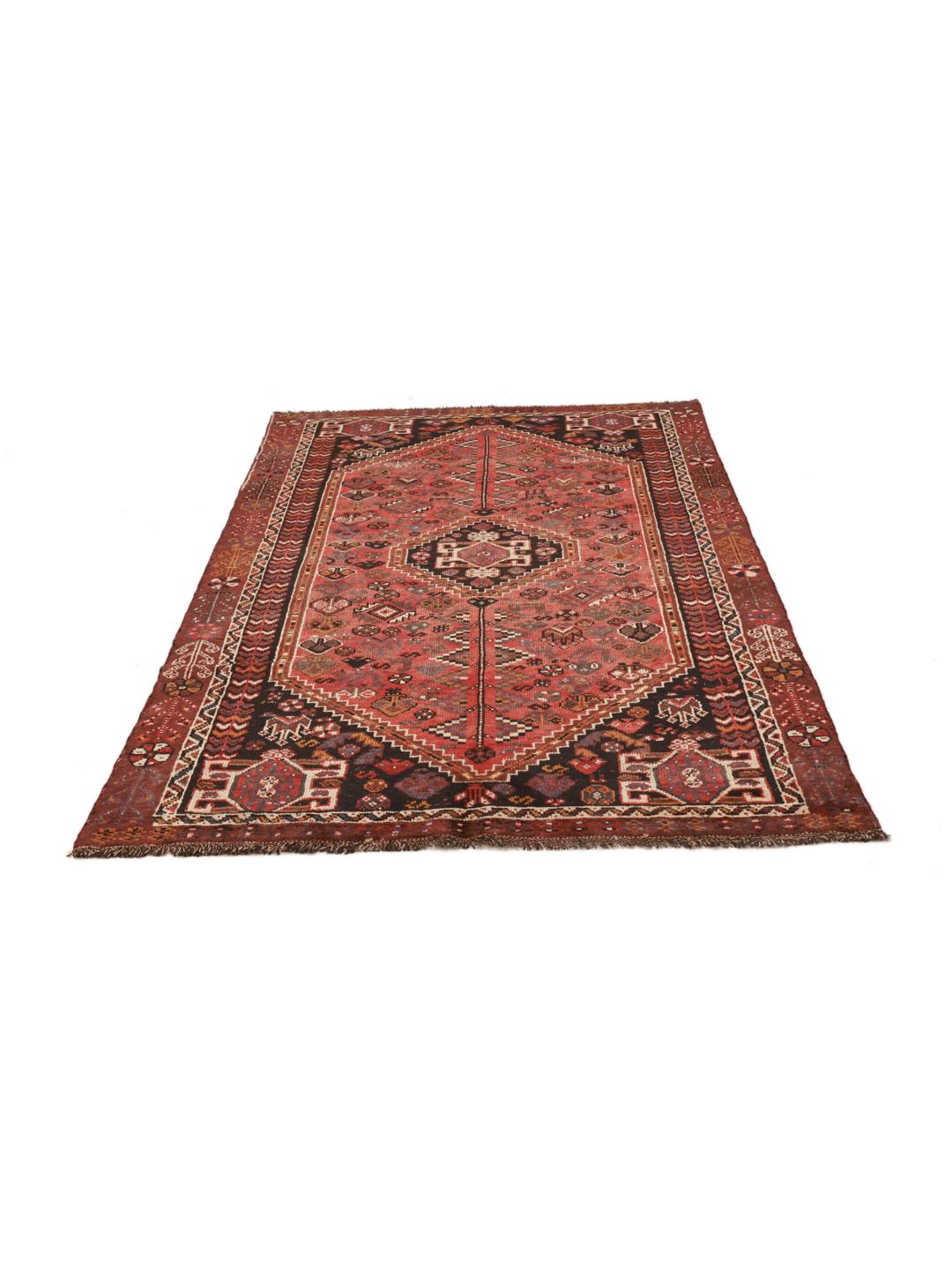
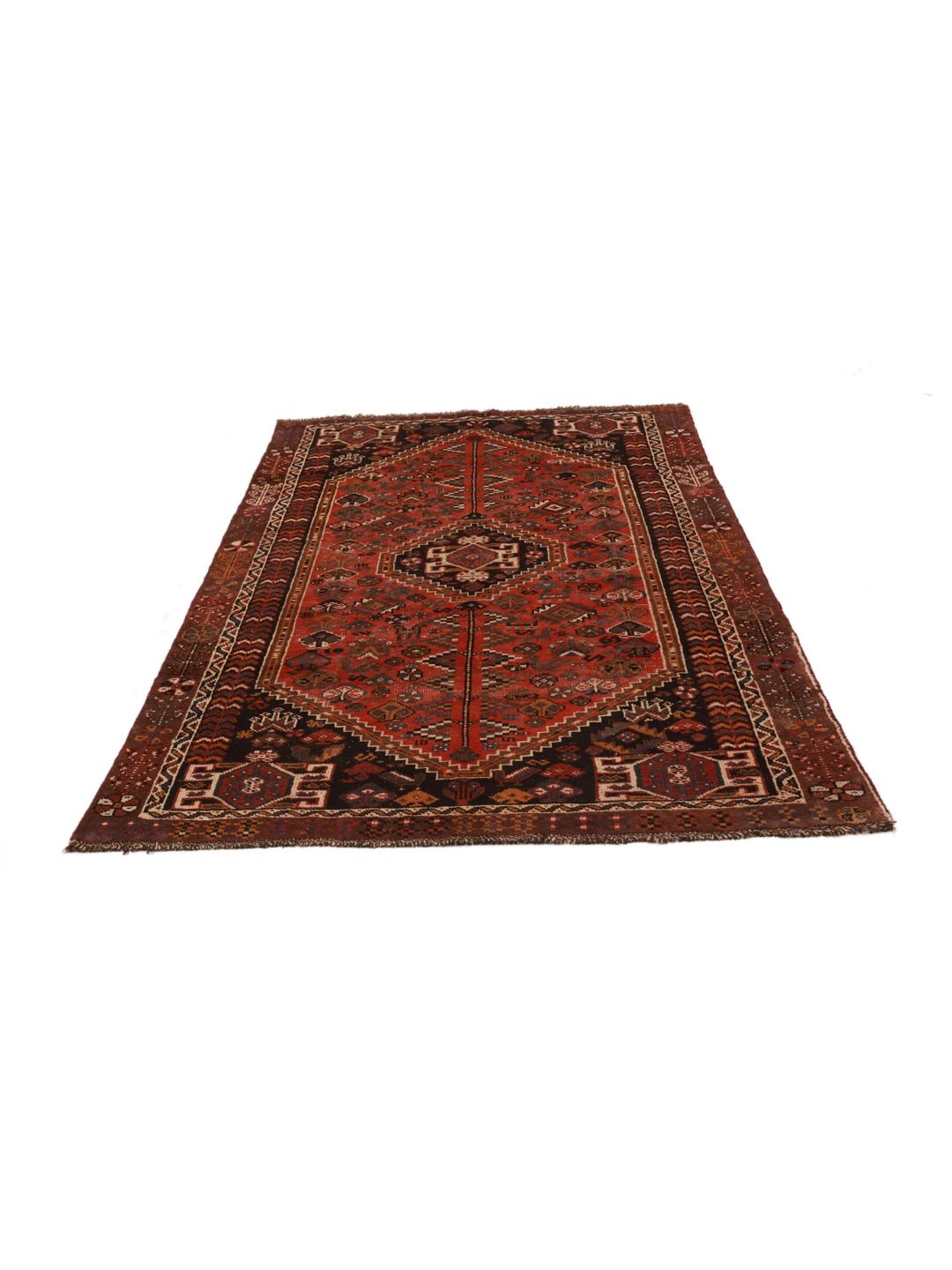
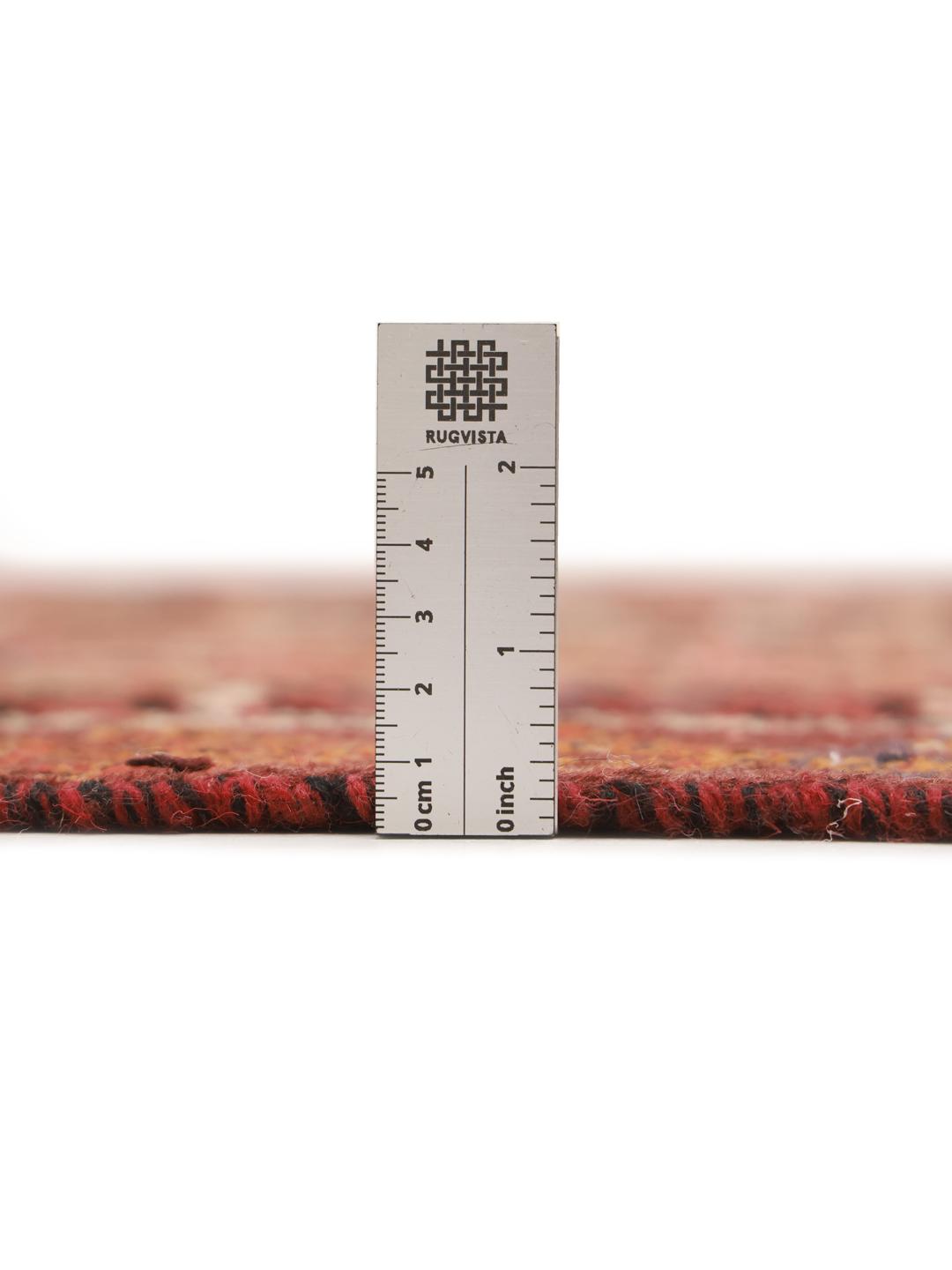
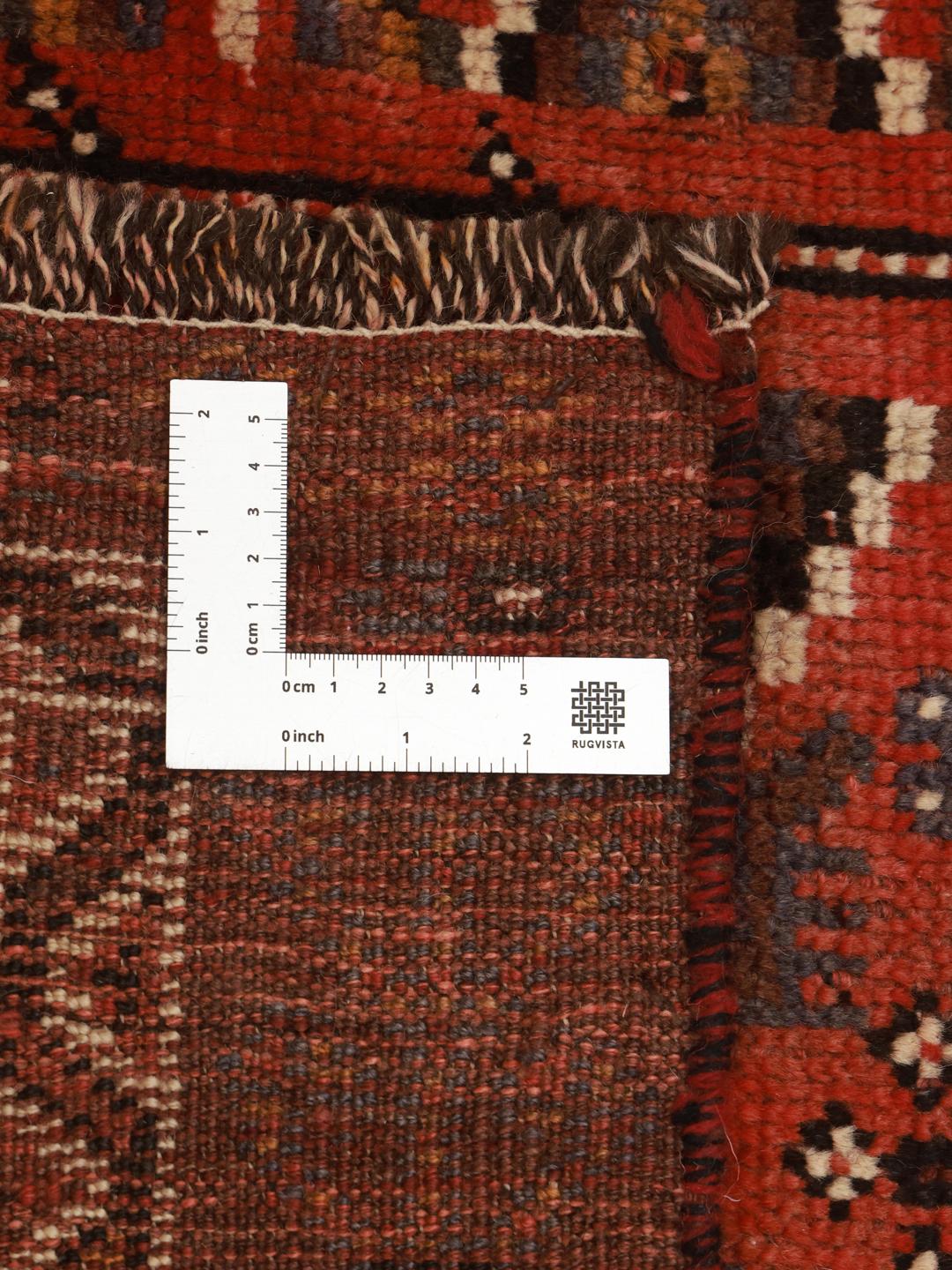
The Shiraz rug tradition finds its home in the Fars province of the Middle East, a region with a storied history of nomadic and semi-nomadic weaving. These rugs are deeply connected to the tribal groups of the area, who have historically used their looms to document their surroundings, beliefs, and cultural narratives through intricate, symbolic designs.
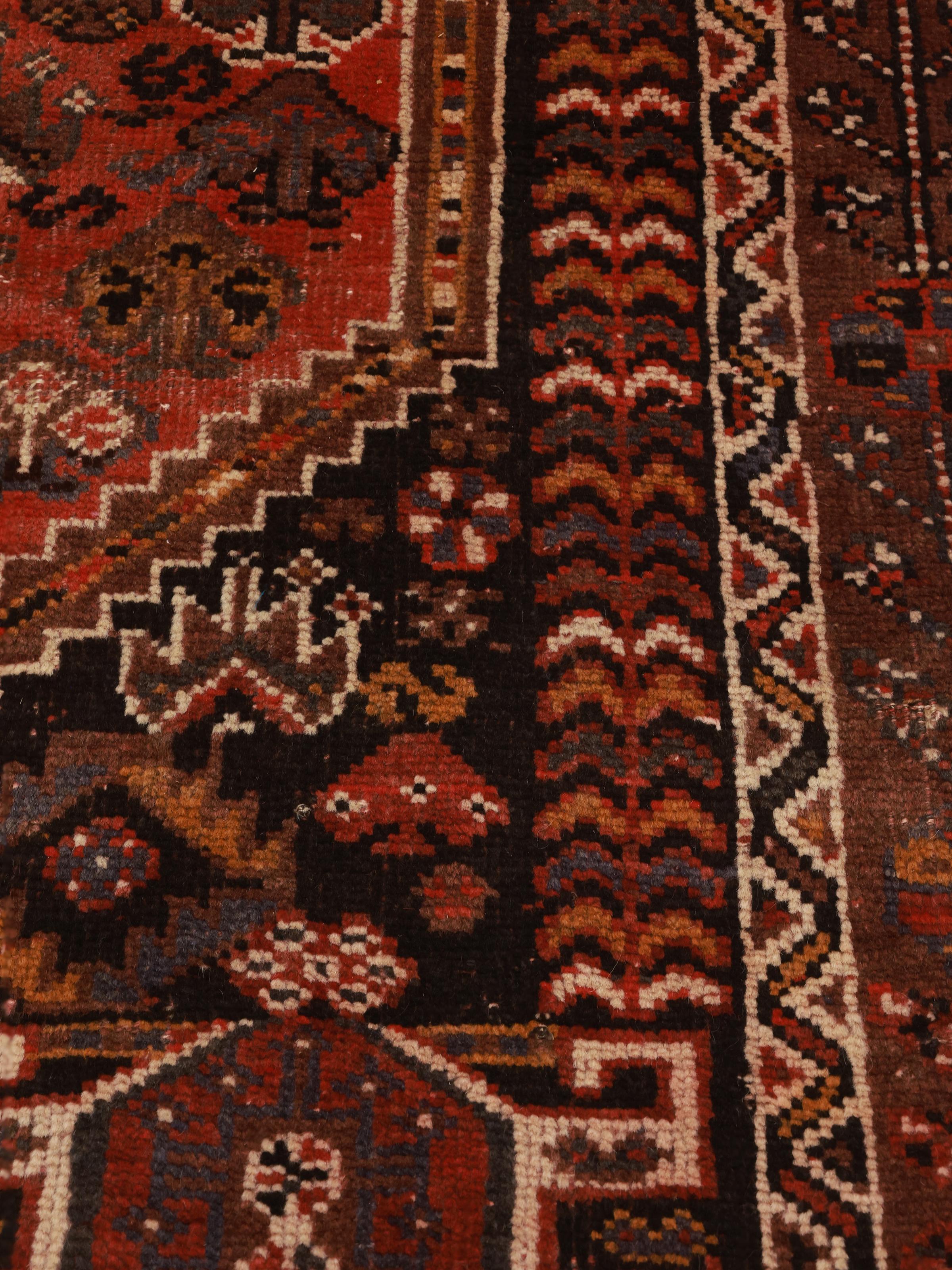
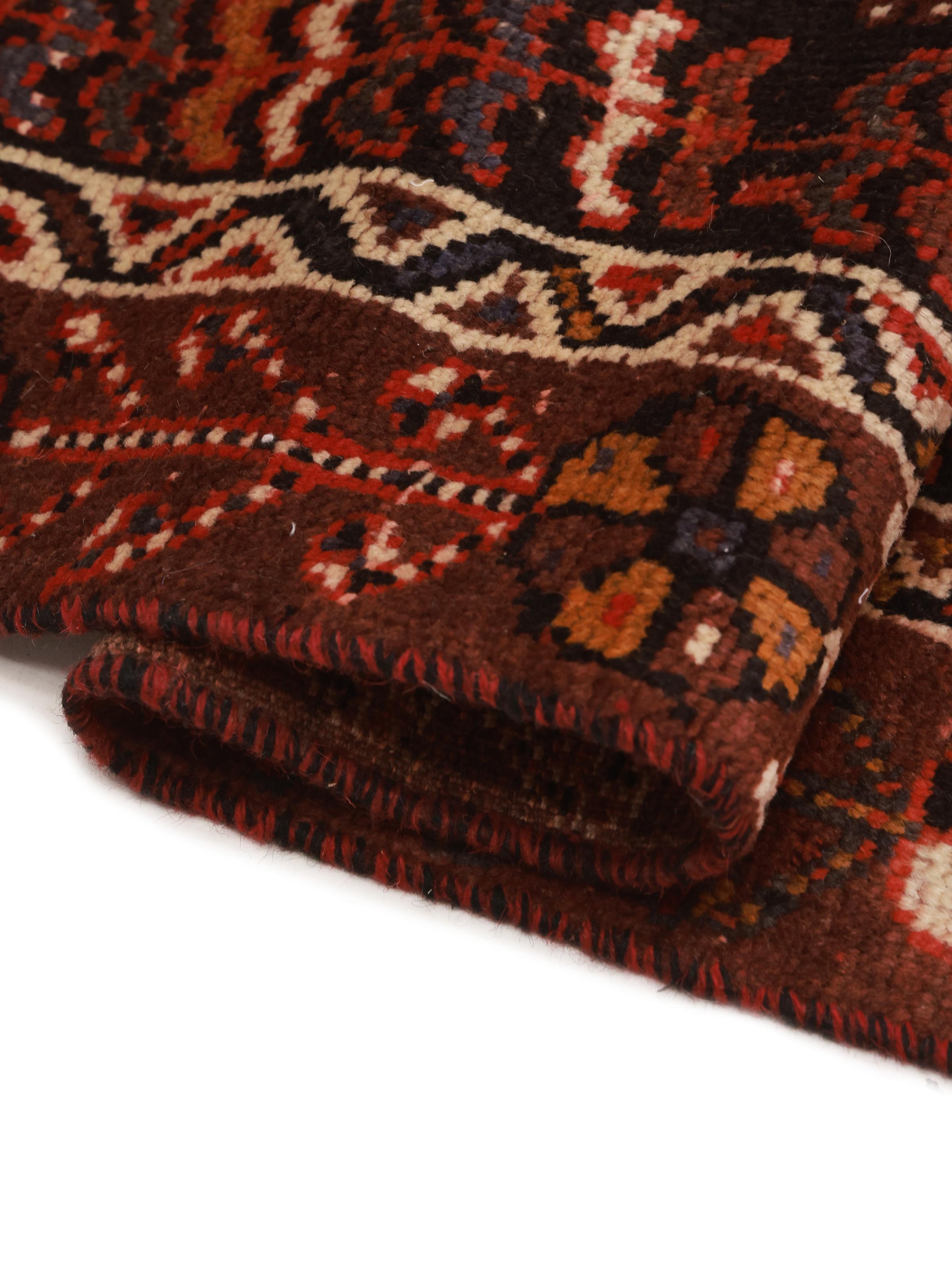
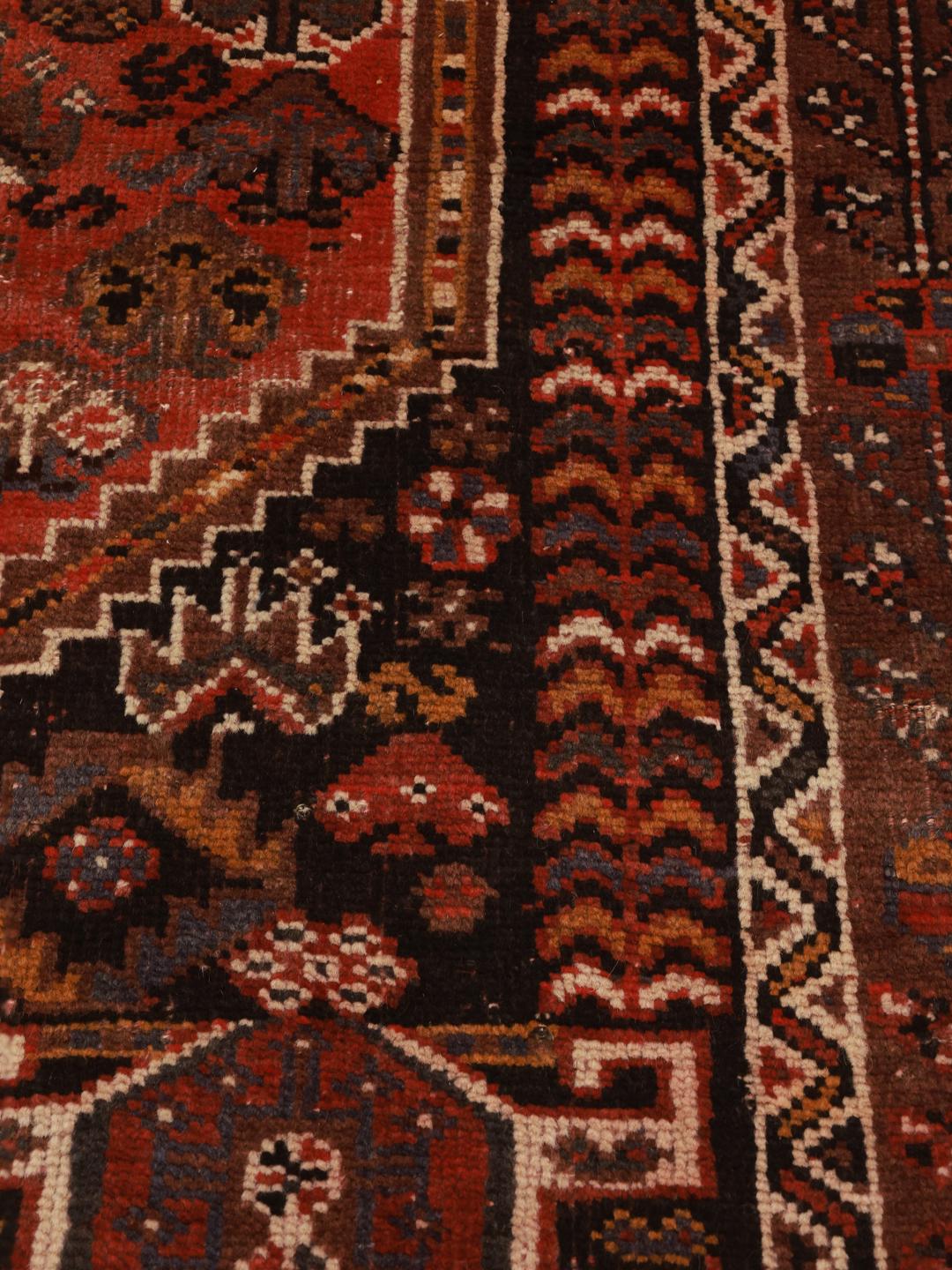
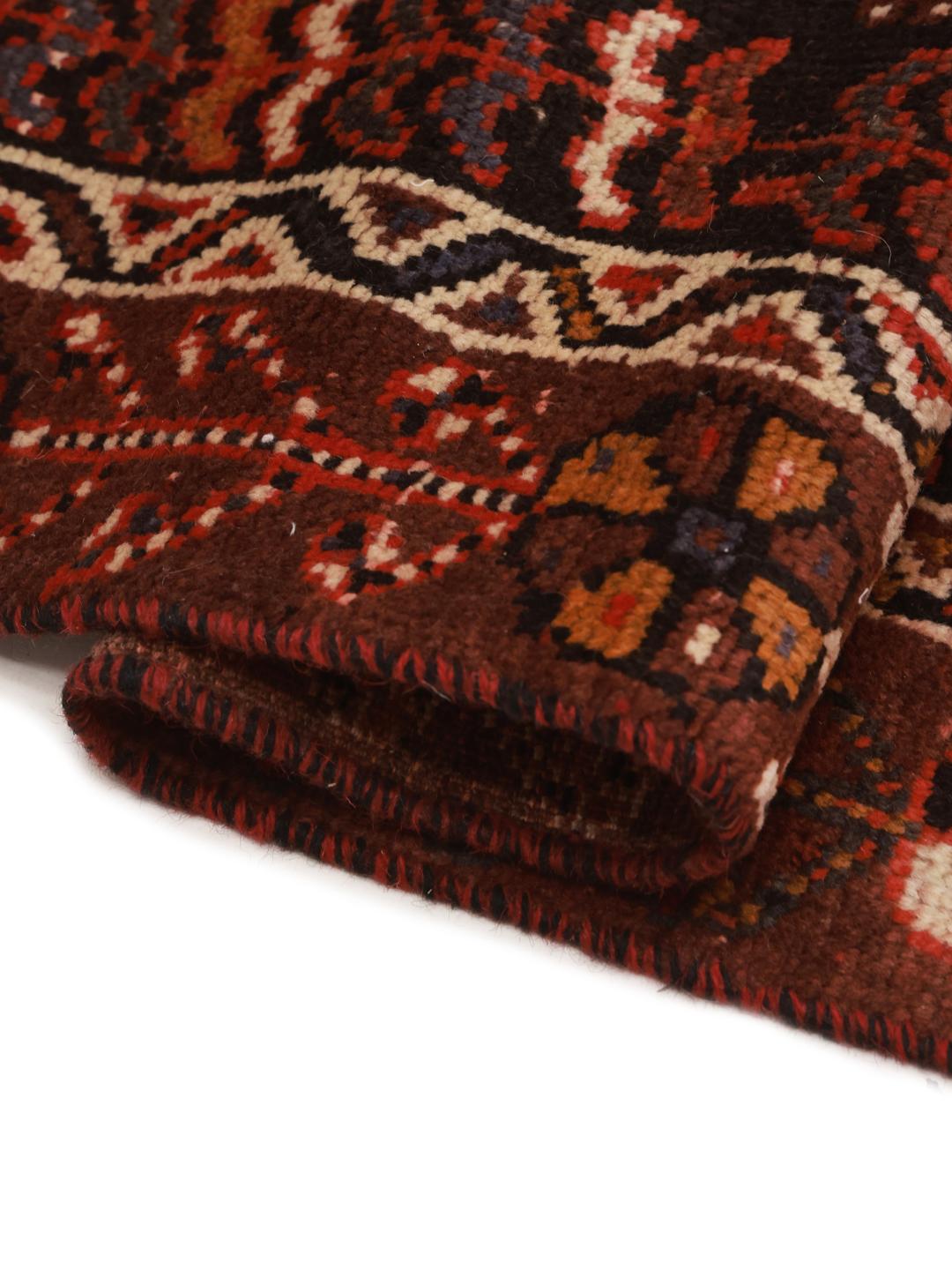
A defining quality of these rugs is their construction, often utilising Wool for both the pile and the foundation. This creates a sturdy, cohesive build that is designed to withstand the rigours of nomadic life, which translates into a durable and long-lasting piece for a modern home. The use of natural materials and traditional hand-knotting techniques ensures that each rug is robust and full of character.
Visually, these rugs are celebrated for their bold, geometric, and often pictorial motifs. You will frequently find stylised representations of animals, plants, and tribal symbols, all set within a field that prioritises strong, earthy colour palettes. The borders are typically ornate, framing the central field with repeating patterns that draw the eye inward and highlight the maker's careful attention to detail.
Collecting a rug from this tradition is an investment in cultural heritage. Because they are often produced by tribal weavers working within long-standing regional traditions, they are valued for their authenticity and the human skill they represent. Owning one is not merely about decorating a floor, but about preserving a legacy of craft that has been passed down through generations.