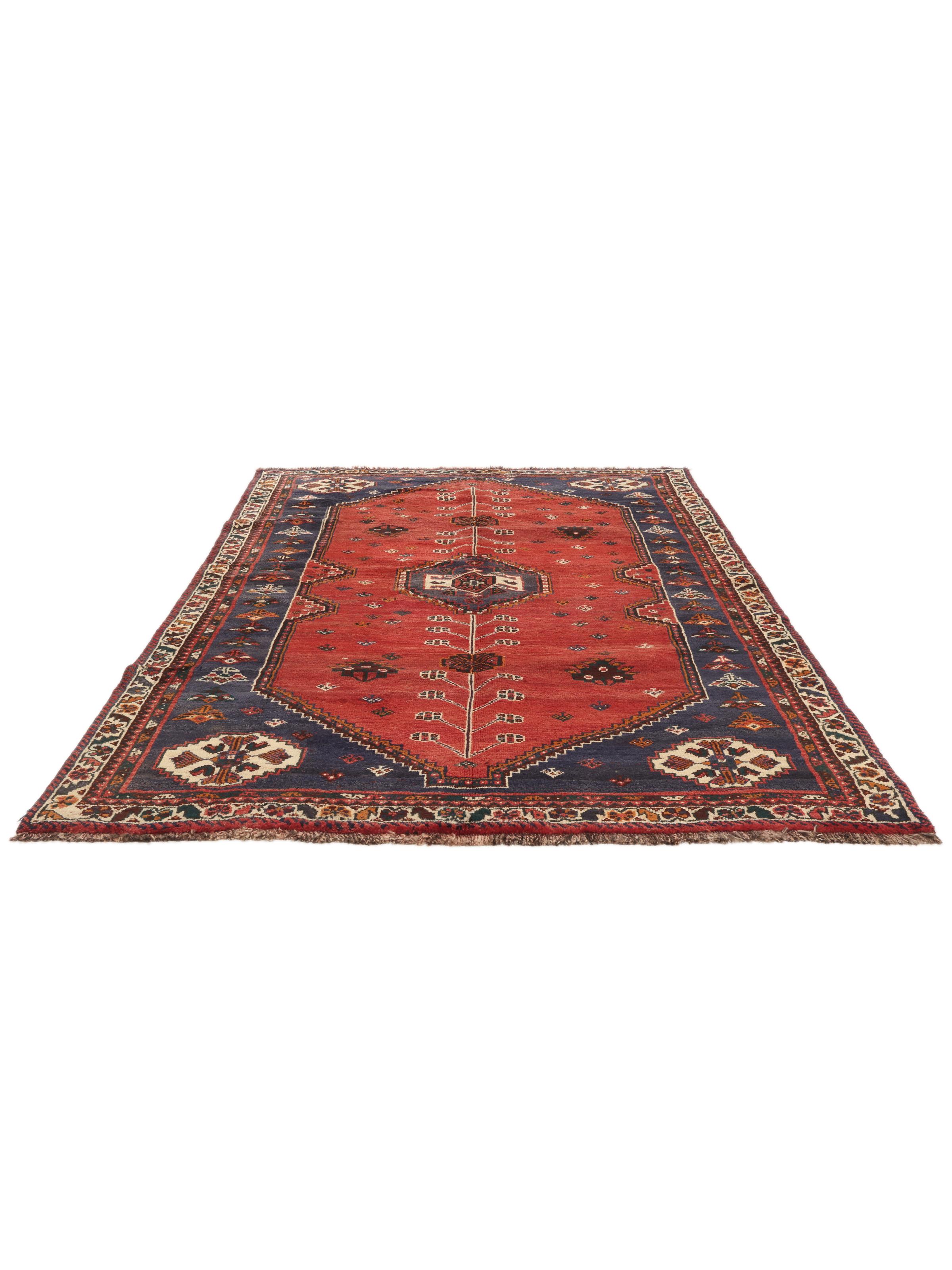
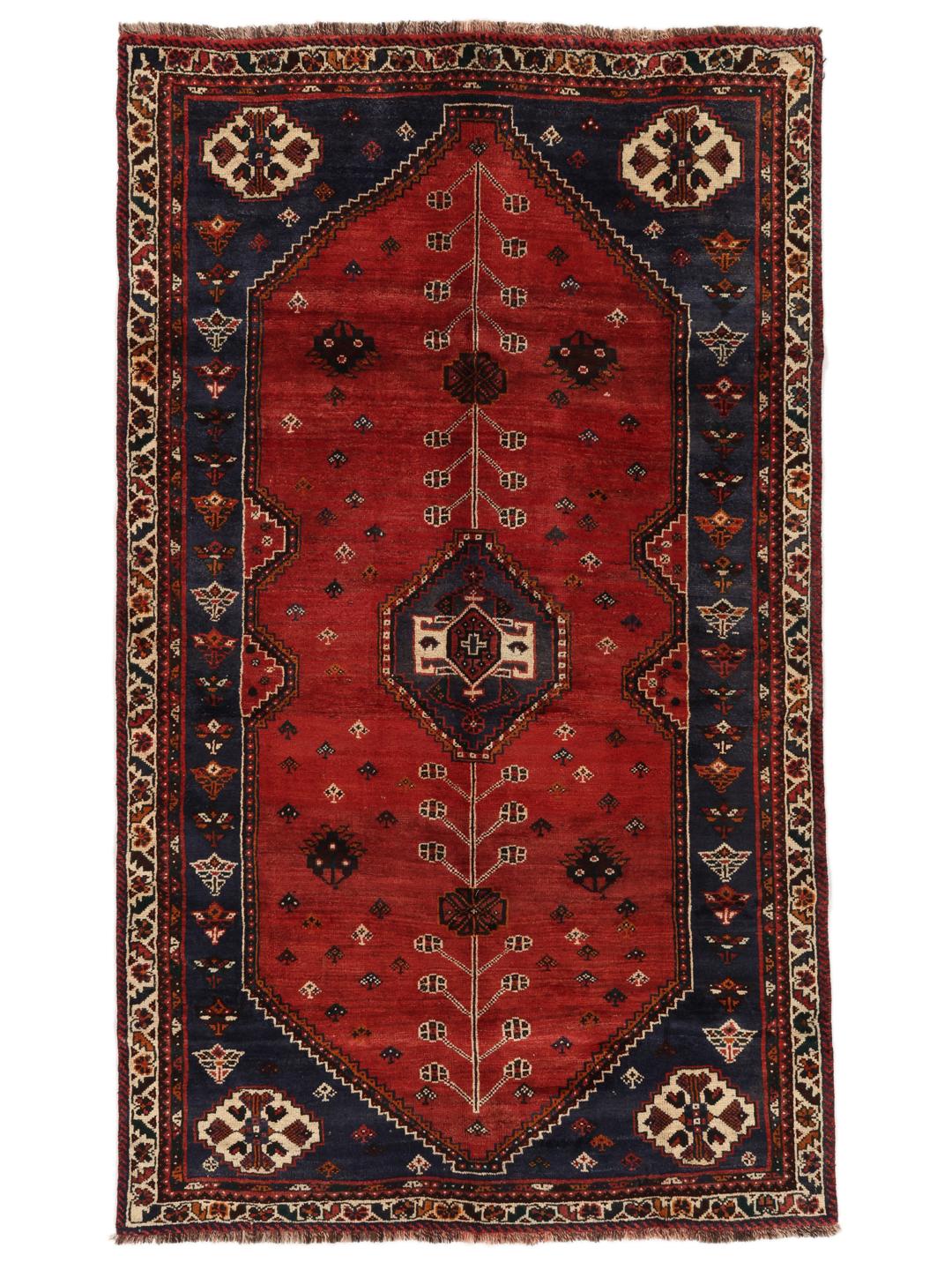
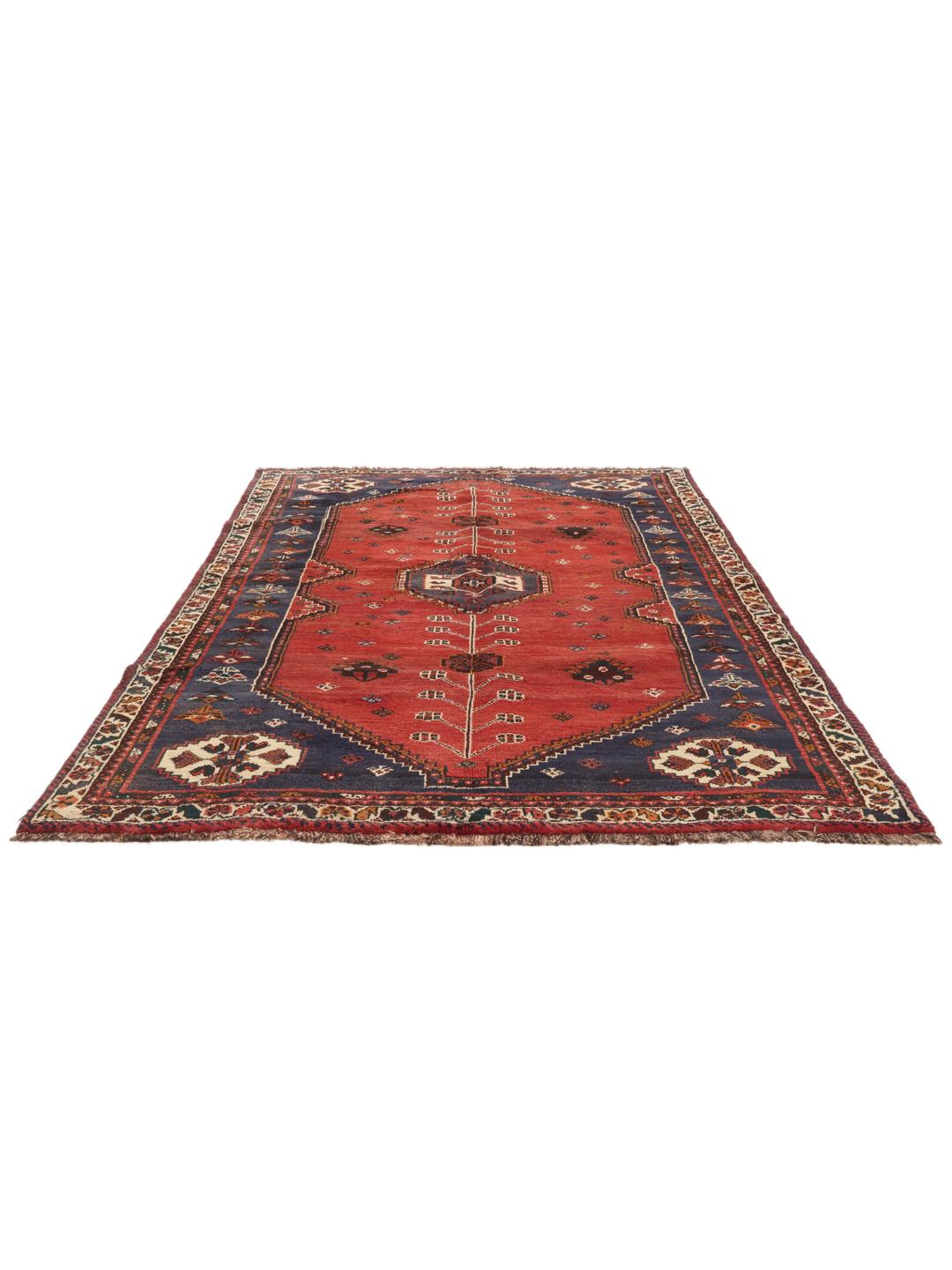
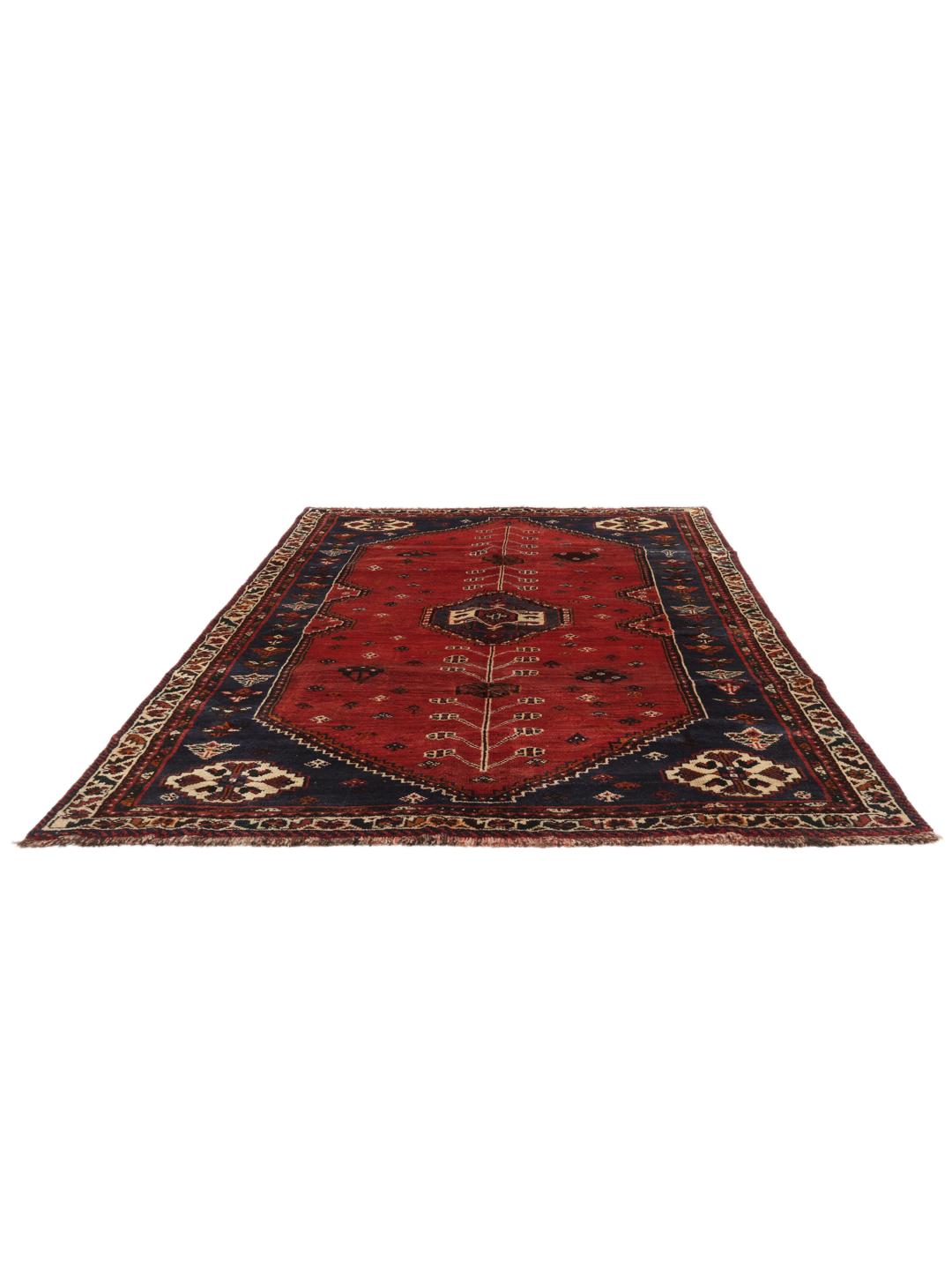
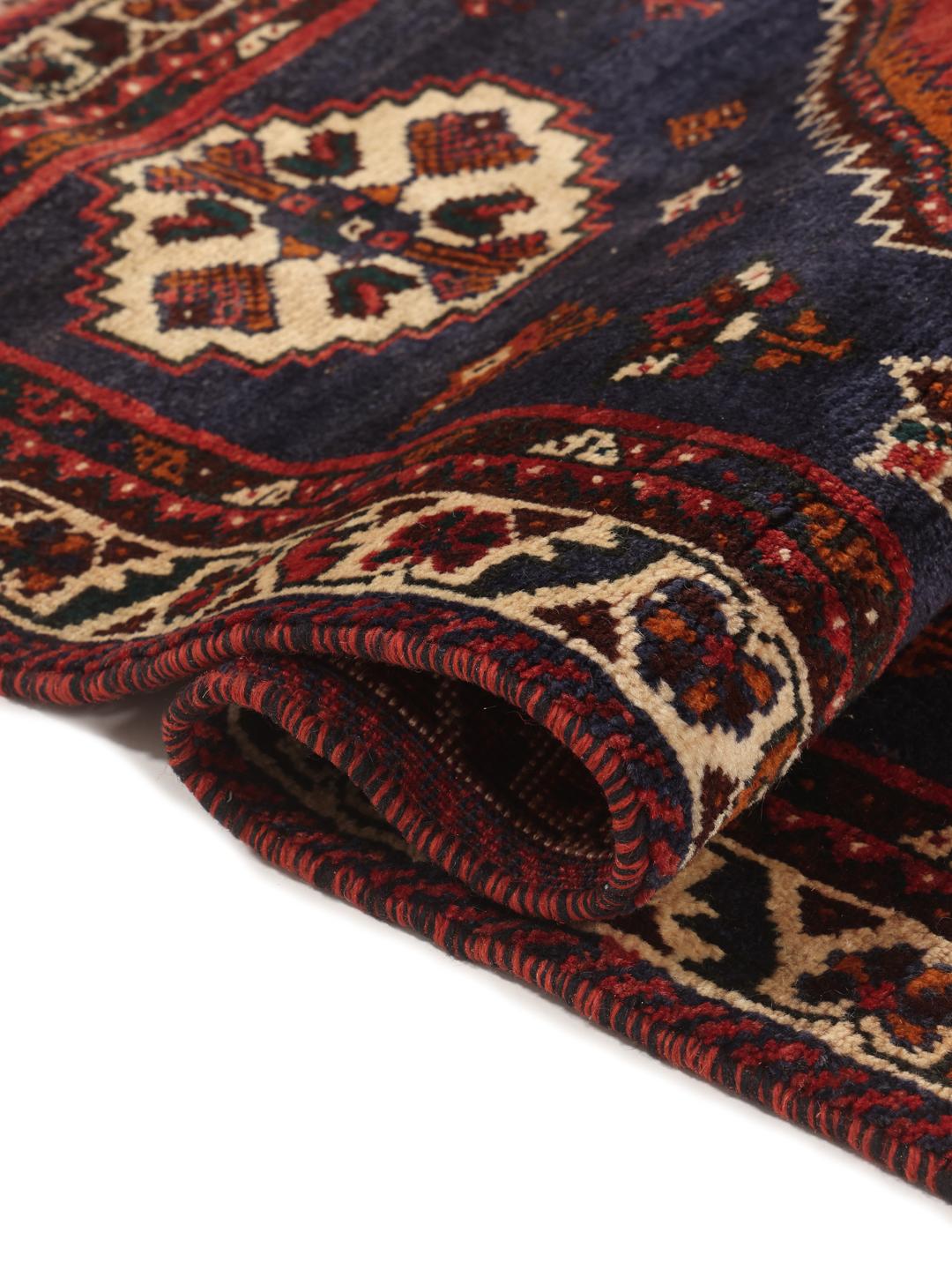
Shiraz rugs originate from the Fars province in the Middle East, a region known for its rich nomadic heritage and long-standing weaving traditions. These rugs are traditionally crafted by various tribes, including the Qashqai and Khamseh, who have historically moved across the landscape with their flocks. This nomadic lifestyle has deeply influenced the designs, which are often woven from memory and inspired by the natural world surrounding the weavers.
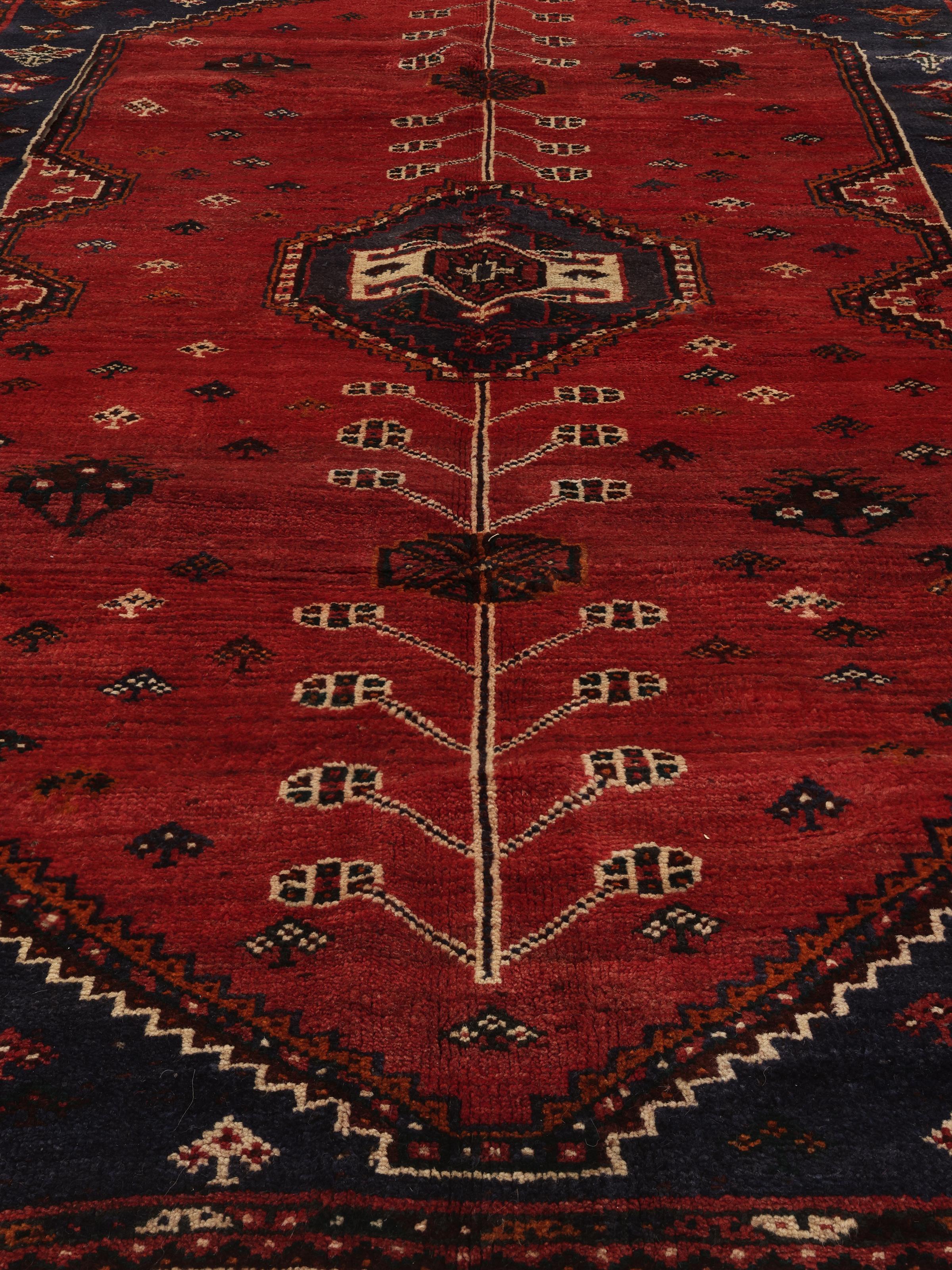
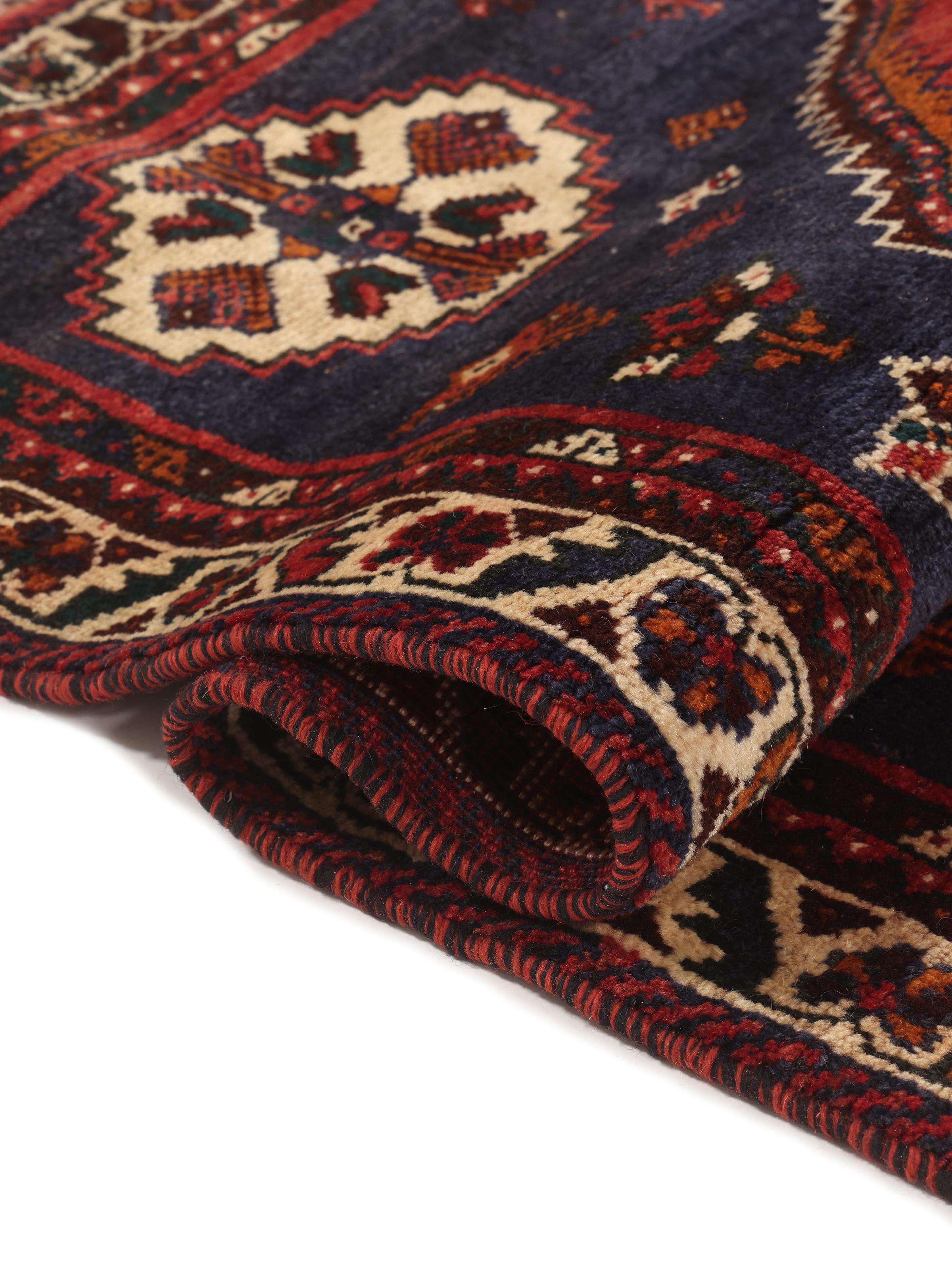
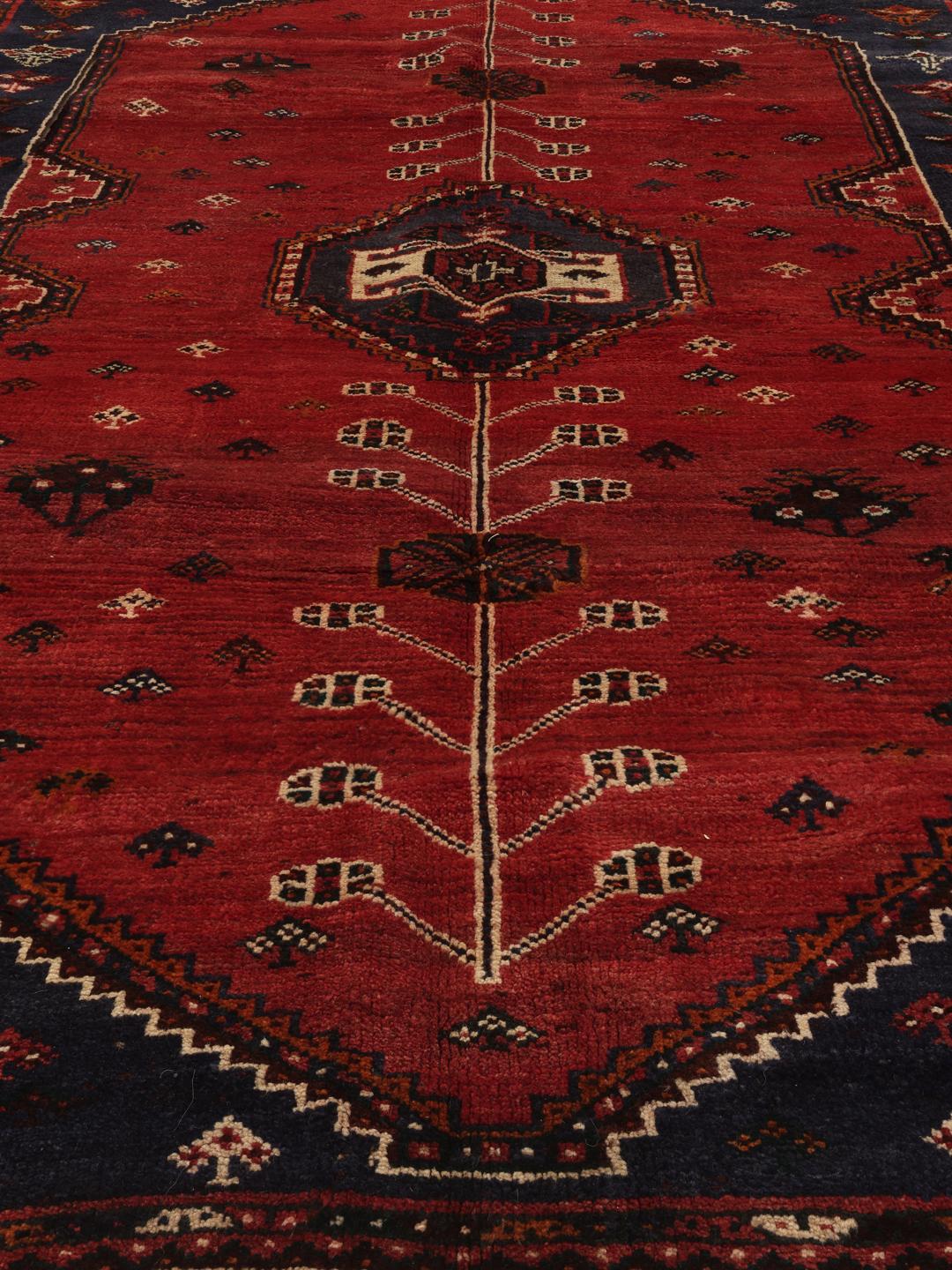
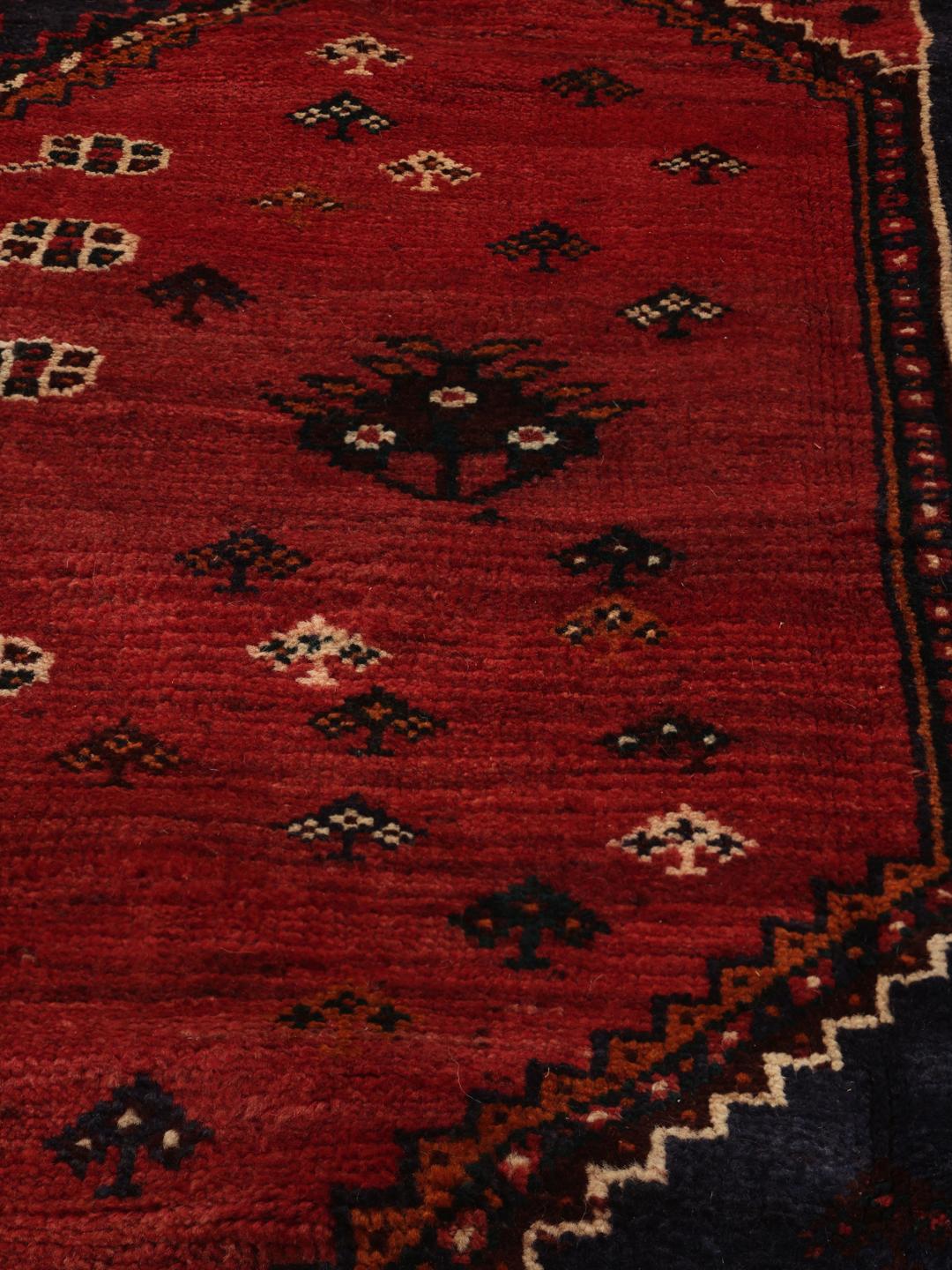
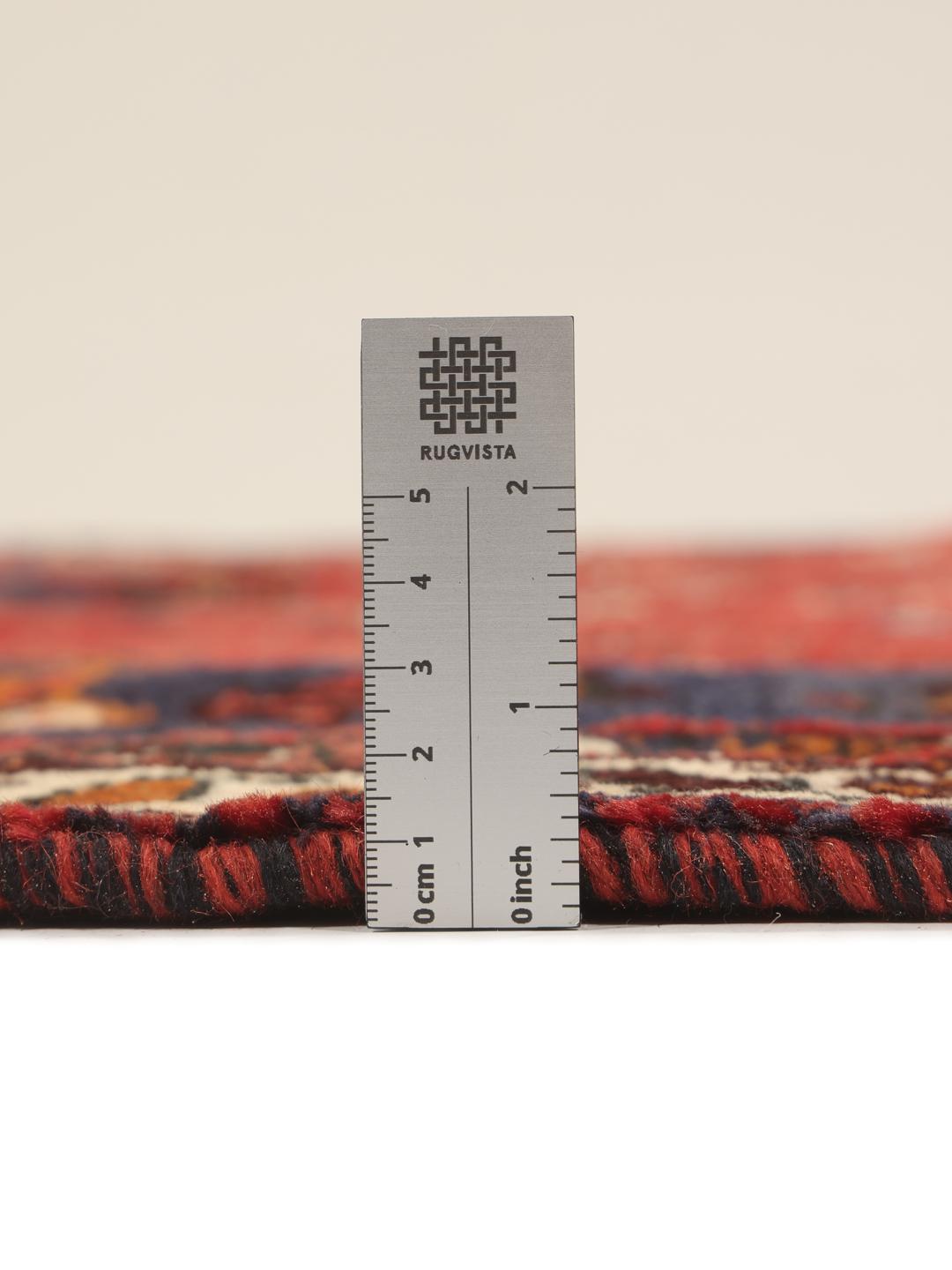
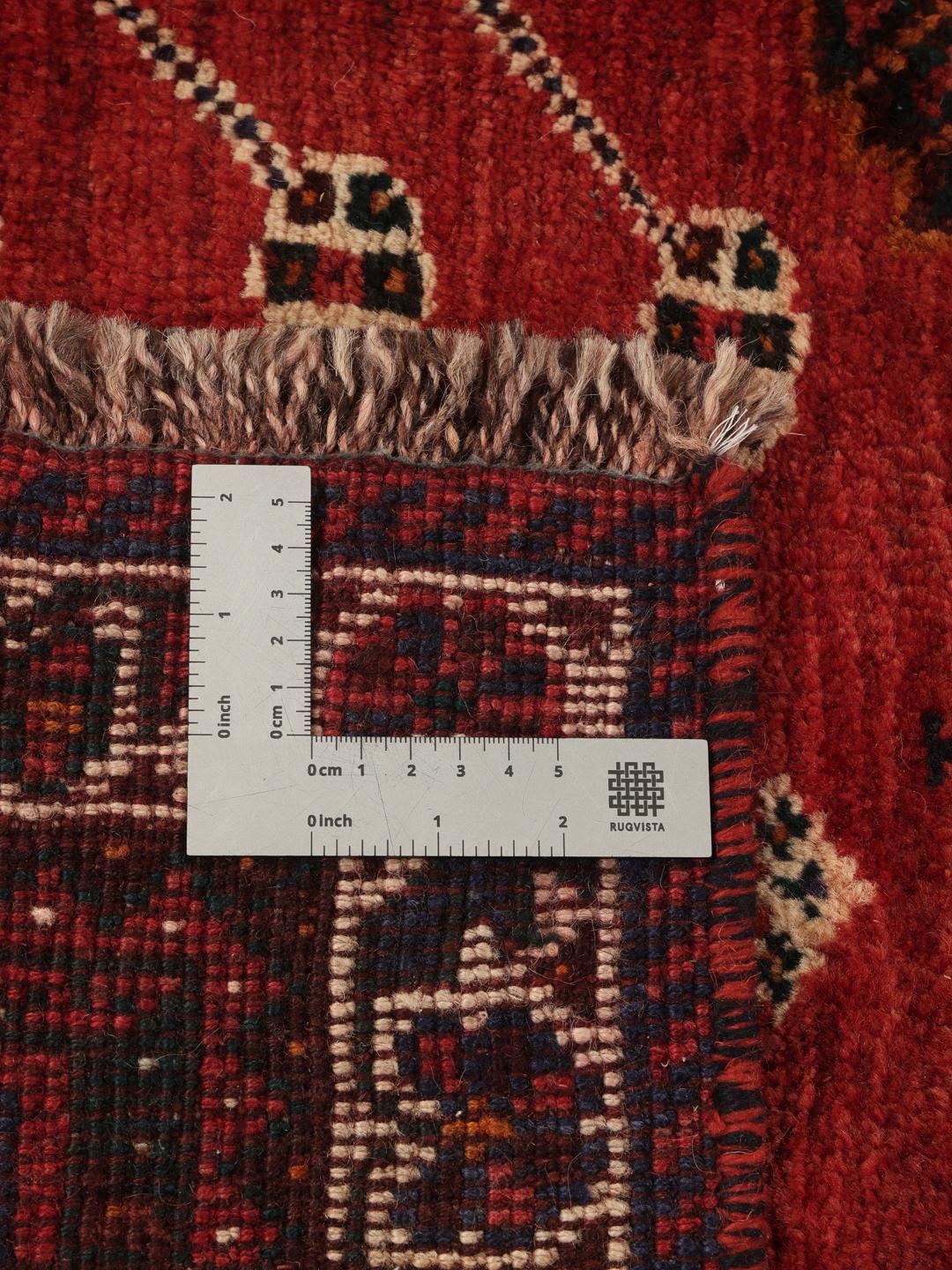
The term 'hand-knotted' in the context of Shiraz rugs refers to the specific technique where each individual knot is tied by hand onto a foundation. This method is crucial for creating the robust, dense pile that these rugs are known for. By using a double-weft construction, the weavers achieve a sturdiness that allows the rugs to endure the demands of nomadic life, and today, this translates to a floor covering that is exceptionally hard-wearing and long-lasting for modern home use.
The visual language of the Shiraz rug is defined by its bold geometric motifs and deep, earthy colour palettes. You will often find stylized 'gul' medallions, bird motifs, and serrated diamond shapes, all enclosed by complex, multi-layered borders. The use of deep reds, dark blues, and warm creams is a signature of the tradition, creating a powerful contrast that makes these rugs instantly recognisable and highly sought after by collectors.
Owning a Shiraz rug is an opportunity to connect with a storied tradition of craftsmanship. These pieces are valued not only for their aesthetic beauty but also for the cultural heritage they represent. Because they are the result of individual expression and traditional skill, they carry a sense of authenticity that mass-produced items lack, making them treasured additions to any home that values history, skill, and genuine character.