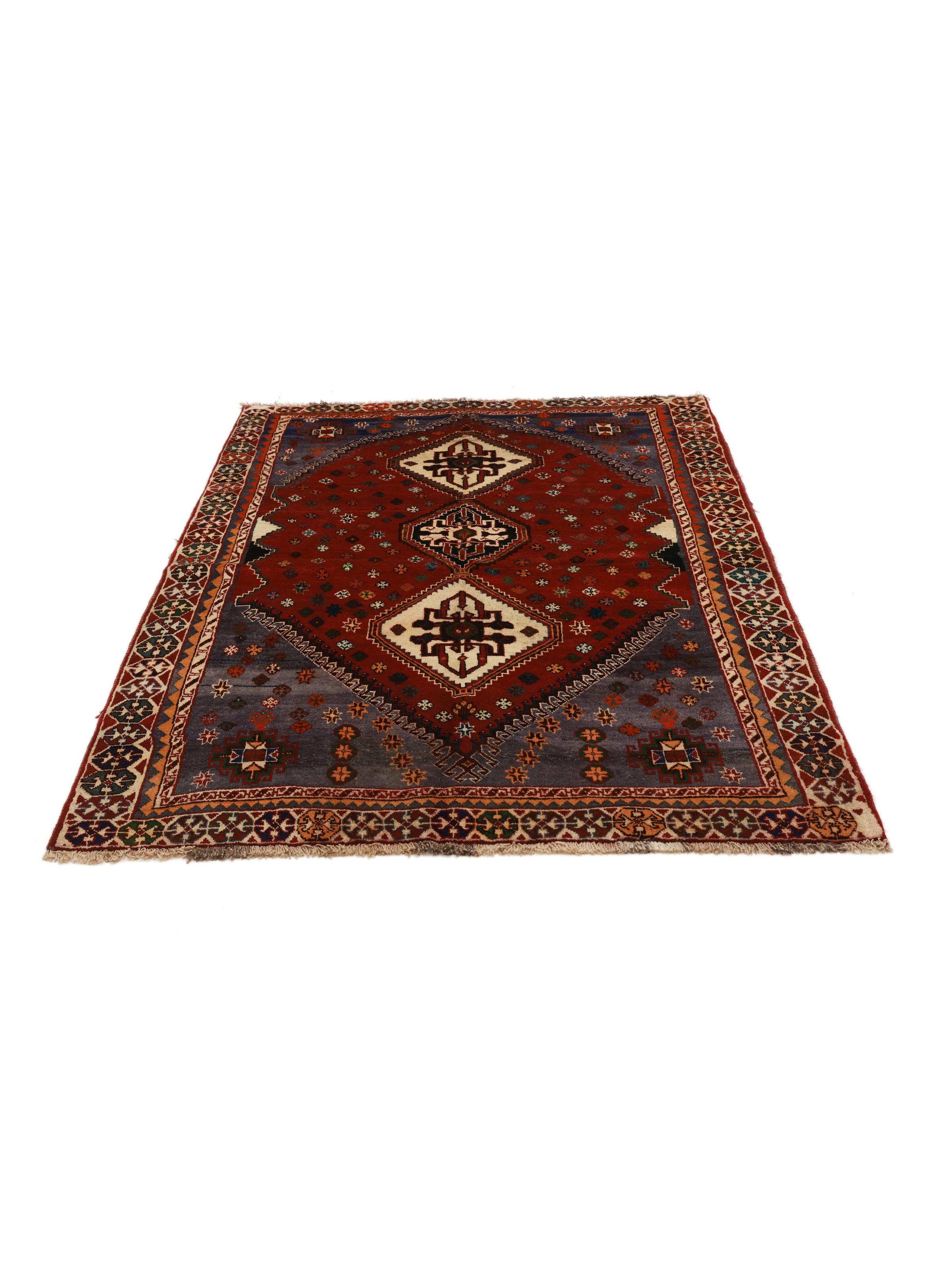
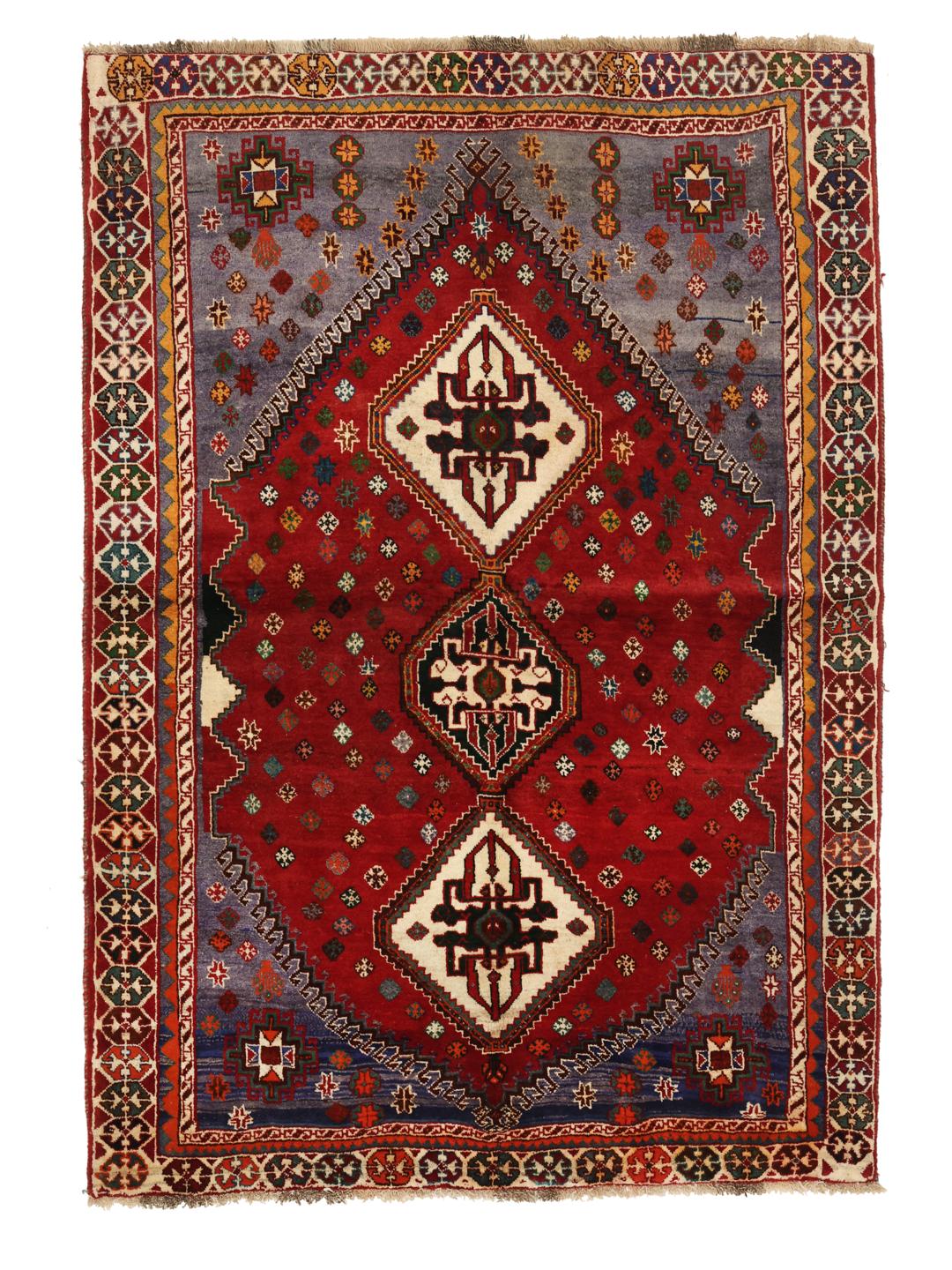
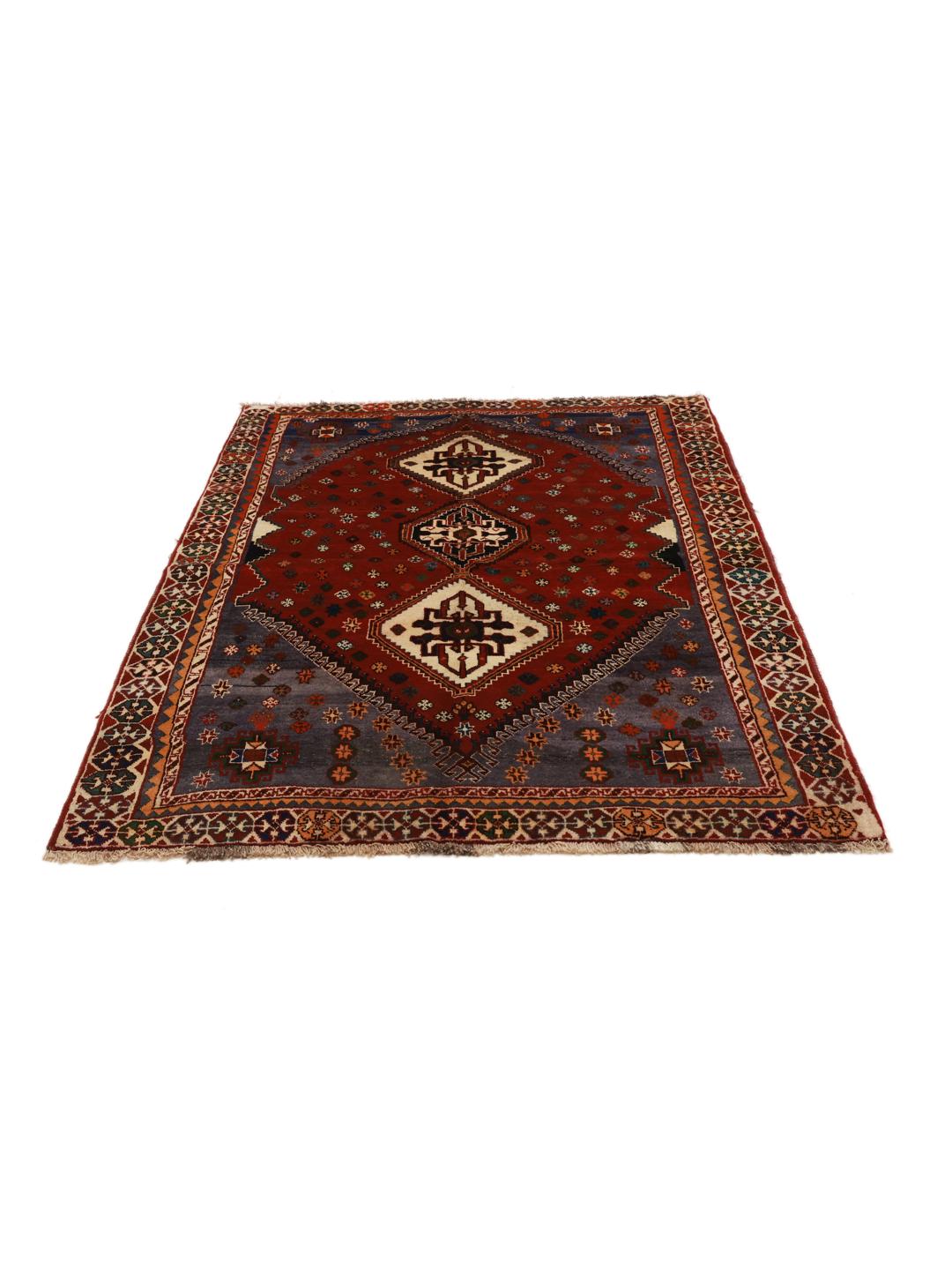
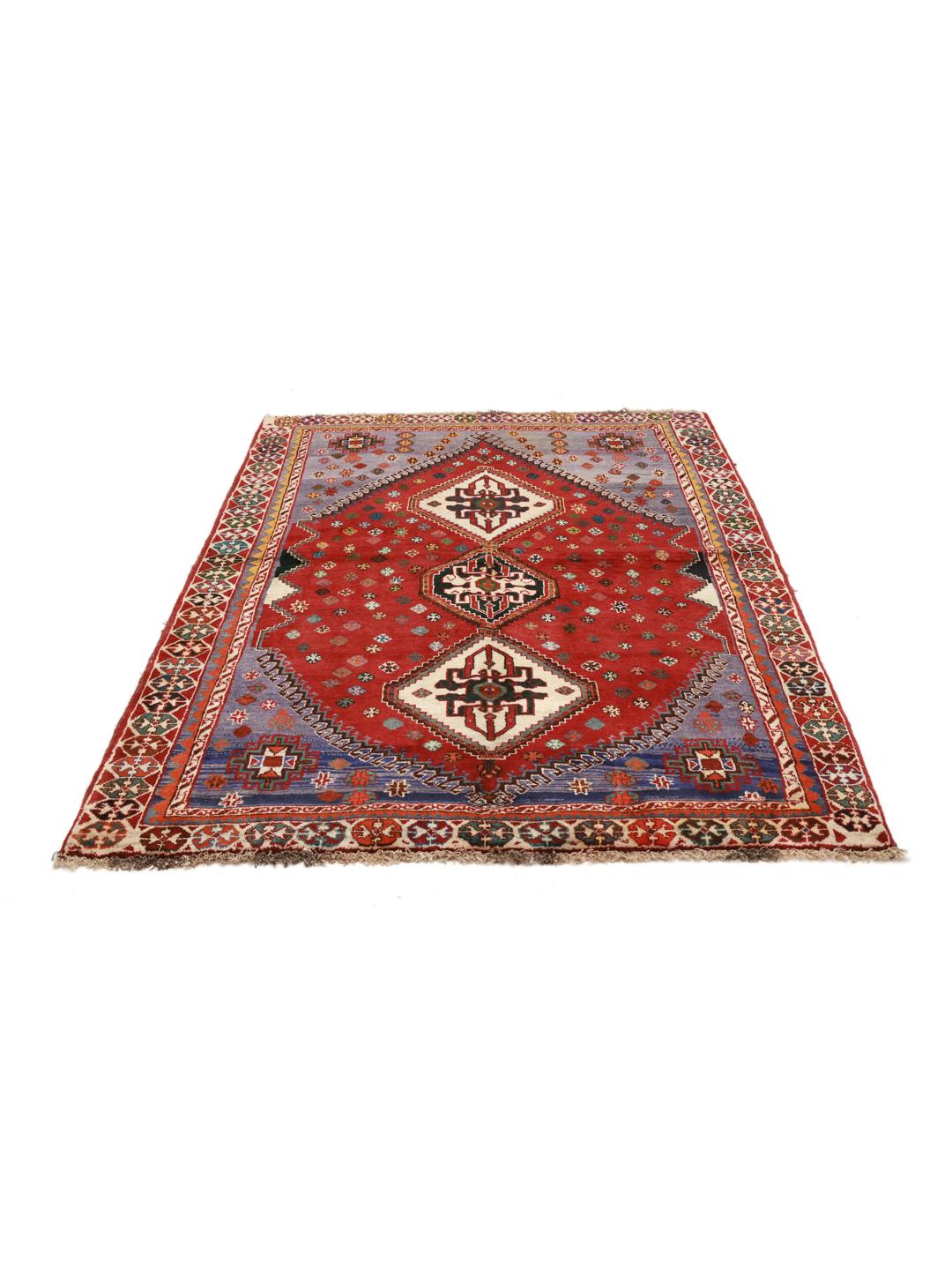
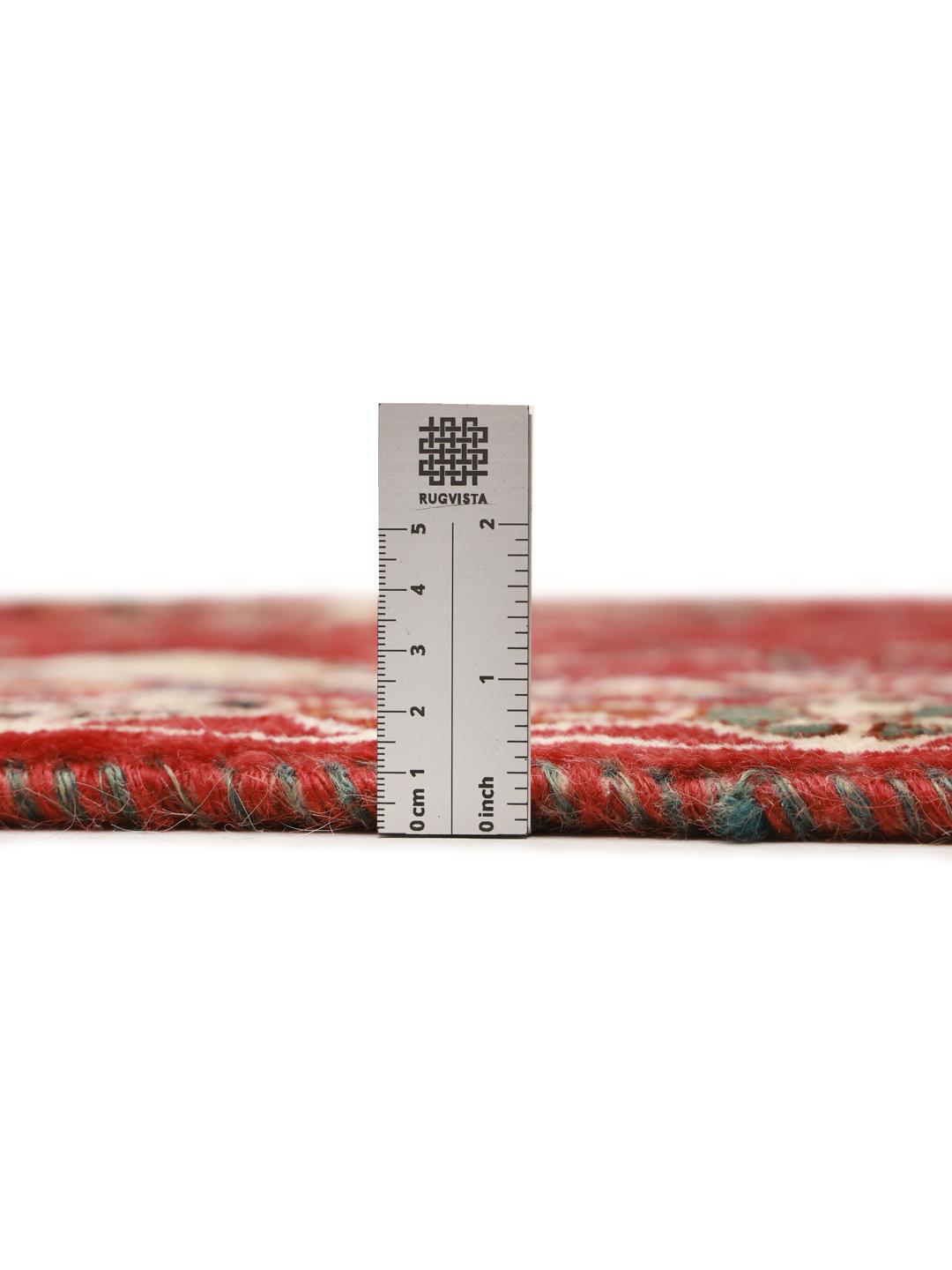
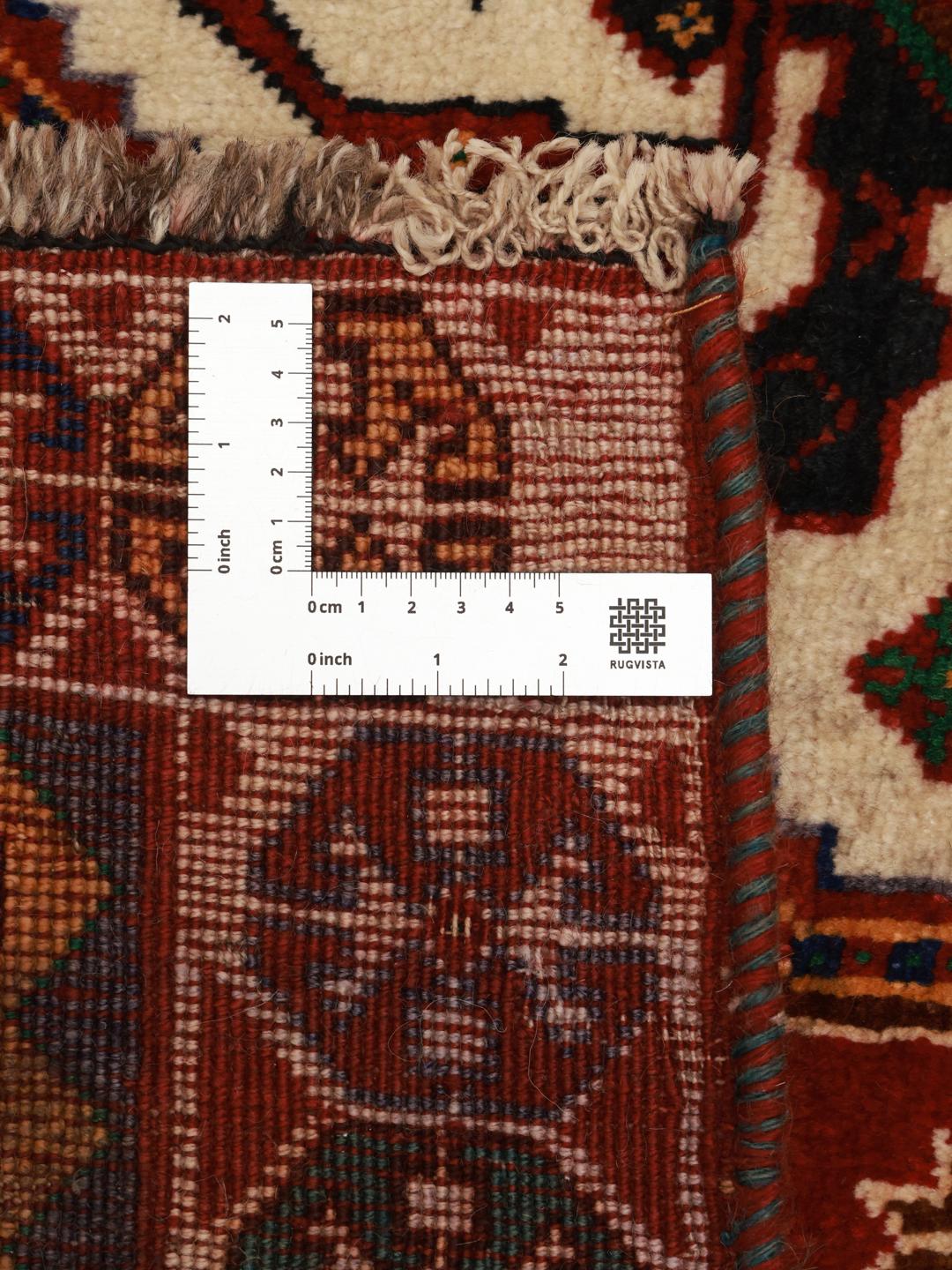
Shiraz rugs originate from the Fars province in the Middle East, a region with a deep-rooted history of nomadic and semi-nomadic weaving traditions. These rugs are traditionally created by various tribal groups, including the Qashqai, who have passed down their design language through generations. The rugs are not merely floor coverings but are storied expressions of the weavers' lives, environment, and cultural identity.
The term 'Shiraz' serves as a market name for these rugs, as they were historically collected and traded in the city of Shiraz. Unlike many other regional rug styles that follow strict, pre-drawn patterns, these pieces are often woven from memory or based on traditional motifs passed down through families. This reliance on intuition and tribal knowledge is what gives these rugs their spontaneous, organic, and highly prized aesthetic.
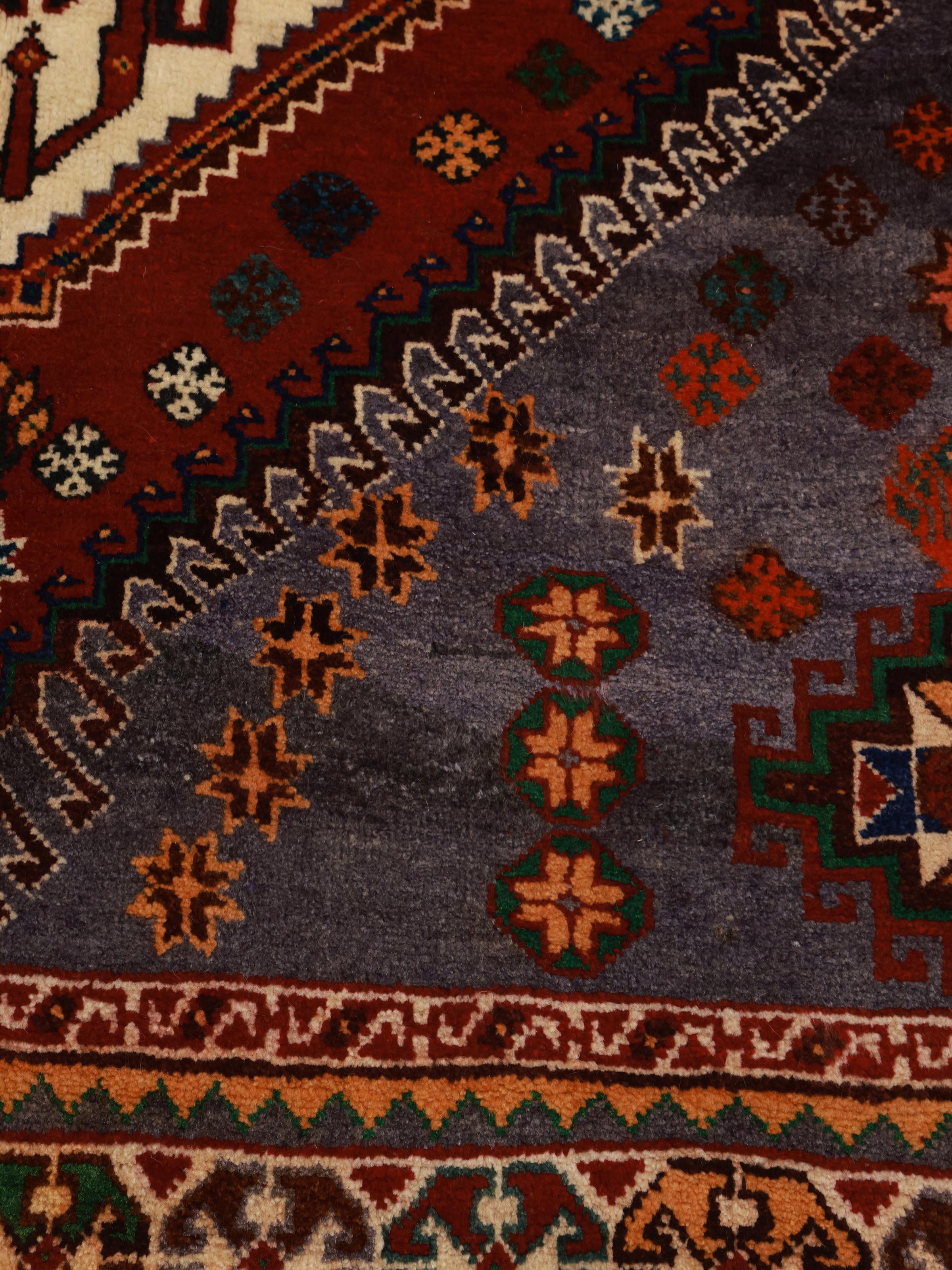
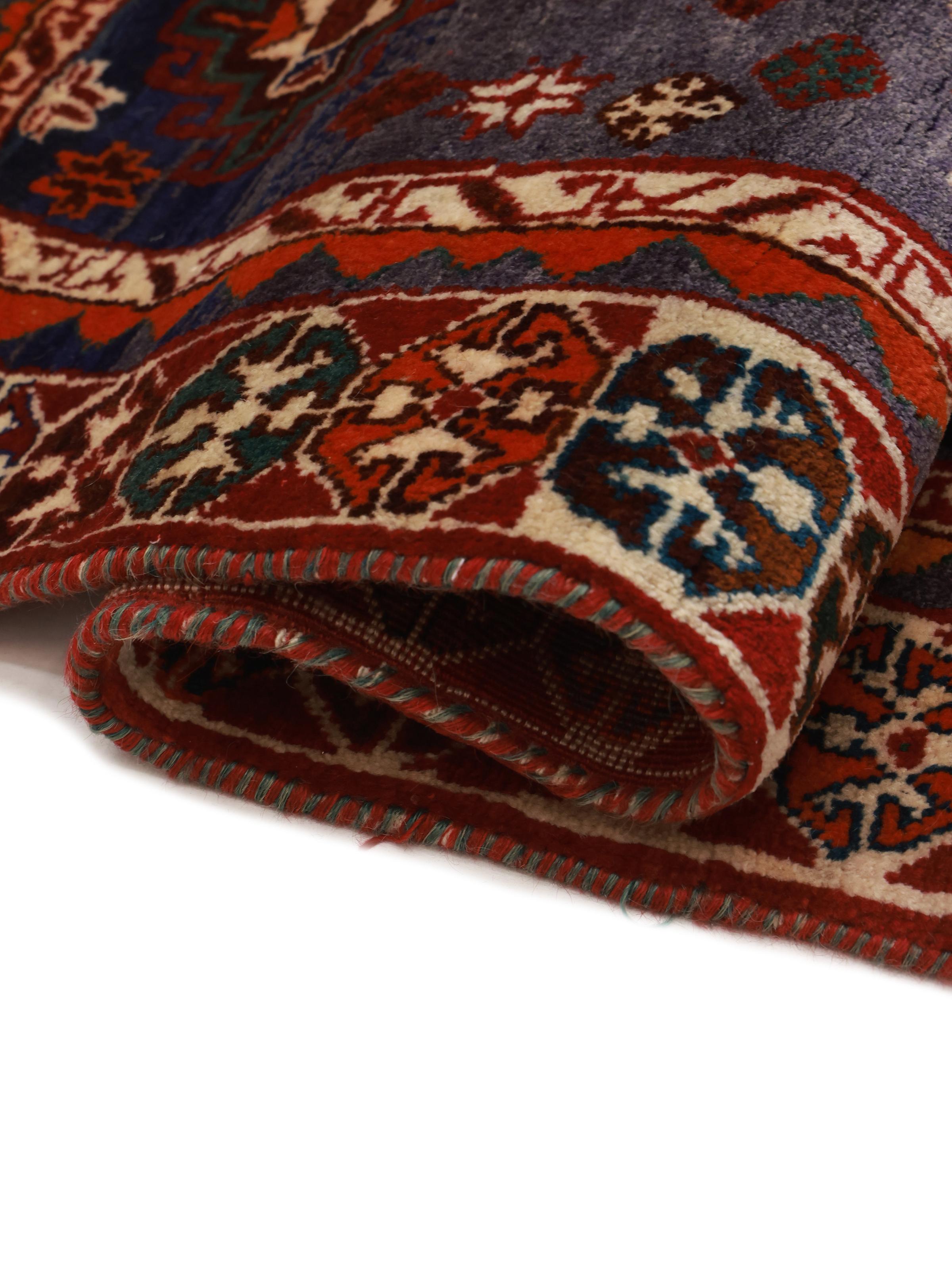
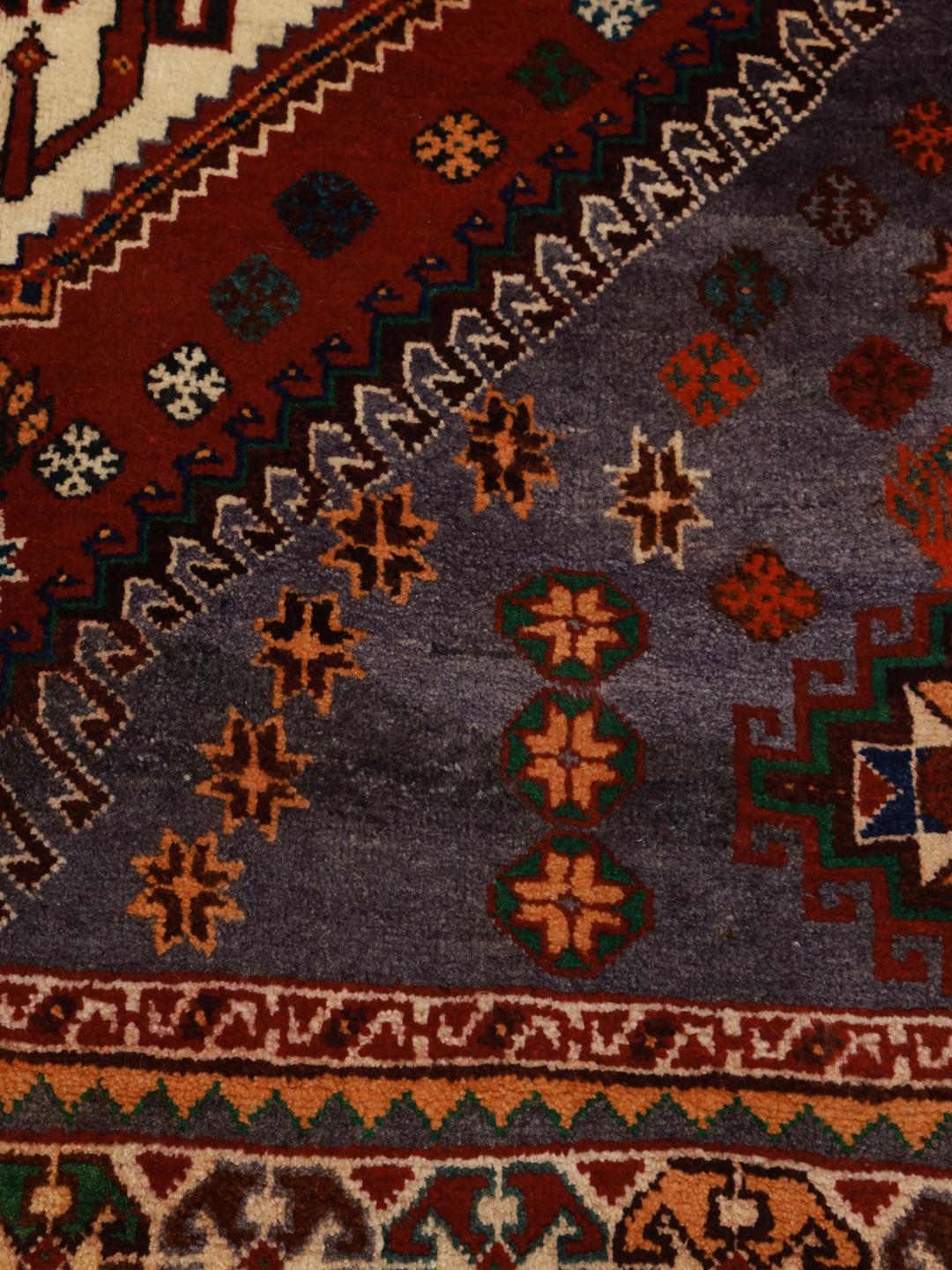
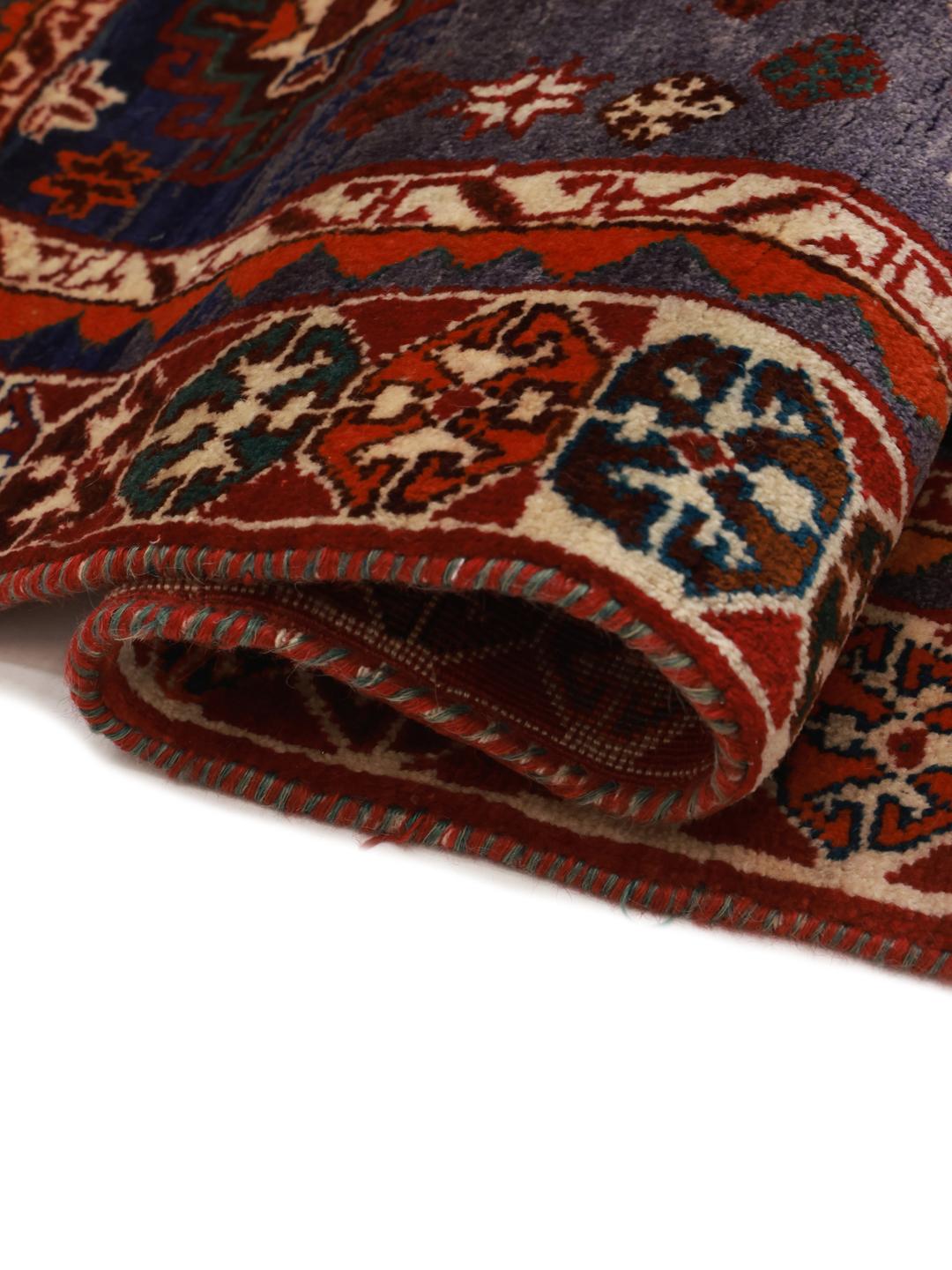
Signature design elements of these rugs often include geometric medallions, stylised floral motifs, and repeating tribal symbols. You will frequently find a central diamond-shaped motif or a series of guls, often framed by decorative borders that showcase the weaver's mastery of colour and symmetry. The use of vibrant, natural dyes often results in rich, saturated hues that remain striking even as the rug ages gracefully over time.
Collecting these rugs is an appreciation of a vanishing, authentic way of life. Each piece represents a bridge to the past, reflecting the skill of independent weavers who work without the constraints of modern industrialisation. To own a Shiraz rug is to preserve a piece of living history, valuing the human effort and cultural heritage woven into every strand of Wool.