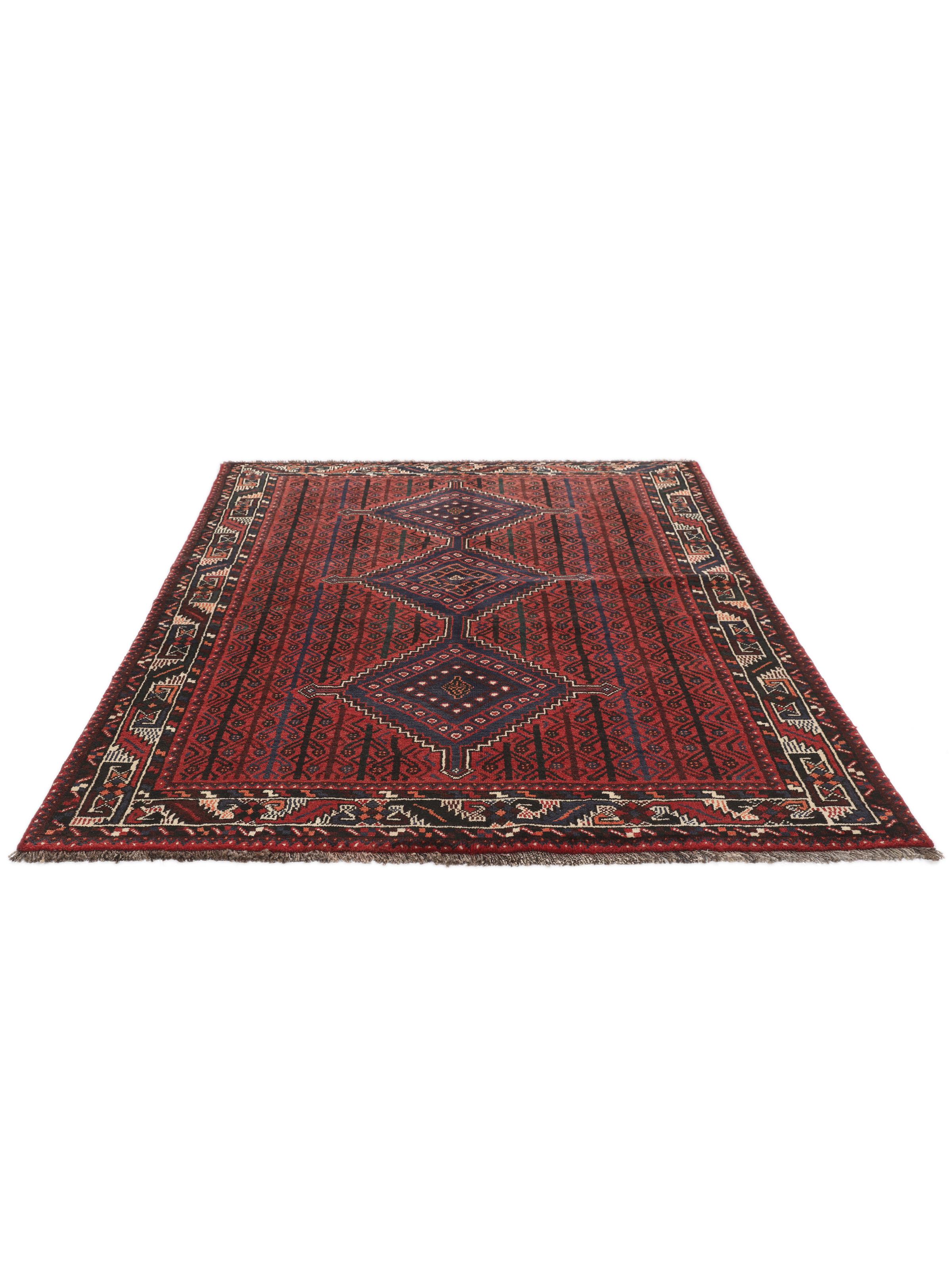
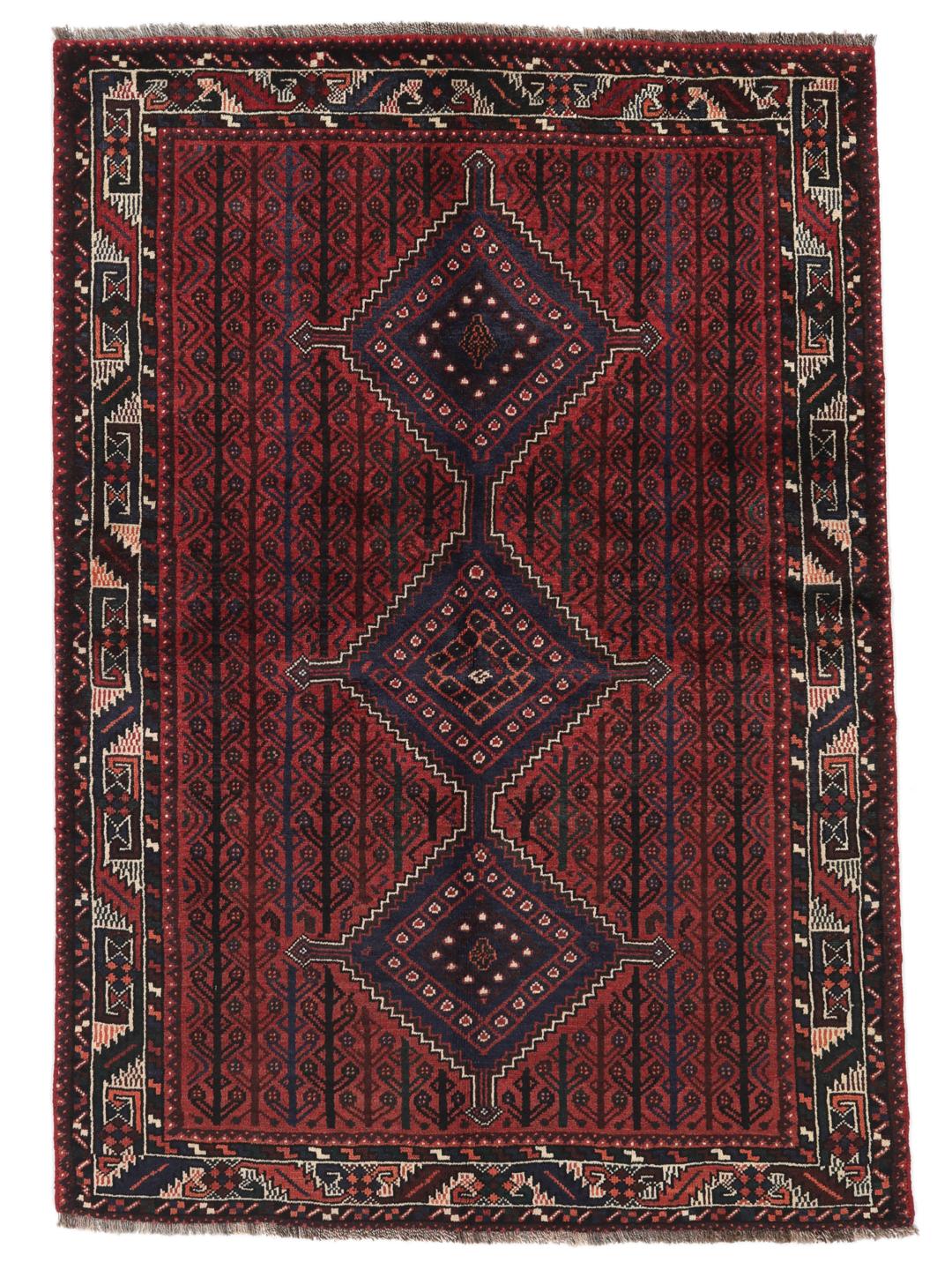
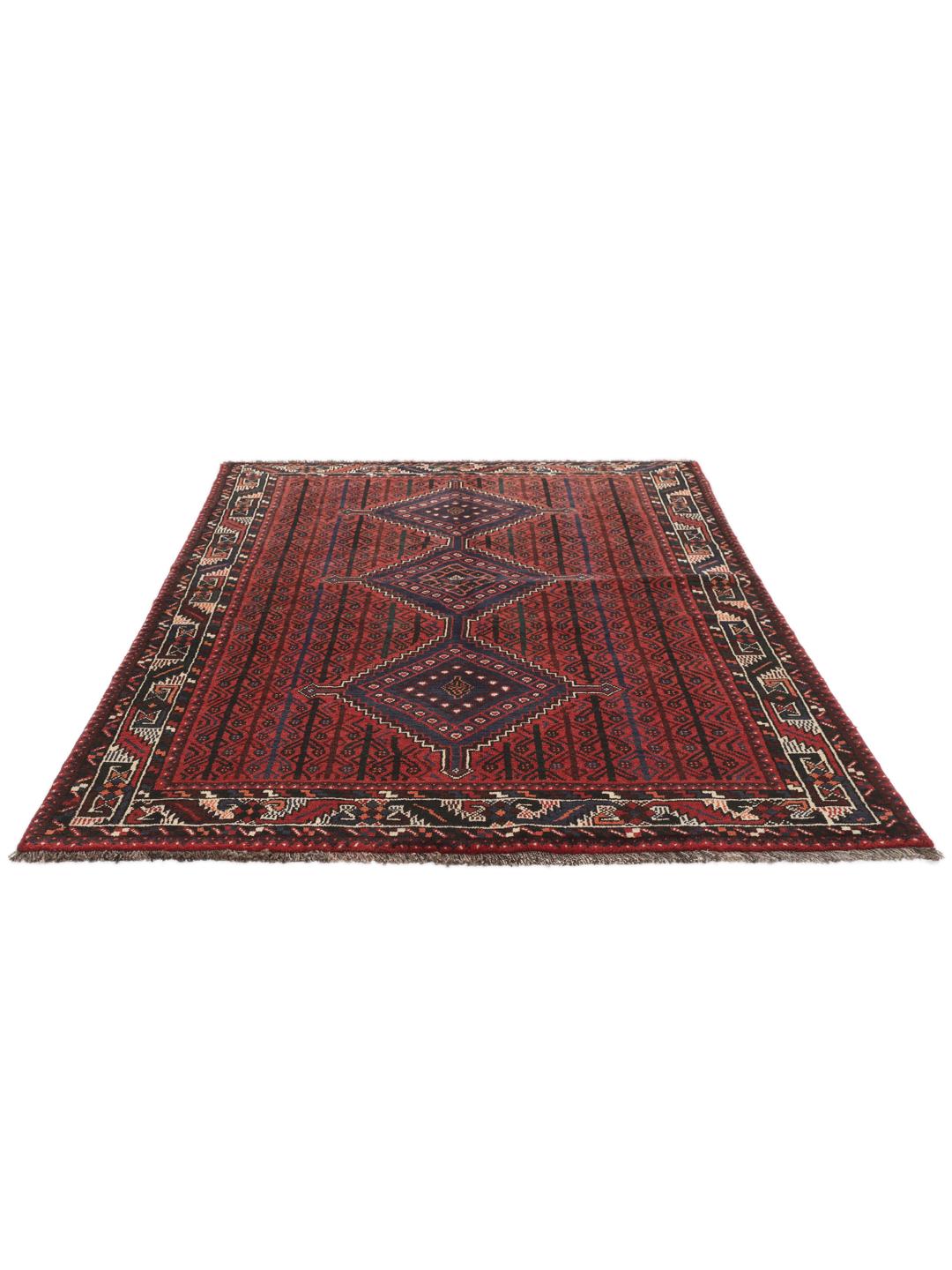
Shiraz rugs originate from the Fars province in the Middle Eastern region, an area with a deep-rooted history of nomadic and semi-nomadic weaving. These rugs are traditionally created by the Qashqai and other tribal groups who have passed down their design language through generations, creating a legacy of artistry that is deeply connected to their environment and culture.
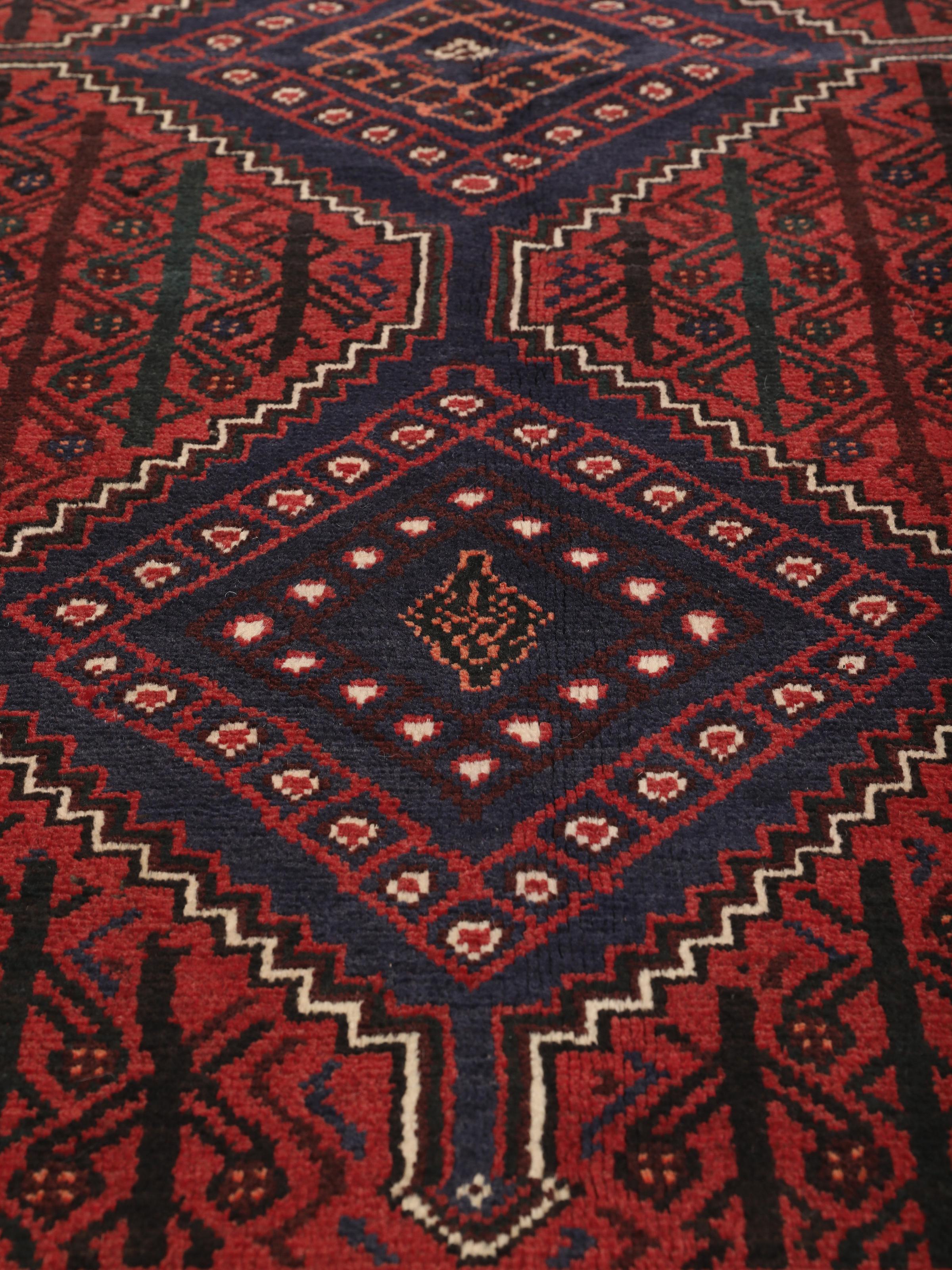
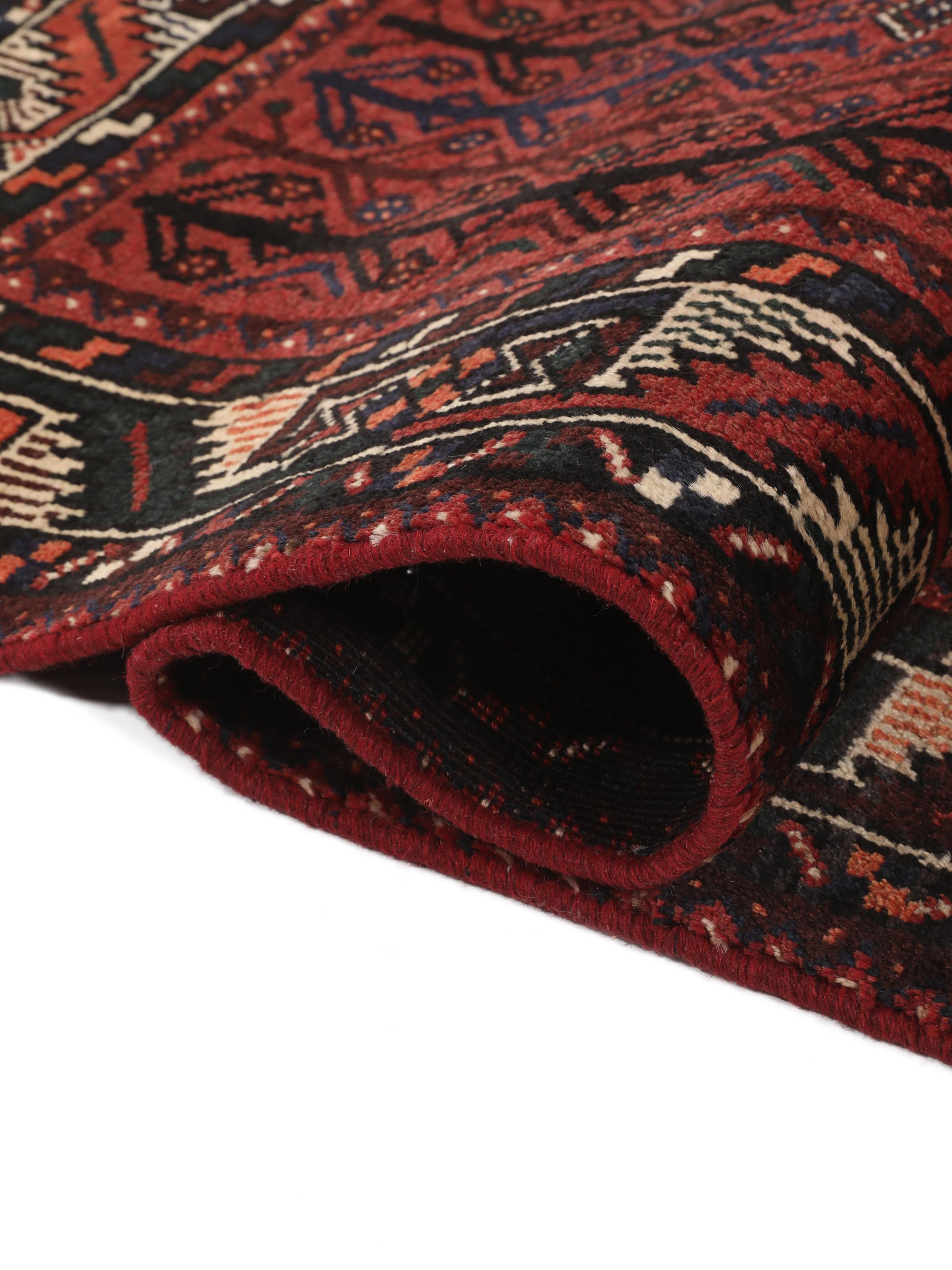
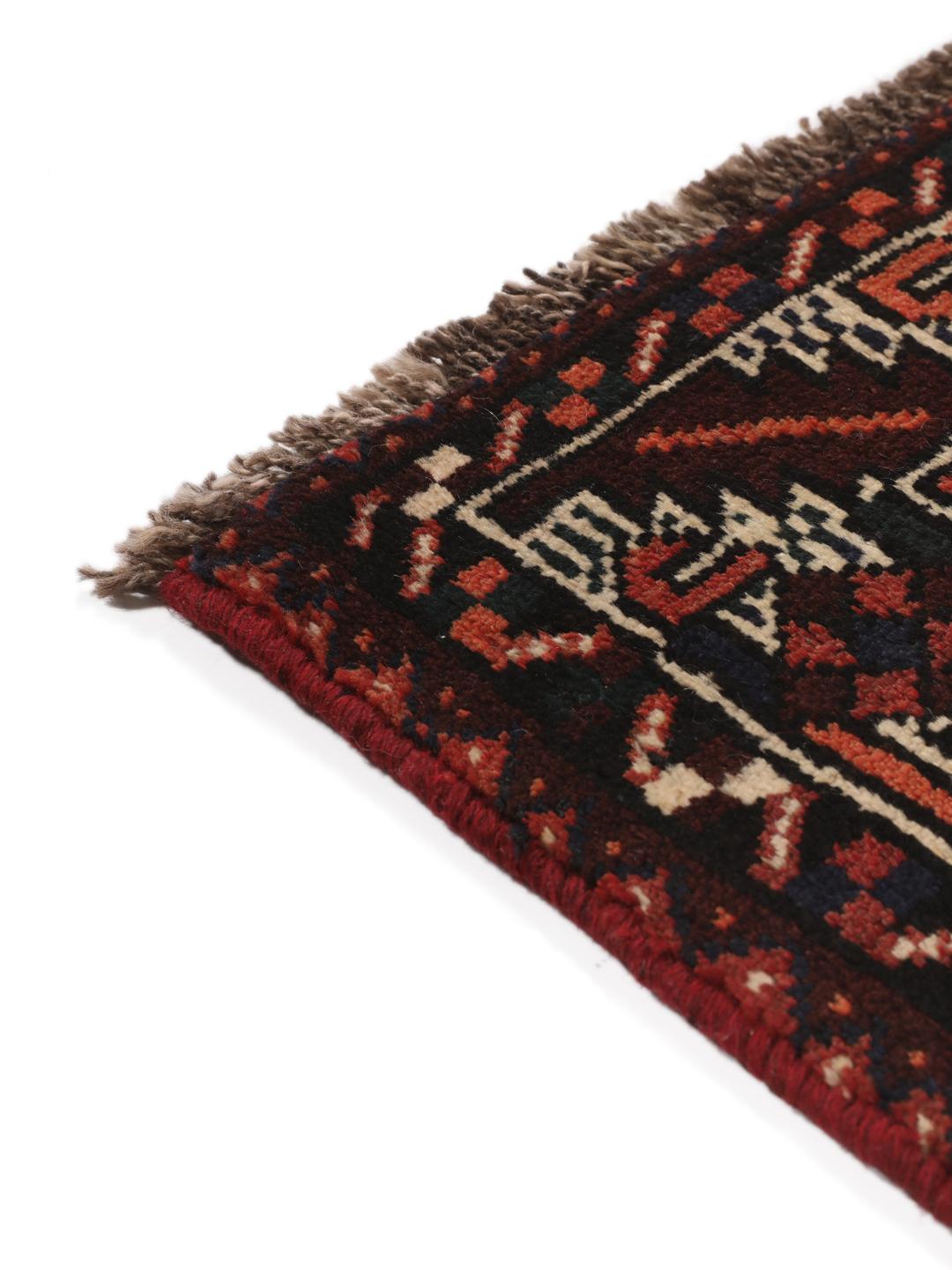
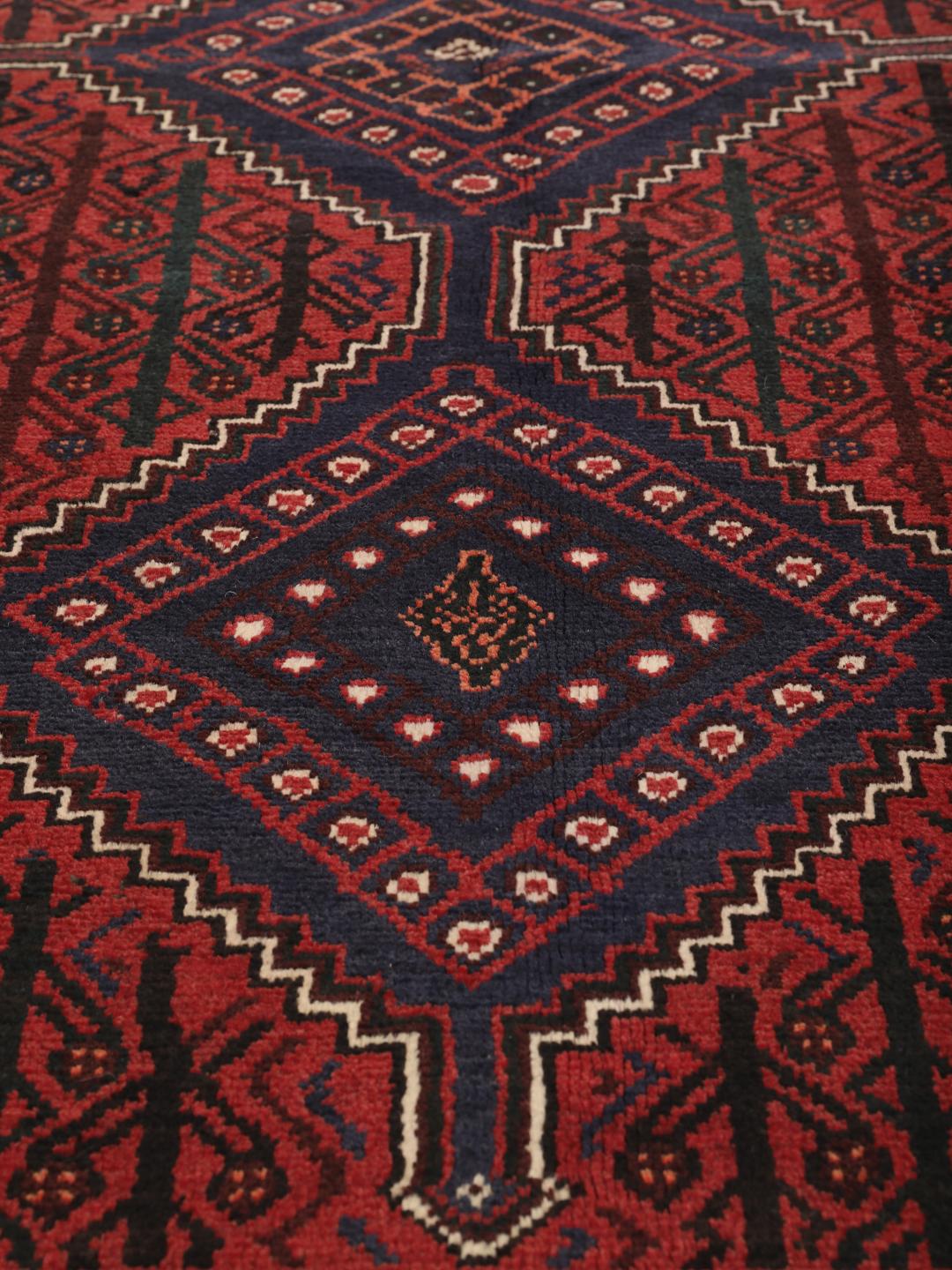
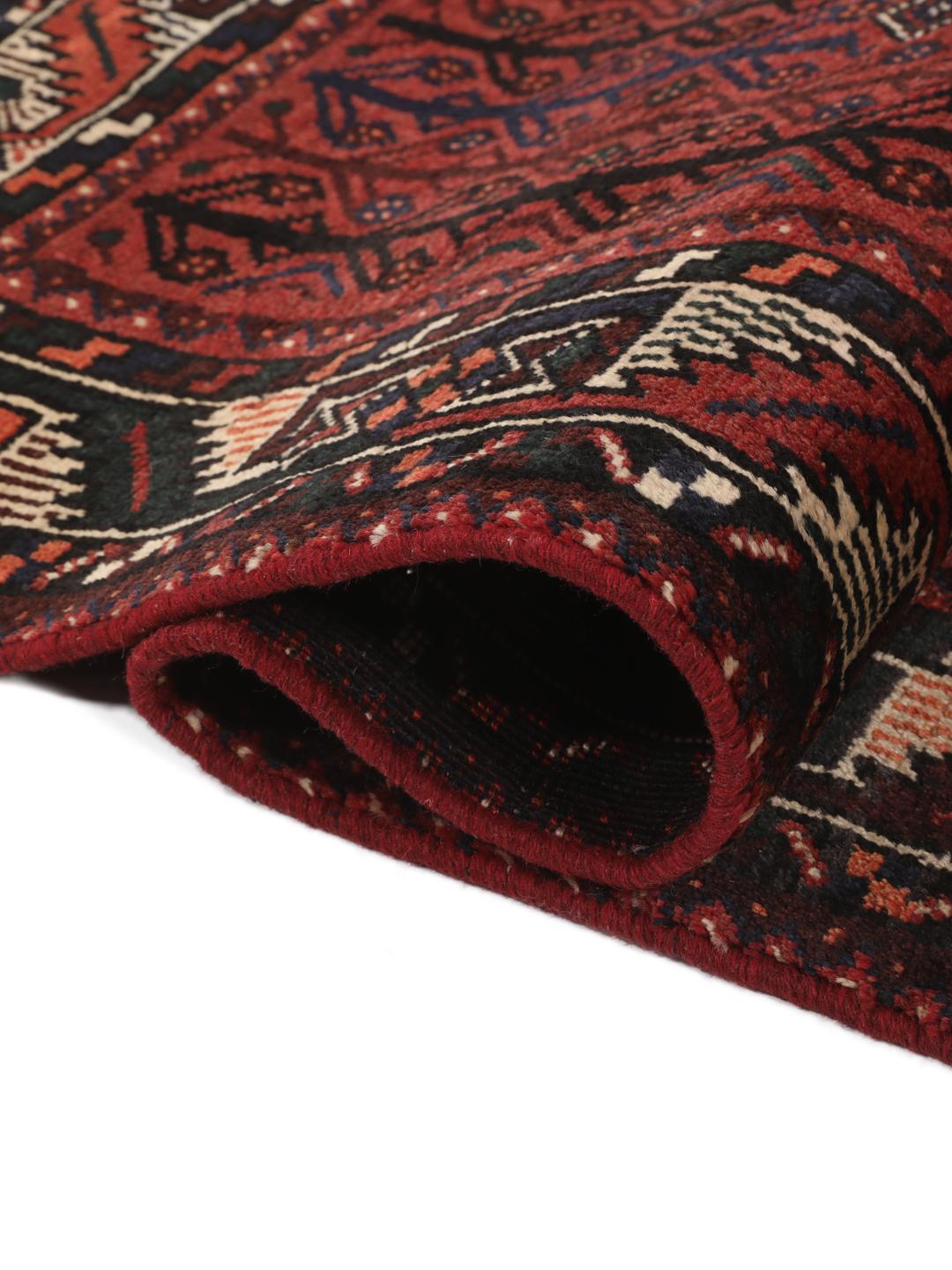
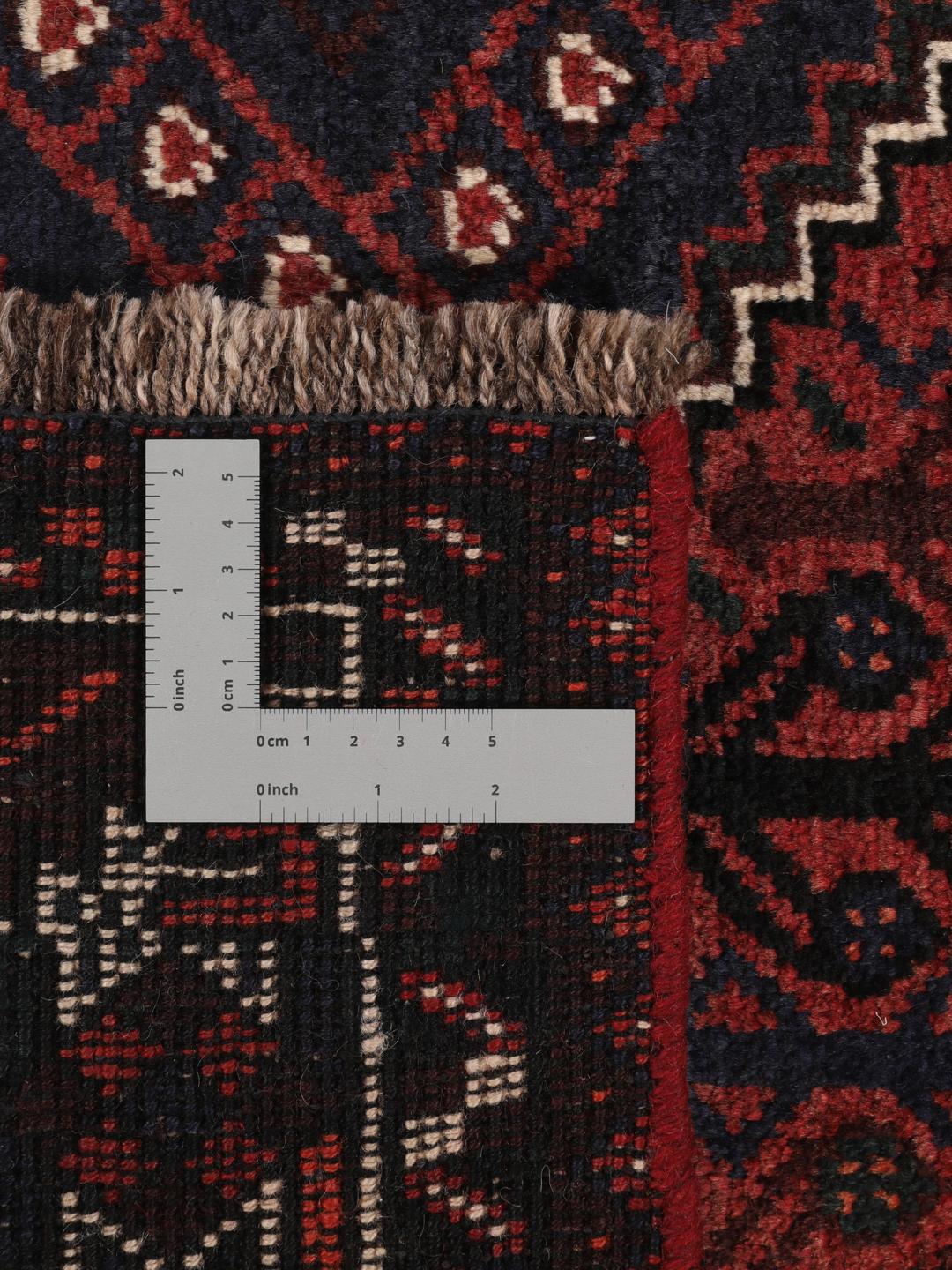
The craft of these rugs is defined by their foundation and material choices, which are selected for durability and practical use. The use of Wool, often sourced from the weavers' own flocks, creates a rug that is both resilient and soft. The term hand-knotted refers to the specific technique where every individual knot is tied by hand onto the warp and weft, a process that creates a robust structure and allows for the intricate, geometric motifs that define the style.
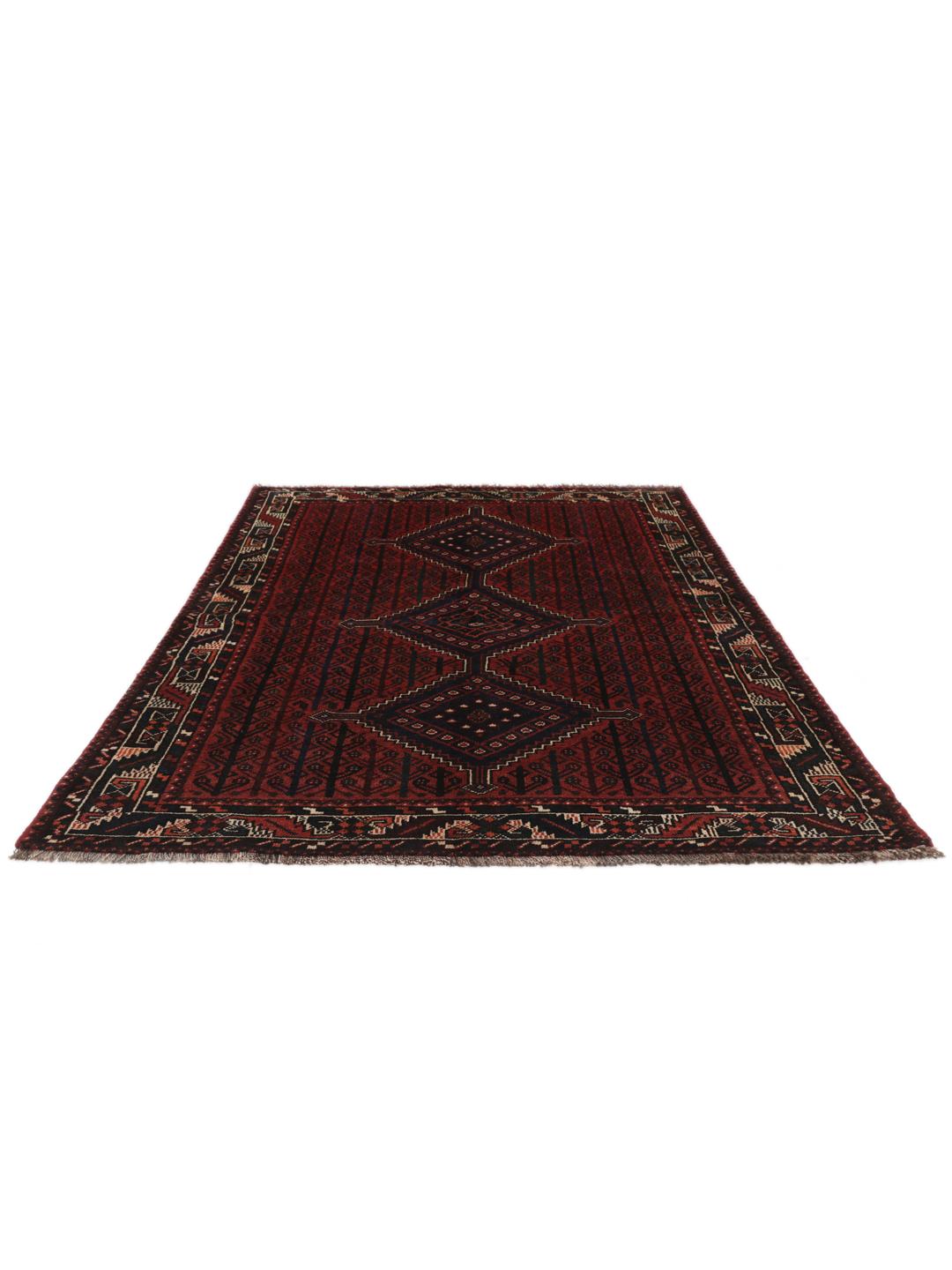
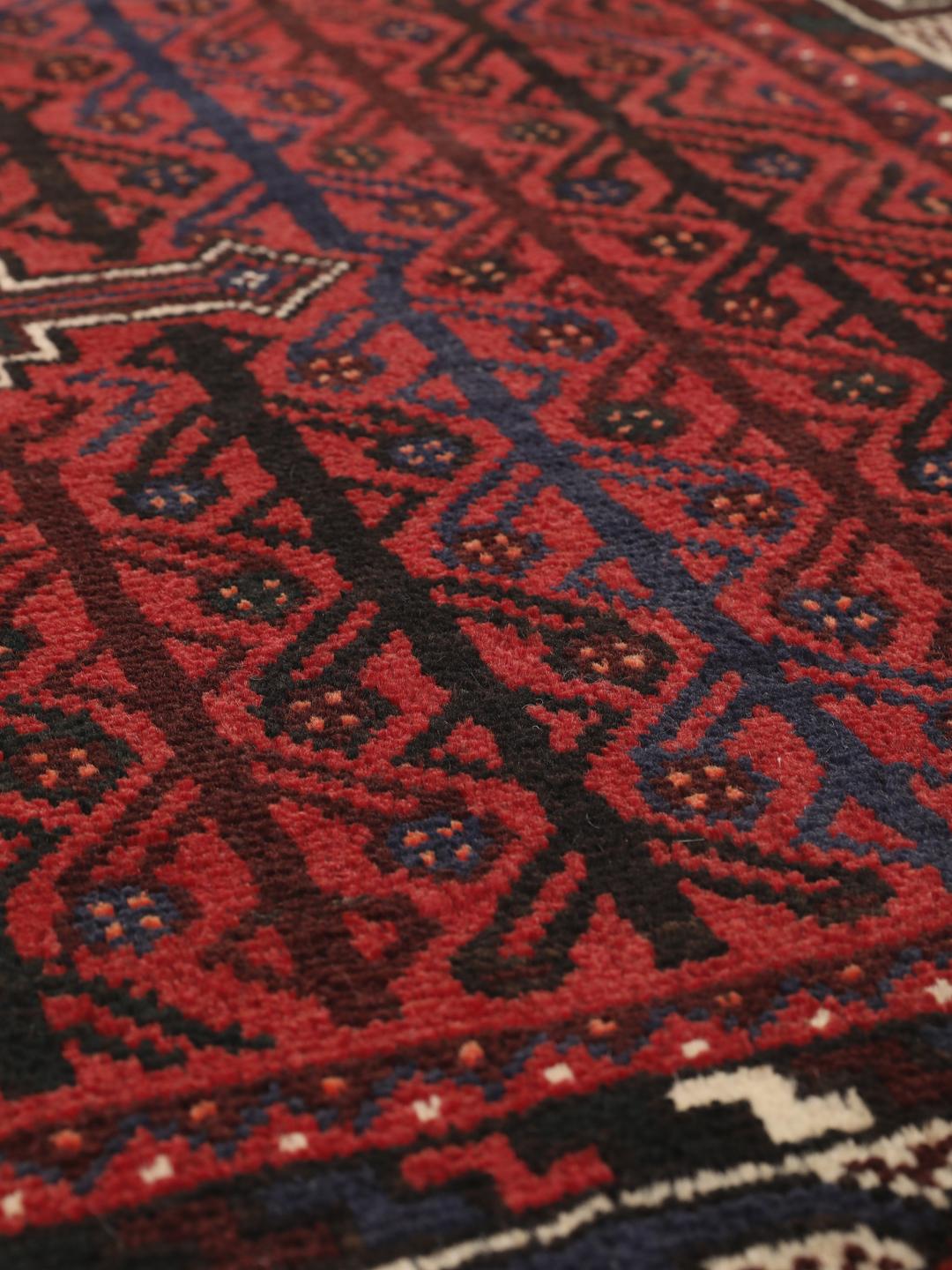
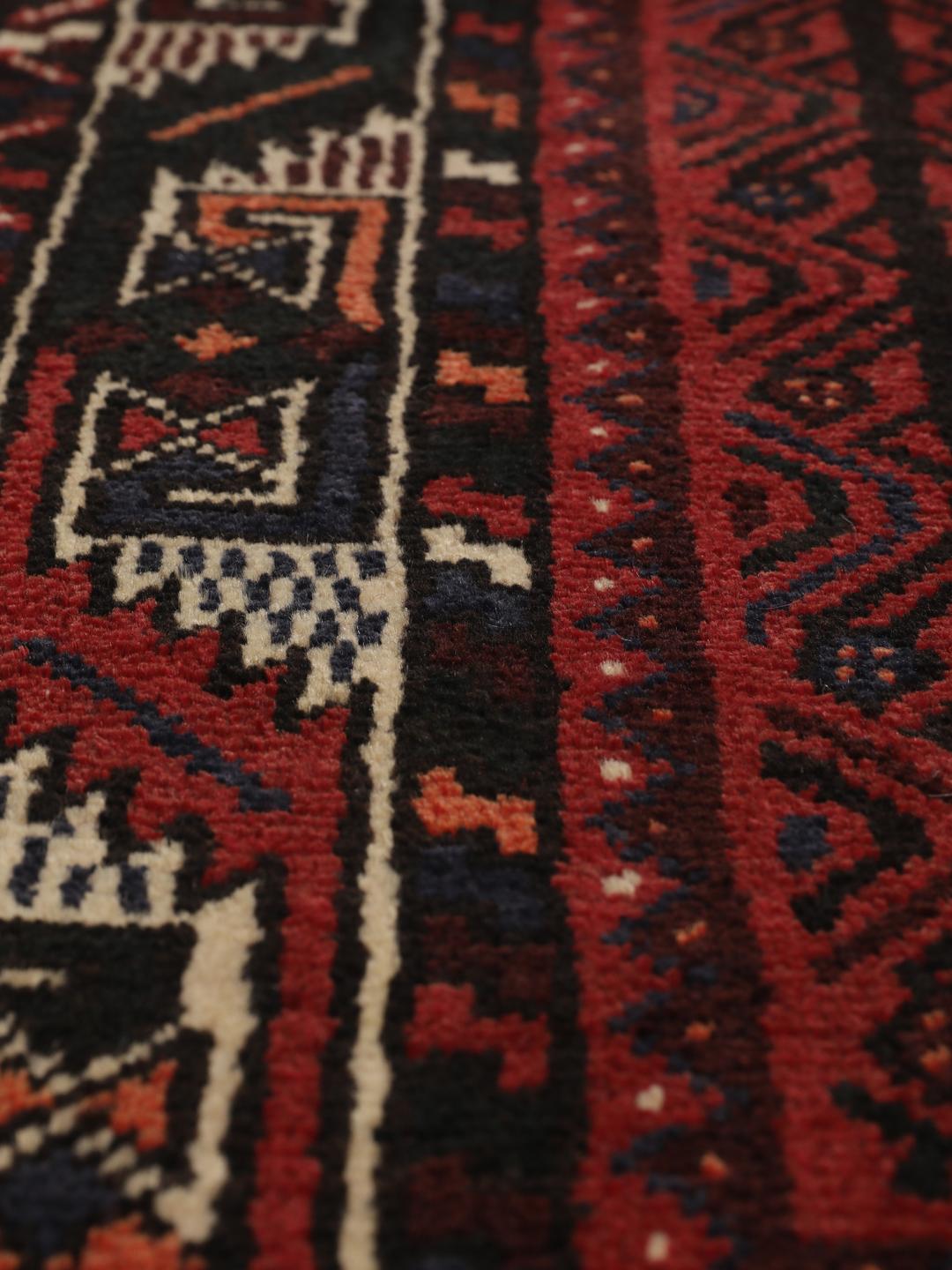
Signature design elements of the Shiraz tradition often include bold, geometric medallions and stylized floral or tree-of-life motifs. The colour palettes are typically derived from natural dyes, resulting in deep, earthy reds and blues that age gracefully. This specific piece showcases a traditional layout, where the central medallions are balanced by a detailed border, a classic arrangement that highlights the balance and symmetry favoured in this regional art form.
Owning a Shiraz rug is an opportunity to connect with a storied tradition of craftsmanship. These rugs are highly valued by collectors and enthusiasts for their authentic, non-commercial approach and the way they reflect the individuality of the weaver. To own one is to possess a piece of cultural heritage, a functional work of art that bridges the gap between ancient nomadic traditions and modern home living.