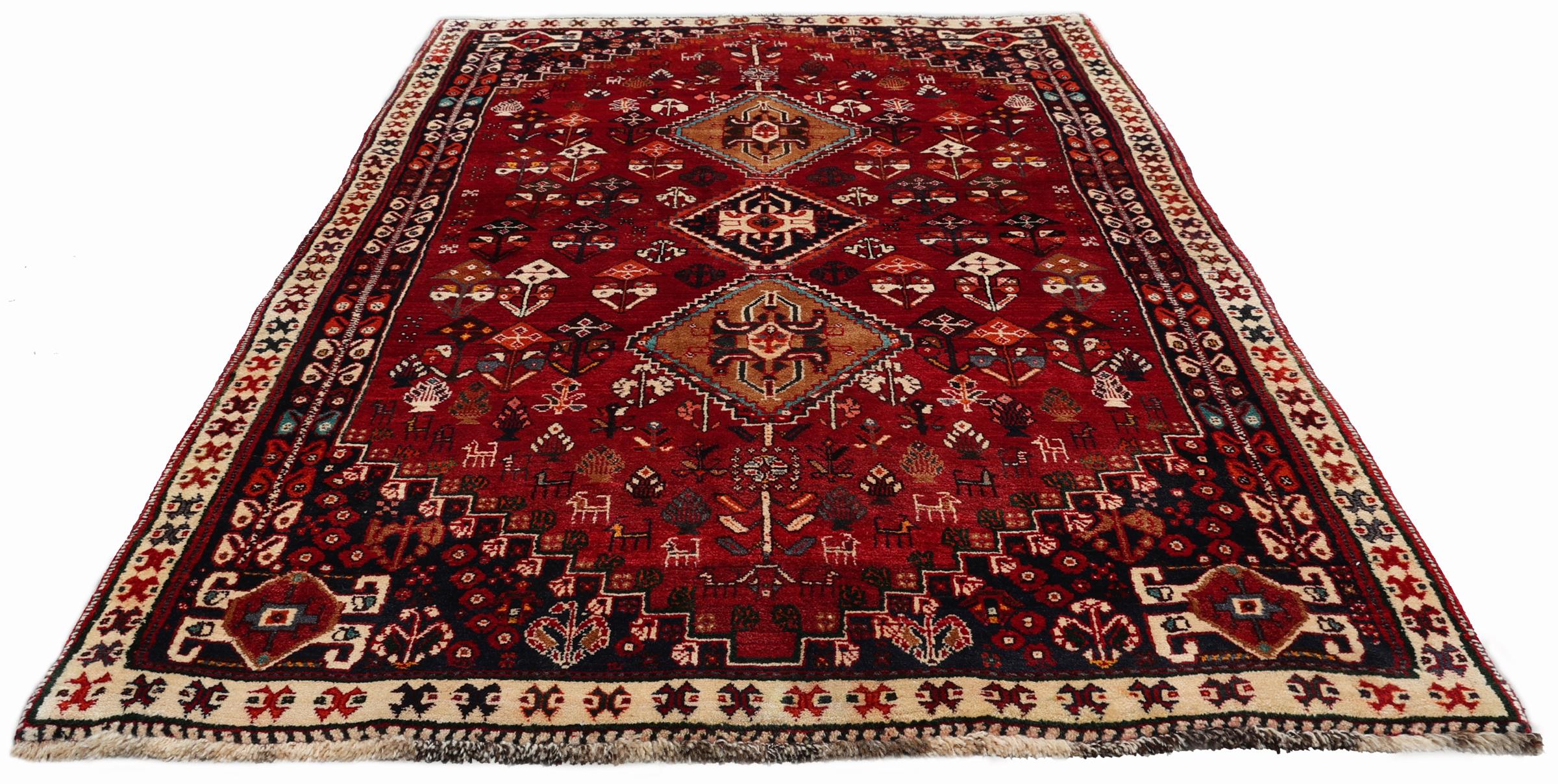
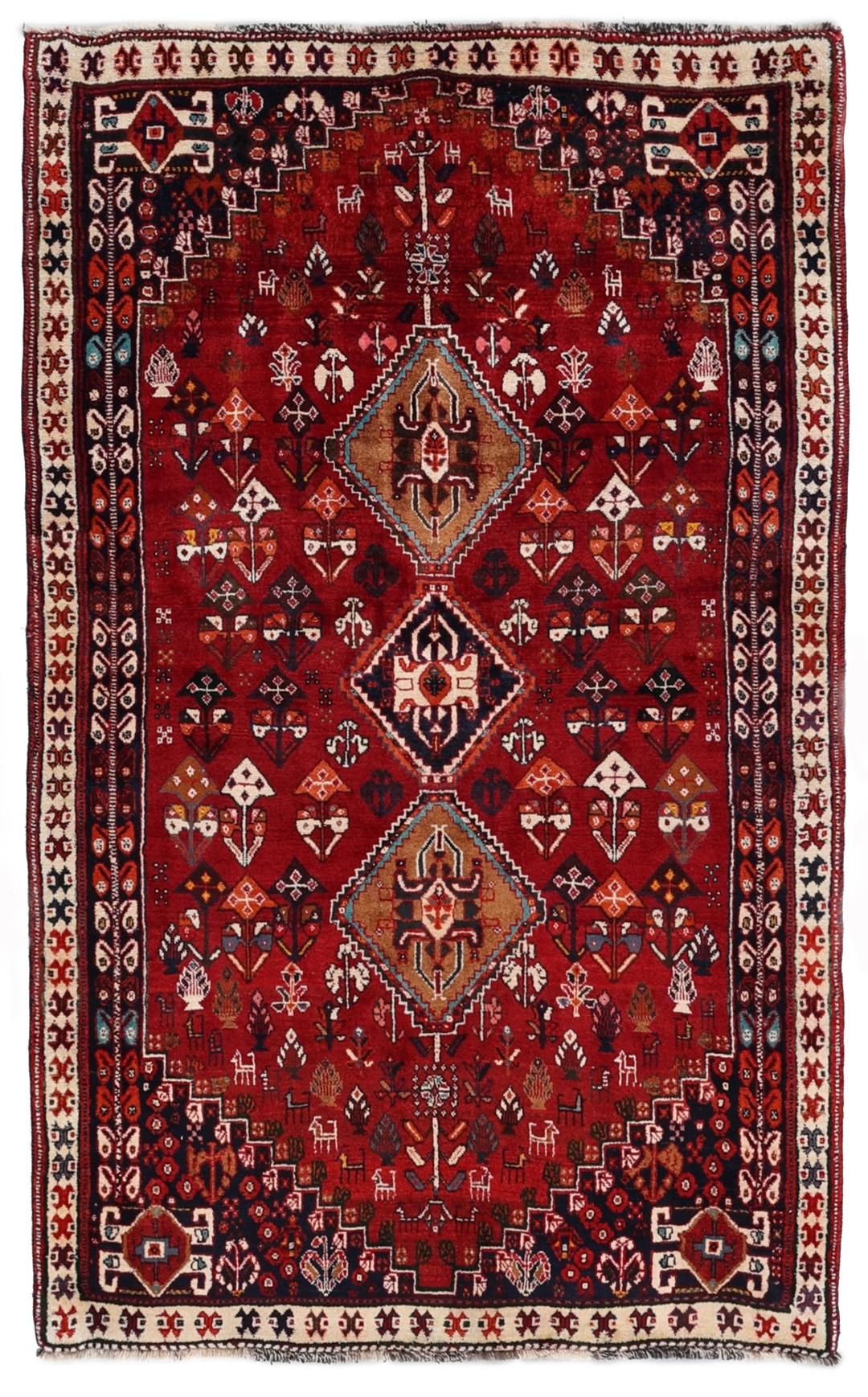
Shiraz rugs originate from the Fars province in the Middle East, a region with a deep-rooted history of nomadic and semi-nomadic weaving traditions. These rugs are traditionally crafted by various tribal groups, most notably the Qashqai, who bring their unique cultural narratives and visual memories into their work. This regional tradition is celebrated for its spontaneous, artistic approach to design, which often reflects the landscapes and life experiences of the weavers.
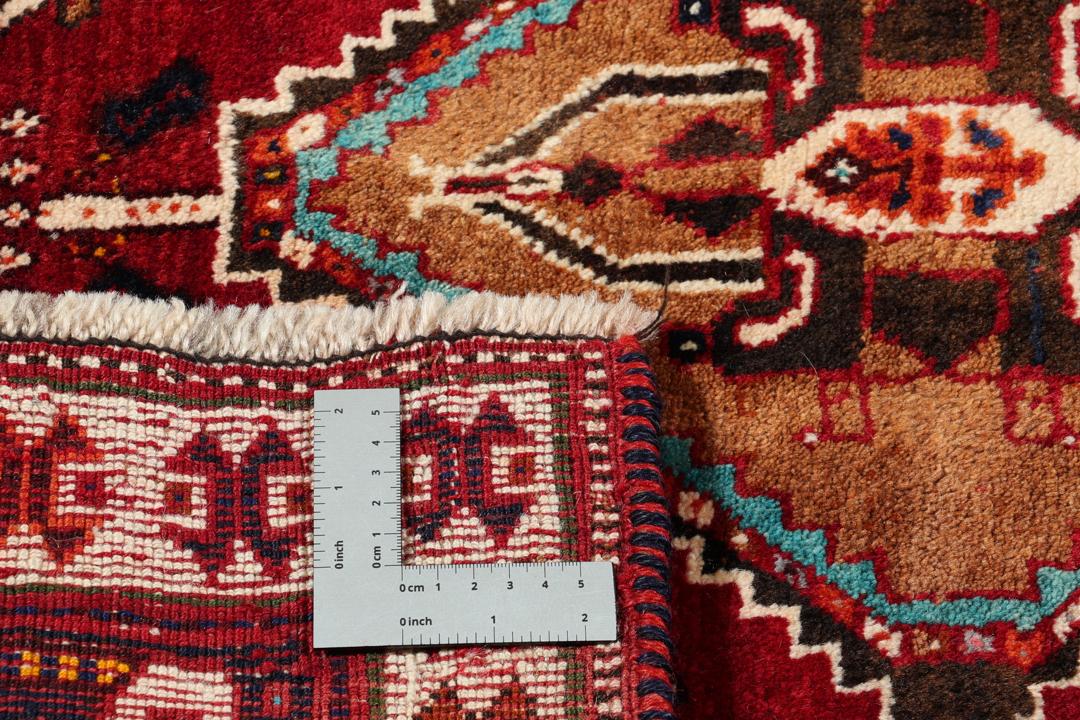
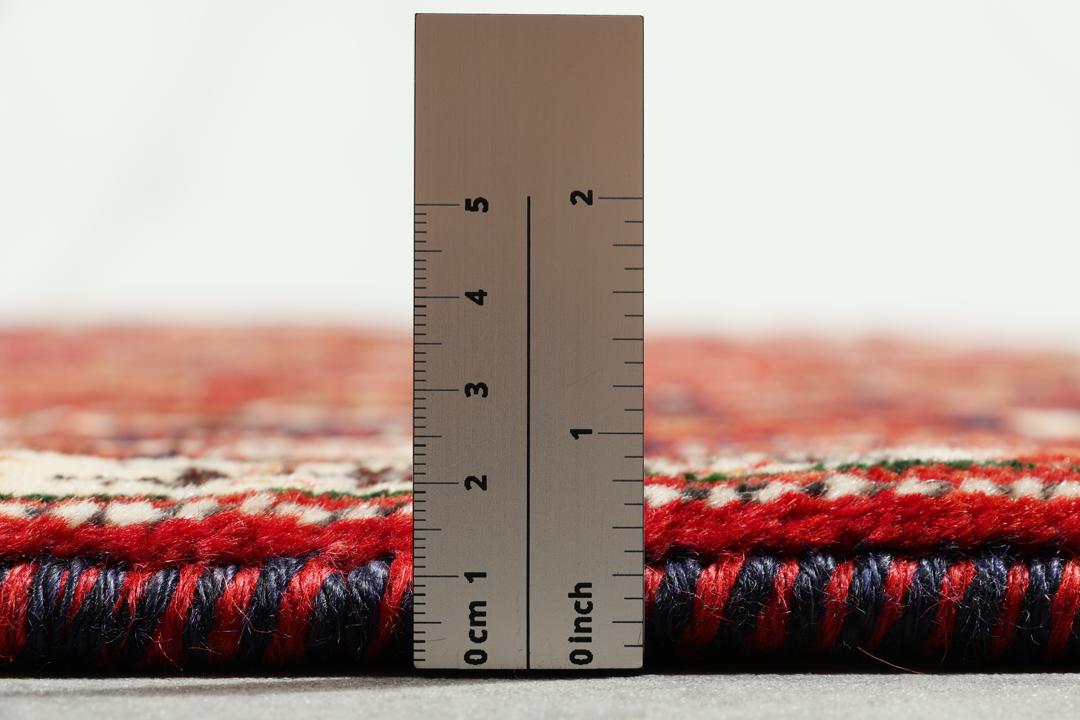
The technical quality of these rugs is defined by their authentic hand-knotted construction, which uses wool throughout the foundation. This material choice is essential for the longevity and character of the rug, as the wool is known for its natural resilience and ability to hold vibrant, traditional dyes. The resulting pile is both functional and beautiful, offering a depth of colour that evolves naturally over time.
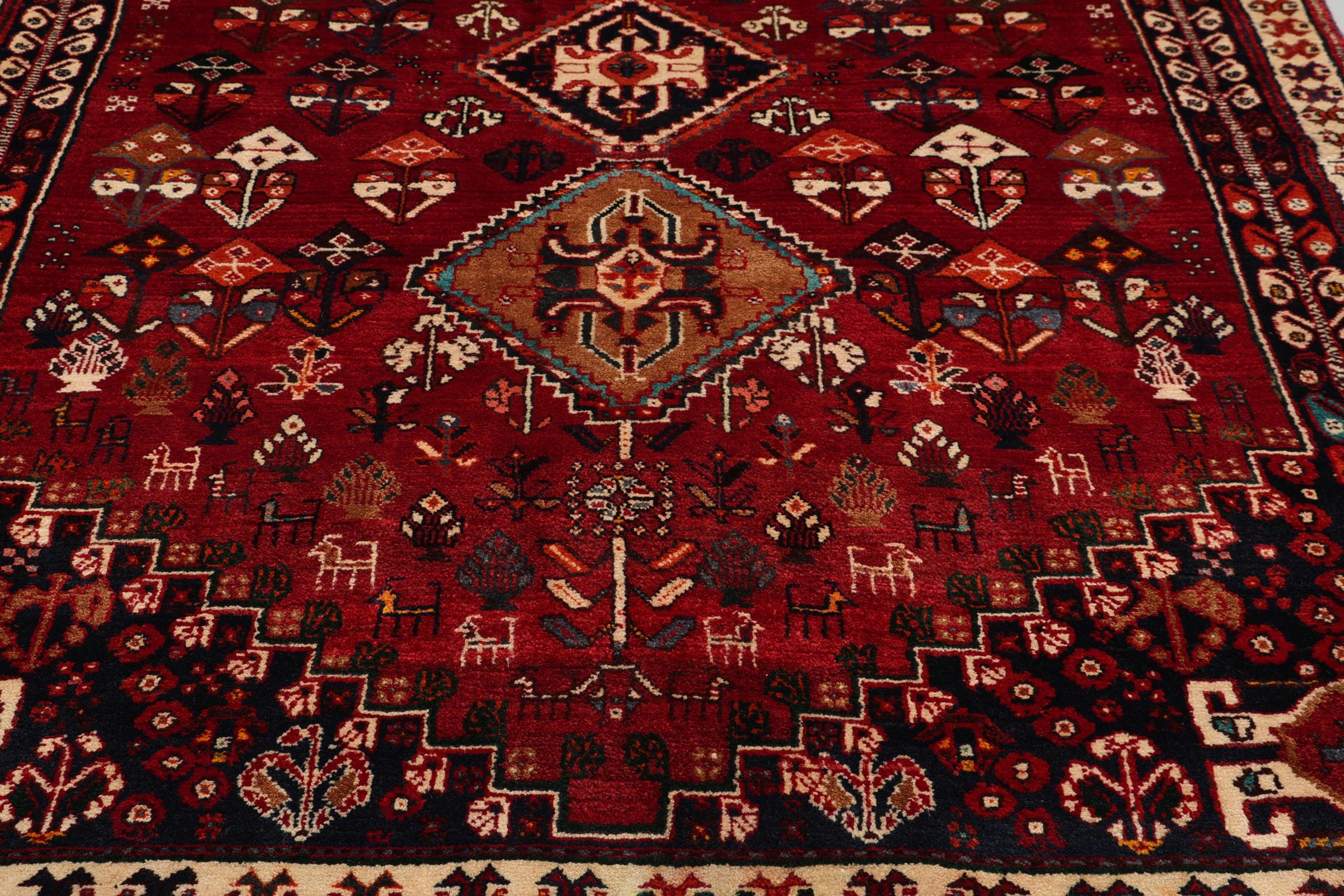
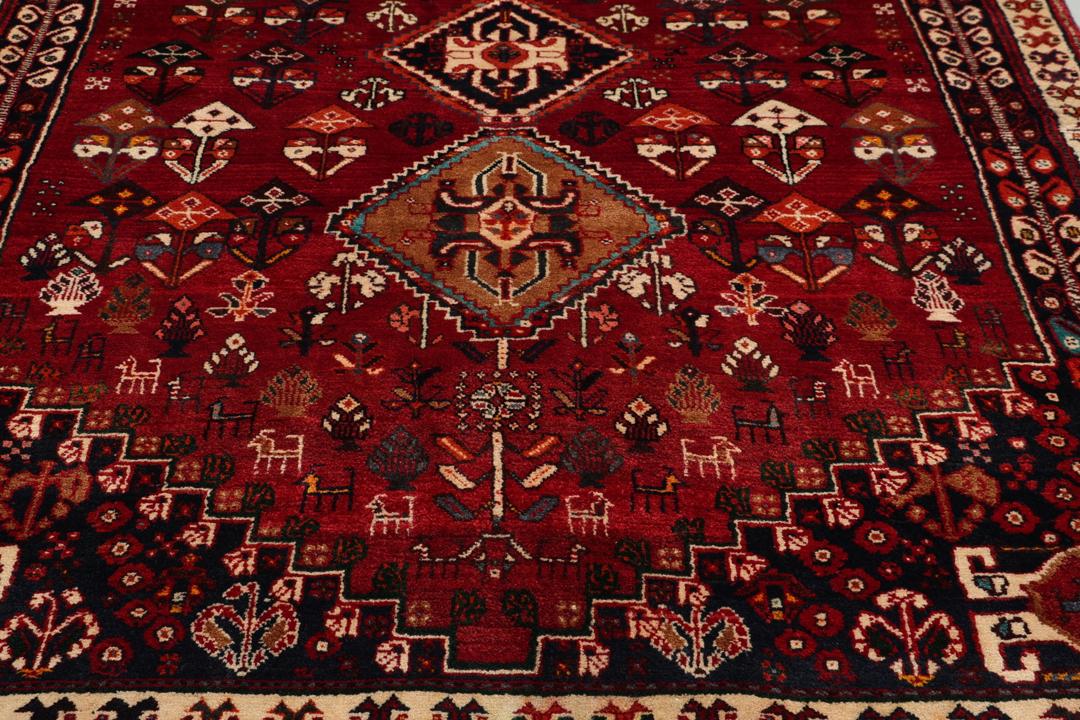
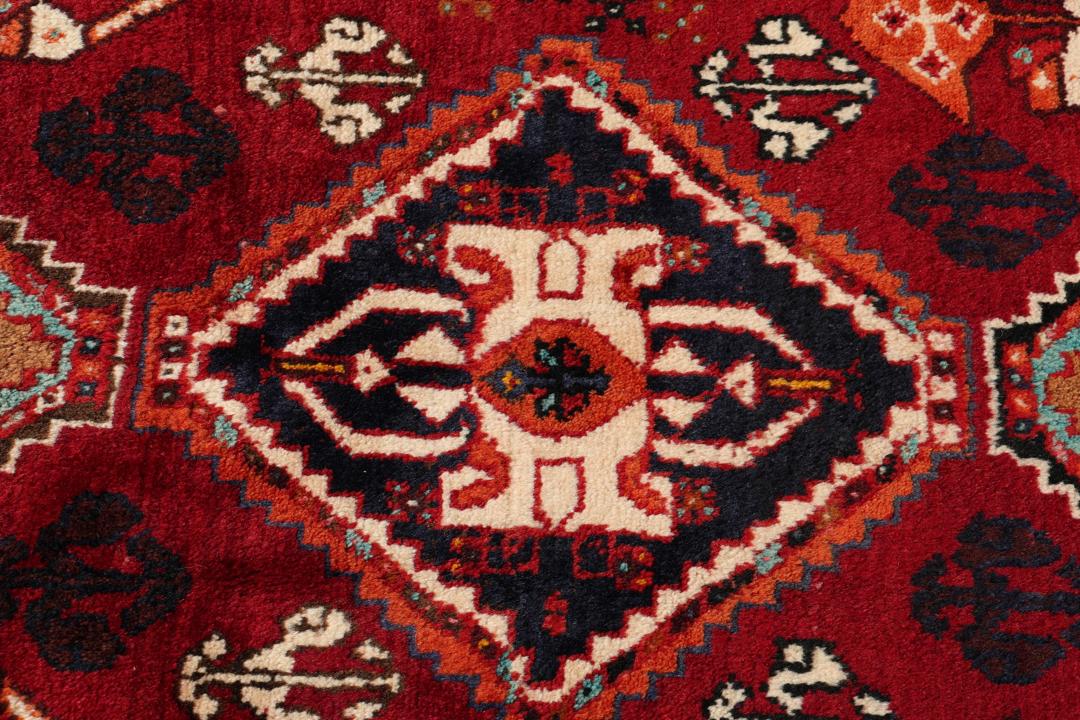
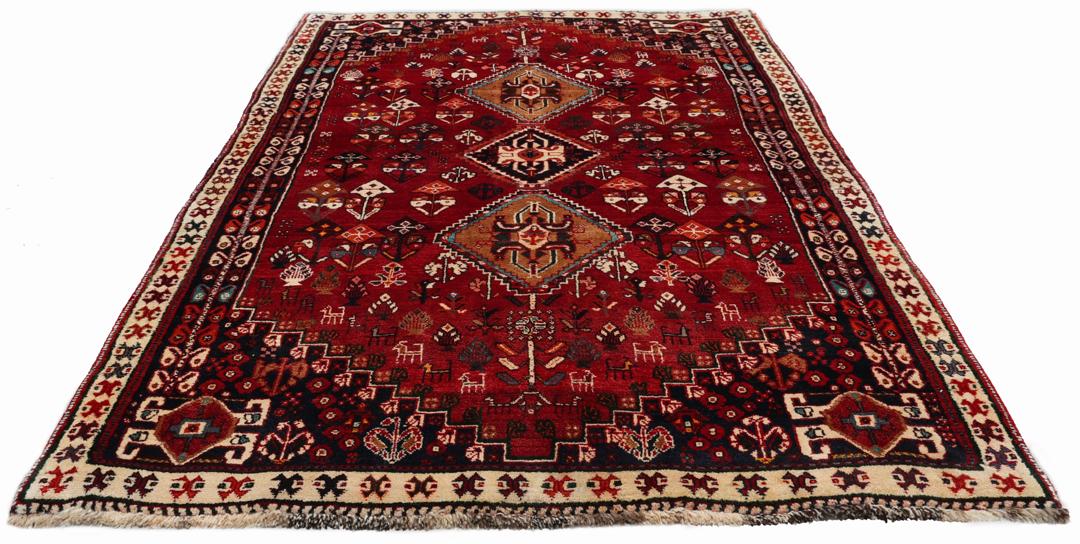
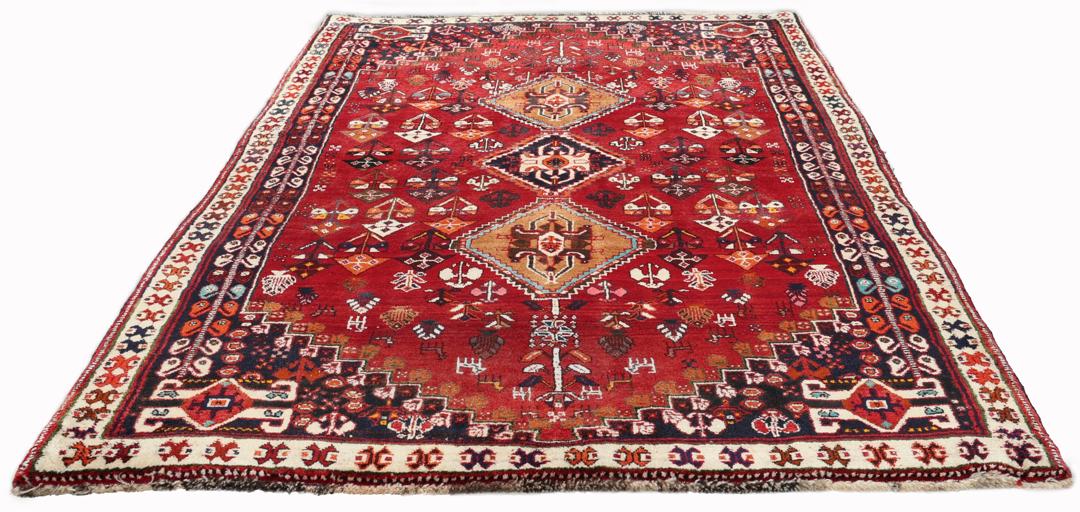
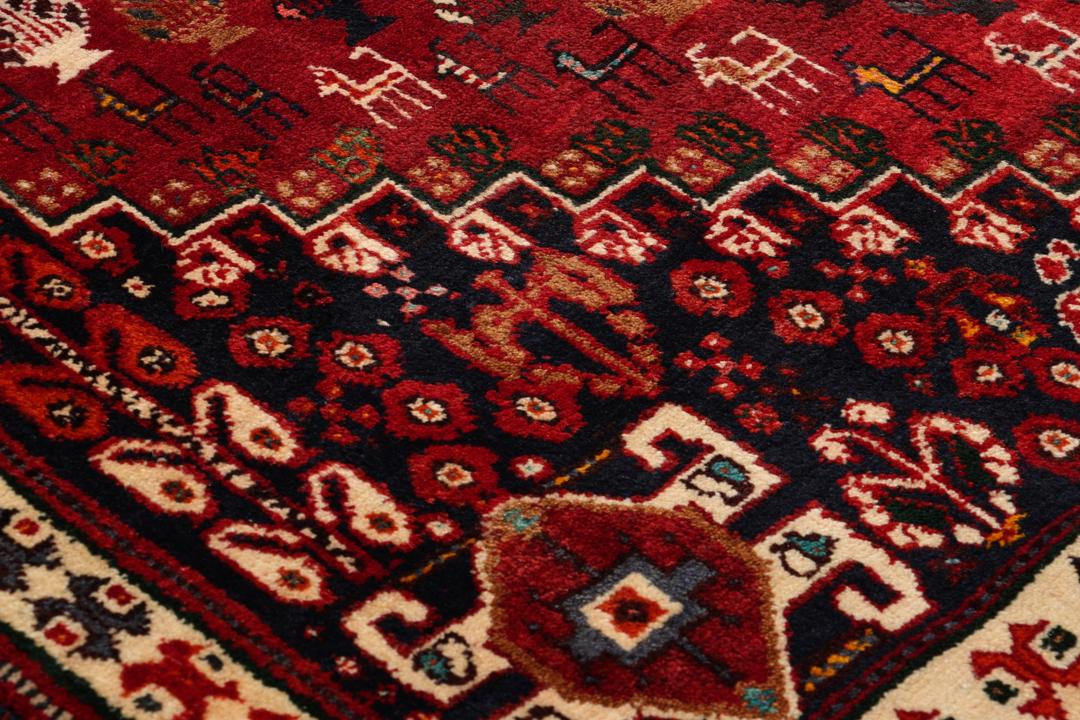
Visually, Shiraz rugs are iconic for their bold geometric patterns and symbolic motifs. You will often find stylised flowers, birds, and tribal emblems arranged in complex, rhythmic compositions. The use of a central medallion surrounded by smaller, repeating figures is a hallmark of the style, often enclosed by elaborate, decorative borders that frame the narrative of the field.
Owning a Shiraz rug is an opportunity to connect with a storied tradition of craftsmanship. These pieces are highly valued by collectors and enthusiasts alike for their honesty, their cultural weight, and the undeniable skill required to produce them without the aid of modern technology. They represent a bridge between the ancient nomadic past and the modern home, offering a sense of heritage that is rare in today’s world.