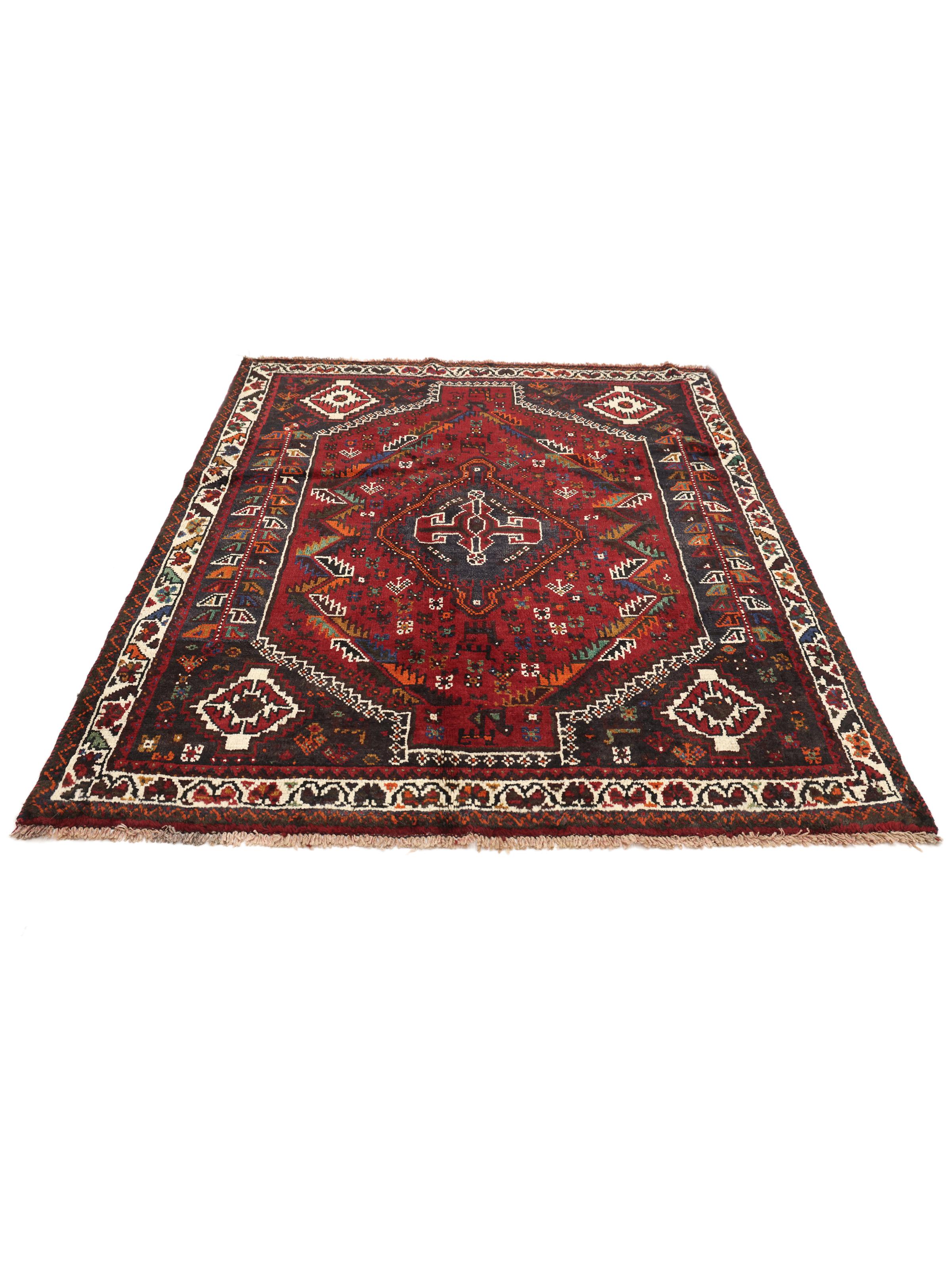
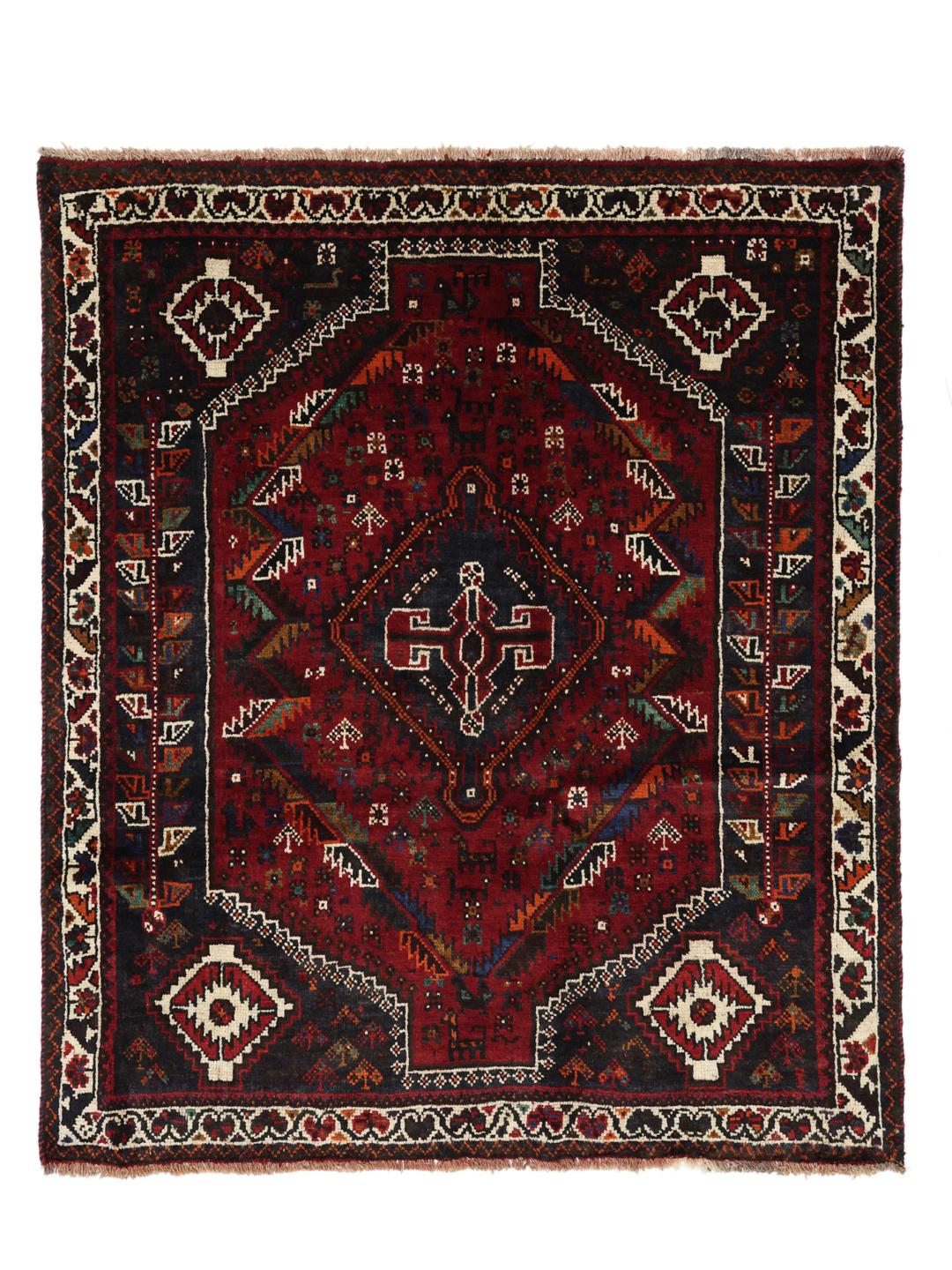
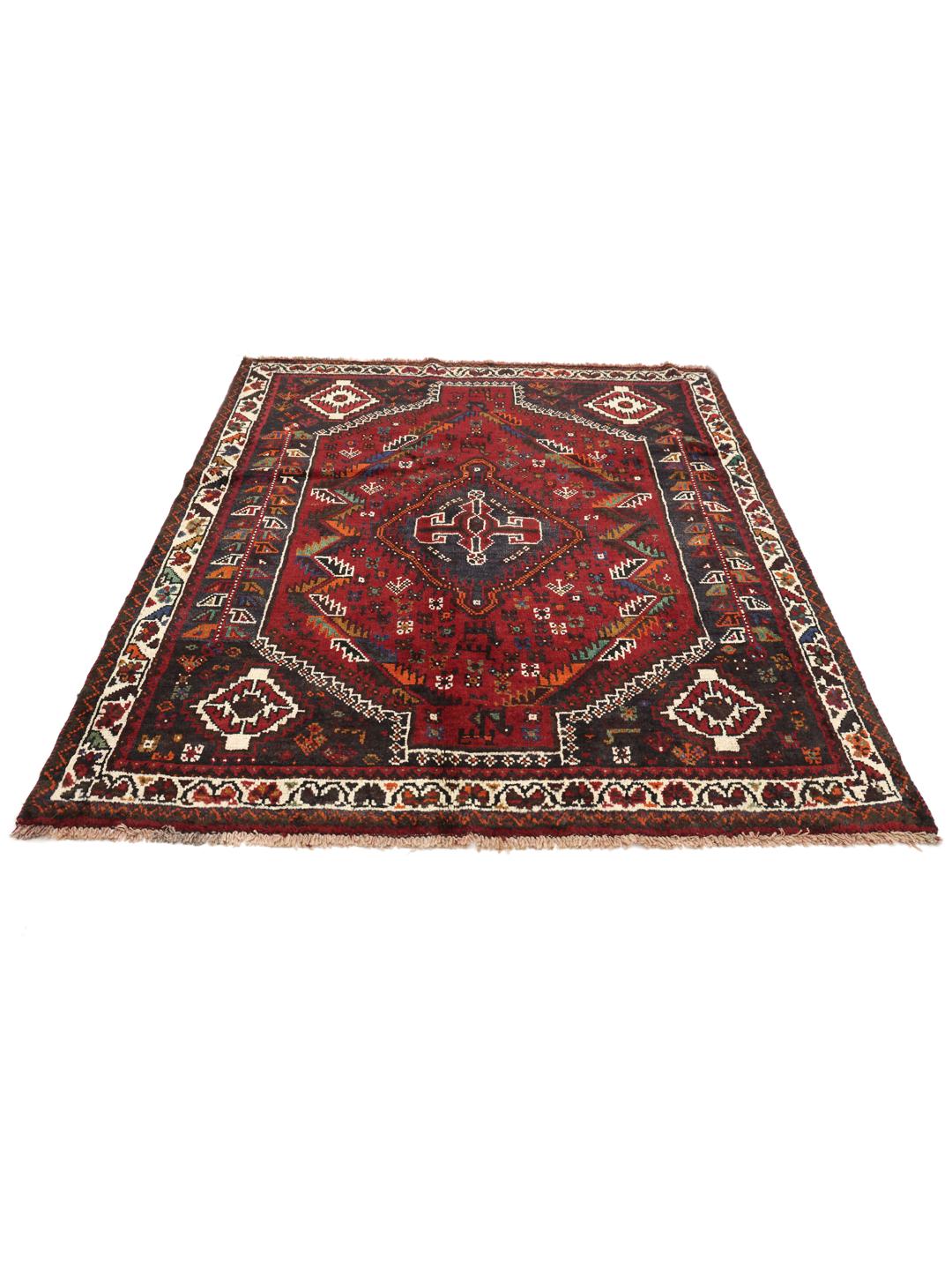
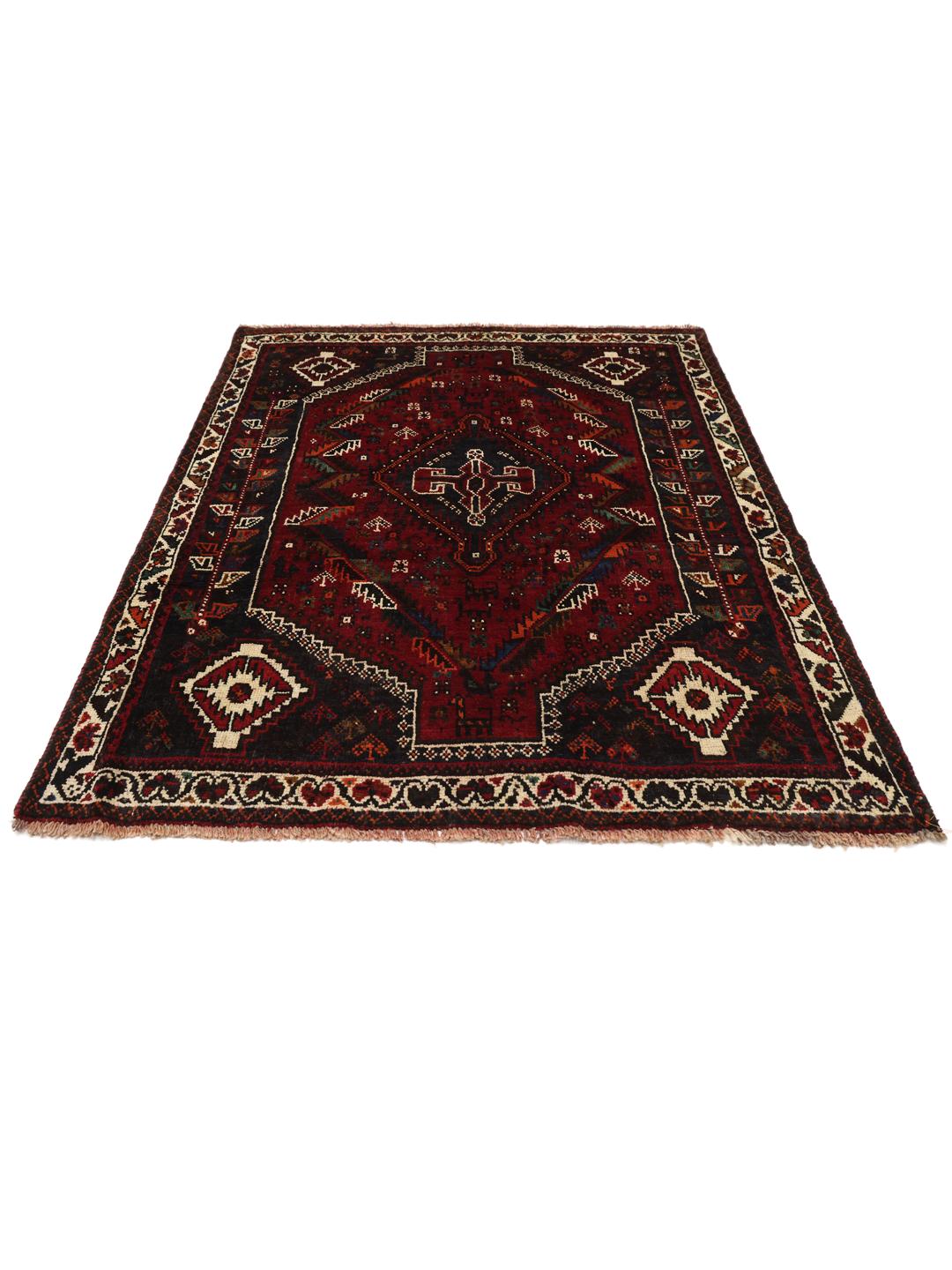
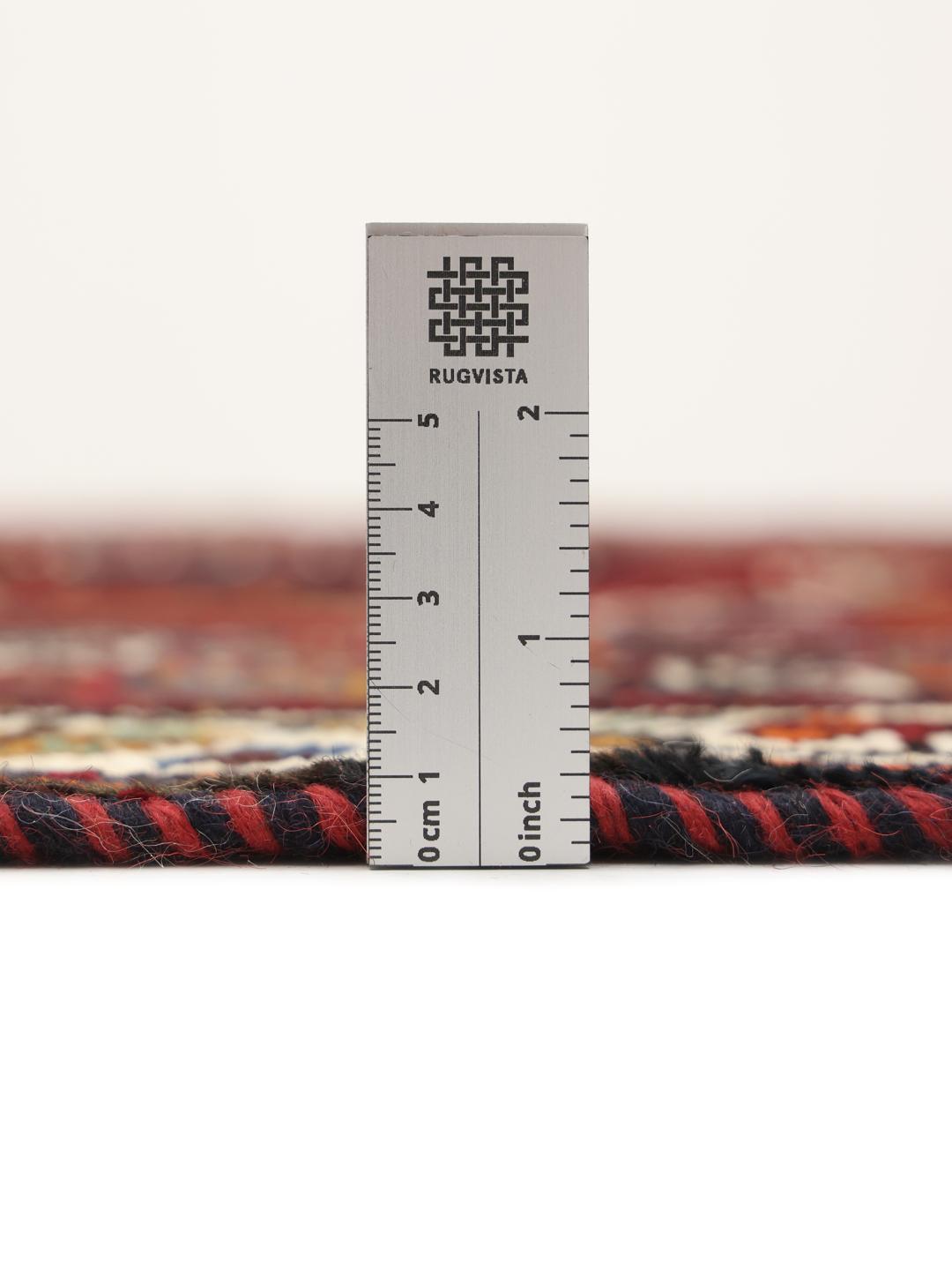
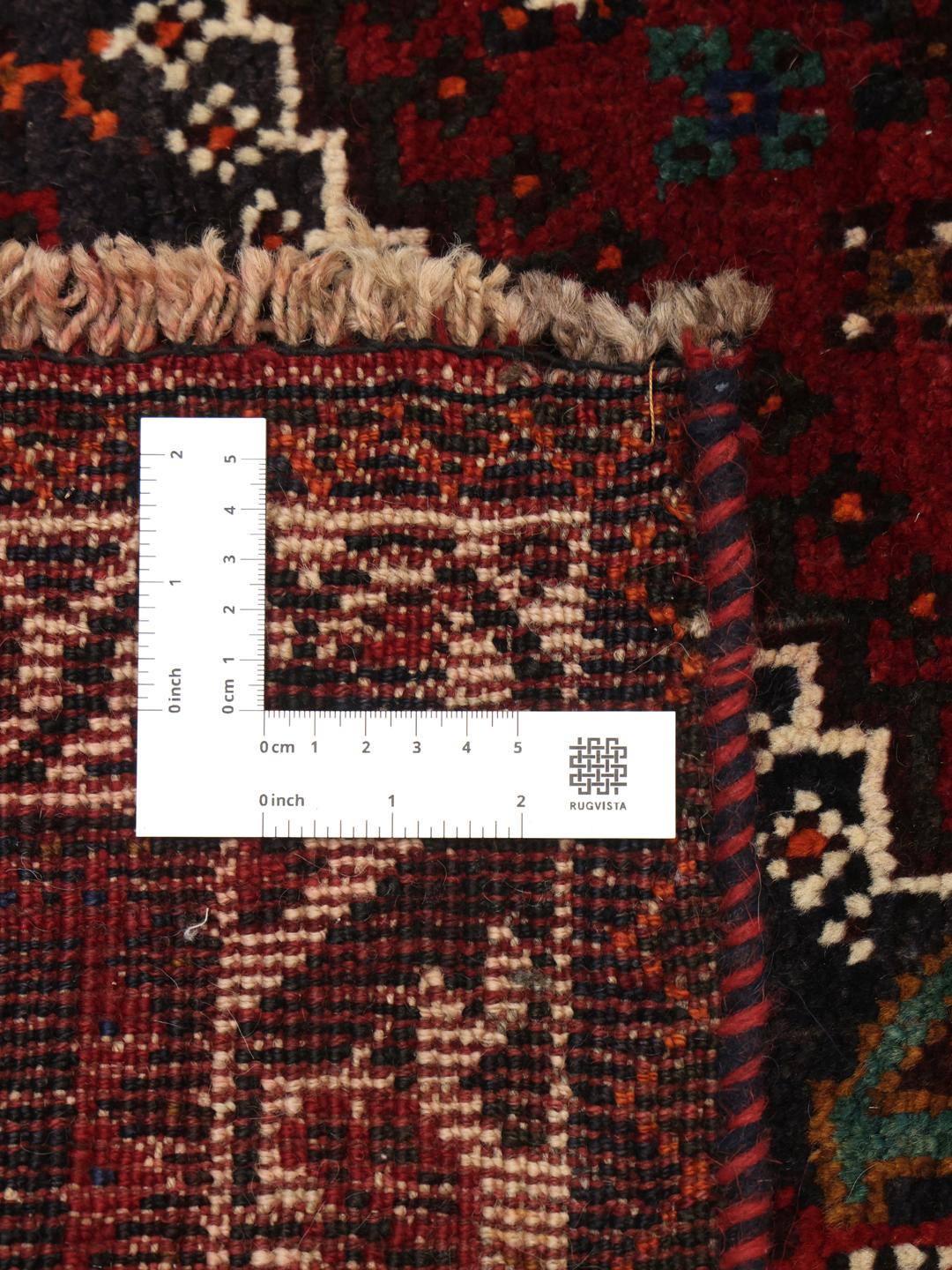
Shiraz rugs originate from the Fars province in the Middle East, a region with a deep-rooted history of nomadic and semi-nomadic weaving. These rugs are traditionally crafted by various tribal groups, including the Qashqai and Khamseh confederacies, who have historically incorporated their surroundings and cultural identities into their designs. This regional tradition is known for its authentic, unpretentious style that reflects the lifestyle and environment of the weavers.
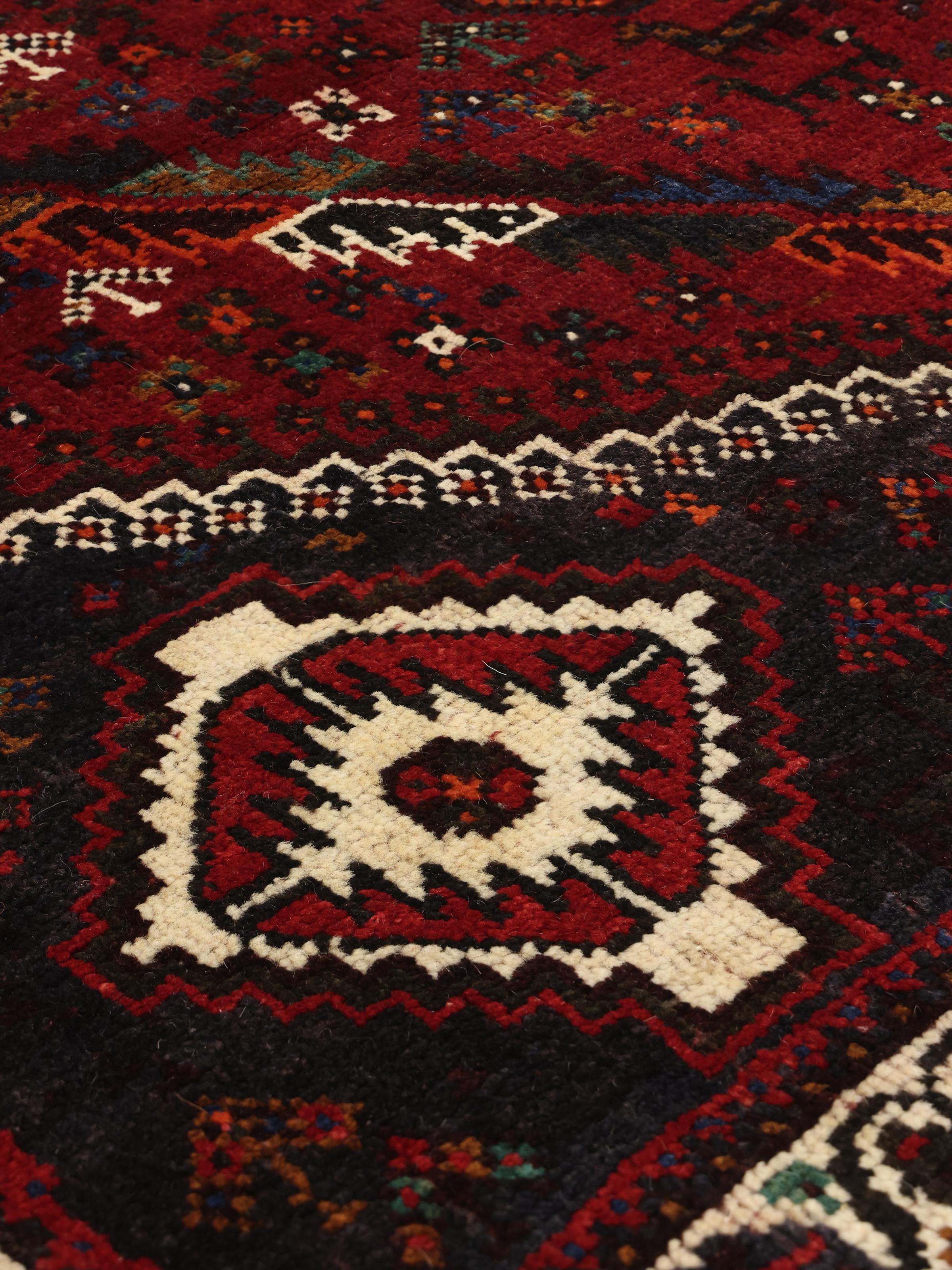
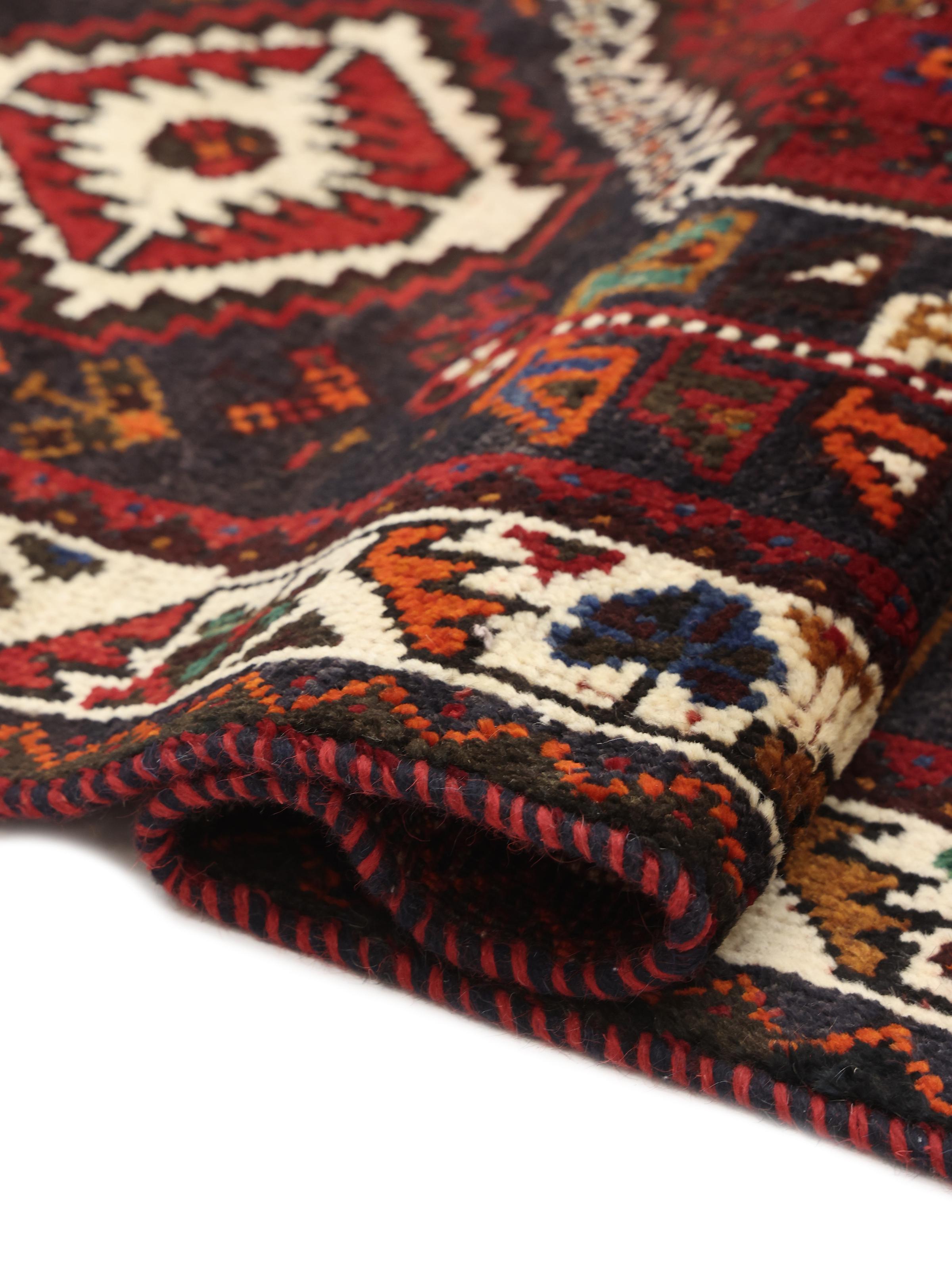
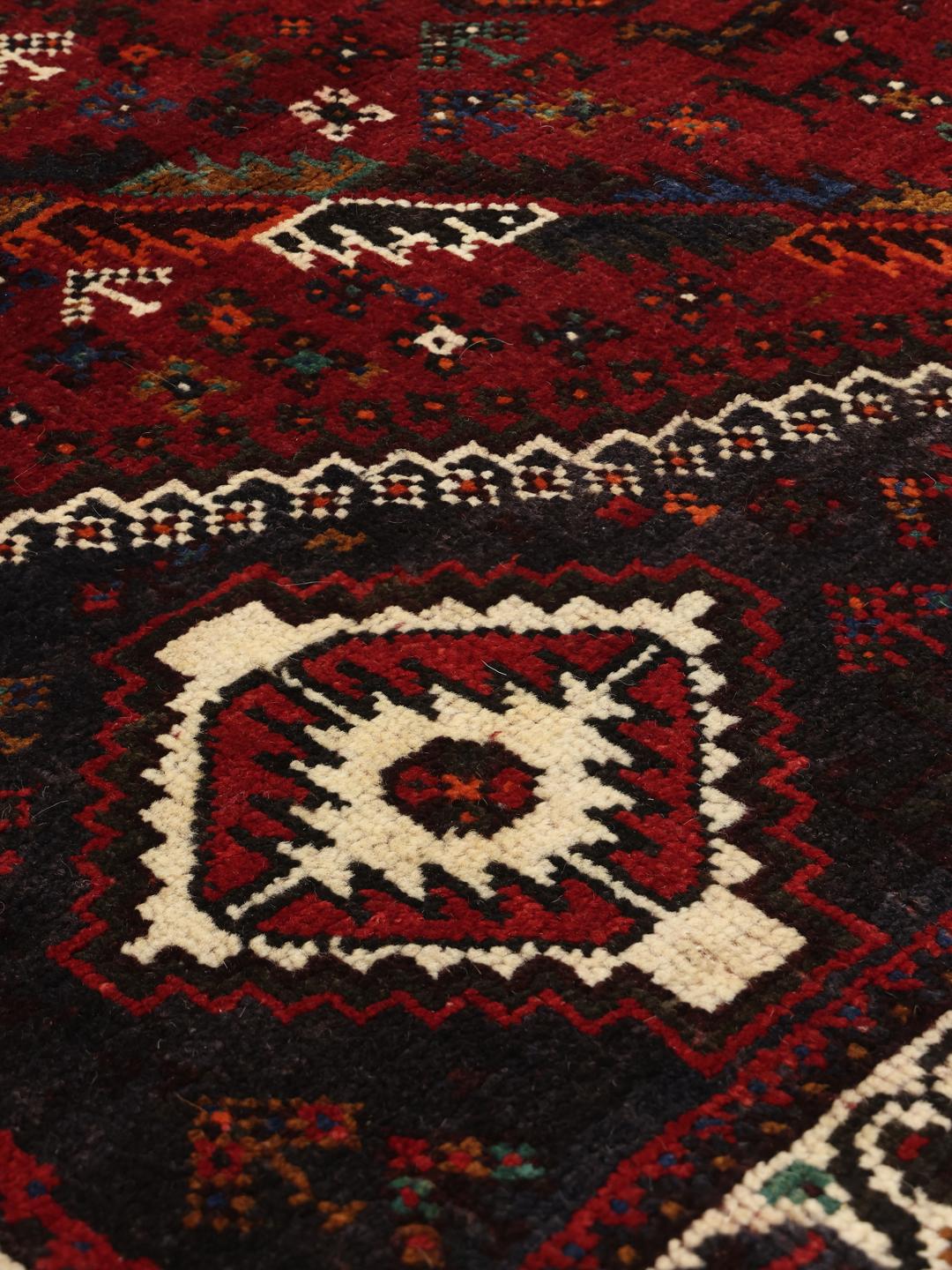
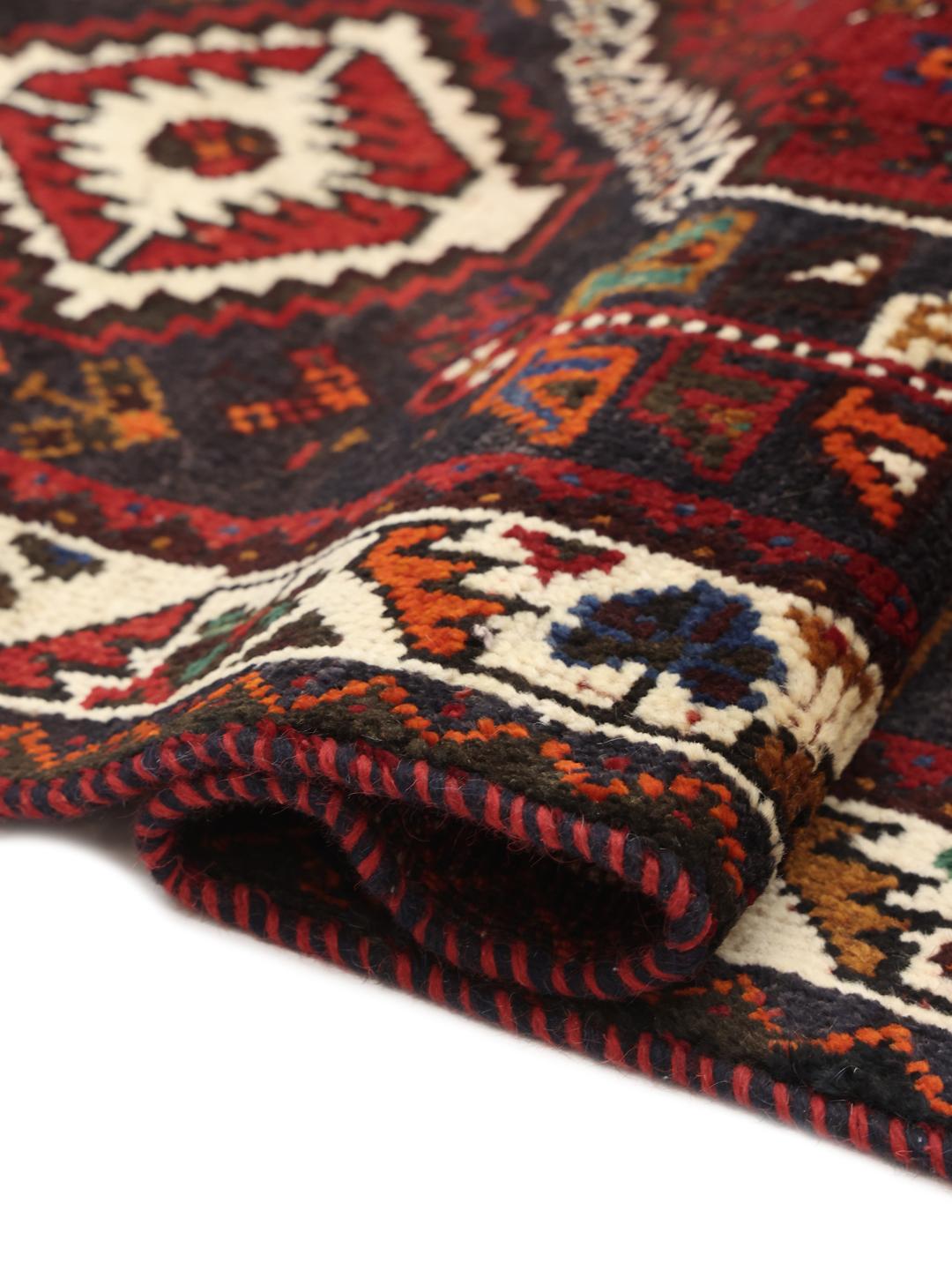
The term Shiraz serves as a collective name for rugs sourced from this area, often sold in the city of Shiraz, which acts as a central market hub. These pieces are renowned for their use of high-quality wool, which is often dyed using natural pigments sourced from local plants and minerals. This results in a palette that is both vibrant and earthy, giving the rugs an organic feel that is highly sought after by collectors.
Visually, these rugs are defined by their geometric vocabulary. Common motifs include stylized floral elements, birds, and the iconic stepped diamond medallion, often surrounded by a series of repeating borders that frame the central field. The spontaneous nature of the designs—often woven from memory rather than a rigid pattern—means that each rug possesses a distinct, lively energy that is rarely seen in more formal, urban-produced carpets.
Collectors value Shiraz rugs for their cultural authenticity and the raw skill required to produce them. Owning a piece from this tradition is a way to connect with a nomadic heritage that has survived for centuries despite changing times. It is a testament to the enduring human need for beauty and self-expression, making these rugs not just floor coverings, but important pieces of cultural history that add immense value to any collection.