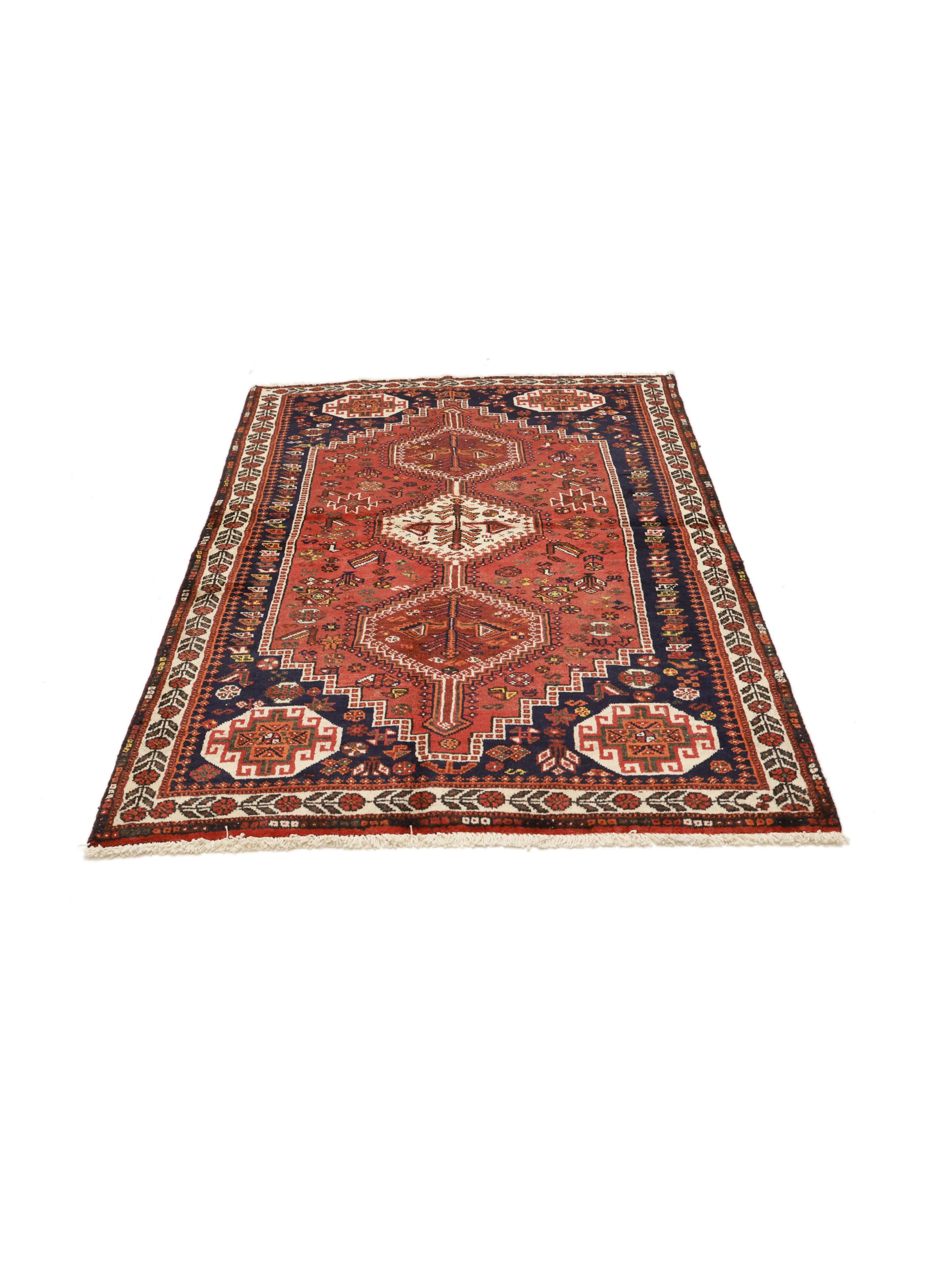
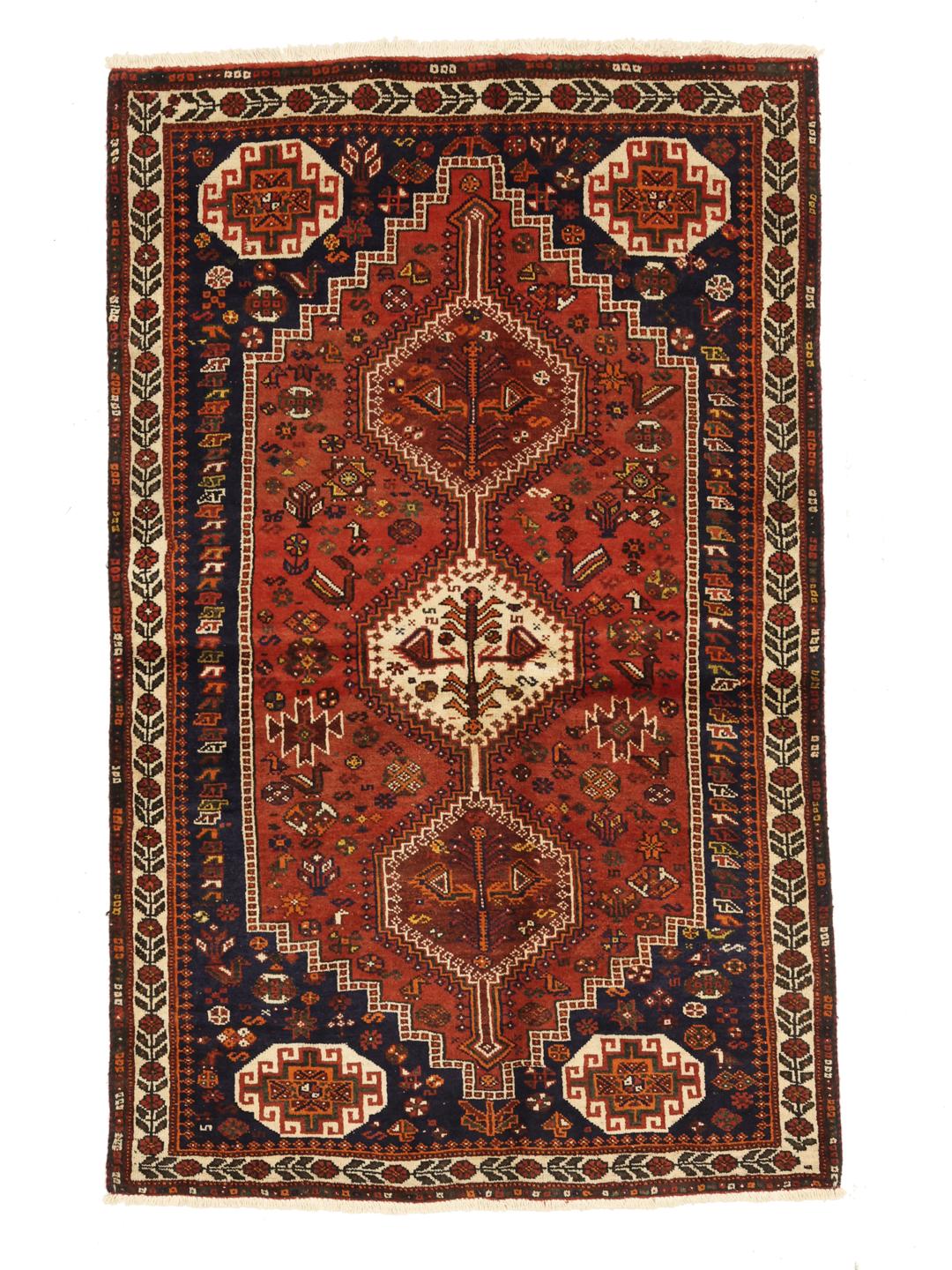
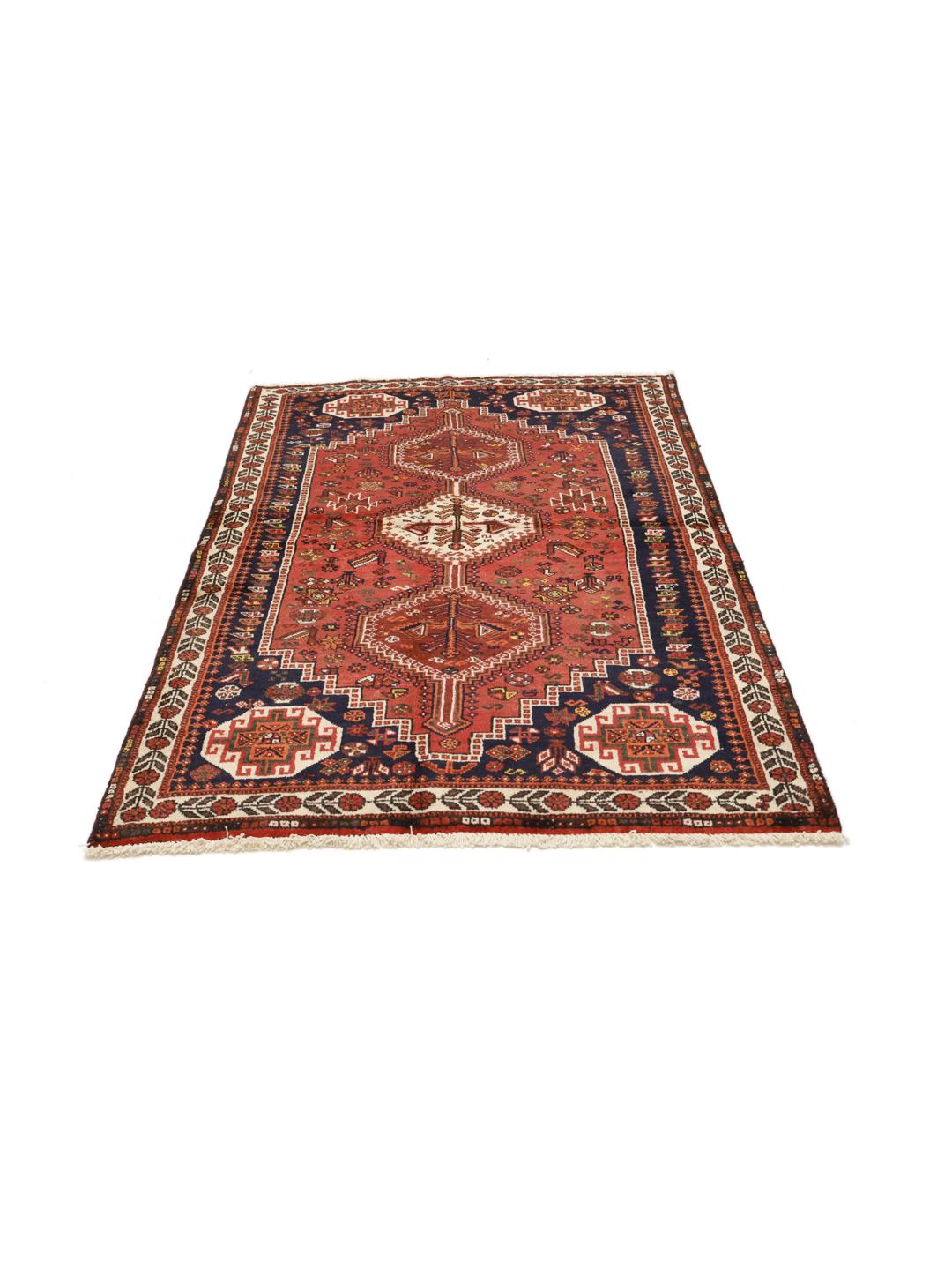
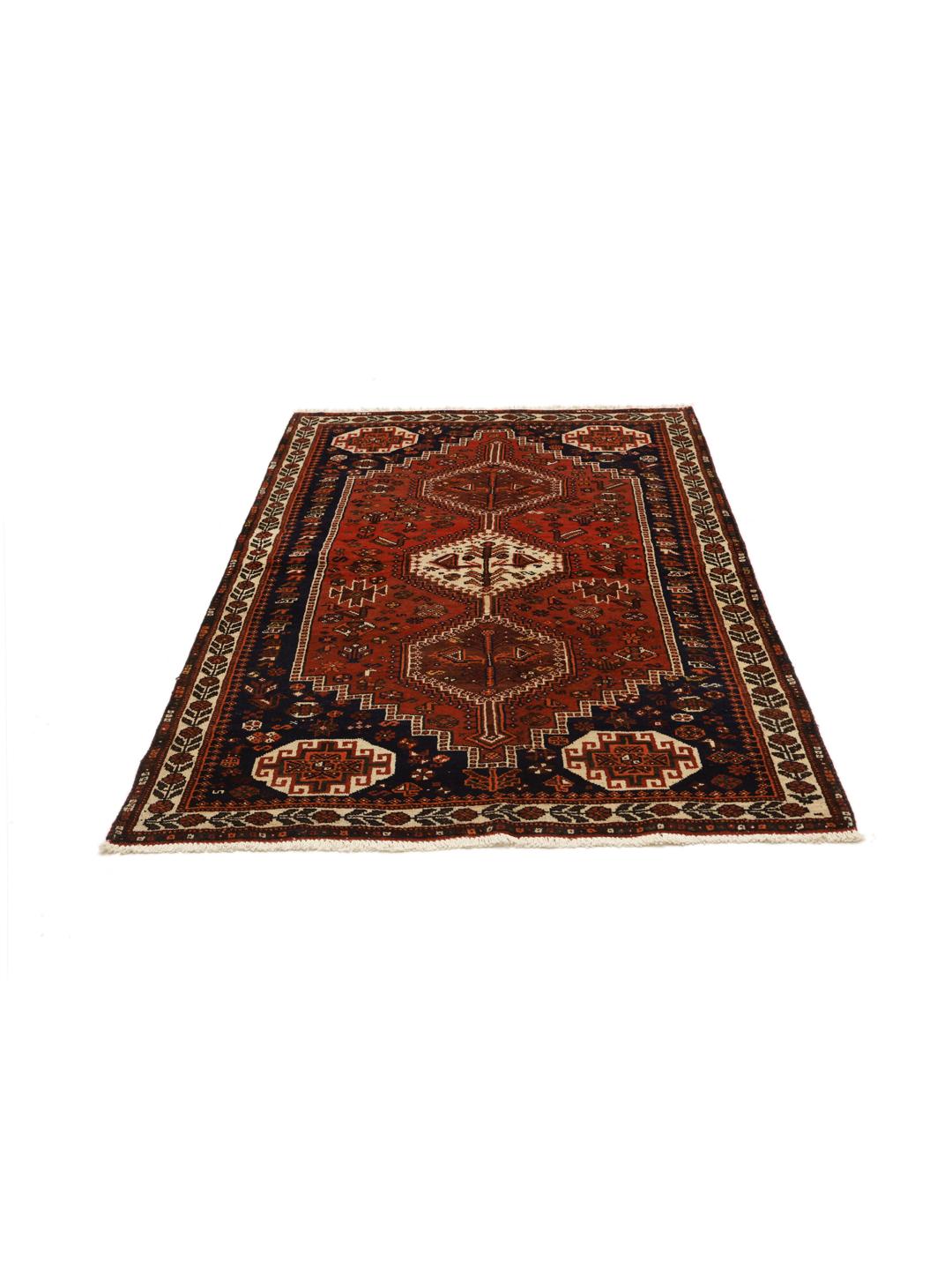
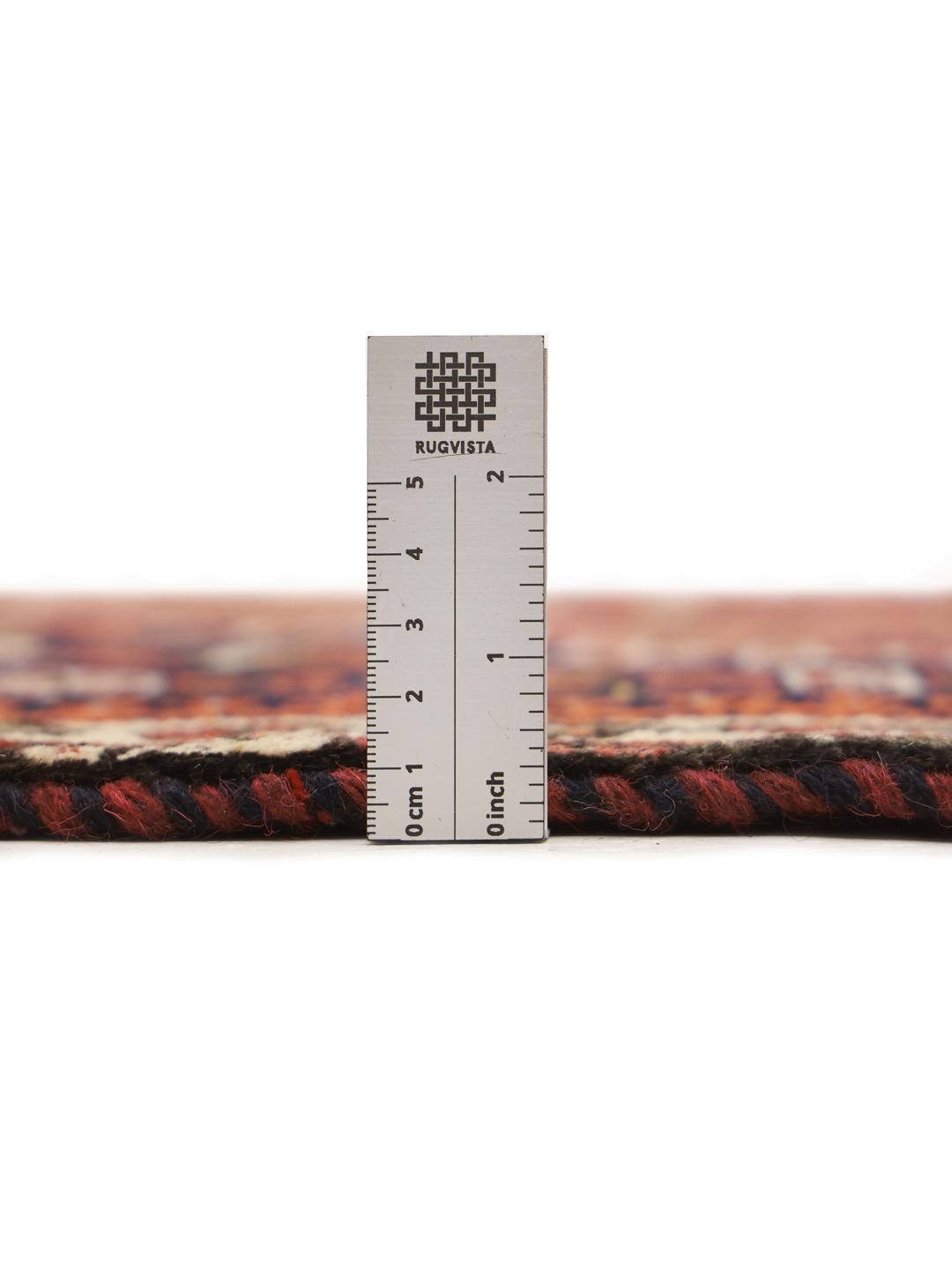
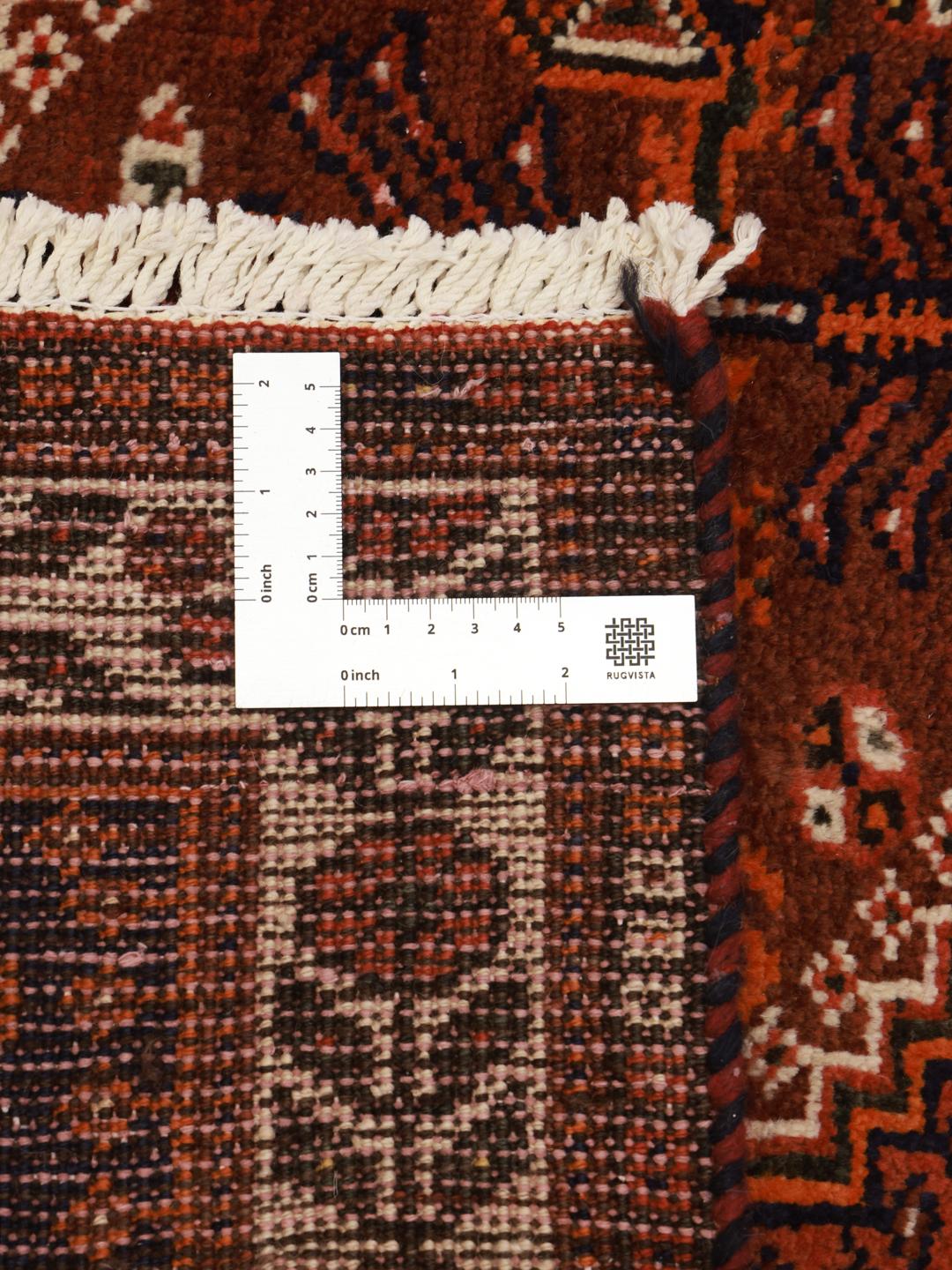
Shiraz rugs originate from the Fars province in the Middle East, a region known for its deep-rooted nomadic and semi-nomadic weaving traditions. These rugs are traditionally created by the Qashqai and other tribal groups, whose designs are heavily influenced by the natural landscapes, flora, and fauna of their surroundings. This heritage of nomadic artistry is what gives each Shiraz rug its distinctively authentic character.
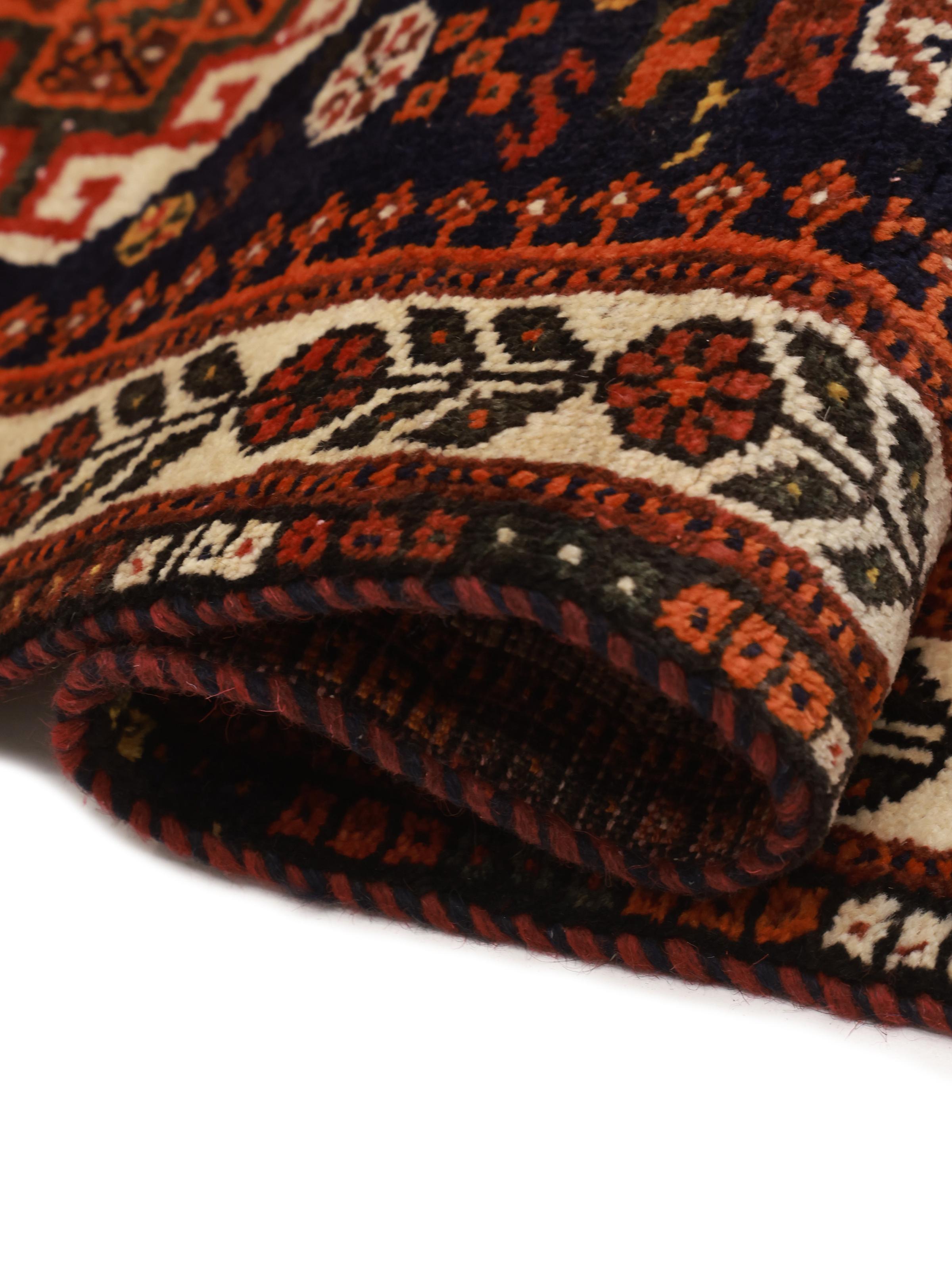
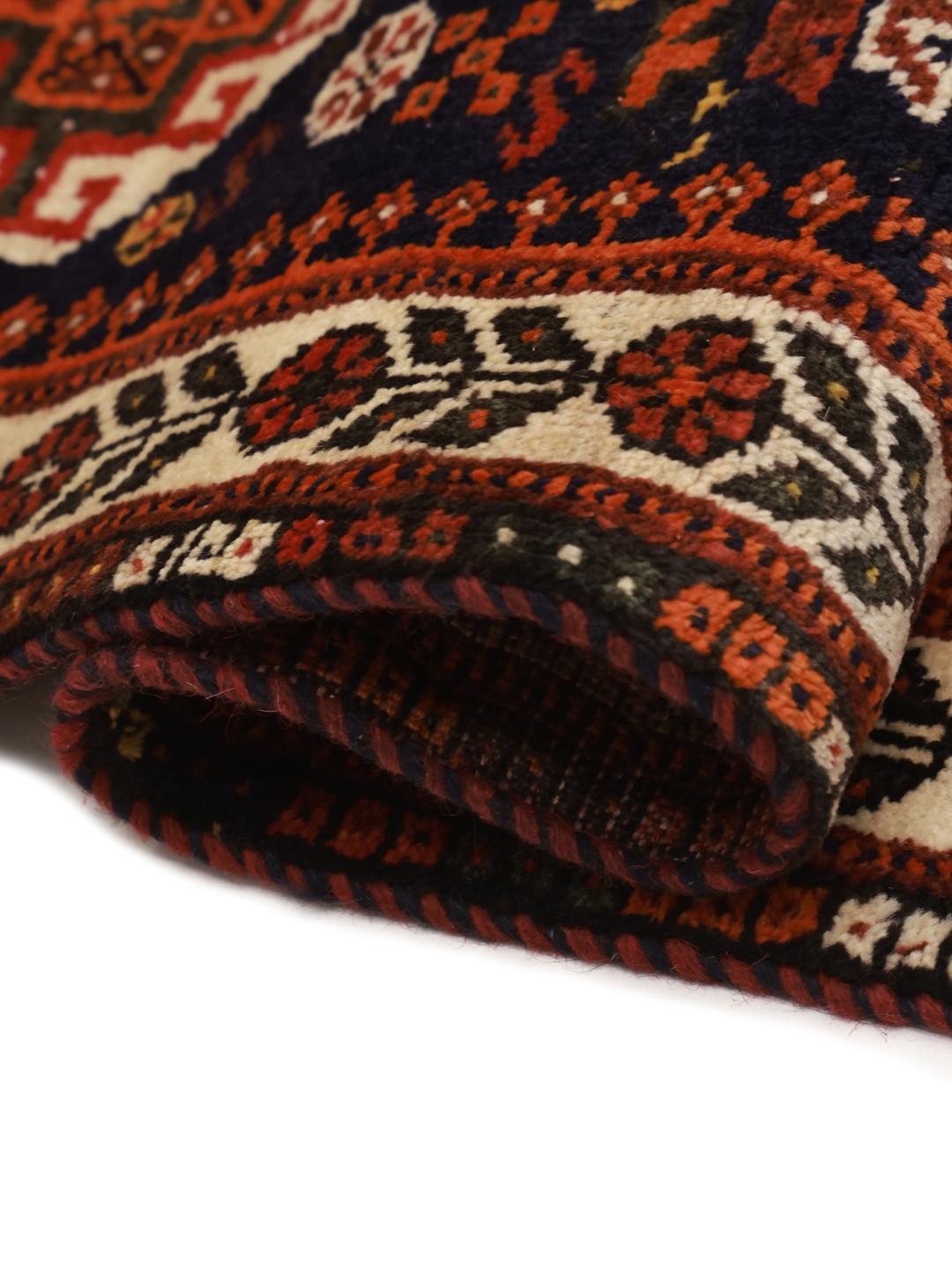
The technical quality of a Shiraz rug is rooted in the use of high-quality, local wool, which is known for its durability and natural lustre. The foundation of these rugs is often made from wool, which provides a flexible yet strong base for the intricate knotting that defines the style. This material choice is not merely functional; it is a reflection of a centuries-old craft that prioritises materials that age gracefully.
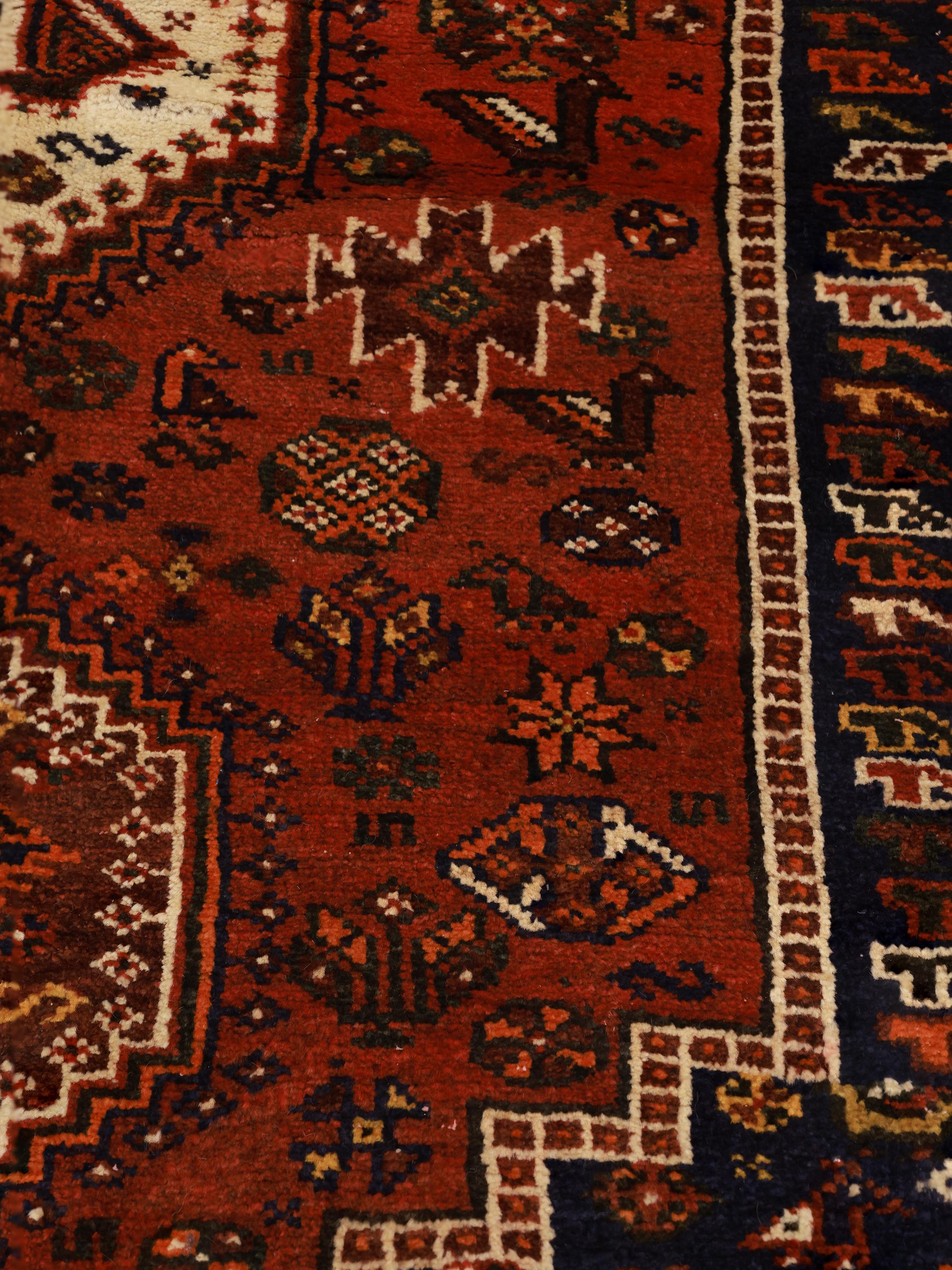
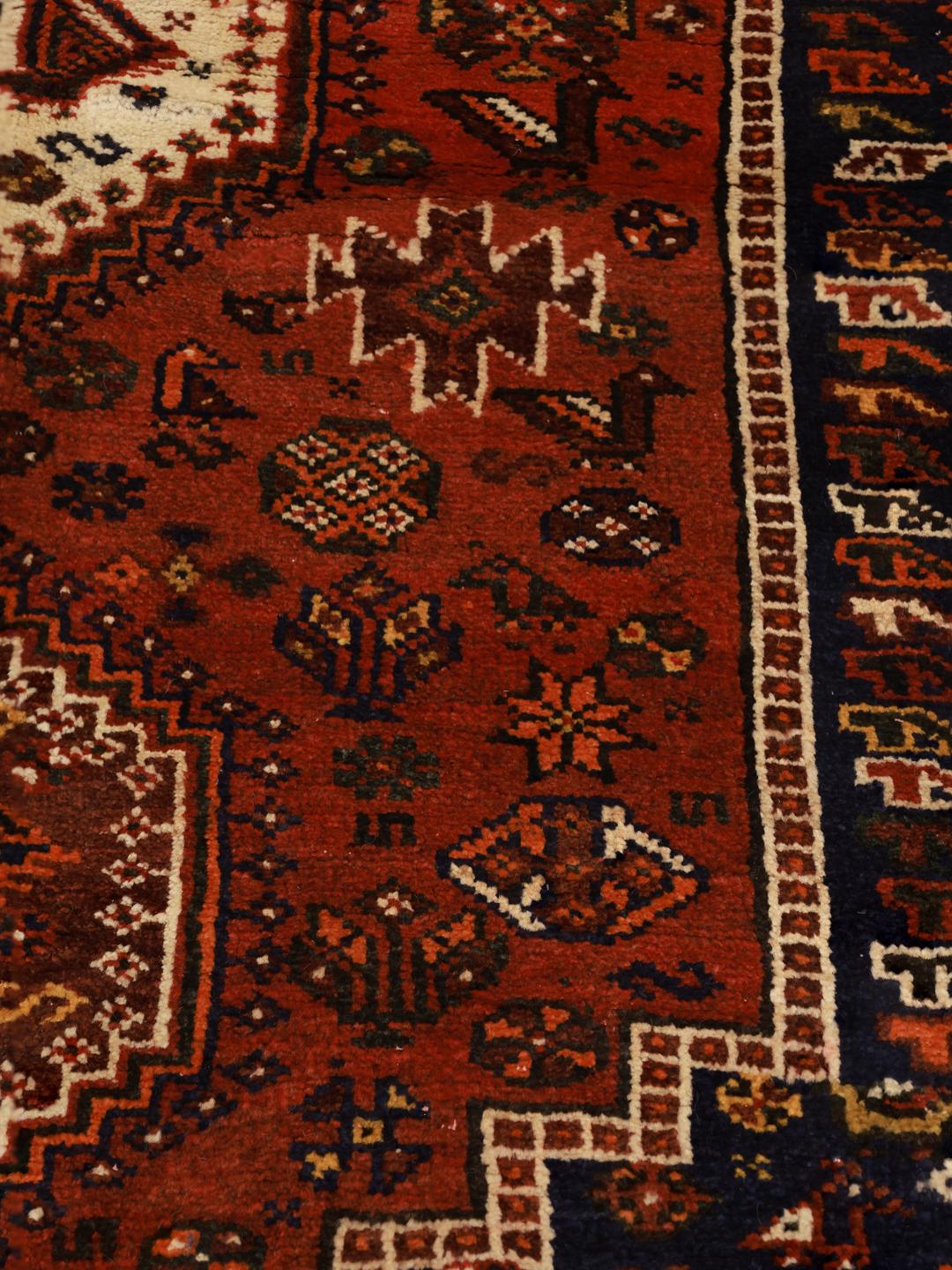
Design-wise, these rugs are celebrated for their geometric artistry. They frequently feature central medallions, repeating patterns of stylised birds, flowers, and animals, and bold, stepped borders. The colour palette often leans towards rich, deep tones like red and dark-blue, created using traditional natural dyes that possess a beautiful, organic depth. Each motif holds cultural significance, often representing protection, prosperity, or the weaver's own personal history.
Today, these rugs are highly valued by collectors and homeowners alike for their cultural weight and their ability to bridge the gap between ancient tradition and modern living. Owning a piece from this tradition is an investment in a living history, representing a level of skill and artistic expression that has been passed down through generations of families, preserving a unique cultural identity.