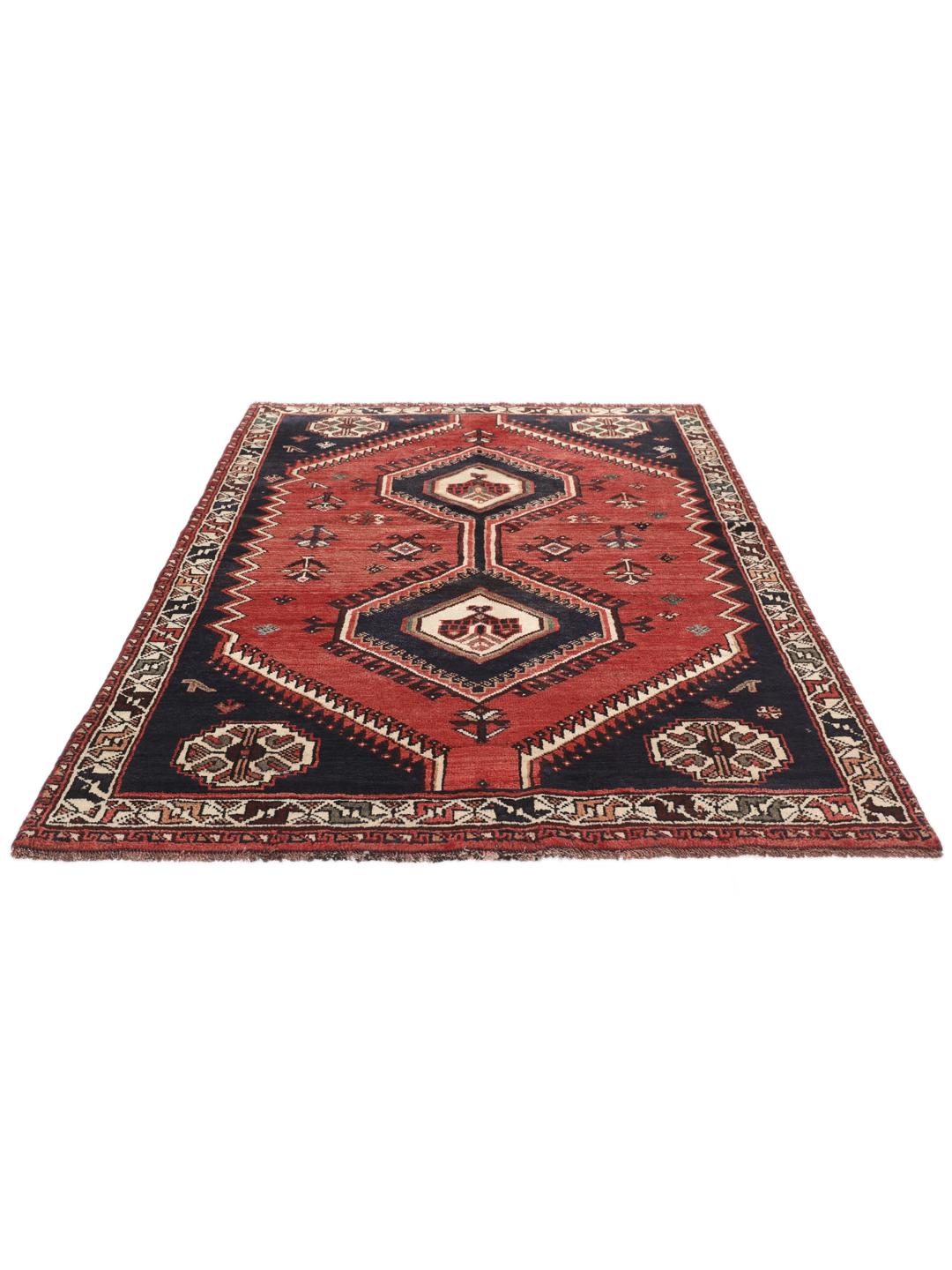
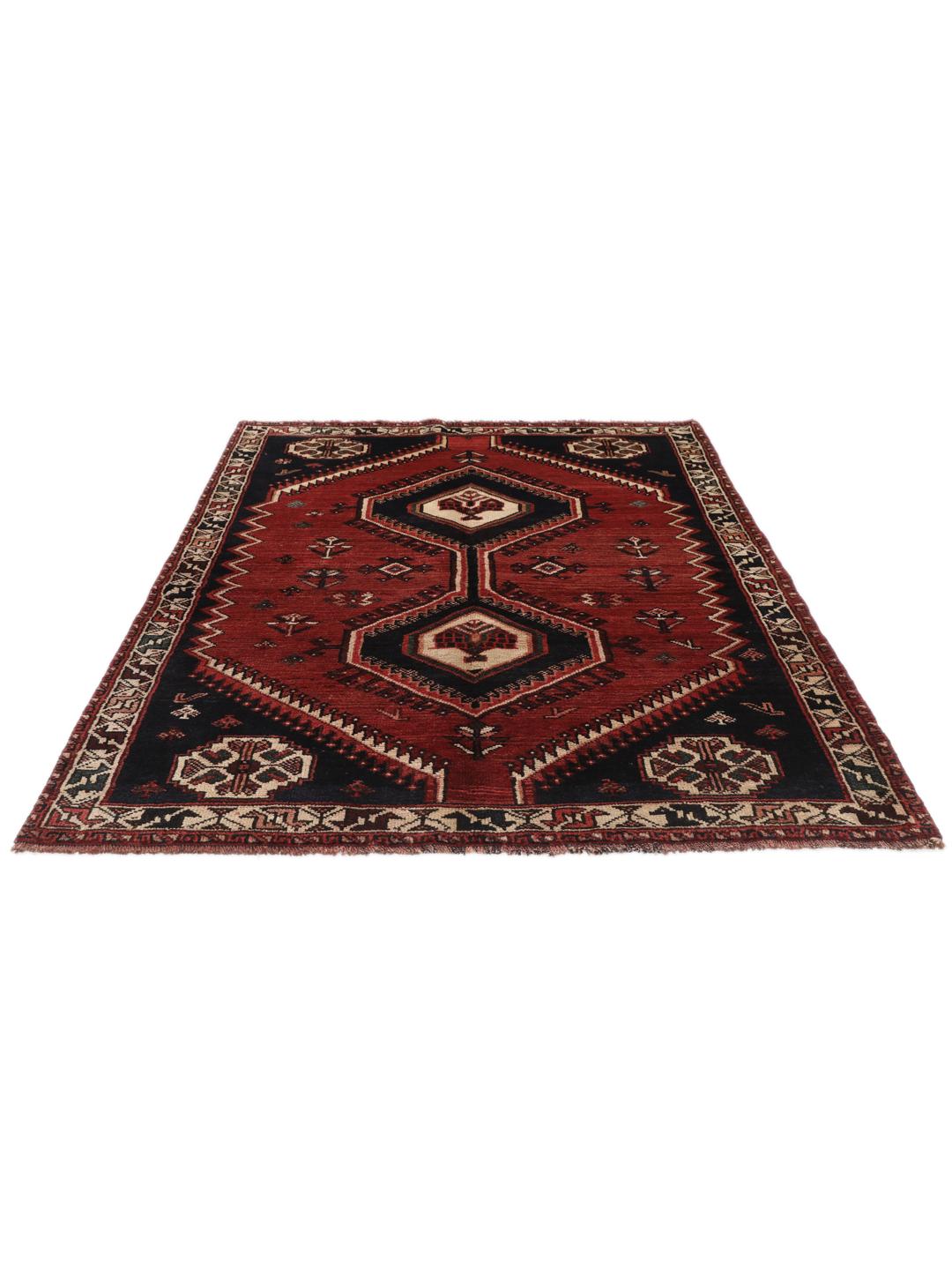
Shiraz rugs originate from the Fars province in the Middle Eastern region, a territory historically inhabited by nomadic tribes. These rugs are deeply rooted in a culture of migration and pastoral life, where weaving was not merely a craft but a vital form of self-expression. The designs often reflect the surroundings of the weavers, incorporating stylised elements of nature and the local environment that have been passed down through generations.
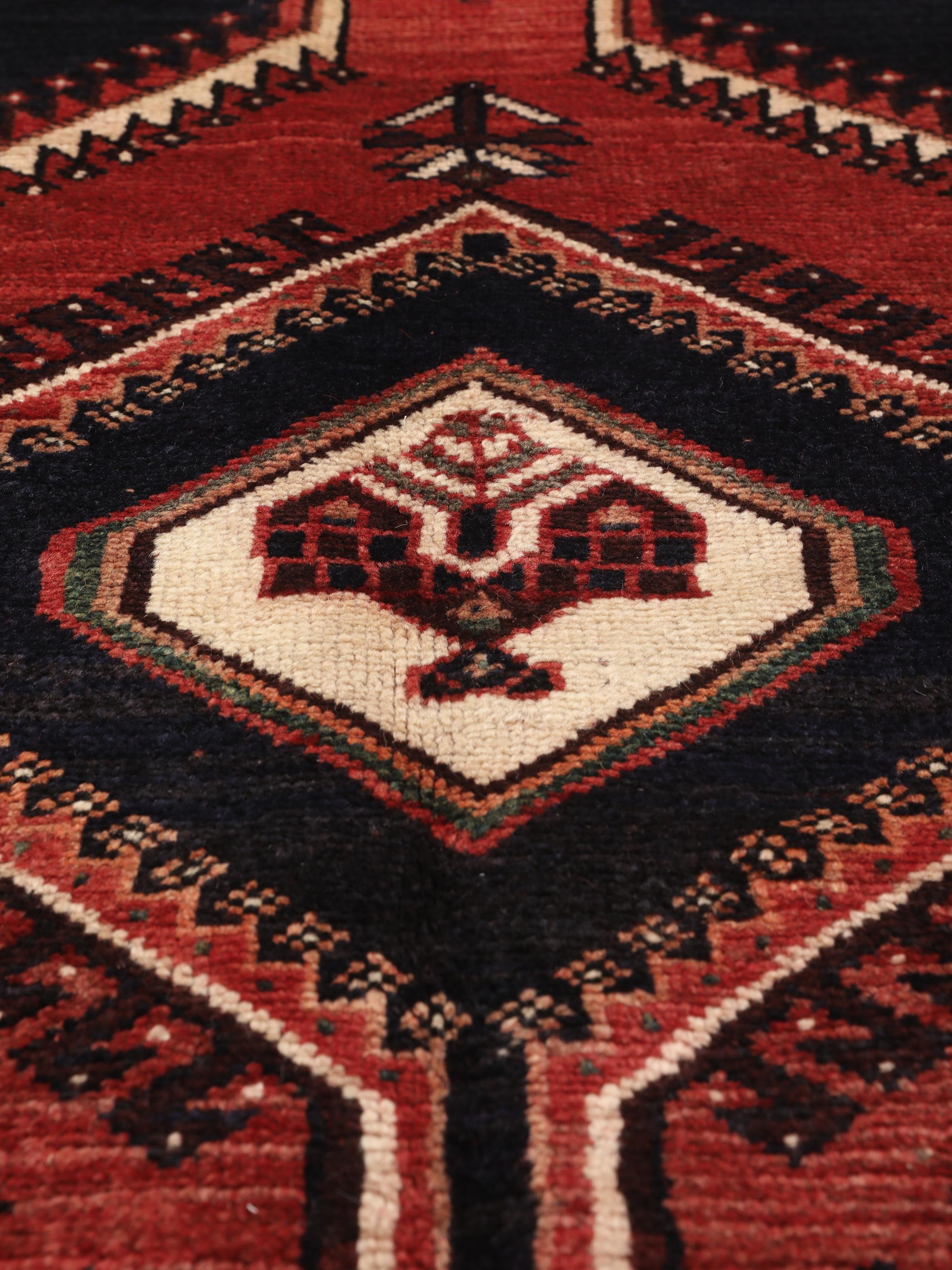
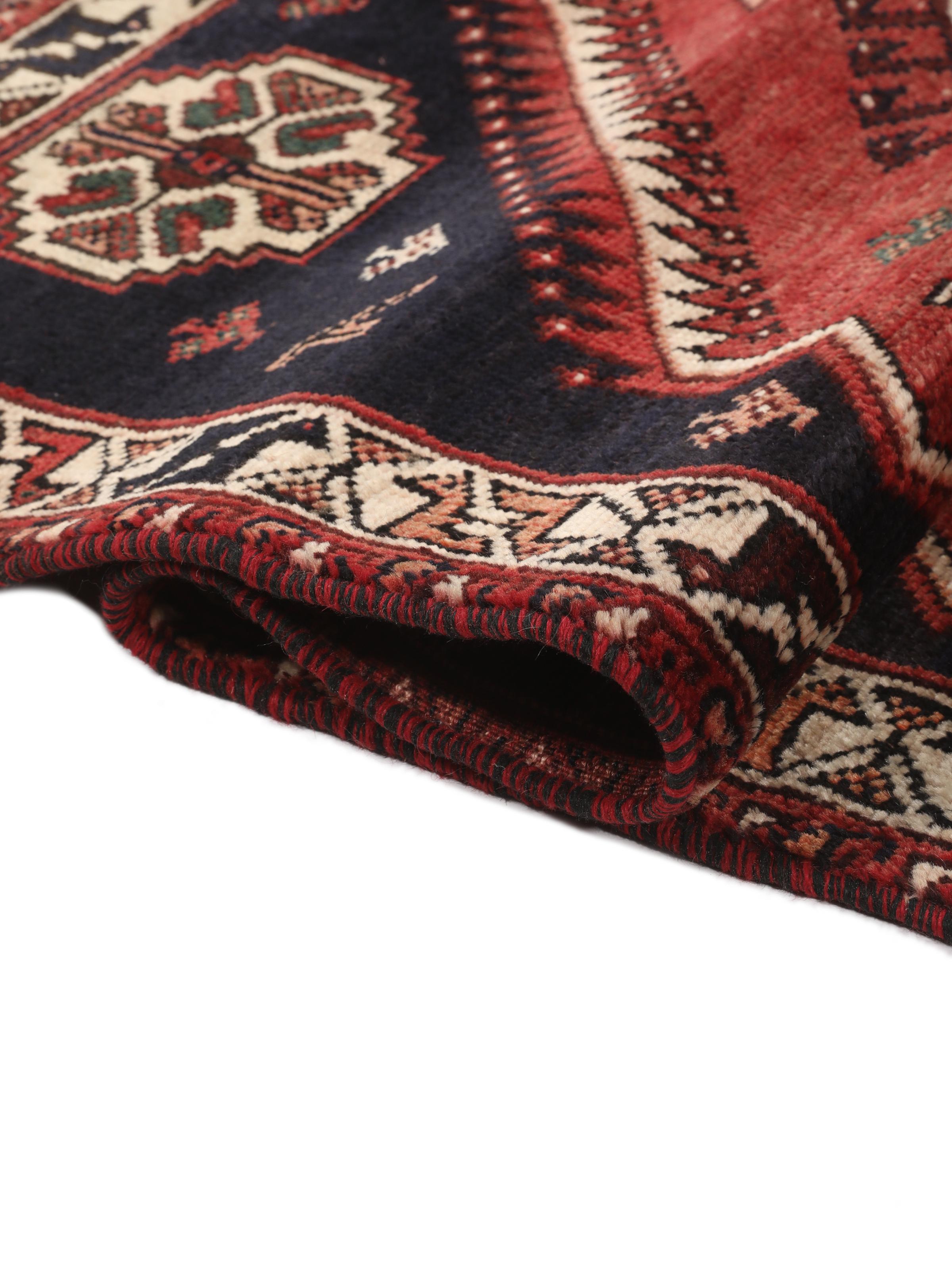
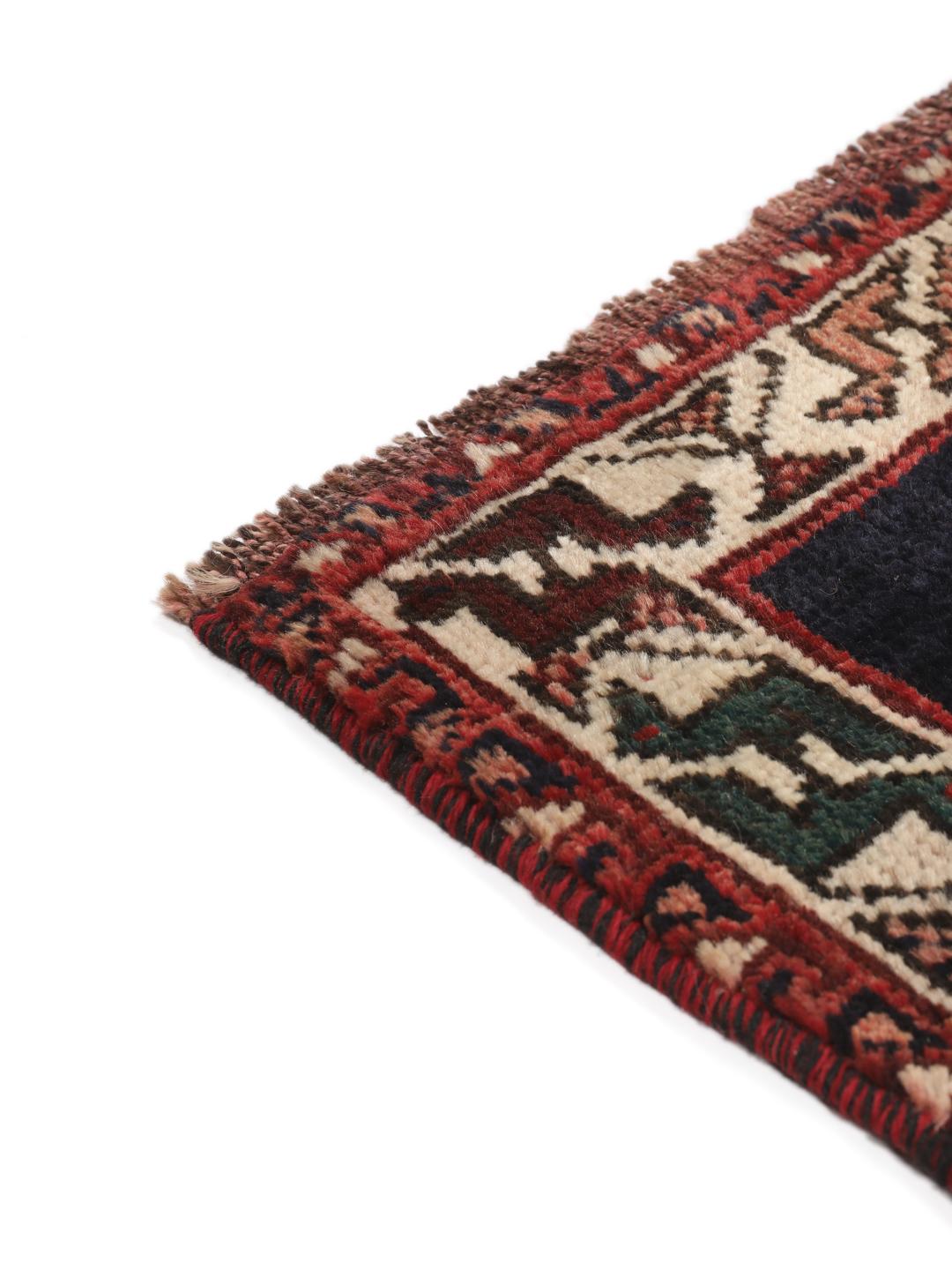
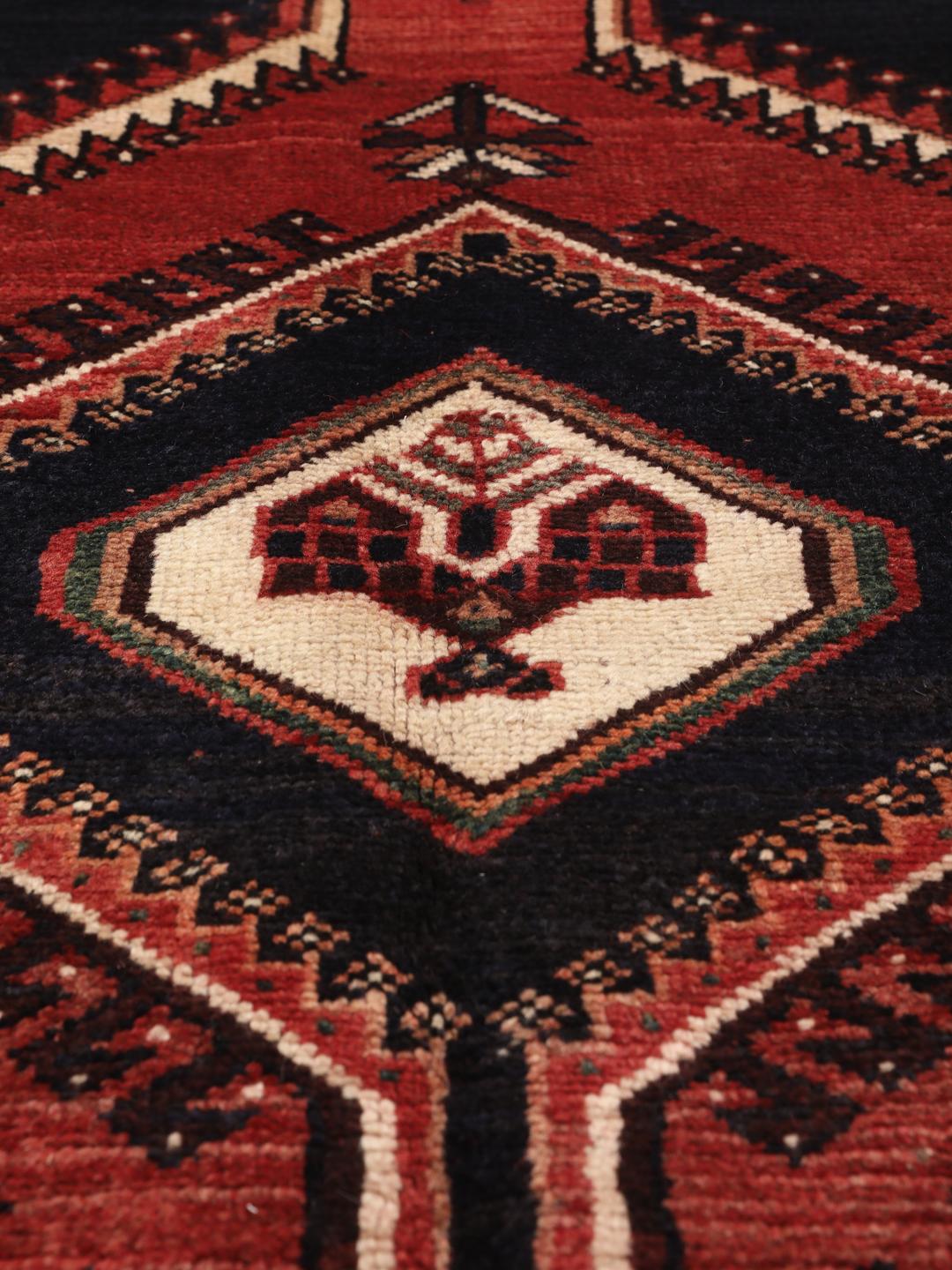
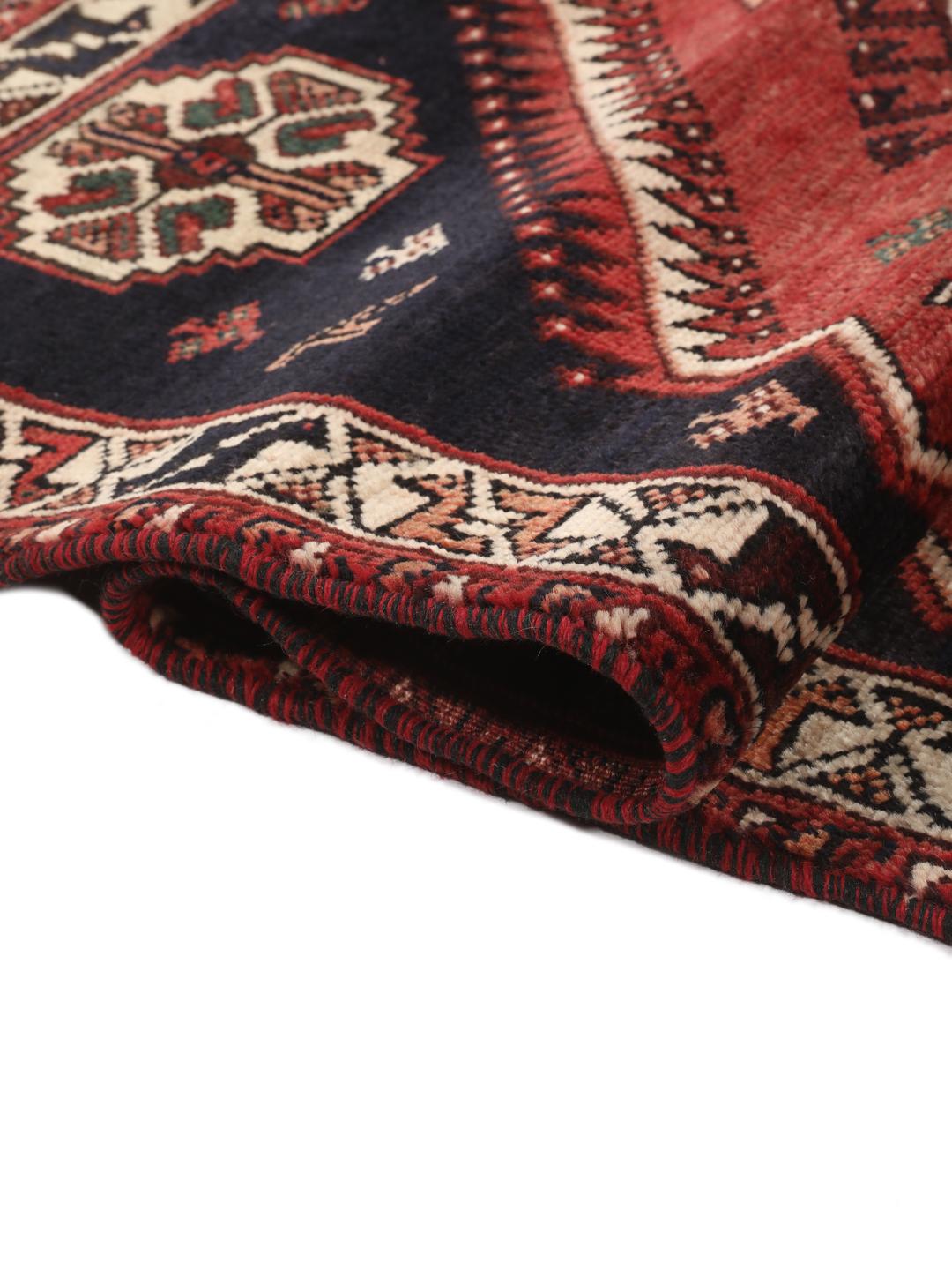
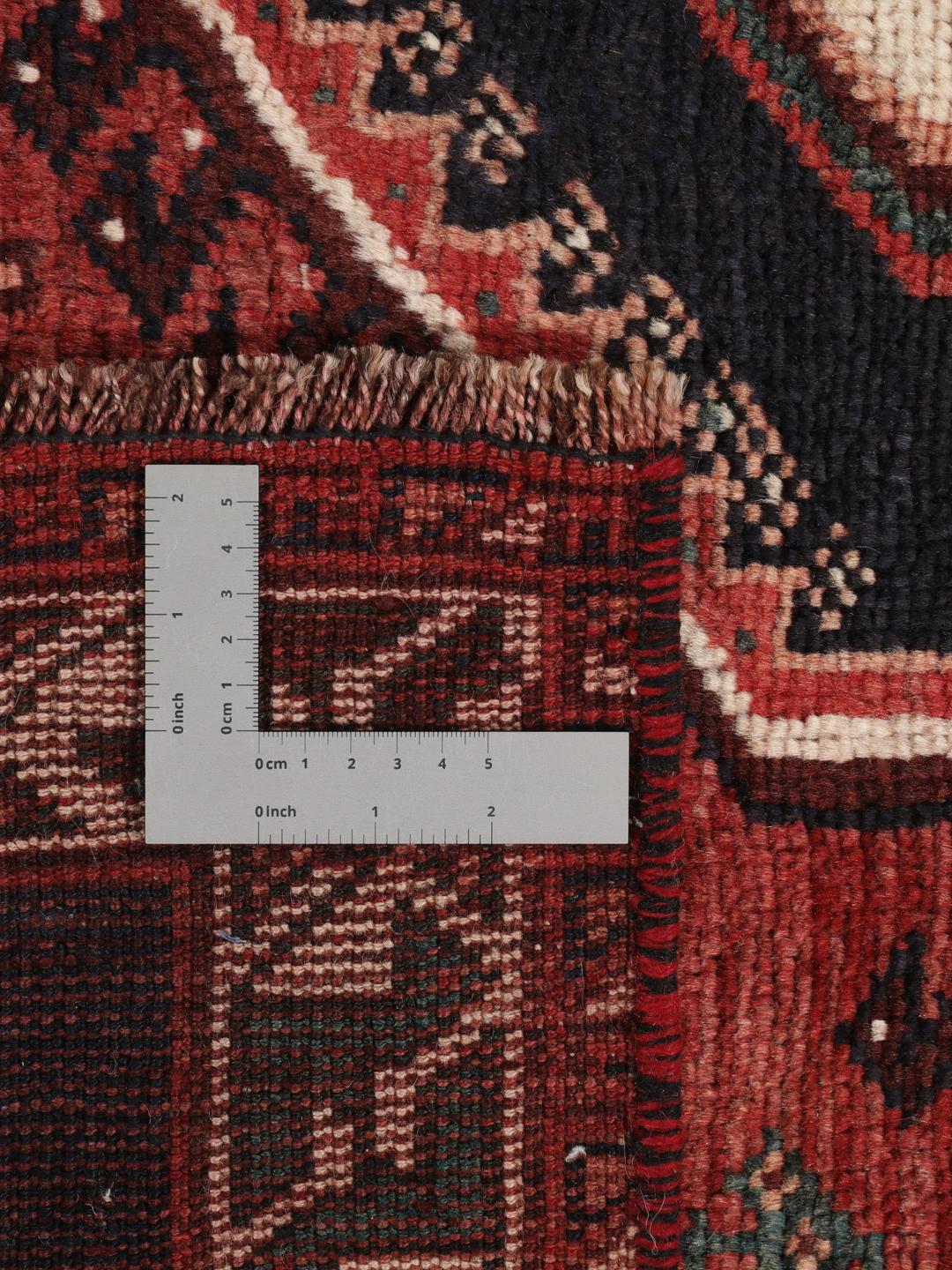
The construction of these rugs typically involves a wool-on-wool foundation, which gives the finished piece a flexible yet sturdy character. The hand-knotted technique used here is central to the quality of the rug, as it allows for the organic variation in colour and pattern that gives tribal rugs their soul. Unlike mass-produced items, each Shiraz rug carries the subtle imprint of the weaver, making the slight irregularities in the design a testament to its authentic, human-made origin.
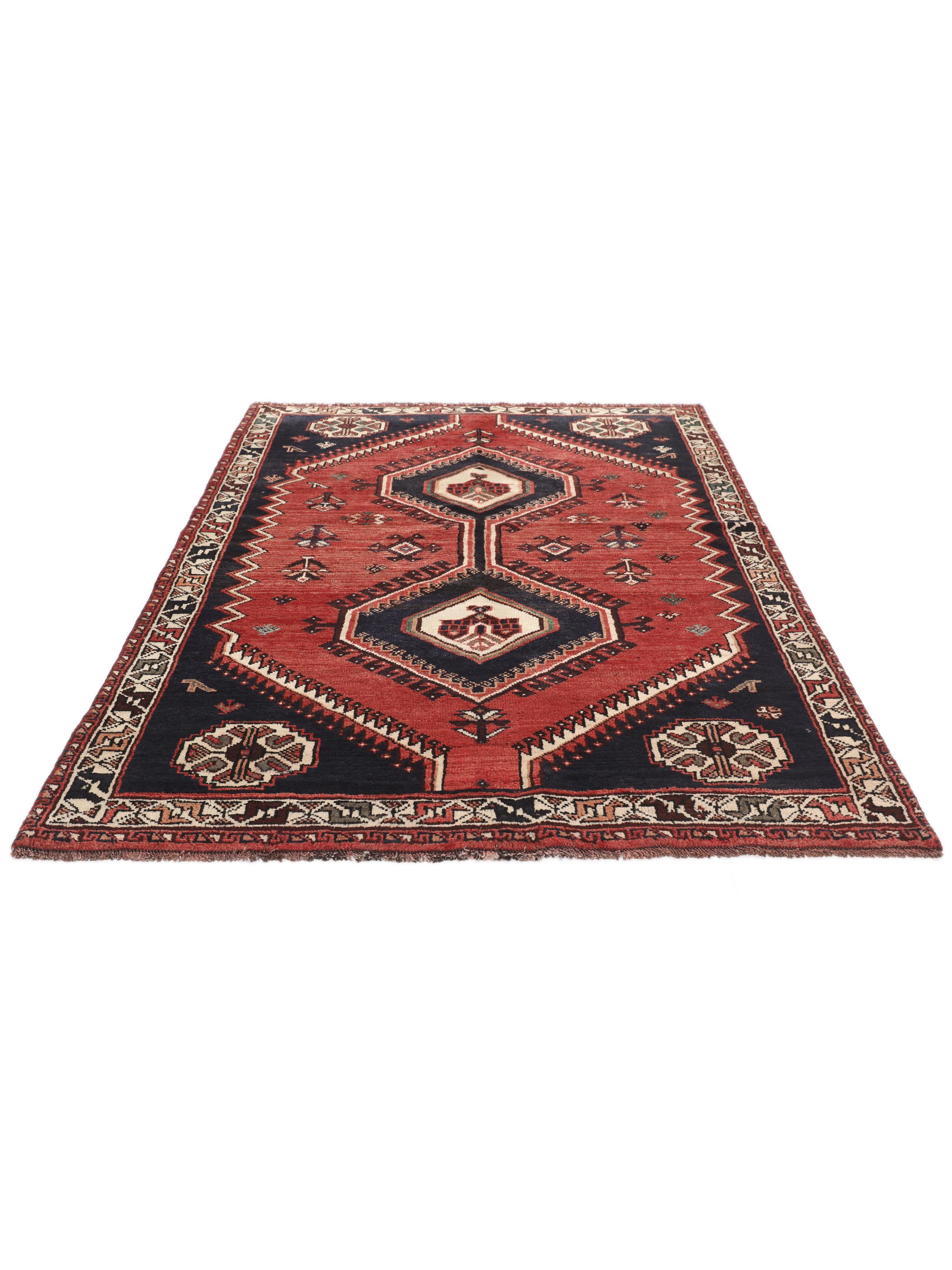
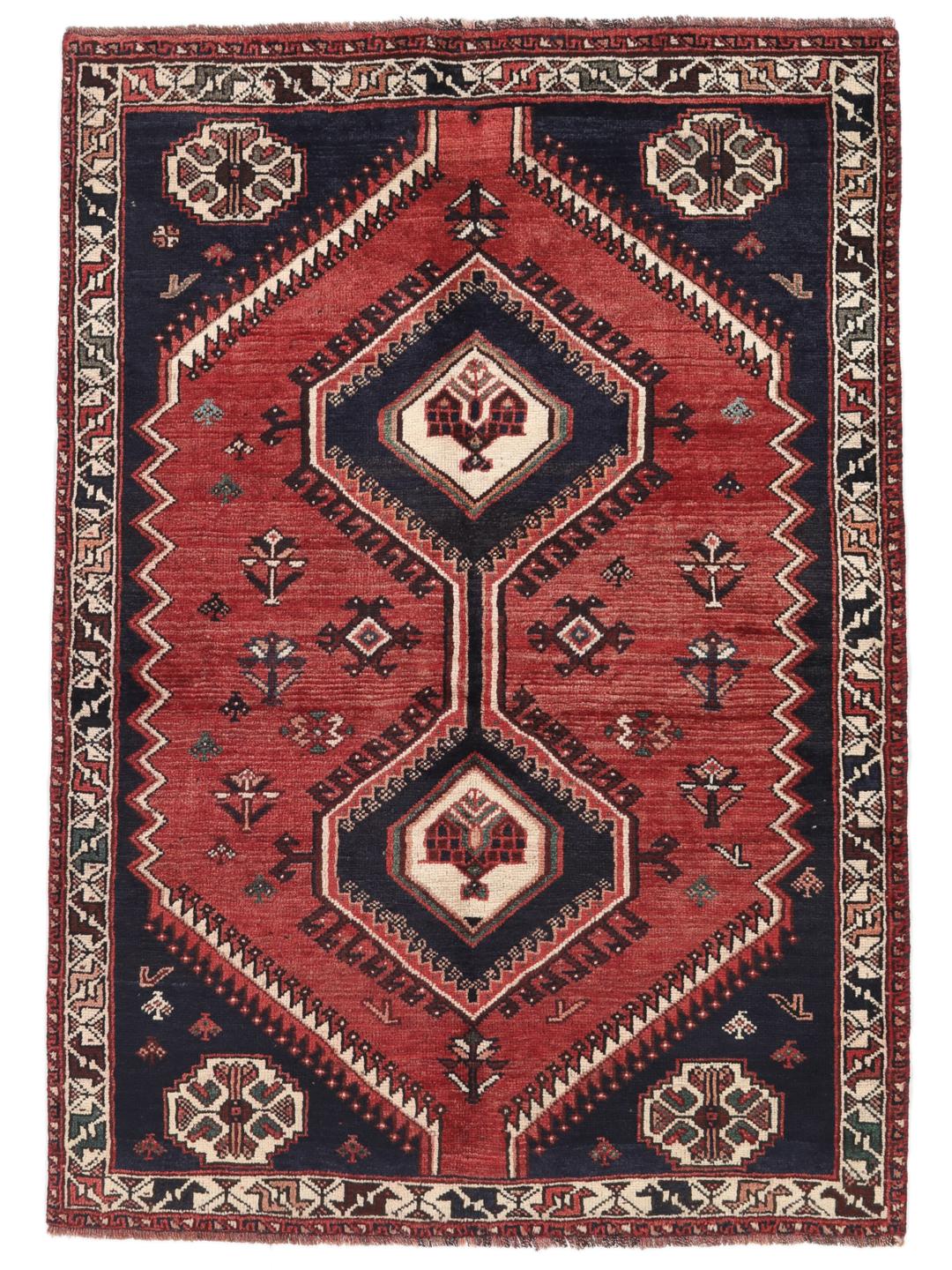
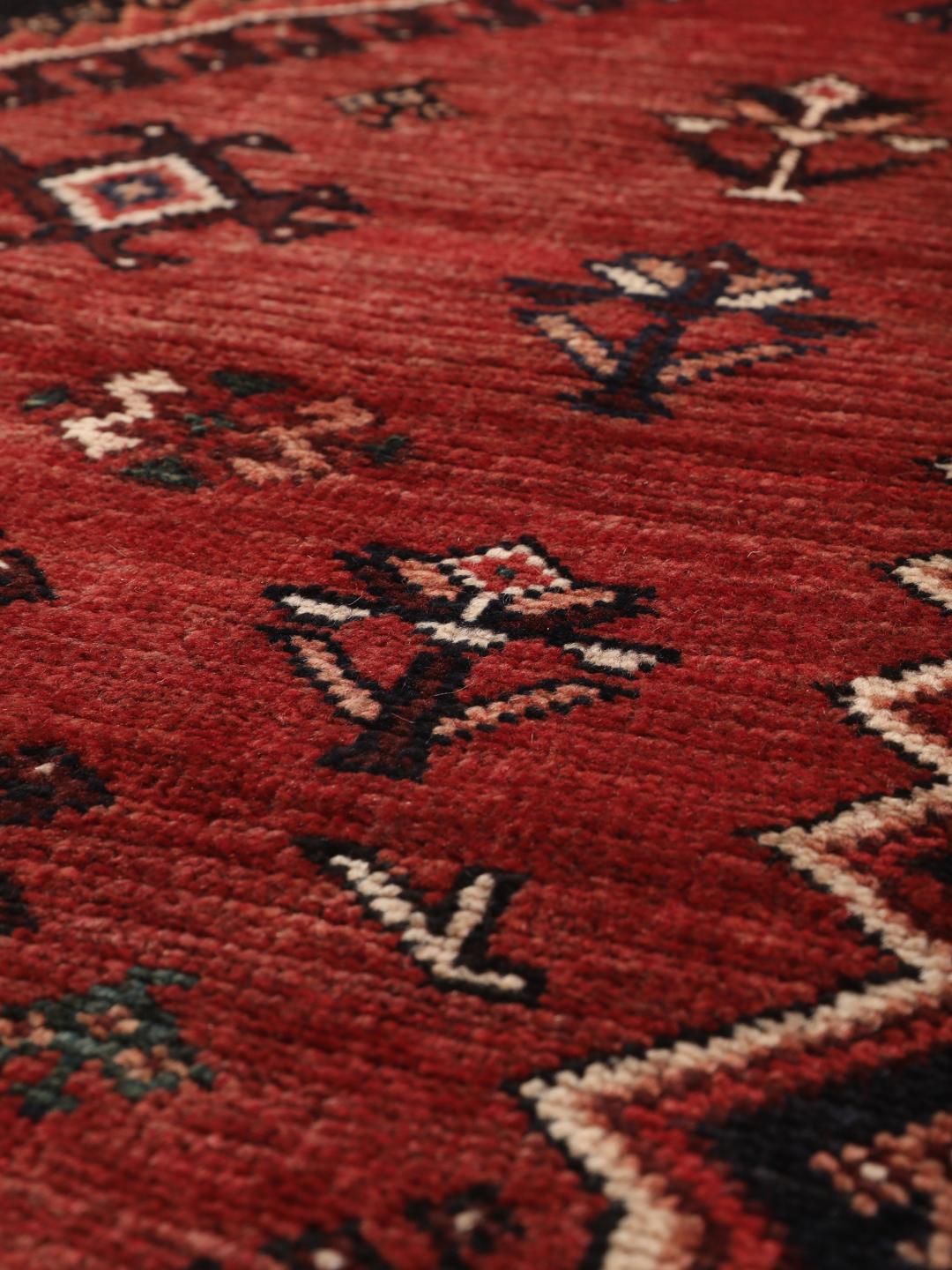
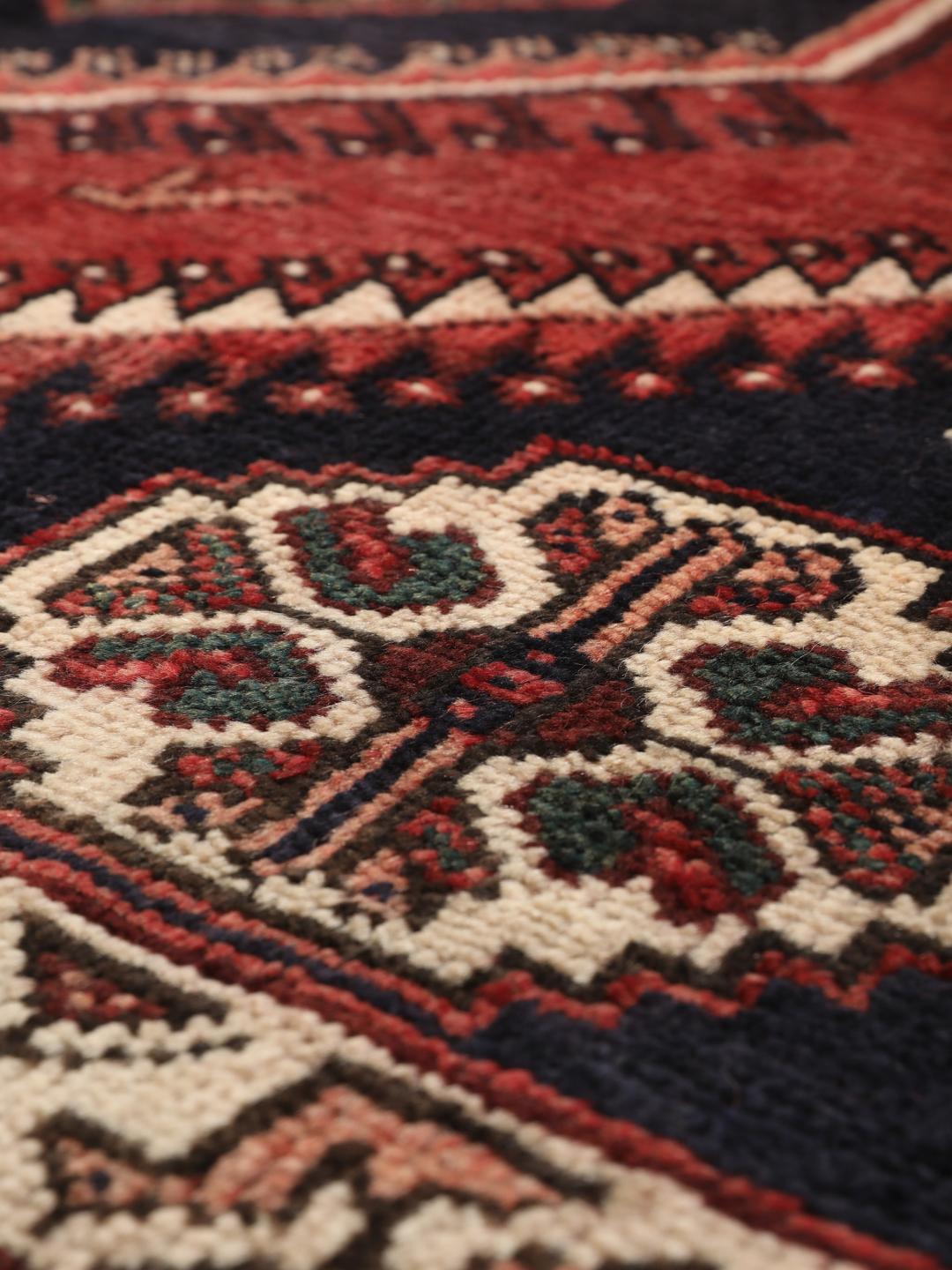
Visually, Shiraz rugs are known for their bold, geometric language. They often feature central medallions, repeating diamond shapes, and stylised floral motifs enclosed by complex, stepped borders. The colour palette typically favours deep reds, blues, and earthy tones derived from natural pigments. This specific rug showcases a striking balance of these traditional elements, with a dark field and warm accents that exemplify the classic Shiraz aesthetic.
Collectors value these rugs for their honesty and connection to nomadic heritage. Owning a Shiraz is more than a design choice; it is an appreciation of a craft that has survived for centuries, resisting the influence of modern industrialisation. These rugs are seen as pieces of cultural history that bring a sense of warmth and permanence to a home, standing as a reminder of the skill and patience required to create beauty by hand.