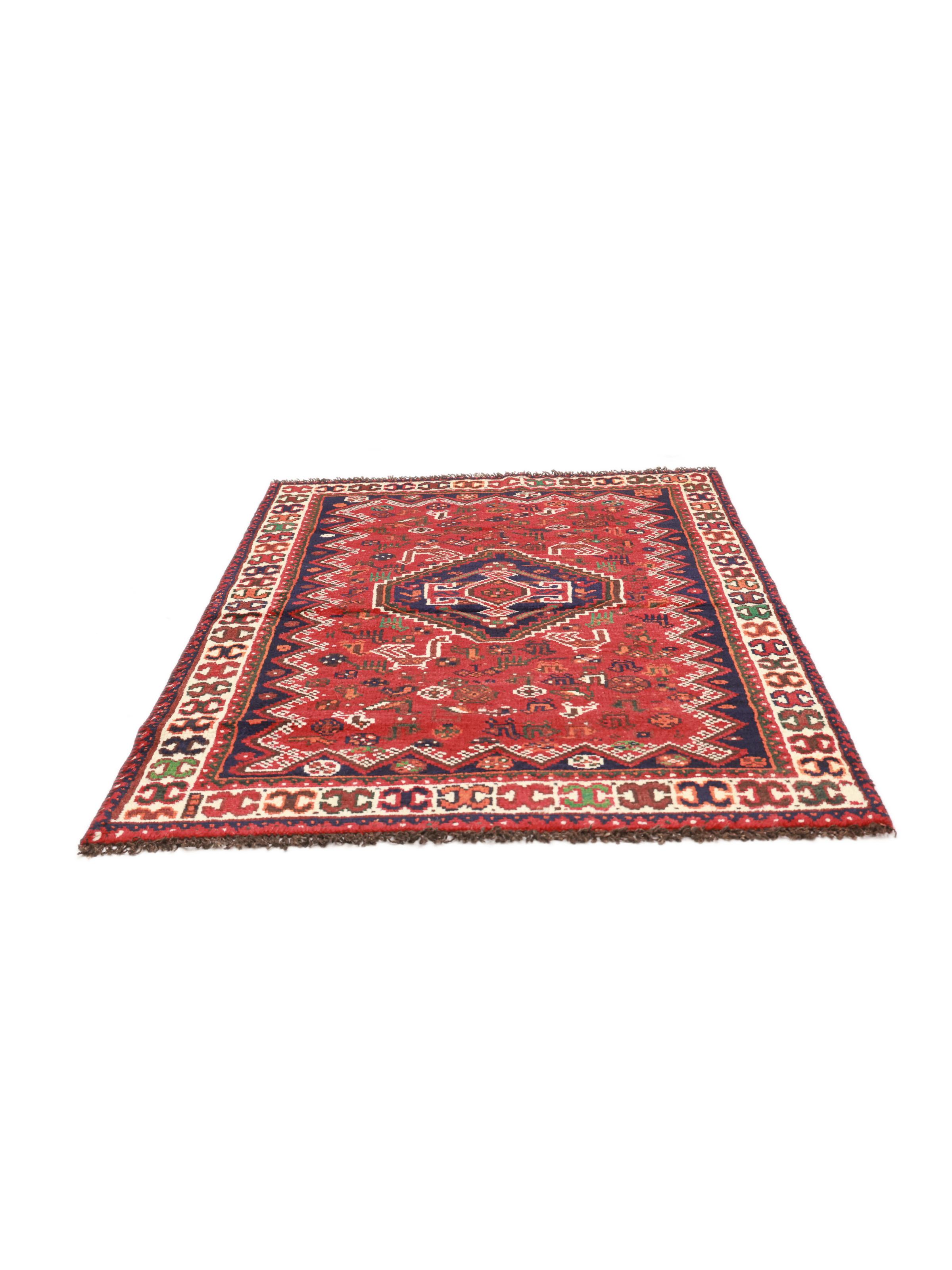
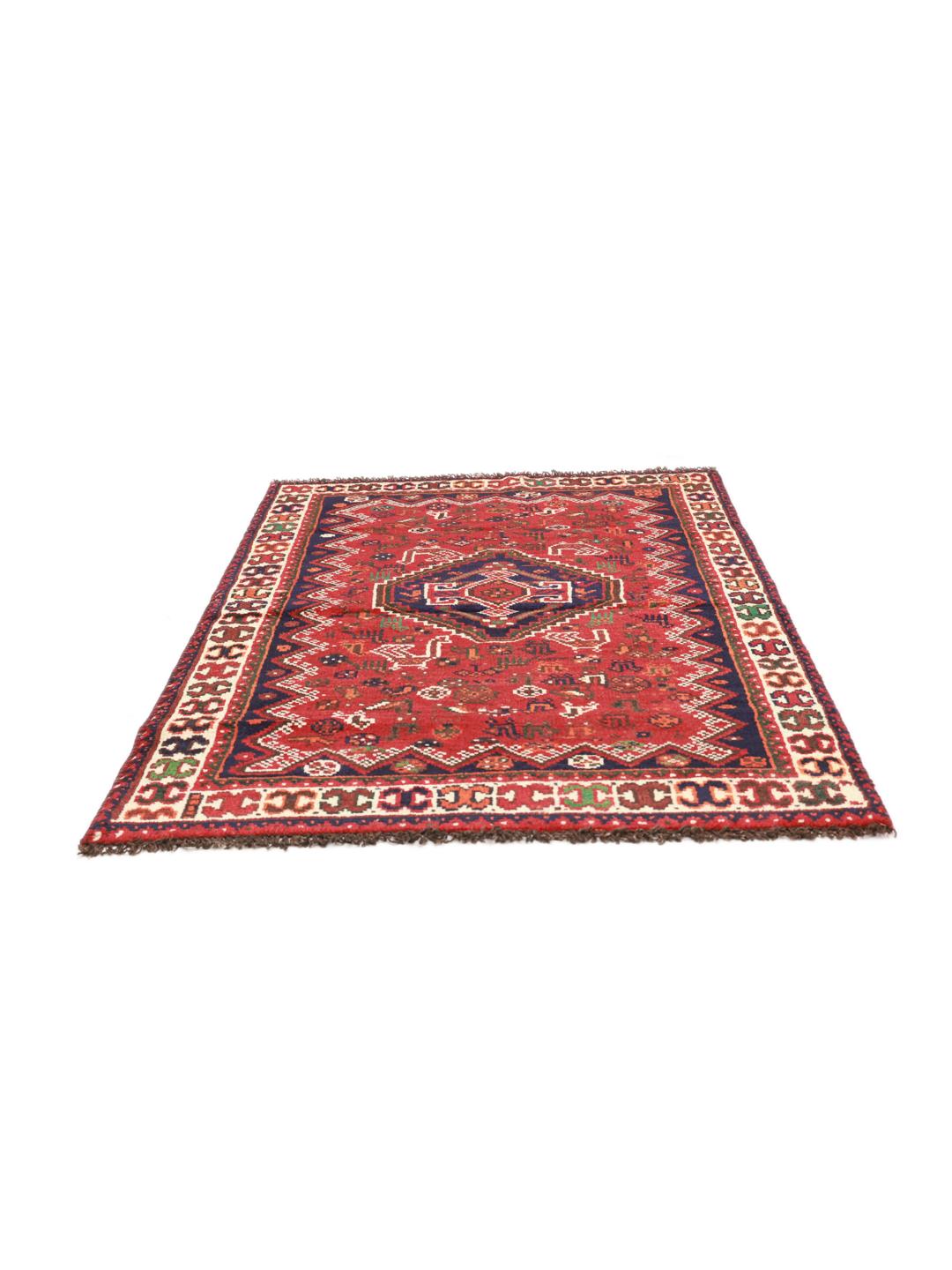
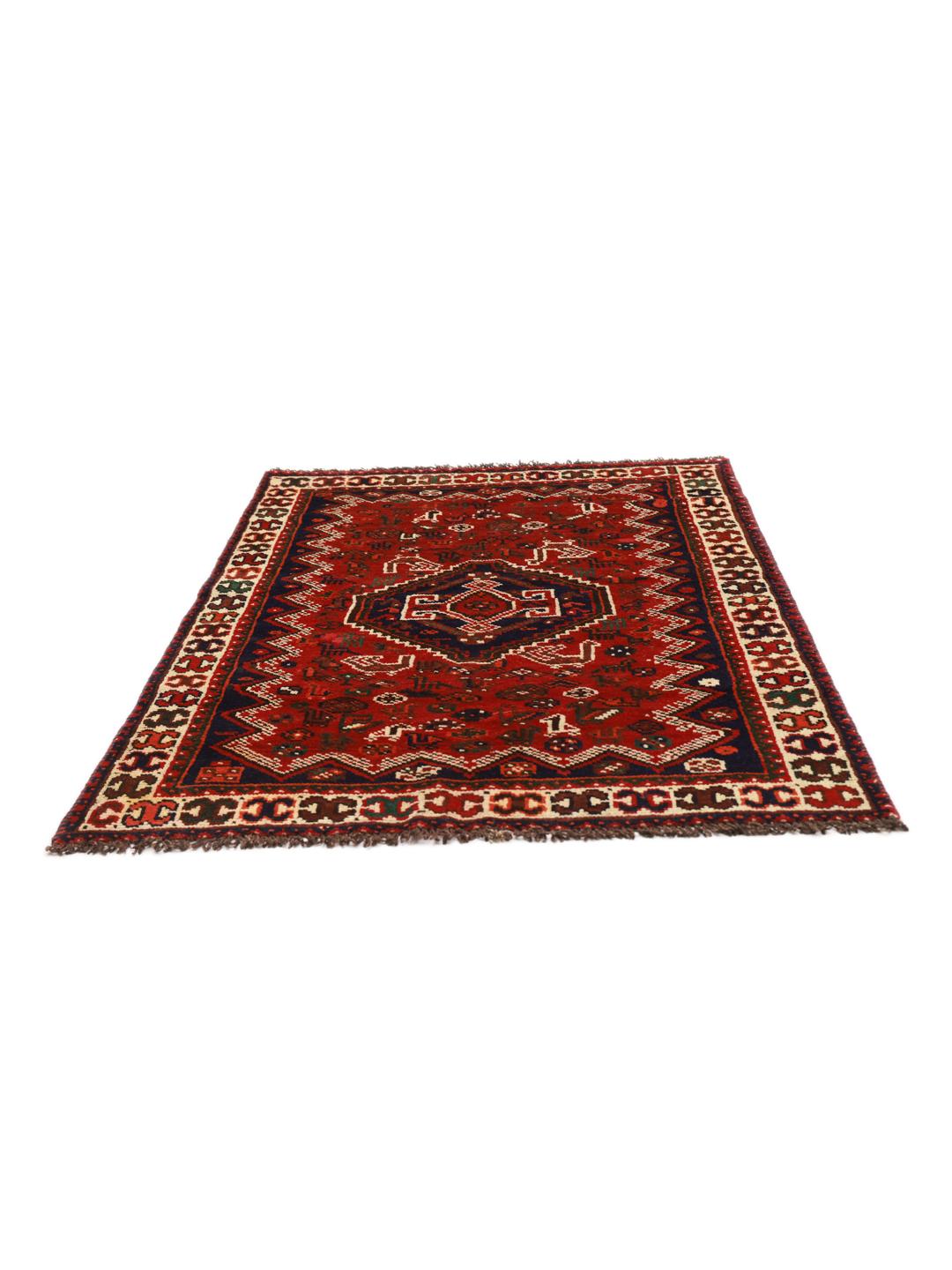
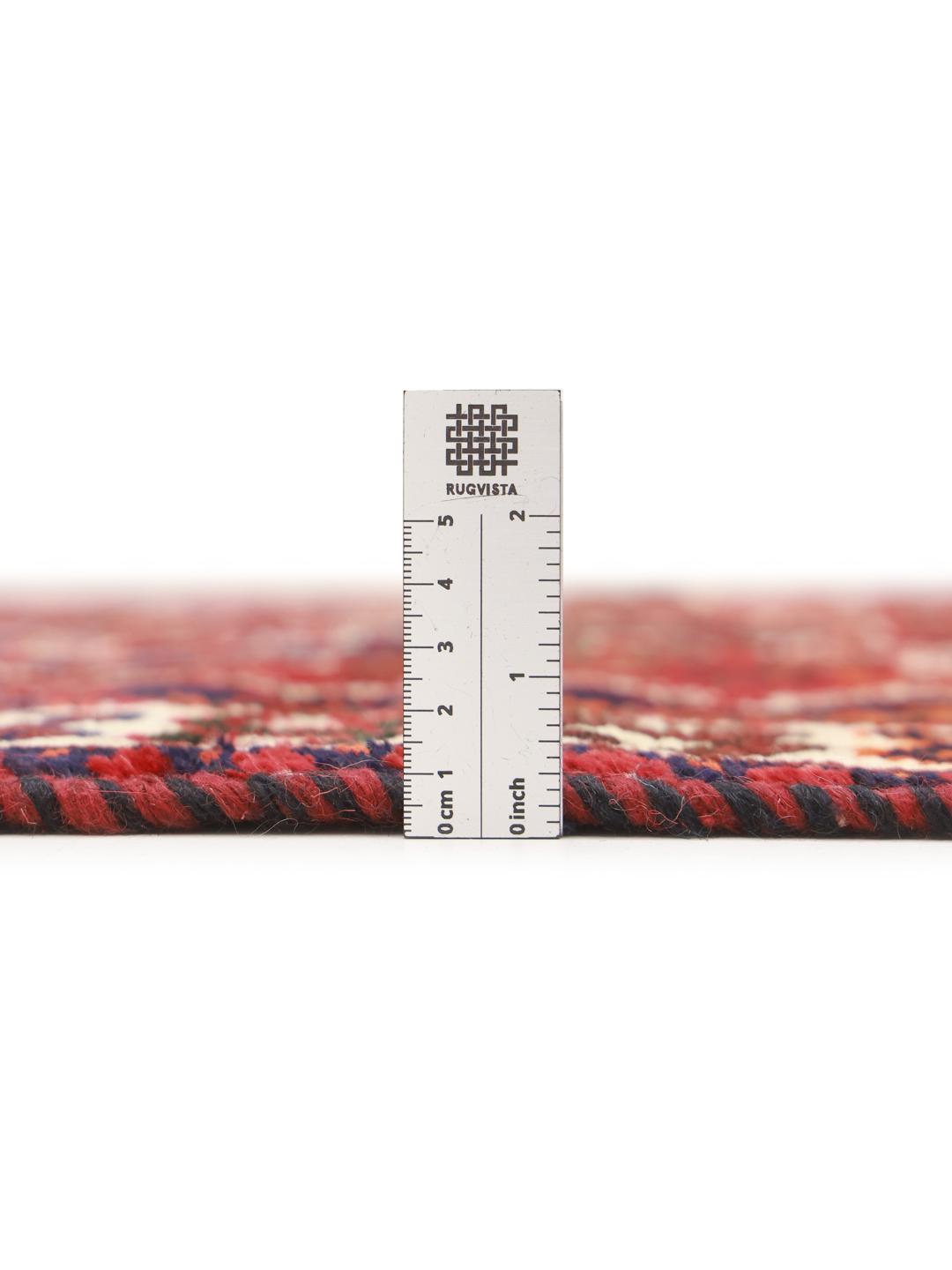
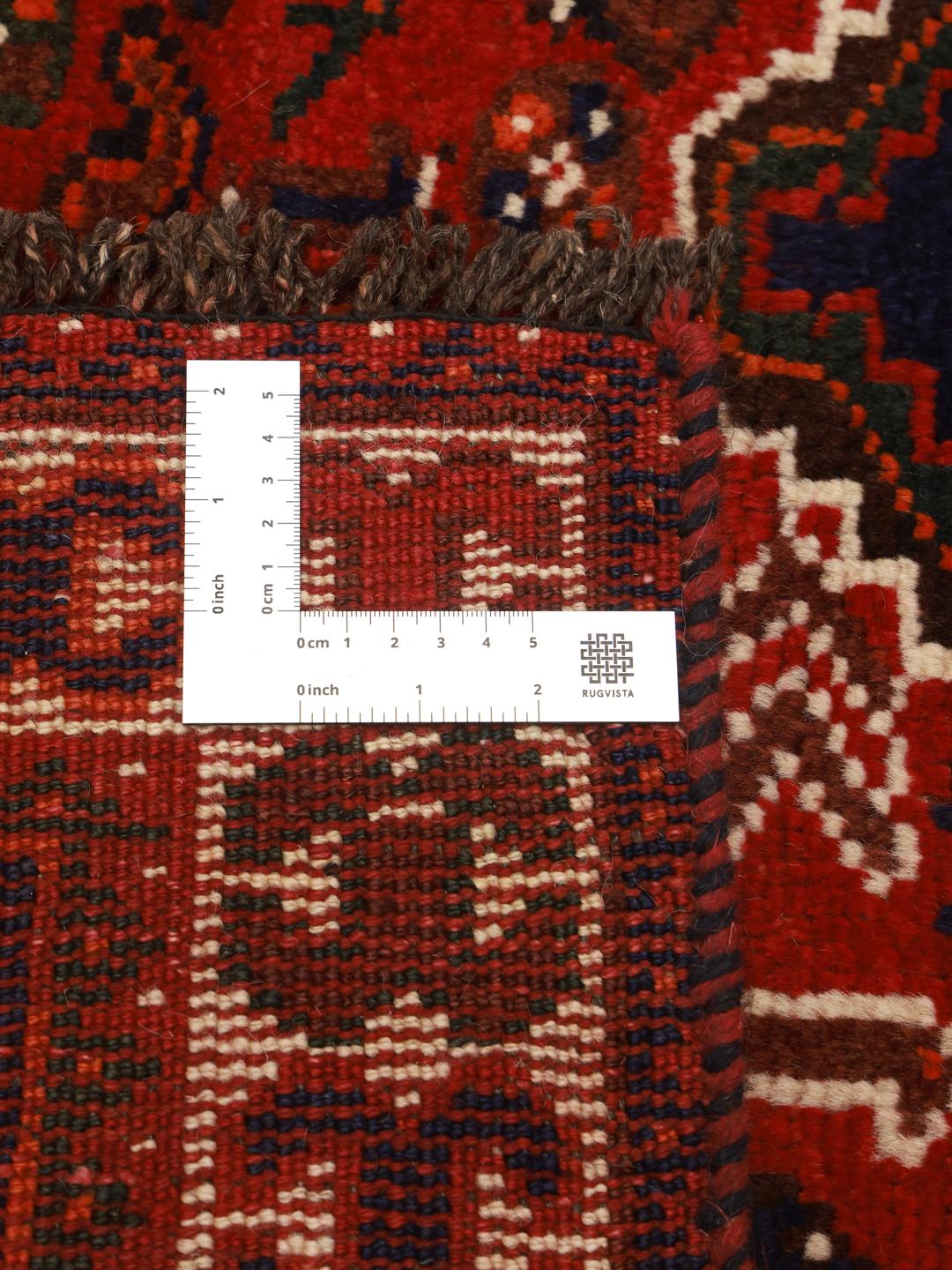
Shiraz rugs originate from the Fars province in the Middle East, a region with a deep and storied history of nomadic and semi-nomadic weaving. These rugs are traditionally crafted by various tribal groups who have passed down their design aesthetics and technical skills through generations. The rugs are known for their lively and spontaneous character, often reflecting the natural surroundings and the cultural identity of the weavers who create them.
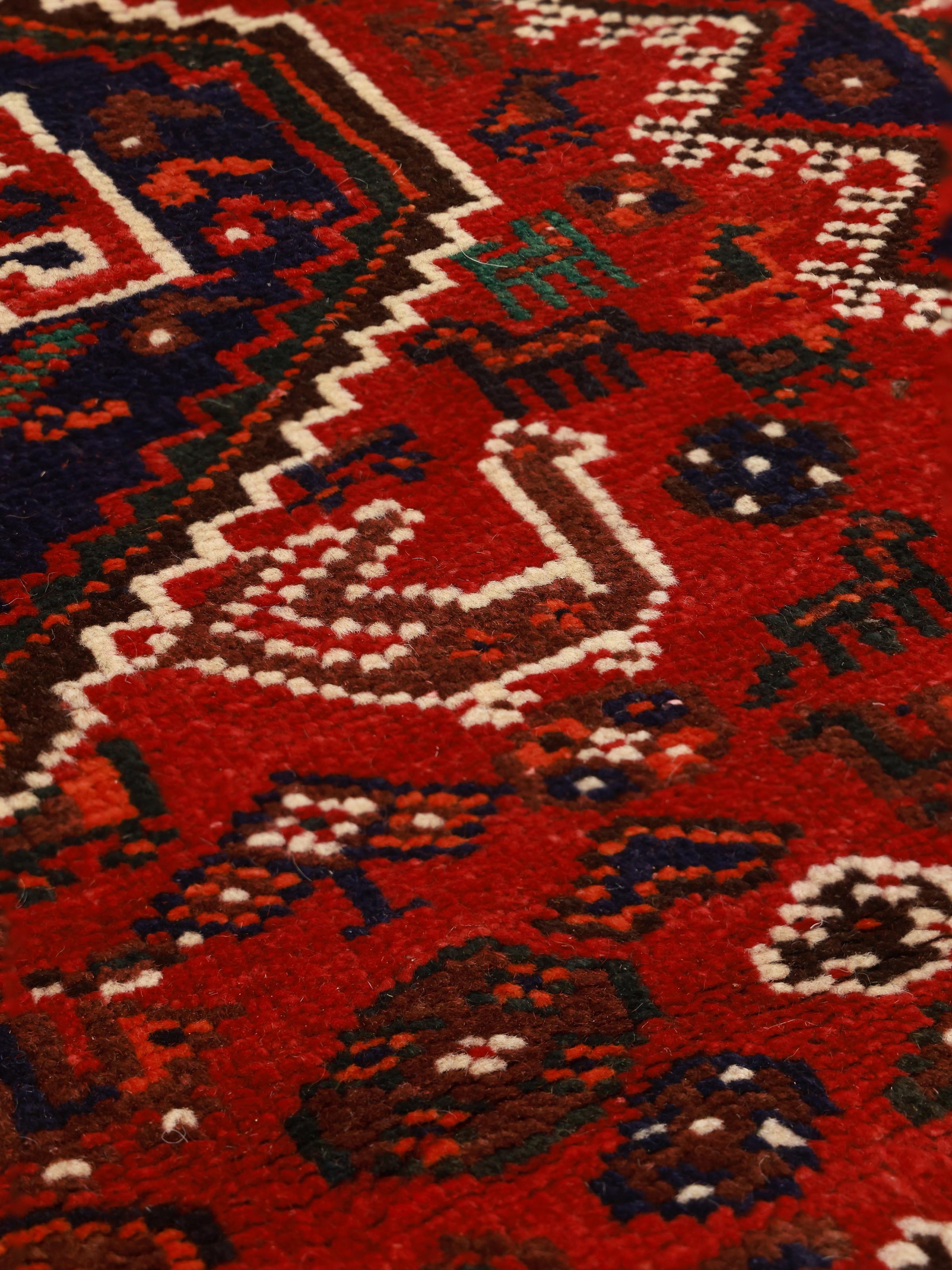
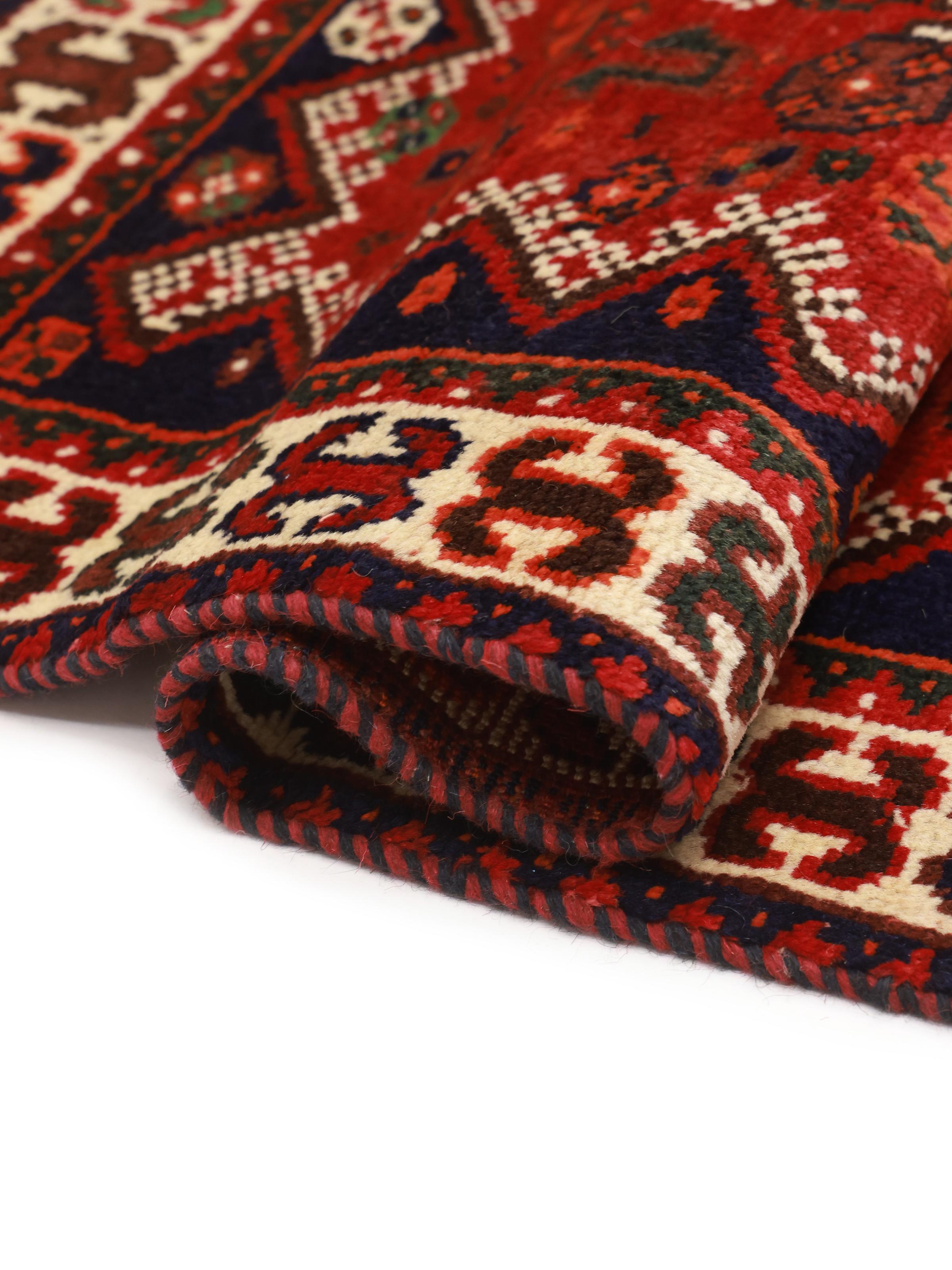
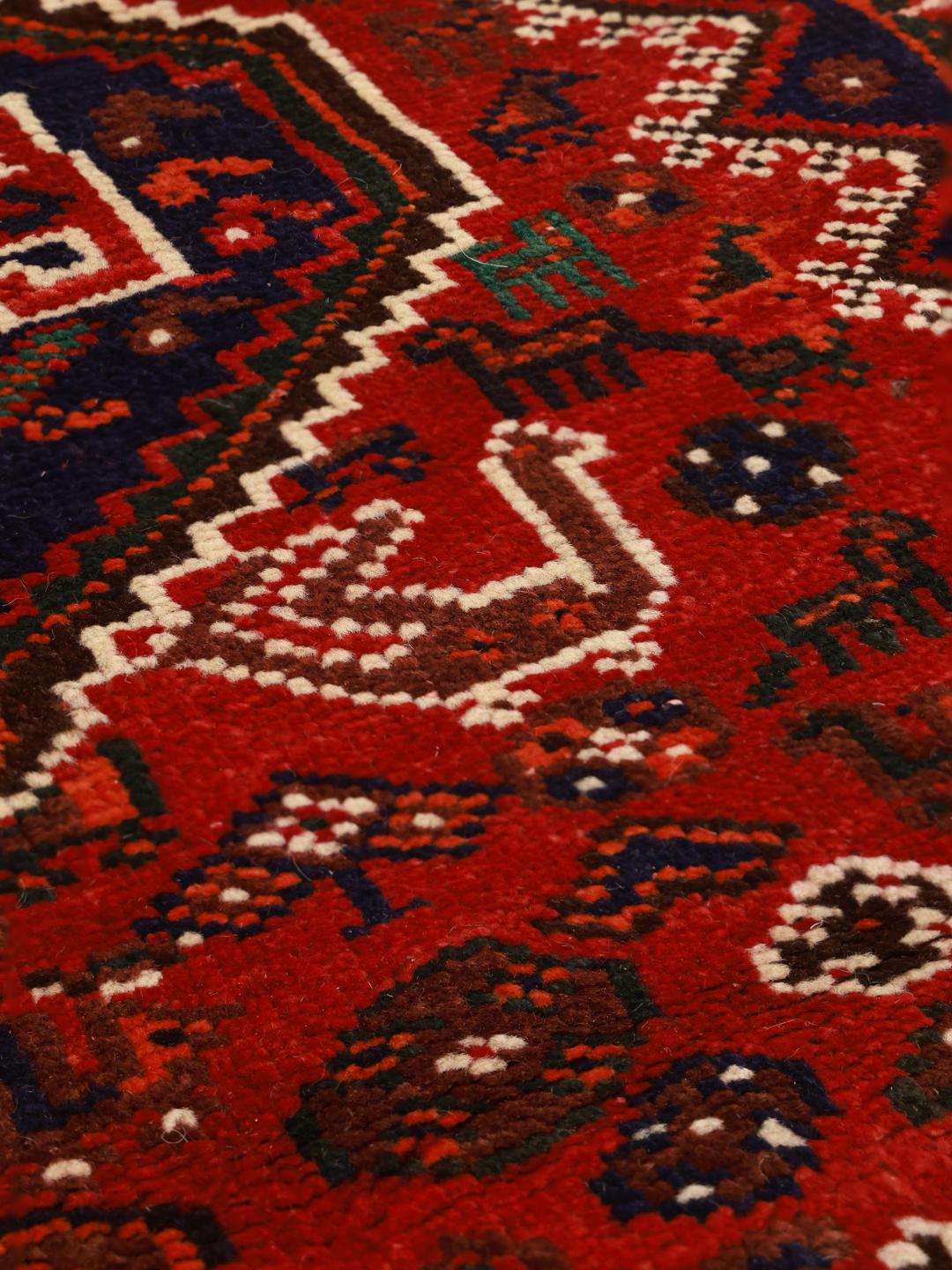
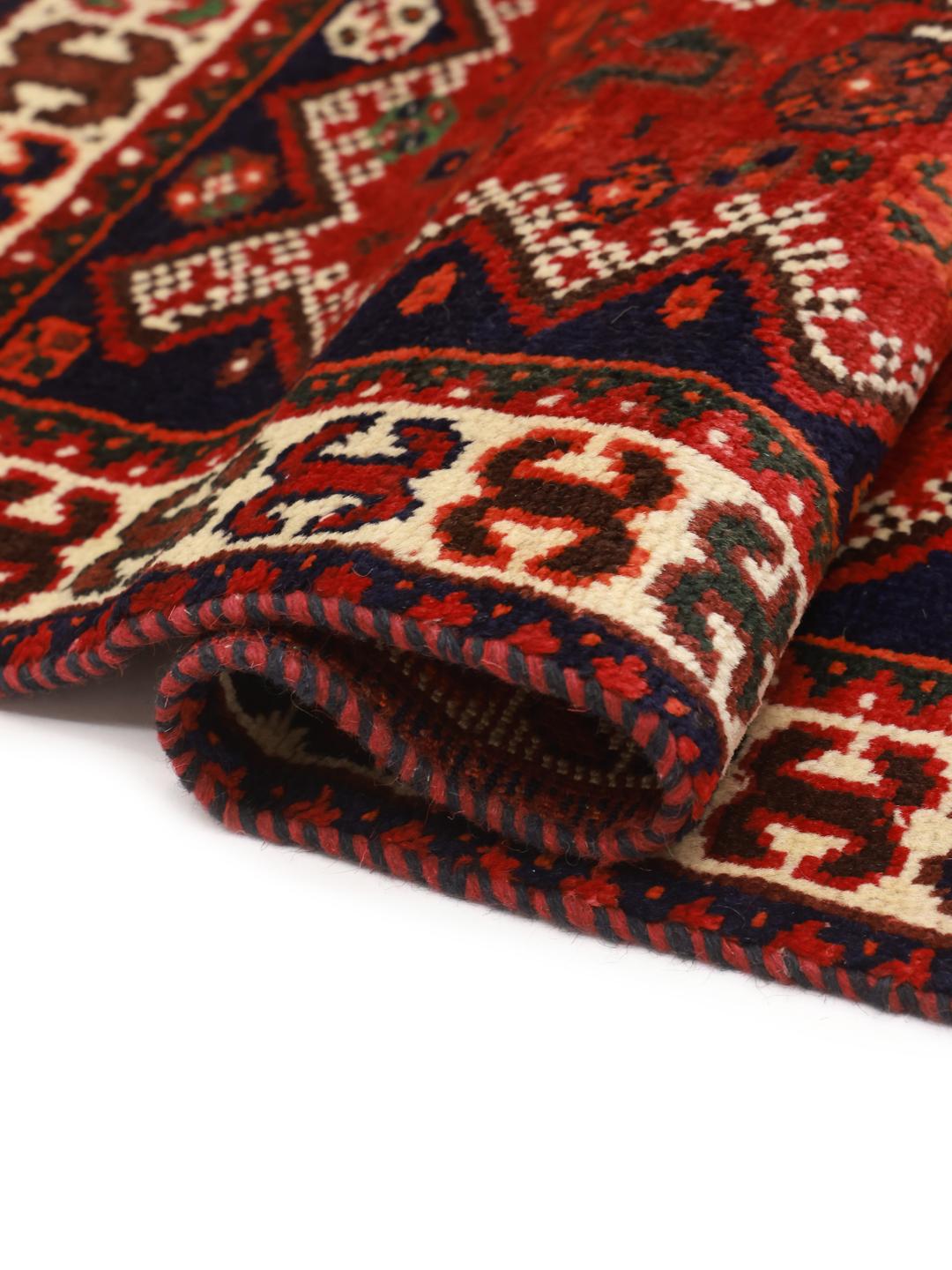
The term hand-knotted refers to the technique where individual strands of wool are tied around the warp threads to form the pile. This is the hallmark of high-quality rug making, as it creates a sturdy structure that can last for generations. Unlike machine-made alternatives, this method allows for a greater depth of character and a more varied, living surface that evolves beautifully over time.
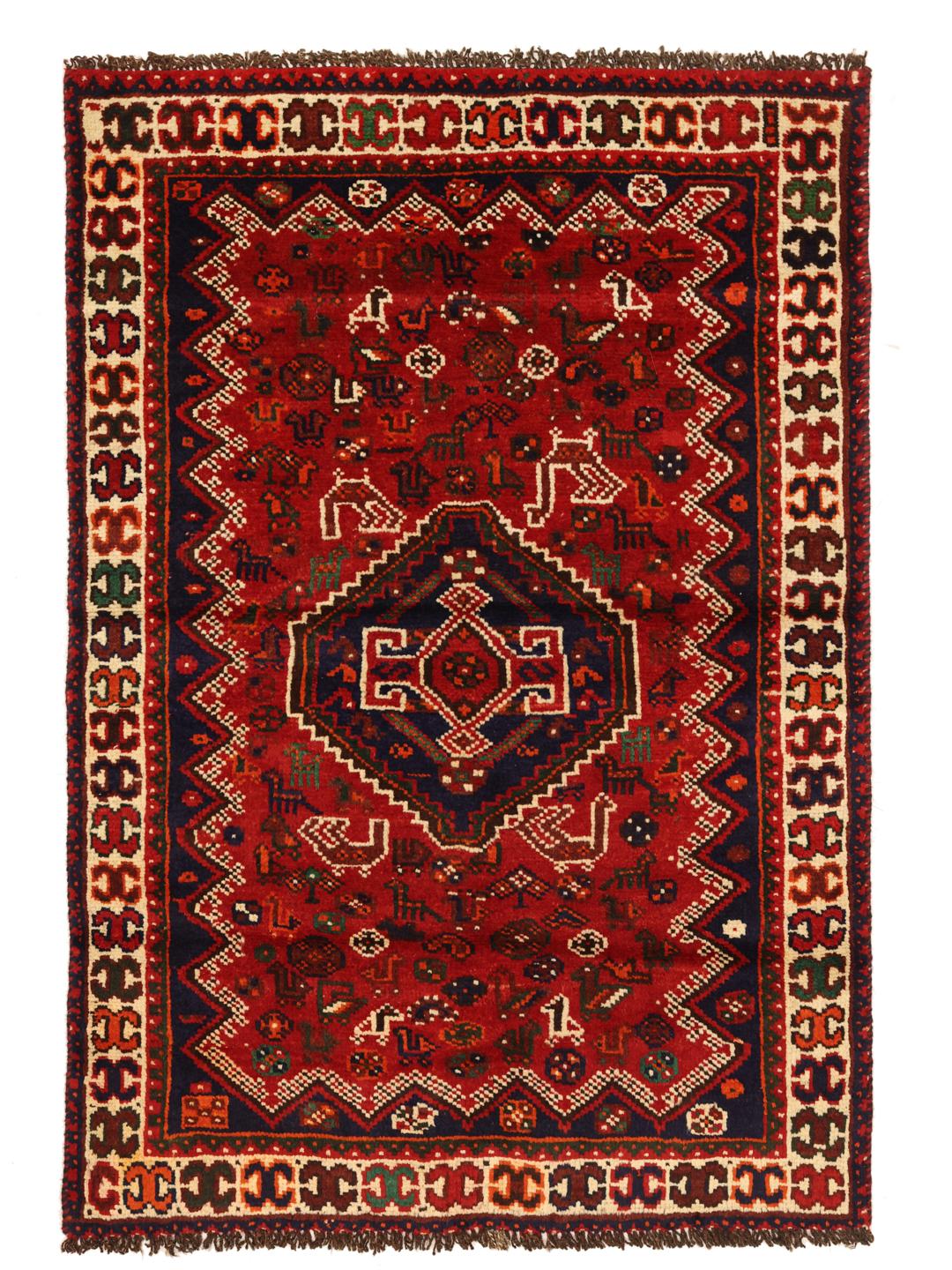
Signature design elements of these rugs often include geometric medallions, stylised animals, and floral motifs that are arranged in a free-spirited, non-symmetrical manner. The borders are frequently decorated with complex geometric patterns that frame the field. The use of deep red and dark blue tones is a classic hallmark of the tradition, providing a warm and grounded palette that has remained popular for centuries.
Collecting these rugs is an investment in cultural heritage and human skill. Each piece serves as a record of the weaver's artistic choices and the traditions of their tribe. By owning a Shiraz, you are preserving a craft that values individual expression and historical continuity over mass production, ensuring that these meaningful stories continue to be shared in homes around the world.