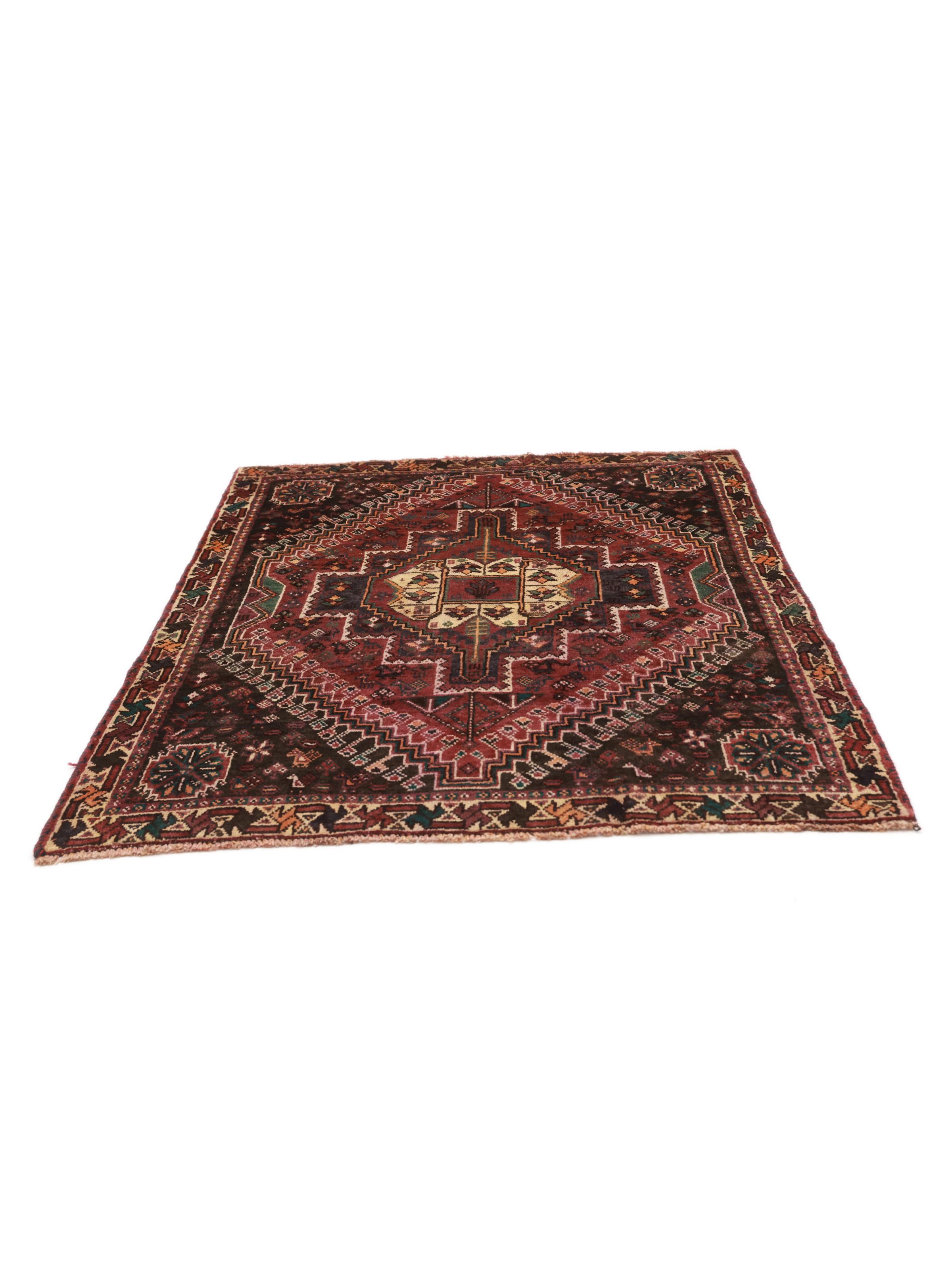
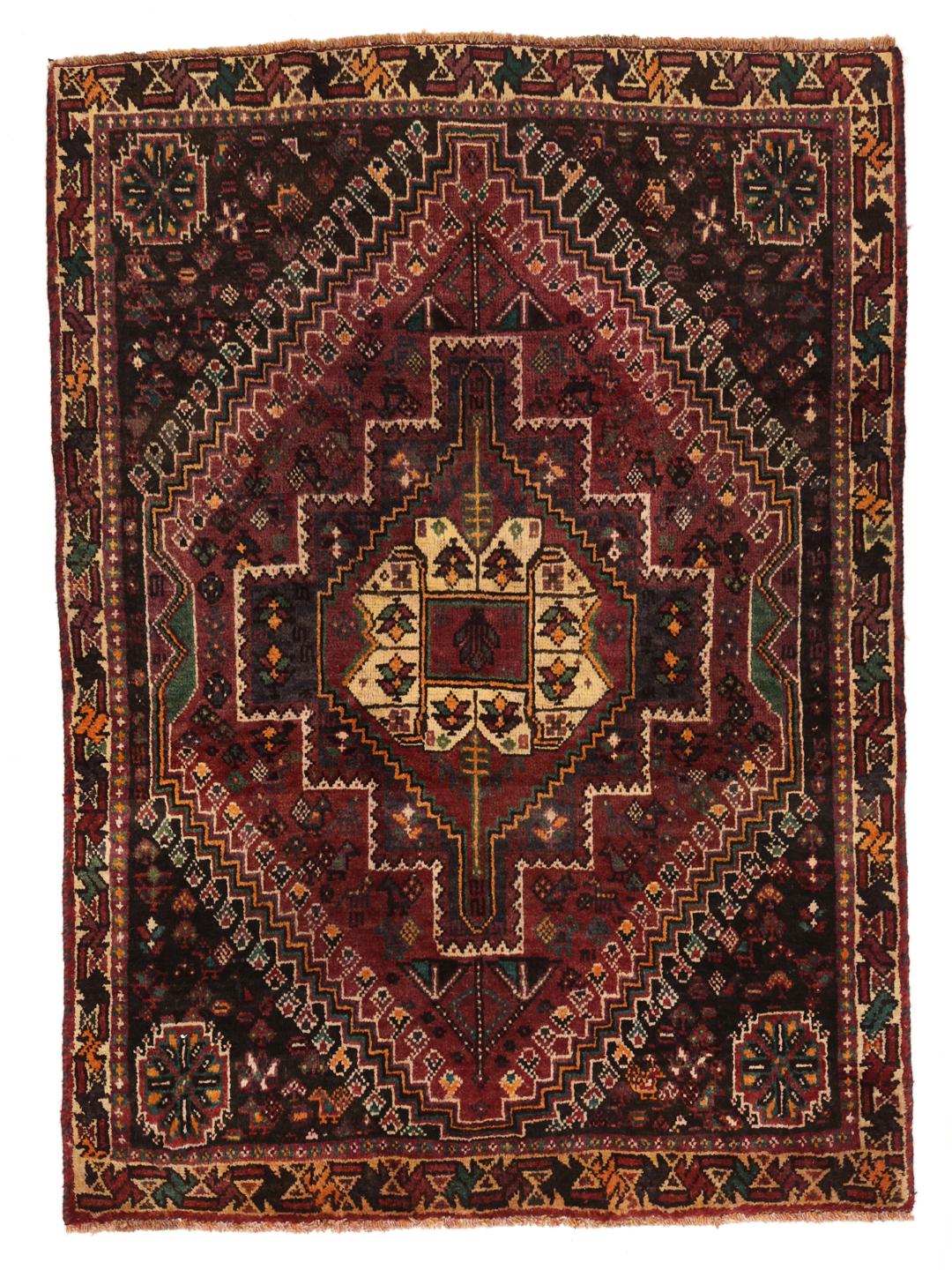
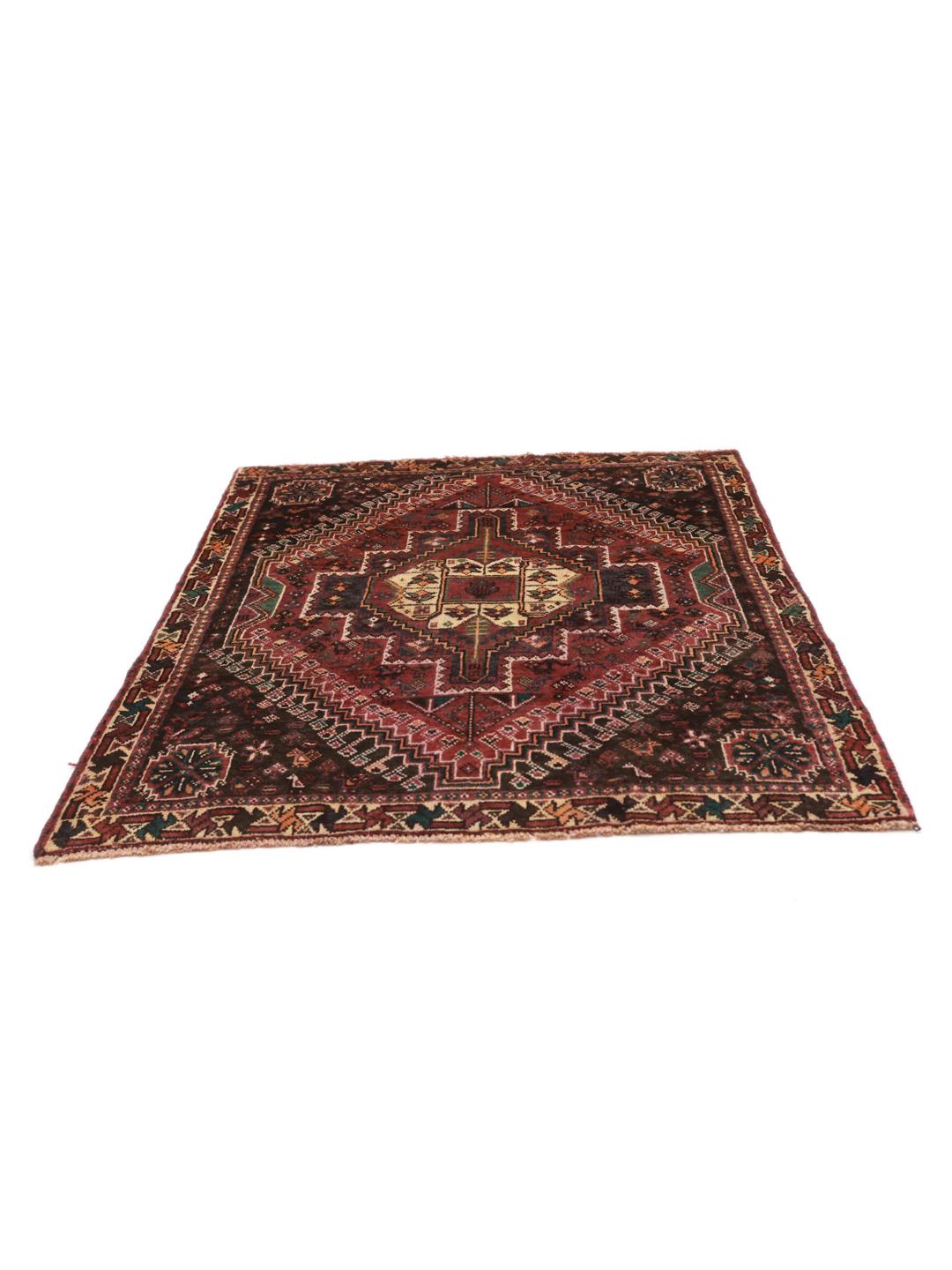
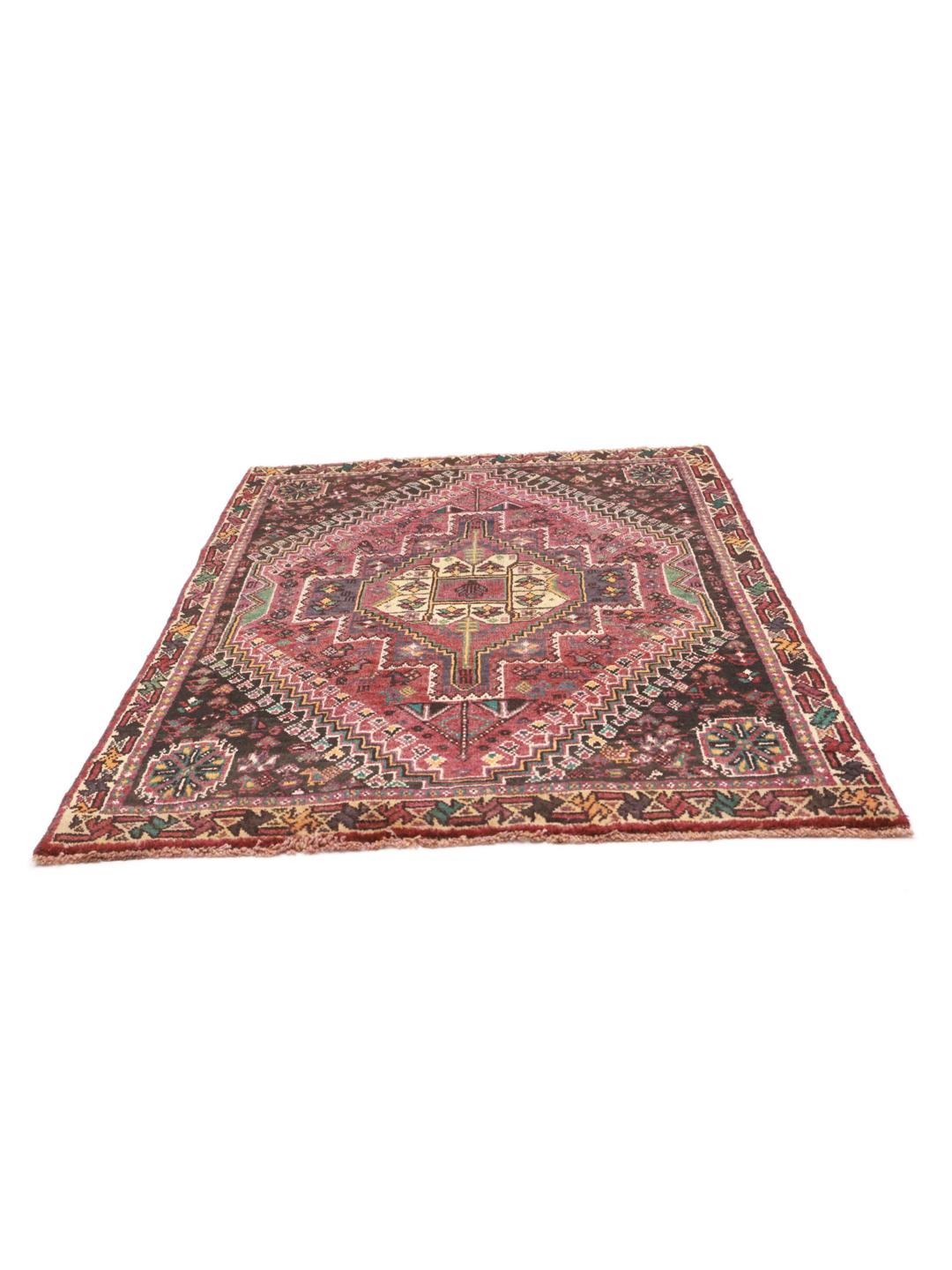
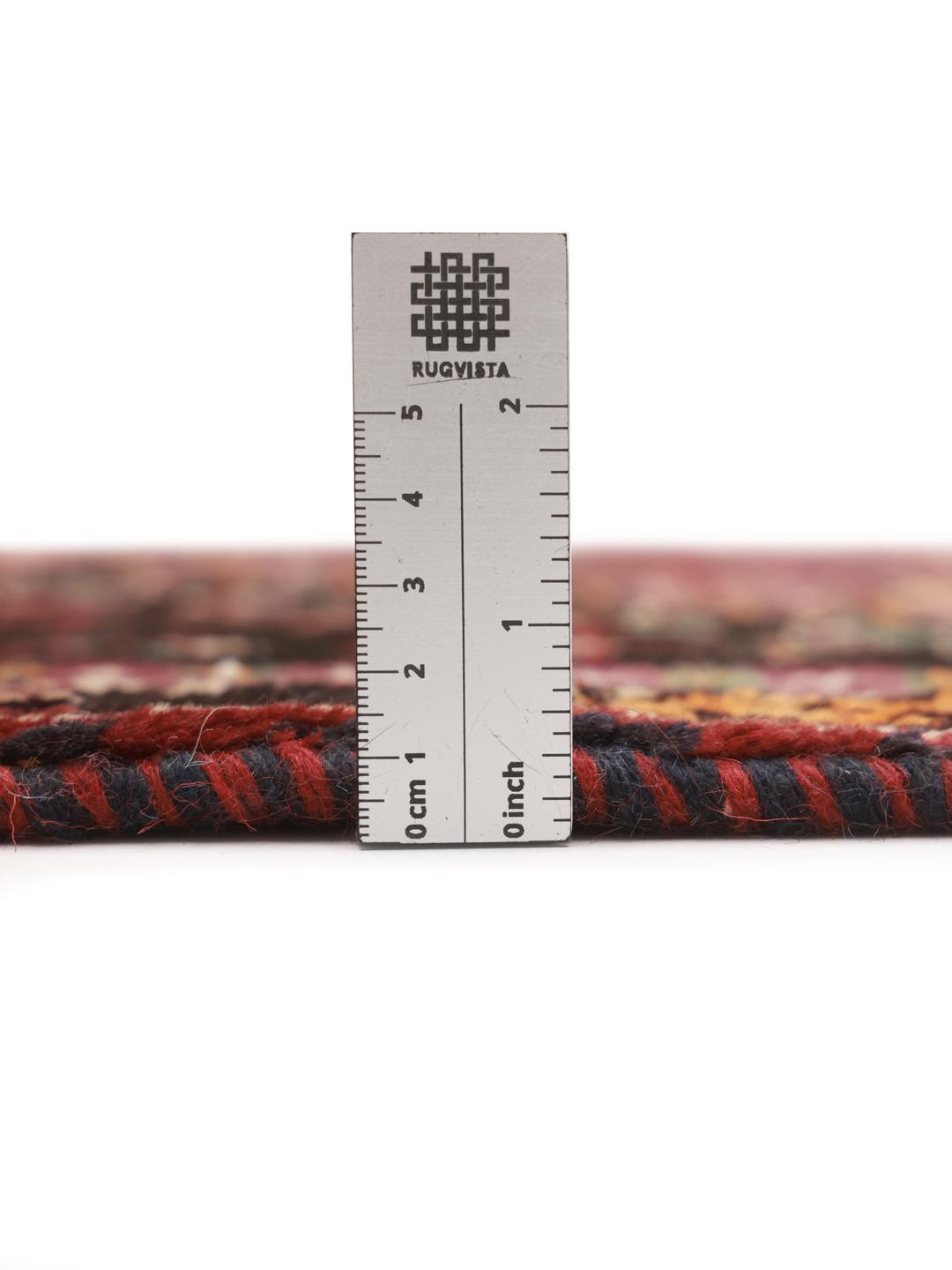
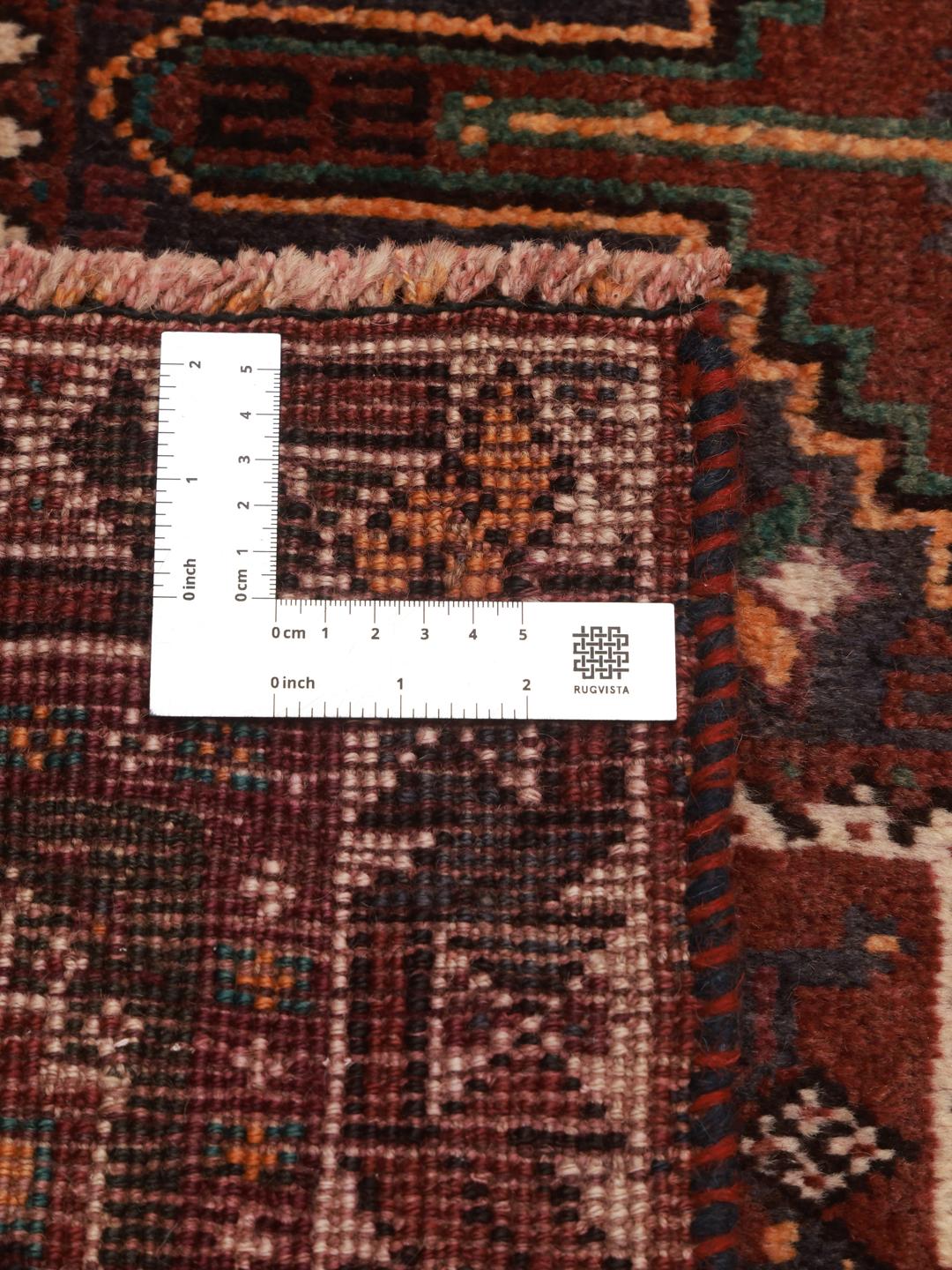
The Shiraz rug tradition finds its roots in the nomadic tribes of the Fars province in the Middle Eastern region. These rugs are not typically woven from intricate patterns on a loom in a city workshop but are instead created by tribal weavers who translate their environment, memories, and cultural stories into geometric designs. This nomadic heritage gives each piece an organic, spontaneous feel that is highly prized by collectors.
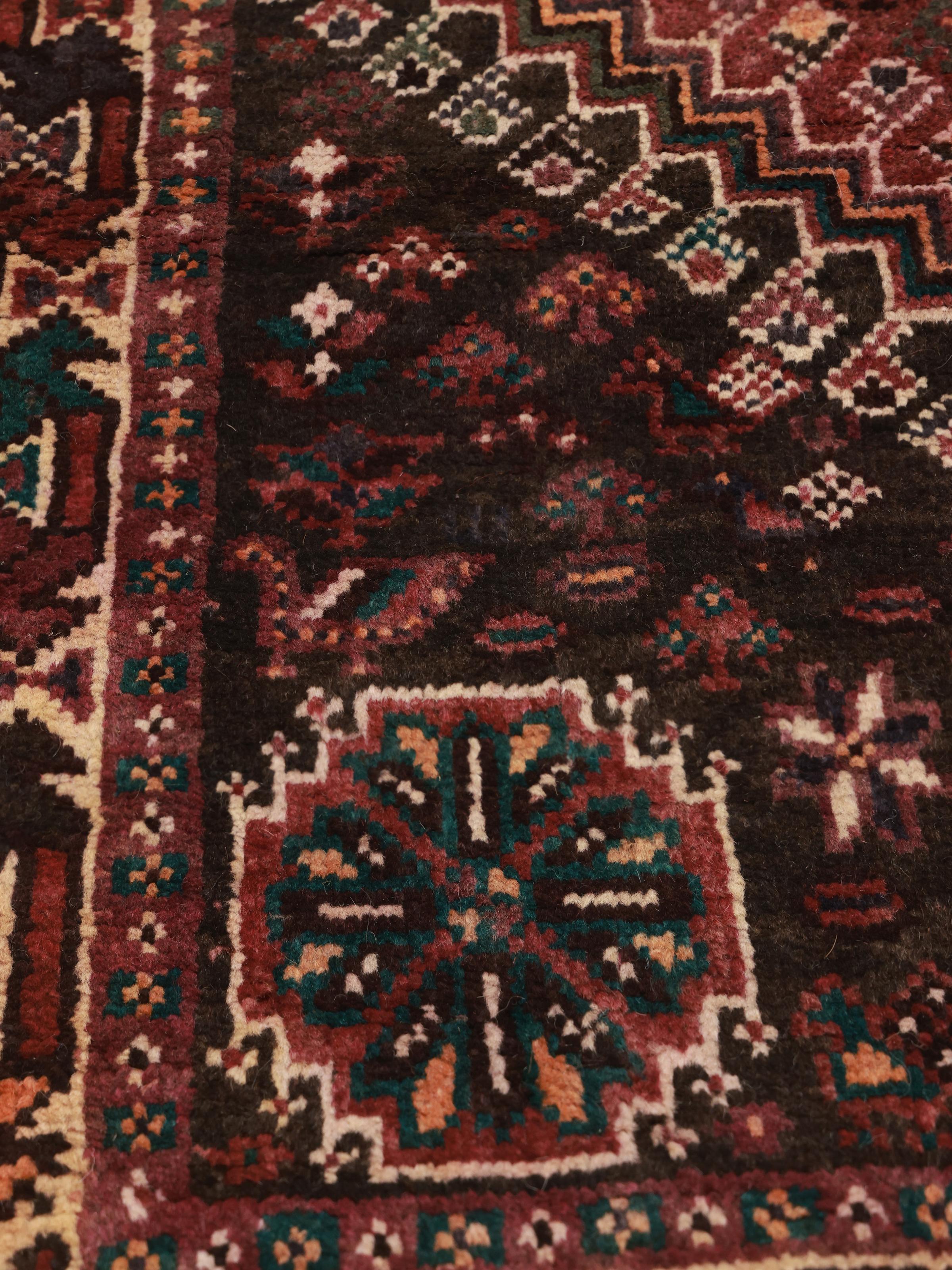
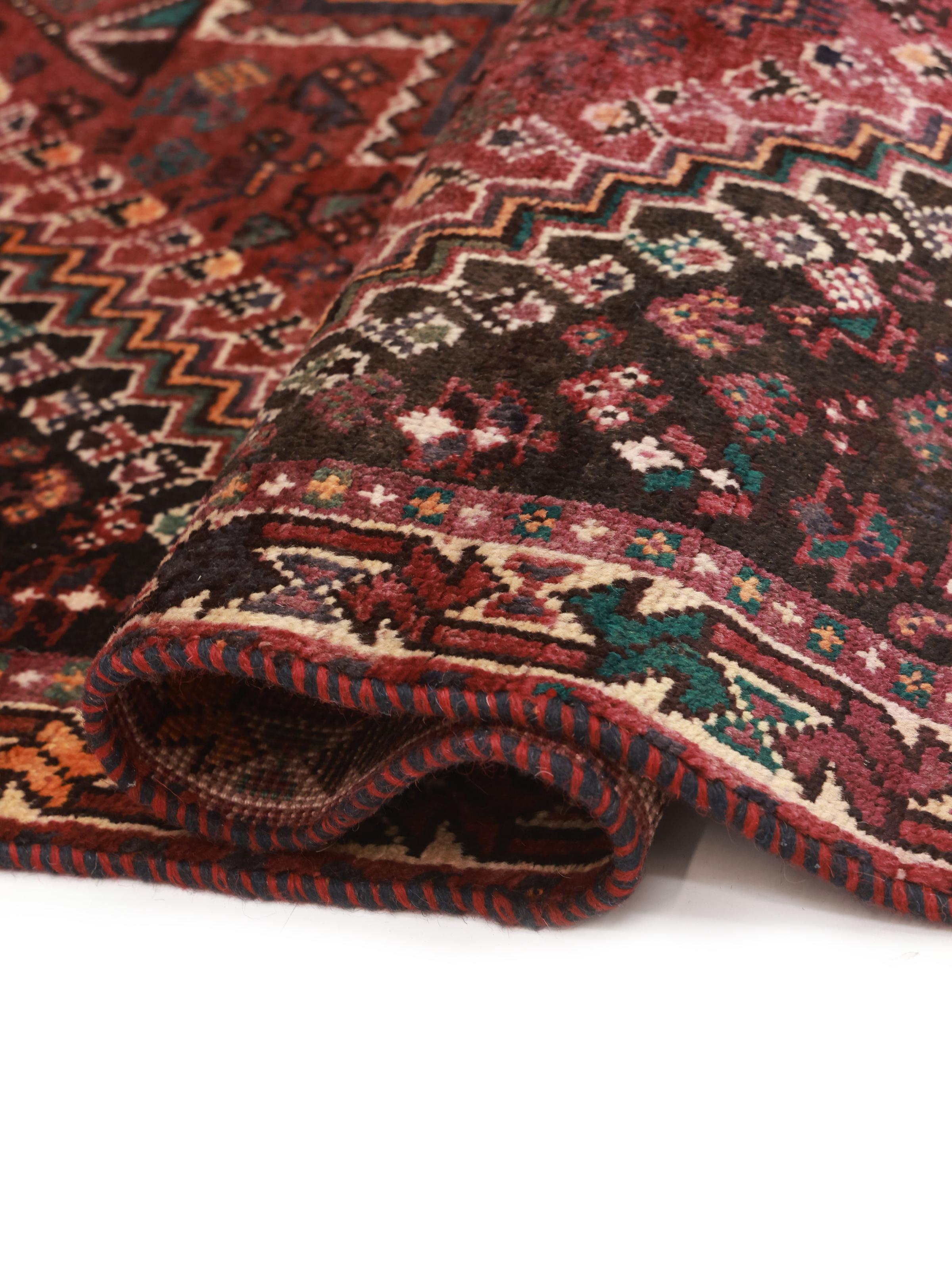
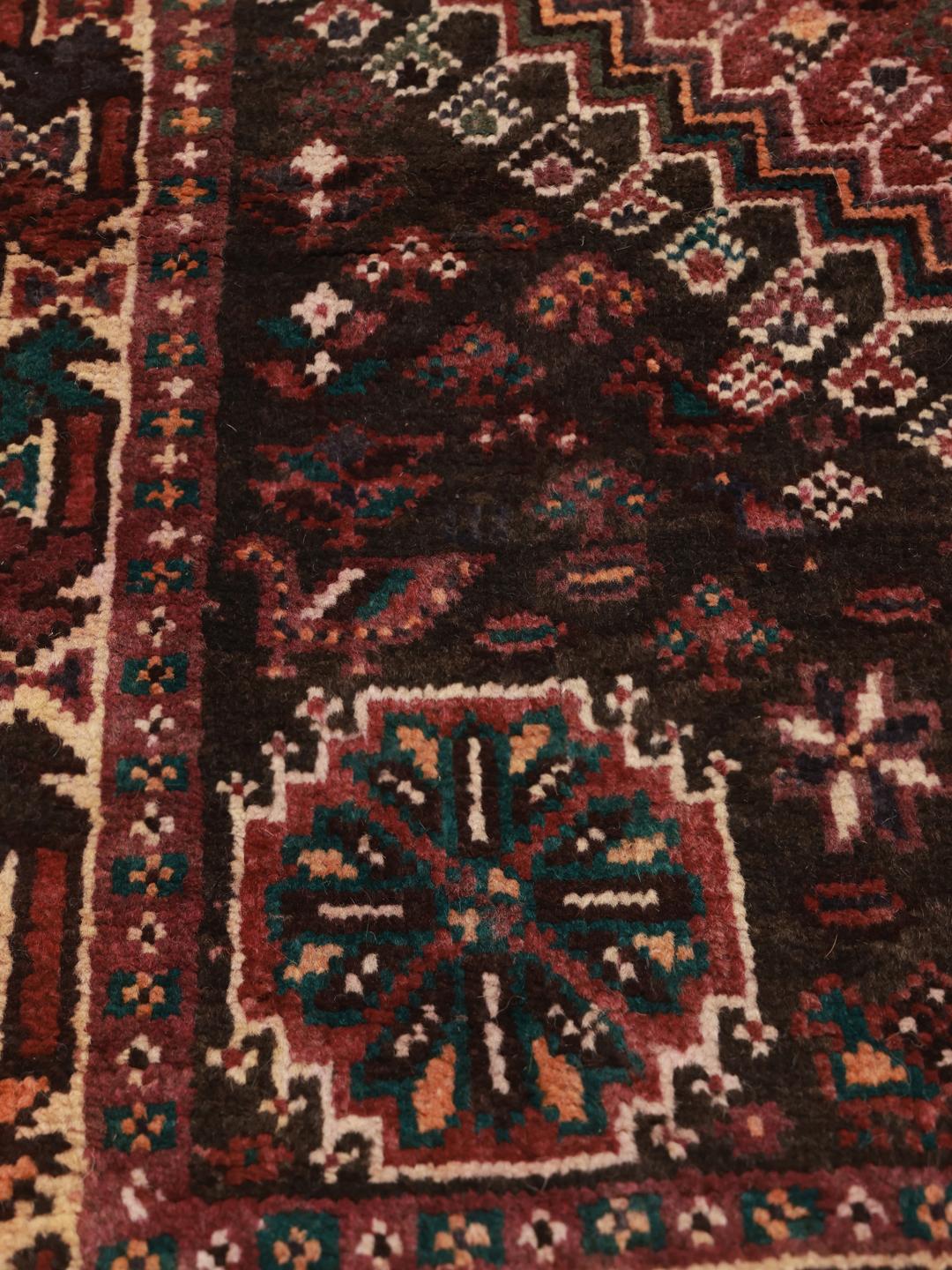
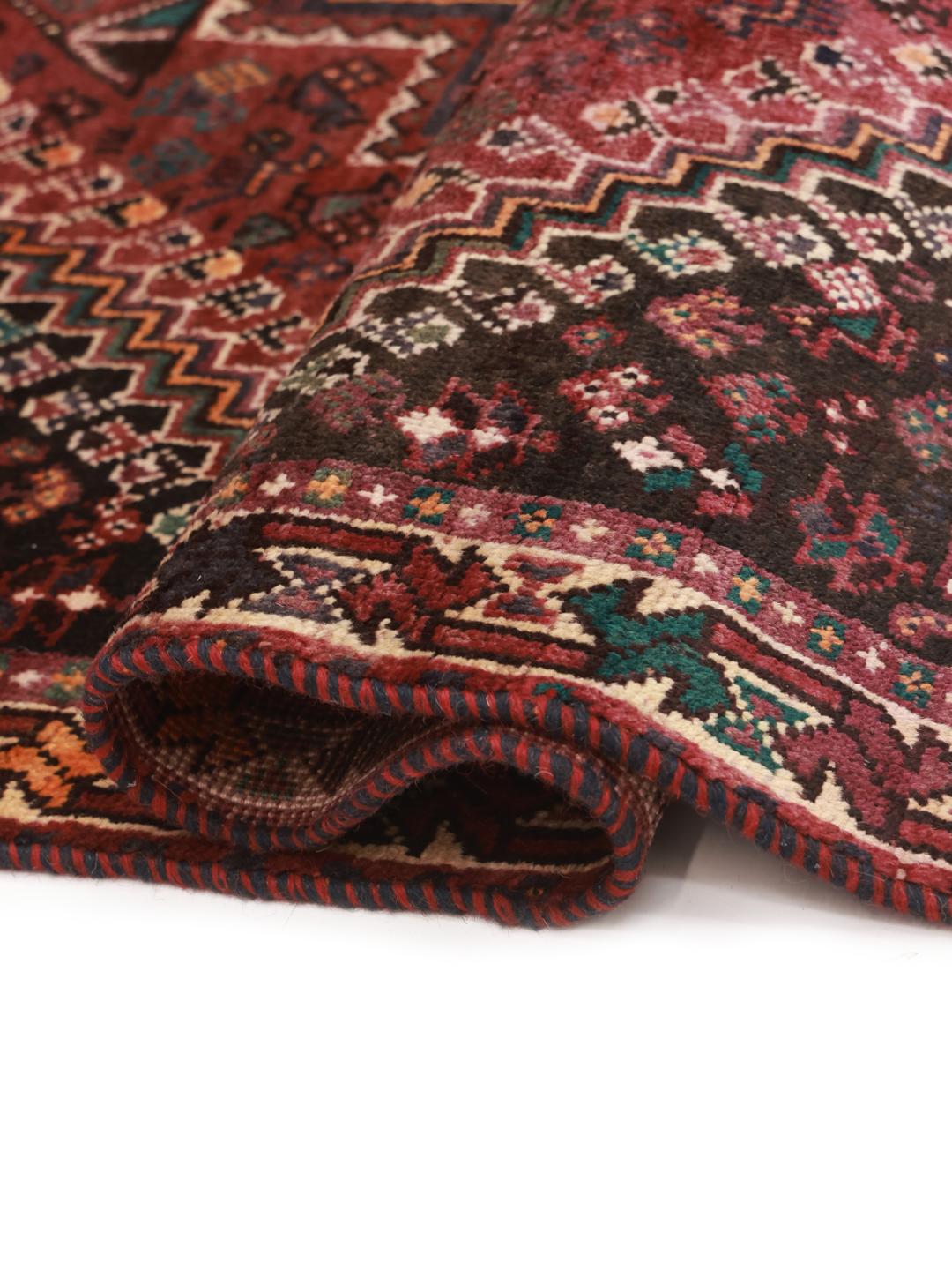
A key aspect of Shiraz rugs is the use of high-quality wool, which is often sourced from local sheep and dyed using traditional methods. The materials are chosen for their resilience and ability to retain deep, saturated colours over time. This focus on natural, high-quality wool is what gives these rugs their characteristic texture, which is both firm and welcoming, and their ability to withstand the wear of nomadic life.
Visually, these rugs are defined by their bold geometric language. You will often find central medallions, stylised floral elements, and repeating tribal motifs that are interpreted uniquely by each weaver. The borders are frequently complex, serving as a frame for the central field. While traditional red and dark tones are common, the specific variations in this rug reflect the individual vision of the artisan who created it, making it a unique expression of their craft.
Owning a Shiraz rug is an invitation to engage with a living history. These pieces are not merely floor coverings but are artefacts of a culture that has valued textile artistry for generations. By choosing this rug, you are supporting the continuation of these ancient methods and bringing a piece of genuine tribal heritage into your home, ensuring that this tradition of skill and storytelling remains vibrant.