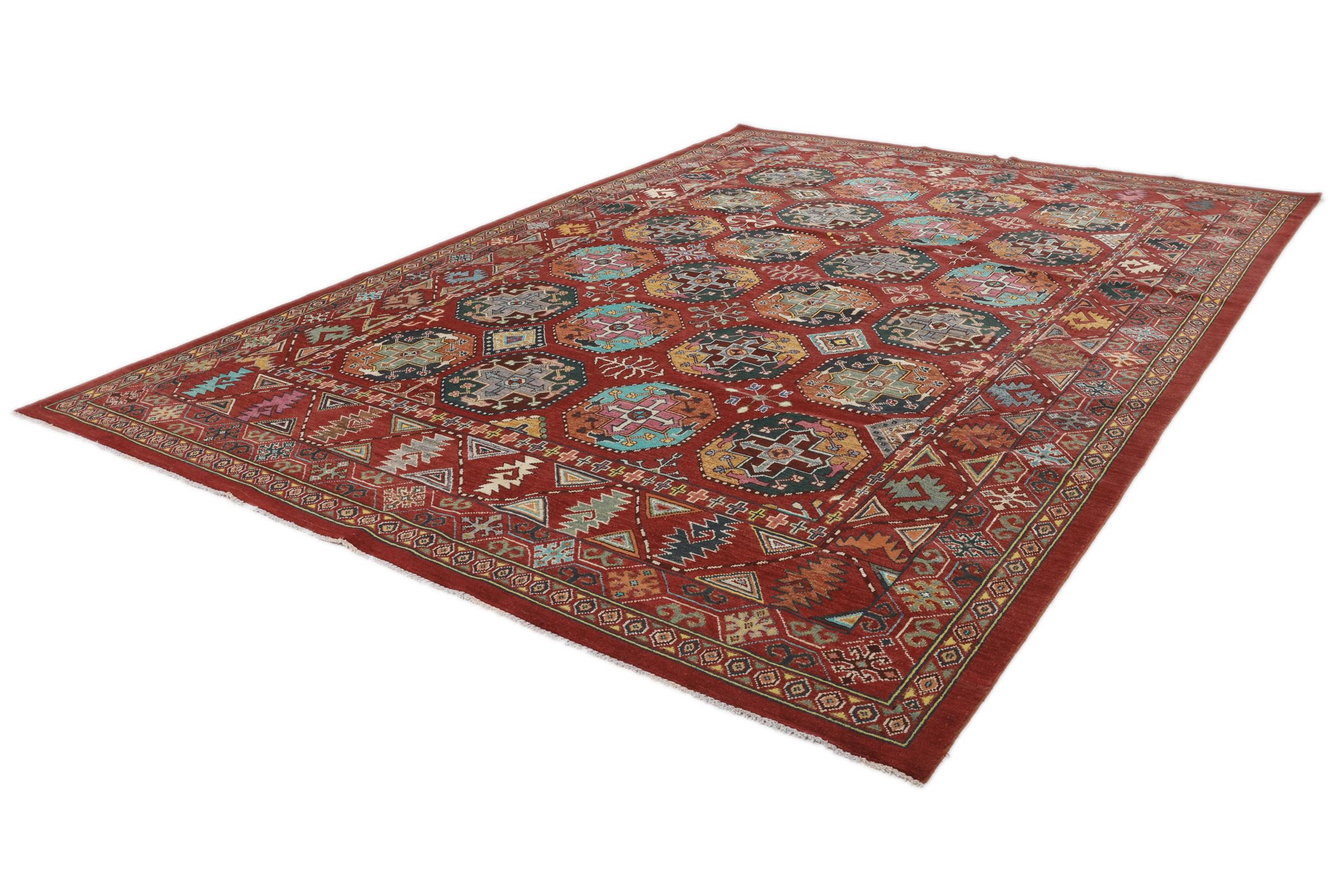
The tradition of rug weaving in Afghanistan is deeply embedded in the cultural history of the Middle East, reflecting a long lineage of nomadic and village craft. These rugs often serve as a canvas for regional stories, with techniques passed down through generations of families who have perfected the art of creating durable, expressive textiles that serve both functional and decorative purposes.
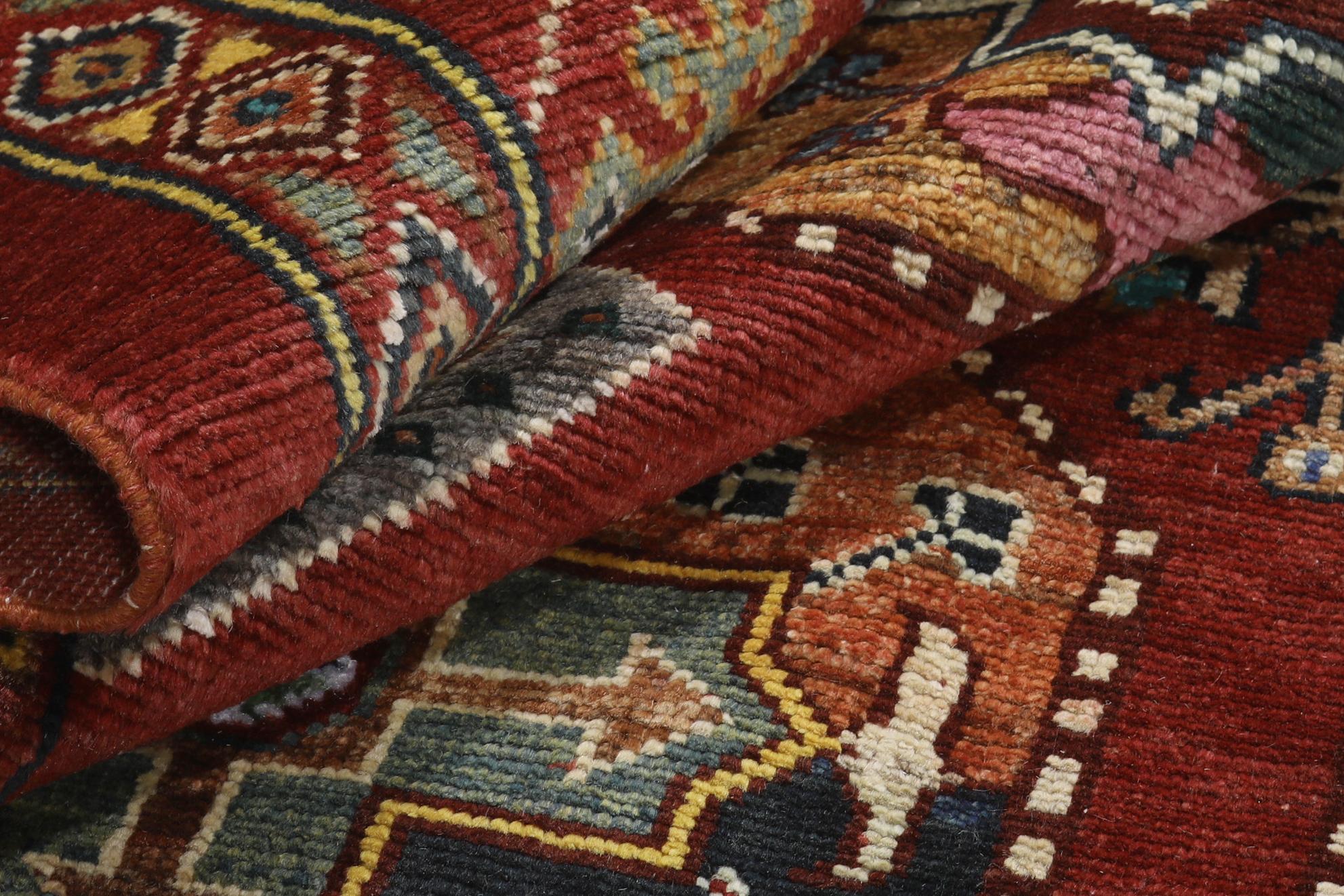
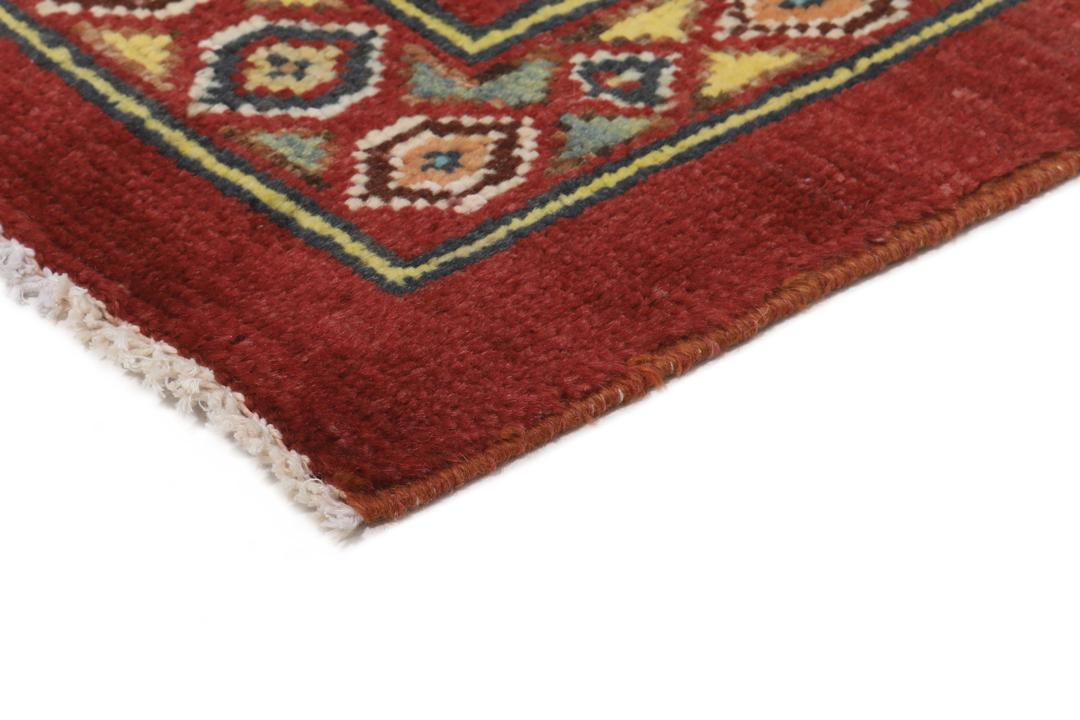
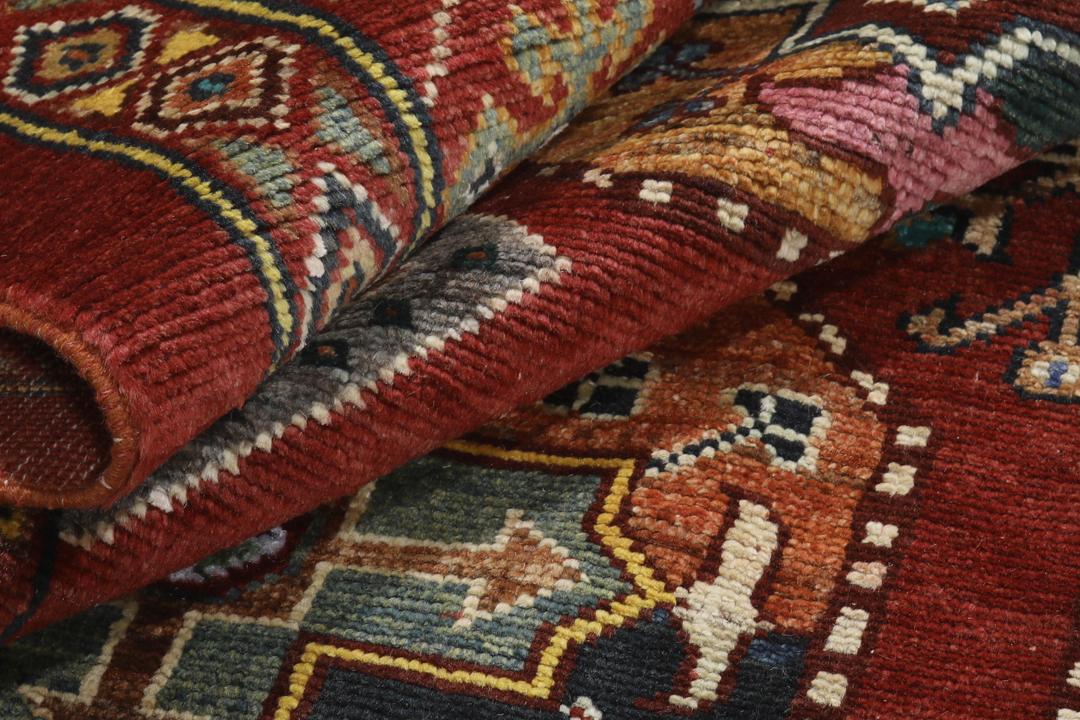
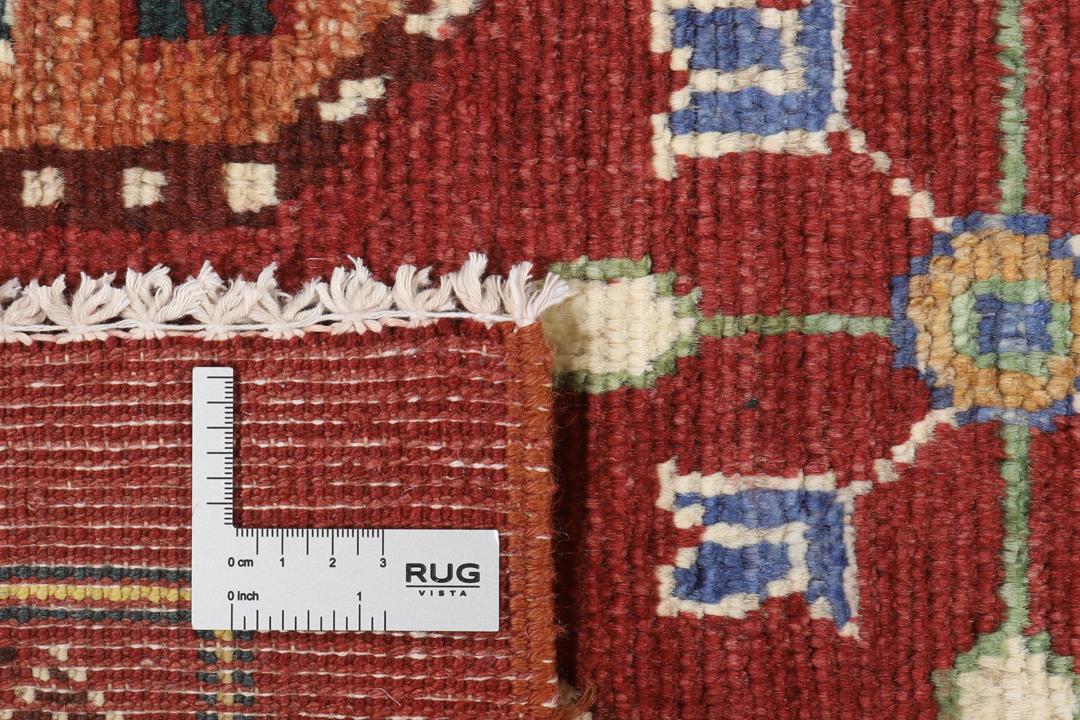
The term hand-knotted refers to the precise method where individual strands of Wool are tied onto the foundation. This creates a dense, resilient pile that is far more durable than machine-made alternatives. The quality of this construction ensures that the rug not only looks beautiful but also retains its structure and vibrancy even after years of use in a busy home.
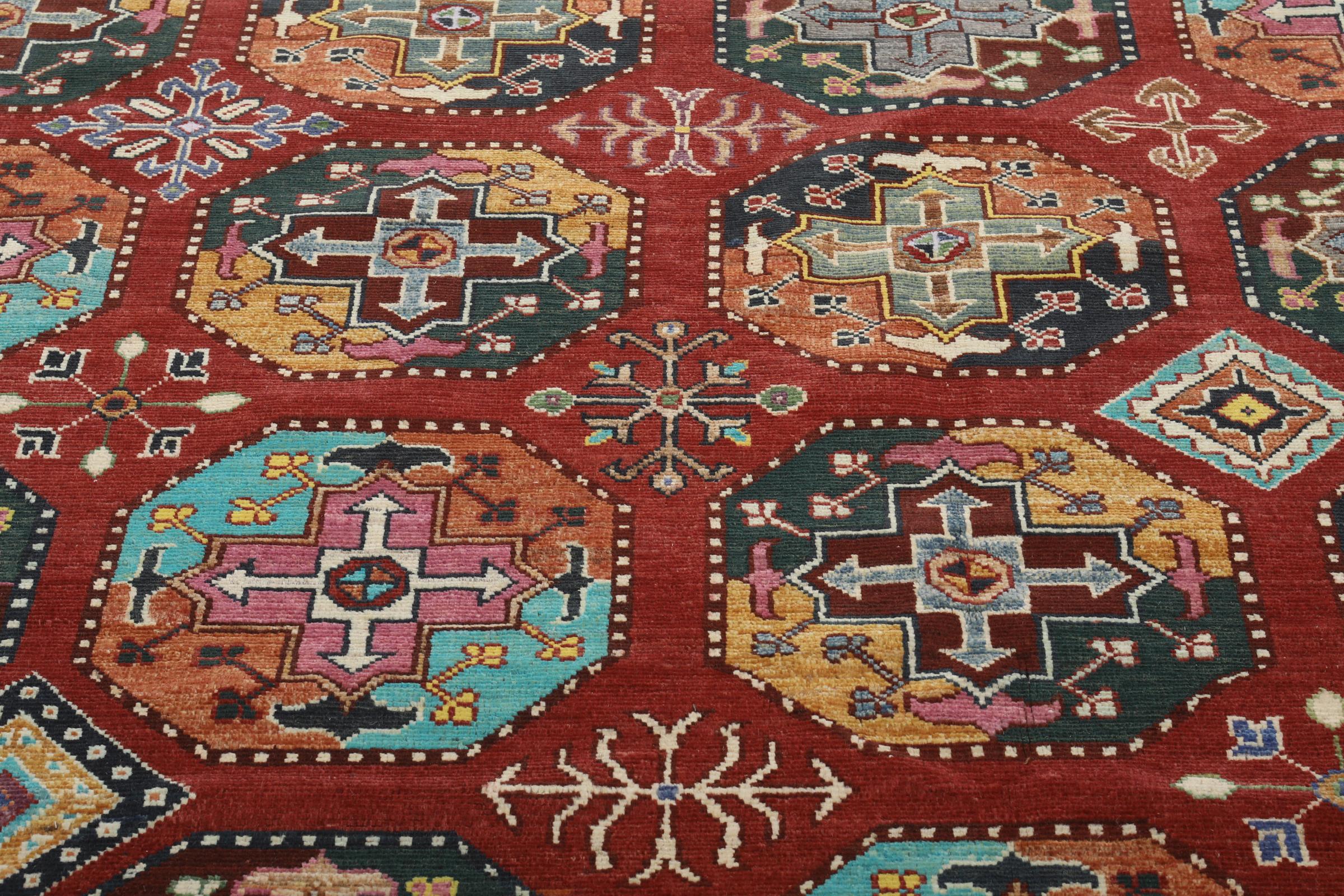
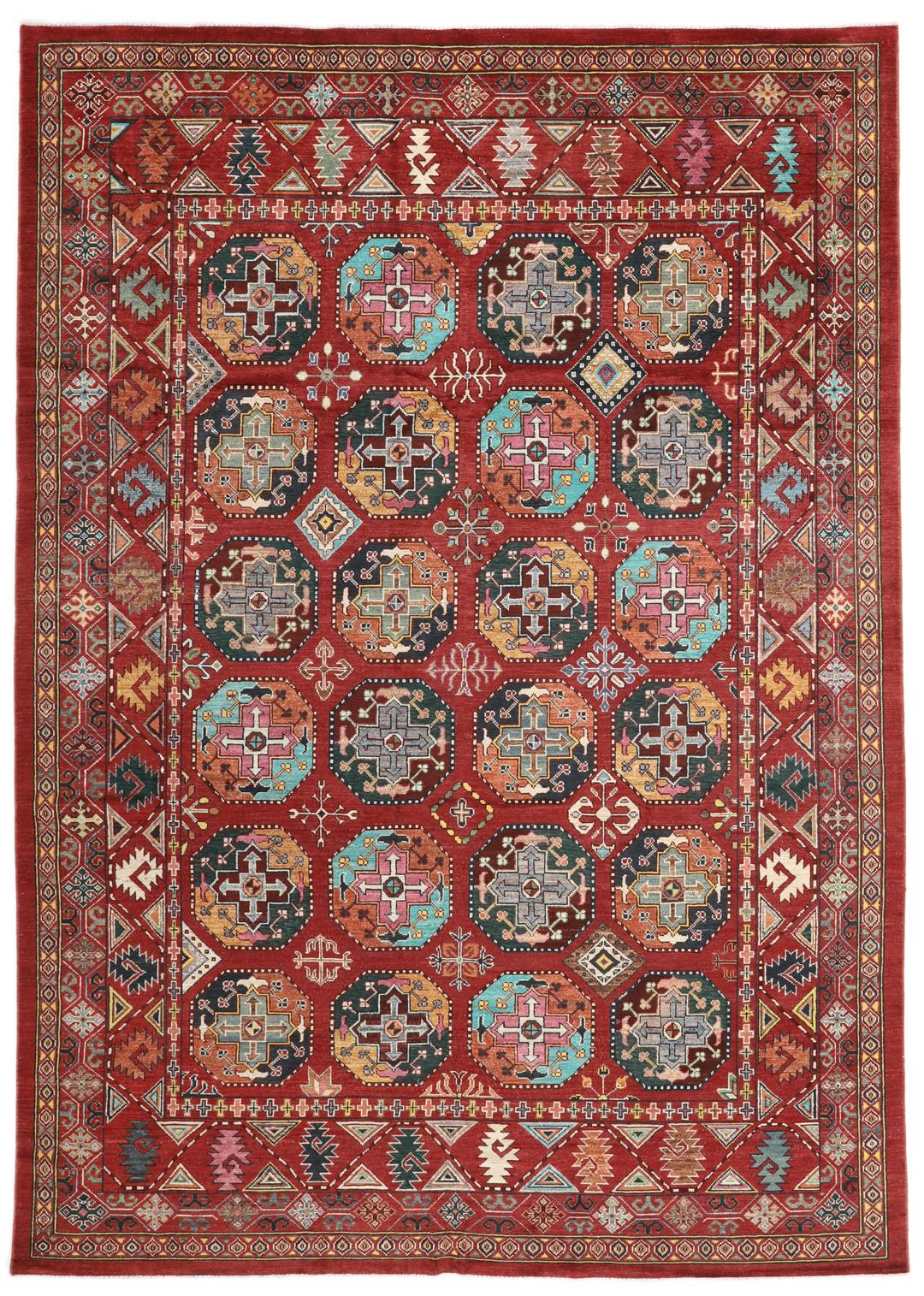
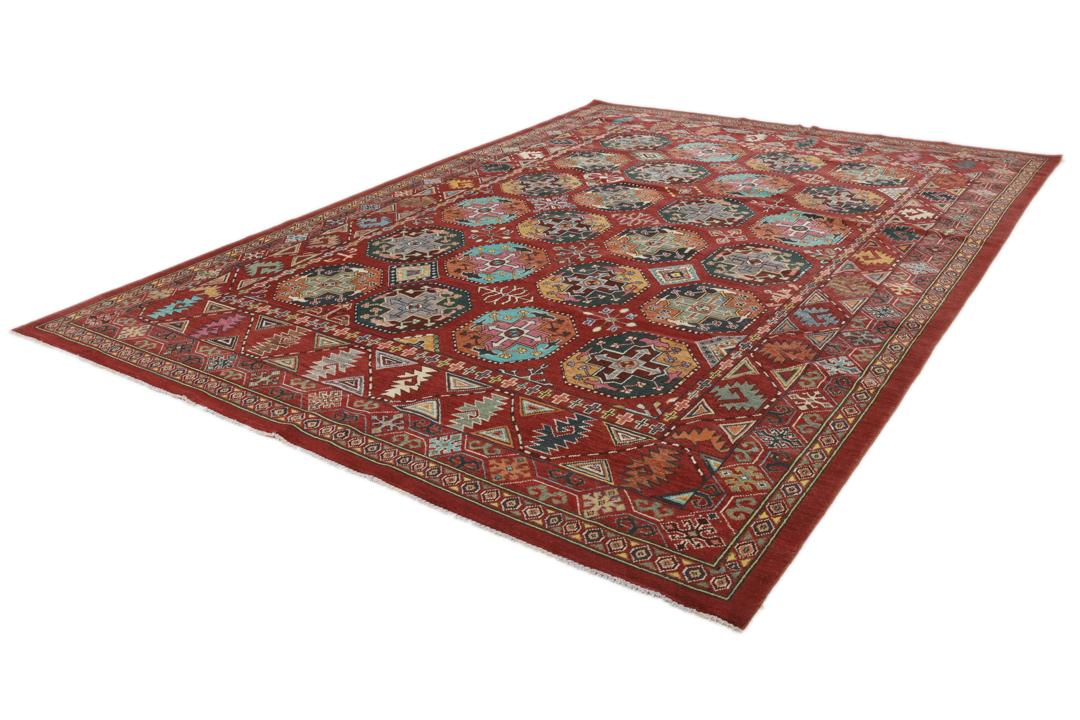
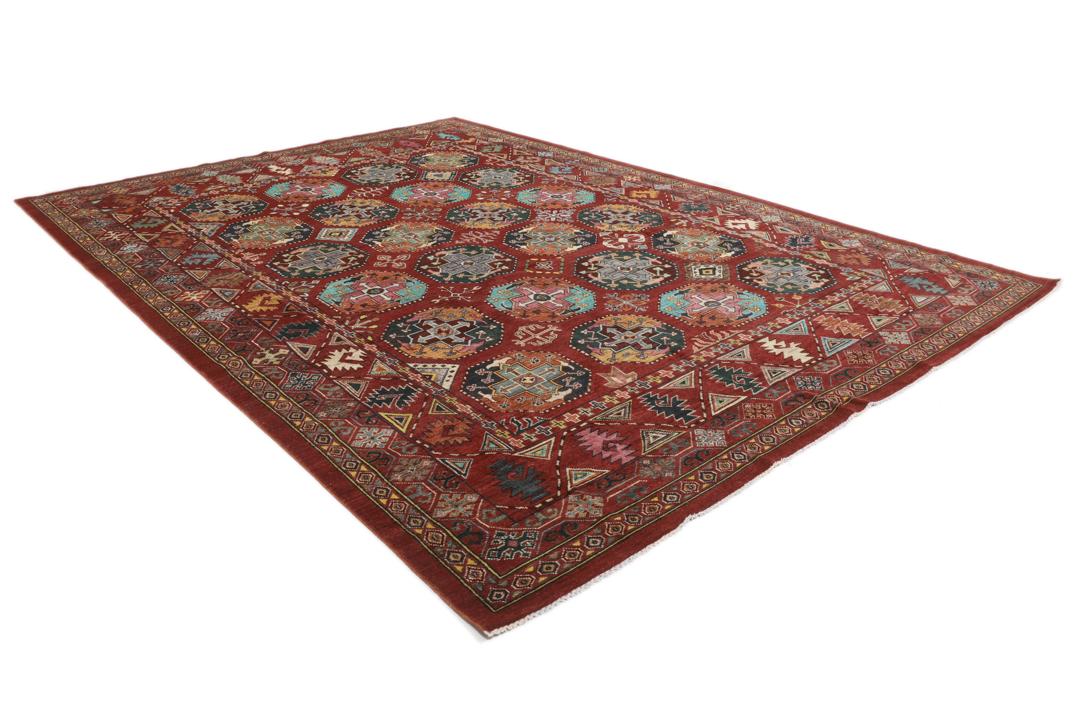
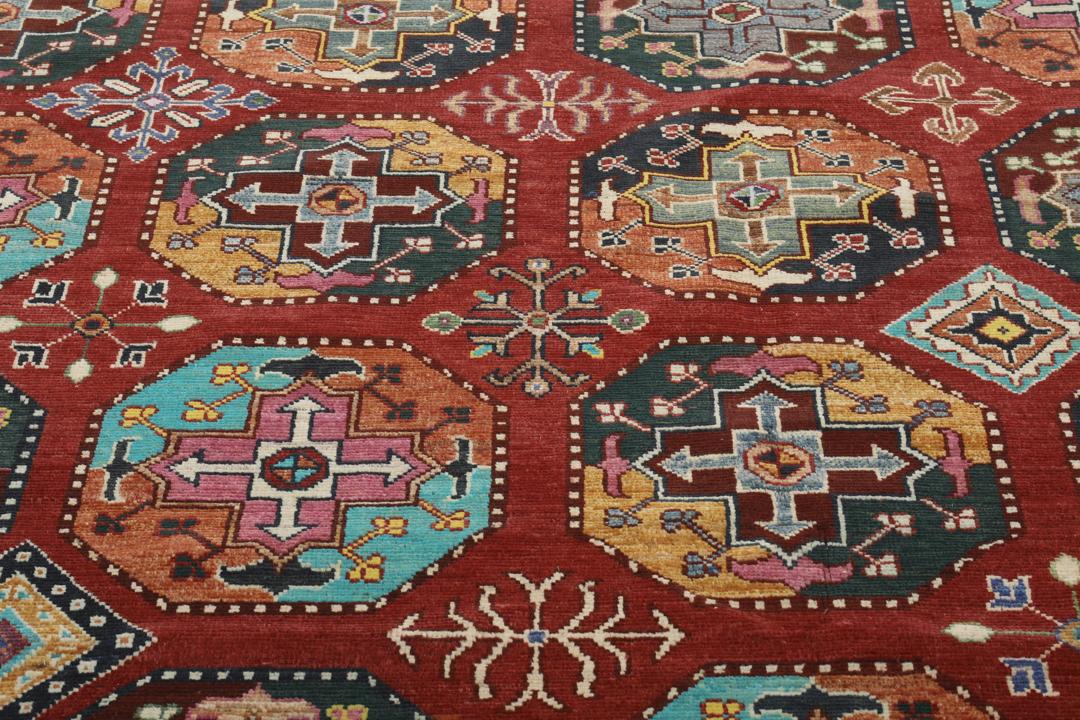
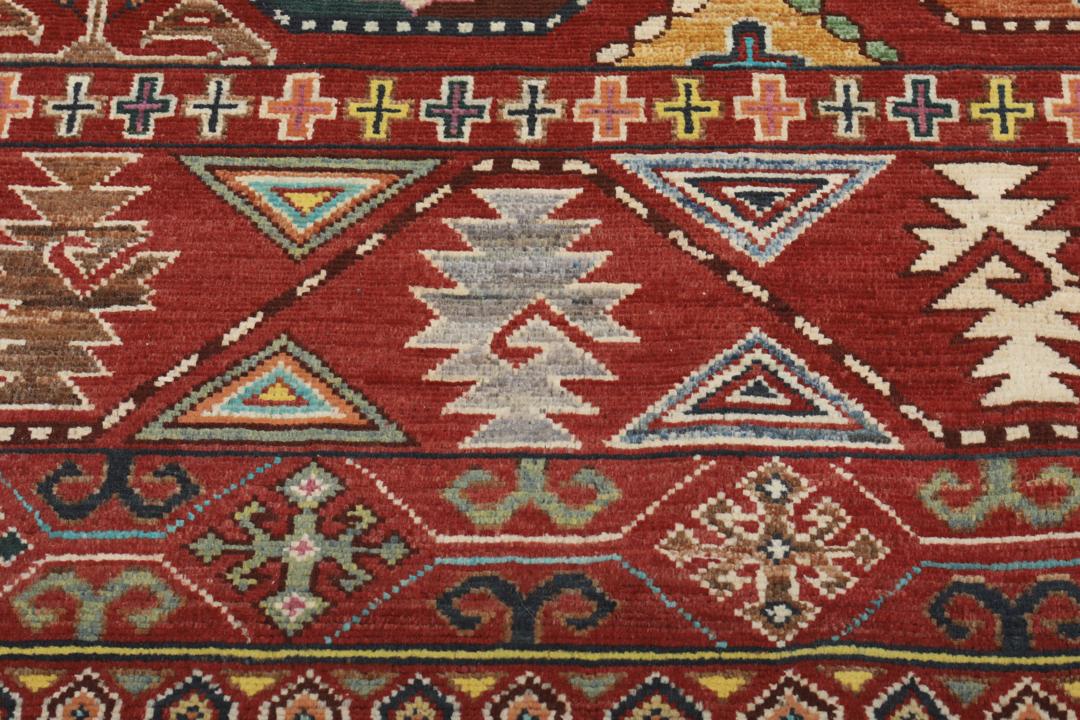
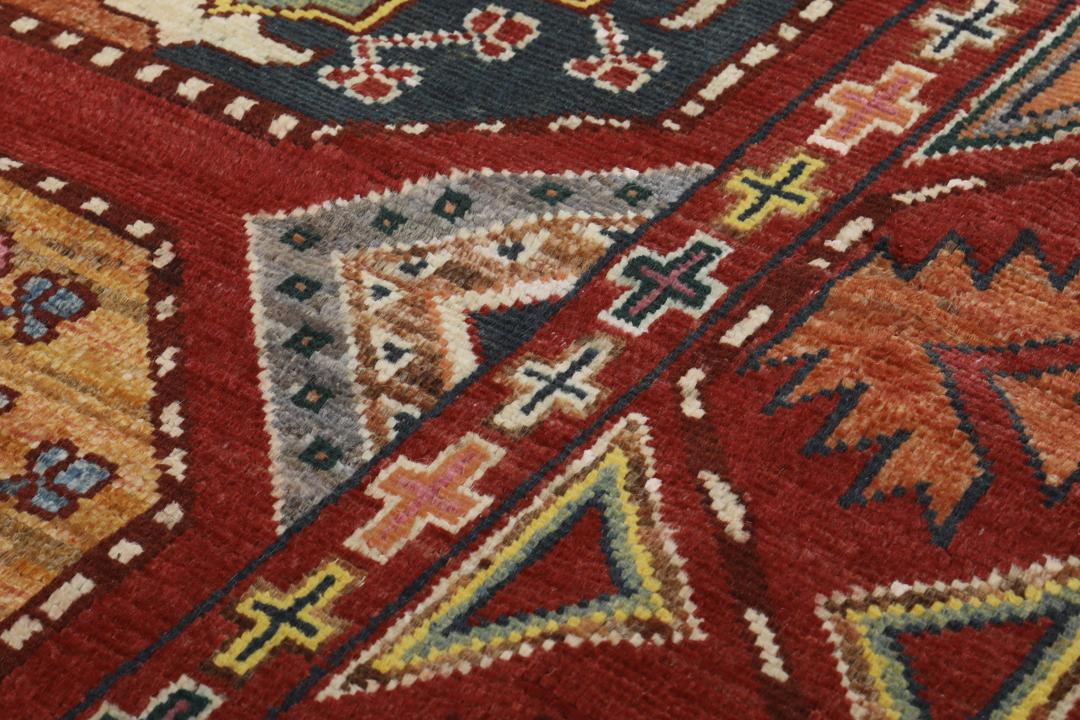
Visually, this rug is defined by its bold geometric language, featuring repeating motifs that draw on ancestral designs. The use of octagonal medallions, often referred to as guls, is a hallmark of this tradition, symbolising protection and prosperity. The vibrant colour palette, centred on a deep, commanding red, is typical of the region and brings a sense of energy and warmth to any interior setting.
Collecting a hand-knotted rug from this region is an investment in cultural heritage and human skill. Each piece acts as a bridge between the artisan and the owner, representing a dedication to craft that is increasingly rare in the modern world. Owning such a rug is a way to celebrate timeless traditions while enjoying the comfort and quality that only human hands can produce.