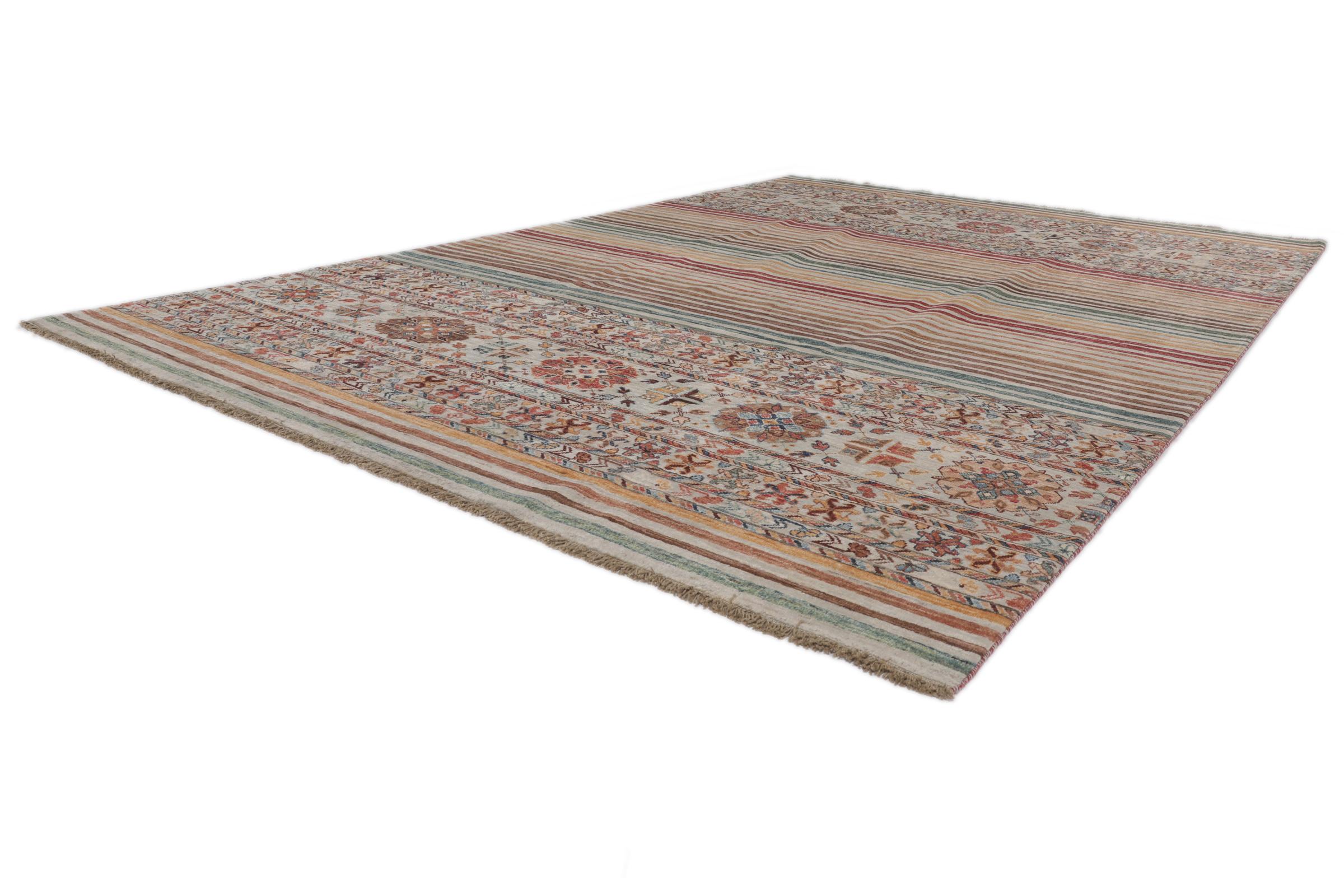
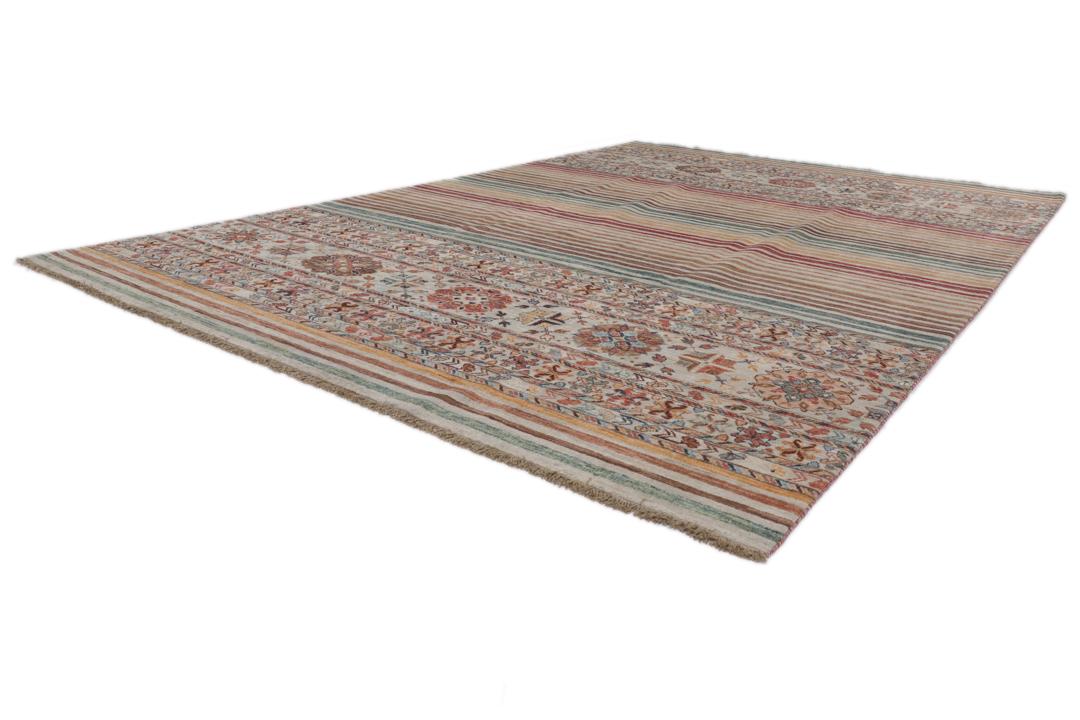
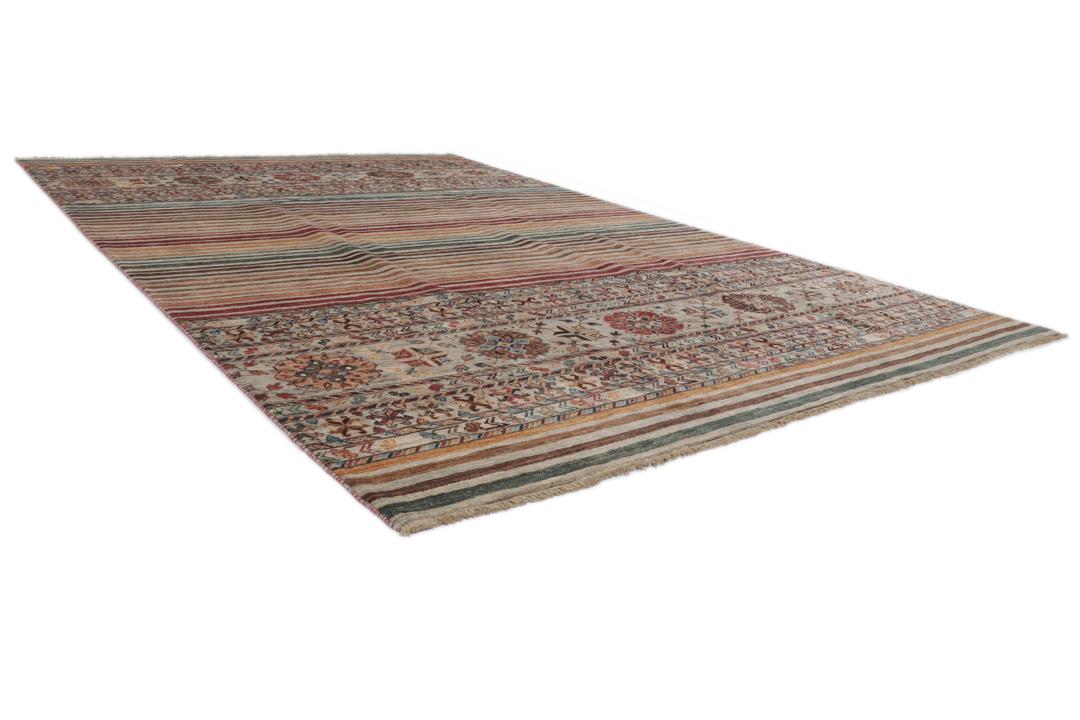
The Shabargan rug finds its roots in the storied weaving traditions of Northern Afghanistan, a region with a long history of producing some of the most resilient and visually striking textiles in the Middle East. These rugs are often crafted by nomadic or semi-nomadic groups who have preserved their techniques through generations, passing down specific symbolic vocabularies and structural methods that define the local aesthetic.
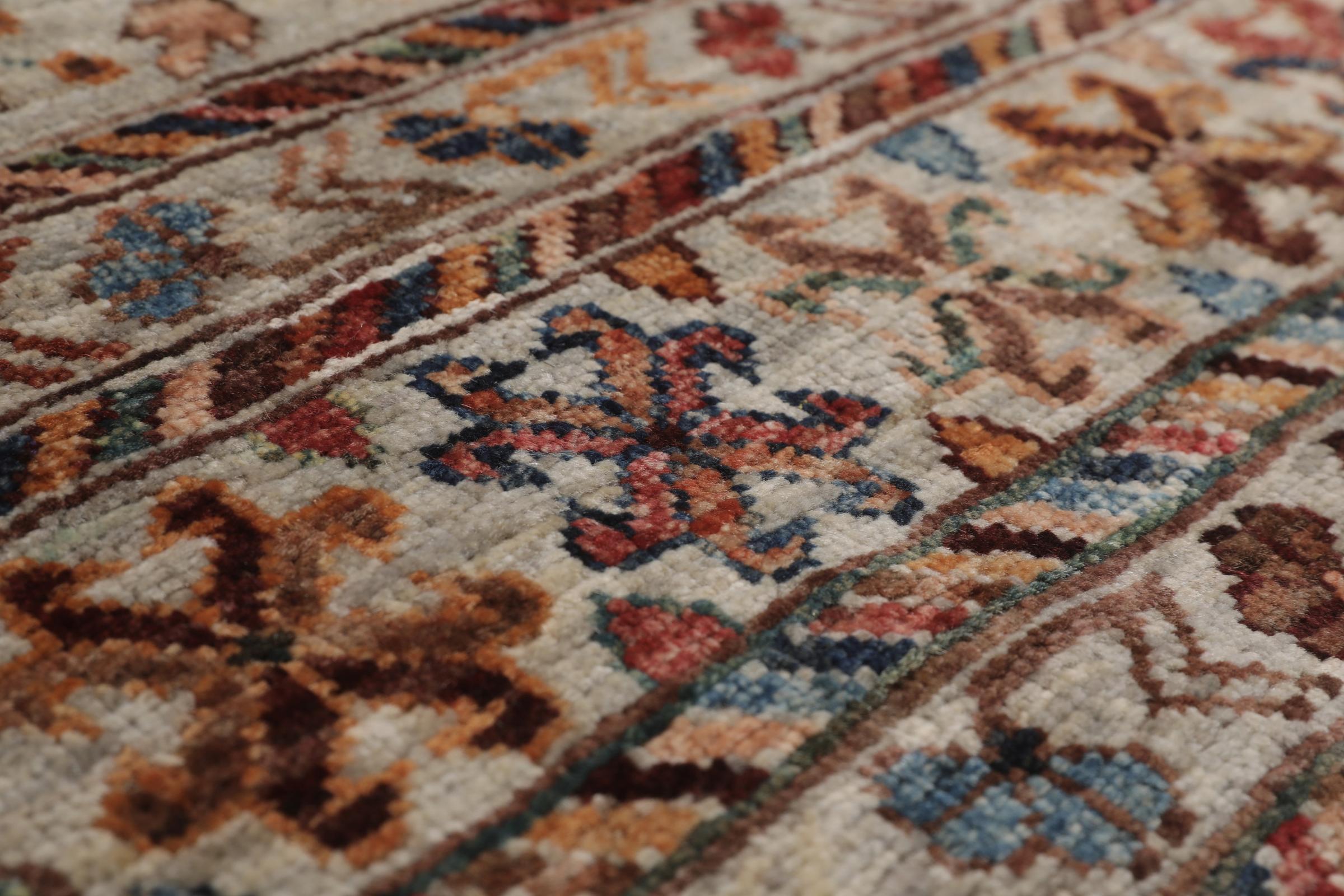
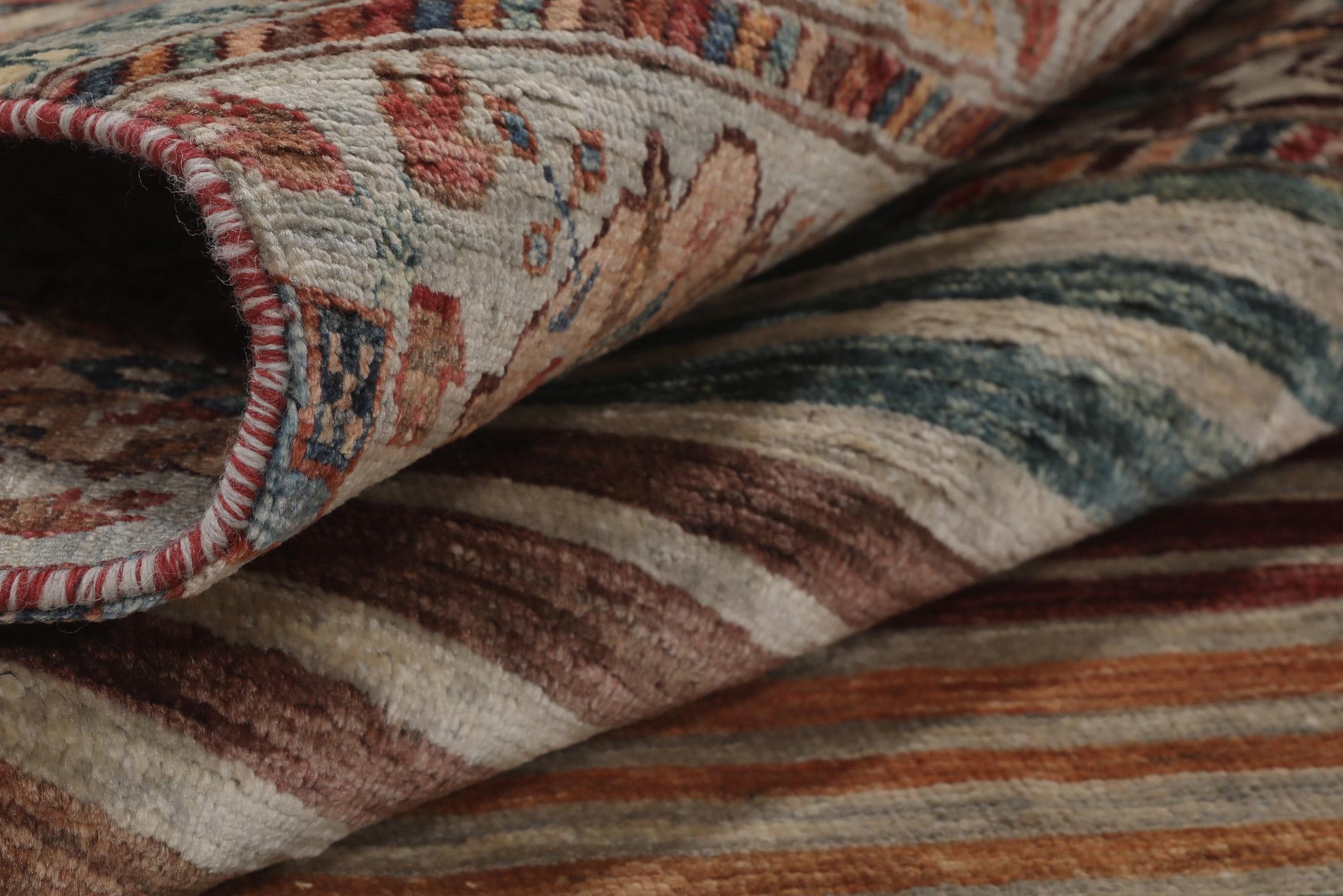
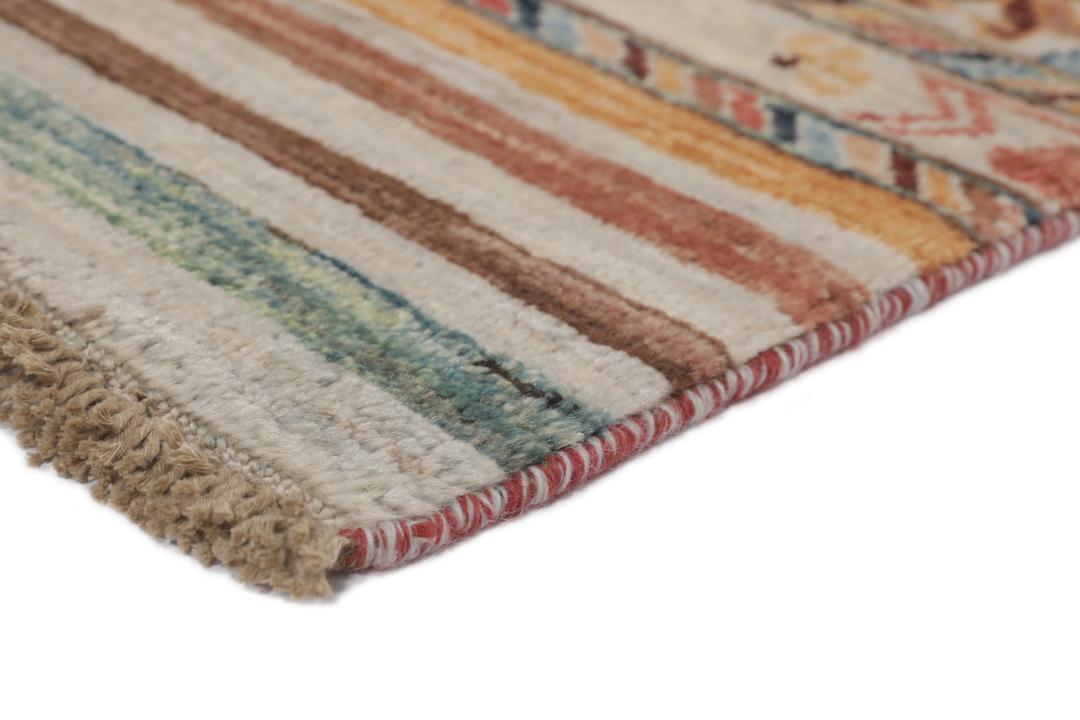
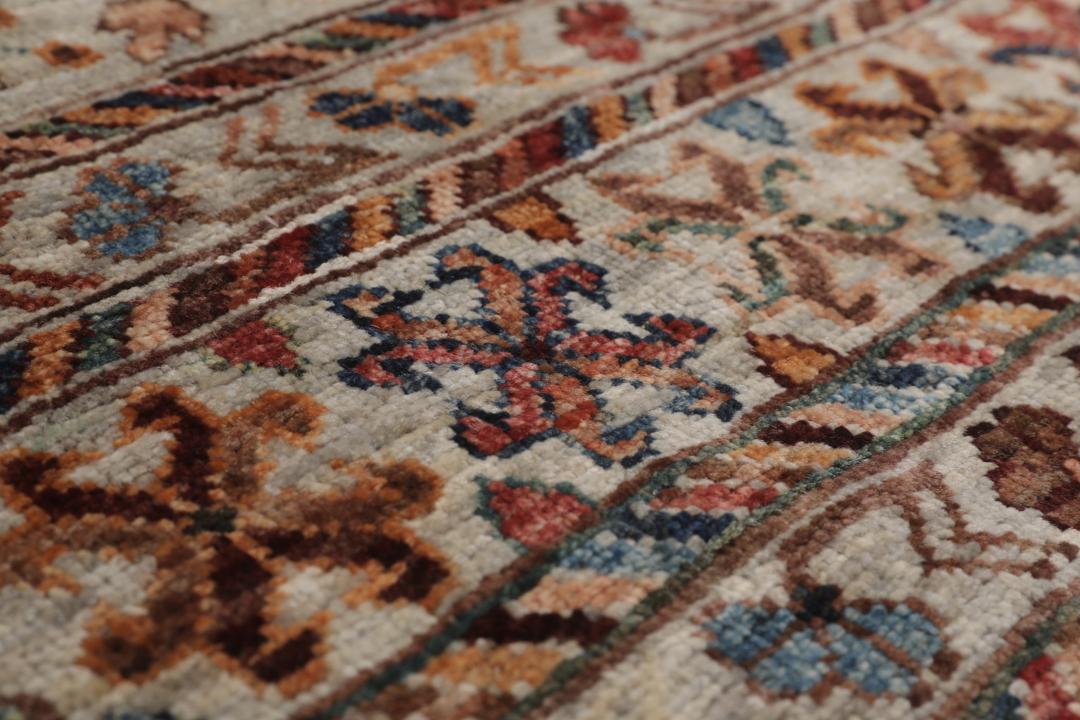
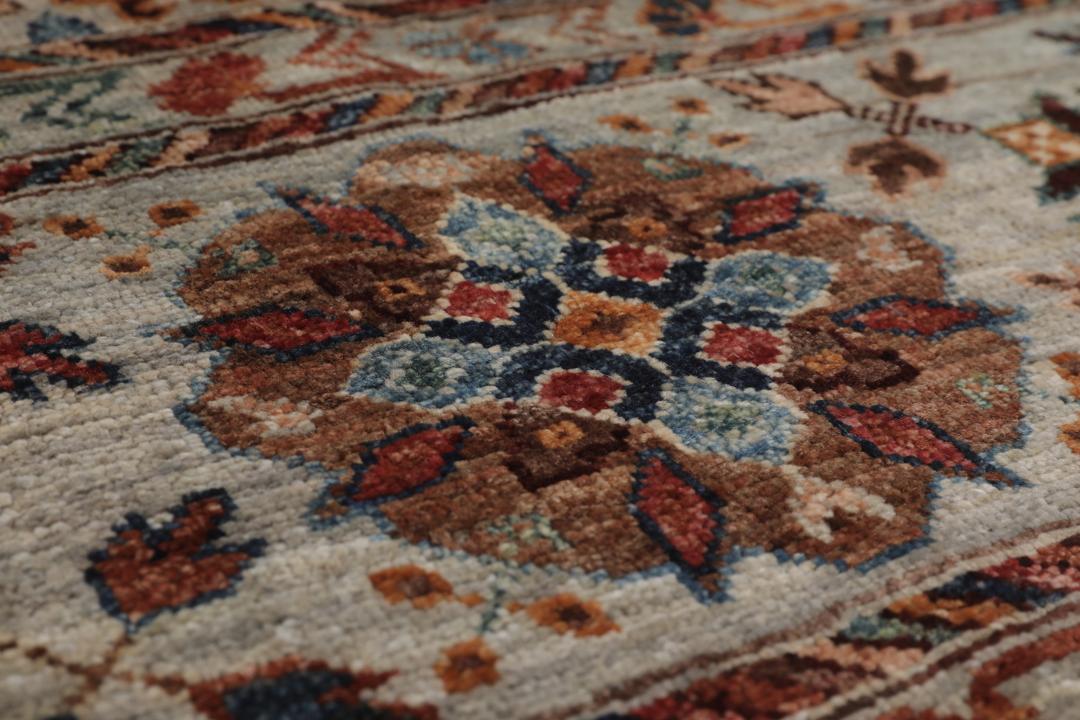
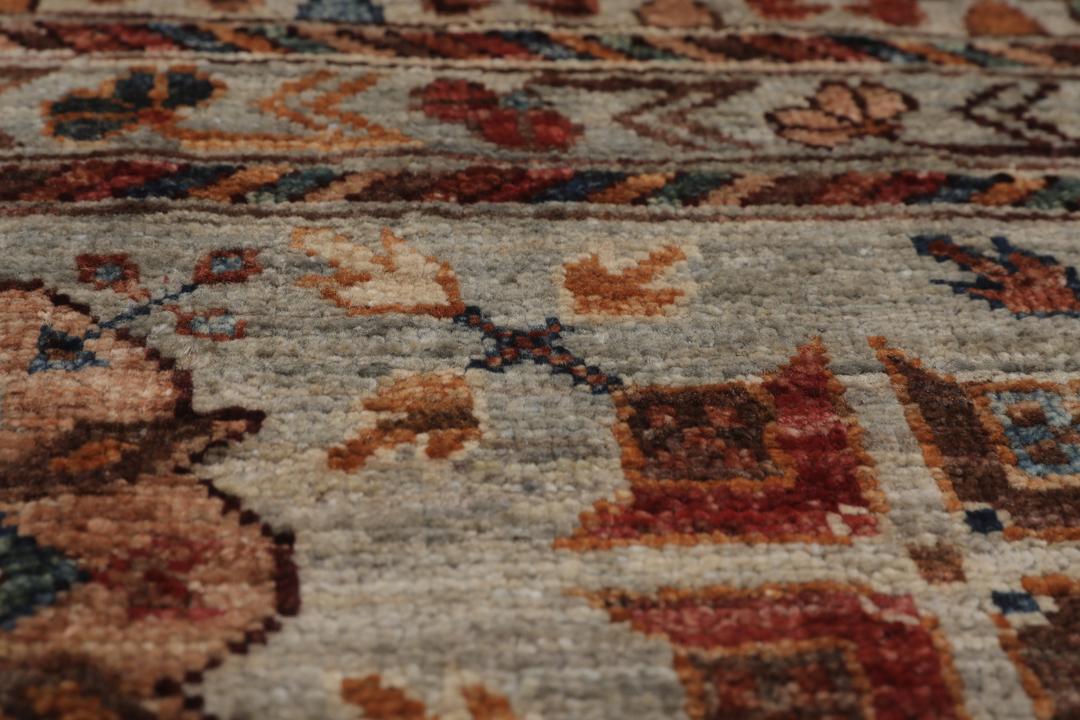
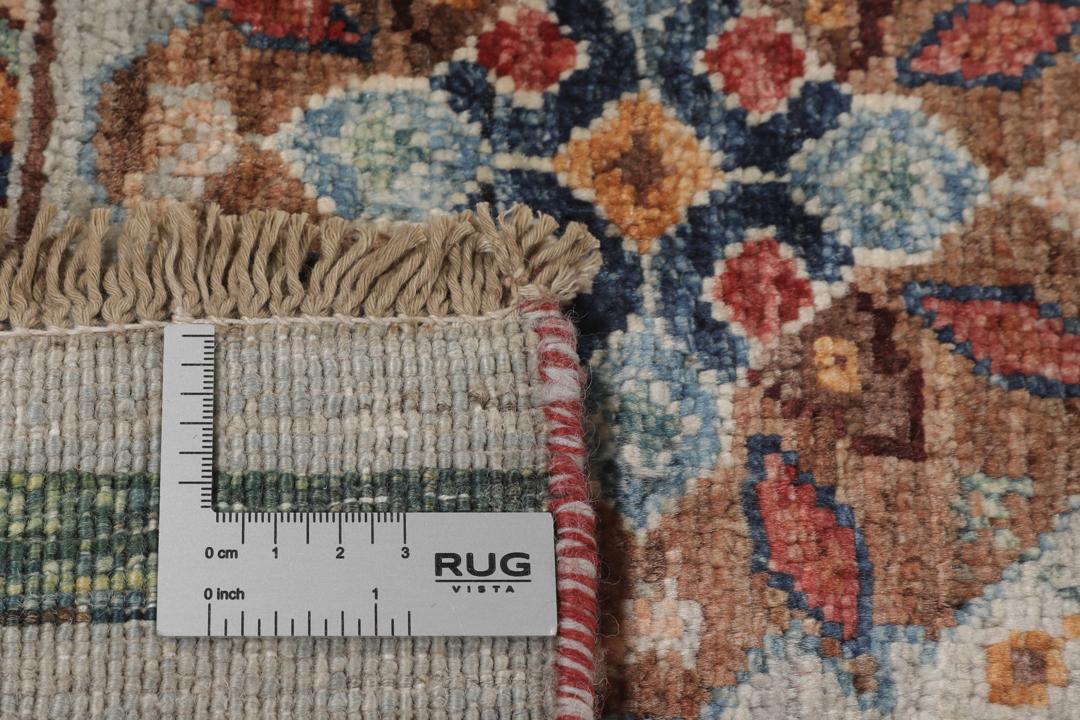
The term 'hand-knotted' in this context refers to the labour-intensive method of looping wool around the foundation threads. This creates a pile that is not only dense and soft but also highly durable. Unlike simpler weaving methods, this technique allows for the creation of intricate, detailed patterns that can withstand years of foot traffic while retaining their structural integrity and visual depth.
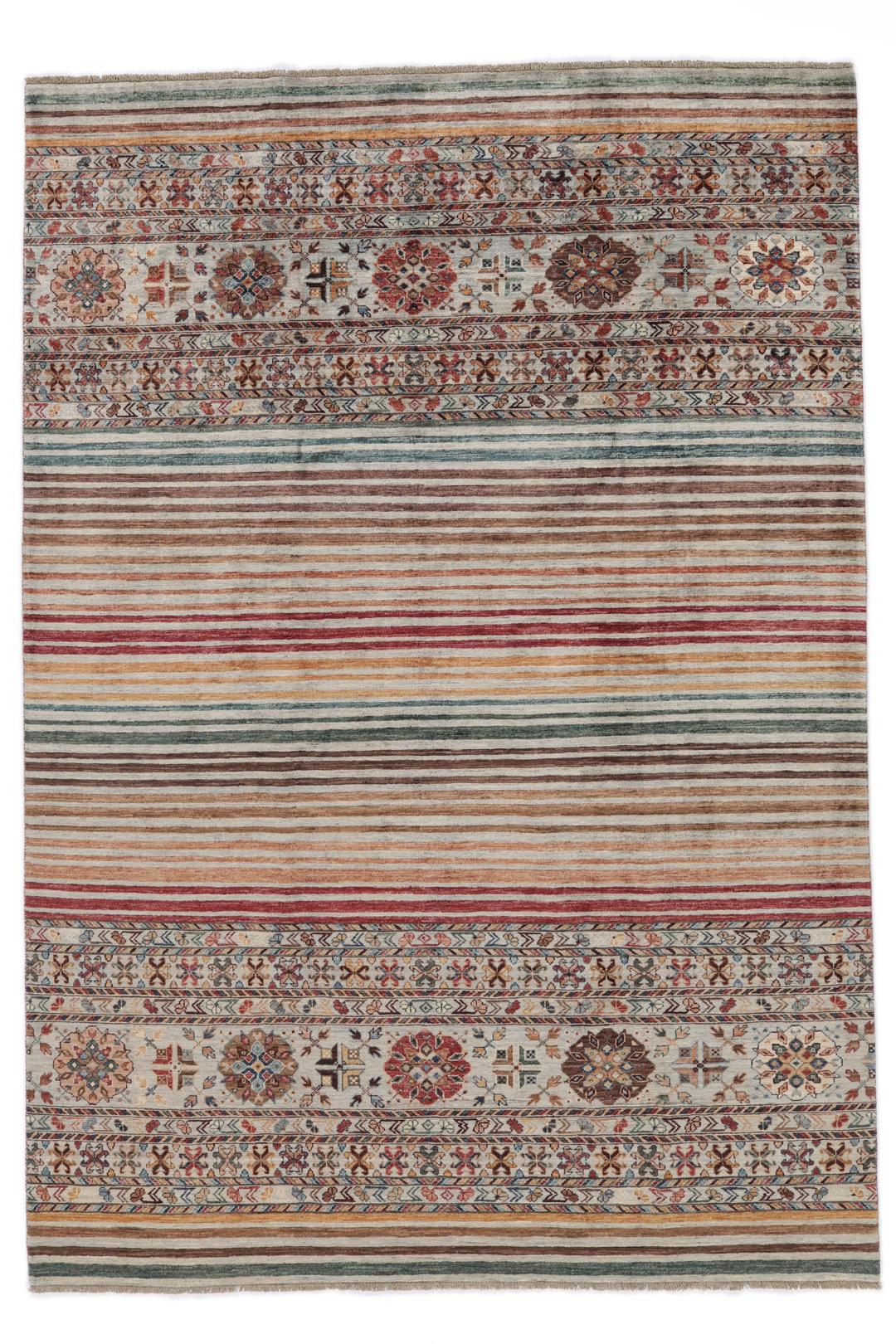
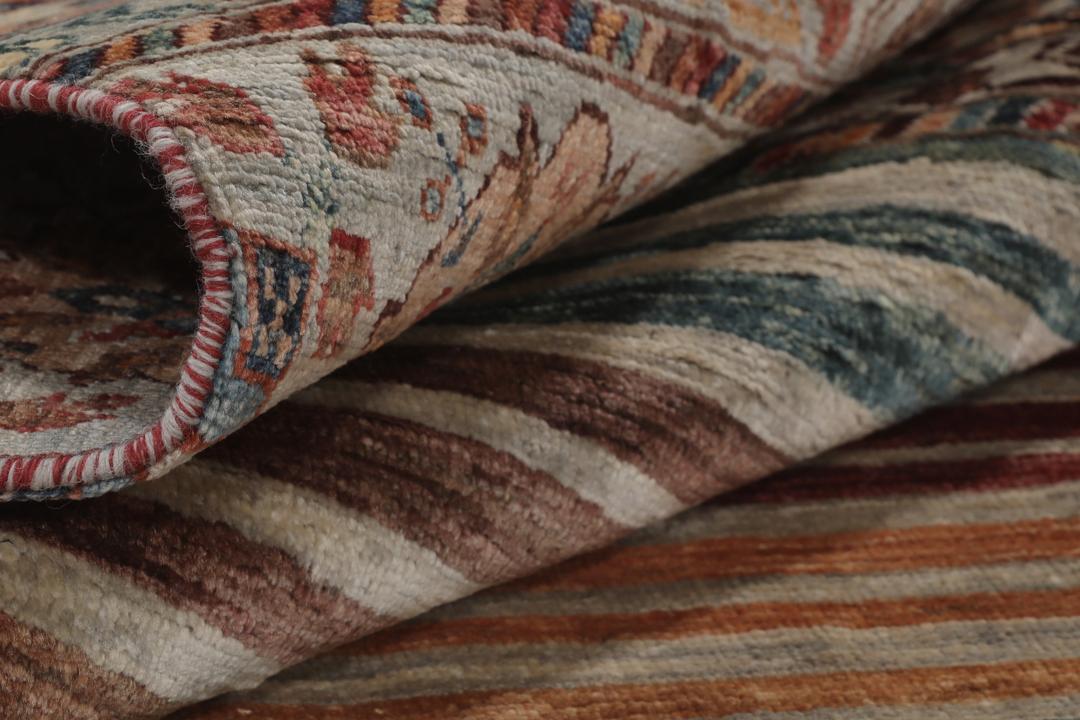
Visually, these rugs are defined by a mix of geometric and organic influences. The combination of horizontal stripes with intricate, medallion-filled borders is a hallmark of this regional style, often incorporating a palette inspired by natural dyes. These patterns are not merely decorative but often tell stories of the weaver's environment, using motifs that have been refined and perfected over centuries of practice.
Owning a piece from this tradition is an investment in cultural heritage. Because each rug is made by hand, it reflects the specific choices and skill of the individual weaver. Collectors value these rugs for their authenticity and the way they bridge the gap between traditional craft and modern home comfort, serving as a permanent record of a living, evolving art form.