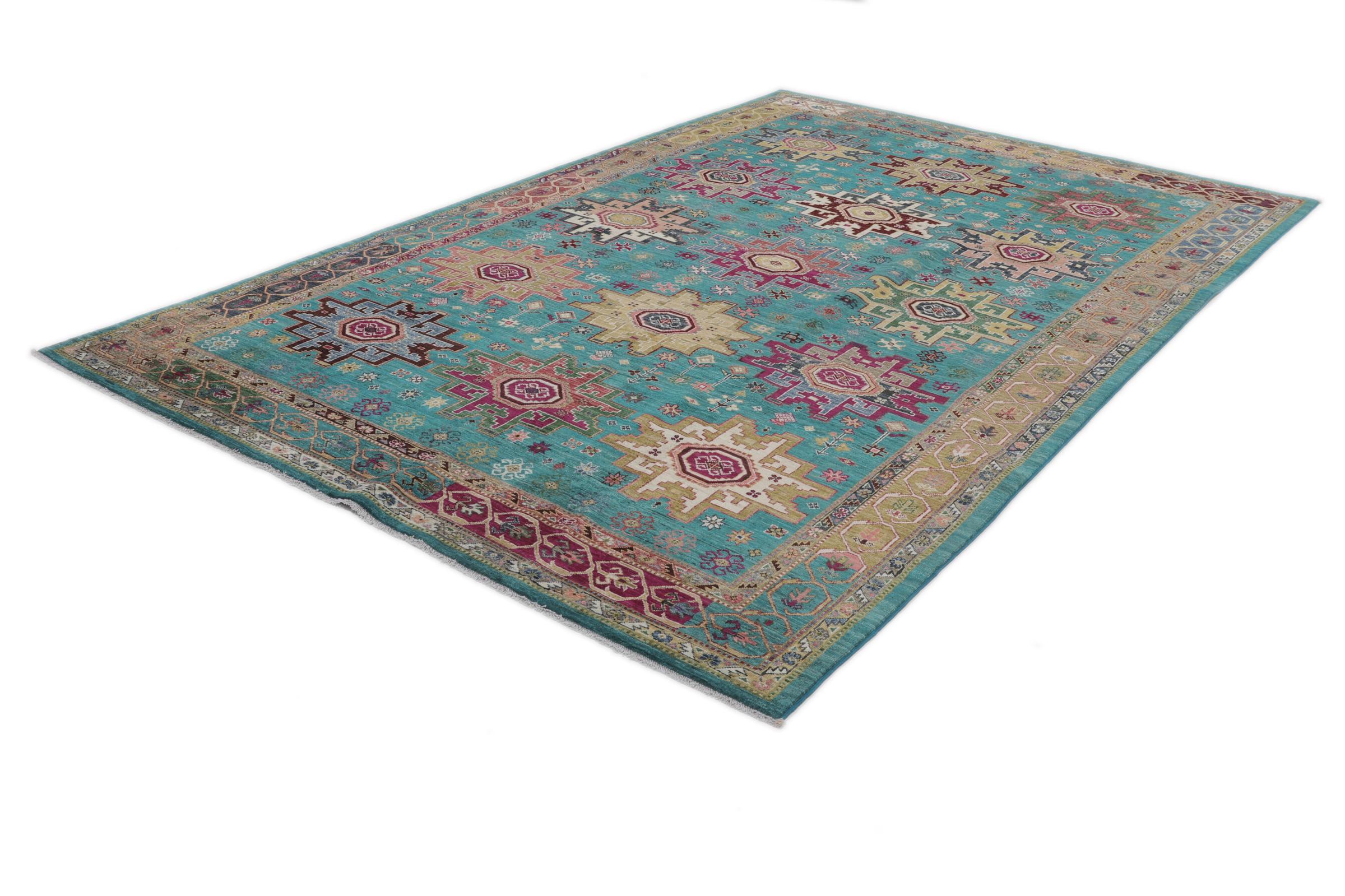
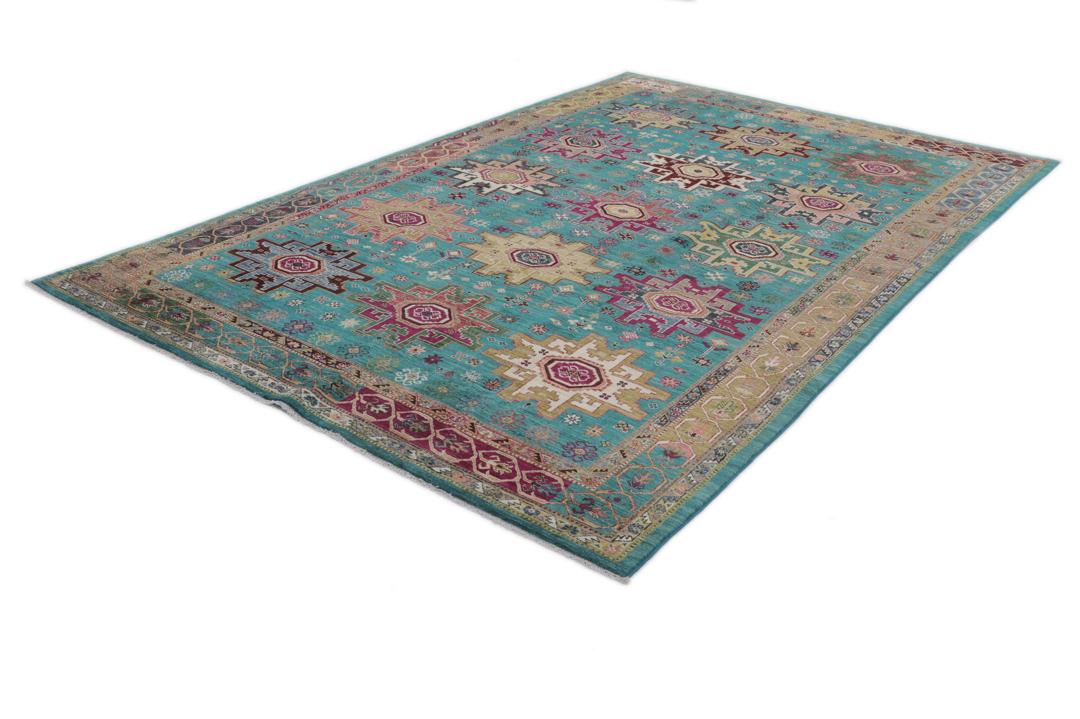
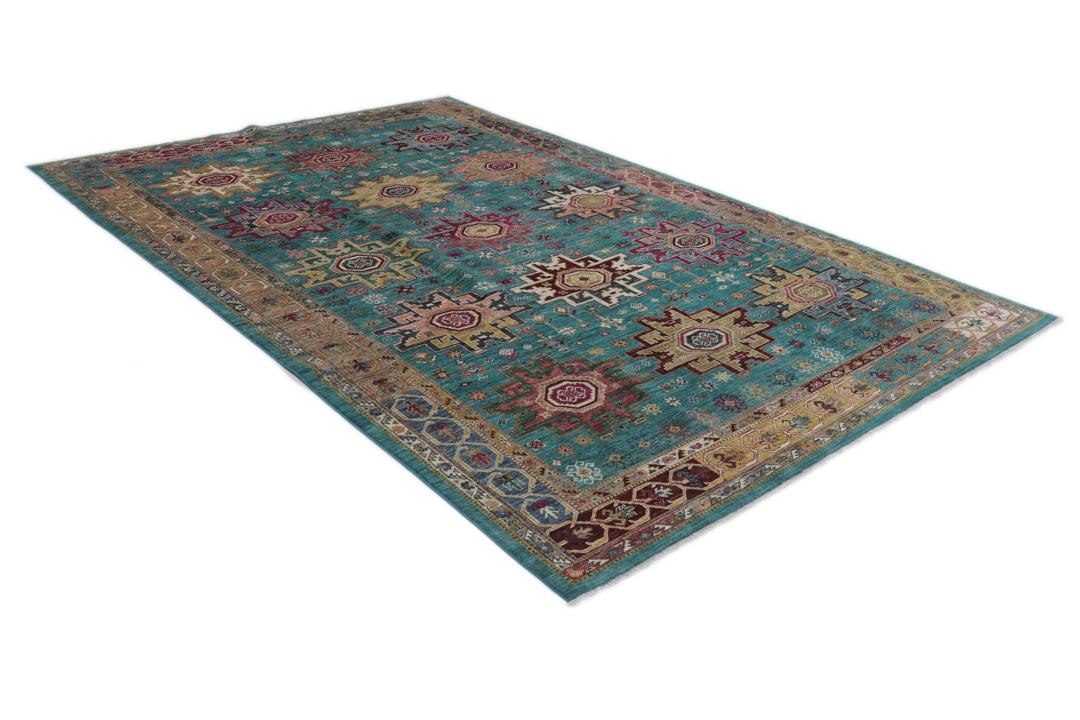
The tradition of rug-making in Afghanistan is deeply rooted in the history of the Central Asian steppes, where nomadic and semi-nomadic tribes have long used weaving as a means of artistic expression and practical necessity. Over centuries, these techniques have been refined, blending local tribal motifs with the broader influences of the Silk Road. Today, Afghan rugs are recognised for their robust construction and the use of high-quality, hand-spun wool that carries the character of the rugged landscapes from which they originate.
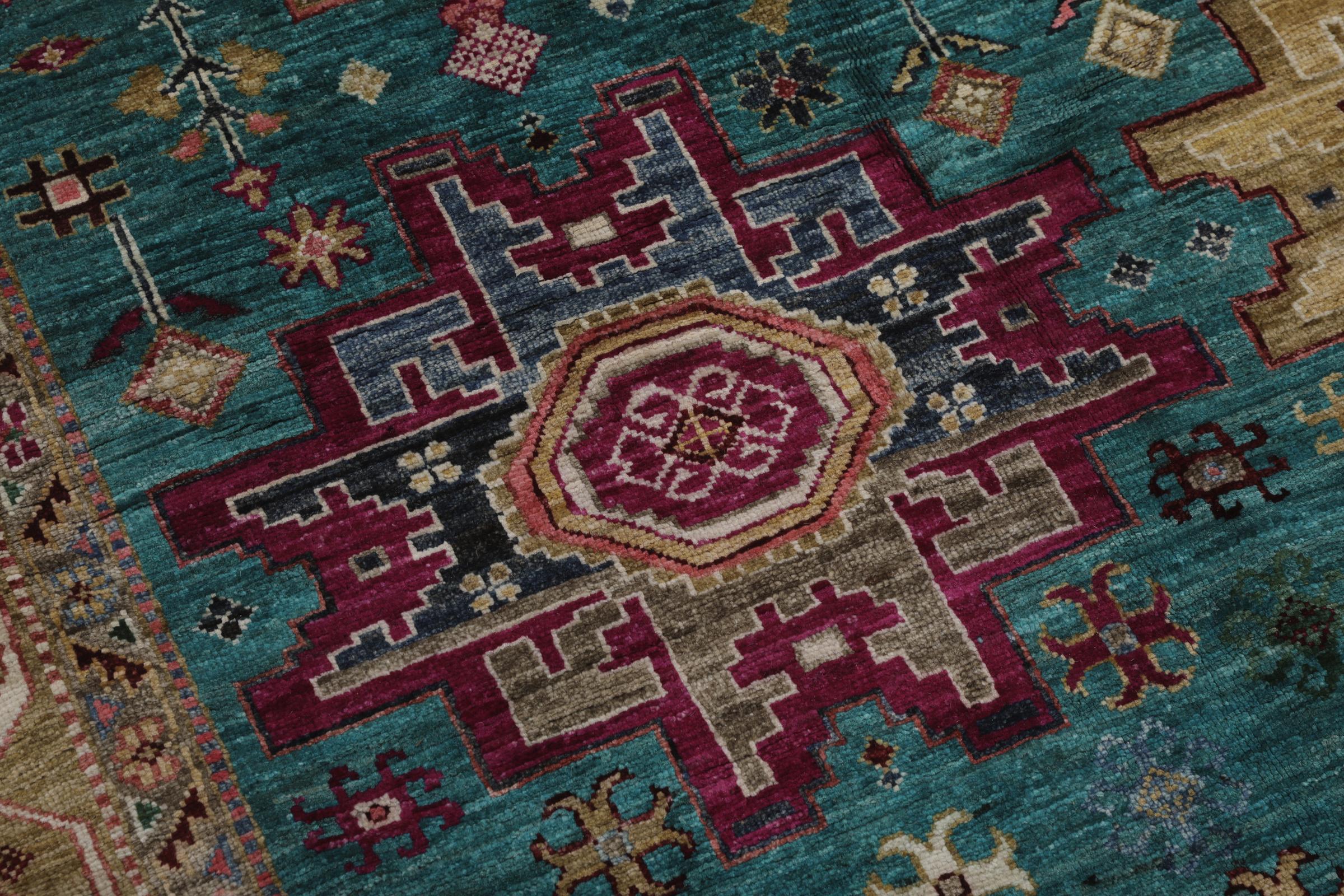
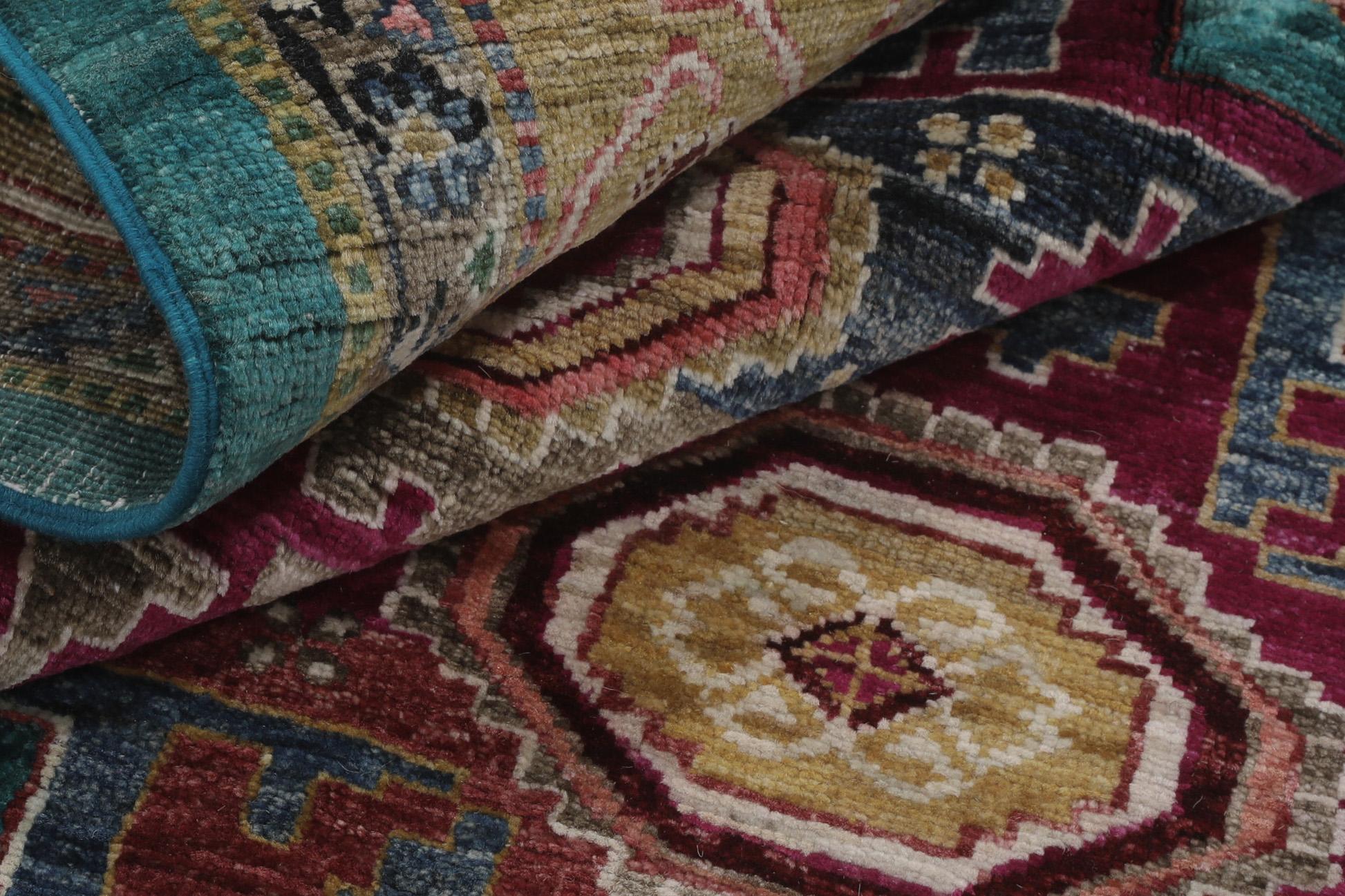
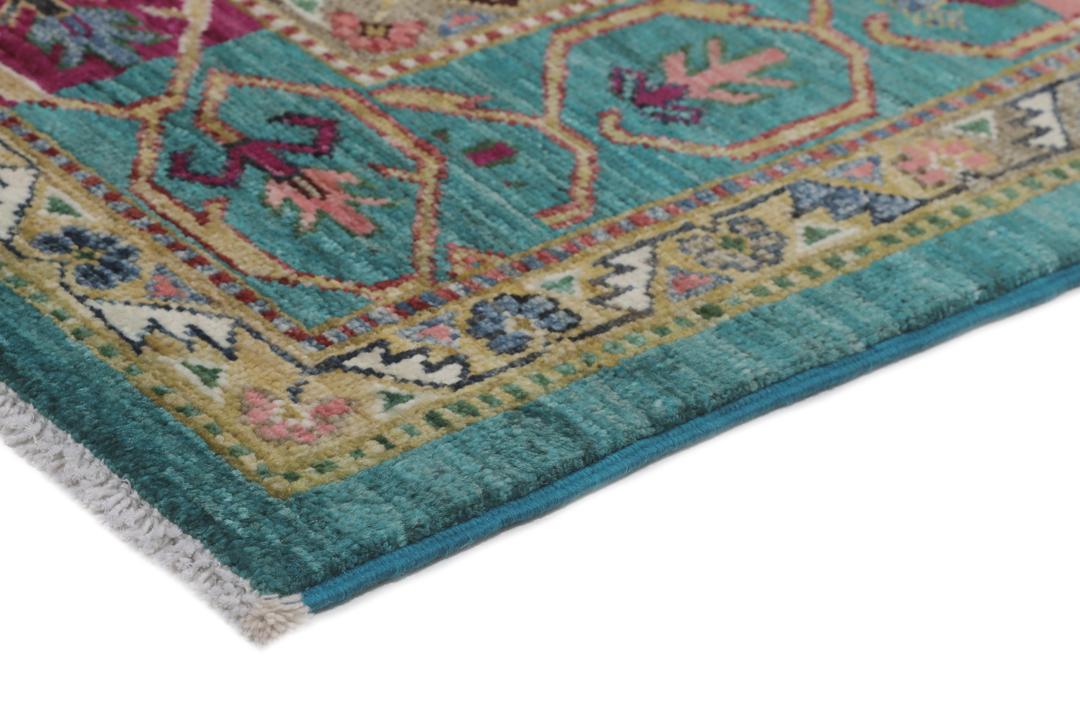
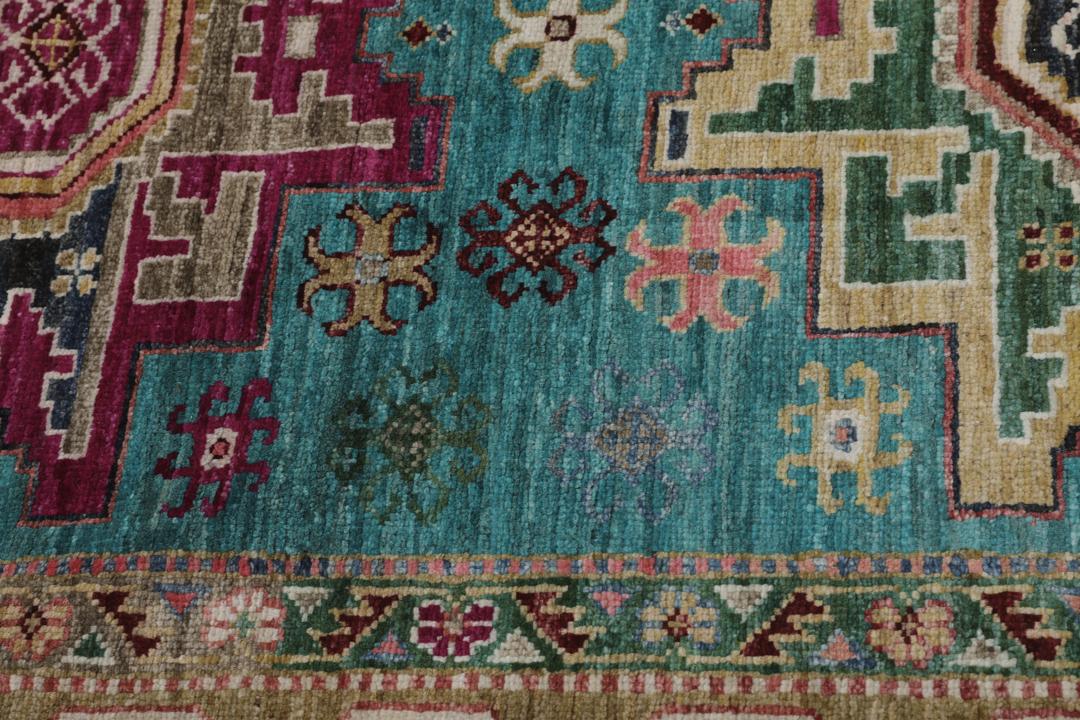
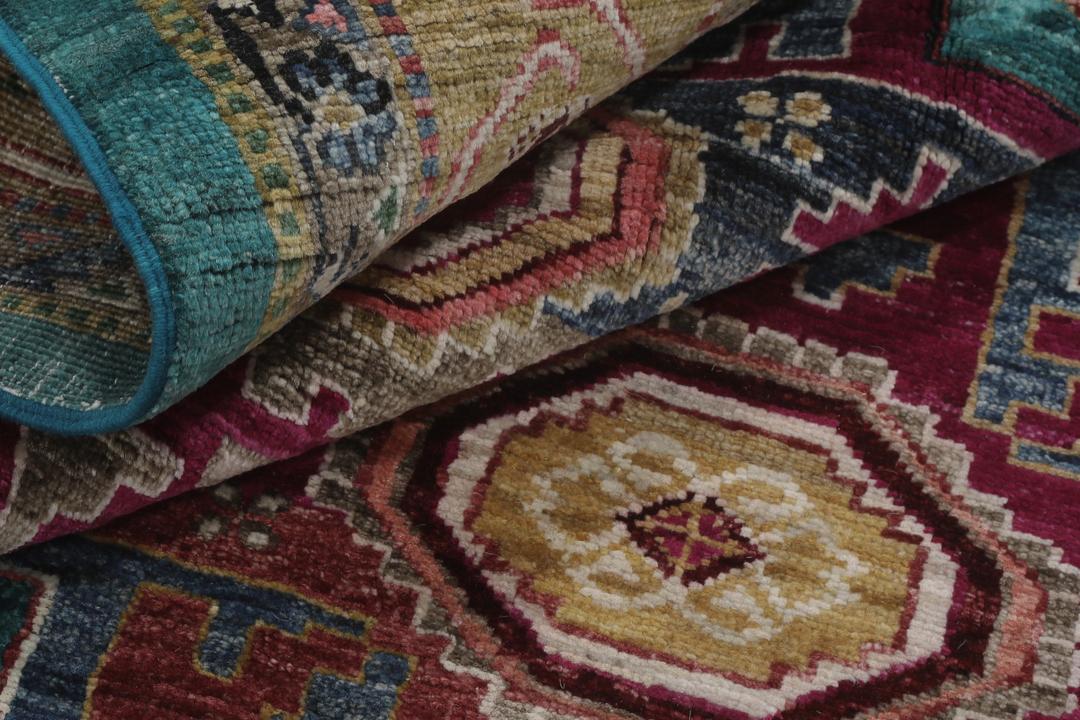
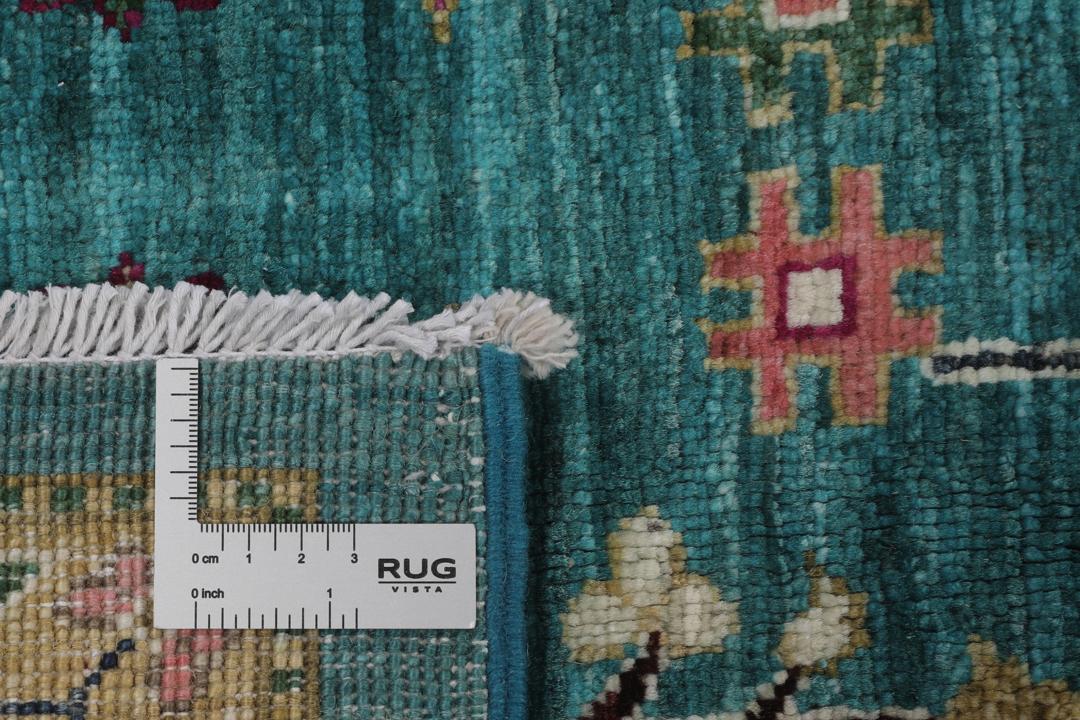
The terminology surrounding these rugs often refers to the specific region or tribal group where the design was perfected. Techniques such as hand-knotting are the backbone of this tradition, where the density and tension of the knots dictate the rug's longevity and the clarity of its patterns. For the customer, this means that the terminology is not just academic; it is a promise of a dense, lustrous pile that is designed to endure for generations, gaining even more character as it ages.
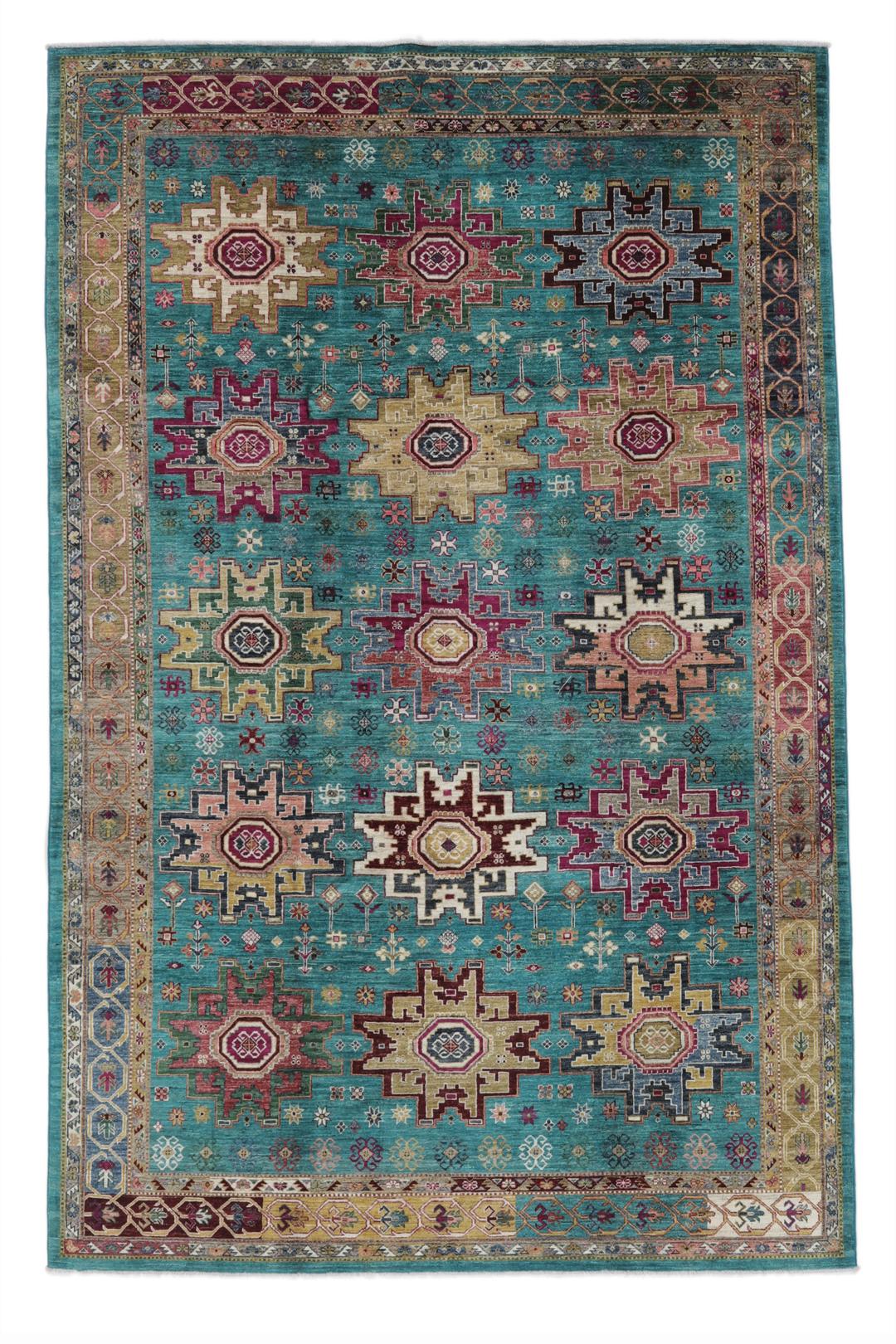
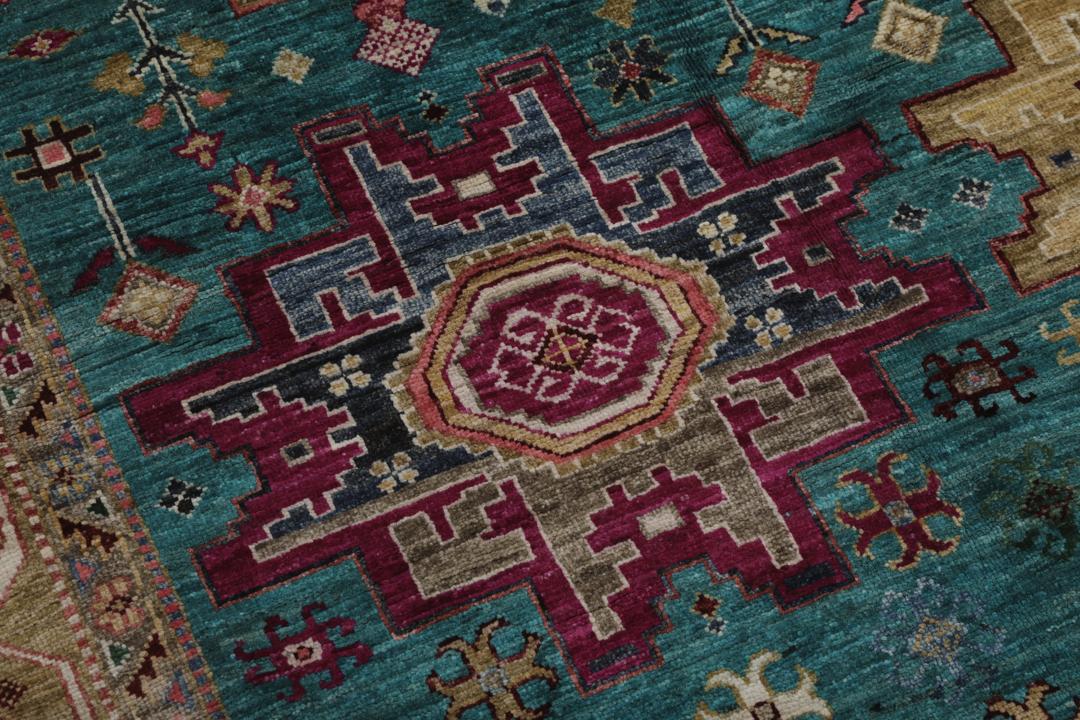
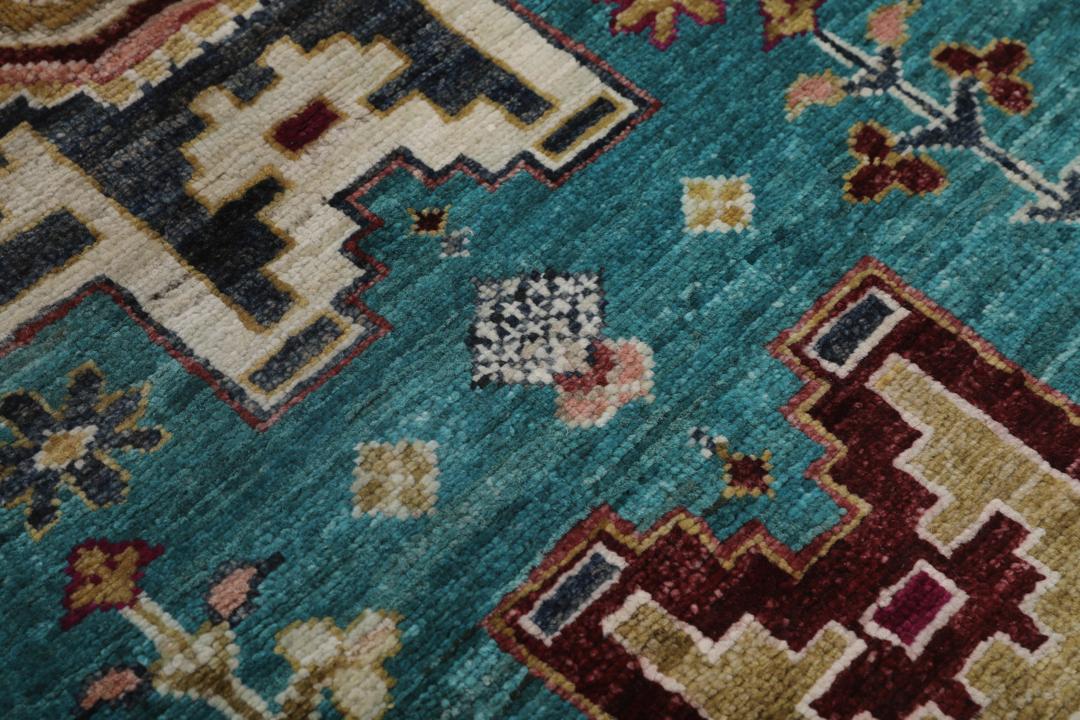
Signature design elements in this region often include bold geometric shapes, repeating medallions, and complex borders that frame the narrative of the rug. The use of vibrant, natural-looking dyes is a hallmark of the craft, often focusing on deep teals, reds, and earthy tones that reflect the natural environment. While many rugs follow traditional layouts, individual weavers often introduce subtle variations, making each rug a unique interpretation of an ancient visual language.
Owning an Afghan rug is a way of preserving a piece of cultural history that spans generations. These pieces are highly valued by collectors not only for their aesthetic beauty but for the incredible human skill required to produce them. When you acquire such a rug, you are supporting a lineage of craft that values quality over speed, ensuring that the heritage of hand-weaving remains a vibrant and essential part of the modern home.