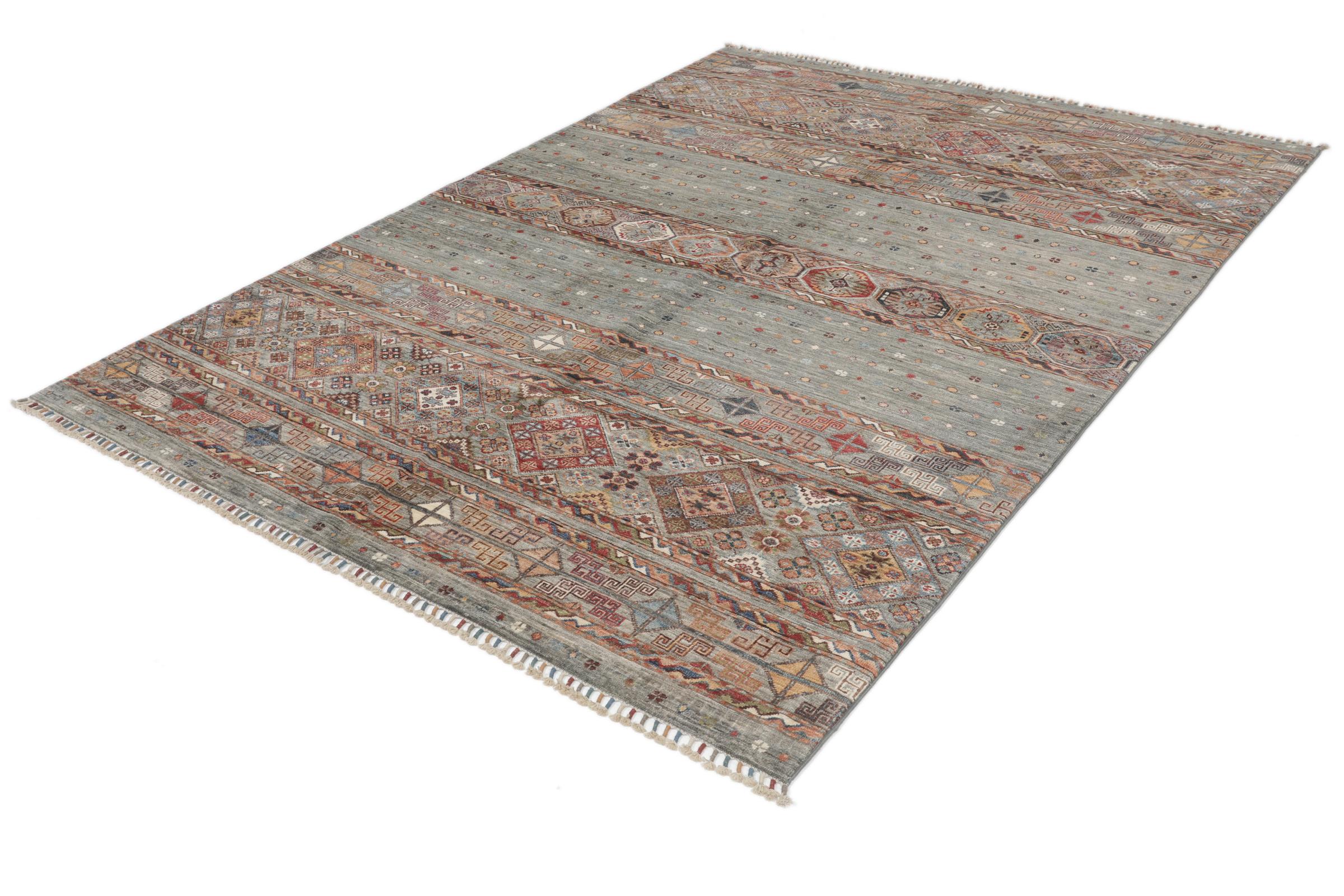
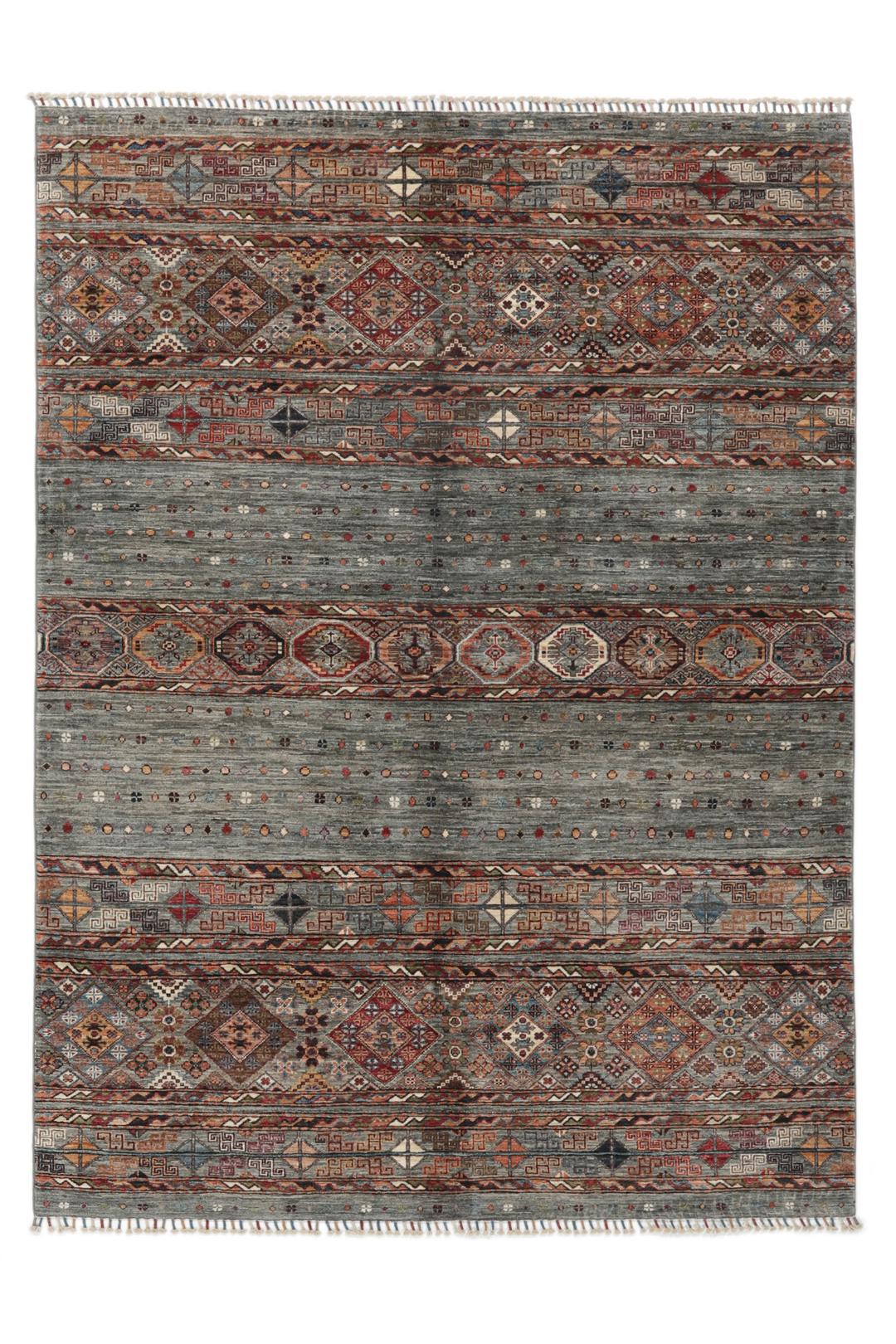
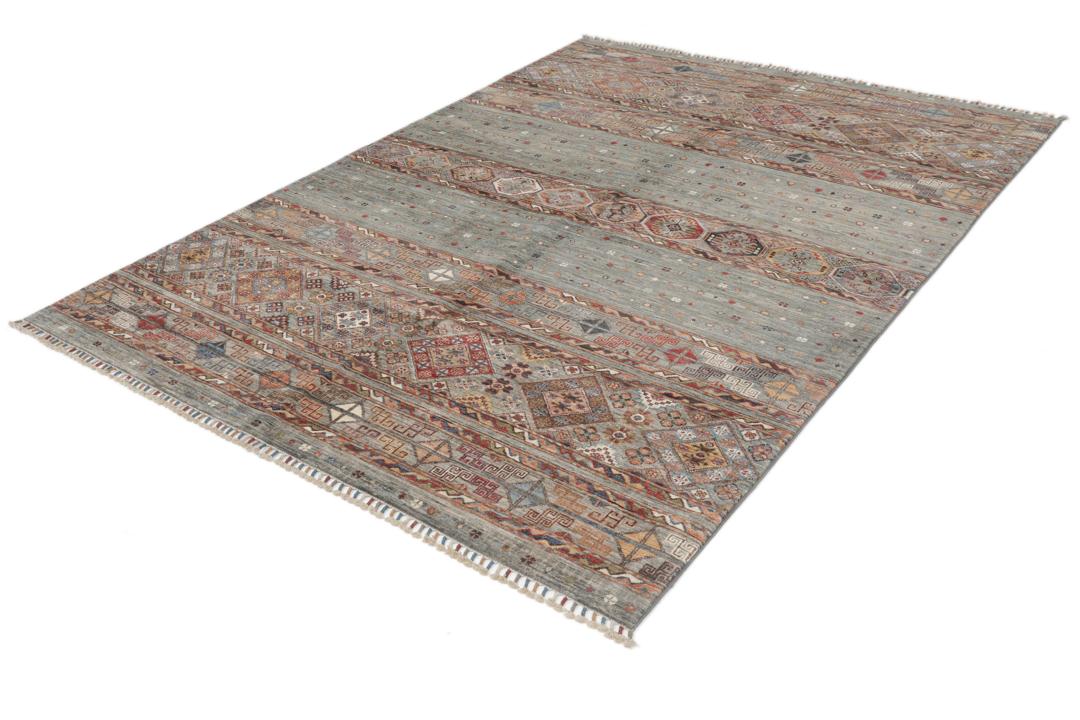
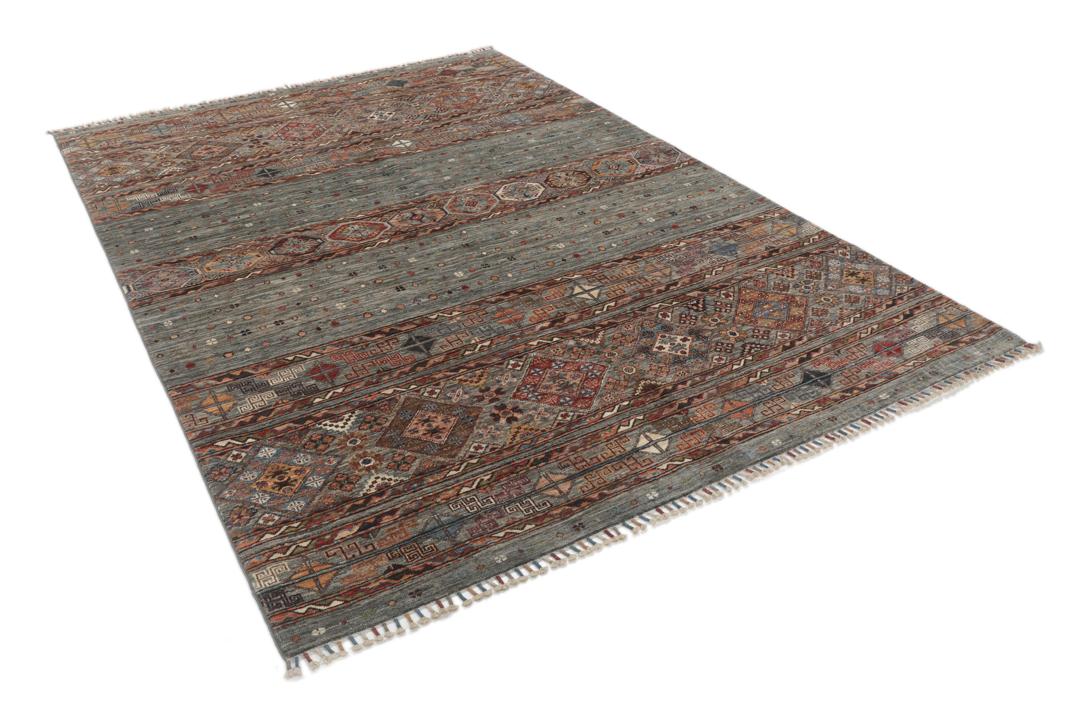
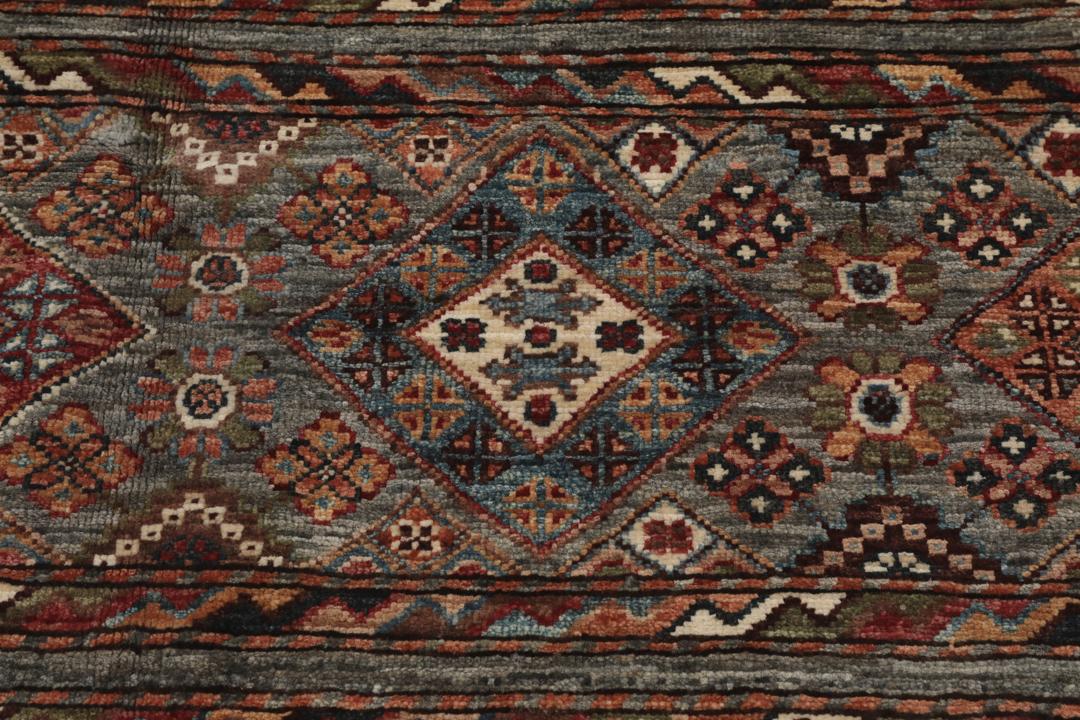
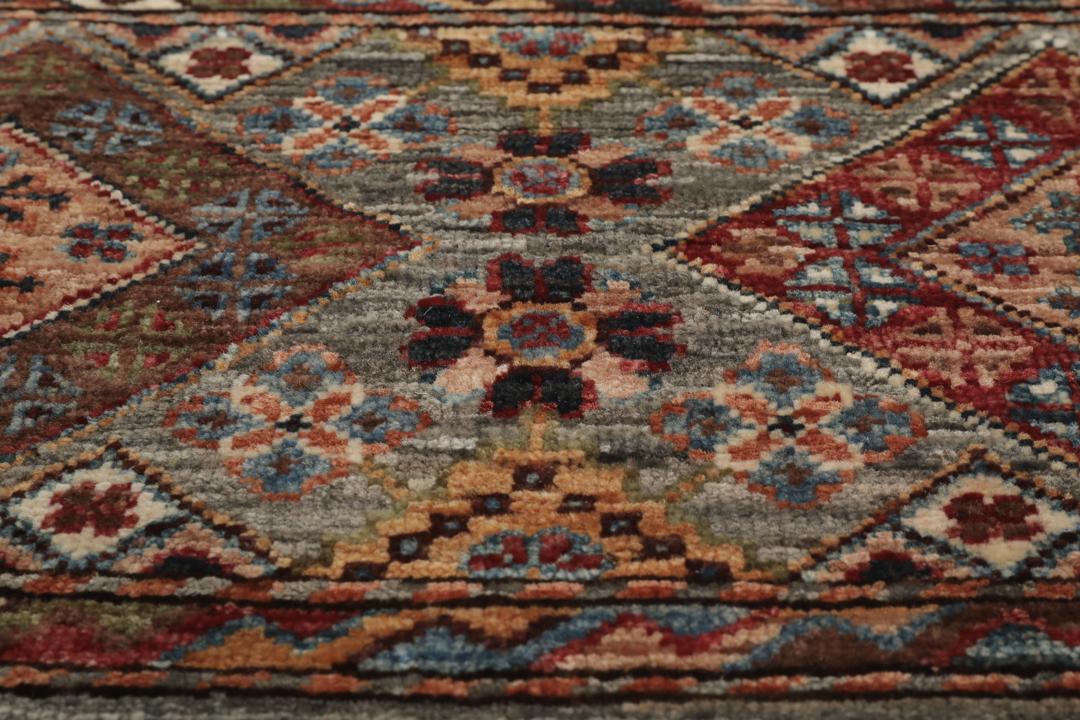
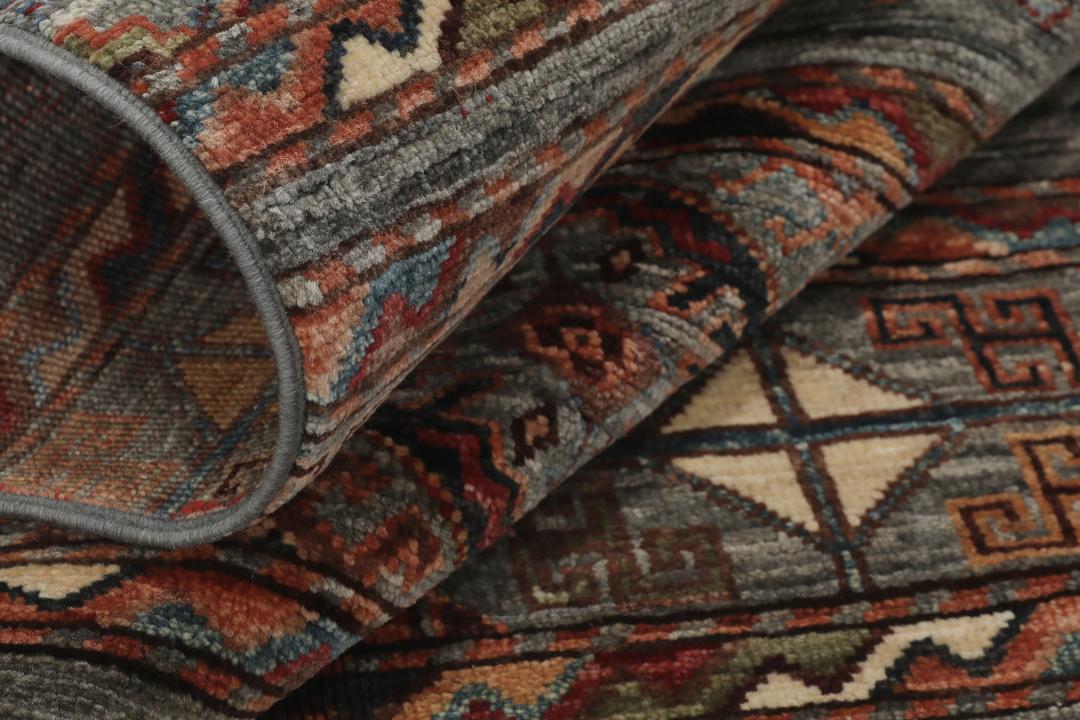
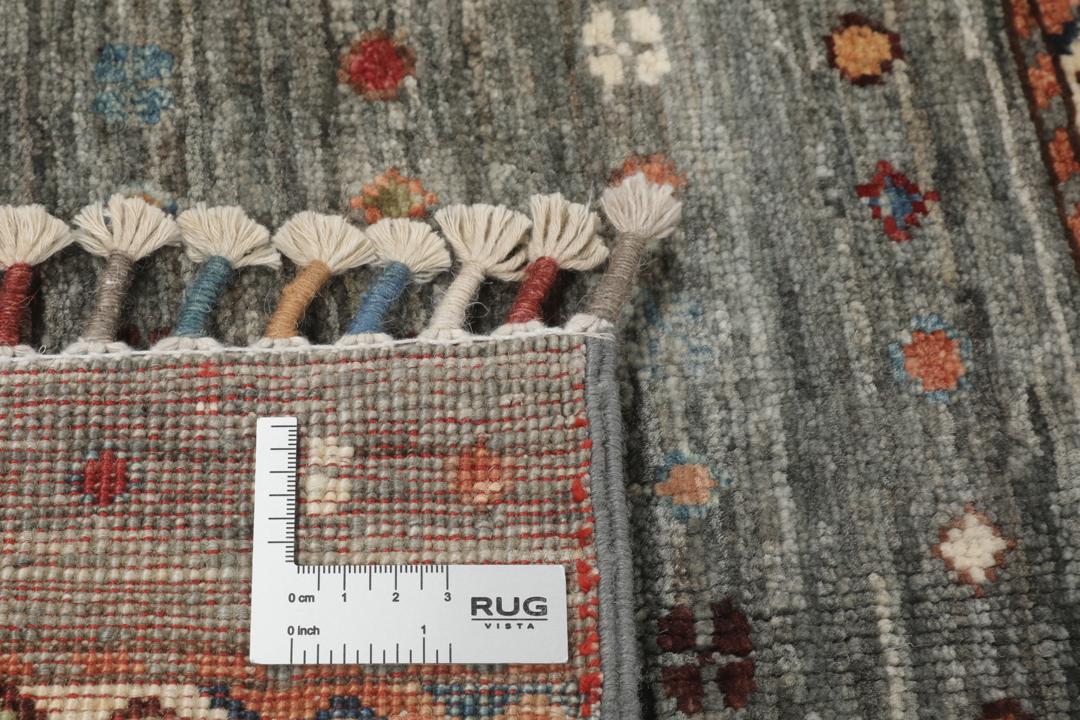
The Shabargan rug belongs to the rich tradition of weaving in Afghanistan, a region with a long-standing history of producing some of the most resilient and soulful floor coverings in the world. Often woven in the northern provinces, these rugs draw inspiration from the diverse cultural influences of the Silk Road. The craft has evolved significantly over the decades, moving from nomadic roots to a refined form of cottage industry that brings ancient techniques into the contemporary home.
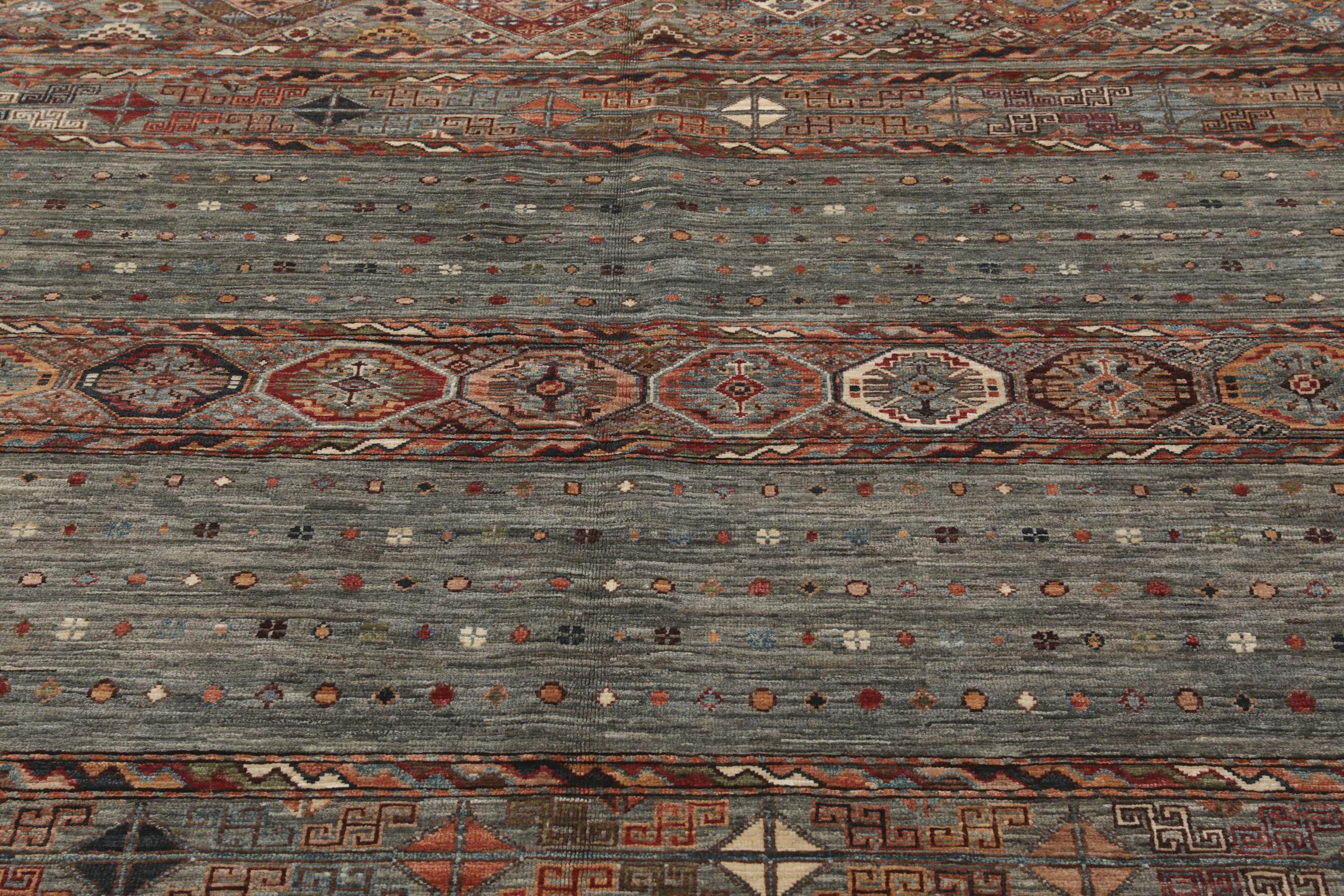
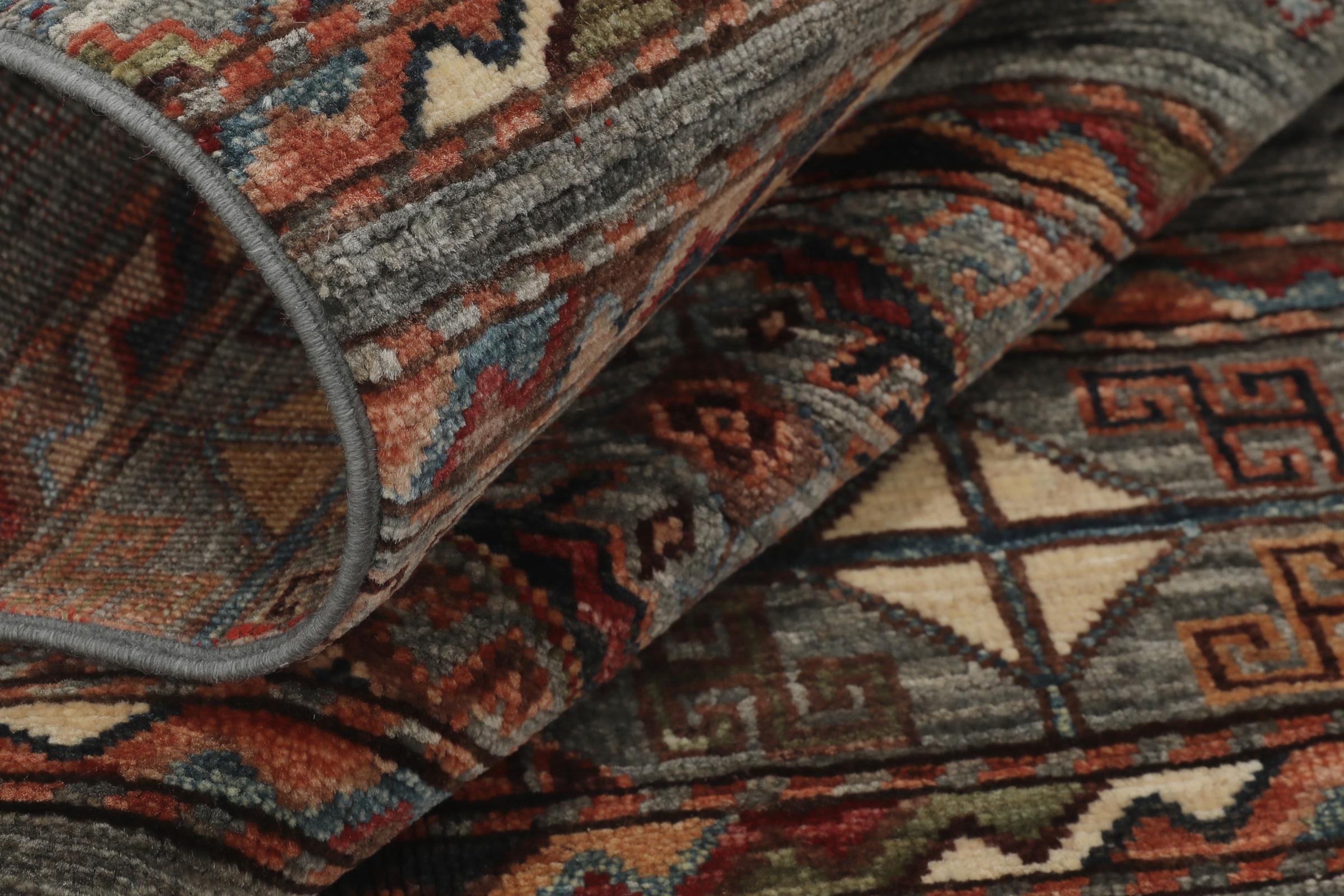
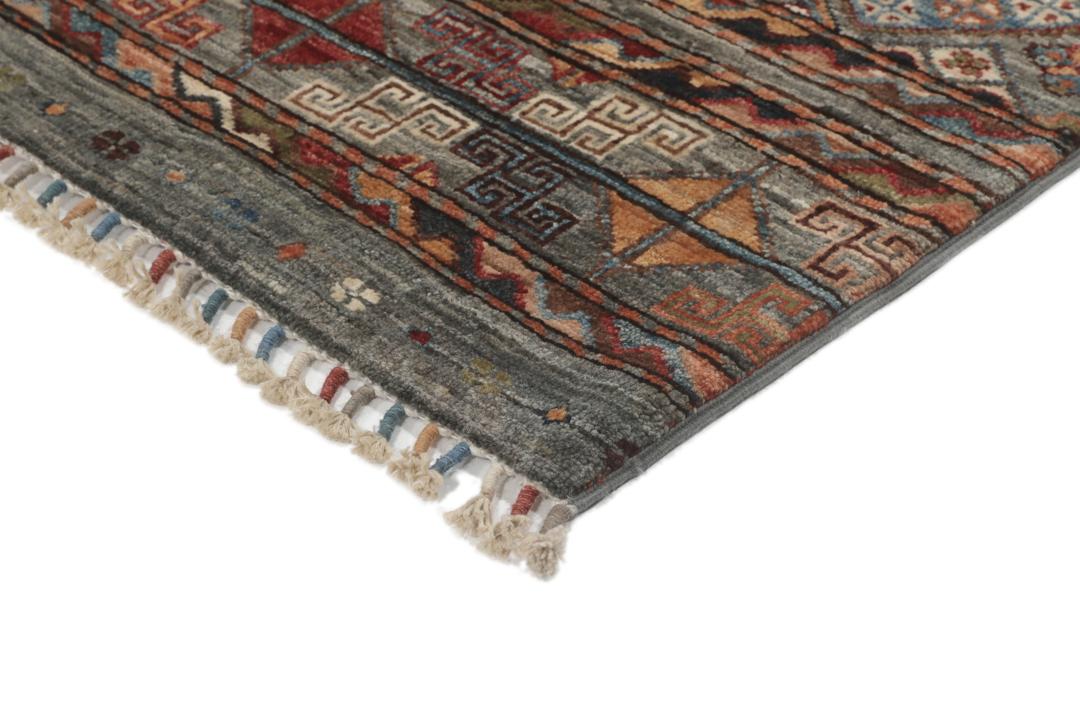
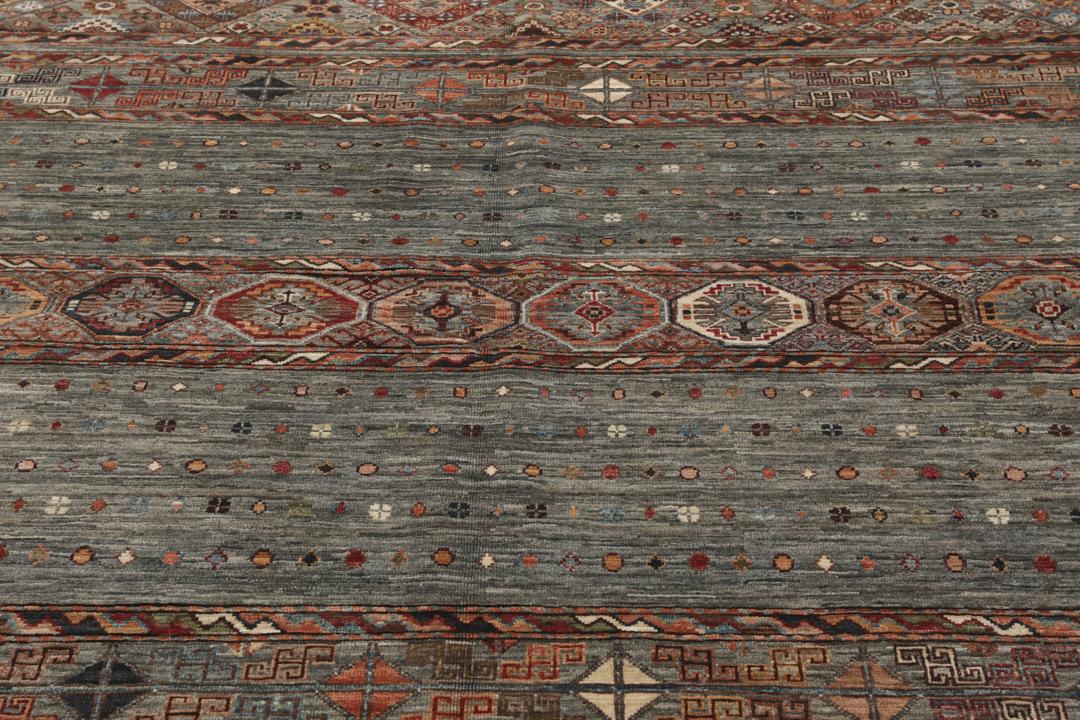
The technical quality of these rugs is largely determined by the hand-knotting process, where Wool is carefully worked into a warp and weft foundation. This method creates a dense pile that is naturally resistant to wear. The use of hand-spun Wool adds a slight variation in texture and colour absorption, which gives the finished rug a vibrant, living quality that machine-made alternatives cannot mimic. This depth is a hallmark of authentic craftsmanship.
Visually, these rugs are celebrated for their bold geometric language and balanced compositions. They often feature repeating motifs, such as tribal medallions or stylized botanical elements, contained within structured horizontal bands. The colour palettes typically rely on natural dyes, resulting in deep, earthy tones that age gracefully. The Shabargan style is particularly noted for its ability to integrate complex, traditional symbols into a layout that feels orderly and balanced.
Owning a hand-knotted rug from this tradition is an act of supporting a craft that has survived for centuries. These pieces are valued by collectors not just for their aesthetic appeal, but for the human story embedded in every knot. They represent a connection to a specific time and place, serving as a legacy of skill that continues to be passed down through generations of weavers.