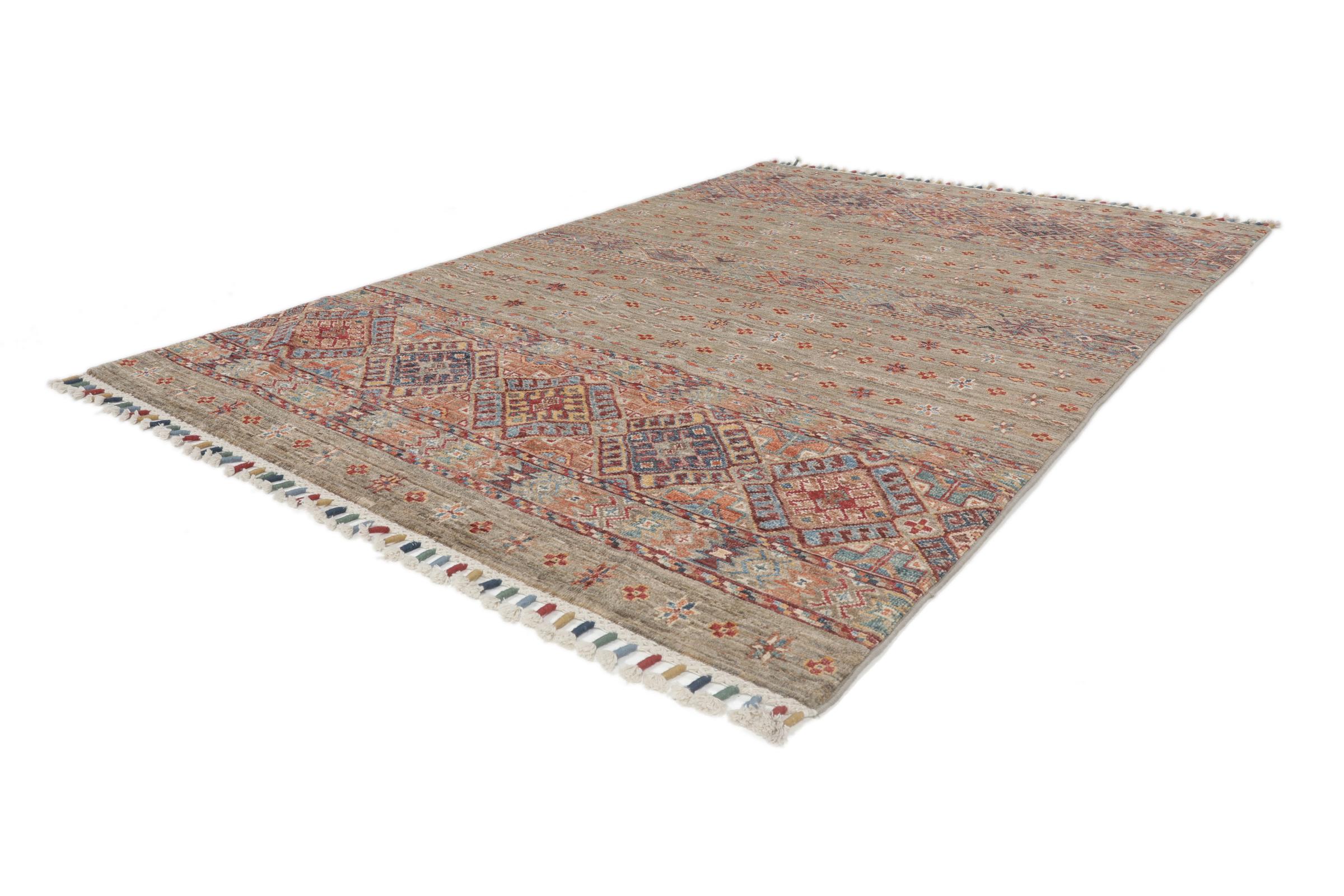
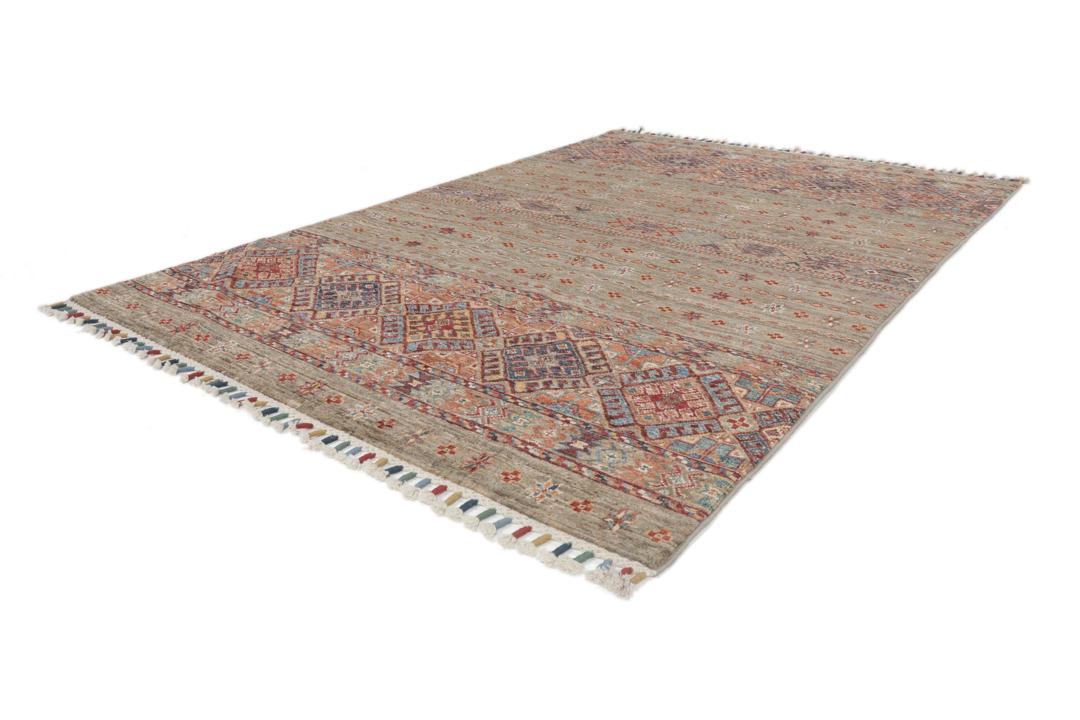
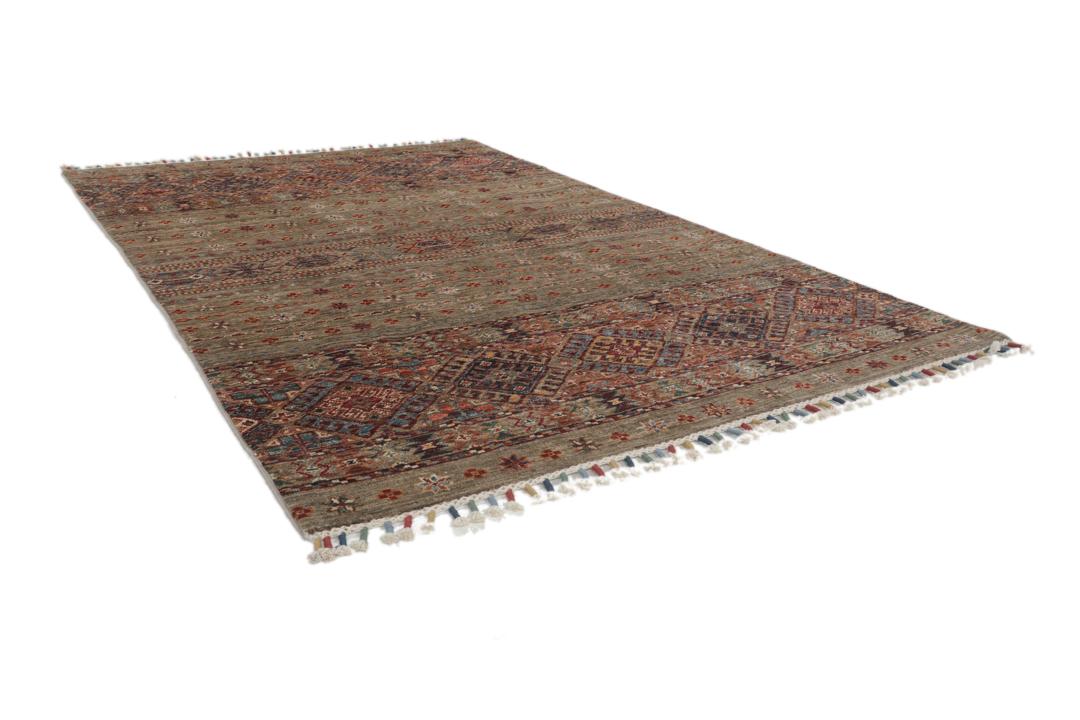
The tradition of rug weaving in Afghanistan is deeply rooted in the cultural identity of its people, drawing on centuries of nomadic and settled craft heritage. These rugs are often produced in the northern regions, where the art of spinning and dyeing Wool has been passed down through generations. The evolution of these designs reflects a blend of local tribal influences and the broader artistic history of the Middle East.
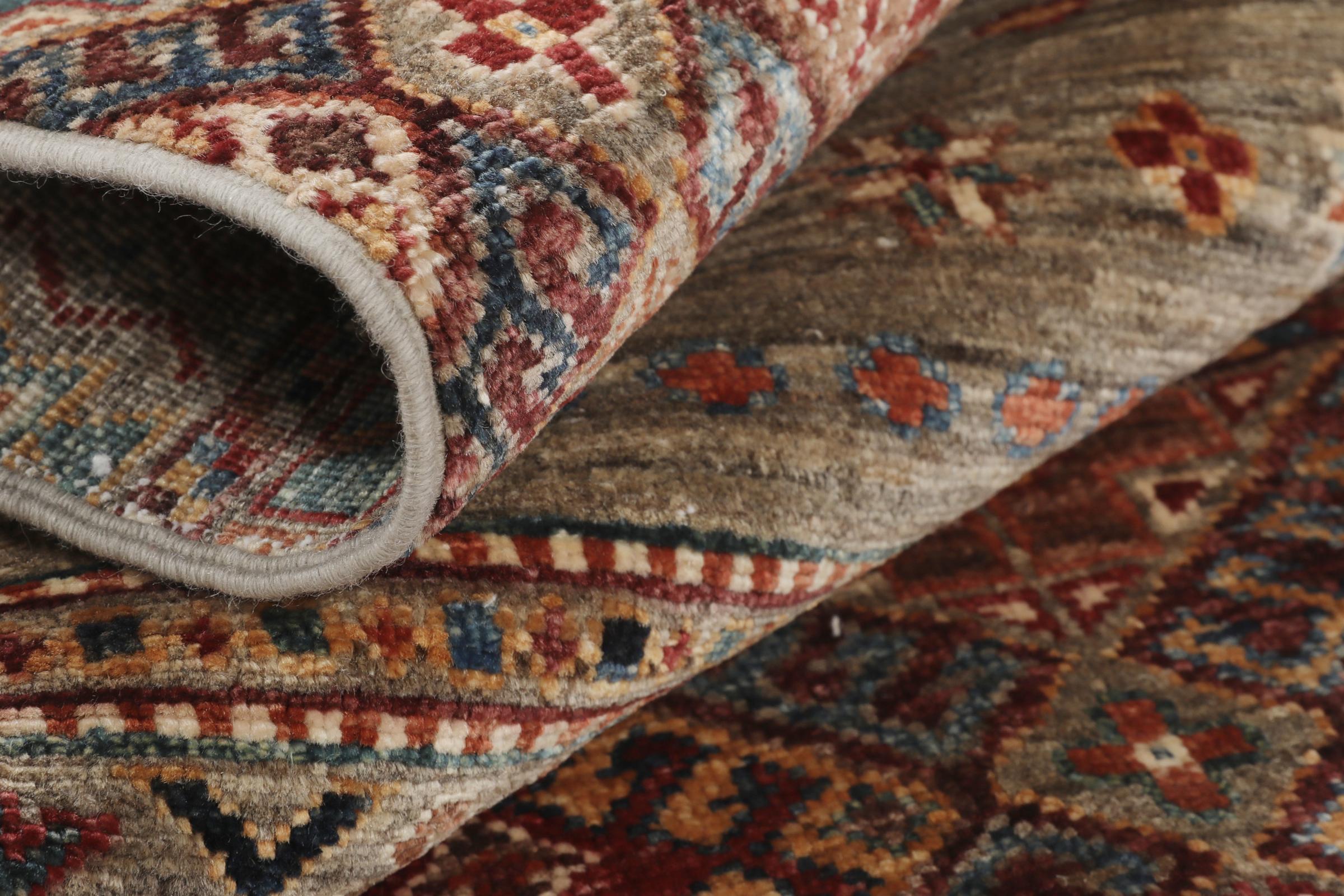
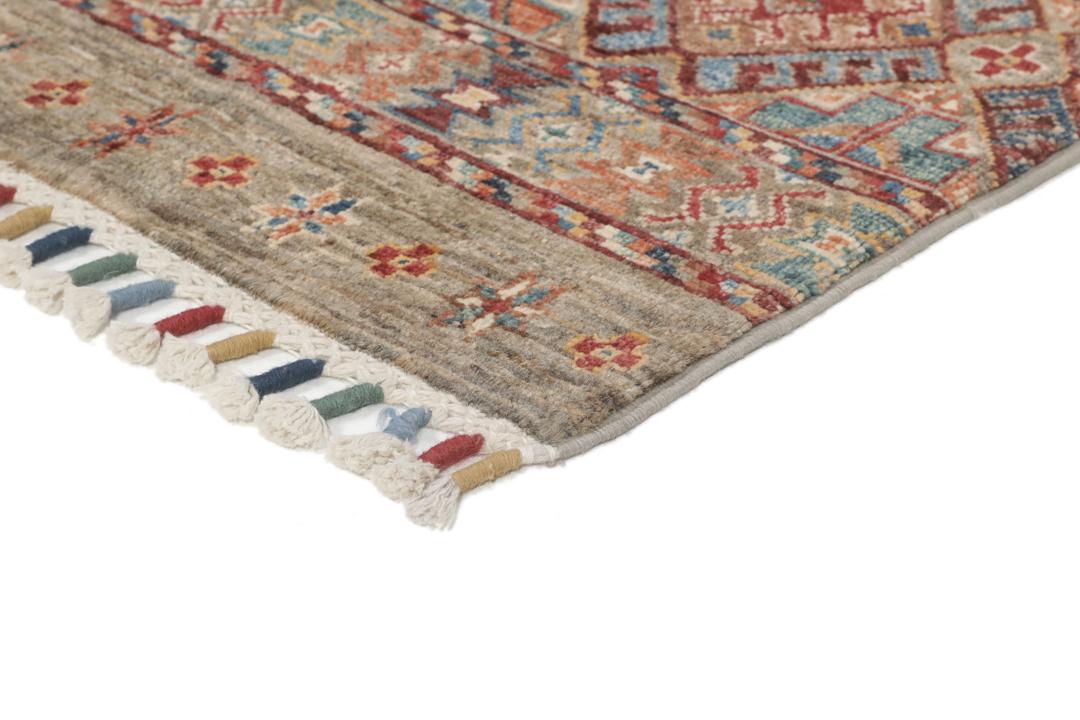
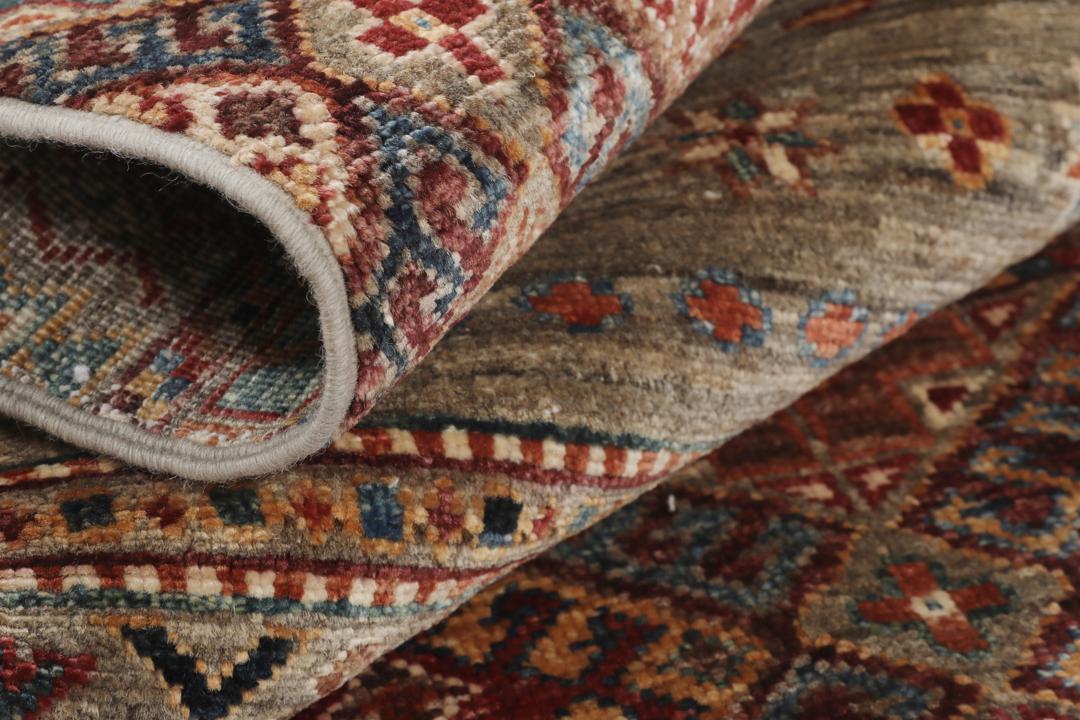
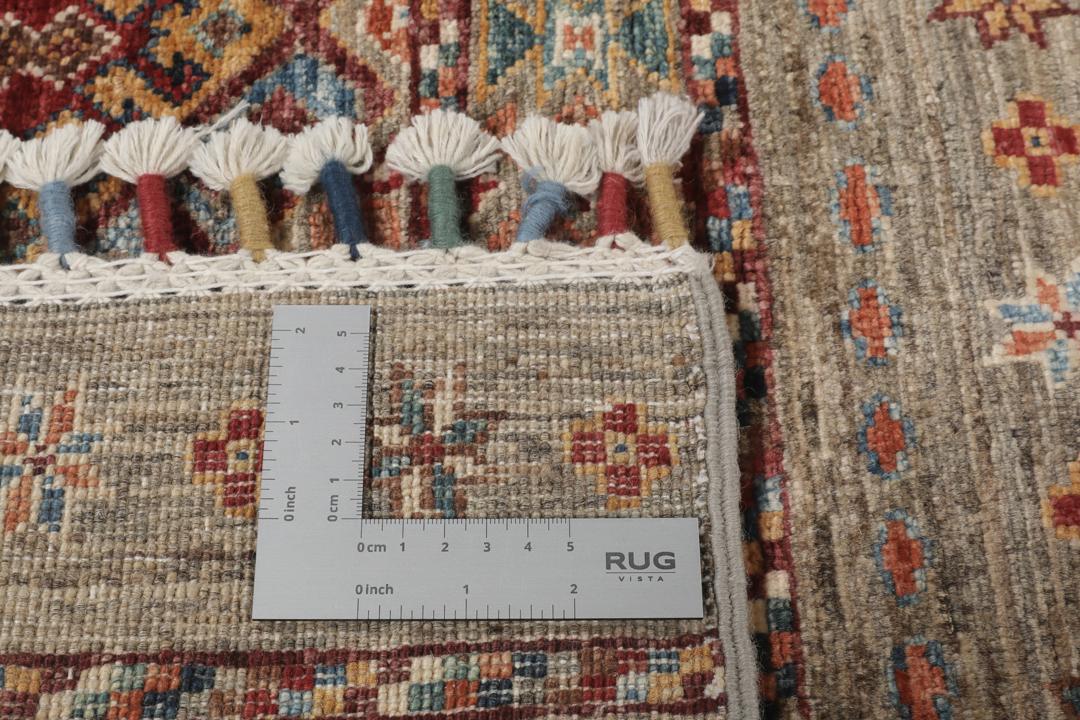
The technical term 'hand-knotted' refers to the labour-intensive method where each knot is tied individually by hand onto the foundation. This creates a robust and flexible structure that allows the rug to withstand the test of time. The use of Wool for the pile is central to this tradition, as it is naturally resilient, easy to clean, and provides a warmth that synthetic fibres cannot replicate.
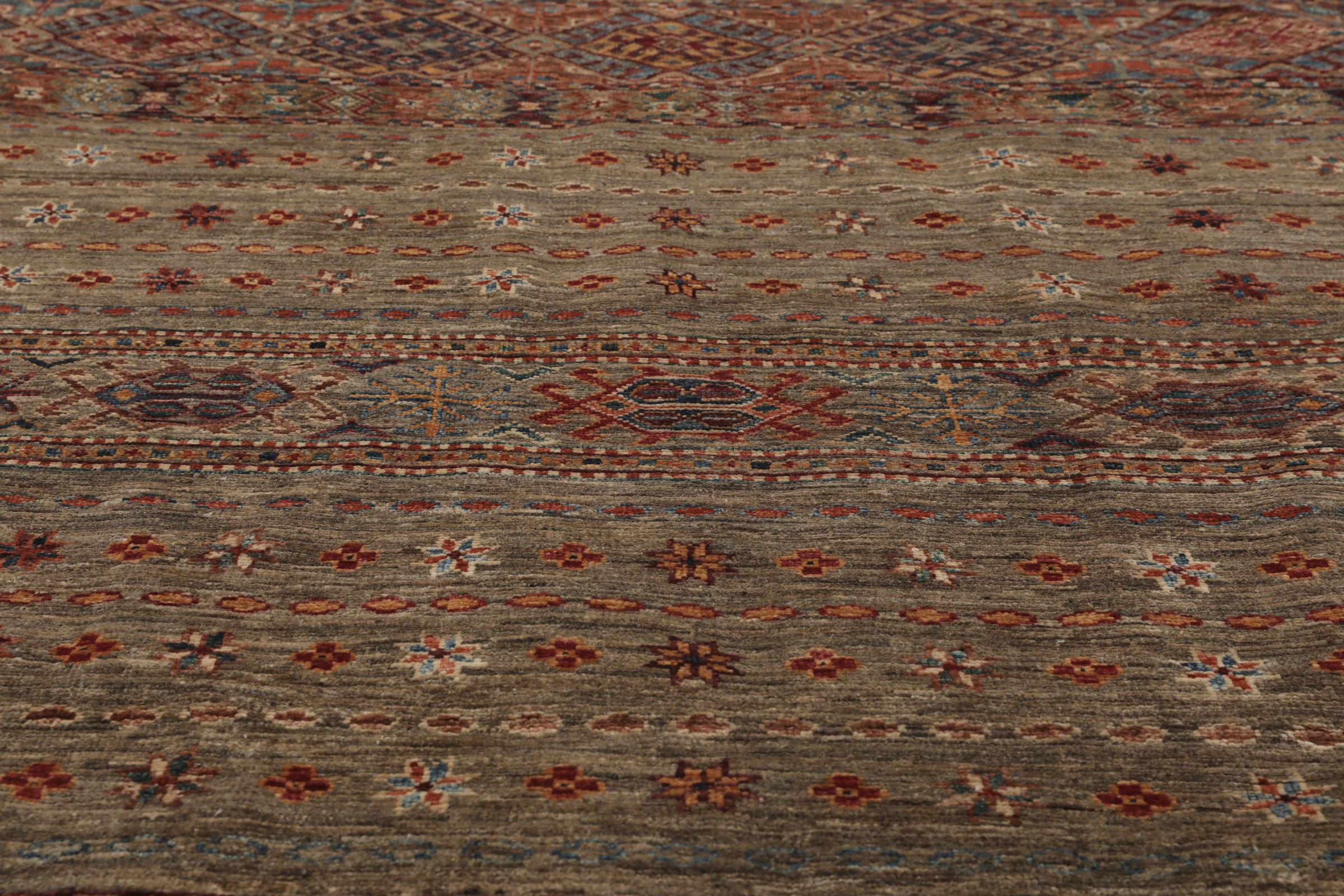
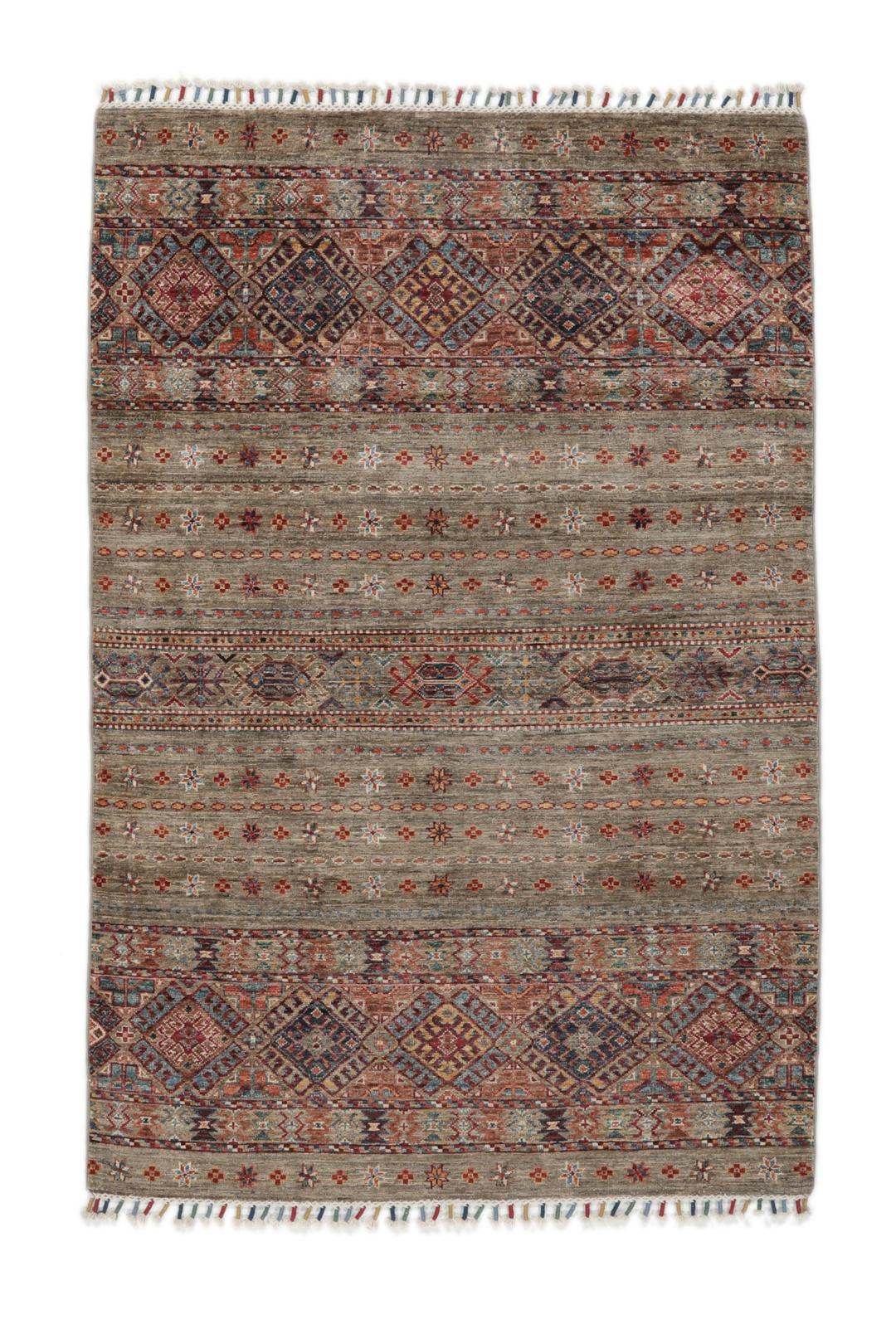
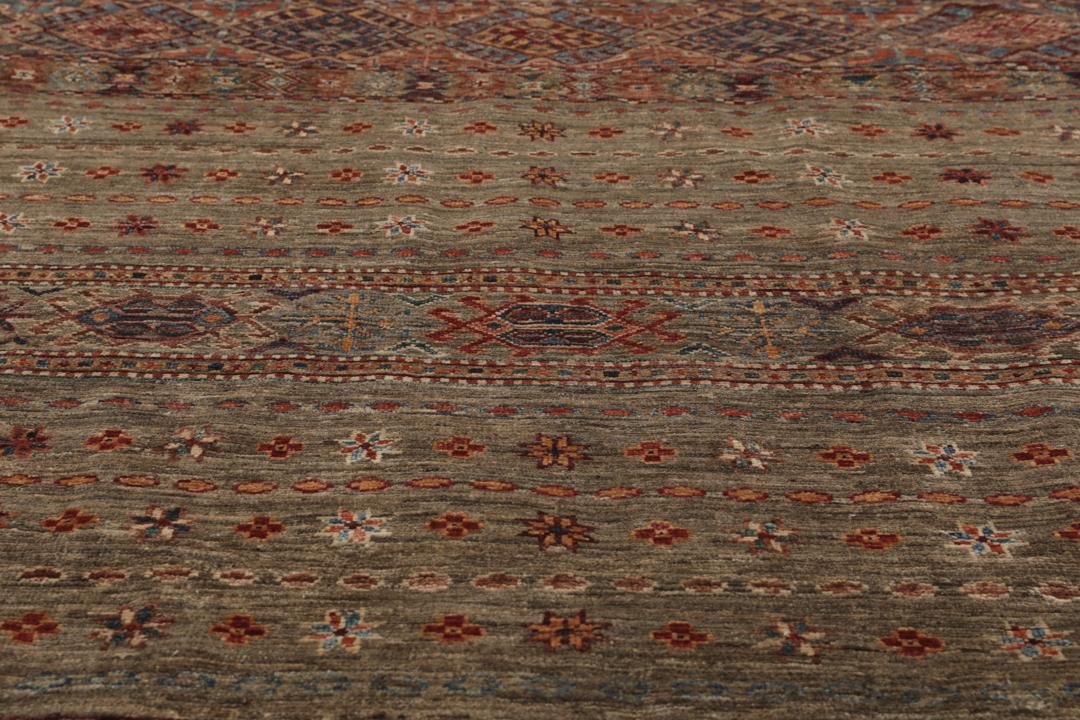
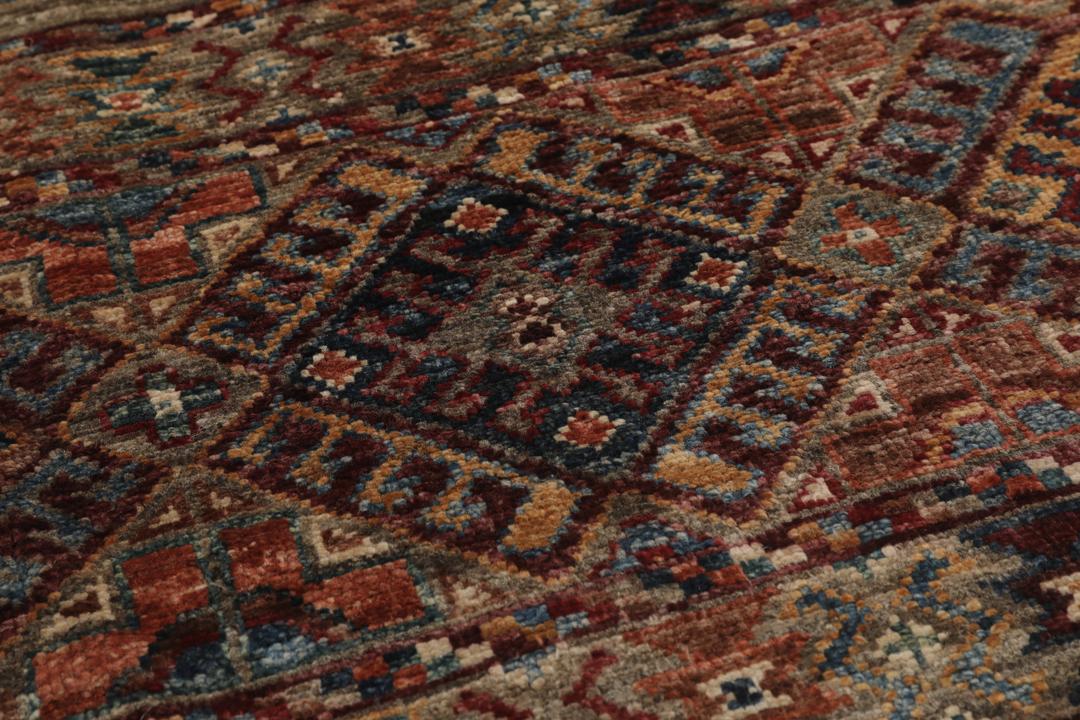
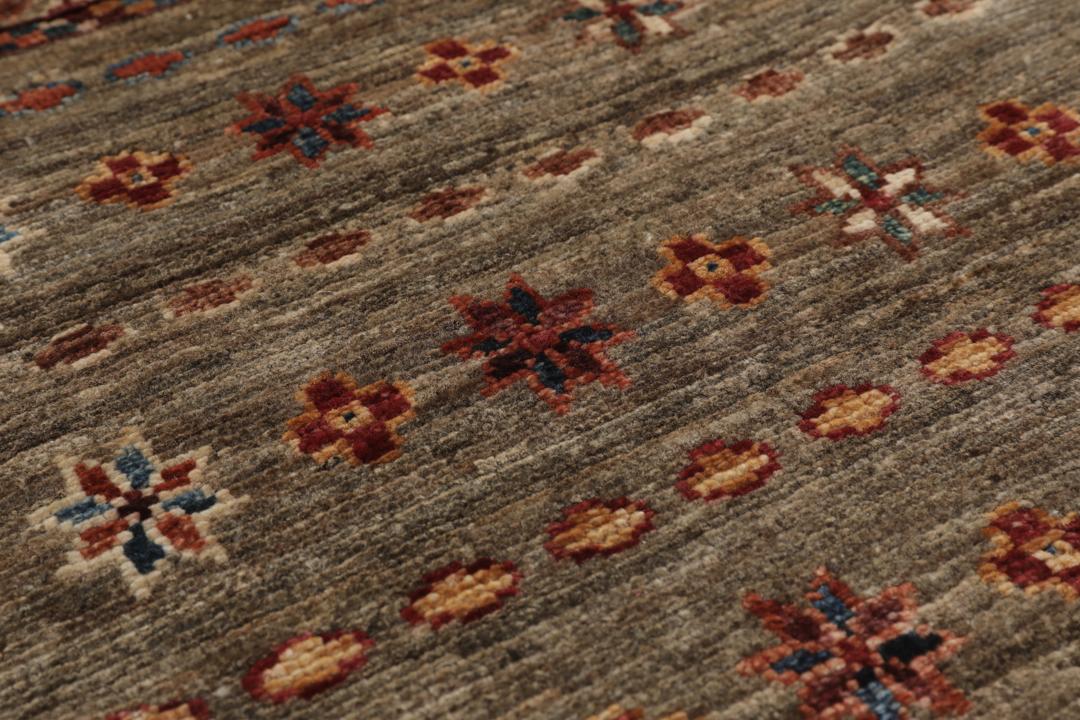
Visually, these rugs are defined by their rich, earthy palettes and geometric motifs that often carry symbolic meaning related to the daily lives and beliefs of the weavers. The use of repeating patterns and decorative borders creates a sense of harmony and balance. While traditional themes are common, the hand-crafted nature of these rugs means that small variations in colour and pattern are expected, lending each piece its own individual personality.
Owning an Afghan rug is more than just a decorative choice, it is an appreciation of a craft that survives in a modern world. These pieces are highly valued by collectors for their authenticity and the skill required to produce them. By bringing one into your home, you are connecting with a long lineage of artisans and preserving a cultural practice that prioritises quality and human touch above all else.