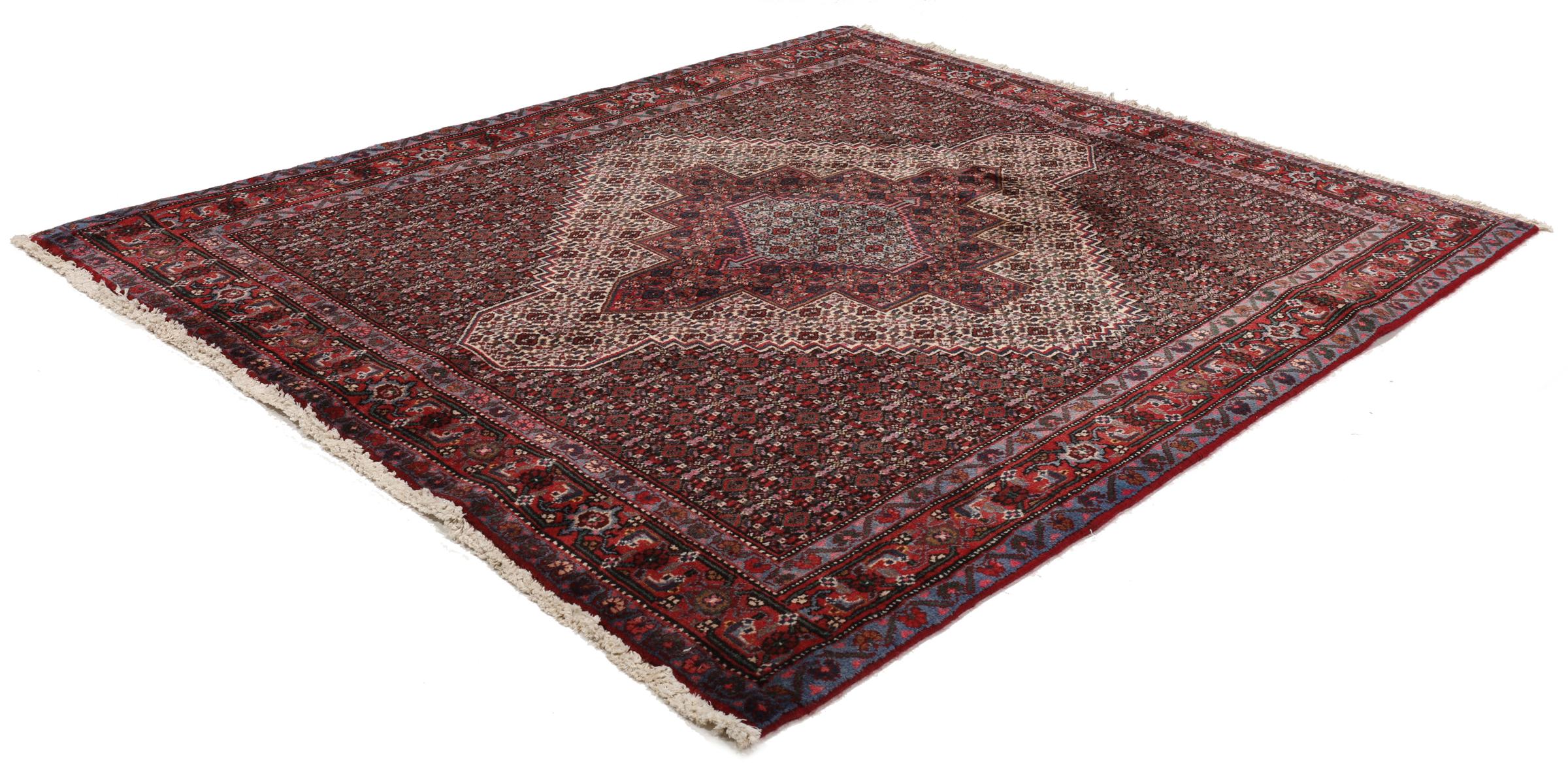
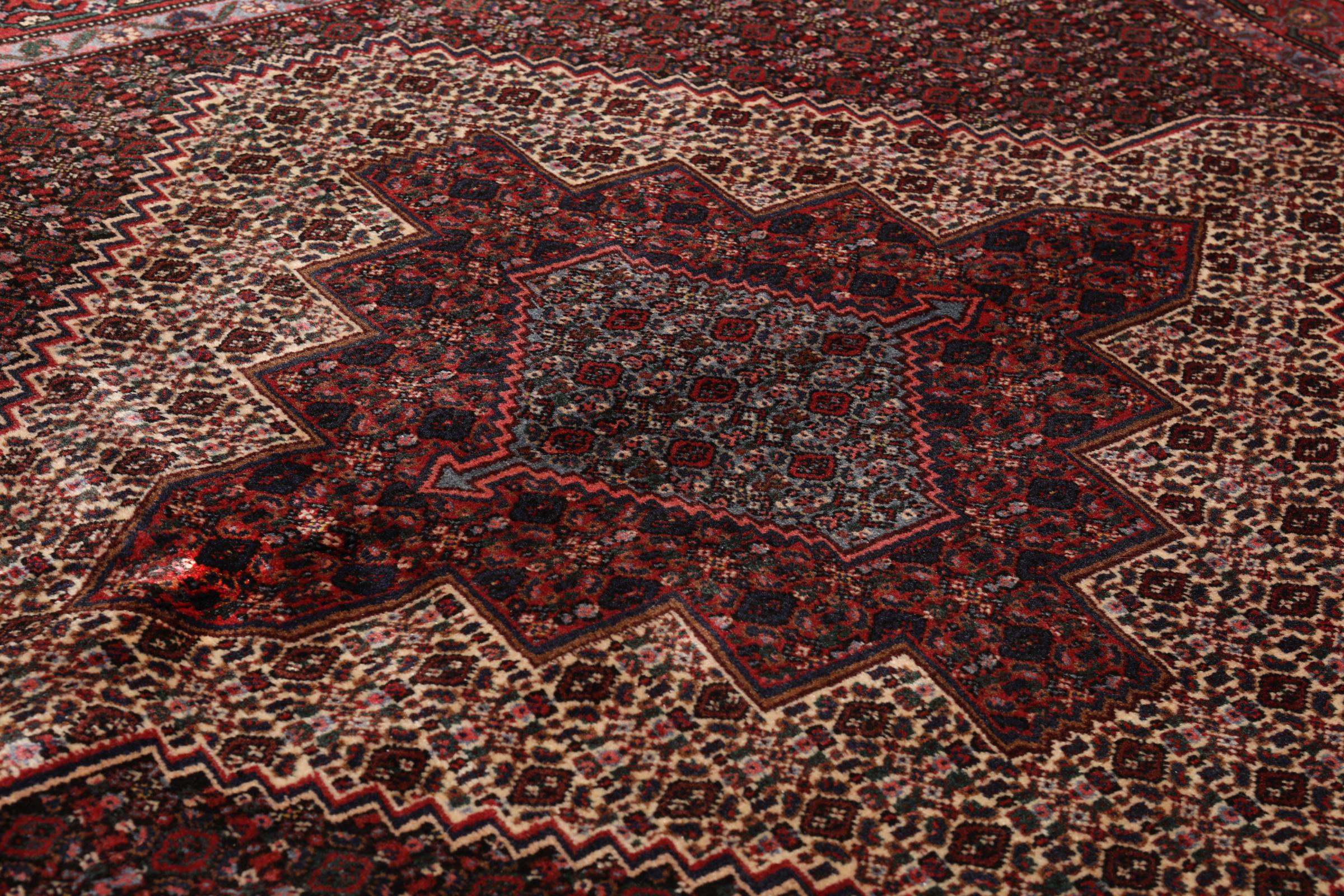
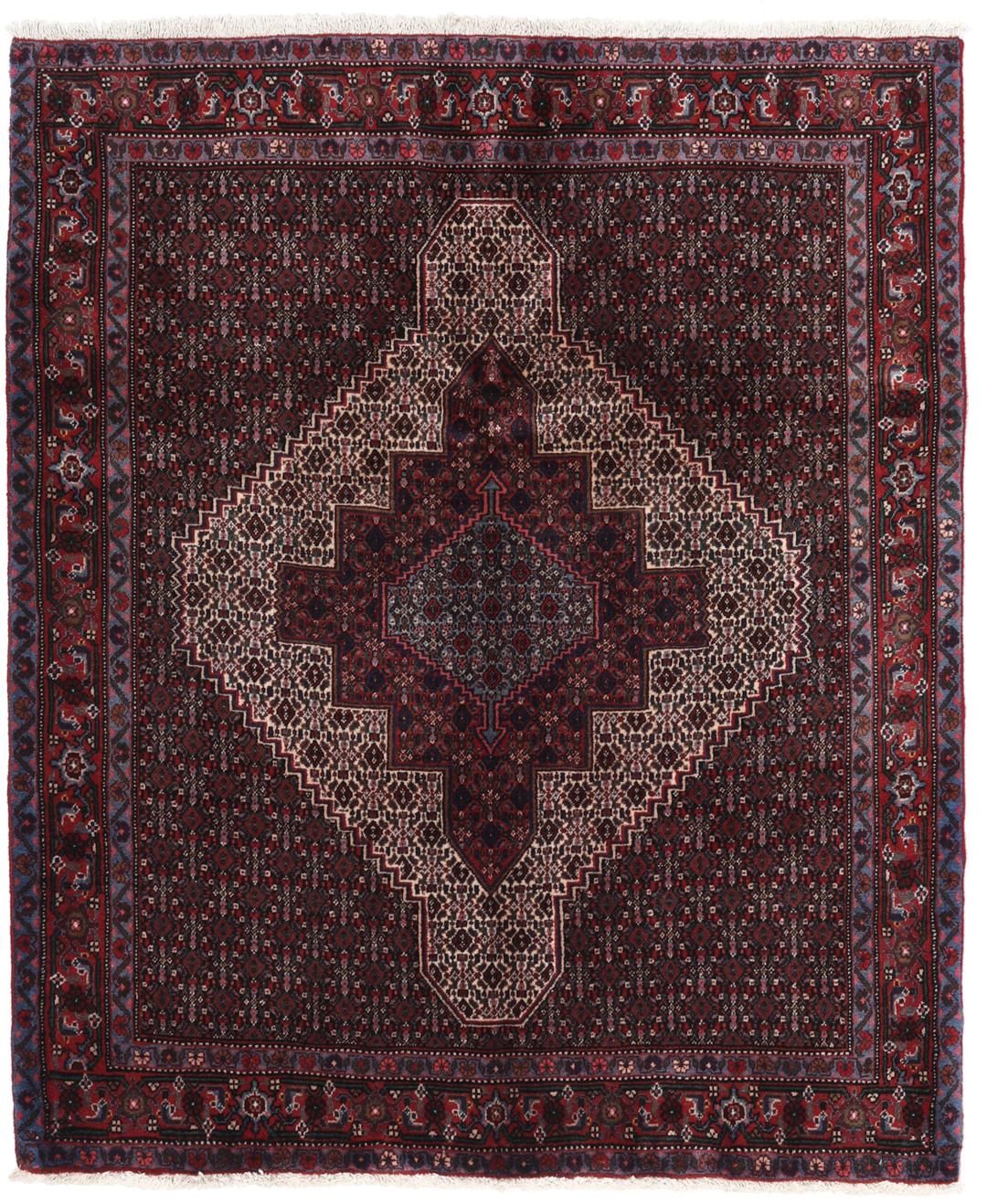
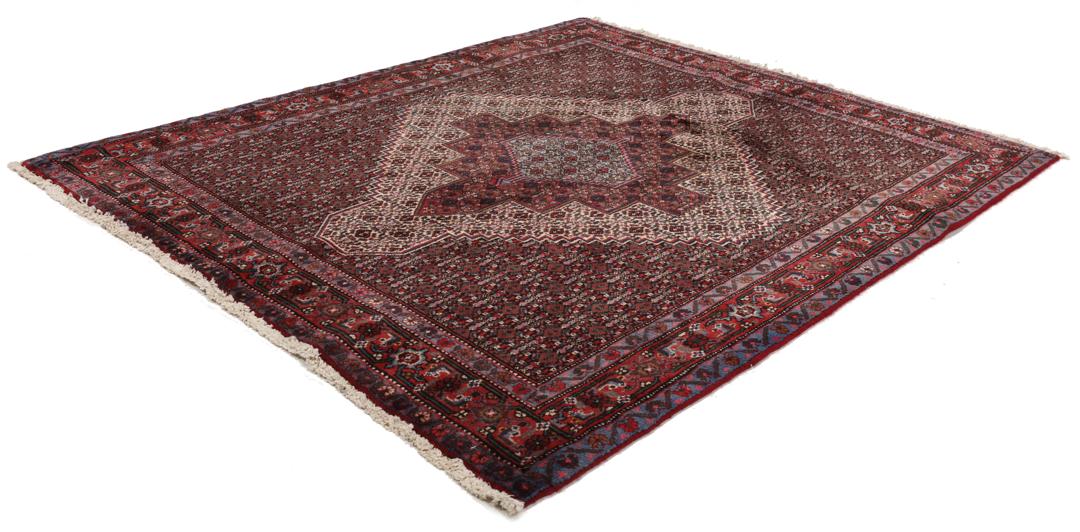
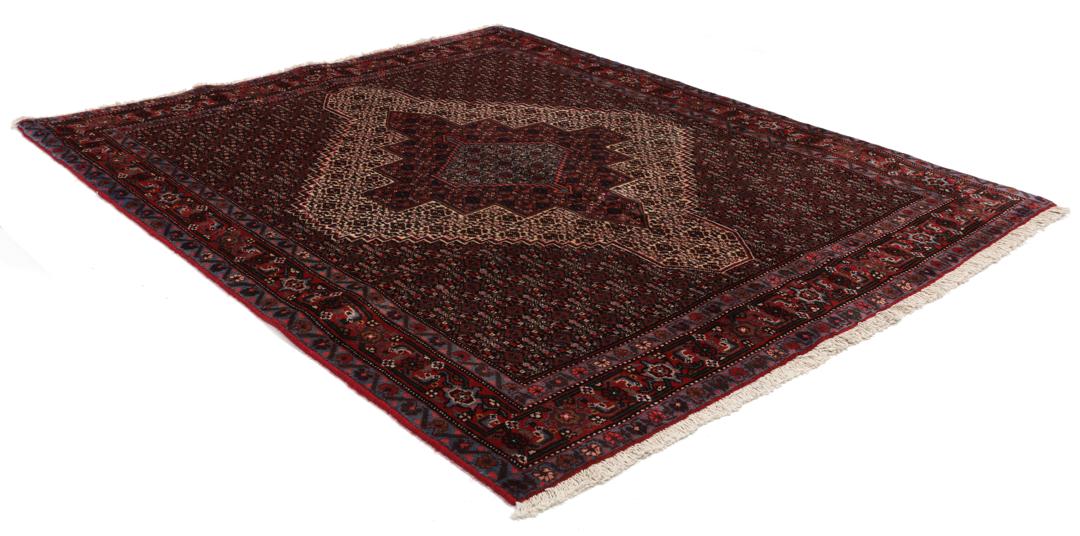
Senneh rugs originate from the region surrounding the city of Sanandaj, historically known as Senneh, located in the mountainous areas of the Middle East. This region has long been a center for sophisticated weaving, known for a style that balances intricate, fine detail with a grounded, tribal aesthetic. The weavers here have developed a unique visual language that distinguishes their work from other famous weaving centres in the region.
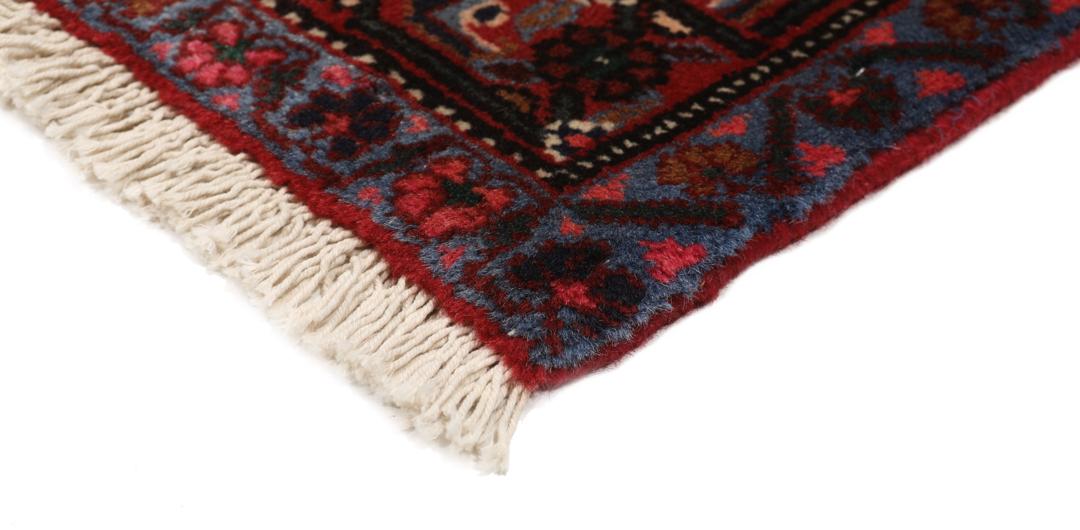
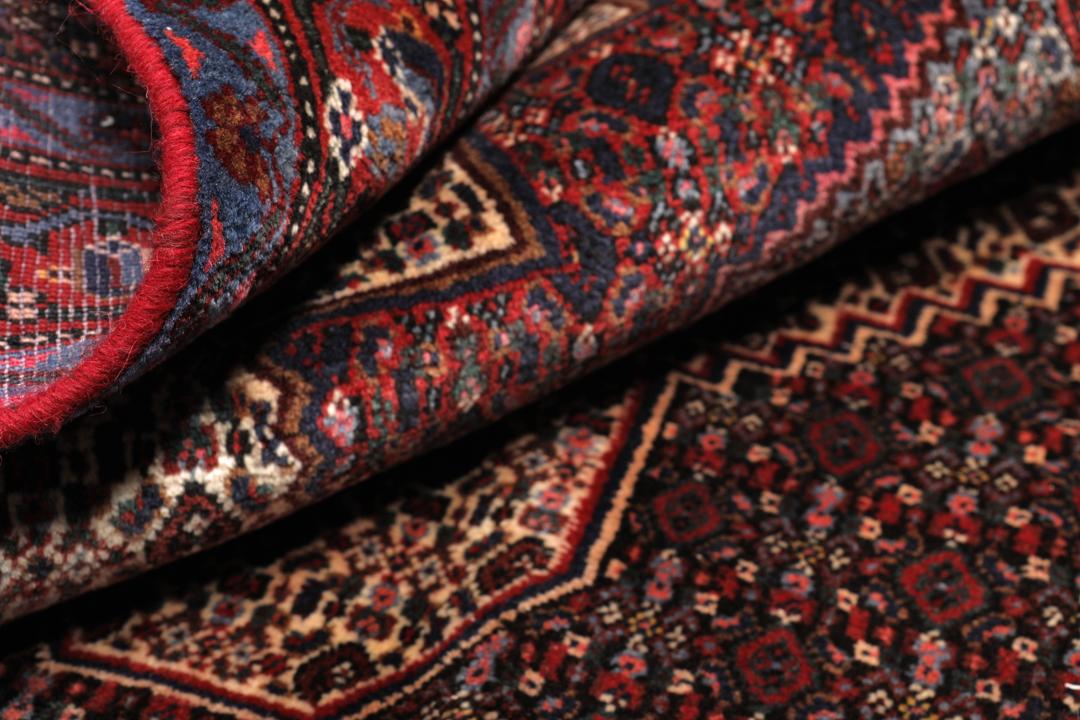
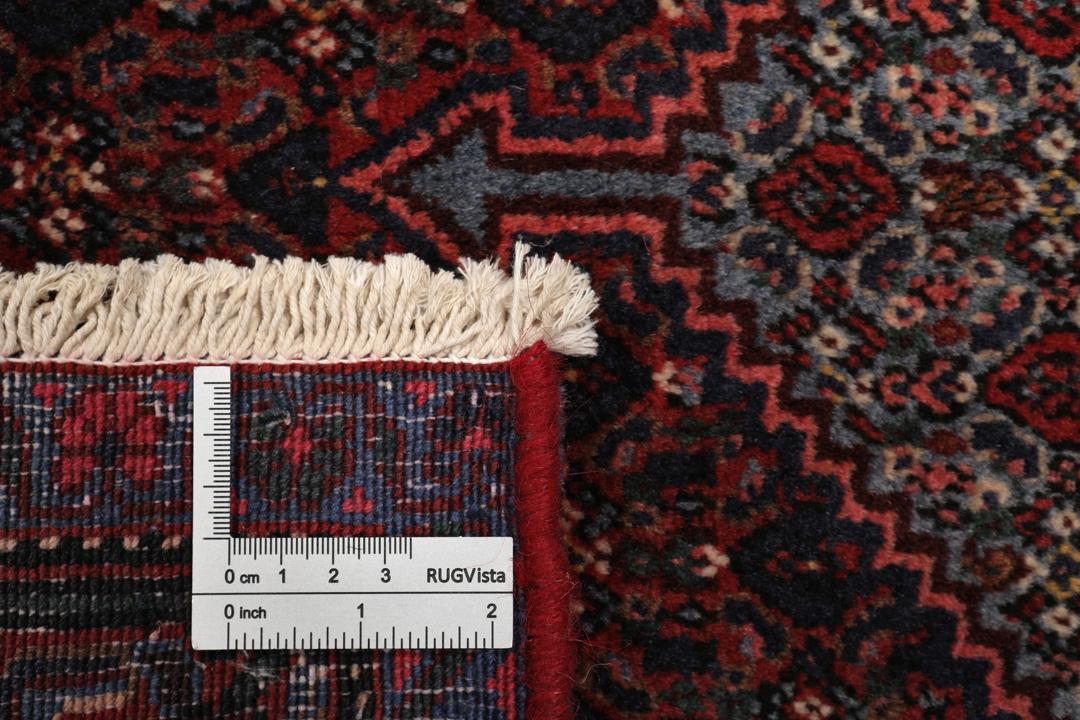
The term Senneh refers to a specific, highly skilled method of weaving that often utilizes a single-weft construction. This technique allows for a thinner, more flexible rug that is nonetheless remarkably durable. The result is a pile that feels distinctively smooth and refined, allowing for the creation of complex, curvilinear designs that require a high level of control and technical mastery from the weaver.
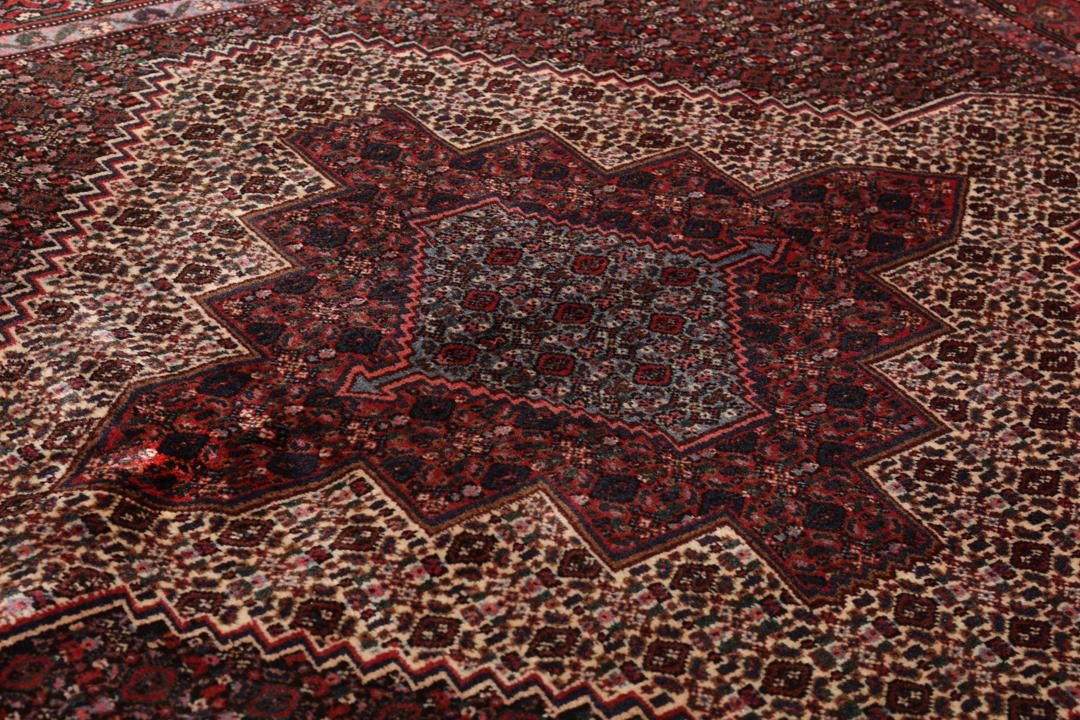
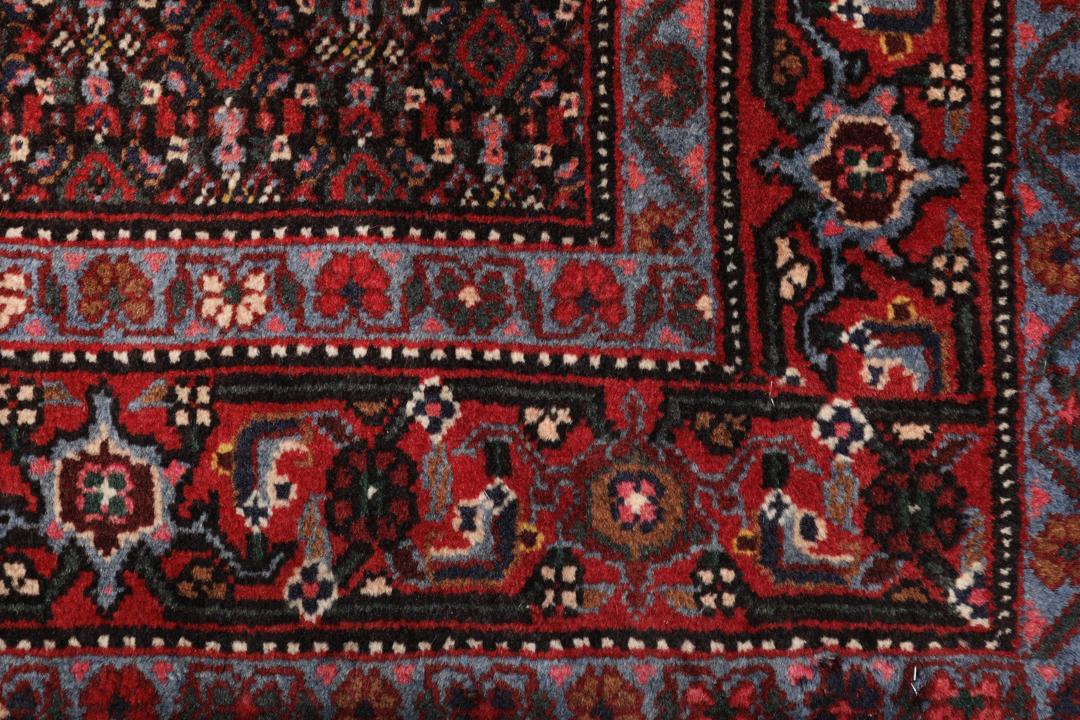
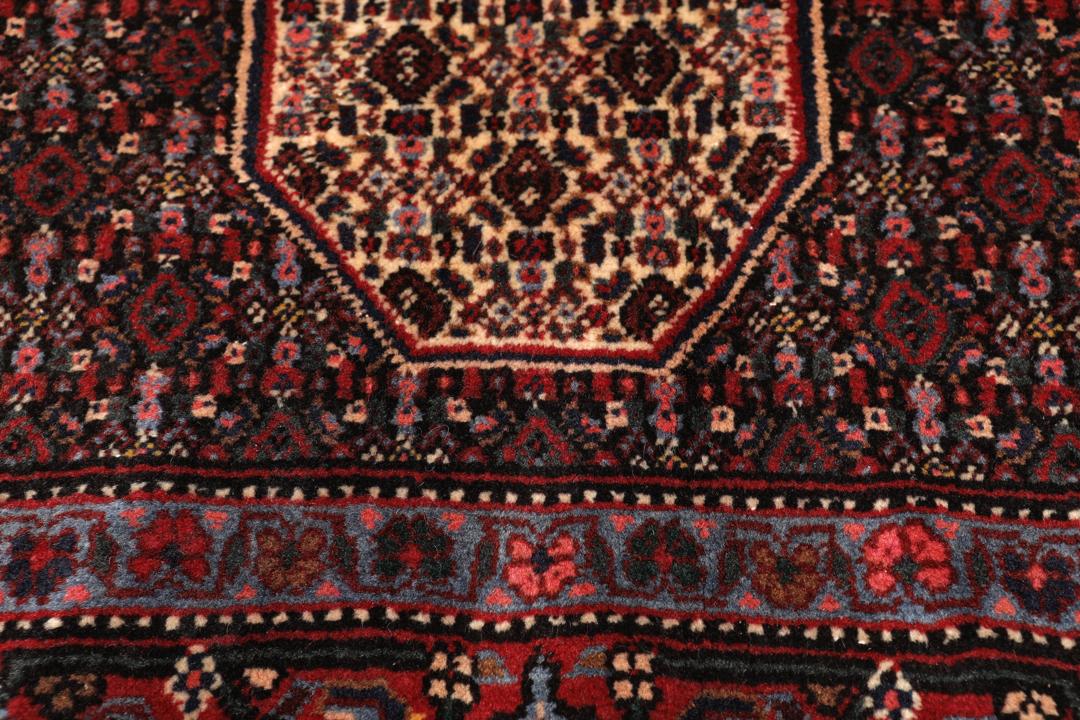
The signature design elements of a Senneh rug often include the iconic herati pattern, a floral motif consisting of a central flower surrounded by four leaves, which is frequently repeated across the field in a hypnotic, rhythmic fashion. Borders are typically formal and balanced, often mirroring the elegance of the central field. While traditional dark-red and deep blue tones are common, each rug often features unique colour combinations that reflect the creative spirit of the artisan who made it.
Collectors value Senneh rugs for their exceptional balance between artistic expression and technical excellence. Owning a piece from this tradition is an opportunity to acquire a work of art that carries the weight of centuries of textile history. These rugs are highly regarded for their ability to maintain their beauty and structural quality, making them prized possessions that represent a deep connection to the skill and heritage of Middle Eastern weaving.